Skip to content
Recipes

All recipes

Vegetarian, or something you can't eat? Set your diet once and we'll hide recipes that don't fit.

Ají amarillo pasteYellow chilli paste

In Lima's markets ají amarillo is sold fresh all year, and most Peruvian cooks keep a tub of this paste in the fridge the way others keep tomato purée: it is the golden base of causa limeña, ají de gallina, papa a la huancaína, chupe and the sauce for tiraditos. The chillies are seeded, de-veined and blanched in three changes of water, which tames the heat and the raw grassiness, then peeled and blended with oil into a thick, silky, saffron-orange paste. It tastes fruity and sunny, almost like apricot and passion fruit, with a rounded, medium heat. Abroad, buy whole frozen ají amarillo from Latin grocers; dried ají mirasol, soaked, gives a darker, earthier paste. Common mistake: skipping the peeling; the thin skins leave papery flecks and a bitter edge. It is ready when it is completely smooth and holds a soft peak like thick hummus. This is a low-acid paste: keep it in the fridge for a week or freeze it, never on the shelf. Chef's tip: freeze it in an ice-cube tray; one cube is about a tablespoon, just right for a pot of ají de gallina.

by KrazyBadal 0 views

BusecaTripe and white bean stew

Buseca arrived in Montevideo with Italian immigrants from Lombardy and became a classic winter dish of Uruguayan bodegones and family kitchens, eaten on cold June and July days. Honeycomb tripe is simmered until tender, then stewed with white beans, pork chorizo, bacon, peppers, tomato and paprika into a thick, warming stew served with crusty bread. Buy tripe that is already cleaned and blanched (dressed). The usual mistake is undercooking the tripe: it needs a full 2 hours, until it's soft enough to cut with a spoon. Slow-cooker option: after step 4, cook on low for 8 hours. Chef's tip: a little grated lemon zest and parsley stirred in at the end lifts the rich, gelatinous sauce.

by KrazyBadal 0 views

Morcilla dulceSweet blood sausage with walnuts

No Uruguayan parrilla is complete without morcilla dulce: a soft pork blood sausage sweetened with sugar and scented with orange peel, studded with walnuts and raisins, grilled until the skin crisps and served first, as part of the achuras, while the beef is still cooking. It is pork throughout: pork blood, pork back fat and natural pork casings. Making it at home is a project. Buy fresh pork blood with an anticoagulant added from a butcher who supplies it for sausage making, keep it chilled below 4 °C and use it within a day. The common mistake is poaching at a rolling boil, which bursts the casings. Chef's tip: keep the water at 80–85 °C, just shivering, and prick a sausage after 25 minutes: it is done when brown, not red, juice comes out.

by KrazyBadal 0 views

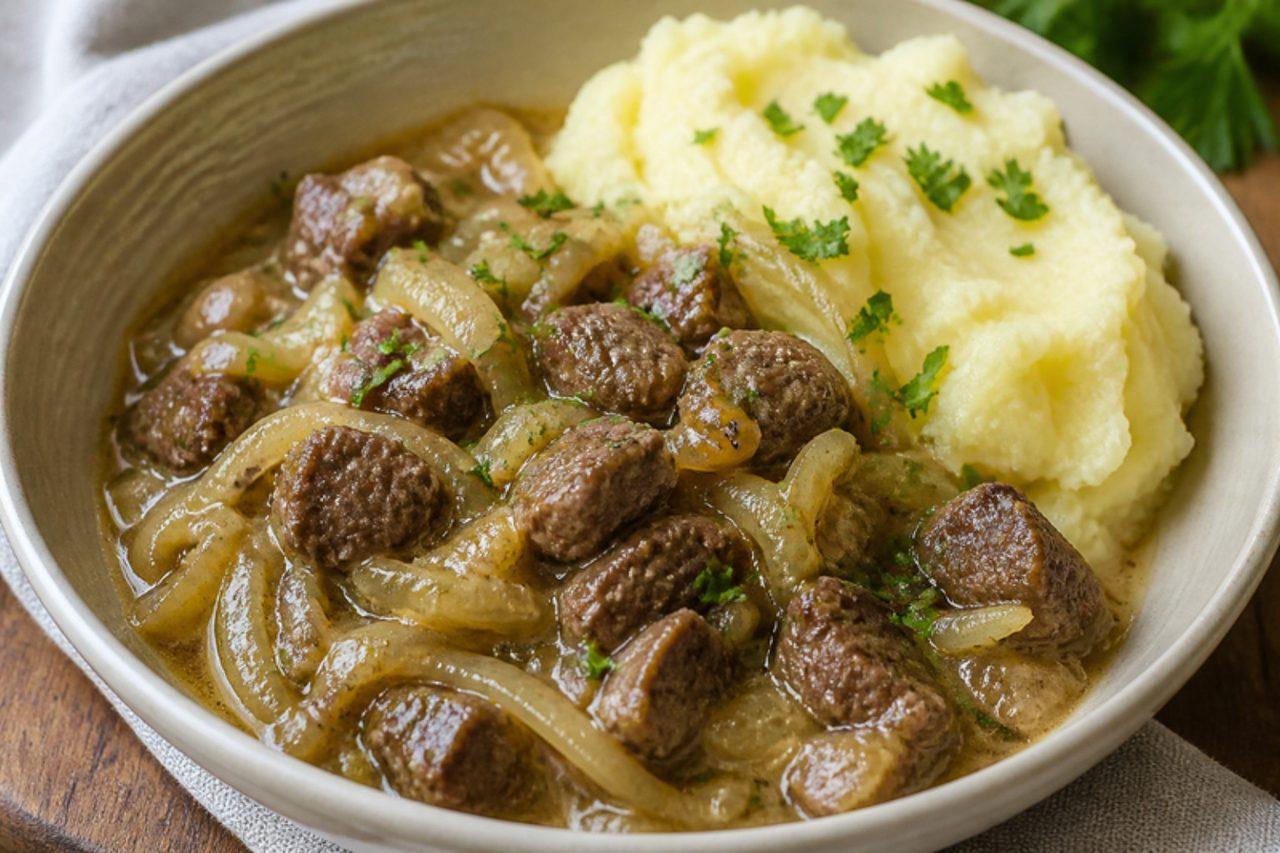
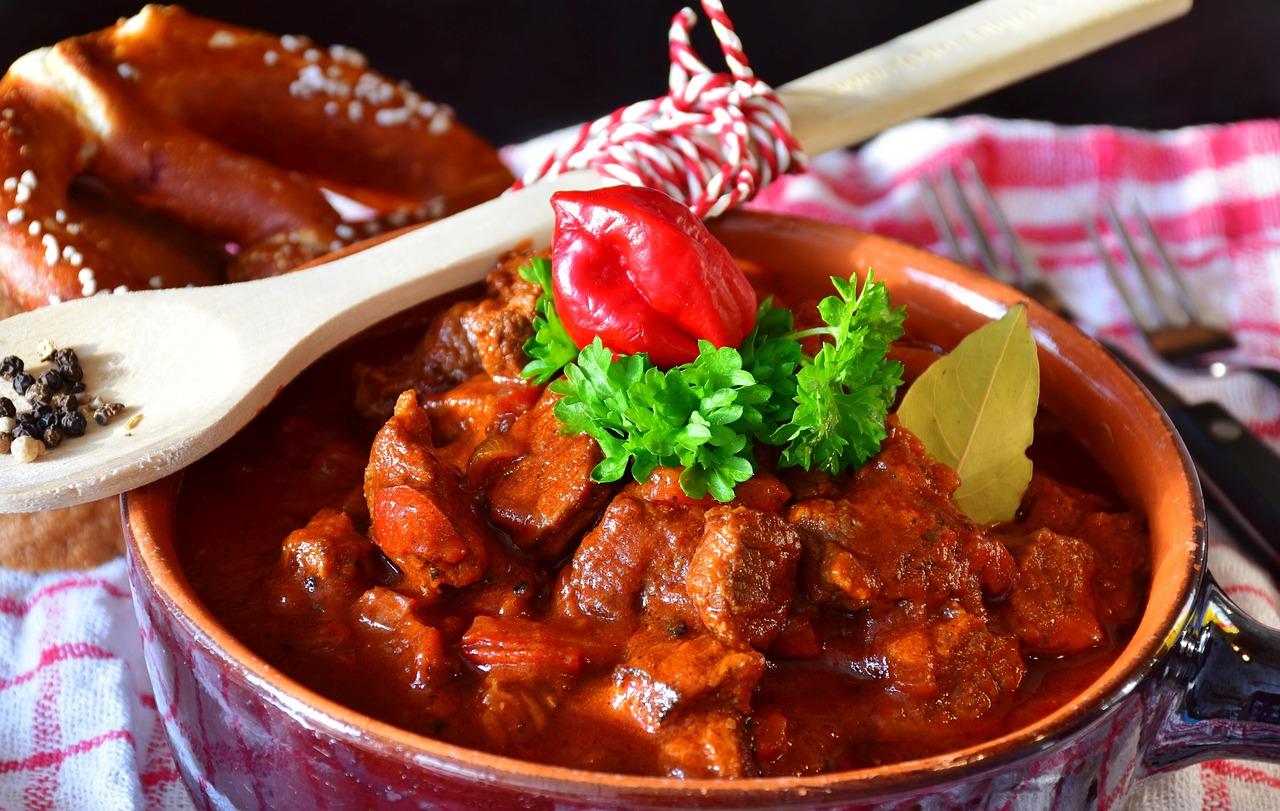
Hadžijski ćevapBeef and onion stew with vinegar

Named for the hadžije, pilgrims returning from Mecca who were welcomed home with a feast, this Bosnian stew is nothing like grilled ćevapi: cubes of beef are slowly braised with an almost equal weight of onions, garlic, paprika, black pepper and a good splash of vinegar until the onions melt into a sweet-sour gravy. In Sarajevo it is served in a clay pot with mashed potato or rice, and it tastes even better the next day. The usual slip is skimping on onions; they are the sauce. Chef's tip: add the vinegar in two stages, half at the start to tenderise and half at the end for brightness.

120 minBalkanMeatGluten free
by KrazyBadal 0 views

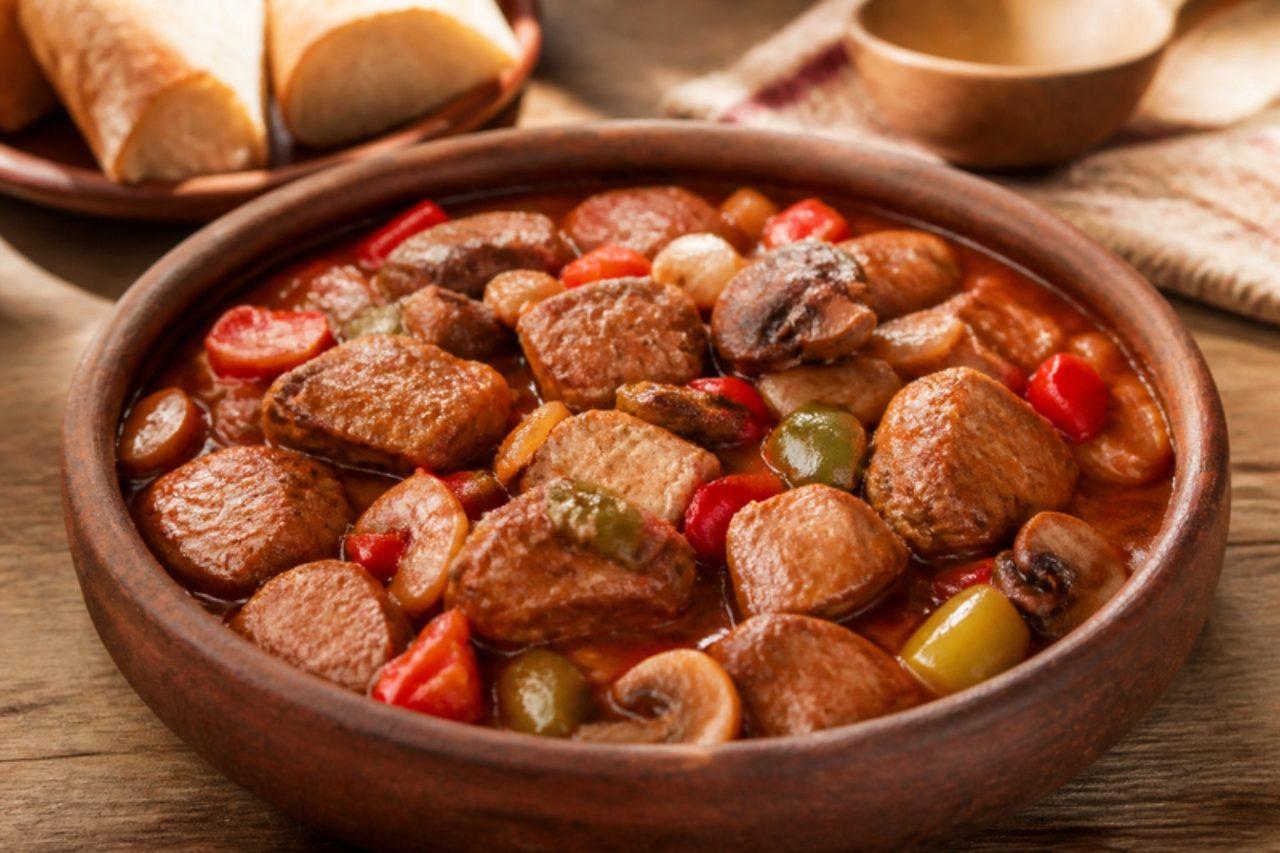
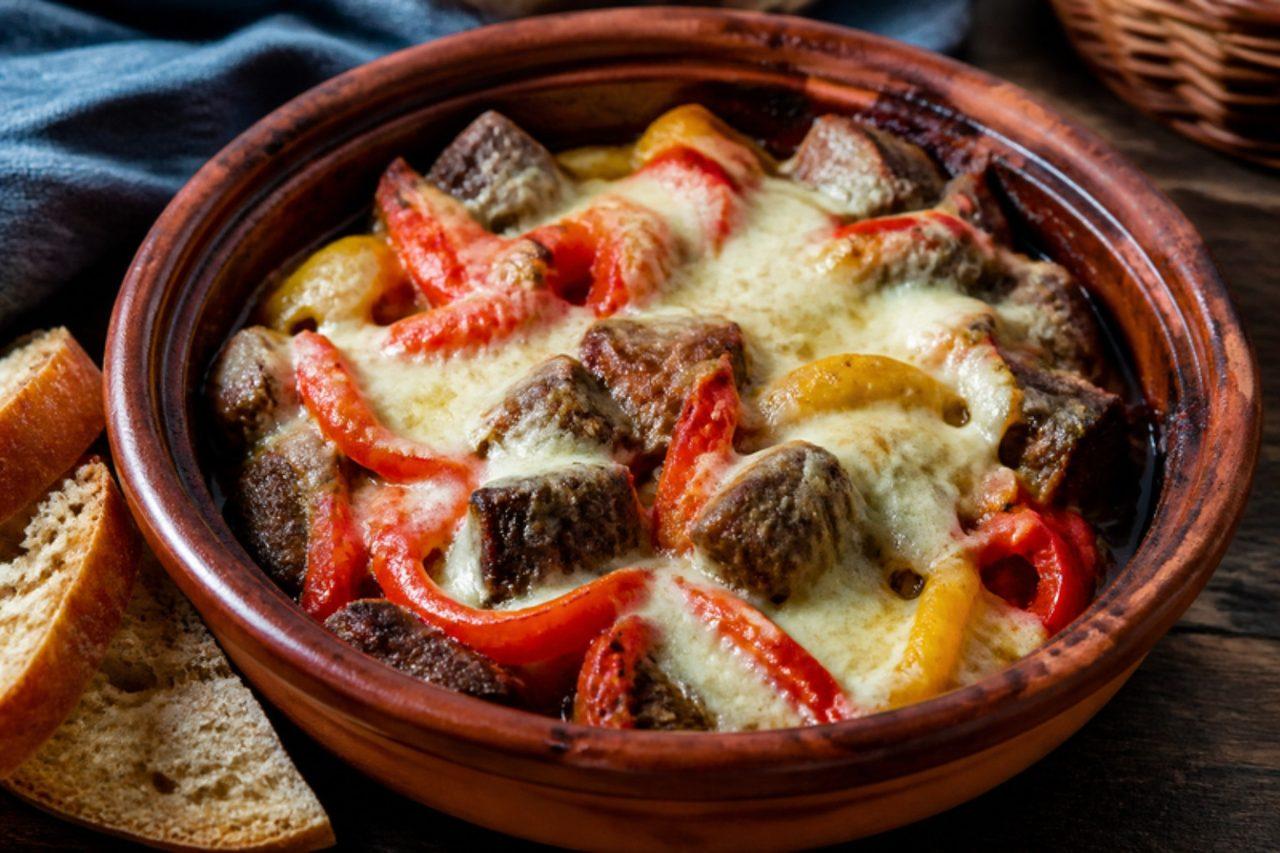
Selsko mesoPork, mushroom and pepper clay pot

Every mehana, the traditional tavern, in North Macedonia has selsko meso on its menu, brought sizzling to the table in an earthenware pot: chunks of pork browned with onion, mushrooms and peppers, spiced with paprika and baked until the sauce thickens around the meat. It is pork-based, rich and peppery, and is eaten with fresh bread, a shopska salad and a dollop of yogurt for those who take dairy. Where most people go wrong is crowding the pan, so the mushrooms stew grey instead of browning. Chef's tip: fry the mushrooms on their own first in a hot pan until golden, they bring a deep, almost meaty flavour.

90 minBalkanMeatGluten free
by KrazyBadal 0 views

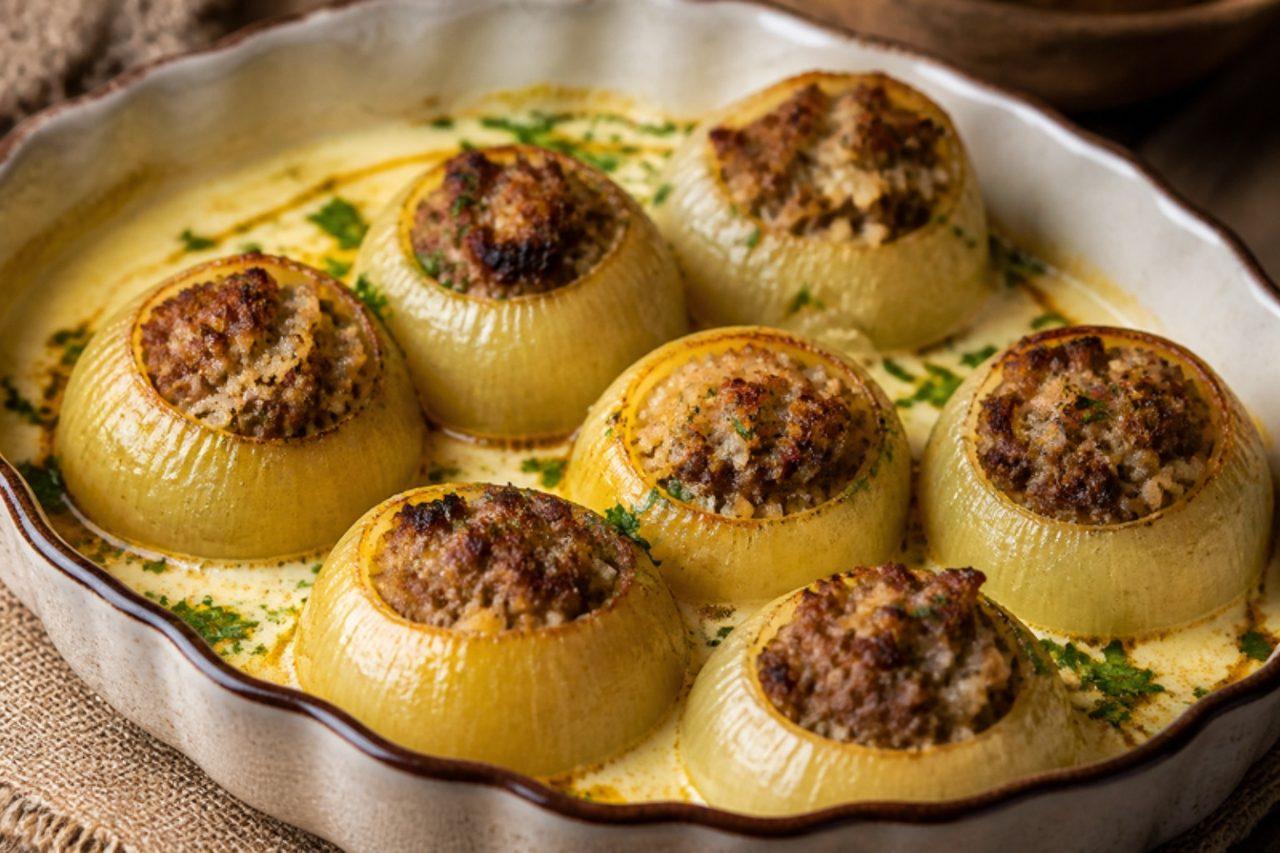
Sogan dolmaStuffed onions

Sarajevo's grandmothers make sogan dolma in summer, when the onions are sweet and juicy: whole onions are blanched, their layers peeled apart, and each shell is filled with spiced beef mince and rice, then baked until soft and caramel-edged and finished with a tangy sour cream sauce. In Bosnia and Herzegovina they are a dish for Ramadan iftar tables and family Sundays, eaten with bread to mop up the sauce. Where most people go wrong is not blanching the onions long enough; the layers tear instead of slipping apart. Chef's tip: chop the small inner hearts you cannot stuff and fry them into the filling, so nothing is wasted.

120 minBalkanMeatGluten free
by KrazyBadal 0 views

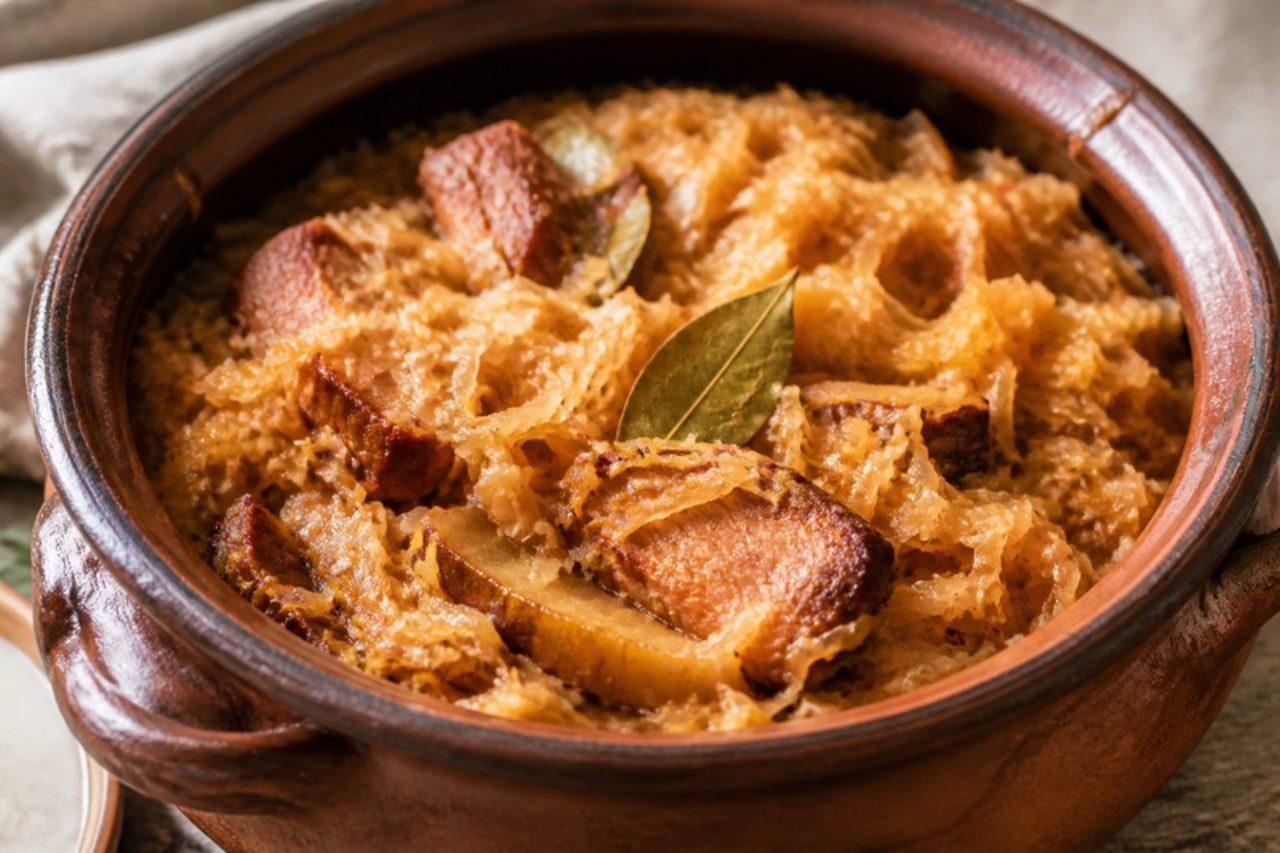
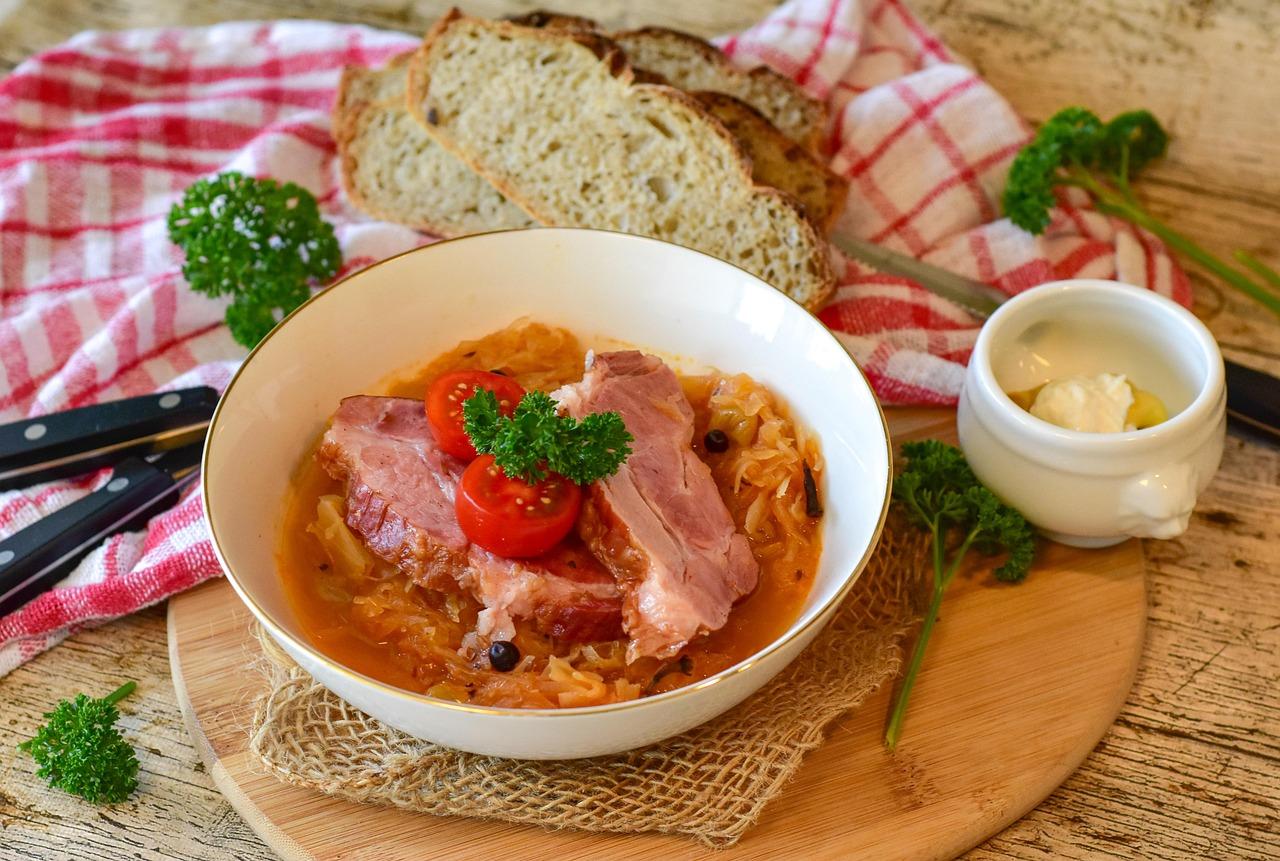
Svadbarski kupusSauerkraut and smoked pork stew

Wedding cabbage is cooked by the cauldron in central Serbia, and the village of Mrčajevci near Čačak holds a whole autumn festival in its honour, with cooks competing over clay pots that have bubbled in the embers since dawn. Sauerkraut is layered with smoked pork ribs, smoked bacon, pork shoulder and beef shin, then left alone for hours until the meat collapses and the cabbage turns soft, smoky and sour-sweet. This version goes into a low oven in a clay pot or heavy casserole. Serve it with bread, hot dried chillies and a glass of cold water. Hurrying it in a hot oven is the commonest error; at 200 °C the kraut dries and the meat tightens, while 150 °C and patience give silky results. Chef's tip: it is even better made a day ahead; cool, refrigerate and reheat covered until bubbling hot all the way through.

360 minBalkanMeatGluten free
by KrazyBadal 0 views

Tavë dheuLamb liver and pepper clay pot

The name means 'earthenware dish', and in Tirana's traditional restaurants tavë dheu arrives bubbling in its clay pot: tender pieces of liver cooked with peppers, tomato and garlic, then baked under a creamy blanket of gjizë, the Albanian salted curd cheese, until it browns. It is rich and tangy, a classic hot meze and lunch dish in Albania, eaten with plenty of bread. A common mistake is frying the liver too long before baking, which makes it tough and grainy. Chef's tip: soak the liver in milk in the fridge for 30 minutes before cooking; it softens any bitterness.

45 minBalkanMeatGluten free
by KrazyBadal 0 views

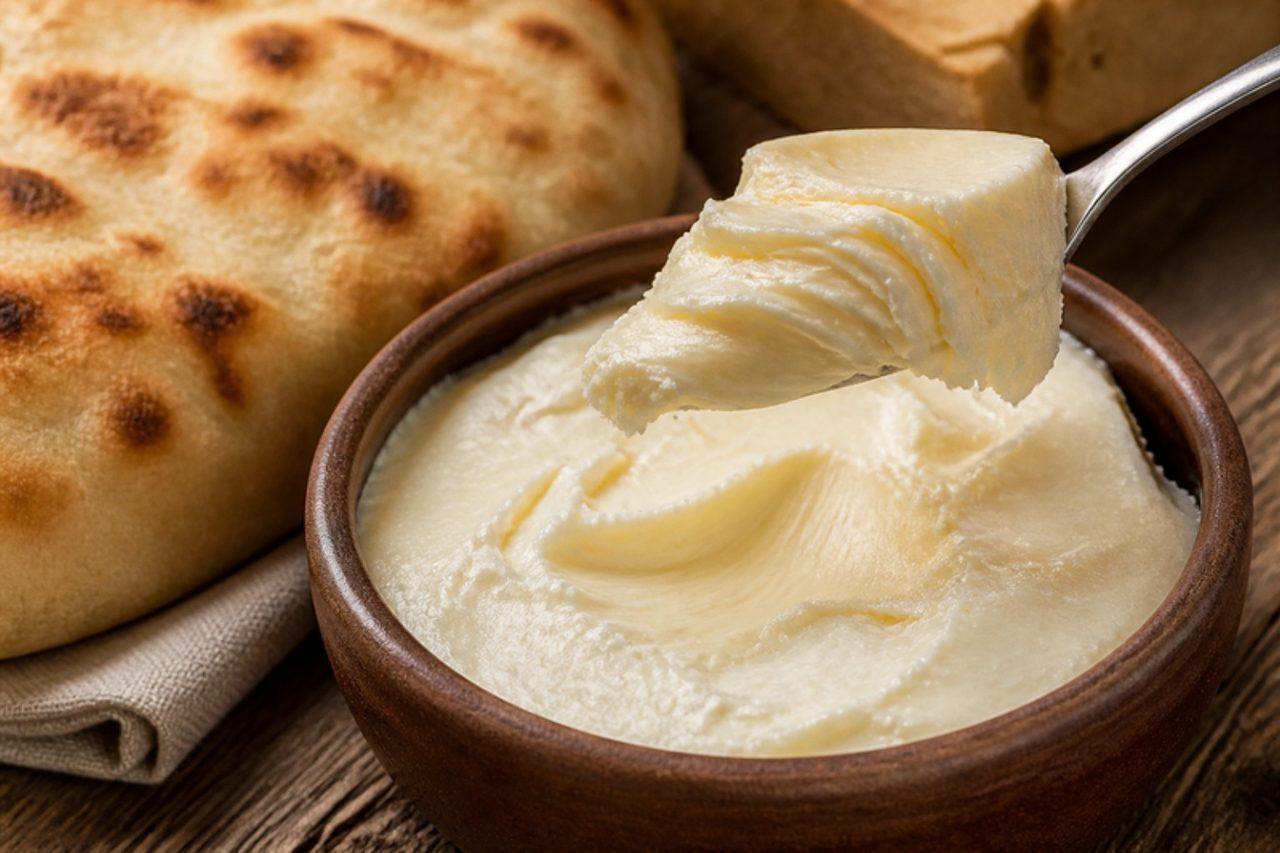
KajmakClotted milk cream

At the Zlatibor and Čačak markets, women sell kajmak from wide tubs, cut in soft ivory folds that taste of cooked milk, butter and a little salt. It is made by slowly heating rich milk, letting it settle in shallow pans and lifting off the thick skin that forms as it cools, then layering those skins with salt. This home version uses pasteurised milk and cream and stays in the fridge throughout; the long-aged, raw-milk kajmak of the villages is not something to copy at home. Spread it on warm lepinja or proja, or stir it into hot potatoes. A common mistake is letting the milk boil: the bubbles tear the skin and you end up with flecks instead of a thick sheet. Chef's tip: keep the skimmed milk left underneath for porridge, proja or pancakes; nothing goes to waste.

1440 minBalkanBasicsGluten free
by KrazyBadal 0 views

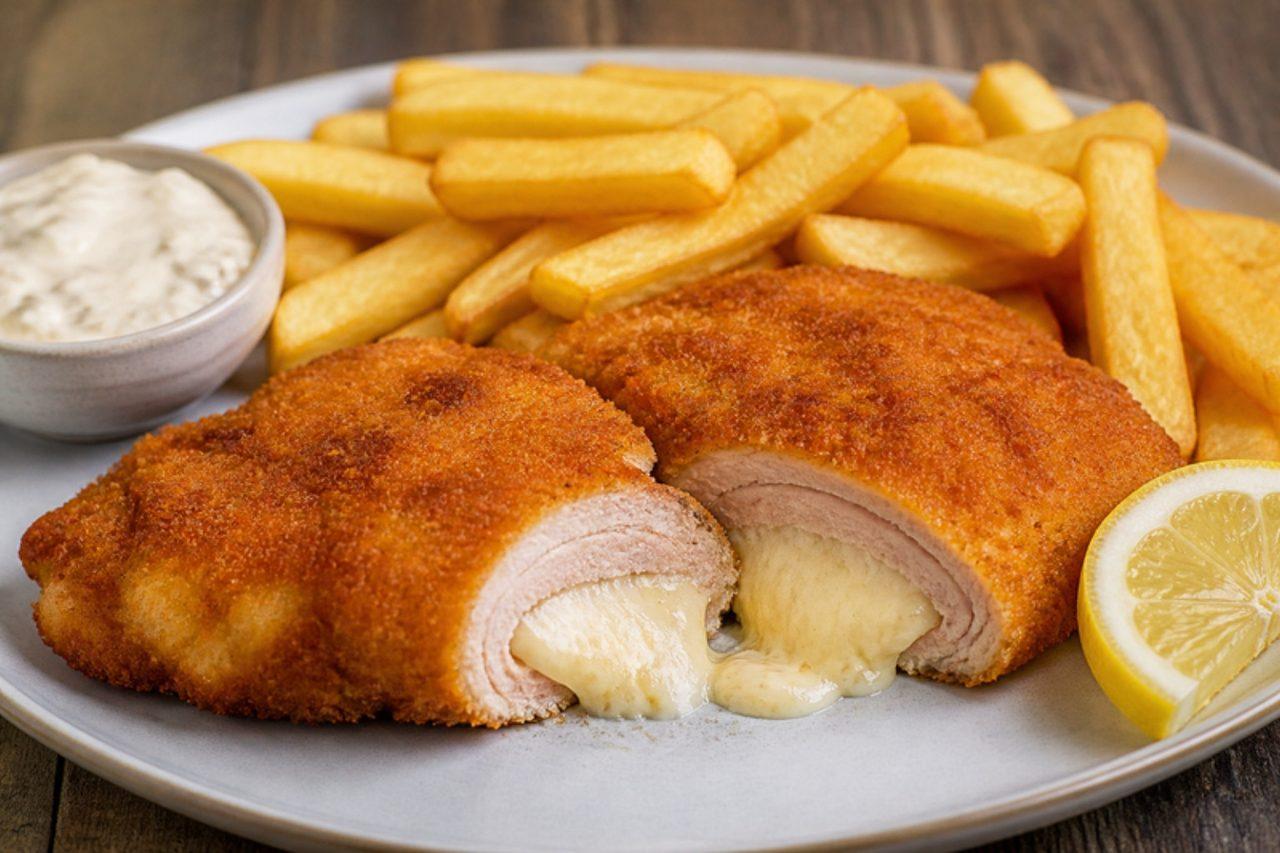
Karađorđeva šniclaBreaded stuffed pork roll

Belgrade restaurants have served this since a local chef created it in the mid-20th century, naming it after Karađorđe, leader of the First Serbian Uprising; diners fondly call it the maiden's dream. A thin pork escalope (veal is the other classic) is spread with kajmak, Serbia's rich, slightly tangy clotted cream, rolled tight, double-breaded and fried into a golden log that oozes when cut. It comes with chips or roast potatoes, a lemon wedge and tartar sauce. If you can't find kajmak, beat cream cheese with a little soft butter and a pinch of salt. Rolling it loosely is the mistake that ruins it, because the cream escapes into the oil; roll tightly and chill before breading. Chef's tip: fry only until golden, then finish in the oven, so the crumb stays crisp while the pork cooks through to the centre.

60 minBalkanMeat
by KrazyBadal 0 views

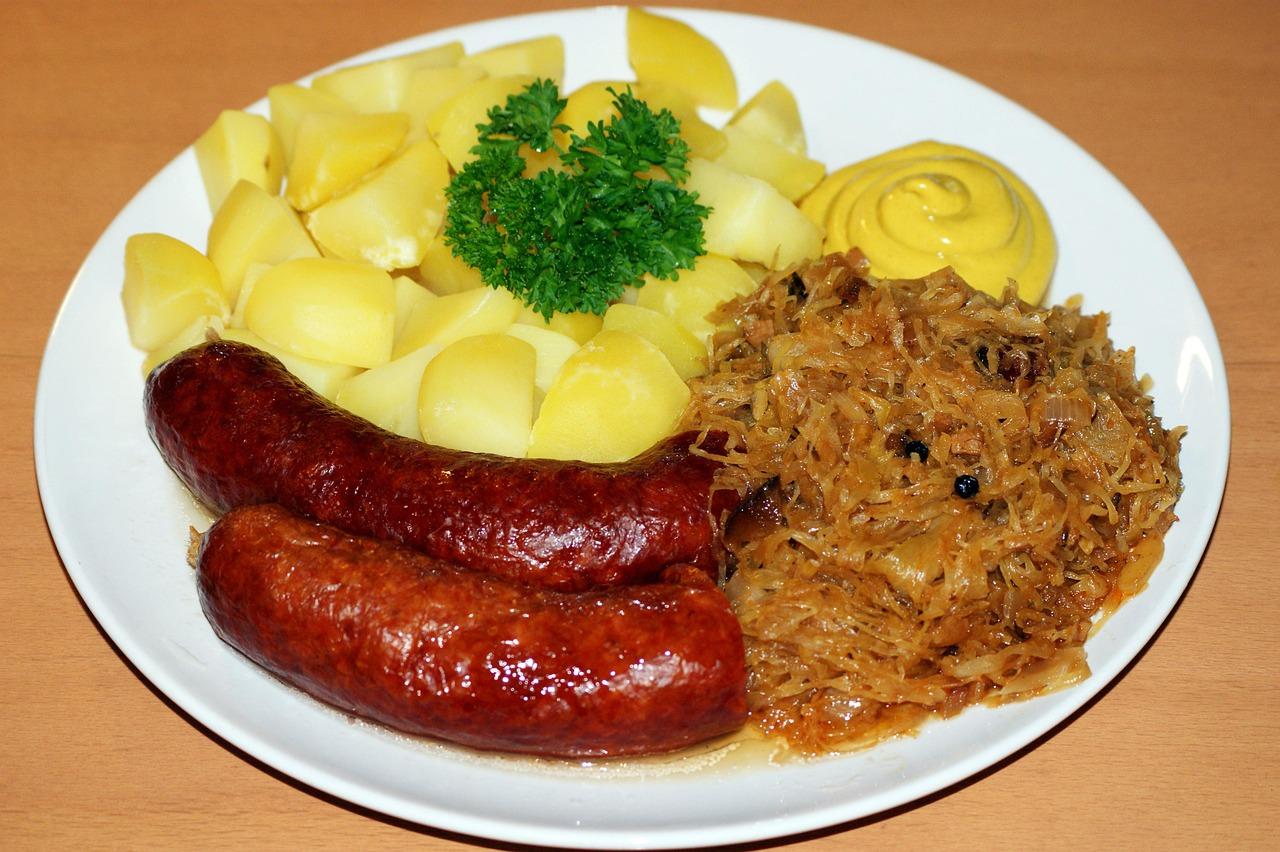
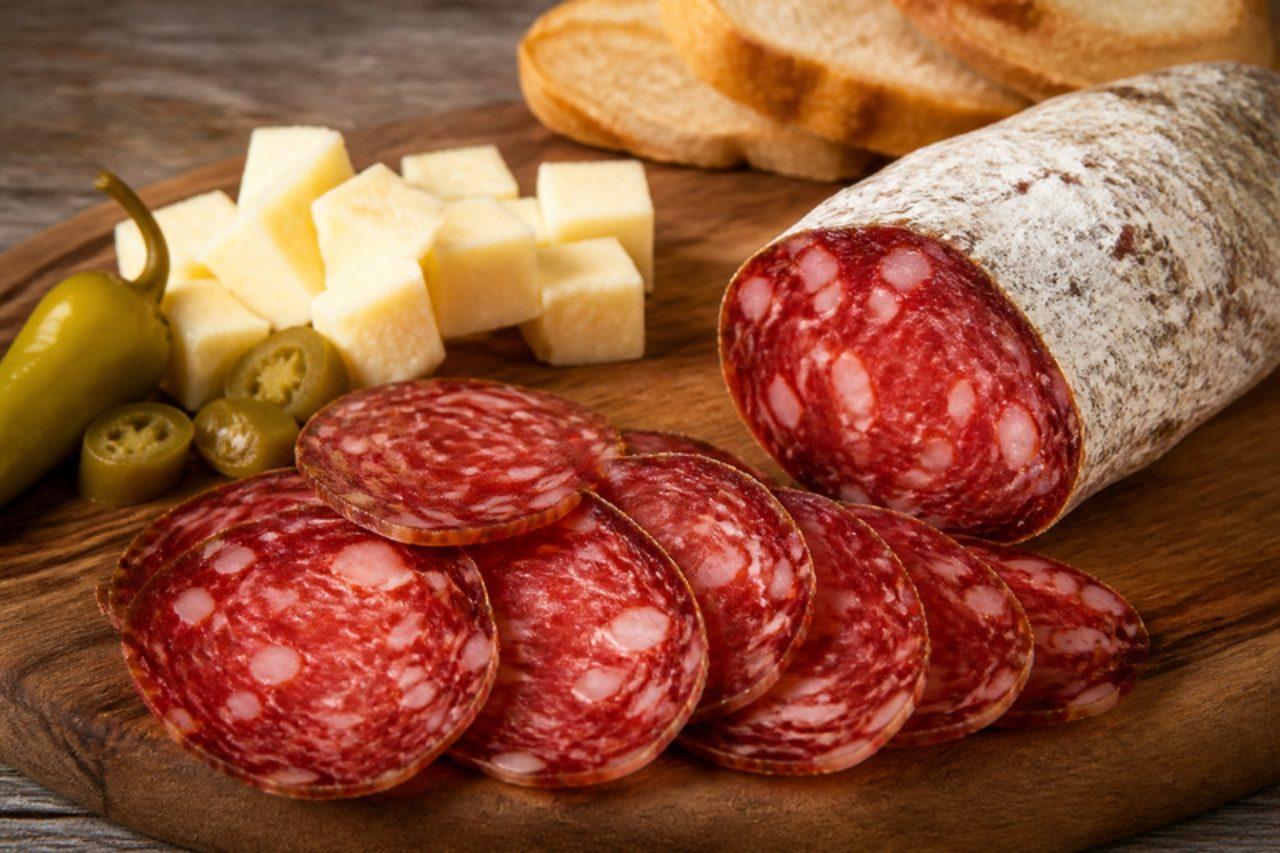
Kranjska klobasaSmoked pork sausage

Slovenians eat Carniolan sausage everywhere, from the stalls of Ljubljana's market to mountain huts and the ski slopes: a coarse, garlicky pork sausage, smoked until bronze, then heated in water and served with mustard, freshly grated horseradish and bread. Made with pork shoulder and back fat chopped rather than finely minced, it snaps when you bite it and spills juice. The official sausage uses curing salt for its pink colour; this home version leaves it out, so the inside is pale, and it is hot-smoked until fully cooked, so it is safe to eat. A common mistake is boiling the sausages to reheat them; they split and dry out, so keep the water just below a simmer. Chef's tip: cut the meat and fat by hand into small dice for some of the mix, it gives the classic chunky bite.

240 minBalkanMeatGluten free
by KrazyBadal 0 views

PodvarakSauerkraut baked with pork shoulder

On Serbian winter tables, at Christmas, slava feast days and Sunday lunch in Vojvodina farmhouses, podvarak is the sauerkraut that has drunk up the roast. Shredded fermented cabbage is fried with plenty of onion and paprika, then baked under pieces of pork shoulder (turkey is the other favourite) until the top of the kraut caramelises and the meat falls from the bone. It is sharp, sweet and savoury at once; serve it with mashed potato or bread and pickled peppers. Fry in lard for the old-fashioned flavour or sunflower oil if you prefer. Baking it dry is the common mistake: the cabbage needs water and a tight cover first, or the edges scorch before it softens. Chef's tip: uncover for the last 40 minutes and baste the meat; the sticky, browned edges of the kraut are the prized bit.

150 minBalkanMeatGluten free
by KrazyBadal 0 views

KulenPaprika and garlic pork sausage

In Slavonia, eastern Croatia, kulen is the prize of the winter pig slaughter: lean pork, plenty of hot paprika and garlic packed into a thick casing and then smoked and air-dried for months until firm and brick-red. Long home dry-curing needs controlled rooms and curing salts, so this recipe makes a safer fresh kulen-spiced pork sausage, rested overnight in the fridge and cooked through to 71 °C. If you want the real cured kulen, buy it sliced from a good deli; it is eaten uncooked, so it is not for pregnant women, young children or anyone with a weakened immune system. Serve the fresh sausages hot with bread, pickled peppers and sour cream or ajvar. A common mistake is letting the meat get warm while mixing, which makes it crumbly. Chef's tip: chill the mince and the bowl until icy before you start.

1485 minBalkanMeatGluten freeSpicy
by KrazyBadal 0 views

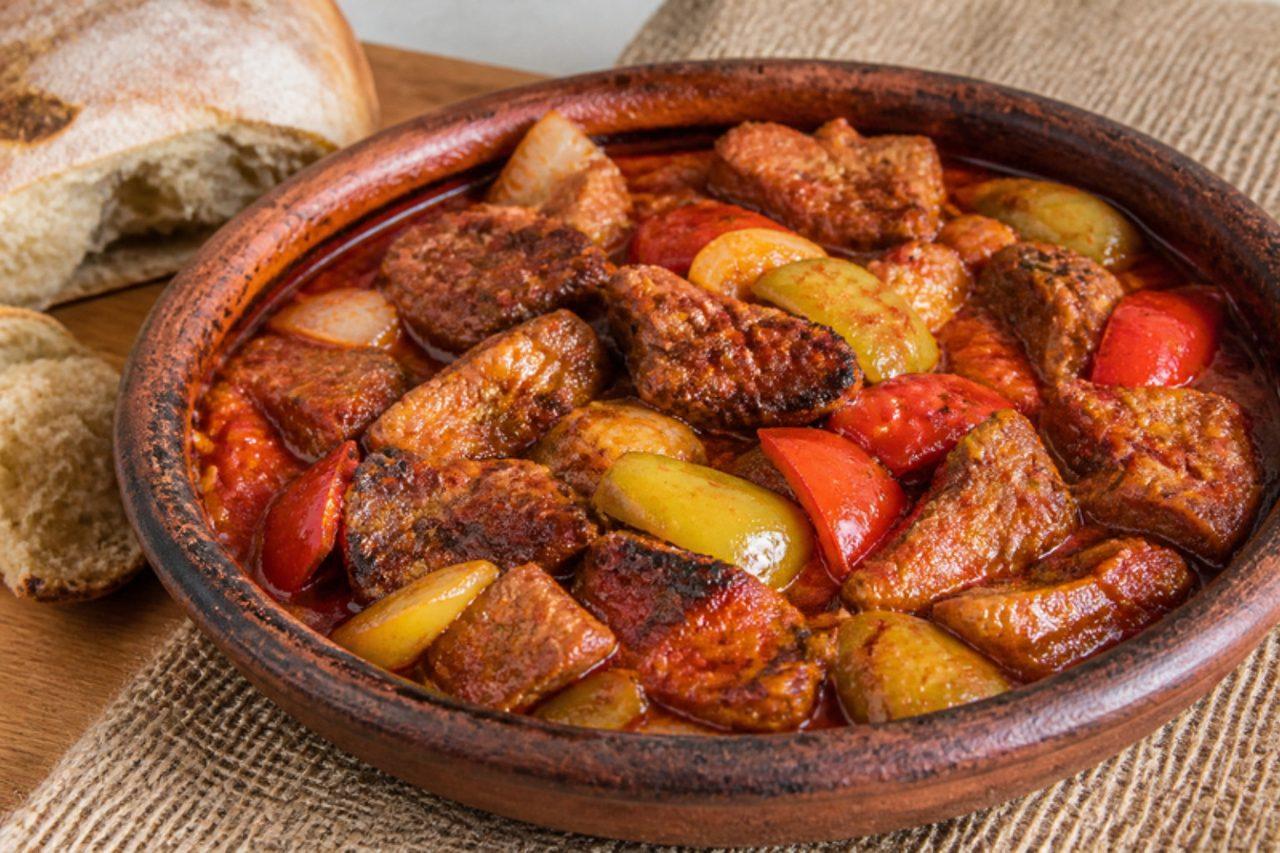
Leskovačka mućkalicaCharred pork stew with peppers

Leskovac, in southern Serbia, is the country's grill capital, and its late-summer barbecue festival fills the main street with smoke; mućkalica is what the grill cooks make with meat that has spent time over the coals. Chunks of pork neck or shoulder are charred, then stewed with roasted peppers, onion, tomato and hot paprika until the sauce turns thick, glossy and fiery. This home version marinates the pork in the fridge and sears it on a griddle pan for that charred note. Serve straight from the pot with flatbread and a cucumber salad. The name comes from shaking the pan, and constant stirring is the usual mistake; swirl the pot instead so the pepper strips keep their shape. Chef's tip: char the peppers until black and blistered, then steam them in a covered bowl for 10 minutes and the skins slip off in seconds.

80 minBalkanMeatGluten freeSpicy
by KrazyBadal 0 views

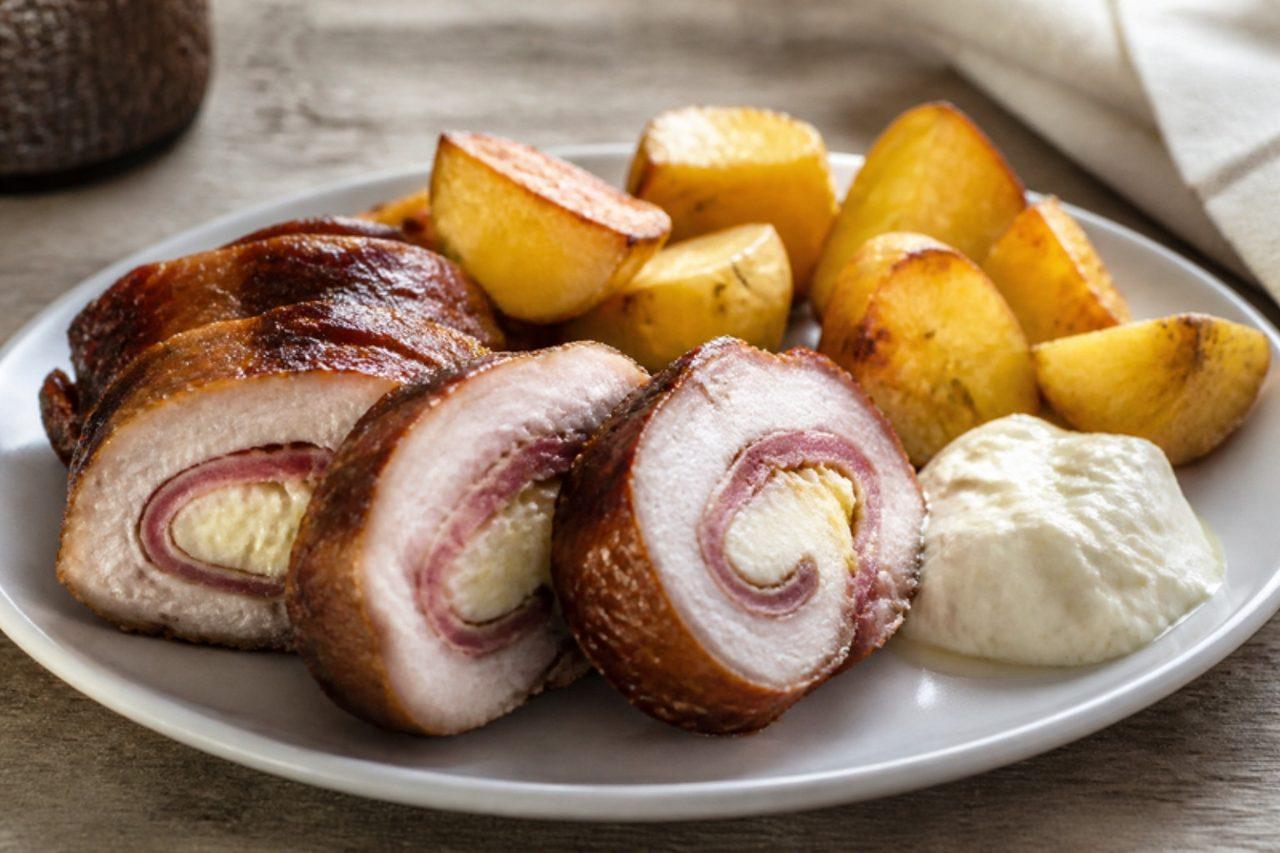
Njeguški ražanjPork rolls with ham and cheese

Njeguši, the stone village high above the Bay of Kotor in Montenegro, is famous for two things: its air-dried pršut ham and its sheep's cheese. This dish wraps both inside thin pork escalopes, which are rolled tight, threaded onto skewers and roasted, traditionally on a spit, until the outside is browned and the cheese melts into the ham. It is pork through and through, and once the rolls are cooked right through the cured ham inside is cooked too. Serve with roast potatoes and a little kajmak or sour cream. A common mistake is pounding the pork too thin, so it tears; aim for 5 mm. Chef's tip: marinate the pork overnight in the fridge with garlic and oil; the meat stays juicy around the salty filling.

90 minBalkanMeatGluten free
by KrazyBadal 0 views

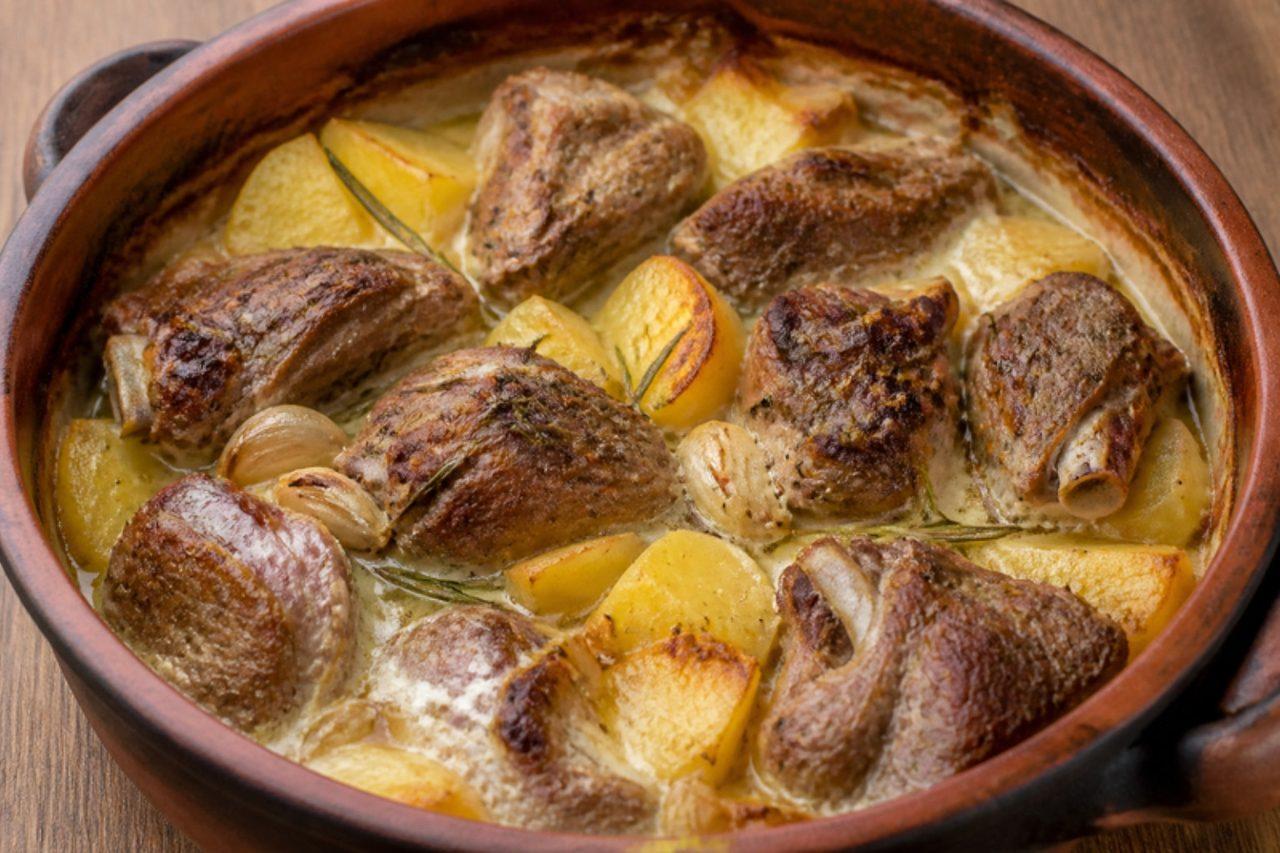
Brav u mlijekuLamb slow-cooked in milk

Highland shepherds in northern Montenegro cook young lamb this way when the flocks come down from summer pastures, slowly in a covered pan with milk, garlic and rosemary until the meat comes off the bone and the milk has reduced to a savoury, slightly curdled, golden sauce over the potatoes. It sounds unusual but tastes wonderfully mellow, sweet and garlicky. Serve it with bread and a green salad. The usual slip is cooking it uncovered from the start, so the milk scorches before the lamb is soft. Chef's tip: uncover only for the last half hour, so the top browns while the sauce underneath stays creamy.

150 minBalkanMeatGluten free
by KrazyBadal 0 views

PastrmajlijaFlatbread with salted pork and egg

Štip in eastern North Macedonia holds a whole festival for pastrmajlija, a long boat-shaped flatbread baked in a wood oven and loaded with little cubes of salted pork, finished with a cracked egg and sometimes a hot pepper. Traditionally the meat is pastrma, dried salted pork or mutton; this home version salts diced pork shoulder in the fridge for a few hours and then bakes it on the dough until fully cooked, so it is safe and juicy. Eat it hot from the oven, torn by hand, with pickled peppers and a glass of cold yogurt drink. A common mistake is rolling the dough too thin; it needs a soft, chewy base to hold the meat juices. Chef's tip: bake on a pizza stone or upturned heavy tray, as hot as your oven goes.

150 minBalkanMeat
by KrazyBadal 0 views

ČobanacShepherd's meat stew with paprika

Slavonia, the flat farmland of eastern Croatia, cooks čobanac outdoors in a black cauldron at village fairs and hunting parties, and the smell of paprika drifts across the whole field. Three meats go in, typically beef, pork and venison or wild boar, with mountains of onion, sweet and hot paprika and a few peppers, simmering for hours until the sauce is thick, brick-red and spicy. This dish contains pork. Eat it with crusty bread or polenta. The usual slip is burning the paprika: it turns bitter in seconds, so always take the pot off the heat before stirring it in. Chef's tip: cook it a day ahead; like most stews it tastes deeper the next day.

180 minBalkanMeatGluten freeSpicy
by KrazyBadal 0 views

Seco de chabeloPlantain mash with dried beef

Piura's picanterías, near the dry northern border, serve this rough, savoury mash at lunch: green plantains, roasted or boiled and pounded, mixed with fried strips of carne seca (salted dried beef) and a quick sofrito of onion, tomato and ají amarillo. It is dense, salty and smoky, with the plantain's starchy sweetness, and is eaten with salsa criolla and fried ripe plantain or chifles (plantain crisps). The legend says it was invented for a soldier called Chabelo in the War of the Pacific. Use carne seca or cecina from Latin shops, or unseasoned beef jerky. Pounding the plantains smooth is the classic mistake: chabelo should be lumpy and rustic. Chef's tip: soak the dried beef in warm water for 30 minutes and taste a piece; if it's still very salty, change the water and soak again.

by KrazyBadal 0 views

Pachamanca a la ollaPot-steamed meats with potatoes

In the highlands around Huancayo and Ayacucho, families mark harvests and saints' days by burying marinated meats, potatoes, sweet potatoes, broad beans and humitas under hot stones and earth for a pachamanca, an 'earth pot'. City cooks get close to it with a heavy pot: the same green marinade of huacatay (black mint), chincho, ají and garlic, layered with meats and roots and steamed in their own juices under banana or corn leaves. Chef's tip: layer the hardest things lowest, potatoes on the bottom and chicken nearest the lid, just as the stones are packed in the field.

135 minPeruvianMeatGluten free
by KrazyBadal 0 views

Bosanski lonacLayered meat and vegetable pot

Bosanski lonac goes back to Bosnian village hearths, where a tall clay pot was layered with meat and vegetables and left in the embers for hours; in Sarajevo and Mostar it is still cooked for name-day gatherings and cold winter weekends. This home version layers chunks of beef, lamb and pork with cabbage, potatoes, carrots, tomatoes and peppers, then cooks it slowly in a covered pot with only a little water, so everything stews in its own juices. This recipe contains pork; use all beef and lamb if you prefer. The mistake people make is stirring it: the layers should stay intact and steam gently. Chef's tip: put the meat and onions at the bottom and the watery vegetables like tomatoes at the top, so the juices drip down through everything.

215 minBalkanMeatGluten free
by KrazyBadal 0 views

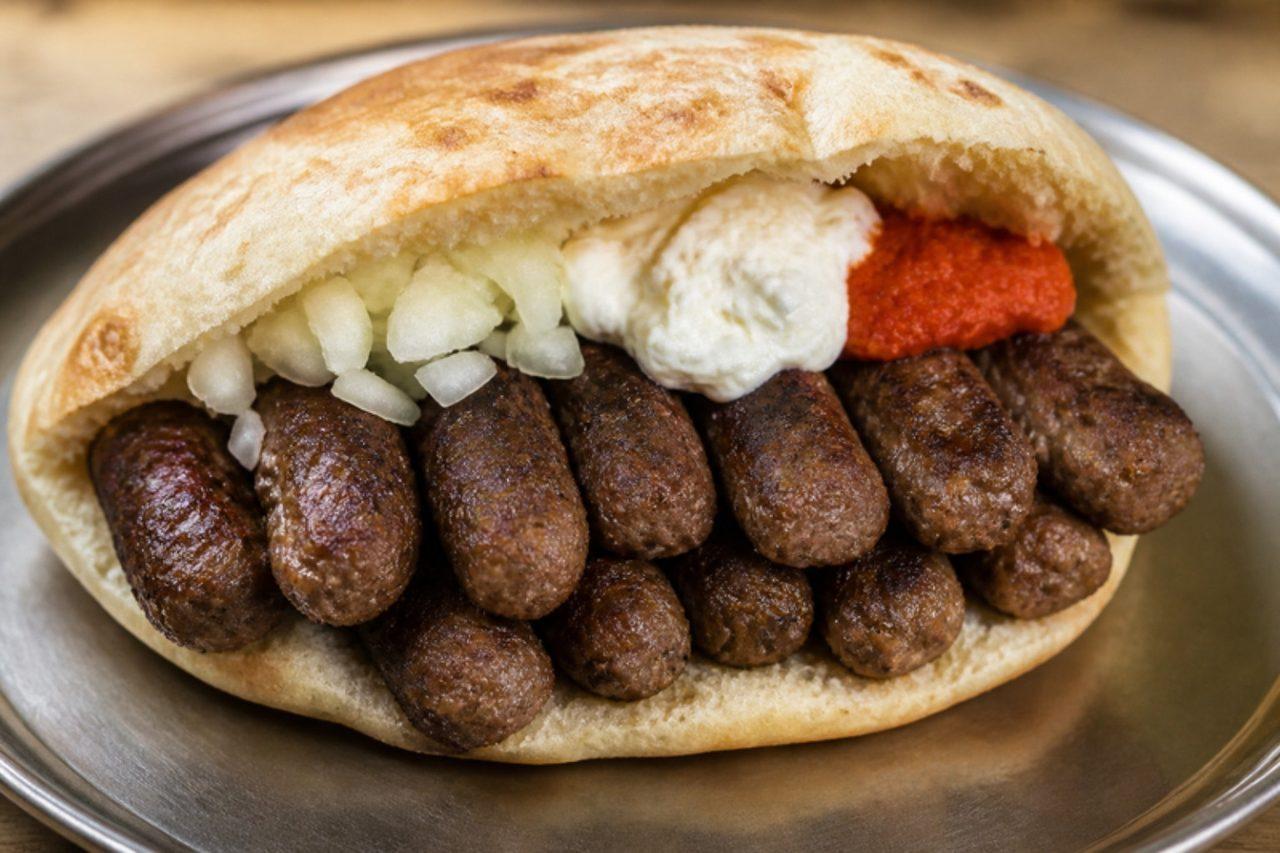
ĆevapiGrilled minced meat fingers

In Sarajevo's old Baščaršija bazaar, ćevabdžinicas grill ćevapi from morning till late night, serving them ten at a time stuffed into a puffy, griddle-warmed somun flatbread with raw onion and a spoon of kajmak. The little skinless fingers are made from beef (often mixed with lamb), seasoned with nothing more than salt, pepper, garlic and a little bicarbonate of soda, which gives them their bouncy bite. Belgrade and Banja Luka have their own versions, but the idea is the same: smoky meat, soft bread, sharp onion. People often over-season them with herbs and paprika; the Bosnian way is plain, letting the meat and charcoal speak. Chef's tip: chill the shaped ćevapi well before grilling and turn them only once or twice, so they keep a juicy centre and a crusty outside.

40 minBalkanMeat
by KrazyBadal 0 views

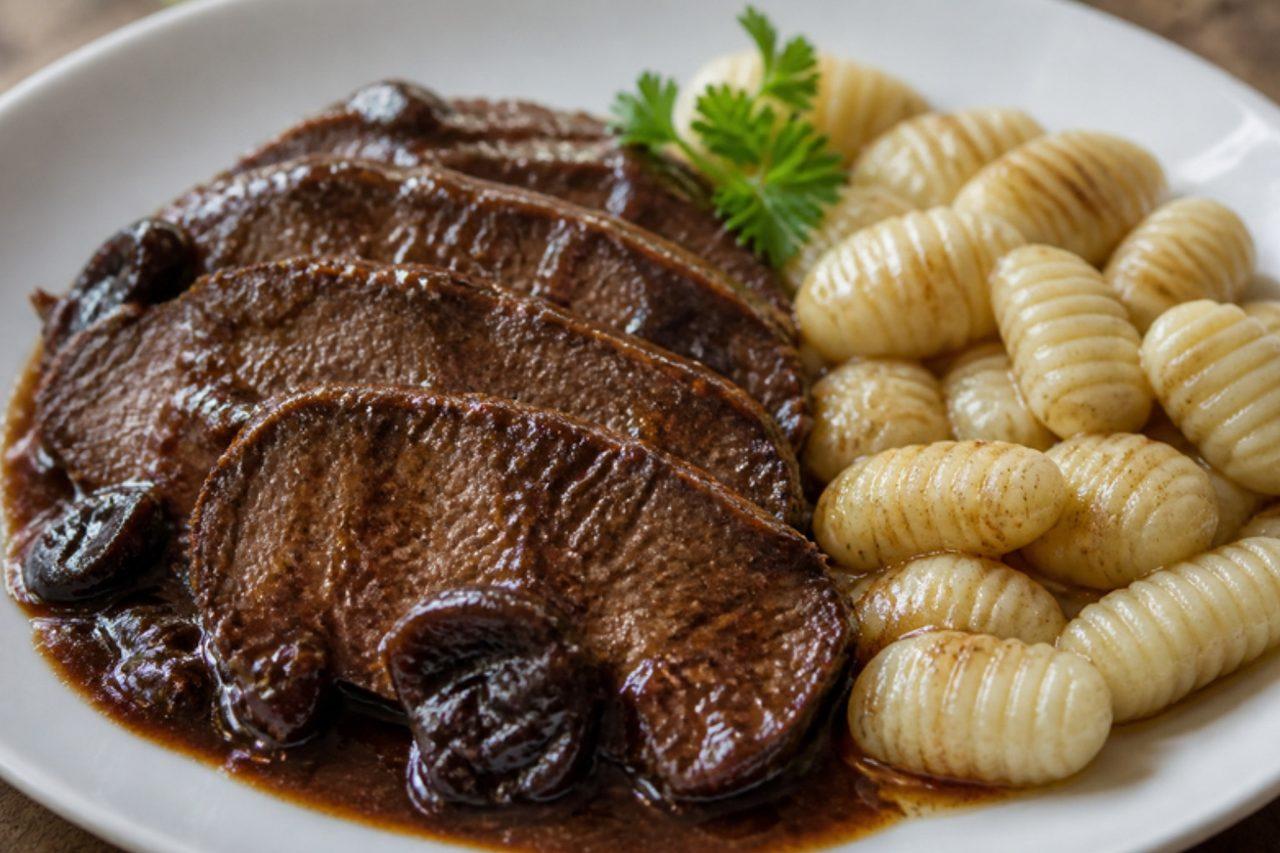
PašticadaWine and prune braised beef

Split and the Dalmatian coast reserve pašticada for weddings, christenings and Christmas, and the preparations start days ahead. A piece of beef is studded with garlic and cured ham (so this recipe contains pork), marinated overnight in wine vinegar, then braised for hours with onions, dried prunes, tomato and a little sweet Prošek or red wine until the sauce turns dark, glossy and sweet-sour. In Split it is always served with homemade gnocchi; pasta works too. This recipe uses red wine and dried figs or prunes; for an alcohol-free version use grape juice with a spoon of red wine vinegar. The common mistake is rushing the braise: it needs a low, steady heat for at least three hours. Chef's tip: blend the cooked onions and prunes back into the sauce for that velvet texture.

280 minBalkanMeat
by KrazyBadal 0 views

PljeskavicaLarge grilled meat patty

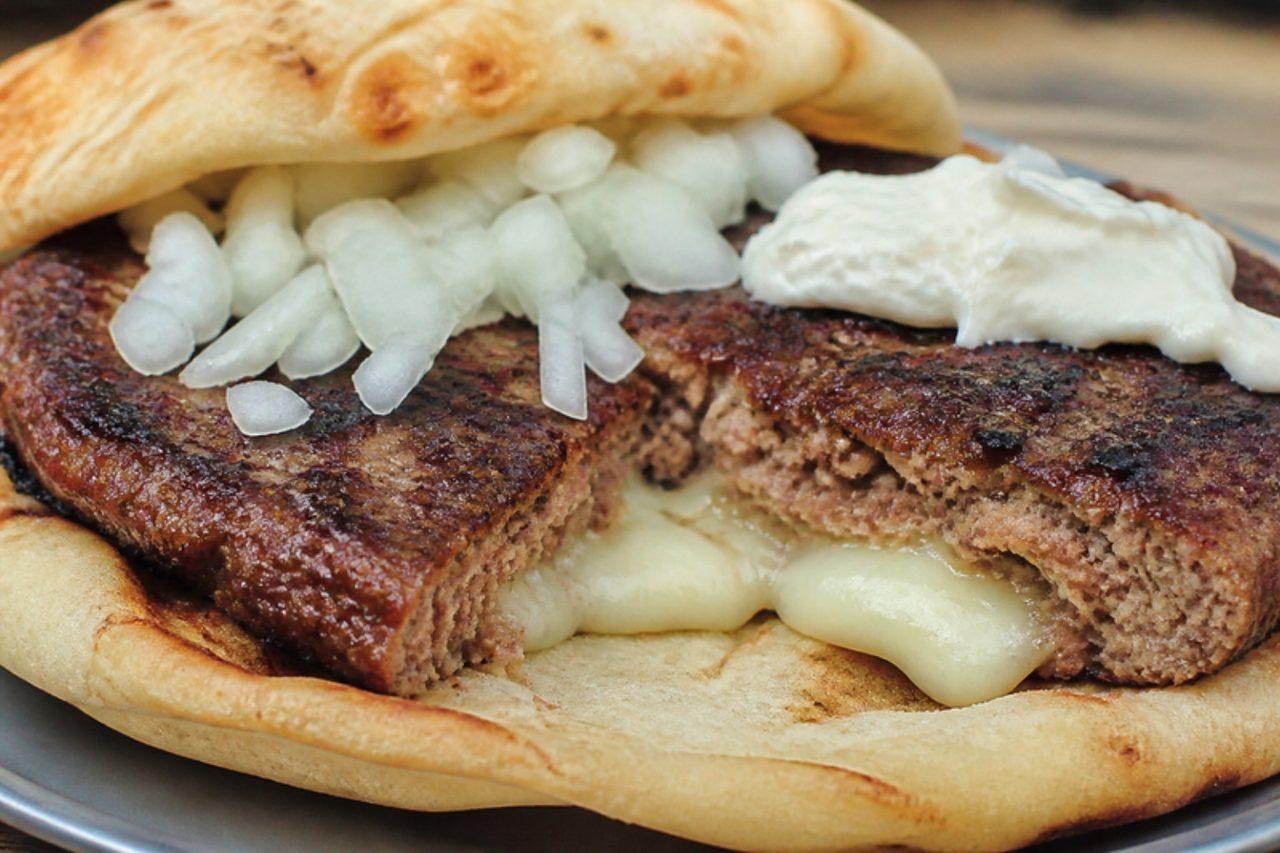
Leskovac, in southern Serbia, holds a whole grill festival every September in honour of pljeskavica, and Belgrade's street kiosks sell it day and night in a lepinja flatbread with chopped onion, kajmak and urnebes, a fiery cheese spread. It is a broad, thin patty of mixed beef and pork with onion and paprika, grilled hard and fast. The 'gourmet' version, gurmanska pljeskavica, hides cheese and bacon in the middle, and that is the version given here. This recipe contains pork. A common error is pressing the patties on the grill with a spatula: the juices drain away and they dry out. Chef's tip: press a shallow dimple into the centre of each patty with your thumb before grilling; it stops them doming up as they shrink.

40 minBalkanMeat
by KrazyBadal 0 views

Showing 24 of 28 recipes

Show more recipes

Page 1 of 2