Skip to content
Recipes

All recipes

Vegetarian, or something you can't eat? Set your diet once and we'll hide recipes that don't fit.

Seco de chabelo

Piura's picanterías, near the dry northern border, serve this rough, savoury mash at lunch: green plantains, roasted or boiled and pounded, mixed with fried strips of carne seca (salted dried beef) and a quick sofrito of onion, tomato and ají amarillo. It is dense, salty and smoky, with the plantain's starchy sweetness, and is eaten with salsa criolla and fried ripe plantain or chifles (plantain crisps). The legend says it was invented for a soldier called Chabelo in the War of the Pacific. Use carne seca or cecina from Latin shops, or unseasoned beef jerky. Pounding the plantains smooth is the classic mistake: chabelo should be lumpy and rustic. Chef's tip: soak the dried beef in warm water for 30 minutes and taste a piece; if it's still very salty, change the water and soak again.

by KrazyBadal 0 views

Anticuchos de corazón

As night falls in Lima, anticucheras set up charcoal grills on street corners and fan the smoke towards passers-by; the October processions of the Señor de los Milagros are lined with them. The skewers are traditionally beef heart, a lean, firm and surprisingly mild meat, soaked in a dark-red marinade of ají panca, vinegar, cumin and garlic. They come with a boiled potato, a piece of choclo (large-kernel corn) and a spicy green ají sauce. If you can't get heart, sirloin steak works well. Chef's tip: baste the skewers with the leftover marinade and oil using a few coriander stalks tied together as a brush, the way the street cooks do.

by KrazyBadal 0 views

Pachamanca a la olla

In the highlands around Huancayo and Ayacucho, families mark harvests and saints' days by burying marinated meats, potatoes, sweet potatoes, broad beans and humitas under hot stones and earth for a pachamanca, an 'earth pot'. City cooks get close to it with a heavy pot: the same green marinade of huacatay (black mint), chincho, ají and garlic, layered with meats and roots and steamed in their own juices under banana or corn leaves. Chef's tip: layer the hardest things lowest, potatoes on the bottom and chicken nearest the lid, just as the stones are packed in the field.

135 minPeruvianMeatGluten free
by KrazyBadal 0 views

Svíčková na smetaně

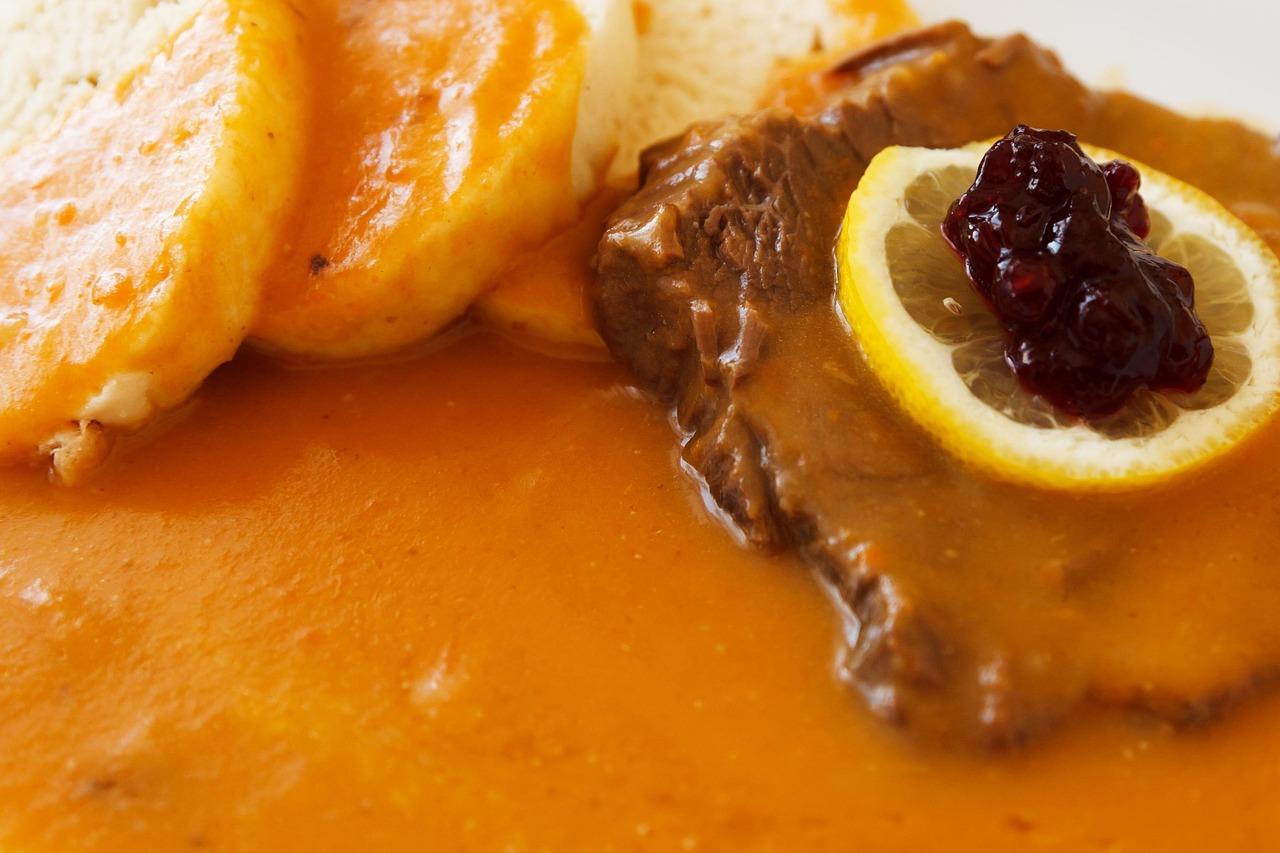
Svíčková is the dish Czech families make for weddings, name days and big Sunday lunches, and in Prague pubs it appears on the menu as the proud centre of the week. Beef is marinated for a day or two with root vegetables and spices, slow-roasted, and the vegetables are then blended into a smooth, sweet-sour cream sauce. It is always served the same way: sliced beef, a pool of sauce, bread dumplings, a spoonful of cranberry sauce, a twist of whipped cream and a slice of lemon. Many cooks under-season the sauce; it should taste clearly of vinegar, sugar and allspice, not just cream. The optional smoked bacon that flavours the vegetables is pork; leave it out and the sauce is still rich. Chef's tip: blend the sauce until completely velvety, then push it through a sieve; that silky finish is what makes svíčková special.

220 minCzechMeat
by KrazyBadal 0 views

Vepřo knedlo zelo

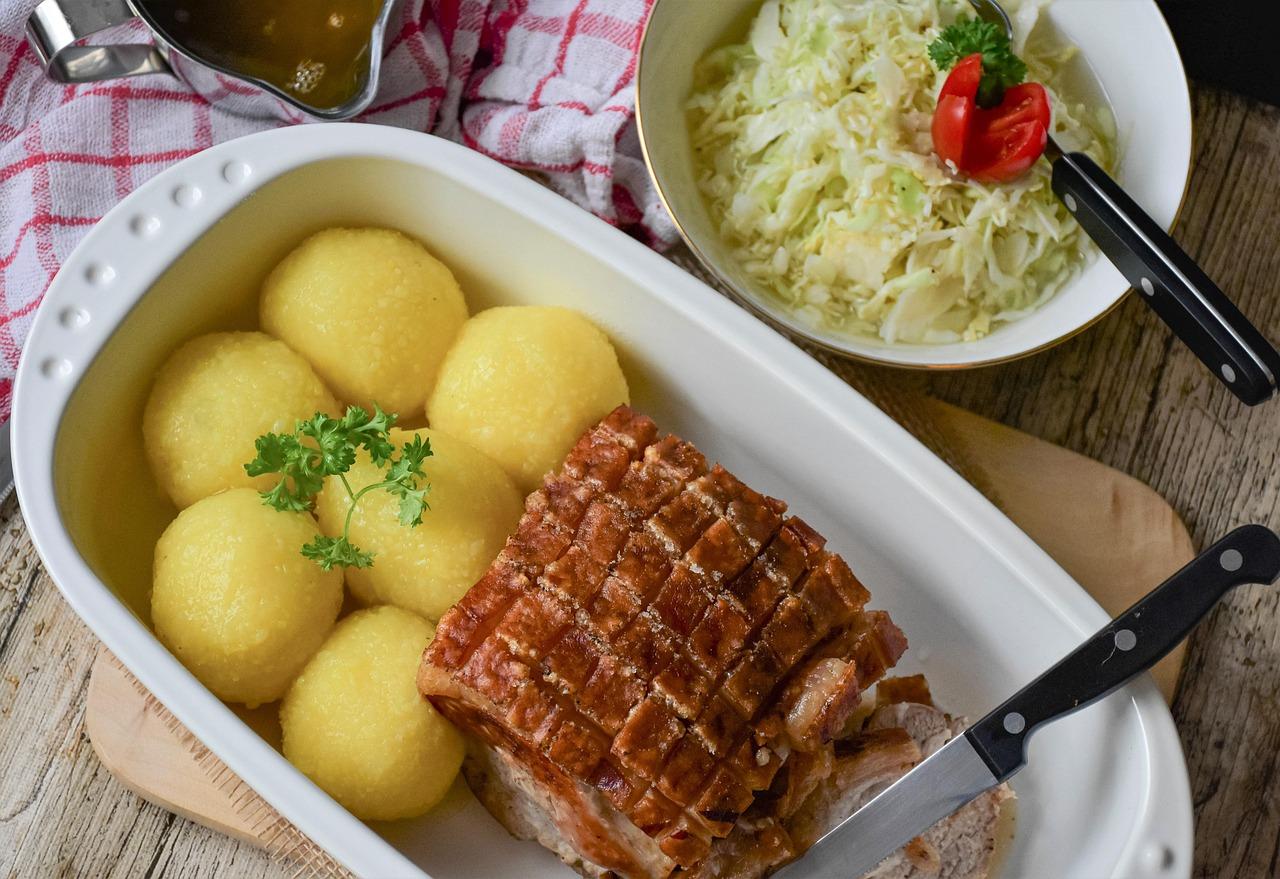
Ask anyone in Prague, Brno or a village pub in Moravia for the most Czech meal of all and they will name vepřo knedlo zelo: roast pork, dumplings and cabbage, eaten at Sunday lunch and washed down in pubs with a cold lager. This is a pork dish: shoulder rubbed with garlic, caraway and salt and roasted slowly in a little water until it falls into tender slices, the pan juices becoming the gravy. Alongside go slices of soft bread dumpling and red or white cabbage braised sweet and sour. The trap is roasting the pork too hot and too dry; a splash of water in the tin and a low oven keep it juicy. Chef's tip: lay the pork fat side down for the first hour, then turn it fat side up so the fat renders and crisps at the end.

210 minCzechMeat
by KrazyBadal 0 views

Asado uruguayo

Sunday in Uruguay means asado: in Montevideo backyards and the cattle towns of the interior, beef ribs (asado de tira), chorizo and morcilla cook slowly over the embers of a wood fire, with only coarse salt, while the family waits. The parrillero rakes coals under the grill and keeps the heat low and even. This recipe includes pork chorizo. The mistake is cooking over flames; the fire should burn down to embers you can hold your hand above for 6–8 seconds. Chef's tip: salt the meat only when it goes on the grill, with coarse salt, never fine.

by KrazyBadal 0 views