Skip to content
Recipes

All recipes

Vegetarian, or something you can't eat? Set your diet once and we'll hide recipes that don't fit.

Králík na smetaněRabbit in cream sauce

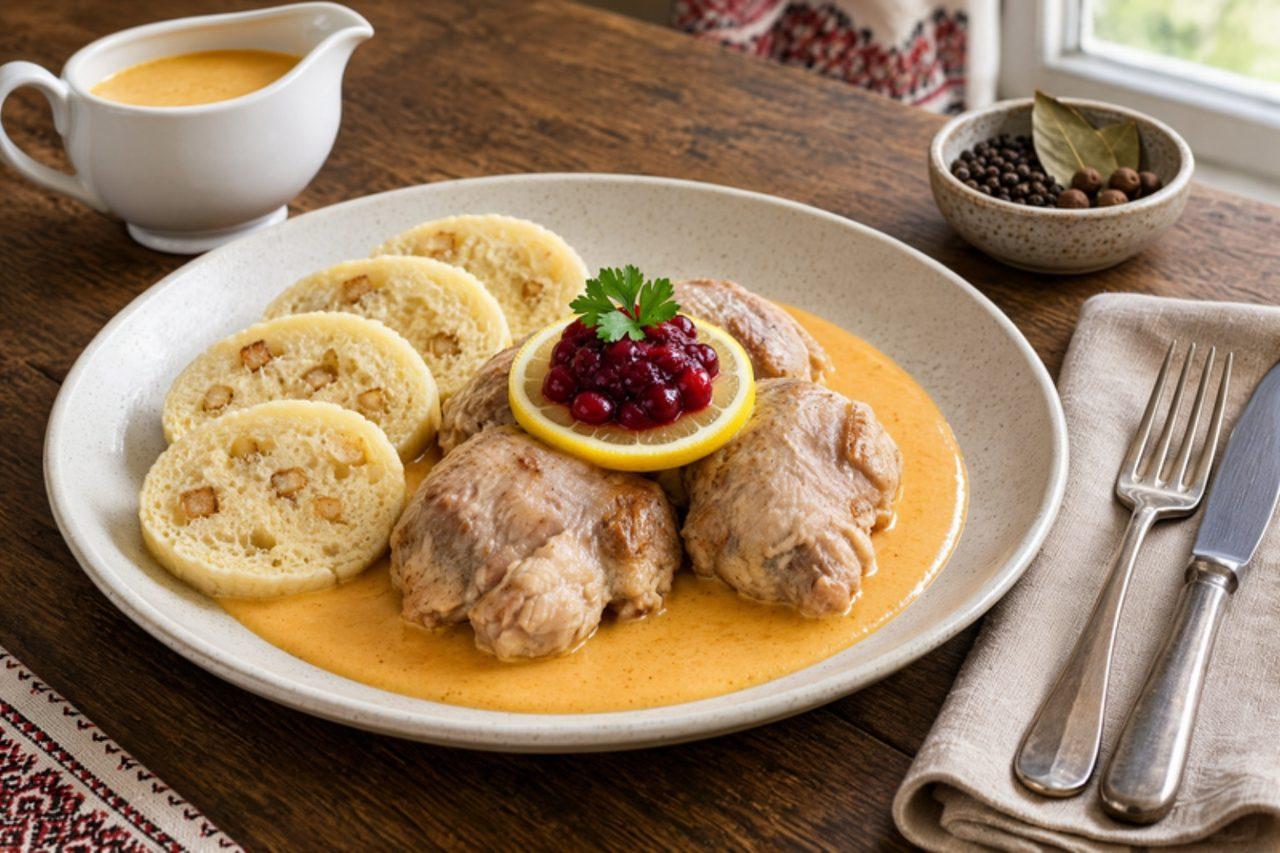
Králík na smetaně is a Sunday lunch in the Czech countryside, especially in Moravia and South Bohemia, where many families once kept rabbits in the yard. Rabbit pieces are braised with carrot, celeriac, parsley root and onion, then the vegetables are blended into a velvety cream sauce brightened with lemon and a pinch of sugar, much like the famous svíčková. It is served with sliced bread dumplings (houskové knedlíky) and a spoon of cranberry sauce. The usual mistake is boiling the sauce after the cream goes in, which can split it; keep it at a bare simmer. Rabbit is lean, so cook it gently and check that the meat comes easily off the bone. Chef's tip: blend the vegetables until completely smooth and pass them through a sieve for the silky sauce Czech cooks are proud of.

120 minCzechMeat
by KrazyBadal 0 views

BusecaTripe and white bean stew

Buseca arrived in Montevideo with Italian immigrants from Lombardy and became a classic winter dish of Uruguayan bodegones and family kitchens, eaten on cold June and July days. Honeycomb tripe is simmered until tender, then stewed with white beans, pork chorizo, bacon, peppers, tomato and paprika into a thick, warming stew served with crusty bread. Buy tripe that is already cleaned and blanched (dressed). The usual mistake is undercooking the tripe: it needs a full 2 hours, until it's soft enough to cut with a spoon. Slow-cooker option: after step 4, cook on low for 8 hours. Chef's tip: a little grated lemon zest and parsley stirred in at the end lifts the rich, gelatinous sauce.

by KrazyBadal 0 views

Morcilla dulceSweet blood sausage with walnuts

No Uruguayan parrilla is complete without morcilla dulce: a soft pork blood sausage sweetened with sugar and scented with orange peel, studded with walnuts and raisins, grilled until the skin crisps and served first, as part of the achuras, while the beef is still cooking. It is pork throughout: pork blood, pork back fat and natural pork casings. Making it at home is a project. Buy fresh pork blood with an anticoagulant added from a butcher who supplies it for sausage making, keep it chilled below 4 °C and use it within a day. The common mistake is poaching at a rolling boil, which bursts the casings. Chef's tip: keep the water at 80–85 °C, just shivering, and prick a sausage after 25 minutes: it is done when brown, not red, juice comes out.

by KrazyBadal 0 views

Rajská omáčkaSweet-sour tomato sauce with beef

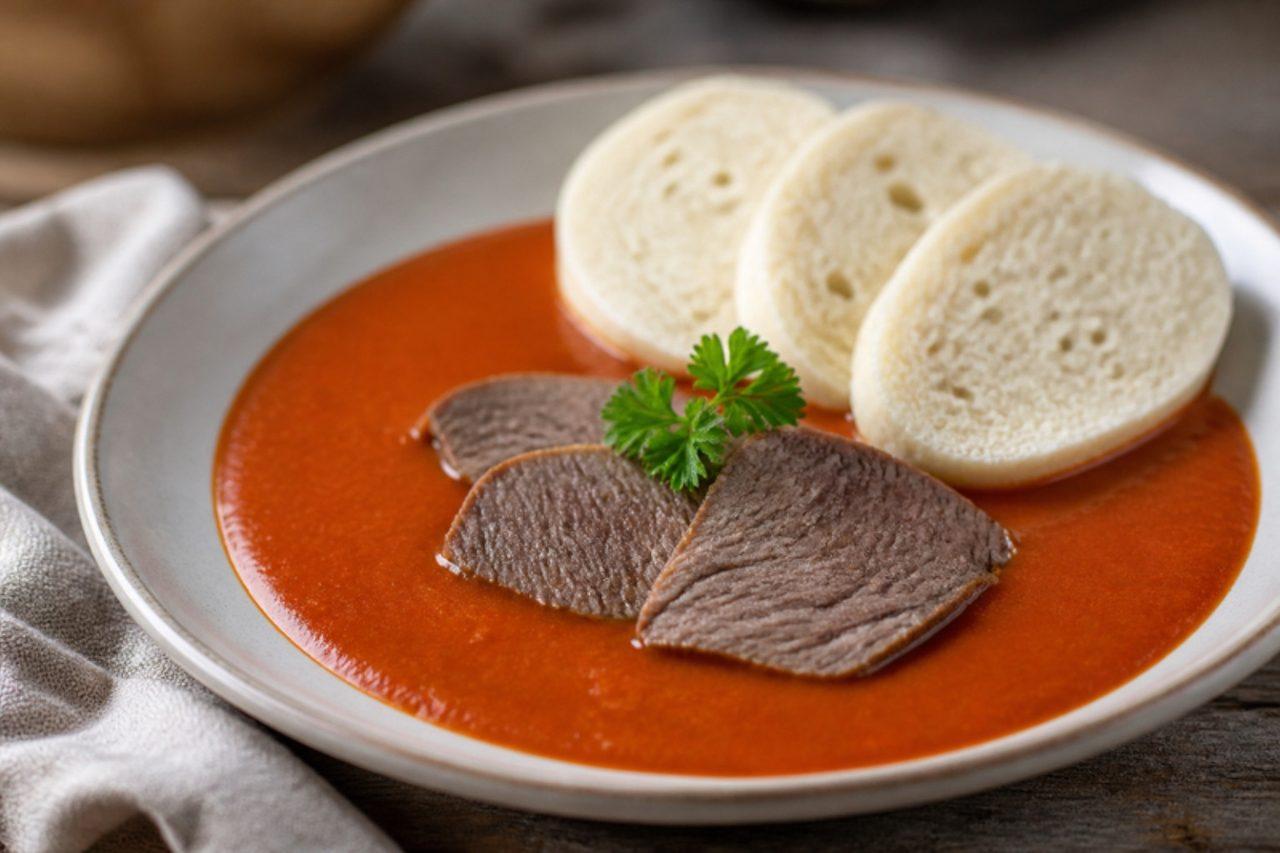
Every Czech school canteen has served rajská at some point, and many adults still crave this glossy, sweet and tangy tomato sauce poured over slices of tender boiled beef with bread dumplings. Bohemian cooks make it from the broth of the beef itself, thickened with a light roux and perfumed with clove, allspice, bay and a hint of cinnamon, so it tastes warmly spiced rather than like a pasta sauce. The usual slip is under-seasoning the sweet-sour balance: keep tasting and adjust sugar and vinegar until it is clearly both. Simmer the beef until a fork slides in easily. Pasta or rice work too if you are not making dumplings. Chef's tip: strain the sauce through a sieve at the end for the velvety restaurant texture.

120 minCzechMeat
by KrazyBadal 0 views

Moravský vrabecRoast pork cubes with garlic

"Moravian sparrow" has no bird in it: it is cubes of pork shoulder, roughly sparrow-sized, rubbed with garlic and caraway and roasted with onion until browned and tender, a Sunday lunch dish of the villages and inns of Moravia. Unlike the sliced pork roast of Bohemia, the small pieces give lots of crispy edges and a rich, garlicky pan juice. It comes with bread dumplings and stewed sauerkraut to soak it all up. The usual slip is cramming the meat into a small dish, so it boils instead of browning; spread it out in one layer. Pork should reach 71 °C and be tender enough to cut with a fork. Lard is the traditional fat; oil works too. Chef's tip: rub the pork with the garlic and caraway the night before and leave it covered in the fridge; the flavour goes right through.

120 minCzechMeat
by KrazyBadal 0 views

Pečená kachna se zelímRoast duck with red cabbage

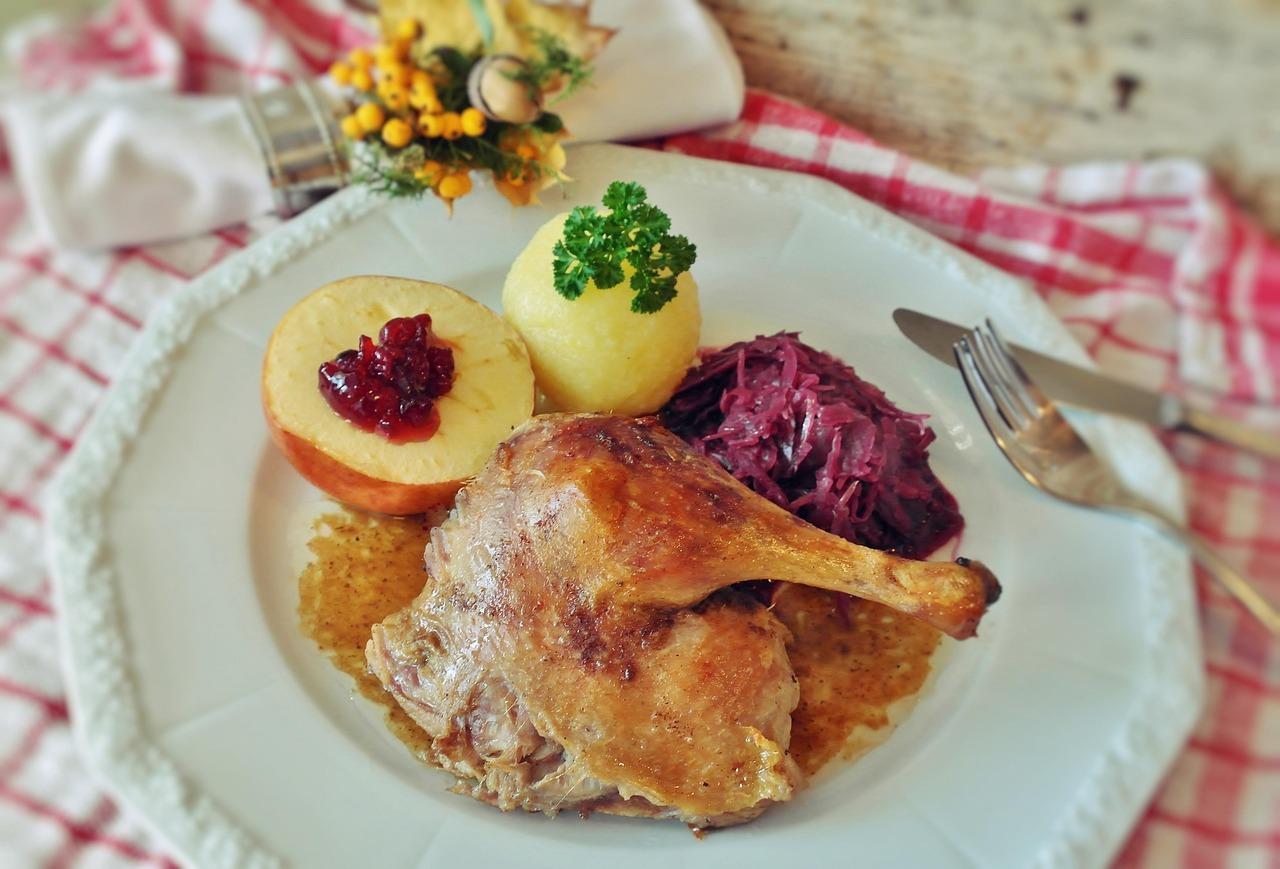
Roast duck is the feast of the Czech autumn, eaten on St Wenceslas' Day in September and St Martin's Day in November, when Bohemian pubs and homes cover the table with crisp-skinned duck, braised red cabbage and dumplings to soak up the juices. Caraway and salt are the only seasonings the bird needs; slow roasting renders the fat and leaves the meat soft, and the cabbage is cooked with some of that fat, apple, sugar and vinegar until glossy and sweet-sour. A common mistake is roasting hot from the start, which burns the skin before the fat melts; go low and slow, then crisp at the end. The thickest part of the thigh must reach 74 °C. Carve before bringing it to the table. Chef's tip: save the rest of the duck fat in a jar; it makes the best roast potatoes.

180 minCzechMeat
by KrazyBadal 0 views

Svíčková na smetaněBeef in creamy vegetable sauce

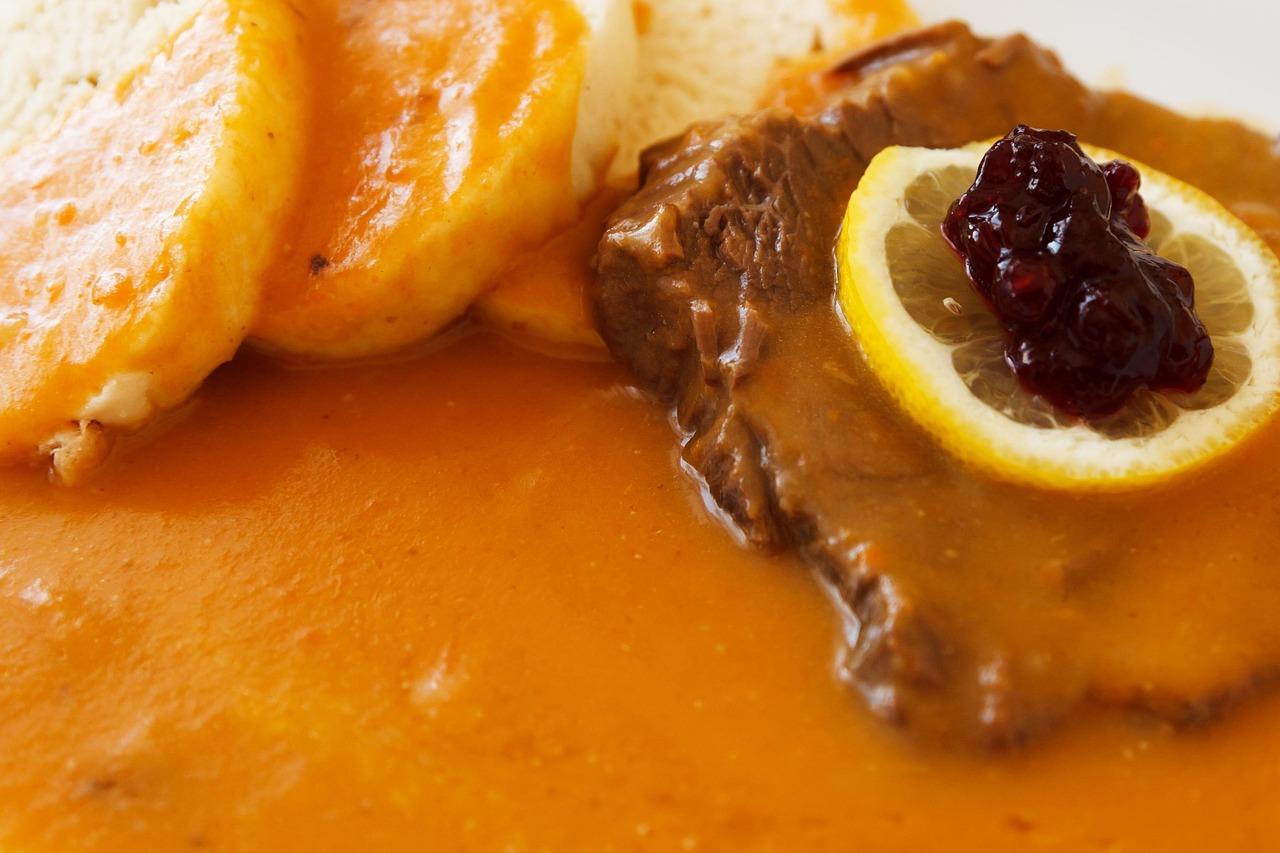
Svíčková is the dish Czech families make for weddings, name days and big Sunday lunches, and in Prague pubs it appears on the menu as the proud centre of the week. Beef is marinated for a day or two with root vegetables and spices, slow-roasted, and the vegetables are then blended into a smooth, sweet-sour cream sauce. It is always served the same way: sliced beef, a pool of sauce, bread dumplings, a spoonful of cranberry sauce, a twist of whipped cream and a slice of lemon. Many cooks under-season the sauce; it should taste clearly of vinegar, sugar and allspice, not just cream. The optional smoked bacon that flavours the vegetables is pork; leave it out and the sauce is still rich. Chef's tip: blend the sauce until completely velvety, then push it through a sieve; that silky finish is what makes svíčková special.

220 minCzechMeat
by KrazyBadal 0 views

Vepřo knedlo zeloRoast pork with dumplings and cabbage

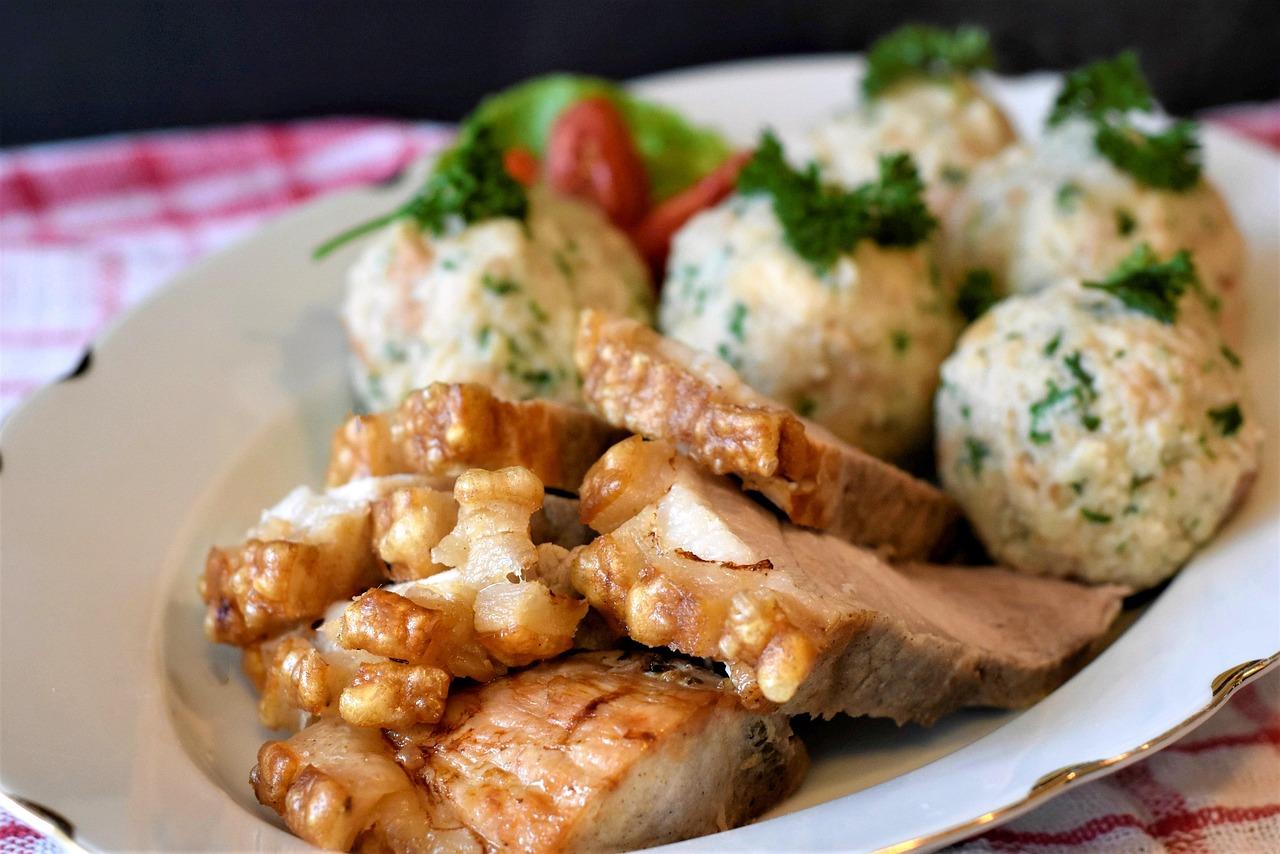
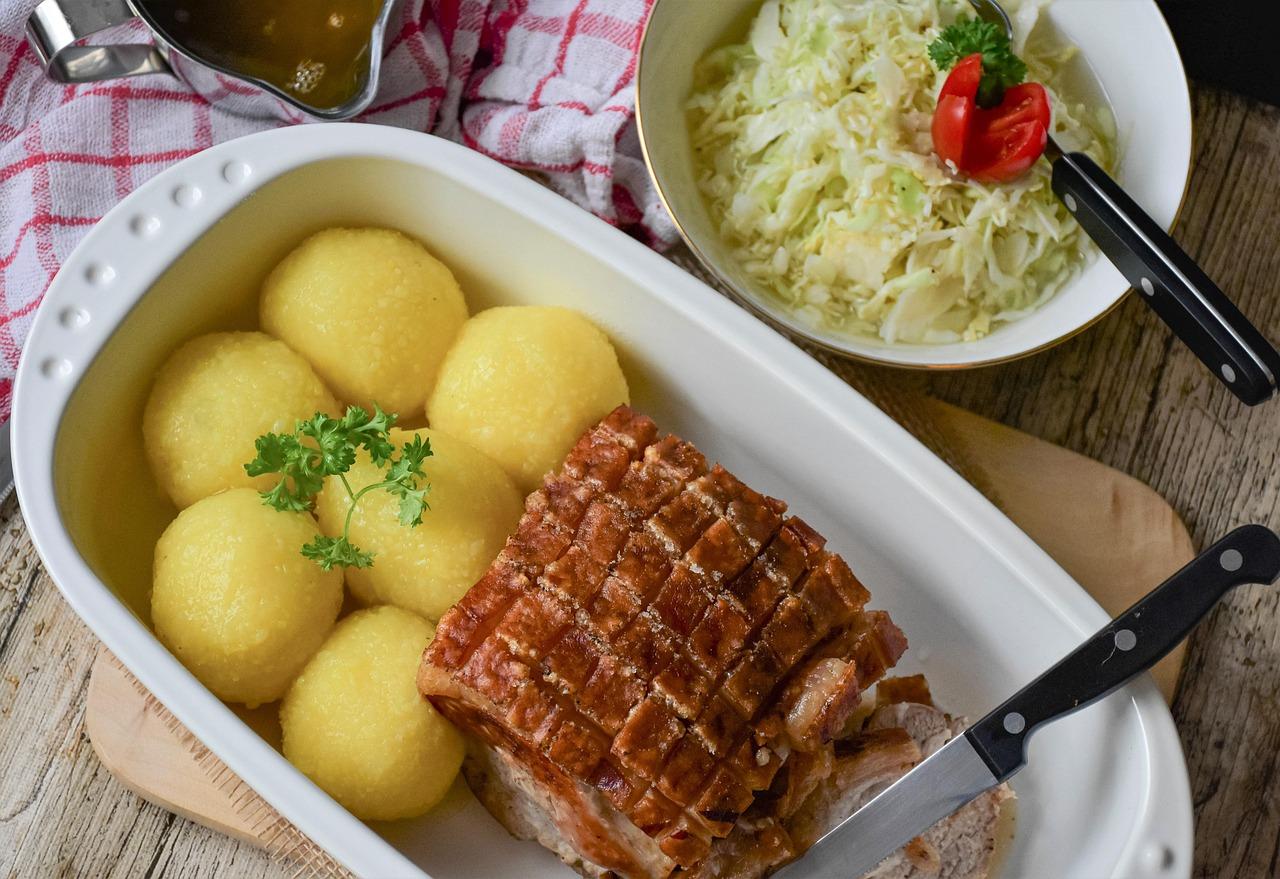
Ask anyone in Prague, Brno or a village pub in Moravia for the most Czech meal of all and they will name vepřo knedlo zelo: roast pork, dumplings and cabbage, eaten at Sunday lunch and washed down in pubs with a cold lager. This is a pork dish: shoulder rubbed with garlic, caraway and salt and roasted slowly in a little water until it falls into tender slices, the pan juices becoming the gravy. Alongside go slices of soft bread dumpling and red or white cabbage braised sweet and sour. The trap is roasting the pork too hot and too dry; a splash of water in the tin and a low oven keep it juicy. Chef's tip: lay the pork fat side down for the first hour, then turn it fat side up so the fat renders and crisps at the end.

210 minCzechMeat
by KrazyBadal 0 views

Asado uruguayoGrilled beef short ribs and chorizo

Sunday in Uruguay means asado: in Montevideo backyards and the cattle towns of the interior, beef ribs (asado de tira), chorizo and morcilla cook slowly over the embers of a wood fire, with only coarse salt, while the family waits. The parrillero rakes coals under the grill and keeps the heat low and even. This recipe includes pork chorizo. The mistake is cooking over flames; the fire should burn down to embers you can hold your hand above for 6–8 seconds. Chef's tip: salt the meat only when it goes on the grill, with coarse salt, never fine.

by KrazyBadal 0 views