Skip to content
Recipes

All recipes

Vegetarian, or something you can't eat? Set your diet once and we'll hide recipes that don't fit.

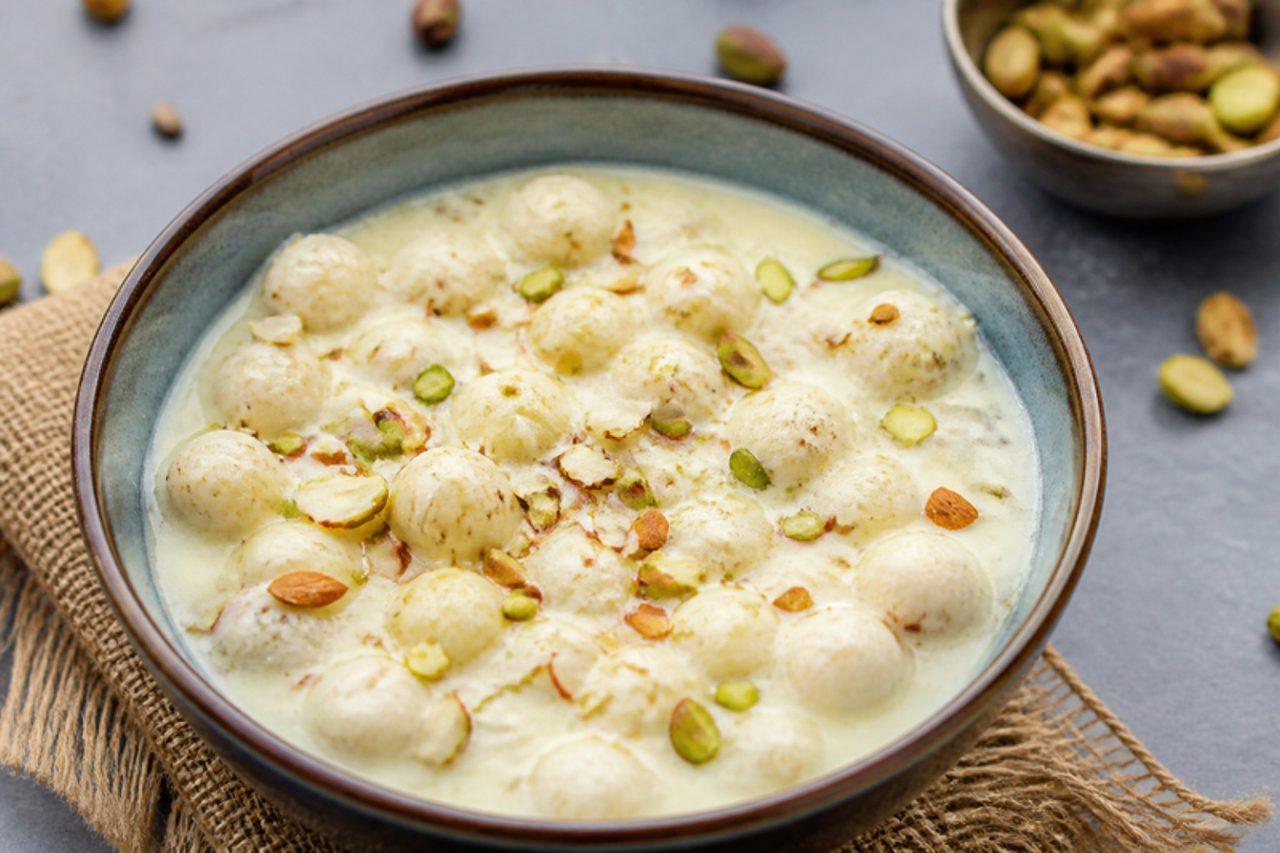
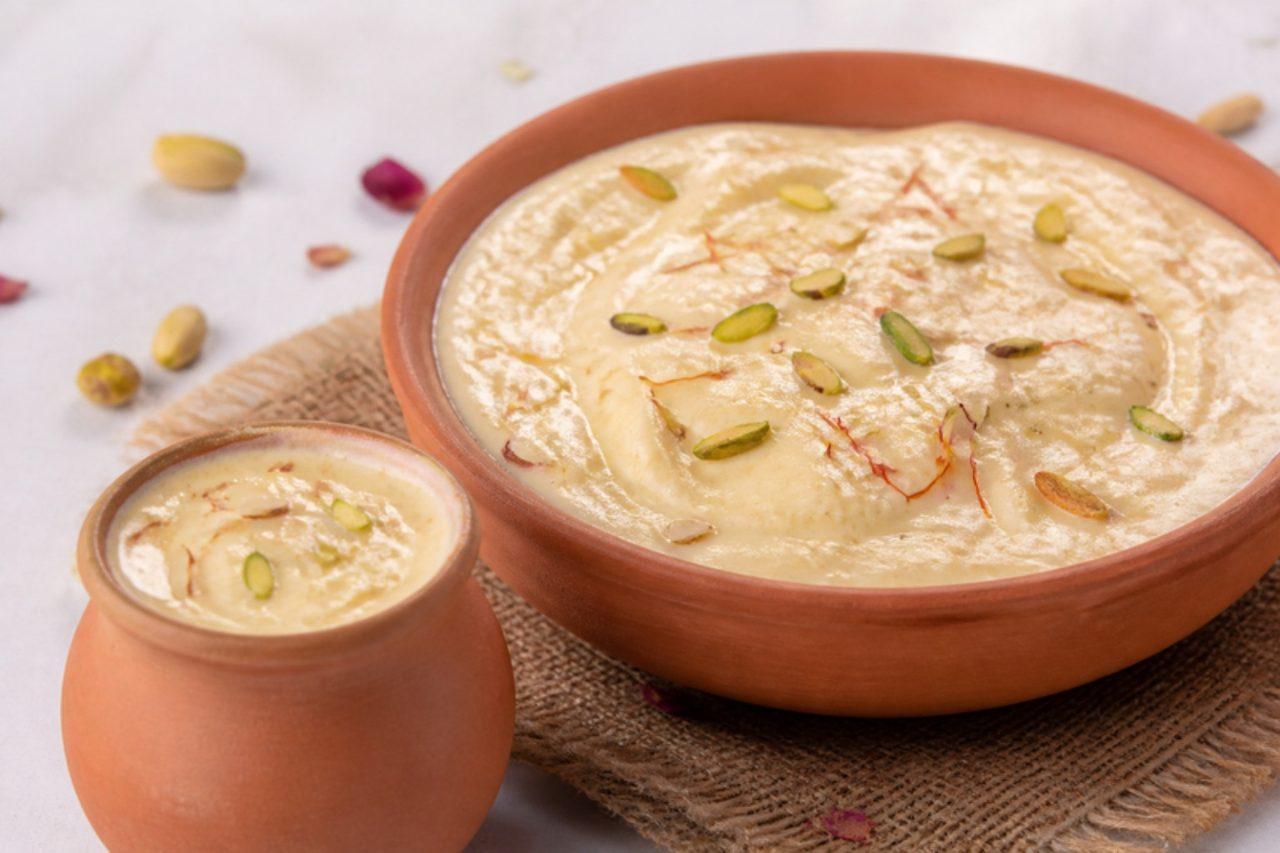
RabriThickened sweet milk

Halwais in Mathura, Varanasi and Lucknow make rabri in wide iron kadhais, fanning the surface so a skin forms fast, then pushing each layer of malai to the cooler sides of the pan. After an hour or more, the milk has shrunk to a quarter, and the layers are scraped back in to give a thick, spoonable sweet full of soft, chewy ribbons of cream. It is much thicker than Gujarati basundi, which is stirred smooth. Rabri is served chilled in kulhads, or spooned over hot jalebi or malpua at Holi, the hot-cold contrast being the whole point. Use the widest heavy pan you own; the bigger the surface, the more malai and the faster it reduces. Chef's tip: add the sugar only at the end; sugar added early makes the milk catch and stops the skins forming properly.

by KrazyBadal 0 views

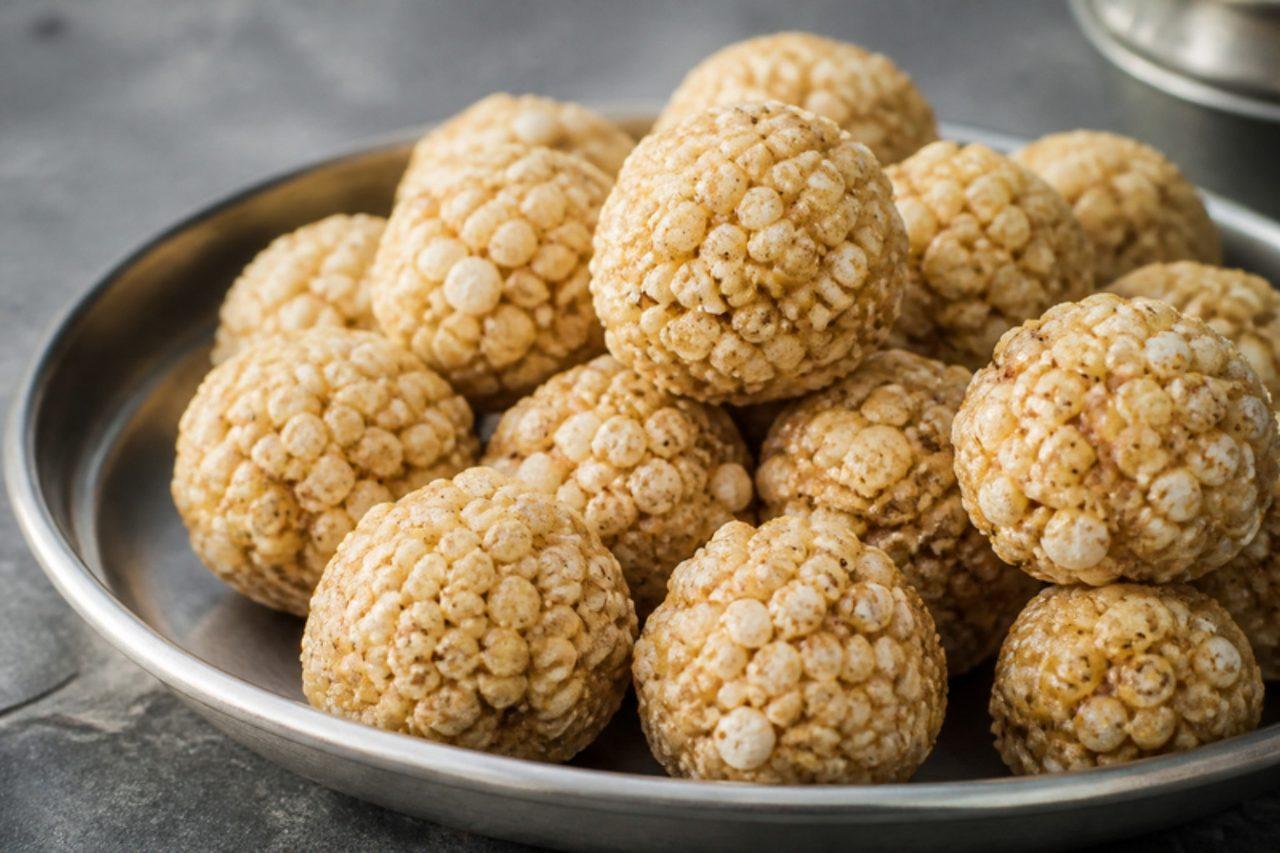
Rajgira ladooPopped amaranth jaggery balls

Before Mahashivratri and Navratri, sweet stalls in Maharashtra pile up trays of rajgira ladoo, and they are one of the few sweets that suit a strict fast and a vegan diet at once. Amaranth seeds puff like tiny popcorn in a hot pan; mixed with jaggery cooked to a firm syrup, they set into light, crunchy balls with a toffee-like, molasses sweetness and a toasty grain flavour. They are eaten as an energy-giving snack on fast days, given as prasad, and packed for long temple queues. Ready-popped rajgira is easy to find in Indian shops; popping your own seeds (a spoonful at a time in a hot, dry, lidded pan) takes about 10 minutes more. Chef's tip: wet your palms with cold water and shape the ladoos while the mix is very warm; once the jaggery cools, it sets hard and won't bind.

by KrazyBadal 0 views

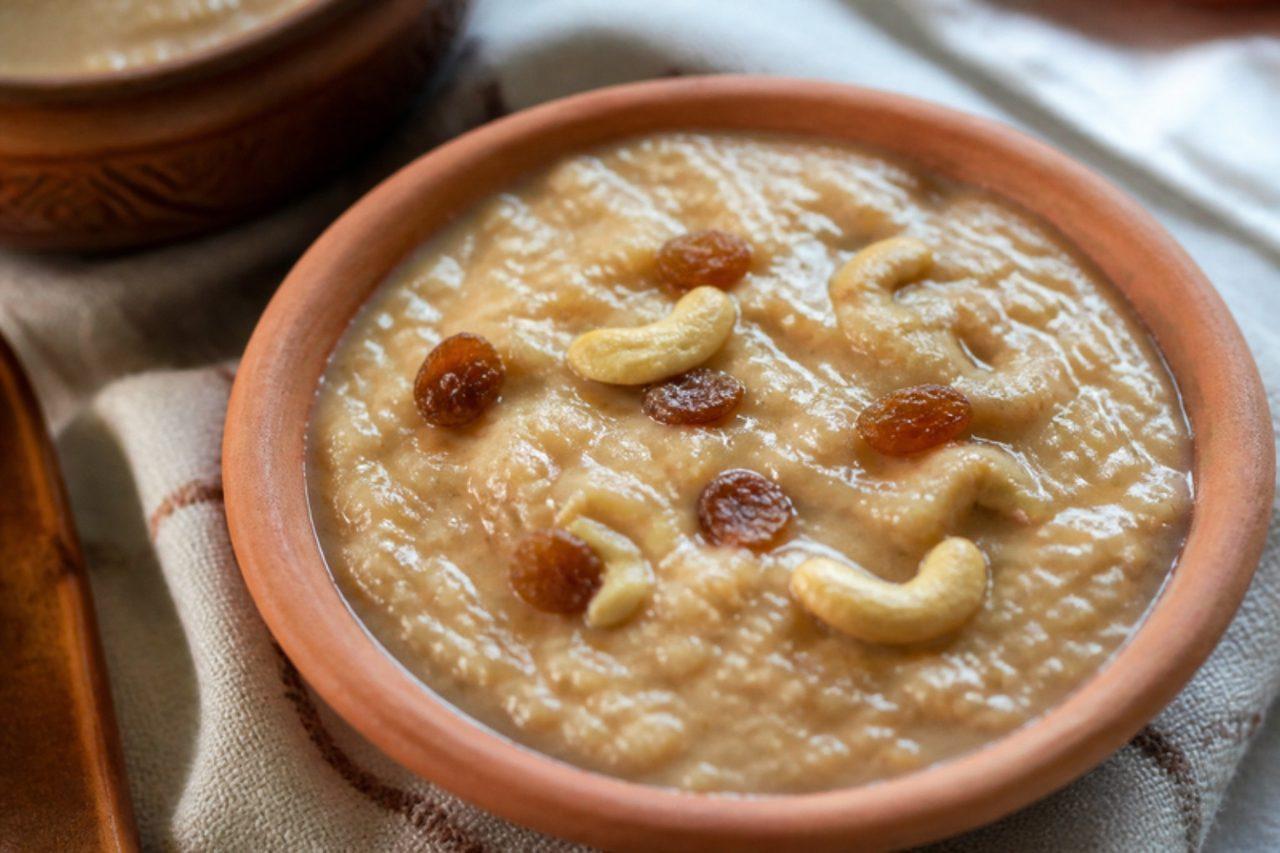
Nolen gurer payeshRice pudding with date palm jaggery

In Bengal winter means nolen gur, the new date-palm jaggery that arrives in clay pots in December and January and smells of caramel and smoke. Kolkata sweet shops put it in everything, but at home the best use is a pot of payesh for Poush Sankranti or a birthday. Short, buttery gobindobhog rice is fried briefly in ghee with a bay leaf, then cooked slowly in full-fat milk until the grains break down and the milk reduces to a creamy, spoonable pudding. The jaggery goes in last and turns it a soft brown. Serve warm or cold, in small bowls or clay bhar, with pithe on the side. Common mistake: adding the gur while the milk is boiling, which almost always curdles it; take the pot off the heat and let it cool for a few minutes first. Chef's tip: no nolen gur? Use liquid date-palm jaggery (jhola gur) or a soft palm jaggery; cane jaggery works but the flavour is flatter.

by KrazyBadal 0 views

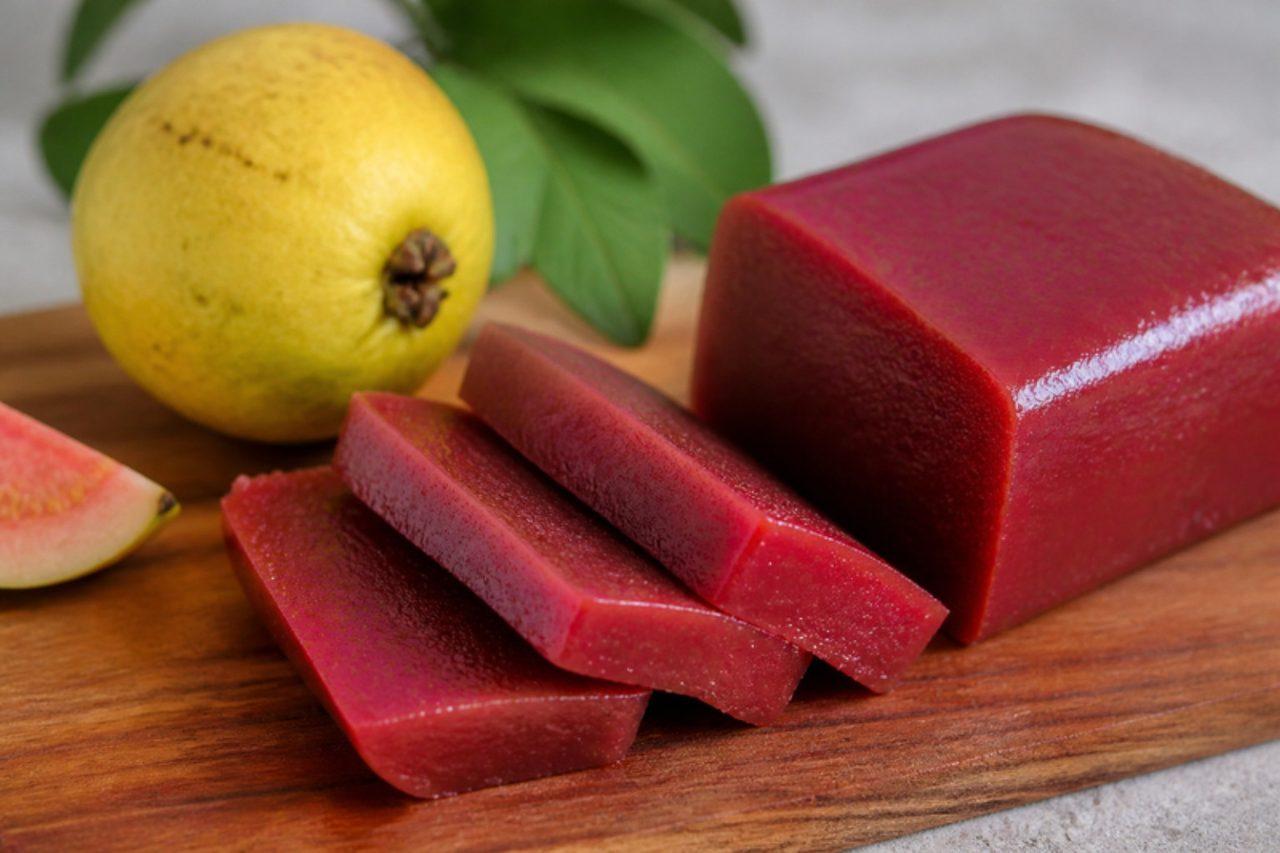
PeradGuava cheese

Goan grandmothers make perad when the guava trees are full in winter, and it sits in a tin on the dresser all through Christmas, cut into dark pink squares for the kuswar plate. The name and the method come from the Portuguese goiabada: ripe guavas are cooked, sieved, then boiled down with sugar and lime juice for the best part of an hour until the paste is thick, glossy and comes away from the pan in one mass. Set in a tray, it slices cleanly and tastes intensely of guava, sweet and slightly tart, with a chewy, jelly-like bite. Eat it on its own, with a piece of cheese, or on bread. The common mistake is stopping too early: it looks thick in the pan but stays soft and sticky once cool. Test a little on a cold plate; it should hold its shape and peel off cleanly. Chef's tip: choose fragrant pink-fleshed guavas and add a couple of slightly under-ripe ones; they carry more pectin and help it set.

by KrazyBadal 0 views

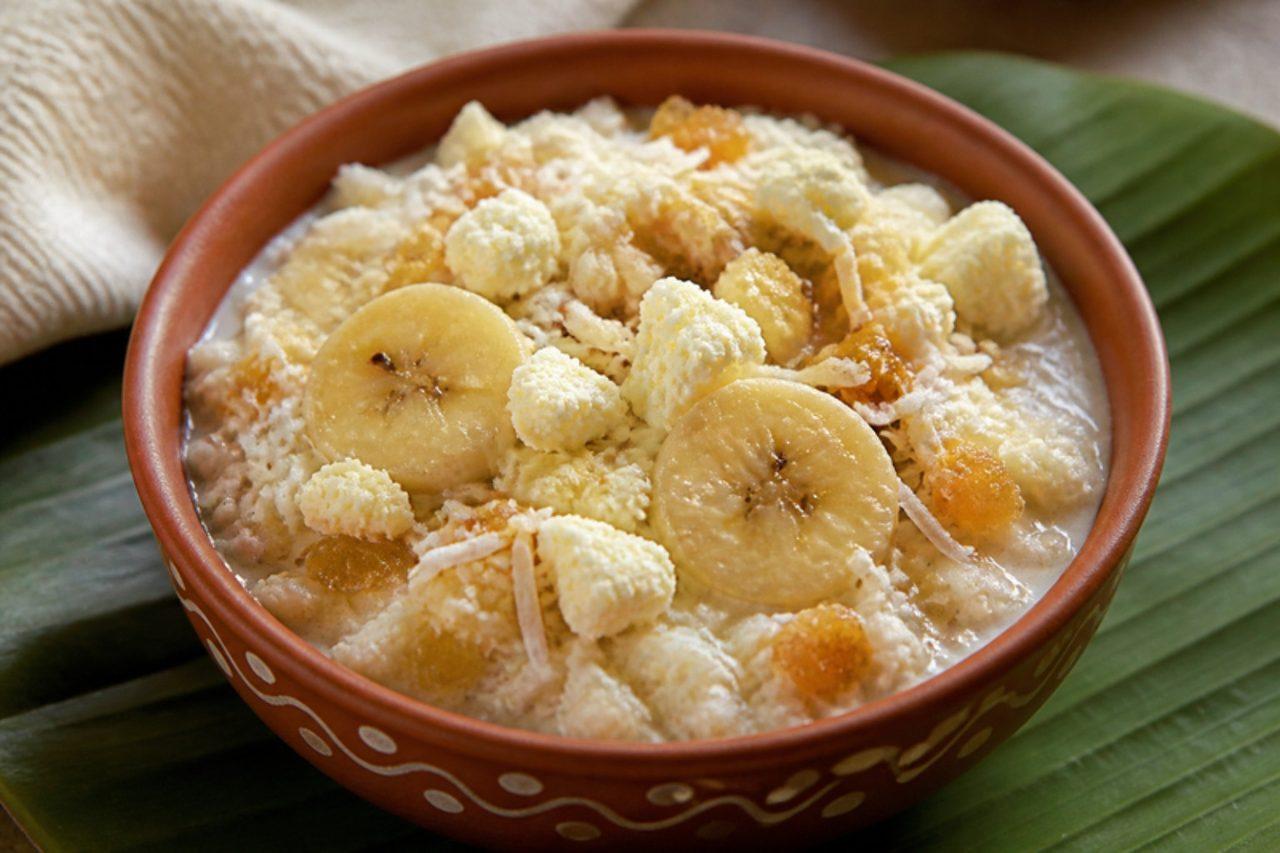
Makar chaulaRaw rice, banana and jaggery offering

On Makar Sankranti in Odisha, the first rice of the winter harvest goes to the sun god before anyone else tastes it. Makar chaula is that offering: freshly harvested rice soaked and coarsely pounded, then mixed raw with grated coconut, ripe banana, chhena (fresh cheese), jaggery or sugarcane juice, milk, black pepper and a little ginger. Temples such as Puri and Konark offer huge quantities, and every home in Cuttack and Bhubaneswar makes its own bowl after the morning bath. It is not cooked at all, so it tastes fresh, milky and gently spiced, with a soft chew from the rice. Eat it in the morning as prasad, with sugarcane pieces and til ladoo. The common mistake is grinding the rice to a powder; it should stay coarse, like broken grains, or the mix turns gluey. Chef's tip: use the newest, softest short-grain rice you can find; old rice stays hard even after soaking.

by KrazyBadal 0 views

KulkulsSugar-glazed dough curls

No Goan or Mangalorean Catholic Christmas kuswar (sweet platter) is complete without kulkuls, the tiny ridged shells that families sit round the table rolling for hours in the week before 25 December. A soft dough of flour, coconut milk, egg and butter is pinched into small balls, pressed and rolled over the back of a fork (or a clean comb) so each curls into a ribbed shell, then fried until crisp and tossed in a white sugar glaze. They are crunchy, lightly sweet and moreish, and they keep for weeks in a tin, which is why the kuswar is shared round the neighbourhood. These contain egg: vegetarian, not vegan. The mistake everyone makes once is rolling the dough too thick, which leaves them hard and doughy inside; each should be no thicker than a coin. Chef's tip: fry on a medium-low flame until just golden; kulkuls darken a little more once out of the oil and the glaze is meant to stay white.

by KrazyBadal 0 views

Makhana kheerFox nut milk pudding

Most of India's makhana comes from the ponds of Mithila in north Bihar, where the lotus-like seeds are harvested by hand, roasted and popped into the airy white puffs sold everywhere. For fasts across North India, from Navratri to Janmashtami and Mahashivratri, makhana kheer is the sweet of choice because it needs no grain at all. The fox nuts are roasted in ghee until crisp, half crushed, then simmered in reducing milk, where they soften into a creamy, slightly chewy texture with a gentle nuttiness. Cardamom and a few nuts finish it. Serve it warm after a fasting meal, or chilled on hot evenings. It thickens as it cools, so loosen it with a splash of milk if needed. Chef's tip: roast the makhana until one crushes easily between your fingers; under-roasted puffs stay spongy and taste raw in the kheer.

by KrazyBadal 0 views

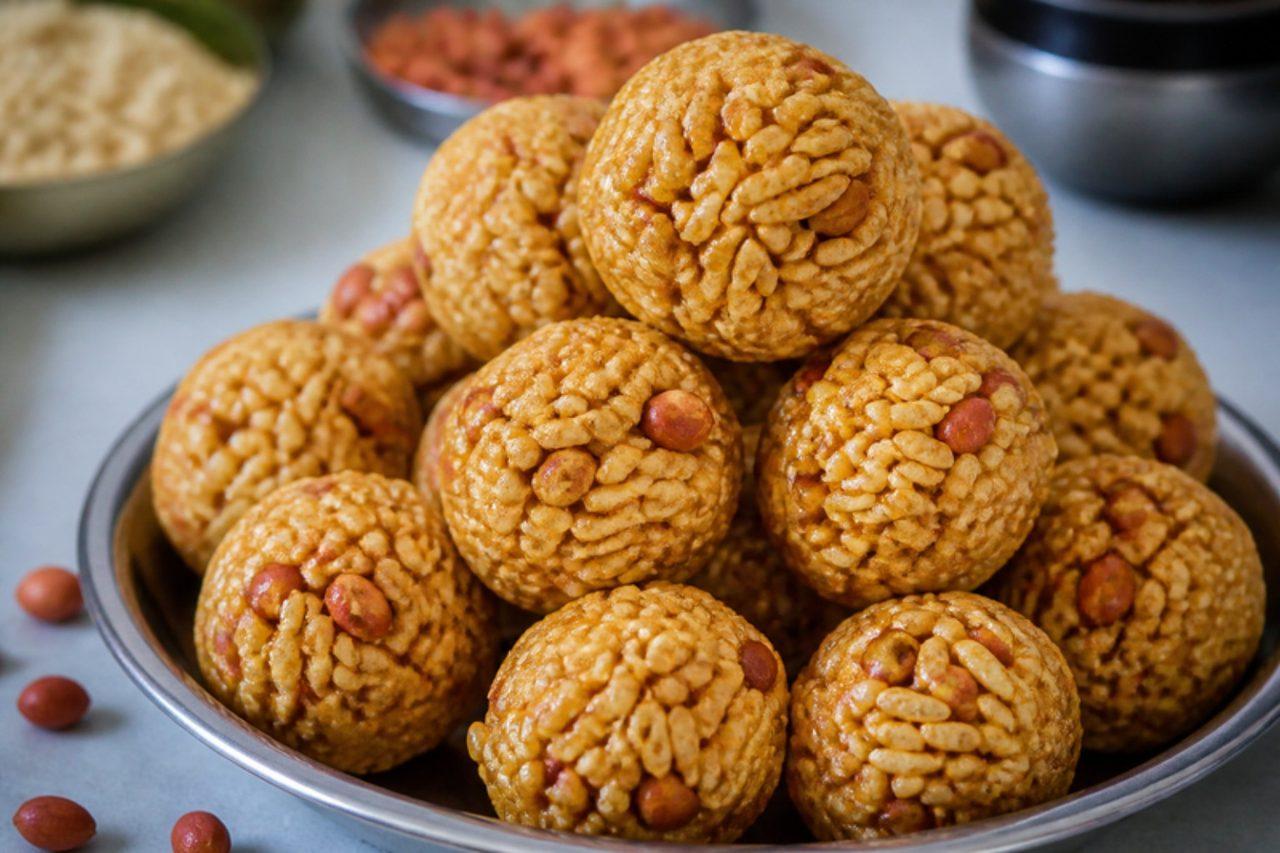
Murmura ladooPuffed rice jaggery balls

On Uttarayan, the whole of Ahmedabad climbs onto its rooftops to fly kites from dawn to dusk, and the steel dabbas that come up the stairs are full of chikki, til ladu and these mamra na ladu. Puffed rice is crisped in a pan, then tossed in jaggery cooked to the hard-crack stage and pressed quickly into balls that crunch loudly and taste of caramel. Children love them, they cost almost nothing and they keep for weeks. In North India the same sweet is made for Lohri and Sankranti as murmure ke laddu. The common mistake is undercooking the jaggery: the ladoos then turn chewy and soft after a day. A drop in cold water must snap cleanly. Grease your hands with oil and a splash of water to keep them vegan. Chef's tip: shape them fast and with wet, oiled hands, a few at a time; the syrup sets within a minute and the last balls crumble if you dawdle.

by KrazyBadal 0 views

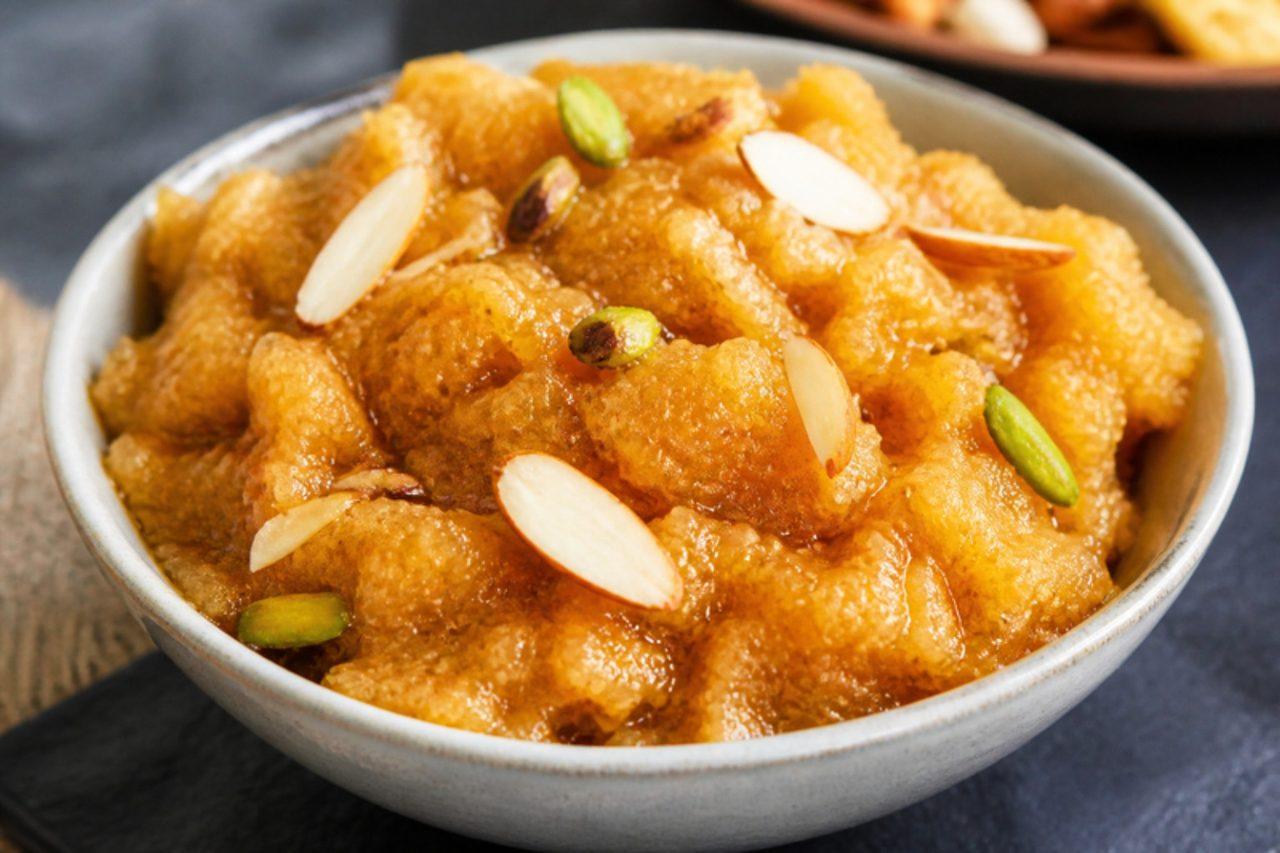
Moong dal halwaMoong dal pudding

At Rajasthani and Marwari weddings in winter, the halwai's moong dal halwa is the dish people go back for. It is also made at home for Holi, when it is cooked in big kadhais and passed around warm. Soaked yellow moong dal is ground to a coarse paste and roasted in ghee for the best part of an hour, first clumping into a heavy mass, then breaking down into golden grains that smell of toasted nuts and ghee. Hot saffron milk and sugar go in at the end and are cooked back until the ghee glistens. The result is rich, grainy, buttery and fragrant, best served warm in small bowls with slivered almonds. It needs steady stirring and a strong arm, so share the job. Chef's tip: grind the dal with as little water as possible; a wet paste takes far longer to roast and turns sticky instead of grainy.

by KrazyBadal 0 views

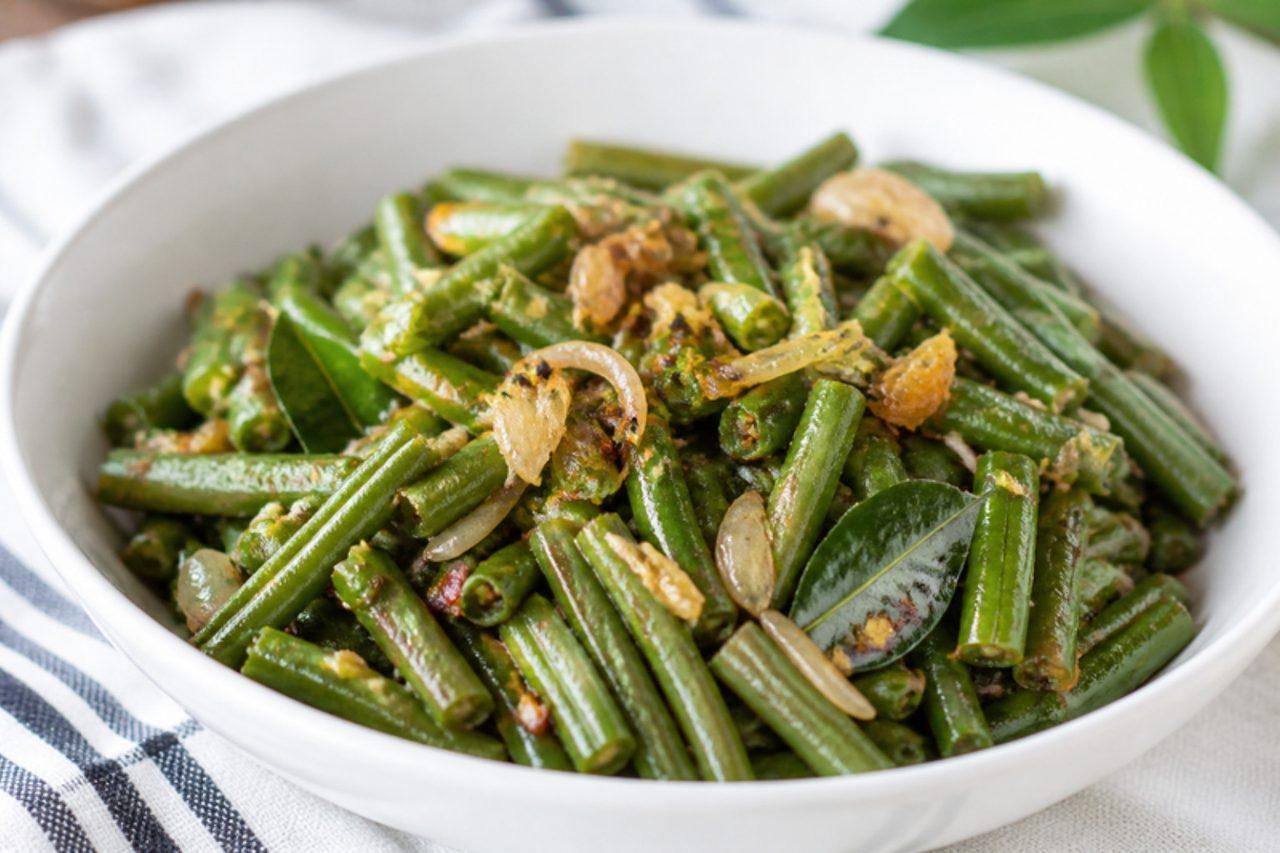
Payar mezhukkupurattiStir-fried long beans

The name says it all: mezhukku means oil and puratti means smeared, so this is a dry stir-fry that leaves every bean slick and shiny with coconut oil. Vanpayar, the yard-long beans that climb over every Kerala garden fence, are cut short and cooked with crushed shallots, garlic and dried chilli flakes until tender and blistered in places. It is weekday food in Kottayam and Alappuzha homes, packed into tiffin with rice and moru curry, and it turns up on festive spreads too. The taste is simple, smoky and savoury, with crunch from the shallots. Serve with matta rice and a thin curry. The common mistake is covering the pan for too long, which steams the beans grey and soft; cover briefly, then finish uncovered so they roast. Chef's tip: crush the shallots, garlic and chilli together in a mortar rather than slicing them; the rough paste clings to the beans much better.

by KrazyBadal 0 views

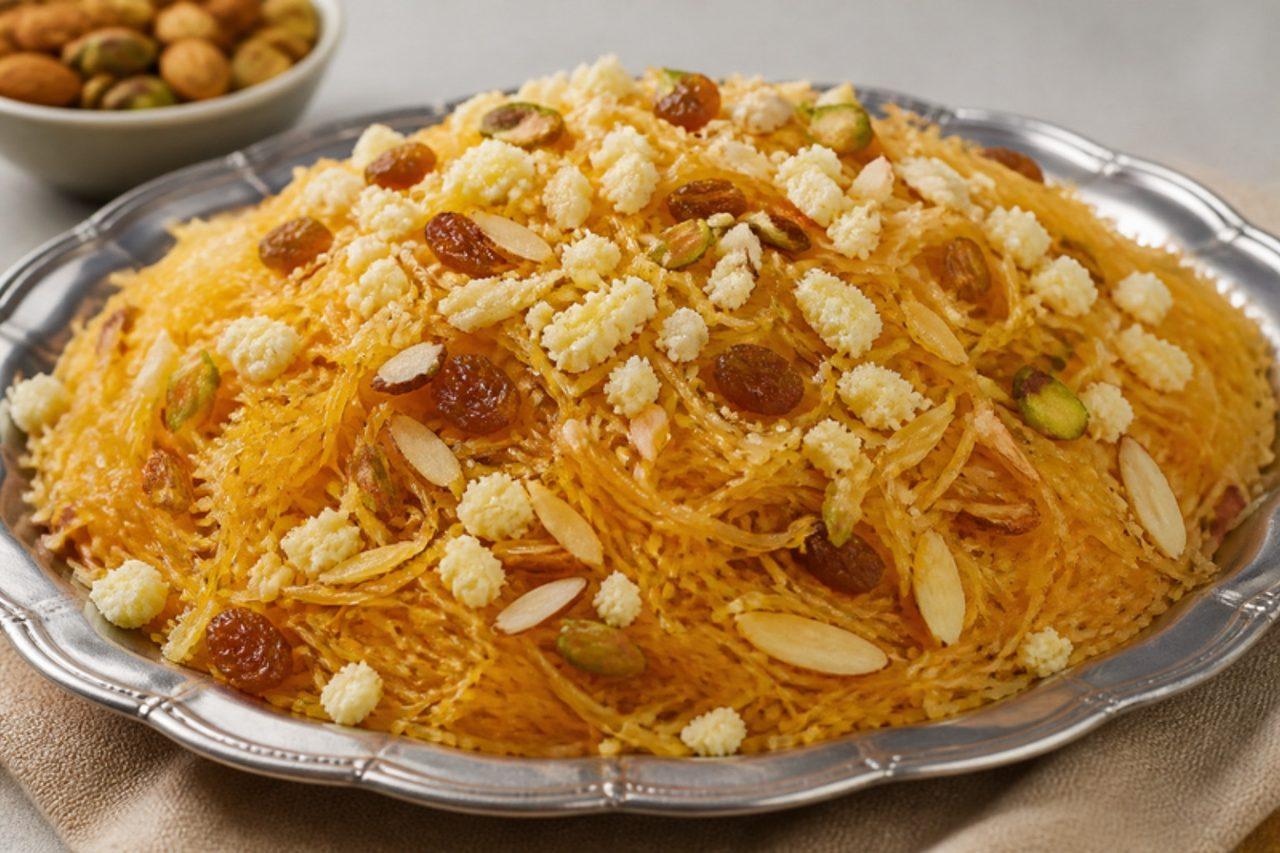
Kimami seviyanDry saffron vermicelli

On Eid ul-Fitr morning in Lucknow, after namaz, every Awadhi household sets out kimami seviyan, the dry, glossy cousin of the milky sheer khurma. Hair-thin vermicelli is roasted in ghee until deep golden, then cooked in a kimam (sugar syrup) scented with saffron, cardamom and kewra until each strand is separate, shiny and just tender. It is finished with crumbled khoya, fried dry coconut, almonds, pistachios, chironji and raisins, and often topped with silver leaf. The texture is chewy and buttery rather than soupy, more like a sweet pulao of noodles. Serve it warm in small plates to guests, with sheer khurma or a cup of tea. The common mistake is adding too much syrup or water, which turns the seviyan soft and lumpy; it should look dry with every strand coated. Chef's tip: use the finest unroasted seviyan from a Muslim bazaar if you can and roast them yourself in ghee; ready-roasted ones give a flatter taste.

by KrazyBadal 0 views

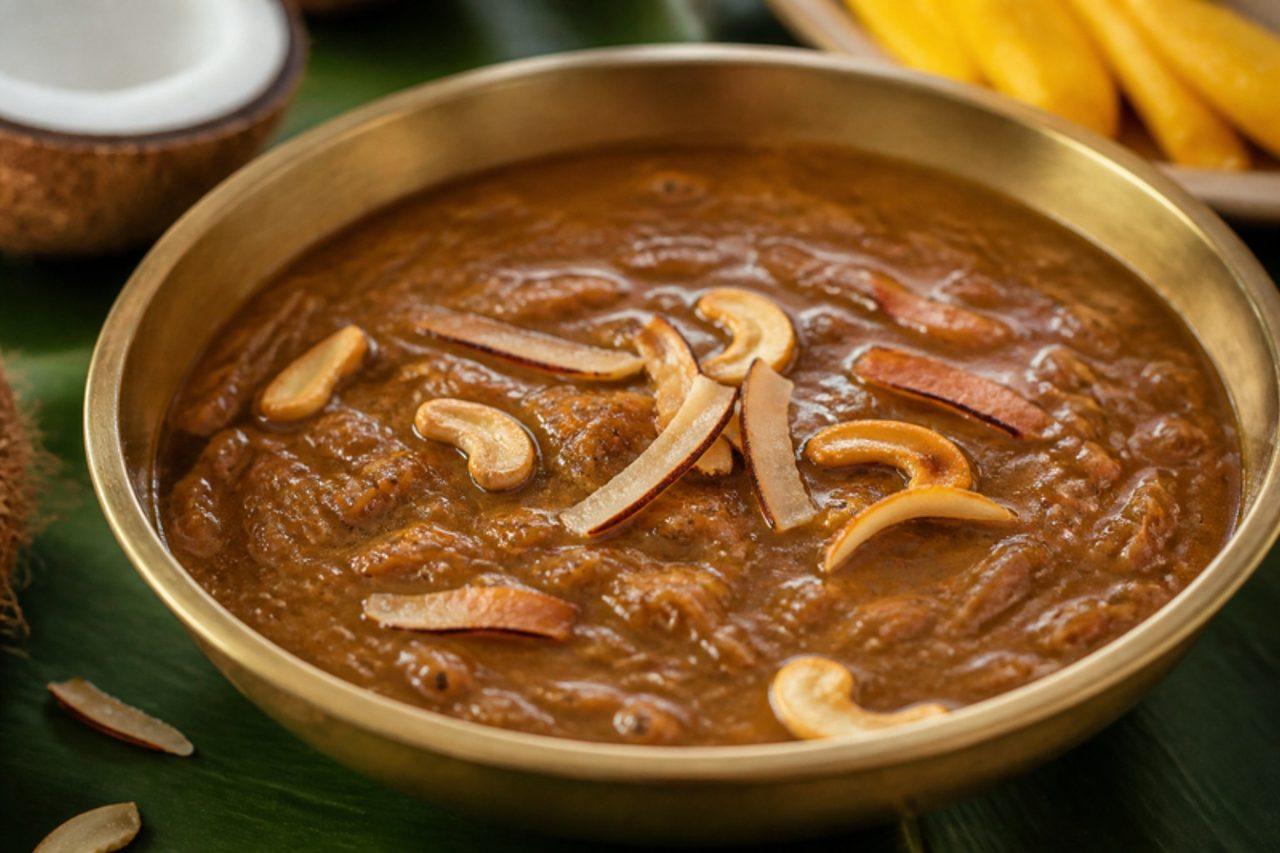
Chakka pradhamanJackfruit coconut milk pudding

When the jackfruit trees of Kerala hang heavy in summer, families cook the ripe bulbs with jaggery and ghee into chakka varatti, a dark, sticky preserve that keeps for months. Come Onam in August or September, a jar of varatti is all that stands between them and chakka pradhaman, the richest payasam on the sadya leaf. The preserve is melted into thin coconut milk, simmered, then finished with the thick first pressing, dry ginger, cardamom and coconut slivers fried in ghee. It tastes of caramelised fruit and toffee, smooth and heavy, with crunchy bits of coconut. Serve it warm in small cups or on the leaf with a crushed pappadam and a slice of banana, as Malabar families do. Do not let the pot boil once the thick coconut milk goes in: it splits and turns oily. Chef's tip: if you have ready varatti, use 250 g and skip the first stage; the slow-cooked jackfruit is what gives the deep colour, so do not rush it.

by KrazyBadal 0 views

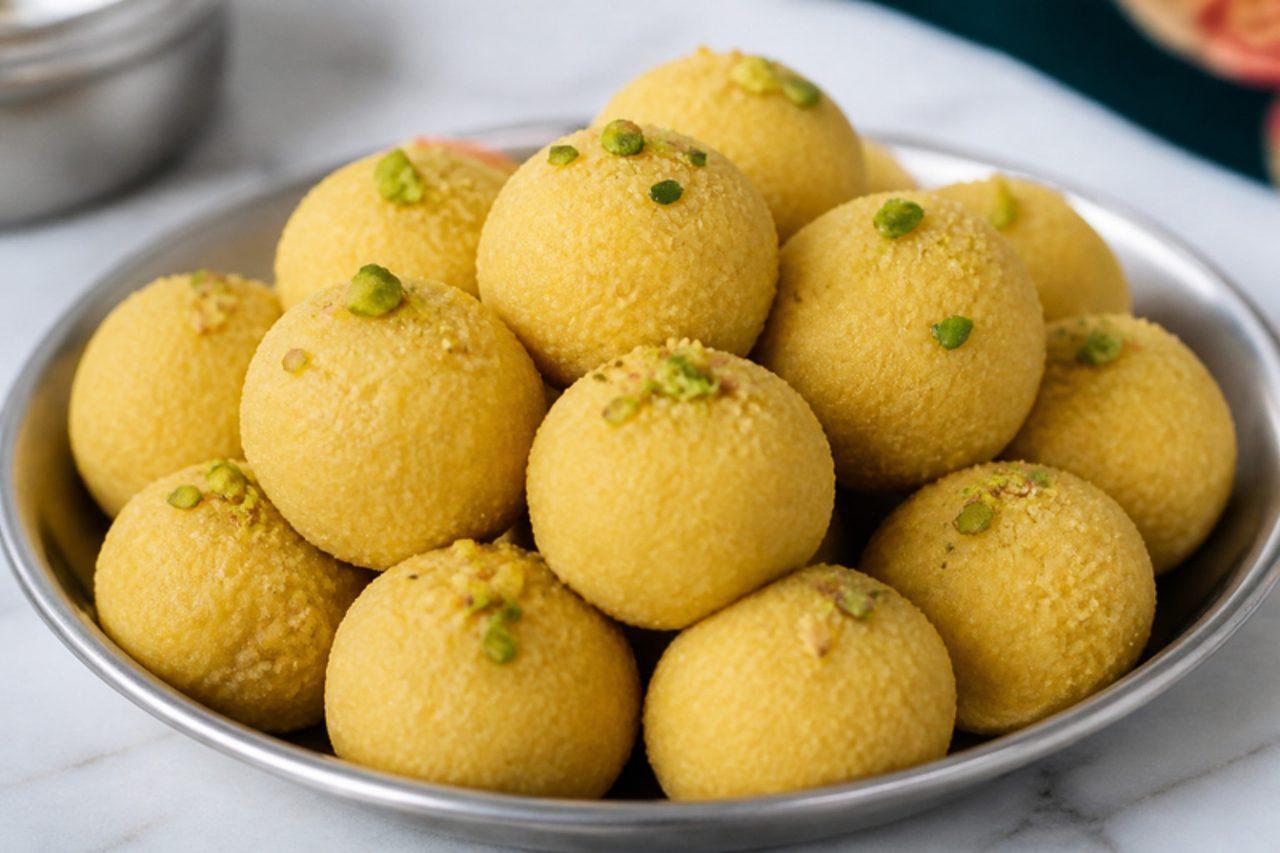
Besan ladooGram flour sweet balls

Every North Indian and Gujarati kitchen has its besan ladoo argument: coarse or fine flour, boora or caster sugar, nuts or not. What nobody argues about is the roasting. The gram flour has to cook in ghee on a low flame for half an hour, going from a stiff lump to a loose, flowing paste the colour of sand, until the raw beany smell is gone and the kitchen smells like roasted peanuts. That patient roast gives a ladoo that is melt-in-the-mouth, faintly grainy and rich, never pasty. They are made for Diwali, offered to Ganesh on Chaturthi and packed for travellers because they keep for weeks. Use besan packed without wheat if you need it gluten-free. Chef's tip: let the roasted besan cool until just warm to the touch before the sugar goes in; hot besan melts the sugar and your ladoos slump into flat discs.

by KrazyBadal 0 views

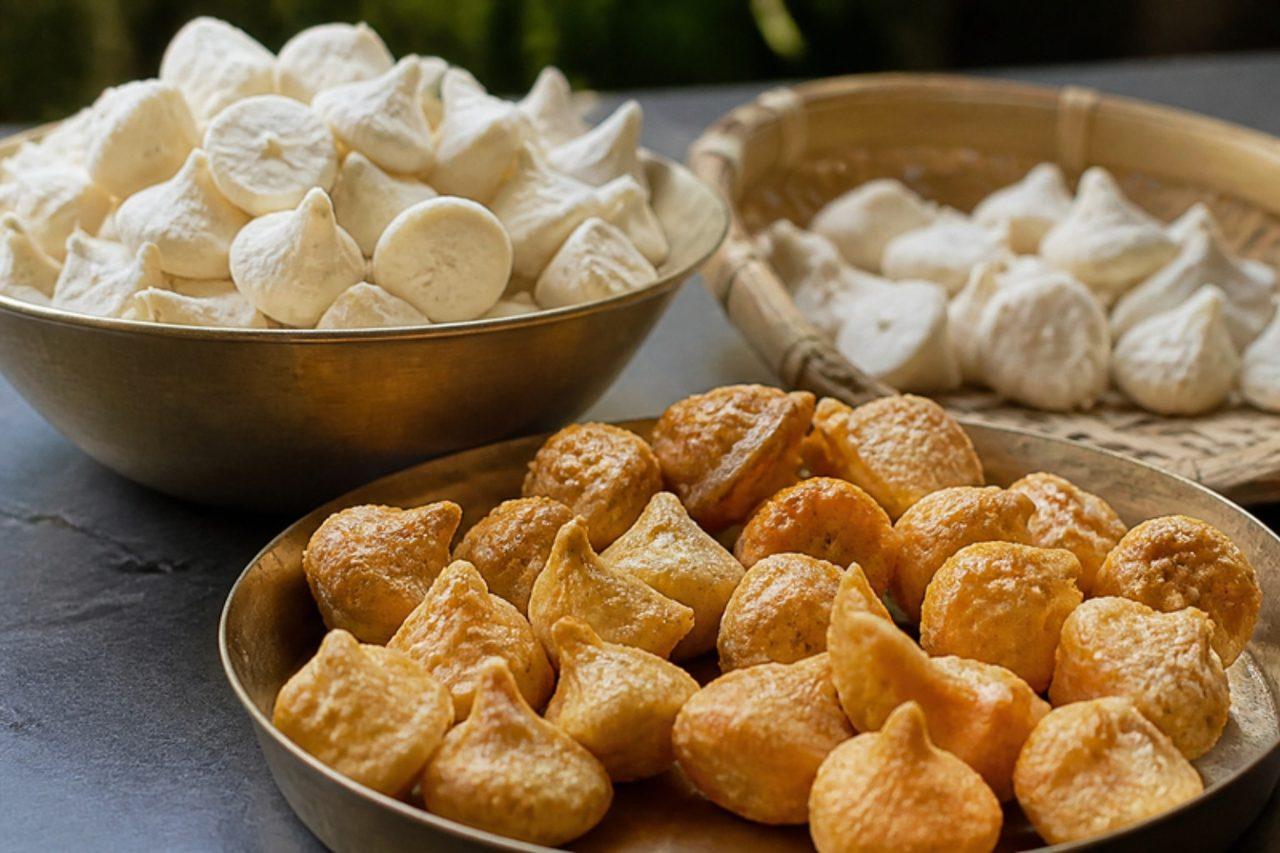
Bengali boriSun-dried lentil dumplings

Winter mornings in rural Bengal used to mean bori-making: the household gathered on the roof with a big bowl of freshly ground, hand-whipped urad dal and dropped little peaked dollops onto cloth in neat rows. In Medinipur the women even pipe them into lace-like gohona bori, a folk art of its own. The everyday kind is simpler, a cone the size of a marble, sun-dried until rock hard. Fried in mustard oil, a bori turns crisp and golden outside and slightly spongy inside, and it soaks up gravy beautifully. A handful goes into shukto, into a maacher jhol with potatoes, into lau ghonto (bottle gourd) or into a simple vegetable chorchori. Common mistake: grinding the dal with too much water; the paste then spreads flat on the cloth instead of holding a peak. Chef's tip: check the whipped paste by dropping a little into a bowl of water. If it floats, it has enough air and the bori will be light; if it sinks, keep beating.

by KrazyBadal 0 views

KalakandMilk cake

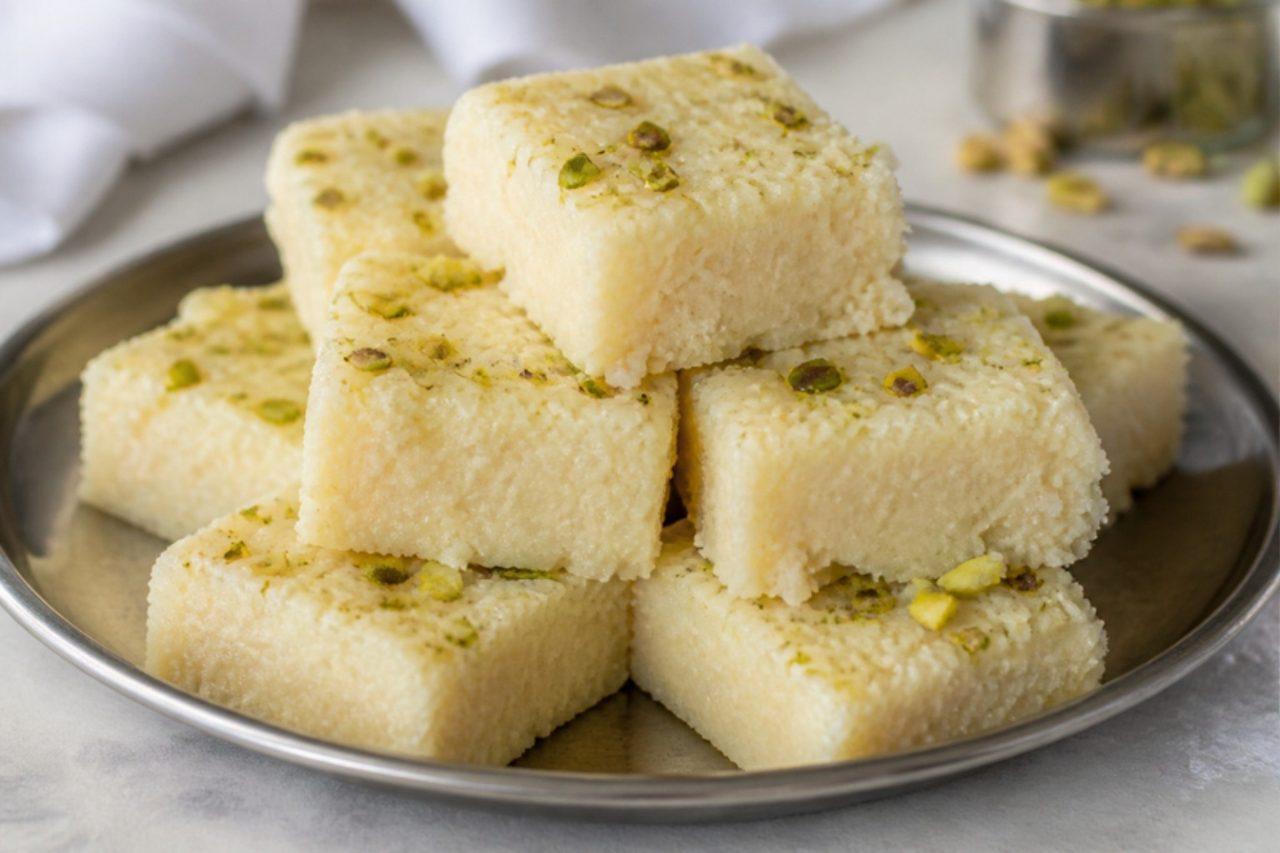
Alwar in Rajasthan built its reputation on kalakand, and the town's sweet shops still sell it by the slab, moist and crumbly, somewhere between fudge and fresh cheese. The texture comes from two dairy elements cooked together: fresh chhena, curdled with lemon so it stays in fine, soft crumbs, and full-fat milk reduced to a thick cream. Sugar loosens it, then it is cooked down until it just holds together and spread to set. It tastes of sweet milk and cardamom, with tiny grains that melt as you chew. It is a favourite for Diwali, Raksha Bandhan and any good news. Serve it at room temperature, cut into squares. Chef's tip: stop cooking while it still looks a little moist; kalakand firms up a lot as it cools, and overcooking turns it dry and chewy.

by KrazyBadal 0 views

KansarWheat and sugar sweet

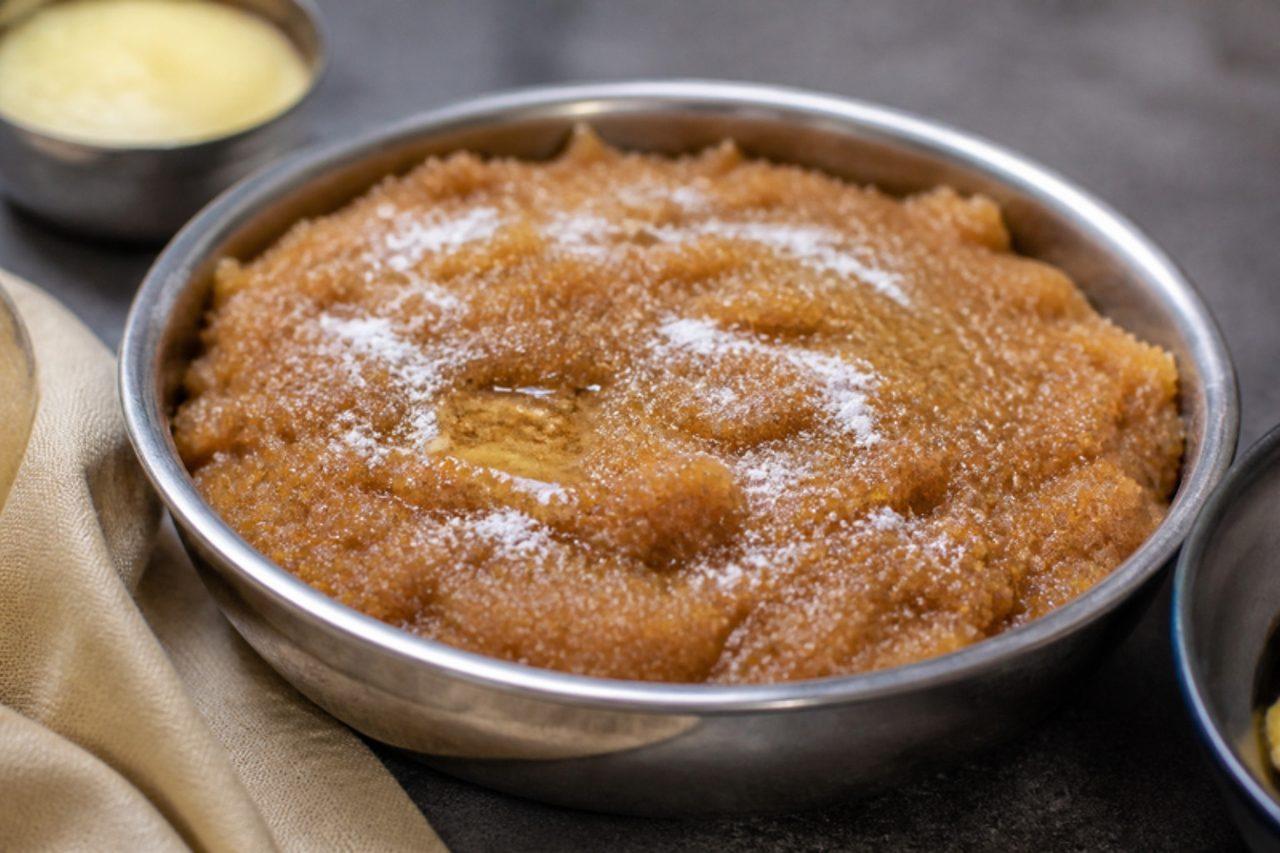
At a Gujarati wedding the first mouthful the new couple share is kansar: the bride's mother sets a thali in front of them and each feeds the other a pinch, a ritual called kansar jamadvo. The same sweet turns up for a griha pravesh, a new job or any shubh occasion at home. It is made from jada ghau no lot (coarse, almost gritty wheat flour), roasted in ghee and steamed in sugared water until every grain swells and stays separate, so it is crumbly and loose rather than a set halwa. It is never sweet enough on its own: at the table everyone pours over a spoon of hot melted ghee and sprinkles bura (powdered sugar) to taste. Serve it warm, with dal, bhaat, a shaak and kadhi for a festive lunch. Common mistake: stirring it like sheera once the water goes in. Kansar has to be left covered on a low flame to steam, and only fluffed with a fork; beating it turns it into paste. Chef's tip: if you cannot find kansar flour, use 150 g coarse rava (sooji) mixed with 50 g ordinary atta, which gives the same loose, grainy texture.

by KrazyBadal 0 views

Ghila pithaFried rice and jaggery cakes

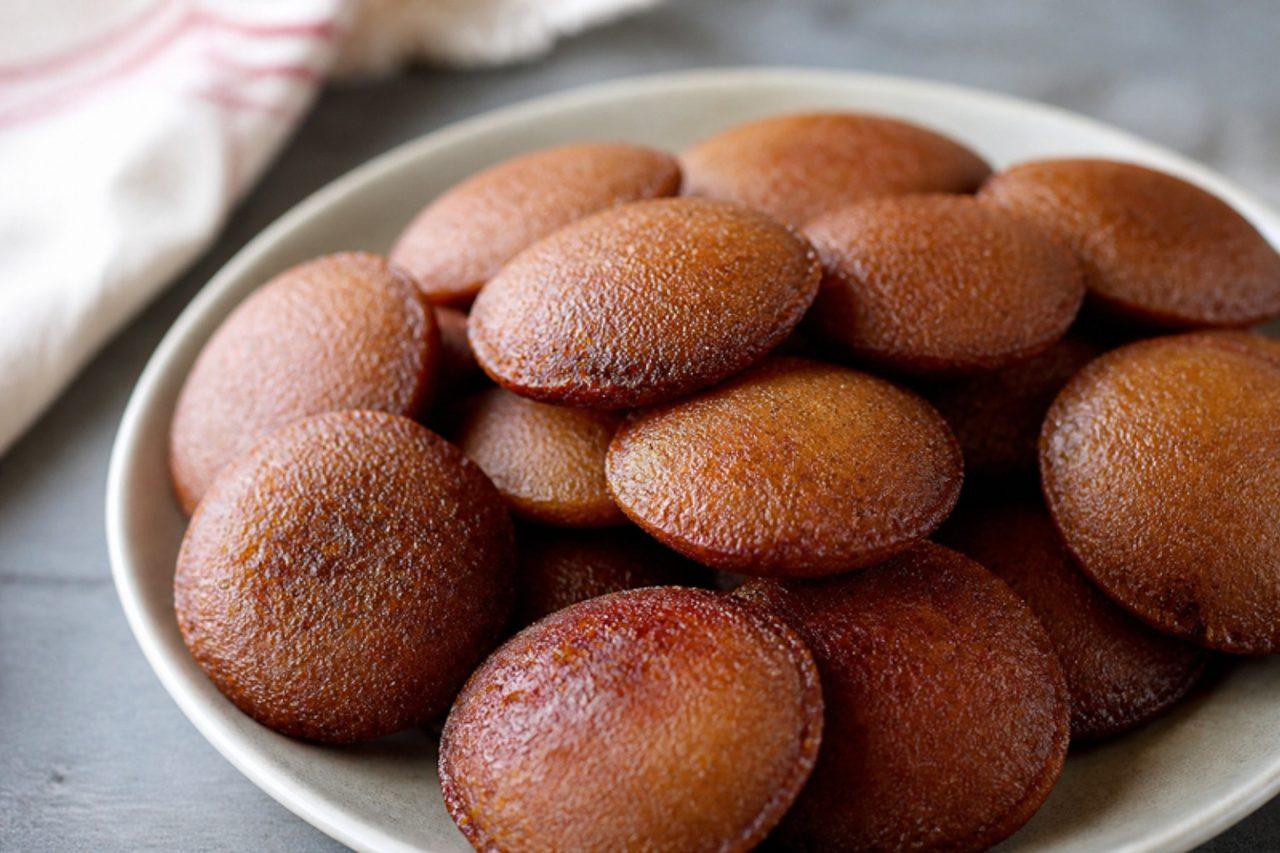
Magh Bihu in January closes the harvest in Assam with bonfires, feasts and plates full of pitha. Ghila pitha takes its name from ghila, the kneecap, because the little cakes are pressed into rounded discs that puff in the middle as they fry. Sticky bora or plain rice is soaked, dried and ground to a damp flour, then kneaded with melted jaggery and fried in mustard or vegetable oil. Outside they are dark brown and crisp; inside chewy and soft like a doughnut, with the deep flavour of jaggery. They keep a few days, so they are stacked in steel tins for visitors and eaten with black tea or with doi and jolpan. Some cooks add a pinch of fennel or sesame. The common mistake is oil that is too hot: jaggery darkens and burns long before the inside is cooked, so fry slowly. Chef's tip: let the dough rest for 30 minutes after kneading; the rice flour drinks up the syrup and the cakes hold together.

by KrazyBadal 0 views

Motichoor ladooBoondi sweet balls

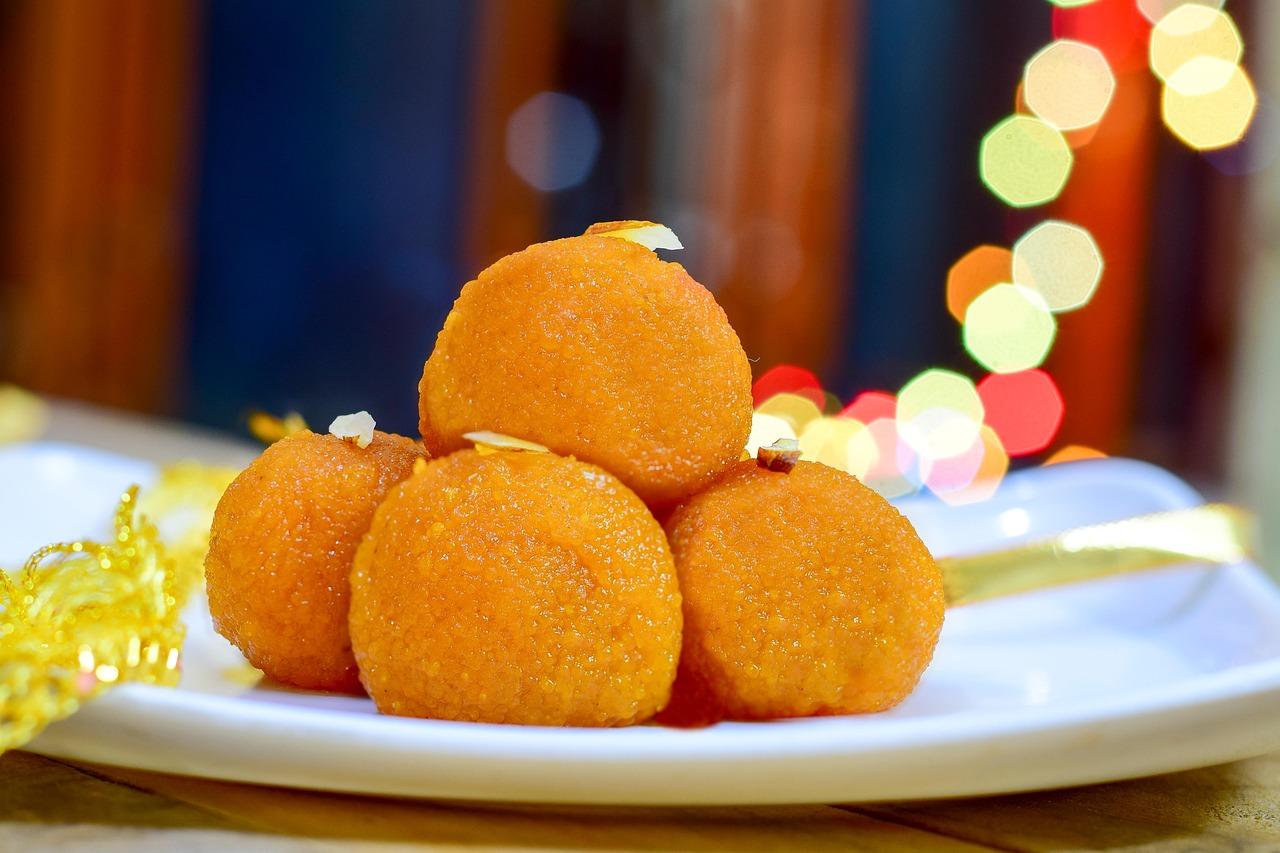
Halwais in Jaipur, Indore and old Delhi sell mountains of these during Ganesh Chaturthi, Diwali and every wedding season, and Ganesha himself is usually shown holding one. The difference from ordinary boondi laddu is size: the gram-flour batter is dropped through the finest jhara, so each pearl is no bigger than a mustard seed and the finished laddu is soft, moist and almost melts on the tongue. A light syrup of one-string consistency, saffron, cardamom and a little melon seed is all it needs. Serve them as prasad, in a festive mithai box, or after a thali. The classic mistake is a batter that is too thick: the drops come out with tails and stay chewy instead of round. Being made only from gram flour, sugar and ghee, these are gluten-free as long as no hing or wheat goes near the batter. Chef's tip: shape the laddus while the boondi is still warm and syrupy; once it cools, the pearls will not stick together and the laddus crumble.

by KrazyBadal 0 views

Kali gajar ki kanjiFermented black carrot drink

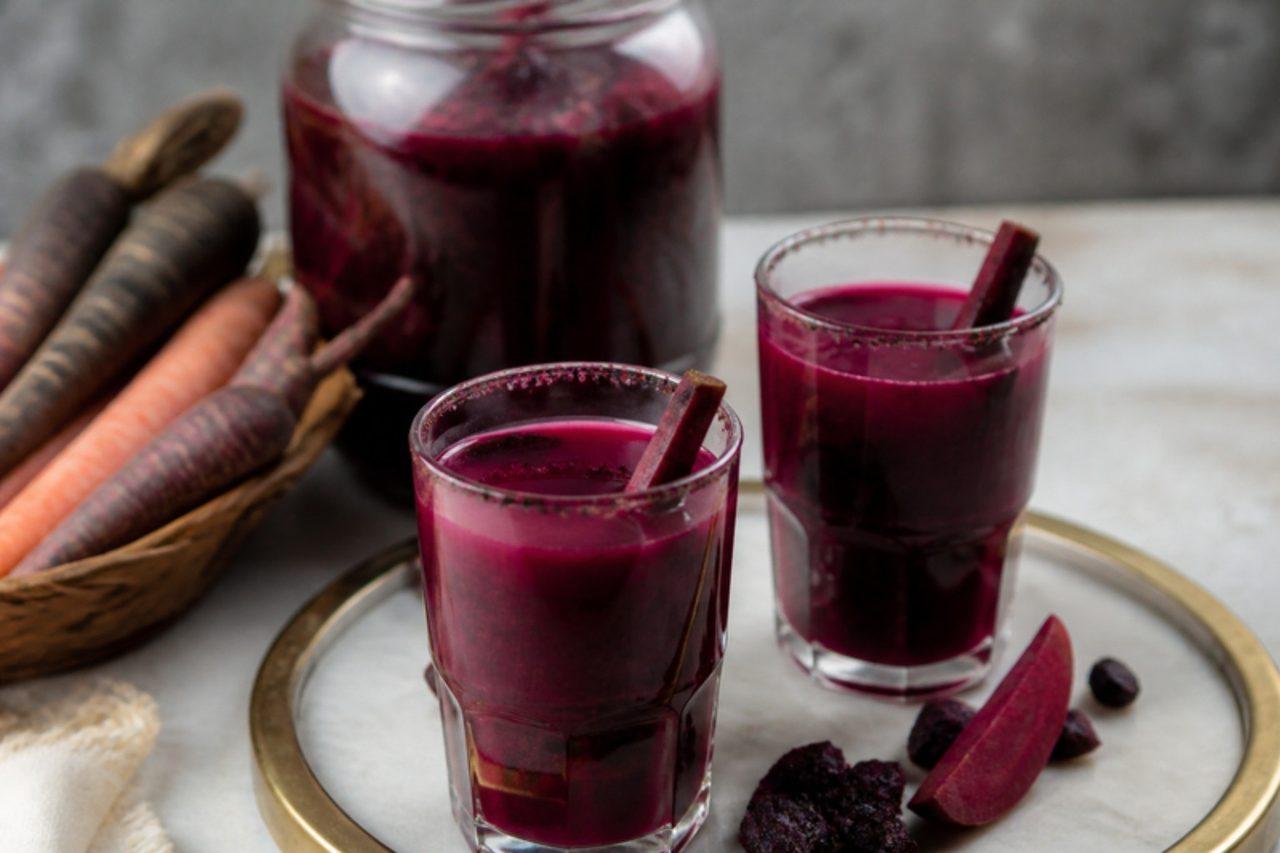
When the last black carrots of winter reach Punjabi and UP markets in February and March, kitchens start a jar of kanji. The carrots are cut into fingers, steeped in water with crushed mustard seed, salt and chilli, and left in the sun for a few days until the liquid turns deep purple, sour and sharp enough to tickle your nose. It is drunk by the glass before meals around Holi as a digestive and a spring tonic, and the soft, tangy carrot sticks are eaten too. The flavour is like a lively pickle brine, earthy from the carrots and peppery from mustard. Use a glass or ceramic jar that you have washed and dried completely, keep the vegetables under the water, stir with a clean dry spoon, and discard if mould or an unpleasant smell appears. Chef's tip: a small beetroot deepens the colour if your carrots are more red than black, but don't overdo it or the kanji tastes earthy and sweet.

by KrazyBadal 0 views

ImartiSyrup-soaked lentil spirals

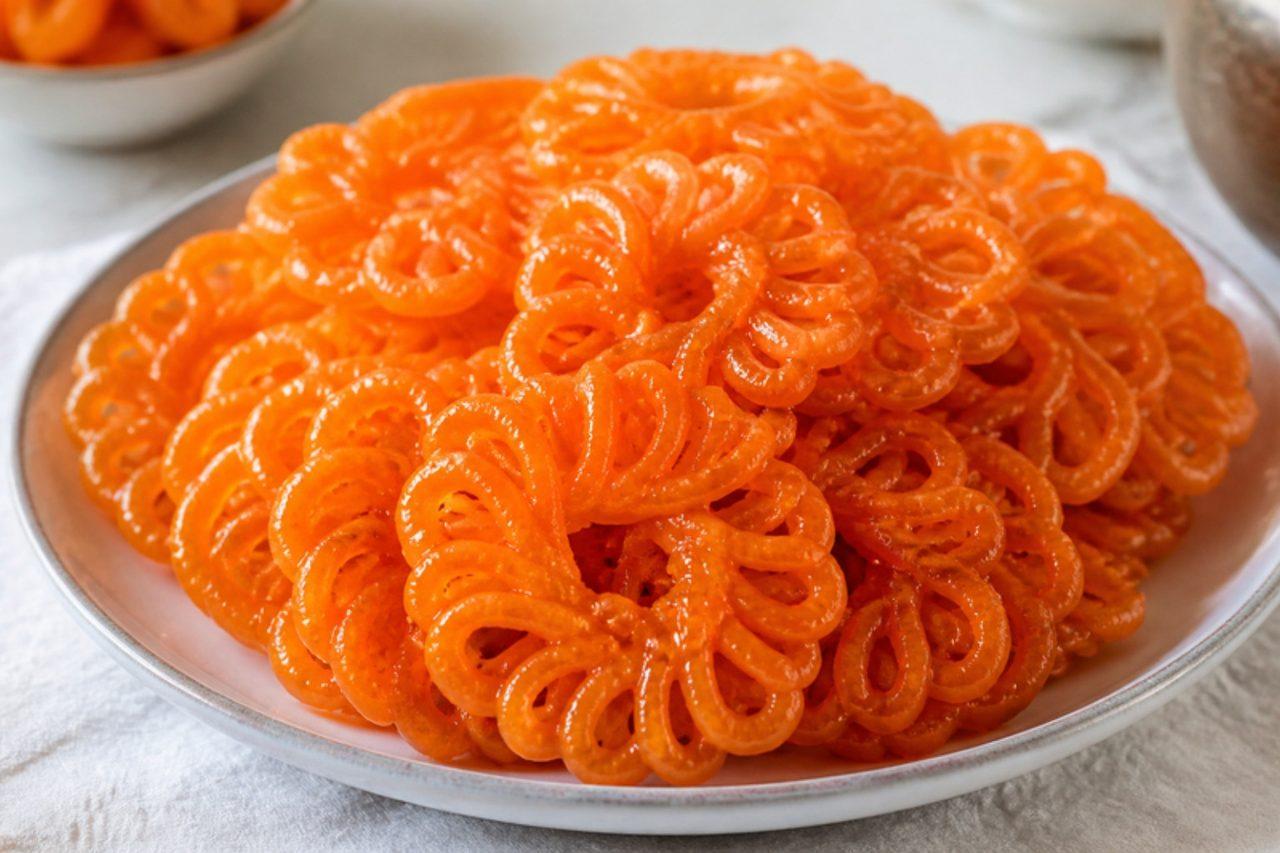
Imarti (jangiri in Tamil Nadu) is the stately cousin of jalebi: instead of a fermented flour batter it uses soaked urad dal, whipped until airy, piped into hot oil in a ring of small loops like a flower, and plunged into warm saffron syrup. The result is crisp at first and then pleasantly chewy, juicy inside but not soggy, and less tangy than jalebi. Halwais in Jaunpur, Agra and across Rajasthan fry it in desi ghee for weddings, Diwali and Holi, often served warm with rabri. This version is fried in oil so it stays vegan; use ghee if you prefer the halwai taste. The batter is the whole secret: grind the dal with very little water, then beat it by hand until a drop floats in water. Common mistake: frying on high heat, which browns the outside before the inside is set, so the imarti go limp in the syrup. Keep the oil at a gentle medium-low and expect them to take a couple of minutes. Chef's tip: practise the shape on a plate first; a ketchup bottle or a piping bag with a 3–4 mm round nozzle is far easier than the traditional cloth with a hole.

by KrazyBadal 0 views

DoodhpakRice milk pudding

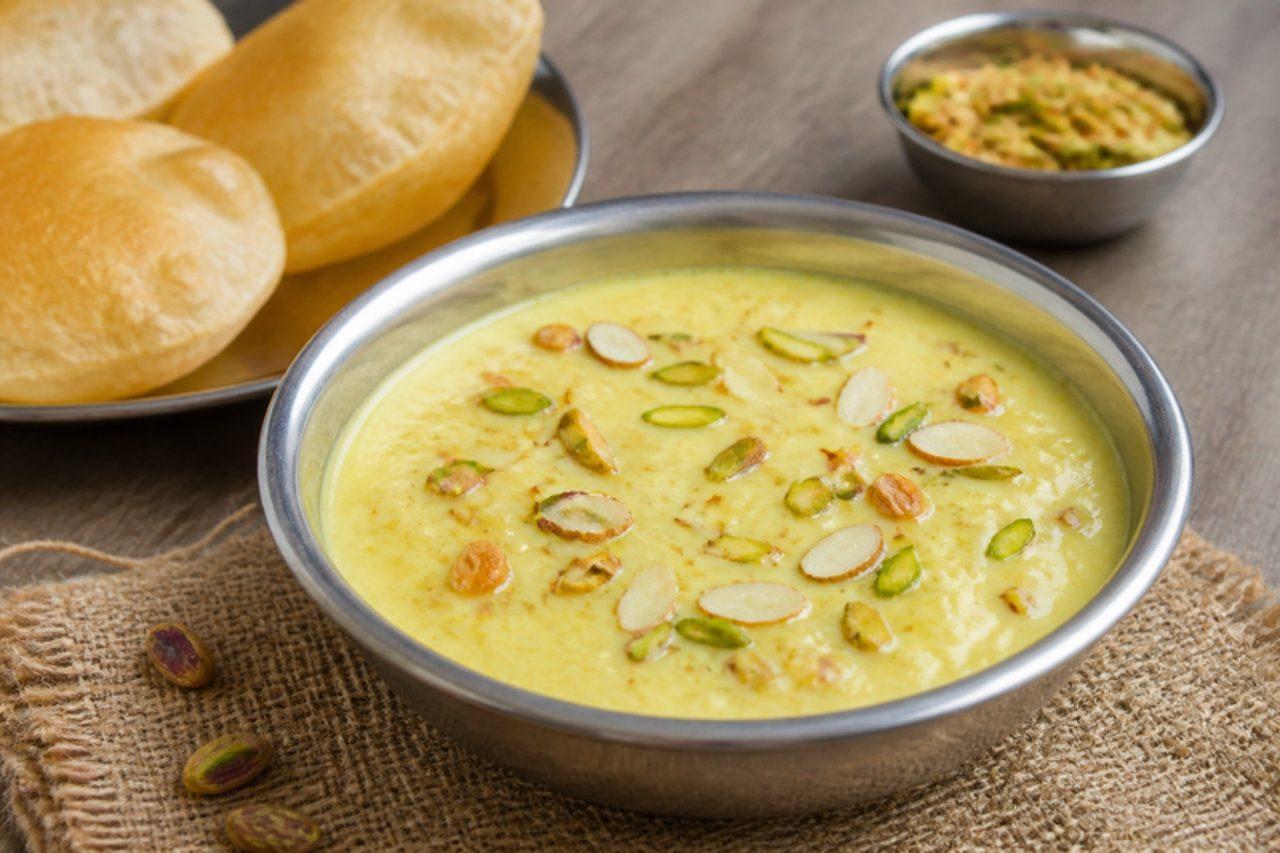
Doodhpak and puri is the classic pairing of a Gujarati jamanvar (feast), served at weddings, at Sharad Purnima and, in many families, cooked for pitru paksha (shraddh) to remember the ancestors. Unlike a thick kheer, doodhpak is pourable and silky: a small amount of rice cooks in milk that has been reduced by about a third, so each grain is soft but still whole, and the milk turns creamy and faintly golden from saffron. Charoli (chironji, small almond-like seeds), slivered almonds and pistachios give it bite, and cardamom with a little nutmeg (jaiphal) is the true Gujarati flavour. It thickens a lot as it cools, so take it off the heat while it still looks thin. Serve warm in winter or chilled in summer, with hot puris, dal-bhaat and a dry shaak. Common mistake: adding sugar before the rice is fully soft; the sugar stops the grains cooking and they stay chalky. Chef's tip: rub the soaked rice with a teaspoon of ghee before it goes in, so the grains stay separate and do not form lumps on the base.

by KrazyBadal 0 views

PanchakhadyaCoconut, jaggery and poppy seed offering

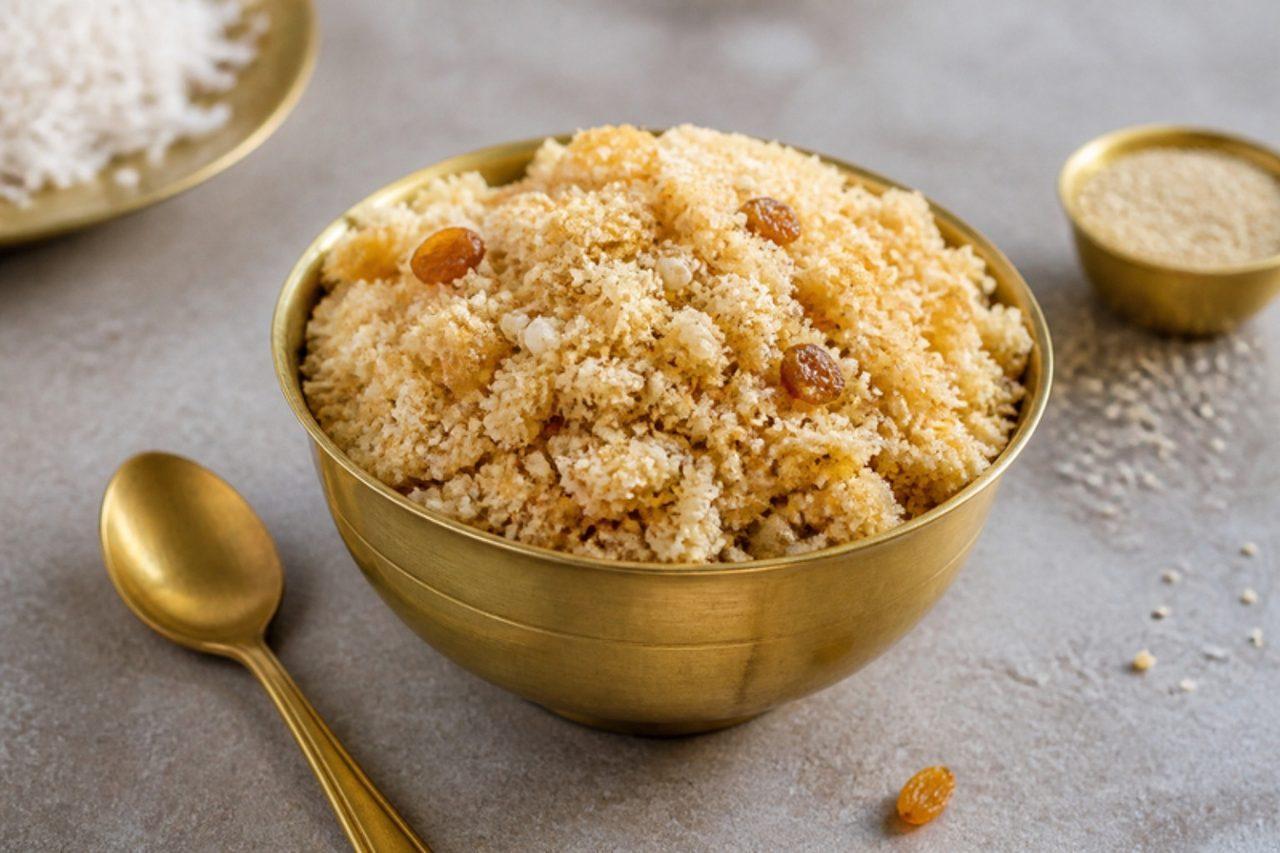
Walk into a Maharashtrian home during the ten days of Ganeshotsav and the evening aarti ends with a spoonful of panchakhadya pressed into your palm. Pancha means five and khadya means things to eat: dry coconut (khobra), jaggery, poppy seeds, dry dates (kharik) and dry ginger (sunth) powder, all toasted and pounded together into a loose, sweet crumble. Some families add a few raisins or almonds, but the five are the heart of it. It is warming, chewy and gently spicy from the sunth, and it keeps for weeks, which is why it is made in a big tin at the start of the festival. Eat it by the spoon, or sprinkle over hot milk. The common mistake is grinding everything together into a sticky paste; the jaggery should be grated and stirred in at the end so the mixture stays crumbly. Chef's tip: dry kharik are rock hard; soak them for 10 minutes in hot water, then pat dry and chop, or buy ready kharik powder.

by KrazyBadal 0 views

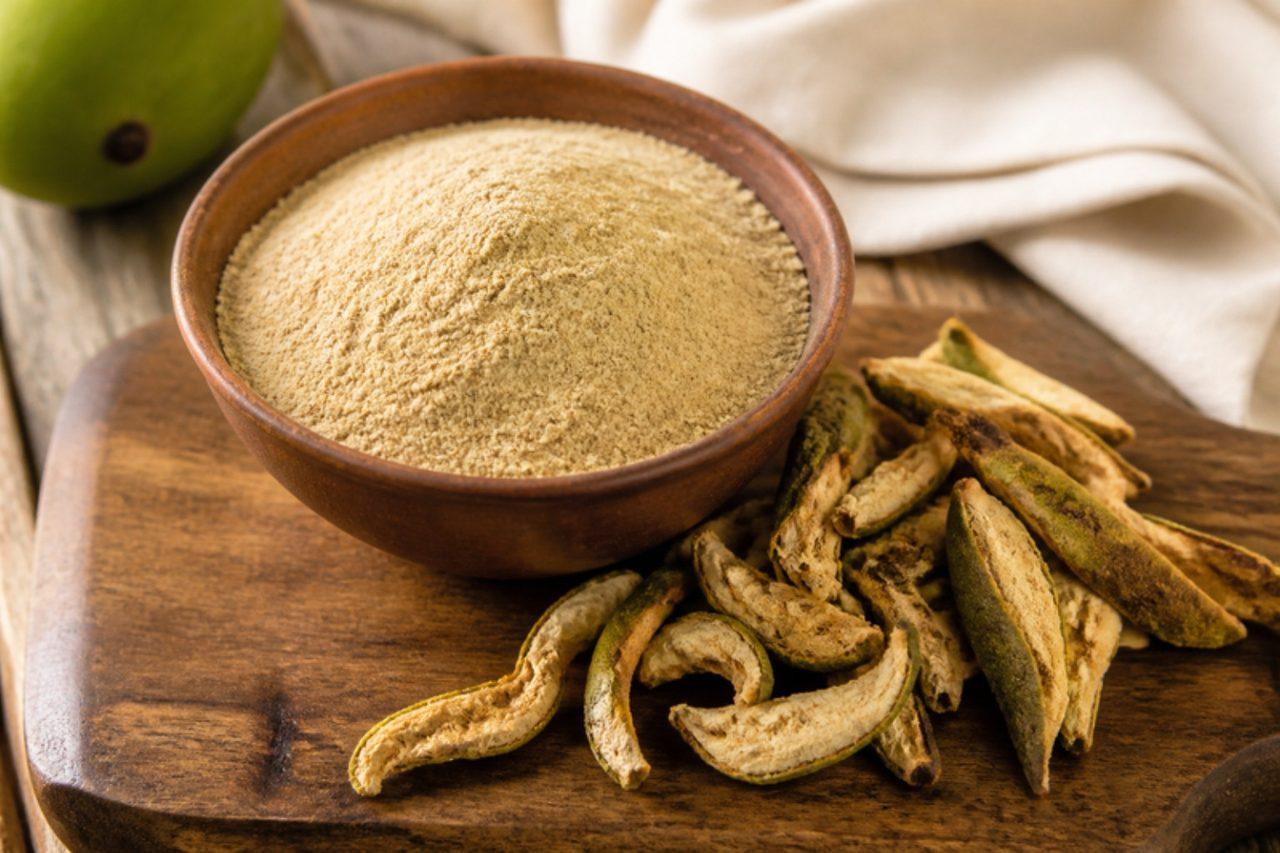
AmchurDry mango powder

Every Punjabi and UP kitchen keeps a jar of amchur next to the jeera and haldi, and the homemade version smells far fresher and sourer than most shop powder. In villages around Saharanpur and Malihabad, the raw mangoes that fall in early-summer storms are peeled, sliced and spread out to dry, and the brittle slices (amchur khatai) are either stored whole or ground. Amchur gives a fruity, mouth-puckering sourness without any liquid, which is why it goes into dry dishes where tomato or tamarind would make things soggy: bhindi masala, stuffed karela, samosa and kachori fillings, chole, chaat masala and pav bhaji masala. A kilo of mangoes gives roughly 100 g of powder. Common mistake: grinding slices that still bend; even slight moisture makes the powder clump into hard lumps in the jar. Chef's tip: choose small, rock-hard, very sour green mangoes with white flesh, not ones starting to turn yellow; riper fruit dries into a brown, sweetish powder.

by KrazyBadal 0 views

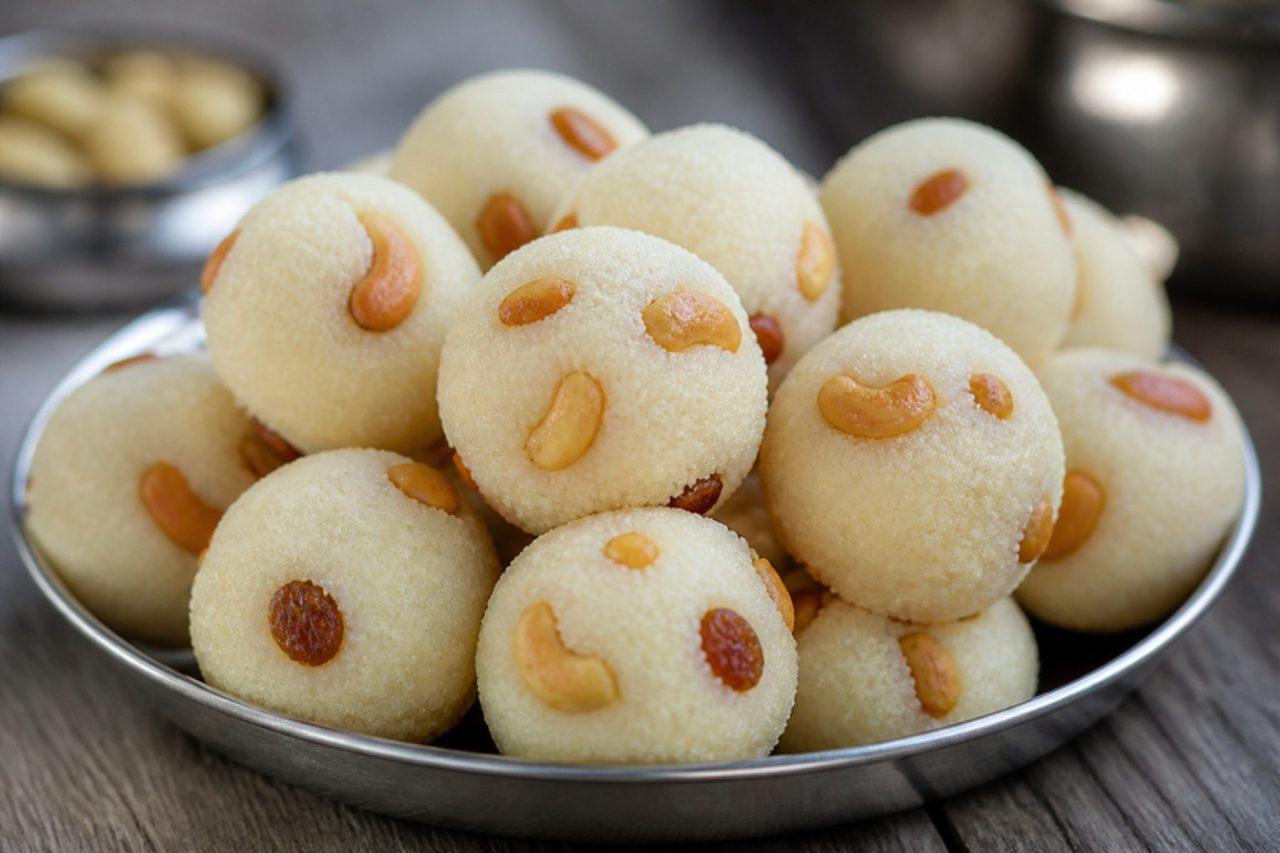
Rava ladooSemolina and coconut sweet balls

Ask a Maharashtrian or South Indian family which Diwali sweet goes first and rava ladoo is a strong answer. It needs no khoya and no special flour, just semolina toasted gently in ghee with coconut until it smells biscuity, then soaked with a hot cardamom sugar syrup. After a short rest the rava drinks up the syrup and can be rolled into soft, slightly grainy balls that firm up as they cool, studded with golden cashews and plump raisins. In Mumbai they sit in the faral platter next to chakli and karanji; in Tamil homes they are a quick Deepavali or Krishna Jayanthi offering. They keep for about a week, less if you use fresh coconut. Chef's tip: shape them while the mixture is still warm; if it cools and crumbles, sprinkle over a tablespoon of warm milk and it will bind again.

by KrazyBadal 0 views

Showing 24 of 1,925 recipes

Show more recipes

Page 1 of 81