Skip to content
Recipes

All recipes

Vegetarian, or something you can't eat? Set your diet once and we'll hide recipes that don't fit.

Inchicapi

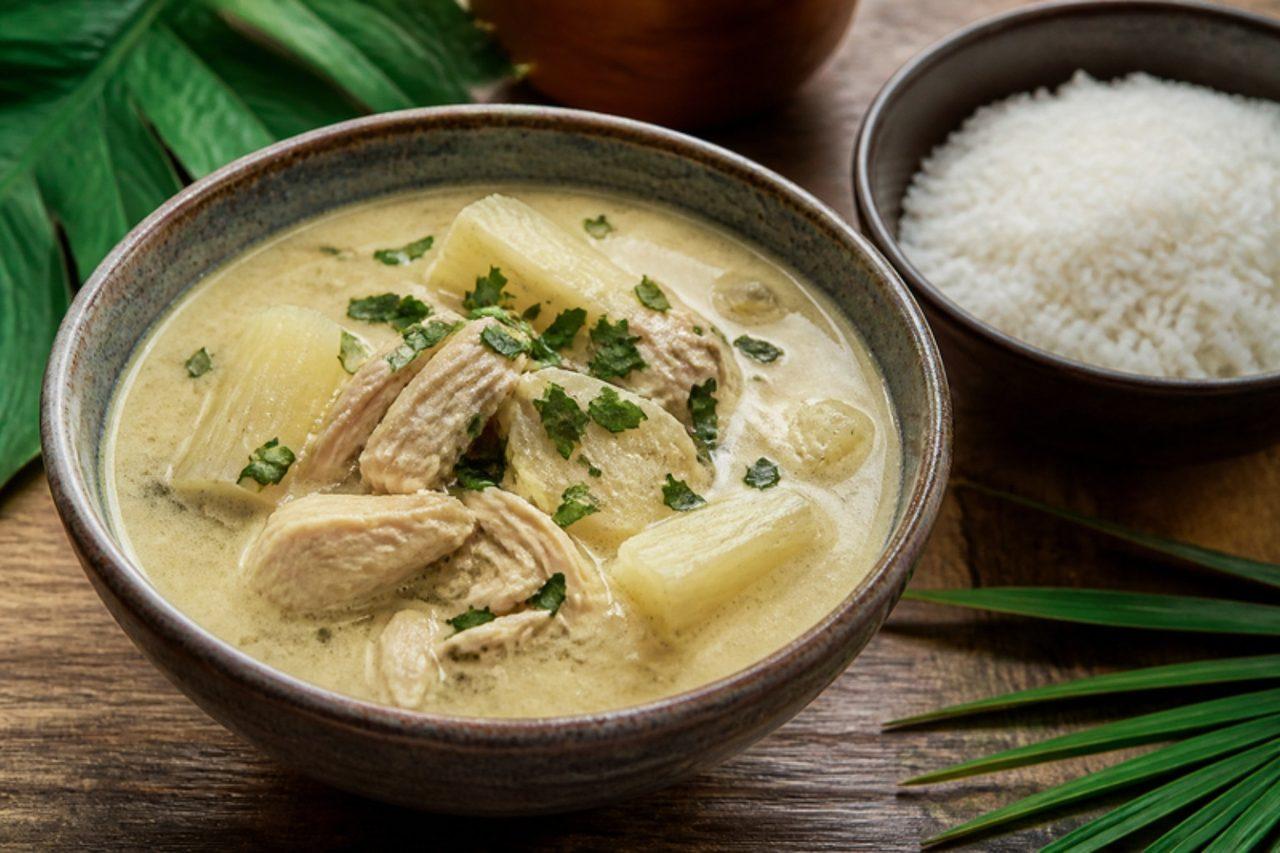
From the riverside kitchens of Iquitos and the Peruvian Amazon comes inchicapi, a festive chicken soup traditionally made with a free-range hen for birthdays and fiestas. Raw peanuts and a little maize flour are ground and stirred into the broth, which turns it creamy, pale and nutty, and pieces of cassava, garlic, ají dulce and sacha culantro (a long, serrated, strongly flavoured coriander) finish it. It is served with rice, boiled plantain or cassava. If you can't find sacha culantro in Asian or Latin shops (sold as culantro or ngo gai), use a big handful of coriander. The pitfall is adding the peanut paste dry: it clumps and catches on the bottom, so loosen it with broth first and stir often. Chef's tip: use raw, not roasted, peanuts; they keep the soup pale and give it the right fresh, milky taste.

by KrazyBadal 0 views

Puchero

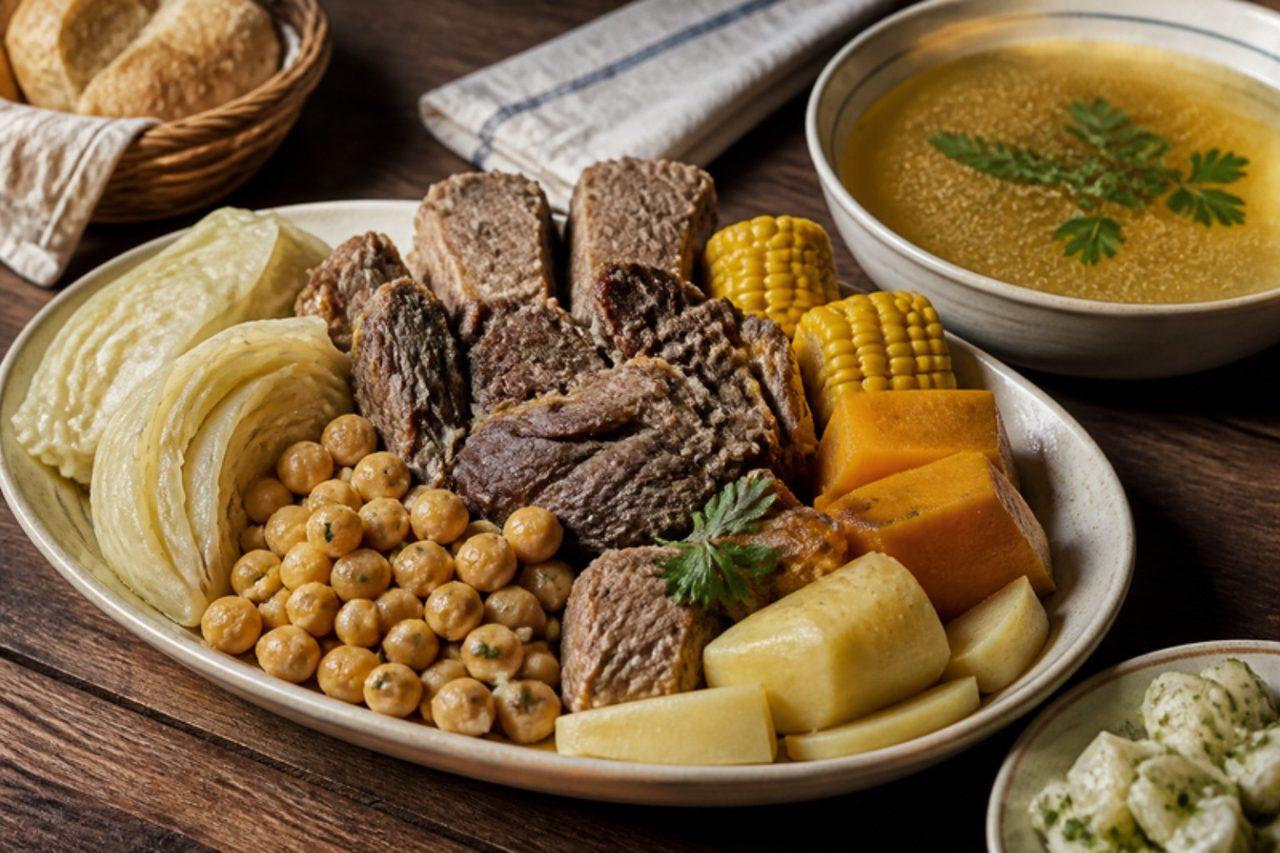
Winter Sundays in the towns of Buenos Aires Province mean a big pot of puchero bubbling from mid-morning: beef shin and brisket on the bone, a marrow bone, chickpeas, corn on the cob, squash, sweet potato, potato, carrots and cabbage, all simmered together. The meal comes in two courses, as in the Spanish cocido it descends from: first the golden broth, often with fine noodles or rice, then a platter of meat and vegetables doused with olive oil, salt and a spoon of salsa criolla. It is gentle and clean-tasting rather than rich. Many families add chorizo colorado or pancetta (pork); this version keeps to beef. Plan for the chickpeas to soak overnight. Boiling it hard is the classic mistake, which clouds the broth and toughens the meat; it should barely shiver. Chef's tip: add the vegetables in stages, longest-cooking first, so the cabbage and squash hold their shape instead of dissolving.

by KrazyBadal 0 views

Calapurca

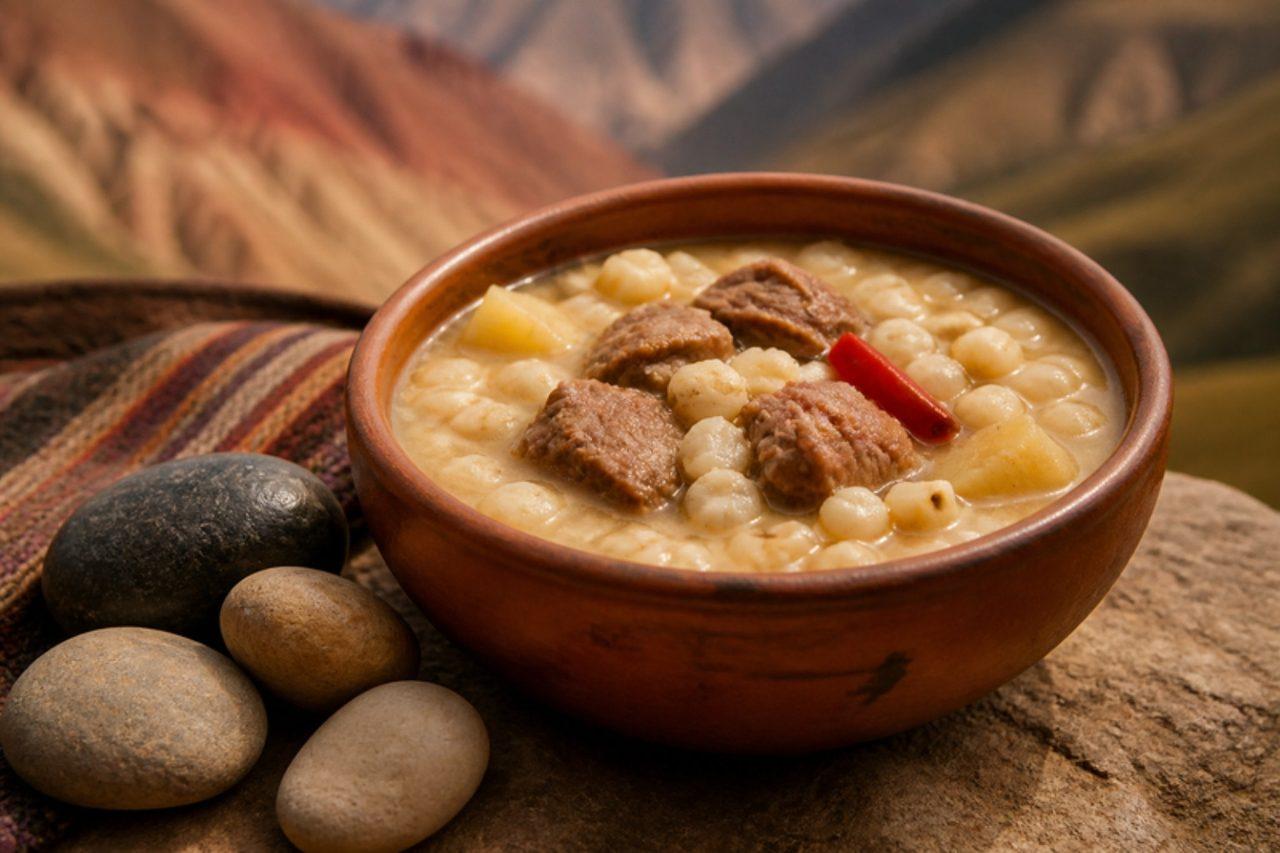
Nobody hurries calapurca. In the villages of the Quebrada de Humahuaca, especially around Carnival and the August Pachamama rites, cooks heat stones in the fire until they glow and then drop them into a clay pot of soup made from dried maize, beef and lamb (or llama), potatoes and chilli, so it boils up in a hiss of steam and takes on a faintly smoky taste. Bowls are passed around the gathering with a sprinkle of fresh herbs. The stones are a ritual best left to people who know which ones are safe, because wet or river stones can crack or burst when heated, so this home version simply simmers on the stove. Look for dried white hominy (mote, or pozole corn) in Latin American shops; it needs soaking overnight. The usual problem is undercooked corn: it needs a good 2 hours before the meat goes in. Chef's tip: for a hint of the smoky flavour, char the onion and a dried chilli in a dry pan before adding them.

by KrazyBadal 0 views

Menestrón

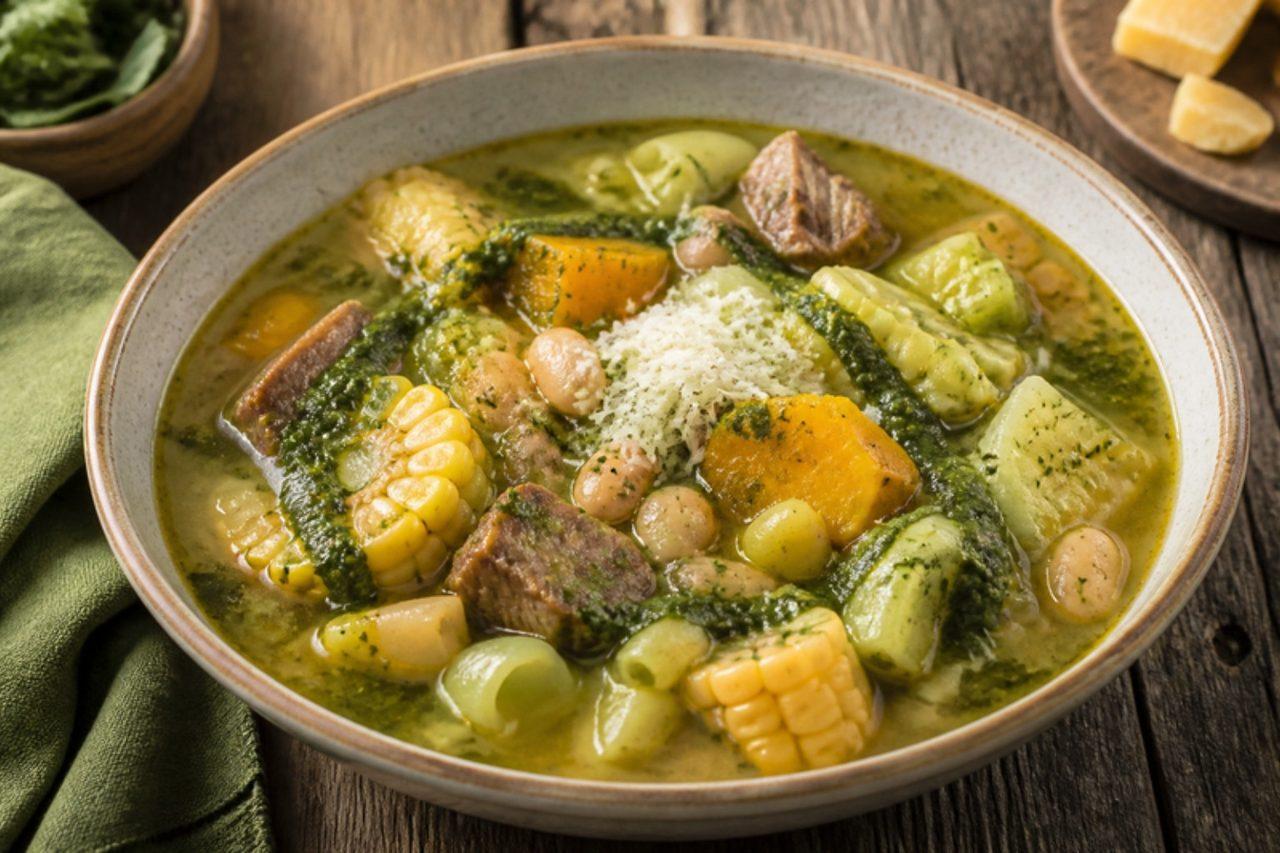
Think of the Italian minestrone after a century of Lima kitchens: menestrón is thicker, heartier and greener, a weekday soup that families and menú restaurants make in huge pots. Beef shin simmers into a rich broth with potatoes, squash, corn, cabbage, green beans and white beans, then short pasta goes in, and finally a purée of basil, spinach, garlic and fresh cheese turns the whole pot pale green and fragrant. It is a meal in a bowl, best with bread and a squeeze of lime or a spoon of ají. People tend to add the basil purée too early; boiled, it loses its colour and its scent, so stir it in off the heat. Chef's tip: for a vegetarian menestrón, skip the beef and use vegetable stock, with a cheese made with microbial (vegetarian) rennet.

by KrazyBadal 0 views

Chupe de camarones

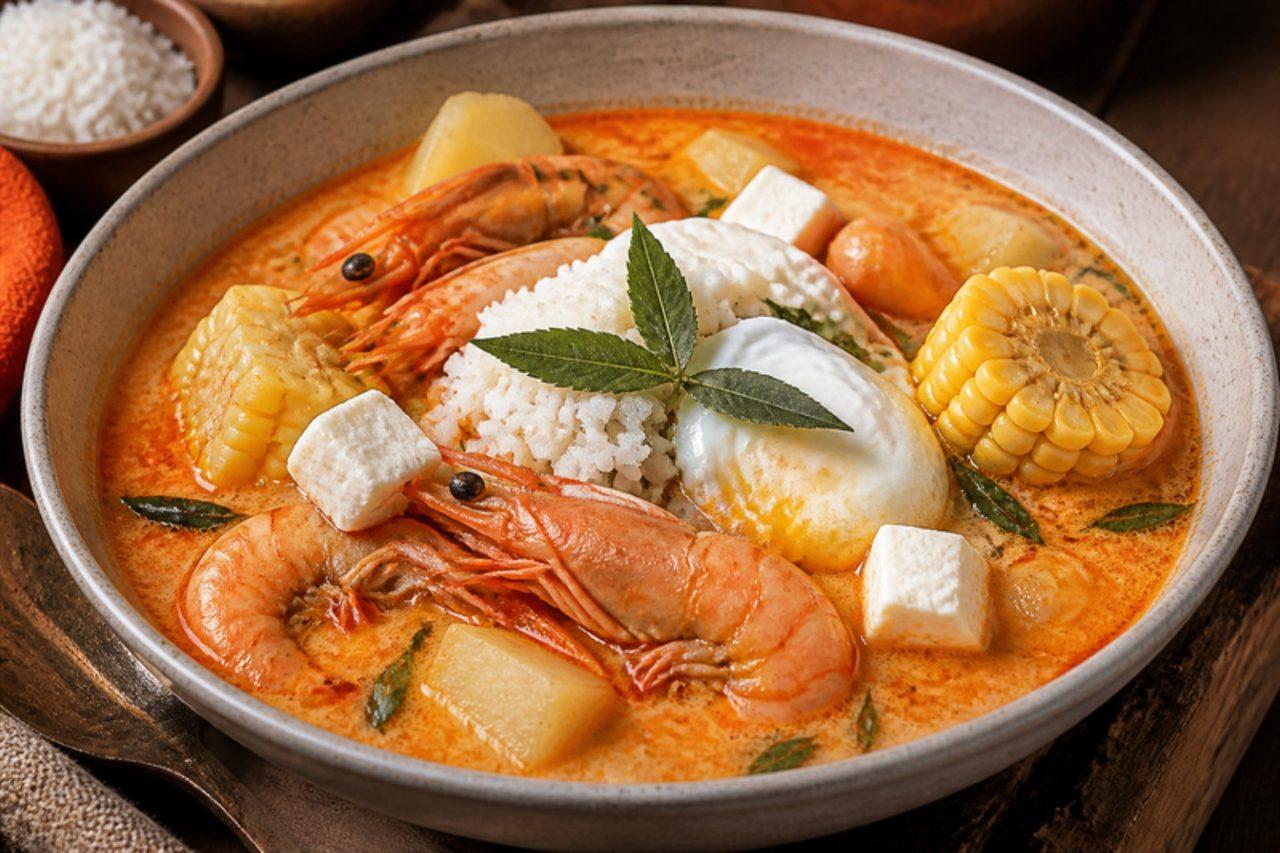
Arequipa's picanterías serve one chupe on each day of the week, and the prawn one, made with crayfish-like camarones from the Majes and Ocoña rivers, is the grandest, especially on Fridays in Lent. It is a big orange chowder: a broth made from the prawn shells and heads, coloured with ají panca, filled with potatoes, corn, broad beans and a little rice, then softened with evaporated milk and fresh cheese, with an egg poached in each bowl. Rich, sweet and gently spicy, it needs nothing but bread. Large shell-on prawns stand in well for river prawns. Many cooks boil the prawns from the start and they turn to rubber; add them at the end and cook only until pink and opaque. Chef's tip: fry the heads and shells in the oil first and press them hard; the orange fat that comes out is what gives chupe its colour and depth.

by KrazyBadal 0 views

Patasca

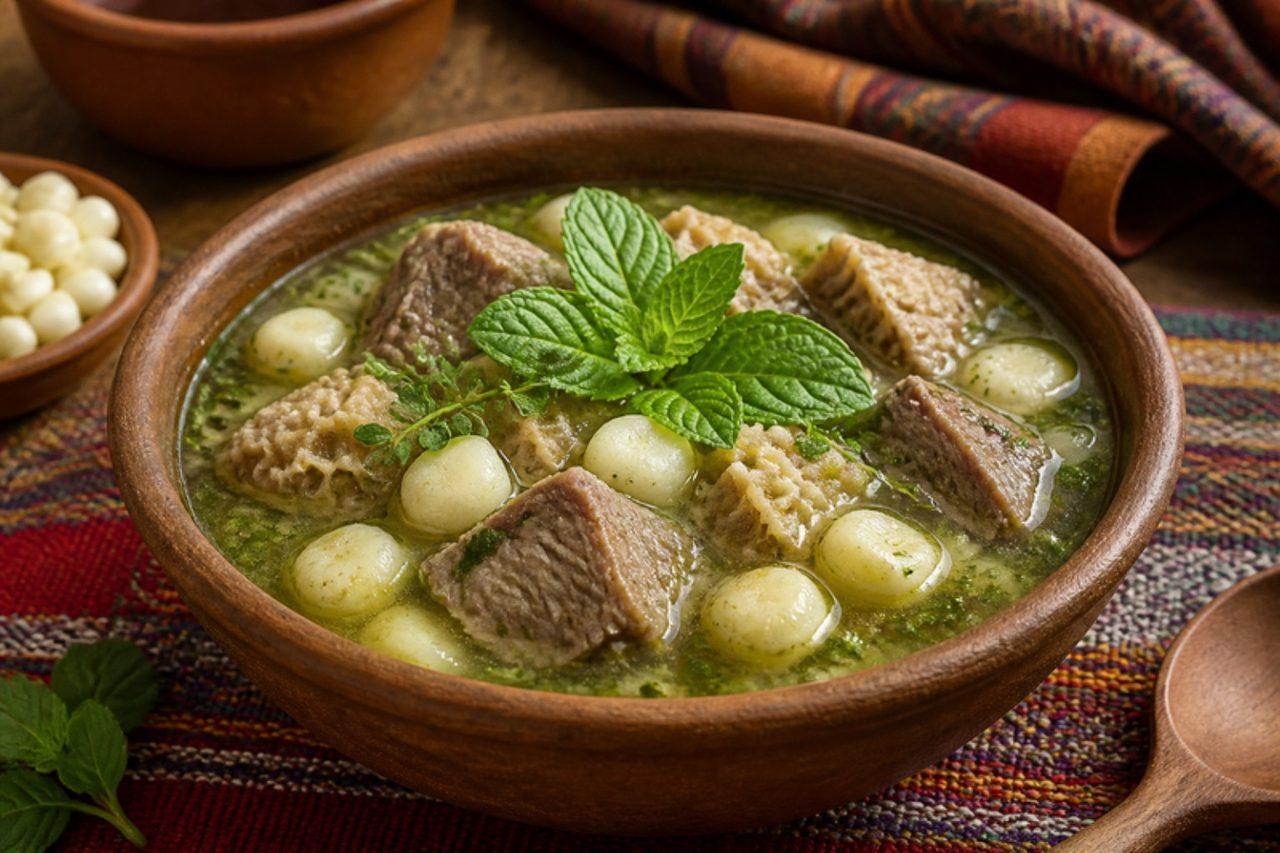
Through the highlands of Ayacucho, Huancavelica and Apurímac, patasca (also called mondongo) is the soup for cold mornings, carnivals and the day after a fiesta: plump white mote, dried maize kernels that burst open like flowers after long boiling, in a clear, rich broth with honeycomb tripe and beef shin, perfumed with mint and oregano. It is filling and gentle, and gets its fire at the table from a spoon of rocoto sauce. Plan ahead: the maize needs an overnight soak and several hours of simmering. Buy tripe cleaned and blanched from a butcher or Latin or halal shop; it must be simmered until soft and fully cooked. The typical mistake is salting the mote early, which keeps the kernels hard. Chef's tip: cook the maize and the tripe in separate pots, then combine; each needs a different time and the broth stays cleaner.

by KrazyBadal 0 views

Chairo puneño

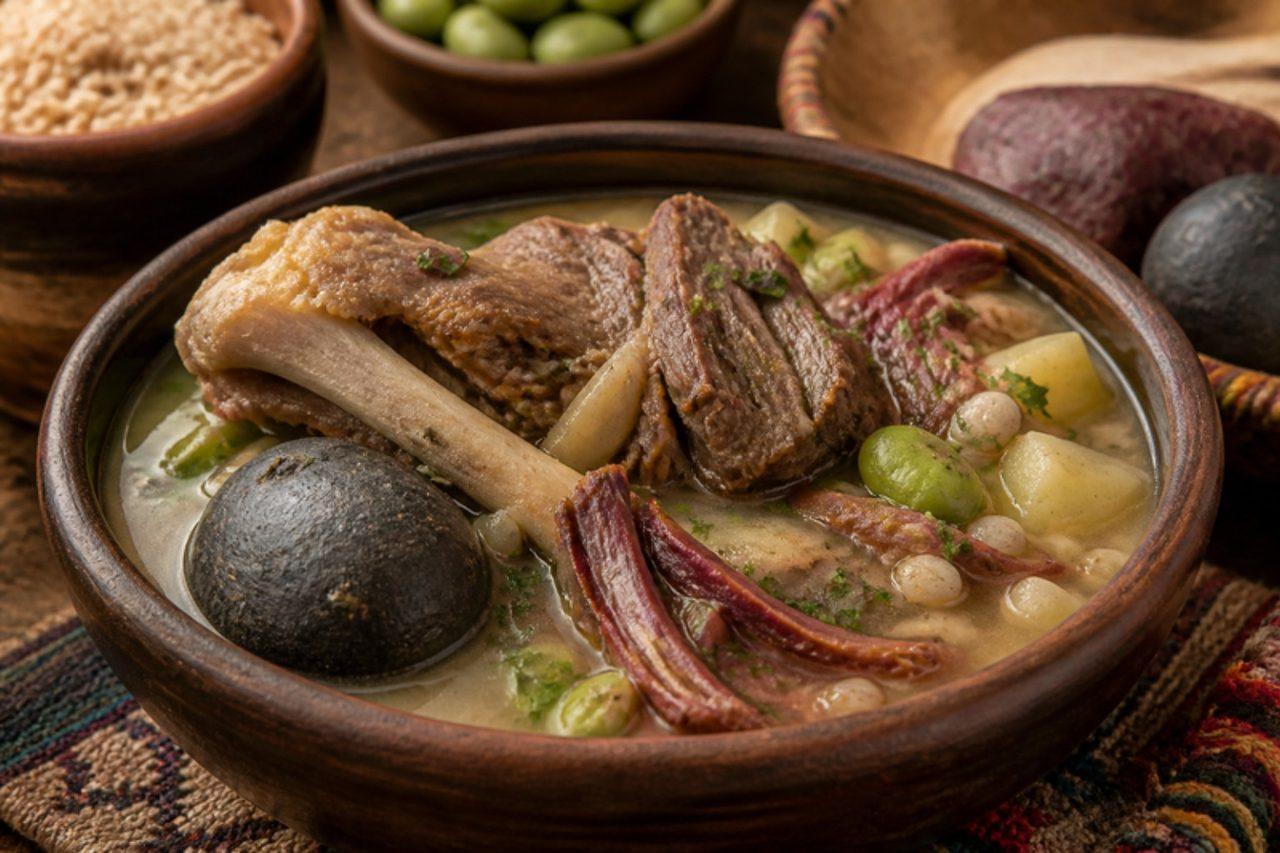
High on the Altiplano, where nights freeze even in summer, chairo is the soup that gets Puno's market workers and farmers through the day. It is thick and brothy at once: lamb on the bone and a little charqui (dried meat) simmered with crushed chuño, peeled wheat, broad beans, potatoes and squash, scented with cumin, oregano and huacatay or mint. Expect a deep, meaty, slightly smoky bowl with lots of chew. Soak the chuño and the wheat overnight. A common error is adding the potatoes with the meat, so they dissolve before the lamb is tender; they go in for the last 25 minutes. Chef's tip: crush the soaked chuño into small pieces by hand; they thicken the broth as it cooks.

by KrazyBadal 0 views

Shámbar

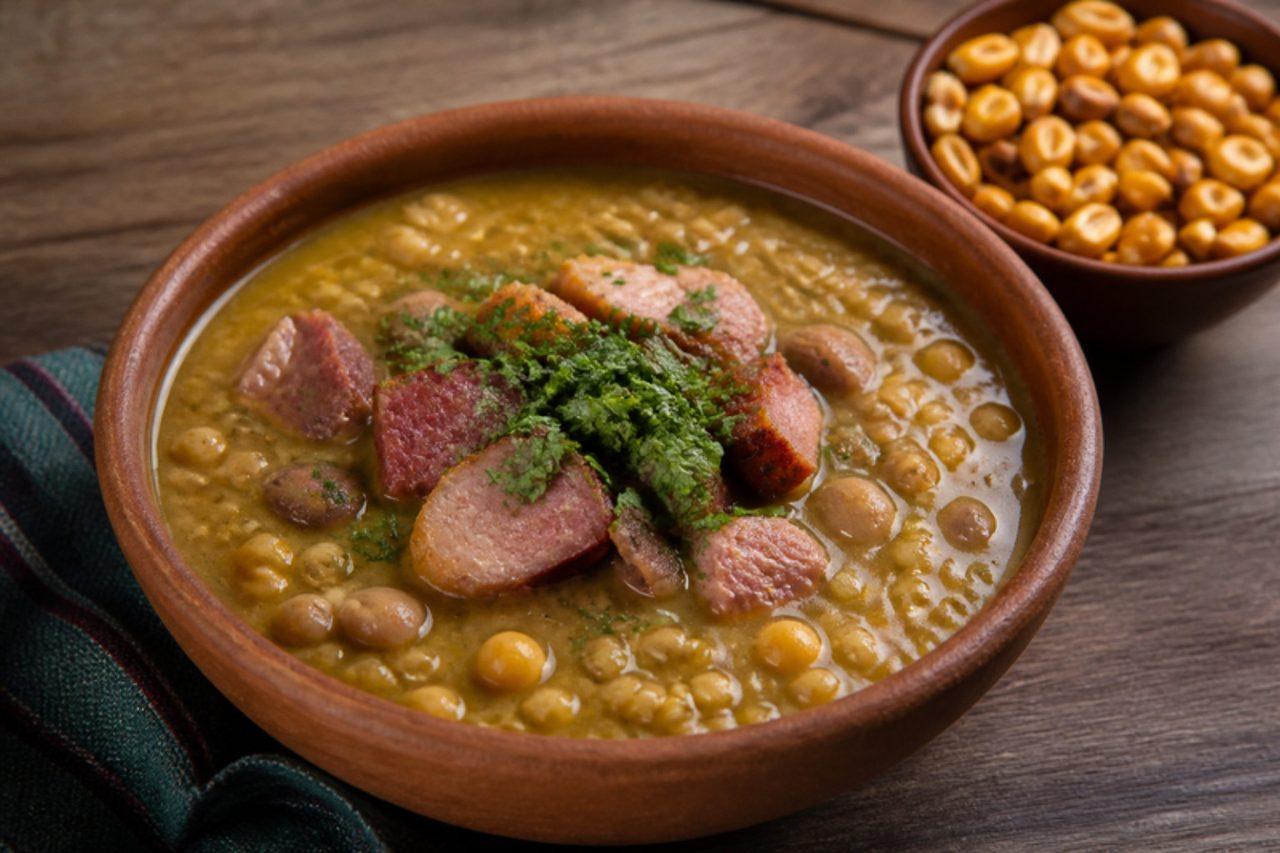
Mondays in Trujillo mean shámbar: market stalls and huariques across the city put out pots of this thick, smoky soup of cracked wheat, chickpeas, broad beans, peas and canary beans, cooked with smoked ham hock, pork ribs and pork skin, then stirred through with a fried paste of ají panca and garlic and a handful of mint. It is earthy, porky and rib-sticking, and each bowl gets a scoop of crunchy cancha just before eating. Soak the beans and the wheat overnight. People often cook everything together from the start, and the peas turn to mush before the chickpeas soften; cook the hardest pulses first. Chef's tip: toast the wheat in a dry pan before soaking it; it gives the soup a nutty depth the locals look for.

by KrazyBadal 0 views

So'o yosopy

So'o yosopy, "pounded meat" in Guaraní, is a soup Paraguayans make for anyone who is tired or recovering, and on cold days in Asunción's winter: beef is ground very finely and stirred into cold water so it breaks into soft, delicate threads, then simmered with onion, tomato, pepper and a little rice and oregano. The texture is smooth and the broth light. The mistake is adding the beef to boiling water, which makes it clump into meatballs; mix it into cold water first and stir as it heats. Chef's tip: ask the butcher to mince lean beef twice, or pulse it very fine in a food processor.

by KrazyBadal 0 views

Dulce de leche

Dulce de leche is Argentina's national sweet, spread on toast at breakfast, sandwiched in alfajores, rolled into panqueques and spooned onto flan. Argentine families traditionally make it by slowly cooking milk and sugar with a vanilla pod and a pinch of bicarbonate of soda, which helps it turn deep brown, until it becomes a thick, glossy caramel cream. It takes about three hours of gentle cooking and regular stirring. Chef's tip: use a wide, heavy pan and keep the heat low; the wider the surface, the faster the milk reduces, and the less it catches on the bottom.

by KrazyBadal 0 views

Locro argentino

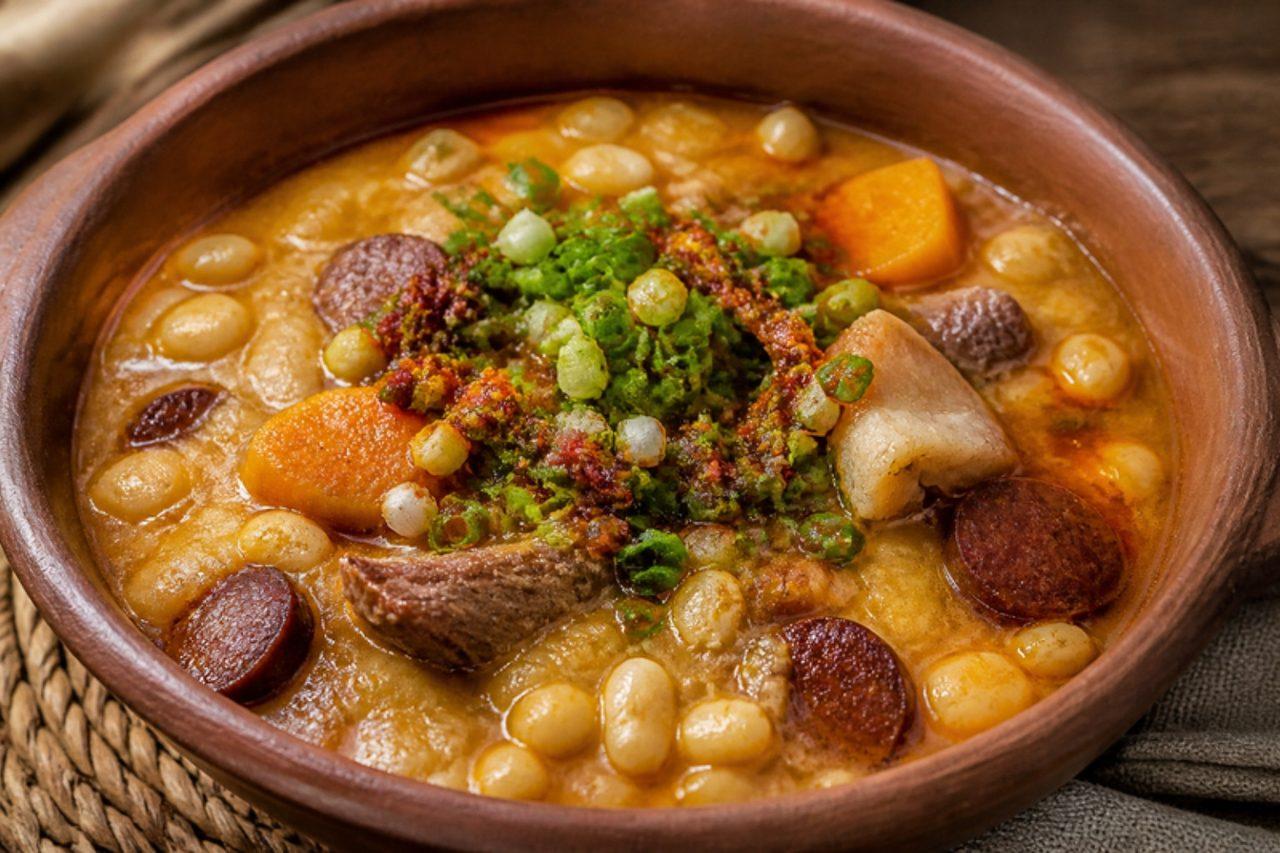
Locro comes from the Andean northwest, from Salta, Jujuy and Tucumán, and today the whole country eats it on 25 May and 9 July, the two national holidays, when it simmers in huge pots at clubs and church halls. Dried white corn, white beans and squash cook down with beef, pork belly and chorizo into a stew so thick a spoon stands up in it. This is a pork dish. It is topped with quiquirimichi, a red oil of paprika, chilli and spring onion. The classic mistake is not soaking the corn and beans overnight; without it they never soften. Chef's tip: stir often in the last hour, scraping the bottom, as the squash breaks down and the locro catches easily.

by KrazyBadal 0 views

Vegetarian vori vori

Vori vori is the soup Paraguayan grandmothers make on cold June and July evenings: a golden broth full of bori, small balls of cornmeal and cheese that swell soft as they simmer. The name is a Guaraní take on the Spanish 'bolita' (little ball). It's usually made with hen; this version gets its colour and body from pumpkin, carrot and a sofrito with saffron or turmeric. Chef's tip: shape the balls no bigger than a hazelnut; they double in size and larger ones stay raw inside.

by KrazyBadal 0 views

Sopa de quinua

Sopa de quinua is everyday food in the Andes, from Puno on Lake Titicaca to Cusco and Huancayo, where quinoa has been grown for thousands of years. Quinoa, potato, carrot and corn simmer in a light broth seasoned with garlic, cumin, oregano and a little ají amarillo, and the potato breaks down slightly to give body. It is light yet filling, the soup families eat at midday to warm up in cold mountain air. In Peru it is finished with huacatay, the black mint of the Andes; a mix of mint and coriander stands in well. Chef's tip: rinse the quinoa in a sieve under running water, rubbing it, until the water stops foaming; the natural saponin coating tastes bitter and soapy.

by KrazyBadal 0 views