Skip to content
Recipes

All recipes

Vegetarian, or something you can't eat? Set your diet once and we'll hide recipes that don't fit.

Ají amarillo pasteYellow chilli paste

In Lima's markets ají amarillo is sold fresh all year, and most Peruvian cooks keep a tub of this paste in the fridge the way others keep tomato purée: it is the golden base of causa limeña, ají de gallina, papa a la huancaína, chupe and the sauce for tiraditos. The chillies are seeded, de-veined and blanched in three changes of water, which tames the heat and the raw grassiness, then peeled and blended with oil into a thick, silky, saffron-orange paste. It tastes fruity and sunny, almost like apricot and passion fruit, with a rounded, medium heat. Abroad, buy whole frozen ají amarillo from Latin grocers; dried ají mirasol, soaked, gives a darker, earthier paste. Common mistake: skipping the peeling; the thin skins leave papery flecks and a bitter edge. It is ready when it is completely smooth and holds a soft peak like thick hummus. This is a low-acid paste: keep it in the fridge for a week or freeze it, never on the shelf. Chef's tip: freeze it in an ice-cube tray; one cube is about a tablespoon, just right for a pot of ají de gallina.

by KrazyBadal 0 views

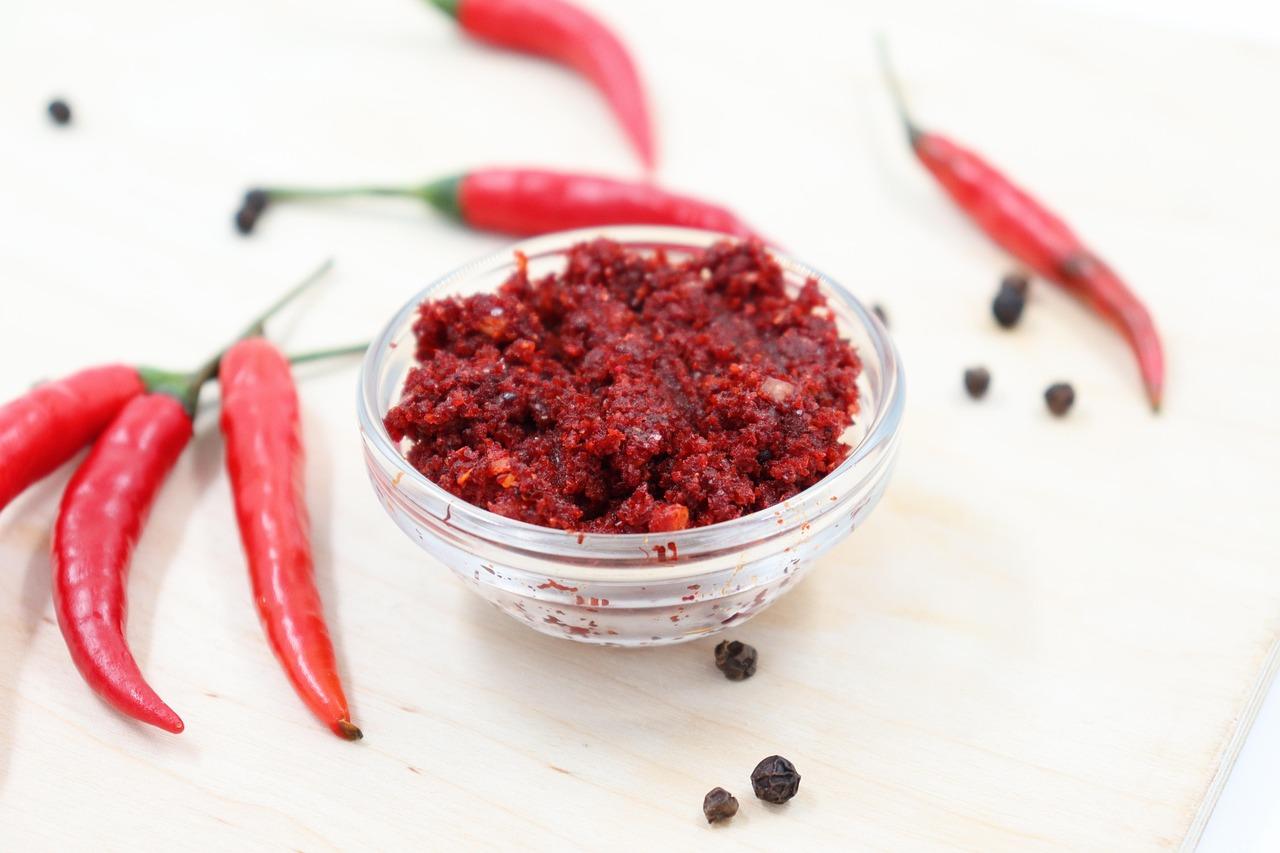
Biber salçasıRed pepper paste

Late every summer, rooftops in Gaziantep, Kilis and Hatay turn red with trays of puréed peppers drying in the sun, and families fill jars that will season soups, köfte, bulgur and lahmacun through the winter. This oven method makes a smaller batch with the same deep, sweet and slightly smoky flavour; use some hot peppers if you like it acı (spicy). Store it under a film of oil in the fridge. The common mistake is a too-hot oven: the edges scorch and turn bitter before the middle thickens. Chef's tip: stir every 20 minutes and scrape the dried rim back in; the paste is ready when a spoon drawn through it leaves a clean trench.

by KrazyBadal 0 views

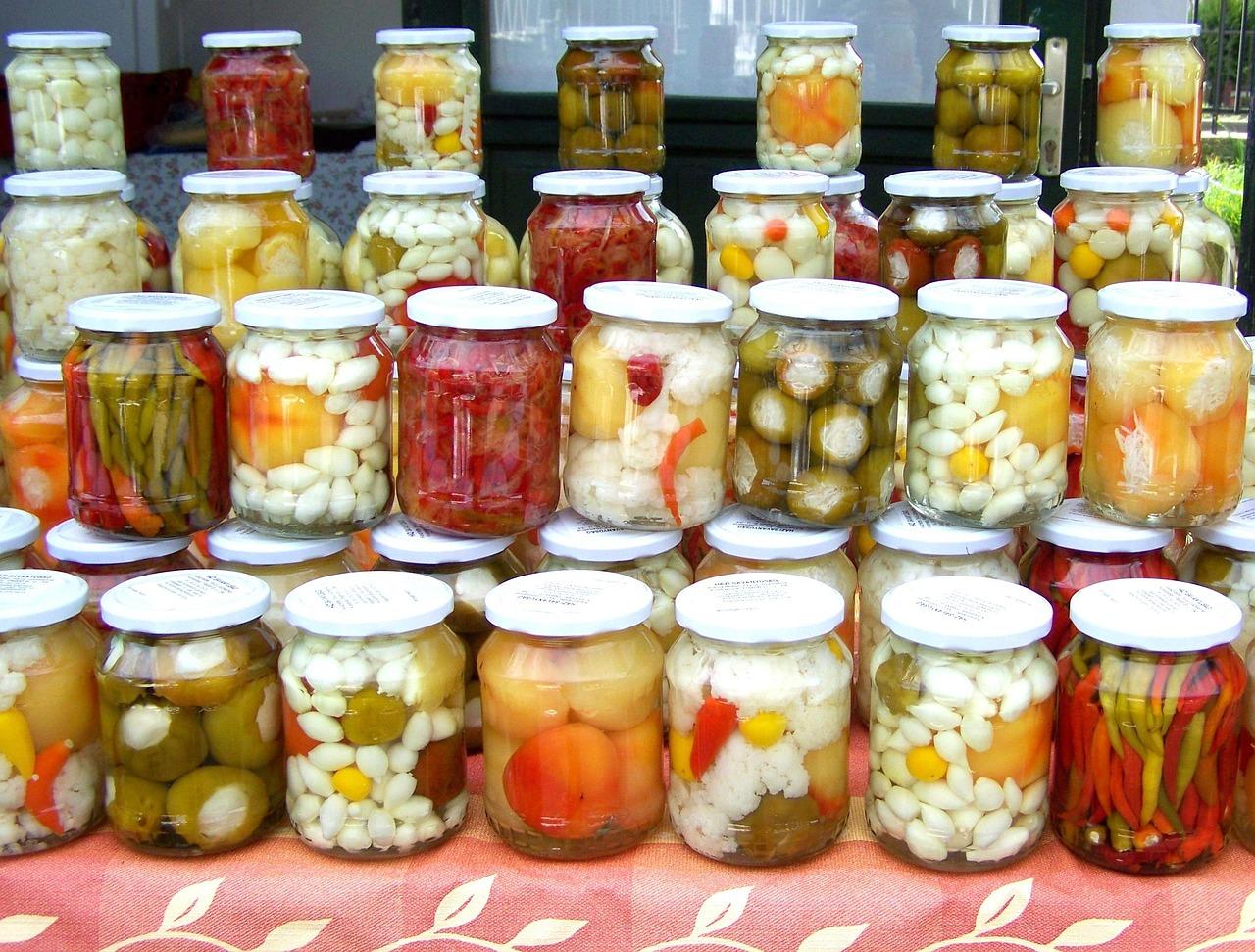
Karışık turşuMixed vegetable pickle

Every autumn Turkish kitchens line up jars of karışık turşu, and in Istanbul pickle shops (turşucu) sell it by the glass with its sour juice to drink. Crunchy cabbage, carrots, cucumbers, green peppers and cauliflower are packed with garlic and chickpeas in a salted, vinegar-spiked brine and left to sour for a couple of weeks. It sits beside bean stews, pilaf and kebab at almost every home meal. Common mistake: iodised table salt, which clouds the brine and softens the vegetables; use rock or pickling salt. Chef's tip: a few dried chickpeas in the jar help the fermentation get going, as Turkish grandmothers swear.

by KrazyBadal 0 views