Skip to content
Recipes

All recipes

Vegetarian, or something you can't eat? Set your diet once and we'll hide recipes that don't fit.

Ají amarillo pasteYellow chilli paste

In Lima's markets ají amarillo is sold fresh all year, and most Peruvian cooks keep a tub of this paste in the fridge the way others keep tomato purée: it is the golden base of causa limeña, ají de gallina, papa a la huancaína, chupe and the sauce for tiraditos. The chillies are seeded, de-veined and blanched in three changes of water, which tames the heat and the raw grassiness, then peeled and blended with oil into a thick, silky, saffron-orange paste. It tastes fruity and sunny, almost like apricot and passion fruit, with a rounded, medium heat. Abroad, buy whole frozen ají amarillo from Latin grocers; dried ají mirasol, soaked, gives a darker, earthier paste. Common mistake: skipping the peeling; the thin skins leave papery flecks and a bitter edge. It is ready when it is completely smooth and holds a soft peak like thick hummus. This is a low-acid paste: keep it in the fridge for a week or freeze it, never on the shelf. Chef's tip: freeze it in an ice-cube tray; one cube is about a tablespoon, just right for a pot of ají de gallina.

by KrazyBadal 0 views

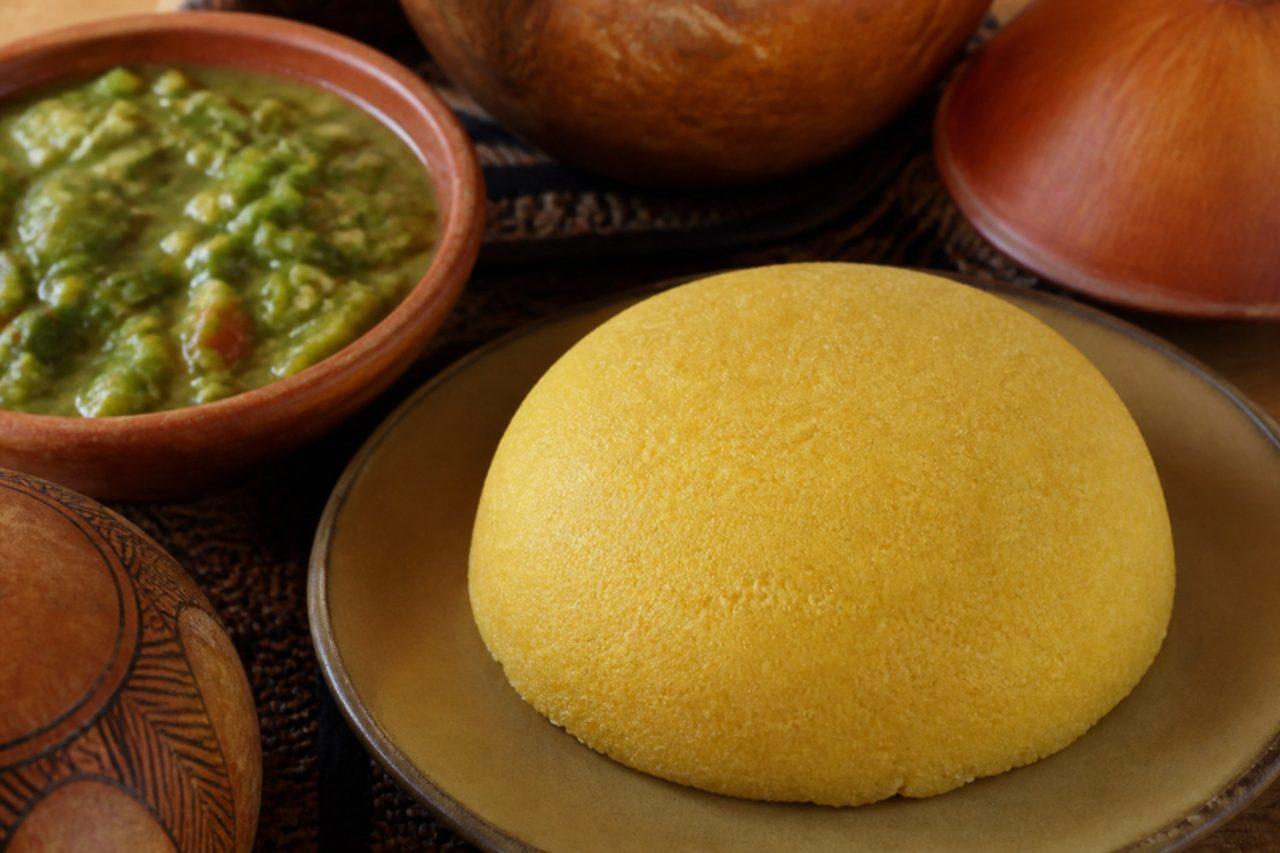
Couscous de maïsStiff maize paste

Across the North, from Garoua's riverside neighbourhoods to the Adamawa plateau around Ngaoundéré, the evening meal is usually couscous de maïs: not the steamed grains of North Africa but a stiff, smooth maize paste shaped into domes with a wet calabash. It is eaten with the right hand, dipped into slippery okra sauce, leaf sauces or a tomato and groundnut stew. The flavour is mild and sweet like fresh corn, and the texture firm enough to hold the dent made by your thumb. Use fine maize meal; coarse polenta gives a gritty result. Chef's tip: let the first handful of meal cook undisturbed on the simmering water for a few minutes before stirring; it forms a raft that blends in without lumps.

by KrazyBadal 0 views

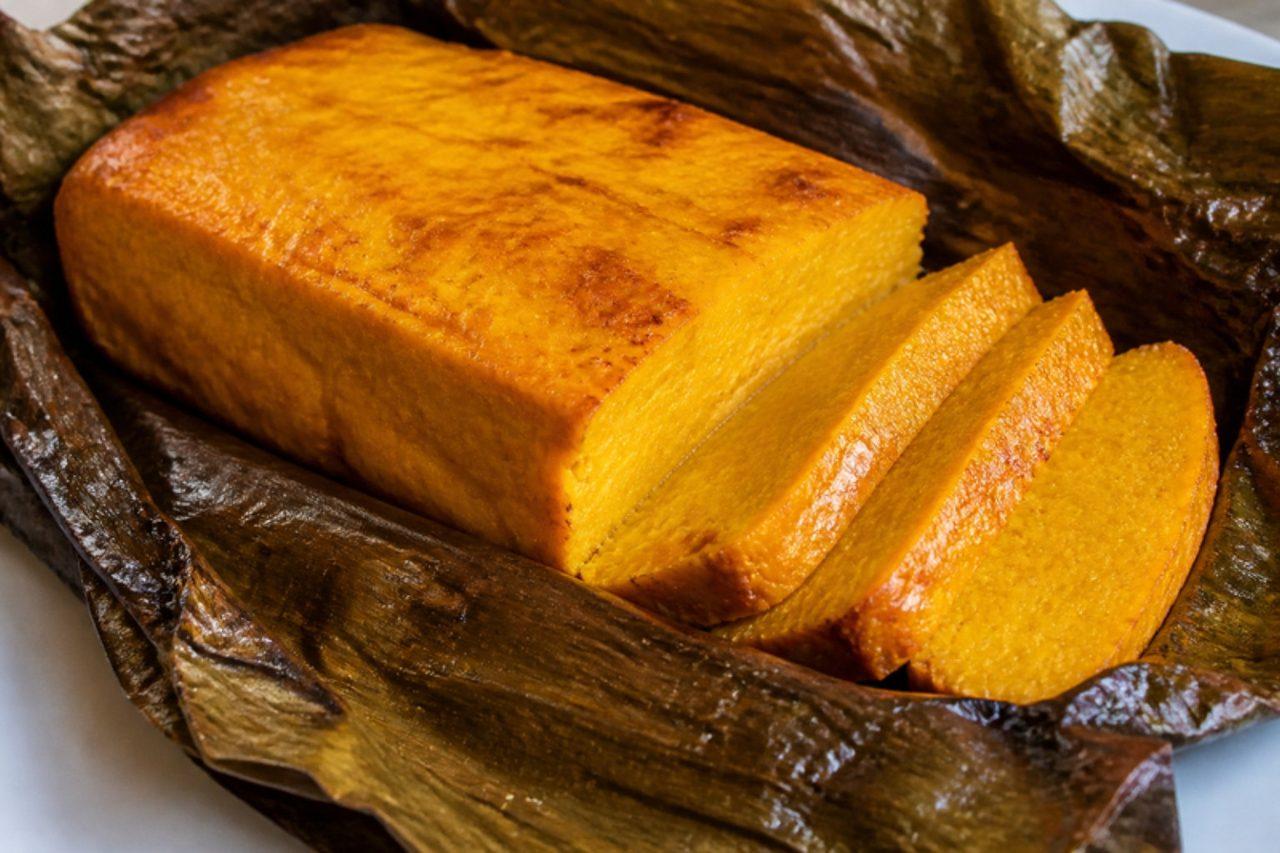
MintumbaCassava and palm oil leaf parcels

Golden and glossy with red palm oil, mintumba is the richer cousin of bobolo, baked or steamed in leaves in the Centre region and eaten as a snack or alongside sauce, grilled fish or roasted groundnuts. The soured cassava dough is kneaded with oil and a little salt, then wrapped and cooked until it sets into a dense, chewy loaf with a toasty crust where it touched the leaf. Its flavour is tangy, earthy and buttery from the oil. Start with bought fermented cassava paste from an African grocer, or make the dough as for bobolo. Don't wrap the dough loosely; gaps let water in and the parcels turn soggy. Chef's tip: warm the palm oil until just liquid before kneading it in; poured in solid, it streaks the dough instead of colouring it evenly.

by KrazyBadal 0 views

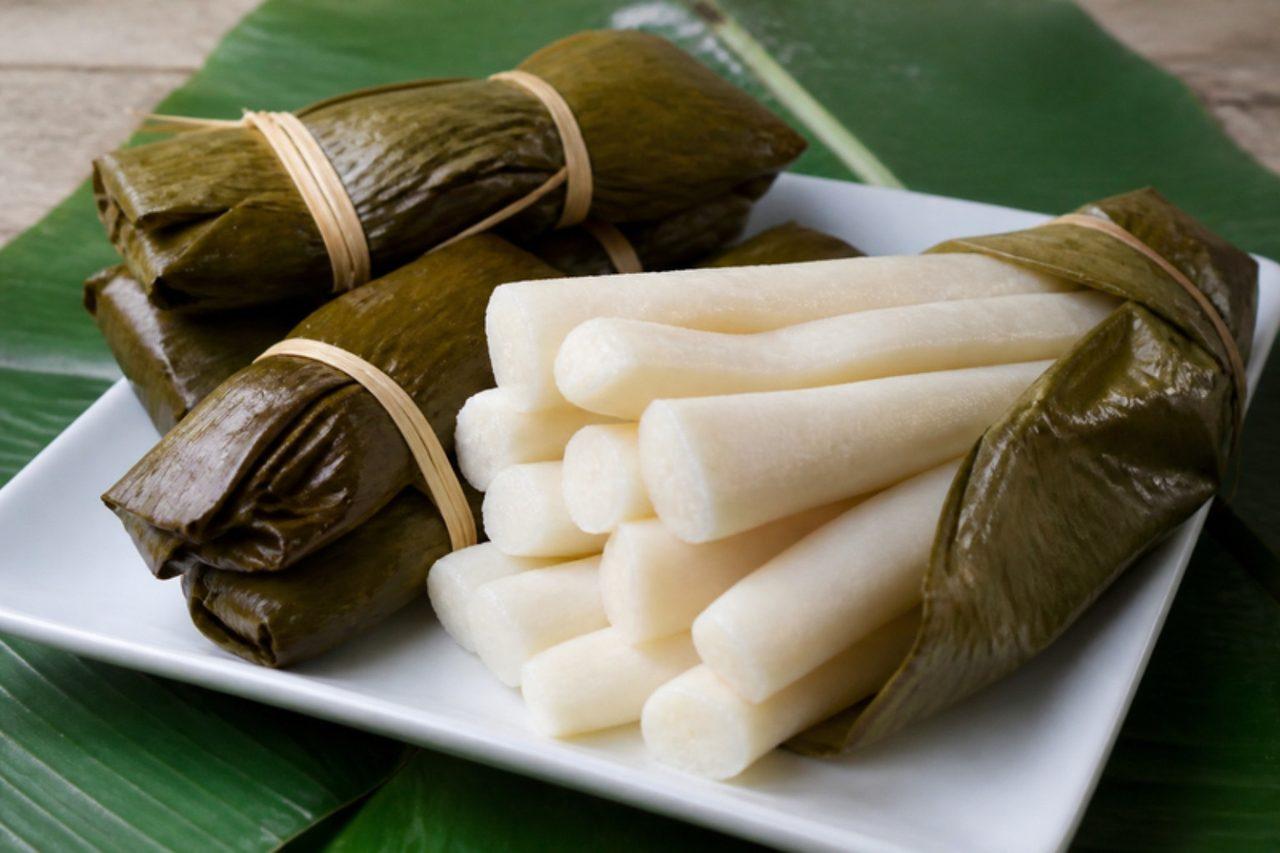
MiondoSoured cassava sticks

Douala's Duala families wrap their cassava dough into slim sticks no thicker than a finger, and bundles of miondo tied with string are stacked at every market from Akwa to New Bell. The roots are soaked for several days until they soften and sour, then ground smooth, drained, rolled, wrapped in leaves and boiled until firm and slightly translucent. The result is chewy, gently tangy and neutral enough to soak up ndolé, grilled fish or a fiery pepper sauce, and peeling back the leaf is part of the pleasure. Plan ahead: the soaking takes 3–4 days and the draining a few hours more, though the hands-on work is about an hour. Chef's tip: roll the sticks no thicker than your little finger so they cook through evenly; fat ones stay pasty in the middle.

by KrazyBadal 0 views

Dulce de lecheMilk caramel

Dulce de leche is Argentina's national sweet, spread on toast at breakfast, sandwiched in alfajores, rolled into panqueques and spooned onto flan. Argentine families traditionally make it by slowly cooking milk and sugar with a vanilla pod and a pinch of bicarbonate of soda, which helps it turn deep brown, until it becomes a thick, glossy caramel cream. It takes about three hours of gentle cooking and regular stirring. Chef's tip: use a wide, heavy pan and keep the heat low; the wider the surface, the faster the milk reduces, and the less it catches on the bottom.

by KrazyBadal 0 views