Skip to content
Recipes

All recipes

Vegetarian, or something you can't eat? Set your diet once and we'll hide recipes that don't fit.

Thai green curry paste

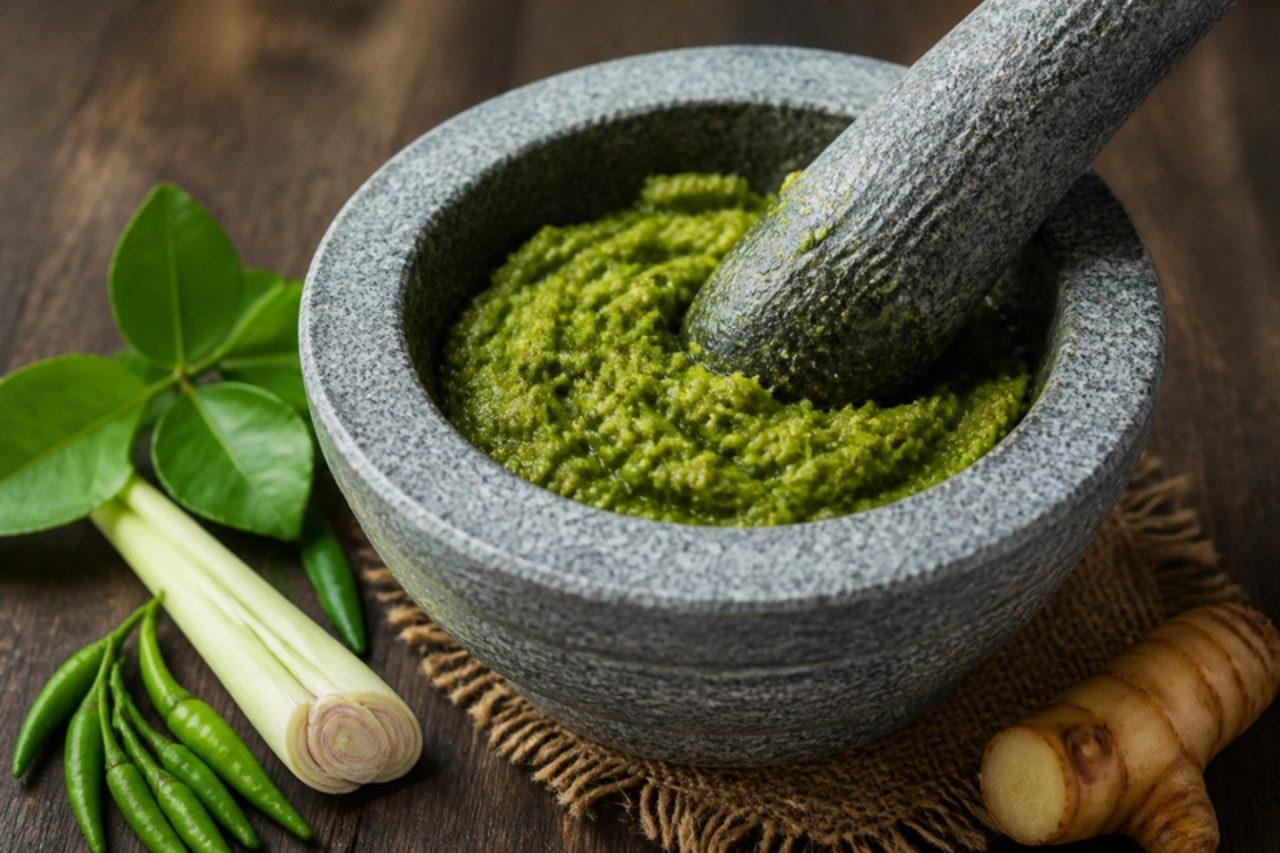
Green curry is a central-plains dish, cooked in Bangkok shophouse kitchens and eaten over rice or khanom jeen noodles at lunch. Its paste uses fresh green chillies rather than dried red ones, so it tastes grassy, hot and citrusy, with cumin and white pepper underneath. Thai cooks would add kapi (shrimp paste) at the end; here yellow soybean paste gives the savoury depth so the paste is vegan, and 1 tsp roasted shrimp paste can go back in for the traditional version. Chef's tip: don't add water to get the blender going; a watery paste won't fry in coconut cream and the curry tastes flat. Use a spoonful of oil and patience instead.

38 minThaiBasicsVeganGluten freeSpicy
by KrazyBadal 0 views

Thai red curry paste

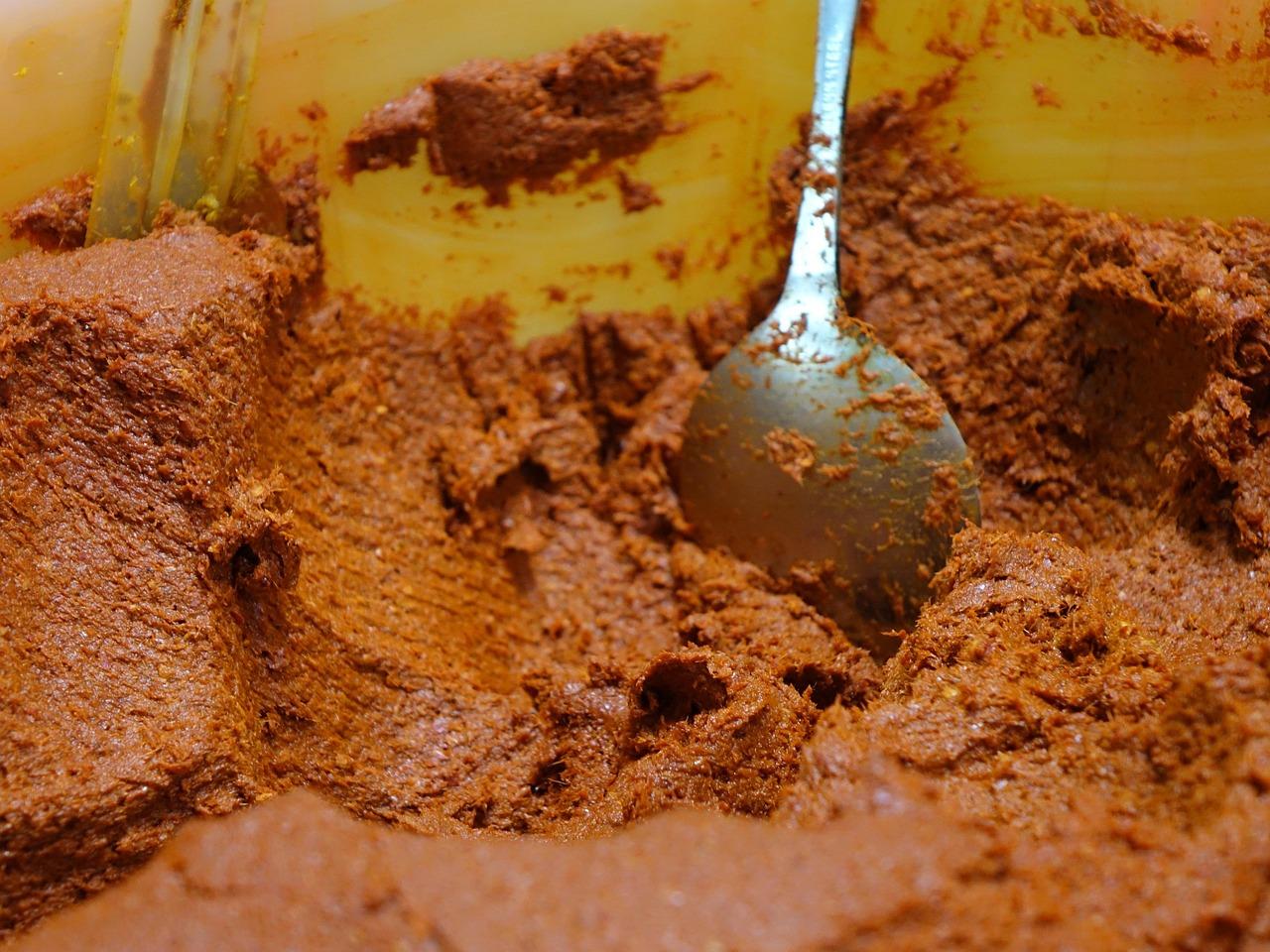
Market stalls in Bangkok's Or Tor Kor and Khlong Toei sell red curry paste by the scoop from brick-red mounds, but a home batch pounded in a granite mortar smells far brighter. This is the base for gaeng phet, choo chee and red duck curry, and a spoonful also lifts fried rice and stir-fried long beans. The paste is coarse, deep red and fiercely aromatic, with lemongrass and galangal up front. Traditionally a teaspoon of kapi (fermented shrimp paste) goes in at the end; this version uses yellow soybean paste instead so it stays vegan. Add 1 tsp roasted shrimp paste in step 8 if you want the classic. Chef's tip: soak the chillies until fully soft and squeeze them dry before pounding; hard, wet chillies are the usual reason a paste stays gritty and watery.

40 minThaiBasicsVeganGluten freeSpicy
by KrazyBadal 0 views

Ají amarillo pasteYellow chilli paste

In Lima's markets ají amarillo is sold fresh all year, and most Peruvian cooks keep a tub of this paste in the fridge the way others keep tomato purée: it is the golden base of causa limeña, ají de gallina, papa a la huancaína, chupe and the sauce for tiraditos. The chillies are seeded, de-veined and blanched in three changes of water, which tames the heat and the raw grassiness, then peeled and blended with oil into a thick, silky, saffron-orange paste. It tastes fruity and sunny, almost like apricot and passion fruit, with a rounded, medium heat. Abroad, buy whole frozen ají amarillo from Latin grocers; dried ají mirasol, soaked, gives a darker, earthier paste. Common mistake: skipping the peeling; the thin skins leave papery flecks and a bitter edge. It is ready when it is completely smooth and holds a soft peak like thick hummus. This is a low-acid paste: keep it in the fridge for a week or freeze it, never on the shelf. Chef's tip: freeze it in an ice-cube tray; one cube is about a tablespoon, just right for a pot of ají de gallina.

by KrazyBadal 0 views