Skip to content
Recipes

All recipes

Vegetarian, or something you can't eat? Set your diet once and we'll hide recipes that don't fit.

VerhackertsSmoked bacon and garlic spread

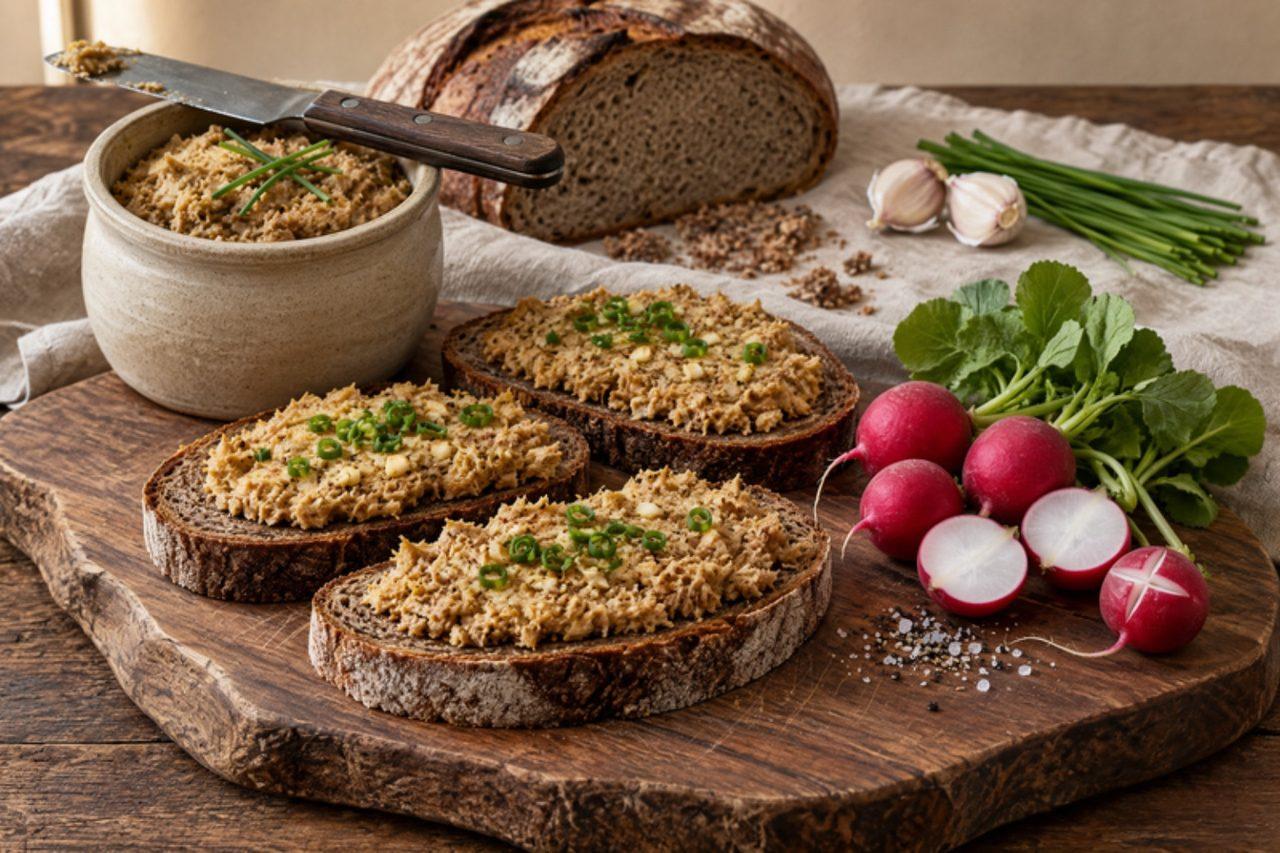
In Styria, in the wine taverns (Buschenschanken) of the south and on farmhouse breakfast tables, verhackerts is spread thickly on dark rye bread with the morning coffee or at the mid-morning Jause: smoked pork bacon and back fat chopped so finely it becomes a paste, seasoned with garlic, salt and pepper. Traditionally it is made from raw cured, cold-smoked Styrian Speck and eaten without cooking; that raw version is not for pregnant women, young children or anyone with a weakened immune system. This safer home version cooks the minced bacon gently until the meat is cooked through (71 °C) before it is chilled into a spread. Serve on rye bread, or gluten-free bread if needed. The common mistake is browning the bacon; it should only render and turn opaque, or the spread goes crumbly instead of smooth. Chef's tip: mince it while the bacon is fridge-cold, almost frozen, so the fat stays in clean little pieces rather than smearing.

by KrazyBadal 0 views

GrießschmarrnTorn fried semolina pudding

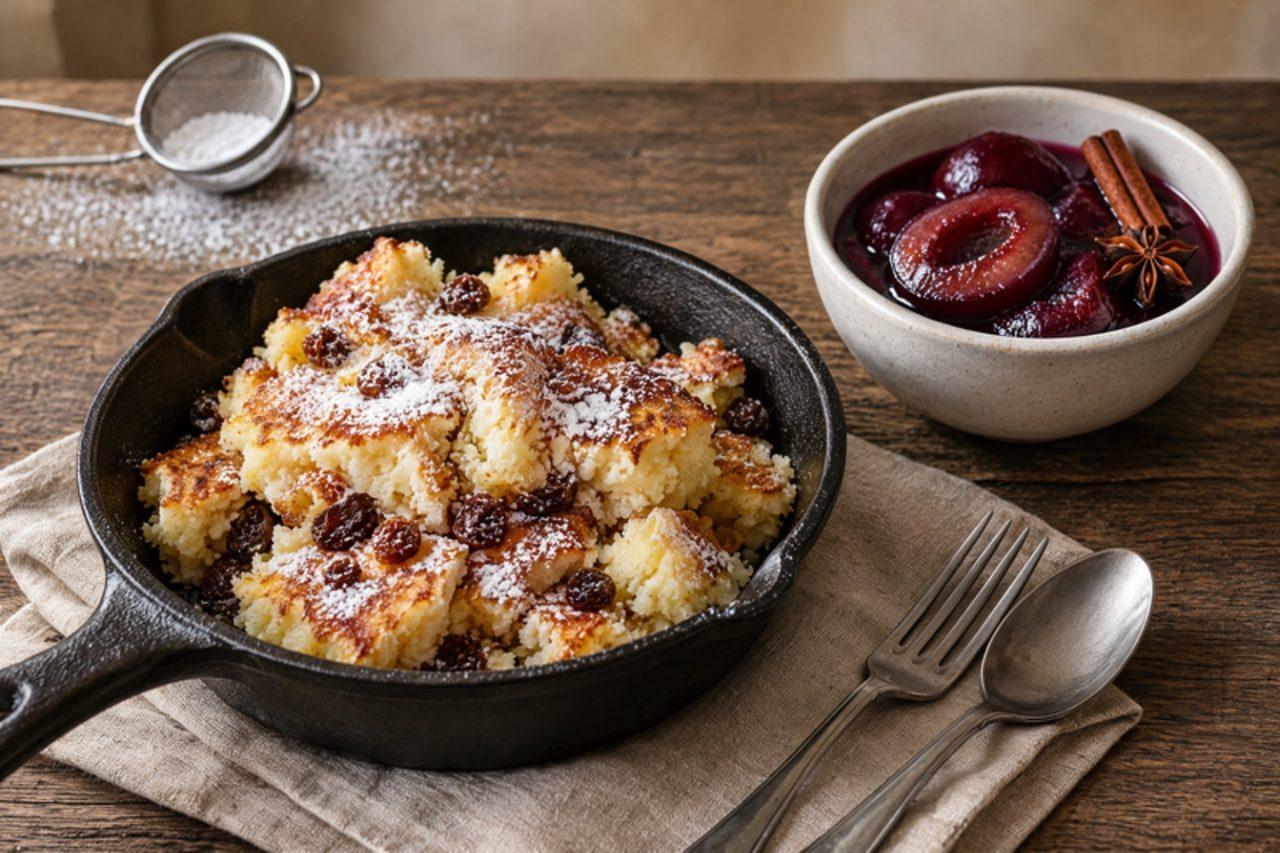
Across Austria and Bavaria, Grießschmarrn is the farmhouse breakfast or light Sunday lunch that grandmothers made from what was always in the larder: semolina, milk, eggs and butter. The semolina is soaked in hot milk until thick, then fried slowly and torn apart with two spatulas into buttery, crisp-edged crumbs, dusted with icing sugar and served with plum or apple compote. The common mistake is turning it too often over a high heat: the crumbs need time on a medium flame to form a golden crust, or they stay pale and pasty. Chef's tip: let the semolina mixture rest for 15 minutes before frying, so the grains swell fully and the Schmarrn crisps instead of sticking.

by KrazyBadal 0 views

HemenexHam and eggs

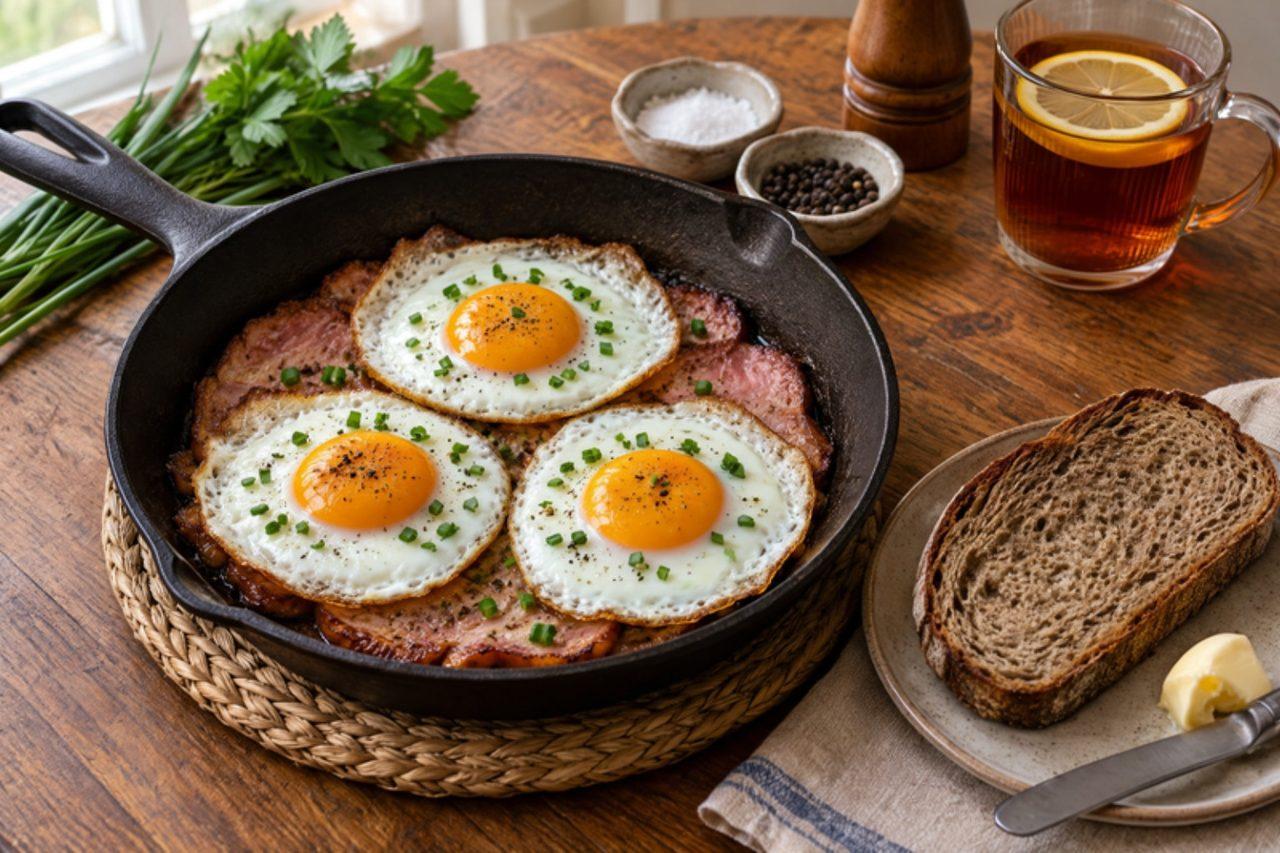
Hemenex, the Czech spelling of "ham and eggs", has been a breakfast in Prague cafés and pub kitchens since the First Republic and is still a weekend favourite at home: slices of cooked pork ham warmed in butter, eggs cracked right over them and fried until the whites set, then everything slid out together and eaten with bread and pickled gherkin. The common mistake is frying the ham until crisp; it should just warm and brown a little at the edges. Cook the yolks fully set for pregnant people, young children, older or vulnerable people. Serve with rye bread, or gluten-free bread if needed. Chef's tip: lay the ham in overlapping slices so it forms a "plate" under the eggs and the whites can't stick to the pan.

by KrazyBadal 0 views

Tortilla de acelgaSwiss chard omelette

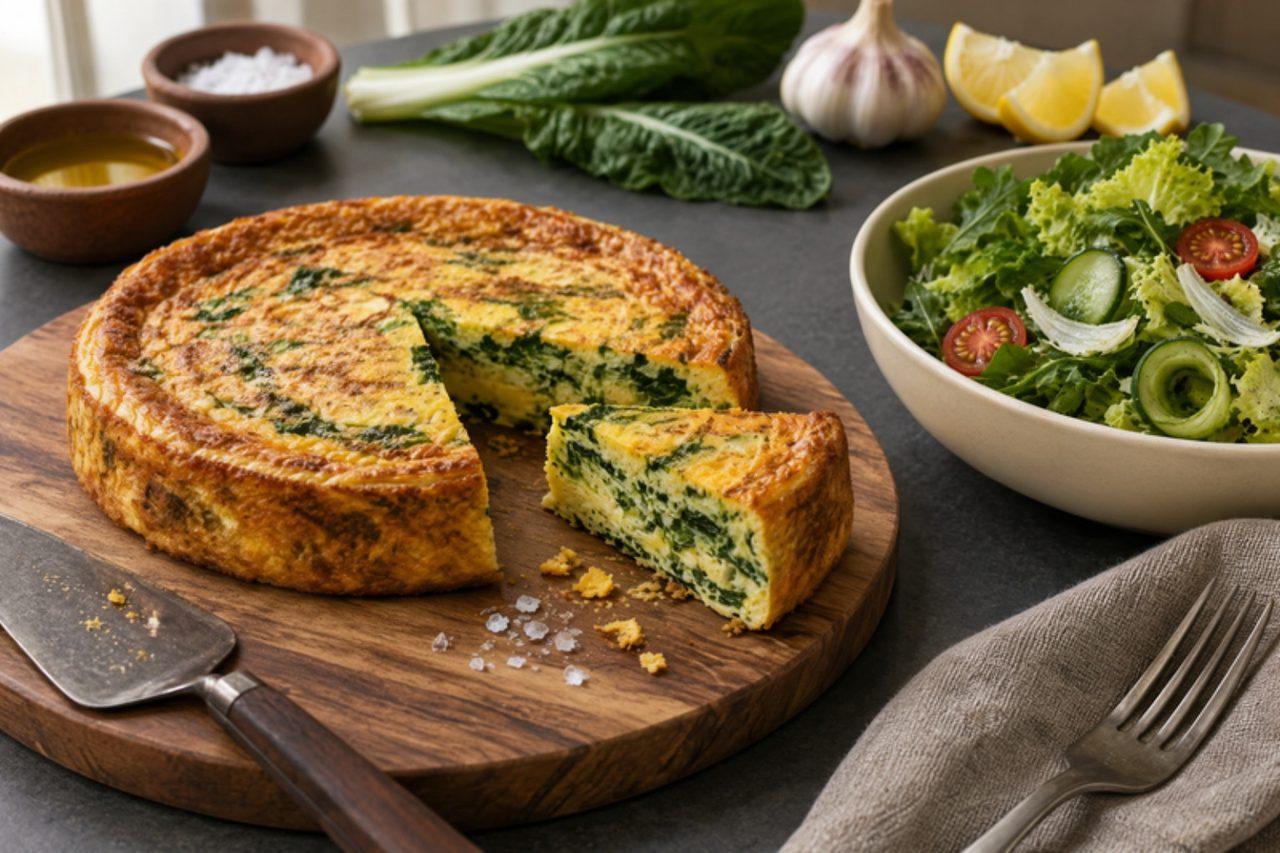
In Montevideo and Buenos Aires, tortilla de acelga is a homely supper or picnic dish, cut into wedges for a weekday dinner or packed for a Sunday at the beach, hot or cold. Plenty of chard is cooked down with onion and garlic, then bound with eggs into a thick, green, juicy omelette that is flipped in the pan like a Spanish tortilla. Serve it with a tomato salad. Suitable as part of a balanced diet. About 190 kcal and 7 g carbohydrate per portion. The usual mistake is leaving the chard wet: squeeze it well, or the tortilla weeps and won't set. If you're cooking for anyone pregnant, a young child or anyone with a weakened immune system, cook it until fully set in the middle. Chef's tip: cook it on a low heat with a lid on for the first side; it sets through without burning the base.

by KrazyBadal 0 views

Tvarohová pomazánkaQuark spread

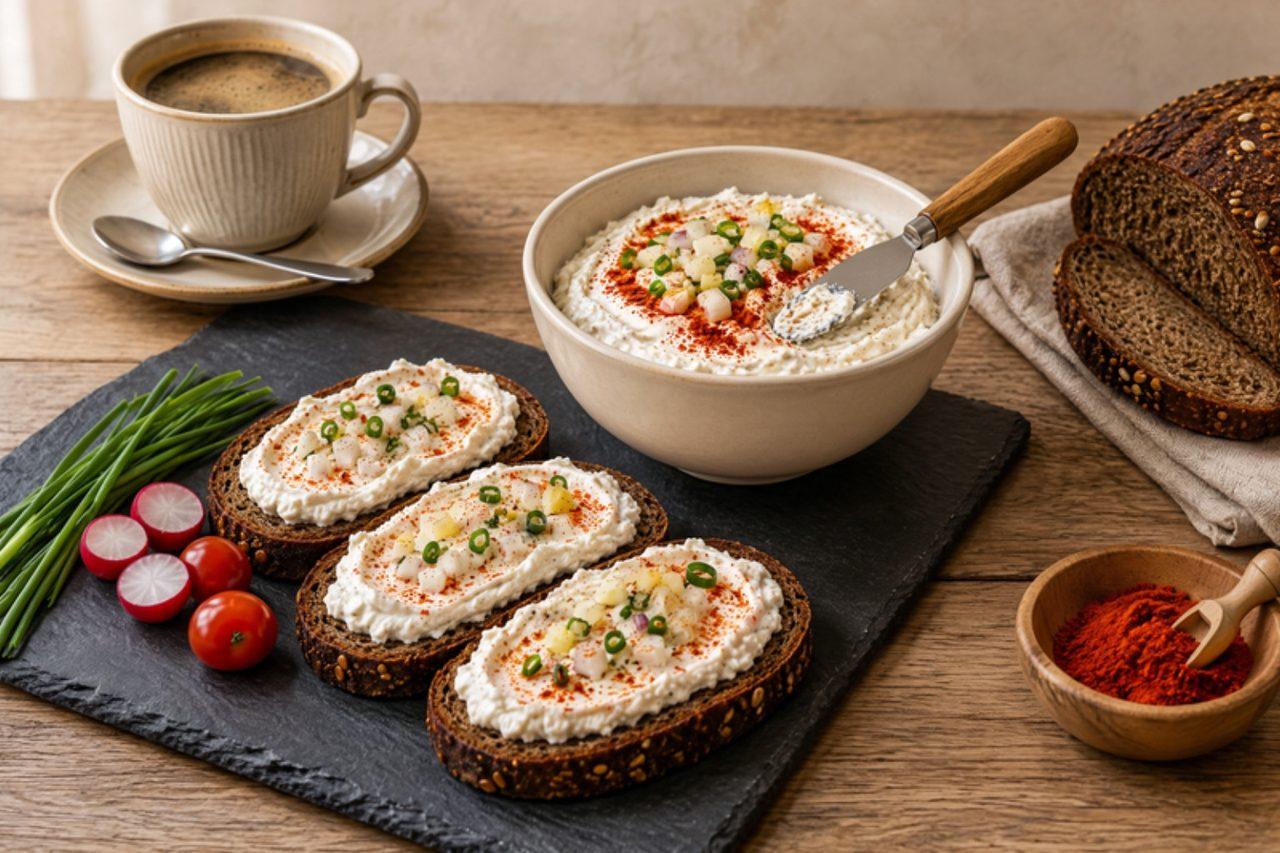
Tvarohová pomazánka is the savoury quark spread made in Czech and Slovak kitchens for breakfast, snacks and the evening bread plate: tvaroh beaten with a little butter, finely chopped onion, sweet paprika and chives, then spread on dark rye bread. It is fresh, tangy and pale orange. The mistake is using raw onion cut too coarsely, which overpowers the mild quark and makes the spread watery; chop it very finely or grate it. Chef's tip: make it 30 minutes ahead and chill it, so the paprika colours the spread and the onion mellows.

by KrazyBadal 0 views

Ei im GlasSoft-boiled eggs in a glass

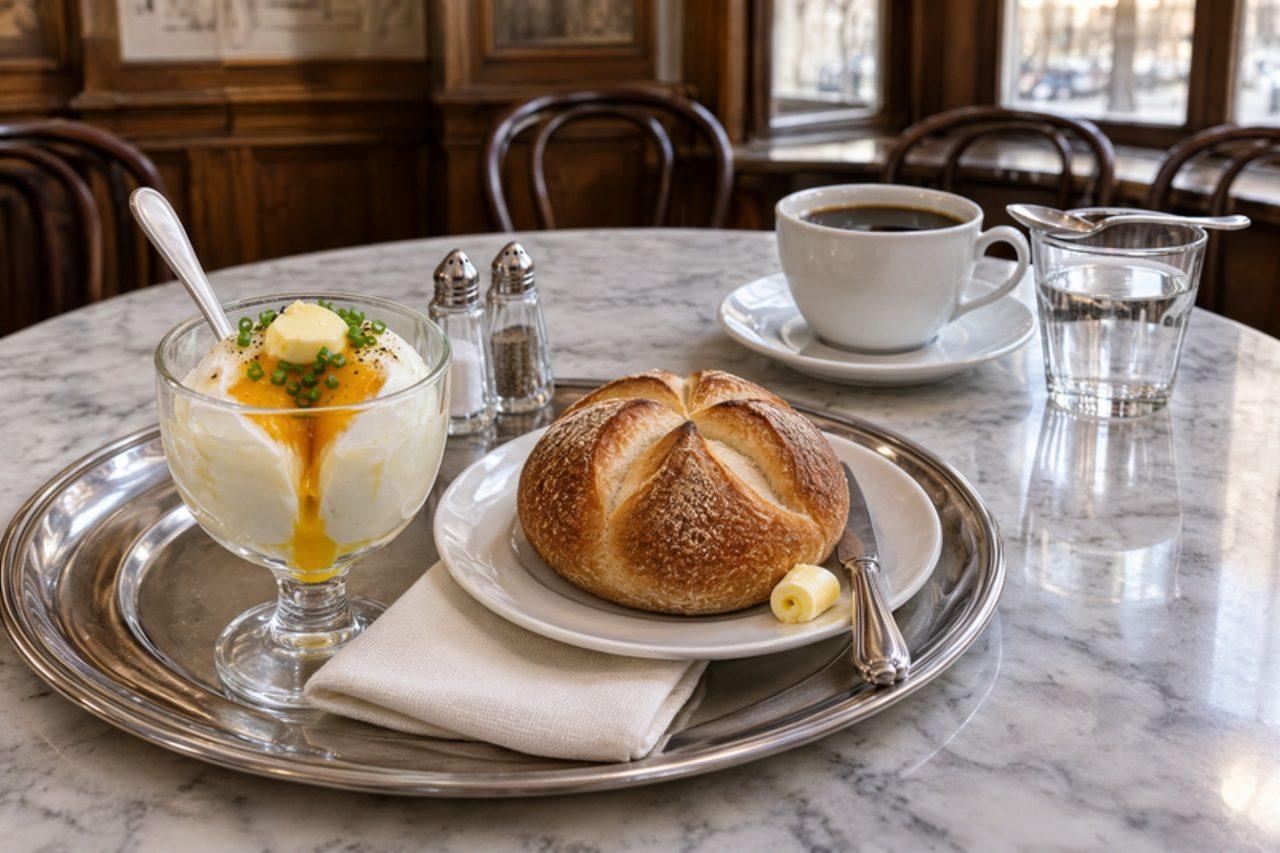
In the old coffee houses of Vienna, the breakfast menu still lists Ei im Glas: two very soft-boiled eggs, scooped warm from their shells into a small glass, with a knob of butter, chives, salt and pepper. You stir it into a golden, custardy mess and eat it with a crisp Semmel roll (gluten-free bread if you need it) and a Melange coffee. The mistake almost everyone makes is boiling the eggs a minute too long, so the yolk sets and the dish turns into plain egg salad. Chef's tip: warm the glass with hot water while the eggs cook, so the butter melts on contact and the eggs stay hot to the last spoonful.

by KrazyBadal 0 views

Pomazánkové másloChive butter spread

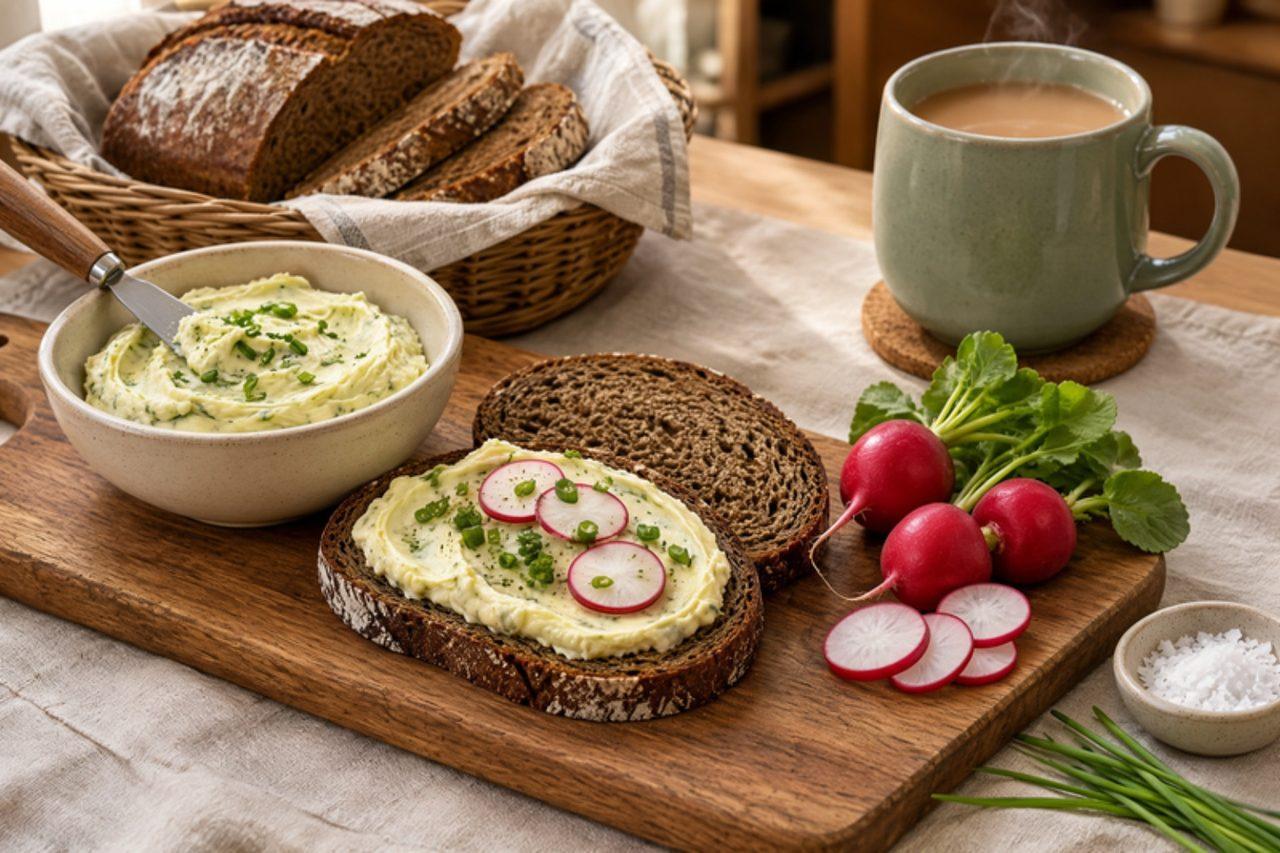
Pomazánkové máslo is a Czech fridge staple, a soft, mild dairy spread that is lighter than butter and is spread thickly on fresh rye bread for breakfast and school snacks, usually topped with chives or sliced radish. Shops sell it ready-made, but at home it is easily made by beating butter with soft quark and a splash of milk. The common mistake is using butter straight from the fridge, which leaves greasy lumps; it must be soft enough to whip. Chef's tip: beat for a full 3 minutes, until pale and fluffy, and the spread stays soft even when chilled.

by KrazyBadal 0 views

Pan con chicharrónCrisp pork sandwich

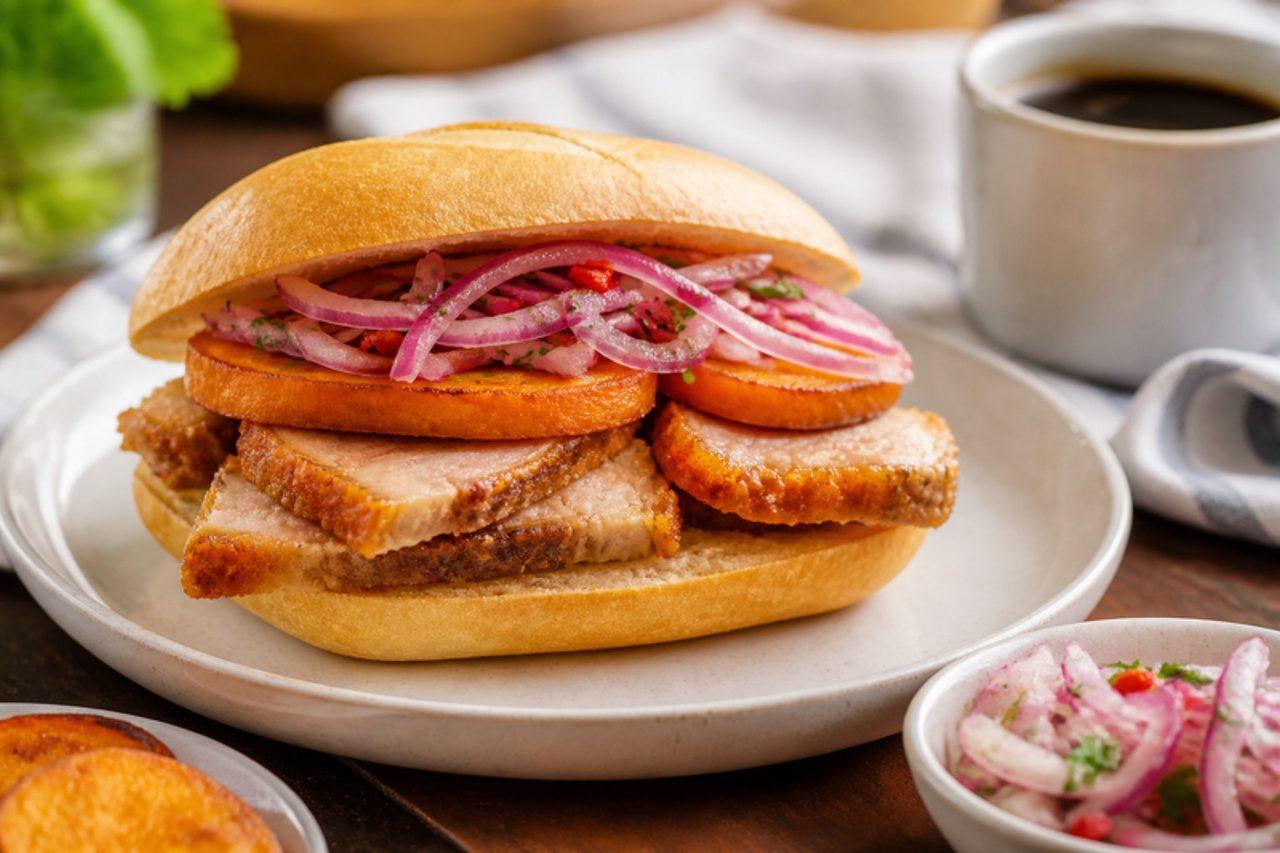
Sunday mornings in Lima mean a queue at the neighbourhood sanguchería or a stop at Barranco's old cafés for this: a crusty pan francés roll stuffed with chicharrón, pork that has been simmered in salted water until the water evaporates and then fried in its own fat, layered with slices of fried sweet potato and a crown of salsa criolla. The pork is crisp at the edges, juicy inside, the sweet potato sweet and soft, the onion sharp and cold. It comes with coffee or a hot drink. The usual mistake is frying the pork in extra oil from the start; the water has to boil off first so the meat renders and fries in its own fat, otherwise it stays pale and tough. Chef's tip: use pork belly mixed with shoulder for the right balance of crackle and meat.

by KrazyBadal 0 views

Steirische Kernöl-EierspeisScrambled eggs with pumpkin seed oil

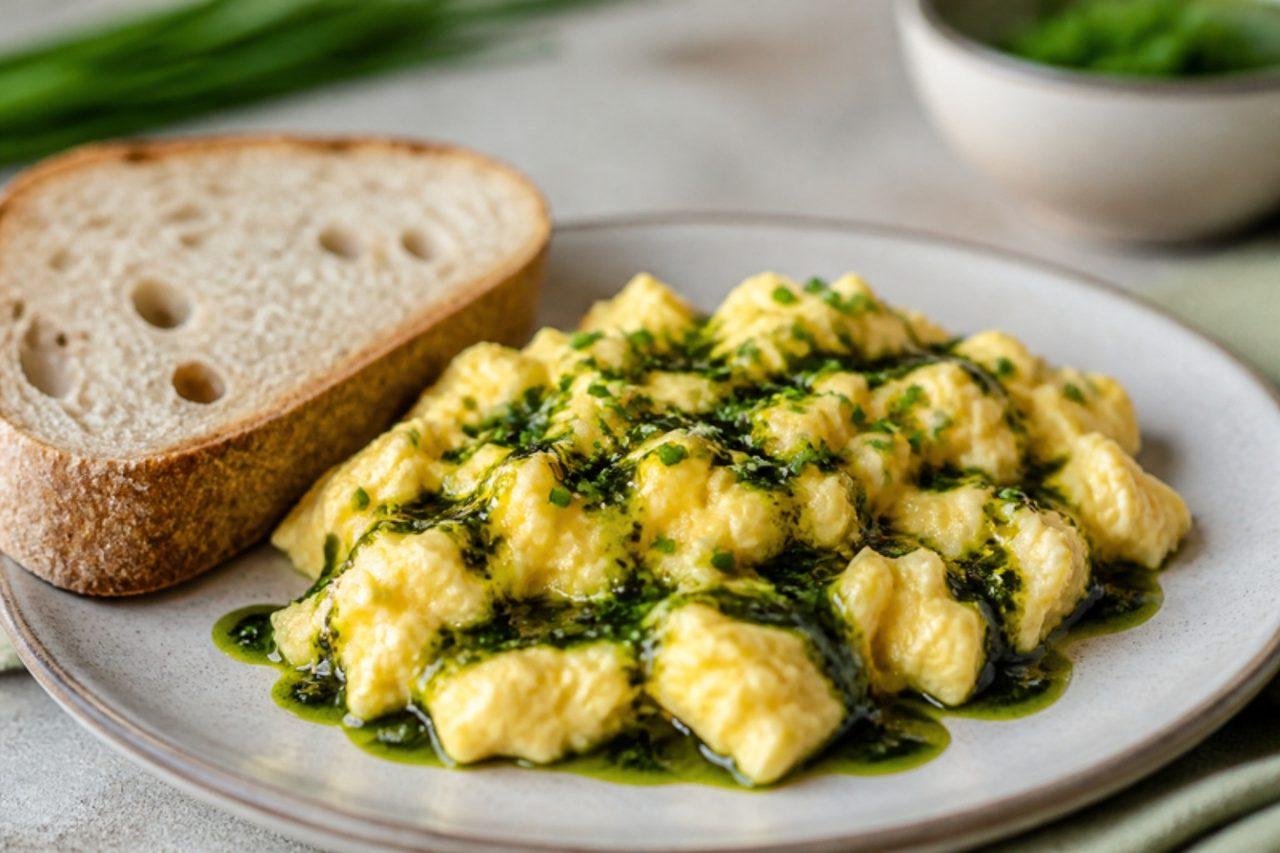
Eierspeis is the Austrian word for scrambled eggs, and in Styria they get a final drizzle of the region's dark green pumpkin seed oil. It is a farmhouse breakfast or a late-night snack after a long evening in a Graz wine bar, eaten straight from the small pan it was cooked in with a slice of rye bread. The eggs are soft and creamy in big folds, and the oil adds a toasted, nutty depth that tastes almost like brown butter. A common mistake is stirring too fast on a high heat, which gives small dry crumbs instead of soft curds. Chef's tip: salt the eggs a few minutes before cooking; it helps them set more tenderly.

by KrazyBadal 0 views

MbejúCassava starch cheese cake

Mbejú (say 'mbeh-JOO') is a Guaraní breakfast and merienda: cassava starch rubbed with butter, cheese and a little milk into damp crumbs, then pressed into a hot pan where it fuses into a thick, chewy, crisp-edged cake. It's eaten in the countryside with cocido (sweet toasted yerba tea with milk) on cool mornings, cut into wedges. It's naturally gluten free and very quick. Chef's tip: the mix should look like damp sand, not a dough; if you can squeeze a handful and it just holds, it's right.

by KrazyBadal 0 views