Skip to content
Recipes

All recipes

Vegetarian, or something you can't eat? Set your diet once and we'll hide recipes that don't fit.

Escabeche de polloChicken in vinegar and carrot

Pollo en escabeche is a home classic in Córdoba and Buenos Aires, a legacy of Spanish preserving that Argentines make on a Saturday to eat cold all week. It comes out of the fridge for a picada before the asado, as a summer lunch with a green salad and crusty bread, or packed for a day in the sierras. Chicken is browned, then gently cooked in oil and vinegar with carrot, onion, red pepper, garlic, bay and black peppercorns, and left to rest at least a day. The meat turns tender and lightly tangy, the carrots keep a little crunch, and the oil carries the flavour of bay and pepper. Because garlic sits in oil, safety matters: the liquid is half strong vinegar (at least 5% acidity, never diluted beyond what the recipe says), and the jar always lives in the fridge, never on the shelf. Eat it within 5 days. The common mistake is letting it boil hard, which makes the chicken dry and stringy; it should barely tremble. It is ready the next day, when the chicken tastes seasoned right through and the oil has turned golden. Chef's tip: take it out 20 minutes before serving so the oil melts back to liquid.

by KrazyBadal 0 views

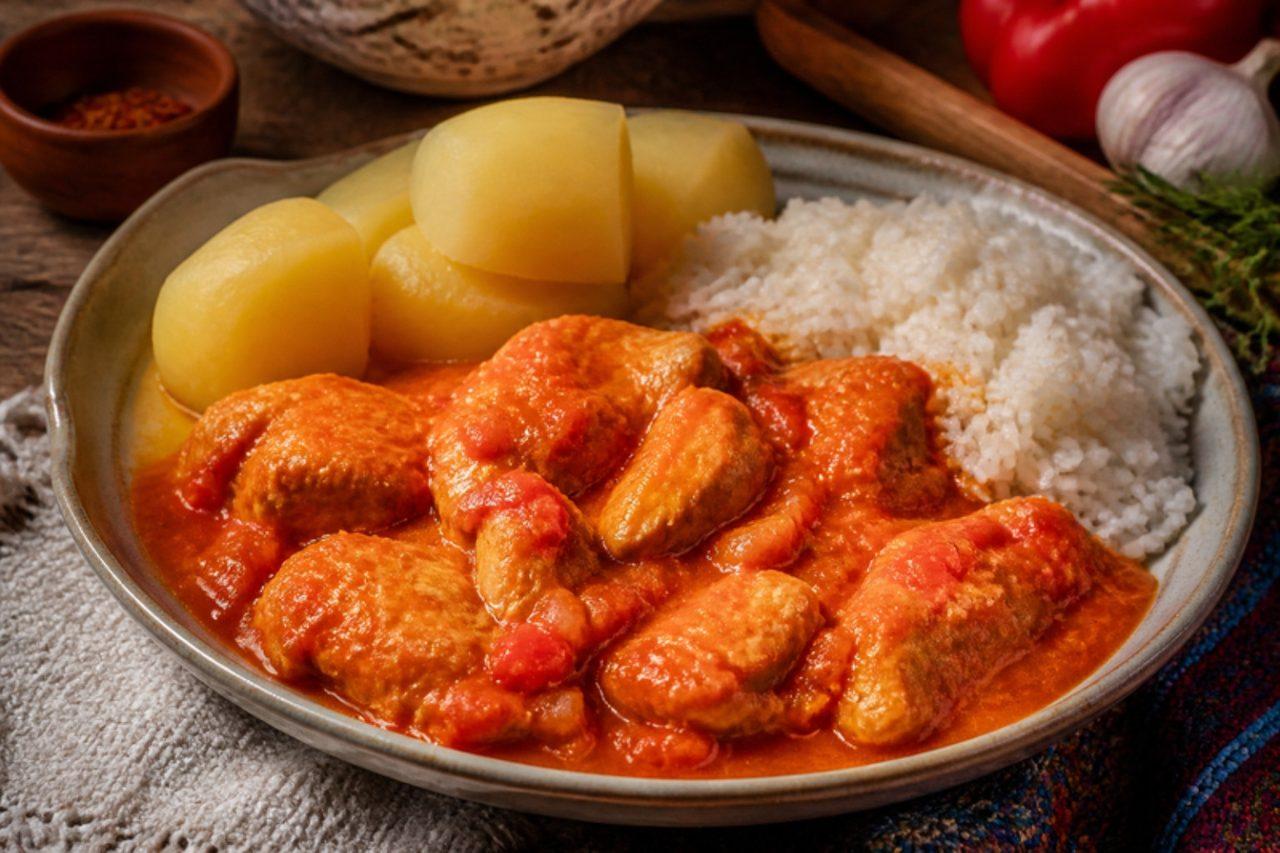
Picante de polloChicken in red chilli sauce

High up in Jujuy, picante de pollo is the dish cooks make for weddings, patronal feast days and Carnival in the Quebrada de Humahuaca, and the small comedores near the markets of San Salvador serve it every Sunday. Chicken pieces are first poached, then finished in a vivid red sauce of ají colorado (ground dried red chilli), lots of onion, tomato and garlic, thickened with the broth; on the plate it goes with white rice, boiled Andean potatoes and often a scattering of crunchy fried potato sticks (papas fritas en bastón) or chopped tomato and onion. It is warming rather than fiery, with a deep earthy chilli flavour. The chicken must reach 74 °C at the bone. Burning the ground chilli is the usual mistake: add it to the pan off the heat or over a gentle flame, or it turns bitter in seconds. Chef's tip: let the stew sit for 15 minutes before serving; the chicken absorbs the red sauce and the colour deepens.

by KrazyBadal 0 views

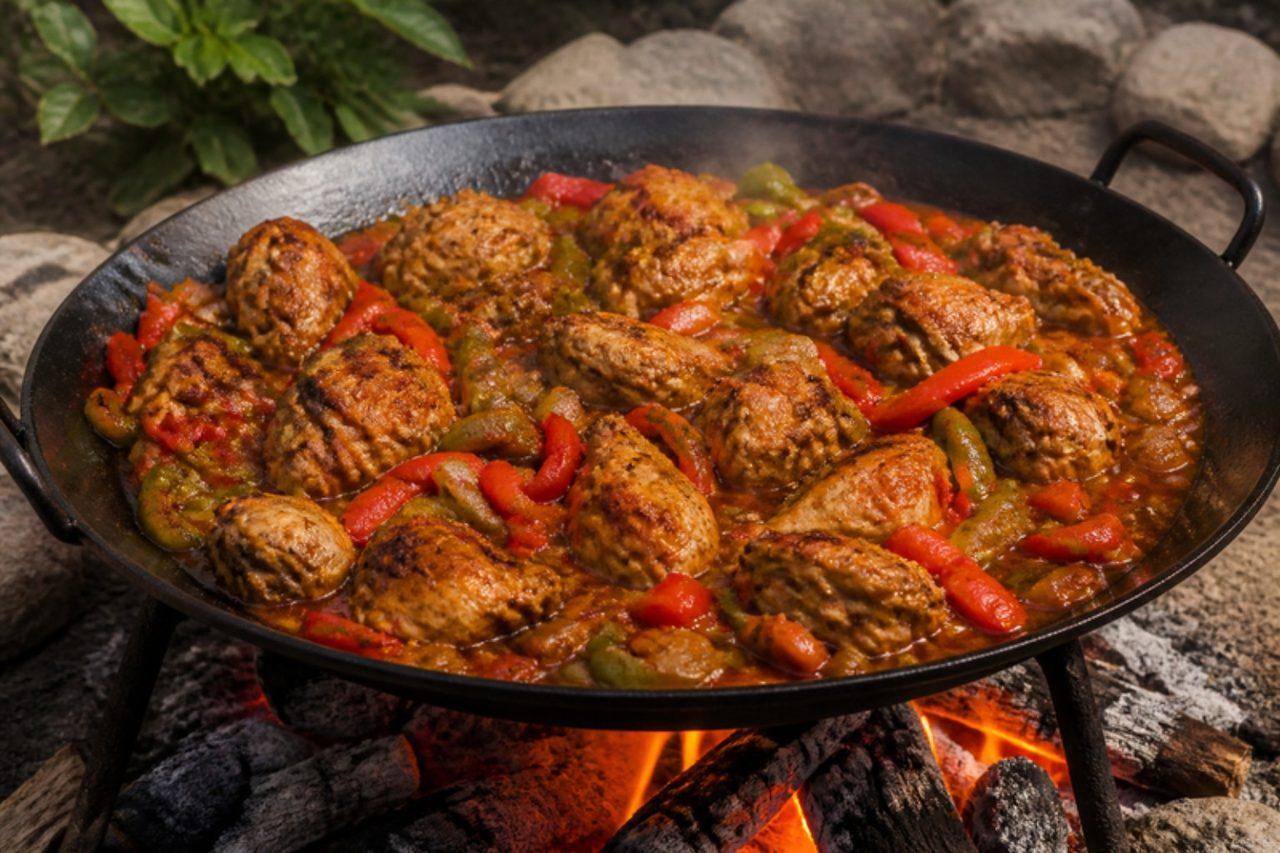
Pollo al discoChicken with peppers and wine

Out on the estancias of the Pampas, the disco de arado (an old plough disc welded onto legs) is set over a wood fire for long weekend lunches, and chicken braised in it is one of the most loved dishes: pieces browned in the wide, sloping pan, then cooked down with onions, peppers, garlic, paprika and a splash of white wine until the sauce is sweet and glossy. Friends stand around the fire with bread for dipping. A large, heavy casserole or wok on the hob does the job at home. The recipe uses white wine; for an alcohol-free version, use the same amount of chicken stock plus 1 tablespoon of white wine vinegar. Chicken must reach 74 °C at the thickest part near the bone. The common mistake is piling everything in at once, which boils the chicken pale, so brown it well first. Chef's tip: push the browned chicken up the sloping sides while the vegetables cook in the centre, as disco cooks do; in a casserole, lift it onto a plate.

by KrazyBadal 0 views

Dulce de lecheMilk caramel

Dulce de leche is Argentina's national sweet, spread on toast at breakfast, sandwiched in alfajores, rolled into panqueques and spooned onto flan. Argentine families traditionally make it by slowly cooking milk and sugar with a vanilla pod and a pinch of bicarbonate of soda, which helps it turn deep brown, until it becomes a thick, glossy caramel cream. It takes about three hours of gentle cooking and regular stirring. Chef's tip: use a wide, heavy pan and keep the heat low; the wider the surface, the faster the milk reduces, and the less it catches on the bottom.

by KrazyBadal 0 views