Skip to content
WhatToEat.Today

All recipes

12

Vegetarian, or something you can't eat? Set your diet once and we'll hide recipes that don't fit.

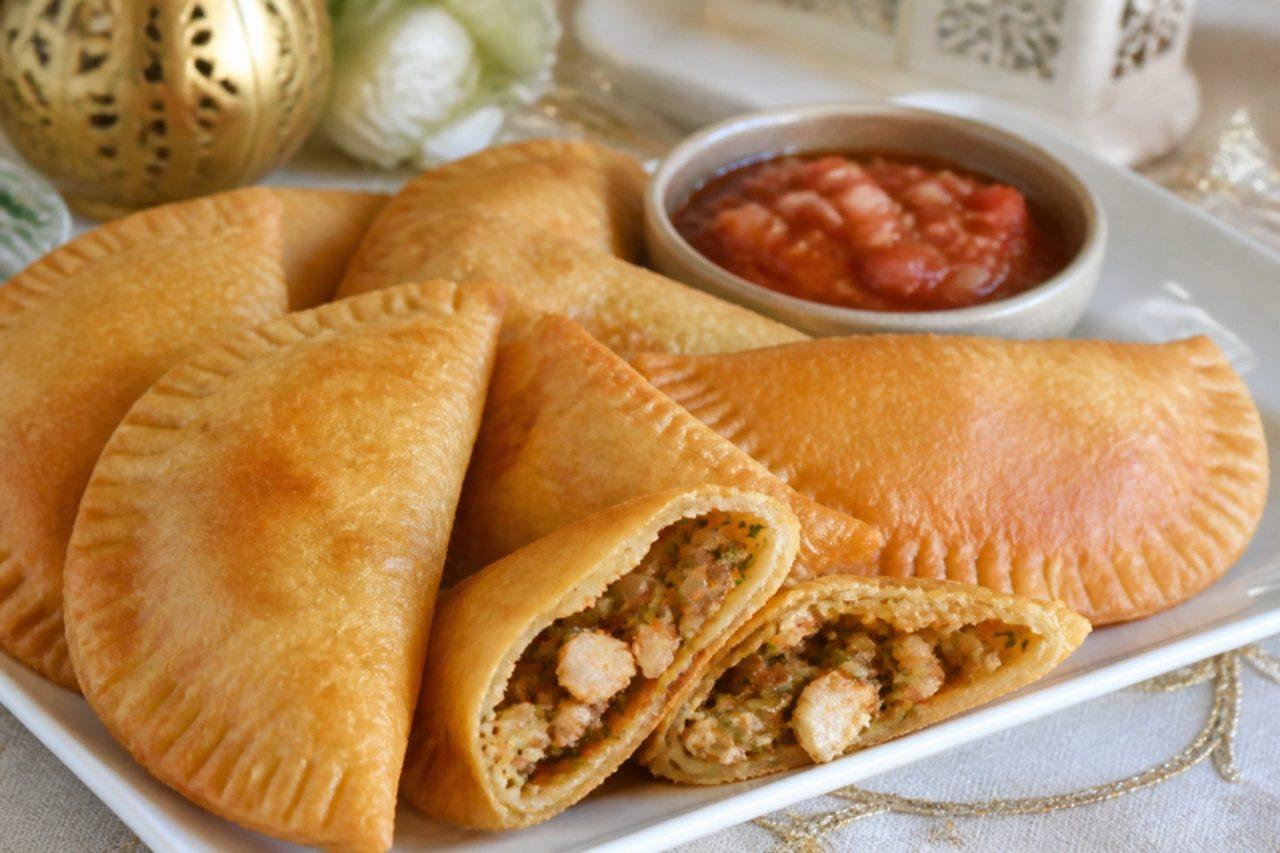
PastelsFish-filled pastries

Pastels are the party pastries of Dakar and Saint-Louis, half-moons of soft dough filled with spiced fish, parsley and onion and fried until puffed and golden. They are made by the trayful for Korité, the Senegalese Eid al-Fitr, and for baptisms and family gatherings, and come with a peppery tomato-onion sauce for dipping. Tuna or mackerel are classic fillings. Chef's tip: let the filling cool completely and squeeze it dry before filling; wet, warm filling makes the dough tear and leak in the oil.

by KrazyBadal 0 views

KinkélibaKinkéliba leaf tea with mint

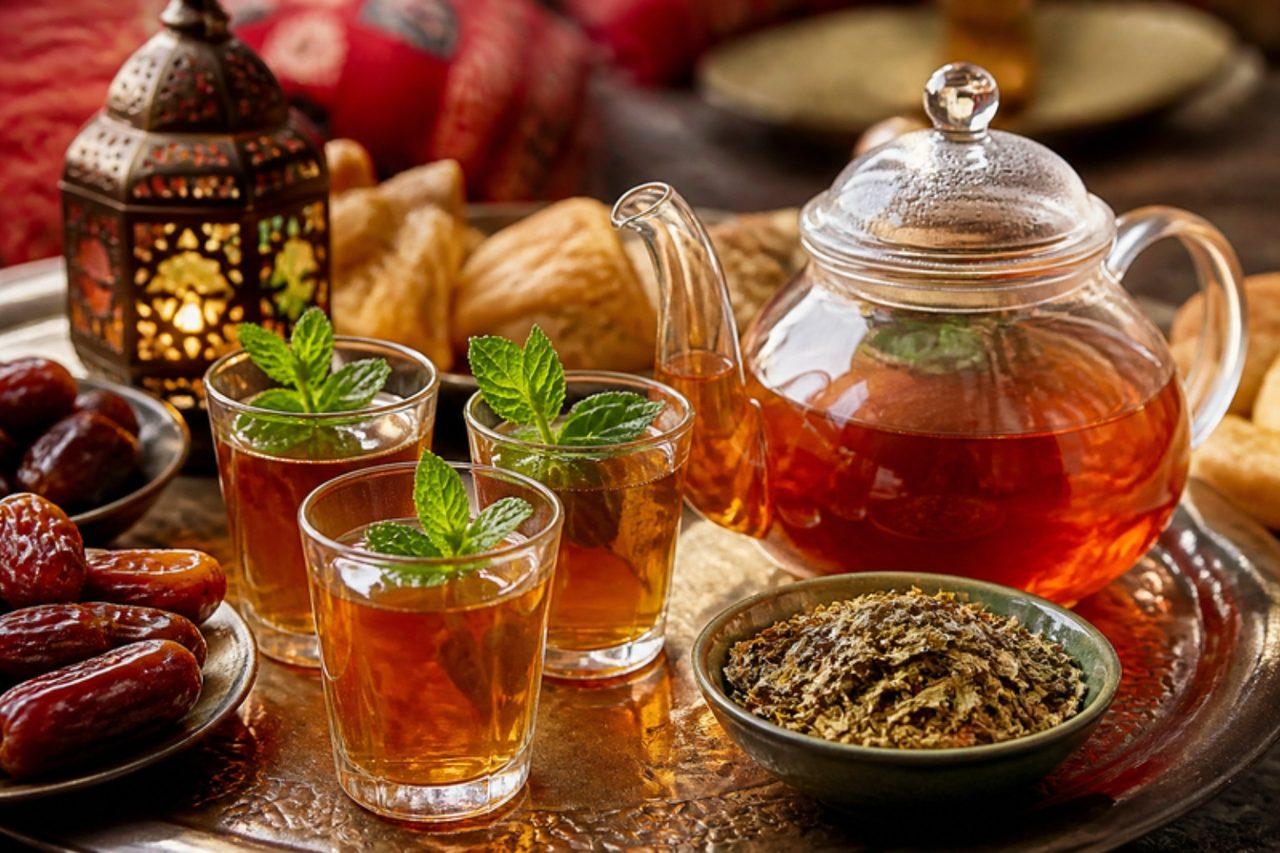
Kinkéliba is an herbal tea brewed from the dried leaves of a West African shrub, and in Senegal it is the drink families reach for at the moment of breaking the fast in Ramadan, served hot with bread or dates. The brew is amber, gently bitter and woody, softened with sugar and lifted with fresh mint. Many households also drink it at breakfast all year. Chef's tip: simmer it gently rather than boiling it hard; a fierce boil brings out too much bitterness.

by KrazyBadal 0 views

Attaya (Senegalese mint tea)

Attaya is less a drink than an afternoon. In Dakar courtyards, Banjul markets and village shade trees across Senegal and the Gambia, someone, usually the youngest man present, sets a tiny enamel teapot on a charcoal burner after lunch and makes three rounds, slowly, for an hour or more while everyone talks. The first glass, lewel, is strong and bitter; the second, naani, is sweeter and softer; the third, ñetteel, is the sweetest and most minty. The saying is that the first is bitter like death, the second gentle like life, the third sweet like love. Each tiny glass carries a thick, pale foam made by pouring the tea back and forth from height. The tea is boiled very strong, so it is high in caffeine: keep the glasses small and do not give it to children. The common mistake is rushing the foam; pour slowly and patiently, from as high as you can control, until a 1 cm head stands on the glass. A round is ready when the tea is dark amber, very sweet-bitter and the foam holds. Chef's tip: warm the empty glasses with a little hot tea first; foam lasts far longer in a warm glass.

by KrazyBadal 1 views

Mbakhal (Saloum rice with peanuts and dried fish)

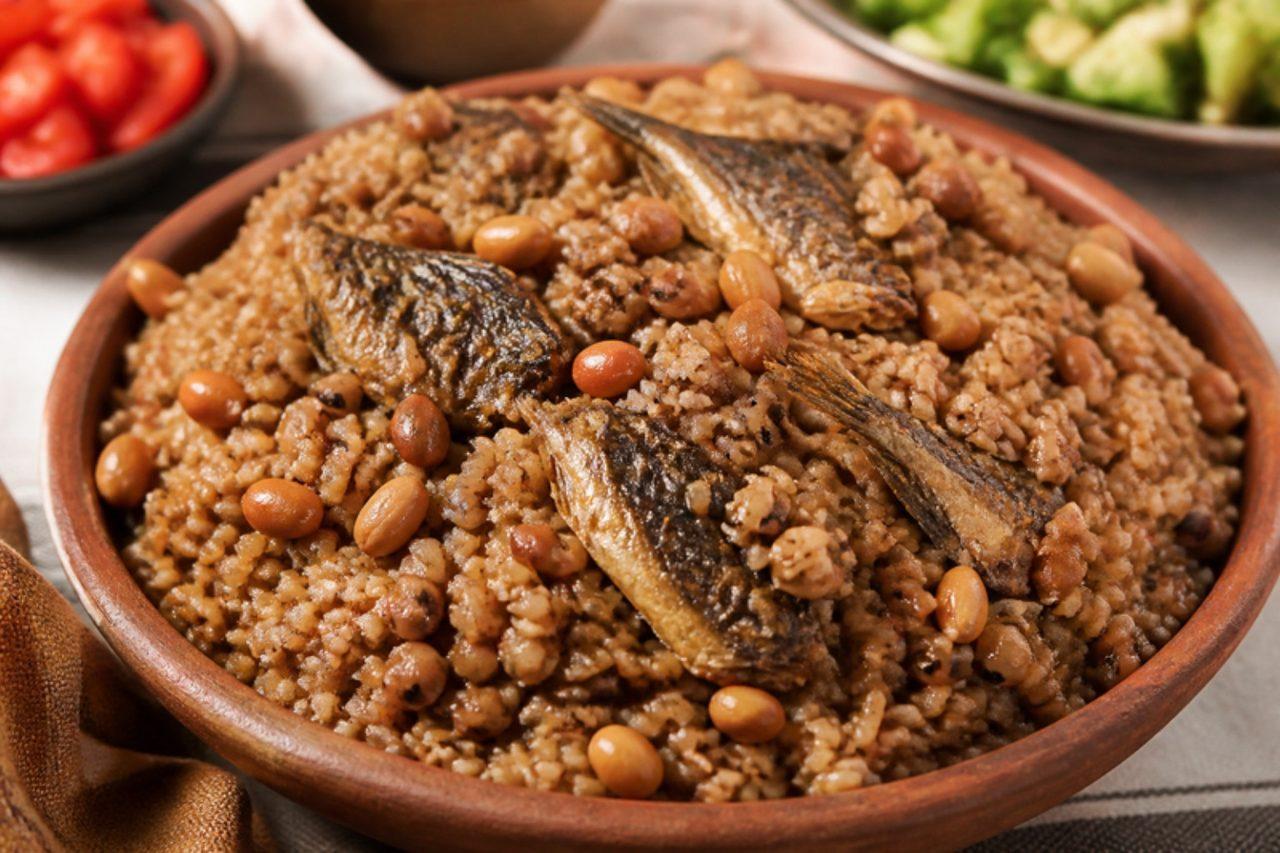
Mbakhal belongs to the Saloum, the peanut country around Kaolack and the Sine-Saloum delta, where it is cooked for gatherings and the Muslim feast days. Rice is simmered until soft and almost porridge-like in a sauce of ground peanuts, tomato and onion, together with black-eyed beans and guedj, the sun-dried, salted fish of the Senegalese coast. The flavour is deep and savoury, the texture creamy with bursts of bean and chewy flakes of fish. Salt cod or smoked fish are fair substitutes for guedj. Chef's tip: soak and taste the dried fish before you season, and add salt only at the end; over-salting is the most common mistake with mbakhal, since guedj and stock both carry plenty.

by KrazyBadal 0 views

Caldou (Casamance fish in lemon broth)

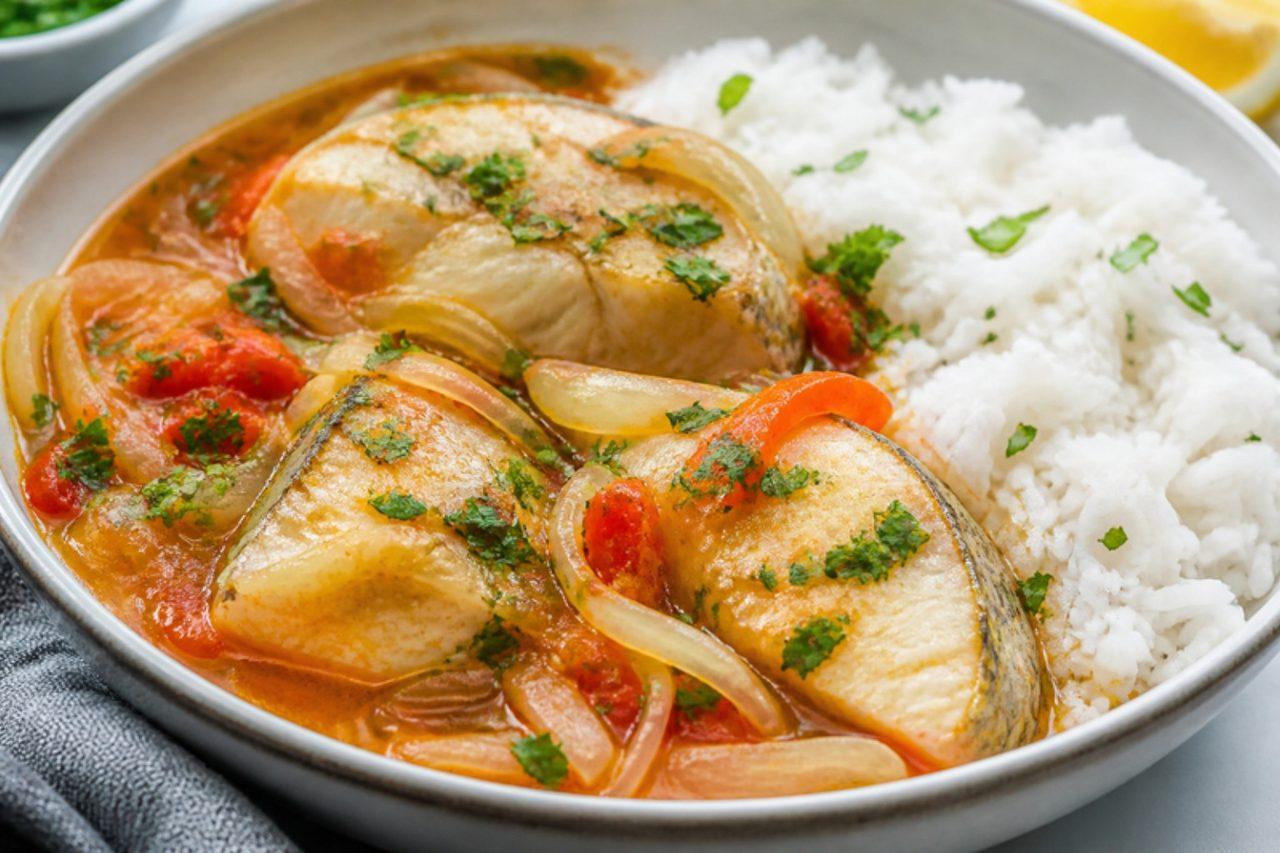
Light, tangy and clean-tasting, caldou is the fish dish of Ziguinchor and the river towns of Casamance, where fresh catches from the estuary are poached in a broth sharp with lemon, sweet with soft onion and tomato, and warmed by a whole chilli. It is ladled over plain white rice so the grains soak up the broth, with an extra squeeze of lemon at the table. Some cooks add a few okra or a spoon of palm oil; this version keeps it simple and light. Firm white fish such as grouper, sea bream or hake is ideal. Chef's tip: keep the broth at a bare simmer once the fish goes in; boiling it hard is the common mistake and turns delicate fish dry and broken.

by KrazyBadal 0 views

Yokhos (Casamance oysters with onion and lemon)

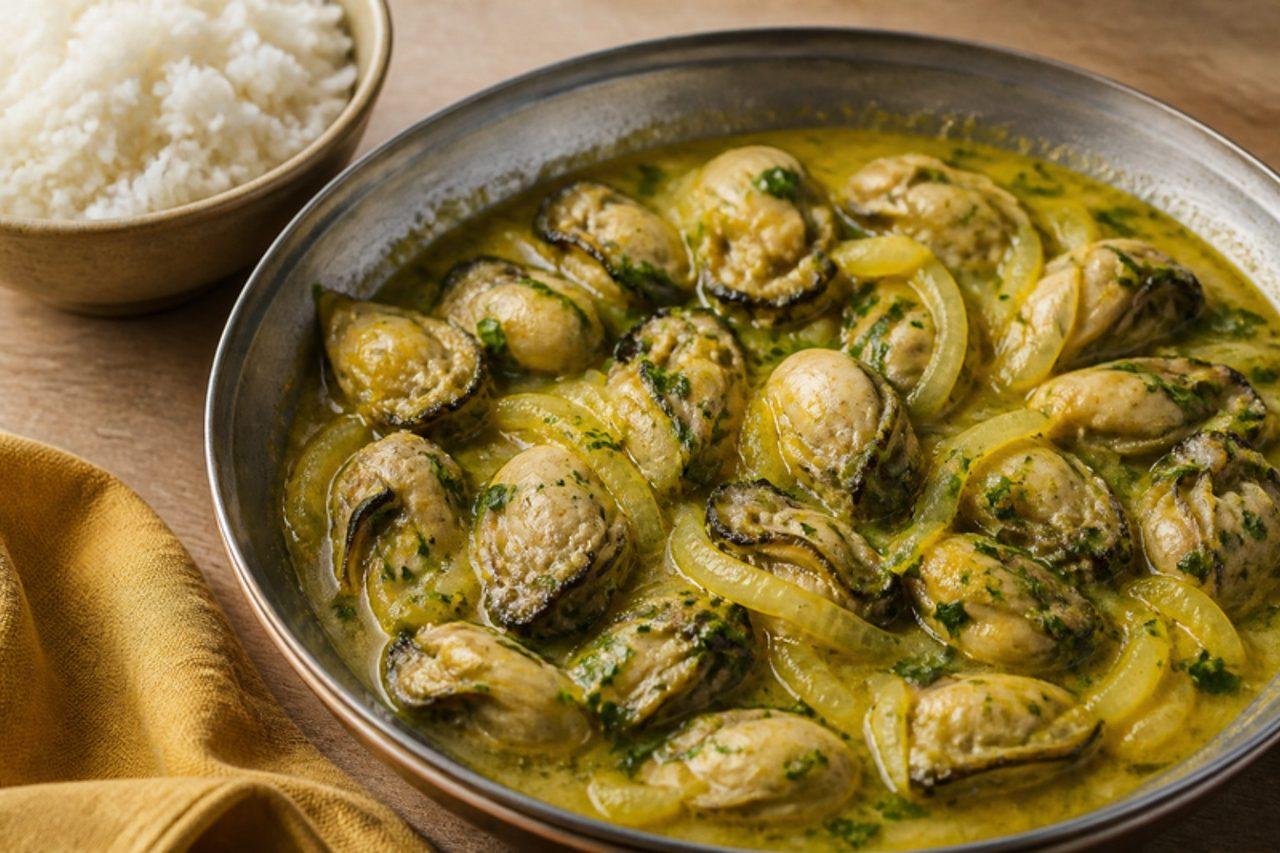
In the mangrove creeks of Casamance, women gather oysters from the roots at low tide, and in villages around Ziguinchor and Oussouye yokhos are grilled over wood until they pop open, then tossed in a sauce of soft onion, lemon and chilli. The oysters turn plump and firm, briny against the sharp, sweet onions. Eat them with rice or bread as a light meal. Mangrove oysters are rarely sold abroad, so use any fresh rock or Pacific oysters. This dish is always cooked: buy live oysters from a reputable fishmonger, discard any with broken shells or that are open and do not close when tapped, and throw away any that stay shut after grilling. Chef's tip: simmer the oyster meat in the sauce only until the edges curl and the flesh is firm right through; that takes about 3 minutes, and going much longer makes them rubbery.

by KrazyBadal 0 views

Café Touba (spiced Senegalese coffee)

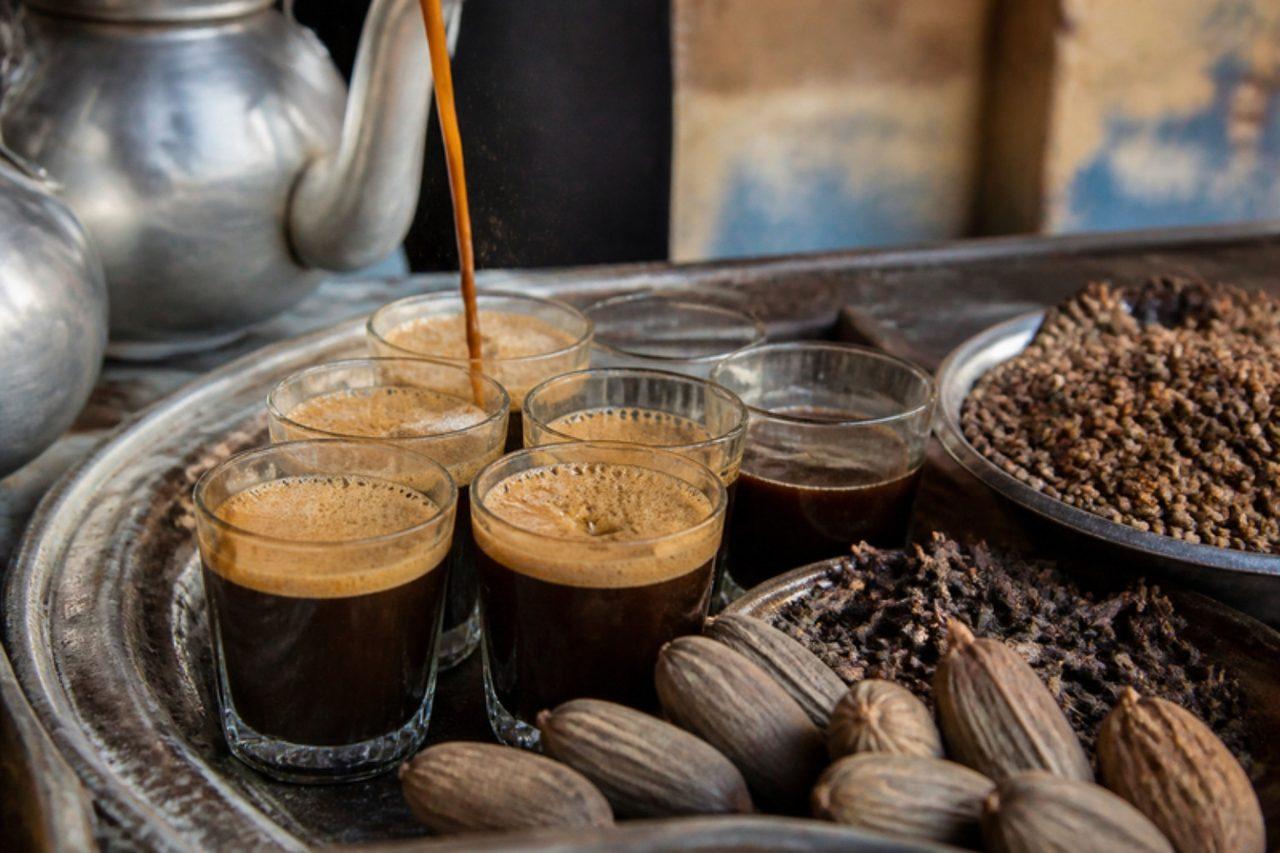
Poured from tall kettles into small cups on street corners from Dakar to the holy city of Touba, café Touba is coffee roasted together with djar, the smoky, peppery pods also called grains of selim, and often a few cloves. The drink is linked with the Mouride brotherhood and its founder Cheikh Amadou Bamba, and it is drunk sweet and strong at any hour. It has a deep roasted bitterness with a tingle of pepper and clove at the back of the throat. Roasting green beans at home takes about 20 minutes and makes enough for several pots; if you cannot get green beans, toast the spices separately and grind them with medium-roast coffee. Most people go wrong by grinding the djar (selim pepper) too coarsely, so its peppery note never comes through. Chef's tip: roast over a moderate heat and keep the beans moving, since high heat burns the outside while the inside stays raw and sour.

by KrazyBadal 0 views

Senegalese ginger juice

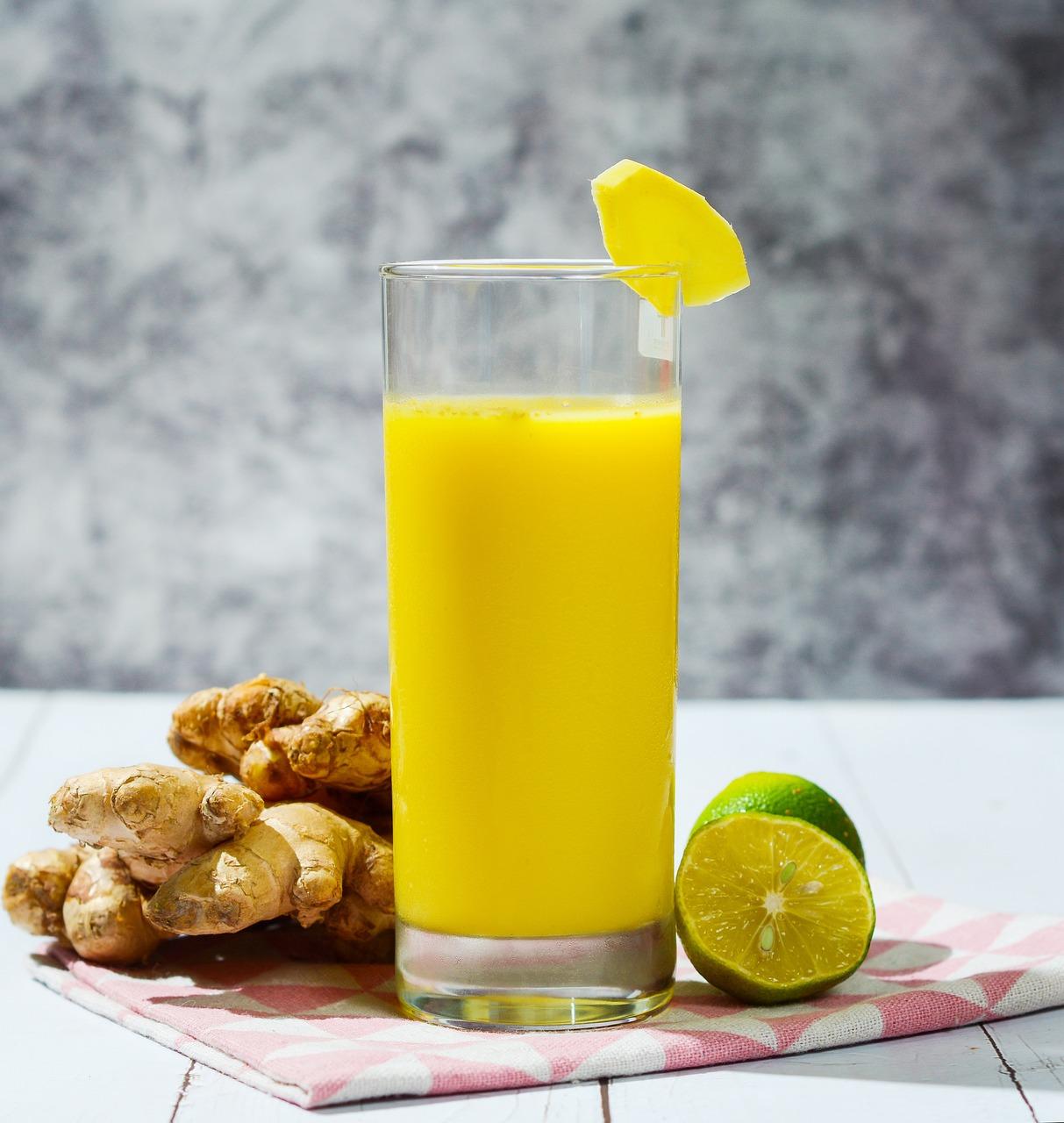
Nearly every Senegalese party, baptism and wedding table carries a jug of jus de gingembre next to the bissap, and Dakar street sellers keep it in frosted plastic bottles. Fresh ginger is blended with water, left to steep, strained and sweetened, then brightened with lemon and mint. Expect a sweet first sip followed by a strong, warming burn that is surprisingly refreshing when the drink is ice cold. Some cooks add a little pineapple juice or vanilla for a rounder taste. Chef's tip: taste before serving and dilute with cold water if it is too fierce; the most common mistake is serving it undiluted, when it can be strong enough to make people cough.

by KrazyBadal 0 views

Ditakh juiceSweet-sour ditakh fruit juice

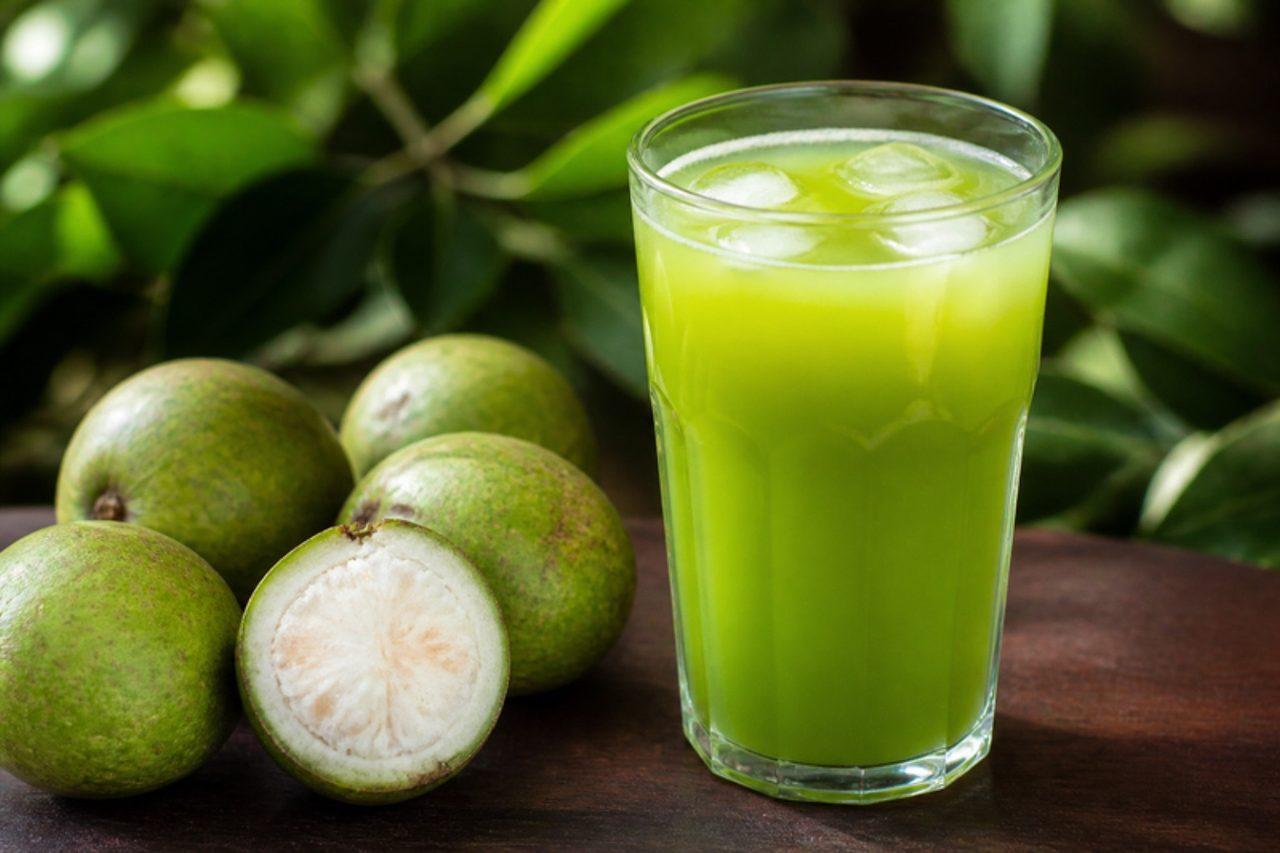
When the round, brown-shelled ditakh fruit comes into the markets of Dakar and Casamance, juice sellers turn its bright green, fibrous pulp into one of Senegal's most refreshing drinks. Ditakh grows on a wild tree of the region and is famously rich in vitamin C; its juice is vivid green, tart and fruity, somewhere between green apple, lime and tamarind. The pulp clings to a fibrous stone, so it is soaked and rubbed off by hand, then strained and sweetened. Outside Senegal look for frozen ditakh pulp in African shops; there is no real substitute. A frequent slip is blending the stones with the pulp, which makes the juice bitter. Chef's tip: work the flesh with your fingers rather than a blender, because blending crushes the bitter fibres and stone into the juice.

by KrazyBadal 0 views

Yassa pouletLemon onion chicken

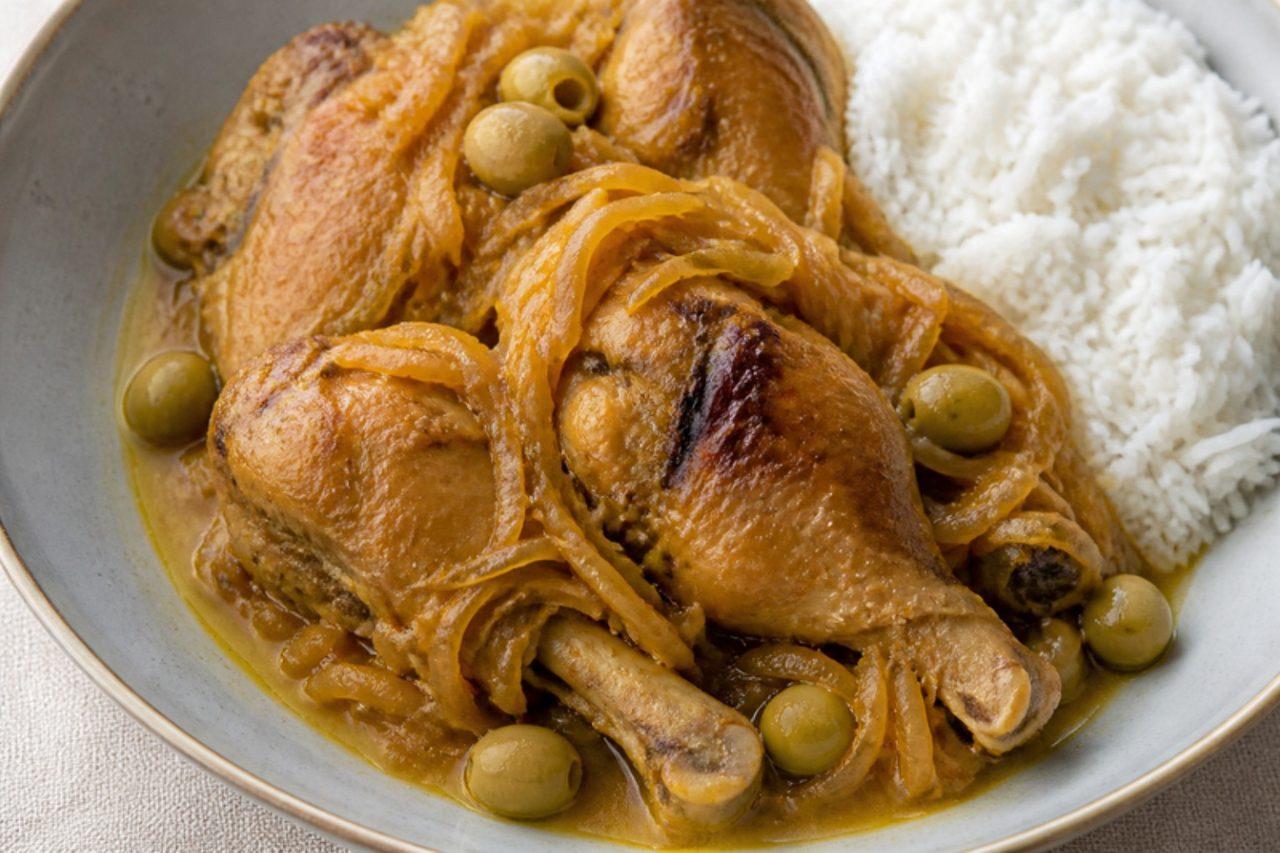
Yassa comes from Casamance, the green, rice-growing south of Senegal, and has become the dish Dakar families cook for guests and naming ceremonies. Chicken spends a night in lemon juice, mustard and a huge pile of sliced onions, is grilled or browned until charred at the edges, then braised in those same onions until they collapse into a sharp, sweet, jammy sauce. It is served over plain white rice with a green olive or two on top. A common mistake is rushing the onions; if they are still crunchy the sauce tastes raw and harsh, so give them the full half hour. Chef's tip: keep the marinade, because it becomes the sauce; just boil it well with the onions so it is safe to eat.

by KrazyBadal 0 views

ThieboudienneFish and rice in tomato broth

Ceebu jën, "rice and fish" in Wolof, is the dish Saint-Louis claims as its own and the whole of Senegal cooks for the big Friday or Sunday lunch, served on one wide platter that the family eats from together. Thick fish steaks are stuffed with a green paste of parsley, garlic and chilli, browned, then simmered in a deep tomato broth with whole cassava, carrot, cabbage and aubergine; the broken rice then soaks up that same broth until it turns orange and fragrant. The prized part is the xoon, the crust that forms at the bottom of the pot, which is shared out at the end. The usual mistake is leaving the fish in the pot while the rice cooks, so it falls apart; lift it out with the vegetables and keep it warm. Chef's tip: rinse the broken rice three times and steam it briefly before it goes into the broth, so the grains stay separate instead of turning to porridge.

by KrazyBadal 0 views

Jus de bouyeBaobab fruit drink

Bouye is the Wolof name for the powdery white pulp of the baobab fruit, and jus de bouye is the thick, creamy-tart drink sold in reused bottles from coolers all over Dakar and served at every family celebration. It tastes like sherbet with a hint of pear. Most cooks now use baobab powder, which is sold in health shops as well as African grocers. Sweetened condensed milk is optional but common. Chef's tip: whisk the powder into a little water first to make a smooth paste; poured straight into a jug it forms lumps that never dissolve.

by KrazyBadal 0 views