Skip to content
WhatToEat.Today

All recipes

19

Vegetarian, or something you can't eat? Set your diet once and we'll hide recipes that don't fit.

SaleuriCheese pastry sticks

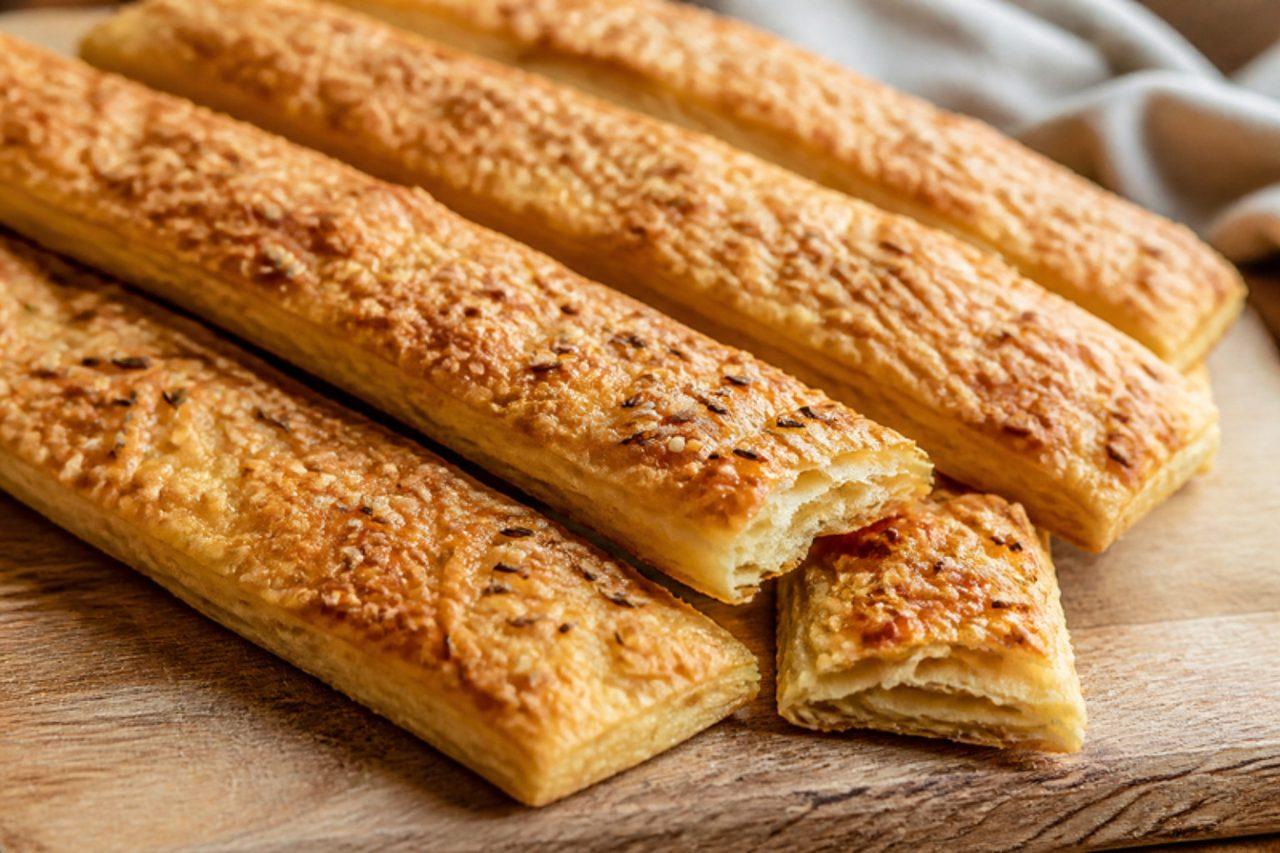
Set out on a platter at Romanian name-day parties, christenings and New Year's Eve, saleuri are the salty sticks people nibble with a glass of something before the sarmale arrive. The pastry is short and flaky from cold butter and sour cream, with grated cheese worked through it and more cheese, caraway and sesame pressed on top. Older village recipes were often made with lard; this version uses butter. They are best the day they are baked but keep crisp in a tin for three or four days, and they go well with a bowl of olives or a cold beer. The top is brushed with beaten egg; milk works instead if you want them egg-free on the outside. Chef's tip: cut the strips with a pizza wheel and leave them lying where they are on the tray, rather than lifting each one, so they stay straight; warm, overworked dough is the usual mistake, and it bakes up tough instead of flaky.

by KrazyBadal 0 views

Mucenici moldoveneștiHoney and walnut sweet breads

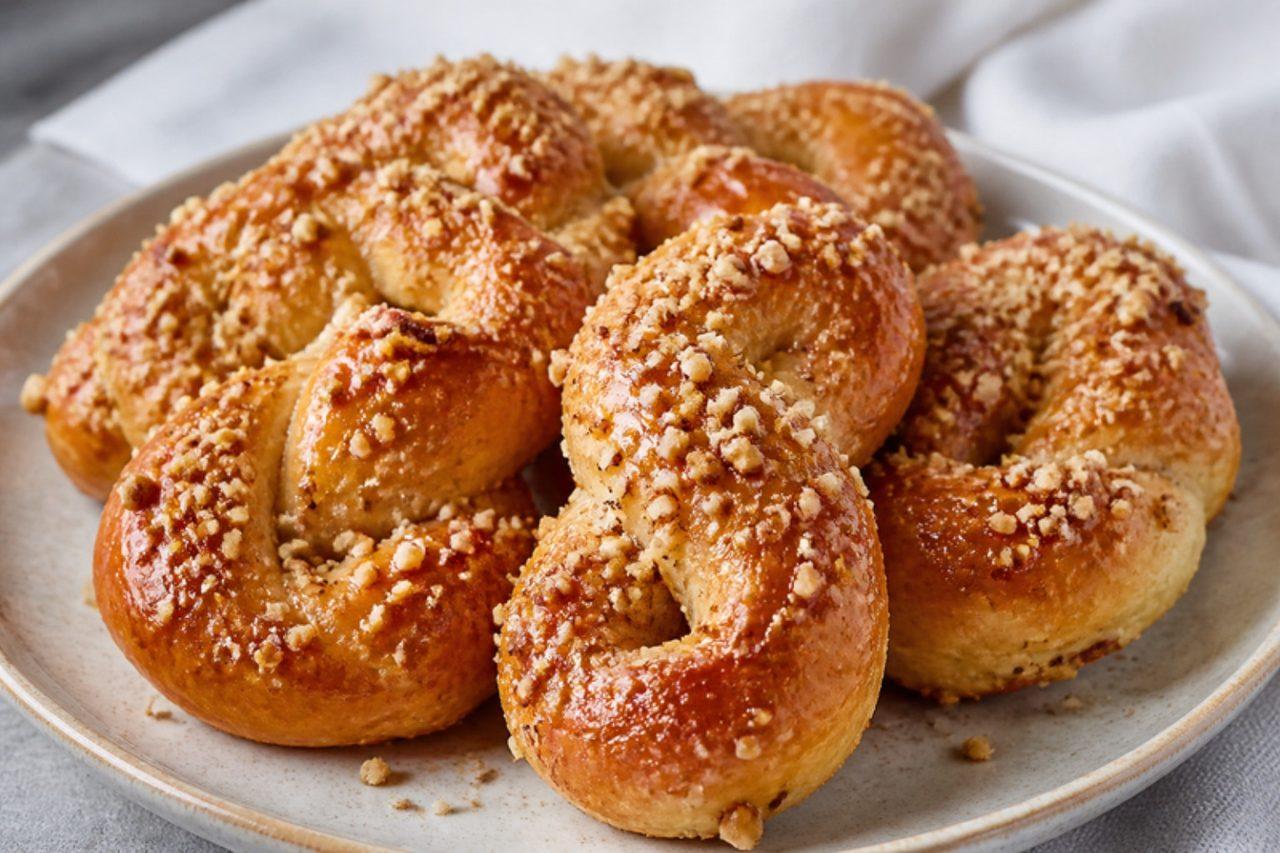
On 9 March, the feast of the Forty Martyrs of Sebaste, households in Romanian Moldavia bake forty of these little figure-eight breads, take some to church and give the rest to neighbours; the day also marks the start of the farming year. The shape is read as a stylised human figure, or as the number eight. They come out soft and golden, then are brushed while hot with honey syrup and rolled in chopped walnuts, so they turn sticky and fragrant. Serve them with tea or a glass of milk. Some cooks add a few drops of rum essence to the syrup; vanilla does the job here. Glazing them once they have cooled is a common slip: the syrup only soaks in properly while the breads are hot. Chef's tip: twist each rope loosely before shaping the eight, so the bread has ridges to catch the walnuts.

by KrazyBadal 0 views

Socată (elderflower fizz)

In late May and early June, when elder bushes bloom white along every Romanian village lane and riverbank, grandmothers fill big glass jars with water, sugar, lemon slices and elderflower heads and set them on a sunny windowsill or balcony. Three or four days later the jar is fizzing gently and socată, the most beloved summer drink of rural Romania, is bottled and chilled for haymaking days, family lunches and long evenings in the courtyard. It is sweet and floral, like honeyed lemonade with the scent of muscat grapes, with a light natural sparkle. Like all young ferments it makes a trace of alcohol, well under 1% if drunk within a week. The common mistake is washing the flowers or picking them after rain: the pollen and wild yeast that start the fermentation are rinsed away and nothing happens. Pick dry, fully open heads on a sunny morning and just shake off insects. It is ready to strain when fine bubbles rise steadily and it smells floral and slightly tangy. Use only the flowers: elder stems, leaves and unripe berries are toxic. Chef's tip: a few raisins in the jar give the yeast a boost if your flowers are slow.

by KrazyBadal 0 views

BorșFermented wheat bran sour liquid

Before lemons were common in Moldavian and Wallachian villages, every household kept a crock of borș, the cloudy, tangy liquid that turns a plain soup into a ciorbă. Wheat bran and a little cornmeal are steeped in hot water, seeded with a starter and left to ferment for 3–4 days in total, so although the hands-on work is short, plan a long weekend: the timings shown cover only the first two days of waiting. It is naturally vegan and a staple of the fasting (post) kitchen, where it sours nettle, bean and vegetable ciorbe. Where people go wrong is using a jar that is not properly clean, which lets the wrong microbes win and turns the borș slimy or mouldy. Chef's tip: keep a few spoonfuls of the drained bran, dried, as the starter (huște) for your next batch.

by KrazyBadal 0 views

VărzăriSauerkraut pan-fried pies

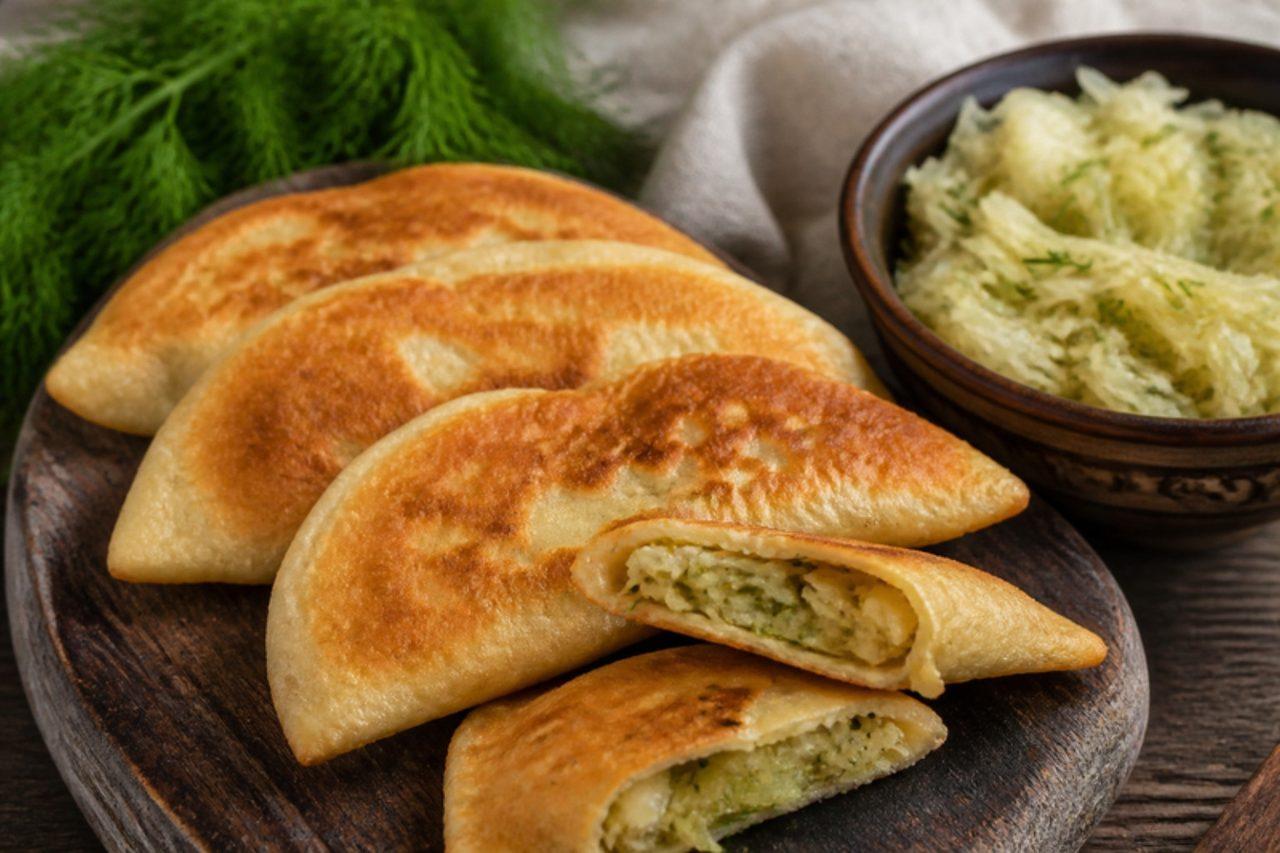
Across Moldavia and over the Prut in the Republic of Moldova, the long Lent before Easter and Christmas is when grandmothers bring out the sauerkraut barrel and start rolling vărzări. The dough is plain flour, water and oil, rolled paper-thin, folded around sauerkraut fried with onion and black pepper, then pan-fried in a little oil until blistered and crisp. Hot from the pan they are flaky outside and soft and sour within; at room temperature they make a good packed lunch, often eaten with a glass of compote or a bowl of bean soup. Being completely free of animal products, they suit the strict fasting days. Where most people go wrong is leaving the sauerkraut wet: squeeze it hard, or the juice soaks the dough and the pies tear. Chef's tip: rest the dough under a warm bowl for half an hour; the gluten relaxes and it will roll almost transparent without springing back.

by KrazyBadal 0 views

AlivenciCornmeal and cheese cake

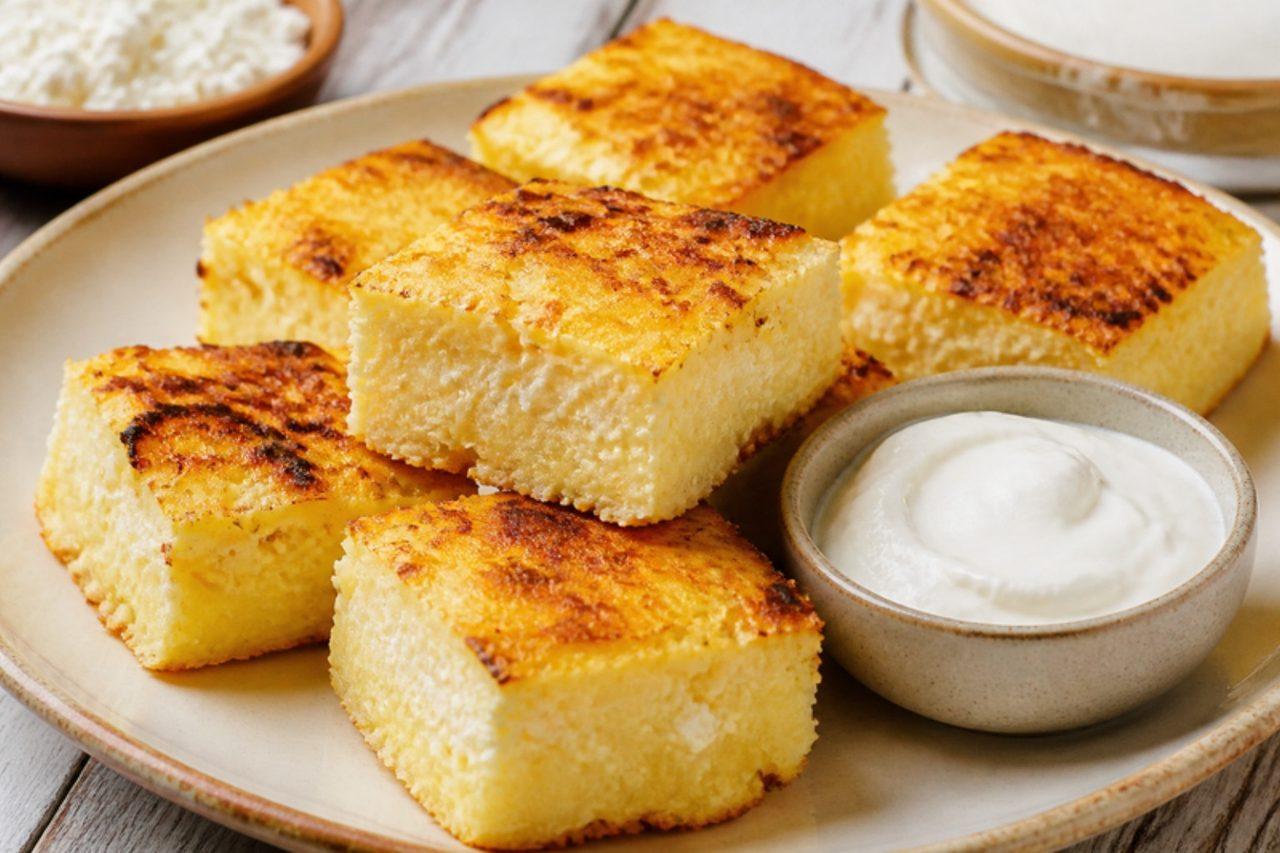
Across the Prut, in villages from Vaslui to the Republic of Moldova, alivenci is what happens when a farmhouse has fresh cheese, sour cream and a sack of cornmeal: a soft, custardy cake baked in a tray and cut into squares while warm. It is lighter than mămăligă and richer than bread, with a tender, slightly crumbly crumb studded with curd, and is eaten for Sunday breakfast or as a side with stews and a dollop of sour cream. Traditional brânză de vaci (cottage-style cheese) is usually made without rennet, but some brands use it, so check the label. Where most people go wrong is using coarse polenta, which stays gritty; fine cornmeal gives the silky texture. Chef's tip: let the batter sit for 15 minutes before baking so the cornmeal hydrates and the cake sets evenly.

by KrazyBadal 0 views

AmandineChocolate sponge cakes

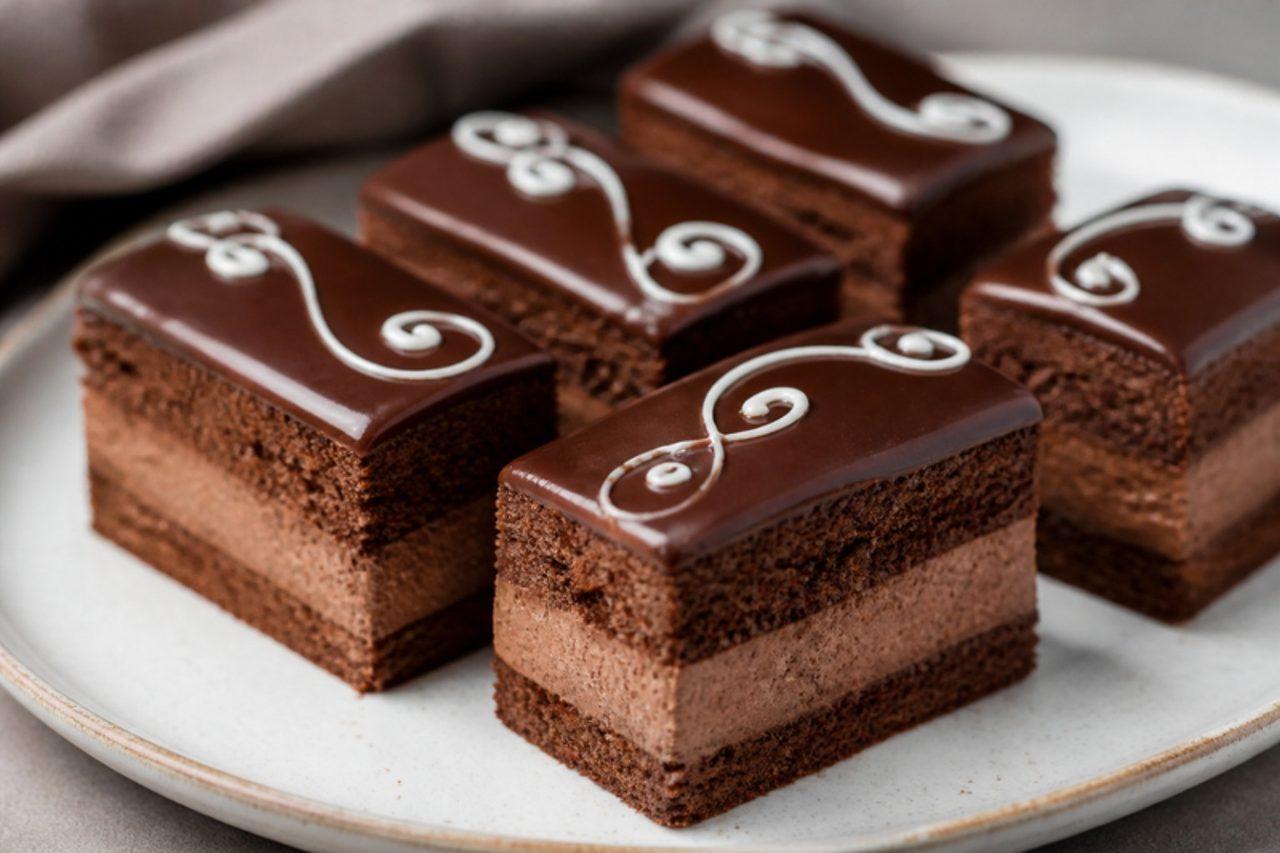
Every Bucharest cofetărie keeps a tray of amandine in the glass case, neat dark oblongs that generations of schoolchildren have bought with their pocket money. Despite the almond-sounding name there are no almonds in them: a cocoa sponge is split, soaked with a cocoa syrup, sandwiched with a rich chocolate custard buttercream and coated in a shiny ganache. Bakeries traditionally add rum to the syrup; this version is alcohol-free and uses vanilla and orange zest instead, though you can add 2 tablespoons of rum if you like. A common mistake is soaking the sponge while the syrup is still hot, which turns it to mush; both should be cool. Chef's tip: chill the filled cake until really firm before glazing and cutting, and wipe the knife hot between each cut for clean edges.

by KrazyBadal 0 views

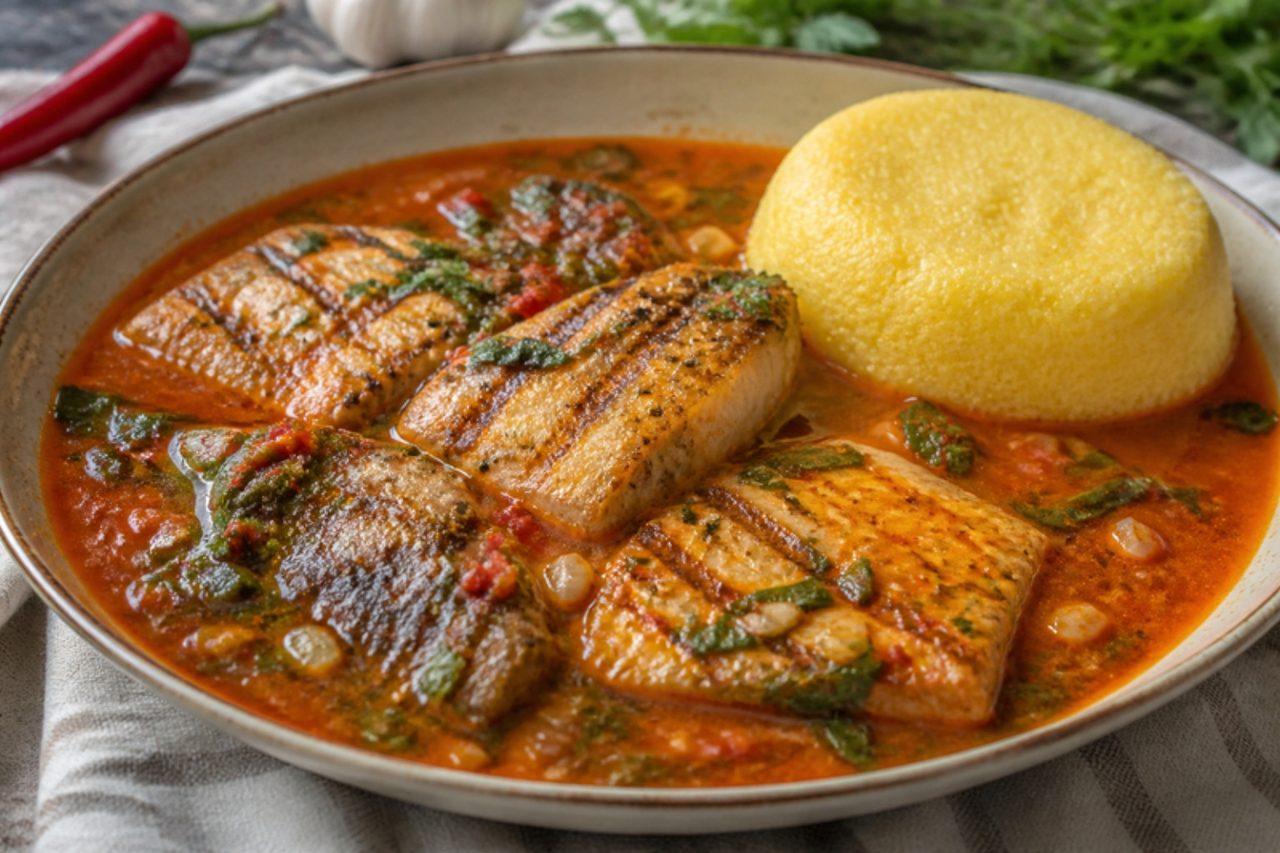
Saramură de peșteGrilled fish in garlic brine

Fishermen in the Danube Delta, from Tulcea down to Sulina, make saramură right on the boat or on the bank: the catch of the morning is grilled over coals, then dropped into a bowl of hot salty broth loaded with garlic, peppers and tomato, where it soaks up the flavour before it is eaten. The fish stays smoky and juicy, the broth is sharp, salty and fiery, and everyone spoons it over a slab of mămăligă. Carp is the usual choice, but catfish, zander or even trout work well. Where it often goes wrong is making the brine too salty: it should taste like well-seasoned soup, not seawater. Chef's tip: grill the fish on a well-oiled, very hot grate and do not move it for the first 4 minutes; it releases cleanly once the skin has crisped.

by KrazyBadal 0 views

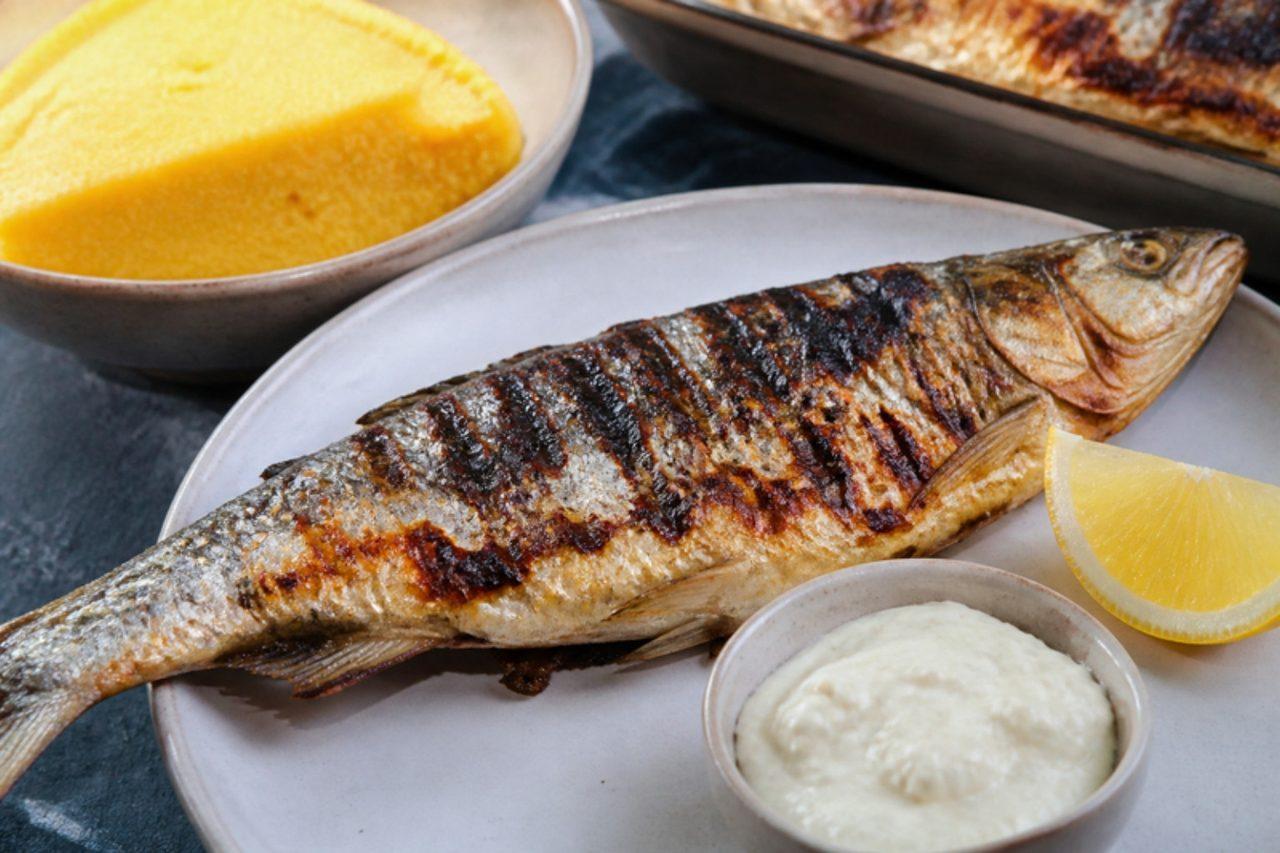
Scrumbie la grătarGrilled shad with garlic sauce

Every spring, when the shad swim up the Danube to spawn, the fish markets of Tulcea and Brăila fill with scrumbie, and the smell of it grilling drifts across the riverside terraces through April and May. The fish is oily and full of flavour, so it needs nothing more than salt, a hot grill and a bowl of mujdei, the raw garlic sauce, with soft mămăligă to calm the heat of the garlic. Shad has many fine bones; diners eat it slowly, lifting the flesh off in strips. If you cannot find shad, herring or mackerel are the closest substitutes. The usual slip is turning the fish too early, so the skin tears; wait until it lifts on its own. Chef's tip: slash the sides of the fish every 1.5 cm right down to the bone; the heat gets in and the tiny bones soften.

by KrazyBadal 0 views

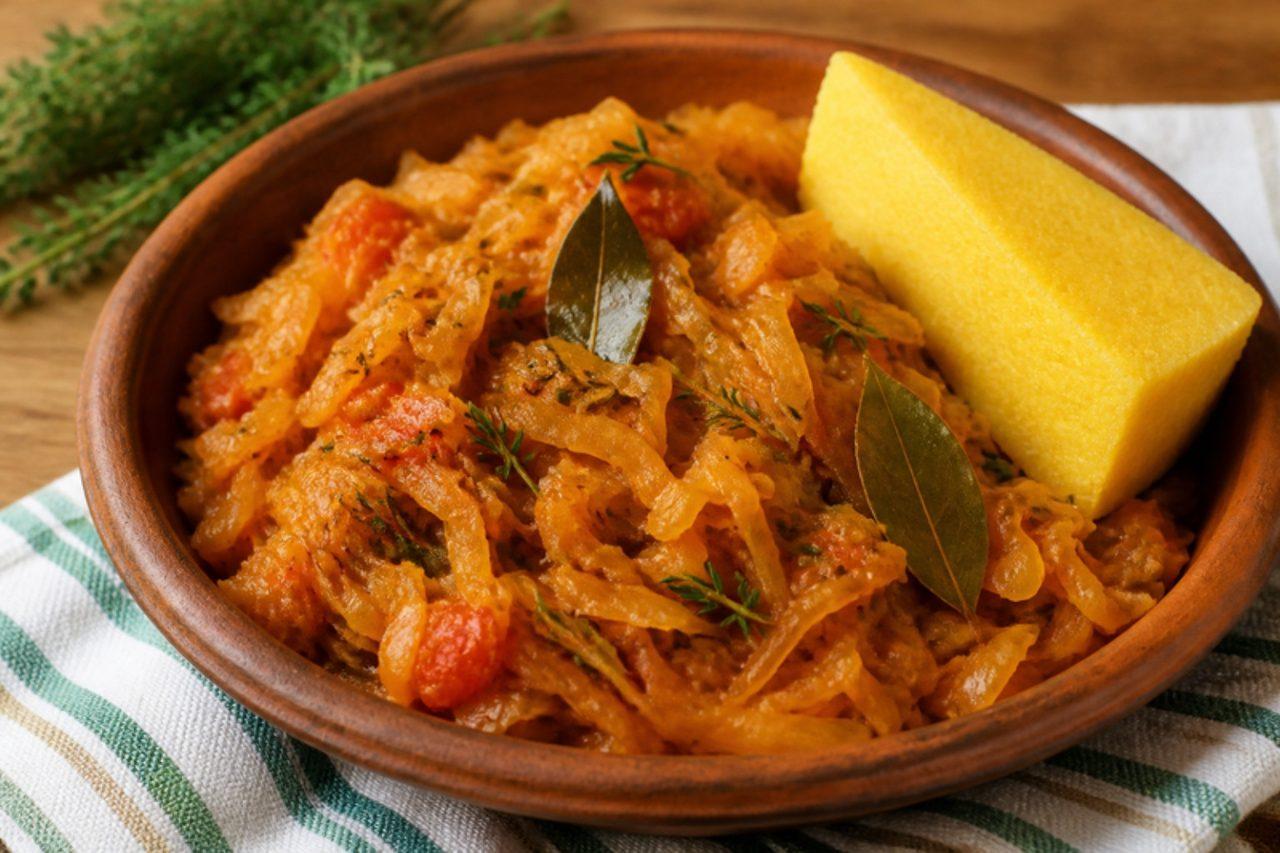
Varză călităBraised cabbage with tomato

Ask a Wallachian grandmother what goes with hot mămăligă on a winter weeknight and she may well point to a pan of varză călită. Fresh white cabbage is shredded and braised for the best part of an hour with onion, tomato, bay and thyme until it turns amber, silky and faintly sweet; in January many cooks use sauerkraut from the barrel instead, rinsed once to tame the salt. With no meat or butter it is a classic fasting (post) dish, though outside the fasts it also sits next to sausages and roasts. The usual slip is turning up the heat to hurry it, which scorches the base before the cabbage softens. Chef's tip: a spoon of vinegar and a pinch of sugar at the very end wake up the flavour without making it taste sour.

by KrazyBadal 0 views

HanklichCheese and egg yeast cake

The Transylvanian Saxons, German-speaking villagers who settled around Sibiu, Brașov and Sighișoara in the Middle Ages, baked Hanklich in their fortified-church villages for Sundays, weddings and the Kronenfest in late June. A thin, soft yeast base is spread with a thick layer of sweetened cottage cheese, eggs and cream that bakes into a wobbly, lemony custard with a golden top, a little like a cheesecake on bread. It is cut into squares and eaten with coffee. Some quark and cottage cheese is made with animal rennet, so check the label if you want it strictly vegetarian. The classic slip is overbaking until the topping cracks and weeps; take it out while the centre still trembles slightly. Chef's tip: roll the dough right into the corners of the tray and build a small rim, so the topping stays put.

by KrazyBadal 0 views

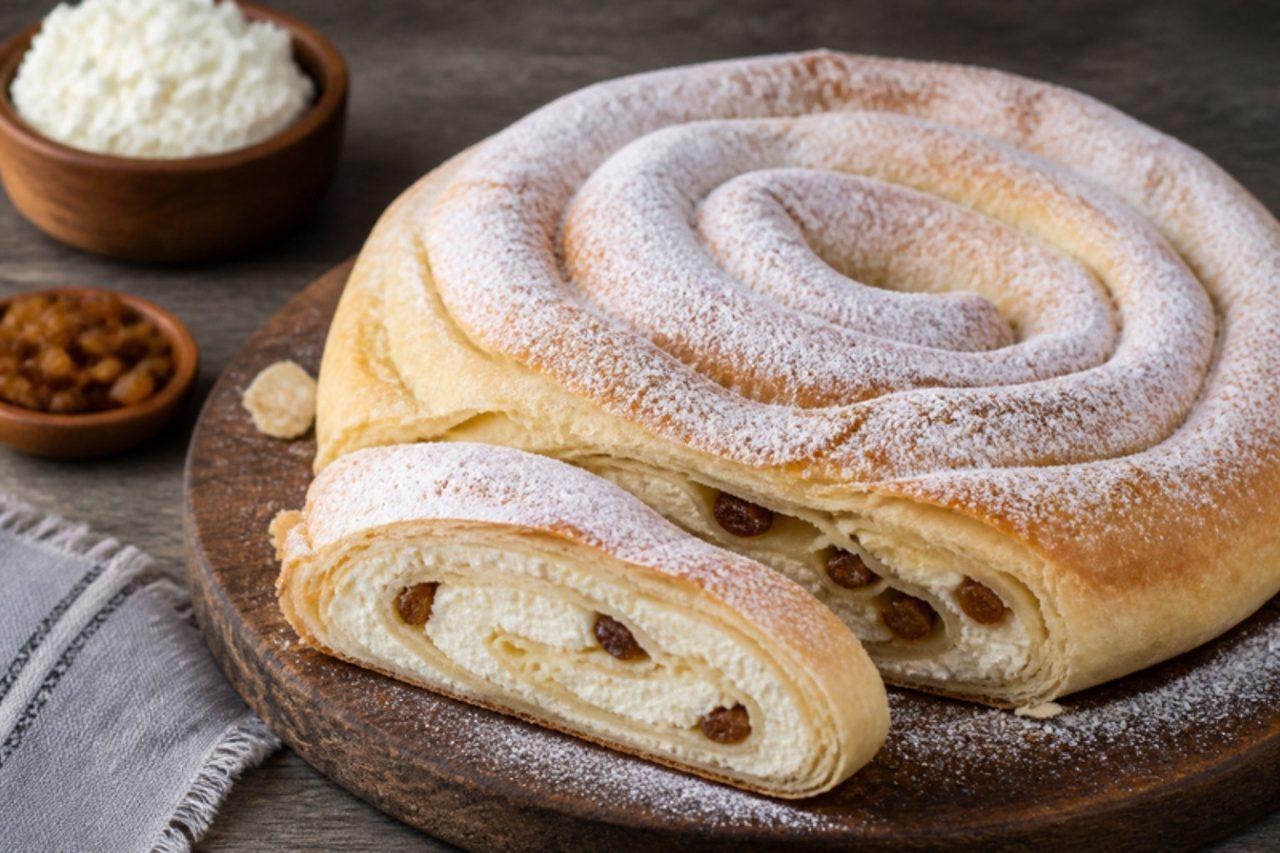
ÎnvârtităRolled sweet cheese pastry

Sunday visits in the villages around Iași and Suceava rarely happen without a tray of învârtită, the coiled pastry whose name simply means 'twisted'. A soft dough is pulled over a floured tablecloth until it is as fine as paper, brushed with butter, covered in sweet cottage cheese with raisins and lemon zest, rolled up and wound into a snail before baking. Fresh from the oven it is crackly at the edges and moist in the middle; it is cut into wedges and eaten with coffee or a glass of milk. Families also fill it with sour cherries in June or grated pumpkin in autumn. Cottage cheese is usually made without animal rennet, but check the label if you keep strictly vegetarian. Lots of bakers stretch the dough too soon after mixing, and it tears into holes; give it the full rest. Chef's tip: drain the cottage cheese in a sieve for 20 minutes first, so the filling stays creamy and does not run out of the seams.

by KrazyBadal 0 views

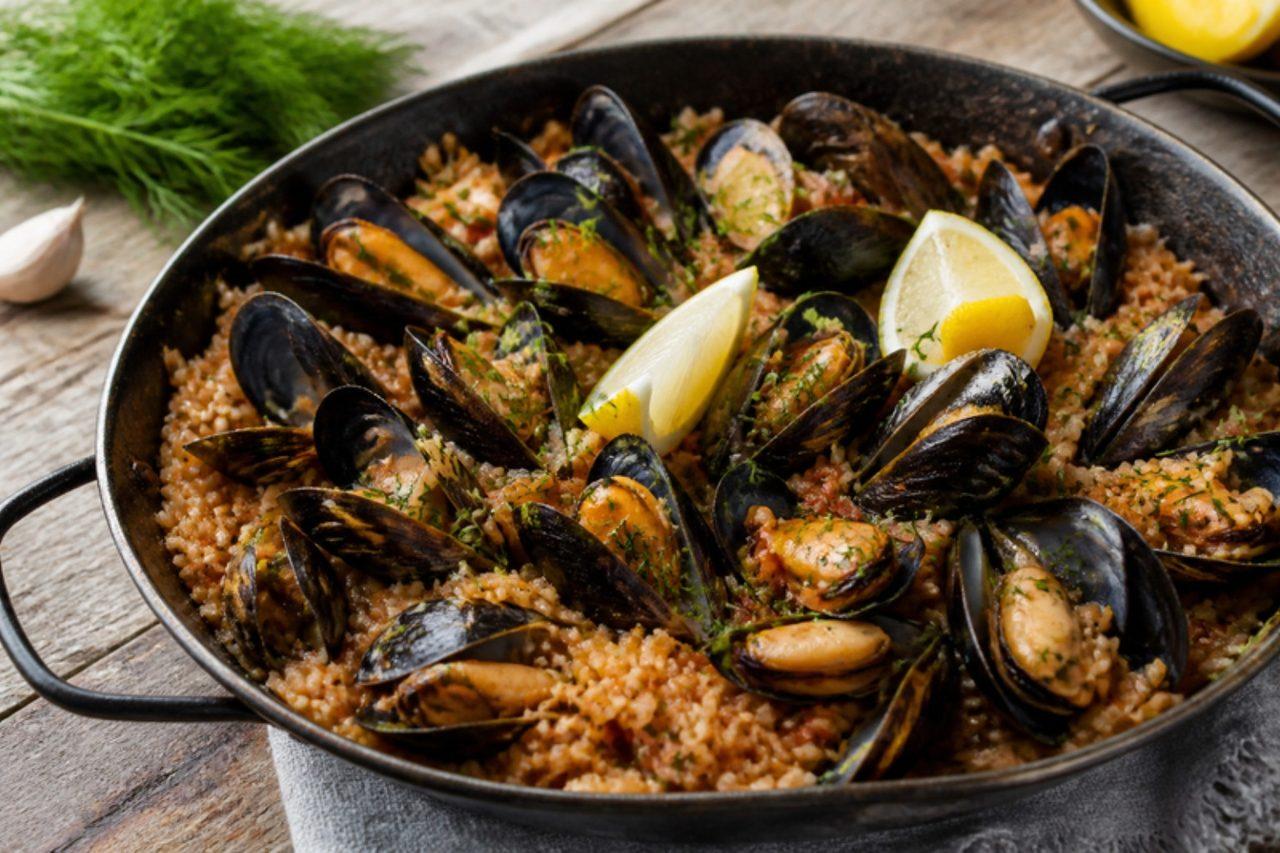
Midii cu pilafMussel pilaf

Constanța and the old fishing quarter near the port gave Romania this coastal dish, a legacy of the Greek and Turkish families of Dobrogea: Black Sea mussels steamed open, taken from their shells and folded into a soft, tomato-red rice pilaf with plenty of onion, dill and a squeeze of lemon. It is a summer lunch at seaside terraces from Mamaia to Mangalia, best eaten warm with a crisp salad. The rice soaks up the mussel liquor, so it tastes of the sea while staying light. Many cooks overcook the mussels and they turn rubbery; steam them only until they open and add them back at the end. Chef's tip: strain the steaming liquid through a cloth and use it as part of the rice water; it is where all the flavour is.

by KrazyBadal 0 views

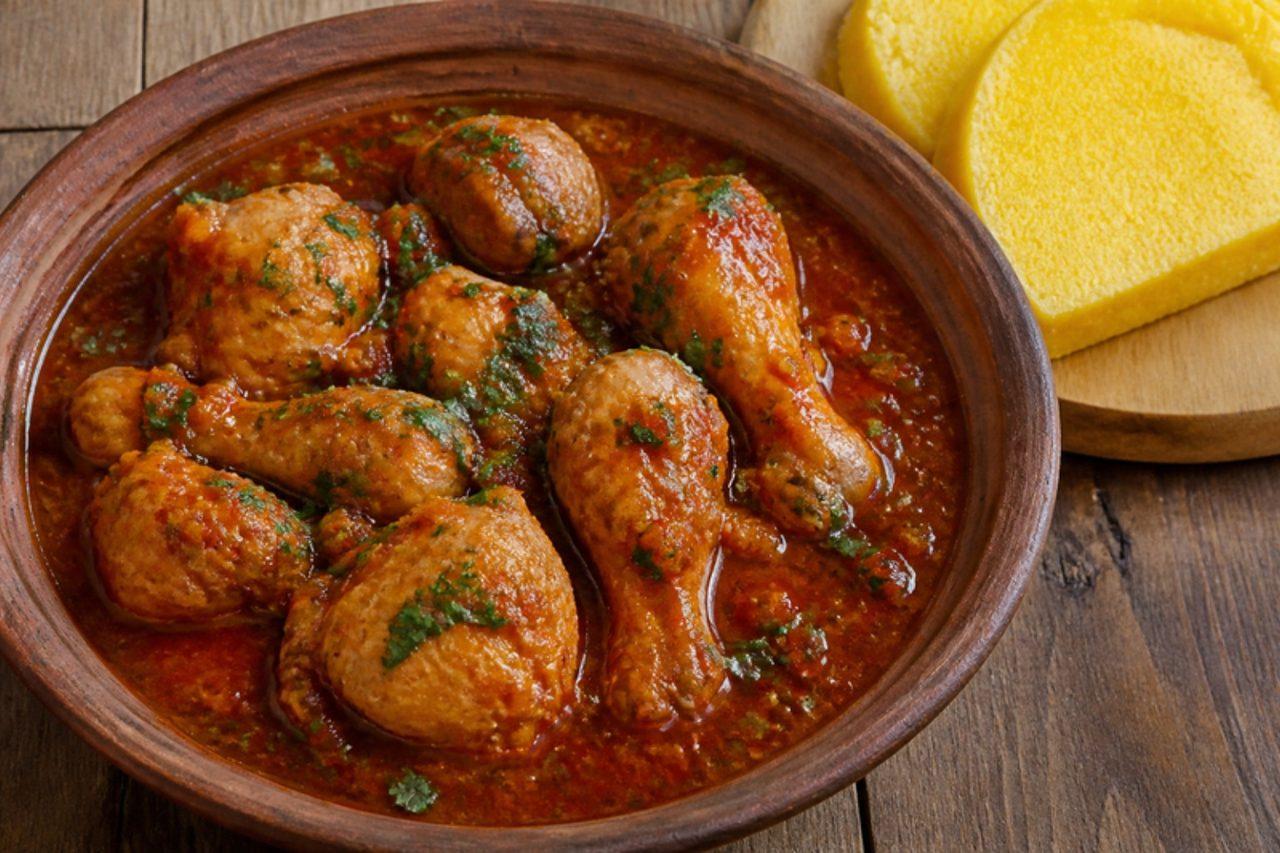
Ostropel de puiChicken in garlic tomato sauce

Garlic is the backbone of Oltenian cooking, and nowhere more than in ostropel, the Craiova-style chicken stew that home cooks make for name days and Sunday lunch. Pieces of chicken are browned, then simmered in a glossy red sauce of tomatoes, a whole head of garlic and thyme until the meat slips from the bone. The sauce should be thick enough to coat a spoon, rich and sweet-sharp, with the garlic mellowed but still loud. It goes on the table with a mound of soft mămăligă and a bowl of pickled peppers or a cucumber salad. The common mistake is adding all the garlic at the start; half goes in at the end, raw and crushed, for that fresh punch. Chef's tip: thighs and drumsticks stay juicier than breast in a long braise, and the skin gives the sauce body.

by KrazyBadal 0 views

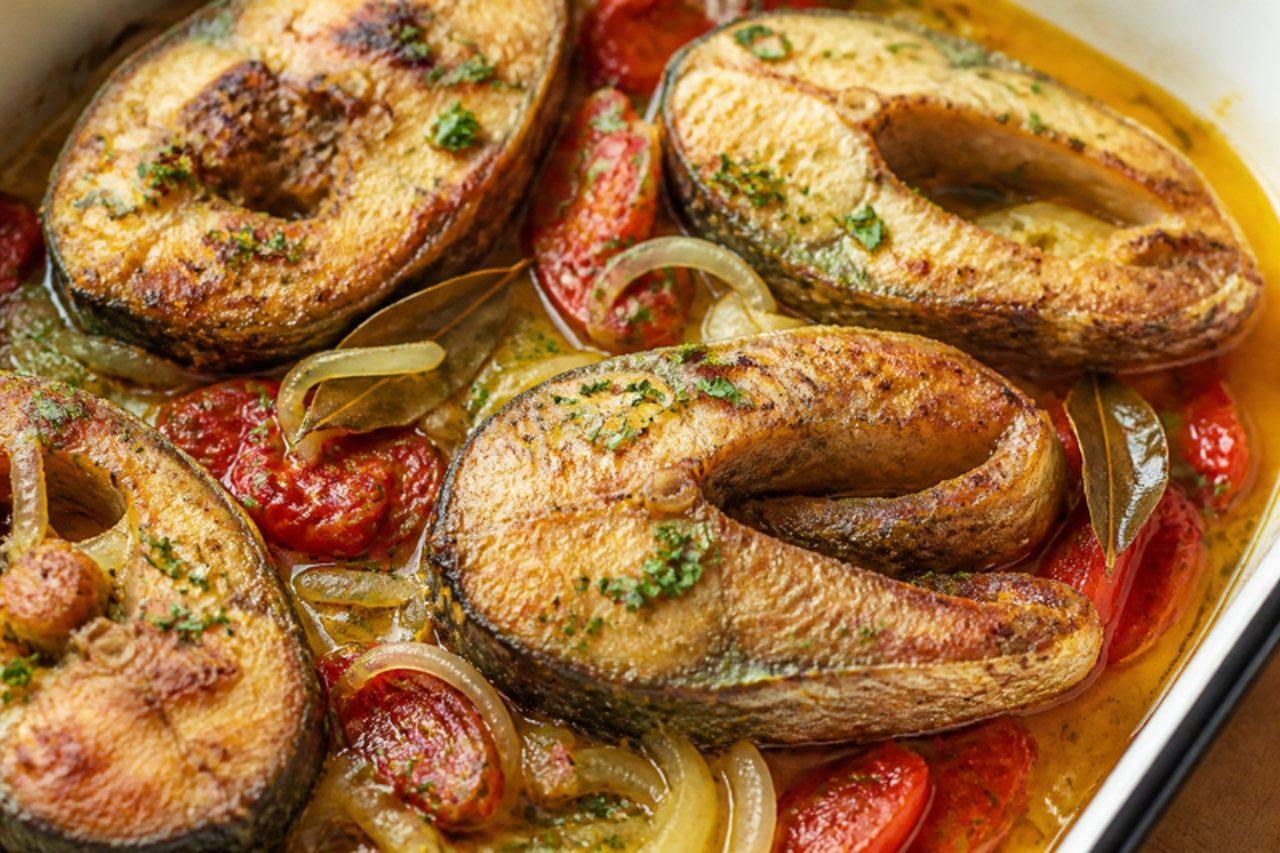
Plachie de peșteBaked carp with onion and tomato

Lent and the feast of the Annunciation, when Orthodox Romanians may eat fish, are the moments for plachie: thick carp steaks laid on a deep bed of slow-cooked onions, covered with tomato and bay, and baked in plenty of oil until the onions turn sweet and jammy. Recipes travel along the Danube from the Delta to Brăila and Galați, and the dish is just as good warm as it is cold the next day. The flavour is mellow and Mediterranean, with the tomato and onion soaking into the rich, mild carp. Serve it with mămăligă or bread to mop up the oil. The usual slip is skimping on the onion stage; they need a good 15 minutes in the pan first, or they stay crunchy under the fish. Chef's tip: lightly score the carp skin and rub it with salt 20 minutes ahead; it firms the flesh and seasons it all the way through.

by KrazyBadal 0 views

Plăcintă dobrogeanăCheese and egg coil pie

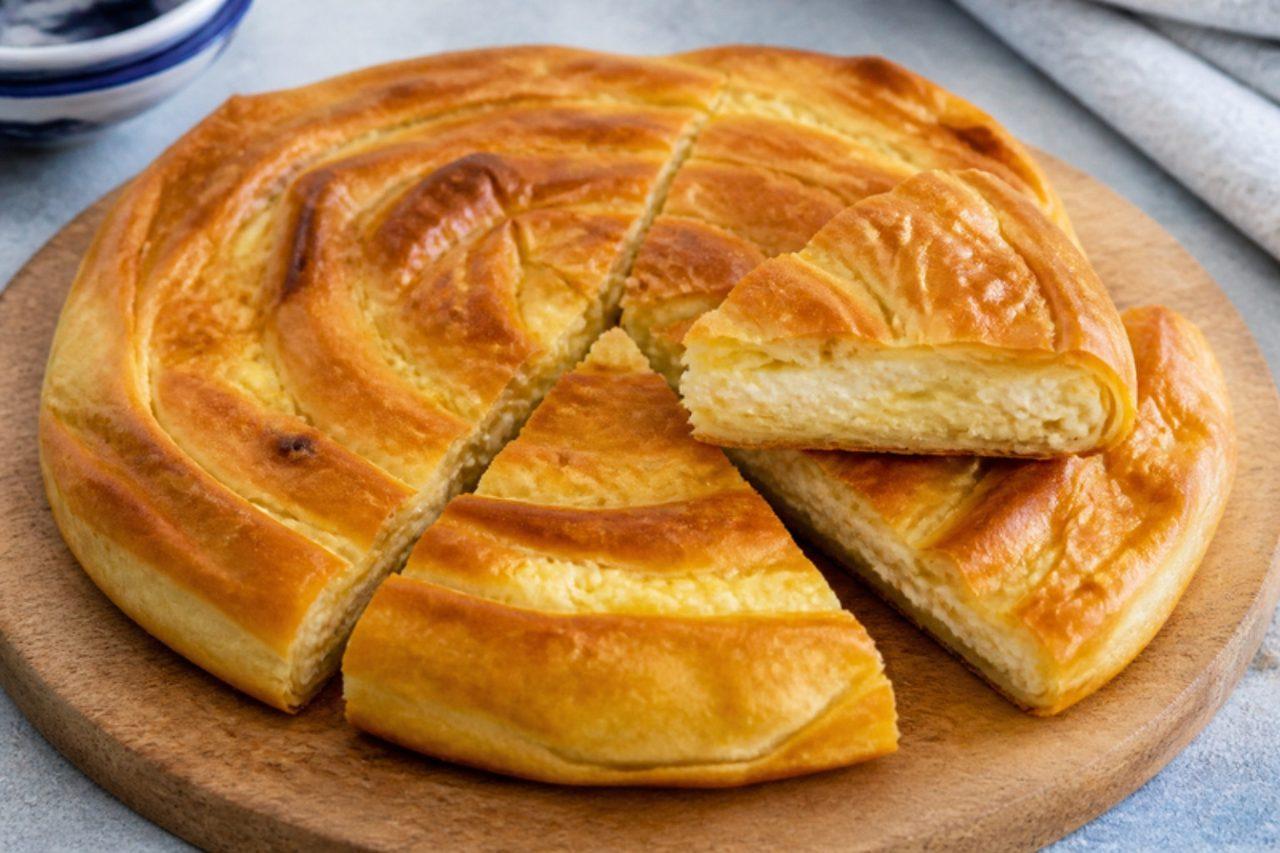
Down on the Black Sea coast and the steppe villages around Constanța and Tulcea, where Aromanian, Turkish and Tatar cooks have shared ovens for generations, plăcintă dobrogeană is a big round pie made from hand-stretched sheets rolled around salty cheese and egg, coiled into a tin and baked until crackling. Just before baking, a little egg and yogurt is poured over, so the inner layers turn soft and custardy under a shatteringly crisp top. It is cut into wedges and eaten warm for breakfast with ayran or a glass of milk. Telemea and other salty white cheeses are often made with animal rennet, so pick one labelled vegetarian. The usual slip is overfilling the rolls, which split as they coil. Chef's tip: keep the stretched dough under a damp tea towel while you work, so it stays supple.

by KrazyBadal 0 views

CozonacSweet braided bread

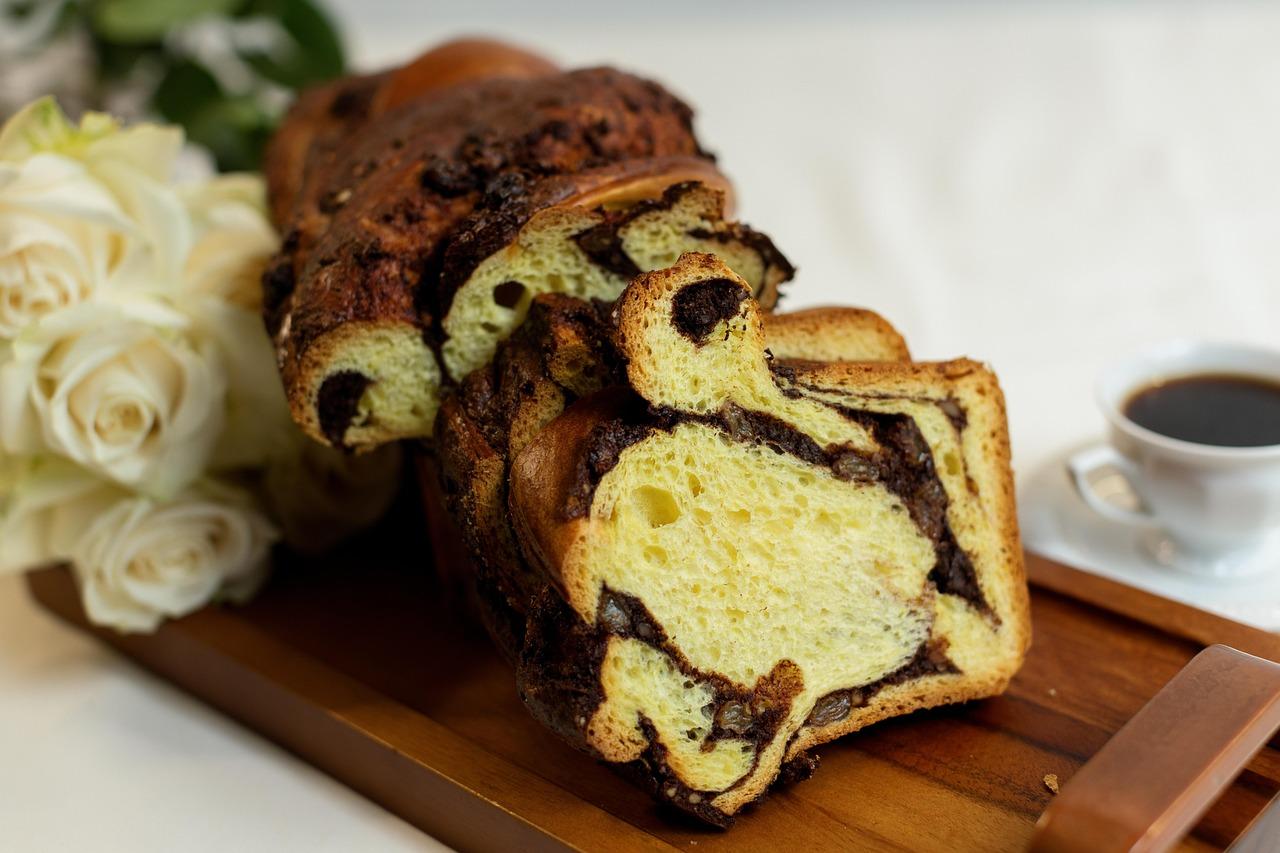
Cozonac is the festive loaf every Romanian family bakes for Easter and Christmas, filling kitchens from Craiova to Suceava with the smell of butter, rum, lemon and orange zest. The rich yeast dough is rolled around a walnut and cocoa filling studded with pieces of rahat (Turkish delight), then braided and baked in a tall loaf tin so each slice shows a dark swirl. Unlike Slovenian potica, which is rolled into a thin spiral ring, cozonac is a braided loaf. It is eaten in thick slices with coffee on the feast mornings. Chef's tip: knead until the dough is silky and comes away from the bowl, then be patient with the rises; under-proving is the classic mistake and gives a dense, heavy loaf.

by KrazyBadal 0 views

MămăligăCornmeal mush

Mămăligă is the golden cornmeal staple of the Romanian countryside, from the hill villages of Oltenia to the farms of Maramureș, where it was once eaten more often than bread. It is cooked in water until thick enough to hold a spoon upright, turned out onto a wooden board and cut with a thread, then eaten hot with crumbled salty brânză and a cold spoon of smântână (soured cream). Unlike Ukrainian banosh, which is cooked in sour cream, mămăligă is plain cornmeal and water; the richness goes on top. It sits beside stews such as tocăniță or under a fried egg for supper. Chef's tip: rain the cornmeal in through your fingers while whisking, and keep stirring from the bottom; dumping it in at once is the classic mistake that leaves raw, gritty lumps.

by KrazyBadal 0 views

CornulețeJam-filled crescent cookies

Cornulețe are the little crescent cookies that fill tins in Romanian kitchens before Christmas and New Year, and that grandmothers in Sibiu and Timișoara bake by the hundred for weddings and name days. This version uses a tender yeasted dough made with butter and yogurt, wrapped around a spoonful of thick plum jam (magiun) or rose rahat and rolled into horns. They bake pale and soft, not flaky, and are rolled in vanilla sugar while warm (the recipe makes 32, two per serving), which sets them apart from the cream-cheese rugelach of Jewish baking. Chef's tip: use thick jam and pinch the ends shut; runny jam is the usual mistake and bubbles out and burns on the tray.

by KrazyBadal 0 views