Skip to content
WhatToEat.Today

All recipes

33

Vegetarian, or something you can't eat? Set your diet once and we'll hide recipes that don't fit.

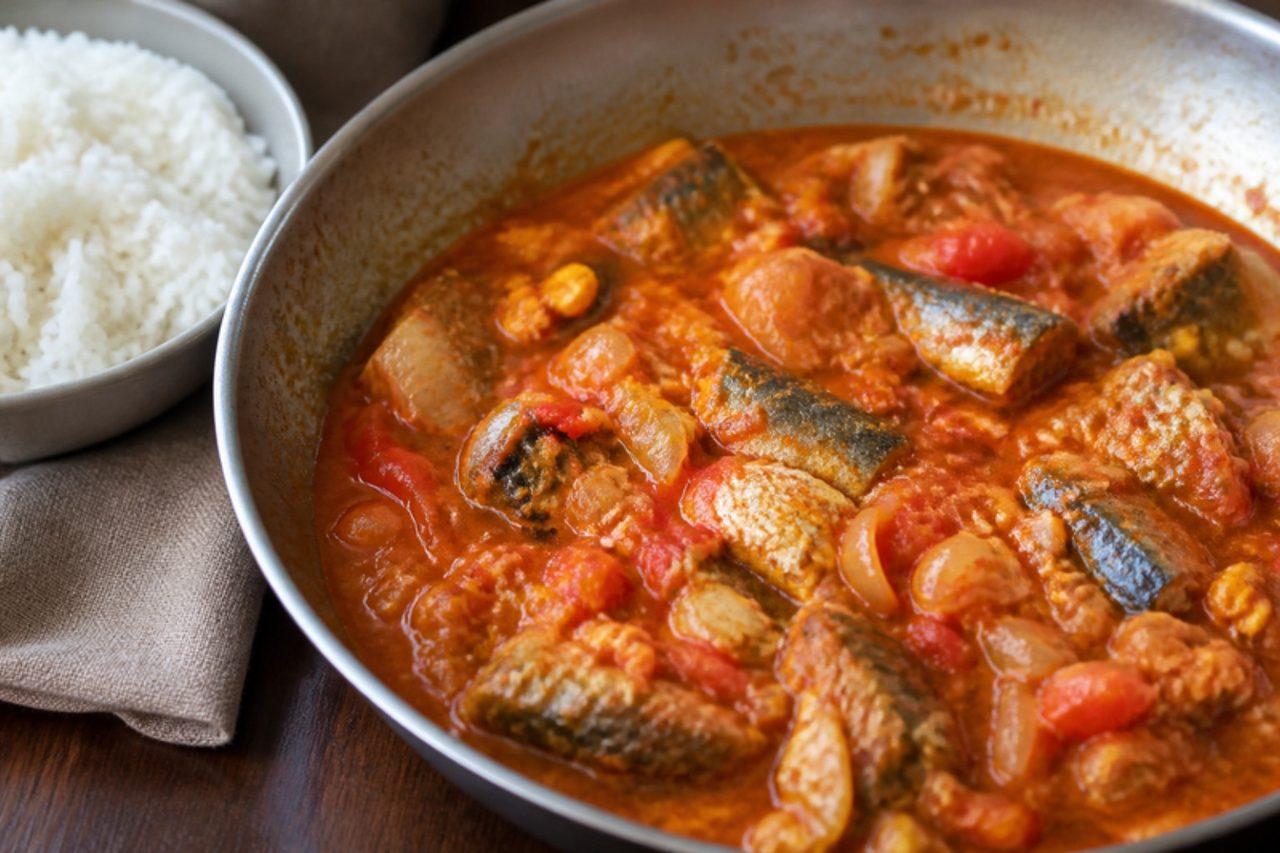
Ginisang sardinasSautéed sardines with egg

Ginisang sardinas is everyday Filipino home cooking, especially in the rainy season and towards the end of the month when the budget is tight: a tin or two of sardines in tomato sauce sautéed with garlic, onion and fresh tomato, then stretched with egg. It's eaten for dinner with plenty of hot rice; some families add misua noodles to make it a soup. The common mistake is stirring too much once the sardines are in, which breaks them into mush. Chef's tip: fry the garlic until just golden before anything else goes in; that toasty garlic is what makes the tin taste homemade.

by KrazyBadal 0 views
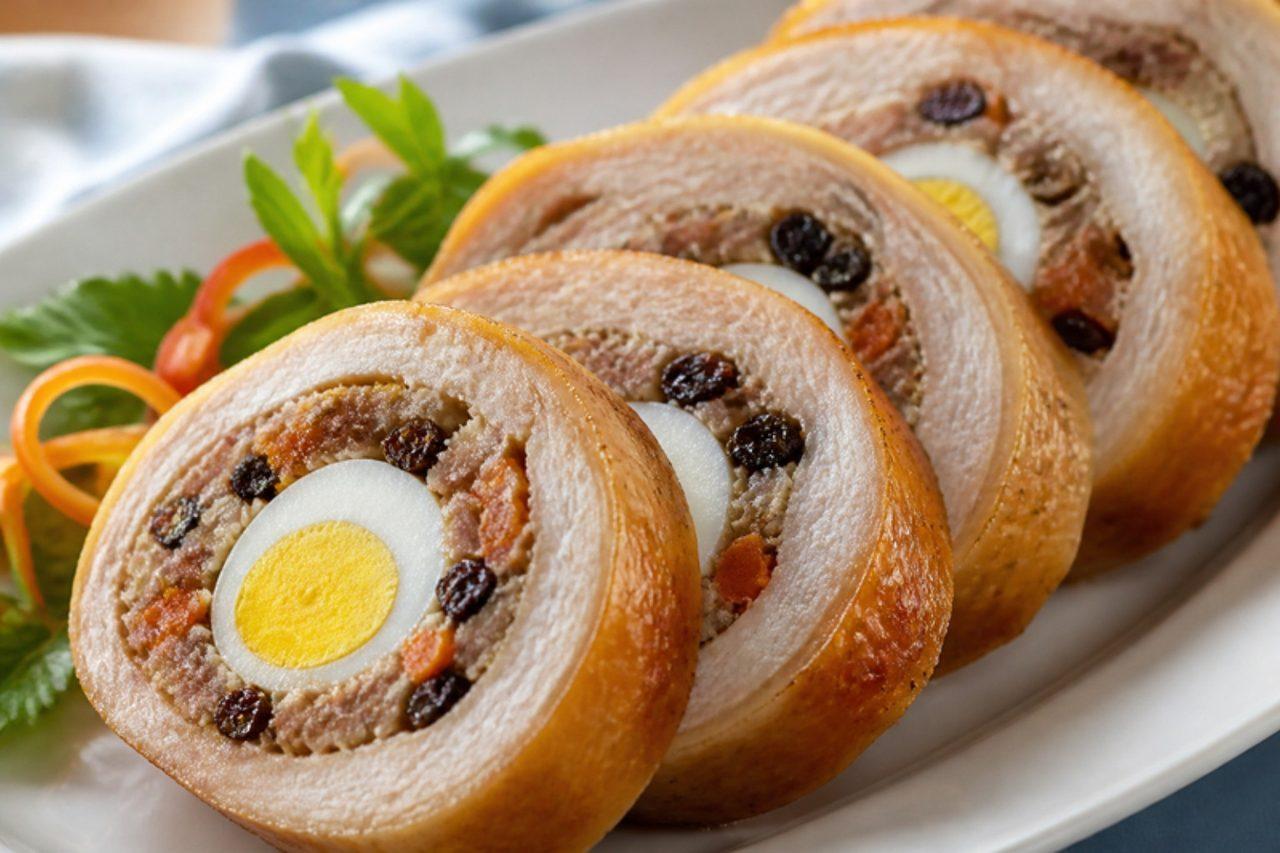
Rellenong manokStuffed deboned chicken

Rellenong manok is a showpiece of the Filipino Noche Buena, the Christmas Eve feast after midnight Mass. A whole chicken is boned out, leaving the skin in one piece, then stuffed with a mixture of minced pork, sausage, raisins, carrot, cheese and whole hard-boiled eggs, sewn up and roasted. Sliced, every round shows the egg in the middle. Ask your butcher to bone the chicken if you prefer. Because the pork stuffing is inside, check that its centre reaches 74 °C. Chef's tip: chill the stuffed chicken for an hour before roasting so it keeps its shape.

by KrazyBadal 0 views

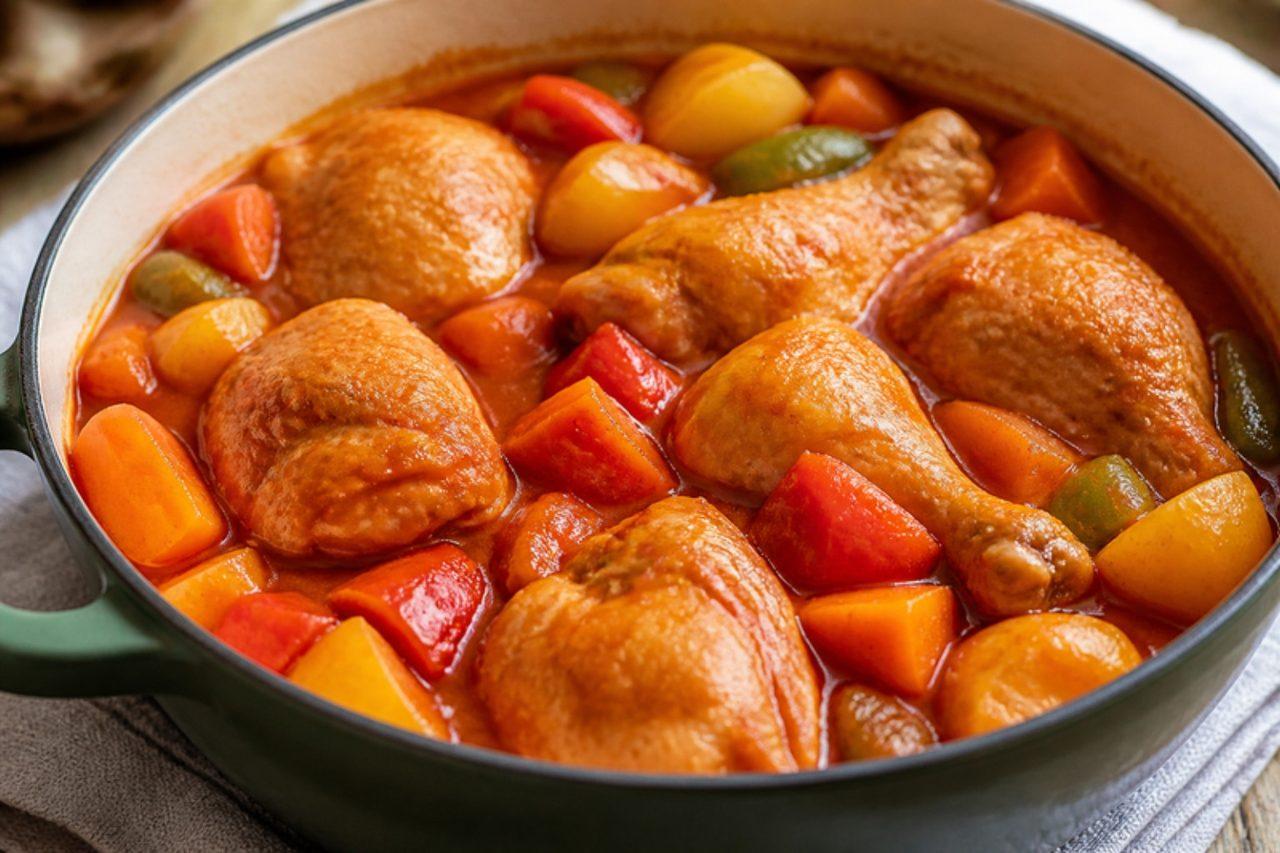
Chicken afritadaChicken braised in tomato sauce

Afritada is one of the tomato stews of Luzon that are cooked in huge pots for town fiestas, and the gentlest of the family: chicken pieces simmered in a mild tomato sauce with potatoes, carrots and sweet peppers, with no liver or chilli. Its name points back to the Spanish word for frying, since the chicken is browned first. It is the stew children reach for at the fiesta table, red-orange, savoury and a little sweet, with tender chicken falling from the bone. Serve with steamed rice and a spoonful of atchara. Chef's tip: brown the chicken skin side down without moving it until it lifts easily from the pan; that colour flavours the whole sauce.

by KrazyBadal 0 views
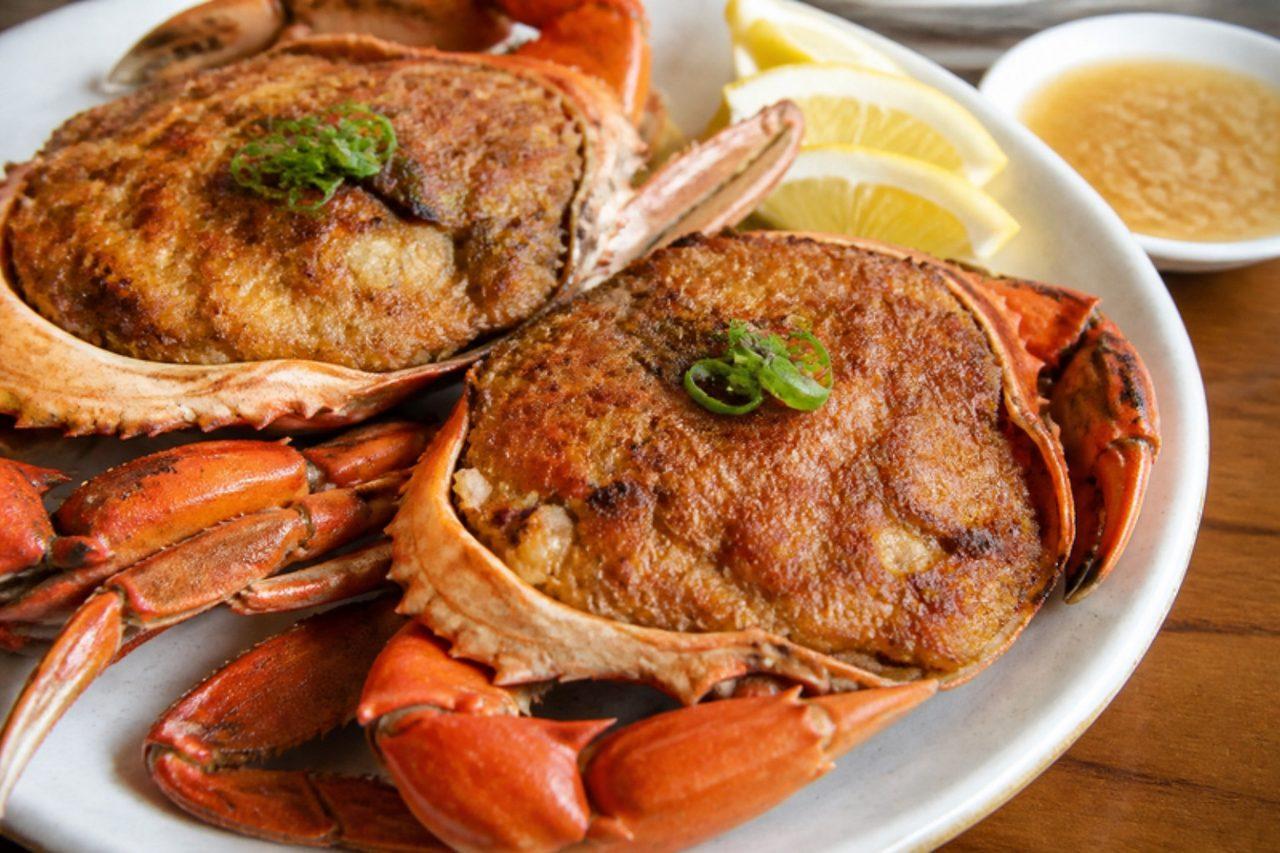
Relyenong alimango (stuffed crab shells)

Relyenong alimango is a showpiece for Luzon town fiestas, when crab is the luxury that tells guests the host has gone all out. Crab meat is sautéed with pork mince, tomato and vegetables, bound with egg and packed back into crab shells, then fried face down until a golden egg crust seals the top. This home version uses ready-cooked, pasteurised crab meat and cleaned crab shells (or ramekins or scallop shells), so there are no live crabs to deal with. It is sweet, savoury and rich; serve with banana ketchup or a vinegar and garlic dip and rice. Chef's tip: pick through the crab meat on a plate with your fingertips; any stray bit of shell spoils the soft filling.

by KrazyBadal 0 views
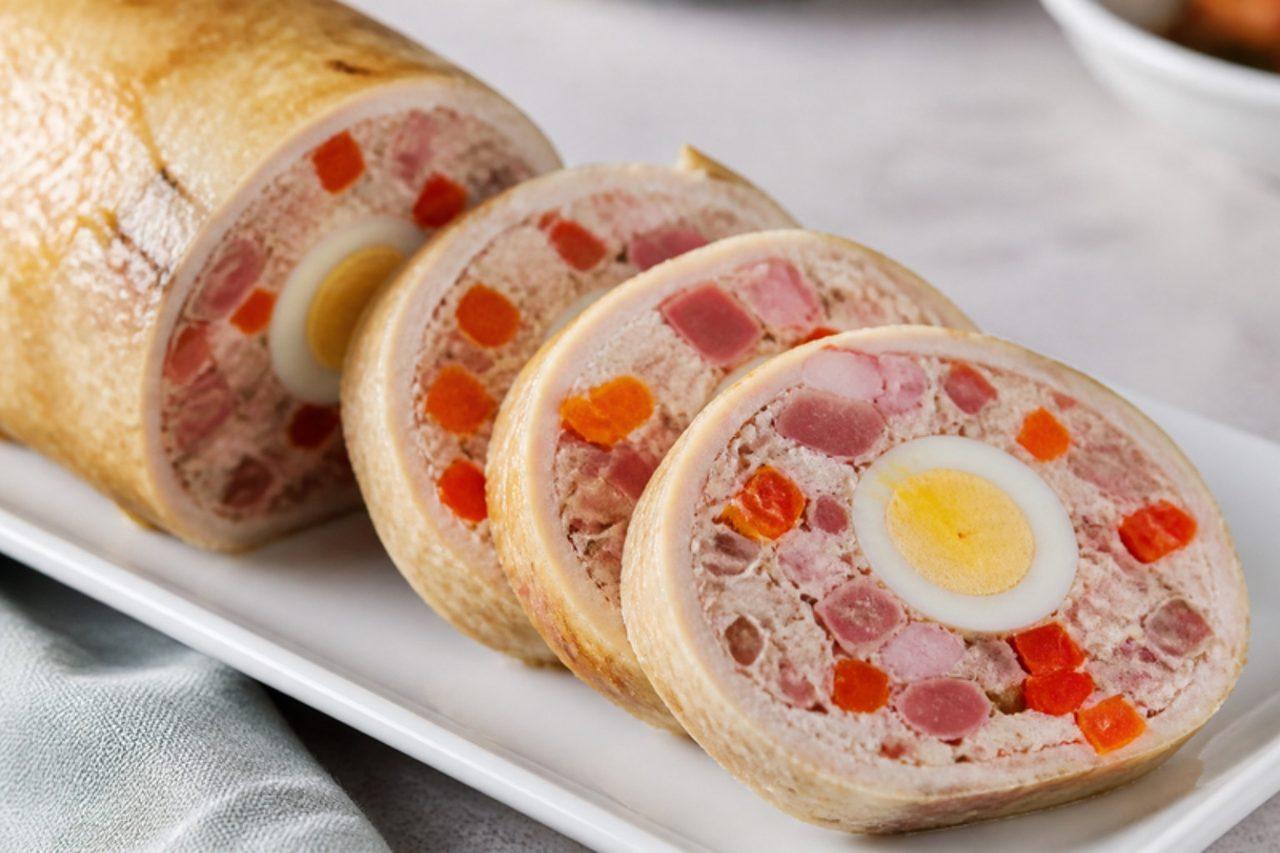
Chicken galantinaStuffed chicken roll

Galantina is Luzon's party roll for town fiestas and big family feasts, a Spanish-era cold dish in which chicken is wrapped around a filling of pork mince, ham, carrots, raisins and hard-boiled eggs, steamed, chilled and sliced so each round shows the eggs in the middle. Unlike embutido, which is a pork meatloaf, here the chicken skin and meat form the outer layer. Traditional cooks bone a whole chicken; this home version rolls boneless thighs instead, which is far easier. Serve it cold on a platter with banana ketchup or mayonnaise and bread. Chef's tip: roll it tightly in baking paper and foil and twist the ends like a sweet; a tight roll is what gives neat slices.

by KrazyBadal 0 views
Pesang isdaGinger fish soup

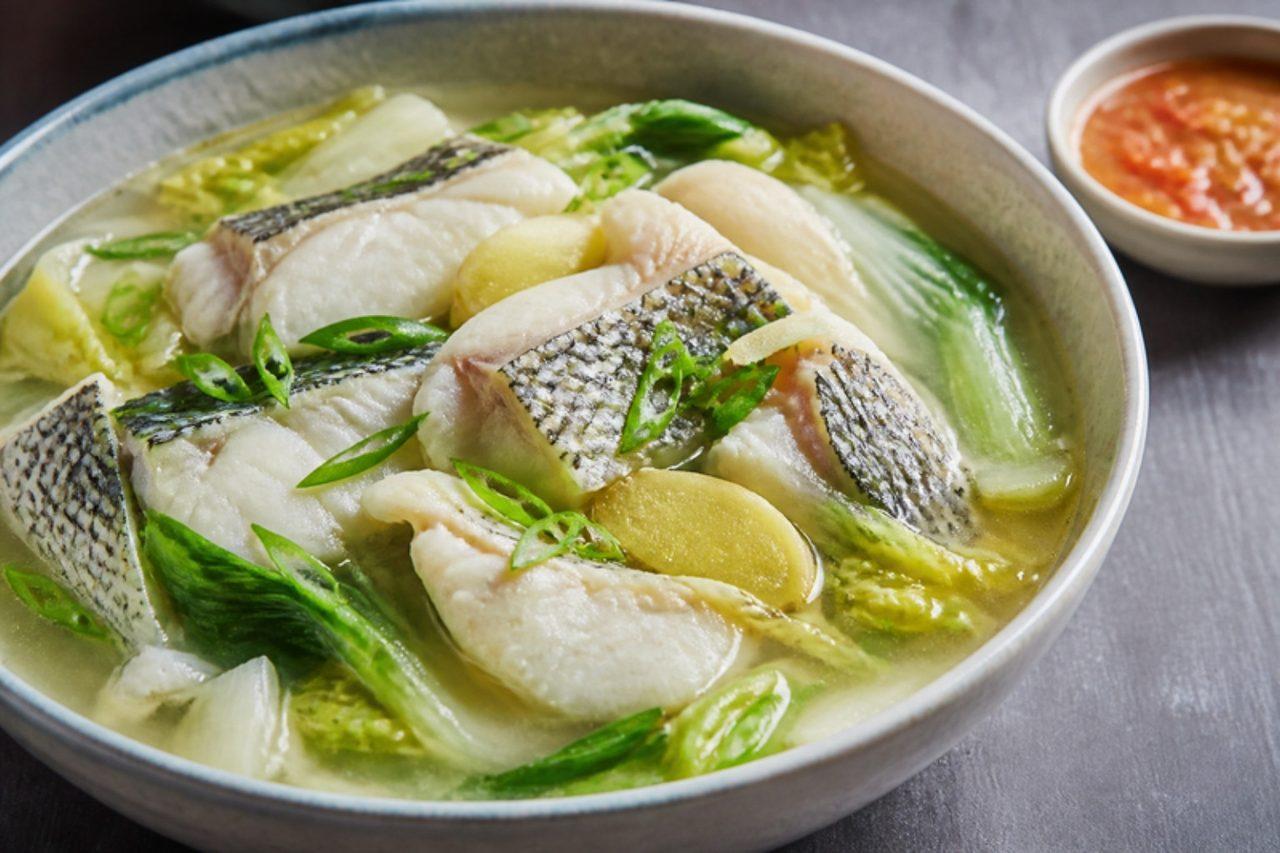
Pesang isda comes from Pampanga and the provinces of Central Luzon, the gentle ginger soup Filipino families make on rainy days and for anyone who is unwell. Fish is poached in water from rinsing rice, which gives a faintly milky, rounded broth, with lots of ginger, onion and whole peppercorns, then cabbage and pechay (pak choi) wilt in at the end. It is mild, soothing and light, with about 25 g of protein a bowl from the fish; it is often served with a sautéed miso and tomato sauce on the side. The common mistake is throwing in the greens too early, so they go grey. Chef's tip: save the second rinsing of the rice, not the first, for the cleanest, creamiest broth.

by KrazyBadal 0 views
Paksiw na isdaFish simmered in vinegar

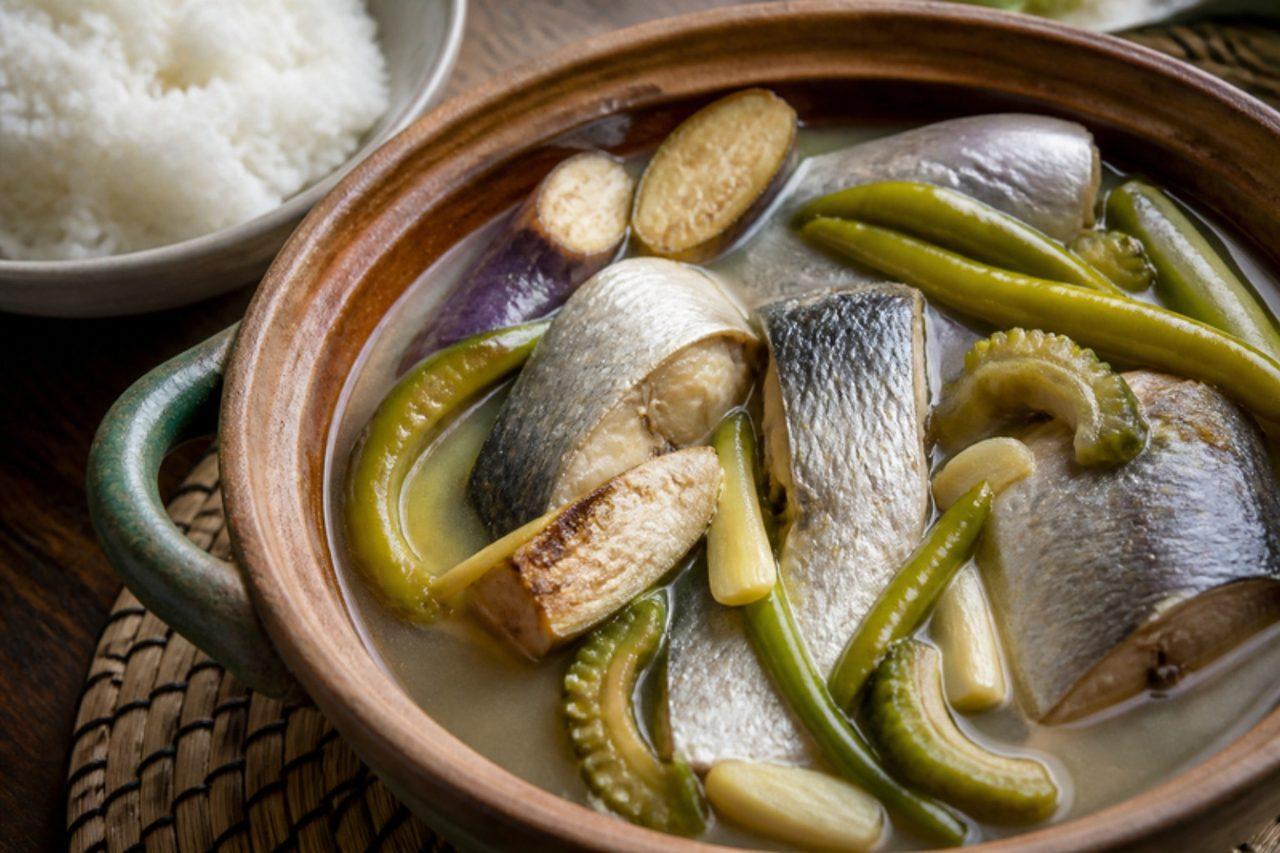
Paksiw na isda is cooked in homes all over the Philippines, from Manila to the Visayas, as an everyday lunch with rice; the vinegar keeps it for a day or two, and many people think it tastes better the next morning. Fish simmers in vinegar and a little water with ginger, garlic, peppercorns and long chillies, with aubergine and bitter melon, until the sauce is sharp, savoury and slightly reduced. A portion has about 26 g of protein from the fish. The classic mistake is stirring the pot before the vinegar has boiled: it leaves a raw, harsh taste, so let it come to the boil uncovered and untouched first. Chef's tip: use cane or coconut vinegar if you can find it; it is gentler than distilled white vinegar.

by KrazyBadal 0 views

Sans rivalCashew meringue buttercream cake

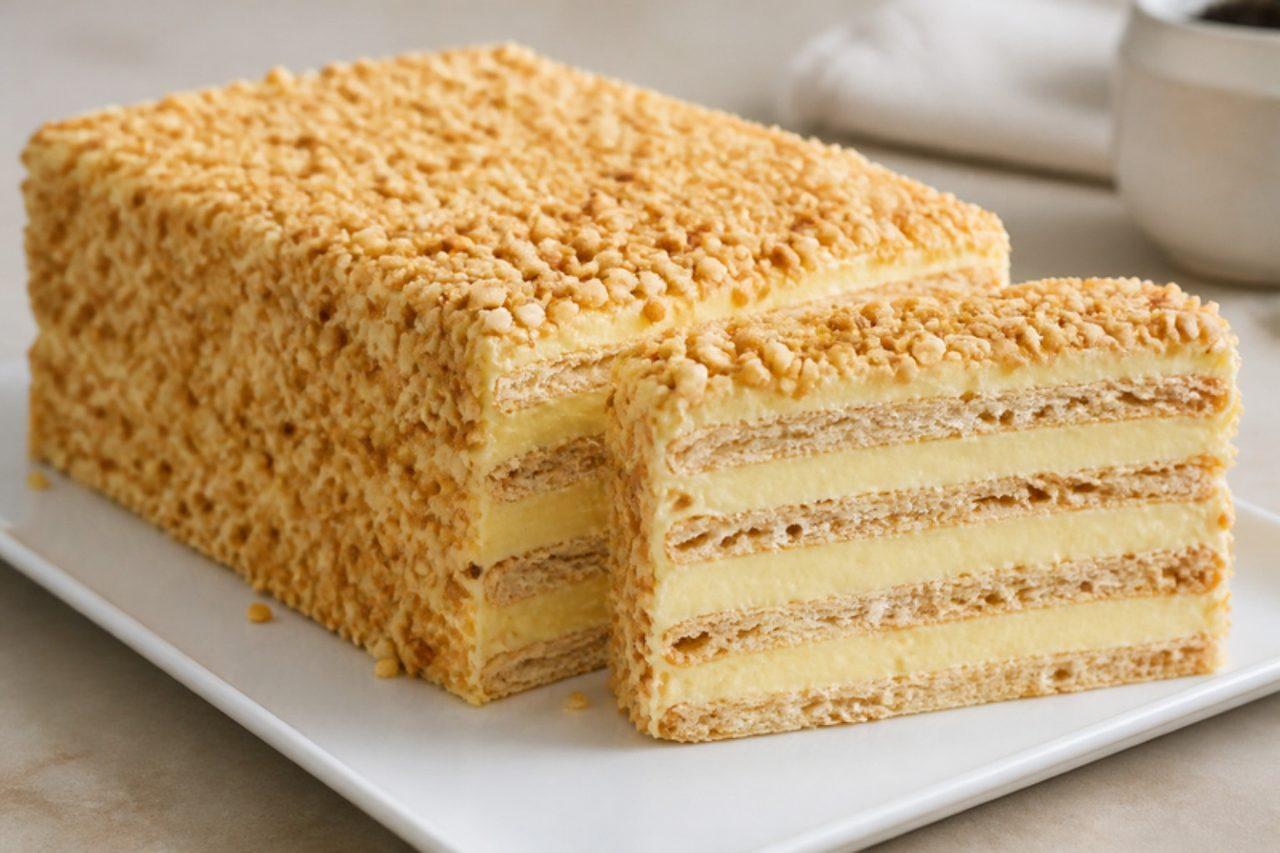
Sans rival ('without rival') took its French name in the mid-twentieth century and has become a Filipino celebration cake, most famously from Dumaguete in Negros Oriental, where it is boxed up for visitors. Four or more sheets of chewy-crisp cashew meringue are stacked with rich French buttercream and covered in chopped toasted cashews, then served cold from the fridge in thin slices for fiestas, Christmas and birthdays. There's no flour at all. Adding the butter while the yolk mixture is still warm is the classic disaster; the buttercream turns to soup, so beat until the bowl feels cool to the touch first. Chef's tip: draw rectangles on the baking paper and spread the meringue right to the lines; even layers stack straight and slice cleanly.

by KrazyBadal 0 views
SilvanasCashew meringue sandwich cookies

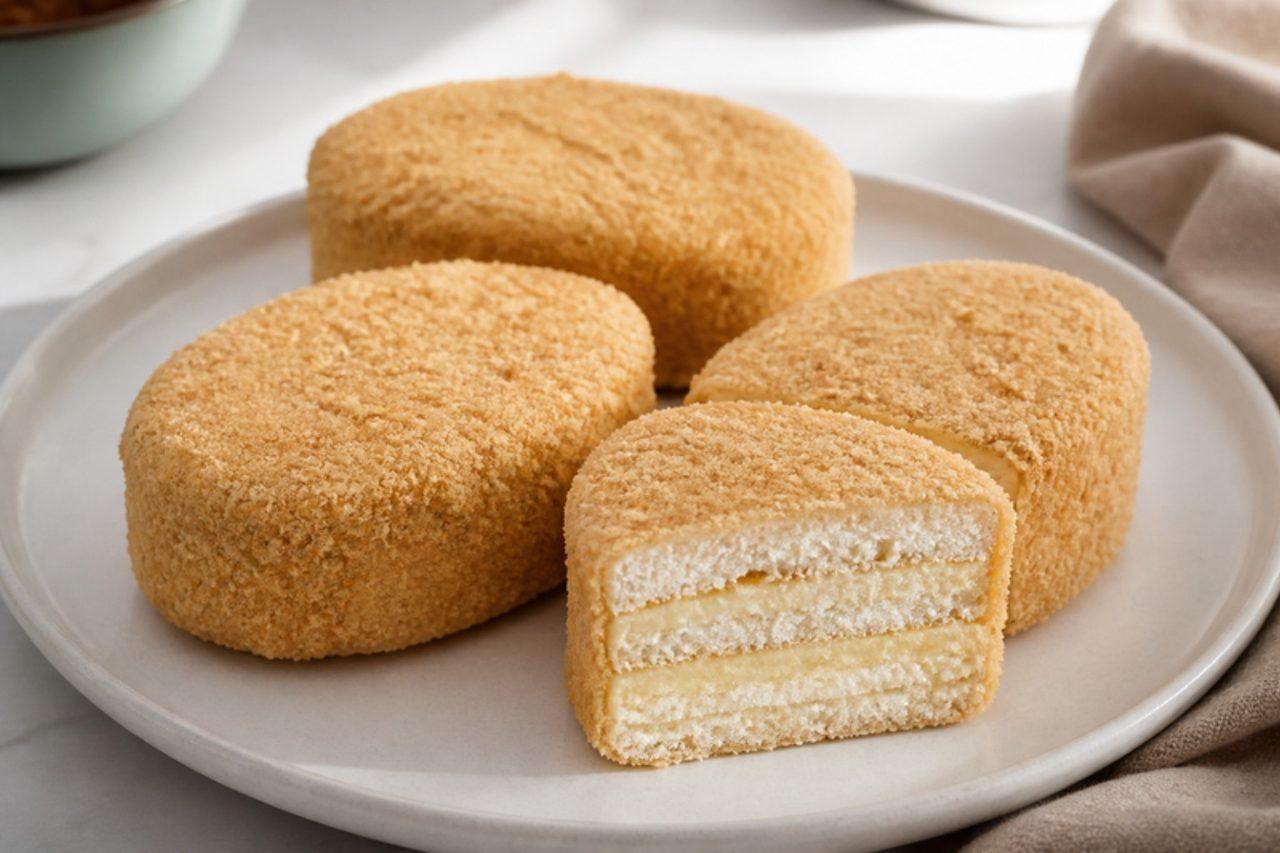
Dumaguete, the university town on Negros Oriental, made silvanas famous: oval wafers of chewy cashew meringue sandwiched with rich yolk buttercream, coated all over in more buttercream and crumbs, then frozen. Visitors take boxes home in cool bags, and across the Philippines they are a birthday and pasalubong (homecoming gift) treat, eaten straight from the freezer when they are firm, crunchy and creamy at once. They are a cousin of the larger sans rival cake. The meringue needs patience; underbaked wafers go sticky and soft as soon as the buttercream touches them, so bake until they lift cleanly off the paper. Chef's tip: use the yolks left from the meringue for the buttercream, and pour the hot syrup down the side of the bowl, not on the whisk, or it spins into threads.

by KrazyBadal 0 views

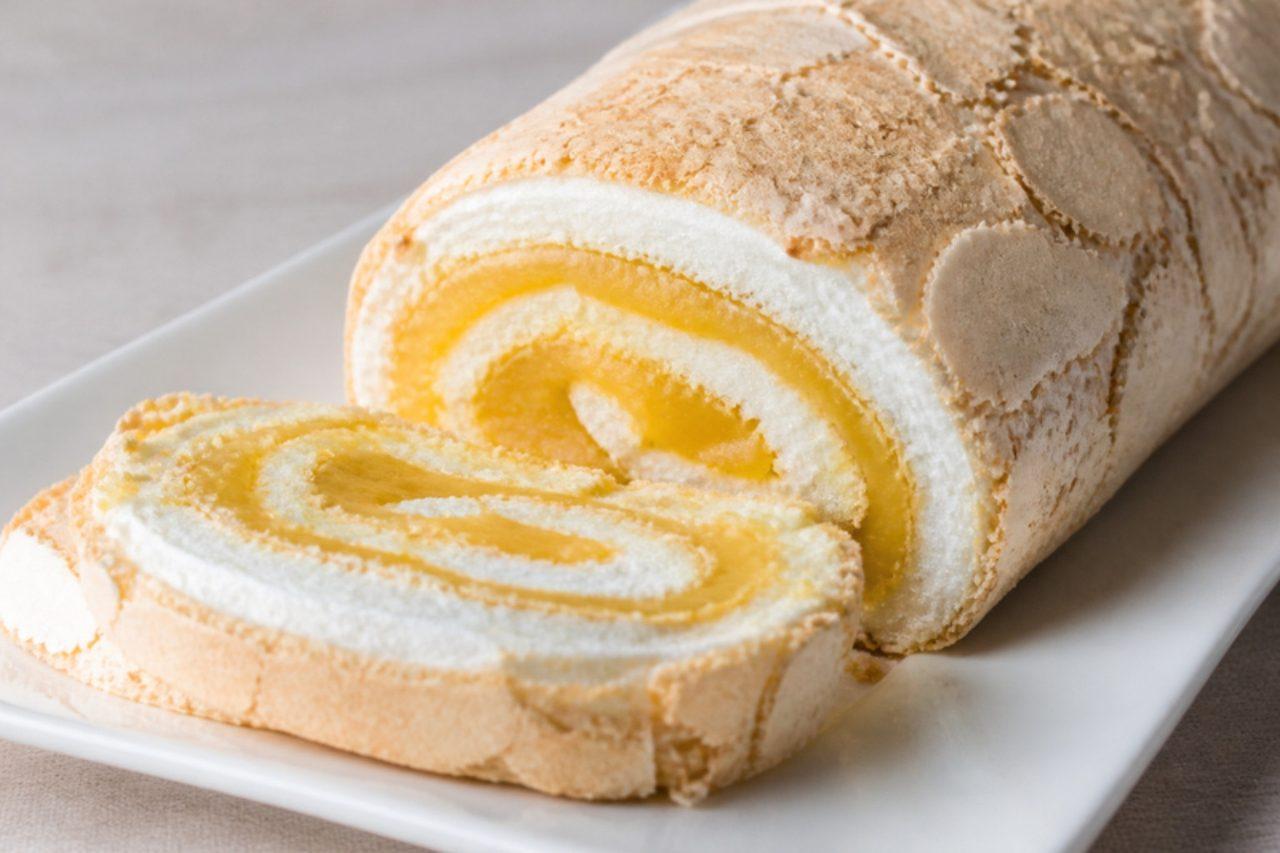
Brazo de MercedesMeringue roll with custard filling

A soft, golden-topped meringue rolled around a thick, sweet custard of egg yolks and condensed milk, brazo de Mercedes ('Mercedes's arm') is a fixture at Filipino parties, handaan feasts and Christmas noche buena. The meringue is marshmallowy inside with a lightly browned skin; the filling is rich and silky, much like yema. It uses up a whole carton of eggs and no flour. A runny custard is the usual letdown; it oozes out when you roll, so cook it until a spoon drawn across the pan leaves a trail that holds. Chef's tip: roll the meringue while it's still warm, using the baking paper to guide it, and don't worry about a few cracks; the icing sugar hides them.

by KrazyBadal 0 views

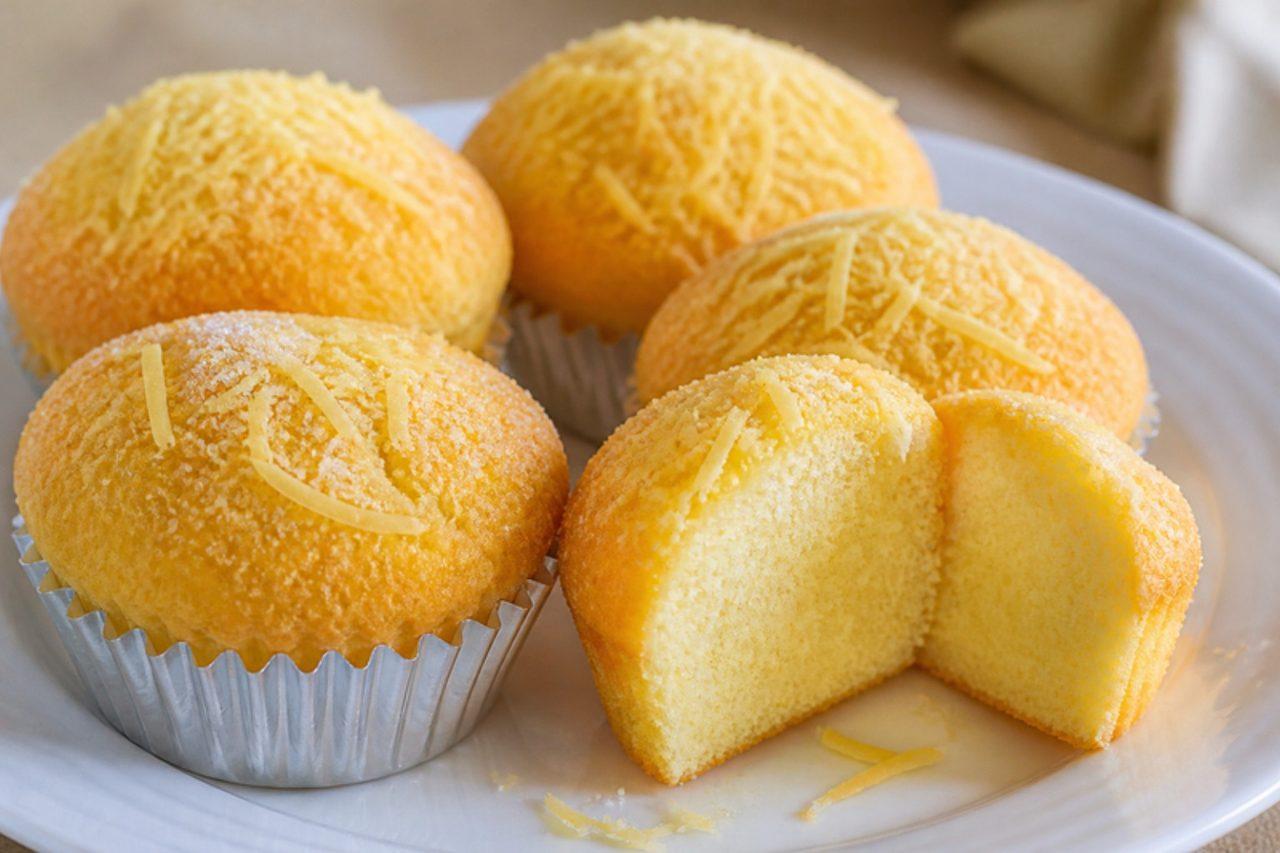
MamonButter chiffon cupcakes

Filipino bakeshops sell mamon by the dozen, each tall, fluffy little cake baked in a fluted tin, brushed with butter and rolled in sugar, sometimes with grated cheese on top. They go into merienda boxes, children's party bags and pasalubong (gifts brought home), and they're best with hot chocolate or coffee. The crumb is a soft, buttery chiffon that squashes and springs back. Taking them out too soon is what makes them shrink and wrinkle as they cool, so wait until the tops spring back fully. Chef's tip: turn the tin upside down as soon as it comes out of the oven, resting the rim on two cups, and cool them that way for 10 minutes; they keep their height.

by KrazyBadal 0 views

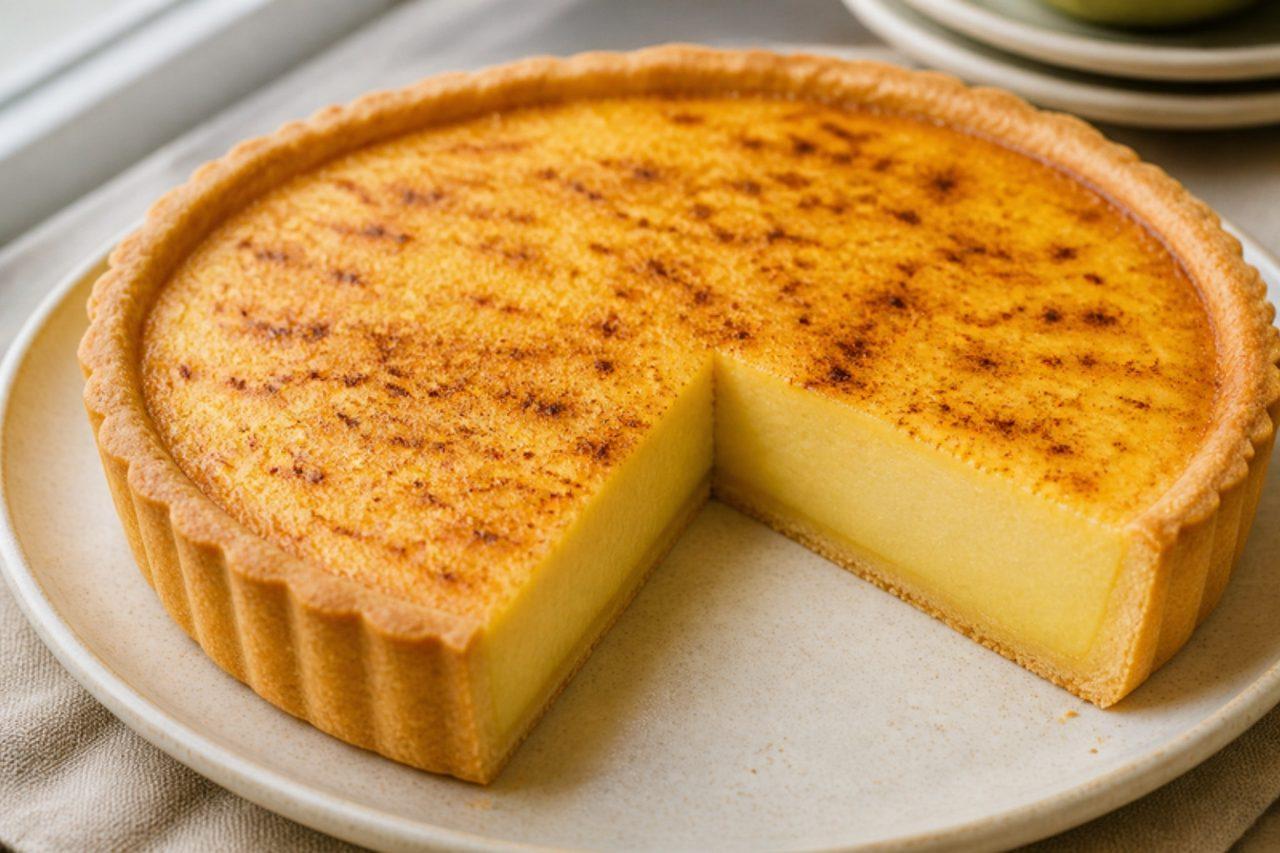
Filipino egg pieBaked custard pie

Walk into a neighbourhood panaderya in Manila or Cebu in the afternoon and there is usually a round egg pie on the counter, sold by the slice for merienda. It is a deep, creamy custard of eggs and evaporated milk in a short, buttery crust, and its trademark is the top: some of the egg whites float up during baking and turn into a speckled brown skin. Eat it at room temperature or chilled, with a mug of coffee or a cold soft drink. Baking it too hot is the classic error, since it makes the custard puff, crack and weep. Chef's tip: beat the eggs gently with a fork rather than a whisk, so you don't whip in air; the fewer bubbles, the silkier the custard and the darker the top.

by KrazyBadal 0 views

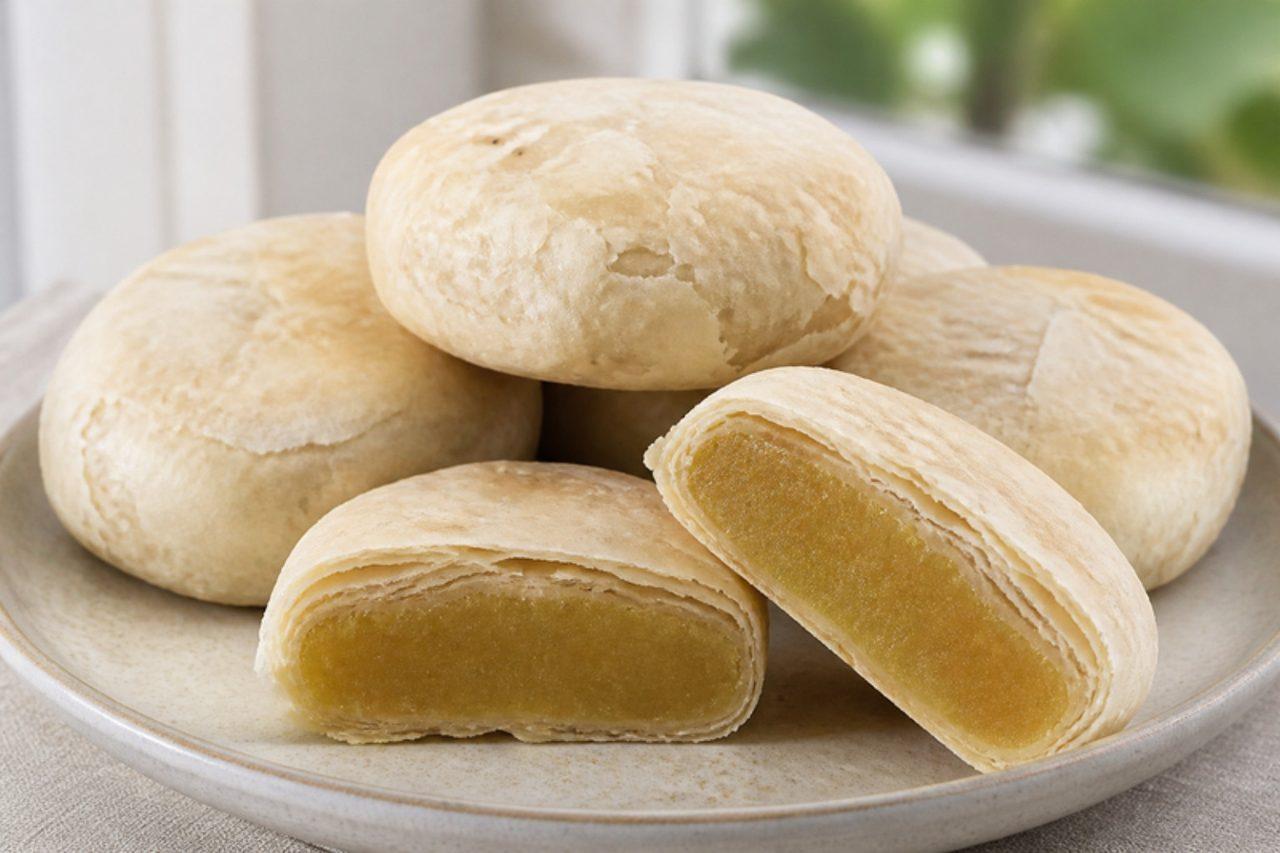
Hopia mungoMung bean pastries

Binondo, Manila's old Chinatown, is where Filipinos queue for hopia, flat little pastries with a paper-thin, flaky skin and a dense, sweet filling. Brought over by Hokkien bakers, they are now sold everywhere from provincial bus stations to convenience stores, and a box is a standard pasalubong (gift) after a trip. The classic is hopia mungo, filled with yellow mung bean paste; purple ube is the other favourite, and you can swap 300 g of sweetened ube halaya for the mung beans. Hopia pastry is traditionally made with lard; this version uses vegetable oil and shortening, so it is vegan. Chef's tip: dry the mung bean paste in the pan until a spoonful holds its shape when rolled; a soft paste is the commonest mistake, and it squeezes out of the seams as you flatten the pastries.

by KrazyBadal 0 views

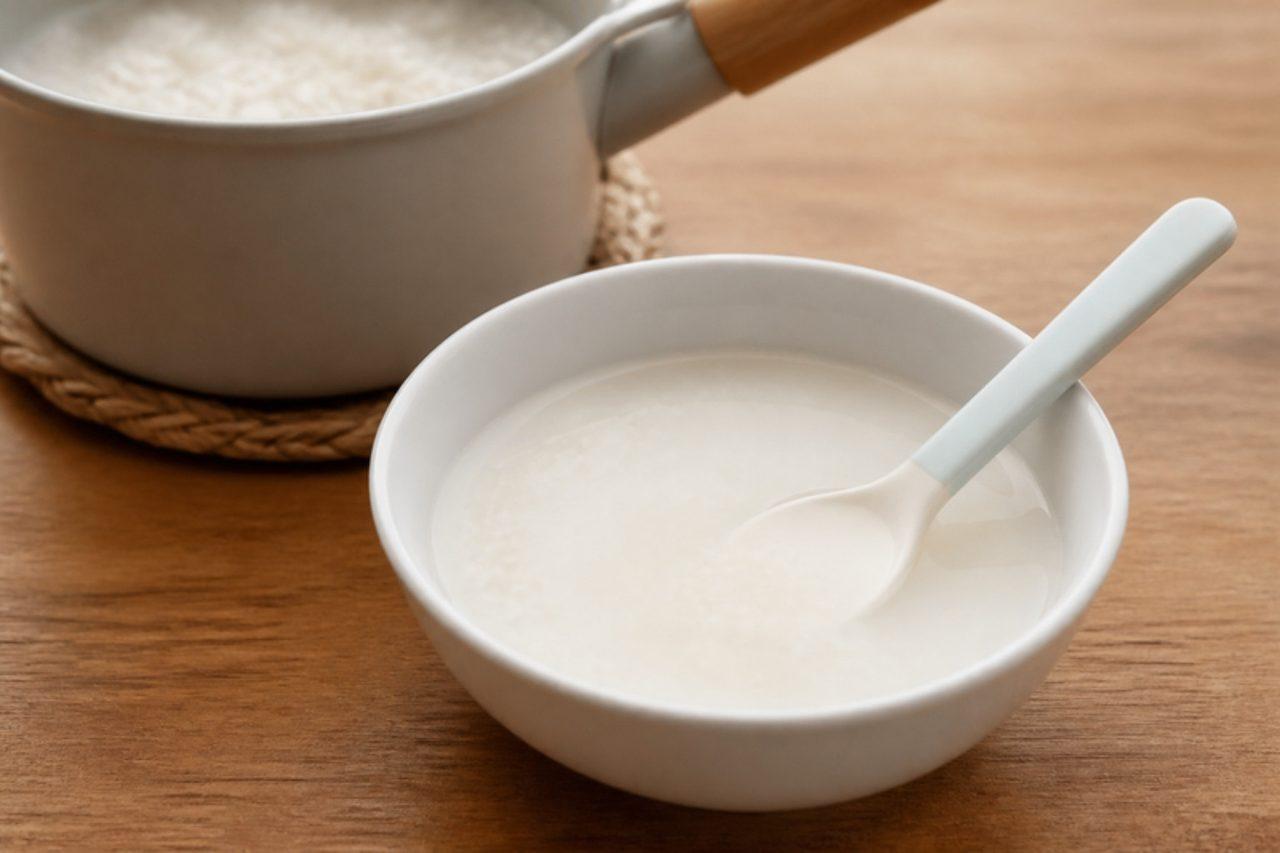
Am (Filipino rice-water first porridge)

Filipino lolas remember giving babies am, the thick, cloudy liquid that rises to the top as rice boils, ladled off and cooled before the rest of the pot is cooked for the family's lunch. Today it is offered as a thin, smooth first porridge, a few spoonfuls alongside other first foods such as mashed squash or banana, rather than on its own. It tastes mild and slightly sweet. It contains none of the common allergens (milk, egg, gluten, peanut, tree nuts, soya, sesame, fish). Chef's tip: use more water than usual and keep the lid off, so the liquid thickens into a creamy am instead of evaporating away.

by KrazyBadal 0 views

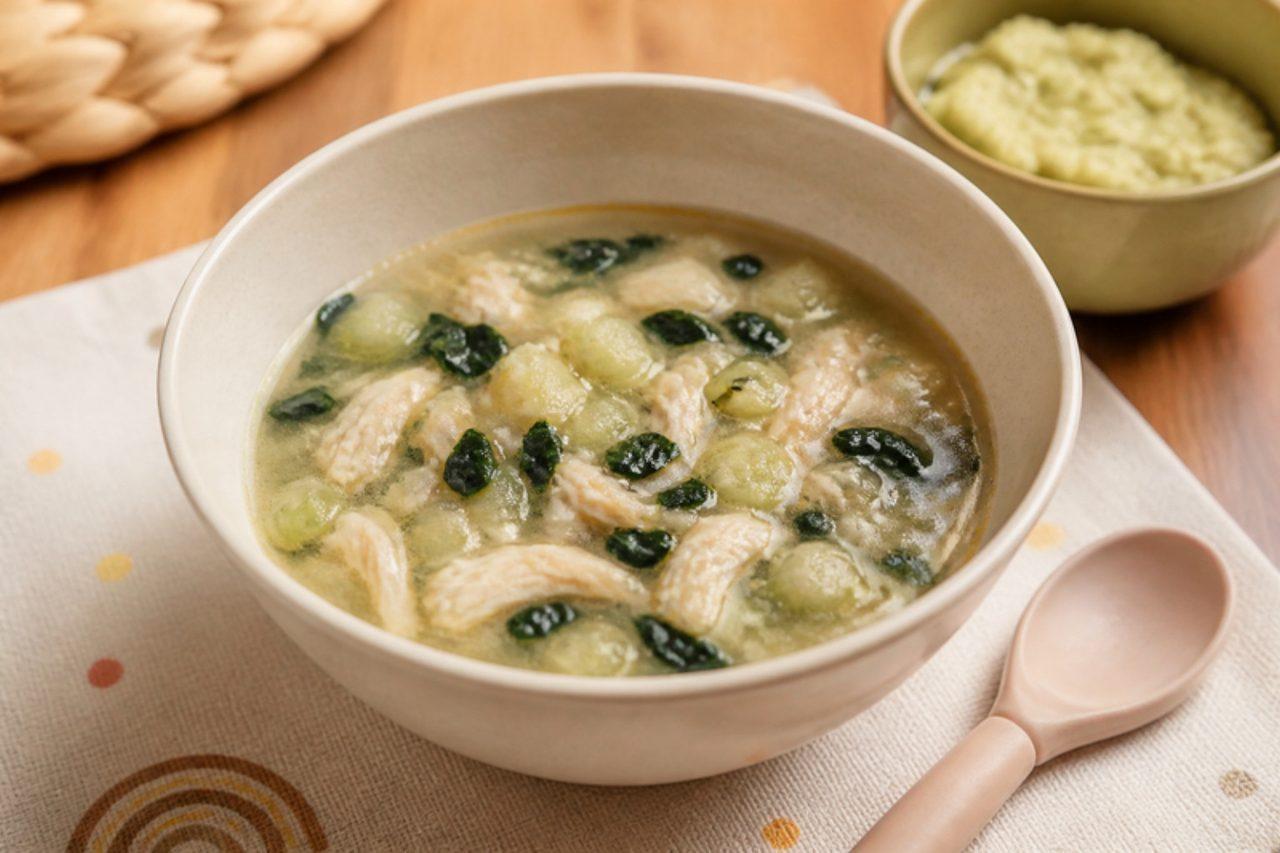
Tinolang manok for babies and toddlersGinger chicken soup for little ones

Tinolang manok, chicken simmered in a clear ginger broth with green papaya or chayote and malunggay (moringa) leaves, is the soup Filipino families make on rainy days and for anyone who needs looking after, and babies get their first taste of it from about nine months. Their portion is taken out before the patis (fish sauce) goes in, with the chicken shredded and the vegetables mashed. The baby's portion has none of the common allergens (milk, egg, gluten, peanut, tree nuts, soya, sesame, fish); the family's patis adds fish. Chef's tip: fry the ginger until it smells sweet before adding the chicken; that is the backbone of the broth.

by KrazyBadal 0 views

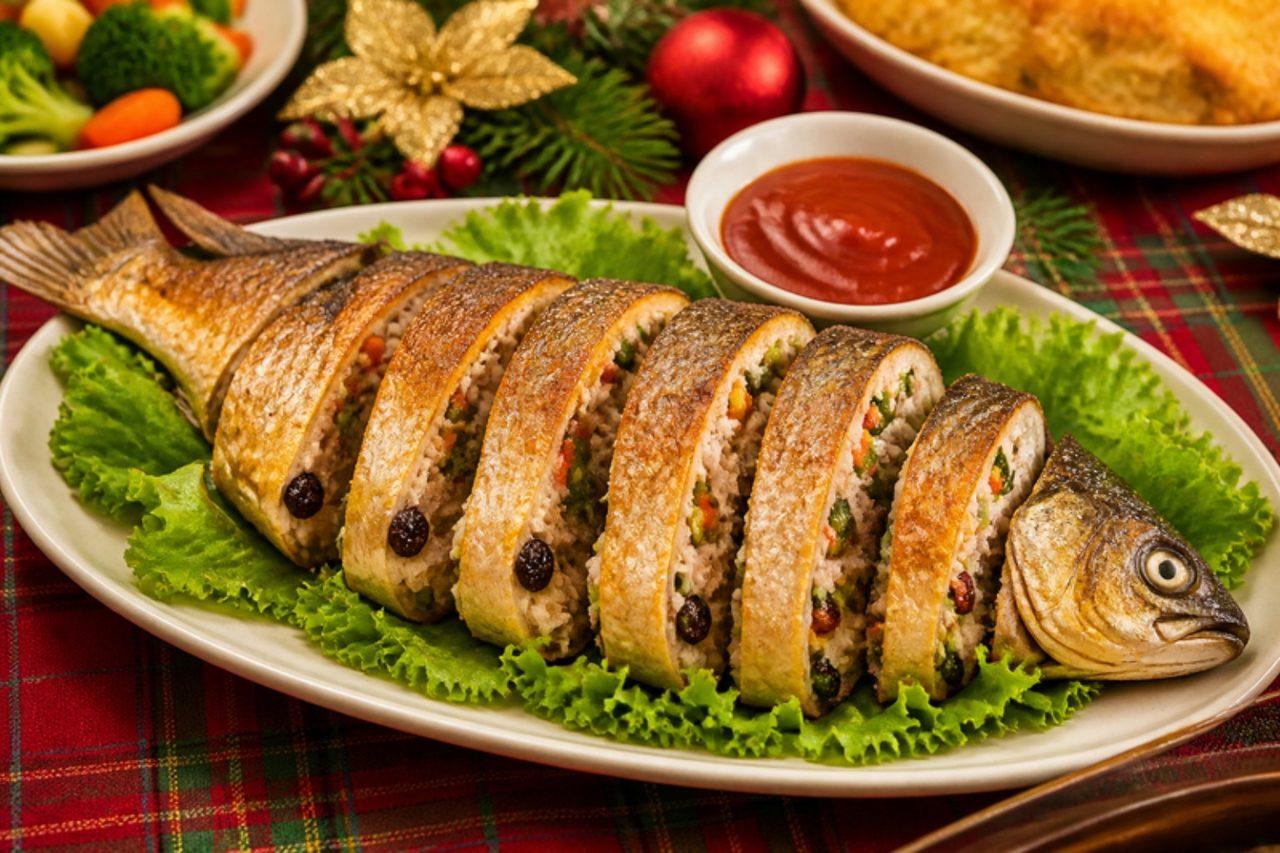
Relyenong bangusStuffed milkfish

Stuffed milkfish is a party piece in Tagalog homes for Christmas Eve and big fiestas. The cook loosens the skin of a whole bangus and pushes out the flesh in one piece, picks out the many fine bones, sautés the flesh with onion, tomato, carrot, peas and raisins, binds it with egg and packs it back into the skin, so it looks like a whole fish again. It is then fried until golden and sliced crossways, with banana ketchup on the side. Chef's tip: work slowly when separating the skin and use the back of a spoon, not a knife; one tear and the stuffing leaks out in the pan.

110 minFilipinoFish
by KrazyBadal 0 views

EnsaymadaSweet cheese brioche

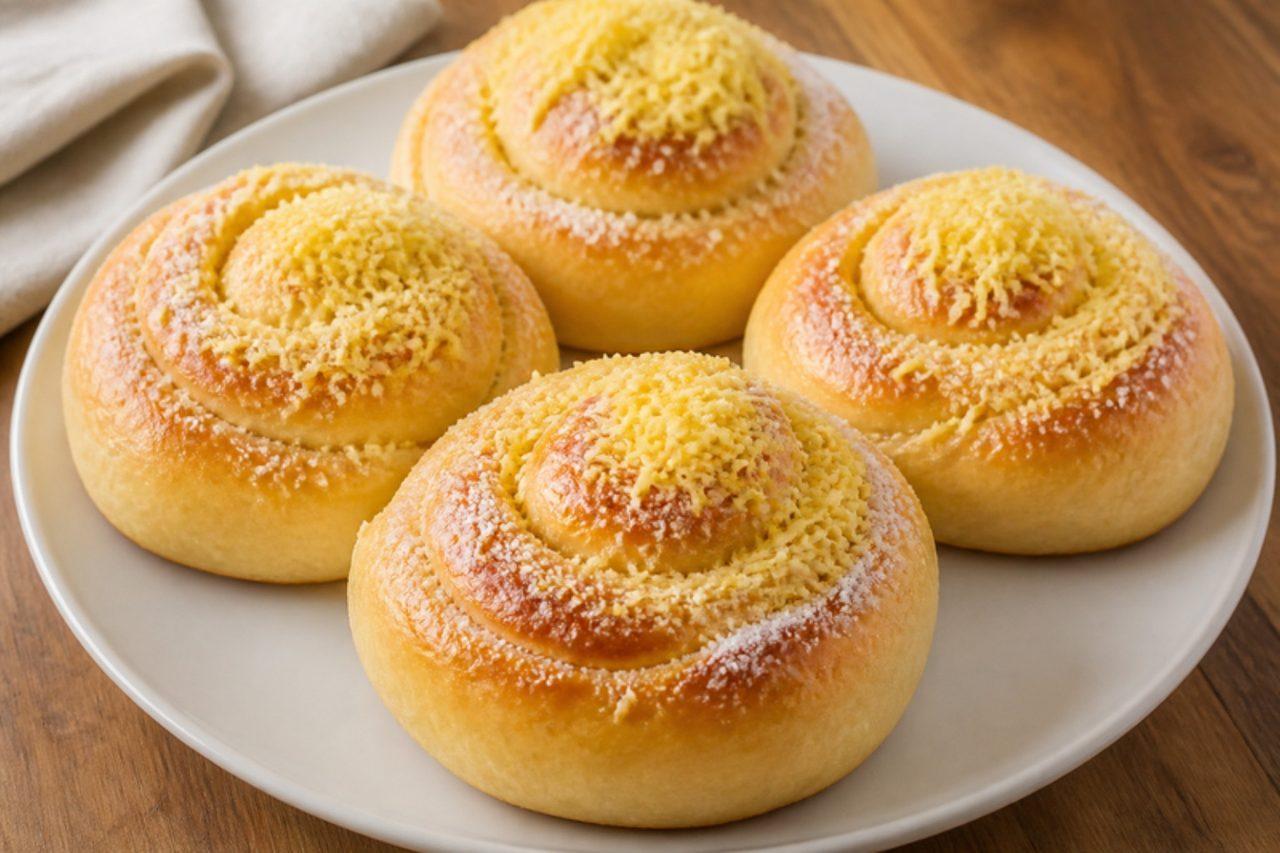
Filipino bakeries took the coiled Mallorcan ensaïmada and made it richer and softer: an egg-yolk brioche rolled with butter into a snail, baked pale gold, then spread with more butter, dusted with sugar and heaped with finely grated cheese. Boxes of them are carried to Christmas visits and town fiestas, and a single one with hot tsokolate makes a proper merienda. The salty cheese against the sweet crumb is the whole point. Chef's tip: the dough must be sticky and soft when you knead it; adding flour until it is easy to handle gives you dry, bready buns instead of feather-light ones.

by KrazyBadal 0 views

Spanish breadSweet buttery bread rolls

Despite the name, nobody in Spain would recognise these: they belong to the neighbourhood panaderya, sold warm from glass cases at dawn and again at four o'clock alongside pandesal. A soft milk dough is rolled around a paste of butter, sugar and breadcrumbs, then coated in more crumbs before baking, so the filling melts into a sticky, caramel-like ribbon. Dunk one in coffee for merienda. Chef's tip: roll the dough thin before adding the filling; thick dough swallows the butter paste and you lose that gooey centre.

by KrazyBadal 0 views

TsokolateThick hot chocolate

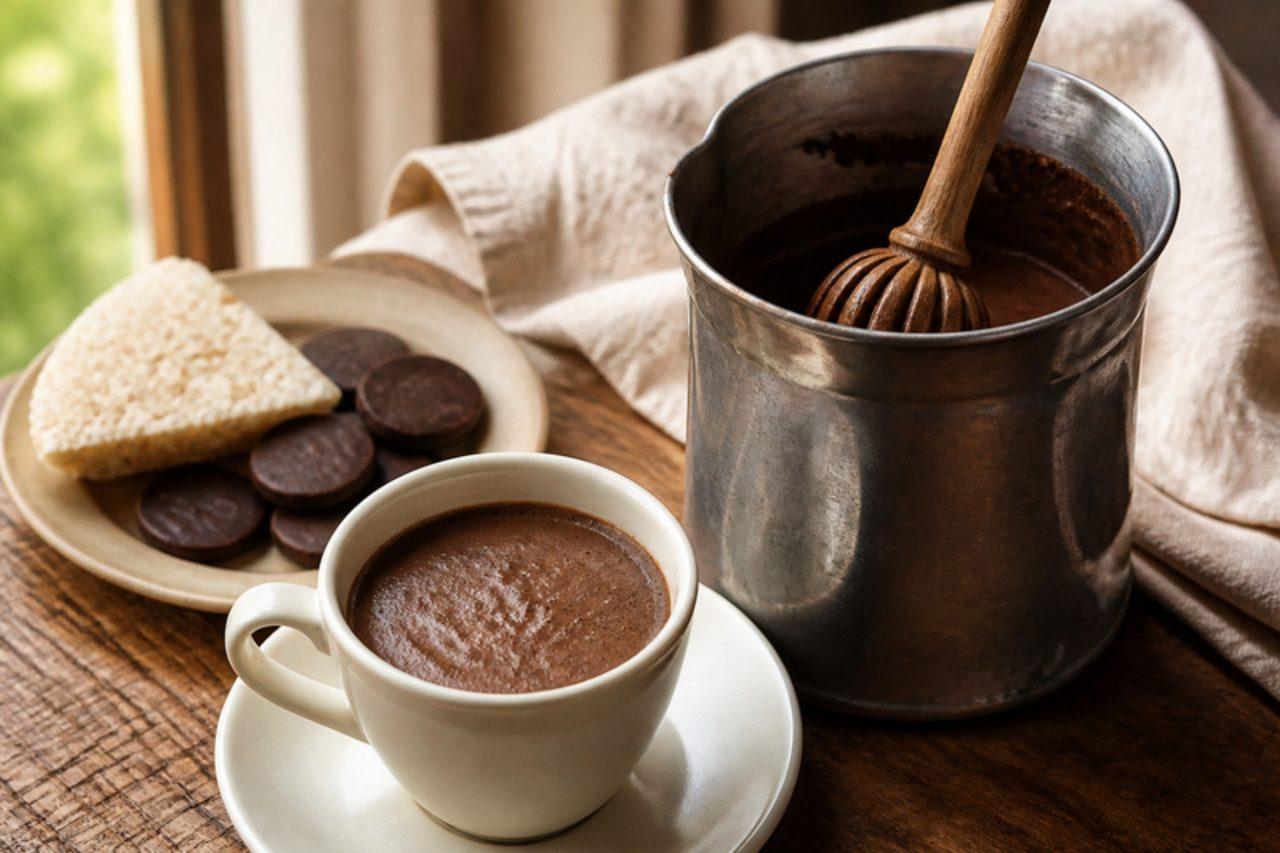
Discs of pure roasted cacao called tablea, pressed by hand in Batangas and Cebu, melt into the thick, slightly gritty tsokolate that Filipinos drink on Christmas mornings with puto bumbong or bibingka. It is whisked in a tall pot with a wooden batidor rolled between the palms until it foams, and it tastes deep, bitter-sweet and earthy rather than milky. A little milk softens it; many families drink it with water only. Chef's tip: keep the heat low once the tablea melts; boiling cacao hard makes it scorch and taste burnt.

by KrazyBadal 0 views

Sago't gulamanTapioca and jelly drink

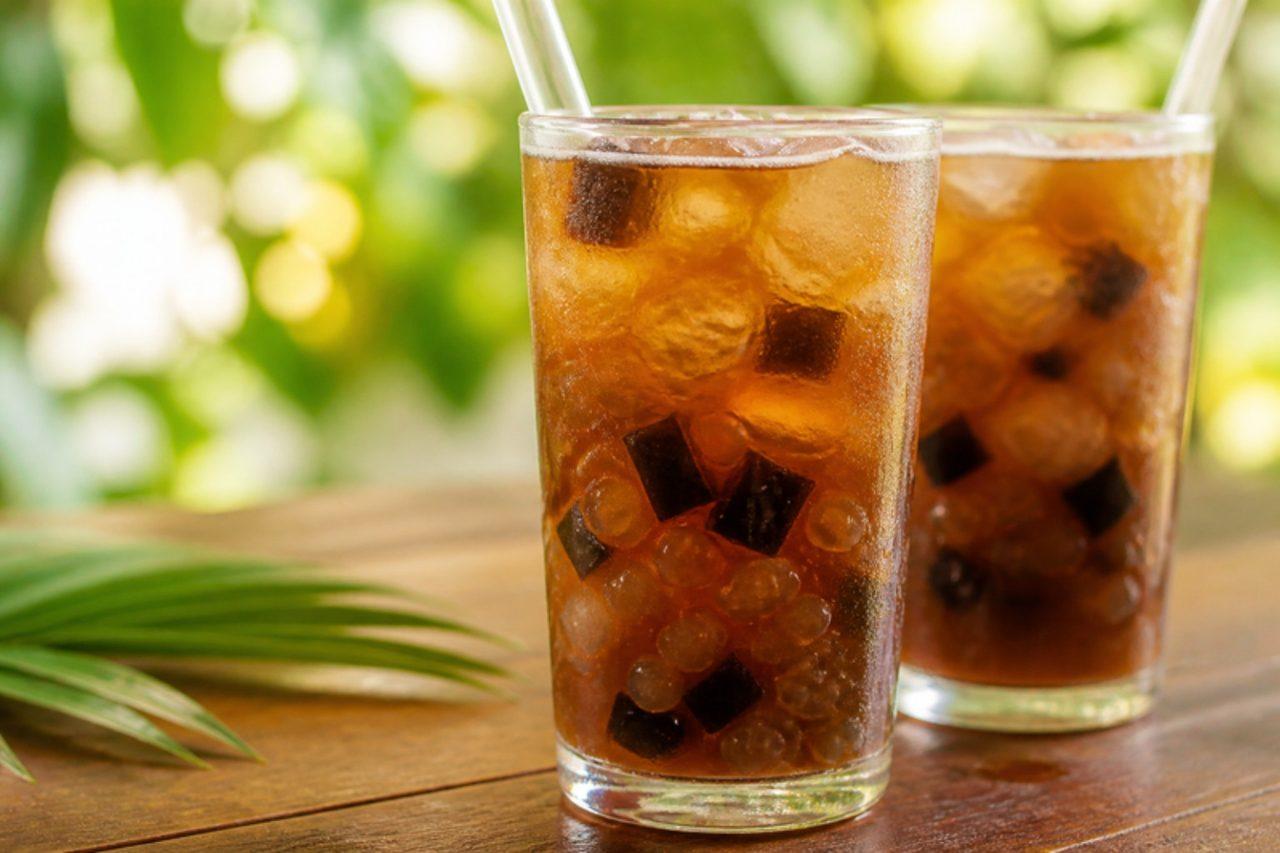
Tall plastic cups of sago't gulaman are what Manila drinks on hot afternoons, ladled from a big drum at street corners and sold next to fried snacks. Chewy tapioca pearls and cubes of firm agar jelly float in cold water sweetened with a dark, almost caramelised brown-sugar syrup scented with pandan. Kids slurp it through a wide straw; adults buy it with every plate of banana cue. Chef's tip: cook the syrup until it smells of caramel but stop before it smokes; pale syrup tastes only of sugar, burnt syrup tastes bitter.

by KrazyBadal 0 views

Daing na bangusMarinated fried milkfish

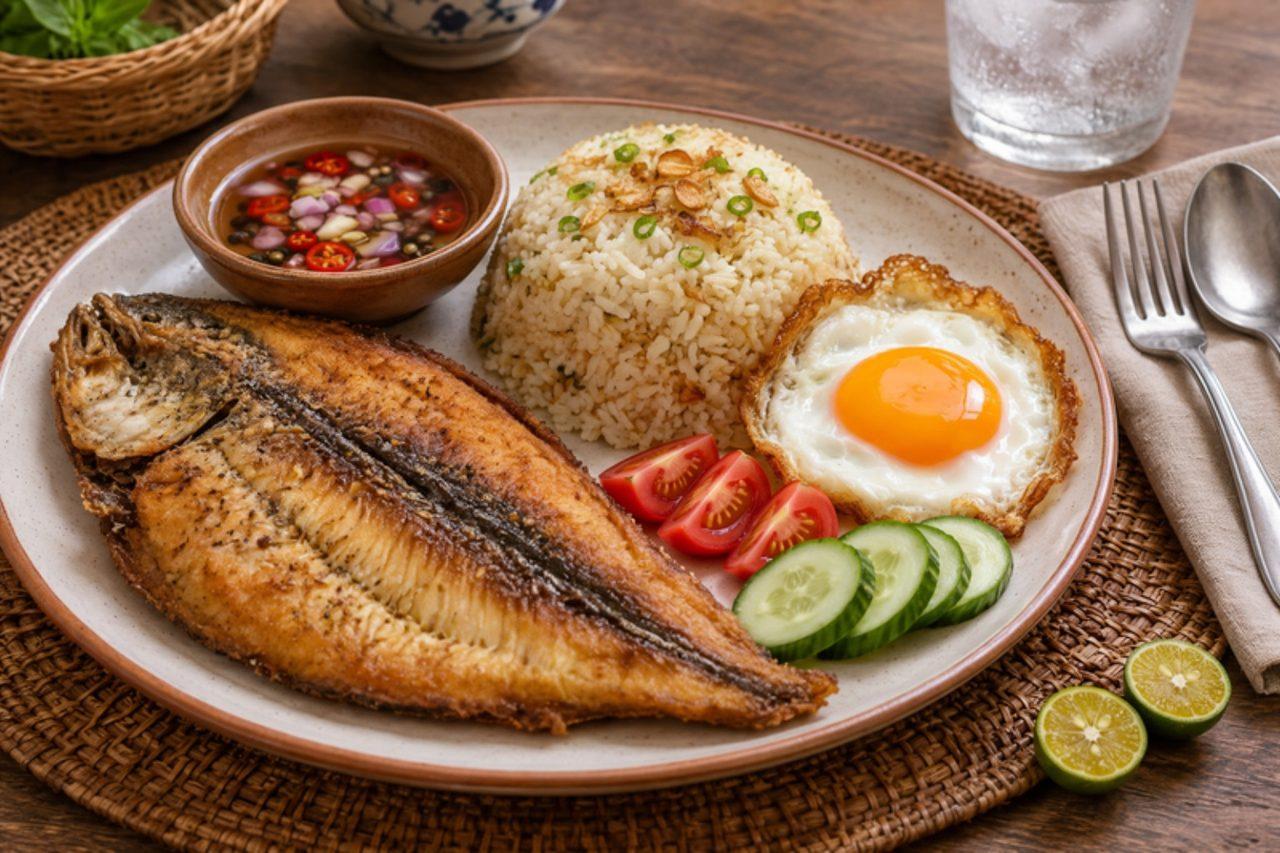
Bangus (milkfish) is the national fish of the Philippines, and daing na bangus, butterflied and soaked overnight in vinegar, garlic and pepper, then fried until the skin shatters, is a favourite morning plate from Pangasinan to Manila. It comes with garlic rice, a fried egg and a dip of spiced vinegar. Buy it boneless (deboned bangus) from Filipino shops, or use mackerel fillets. The usual mistake is putting the wet fish straight into the oil, which spits and stops it crisping. Chef's tip: pat the fish completely dry and fry skin side down first, pressing gently, without moving it for five minutes.

by KrazyBadal 0 views

Calamansi juice

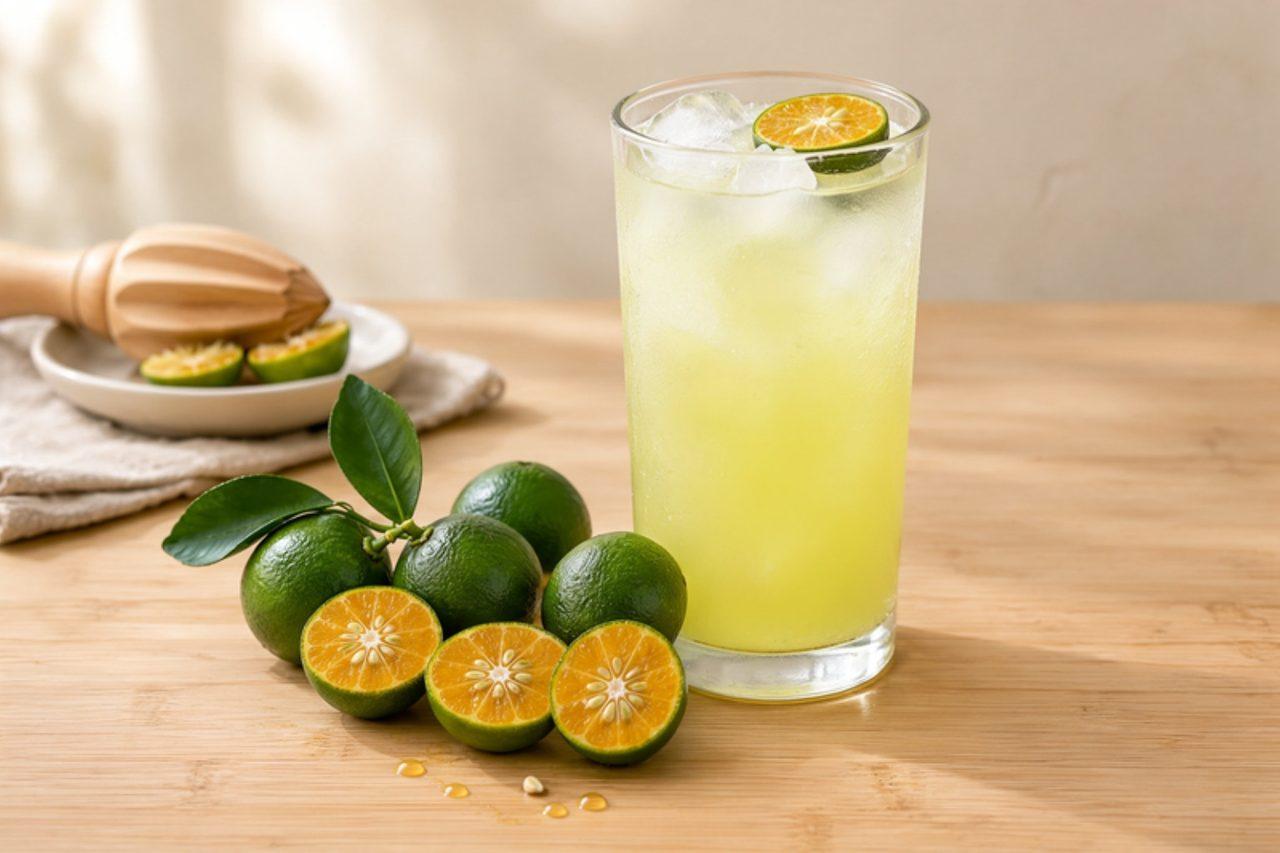
Every Filipino household seems to have a calamansi bush or a bag of the little green fruit in the fridge, from Manila condos to farmhouses in Mindoro, the island that grows most of them. At lunch in the dry season the juice comes out iced in a big pitcher; in the rainy months, when everyone has a cough, a lola stirs the same juice into hot water with a little sugar or honey and hands it over at bedtime. It tastes like a lime crossed with a mandarin: sharp, floral and slightly bitter at the edges, with a pale green-gold colour. The usual mistake is squeezing the fruit hard and letting the seeds and pith fall in, which turns the juice bitter within minutes; halve each fruit across, squeeze gently over a small strainer and stop before the peel folds. It is ready when the sugar has fully dissolved, the juice tastes bright rather than harsh and a cold glass fogs on the outside. Chef's tip: dissolve the sugar in a little warm water first, as it never melts properly in iced juice.

by KrazyBadal 1 views

Melon juice (cantaloupe drink)

Afternoon merienda across the Philippines means something cold from a plastic cooler at the school gate, a jeepney stop or a carinderia: sago't gulaman, buko juice or this melon drink, with ribbons of orange cantaloupe suspended in sweet water. Vendors scrape the melon with a special spiral shredder, a kayod ng melon, so you get thin strands to chew through a fat straw. It tastes fresh, sweet and gently musky, more refreshing than a smoothie because the water stays clear and light; some stalls add evaporated milk, but the plain version is the classic. The common mistake is using a melon that is not fully ripe, which gives pale, crunchy strands and a flat drink; choose one that smells sweet at the stem end and gives slightly when pressed there. Shred straight into the jug so the juice from the melon is not lost. It is ready when the strands are soft and floating, the water has turned faintly orange and it tastes of melon rather than plain syrup. Chef's tip: a box grater's coarse side or a fork scraped along the flesh both work if you don't own a melon shredder.

by KrazyBadal 0 views

TahoWarm tofu with syrup and sago

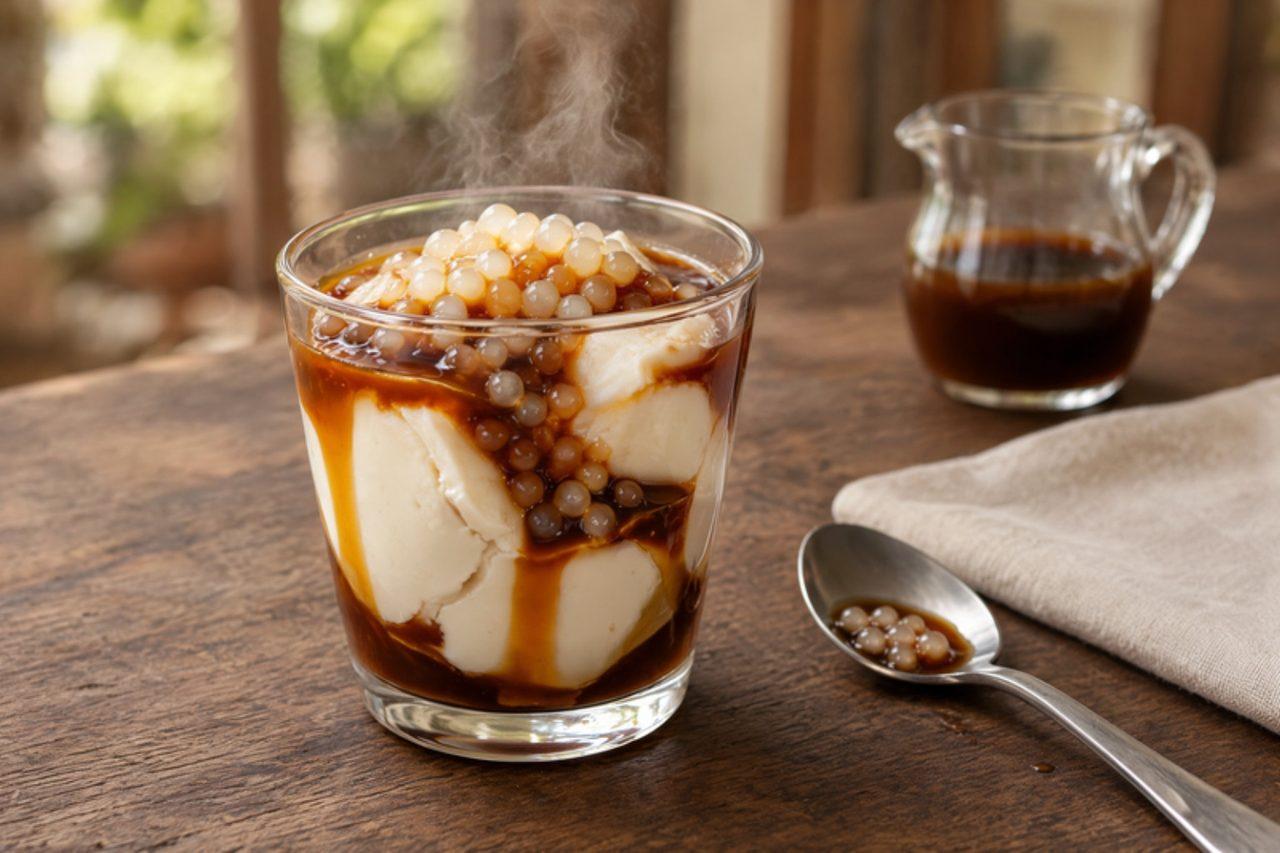
Before eight in the morning in any Philippine barangay you hear the call "Tahooo!" as the magtataho walks past with two aluminium buckets balanced on a shoulder pole: one holds warm, wobbly silken tofu, the other dark arnibal syrup and sago. He scoops paper-thin layers of tofu into a plastic cup with a flat ladle, pours syrup over and adds the pearls, and children eat it standing at the gate with a spoon or slurp it through a wide straw. The taste is caramel and soy milk; the texture is custard-soft tofu against chewy pearls. Baguio has its own pink strawberry version. The common mistake is cooking the sago in too little water or not stirring at the start, so the pearls glue into a lump; use plenty of boiling water and stir for the first two minutes. The sago is ready when the pearls are translucent with only a tiny white dot left in the centre, and the arnibal is right when it coats a spoon like thin maple syrup. Chef's tip: steam the tofu in its box or bowl rather than boiling it, so it stays in one silky piece. Small sago pearls are a choking risk for babies and toddlers, so serve them only to older children.

by KrazyBadal 0 views

Showing 24 of 33 recipes

Show more recipes

Page 1 of 2