Skip to content
WhatToEat.Today

All recipes

6

Vegetarian, or something you can't eat? Set your diet once and we'll hide recipes that don't fit.

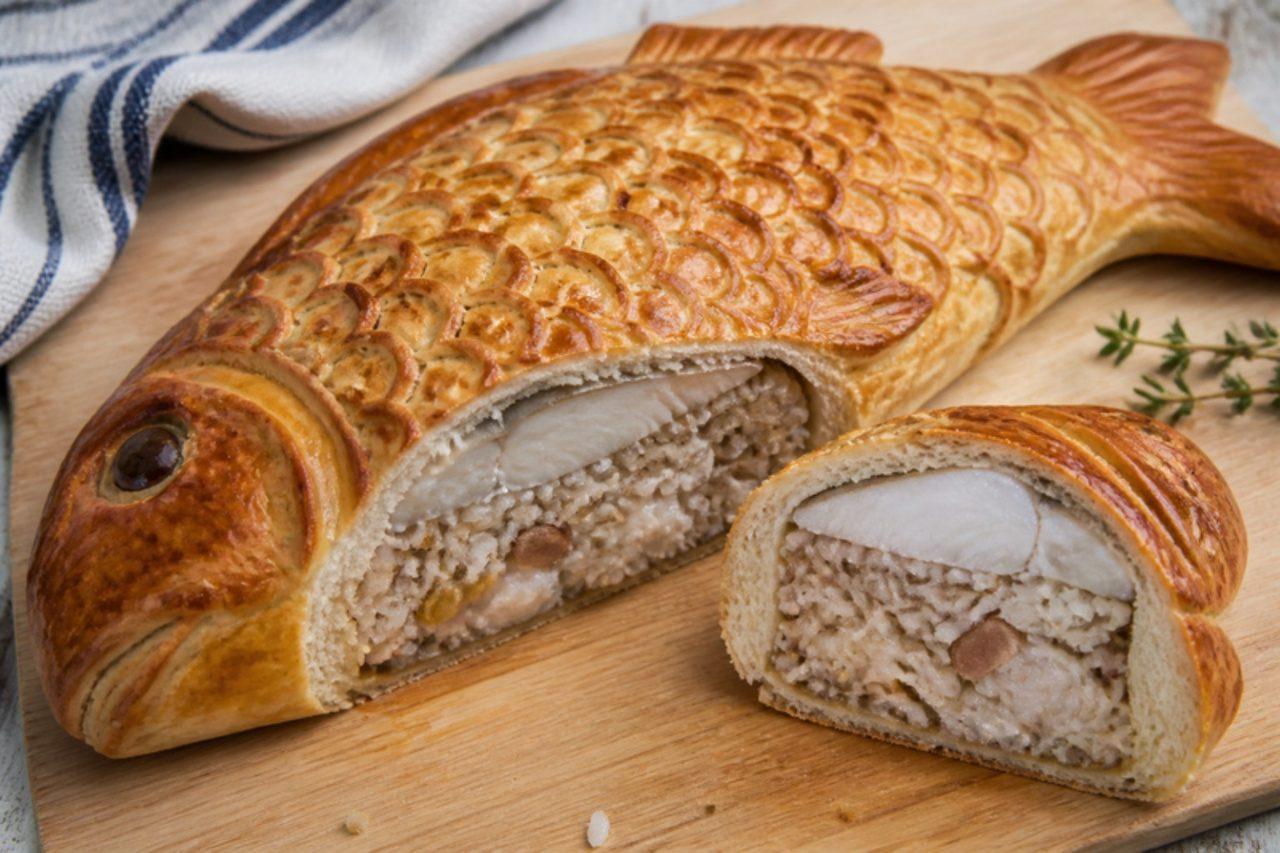
RibnikCarp baked in bread with rice

St Nicholas (Nikulden), on 6 December, is the patron of fishermen and sailors in Bulgaria, and every family that day eats carp, and many make ribnik: a whole carp (or carp fillets) stuffed with rice, onion, walnuts and raisins, wrapped in bread dough and baked so the dough soaks up the juices. The bread and the fish are blessed and shared with neighbours. This version uses carp fillets, which avoids the bones. Chef's tip: lay the fish skin-side down on the dough and seal the seams well, so the juices stay inside.

by KrazyBadal 0 views

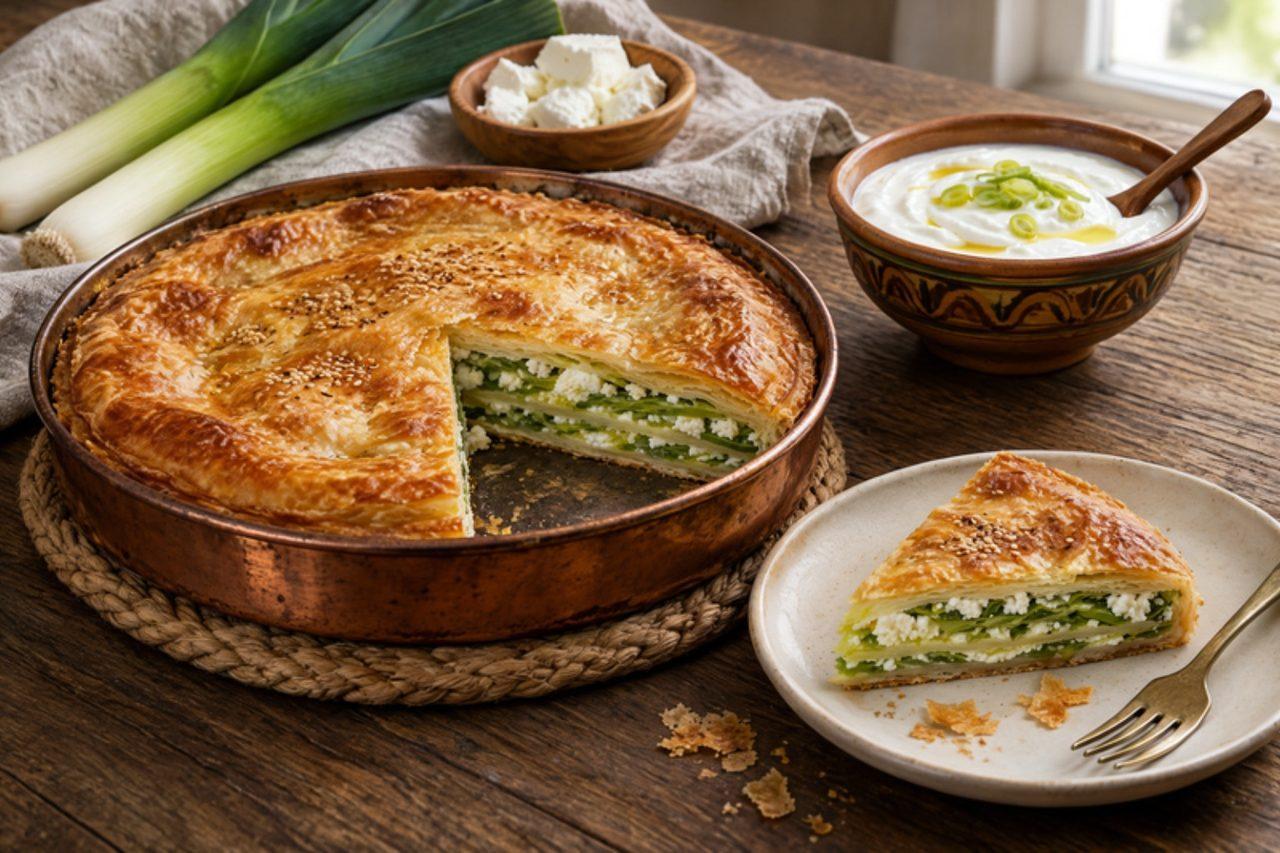
ZelnikLeek and cheese pie

In the Pirin and Struma valleys of southwest Bulgaria, zelnik is baked in a large round tin for Sunday breakfast and village feasts: crinkled sheets of thin pastry layered with sautéed leeks (or cabbage or spinach), crumbled sirene and egg, then baked until crisp and golden. It is cut into wedges and eaten with a bowl of thick yoghurt or a glass of ayran. The common mistake is a wet filling: squeeze or cook the leeks until all their liquid has gone, or the bottom layers turn soggy. Chef's tip: scrunch the pastry sheets loosely as you layer them instead of laying them flat, so the pie bakes up light and flaky.

by KrazyBadal 0 views

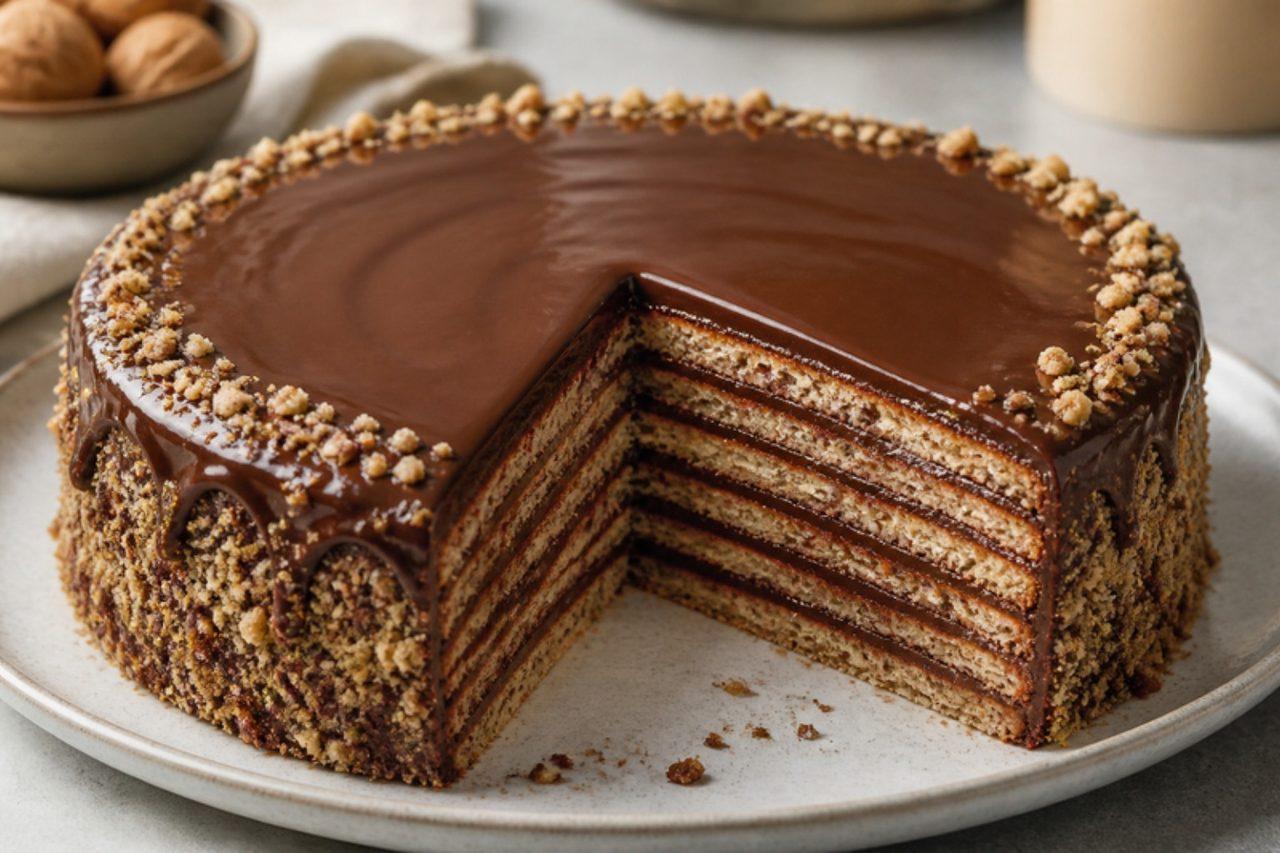
Garash tortaWalnut meringue chocolate cake

In 1885 a Hungarian confectioner named Kosta Garaš created this cake in Ruse, the elegant Danube town, and it has been the pride of Bulgarian patisseries ever since. Five thin, chewy layers of walnut meringue are stacked with a dark, glossy chocolate ganache and finished with a mirror-like chocolate glaze. Because it uses no flour, it is naturally gluten-free; it is rich and dense, so slices are thin, served with black coffee on name days and anniversaries. The cake is best made a day ahead and chilled so the meringue softens slightly into the ganache. Where most people go wrong is grinding the walnuts to an oily paste; pulse them only until like coarse sand. You will have ten yolks left over: use them for custard or pasta. Chef's tip: bake each layer on a circle drawn on baking paper and trim them all to the same size while still warm, when they cut cleanly.

by KrazyBadal 0 views

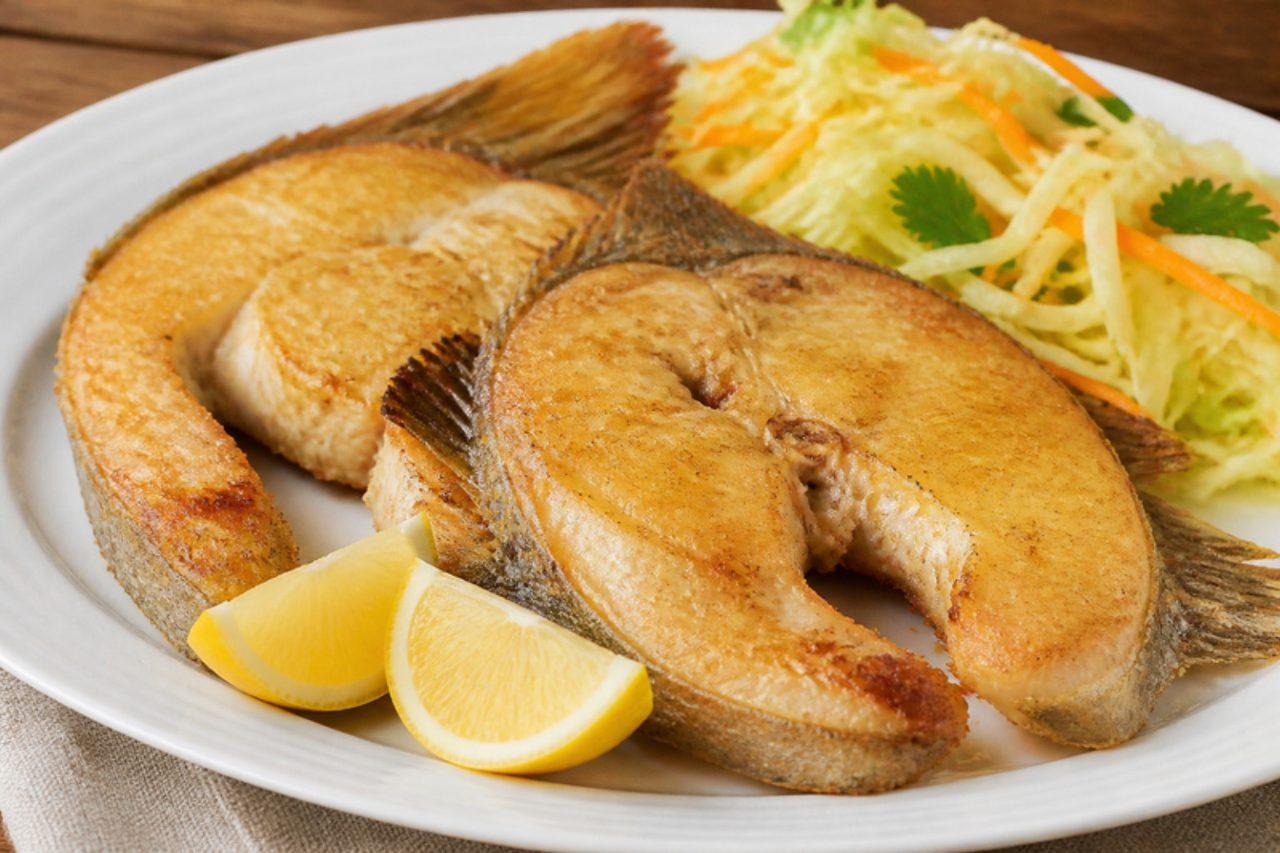
KalkanFried turbot steaks

Turbot season on the Bulgarian Black Sea is short and strictly controlled, so in spring locals in Burgas and Balchik queue at the fish market for kalkan, the flat, diamond-shaped fish with firm, sweet white flesh. Seaside restaurants cut it across the bone into thick steaks, dust them with flour and fry them in sunflower oil until the skin is crisp and the flesh pearly, then serve them simply with lemon and a crunchy salad of shredded cabbage and carrot dressed with vinegar. Brill or halibut steaks work the same way if turbot is out of reach. A common mistake is turning the fish too soon, which tears the crust; leave it until it releases from the pan by itself. Chef's tip: score the dark skin twice so the steaks stay flat and cook evenly.

by KrazyBadal 0 views

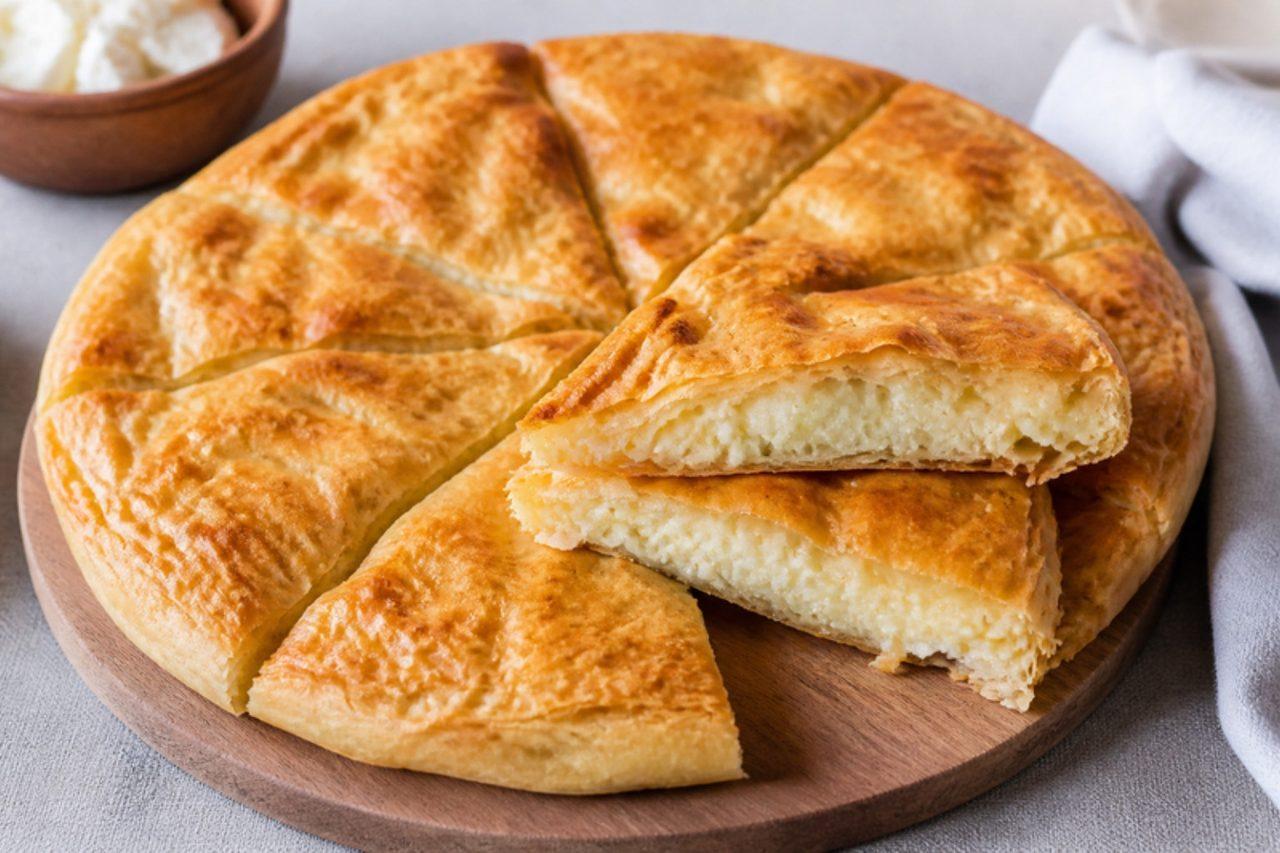
KlinRice and cheese filo pie

Klin is the festive pie of the Rhodopes, baked for Gergyovden in May, for weddings and for the end of the haymaking, in large round tins that come out to be shared across the village. Thin pastry sheets are layered with a loose, custardy mix of cooked rice, crumbled white cheese, eggs, milk and butter, so it bakes tender and soft inside with a crisp, golden lid. The rice makes it heartier than banitsa and gives every slice a gentle, creamy chew. It is eaten warm or cold with yogurt or ayran. Sirene is often made with animal rennet, so use a vegetarian white cheese. Where most people go wrong is cooking the rice fully; it must stay slightly firm, because it carries on soaking up milk in the oven. Chef's tip: pour any leftover egg and milk over the top just before baking, and the surface puffs into a glossy, golden crust.

by KrazyBadal 0 views

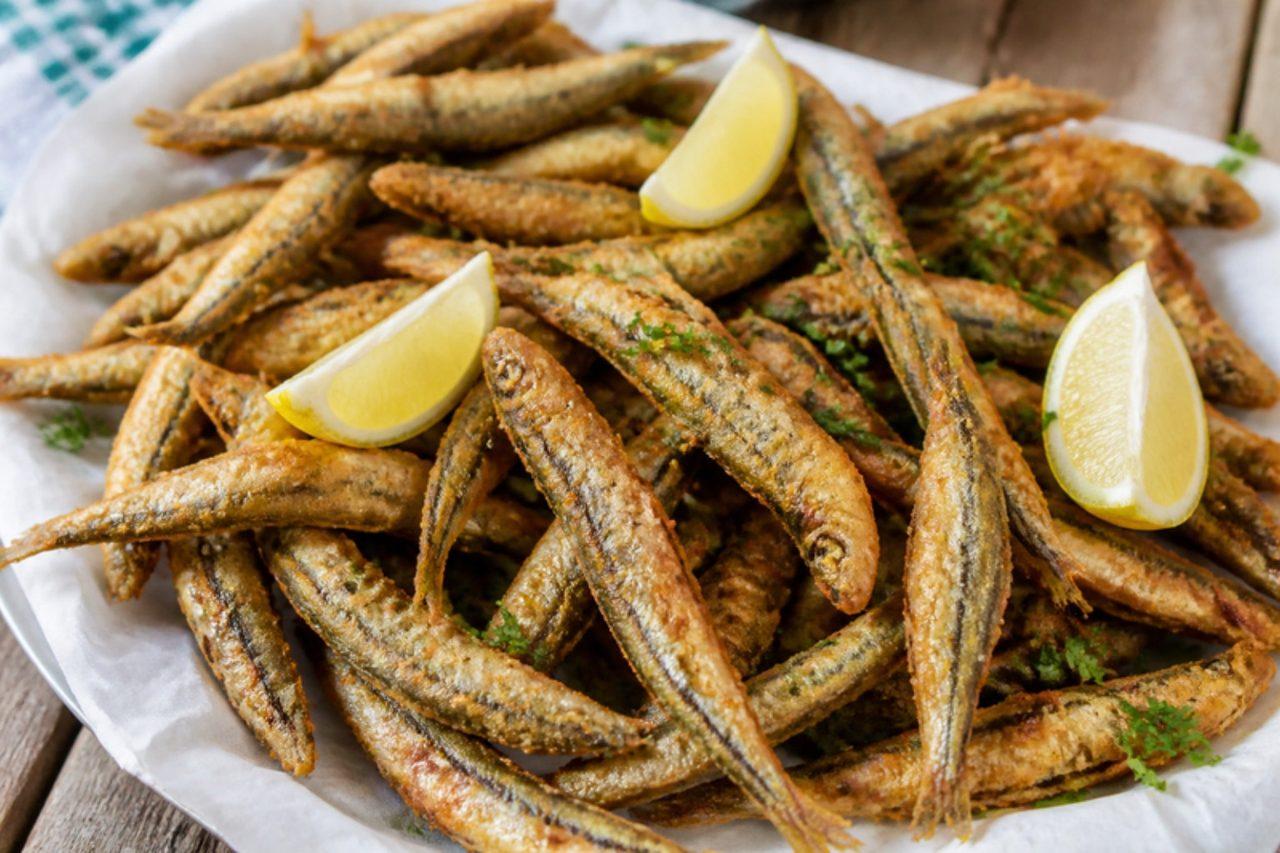
TsatsaFried sprats

Beach kiosks from Varna to Sozopol sell tsatsa by the paper cone all summer: handfuls of tiny sprats fried so crisp that you eat them head, bones and all, with a squeeze of lemon and a cold glass of ayran. They taste sweet and briny and crunch like the best chips. At home, serve them with lemon wedges, a tomato and cucumber salad and bread. Buy fish that smell of the sea, with bright eyes and firm bodies; frozen sprats work once thawed in the fridge. Where most people go wrong is frying too many at once: the oil cools, the fish stick together and turn greasy. Chef's tip: shake the floured sprats in a sieve before they go in, so only a thin film of flour clings and they fry up lacy and light.

by KrazyBadal 0 views