Skip to content
WhatToEat.Today

All recipes

144

Vegetarian, or something you can't eat? Set your diet once and we'll hide recipes that don't fit.

CornuellesAniseed biscuits

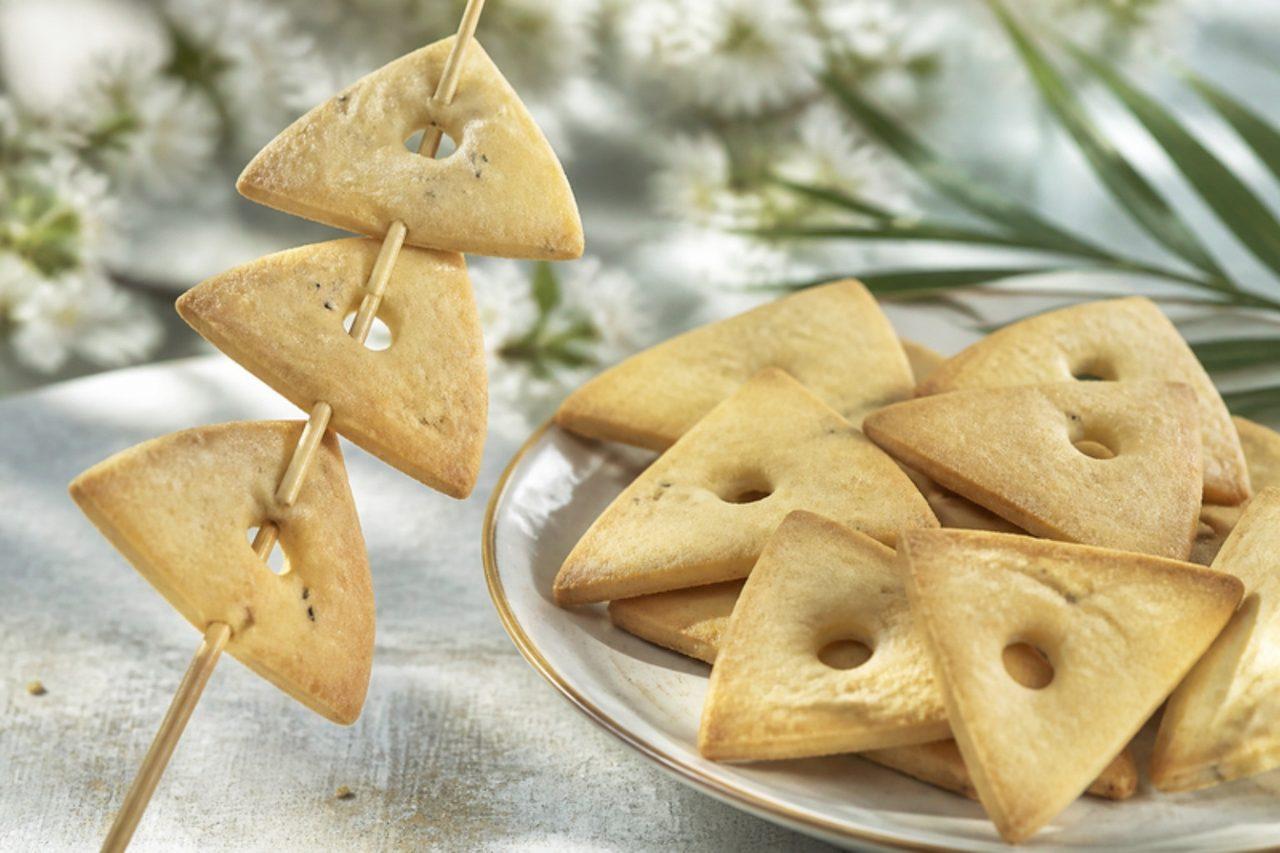
On Palm Sunday in Villebois-Lavalette, in Charente, stalls sell cornuelles, hard triangular biscuits with a hole in the middle, threaded onto a stick or a sprig of blessed box. The three points are said to stand for the Trinity, and children carry them home from church. They are crisp and scented with aniseed, glazed with a thin sugar icing. Chef's tip: roll the dough thin and even, about 5 mm, so every biscuit bakes through crisp without burning at the points.

by KrazyBadal 0 views

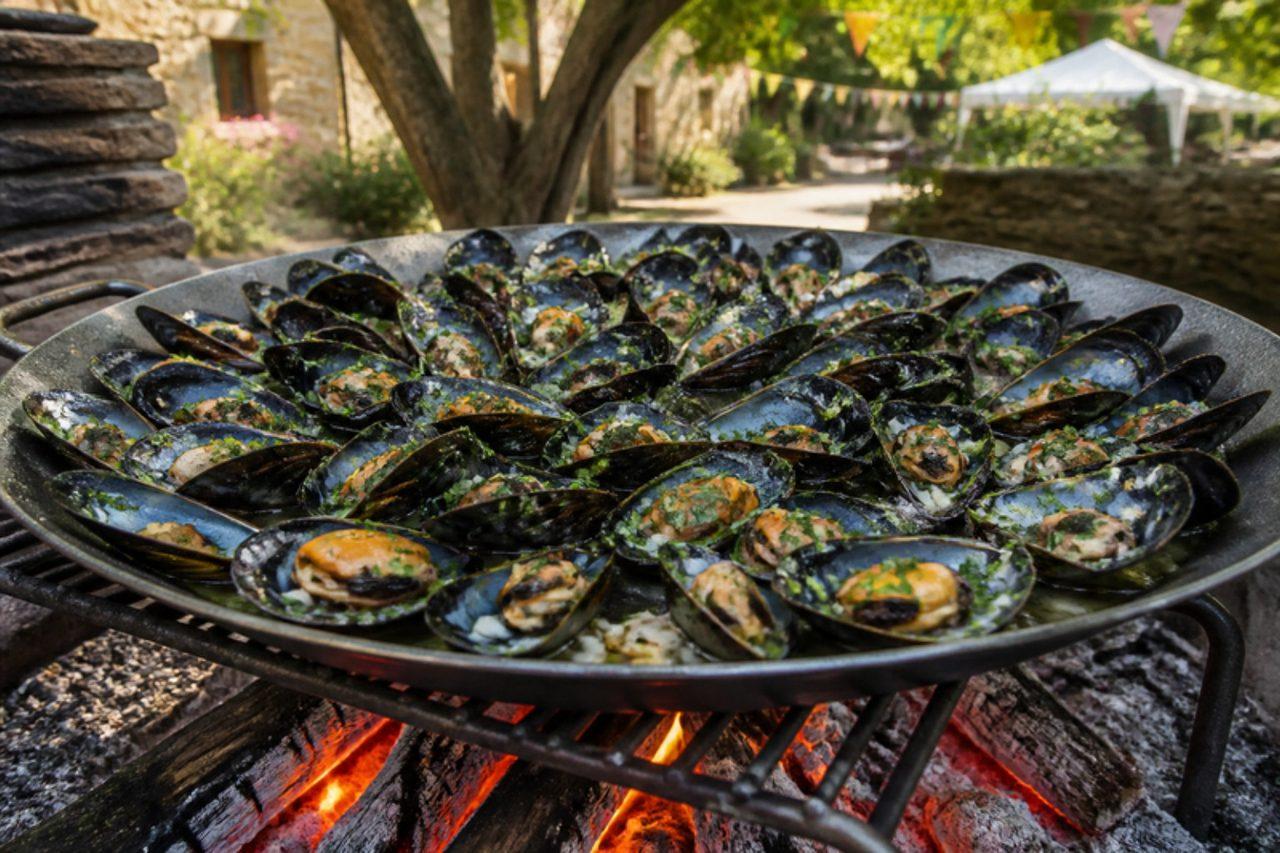
BrasucadeGrilled mussels with garlic and parsley

At village fêtes around the étang de Thau in Languedoc, and on beaches in summer, people gather round a brasucade: mussels piled into a large pierced pan over a fire of vine prunings until they open, then doused with a garlicky oil of parsley and a little chilli and tossed. It is smoky, juicy and eaten by hand with bread. A barbecue grill works at home. Chef's tip: use a lid or a sheet of foil over the pan; the trapped steam opens the mussels evenly while the fire adds smoke.

25 minFrenchFish
by KrazyBadal 0 views
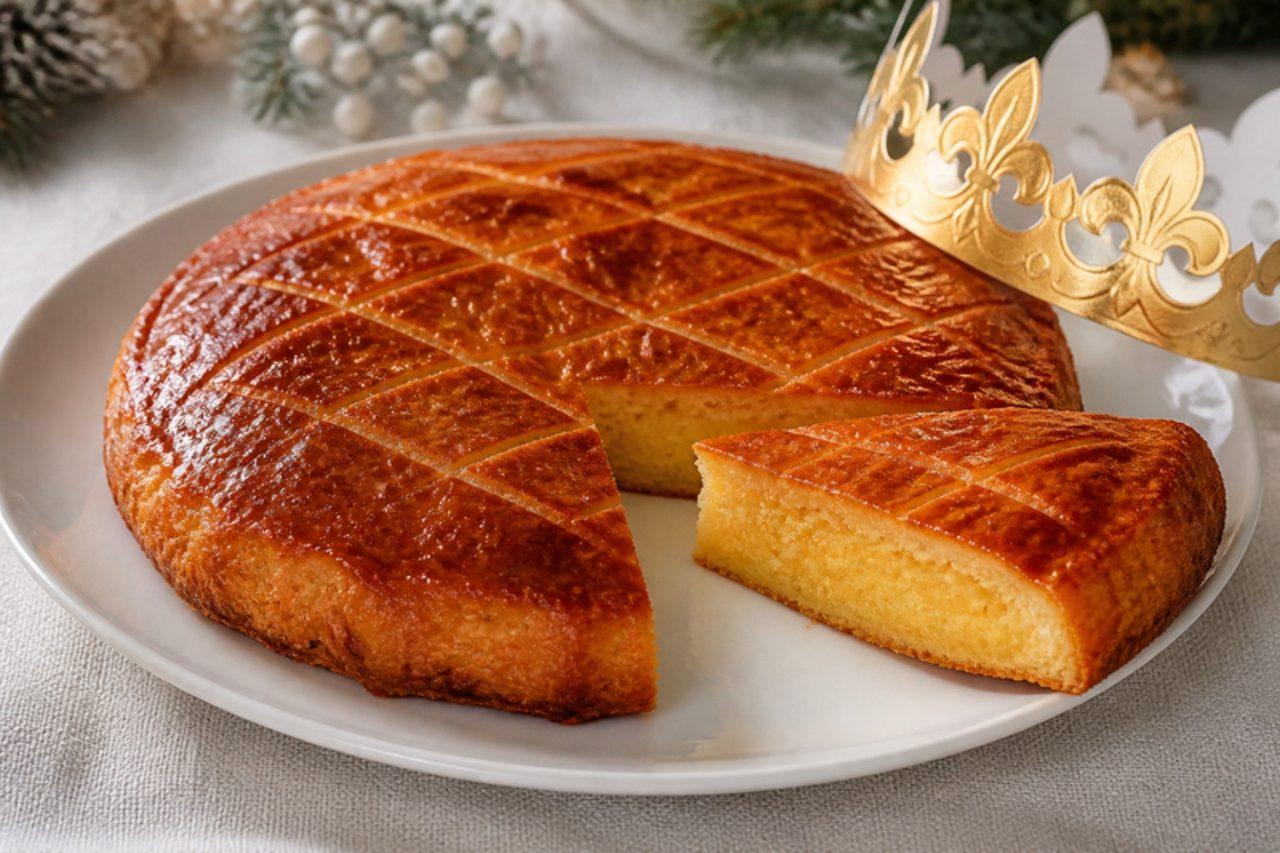
Galette comtoiseChoux king cake

While most of France eats a puff-pastry galette des rois at Epiphany in January, Franche-Comté has its own: a flat golden cake made from a choux-like dough, tender and slightly custardy inside and scented with orange-flower water. As elsewhere, a fève (a little charm or a dried bean) is hidden inside, the youngest child under the table calls out who gets each slice, and whoever finds the fève is crowned king or queen. Chef's tip: let the cooked paste cool for a few minutes before beating in the eggs, or they scramble.

by KrazyBadal 0 views
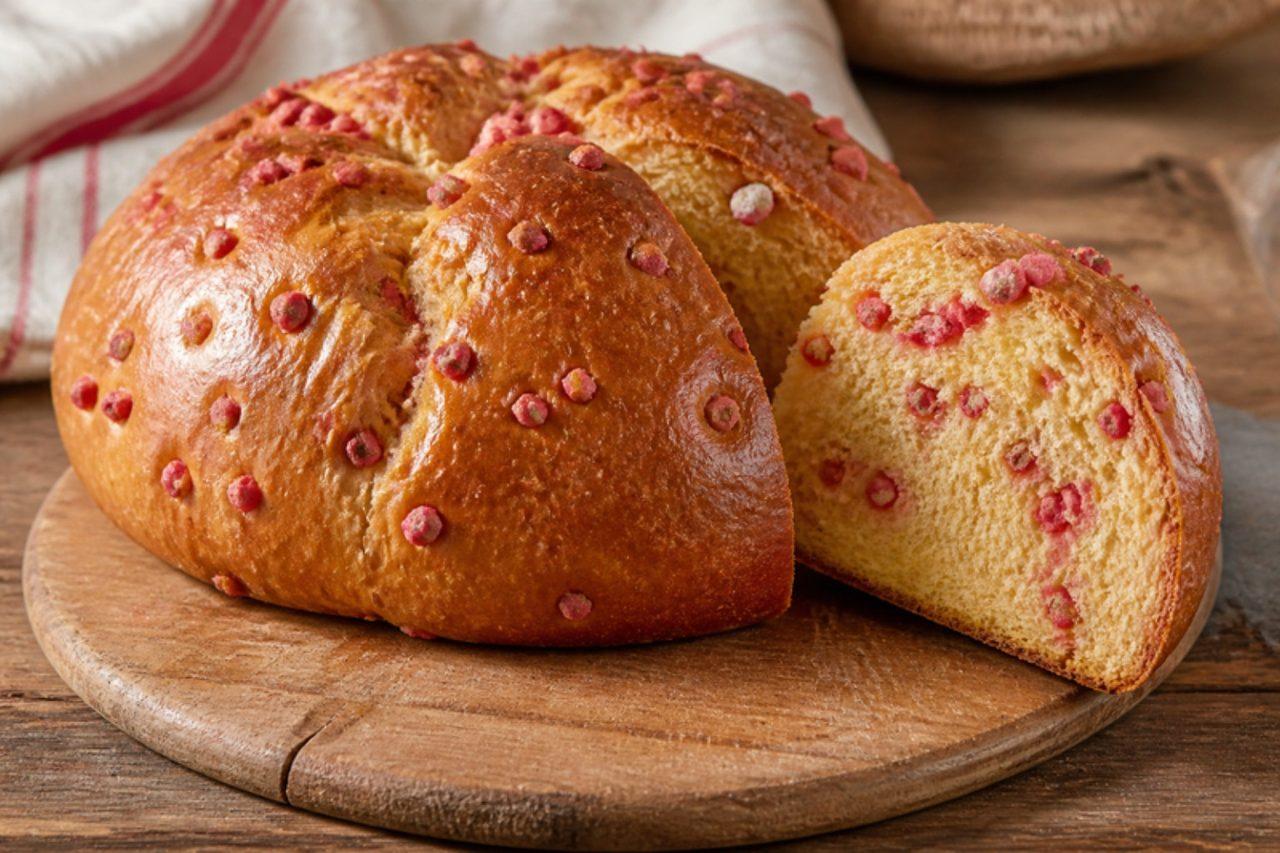
Brioche de Saint-GenixPink praline brioche

In Saint-Genix-sur-Guiers, in Savoie, this round brioche dotted with bright pink sugared almonds is baked for the feast of Saint Agatha on 5 February, and its shape is said to recall the saint's martyrdom. Today it is sold all year in the bakeries of the Savoie and Lyon, rich and buttery, with the pralines melting into sticky pink pockets. The dough rests overnight in the fridge, so start the day before. Chef's tip: crush the pralines roughly and fold them in at the very end, or they dissolve and stain the whole dough pink.

595 minFrenchBaking
by KrazyBadal 0 views
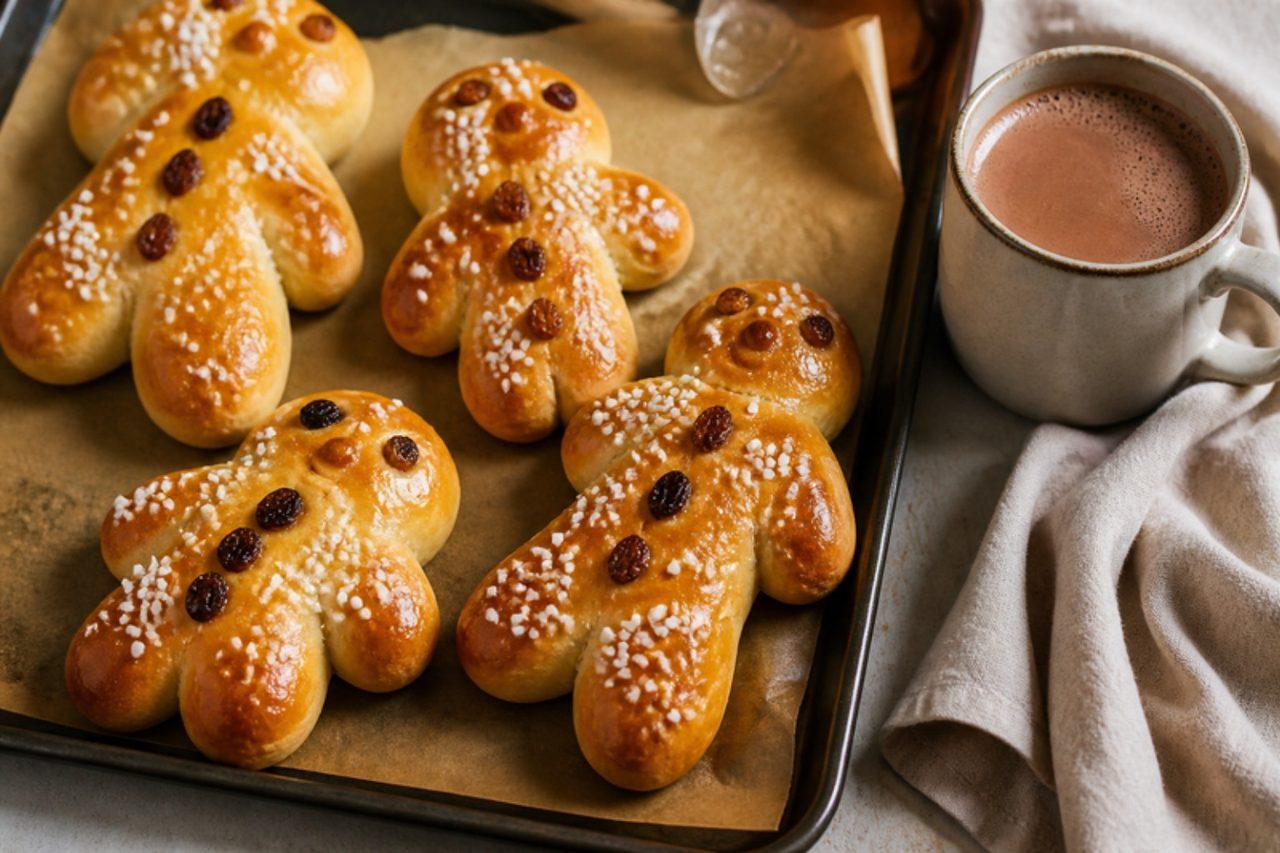
ManalaBrioche men

On 6 December, St Nicholas' Day, Alsatian bakeries fill with manala (also mannele): little brioche men with raisin eyes and buttons and a snipped belt, given to children by St Nicolas, who brings treats to good children. They are eaten for breakfast or an after-school snack, dipped in hot chocolate. The dough is a soft, buttery milk brioche. Chef's tip: shape the figures loosely and well apart, because they double as they rise and bake, and thin arms that touch become one blob.

by KrazyBadal 0 views
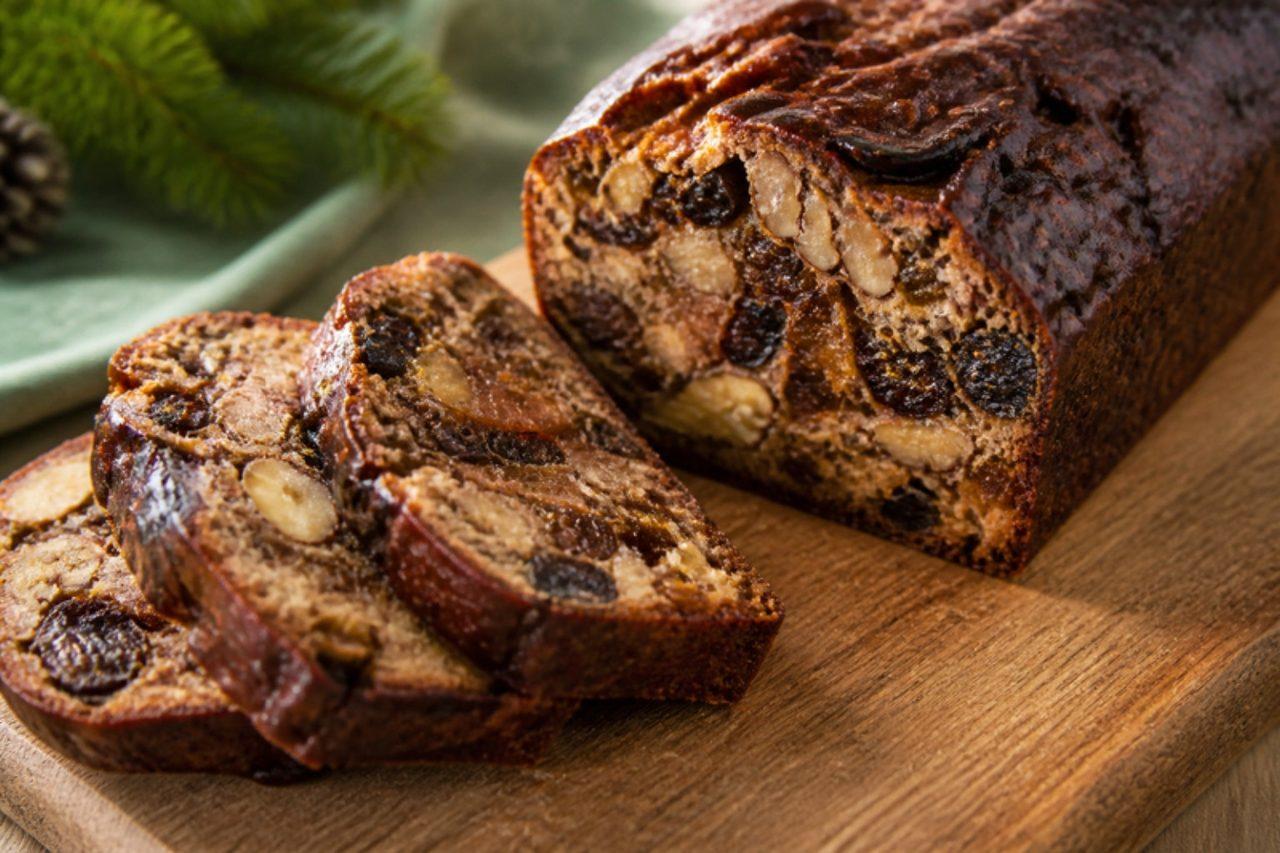
BeraweckaDried fruit and nut Christmas loaf

In Alsace, berawecka (the name means 'pear loaf') is baked in early December and sliced thinly through Advent, often handed to neighbours and godchildren. It is mostly fruit: dried pears, figs, prunes, raisins and walnuts held together with just enough bread dough, spiced with cinnamon, star anise and clove. Alsatian families soak the fruit in kirsch; this version uses strong black tea, which keeps the loaf moist and alcohol-free, and you can add 3 tbsp kirsch to the soak for adults if you like. It is vegan, keeps for weeks wrapped in foil, and is lovely buttered with a cup of tea. Chef's tip: cut the pears and figs the same size as the raisins, so every slice holds a mosaic of fruit instead of big lumps that tear the loaf.

100 minFrenchBakingVegan
by KrazyBadal 0 views
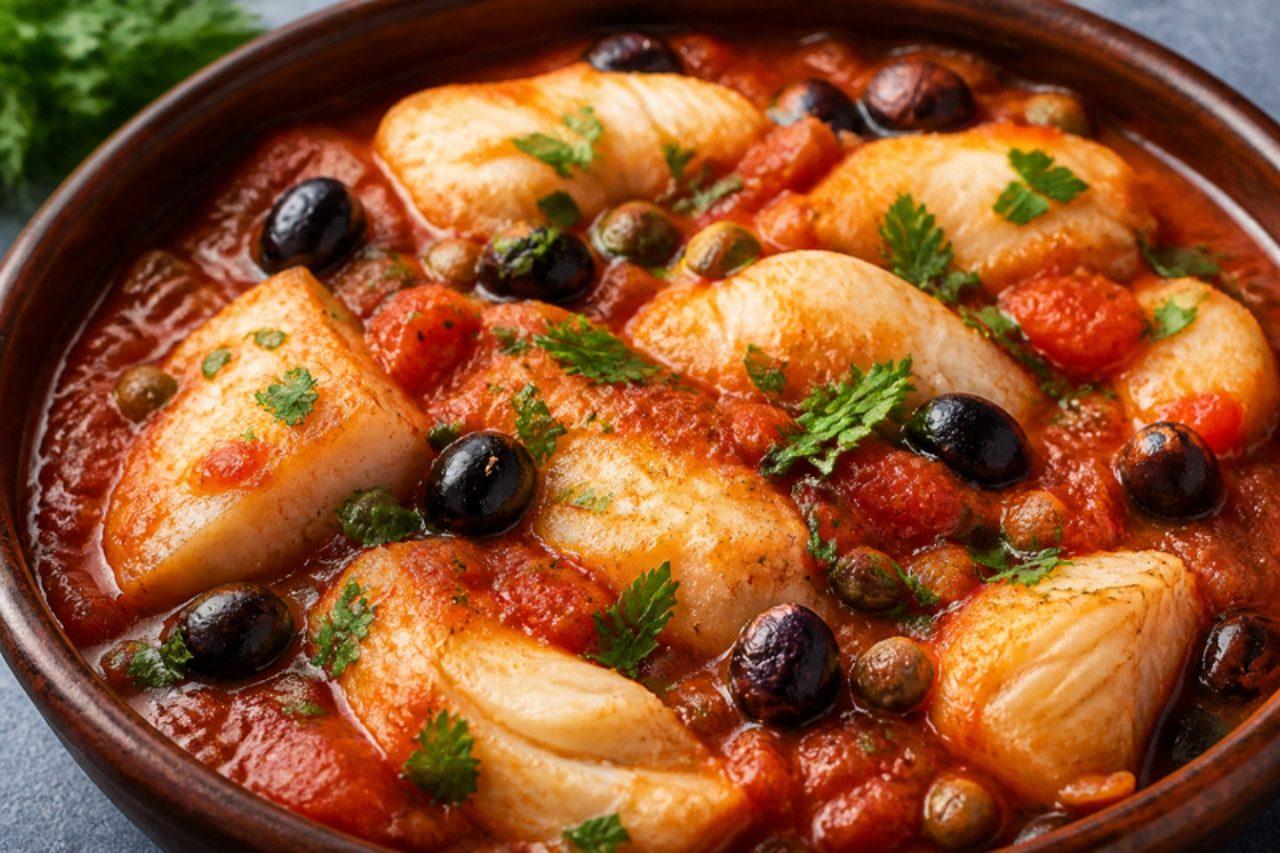
Morue en raïtoSalt cod in tomato sauce

In Provence the gros souper on Christmas Eve is a lean but festive meal eaten before midnight Mass, with seven meatless dishes for the seven sorrows of Mary, and salt cod en raïto is often the centrepiece. Pieces of soaked cod are fried, then simmered in raïto, a dark sauce of tomato, onion, garlic, black olives and capers that is traditionally cooked with red wine. Here the wine is optional: use vegetable stock with a spoon of red wine vinegar for an alcohol-free sauce. Serve with boiled potatoes or crusty bread. Chef's tip: soak the salt cod in the fridge for 36 hours, changing the water often, and taste a flake before cooking; it should be pleasantly seasoned, not salty.

90 minFrenchFish
by KrazyBadal 0 views
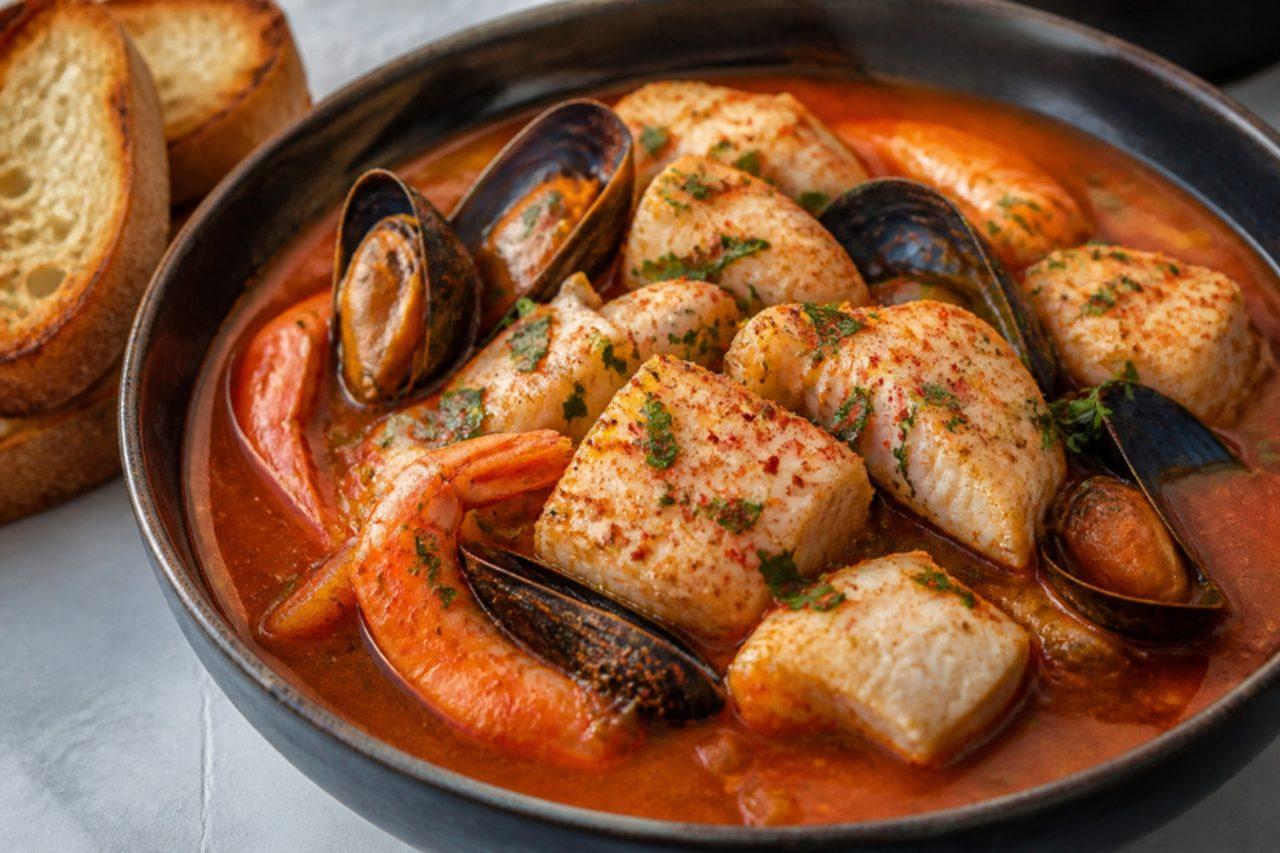
TtoroBasque fish soup

Ttoro was the meal Basque fishermen in Saint-Jean-de-Luz and Ciboure made from the part of the catch they couldn't sell, and the town still holds a ttoro festival every autumn. A deep red broth of peppers, tomato and Espelette pepper is poured over pieces of hake and monkfish, mussels and prawns, with garlic toast on the side for dunking (use gluten-free bread if needed). A portion gives about 32 g of protein, from the fish and shellfish, for around 360 kcal. The common mistake is boiling the fish in the broth: it breaks into flakes, so the pieces are seared first and then only poached gently on top for a few minutes. Discard any mussel that stays open when tapped before cooking or stays shut after. Chef's tip: dust the fish in rice flour before searing; the light crust protects the fish in the broth and thickens it slightly.

70 minFrenchFishGluten free
by KrazyBadal 0 views
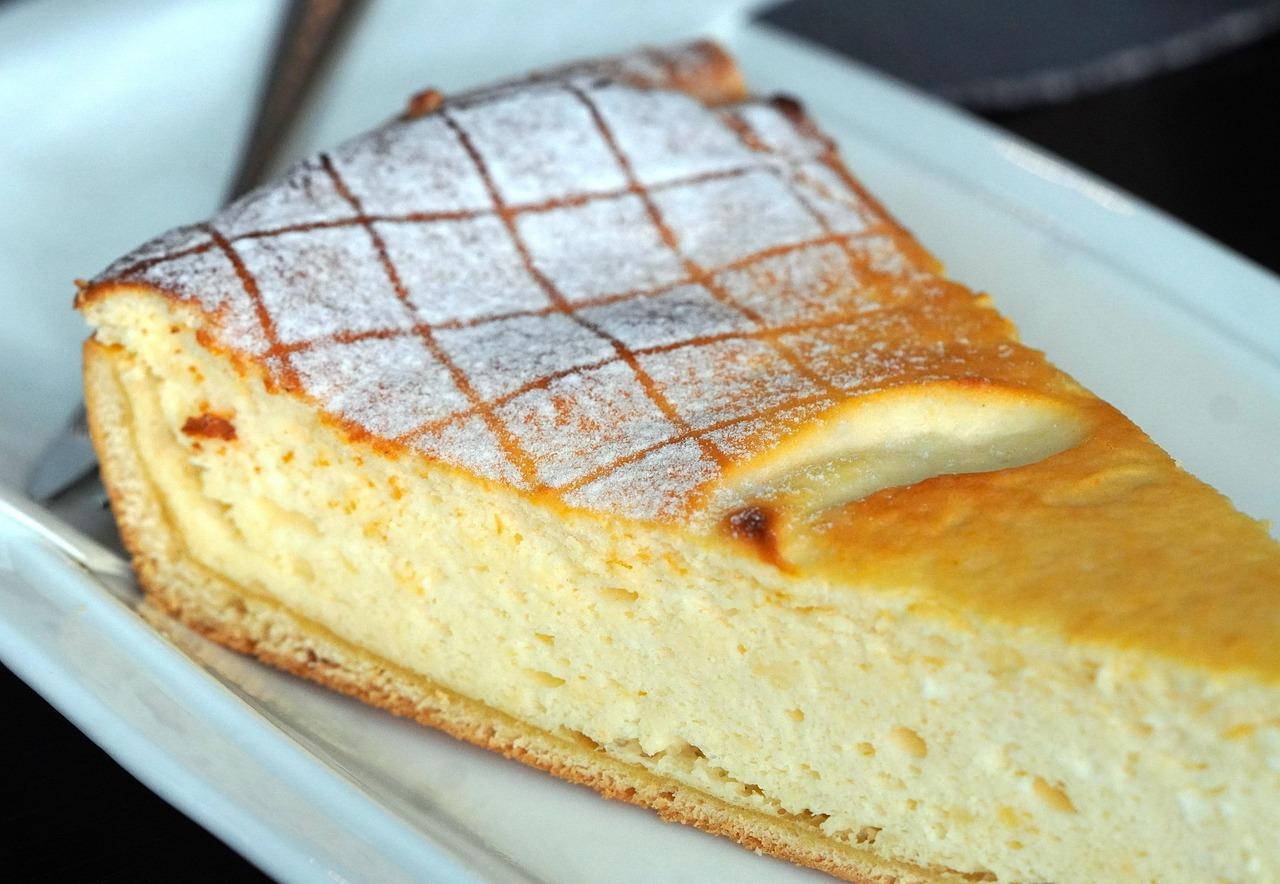
Tarte au fromage blancBaked cheesecake tart

Alsatians call it Käsküeche, and it is the cake their pâtisseries in Strasbourg and Colmar sell by the tall wedge on Sunday mornings, to take home for dessert after lunch. Fromage blanc, eggs and a little crème fraîche are baked in a high-sided pastry case until the filling puffs well above the rim like a soufflé, then settles into a light, creamy, gently lemony cheesecake. It is much less sweet than an American cheesecake and is eaten plain, maybe with a coffee or a glass of cold milk. Taking it out of a hot oven straight into a cold kitchen is what makes it crack and sink badly. Chef's tip: switch the oven off at the end, prop the door open with a wooden spoon and let the tart cool inside for an hour.

by KrazyBadal 0 views
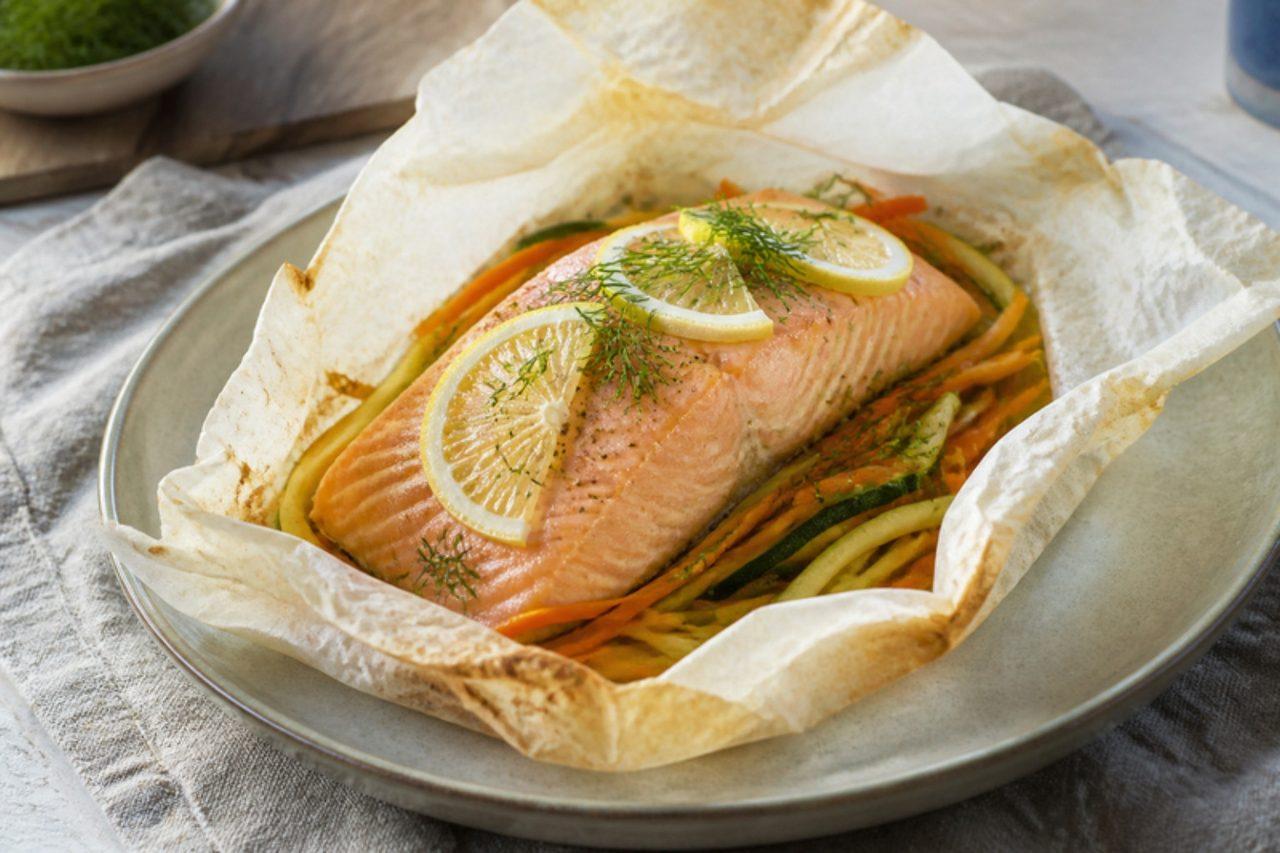
Saumon en papilloteSalmon baked in paper parcel

Saumon en papillote is everyday French home cooking at its lightest: a fillet of salmon sealed in baking paper with ribbons of courgette and carrot, lemon and dill, so it steams in its own juices in the oven. Across France it is a favourite midweek dinner because there is almost no washing-up, and each person opens their own fragrant parcel at the table, ideally with boiled new potatoes or rice. The usual mistake is cutting the vegetables too thick, so the fish overcooks while they stay raw; slice them very thin. Chef's tip: fold and crimp the paper edges tightly all the way round, or the steam escapes and the salmon dries out.

25 minFrenchFishGluten free
by KrazyBadal 0 views
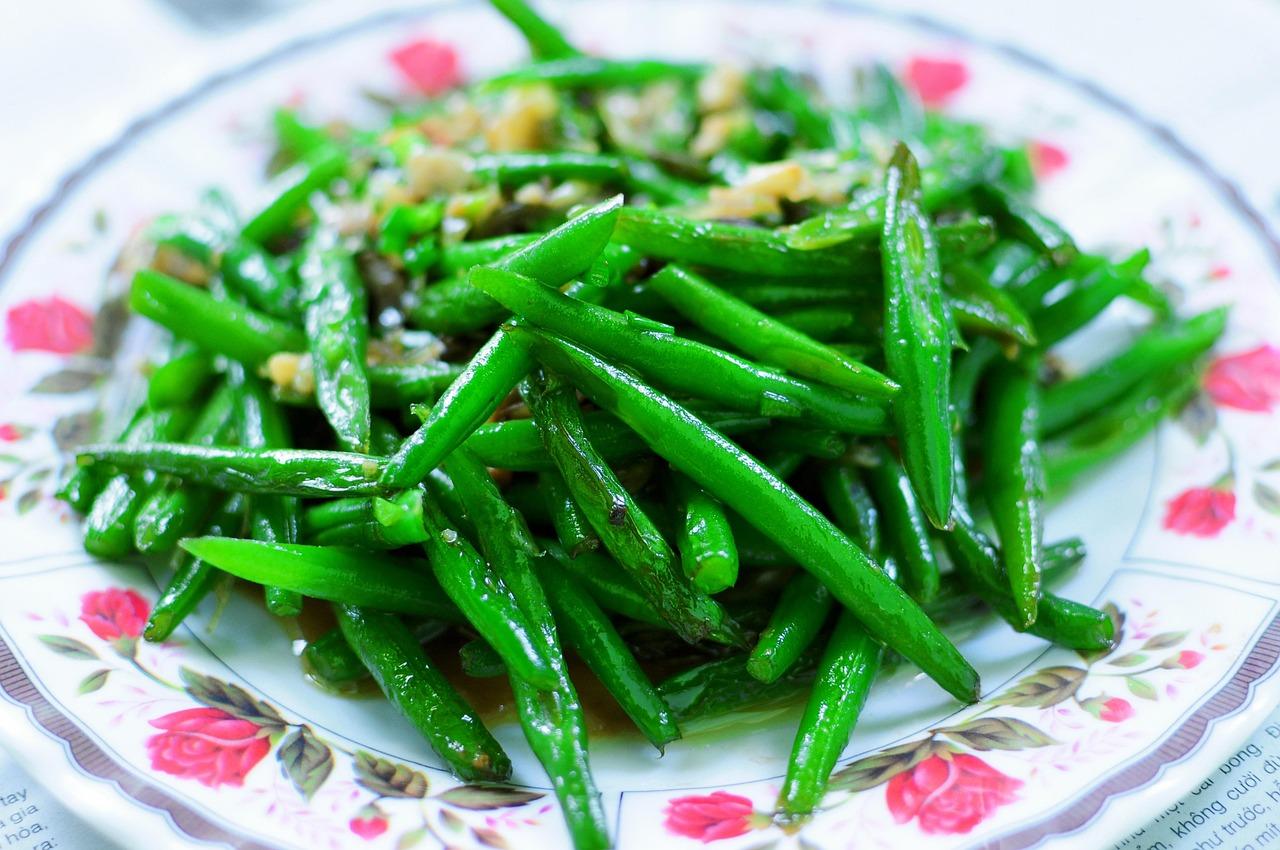
Haricots verts persillésGreen beans with garlic and parsley

Haricots verts persillés are the green beans that sit beside roast chicken, an omelette or a plate of potatoes in homes all over France, especially in June and July when fine beans are at their best. They are blanched until just tender, then tossed in foaming butter with a little garlic and lots of chopped parsley, so they stay bright green with a slight snap. Using olive oil instead of butter makes them vegan. The most common mistake is cooking the beans in too little water, so it stops boiling and they turn olive-grey; use a big pot of well-salted water. Chef's tip: cool the beans in iced water after blanching if you want to make them ahead, then warm them in the butter just before serving.

by KrazyBadal 0 views

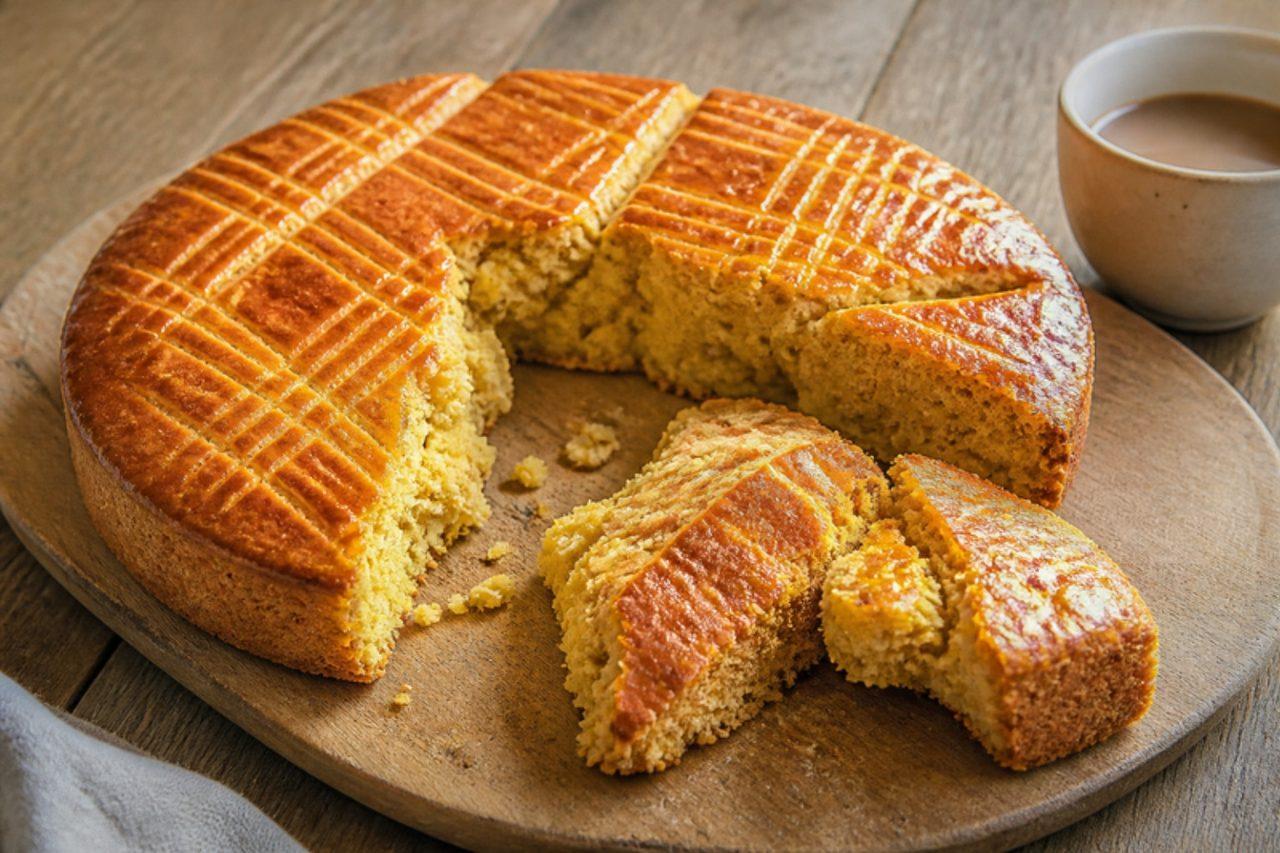
Broyé du PoitouGiant butter biscuit

From the Poitou-Charentes region of western France, broyé is one huge, thick butter biscuit baked in a round and carried whole to the table. Tradition says you break it in the middle with a firm blow of the fist, and everyone grabs a jagged piece; farmhouse cooks served it at weddings and family lunches, and it still ends meals there with coffee or a glass of local pineau. It is crisp at the edges, slightly tender in the middle and tastes of salted butter. Some families add chopped candied angelica from Niort. The top is glazed with egg yolk for its shine; milk gives a softer sheen if you prefer no egg wash. Chef's tip: mark the top with a fork in a diamond pattern and press quite deep, because the lines spread as it bakes; a pale broyé is the common mistake, so bake on until it is evenly golden all over.

by KrazyBadal 0 views

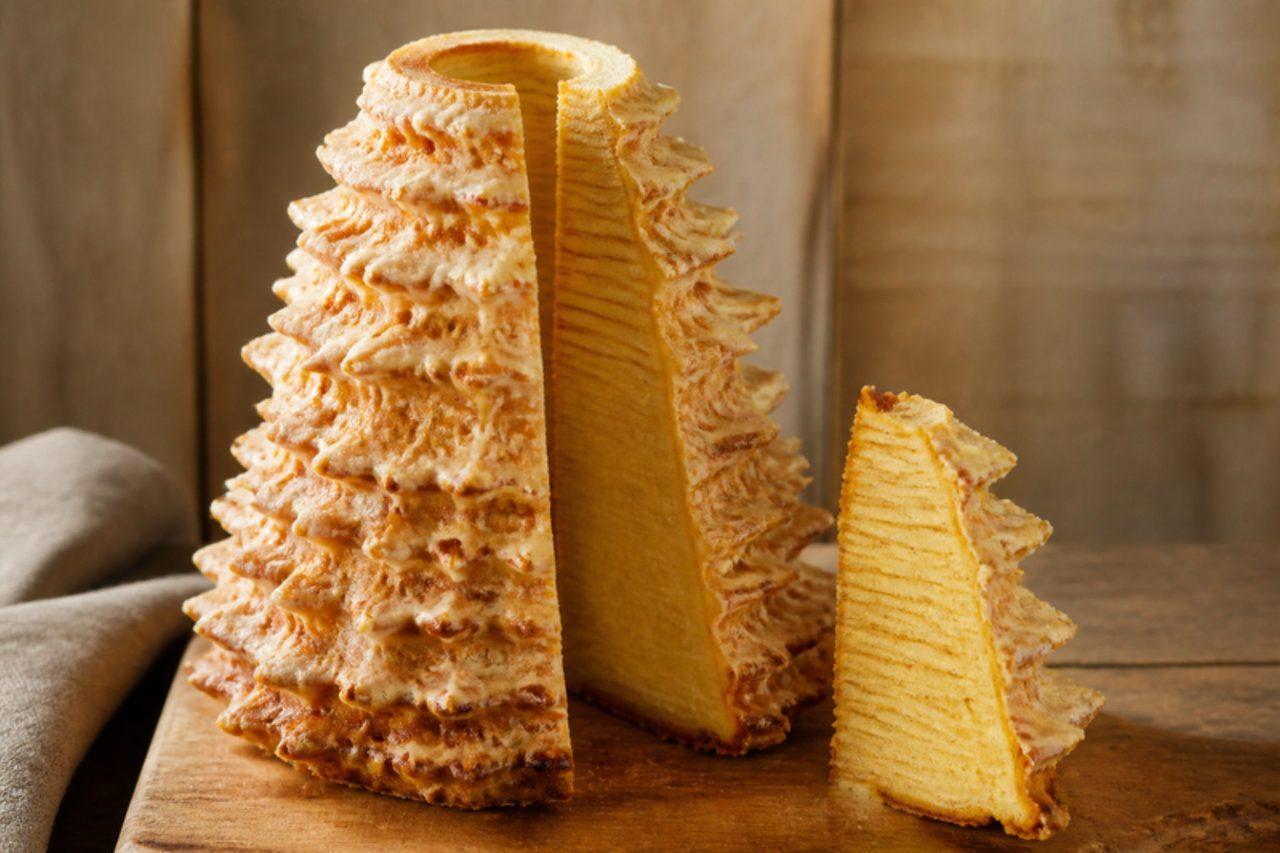
Gâteau à la brocheSpit cake

At weddings and village fairs in the Aveyron and the Pyrenees, gâteau à la broche is a performance: a wooden cone turns on a spit in front of a wood fire while a cook ladles batter over it, layer after layer, for hours. The drips set into the spiky ridges that make the tall, hollow cake look like a fir tree. Slices have thin golden rings, a soft, buttery, eggy crumb and a scent of orange-flower water; it is eaten at the end of the feast with sweet wine for the adults or coffee. Older recipes use rum where this one uses orange-flower water and lemon, and at home a foil-wrapped rolling pin turned under a hot grill does the job of the spit. Pouring too much batter at once is the easy mistake: thick layers stay raw inside, so ladle thinly and let each one colour. Chef's tip: keep the batter at room temperature and stir it each time; cold batter clings badly and drips off in sheets.

140 minFrenchBaking
by KrazyBadal 0 views

Gâteau battuTall egg-rich brioche cake

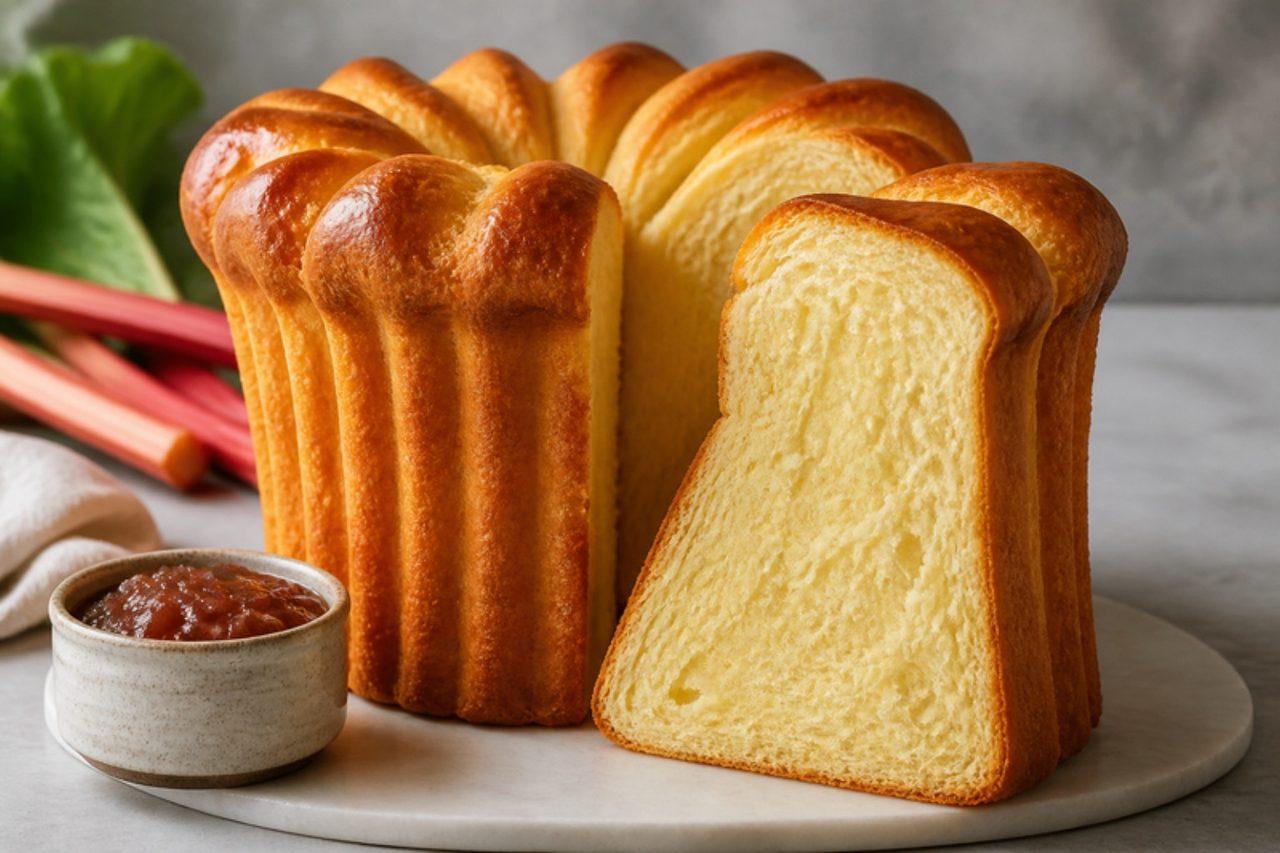
Picardy's tall, fluted gâteau battu ("beaten cake") gets its name from the long beating its dough needs: so many egg yolks and so much butter go in that it is closer to a thick batter than a bread dough. In the Somme it is the cake of family celebrations, first communions and weddings, and of Sunday breakfast, and it is baked in a distinctive tall, ridged mould that gives it the look of a chef's toque. The crumb is yellow, very light, buttery and only gently sweet. Serve it in slices with rhubarb jam, poached fruit or crème anglaise, or toasted the next day. Unmoulding too soon is how it collapses: the crumb is so tender that it needs 10 minutes to firm in the tin. Chef's tip: let the dough rise slowly until it reaches the rim of the mould, even if that takes 3 hours; rushing it gives a dense, cakey bottom.

300 minFrenchBaking
by KrazyBadal 0 views

CroquemboucheCaramel-bound choux puff tower

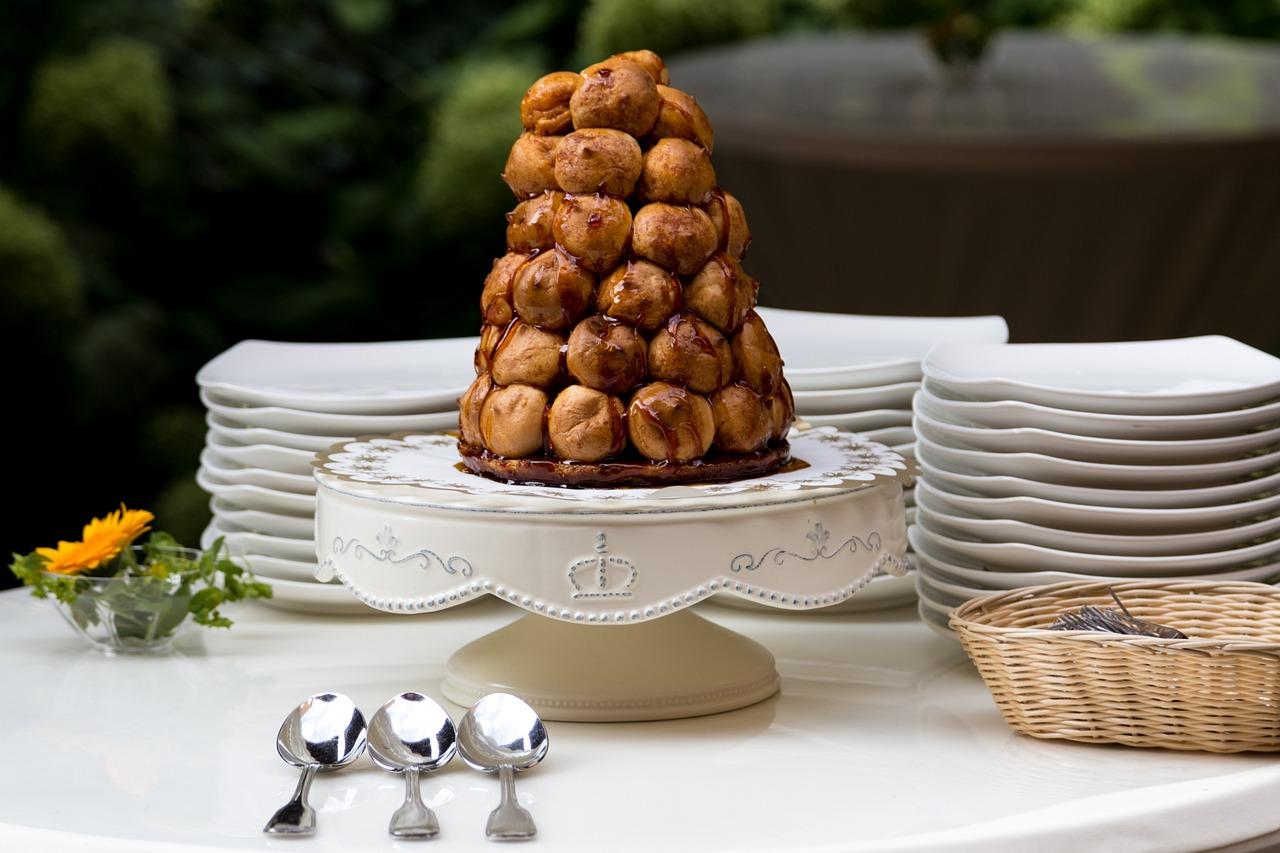
At a French wedding, christening or first communion, the croquembouche ('crunch in the mouth') arrives at the end of the meal: a tall cone of choux puffs filled with vanilla pastry cream, stuck together with amber caramel and wrapped in spun sugar threads. Guests crack puffs off with a knife or the back of a spoon, so each bite is crisp caramel, light pastry and cold, smooth cream. Pâtissiers often flavour the cream with orange liqueur; it is written here with vanilla only, and you can add 2 tablespoons of liqueur to the cooled cream. Underbaked choux is the classic mistake, because pale puffs go soft and collapse under the weight, so bake them until they are deep golden and dry inside; and since hot caramel burns badly, keep a bowl of iced water beside you and work with care. Chef's tip: build the tower on the day, no more than 4 hours before serving; the caramel softens in the fridge and humid air.

210 minFrenchBaking
by KrazyBadal 0 views

Brioche à têteTopknot brioche

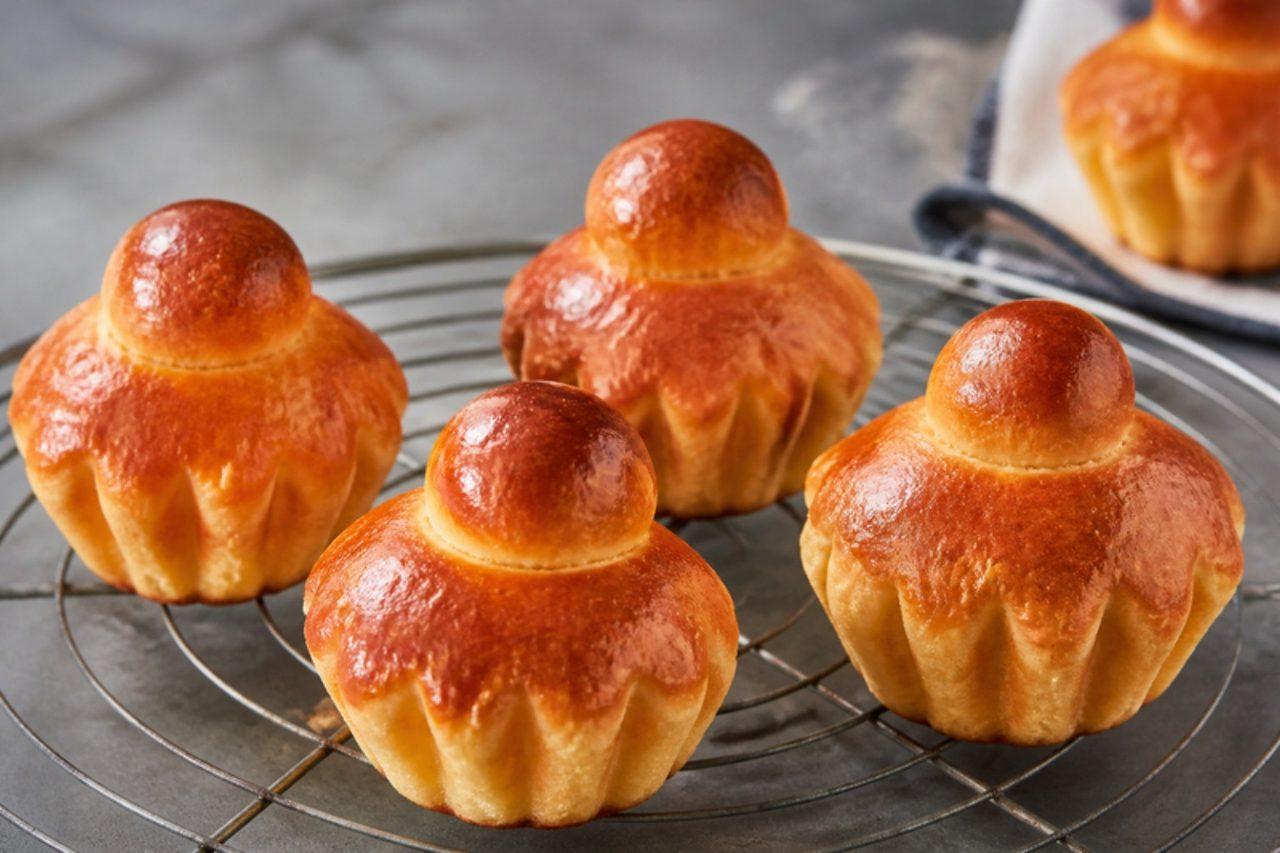
Brioche à tête, the brioche parisienne, is the little fluted bun with a round head that sits in every French bakery window, eaten for Sunday breakfast, dunked in hot chocolate or served with jam at goûter. The dough is very rich in eggs and butter, kneaded long until silky, then chilled overnight, which makes it easy to shape and gives a deep flavour. The common mistake is adding the butter too fast, which leaves a greasy dough. Chef's tip: add the butter a little at a time while the mixer runs, and wait until each piece disappears before adding the next.

620 minFrenchBaking
by KrazyBadal 0 views

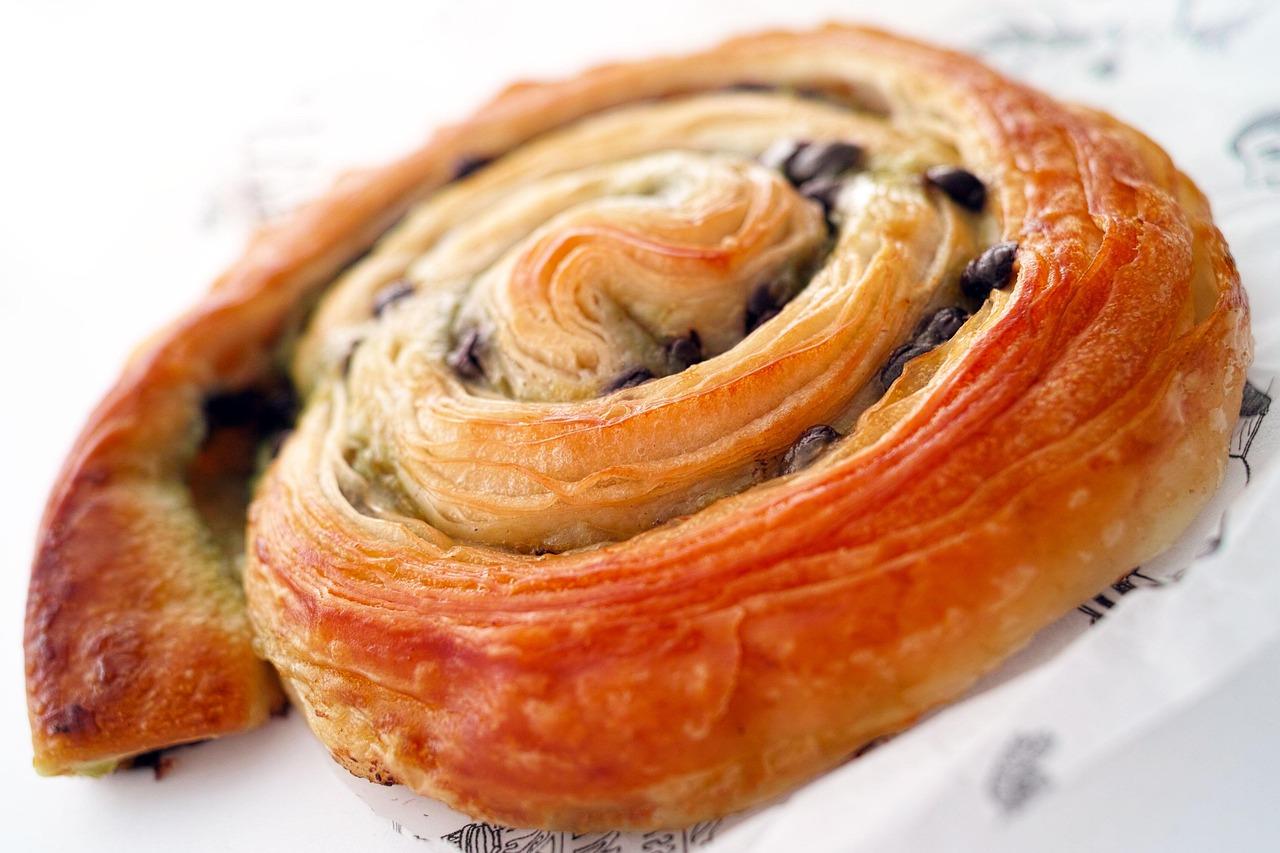
Pain aux raisinsRaisin custard swirl pastry

Pain aux raisins, called escargot in some bakeries for its snail-shell spiral, is the third great pastry of the French breakfast counter, alongside the croissant and pain au chocolat. Croissant dough is spread with vanilla crème pâtissière, scattered with plump raisins, rolled up and sliced into spirals, then baked and brushed with syrup until glossy. The common mistake is spreading the cream too thick, so it oozes out and the spirals open. Chef's tip: soak the raisins in hot tea or orange juice for 30 minutes so they are juicy and do not burn.

680 minFrenchBaking
by KrazyBadal 0 views

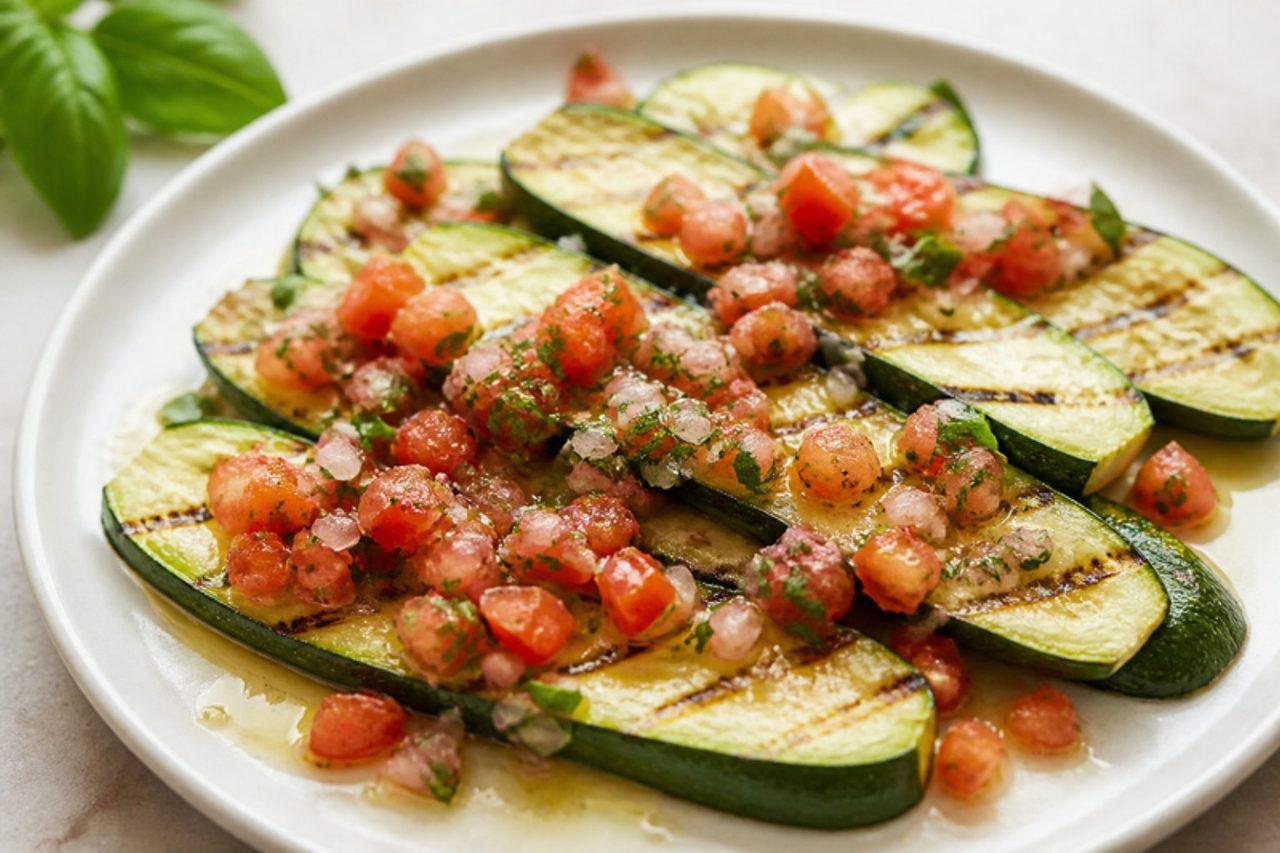
Sauce viergeRaw tomato and olive oil sauce

Sauce vierge is the fresh summer sauce of Provence, made popular by chefs on the Côte d'Azur in the 1980s and now spooned over grilled fish, vegetables and pasta in homes from July to September. Diced ripe tomato, shallot and basil are gently warmed in good olive oil with lemon and coriander seed, just enough to release the flavours without cooking them. The common mistake is heating it too much, which turns it into a cooked tomato sauce. Chef's tip: use the ripest tomatoes you can find and leave the sauce to infuse for 20 minutes before serving.

by KrazyBadal 0 views

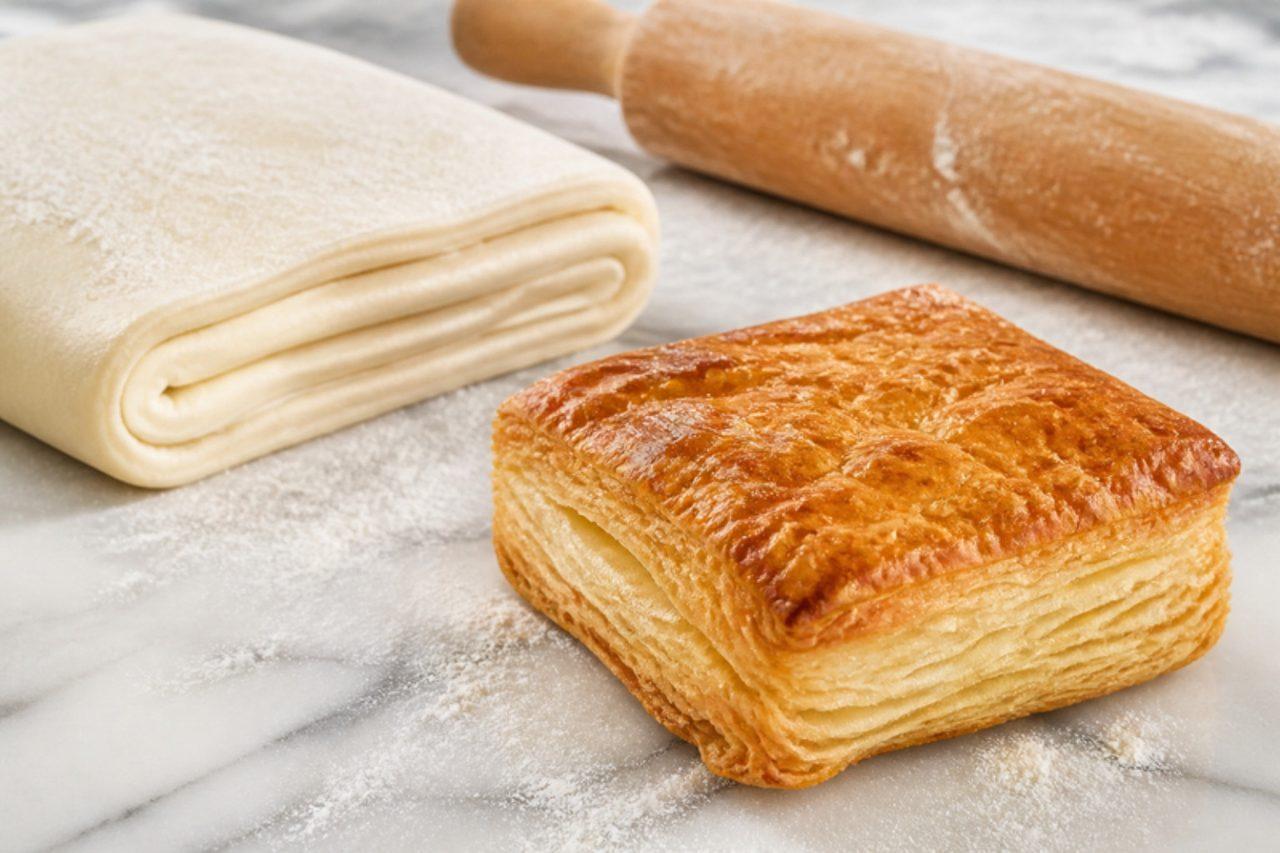
Pâte feuilletéePuff pastry

Pâte feuilletée is the queen of French pastries, the flaky dough behind galettes des rois, mille-feuilles, vol-au-vents and palmiers, still made by hand in pâtisseries all over France. A simple dough is wrapped around a flat block of cold butter, then rolled and folded six times, so that in the oven the water in the butter turns to steam and lifts hundreds of layers. It takes time rather than skill. The common mistake is letting the butter get warm and soft, which smears the layers together. Chef's tip: chill the dough for 30 minutes after every two turns, and work in a cool kitchen.

300 minFrenchBasics
by KrazyBadal 0 views

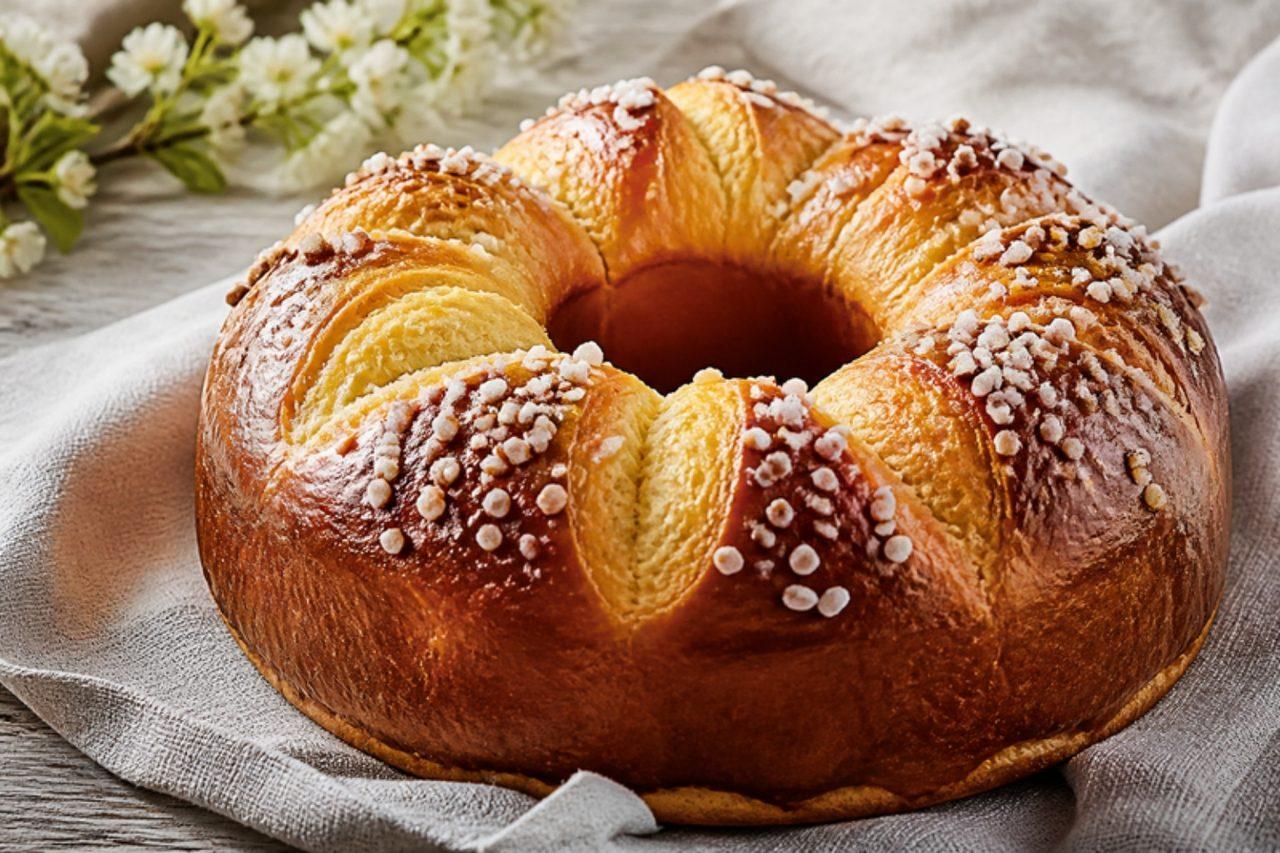
Pogne de RomansOrange blossom brioche crown

The pogne is the Easter brioche of Romans-sur-Isère and Valence in the Drôme, a high crown of soft dough fragrant with orange-blossom water, traditionally made for Easter and eaten with the local ravioles, or at breakfast with butter. Its name comes from "poigne", the fistful of dough the baker grabs. The common mistake is underproving; it needs a long, slow rise to be light. Chef's tip: make the starter the night before; it gives the pogne its gentle, rich flavour.

635 minFrenchBaking
by KrazyBadal 0 views

Pain au laitSoft milk rolls

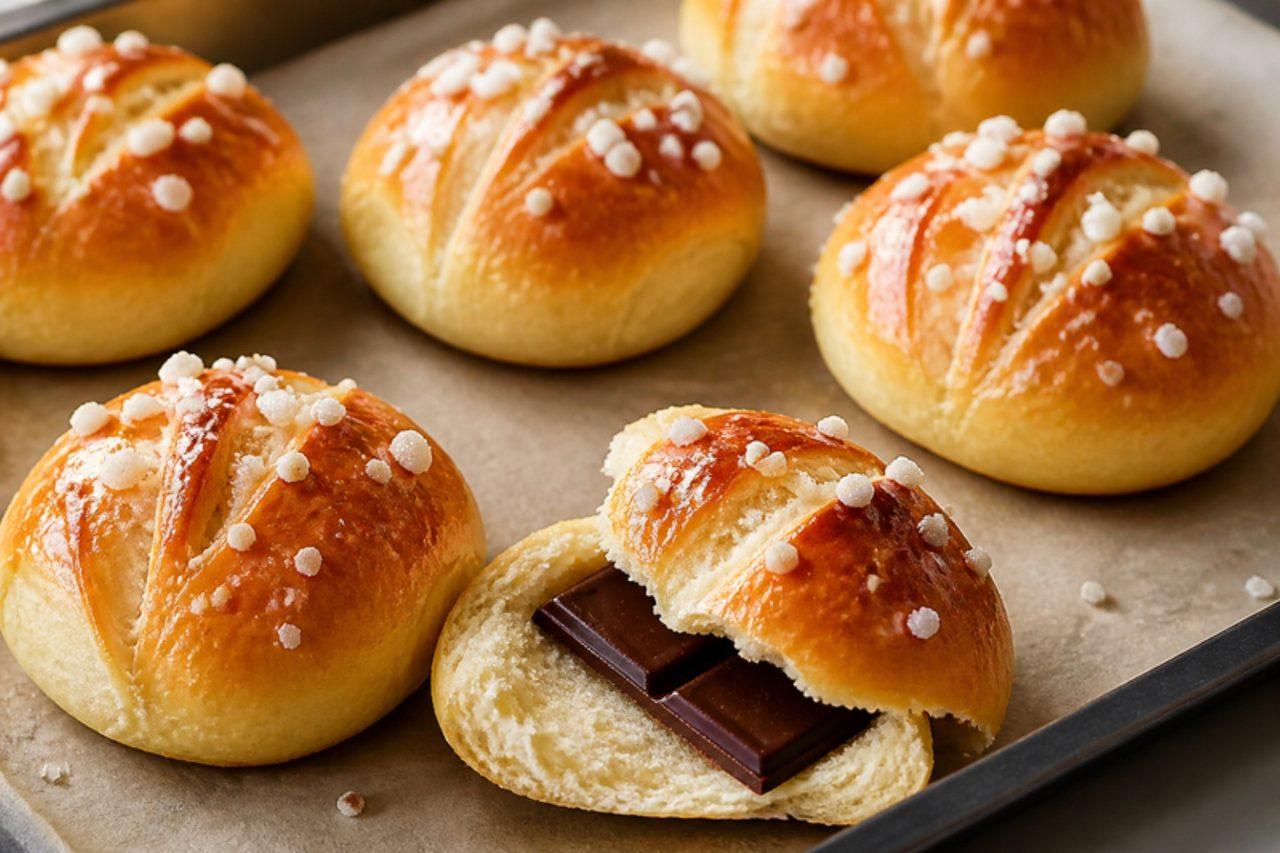
Pain au lait is the soft, slightly sweet milk roll French children take to school for goûter at four o'clock, split and filled with a bar of chocolate or spread with jam. The dough is enriched with milk, butter and a little egg, shaped into small oval rolls, snipped along the top with scissors and sprinkled with pearl sugar. The common mistake is overbaking, which gives a crust; they should stay pale gold and pillowy. Chef's tip: brush them with egg twice, before and after proving, for the glossy bakery finish.

175 minFrenchBaking
by KrazyBadal 0 views

Tomates à la provençaleBaked garlic breadcrumb tomatoes

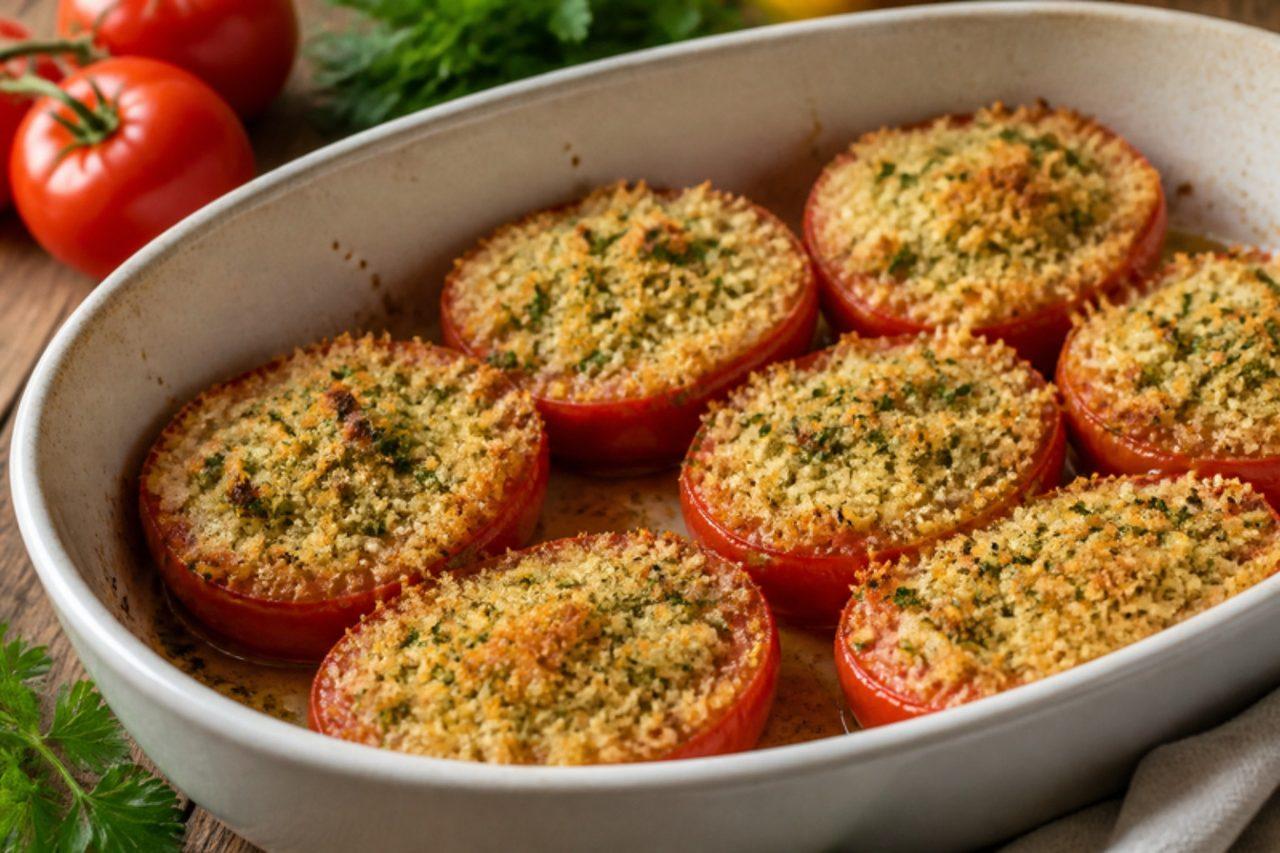
Tomates à la provençale are the summer side dish of every Provençal kitchen, set out at lunch from June to September beside grilled fish, lamb or an omelette. Ripe tomato halves are baked slowly, cut side up, under a heap of garlic, parsley and olive-oil breadcrumbs until the tomatoes slump and caramelise and the topping crisps. The common mistake is using under-ripe tomatoes, which stay sour and firm. Chef's tip: salt the cut tomatoes and turn them upside down for 15 minutes before topping; they lose excess juice and the crumbs stay crisp.

by KrazyBadal 0 views

Brioche vendéenneBraided Easter brioche

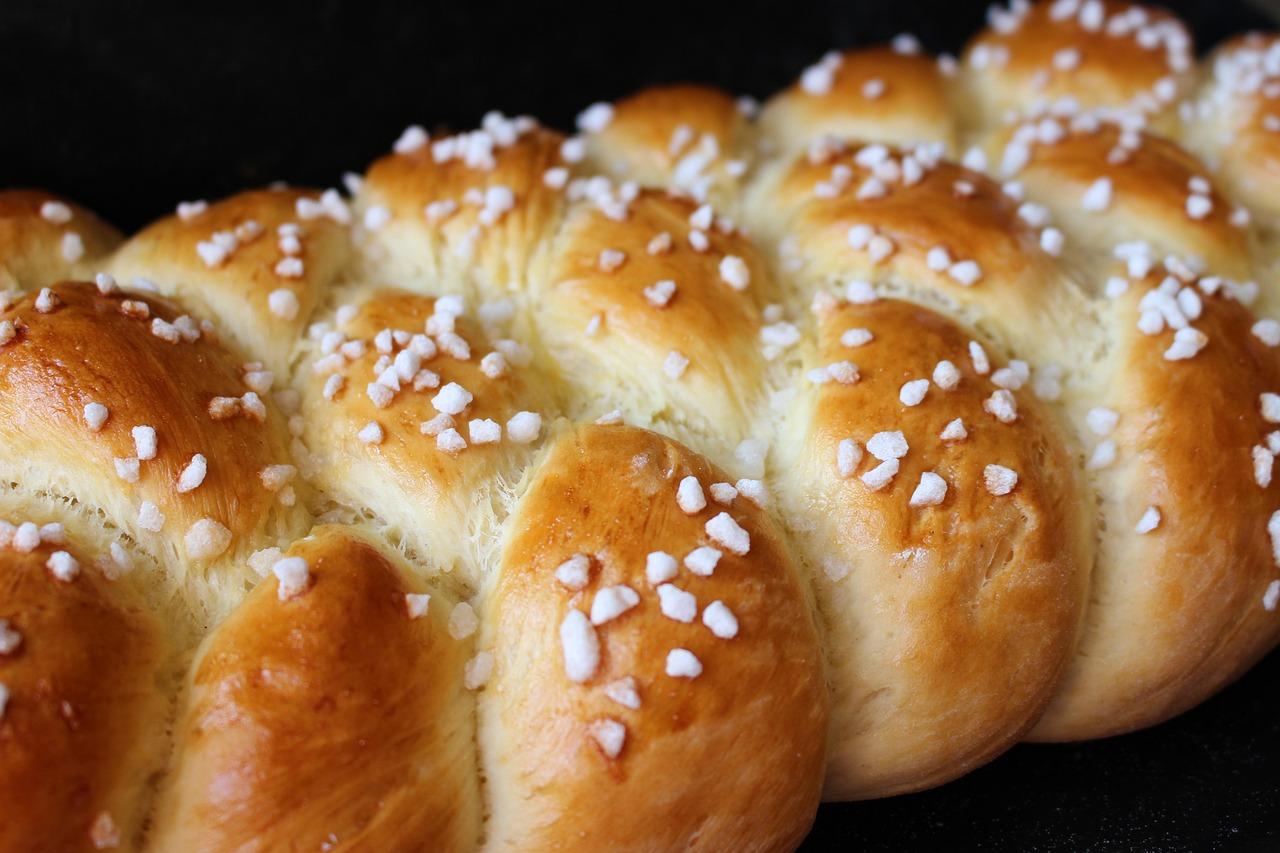
The brioche vendéenne is the plaited Easter brioche of the Vendée on the Atlantic coast, once baked for Easter Sunday and for weddings, where it was carried into the dance on a huge board. It is softer and lighter than Parisian brioche, scented with vanilla and orange-blossom water, and has protected status (IGP). The common mistake is plaiting too tightly, so it splits in the oven. Chef's tip: plait loosely and give it a long, slow final prove.

330 minFrenchBaking
by KrazyBadal 0 views

Torteau fromagerGoat's cheese cake

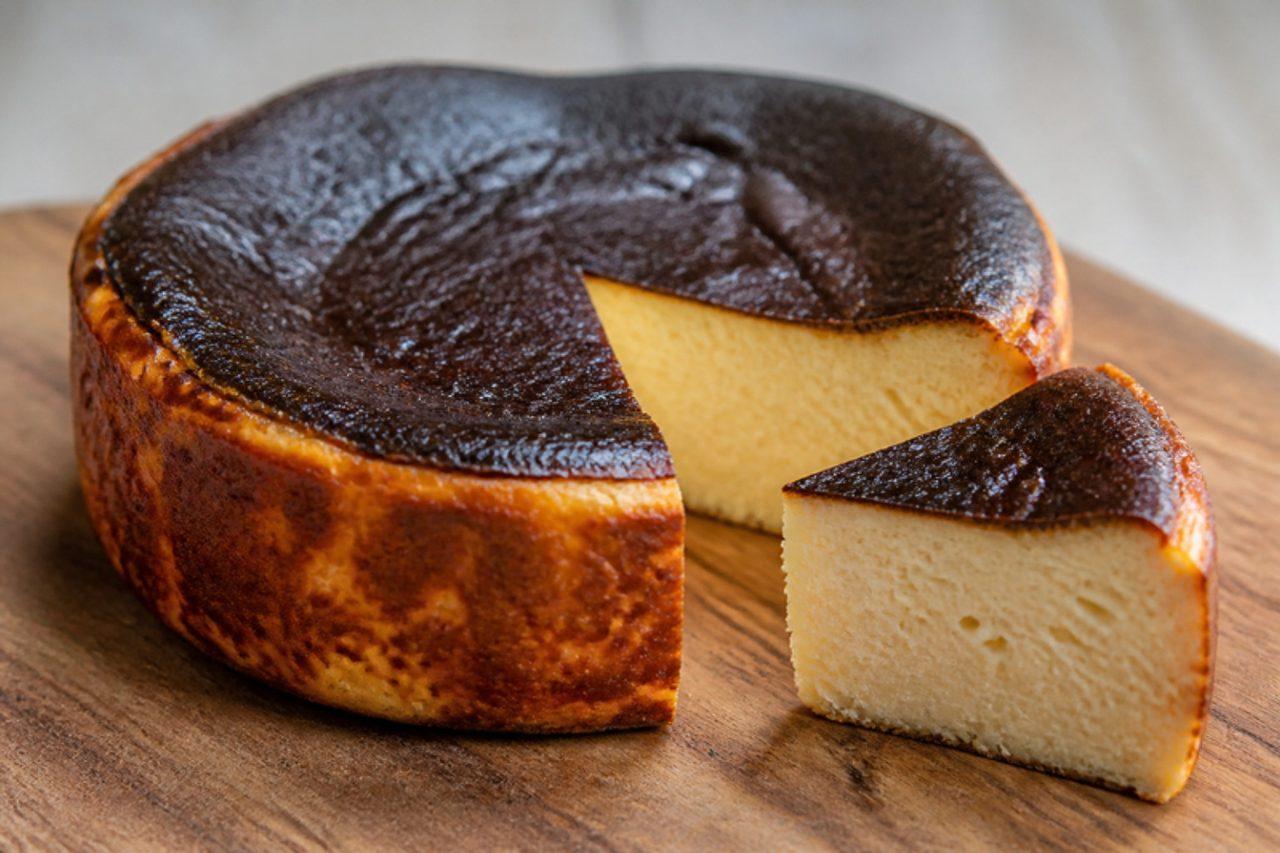
The torteau fromager is the cake of the Poitou-Charentes, a tall, light goat's cheese cake with a dramatically burnt, almost black dome, sold at markets around Poitiers and served at Sunday lunch and weddings. Fresh goat's cheese is beaten with egg yolks and sugar, folded with whisked whites and baked in a pastry-lined dome mould at a high heat, which gives the dark crust. Use pasteurised fresh goat's cheese. The common mistake is opening the oven early, which makes it fall. Chef's tip: do not worry about the black top; it is meant to be that way and tastes of caramel.

by KrazyBadal 0 views

Showing 24 of 144 recipes

Show more recipes

Page 1 of 6