Skip to content
WhatToEat.Today

All recipes

72

Vegetarian, or something you can't eat? Set your diet once and we'll hide recipes that don't fit.

Chicken and waffles

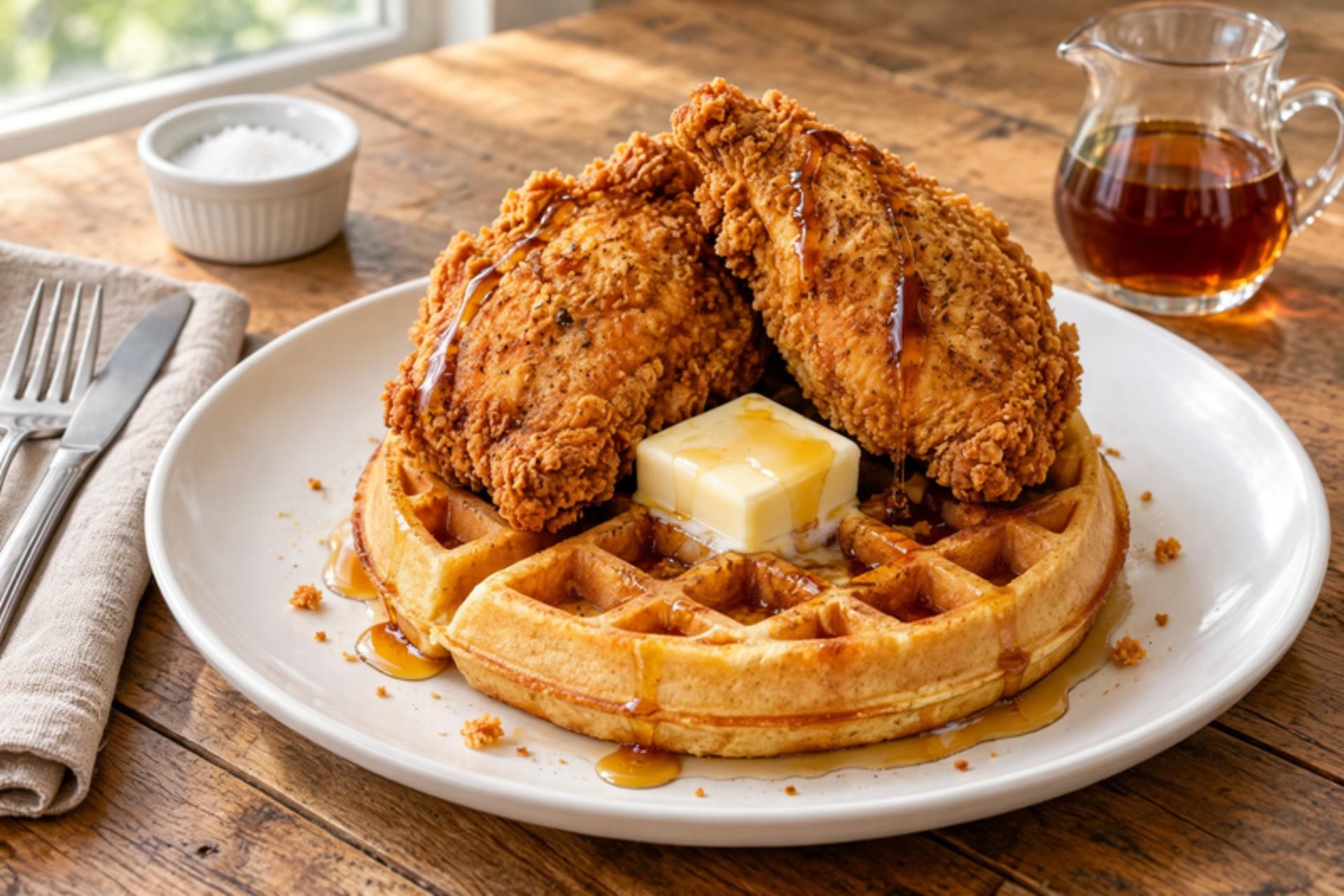
Chicken and waffles became famous in Harlem supper clubs, where jazz musicians finishing late at night ordered something between dinner and breakfast; today it is a weekend brunch star from Baltimore to Los Angeles. Boneless chicken thighs marinate overnight in spiced buttermilk in the fridge, are dredged and fried until craggy and golden, then set on hot, crisp waffles with maple syrup and a splash of hot sauce. The common mistake is frying in oil that is too cool: the coating drinks fat and slides off. Keep the oil at 170–175 °C and fry until the chicken reads 74 °C inside and the crust is deep golden. Chef's tip: drizzle a spoonful of buttermilk into the seasoned flour and rub it in to make small clumps; they fry into the extra-crunchy crags everyone fights over.

by KrazyBadal 0 views

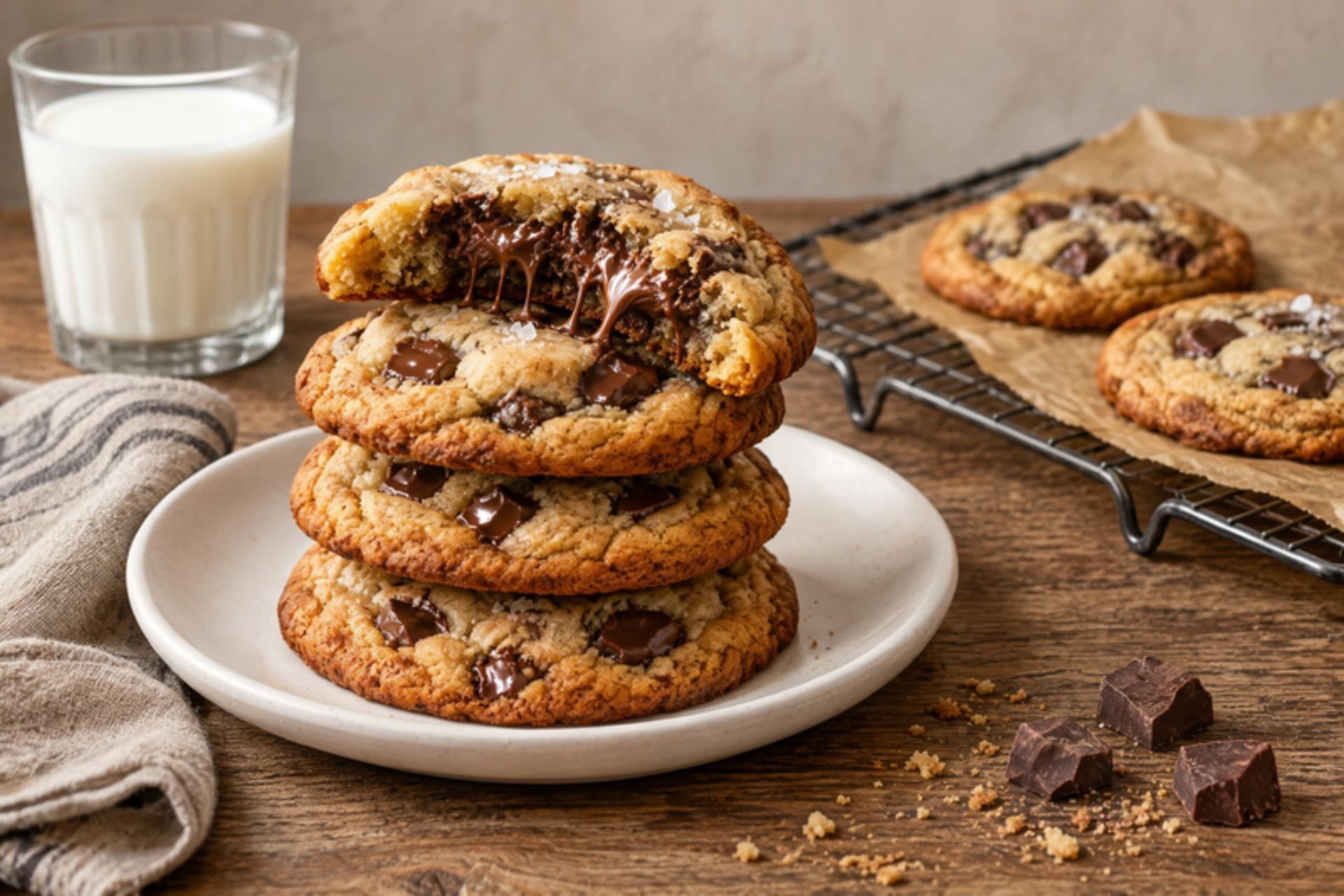
Chocolate chip cookies

The chocolate chip cookie was invented in a Massachusetts roadside inn kitchen in the 1930s, when a cook stirred chopped chocolate into butter cookie dough, and it has been the cookie of American cookie jars, school lunches and after-school snacks ever since. This version uses more brown sugar than white, so the edges crisp up and caramelise while the centre stays soft and chewy, with pools of melted chocolate. They contain wheat, egg and milk. Eat them warm with cold milk. The usual mistake is baking until they look done in the middle: take them out when the edges are golden and the centres still look pale and puffy, because they firm up on the hot tray. Chef's tip: chill the dough for at least 2 hours, or overnight; the flour soaks up moisture, the cookies spread less and taste more of toffee.

by KrazyBadal 0 views

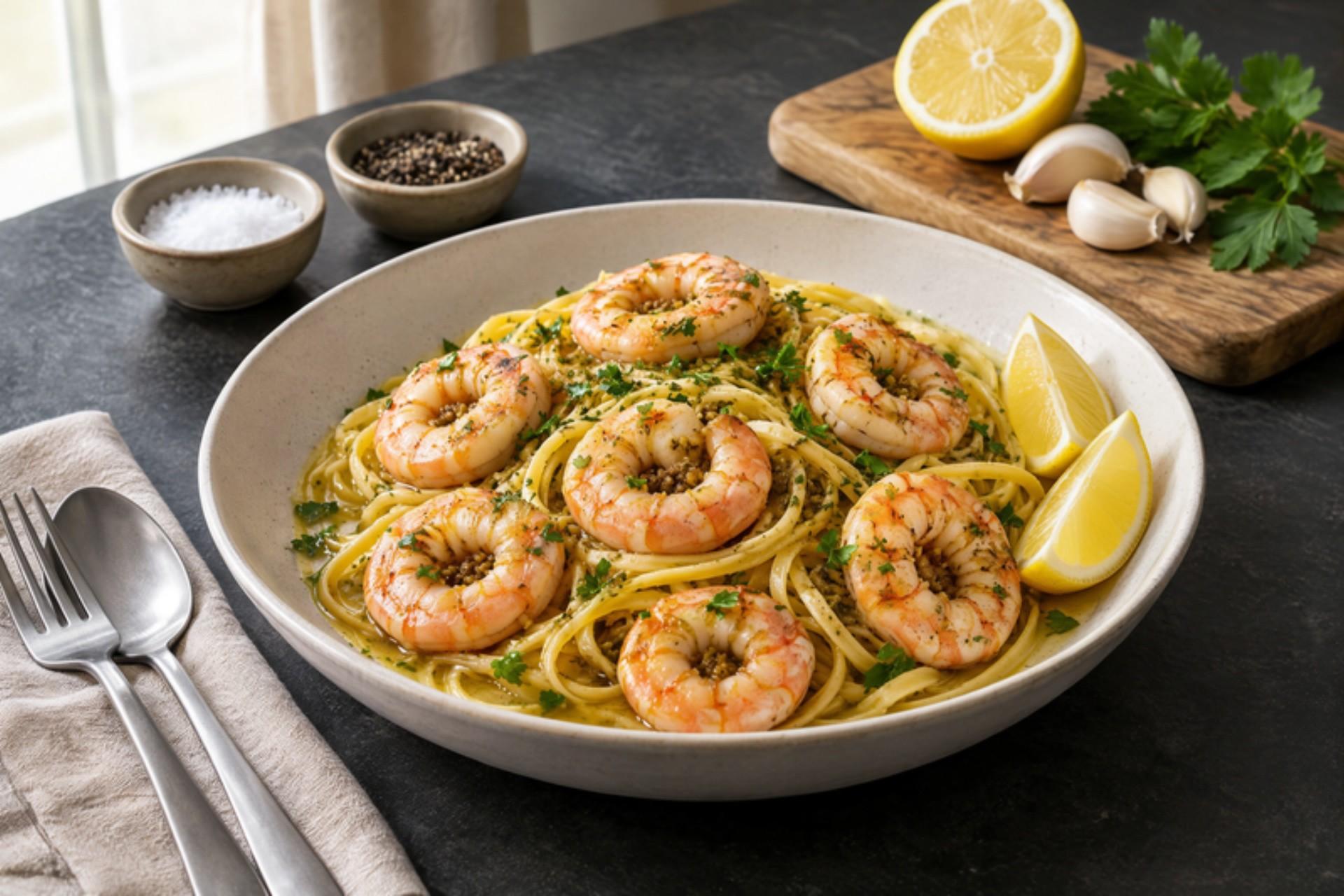
Shrimp scampi

Shrimp scampi is an Italian-American restaurant classic from the East Coast, especially New York and New Jersey, a quick weeknight pasta or a Friday-night date dish. Large prawns are seared briefly, then tossed with plenty of garlic, chilli flakes, butter, white wine, lemon and parsley, and twirled through linguine so the glossy sauce clings to every strand. The dish uses wine, which is simmered briefly so some alcohol remains; for an alcohol-free version use the same amount of chicken or vegetable stock with an extra tsp of lemon juice. The usual mistake is overcooking the prawns into rubbery curls: they need only 2–3 minutes until pink and opaque all the way through. Buy raw prawns that smell of the sea; throw away any that smell of ammonia or feel slimy. Chef's tip: add the butter off the heat in cold cubes and swirl the pan; it emulsifies into a creamy sauce instead of turning greasy.

by KrazyBadal 0 views

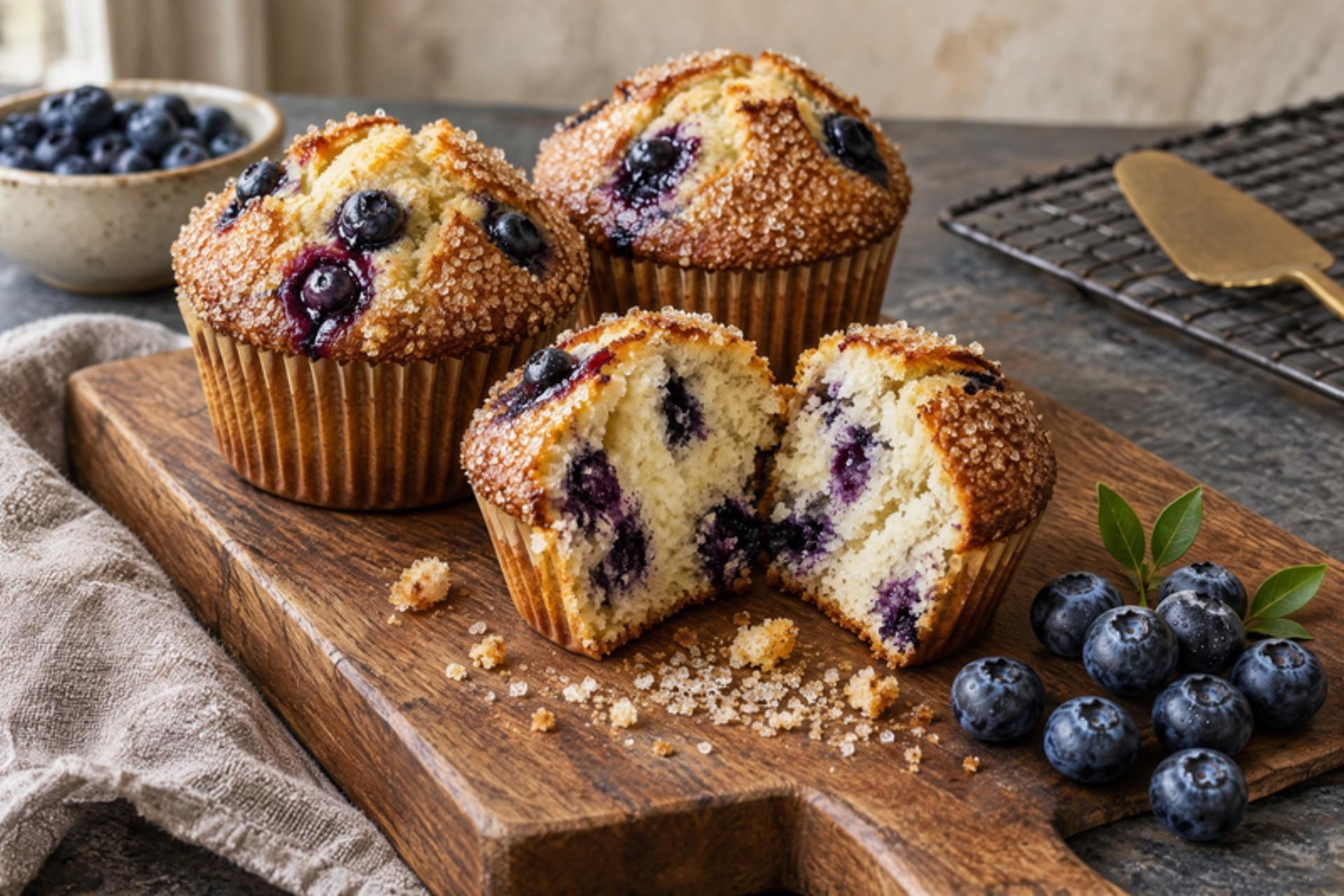
Blueberry muffins

Blueberry muffins are the morning bake of New England, where wild blueberries grow across Maine in late summer, and they sit by the till of every American coffee shop. This bakery-style version starts in a hot oven so the tops dome high, with a soft, lemony crumb, pockets of jammy berries and a crunchy sugar crust. They contain wheat, egg and milk. Eat them warm for breakfast or with coffee mid-morning. The common mistake is stirring the batter smooth, which makes muffins tough and full of tunnels; fold just until the flour disappears, lumps and all. Doneness: they are ready when the tops spring back and a skewer comes out clean apart from berry juice. Chef's tip: toss the blueberries in a spoonful of the flour before folding them in, so they stay suspended instead of sinking to the bottom.

by KrazyBadal 0 views

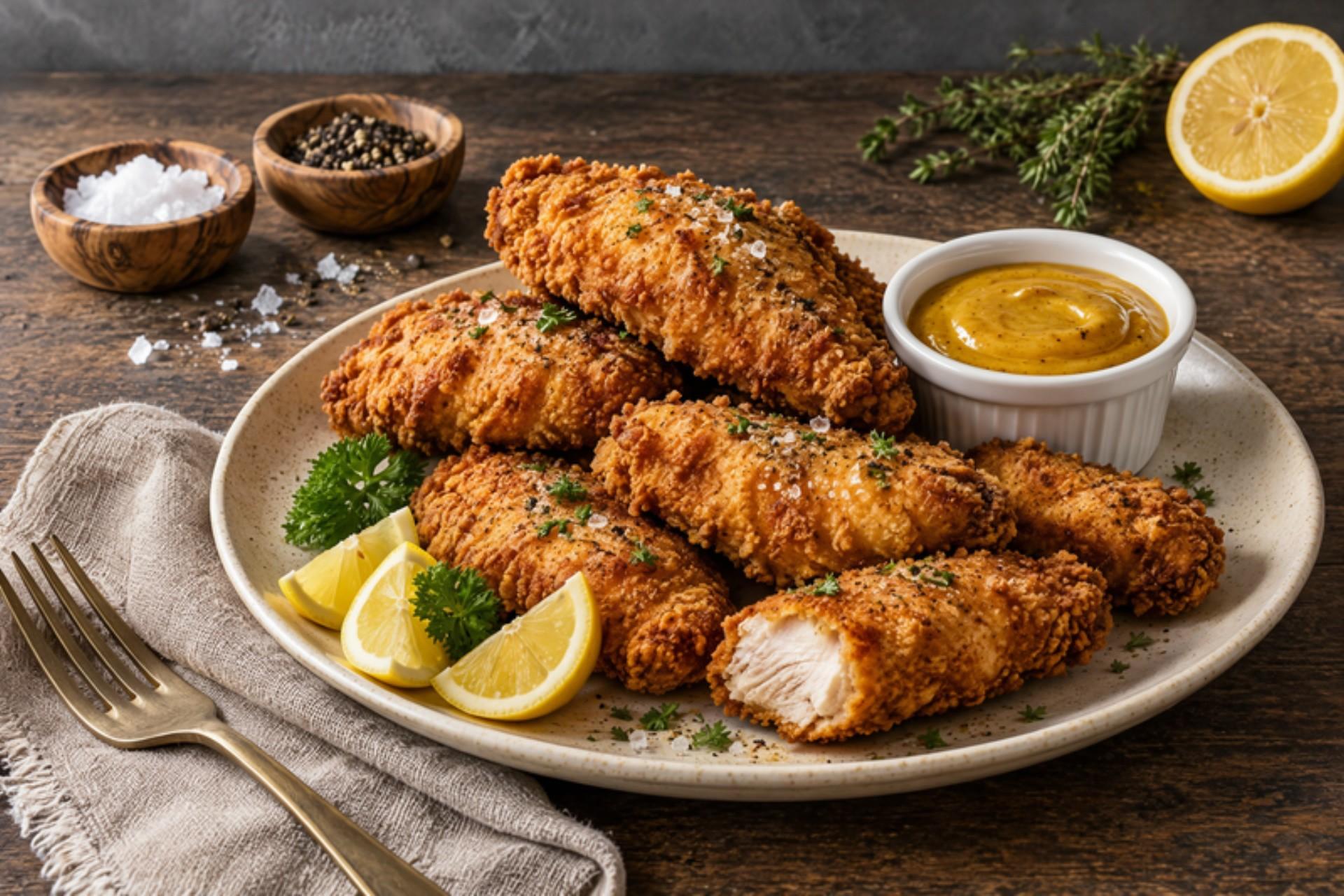
Buttermilk chicken tenders

Chicken tenders, also called chicken fingers or strips, are on every American kids' menu, sports bar and fast-casual counter from Georgia to Washington State, eaten with fries and a pot of dipping sauce. Strips of chicken breast soak in seasoned buttermilk in the fridge, which keeps them juicy, then get a double dip in spiced flour and are fried golden. The common mistake is crowding the pan: the oil temperature crashes and the tenders come out pale and greasy. Fry a few at a time at 175 °C until golden and the thickest strip reads 74 °C, with white, juicy meat inside. Serve with honey mustard, ranch or barbecue sauce. Chef's tip: after the first coat of flour, dip the strip back into the buttermilk and flour again; the double coat gives a thick, craggy crunch that stays crisp.

by KrazyBadal 0 views

Fudgy chocolate brownies

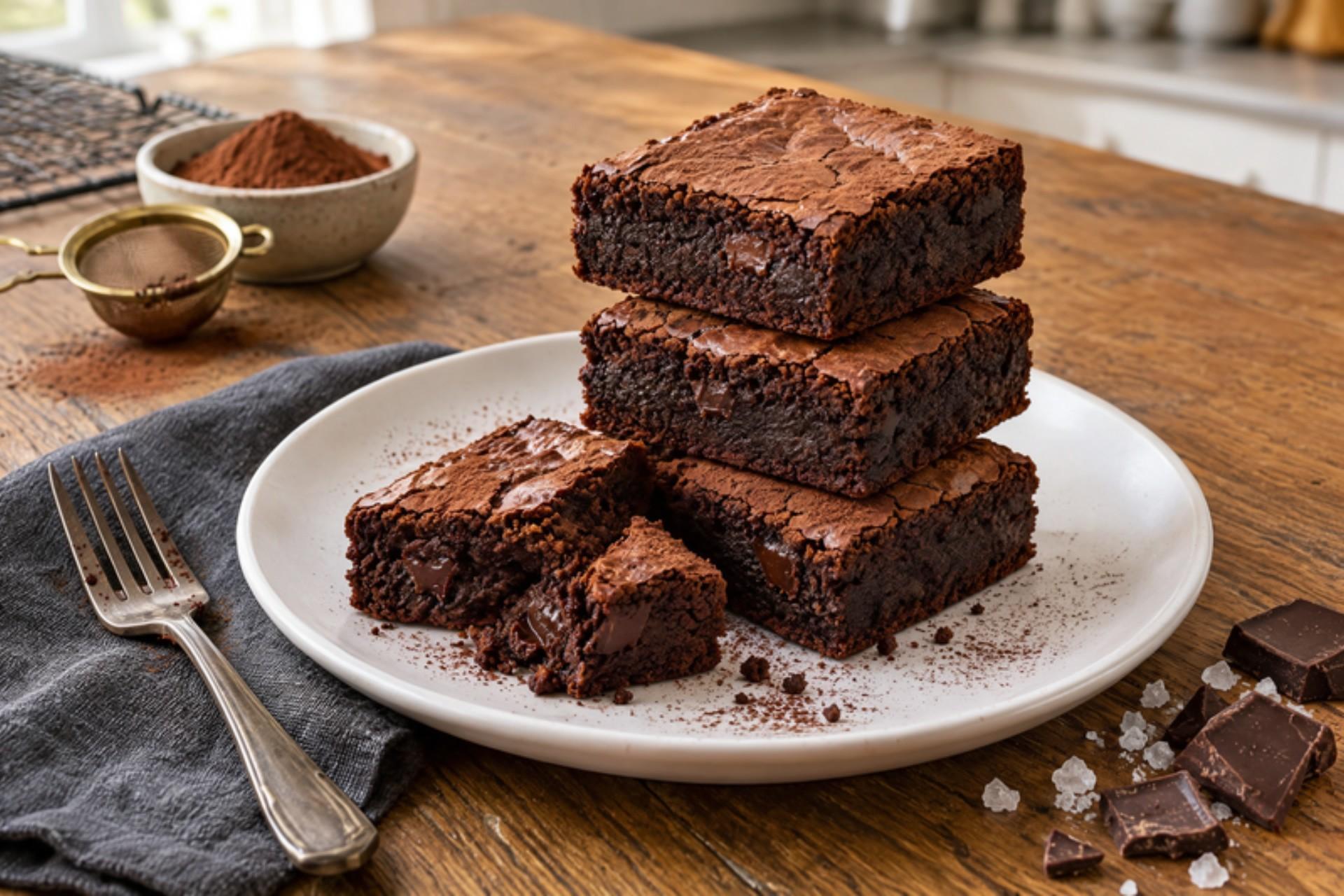
Brownies are said to have started in a Chicago hotel kitchen in the 1890s, and today they turn up at every American bake sale, school fundraiser, office birthday and late-night craving. This fudgy style uses lots of melted dark chocolate and butter with very little flour, so the middle is dense and almost truffle-like under a thin, shiny, crackled top. They contain egg, milk (butter) and wheat. Serve them just warm with vanilla ice cream, or cold from the tin with a glass of milk. The common mistake is baking until a skewer comes out clean: by then they are cakey and dry, because they keep cooking in the hot tin. Pull them when a skewer pushed in 5 cm from the edge shows moist, sticky crumbs. Chef's tip: beat the eggs and sugar hard for a full 3 minutes before adding the chocolate; the dissolved sugar is what forms that paper-thin crackly crust.

by KrazyBadal 0 views

Chicken Parmesan

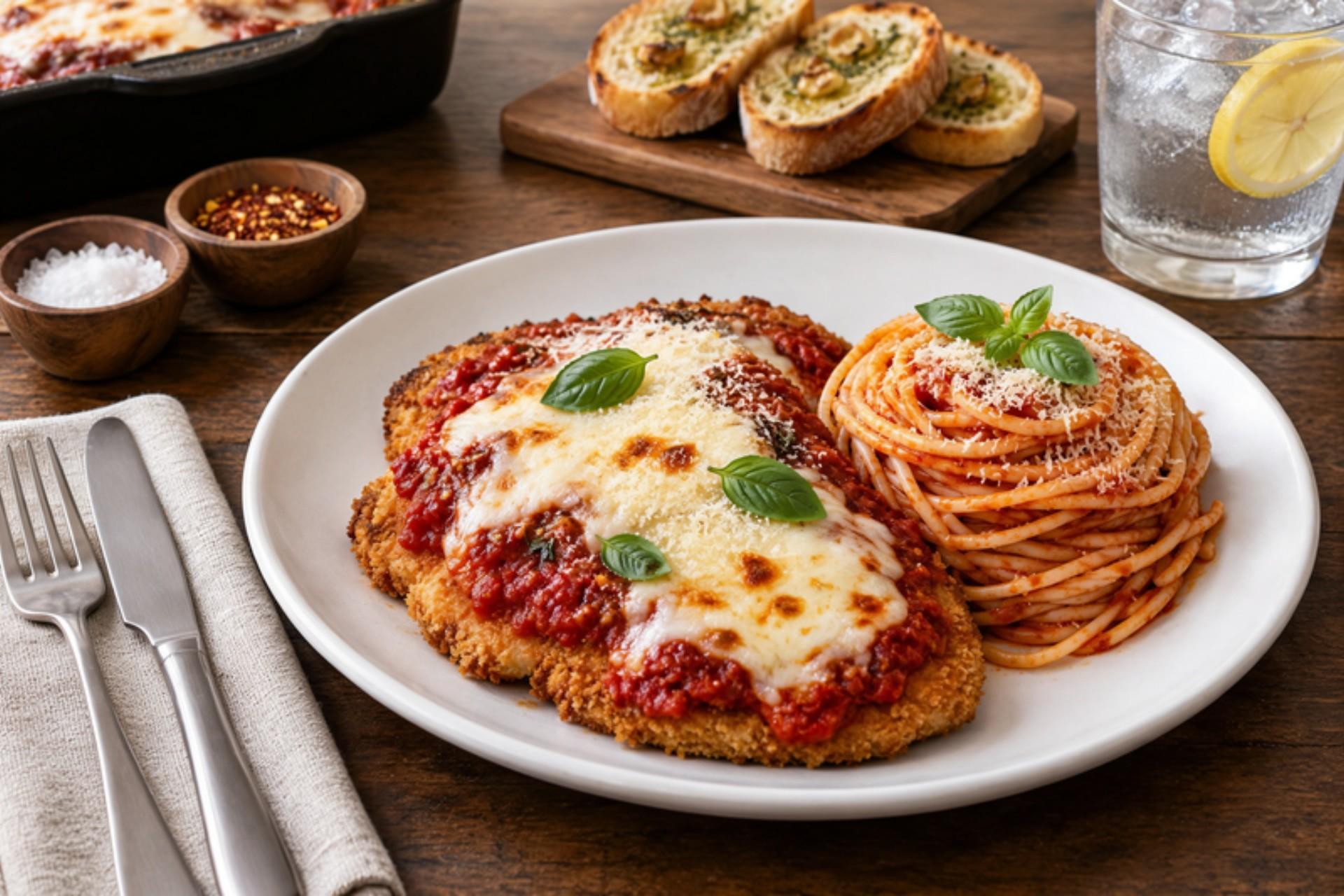
Chicken Parmesan, or chicken parm, was created by Italian-American cooks in New York and New Jersey, inspired by Southern Italy's aubergine parmigiana, and it is now a fixture of red-sauce restaurants and hero sandwiches across the United States. Chicken breasts are pounded thin, breaded with Parmesan crumbs, fried until crisp, then blanketed with marinara and mozzarella and baked until bubbling. The usual mistake is drowning the cutlets in sauce: the crust turns soggy. Spoon sauce only on the centre and leave a crisp rim. Thin, even cutlets cook through in minutes; they are done at 74 °C, when the centre is white with no pink. Serve with spaghetti in the extra sauce or in a toasted roll. Chef's tip: let the breaded cutlets rest on a rack for 10 minutes before frying; the coating sets and stays on in one piece.

by KrazyBadal 0 views

General Tso's chickenSweet and spicy crispy chicken

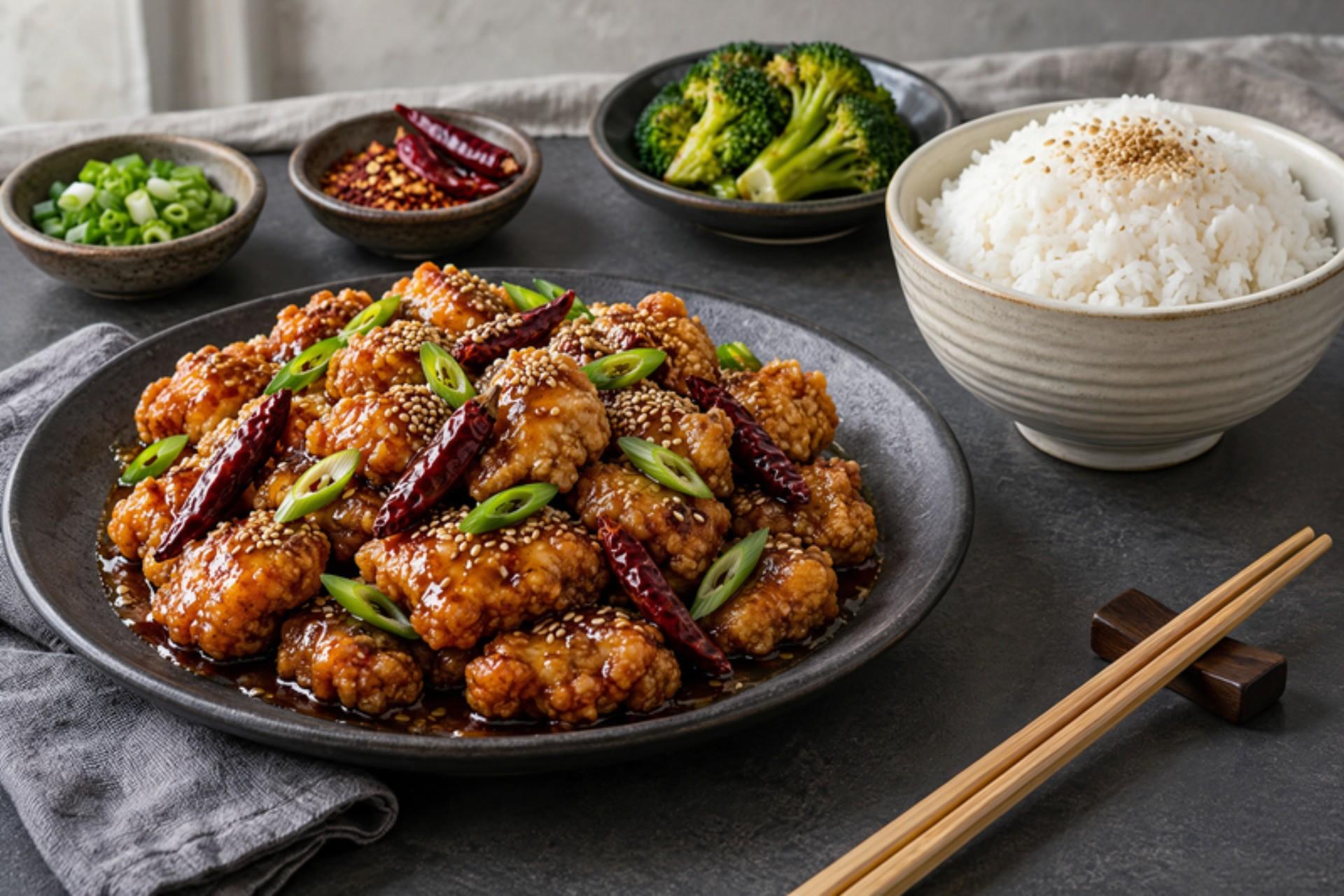
General Tso's chicken is the star of American-Chinese takeaway, created by Hunanese chefs in Taiwan and reinvented in New York's Chinatown restaurants in the 1970s; today it comes in white cartons from Manhattan to small-town Ohio. Chunks of chicken thigh are coated in egg and cornflour, fried until shatteringly crisp, then tossed in a glossy sauce of soy, vinegar, sugar, ginger, garlic and dried red chillies. The usual mistake is pouring the sauce on too early or letting the chicken sit in it: the crust melts away. Thicken the sauce first, then toss the hot chicken in for no more than 30 seconds and serve. The chicken is done at 74 °C, when the pieces are firm and white inside. Serve with steamed rice and broccoli. Chef's tip: fry the chicken twice, the second time for 1 minute in hotter oil; the double fry keeps it crunchy under the glaze.

by KrazyBadal 0 views

Cinnamon rolls

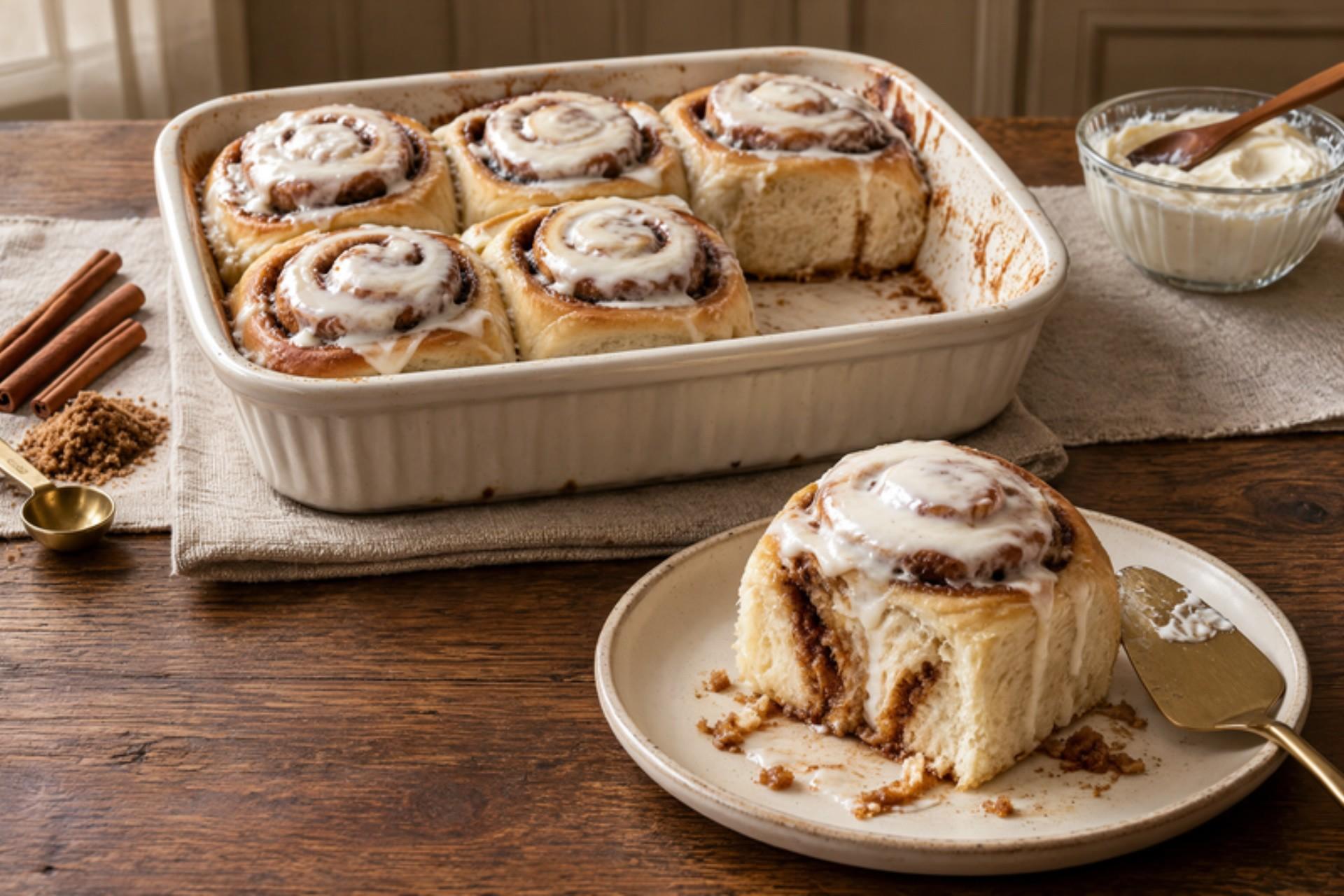
Cinnamon rolls came to the American Midwest with Scandinavian and German settlers, and today they are the Christmas-morning and lazy-Sunday bake of the whole country, as well as the smell that pulls people into shopping-mall bakeries. A soft, rich yeast dough is rolled around brown sugar, butter and cinnamon, baked until golden and spread with tangy cream cheese icing while still warm, so it melts into every swirl. They contain wheat, milk and egg. The usual mistake is baking them until deep brown and firm: the centres turn dry. Take them out when golden on top and the middle roll feels soft and springy, or a thermometer in the centre reads about 88 °C. Chef's tip: cut the log with a length of unflavoured dental floss slid underneath and crossed over the top; it slices cleanly without squashing the spiral.

by KrazyBadal 0 views

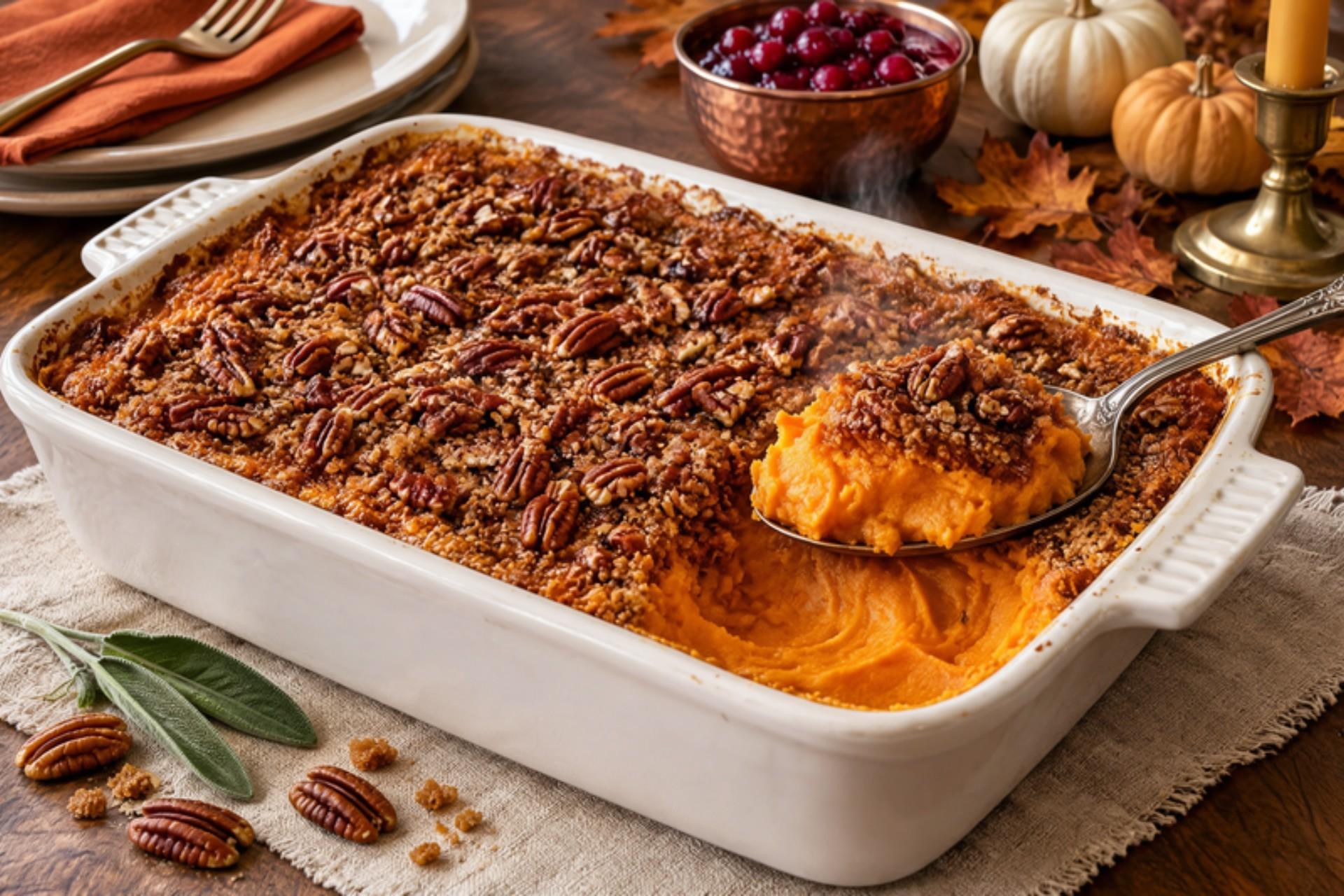
Sweet potato casserole

Sweet potato casserole is a Southern Thanksgiving side dish from Georgia to Louisiana, and it now sits beside the turkey on tables right across the United States, as well as at Christmas dinner. Roasted sweet potatoes are whipped with butter, a little brown sugar, egg and warm spices, then baked under a crisp pecan streusel. Some families top it with marshmallows instead; if you do, buy vegetarian ones made without gelatine. It contains tree nuts (pecans), milk, egg and wheat. The common mistake is boiling the potatoes, which makes the mash watery and bland; roasting them in their skins concentrates the sweetness and colour. Doneness: the filling should be set and hot right through and the topping golden and crunchy. Chef's tip: roast the potatoes a day ahead and keep them in the fridge; cold, peeled flesh whips smoothly and saves time on the big day.

by KrazyBadal 0 views

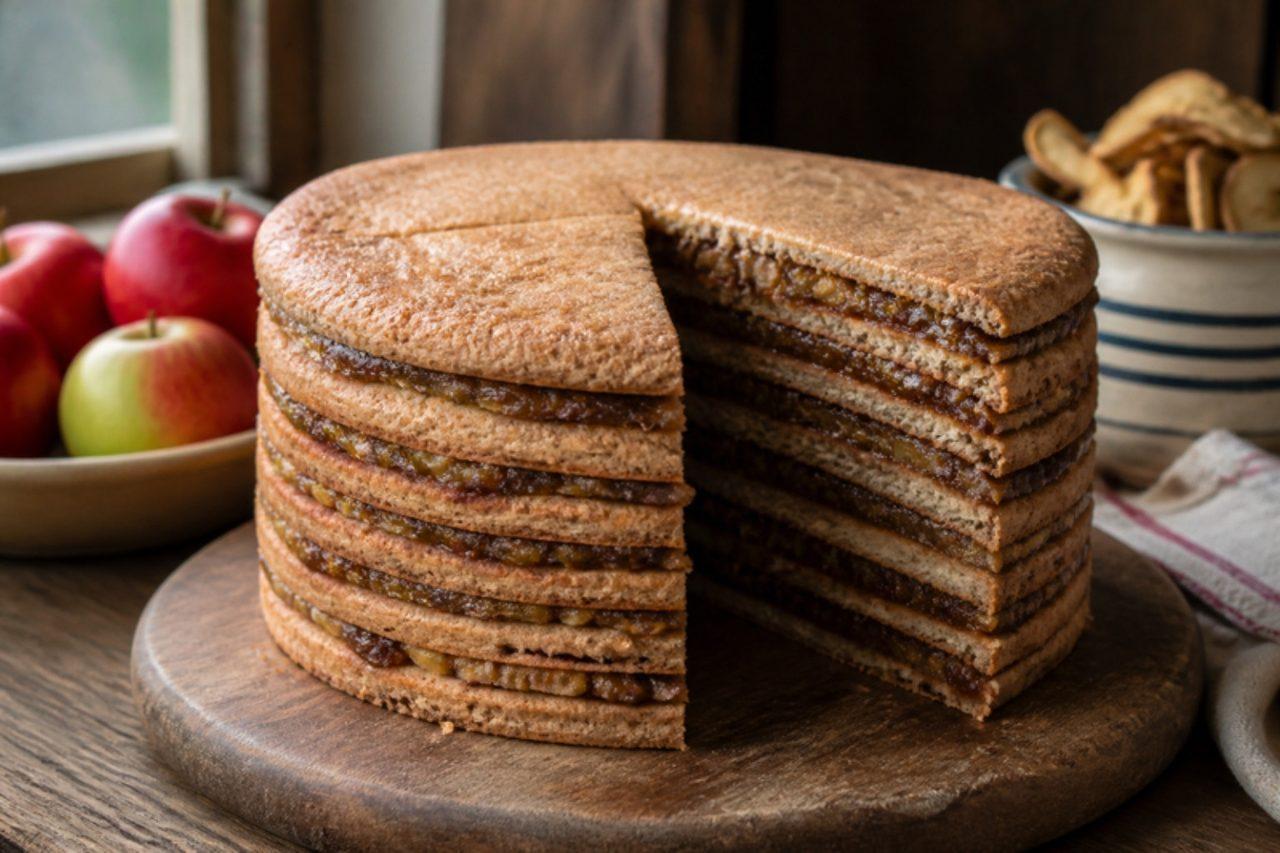
Appalachian apple stack cake

Apple stack cake is the old mountain wedding cake of eastern Kentucky and Tennessee: legend has it neighbours each brought a layer, and the bride's popularity was judged by the height. Six thin, biscuit-like layers flavoured with sorghum or molasses and ginger are stacked with a thick filling of cooked dried apples, then left for two days so the layers soften into a moist, spiced cake. Chef's tip: don't cut it the day you make it; the resting time is part of the recipe.

by KrazyBadal 0 views

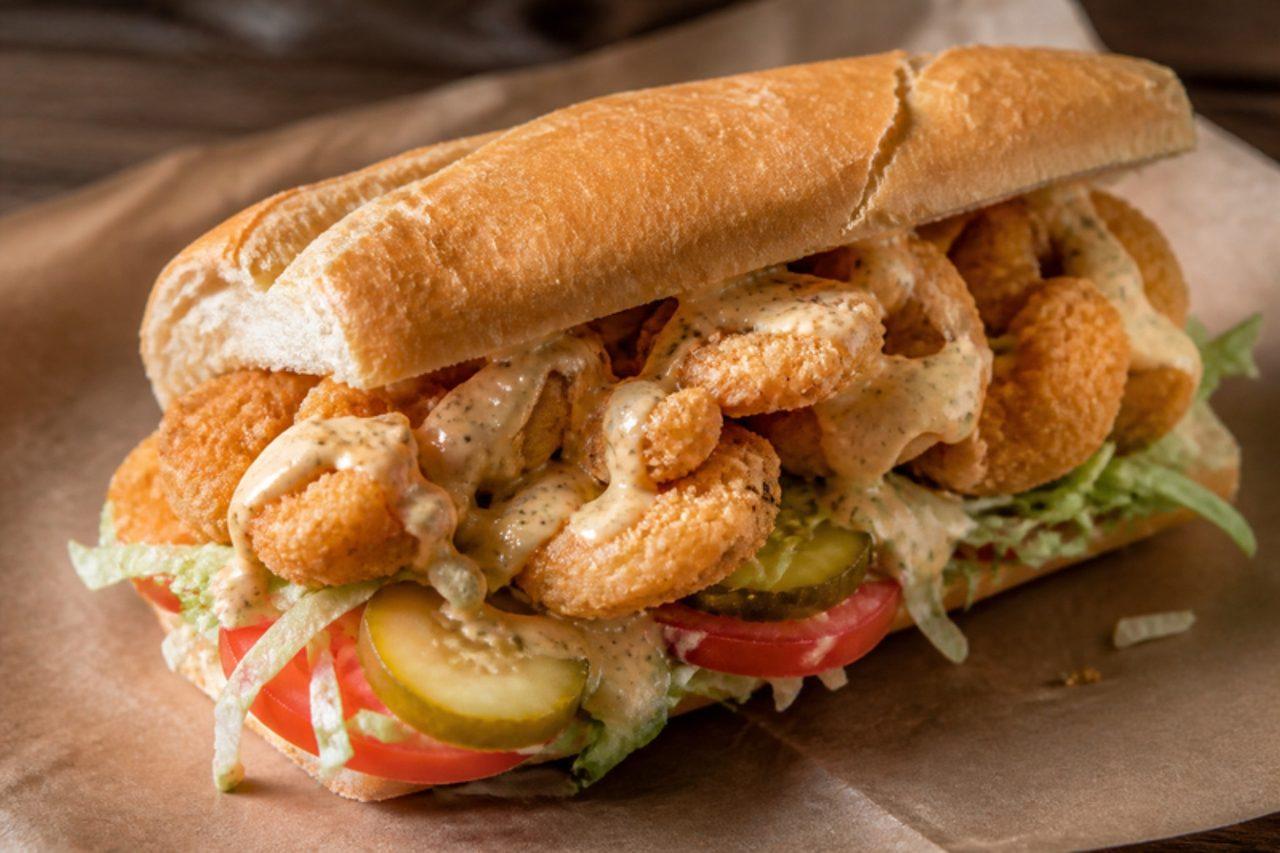
Fried shrimp po'boy

The po'boy was born in 1929 when two former streetcar drivers fed striking workers free sandwiches at their New Orleans restaurant, and today every neighbourhood joint from Mid-City to the Bywater fries them. The bread is a light, flaky-crusted French loaf, and a shrimp po'boy comes 'dressed' with shredded lettuce, tomato, pickles and rémoulade or mayonnaise. Chef's tip: use the lightest, crustiest baguette you can find and warm it; dense bread fights the filling.

by KrazyBadal 0 views

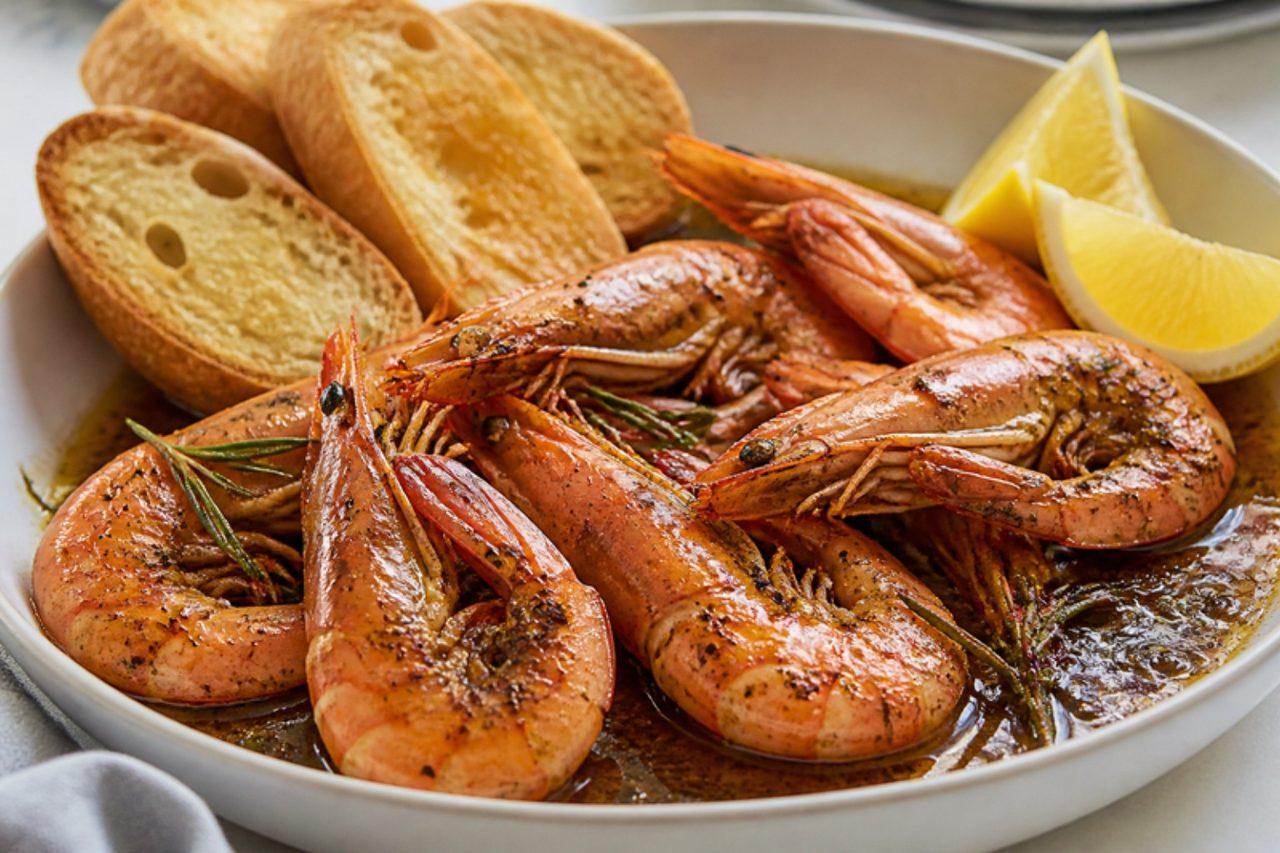
New Orleans barbecue shrimp

New Orleans barbecue shrimp never touch a grill or a barbecue sauce: they are big head-on Gulf prawns baked or pan-cooked in an outrageous amount of butter, black pepper, garlic, Worcestershire sauce and lemon, made famous in an Uptown restaurant in the 1950s. You peel them at the table and mop up the sauce with French bread. Some cooks add a splash of beer, which contains alcohol; this version uses stock, so it is alcohol-free. Worcestershire sauce contains anchovy. Chef's tip: keep the heads on; they hold the juices that make the sauce.

by KrazyBadal 0 views

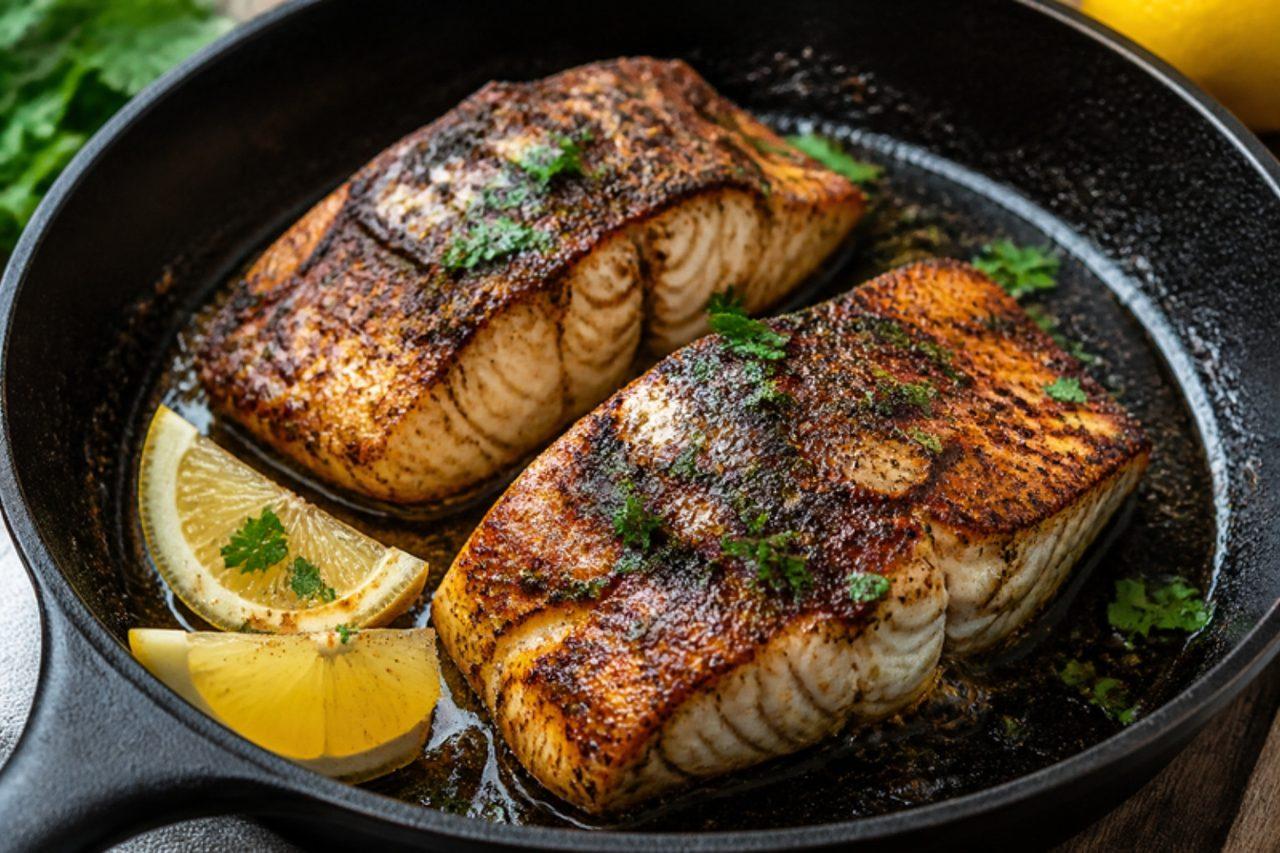
Blackened redfish

Blackened redfish was the dish that made Cajun cooking famous across America in the 1980s, created in a New Orleans restaurant by a chef from Opelousas. Fillets are dipped in butter, coated thickly in paprika, cayenne, thyme and pepper and seared in a white-hot cast-iron pan, so the spices char into a dark, smoky crust while the fish stays moist. It produces a lot of smoke, so open the windows or cook it outside. Chef's tip: the pan must be heated empty for a full 5 minutes; a lukewarm pan steams the fish instead of blackening it.

by KrazyBadal 0 views

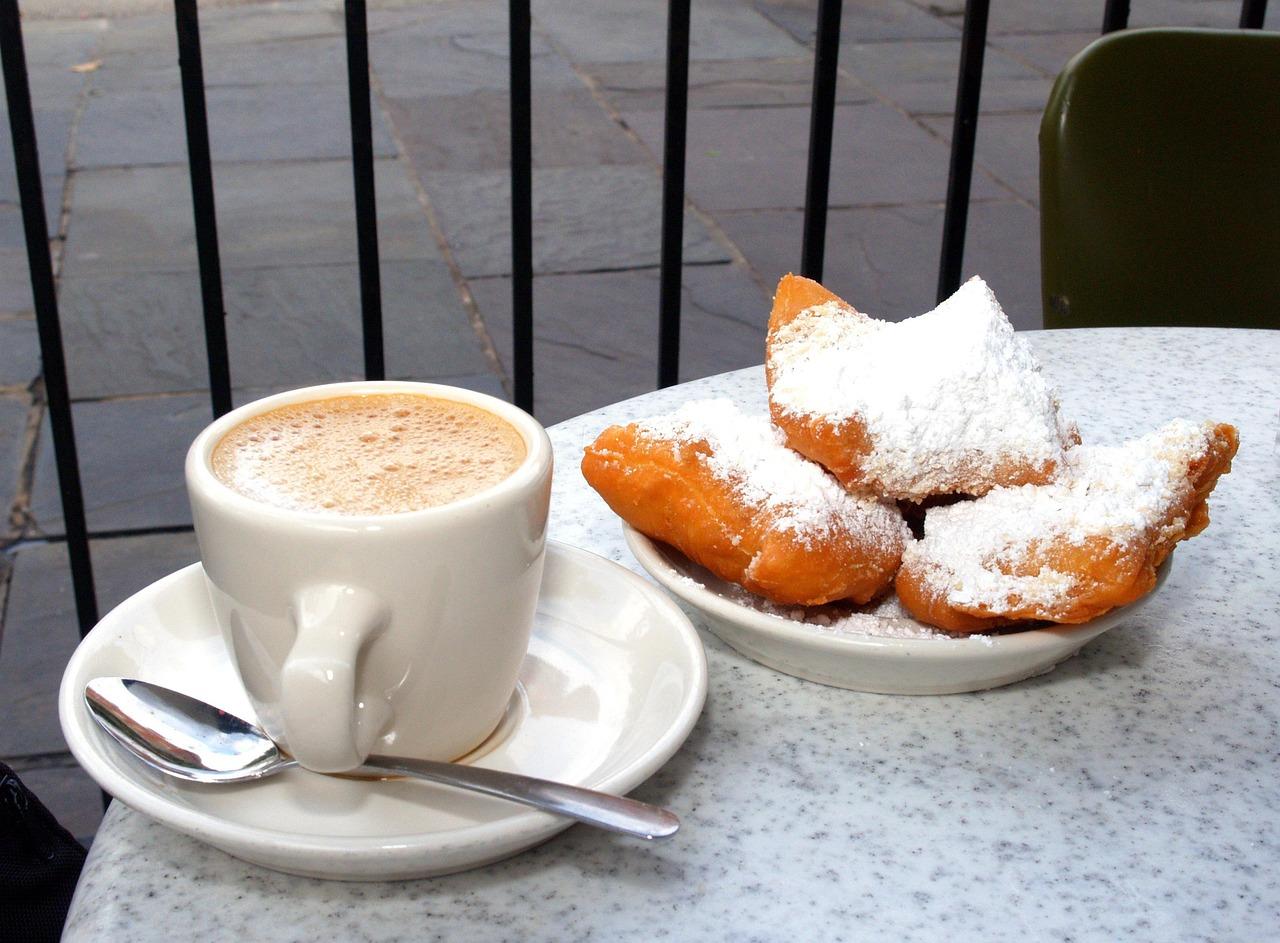
New Orleans beignets

Beignets are the pillowy fried dough squares served three to a plate, under a drift of icing sugar, at the open-air coffee stands of the French Quarter in New Orleans, day and night. The dough is a soft, slightly sweet yeast dough enriched with evaporated milk, and the squares puff up hollow in hot oil. Drink them with chicory café au lait. Chef's tip: roll the dough only 5 mm thick; thicker squares stay doughy in the middle.

by KrazyBadal 0 views

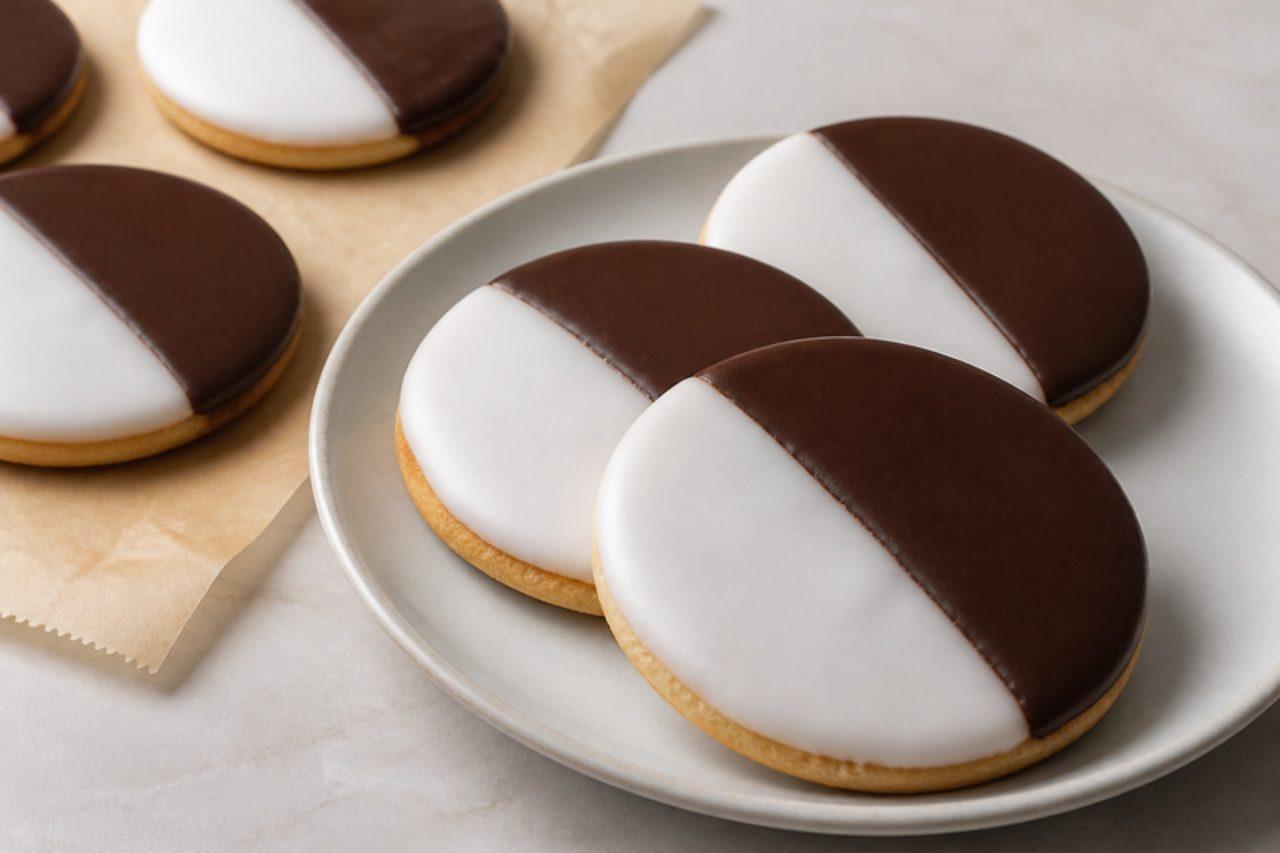
Black and white cookies

The black and white is a New York bakery fixture, a saucer-sized, soft, lemony cookie that is closer to a sponge than a biscuit, iced half in vanilla and half in chocolate. Delis and Jewish bakeries from the Upper West Side to Brooklyn sell them by the till. Chef's tip: ice the flat underside, not the domed top, and do the vanilla half first so the chocolate doesn't bleed into it.

by KrazyBadal 0 views

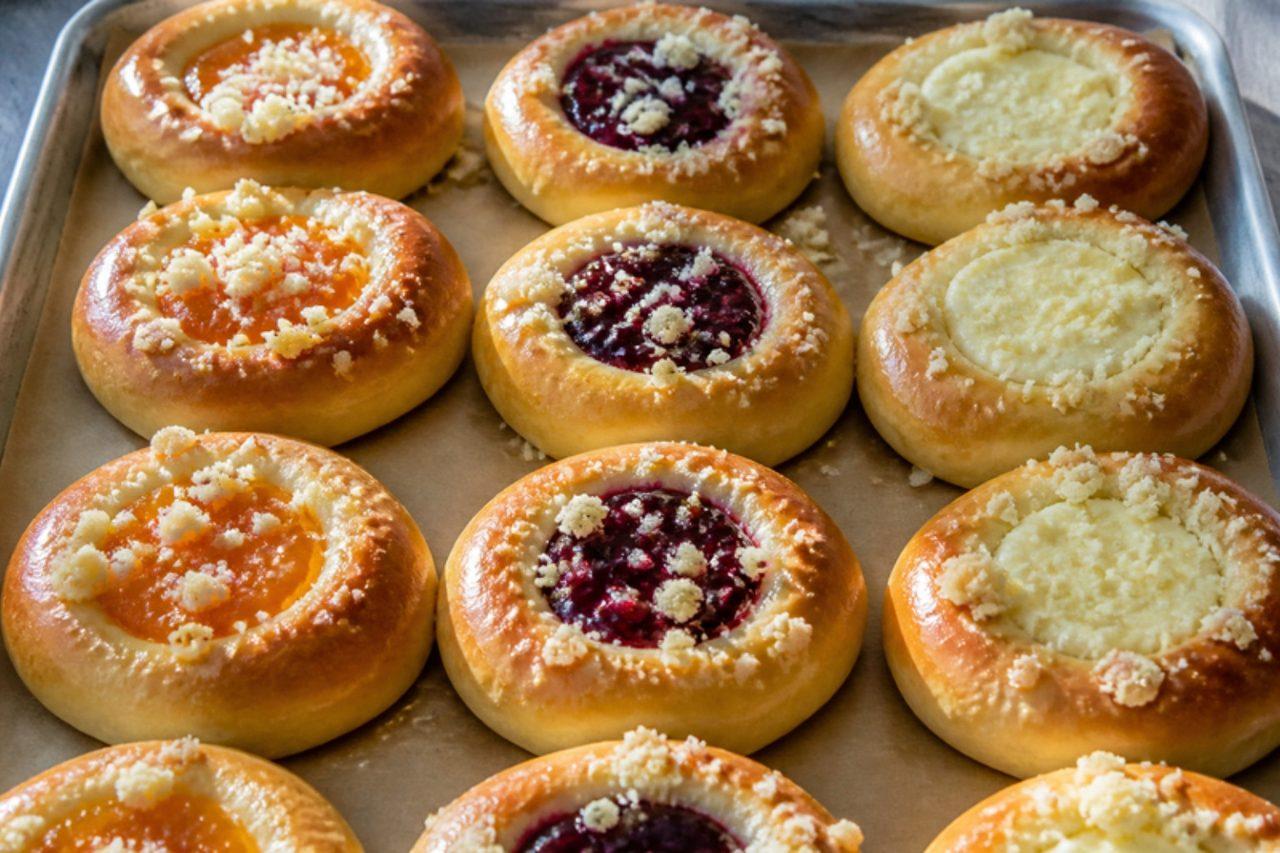
Texas fruit kolaches

Kolaches came to central Texas with Czech settlers in the 1800s, and the bakeries along the highway through West, Caldwell and Hallettsville now sell them by the dozen for breakfast. They are soft, sweet yeast buns with a well pressed into the top, filled with apricot, cherry, prune or sweetened cream cheese and dusted with a crumbly posypka topping. Chef's tip: press the well deep and wide, nearly to the base, or the buns rise and push the filling out.

by KrazyBadal 0 views

Nashville hot chicken

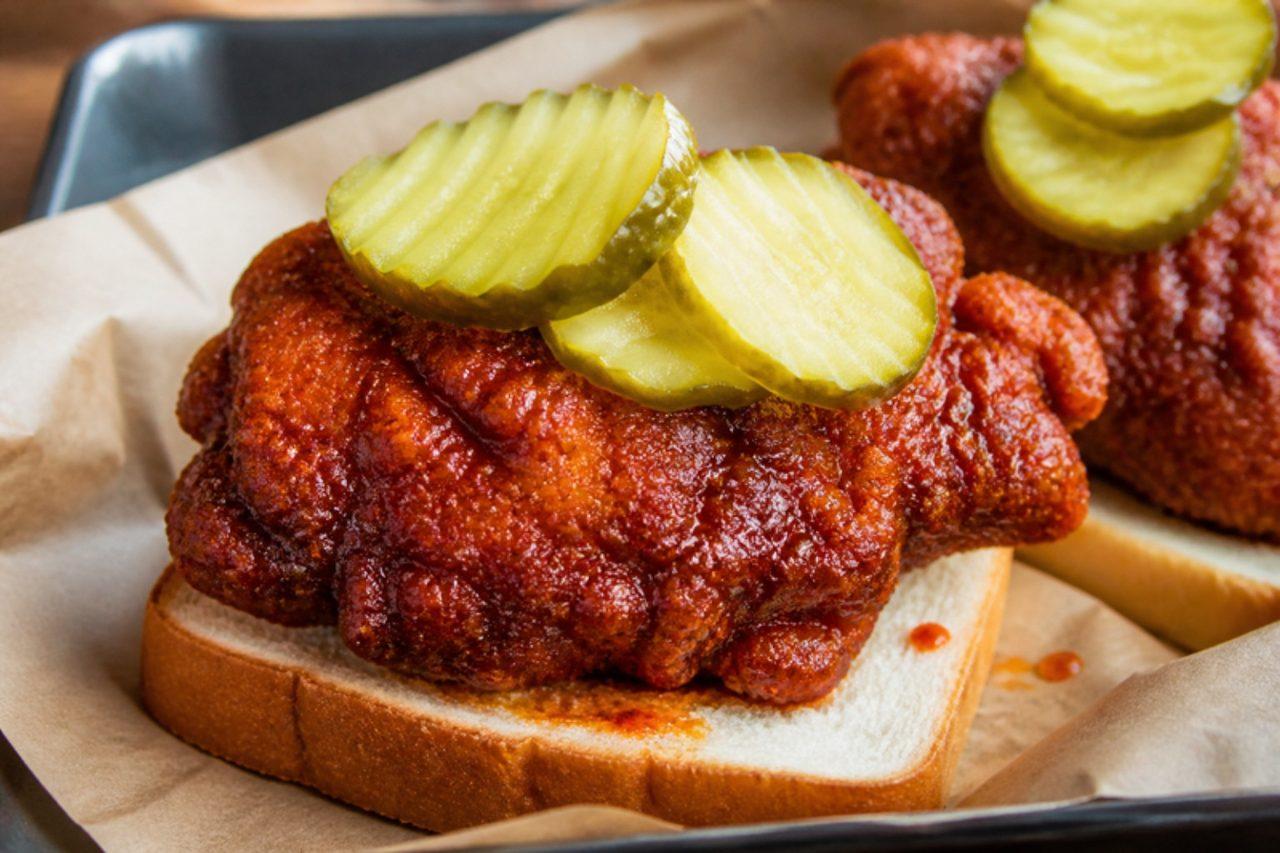
Hot chicken has been a Nashville institution since the 1930s and is eaten at late-night shacks and the city's summer hot-chicken festival: crisp buttermilk-brined fried chicken painted while hot with a paste of cayenne and brown sugar in hot oil, served on a slice of white bread with dill pickle chips to cool things down. Chef's tip: brine the chicken overnight in the fridge; it seasons the meat right through and keeps it juicy under all that heat.

by KrazyBadal 0 views

Cajun maque choux

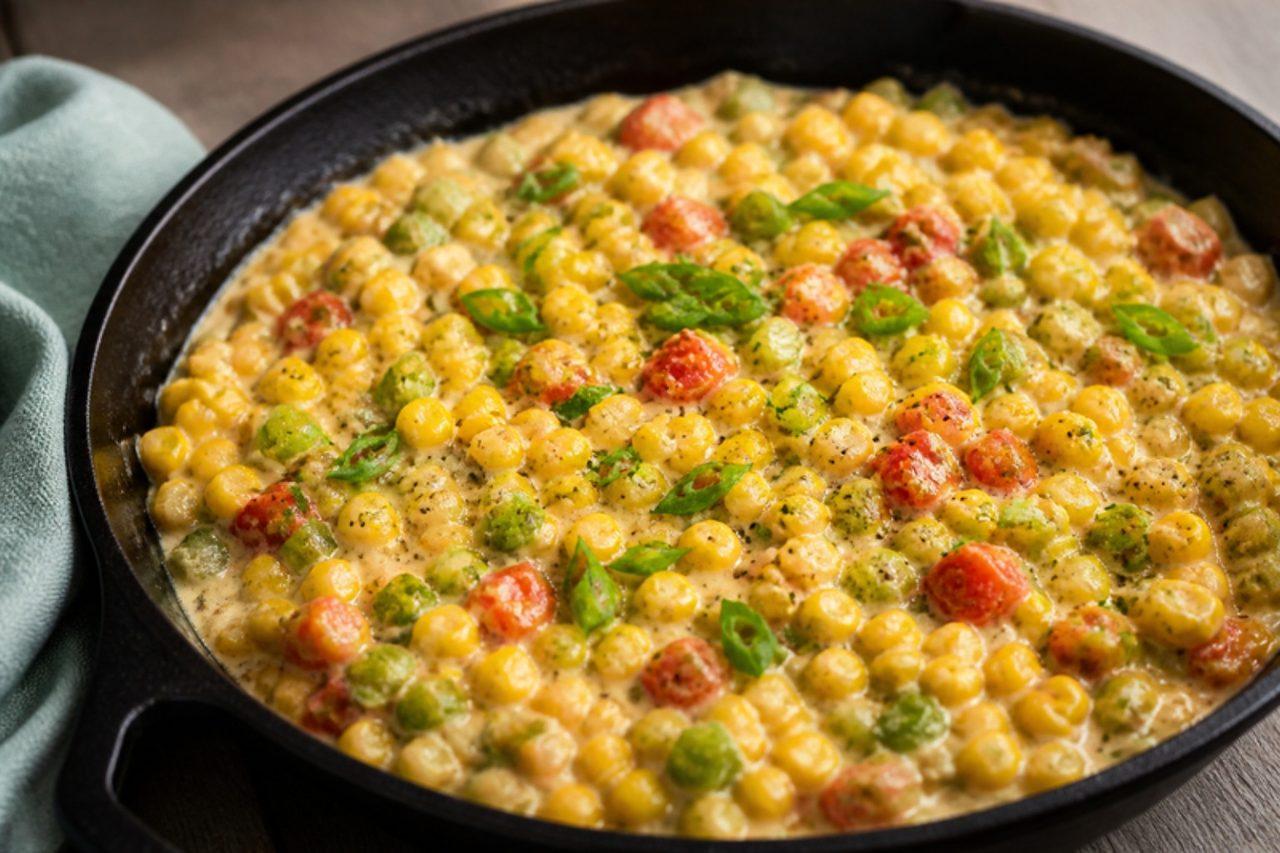
Maque choux (say 'mock shoe') is a Cajun side of fresh corn smothered with the 'holy trinity' of onion, celery and green pepper, made in the bayou country of south-west Louisiana when the corn comes in during June and July. Cooks scrape the cobs for their milk and simmer everything with butter and a splash of cream until sweet and silky. Many add bacon; this version is meat-free. Serve with rice and beans or grilled vegetables. Chef's tip: let the corn catch slightly on the bottom of the pan before stirring; those browned bits are the flavour.

by KrazyBadal 0 views

Apple cider doughnuts

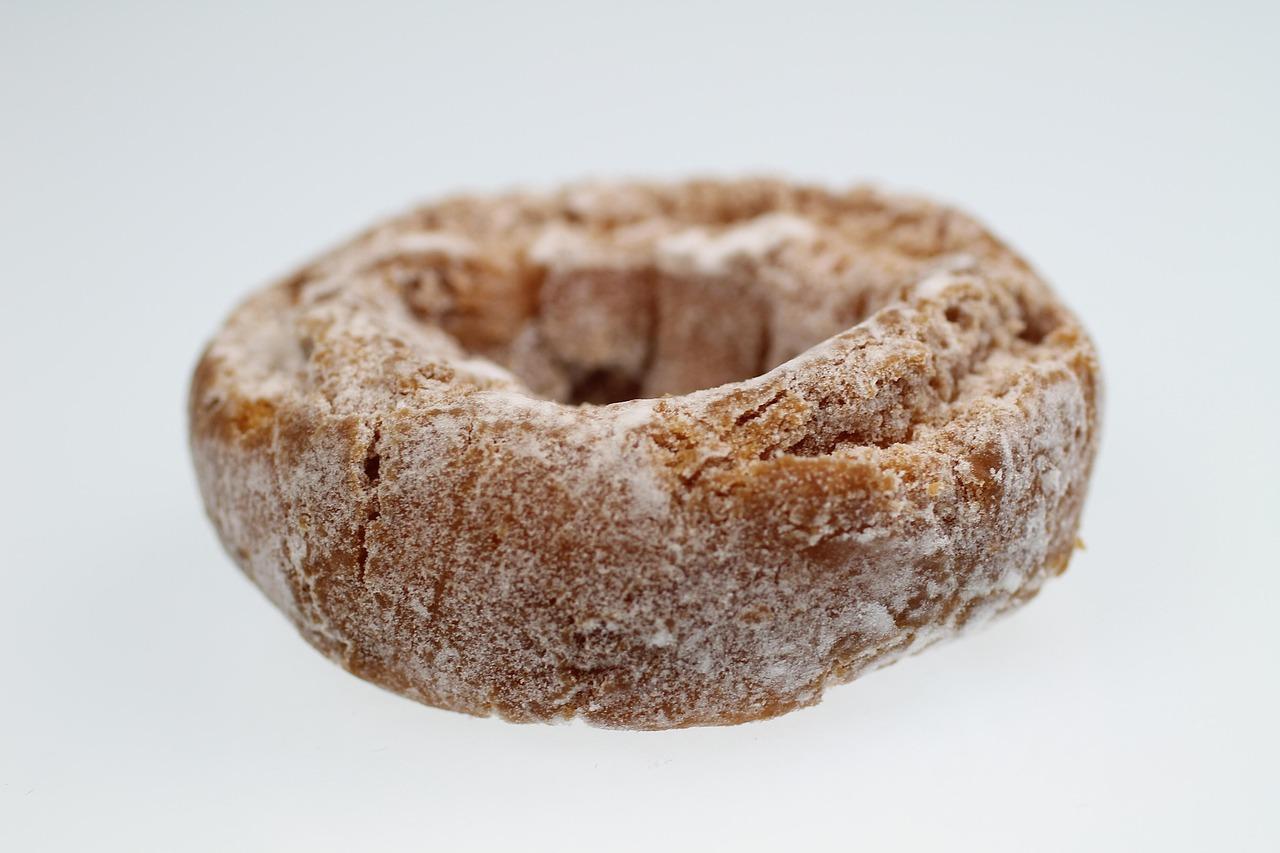
On autumn weekends the orchards of Vermont, New Hampshire and the Hudson Valley fry cider doughnuts by the hundred for families who come to pick apples. Fresh, cloudy apple cider (unfiltered apple juice, not the alcoholic kind) is boiled down to a syrup so the tender cake doughnut tastes of apple, then rolled hot in cinnamon sugar. Chef's tip: keep the oil at 180 °C with a thermometer; cooler oil makes greasy doughnuts and hotter oil burns them before the middle cooks.

by KrazyBadal 0 views

St. Louis gooey butter cake

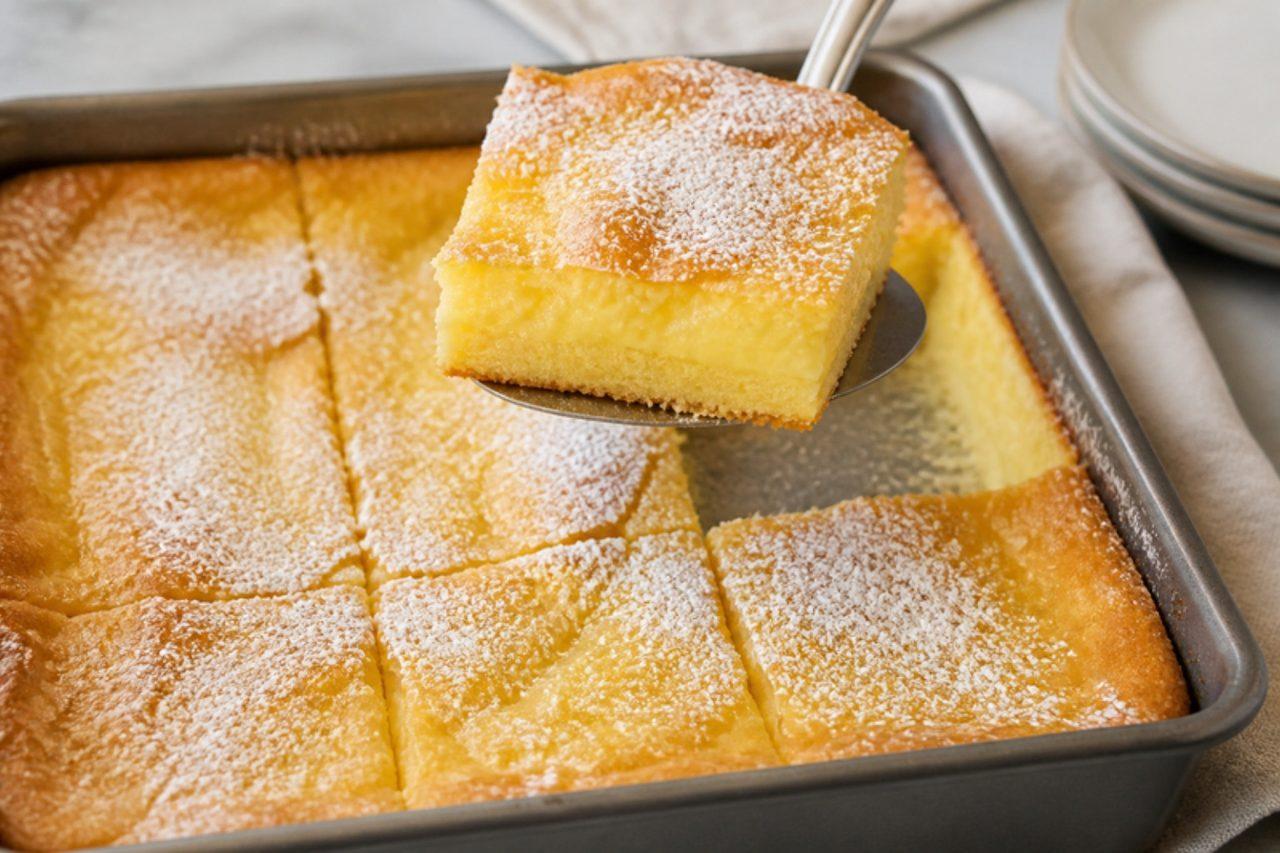
Gooey butter cake is a St. Louis institution, sold in squares at south-side German bakeries and baked for church coffee hours and Christmas mornings. Legend says a baker in the 1930s got his proportions wrong and the mistake sold out. A thin, chewy yeast-free cake base is covered with a sweet cream cheese and butter layer that bakes into a crackly, shiny top over a gooey middle. Chef's tip: take it out while the centre still jiggles; the goo is the point, and an overbaked one is just a sweet sponge.

by KrazyBadal 0 views

Wisconsin kringle

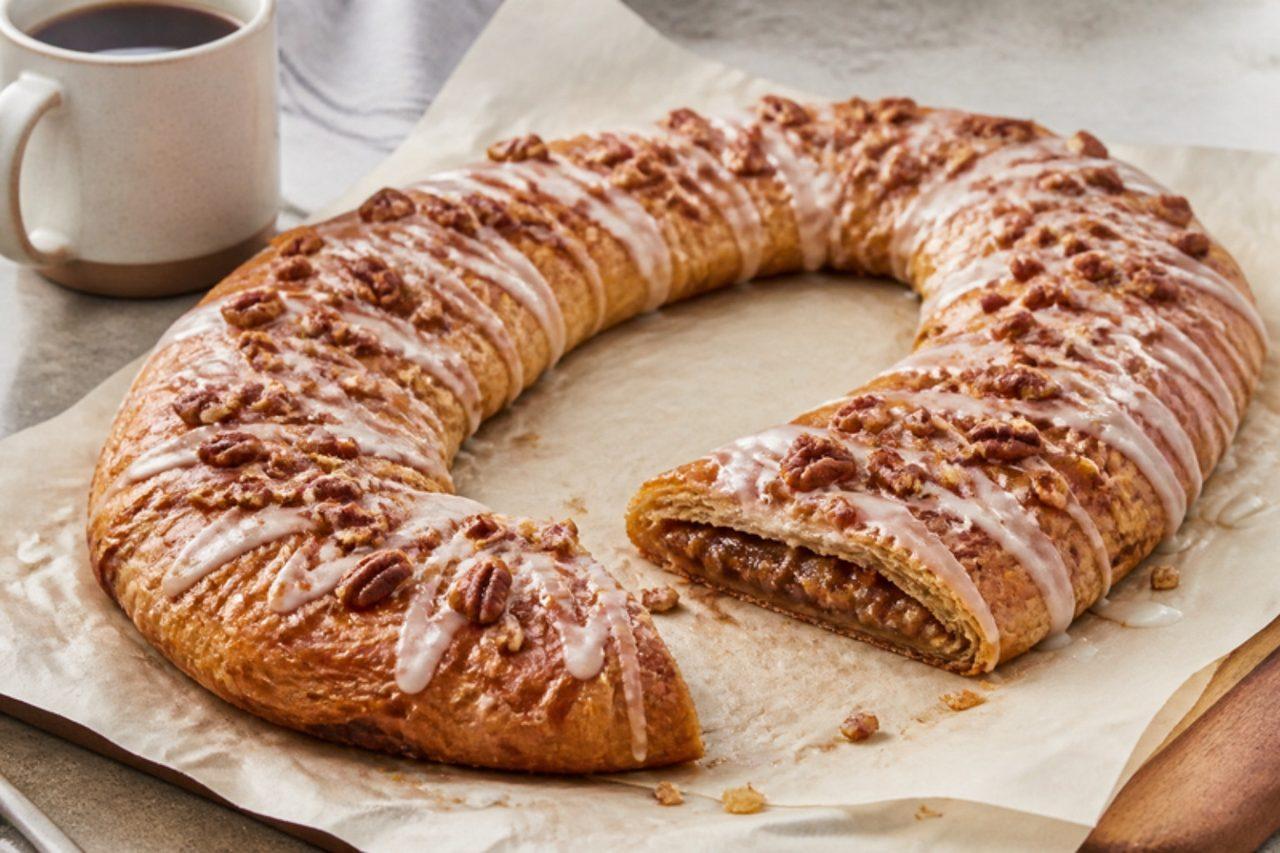
Kringle came to Racine, Wisconsin, with Danish bakers in the 1800s, and the town's bakeries still ship thousands of these flat oval pastry rings at Christmas. Thin layers of buttery laminated dough wrap a pecan and brown sugar filling, and the top is glazed with white icing. It is the official state pastry, eaten with coffee at breakfast. Chef's tip: keep the dough and butter cold at every fold; if the butter melts into the dough you lose the flaky layers.

by KrazyBadal 0 views

Philadelphia sticky buns

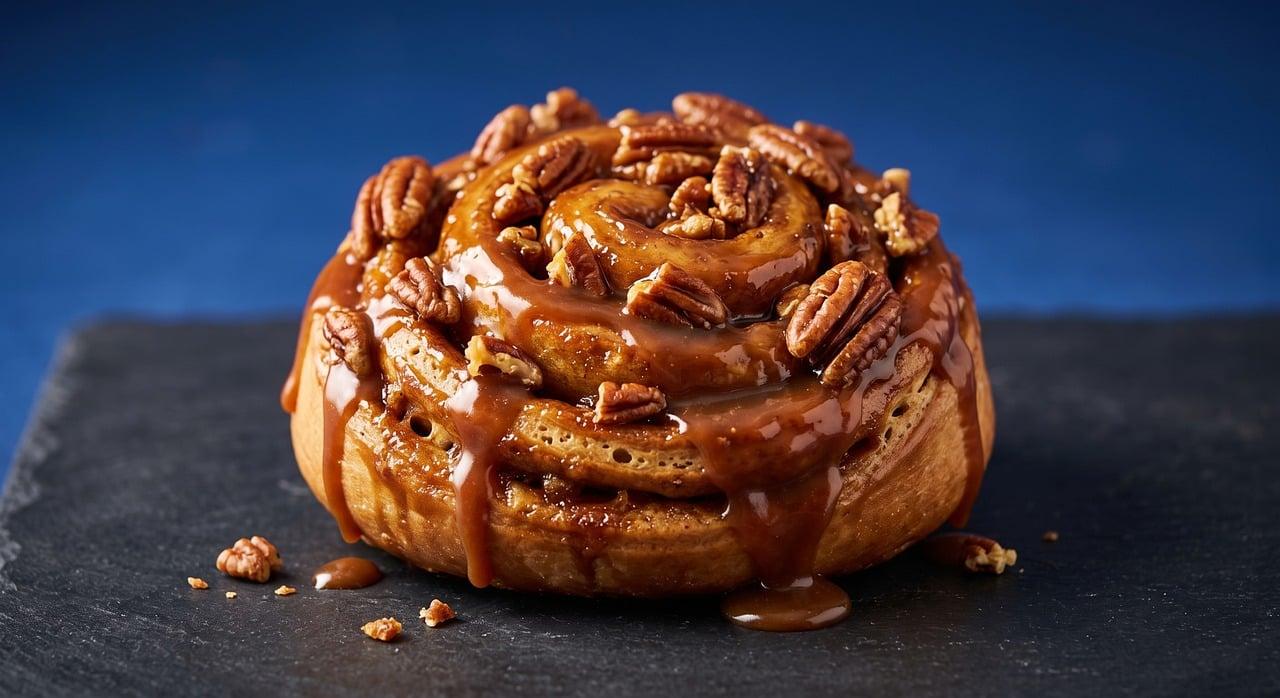
Philadelphia's sticky buns descend from the 'schnecken' of German bakers, and Reading Terminal Market still sells them warm by the tray, glistening with caramel and pecans. Soft rolls of cinnamon-raisin dough are baked on top of butter and brown sugar, then flipped so the hot caramel runs down over them. Chef's tip: turn them out within 5 minutes of leaving the oven; once the caramel cools it glues the buns to the tin.

by KrazyBadal 0 views

Alabama white sauce chicken

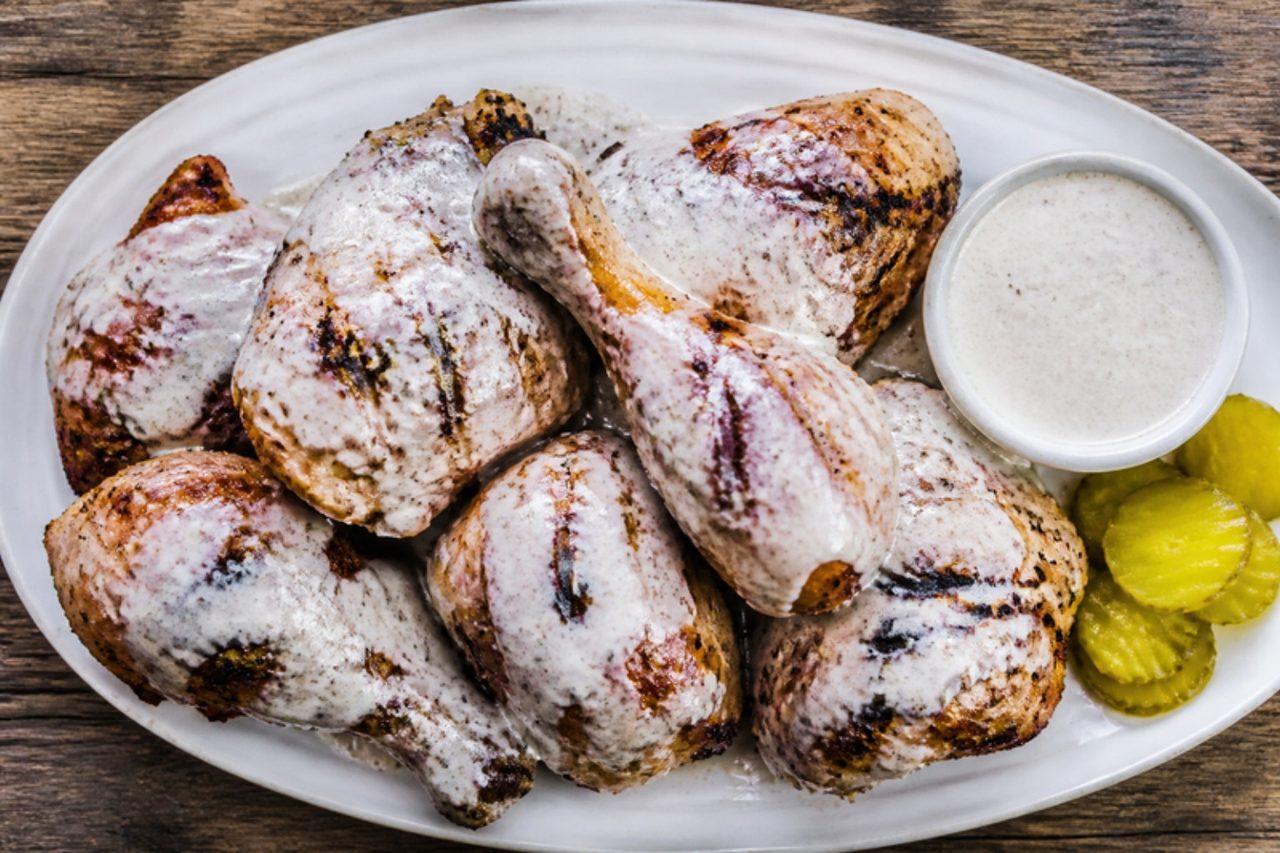
White barbecue sauce was created in 1925 at a barbecue pit in Decatur, north Alabama, and it is still what that corner of the state puts on smoked and grilled chicken: a peppery mixture of mayonnaise, cider vinegar and horseradish. The hot chicken is dunked in it straight off the grill, so the tangy sauce soaks into the crisp skin. Chef's tip: keep half the sauce separate before it touches raw-chicken brushes, for serving at the table.

by KrazyBadal 0 views

Showing 24 of 72 recipes

Show more recipes

Page 1 of 3