Skip to content
Recipes

All recipes

Vegetarian, or something you can't eat? Set your diet once and we'll hide recipes that don't fit.

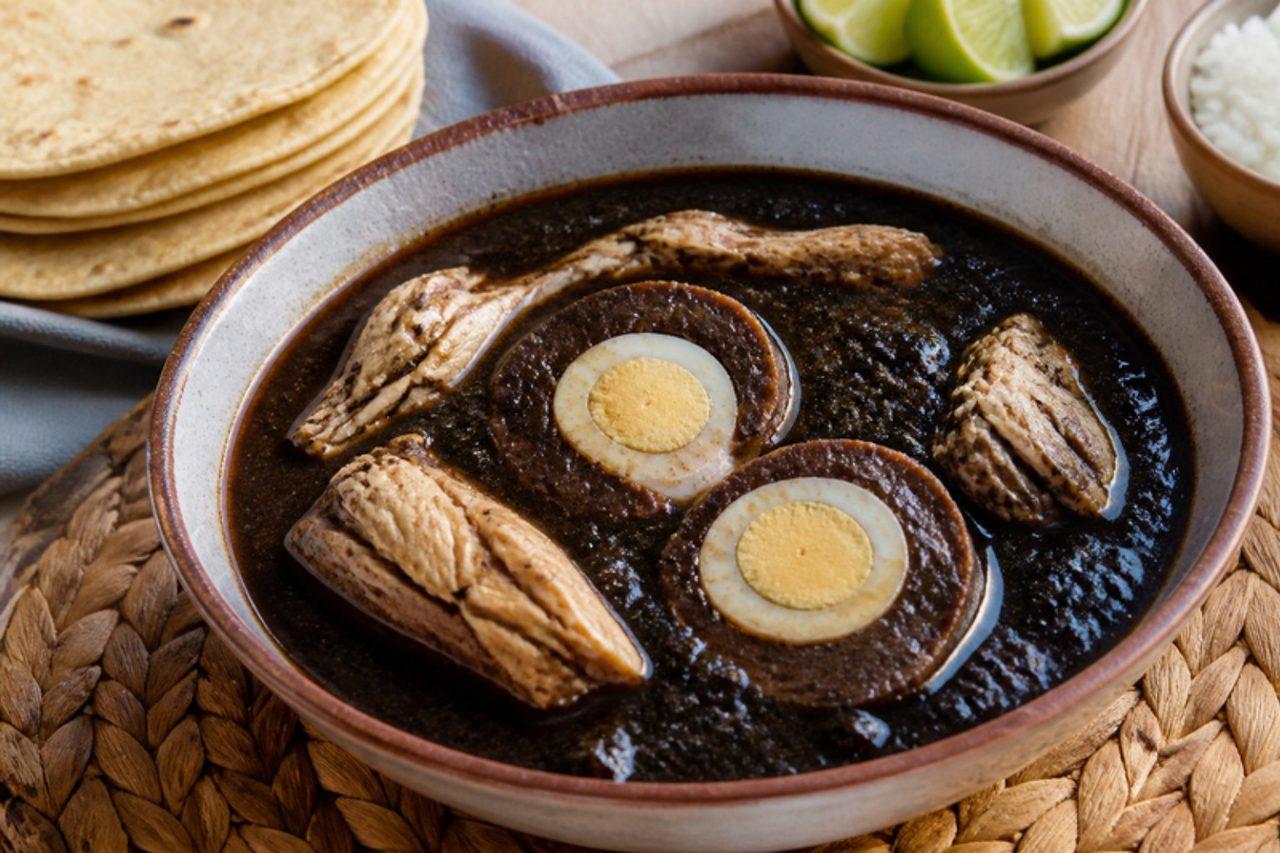
Relleno negroTurkey and pork black chilli stew

Relleno negro, or chilmole, is the great fiesta dish of the Yucatán peninsula, cooked for Christmas, New Year and village saints' days. Turkey is simmered in a jet-black broth coloured by recado negro, a paste of chillies charred until black, and served with a 'but', a meatball of minced pork and spices wrapped around hard-boiled egg. Recado negro paste is sold in Mexican shops; it is very hard to make at home safely because the chillies are burnt outdoors. Serve with corn tortillas or in tortas. Chef's tip: dissolve the recado in some of the warm broth first, so it blends smoothly instead of floating in black lumps.

by KrazyBadal 0 views

Enchiladas suizasCreamy tomatillo enchiladas

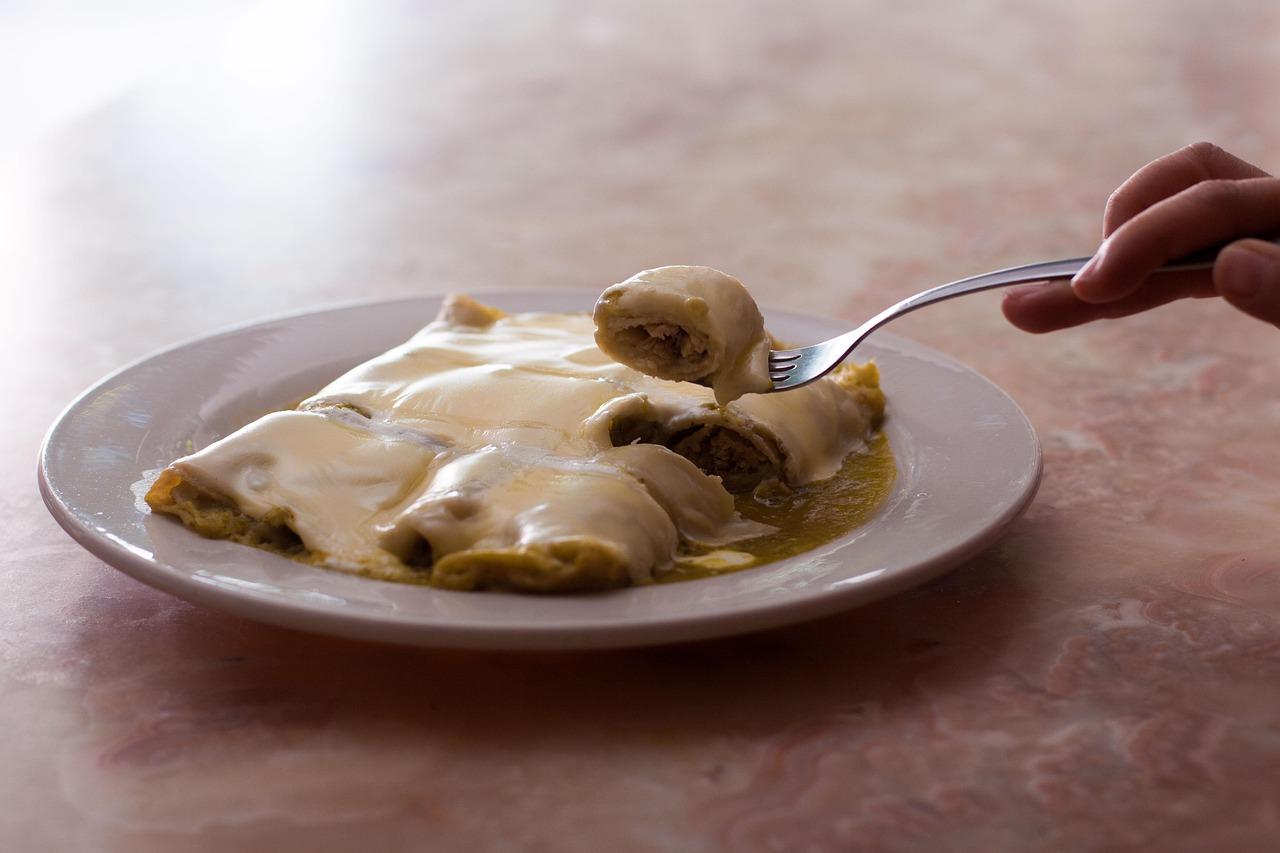
These 'Swiss' enchiladas were made famous in the 1950s at a Mexico City department-store café, where cream and melted cheese were the nod to Switzerland, and they remain a classic brunch in the capital's coffee shops. Chicken-filled tortillas are covered in a tangy tomatillo-serrano sauce enriched with cream, then baked until the cheese bubbles. Serve with rice or a simple salad. Chef's tip: blend the cream into the sauce off the heat, so it stays silky and doesn't split in the oven.

by KrazyBadal 0 views

Caldo de pollo mexicanoChicken vegetable broth

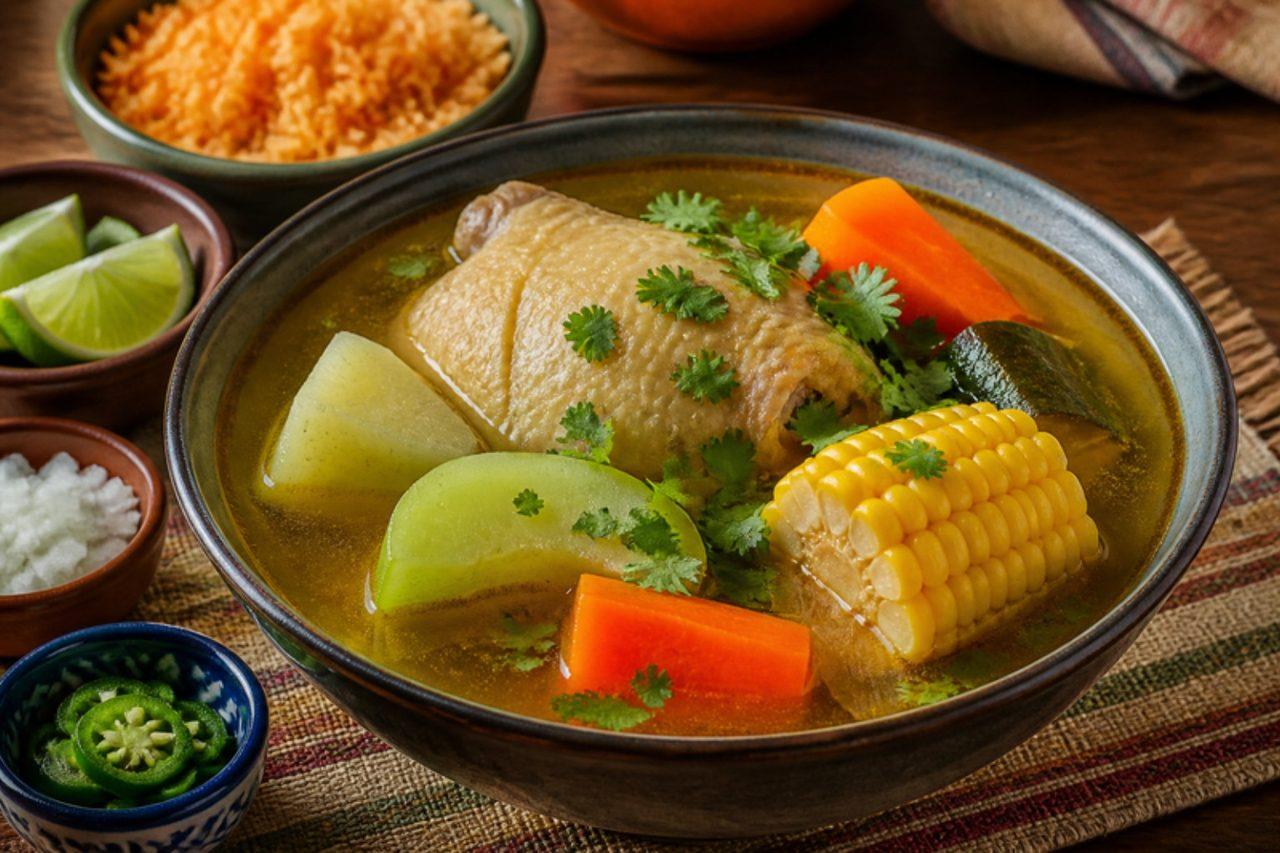
Mexican mothers make caldo de pollo for colds, hangovers and rainy Sundays, and every market has a stall serving it in huge bowls. Chicken is simmered with onion and garlic, then chunks of carrot, potato, chayote, courgette and corn cook in the clear broth. At the table each person adds a spoonful of red rice, chopped onion, coriander, fresh chile and a good squeeze of lime. Chef's tip: add the vegetables in stages, from hardest to softest, so nothing turns to mush.

by KrazyBadal 0 views

Flautas de polloChicken flautas

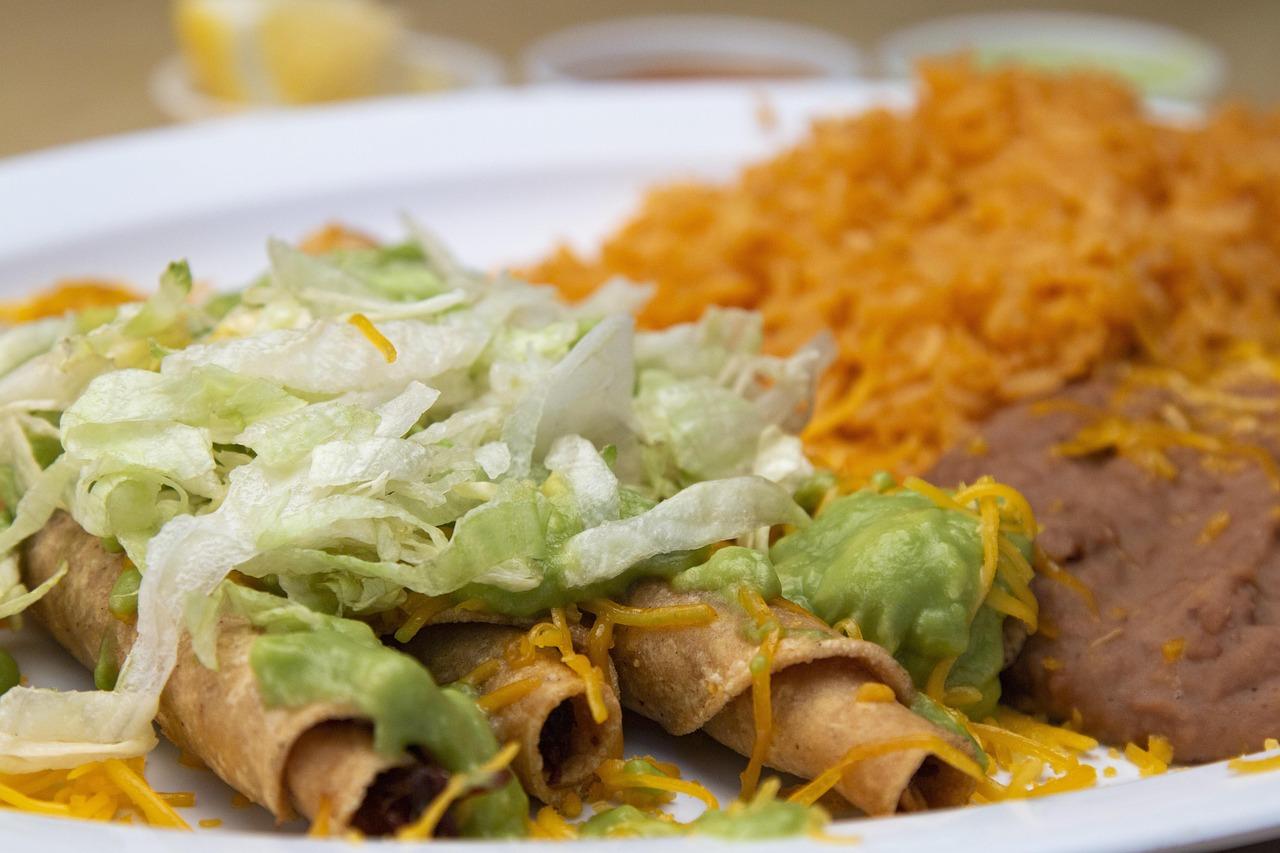
Named for their flute shape, flautas are a staple of Mexico City cafeterias and street stalls, where long tortillas are rolled tightly around shredded chicken and fried until they crackle. They come piled on a plate under lettuce, crema, crumbled cheese and salsa verde, often with rice and beans. For a vegetarian version, fill them with seasoned mashed potato and cheese instead. Chef's tip: warm the tortillas before rolling and fry seam-side down first, so they seal and don't unravel.

by KrazyBadal 0 views

Pollo en salsa verdeChicken in green salsa

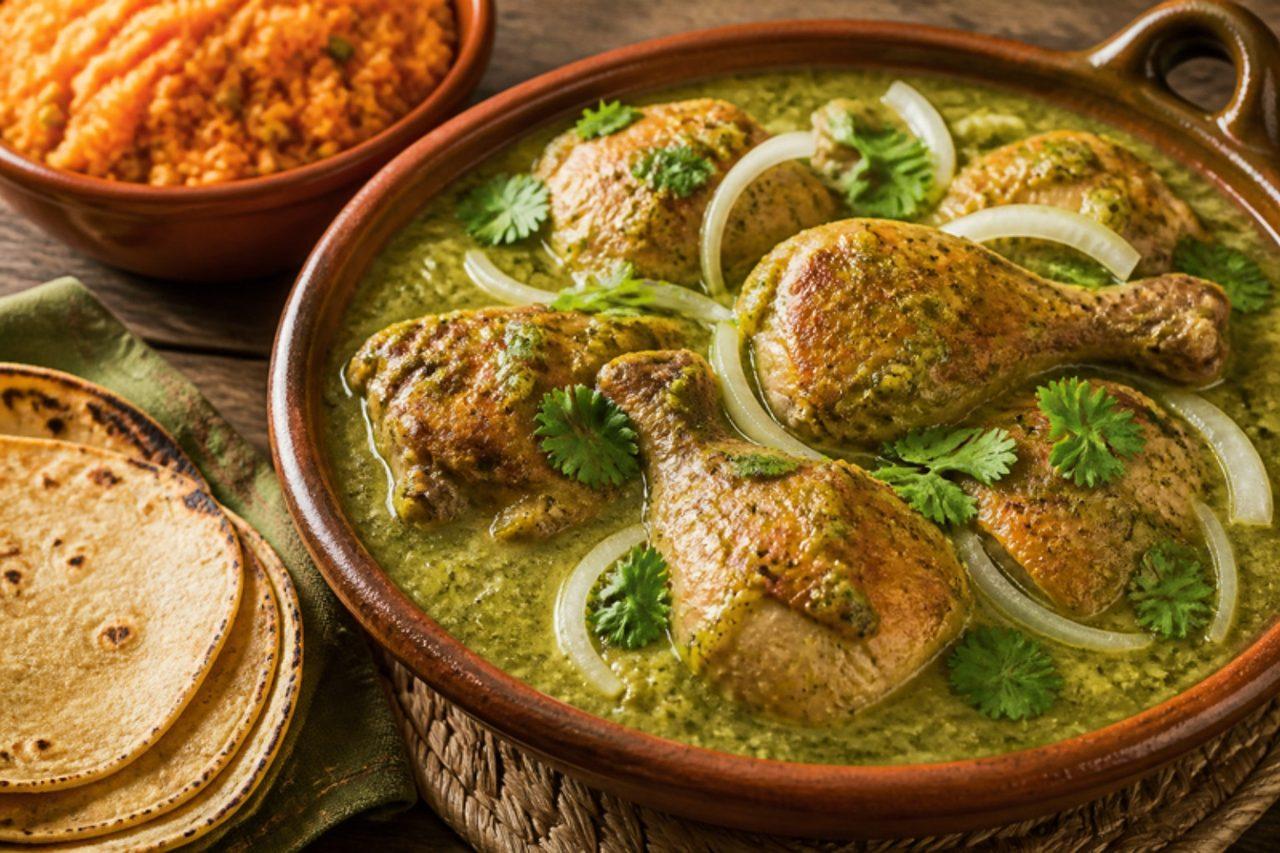
Tangy, fresh and deeply savoury, this is one of the most common weekday dishes in Central Mexican kitchens, from Mexico City to Puebla and Hidalgo. Chicken pieces are browned, then simmered in a sauce of boiled tomatillos, serrano chiles, garlic and coriander until the meat is tender and the sauce coats it. Serve with white rice, beans and tortillas. Chef's tip: a few potato chunks or nopal strips simmered in the sauce stretch it to feed more people.

by KrazyBadal 0 views

Mole rosaPink beetroot mole

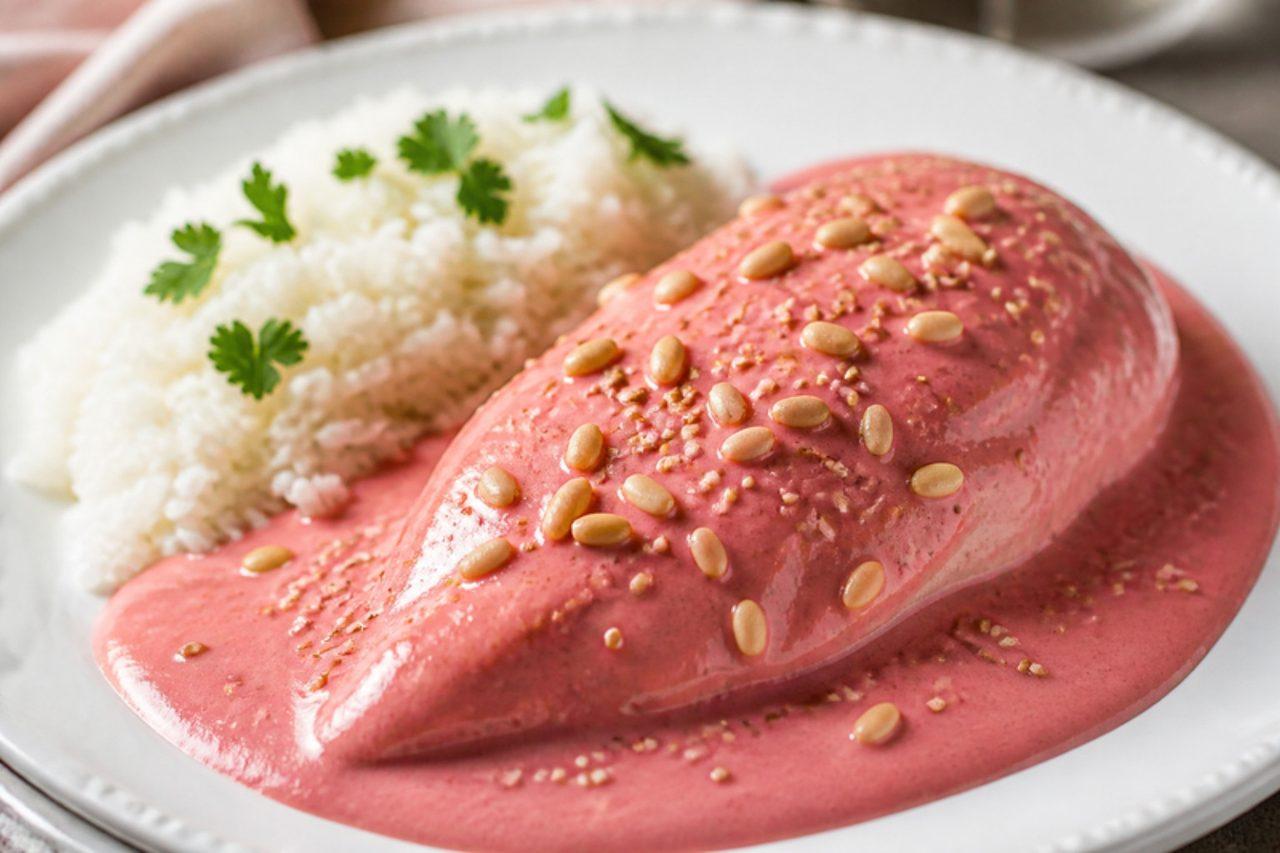
Mole rosa comes from Taxco, the silver-mining town in the hills of Guerrero, where it is served on special occasions over poached chicken. Cooked beetroot gives the shocking pink colour, while pine nuts, almonds and a little white chocolate make it creamy, gently sweet and only faintly warm from one mild guajillo chile. It looks festive with toasted pine nuts on top and white rice alongside. Chef's tip: simmer the sauce only briefly, because long cooking turns the pink brownish.

by KrazyBadal 0 views

Pipián rojoChicken in red pumpkin seed sauce

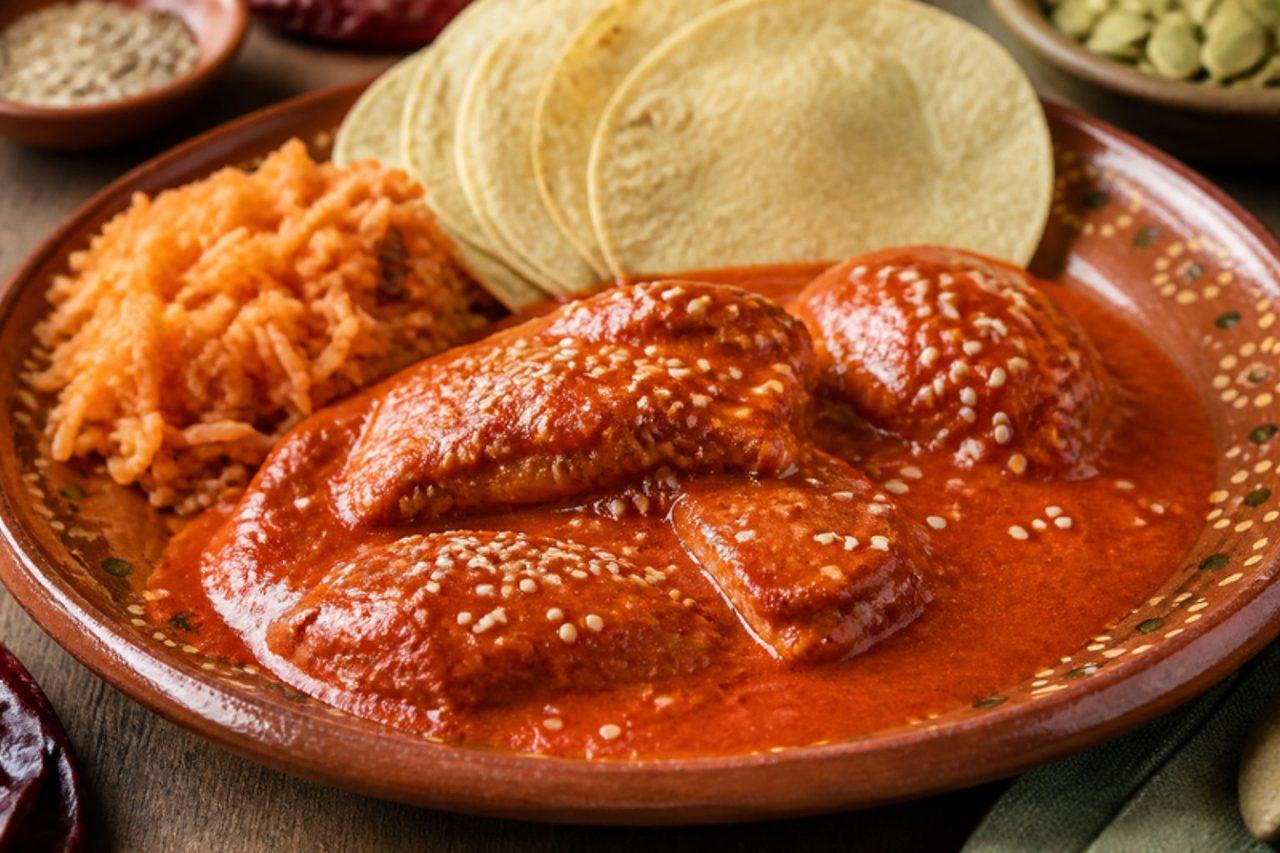
At family fiestas in Tlaxcala and the Puebla countryside, pipián rojo is the brick-red cousin of the green version, thick with toasted pumpkin seeds and sesame and coloured with guajillo and ancho chiles. Chicken pieces are poached first, and their broth loosens the sauce so it clings like velvet. It tastes earthy, nutty and only gently hot, and is served with red rice and stacks of tortillas. Chef's tip: toast the seeds and sesame separately, because sesame burns in half the time.

by KrazyBadal 0 views

Mole coloraditoRed mole

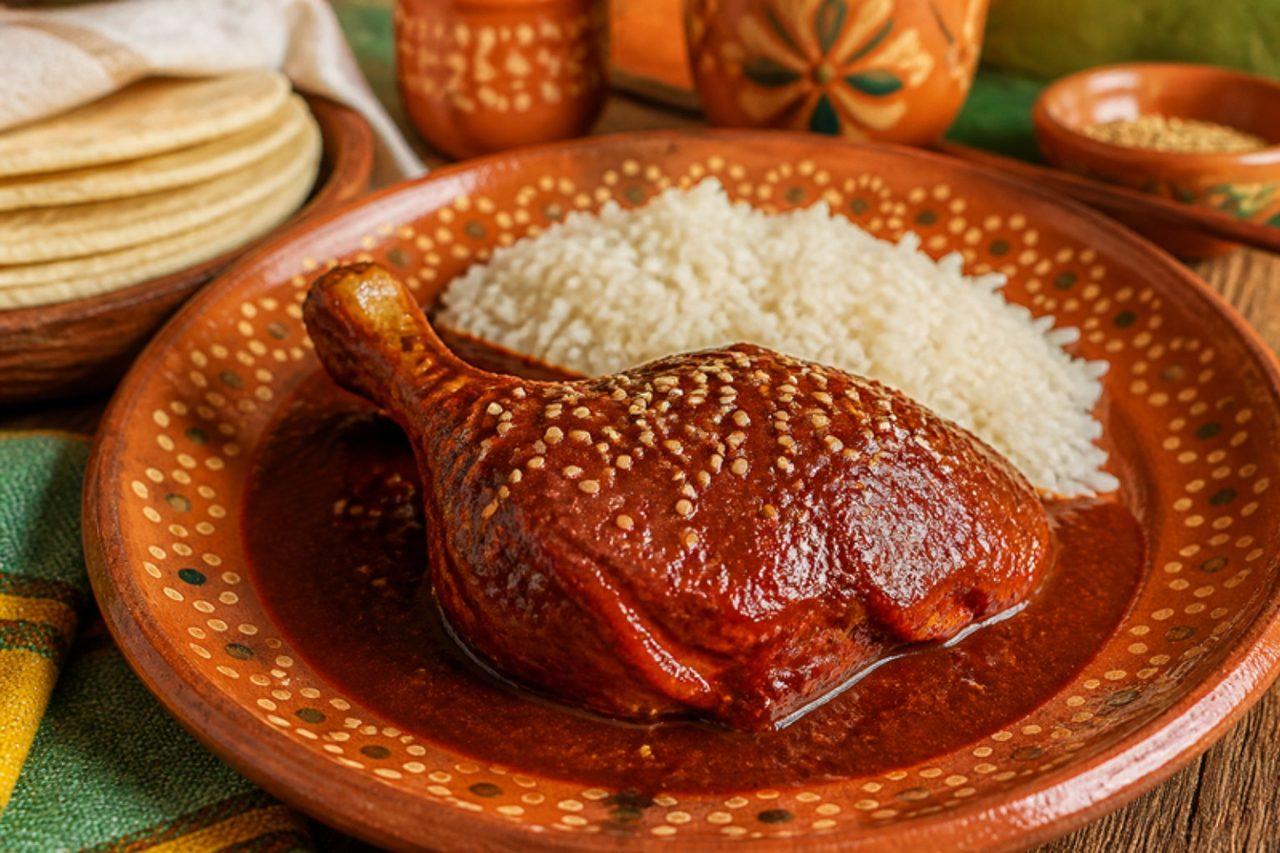
Among Oaxaca's famous seven moles, coloradito is the one served at weddings, baptisms and the Guelaguetza feasts in the Central Valleys, poured over chicken and eaten with tortillas and rice. Ancho and guajillo give it a brick-red colour, while fried plantain, bread, almonds, sesame and a little Oaxacan chocolate make it sweet-savoury and glossy. It takes an afternoon and is even better the next day. Chef's tip: fry the blended paste in hot oil until it darkens and thickens like jam; this 'searing' of the mole builds most of its depth.

by KrazyBadal 0 views

Pollo encacahuatadoChicken in peanut sauce

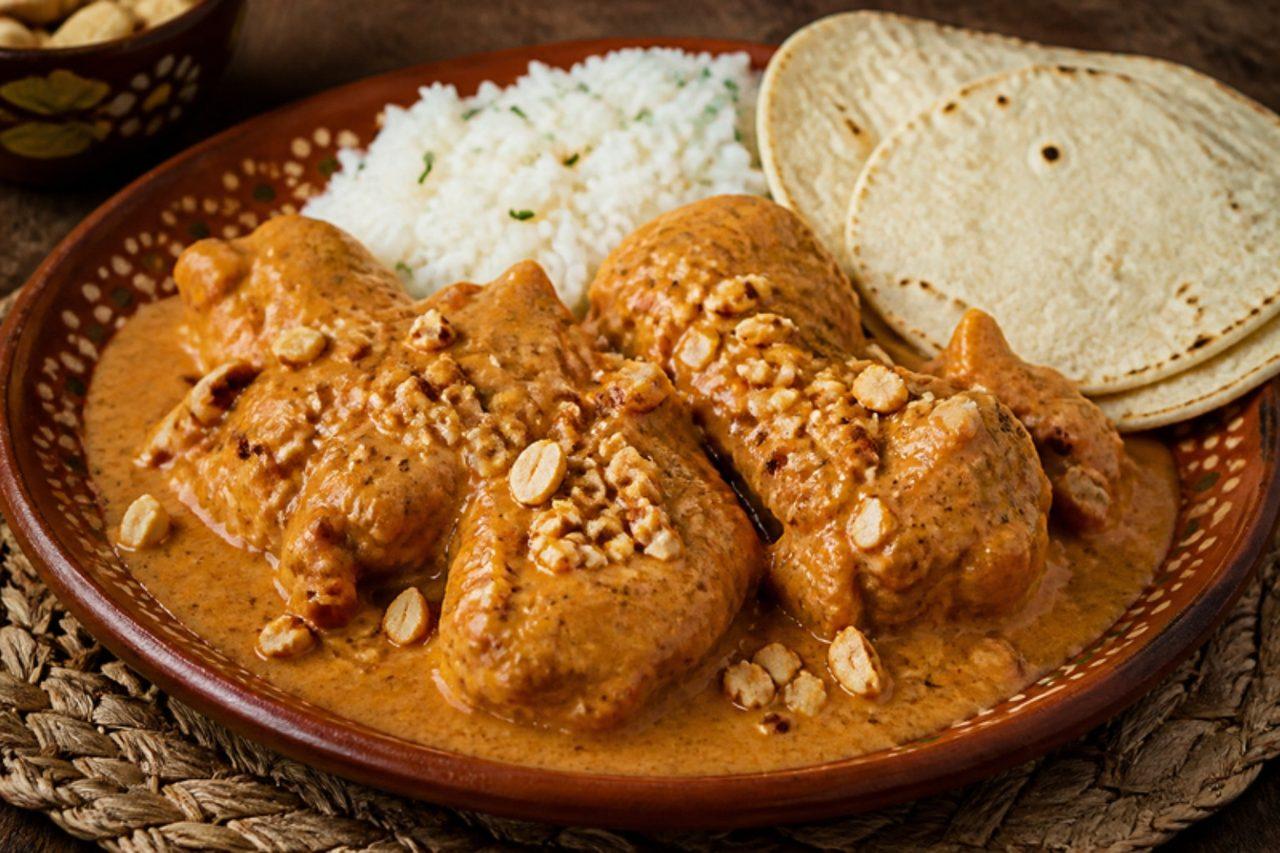
In Veracruz and the towns of central Mexico, encacahuatado is a fiesta-day dish of chicken in a thick, rust-coloured sauce of roasted peanuts, tomato and smoky chipotle. It tastes nutty, gently sweet and warm rather than hot, and is served with white rice and tortillas. Peanuts are the heart of the sauce, so this dish is not suitable for anyone with a peanut allergy. Chef's tip: the sauce thickens a lot as it stands, so keep a cup of warm stock nearby to loosen it before serving.

by KrazyBadal 0 views

Dinde aux marronsRoast turkey with chestnuts

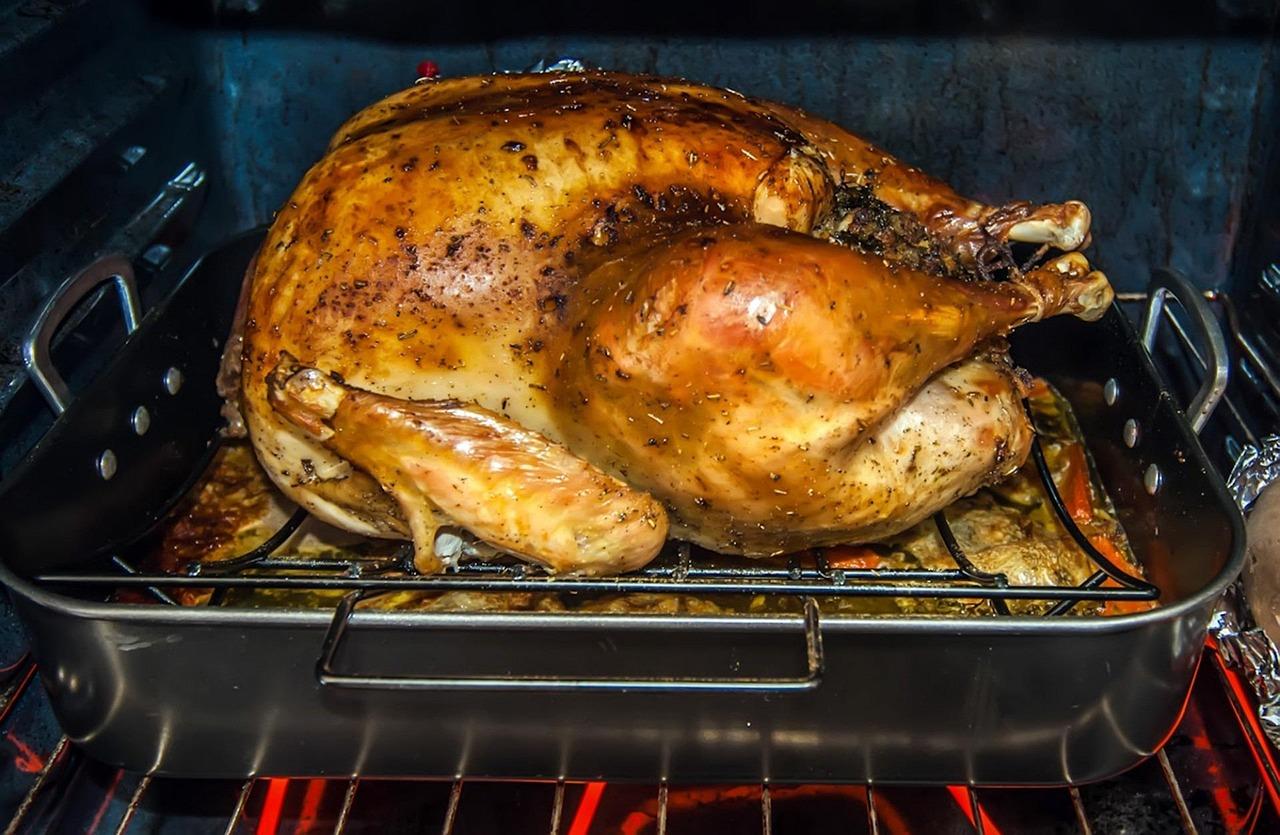
Dinde aux marrons, roast turkey with chestnuts, is the Christmas Day dish of much of France, carried to the table at lunch on 25 December, often after oysters and smoked salmon. The bird is rubbed with butter, roasted with a gentle chestnut and onion garnish, and served with its pan juices. The stuffing is cooked separately here, which keeps it safe and the bird evenly cooked. The common mistake is roasting too long, which dries the breast. Chef's tip: the turkey is ready when the thickest part of the thigh reads 74 °C; rest it for 45 minutes under foil before carving.

by KrazyBadal 0 views

Poulet à l'estragonTarragon cream chicken

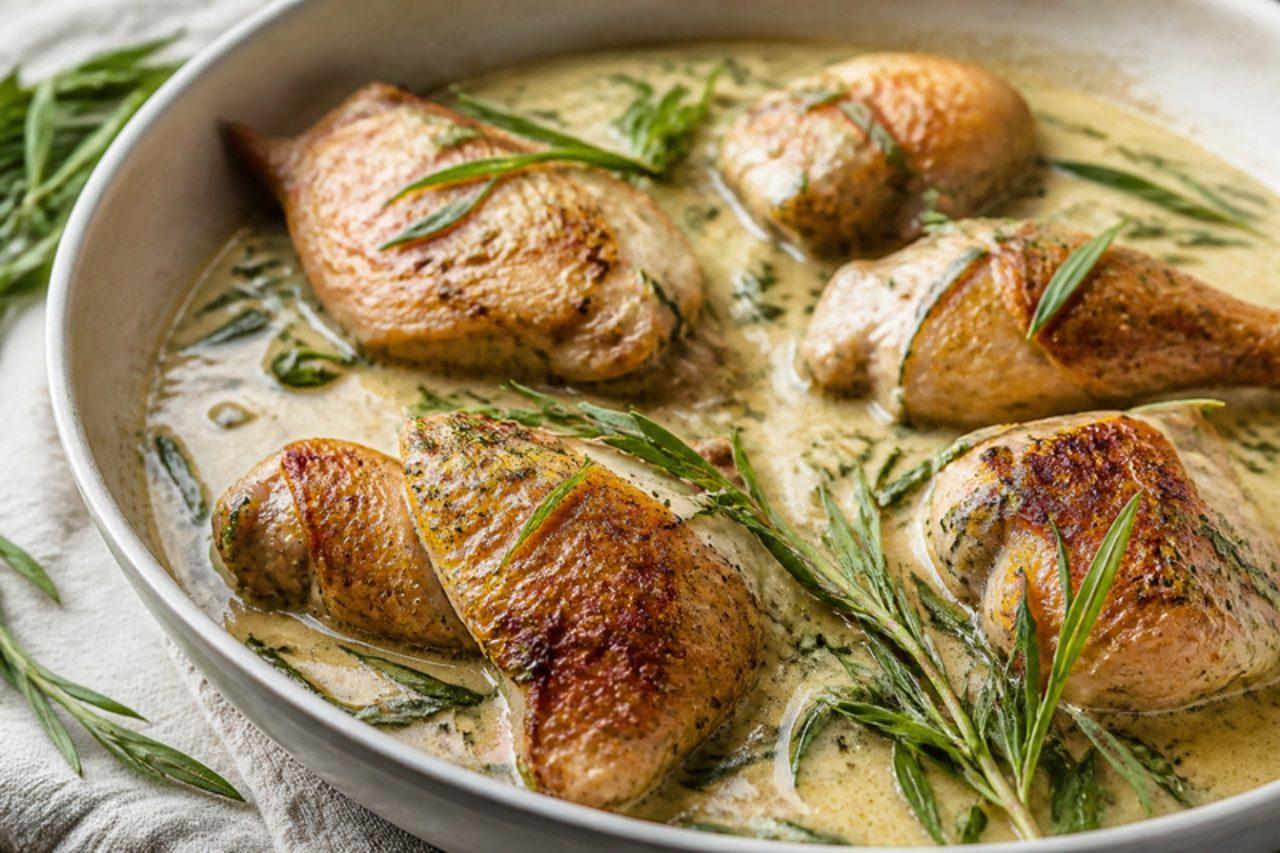
Poulet à l'estragon is a family favourite all over France, a quick weeknight braise or Sunday lunch served with rice or boiled potatoes, especially in early summer when tarragon is at its best. Chicken pieces are browned in butter, simmered in white wine and stock, then bathed in a cream sauce full of fresh tarragon, whose aniseed flavour is the whole point of the dish. The wine simmers for 30 minutes, which drives off most of the alcohol but not all; for an alcohol-free version use extra stock with 1 tsp white wine vinegar. The common mistake is adding the tarragon too early, which cooks away its fragrance. Chef's tip: add half the tarragon with the stock and the rest just before serving, for depth and freshness.

by KrazyBadal 0 views

Escabeche de polloChicken in vinegar and carrot

Pollo en escabeche is a home classic in Córdoba and Buenos Aires, a legacy of Spanish preserving that Argentines make on a Saturday to eat cold all week. It comes out of the fridge for a picada before the asado, as a summer lunch with a green salad and crusty bread, or packed for a day in the sierras. Chicken is browned, then gently cooked in oil and vinegar with carrot, onion, red pepper, garlic, bay and black peppercorns, and left to rest at least a day. The meat turns tender and lightly tangy, the carrots keep a little crunch, and the oil carries the flavour of bay and pepper. Because garlic sits in oil, safety matters: the liquid is half strong vinegar (at least 5% acidity, never diluted beyond what the recipe says), and the jar always lives in the fridge, never on the shelf. Eat it within 5 days. The common mistake is letting it boil hard, which makes the chicken dry and stringy; it should barely tremble. It is ready the next day, when the chicken tastes seasoned right through and the oil has turned golden. Chef's tip: take it out 20 minutes before serving so the oil melts back to liquid.

by KrazyBadal 0 views

Poule au potStuffed hen with vegetables

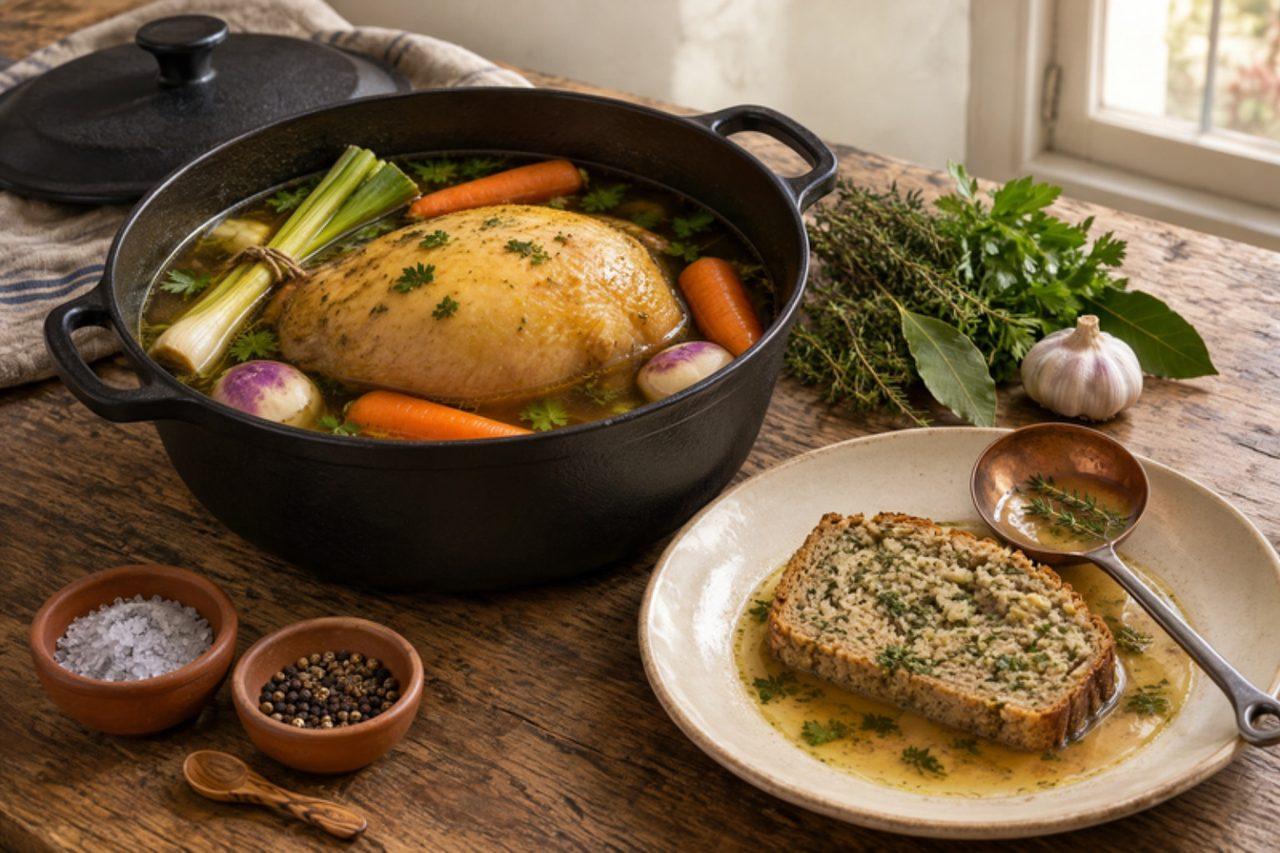
Poule au pot is the Sunday dish of Béarn in south-west France, linked for centuries with King Henri IV's wish that every peasant family should have a chicken in the pot on Sundays. A hen is filled with a stuffing of bread, Bayonne ham (a cured pork ham), chicken livers, garlic and parsley, then poached slowly with leeks, carrots and turnips. The golden broth is served first as a soup, followed by the sliced bird, stuffing and vegetables with a little coarse salt and mustard or a sauce gribiche. The usual mistake is stuffing the bird too tightly: the stuffing swells and can burst the skin, and a dense centre takes longer to cook through. Chef's tip: sew the neck and tail openings shut, or close them with cocktail sticks, so no stuffing leaks into the broth.

by KrazyBadal 0 views

Escabeche orientalGrilled chicken in vinegar broth

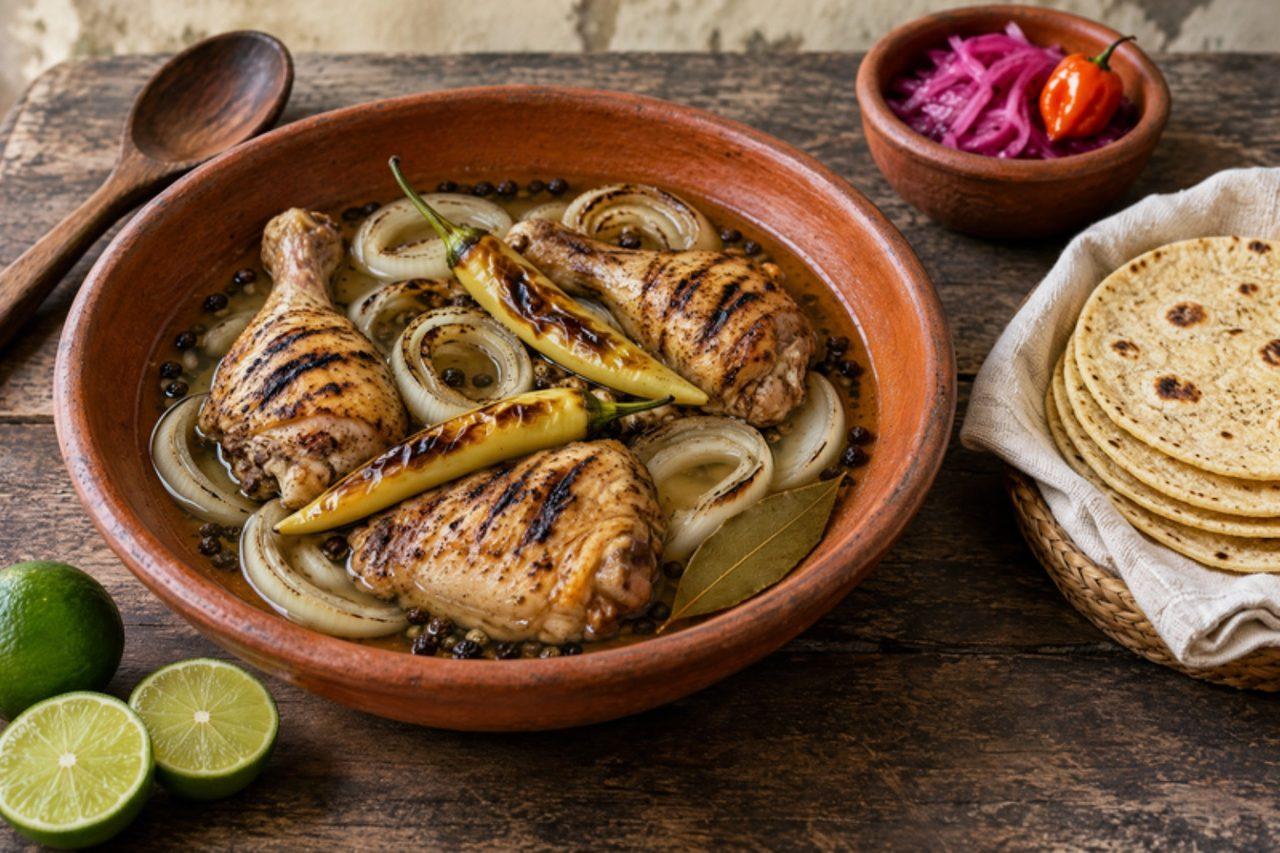
Valladolid, in eastern Yucatán, gave this dish its name: oriental means from the east of the peninsula. It is a lunchtime staple of the town's loncherías and family tables, eaten hot in a deep bowl with corn tortillas, especially on weekends and at fiestas, and every cook guards a recado of black pepper, allspice, clove and Yucatecan oregano. The chicken is simmered in a garlicky spiced broth, rubbed with the recado and grilled until smoky, then returned to the broth with charred onions and xcatic chillies sharpened with vinegar. The result is light but bold: a clear, tart, peppery broth, smoky juicy chicken and soft, sweet onion with a gentle chilli heat. Common mistake: boiling the chicken hard, which clouds the broth and makes the meat stringy. Keep it at a lazy simmer. It is ready when the broth is clear and golden, smells of vinegar and allspice, and the onions are soft but still hold a bite. Outside Mexico, use güero, banana or Hungarian wax peppers for xcatic. Chef's tip: char the garlic head until black in patches; that smoky sweetness is the soul of the broth.

by KrazyBadal 0 views

Poulet basquaiseBasque chicken with peppers

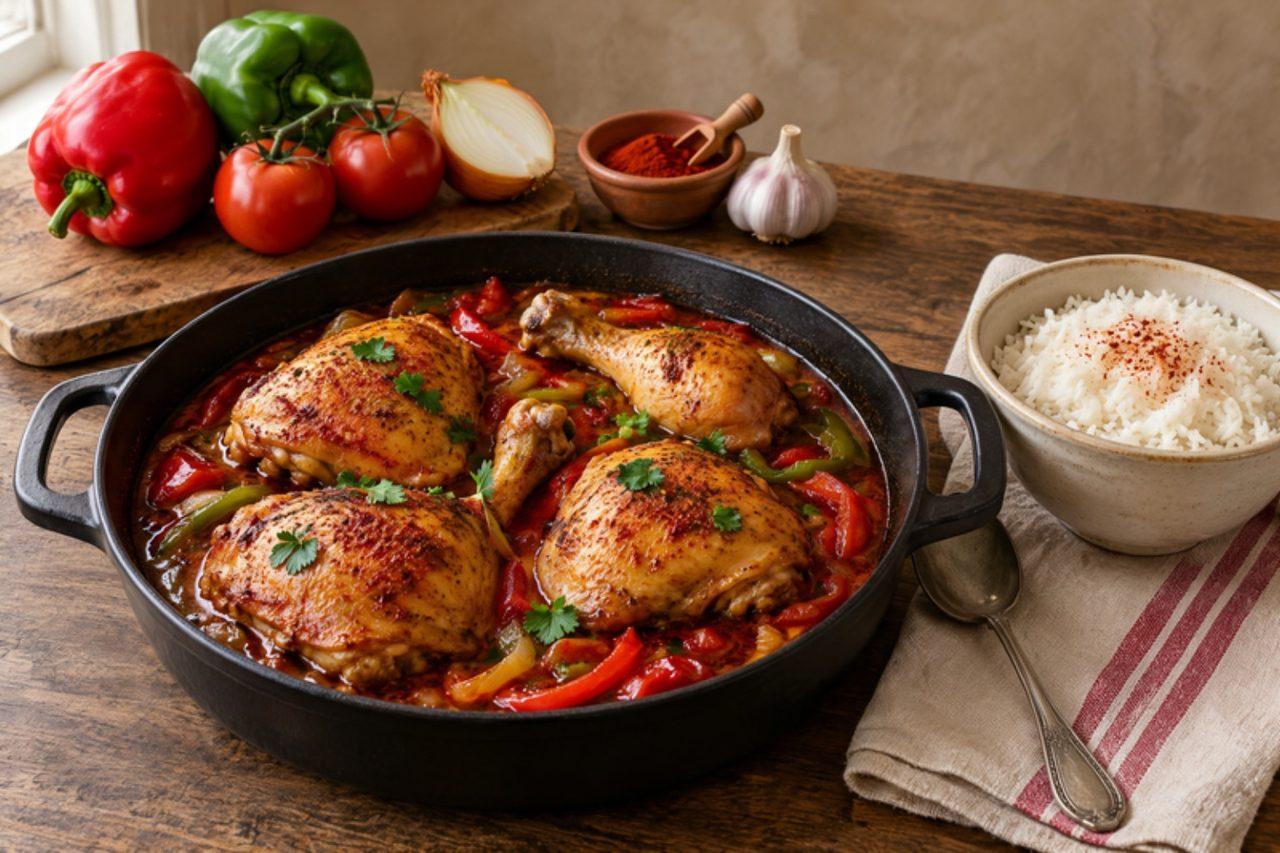
Poulet basquaise is the everyday family braise of the French Basque Country around Bayonne and Espelette, cooked all summer when peppers are sweet and plentiful. Chicken thighs are browned, then simmered in a piperade of red and green peppers, onion, garlic and tomato, warmed with the region's mild, fruity piment d'Espelette. Rich in vegetables and suitable as part of a balanced diet; serve with green beans or a small portion of brown rice instead of the usual white rice. About 380 kcal and 14 g carbohydrate per portion. The usual mistake is crowding the pan when browning, so the chicken steams and the skin stays pale. Chef's tip: let the peppers cook down slowly until soft and sweet before the chicken goes back in; that is the flavour of the dish.

by KrazyBadal 0 views

Tamales oaxaqueñosTamales with black mole and chicken

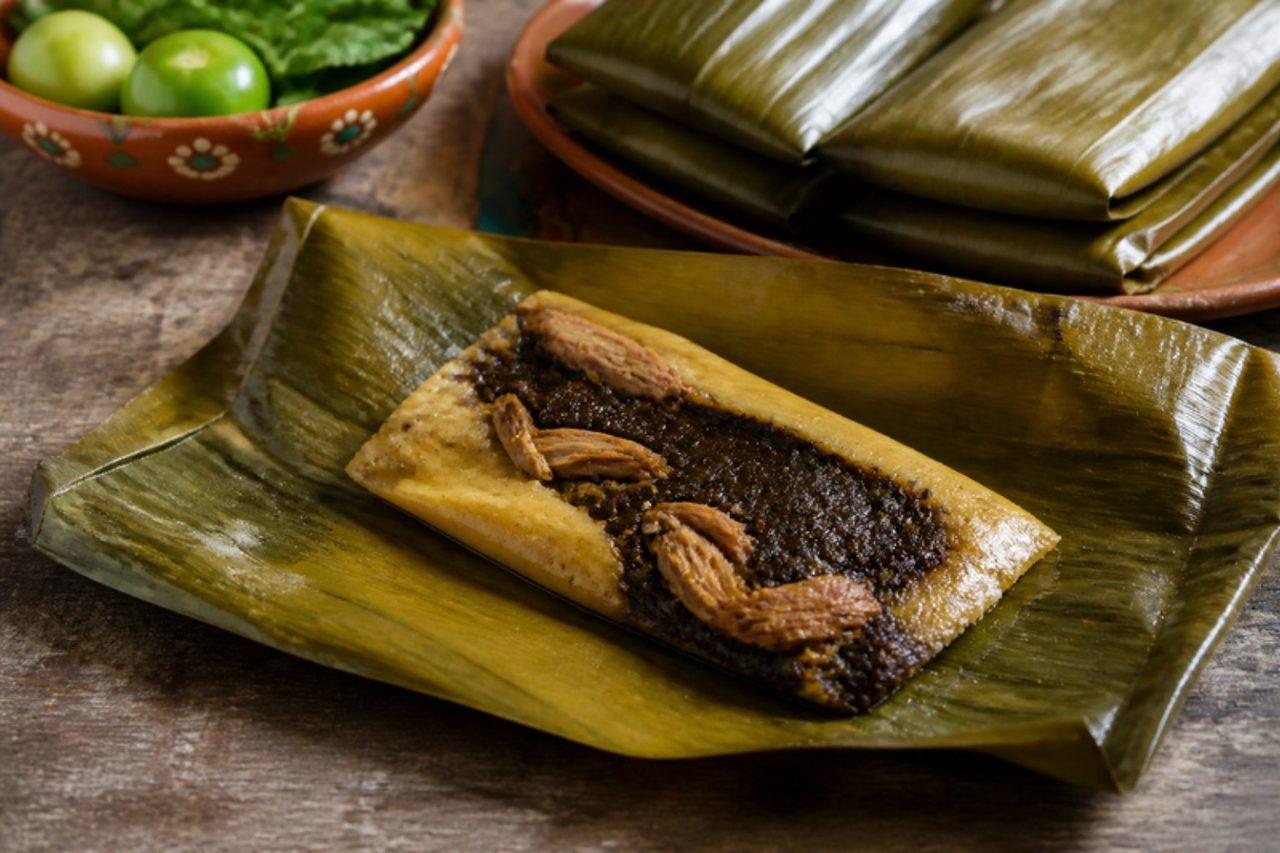
In Oaxaca, tamales are wrapped in banana leaves rather than corn husks, which makes them flat, square and very moist, with a faint grassy scent from the leaf. These are the classic version filled with mole negro and shredded chicken, sold from steaming pots at morning markets and made by the dozen for Christmas, Candlemas on 2 February and the Day of the Dead. The masa is beaten with pork lard, which gives the traditional light, rich texture; vegetable shortening works if you avoid pork. Use leftover mole negro, or a simplified mole made from good ready-made paste thinned with broth. Eat them with hot chocolate or atole. Chef's tip: keep a coin in the bottom of the steamer; when it stops rattling, the water has run low and needs topping up.

by KrazyBadal 0 views

Poulet vallée d'AugeChicken in cider and cream sauce

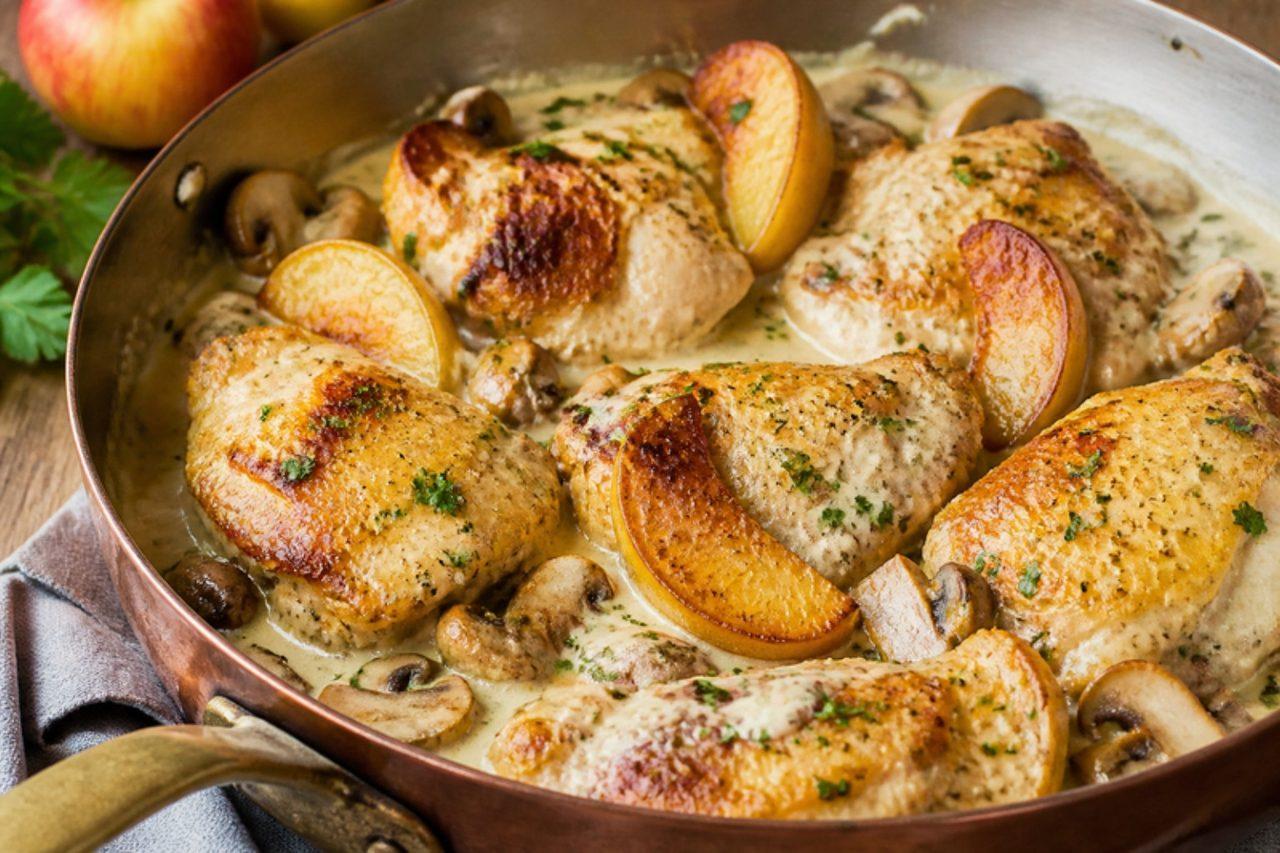
The Pays d'Auge, the green orchard country around Lisieux and Pont-l'Évêque, puts its three great products into one pan here: apples, cider and thick Normandy cream. Chicken pieces are browned in butter, flamed with a splash of Calvados if you like, braised in dry cider with mushrooms and finished with crème fraîche, so the sauce is tangy, gently sweet and pale gold. It is a Sunday lunch dish, served with rice or steamed potatoes and wedges of apple caramelised in butter. The recipe uses cider and optional Calvados; alcohol-free swaps are in the ingredient notes. Chef's tip: choose a dry cider, because a sweet one makes the sauce cloying once it reduces.

by KrazyBadal 0 views

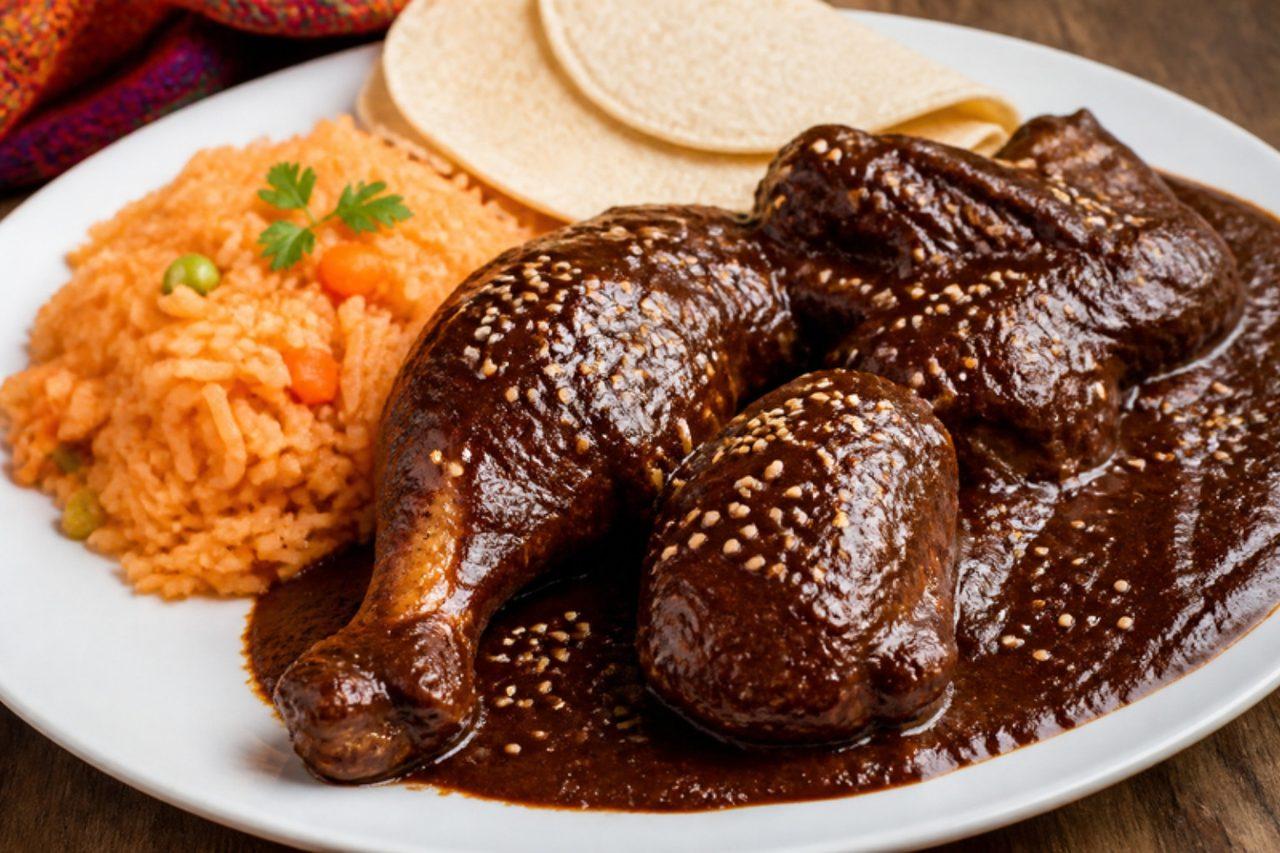
Mole negro con polloChicken in black mole

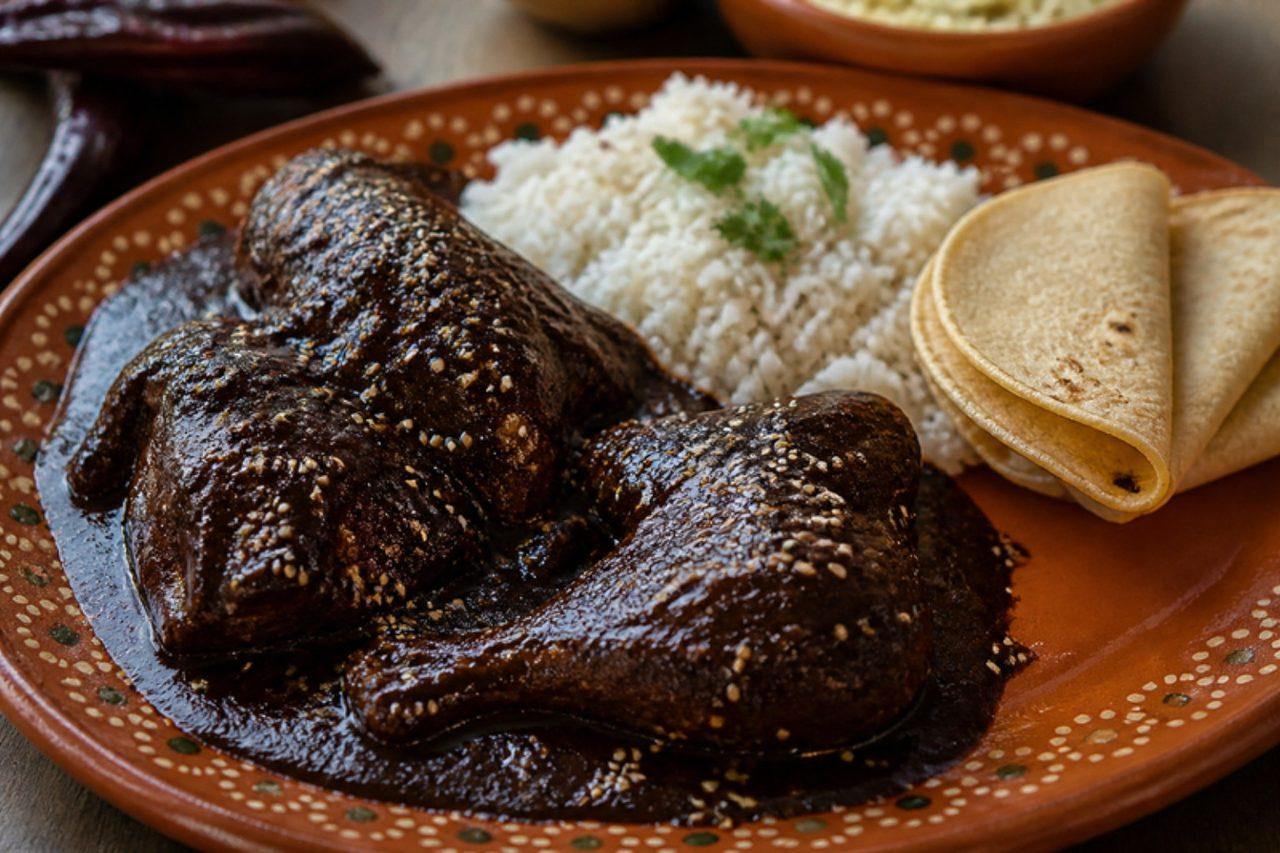
Of Oaxaca's seven moles, mole negro is the one brought out for weddings, christenings and the Day of the Dead, when families cook it in huge clay pots and send guests home with containers of it. Its near-black colour comes from chillies toasted very dark and from seeds and tortilla charred on purpose, balanced by fried plantain, raisins, sesame and a little Mexican chocolate, so the sauce tastes smoky, bittersweet and deeply savoury rather than sweet. The true base is the Oaxacan chilhuacle negro, which is hard to find outside the region; this version uses a practical mix of pasilla, mulato, ancho and guajillo, which gets very close. Serve it over the poached chicken with white rice and warm corn tortillas. Oaxacan cooks often fry the sauce in pork lard; vegetable oil works just as well and keeps the dish pork-free. Chef's tip: make the sauce a day ahead; like most moles it rounds out and deepens overnight in the fridge.

by KrazyBadal 0 views

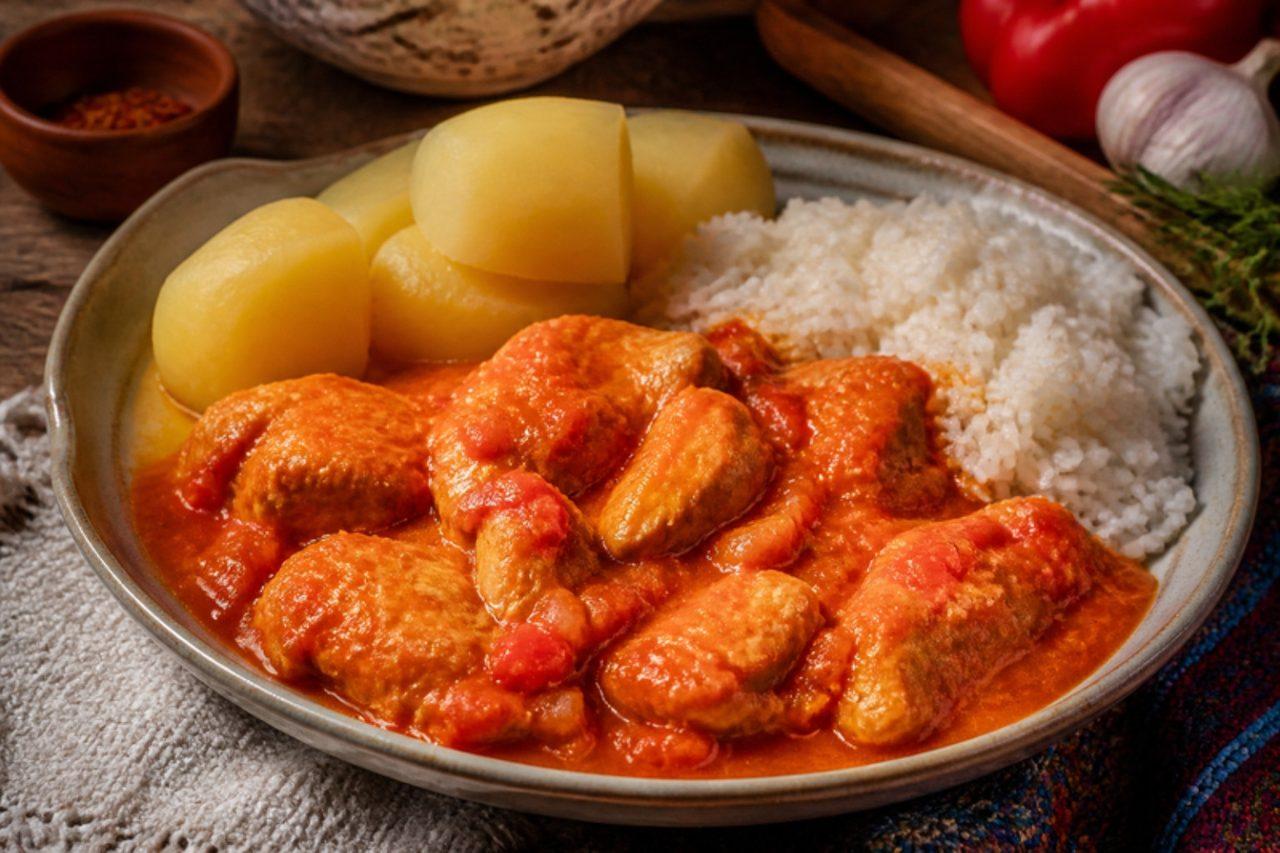
Picante de polloChicken in red chilli sauce

High up in Jujuy, picante de pollo is the dish cooks make for weddings, patronal feast days and Carnival in the Quebrada de Humahuaca, and the small comedores near the markets of San Salvador serve it every Sunday. Chicken pieces are first poached, then finished in a vivid red sauce of ají colorado (ground dried red chilli), lots of onion, tomato and garlic, thickened with the broth; on the plate it goes with white rice, boiled Andean potatoes and often a scattering of crunchy fried potato sticks (papas fritas en bastón) or chopped tomato and onion. It is warming rather than fiery, with a deep earthy chilli flavour. The chicken must reach 74 °C at the bone. Burning the ground chilli is the usual mistake: add it to the pan off the heat or over a gentle flame, or it turns bitter in seconds. Chef's tip: let the stew sit for 15 minutes before serving; the chicken absorbs the red sauce and the colour deepens.

by KrazyBadal 0 views

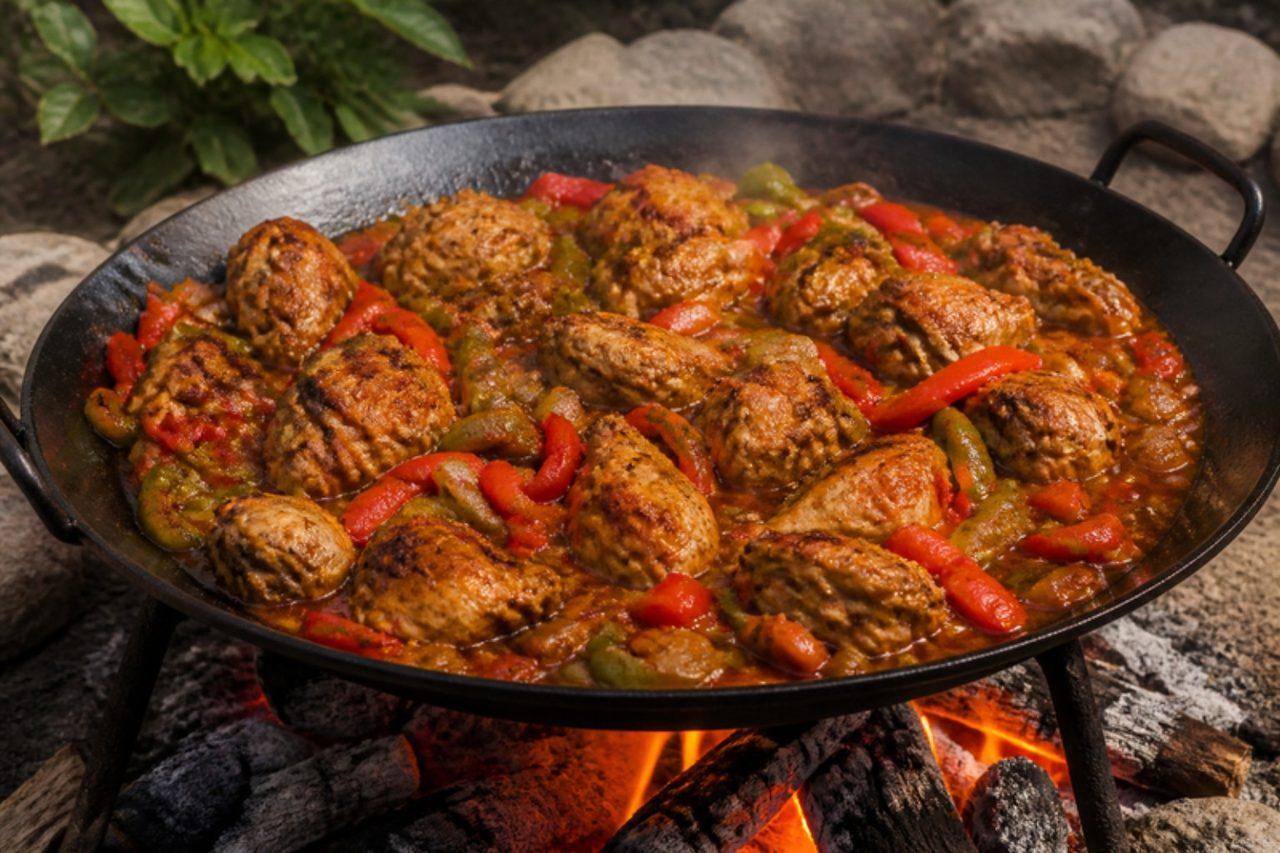
Pollo al discoChicken with peppers and wine

Out on the estancias of the Pampas, the disco de arado (an old plough disc welded onto legs) is set over a wood fire for long weekend lunches, and chicken braised in it is one of the most loved dishes: pieces browned in the wide, sloping pan, then cooked down with onions, peppers, garlic, paprika and a splash of white wine until the sauce is sweet and glossy. Friends stand around the fire with bread for dipping. A large, heavy casserole or wok on the hob does the job at home. The recipe uses white wine; for an alcohol-free version, use the same amount of chicken stock plus 1 tablespoon of white wine vinegar. Chicken must reach 74 °C at the thickest part near the bone. The common mistake is piling everything in at once, which boils the chicken pale, so brown it well first. Chef's tip: push the browned chicken up the sloping sides while the vegetables cook in the centre, as disco cooks do; in a casserole, lift it onto a plate.

by KrazyBadal 0 views

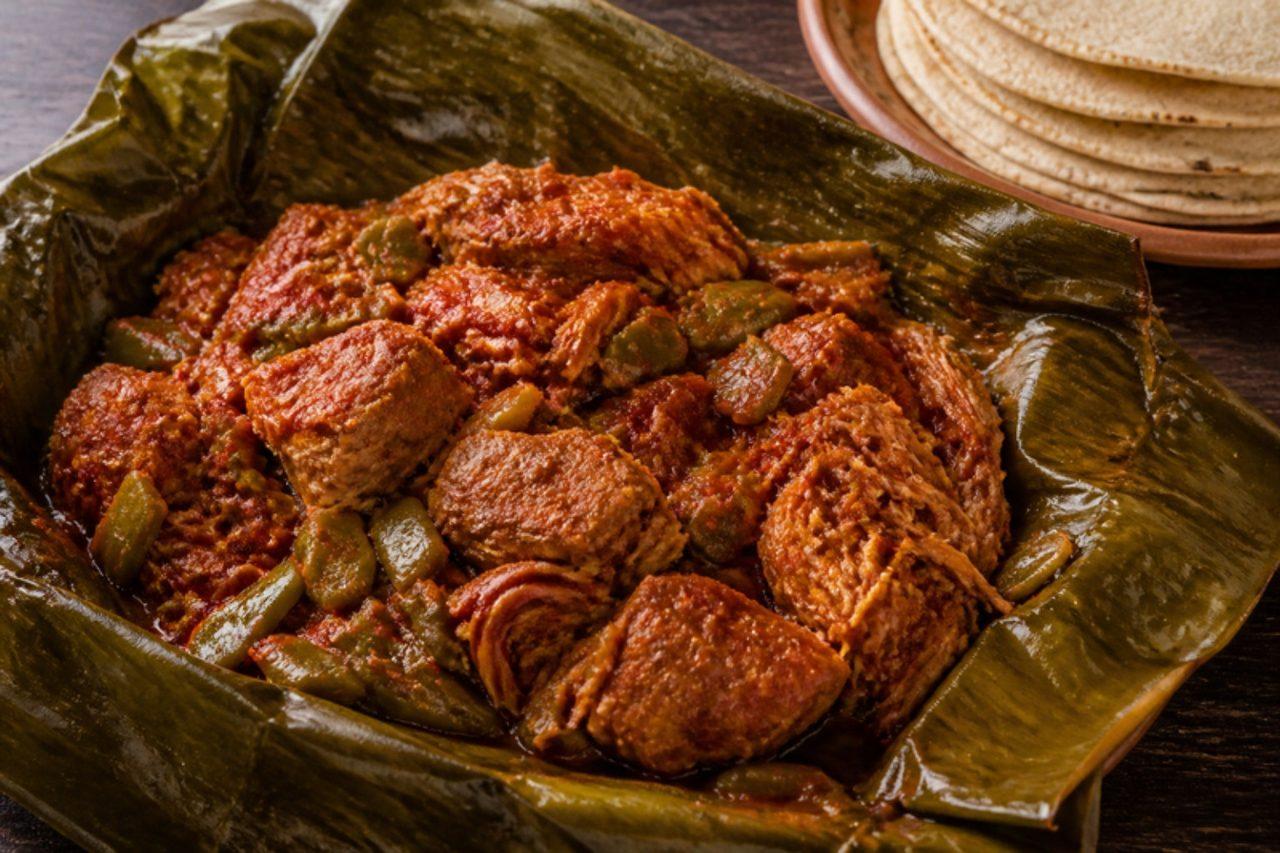
XimbóChilli chicken and pork parcels

Ximbó comes from the Otomí (Hñähñu) communities of Hidalgo's Valle del Mezquital, where it is cooked for village fiestas: pieces of chicken, and often pork, are coated in a guajillo and pasilla sauce with nopales and onion, wrapped in the thick leaves of the maguey and slow-cooked in a pit oven like barbacoa. The meat comes out tender and juicy, in a concentrated, smoky red sauce. Maguey leaves are almost impossible to buy outside Mexico, so this home version wraps everything in banana leaves and baking paper and steams it on the hob; the pork is optional, but if you use it this becomes a pork dish too. Eat it straight from the parcel with tortillas, salsa and pickled chillies. Chef's tip: pass the banana leaves briefly over a gas flame or hot pan until they turn glossy; they become supple and stop cracking when you fold them.

by KrazyBadal 0 views

Mole poblano with chickenChicken in chocolate chilli sauce

In the city of Puebla, mole poblano is the dish for weddings, baptisms and saints' days, and families often make it together over a whole afternoon. Three dried chillies (mulato, ancho and pasilla) are fried and ground with almonds, peanuts, sesame, raisins, spices, toasted tortilla and a little chocolate into a sauce that is deep, glossy and only gently sweet. It is spooned over poached chicken and scattered with sesame, with Mexican rice and warm tortillas to mop it up. Making it a day ahead lets the flavours settle. Chef's tip: fry the blended sauce in hot fat before adding stock; that sizzling stage is what turns it from a purée into mole.

by KrazyBadal 0 views

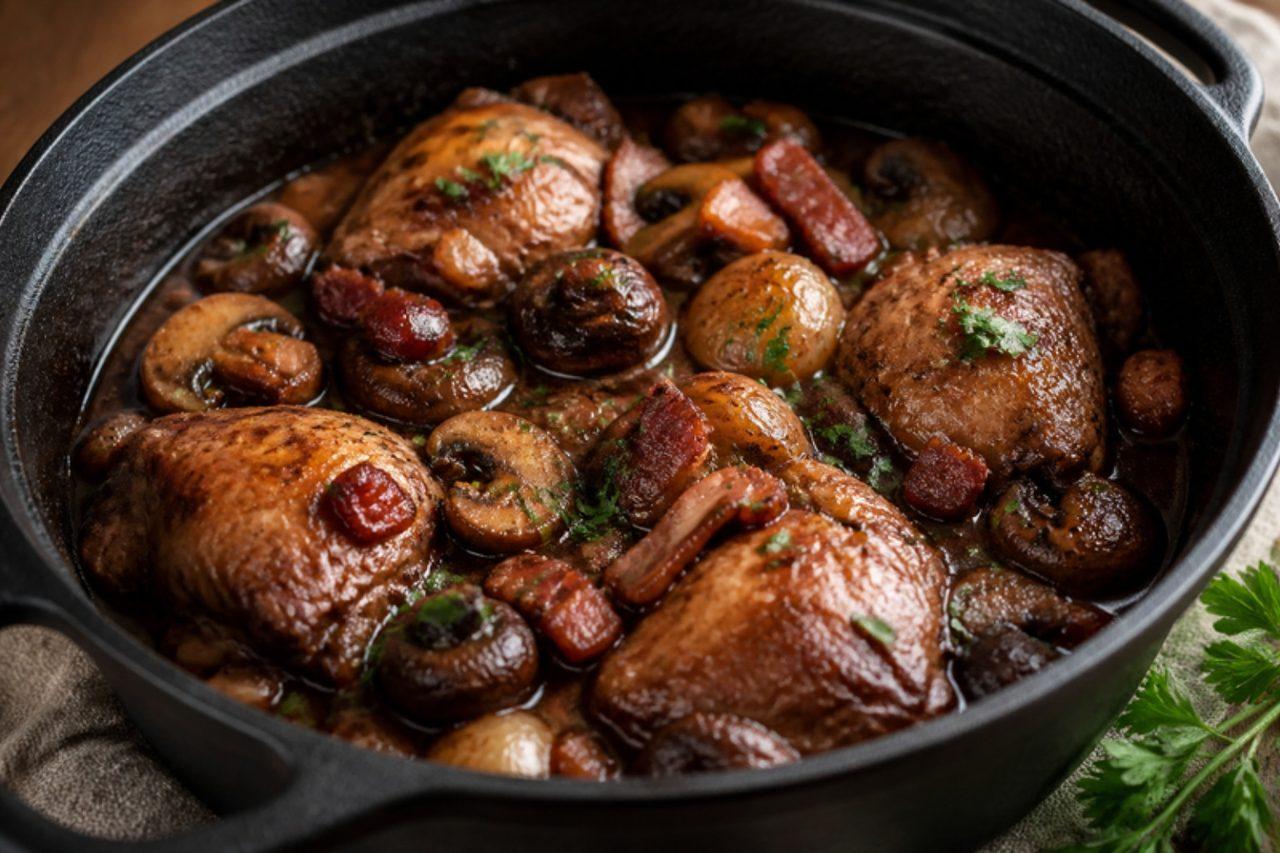
Coq au vin

Coq au vin comes from Burgundy, where farm cooks once used the local red wine to soften a tough old rooster for a long Sunday lunch. This version uses chicken thighs and legs, which stay juicy, and contains pork (smoked lardons). The wine cooks for over an hour, so most of the alcohol is driven off but not all of it; for an alcohol-free version use 500 ml chicken stock with 100 ml red grape juice and 1 tbsp red wine vinegar. Serve with buttery mashed potatoes or boiled potatoes and a crusty loaf. Chef's tip: marinate the chicken in the wine overnight in the fridge; it colours the meat deep purple and seasons it right through.

by KrazyBadal 0 views