Skip to content
WhatToEat.Today

All recipes

12

Vegetarian, or something you can't eat? Set your diet once and we'll hide recipes that don't fit.

MantecaditosAlmond shortbread with guava

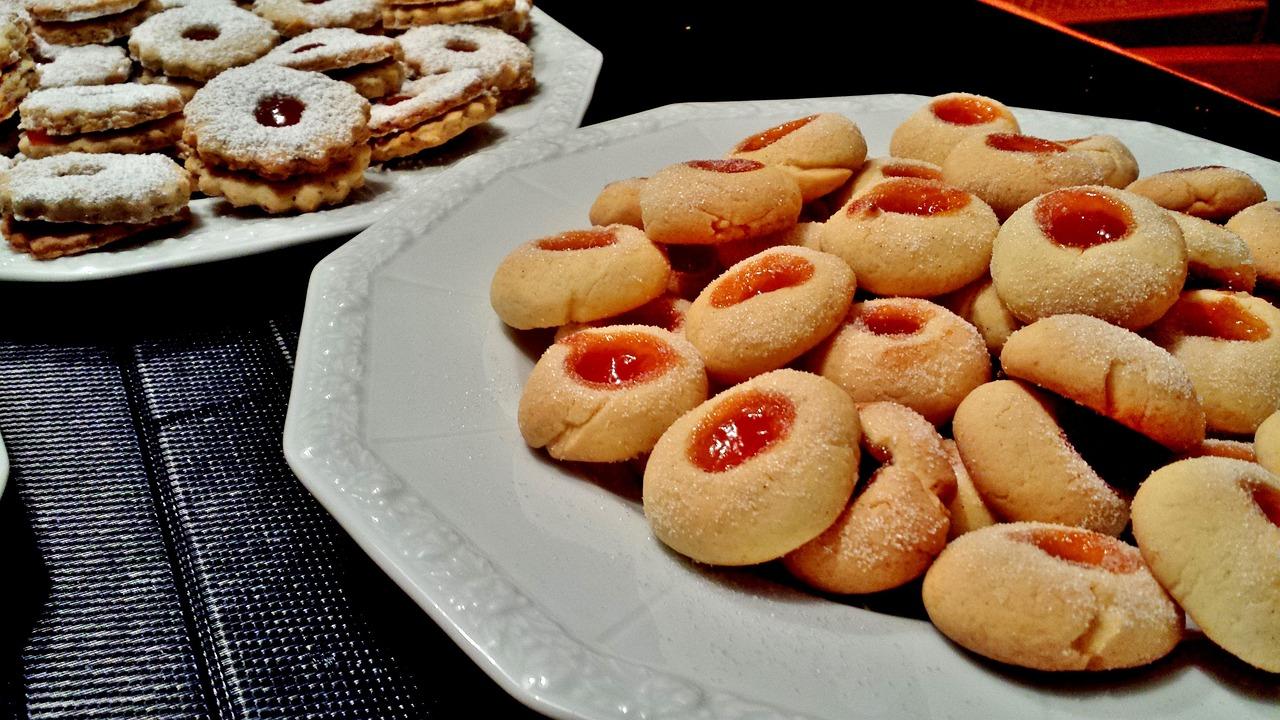
During the long Puerto Rican Christmas season, which runs from Thanksgiving to the fiestas de la calle San Sebastián in mid-January, trays of mantecaditos appear at every parranda and family visit. They are small, eggless shortbread balls scented with almond extract, pressed with a thumb and filled with a cube of sticky, ruby guava paste. They crumble in one bite, rich with butter, and the tart guava cuts the sweetness. Serve them with a cafecito, or a glass of milk for the children. Warm dough is what makes them spread into flat puddles, so chill the shaped balls before they go in. Chef's tip: cut the guava paste with a knife dipped in hot water, and press it into the hollow only after chilling so it stays neatly in place.

by KrazyBadal 0 views

ChapeaRed beans with plantain and sausage

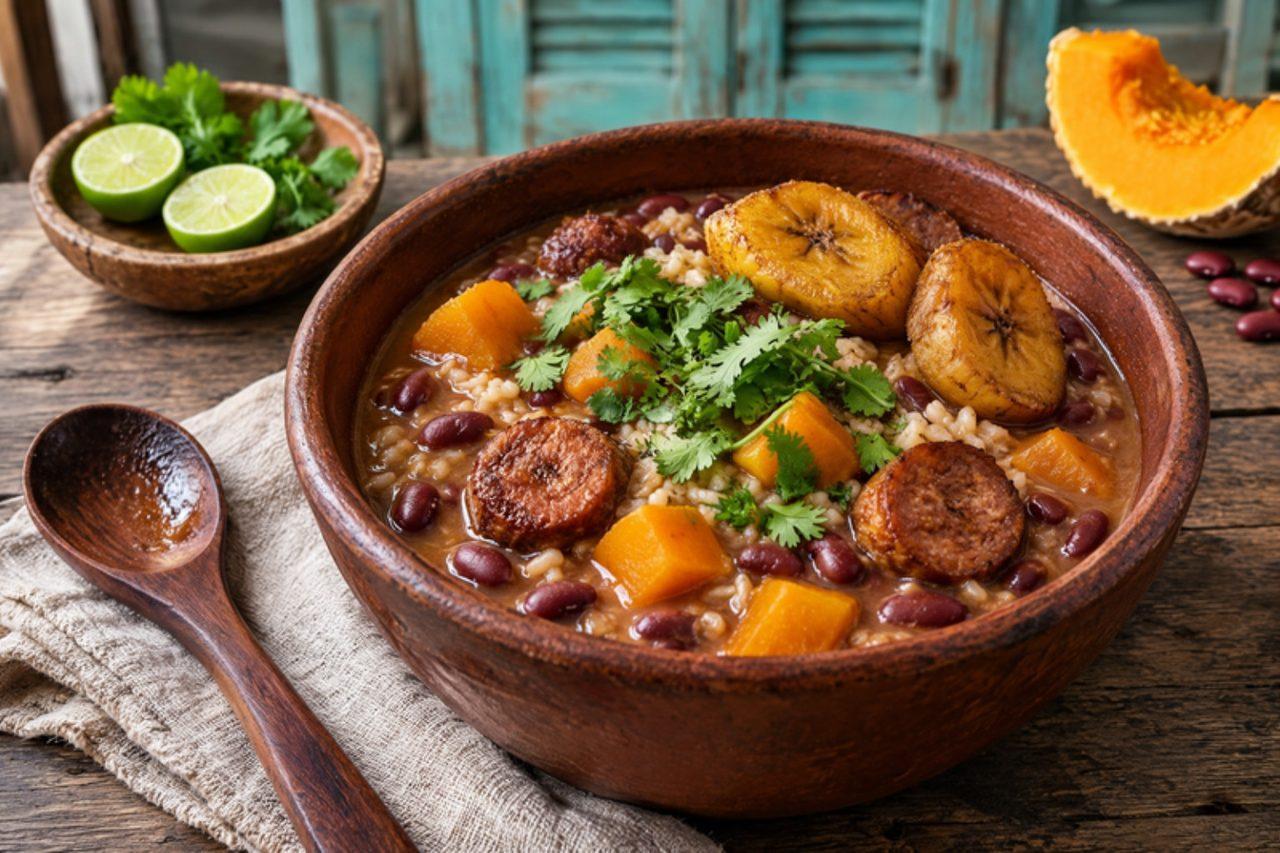
Chapea comes from the countryside of the Cibao and the south of the Dominican Republic, where it is cooked for big Sunday lunches and family gatherings: red beans stewed with auyama squash and ripe plantain, smoky pork longaniza or salami, then rice cooked right in the bean broth until it is soft and creamy, somewhere between a moro and a stew. The sweet plantain melts into the pot and gives the rice a gentle sweetness. Dried red kidney beans must be soaked and then boiled hard for 10 minutes before the gentle simmer, to destroy a natural toxin; tinned beans are already safe. The usual mistake is adding the rice to too little liquid, which leaves it hard; it should be swimming at first. Chef's tip: fry the sofrito until it smells sweet and the oil turns red before the beans go in, as that is where chapea gets its depth.

by KrazyBadal 0 views

Piña colada

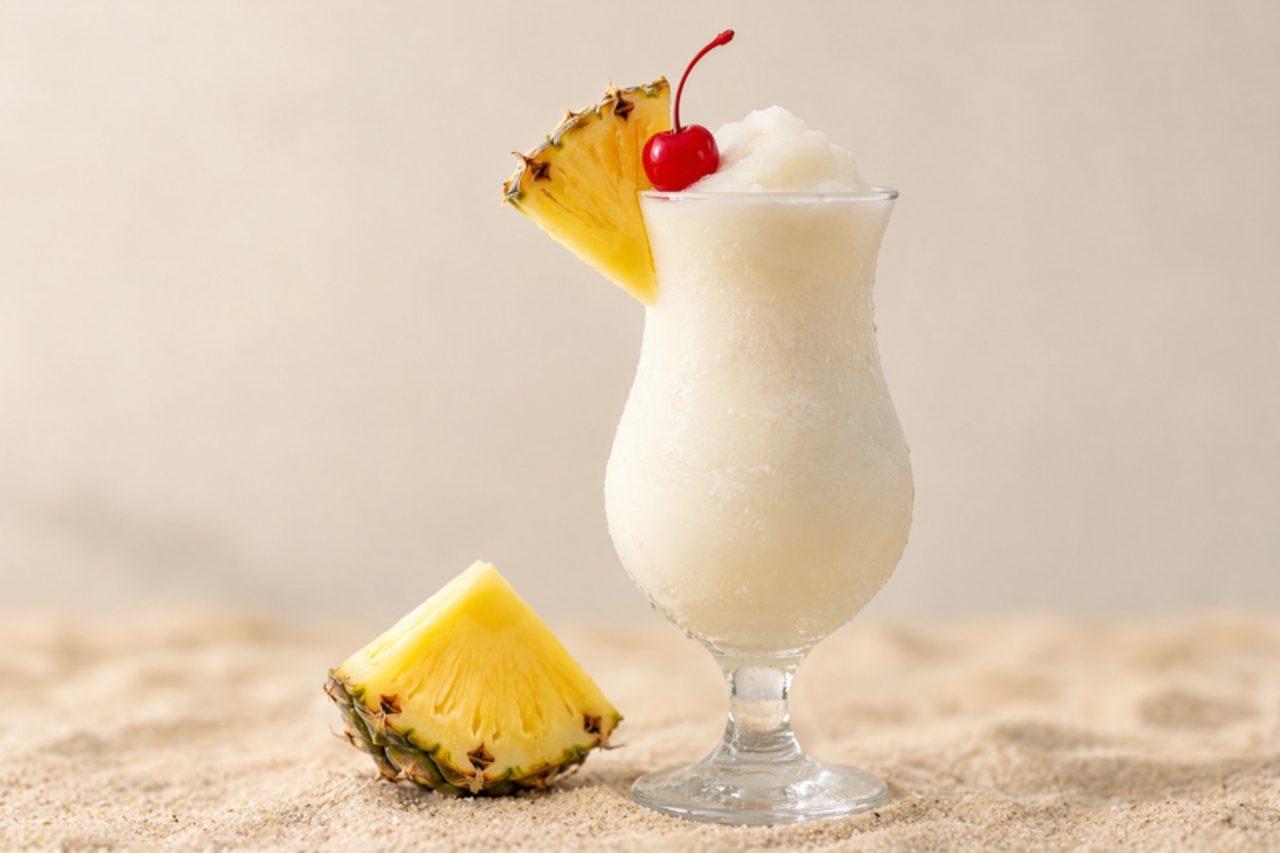
Two bars in 1950s San Juan claim to have created the piña colada, and Puerto Rico made it the island's official drink in 1978. It is the drink of hot afternoons on the beaches of Condado and Isla Verde, of hotel pools and of family parties where the blender runs all day. The rum version is for adults only, and because it tastes like a dessert it is easy to drink too fast, so keep to one or two and drink responsibly. A good piña colada is thick, frosty and smooth, coconut-sweet but kept fresh by the sharp acidity of pineapple, with the rum warming the finish. The common mistake is using coconut milk or unsweetened coconut cream instead of cream of coconut, the thick sweetened coconut syrup sold in tins and squeeze bottles: the drink comes out bland and splits into icy water and fat. If you only have coconut cream, blend in 2 tbsp sugar. It is ready when the drink is thick enough to hold a straw upright for a moment, has no crunchy ice and has turned a pale, creamy yellow. Chef's tip: freeze half of the pineapple juice into ice cubes the day before; you will need less ice and the colada stays thick to the last sip.

by KrazyBadal 0 views

MabíFermented bark drink

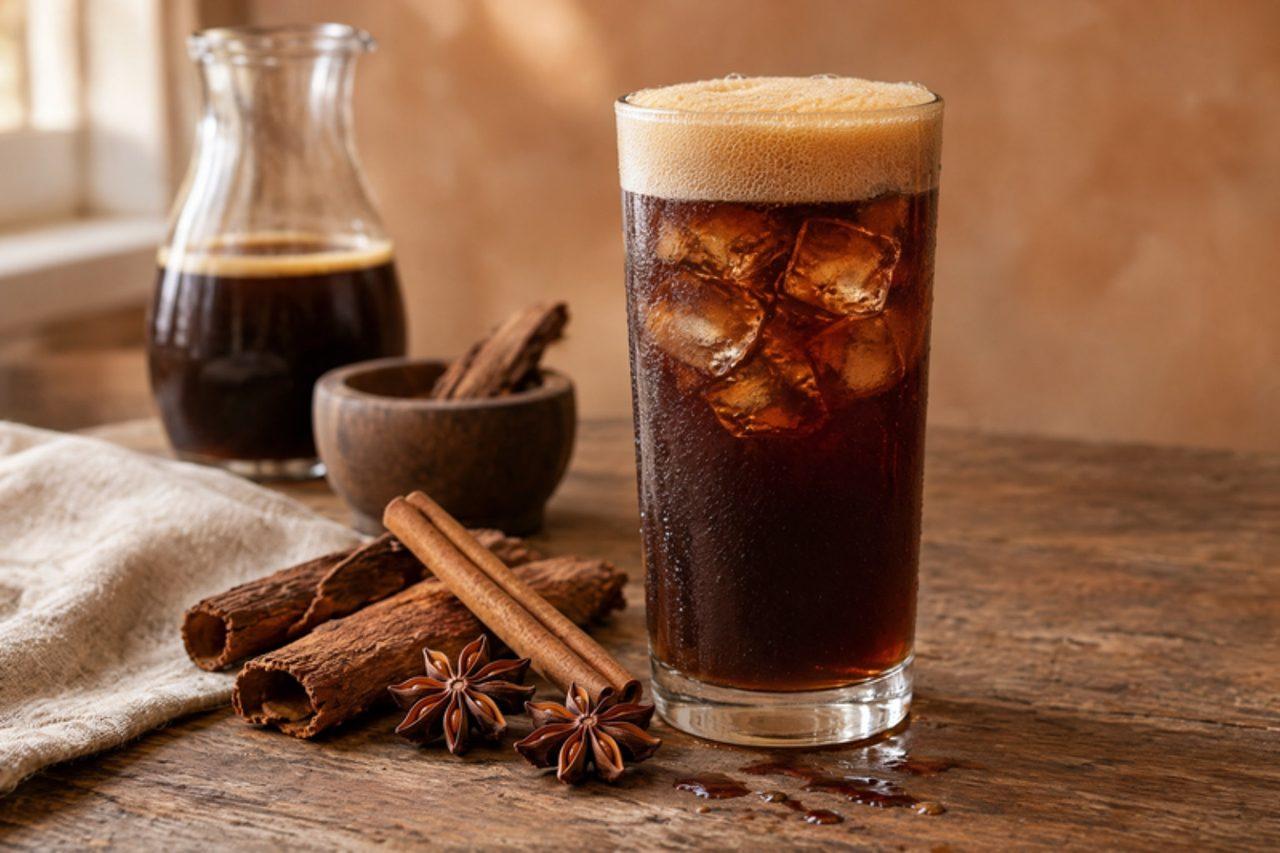
Around Juana Díaz on Puerto Rico's south coast, and in the Dominican countryside, mabí is sold ice-cold from barrels on hot afternoons and at patron-saint fiestas. It is made from the bark of the mabí tree (Colubrina elliptica, the mauby of the English-speaking Caribbean), boiled with spices, sweetened with brown sugar and left a day or so to ferment with a splash from the last batch, the madre. It tastes bittersweet, like a woodier root beer, with a creamy head and light fizz. Fermenting makes a trace of alcohol, well under 1% if drunk within a few days. The common mistake is skipping the beating: mabí should be poured back and forth between two jugs from a height until it is thick with foam, which also airs the yeast. It is ready when a tan foam stays on top, it tastes sweet-bitter with a slight sourness and small bubbles rise. Look for mabí or mauby bark in Caribbean shops; there is no real substitute. Traditionally drunk to cool down; drink it in moderation, and if you are pregnant or on blood-pressure medication, check with a doctor first. Chef's tip: keep a cup of finished mabí in the fridge as the madre for the next batch.

by KrazyBadal 0 views

Bizcocho dominicanoOrange sponge with pineapple filling

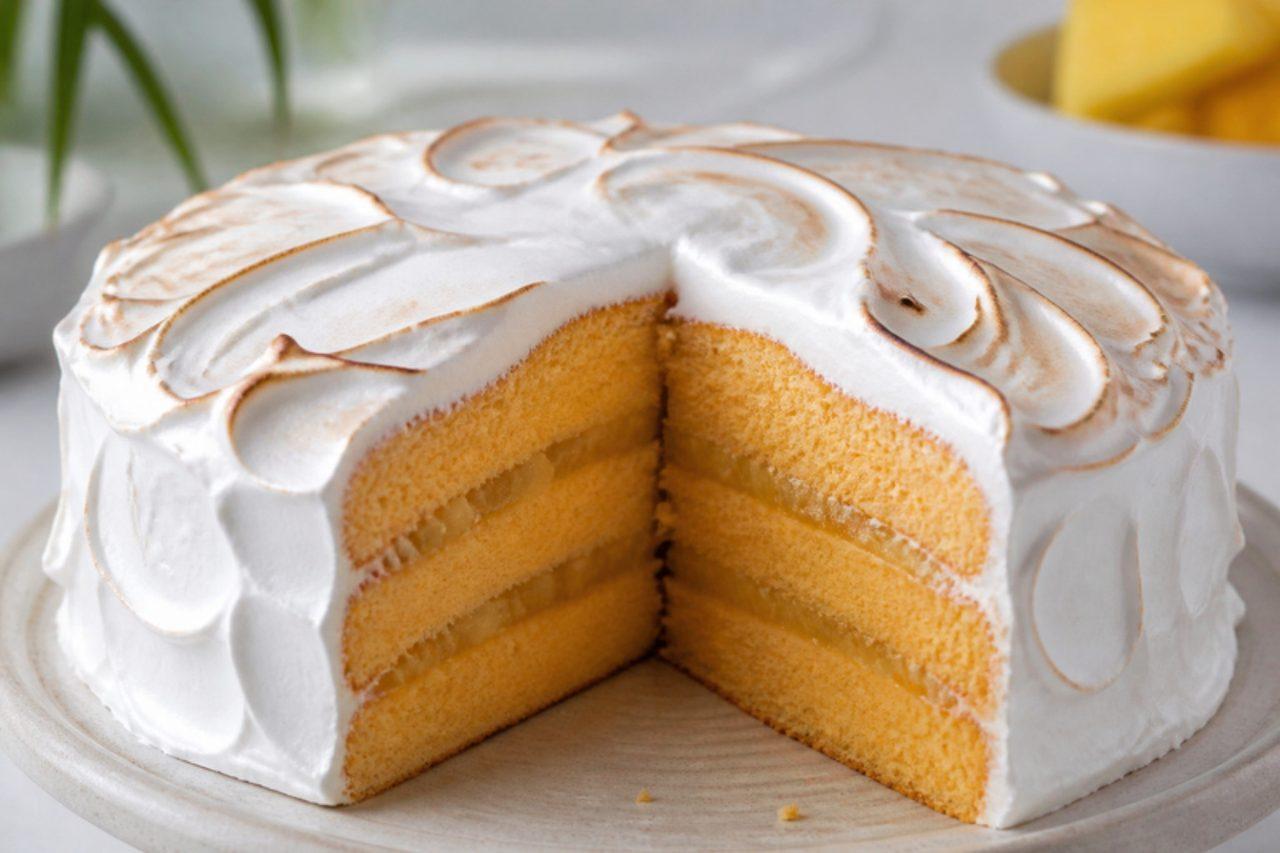
Every Dominican birthday in Santo Domingo or Santiago has one: a tall, buttery, orange-scented sponge split and filled with sticky pineapple, then swirled all over with glossy white meringue frosting called suspiro. Traditional suspiro whips hot syrup into raw whites; this version uses a Swiss meringue, heating the whites with sugar to 70 °C so it is safe for everyone, including pregnant women and small children. The common mistake is overbeating the batter after the flour goes in, which makes the famously moist crumb tough. Chef's tip: beat the butter and sugar for a full 8 minutes until almost white; that air is what gives bizcocho its tender, springy texture.

by KrazyBadal 0 views

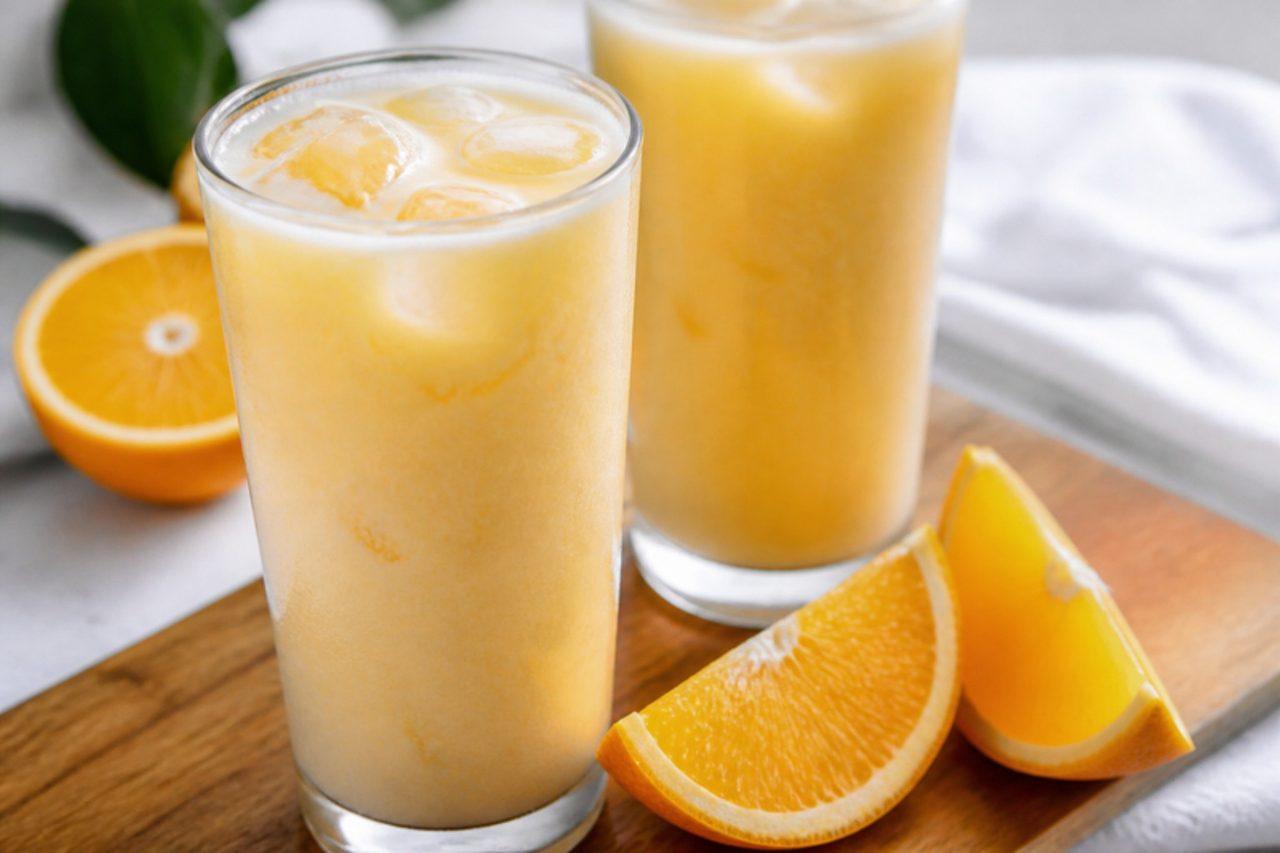
Morir soñandoOrange and milk drink

Its name means "to die dreaming", and on a hot afternoon in Santo Domingo a tall glass of it from a colmado or juice stand feels exactly like that: fresh orange juice and ice-cold evaporated milk, sweetened and stirred over lots of ice into something like a creamsicle. Many Dominican families make it with dinner on Sundays. The common mistake is pouring the milk into the juice, or using warm ingredients, which curdles it; the juice goes slowly into very cold milk. Chef's tip: squeeze sweet, low-acid oranges and chill the juice and milk for an hour first, and it will stay smooth.

by KrazyBadal 0 views

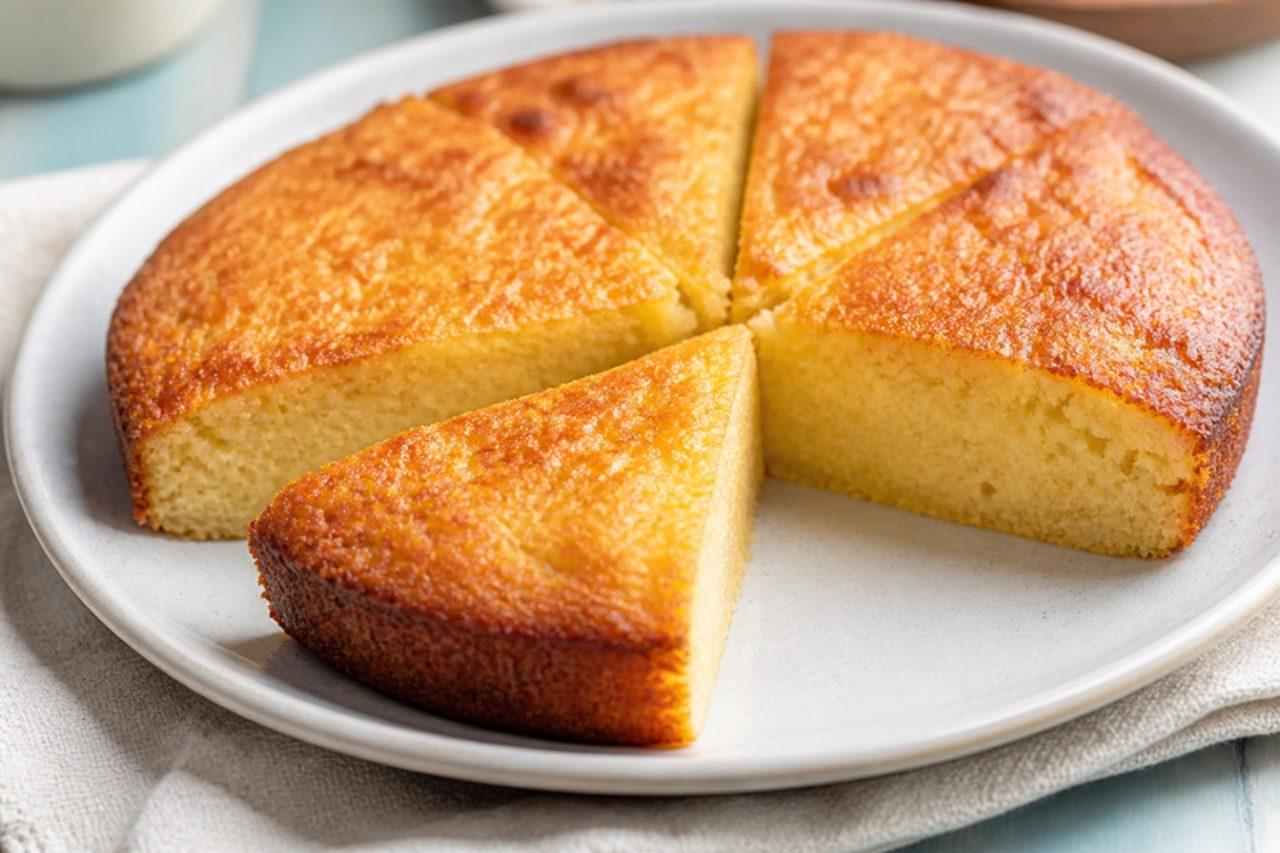
Arepa dominicanaSweet cornmeal coconut cake

Not the stuffed corn patty of Venezuela: in the Dominican Republic arepa means a dense, sweet cornmeal cake that grandmothers once baked in a covered pot with hot coals on the lid. The cornmeal is first cooked with coconut milk, milk, butter, sugar and cinnamon into a thick porridge, then baked until it sets with a dark, caramelised crust and a soft, pudding-like centre. It is eaten at merienda with coffee or a glass of cold milk. The common mistake is not cooking the cornmeal long enough on the hob, which leaves the cake gritty. Chef's tip: let the arepa cool completely before slicing; warm, it is too soft to cut cleanly.

by KrazyBadal 0 views

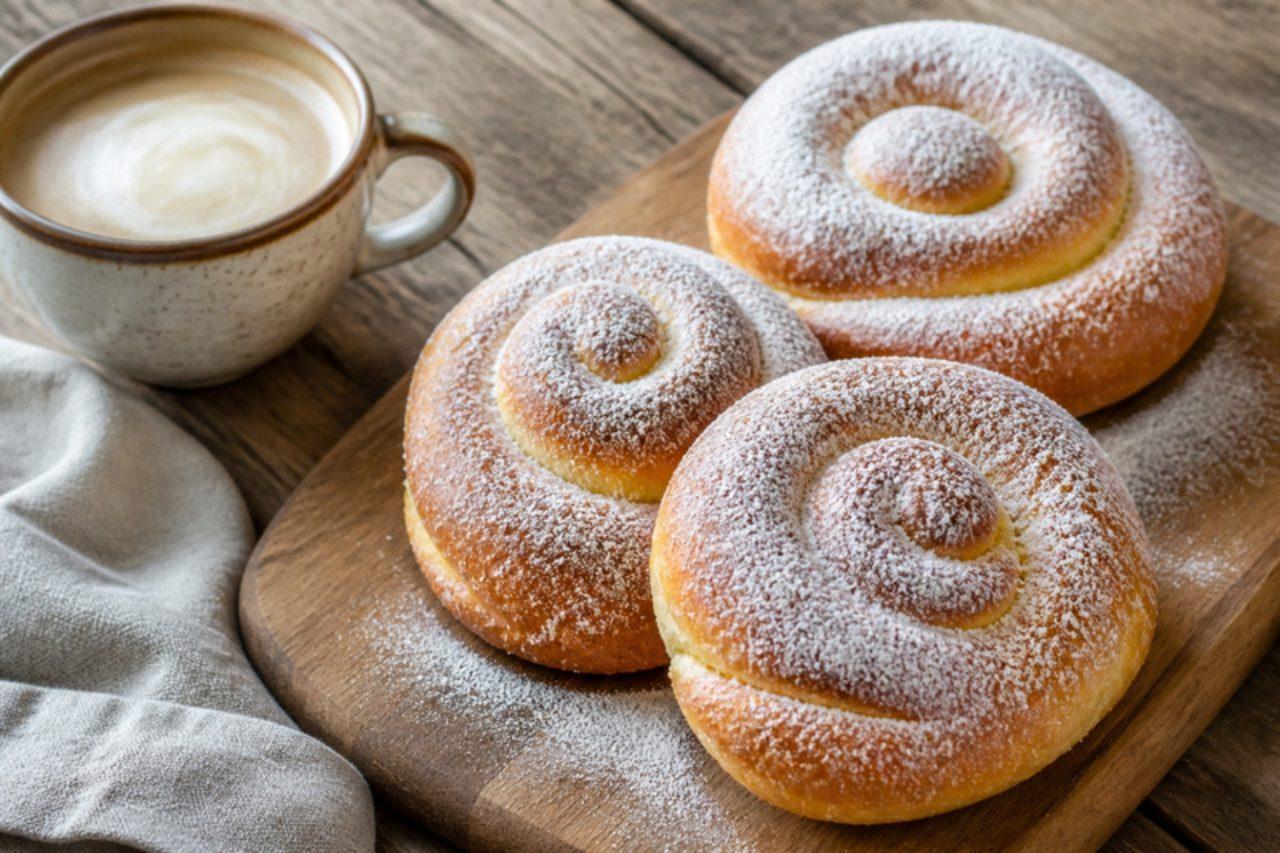
MallorcasCoiled sweet egg rolls

In Old San Juan's old-fashioned cafés and neighbourhood bakeries serve mallorcas split, pressed on a hot griddle with butter and buried in icing sugar, often with a slice of melted cheese inside for a sweet-salty breakfast (many cheeses are made with animal rennet, so pick a vegetarian one). The dough is rich with egg yolks, milk and butter, coiled like a snail shell so it bakes into soft, pull-apart layers. The common mistake is under-proving the coils, which gives tight, bready rolls instead of feathery ones. Chef's tip: brush the coils with melted butter before the last rise and again straight out of the oven; that buttery skin is what holds the snowy sugar.

by KrazyBadal 0 views

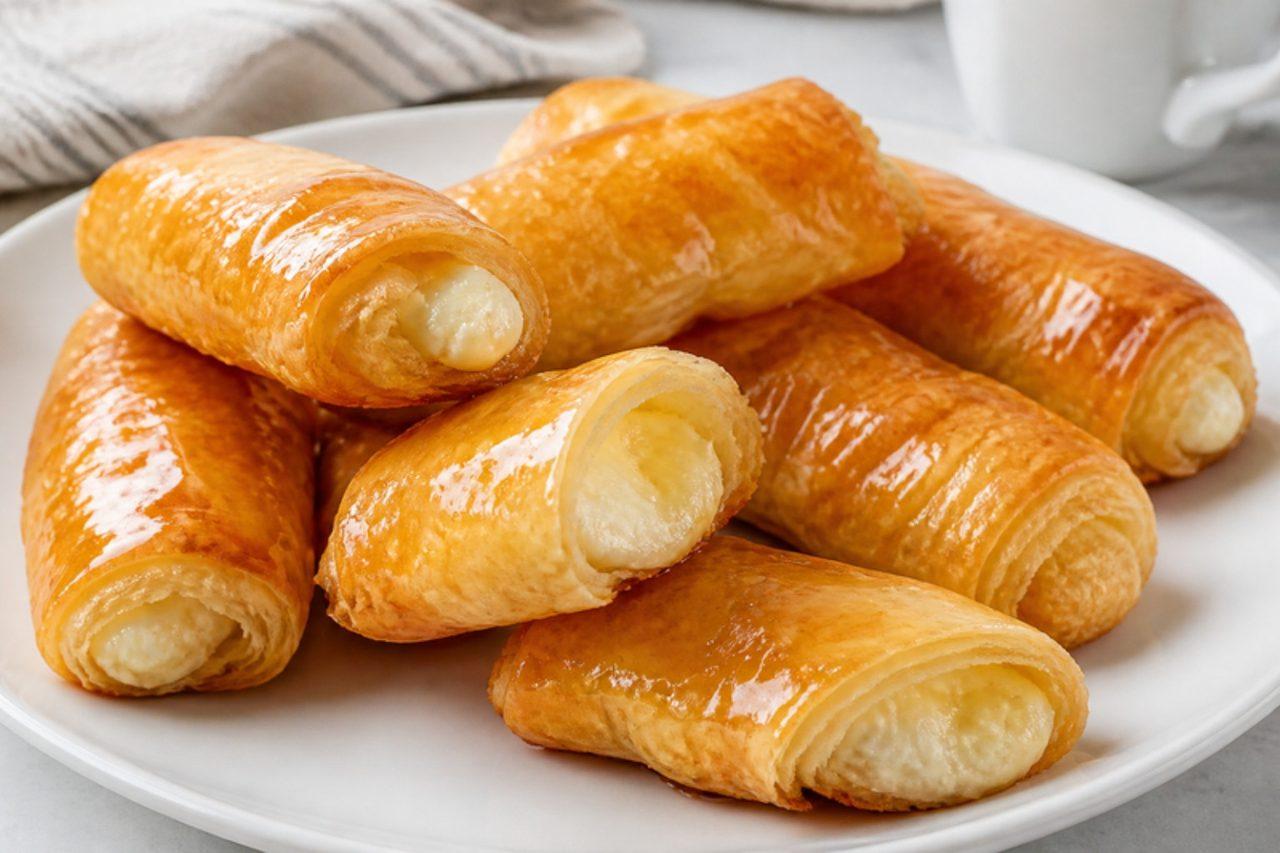
QuesitosCream cheese pastry rolls

Every panadería in Puerto Rico has a tray of quesitos by the till, and a warm one with a café con leche is a standard island breakfast, from Old San Juan to small-town bakeries in the mountains. Puff pastry is rolled around a log of sweet vanilla cream cheese and baked until it shatters, then brushed with sugar syrup so the top turns glossy and sticky. The filling stays soft and slightly tangy inside the crisp layers. Chef's tip: chill the filling before you roll, so it holds its shape and doesn't squeeze out of the ends in the oven.

by KrazyBadal 0 views

CoquitoCoconut rum drink

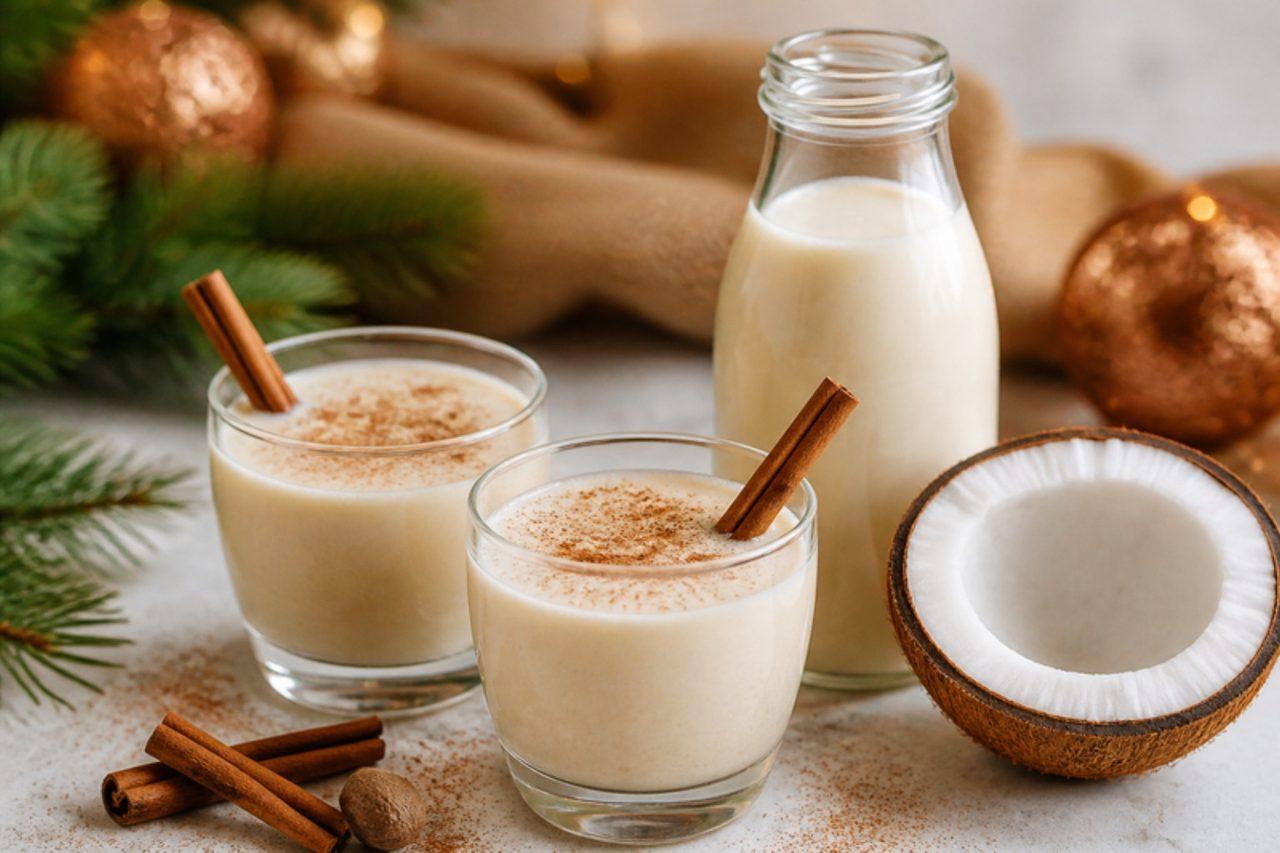
Coquito is Puerto Rico's Christmas in a glass: bottles of it are made in early December, given to neighbours and poured at every parranda, the late-night singing visits from house to house, until the Fiesta de San Sebastián in Old San Juan in January. This version contains alcohol: it blends coconut milk, sweet cream of coconut and condensed and evaporated milk with Puerto Rican white rum, cinnamon, nutmeg and vanilla. It's thick, cold and sweet, with the warmth of rum behind the spice. For children and anyone avoiding alcohol, make it without the rum as described in the steps. Chef's tip: let it rest in the fridge overnight; the spices bloom and the rum mellows, and it tastes far rounder on the second day.

by KrazyBadal 0 views

Habichuelas guisadasStewed pink beans

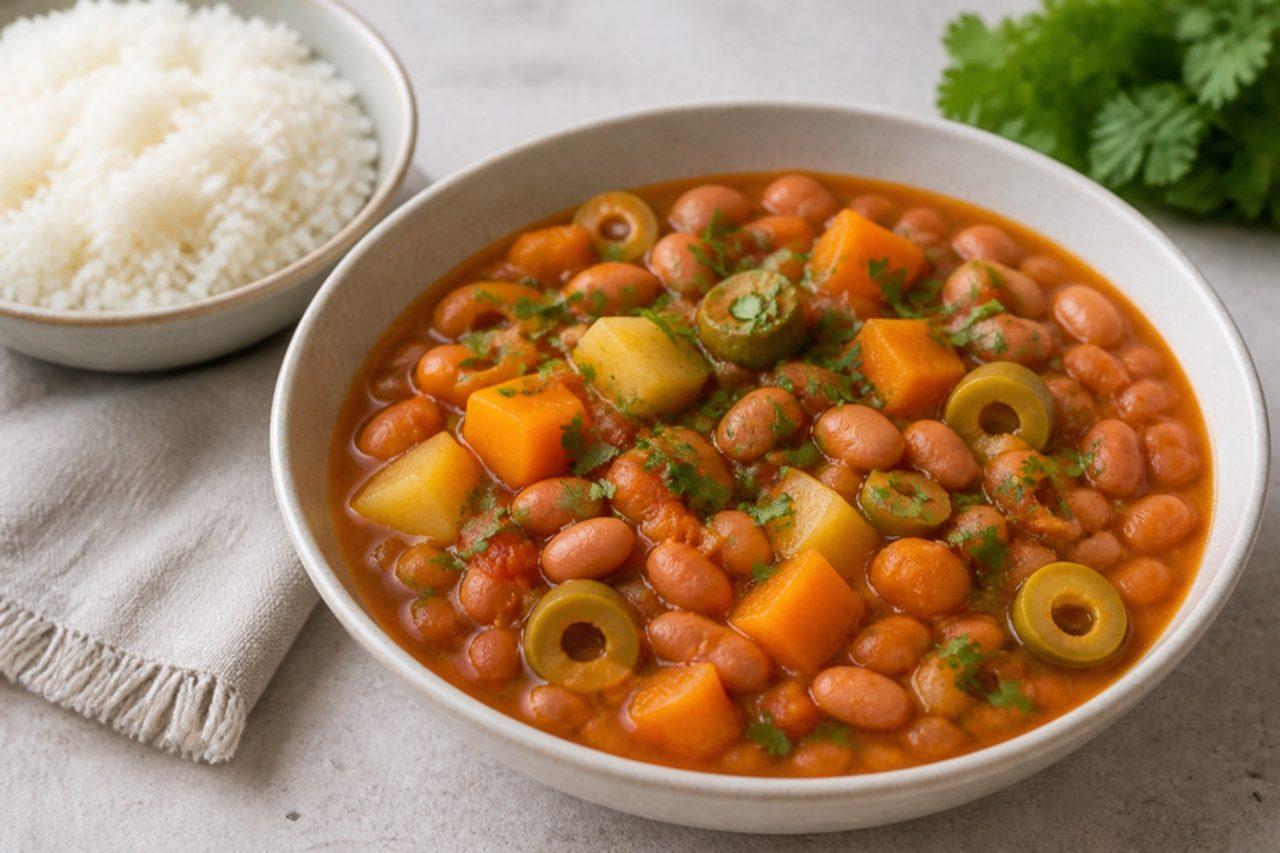
Habichuelas guisadas are on the stove most weekdays in Puerto Rico, from Ponce to Fajardo, ladled over plain white rice for the everyday plate called arroz con habichuelas. Pink or red beans simmer with sofrito, tomato sauce and olives, and cubes of calabaza (West Indian pumpkin) melt into the pot to make a thick, orange-red, gently sweet sauce. It's homely, cheap and deeply savoury. Island cooks often add a piece of ham; this version doesn't need it. Chef's tip: when the pumpkin is soft, crush a few pieces against the side of the pot; they dissolve into the liquid and thicken it without any flour.

by KrazyBadal 0 views

Puerto Rican sofritoHerb and pepper cooking base

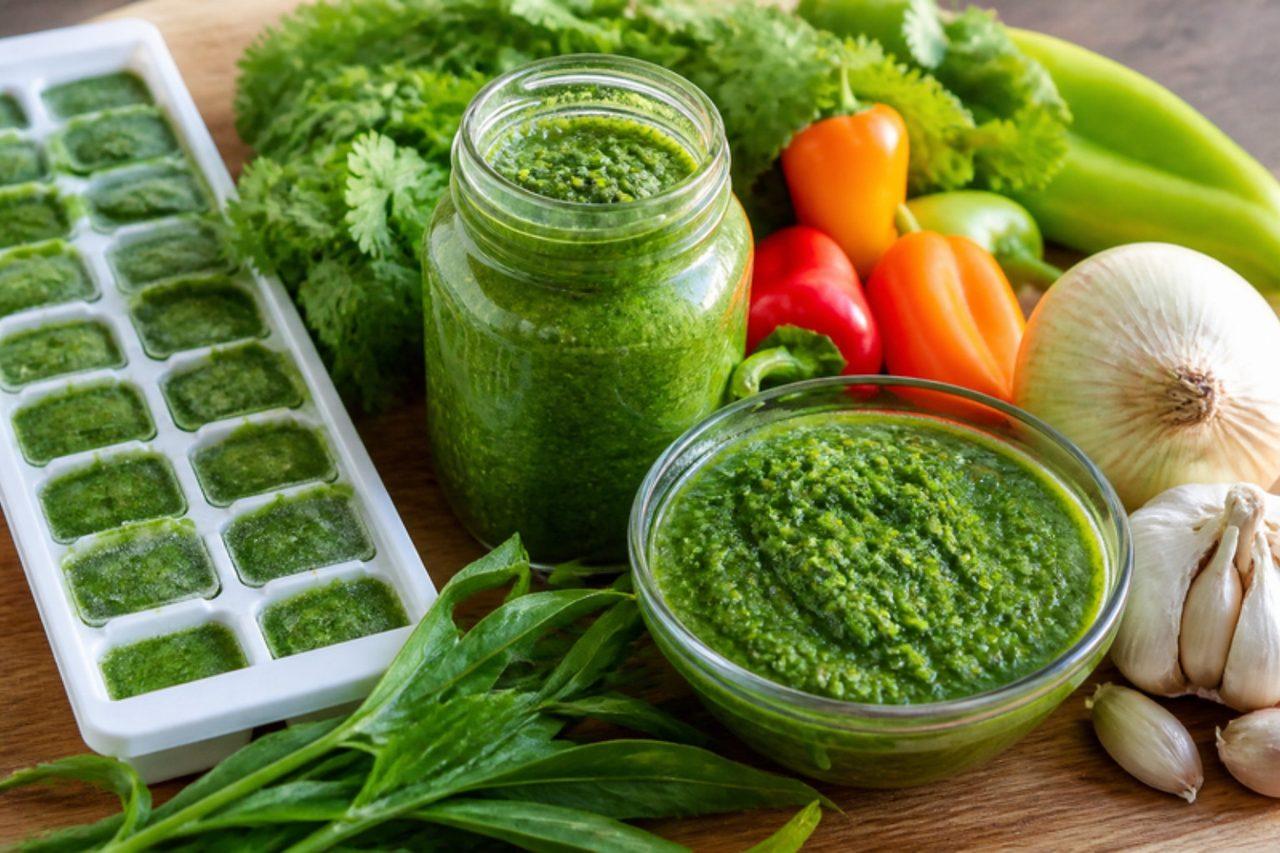
Open a freezer anywhere in Puerto Rico, or in the Puerto Rican neighbourhoods of New York and Orlando, and you'll find a tub or ice-cube tray of green sofrito. It is the start of almost everything savoury on the island: beans, rice, stews, soups and sauces. Unlike the slow-cooked Spanish sofrito, this one is raw, blended from culantro (recao), cilantro, little sweet ajíes dulces, cubanelle peppers, onion and lots of garlic. It smells grassy and sharp in the jar and turns mellow and savoury as soon as it hits hot oil. Chef's tip: if you can't find ajíes dulces, use extra red pepper and a tiny piece of seeded scotch bonnet; you want their fruity perfume, not heat.

by KrazyBadal 0 views