Skip to content
Recipes

All recipes

Vegetarian, or something you can't eat? Set your diet once and we'll hide recipes that don't fit.

TopfengolatschenSweet quark puff pastry squares

A Topfengolatsche is what Viennese office workers grab from the bakery on the way in, and what grandparents order with a Melange in a coffee house on a Sunday afternoon. The corners of a puff pastry square are folded over a lemony, vanilla-scented filling of Topfen (Austrian quark) with plump raisins, and the top gets a thin white glaze. It is flaky, light and not too sweet. Raisins are sometimes soaked in rum; warm water or orange juice works just as well, and the recipe below is alcohol-free. Wet quark is the classic problem, because it turns the filling runny and it leaks out in the oven. Chef's tip: hang the quark in a sieve lined with a clean cloth for an hour, or squeeze it, until it is as thick as soft cream cheese.

by KrazyBadal 0 views

Kärntner ReindlingCinnamon raisin yeast cake

Carinthia's Easter loaf takes its name from the Reindl, the round, deep pan it is baked in, and in southern Austria no Easter basket goes to church without one. Inside the golden yeast crust is a spiral of butter, cinnamon sugar and plump raisins, so every slice shows a dark swirl. Locals eat it two ways: sweet with coffee on Easter morning, or alongside the savoury Easter platter with horseradish. Many bakers soak the raisins in rum overnight; warm water or tea works just as well and keeps it alcohol-free. A dry, crumbly Reindling usually means too much flour went in during kneading, so keep the dough soft and only lightly floured. Chef's tip: butter the pan well and dust it with sugar, which caramelises into a thin crunchy shell.

by KrazyBadal 0 views

EinspännerBlack coffee with whipped cream

The Einspänner is named after the one-horse carriages of old Vienna: coachmen waiting outside in winter supposedly liked their coffee under a lid of cream that kept it hot and stopped it slopping. Today it is served in a handled glass at classic coffee houses, a strong black mocha (a double espresso or Großer Brauner without milk) topped with a thick layer of cold, lightly sweetened whipped cream and a pinch of icing sugar. You do not stir it: you sip the hot, bitter coffee through the cold, sweet cream, so each mouthful is two temperatures and two textures. It is an afternoon or late-morning coffee, often with a slice of Sachertorte. The common mistake is runny cream that sinks and turns the drink into a milky latte; whip it until it just holds a peak and spoon it on gently so it floats. It is ready when the cream stands at least 2 cm above the coffee and slowly sinks at the edges. It is strong: a double shot of caffeine in one glass. Chef's tip: pour the coffee in first and wait ten seconds before adding the cream, so the crema settles and helps support the cap.

by KrazyBadal 0 views

Wiener MelangeCoffee with milk and foam

In Vienna you never simply order 'a coffee'; you order by name, and the Melange is the one most Viennese ask for. It arrives in a large cup on a small silver tray with a glass of water and often a tiny chocolate, and you may sit over it for an hour with the newspapers at Café Prückel or Hawelka, mid-morning or after lunch. Traditionally it is a mild, longer espresso (a Verlängerter) with roughly equal hot milk and a soft cap of milk foam; it is gentler than a cappuccino and the foam is looser and creamier. Expect a round, nutty, slightly sweet cup with little bitterness. The common mistake is overheating the milk: once it passes about 70 °C it smells cooked and loses its sweetness and the foam turns big-bubbled and dry. Stop when the jug is too hot to hold for more than a second or two. It is ready when the foam sits in a smooth, glossy dome about a finger thick and the coffee shows as a brown ring at the edge. One cup has about the caffeine of a single espresso. Chef's tip: always serve the glass of water alongside, as Vienna does; it is drunk first to clear the palate.

by KrazyBadal 0 views

Cocido quemadoBurnt sugar mate drink

Cocido is how Paraguay starts the day: in Asunción, in the villages of Guairá and Itapúa, and in school kitchens, a pot of burnt yerba is brewed and poured into cups with chipa, the cheesy cassava bread, or with a hard galleta. The old way is to drop a glowing piece of charcoal into a pot with yerba and sugar and stir until the sugar burns. On a home stove you caramelise them together in a dry pan instead, which is safer and gives the same smoky, toffee-like taste. The drink is clear amber-brown, with roasted, slightly bitter mate notes over burnt-sugar sweetness; with milk added it becomes cocido con leche, creamy and coffee-coloured. Yerba mate contains caffeine, so treat it like a cup of coffee. The common mistake is letting the sugar go black: it turns acrid and bitter. Pull it off the heat when the caramel is deep amber and the yerba smells toasted, not burnt. It is ready when the liquid is a clear dark amber and tastes of toffee and smoke. Chef's tip: the water will spit fiercely when it hits the hot caramel, so pour it in from the side, at arm's length.

by KrazyBadal 0 views

Postre MassiniCustard sponge with burnt sugar top

Montevideo's birthday cake of choice since the early twentieth century, the Massini is two thin layers of sponge sandwiching a thick filling of whipped cream folded with egg-yolk custard, crowned with a thin glassy crust of torched yolk and sugar. Bakeries across Uruguay sell it on Sundays. Traditional versions sometimes add a sweet fortified wine to the custard; this one is alcohol-free. The custard is cooked to a safe 71 °C. The common mistake is assembling with warm custard, which melts the cream into a puddle. Chef's tip: if you don't have a blowtorch, put the sugared top under a very hot grill for a minute and watch it closely.

by KrazyBadal 0 views

TereréIced yerba mate

In Asunción the hottest part of the day stops for tereré: a horn or cup packed with yerba mate, topped up again and again with ice water infused with crushed herbs, and passed round the group through a metal straw. It was recognised by UNESCO as part of Paraguay's cultural heritage, and the herbs (yuyos) change with the season and the drinker's mood. Yerba mate contains caffeine, so it isn't one for small children. The common mistake is pouring water straight into loose yerba, which then clogs the straw; tilt the yerba to one side first. Chef's tip: for tereré ruso, swap the water for cold orange or grapefruit juice.

by KrazyBadal 0 views

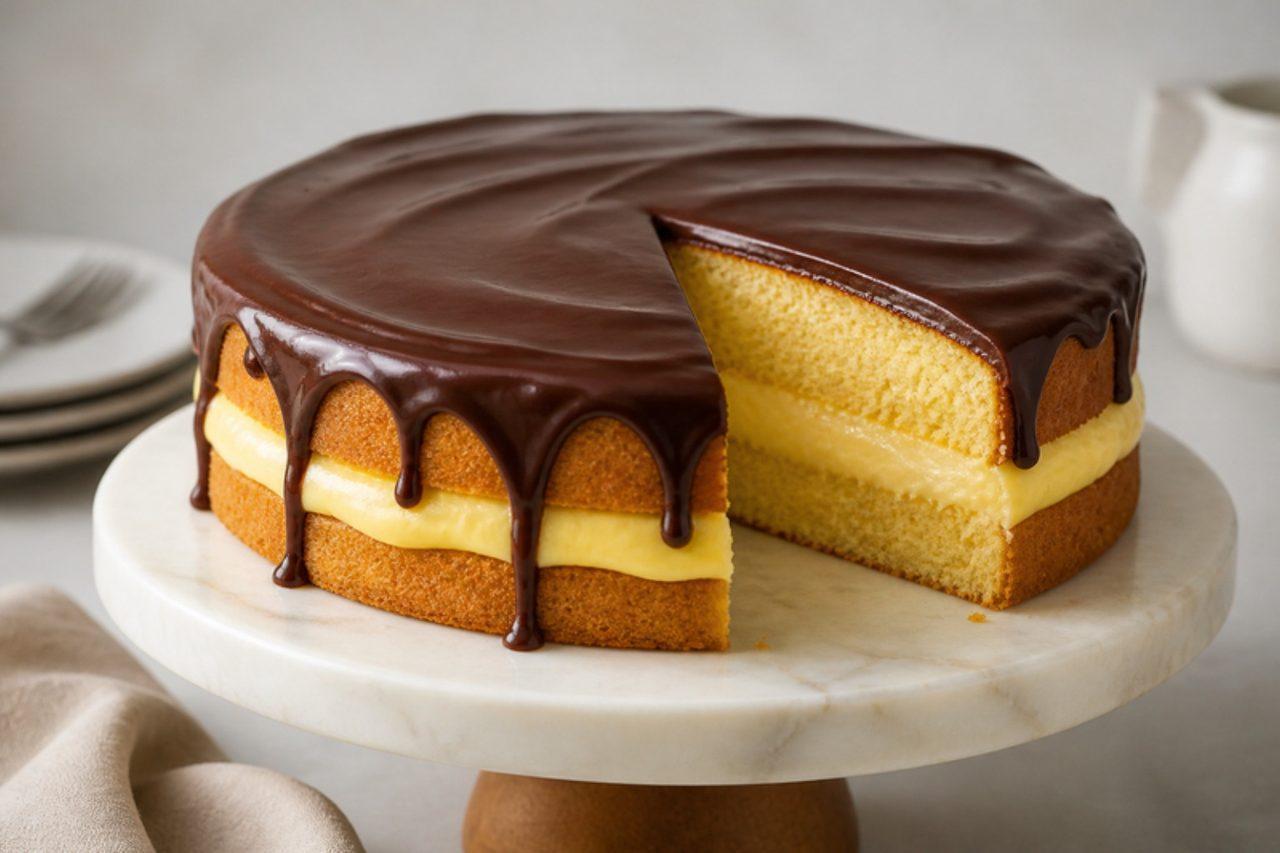
Boston cream pie

Despite the name, Boston cream pie is a cake: two layers of butter sponge with a thick vanilla pastry cream between them and dark chocolate glaze poured over the top. It was created at the Parker House hotel in Boston in the 1850s and is now the official dessert of Massachusetts, served at birthdays and diners across the state. Chef's tip: chill the filled cake for 30 minutes before glazing so the custard sets and the layers don't slide.

by KrazyBadal 0 views

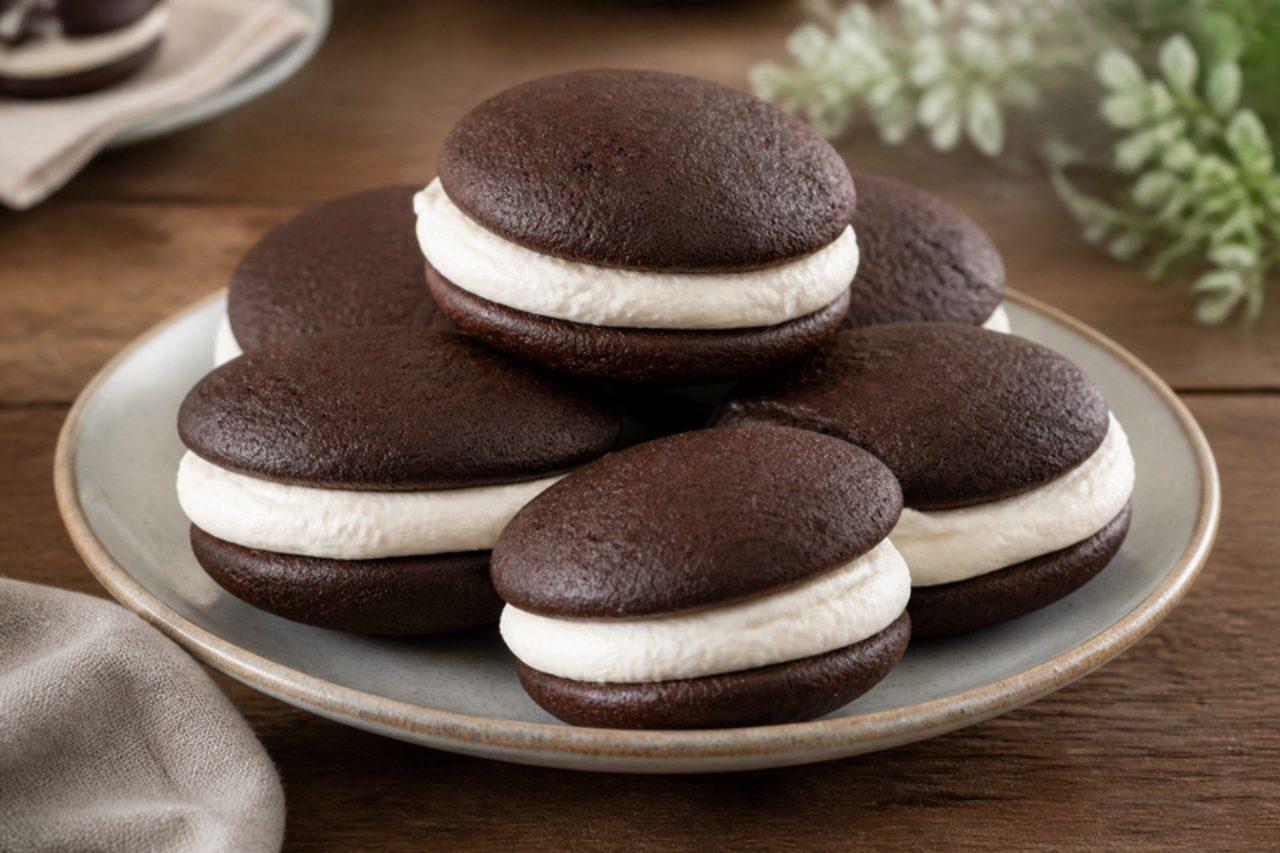
Whoopie pies

Whoopie pies are Maine's official state treat and a lunchbox favourite in Pennsylvania Dutch country too; you find them wrapped in cling film by the till at petrol stations and bake sales all over New England. Two domed, soft chocolate cakes hold a thick, fluffy white filling. This filling is a meringue buttercream, so there's no gelatine-based marshmallow. Chef's tip: pipe or scoop the batter in even mounds and leave room, as they spread to 8 cm.

by KrazyBadal 0 views

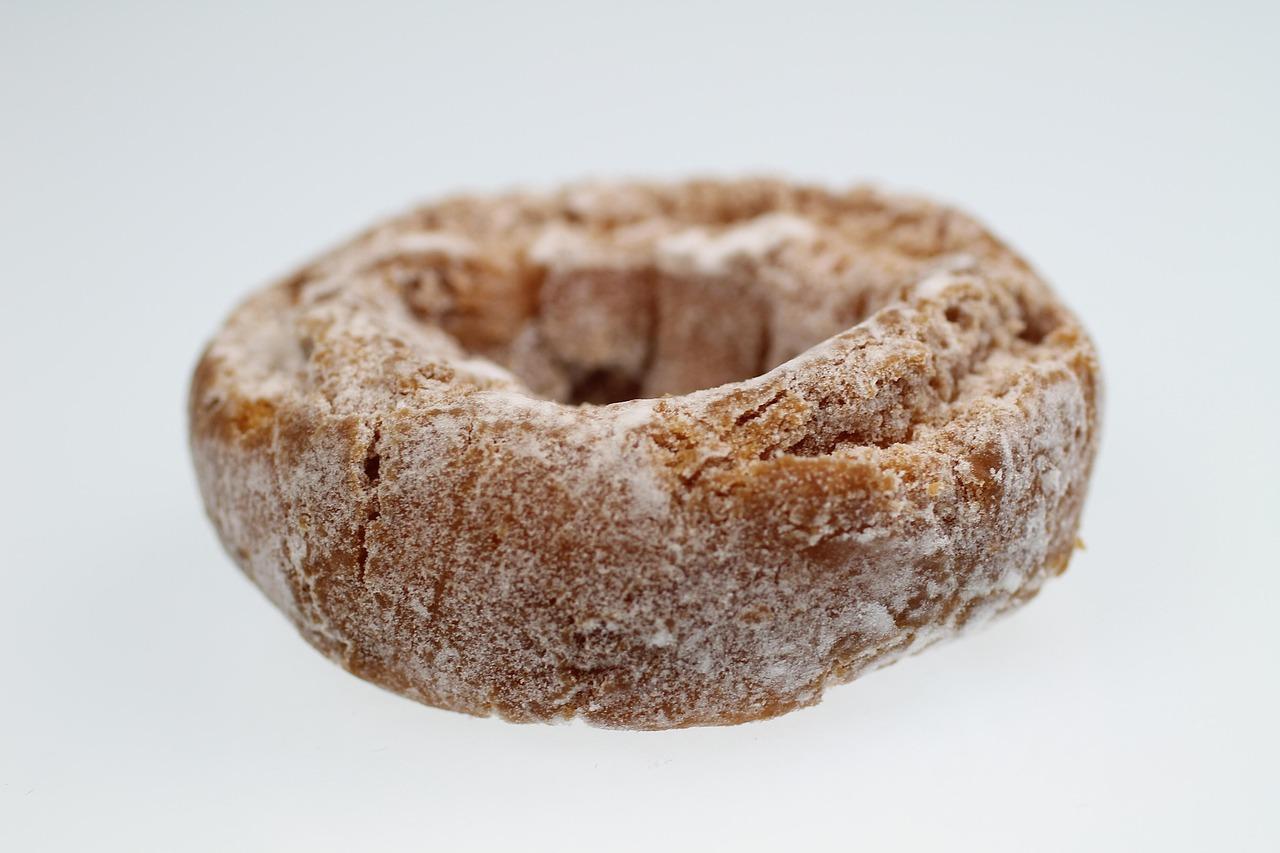
Apple cider doughnuts

On autumn weekends the orchards of Vermont, New Hampshire and the Hudson Valley fry cider doughnuts by the hundred for families who come to pick apples. Fresh, cloudy apple cider (unfiltered apple juice, not the alcoholic kind) is boiled down to a syrup so the tender cake doughnut tastes of apple, then rolled hot in cinnamon sugar. Chef's tip: keep the oil at 180 °C with a thermometer; cooler oil makes greasy doughnuts and hotter oil burns them before the middle cooks.

by KrazyBadal 0 views

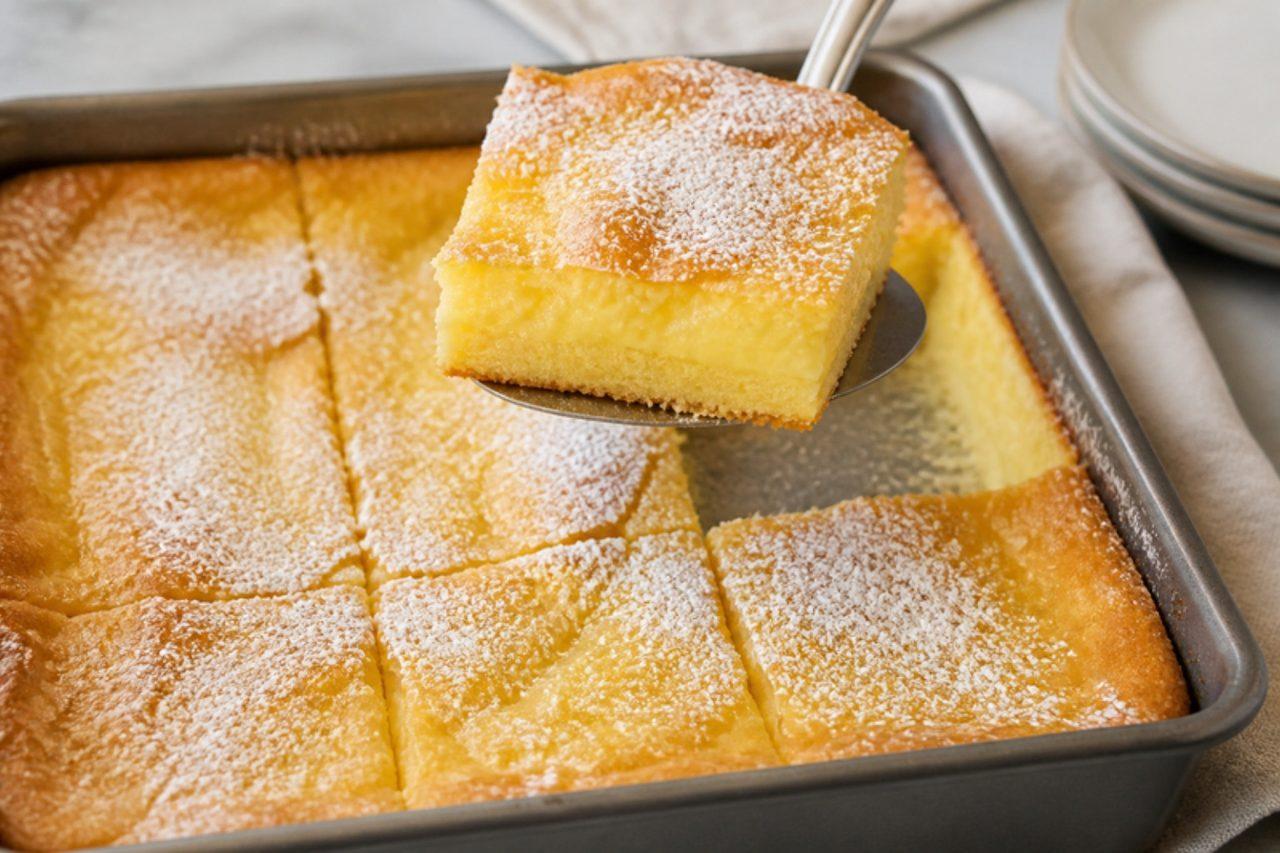
St. Louis gooey butter cake

Gooey butter cake is a St. Louis institution, sold in squares at south-side German bakeries and baked for church coffee hours and Christmas mornings. Legend says a baker in the 1930s got his proportions wrong and the mistake sold out. A thin, chewy yeast-free cake base is covered with a sweet cream cheese and butter layer that bakes into a crackly, shiny top over a gooey middle. Chef's tip: take it out while the centre still jiggles; the goo is the point, and an overbaked one is just a sweet sponge.

by KrazyBadal 0 views

Wisconsin kringle

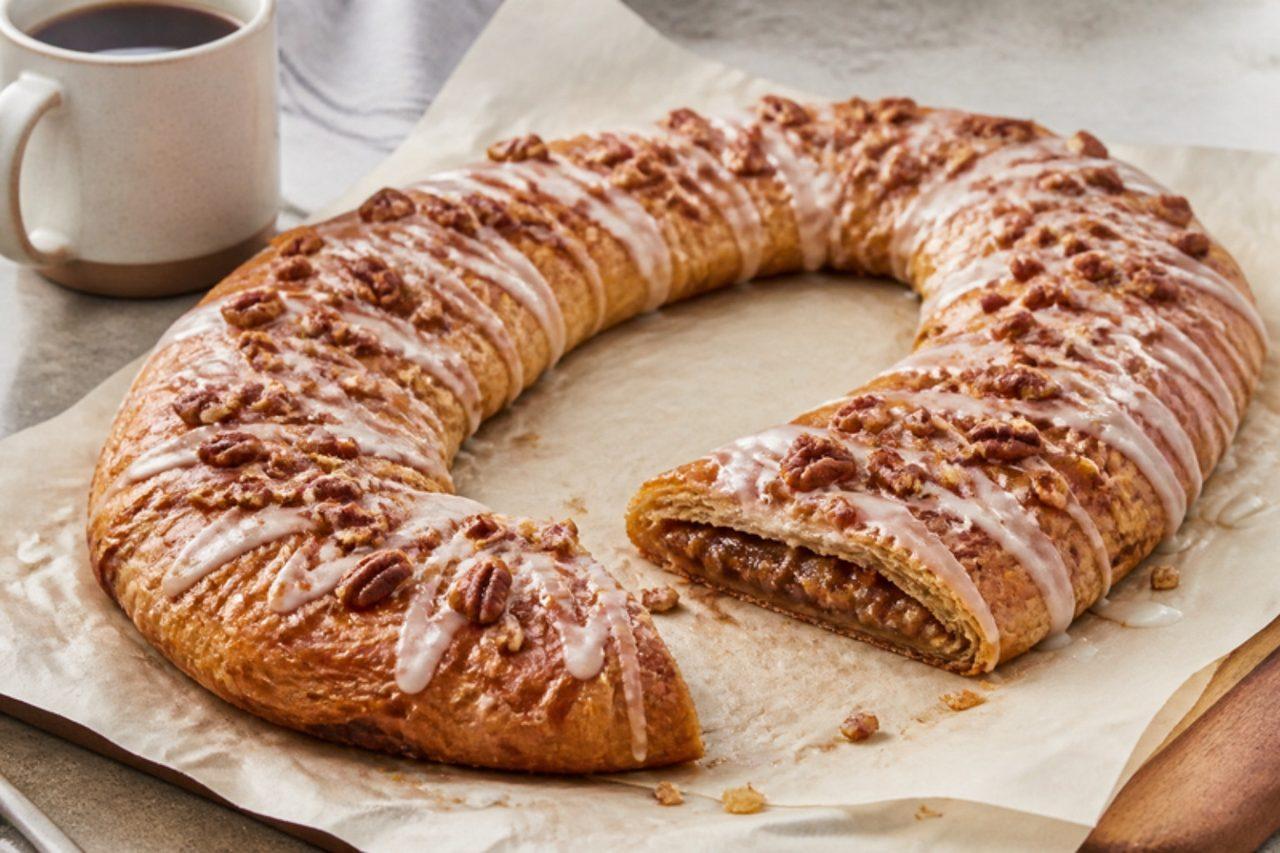
Kringle came to Racine, Wisconsin, with Danish bakers in the 1800s, and the town's bakeries still ship thousands of these flat oval pastry rings at Christmas. Thin layers of buttery laminated dough wrap a pecan and brown sugar filling, and the top is glazed with white icing. It is the official state pastry, eaten with coffee at breakfast. Chef's tip: keep the dough and butter cold at every fold; if the butter melts into the dough you lose the flaky layers.

by KrazyBadal 0 views

Philadelphia sticky buns

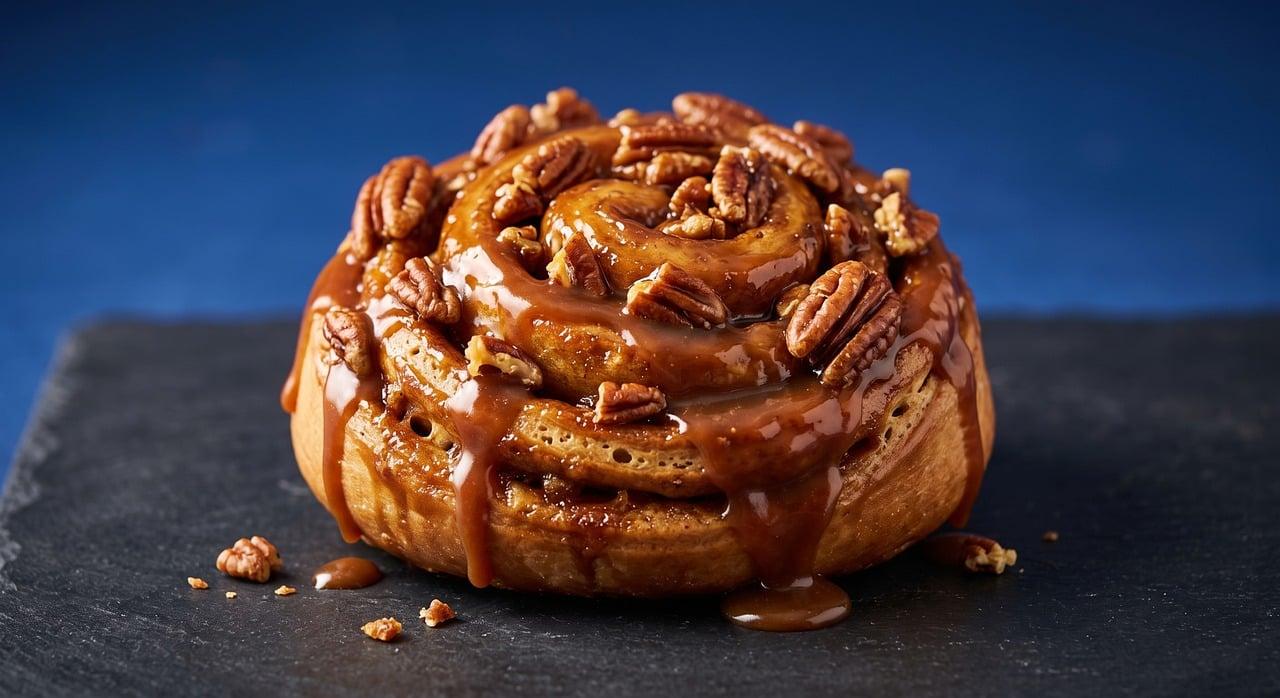
Philadelphia's sticky buns descend from the 'schnecken' of German bakers, and Reading Terminal Market still sells them warm by the tray, glistening with caramel and pecans. Soft rolls of cinnamon-raisin dough are baked on top of butter and brown sugar, then flipped so the hot caramel runs down over them. Chef's tip: turn them out within 5 minutes of leaving the oven; once the caramel cools it glues the buns to the tin.

by KrazyBadal 0 views

Appalachian apple stack cake

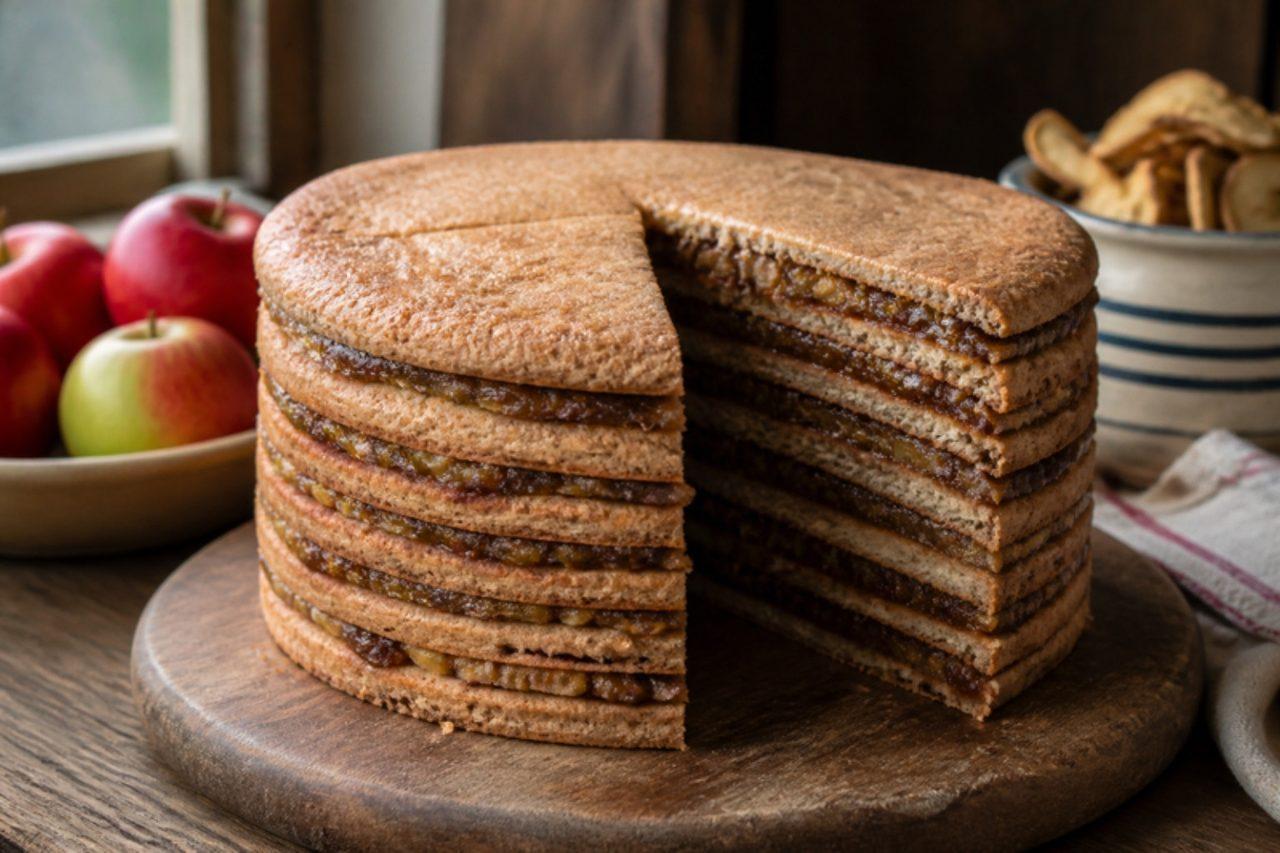
Apple stack cake is the old mountain wedding cake of eastern Kentucky and Tennessee: legend has it neighbours each brought a layer, and the bride's popularity was judged by the height. Six thin, biscuit-like layers flavoured with sorghum or molasses and ginger are stacked with a thick filling of cooked dried apples, then left for two days so the layers soften into a moist, spiced cake. Chef's tip: don't cut it the day you make it; the resting time is part of the recipe.

by KrazyBadal 0 views

Appalachian soup beans

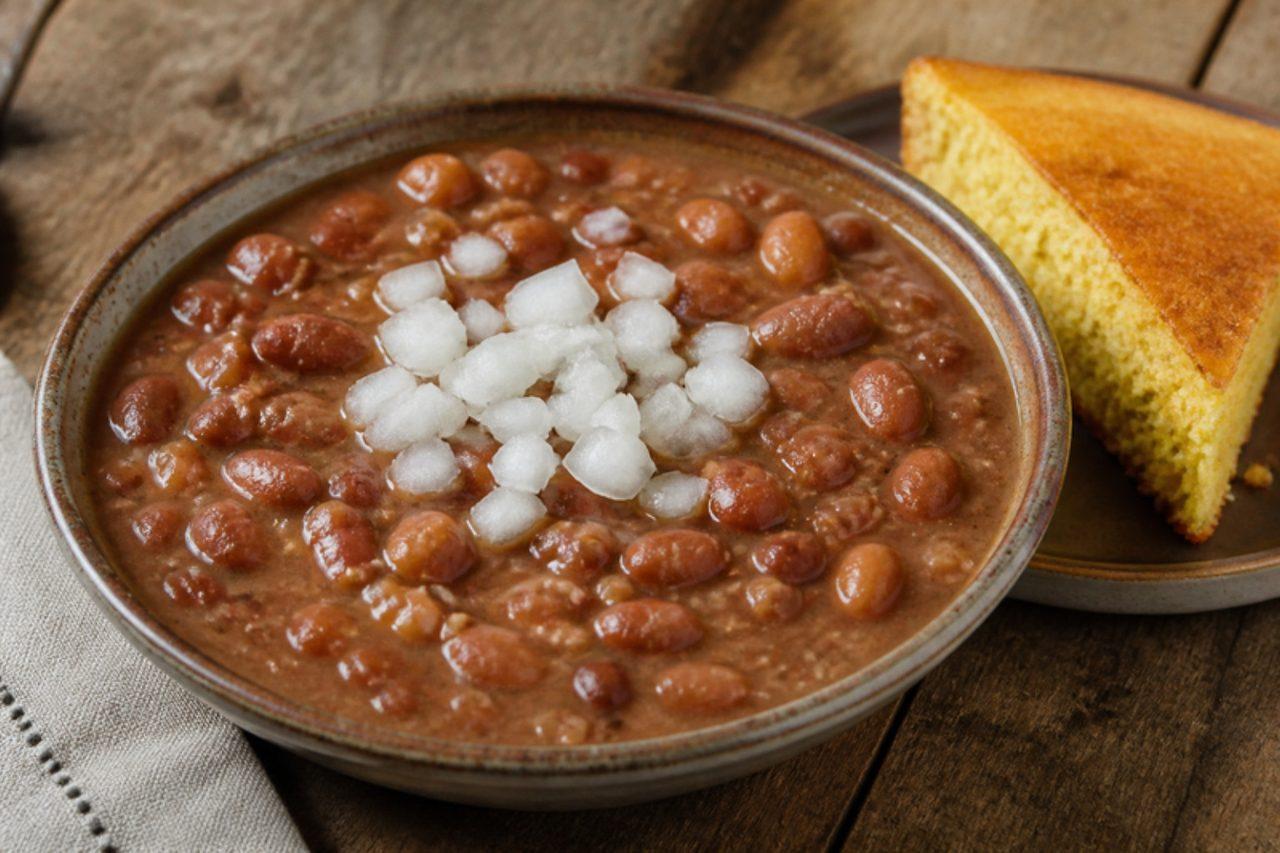
Soup beans, a pot of brown pintos simmered all afternoon until the broth turns thick and creamy, are the everyday supper of the coal-country hollows of Kentucky and West Virginia, served with cornbread, raw onion and chow-chow. Most mountain cooks add a ham hock or salt pork; this meat-free pot gets its savour from browned onion, garlic and a little smoked paprika. Chef's tip: mash a ladle of beans against the pot side near the end to thicken the 'pot likker'.

by KrazyBadal 0 views

Texas sheet cake

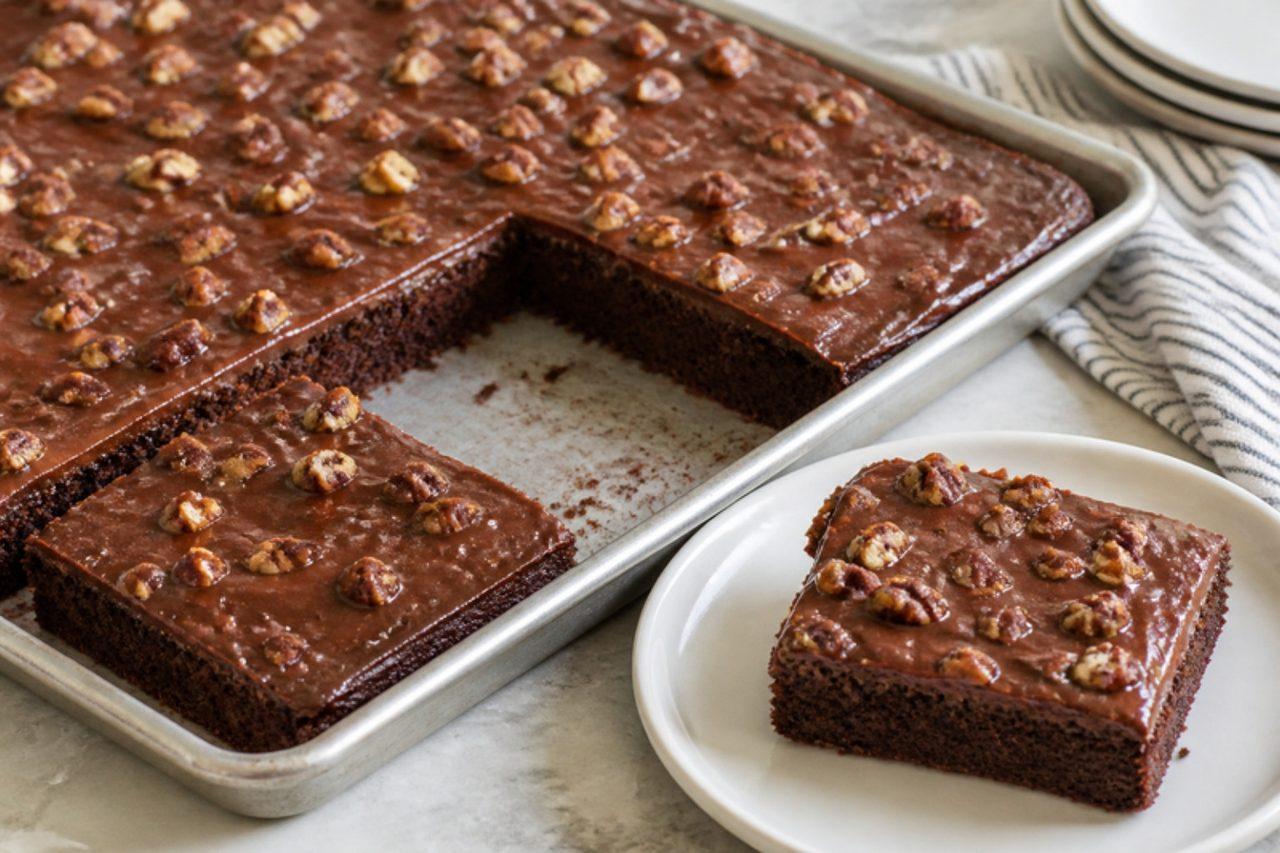
Texas sheet cake is the big, thin chocolate cake that turns up at church potlucks, funerals and family reunions all over Texas, cut into squares straight from the tray. It is made with buttermilk and boiled cocoa butter, so it is moist and light, and the icing is poured over while the cake is still hot so it sets into a fudgy layer studded with pecans. Chef's tip: have the icing ready the moment the cake leaves the oven; warm cake plus warm icing is the whole secret.

by KrazyBadal 0 views

Texas fruit kolaches

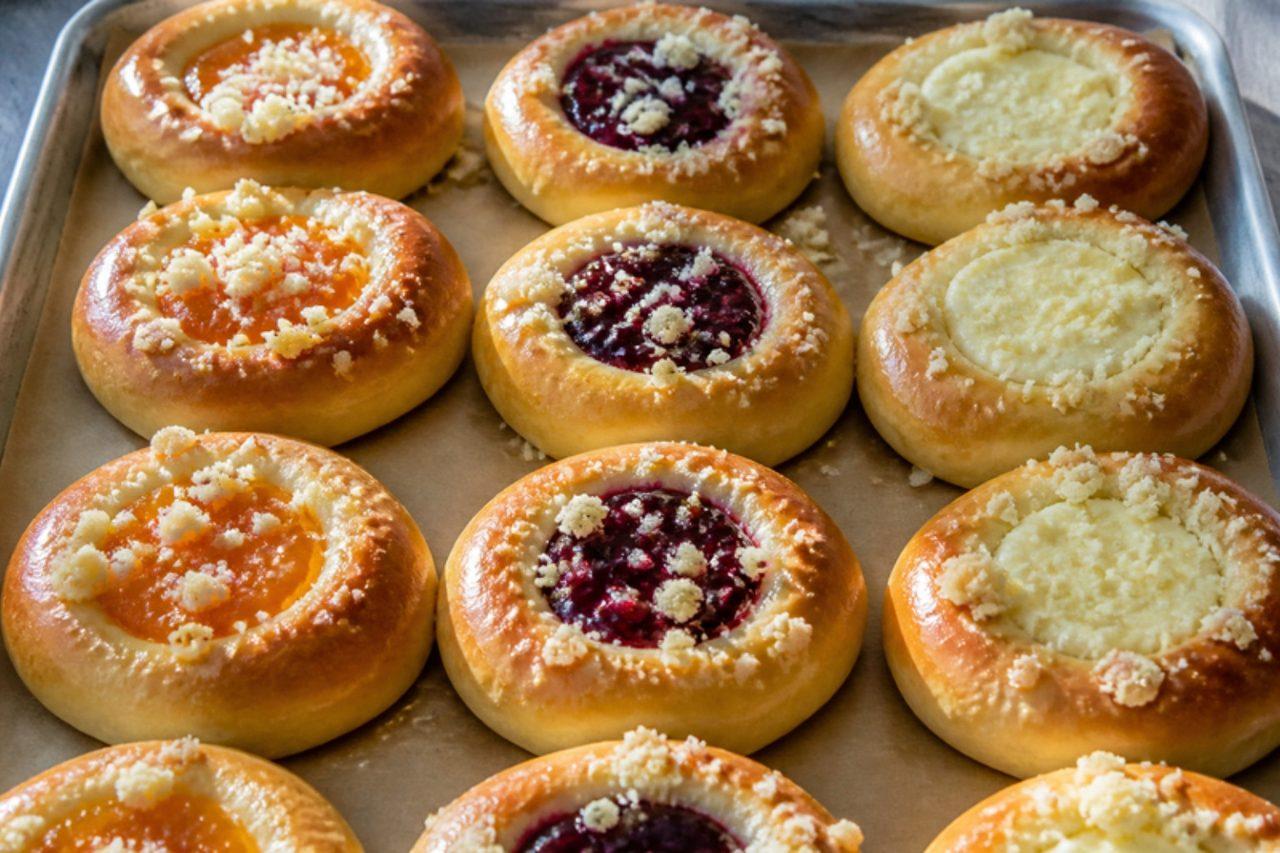
Kolaches came to central Texas with Czech settlers in the 1800s, and the bakeries along the highway through West, Caldwell and Hallettsville now sell them by the dozen for breakfast. They are soft, sweet yeast buns with a well pressed into the top, filled with apricot, cherry, prune or sweetened cream cheese and dusted with a crumbly posypka topping. Chef's tip: press the well deep and wide, nearly to the base, or the buns rise and push the filling out.

by KrazyBadal 0 views

New Mexico red chile sauce

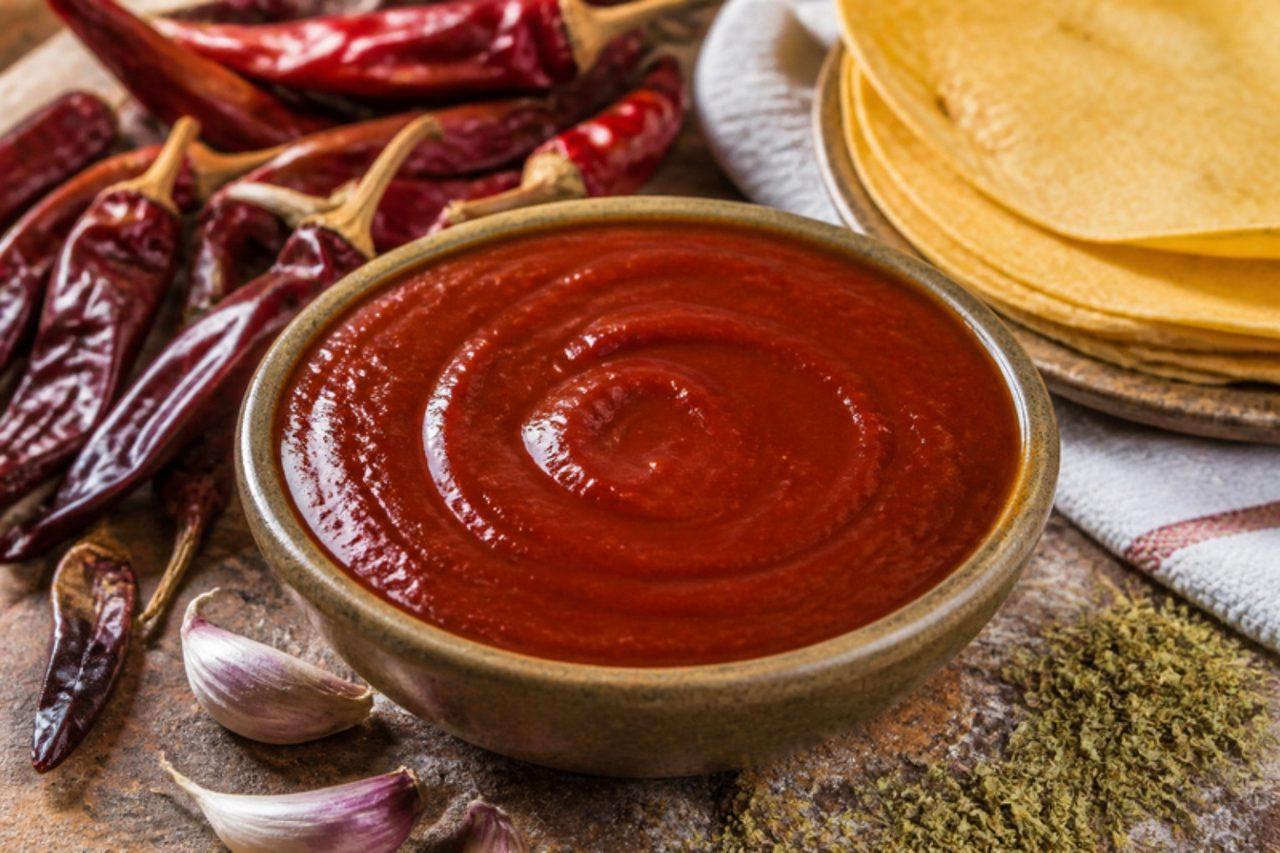
Ask for 'red or green?' in any New Mexico café and red means this sauce, made from the sun-dried chile pods that hang in long ristras outside adobe houses in Chimayó and Hatch every autumn. The pods are toasted, soaked and blended into a smooth, brick-red sauce that is earthy and gently sweet rather than smoky, poured over enchiladas, eggs, beans and burritos. Chef's tip: toast the pods for only a few seconds a side; burnt chile makes the sauce bitter.

by KrazyBadal 0 views

Sorghum molasses cookies

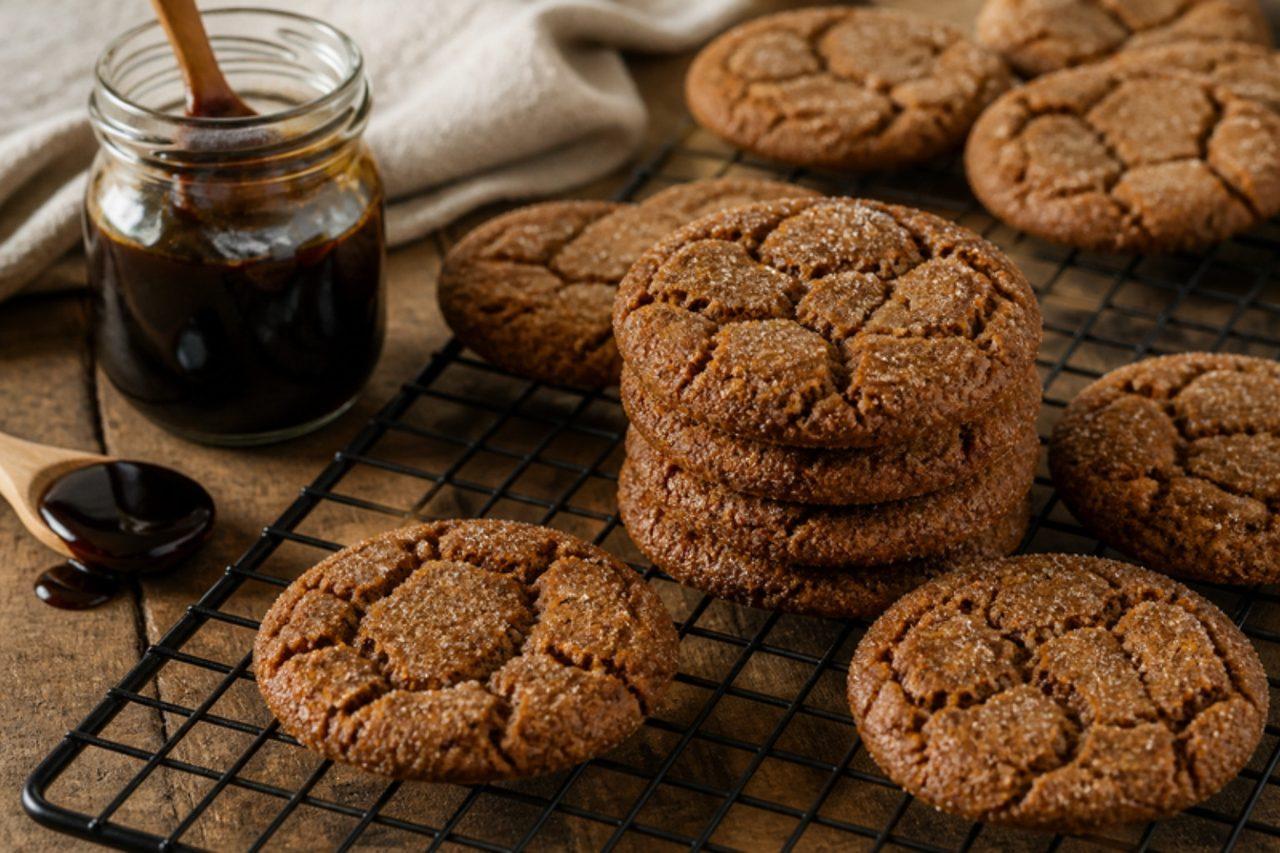
Every autumn, small farms across Kentucky and Tennessee still press sorghum cane and boil the juice into a thin, tangy syrup, and these soft spice cookies are how many mountain families use it at Christmas. Rolled in sugar, they bake with crackled tops and chewy middles, tasting of ginger and that distinctive earthy sweetness. Molasses works if you can't find sorghum. Chef's tip: chill the dough so the balls hold their shape and crack rather than spreading flat.

by KrazyBadal 0 views

Red velvet cake

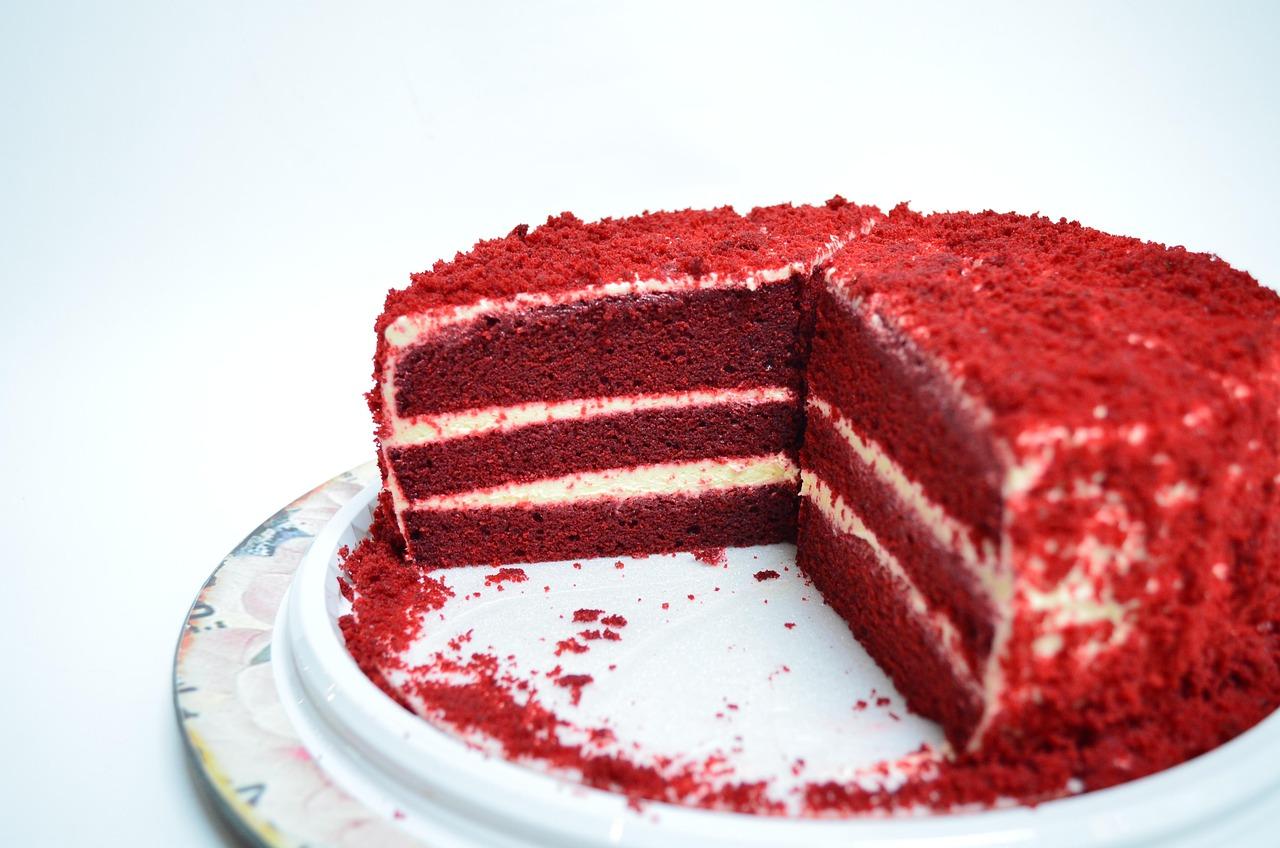
Red velvet is the Southern celebration cake of weddings, Juneteenth gatherings and Christmas in Texas and the Carolinas: soft, faintly chocolatey layers with a tang of buttermilk and vinegar, a deep red colour and thick, white cream cheese frosting. The colour once came partly from cocoa reacting with acid; today a little food colouring is usual. Chef's tip: use natural (not Dutch-process) cocoa, which keeps the colour brighter and the crumb lighter.

by KrazyBadal 0 views

Hummingbird cake

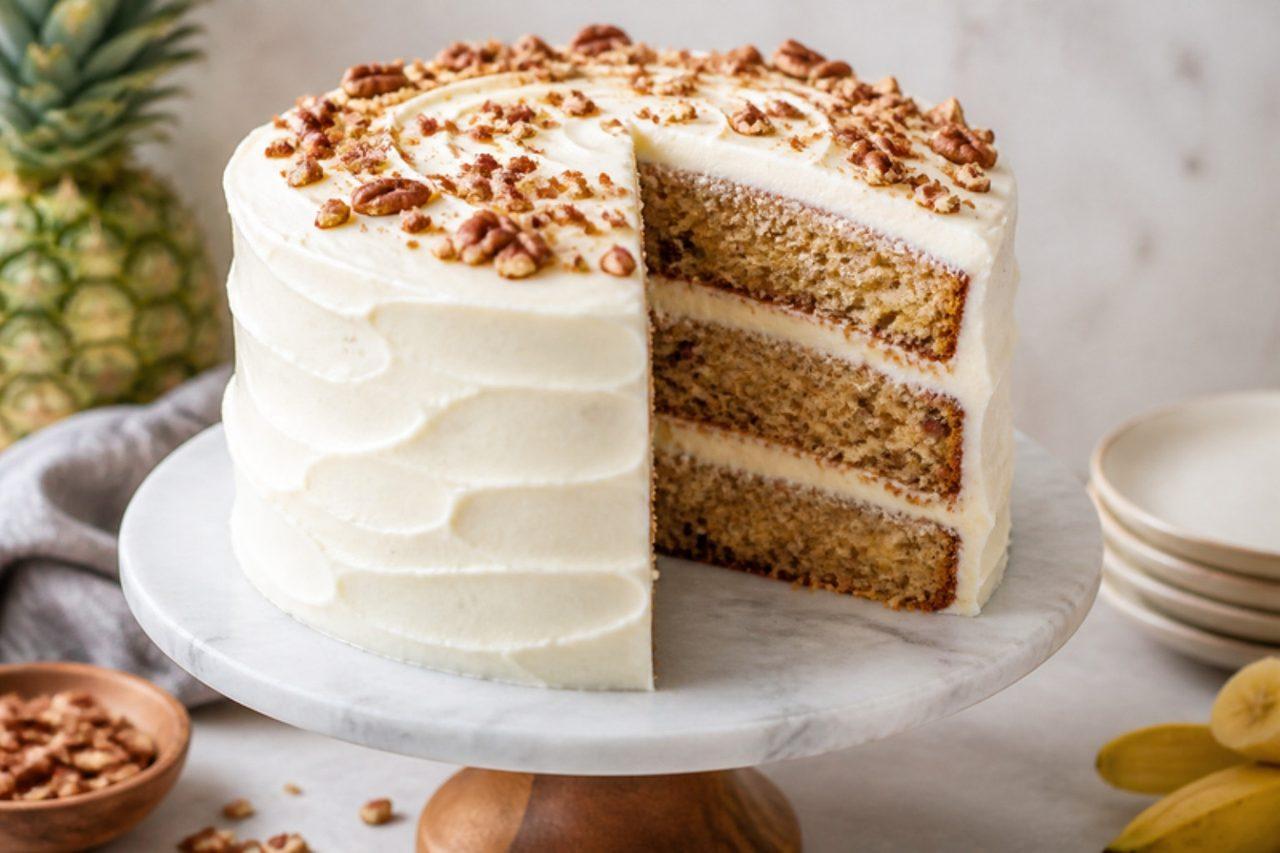
Hummingbird cake arrived in the South from Jamaica in the late 1960s and became famous after a Greensboro, North Carolina reader sent the recipe to a Southern magazine; it has been a church bake-sale and birthday favourite ever since. Mashed banana, crushed pineapple and toasted pecans make a moist, spiced oil cake under cream cheese frosting. Chef's tip: use very ripe, black-spotted bananas for sweetness and moisture.

by KrazyBadal 0 views

New Orleans king cake

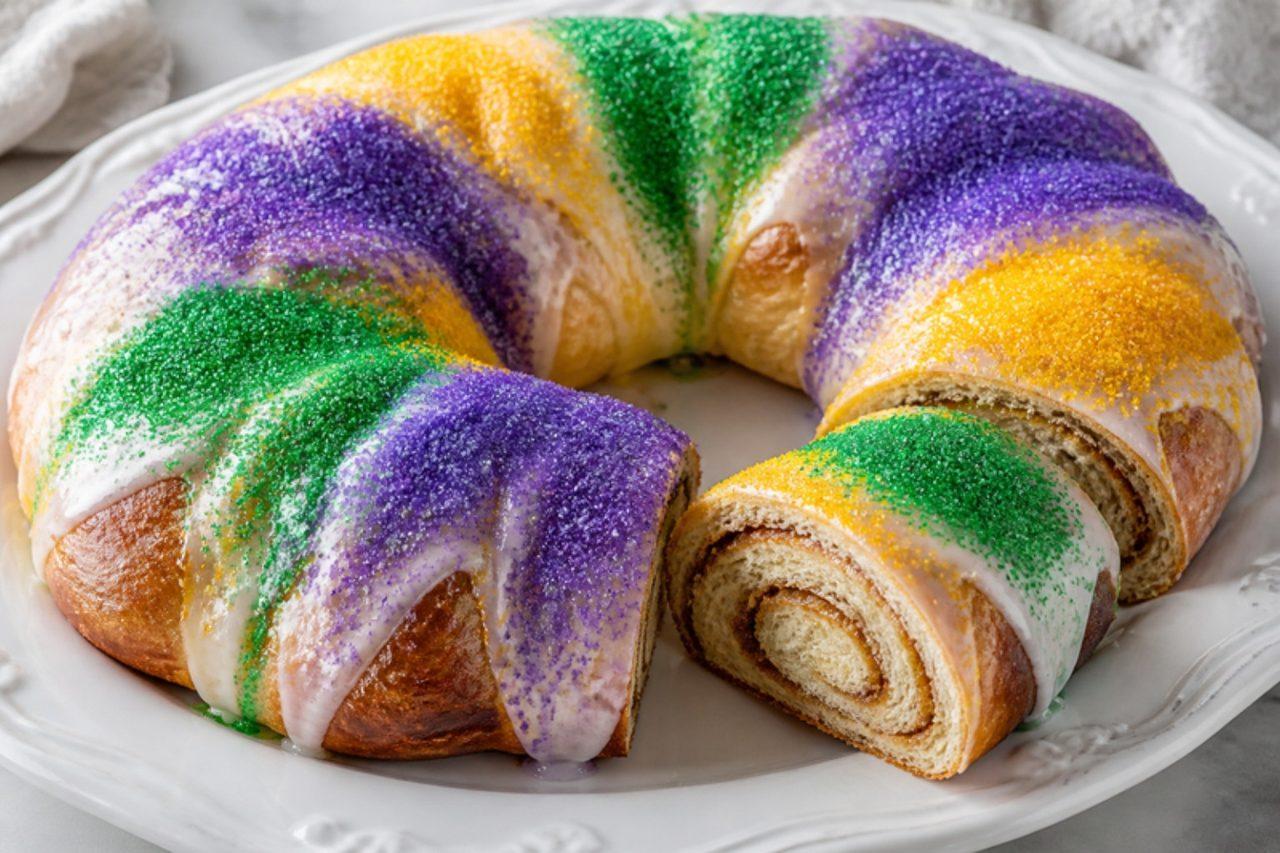
From Twelfth Night on 6 January until Mardi Gras, every office, school and party in New Orleans has a king cake: a ring of soft, cinnamon-swirled brioche, glazed and covered in sugar in the Carnival colours of purple, green and gold. A small trinket or bean is hidden inside, and whoever finds it buys the next cake. Chef's tip: push the trinket in from underneath after baking, and warn your guests, so nobody bites on it.

by KrazyBadal 0 views

FastnachtsPotato doughnuts

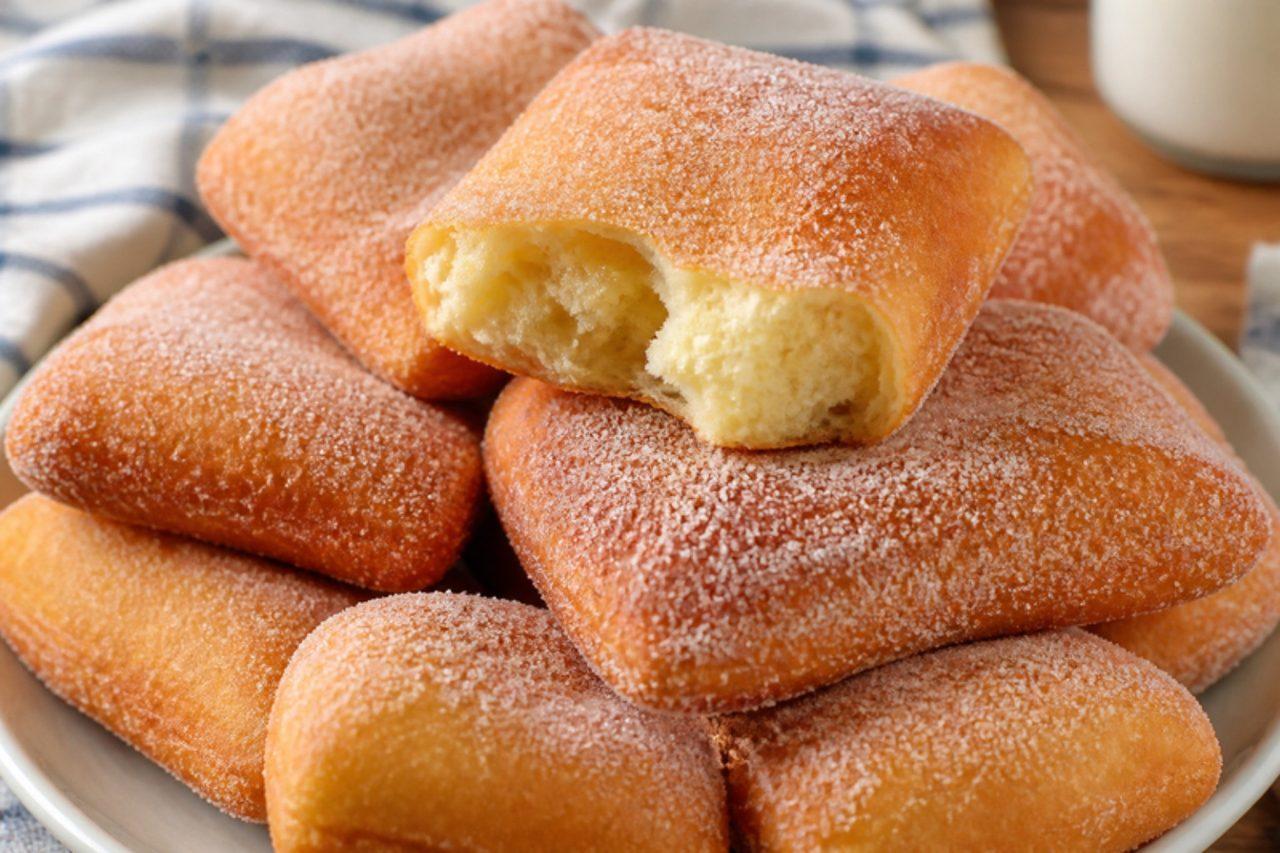
On Fastnacht Day, the Tuesday before Lent, bakeries and church kitchens across south-central Pennsylvania fry thousands of these square potato doughnuts to use up the fat and sugar before the fast. Mashed potato in the yeast dough makes them light but slightly dense and moist. They are eaten plain, sugared, or split and spread with molasses. Chef's tip: cut them into squares with a knife and make a slit in the middle of each; that is the traditional Fastnacht, and there are no scraps to re-roll.

by KrazyBadal 0 views

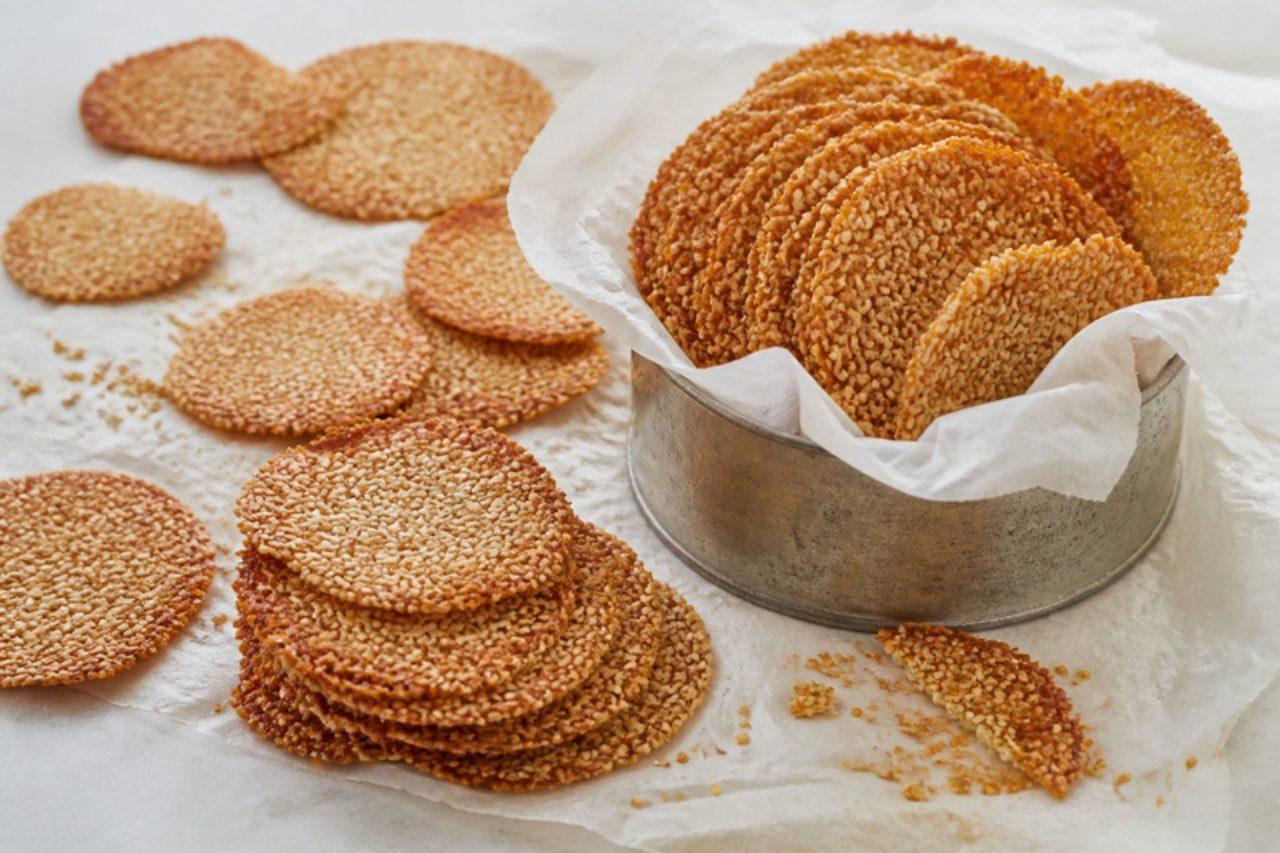
Charleston benne wafersSesame cookies

Benne is the West African word for sesame, brought to the Carolina Lowcountry by enslaved people, and these paper-thin, toasty wafers are the cookie Charleston is known for, sold in tins in the old city market. Toasted sesame seeds are folded into a buttery brown-sugar batter that spreads into lacy, crisp discs. Chef's tip: toast the seeds until they are honey-coloured; pale seeds taste of very little.

by KrazyBadal 0 views

Showing 24 of 43 recipes

Show more recipes

Page 1 of 2