Skip to content
WhatToEat.Today

All recipes

39

Vegetarian, or something you can't eat? Set your diet once and we'll hide recipes that don't fit.

GurundiCrunchy coconut biscuit bars

Walk past a school gate or a motor park in Kano, Kaduna or Jos and you will hear hawkers calling out gurundi, the hard coconut biscuit bars sold in little plastic bags. They are toasty, sweet and very crunchy, packed with coconut and a hint of nutmeg, and children buy them with pocket money to eat on the walk home. At home they go into lunch boxes or out with a cup of tea or a cold bottle of zobo. Fresh grated coconut is traditional; desiccated coconut makes it simple anywhere. Chef's tip: once the bars are golden, turn off the oven and leave them inside with the door ajar for 15 minutes to dry right through; taking them out too soon is the usual mistake, and they go soft by the next day.

by KrazyBadal 0 views
Nigerian fruit cake

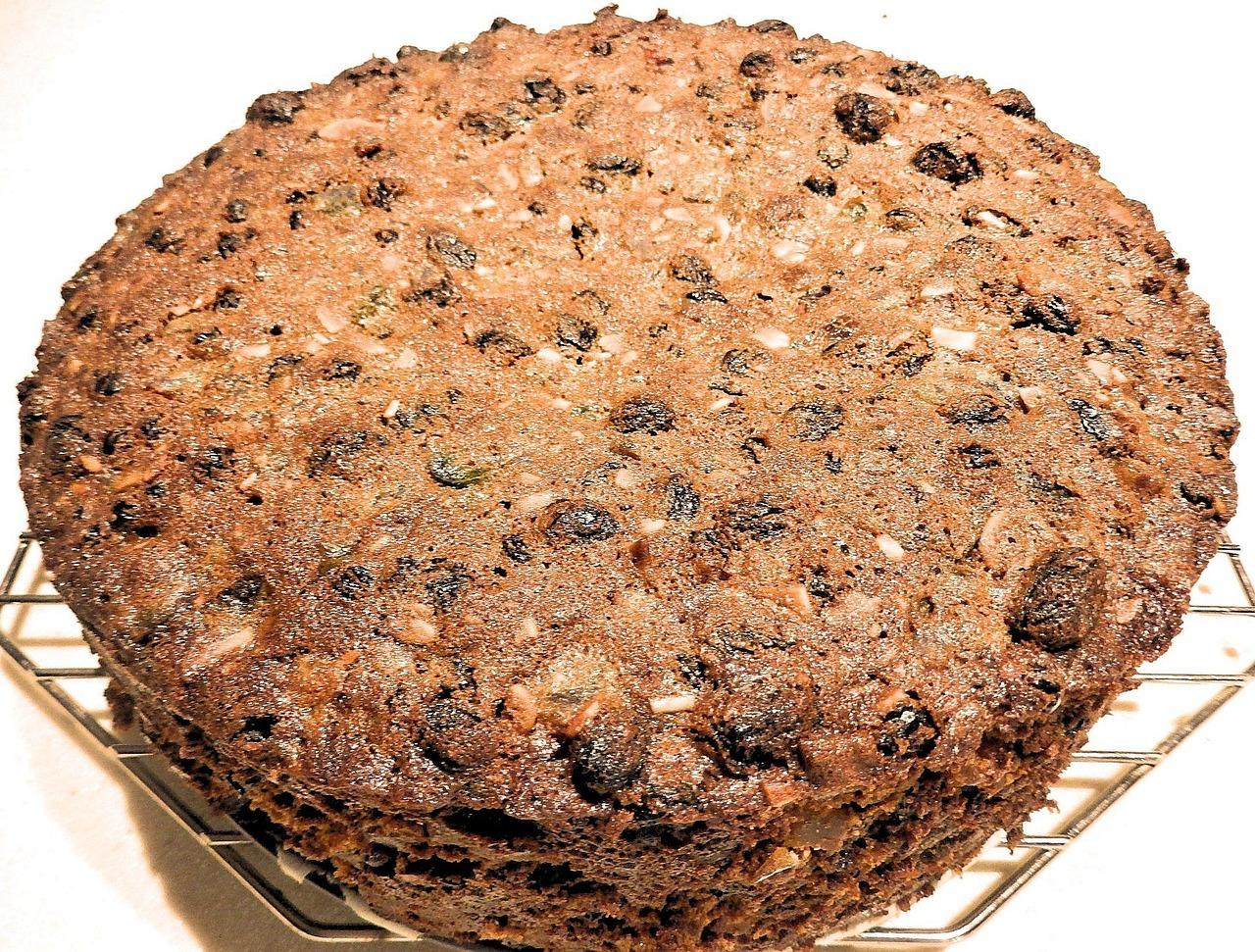
No Lagos wedding or Christmas table feels complete without a dark, heavy fruit cake, often stacked in tiers and covered in icing, with slices wrapped in napkins for guests to take home. The crumb is dense and moist, coloured almost black with browning (burnt-sugar caramel), and packed with raisins, currants and cherries warmed by nutmeg and mixed spice. Many families soak the fruit for weeks in brandy, stout or red wine; this version plumps it in orange juice instead, with a spirit given only as an option. Serve thin slices with tea, or ice it for a celebration. Bake it hot and fast and you get the classic failure: a cracked, burnt crust over a raw, sunken middle, so keep the oven low. Chef's tip: wrap a double band of brown paper around the outside of the tin and tie it with string; it slows the edges so the middle catches up.

by KrazyBadal 0 views
Shuku shuku

In old Lagos bakeries and in Yoruba homes before Christmas and Eid, shuku shuku are rolled by the tray: grated coconut and sugar bound with egg yolks and a little flour, rolled in more flour and baked until the outside is golden and crunchy and the middle stays chewy and sweet. Children snack on them after school and they keep well in a tin for visitors. Contains egg, coconut and wheat. The mistake is baking them on a high heat so they colour before the centre sets; a moderate oven gives an even, toasty crust. Chef's tip: freshly grated coconut gives the moistest balls, but if you use desiccated, soak it in 4 tablespoons of warm milk or water for 10 minutes first.

by KrazyBadal 0 views
Adalu

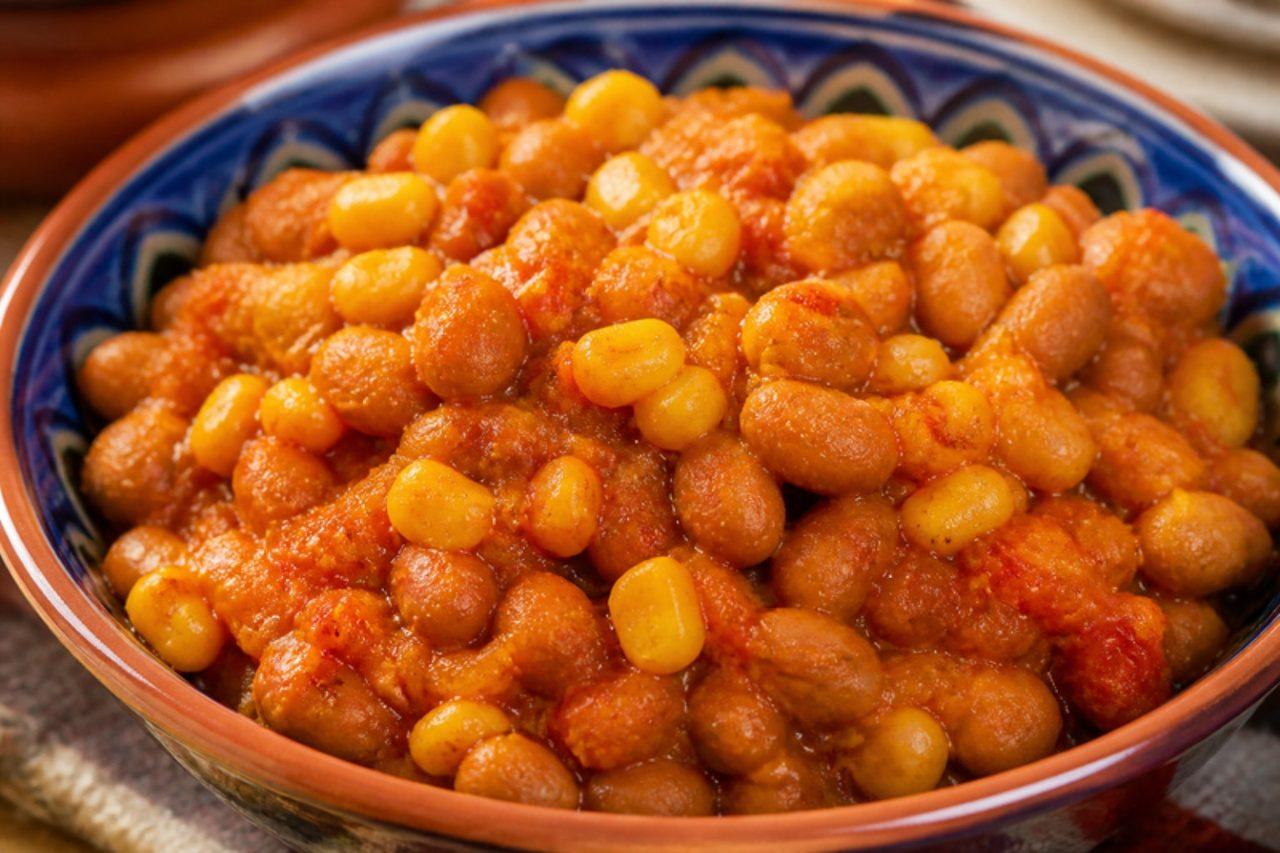
Across Yorubaland, from Abeokuta to Ibadan, adalu is the pot of beans and corn that keeps a family going: brown beans cooked until they collapse, sweetcorn stirred through for pops of sweetness, and a base of red palm oil, onion and blended pepper. People eat it for breakfast or an early lunch, often with fried plantain or a hunk of agege bread. It is soft, creamy and slightly sweet-savoury. Many cooks add ground crayfish; this version is vegan. The mistake is adding salt and stock cubes while the beans are still hard, which stops them softening; season only once they mash easily. Chef's tip: mash a ladle of the cooked beans against the side of the pot before adding the corn; it thickens the sauce without any flour.

by KrazyBadal 0 views
Kunun tsamiya

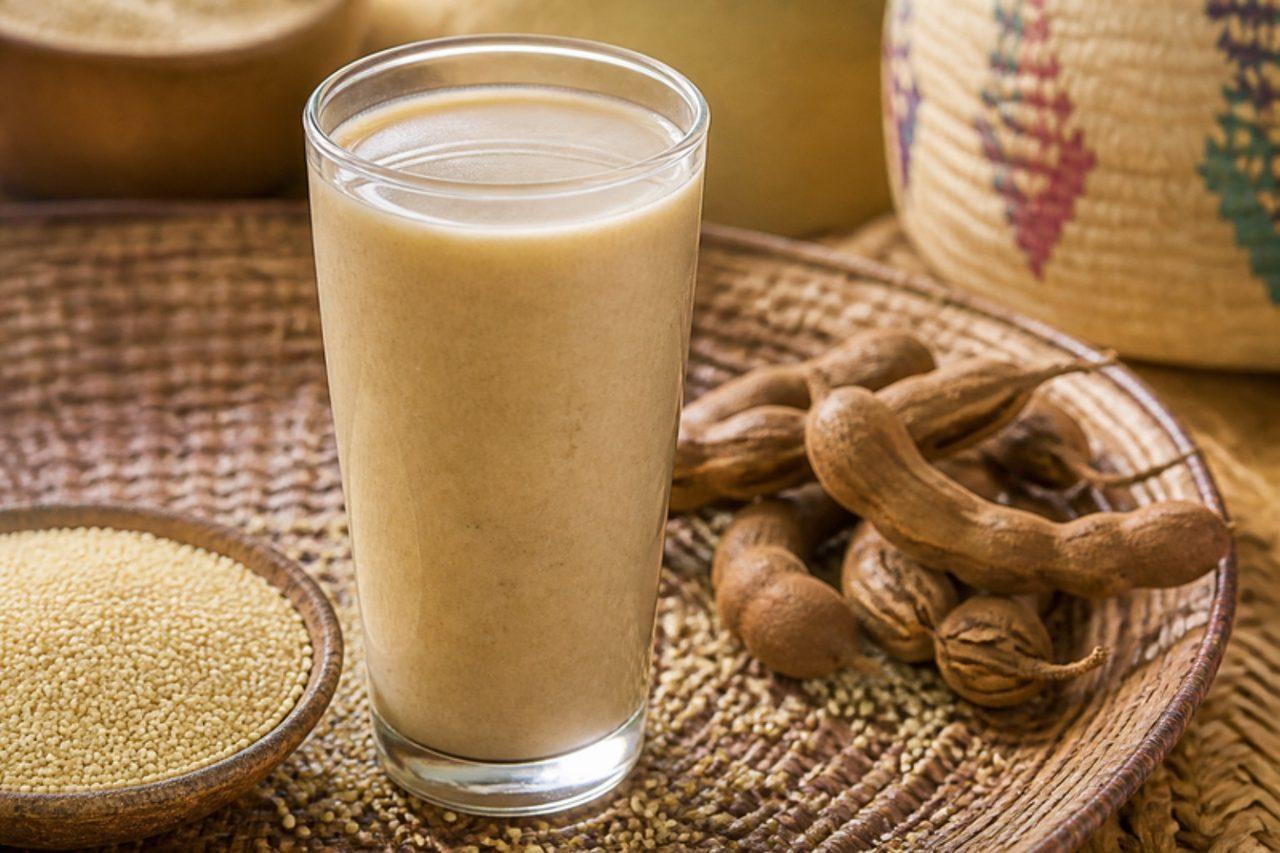
When the Ramadan fast breaks in Kano and Katsina, gourds of warm kunun tsamiya appear on mats beside dates and kosai: a thin, pourable millet porridge-drink, tart from tamarind (tsamiya), warmed with ginger and cloves and sweetened to taste. It is soothing, slightly sour and very filling, and Hausa mothers also give it at breakfast in the cold harmattan months. The mistake is pouring the millet paste into water that isn't boiling, which leaves it raw-tasting and lumpy; it must go into a rolling boil while you stir. Chef's tip: stop when it just coats the back of a spoon; kunun keeps thickening as it cools and should stay drinkable.

by KrazyBadal 0 views
Nigerian doughnuts

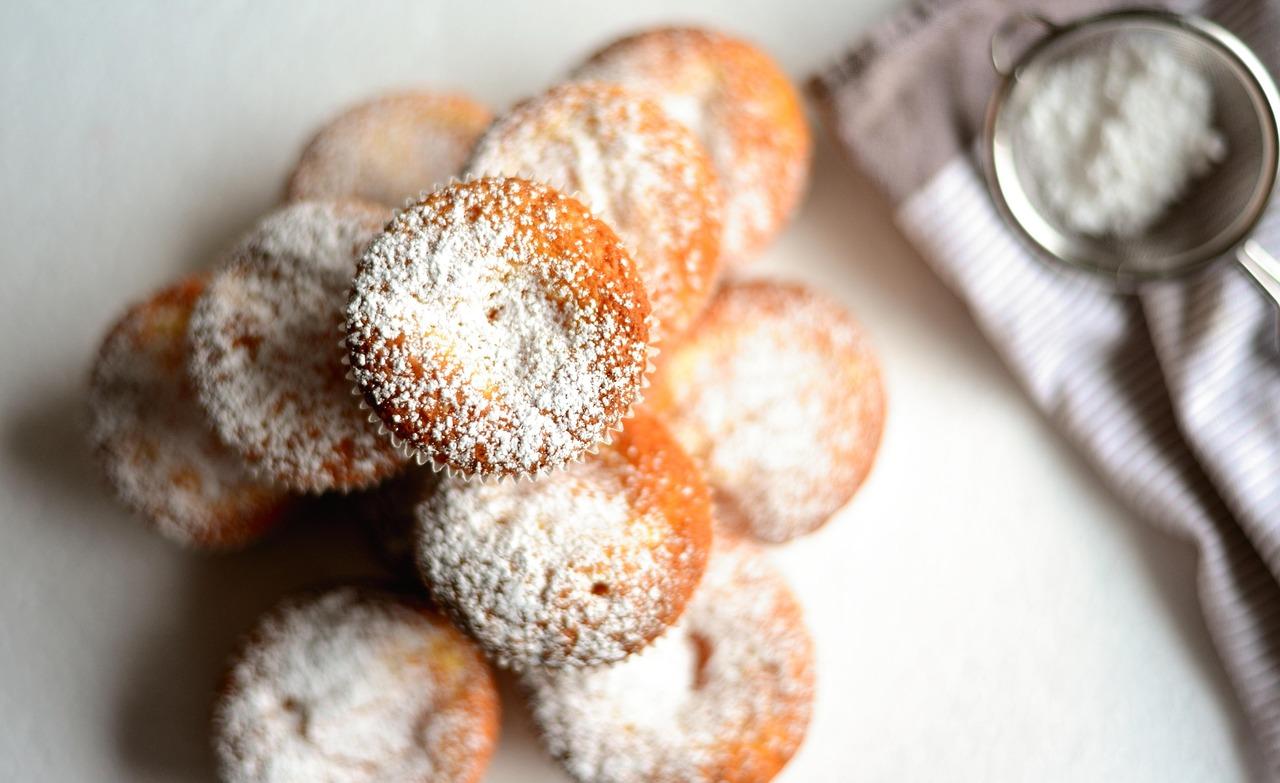
Long before chain doughnut shops reached Abuja, Nigerian bakeries and roadside hawkers in Onitsha, Enugu and Lagos sold these plump, unfilled rings and rounds, wrapped in paper and still warm, and mothers fried them by the trayful for birthday parties. The dough is enriched with milk, egg and butter and scented with nutmeg, so the crumb is soft and bready rather than cakey, and each one is rolled in sugar while hot. Contains wheat, milk and egg. A common mistake is frying in oil that is too hot: the outside goes dark brown while the centre stays doughy, so keep it at 170 °C and test the first one. Chef's tip: after cutting, let the rounds rise a second time on floured baking paper, then lift each one on its square of paper into the oil so it keeps its puffy shape.

by KrazyBadal 0 views
IruFermented locust beans

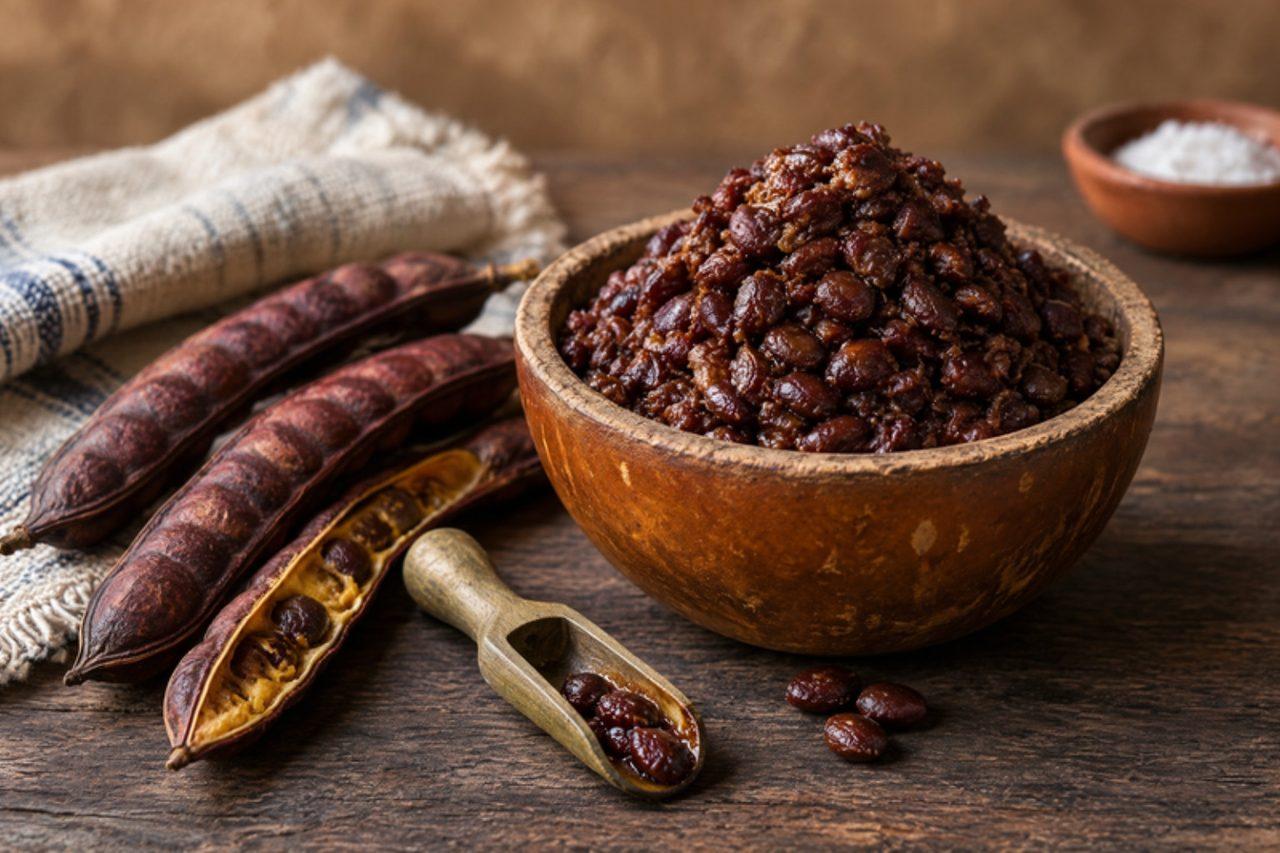
In Yoruba towns from Ibadan to Ogbomoso, iru is the smell of a good stew: a spoonful of the dark, fermented locust beans melted into efo riro, ofada ayamase, gbegiri and ewedu changes the whole pot. Making it is women's work passed down over generations, done in the dry season when the yellow pods of the African locust bean tree (igba) ripen. The seeds are boiled for hours, rubbed free of their black hulls, boiled again and wrapped warm in leaves for two or three days, when a sticky bacterial ferment covers them. Iru woro is left whole; iru pete is mashed. Expect a powerful ammonia-and-cheese smell, a soft, sticky texture and a deep savoury, almost meaty taste once cooked. Common mistake: fermenting too cool; below 30 °C the beans go sour and grey instead of developing the rich, sticky coat. Keep them in a warm oven with only the light on, or in a cooler box with a hot-water bottle. It is ready when the beans are dark brown, sticky and covered in fine white threads. Chef's tip: dried locust beans are sold at West African shops; fermented soybeans make a fair substitute.

by KrazyBadal 0 views
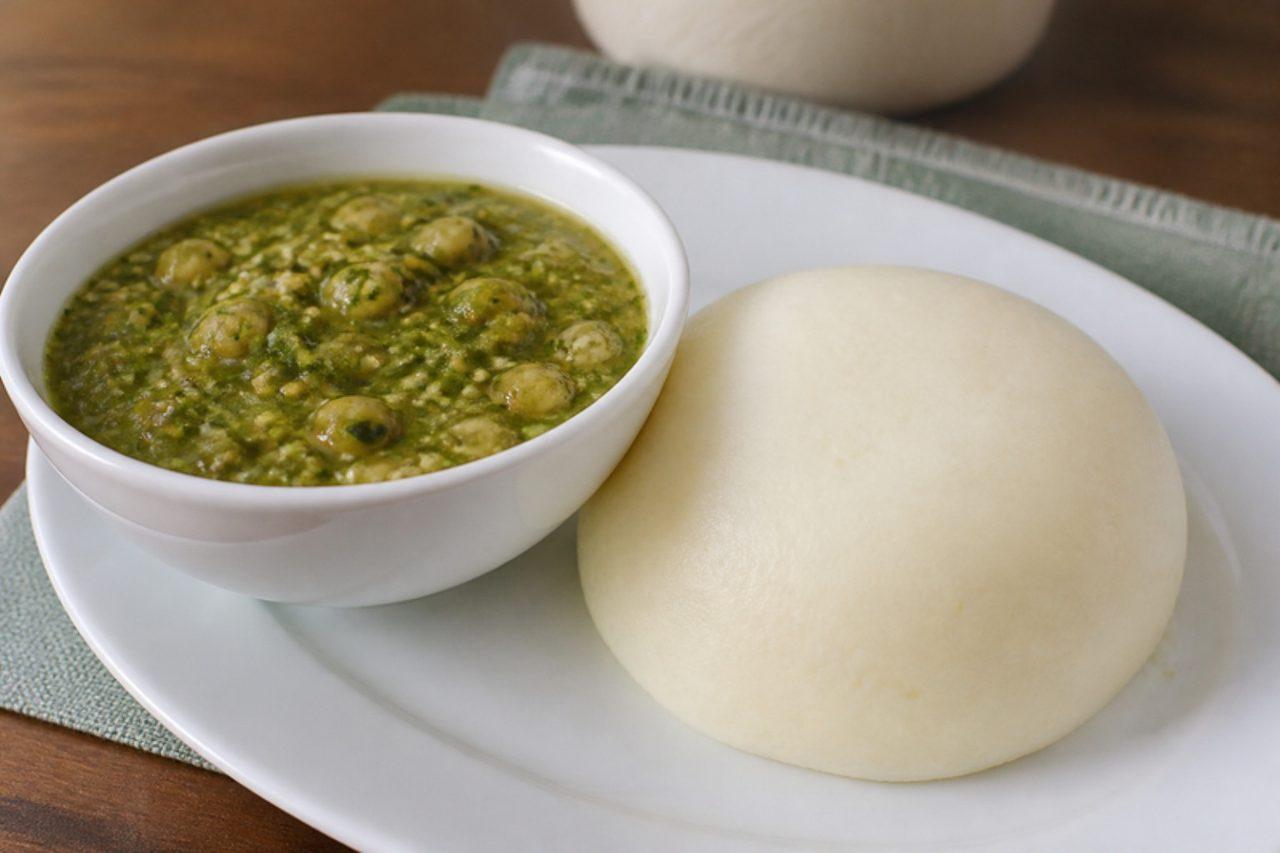
Tuwo shinkafa (soft rice swallow)

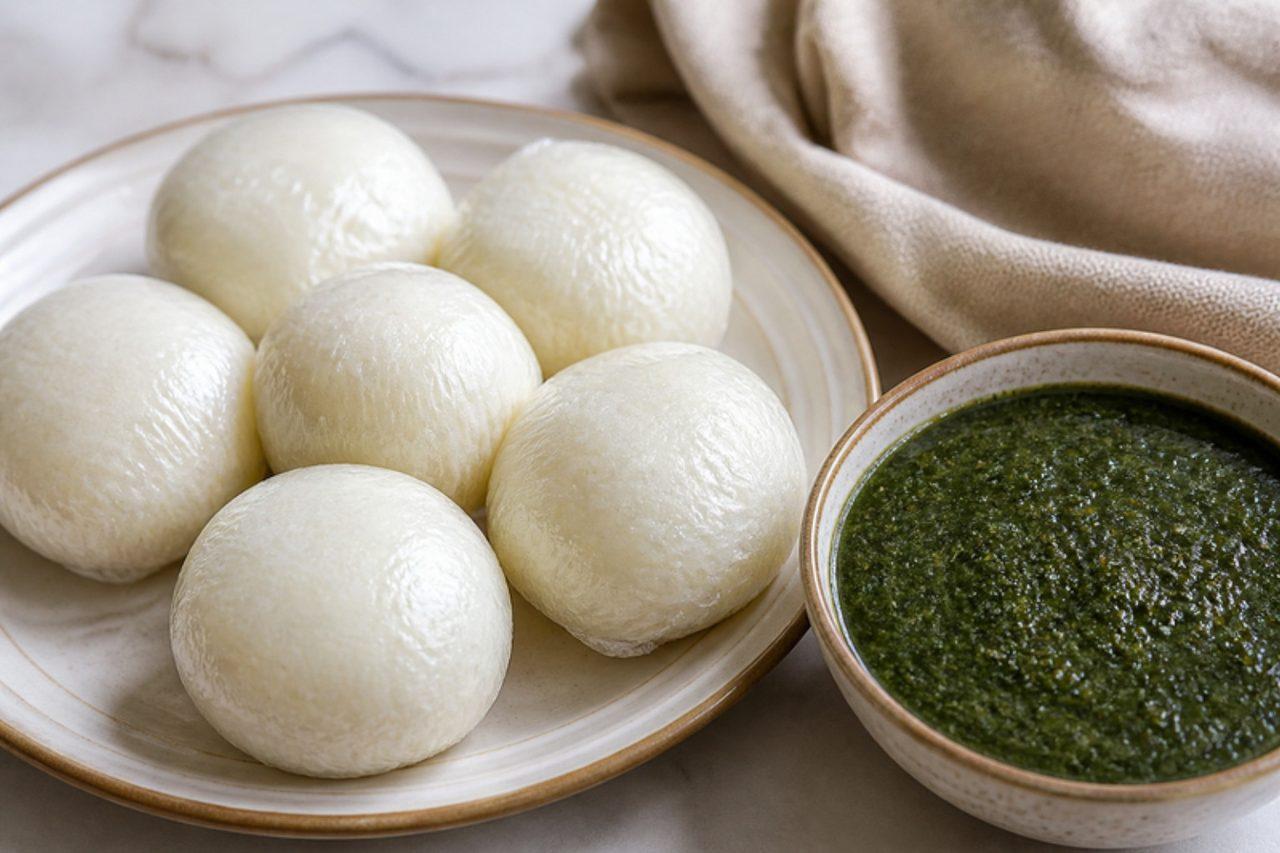
Across Kano, Kaduna and the wider Hausa north, the evening meal very often means a dome of tuwon shinkafa beside a bowl of soup. Short-grain rice is cooked well past the point most cooks would stop, then beaten with a wooden spoon until the grains collapse into a smooth, faintly sticky mass that still shows a few soft grains. It tastes mild and clean, which is exactly its job: you pinch off a piece, dip it into miyan kuka, miyan taushe or an okra soup and swallow. It also turns up at naming ceremonies and weddings, wrapped in plastic or leaves and carried home by guests. Chef's tip: wet the bowl or cup you mould it in, and the balls slide out glossy and round instead of tearing.

by KrazyBadal 0 views
Kunun aya (tiger nut drink)

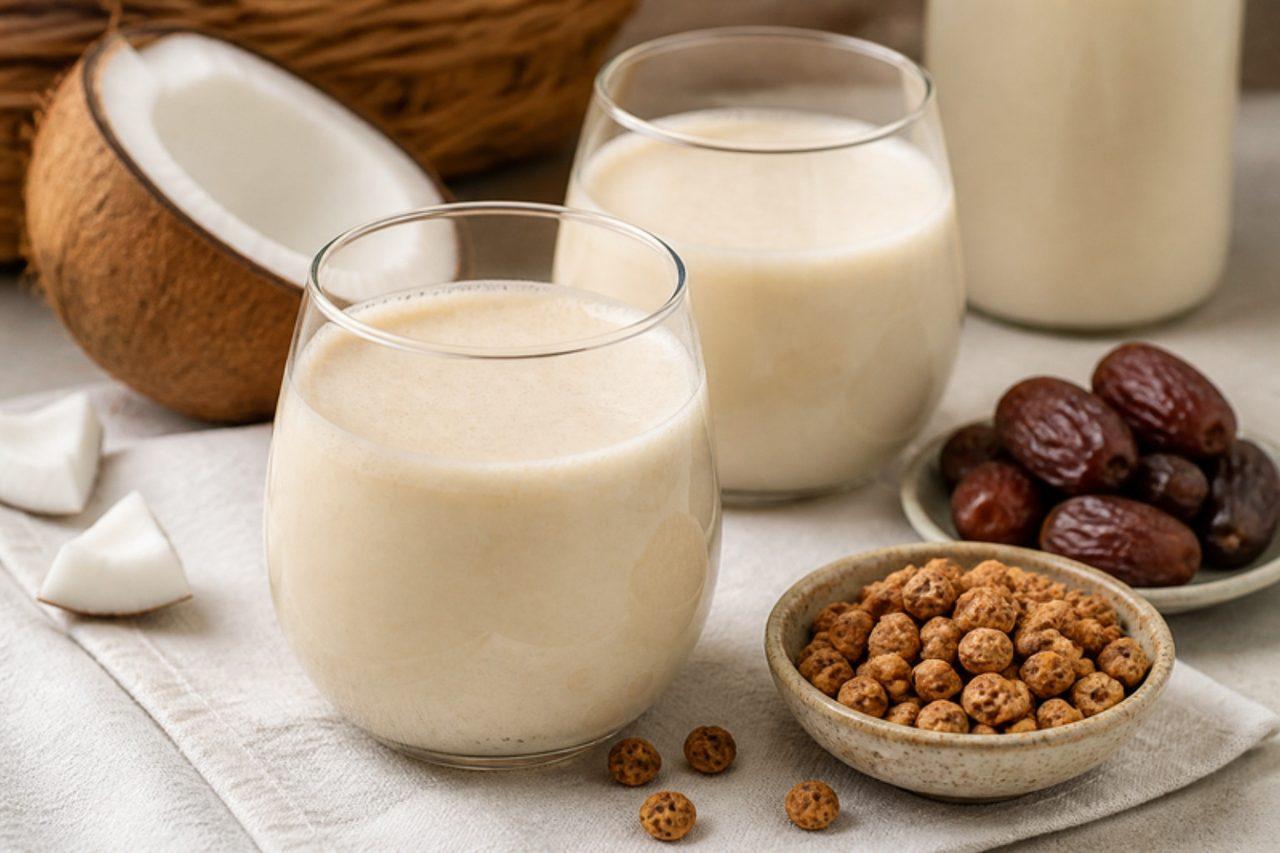
Street sellers in Jos, Kaduna and Kano keep kunun aya cold in coolers, and on a hot afternoon a glass of the creamy, nutty milk is hard to beat. Tiger nuts, which are small tubers rather than nuts, are soaked until plump, blended with dates, fresh coconut and a little ginger, then strained. Dates do the sweetening, so most people add no sugar at all. Skimping on the soak is the most common mistake; dry tiger nuts give a thin, gritty drink, so soak them for at least 8 hours. Chef's tip: soak them in the fridge and keep everything cold, because the fresh milk sours quickly in the heat.

by KrazyBadal 0 views
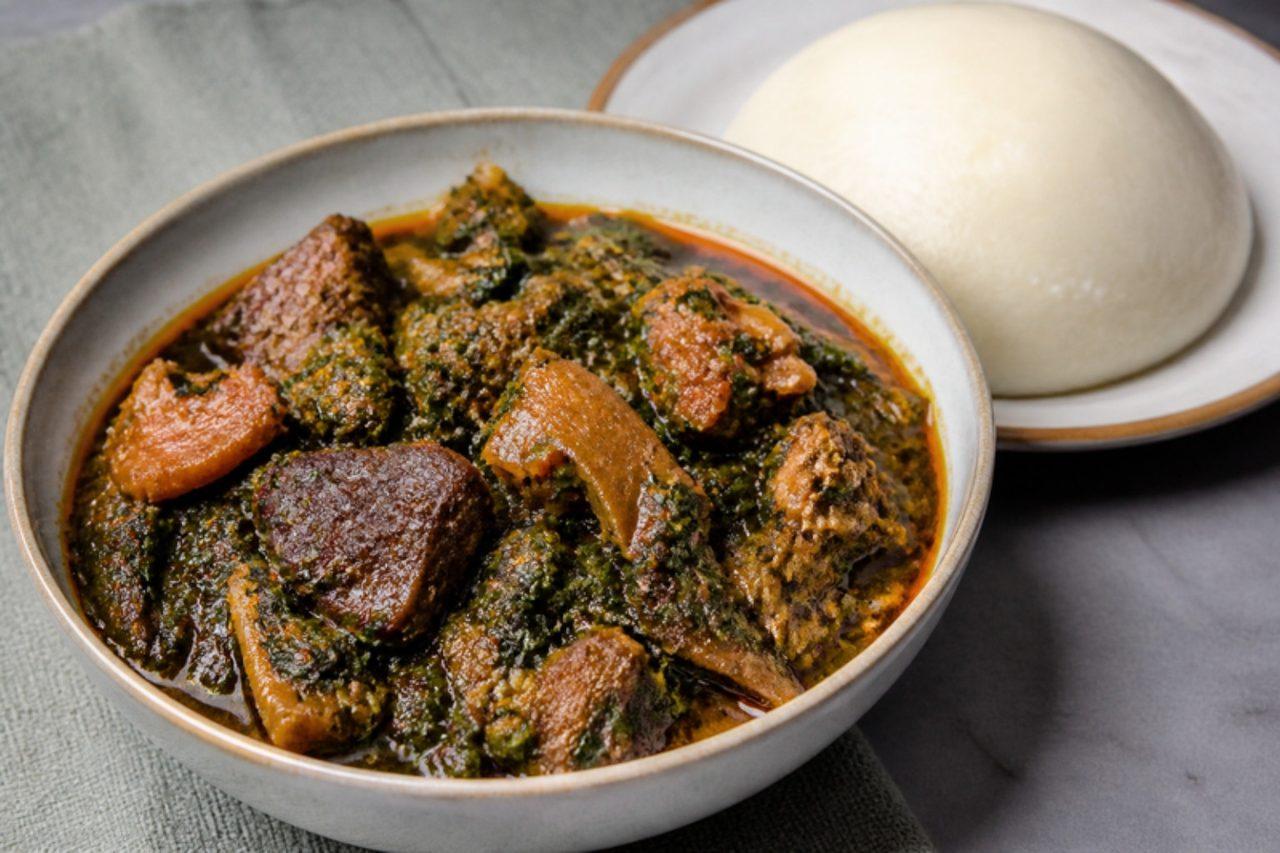
Eba (gari swallow)

Students in hostels, office workers at lunchtime buka and families from Warri to Lagos all lean on eba, because it is ready in about five minutes from a bag of gari, the toasted granules of fermented cassava. Stirred into hot water, gari swells into a smooth, firm, slightly tangy dough that you pinch, roll and dip into egusi, okra, ogbono or efo riro. Yellow gari has been fried with a little palm oil and gives a richer, golden eba; white gari is sharper and paler. Chef's tip: pour the gari onto the water, never the water onto the gari, and wait a minute before stirring so every grain soaks evenly.

by KrazyBadal 0 views

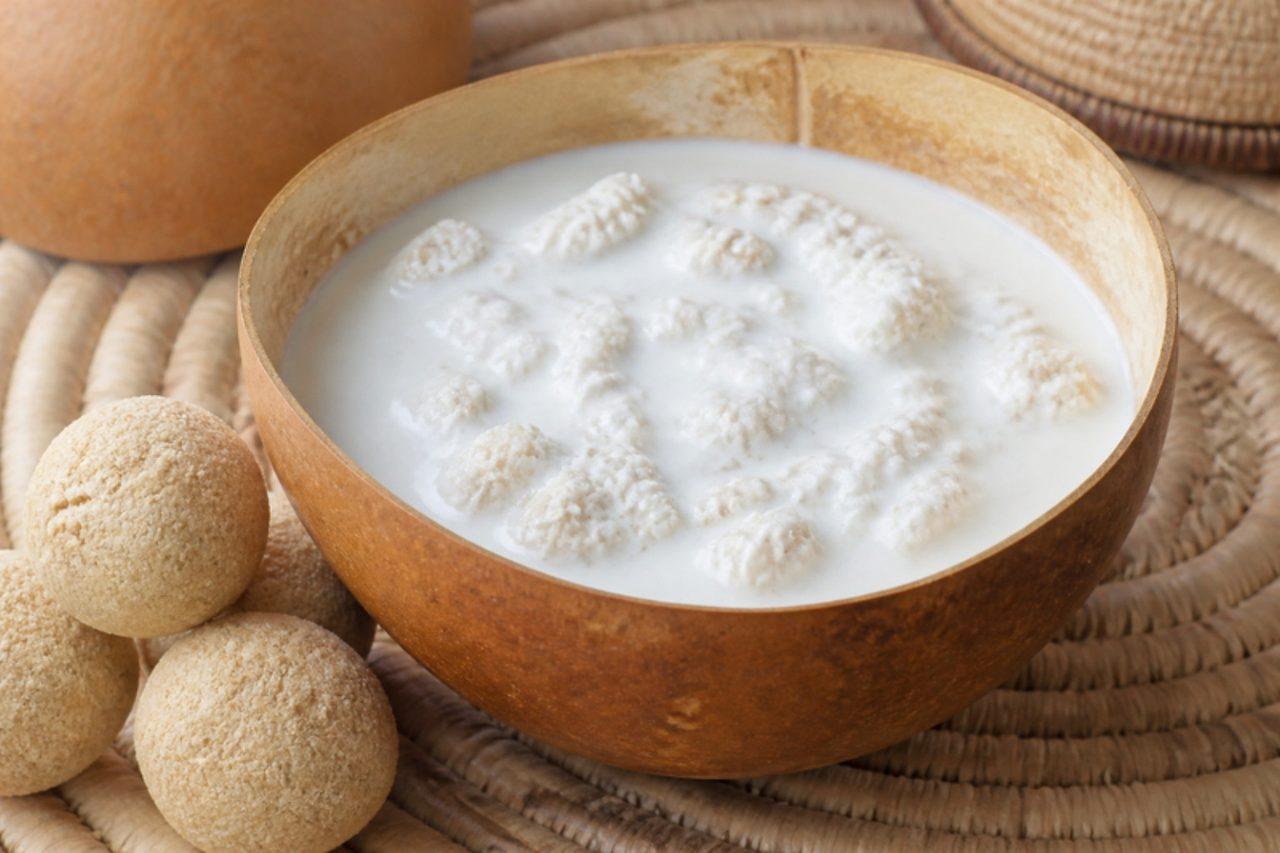
Fura da nono (millet balls in cultured milk)

Fulani women carry fura da nono to markets across the north in calabashes balanced on their heads: balls of spiced, cooked millet dough sold next to nono, cow's milk that has been left to sour. Crumbled into the milk and sweetened, the fura makes a thick, cooling drink that is part breakfast, part refreshment, tangy with ginger and a gentle heat from the spices. Traditional nono is made from raw milk; this home version uses pasteurised yoghurt and milk for safety, and it should be kept in the fridge. Mashing the fura straight into all the milk leaves lumps, so crumble it with a little milk first. Don't crumble the fura balls coarsely; large lumps stay chalky in the drink. Chef's tip: dust the shaped fura in millet flour and it keeps for 3 days in the fridge, ready to mix.

by KrazyBadal 0 views

Ofe Owerri (festive ugu and okazi soup)

Owerri people speak of their soup with pride, and it is famous for how much goes into the pot: goat meat, tripe, stockfish and dried fish, simmered in palm oil and thickened with cocoyam, then finished with two leaves, chewy okazi and soft, sweet ugu. It is festive food for weddings, Christmas and big family gatherings across Imo State, and it is served with pounded yam or fufu. Adding the ugu too early is a common mistake that leaves the leaves dark and mushy; it goes in last, after the okazi has had time to soften. Stockfish needs an overnight soak first unless bought pre-soaked. Chef's tip: soak dried okazi in warm water for 10 minutes before cooking so it softens evenly.

140 minNigerianMeatGluten free
by KrazyBadal 0 views

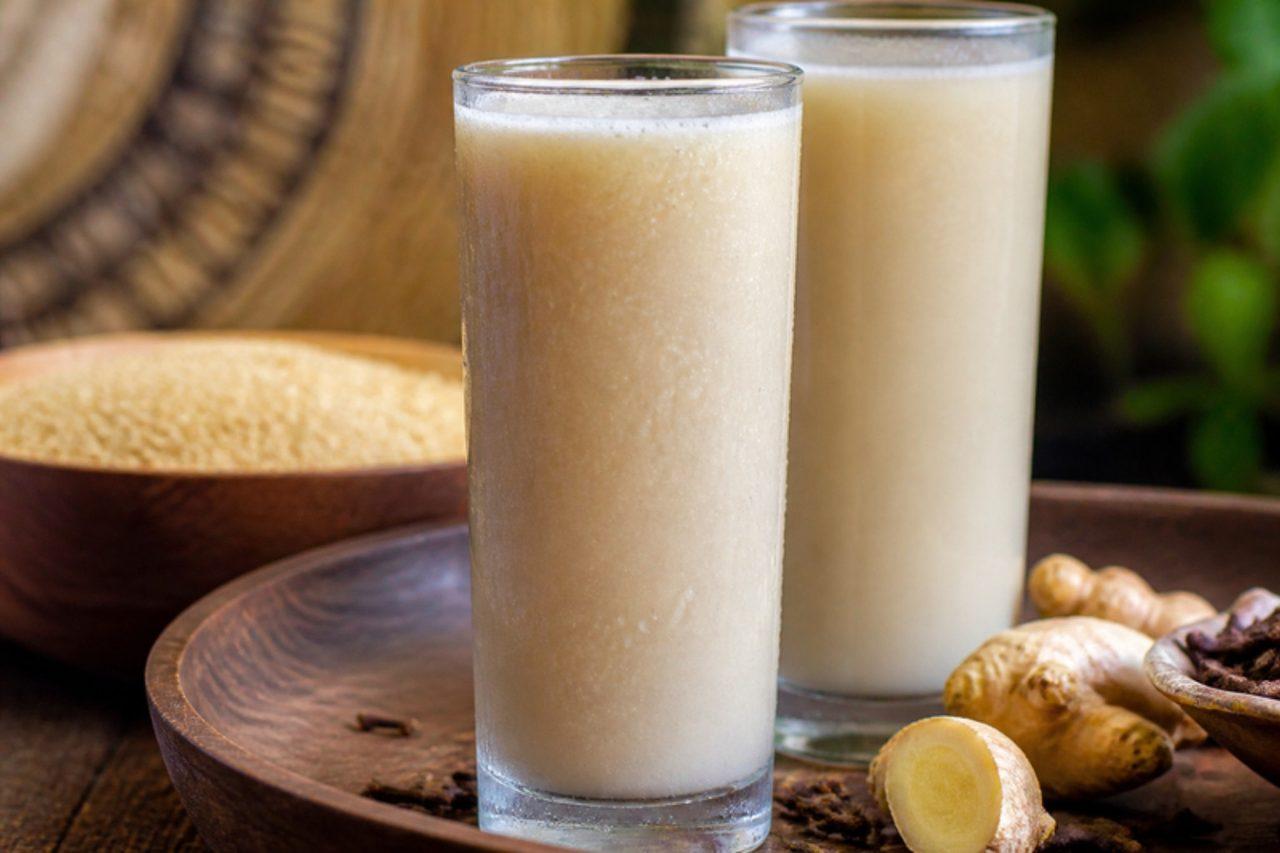
Kunun zaki (millet and ginger drink)

Chilled kunun zaki is what people reach for in the heat of Kano and Kaduna afternoons, and at Ramadan iftar it is one of the first things poured. Millet is soaked, ground with fresh ginger and cloves, then partly cooked; the uncooked portion stirred back in sweetens the drink naturally and gives it a light, refreshing tang. It is creamy-looking but thin, spicy at the back of the throat and best ice cold. Pouring boiling water over all the slurry is the classic mistake, since it stops the natural sweetening, so always keep a third raw. Chef's tip: start a day ahead (12 hours soaking, 4–6 hours resting) and strain twice through a fine cloth for a silky drink with no grit.

by KrazyBadal 0 views

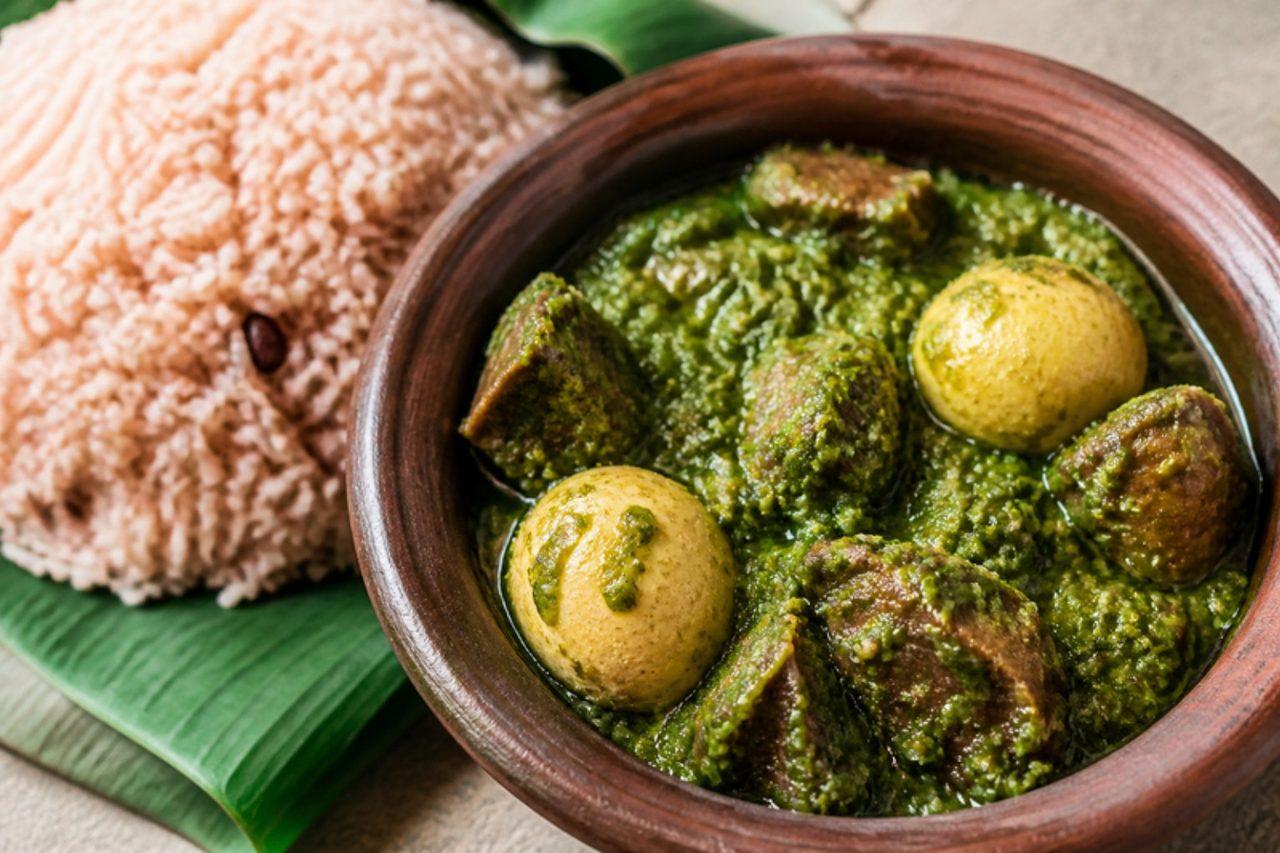
Ayamase (ofada green pepper stew)

Ofada rice, the short, fragrant local rice from Ogun State, is almost always served in Lagos with ayamase, a stew so green and so hot it is sometimes called designer stew. Green bell peppers and green scotch bonnets are blended coarse, dried out in the pot, then fried in palm oil that has been bleached clear, with plenty of iru for a deep, funky savouriness. Assorted meat (beef, tripe and cow skin) and boiled eggs are folded in. Watery pepper is the mistake that makes it taste sour and raw, so boil the blended pepper dry before it meets the oil. Chef's tip: bleaching palm oil makes heavy smoke; open the windows, keep the lid nearby and never leave the pot.

120 minNigerianMeatGluten freeSpicy
by KrazyBadal 0 views

Chapman (Nigerian fruit punch)

Order a chapman in a Lagos club house or at an owambe party and it arrives in a tall glass full of ice, glowing red and crowded with slices of cucumber, orange and lemon. Lemon-lime and orange sodas are mixed with blackcurrant cordial and grenadine for a sweet, fruity, fizzy drink with a fresh edge from the cucumber. The classic recipe adds a few dashes of aromatic bitters, and those bitters contain alcohol; leave them out (or use an alcohol-free bitters) and it is fully alcohol-free and fine for children. Adding the soda too early is the usual mistake, as it goes flat, so mix the syrups and fruit first and top up just before serving. Chef's tip: chill every bottle well beforehand, so less ice melts into the drink.

by KrazyBadal 0 views

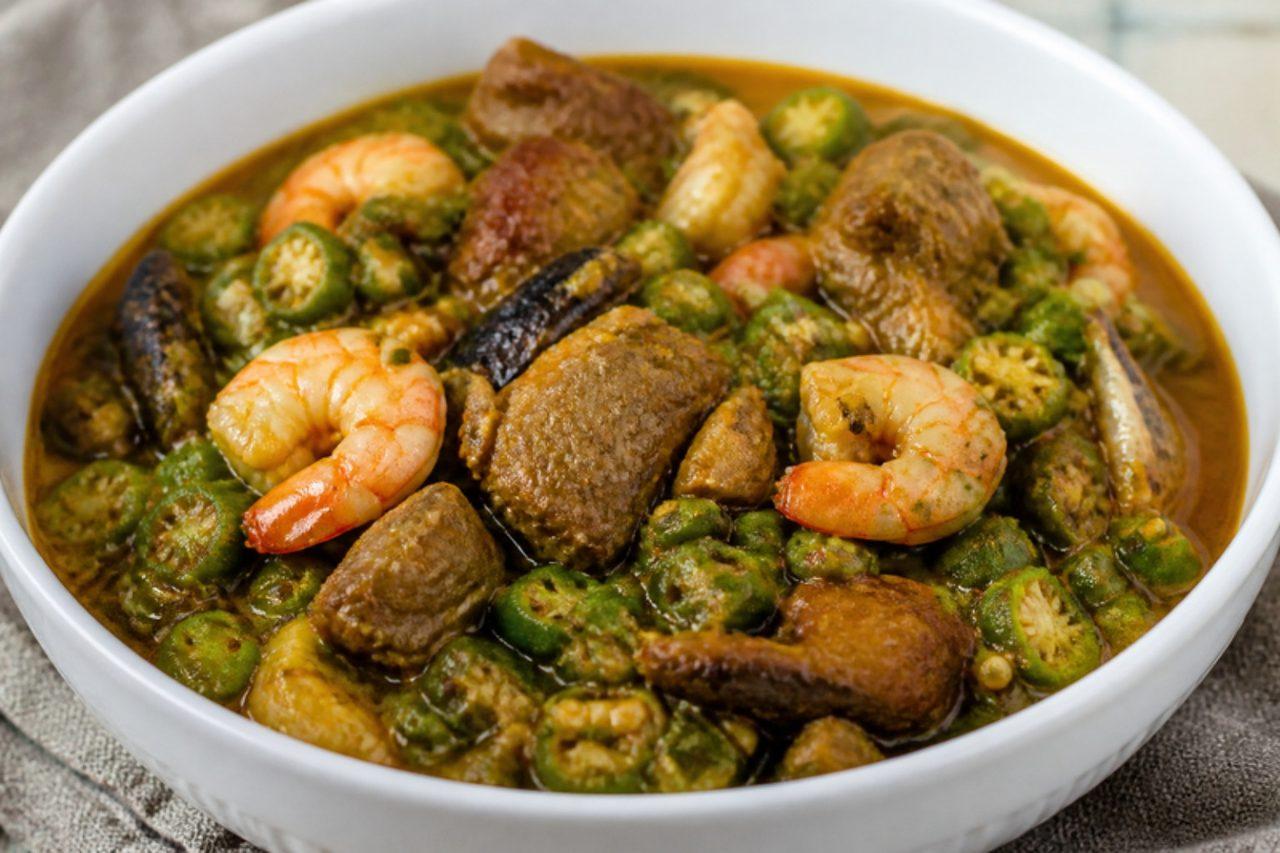
Ila asepo (Yoruba okra soup)

Ibadan and Abeokuta buka ladle ila asepo over amala at lunchtime: a bright, chunky okra soup cooked in a palm-oil pepper base, rather than the plain boiled okra of other regions. Iru and crayfish give depth, assorted meat and smoked fish give body, and prawns go in at the end, so every spoonful is drawy, savoury and loaded. It is just as good with eba or pounded yam. Cooking the okra too long is the usual mistake; it loses its stretch and its green colour, so add it last and give it only 4–5 minutes. Chef's tip: chop the okra by hand into small dice instead of blending it, and the soup keeps its pleasant crunch.

by KrazyBadal 0 views

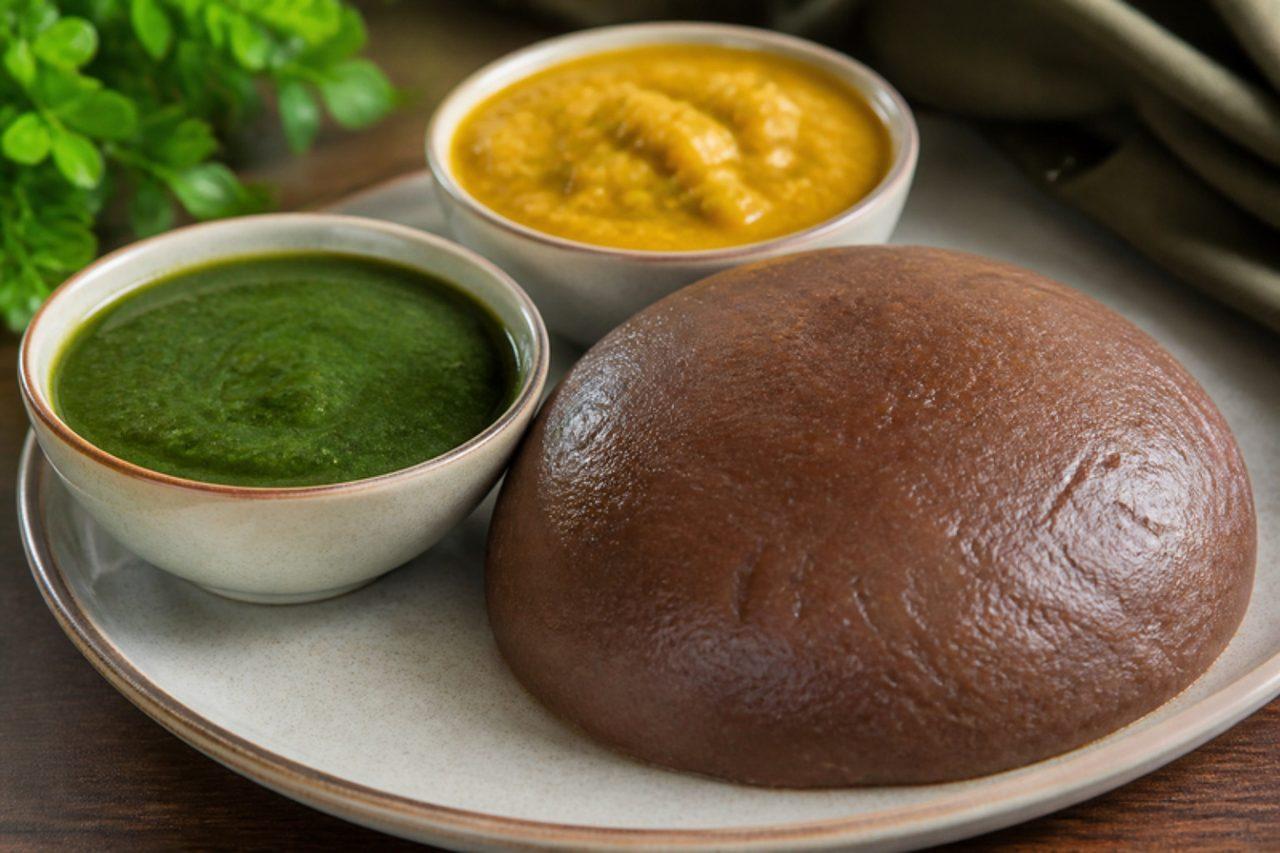
Amala (yam flour swallow)

Amala gets its dusky brown colour from elubo, yam that has been peeled, sliced, sun-dried and milled, which gives it a faintly smoky, earthy taste. Ibadan's amala joints serve it from morning to night, soft and steaming, wrapped in leaves or cling film, with ewedu, gbegiri and stew; it is pinched off with the fingers and dipped, never chewed for long. Making it takes five minutes and a strong arm: the flour goes into boiling water and is stirred and turned against the side of the pot until it is perfectly smooth and stretchy. Lumps are the usual mistake, so add the flour off the heat and stir hard from the first second. Chef's tip: use a sturdy wooden spatula (omorogun) and press the dough against the pot rather than just stirring it round; that is what makes it silky.

by KrazyBadal 0 views

Tuwo masara (stiff maize swallow)

On the Plateau and throughout the north, a pot of white maize flour turned stiff with a wooden paddle is the daily partner to miyan kubewa (okra soup), miyan kuka and vegetable soups. Tuwon masara is smooth, slightly springy and mild, with a faint sweetness of corn. The secret is to start with a thin cooked paste and only then add the dry flour, which keeps it lump-free; dumping all the flour into boiling water is the mistake that gives raw, gritty pockets. Chef's tip: use a sturdy, flat wooden spoon and press the tuwo hard against the side of the pot when you turn it.

by KrazyBadal 0 views

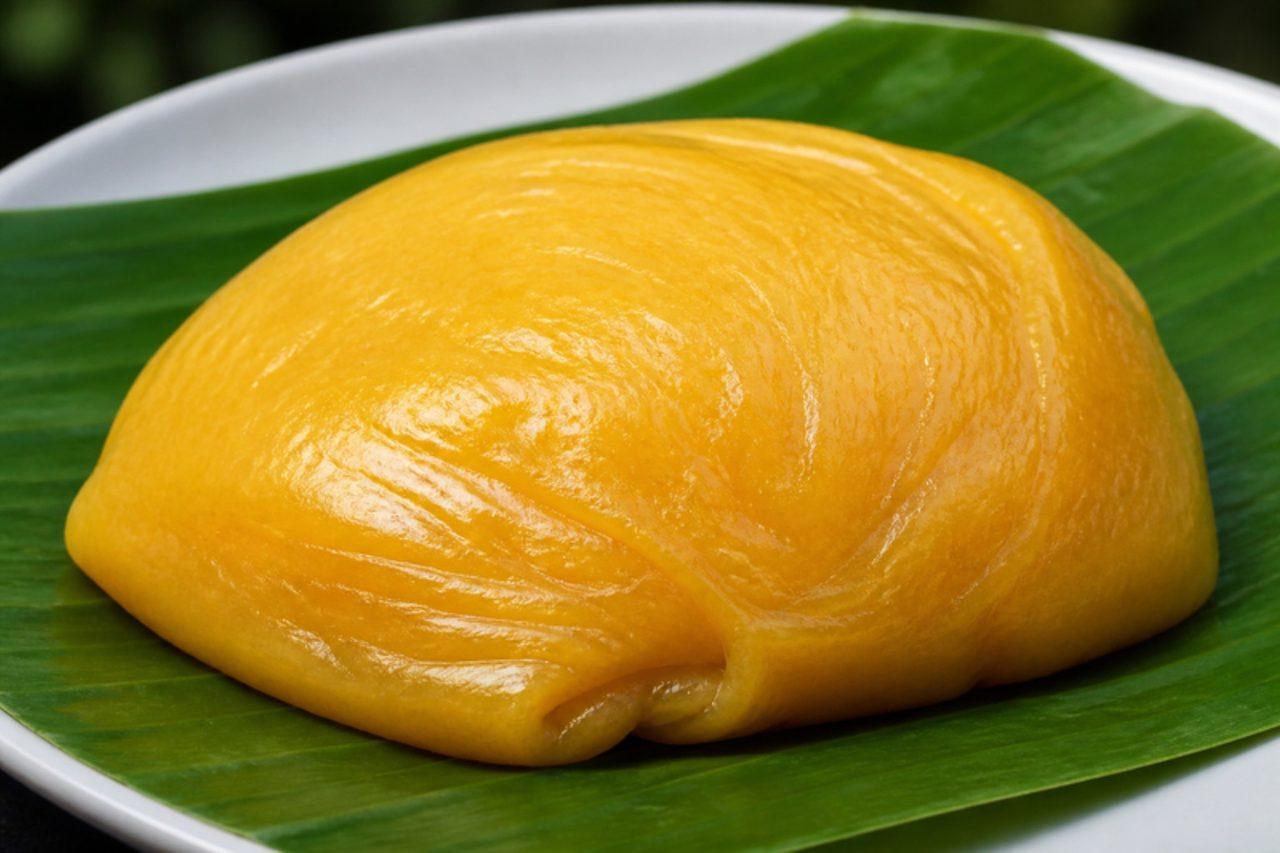
Usi (Urhobo starch swallow)

Bright yellow-orange and wobbly, usi, often just called starch, is the pride of Urhobo cooking in Delta State, and in Warri and Ughelli it is the only proper partner for banga (palm-nut) soup or owo soup. It is made from cassava starch cooked with water and a little palm oil, stirred hard over a low heat until it turns from a chalky white paste into a translucent, glossy, elastic mass. It tastes very mild; it is a vehicle for rich soups, and its smooth stretch is the point. Look for cassava starch (wet or dried) in African shops. Banga and owo soup are usually made with fish, so serve usi with a meat-free banga for a vegan meal. Chef's tip: keep the heat low and never stop stirring; a high flame is the mistake that scorches the bottom and leaves raw, white lumps.

by KrazyBadal 0 views

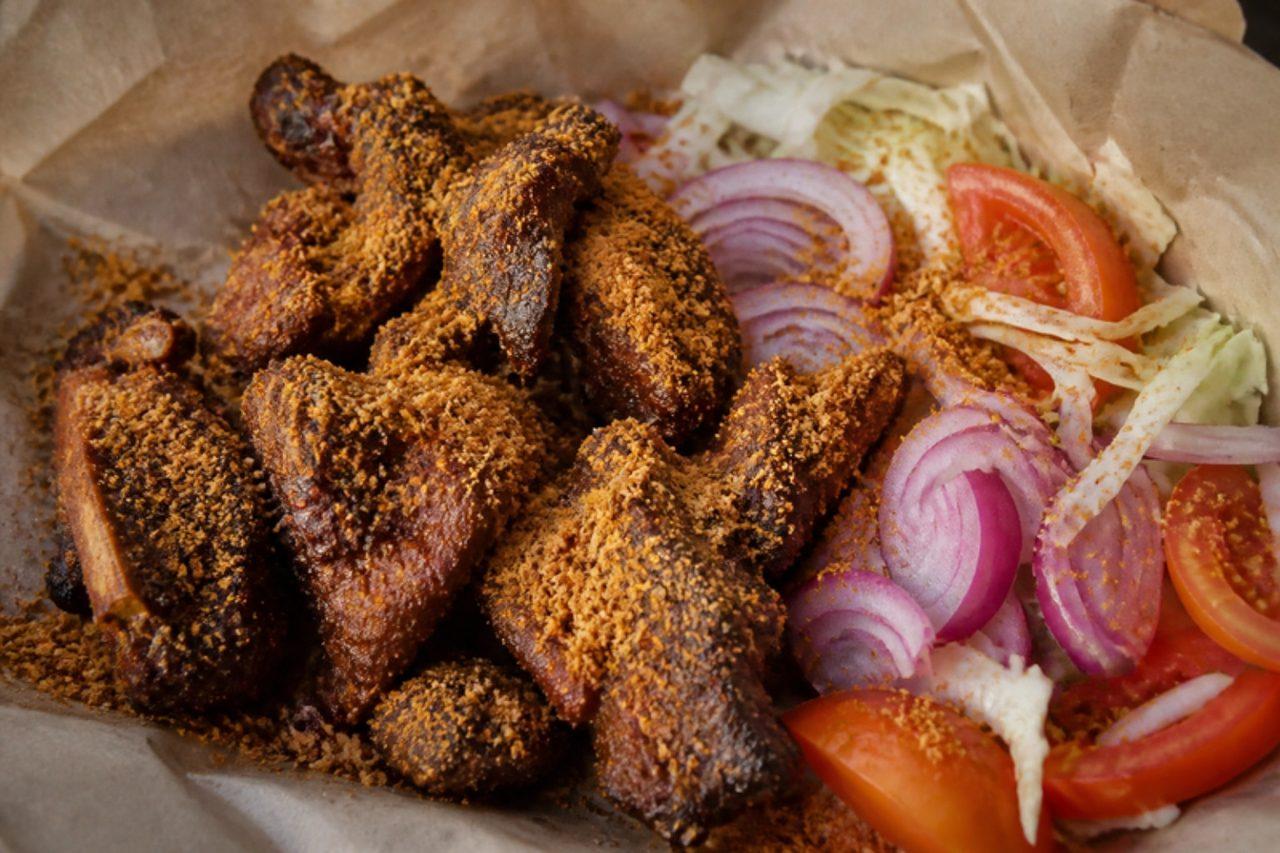
BalanguGrilled spiced mutton

At balangu spots around Kano and the northern cities, the meat is cooked on flat stones heated by fire underneath, so it sears in its own fat rather than over flames. Mutton is the classic, with bone and a little fat left on; beef works too. It comes off crusty and smoky, then is tossed with yaji, the northern peanut-chilli spice, and served on paper with raw onion, tomato and cabbage, eaten with the fingers in the evening. A heavy cast-iron pan or griddle gives the same effect at home. Marinate in the fridge, not on the counter, and cook the pieces until no pink remains and they reach 71 °C. Chef's tip: get the iron smoking hot before the meat goes on and do not crowd it; overcrowding is the classic mistake that leaves the meat grey and stewed.

by KrazyBadal 0 views

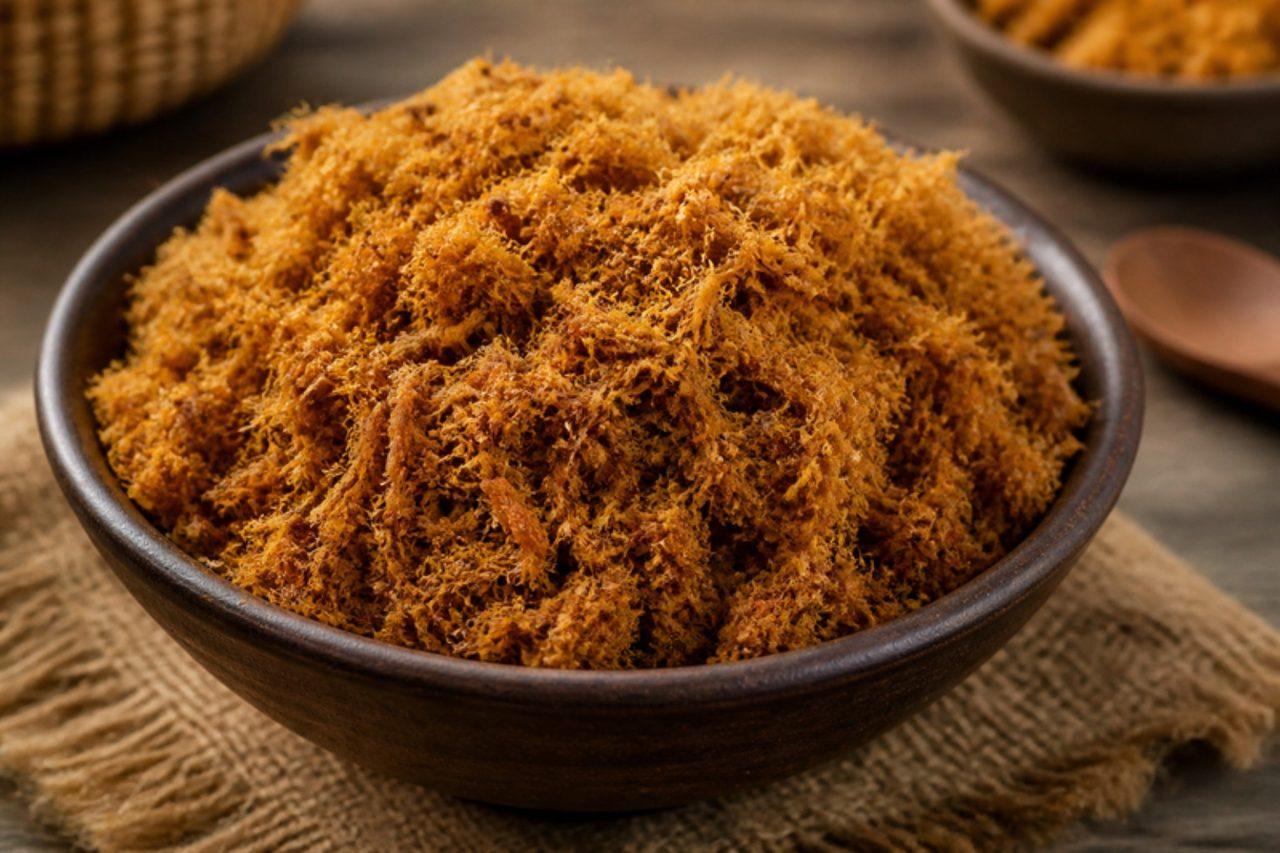
Dambun namaSpiced shredded beef floss

During Ramadan and Eid in Kano, Kaduna and Maiduguri, tins of dambun nama appear on every table: beef boiled tender with onion and ginger, pounded in a mortar until it falls into fine threads, then fried slowly with onion and spices until it is dry, fluffy and golden. It keeps well, which is why it was made before long journeys, and it is eaten as a snack, with rice or tucked into bread. The texture should be like soft wool, not crunchy crumbs. Because the meat is fully cooked before drying, it is safe; store it in the fridge. Chef's tip: let the boiled beef steam dry for ten minutes before pounding, as wet meat clumps in the pan instead of separating into threads, which is the usual mistake.

130 minNigerianMeatGluten free
by KrazyBadal 0 views

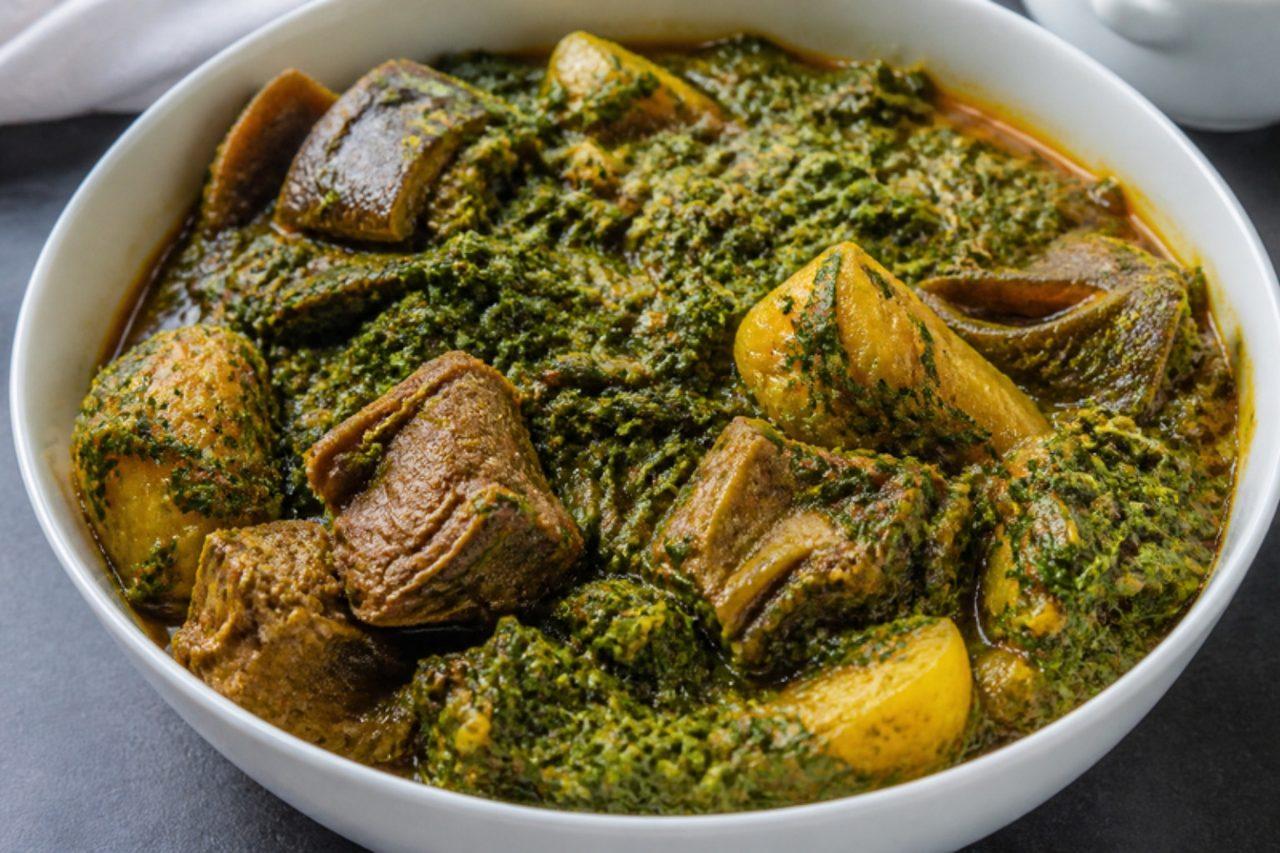
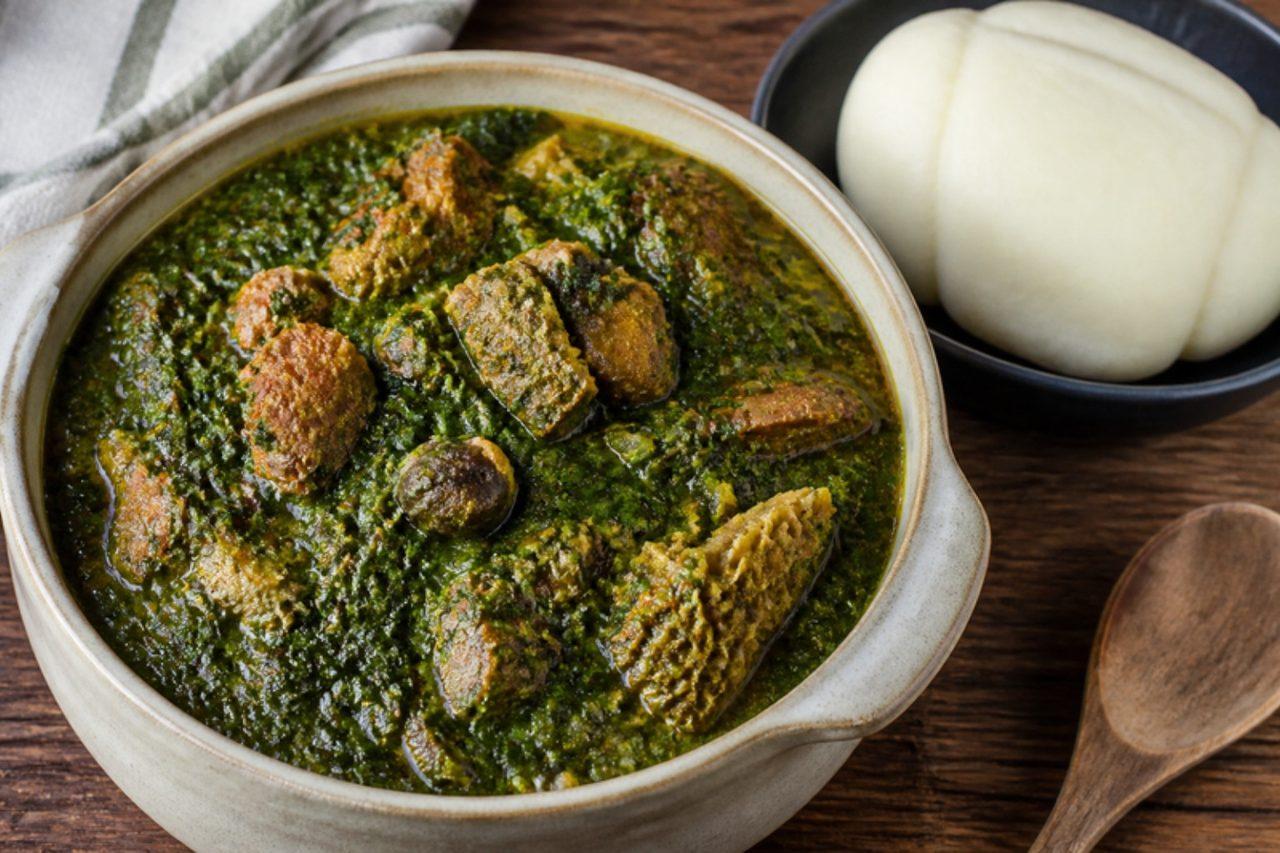
Edikang ikongPumpkin leaf and waterleaf soup

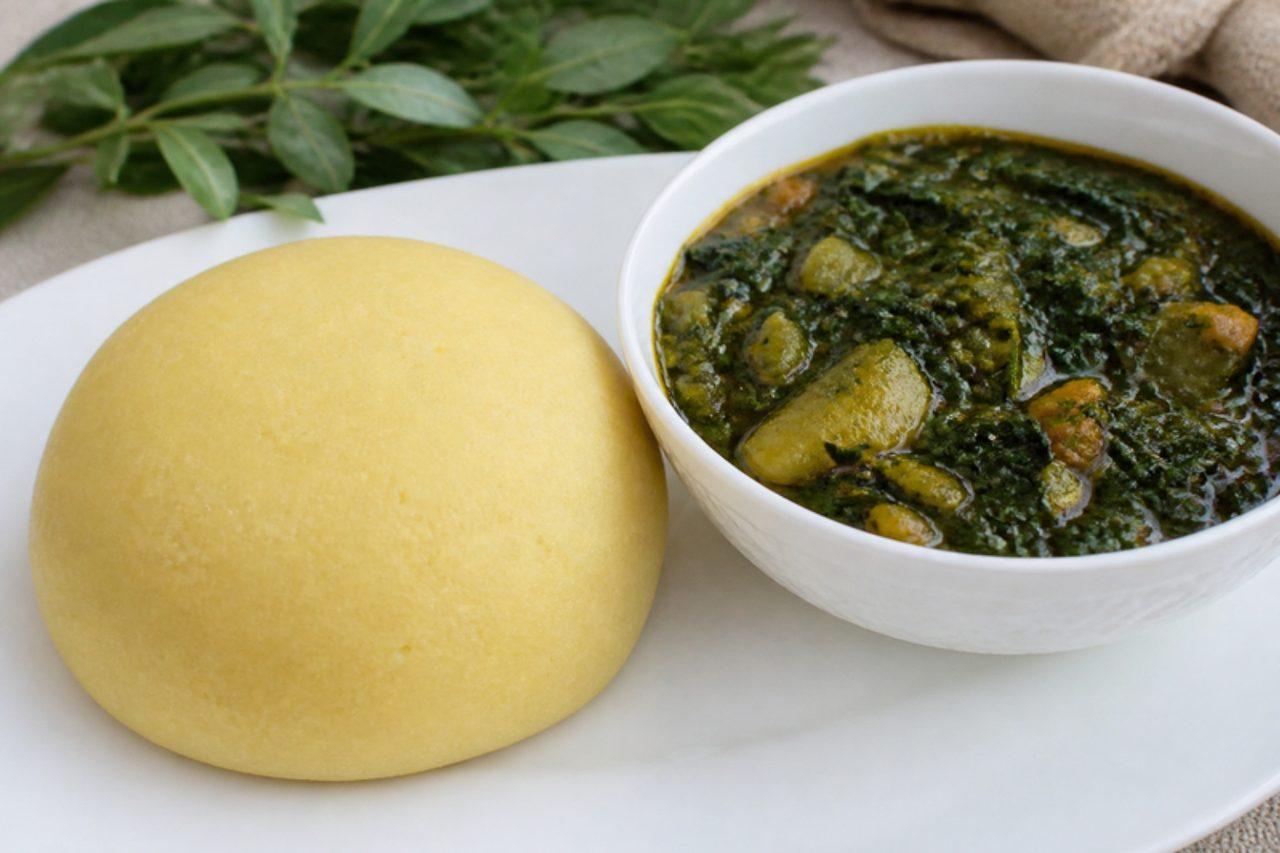
Edikang ikong is the soup of celebrations in Calabar: weddings, Christmas and the visits of in-laws, when the pot is crowded with assorted meat, stockfish, dried fish and periwinkles. The base is two leaves, ugu (fluted pumpkin) for body and colour, and waterleaf for moisture, cooked so briefly that the soup stays bright green and fresh-tasting under the palm oil. Serve it with pounded yam, fufu or garri. If you cannot find ugu, use spinach mixed with a little kale. Buy periwinkles cleaned from a trusted seller and throw out any with broken shells. Chef's tip: add the ugu last, off a high heat, and stop after three or four minutes; the usual mistake is stewing it until it goes black and slimy.

by KrazyBadal 0 views

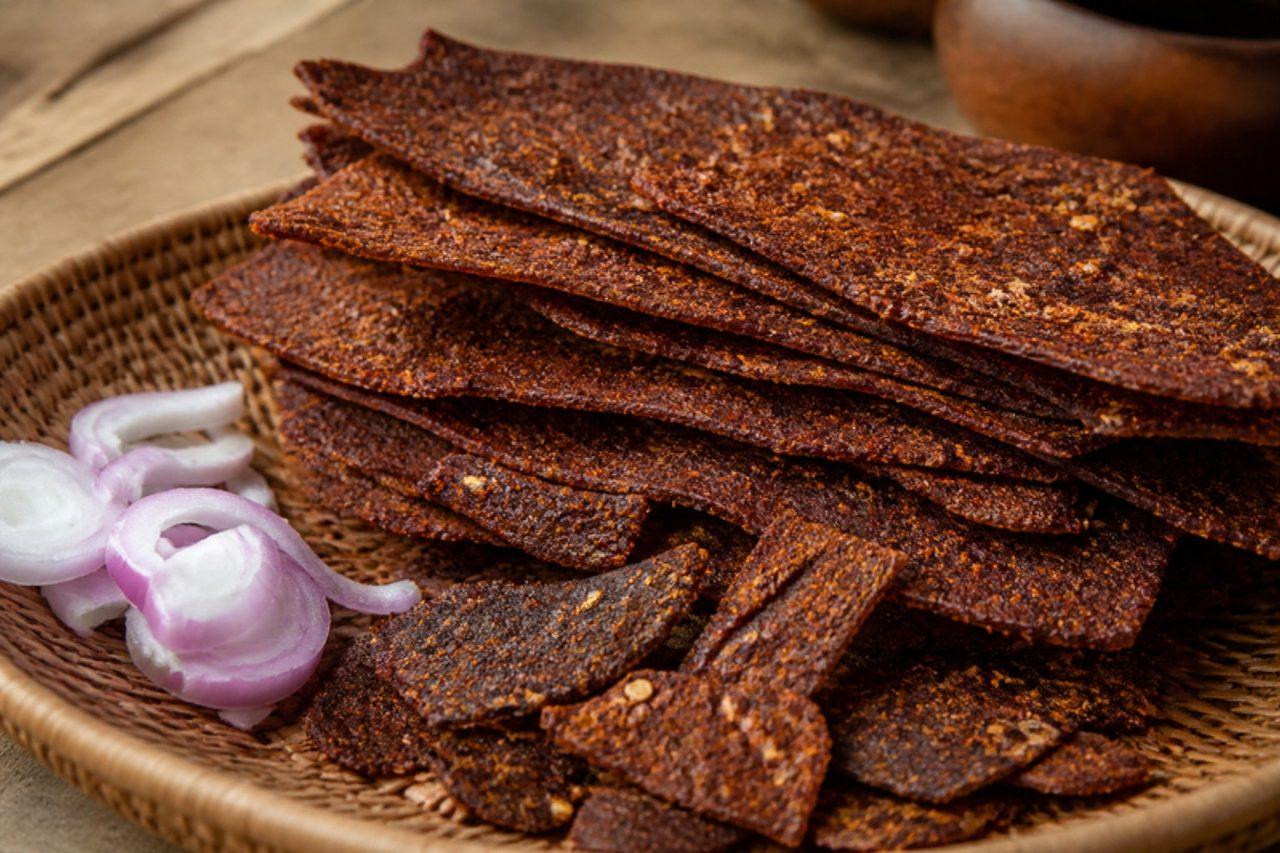
KilishiSpiced dried beef

Long-distance travellers in the Hausa north have carried kilishi for generations: beef sliced so thin you can see light through it, coated in a fiery paste of ground roasted groundnuts, ginger, onion and chilli, dried, then flashed over a fire until it crackles. It is sold in Kano and Sokoto markets in stacked sheets and eaten as a snack or with a cold drink. Traditionally it is sun-dried raw; this home version heats the meat to 71 °C in the oven before drying and is stored in the fridge, which makes it safer. Sun-dried, uncooked kilishi is not for pregnant women, young children or anyone with a weakened immune system. Chef's tip: freeze the beef for an hour before slicing; firm meat is the only way to get sheets 3 mm thin at home.

240 minNigerianMeatGluten freeSpicy
by KrazyBadal 0 views

Ofe okaziOkazi leaf soup

Okazi soup belongs to the Igbo southeast, from Owerri and Aba to Nsukka, and it is weekend food, cooked when the whole family is home. Shredded okazi leaves (the same plant called afang in Calabar) give a pleasant chew and a faintly nutty, bitter edge; the soup is thickened with pounded cocoyam and enriched with palm oil, crayfish, stockfish and beef. Many cooks add waterleaf or ugu for softness. Eat it with garri, fufu or pounded yam. Dried okazi is easy to find in African shops but needs soaking. Chef's tip: soak dried okazi in warm water for 15 minutes before adding it; leaving it dry is the usual mistake and gives a woody, gritty soup.

by KrazyBadal 0 views

Showing 24 of 39 recipes

Show more recipes

Page 1 of 2