Skip to content
WhatToEat.Today

All recipes

6

Vegetarian, or something you can't eat? Set your diet once and we'll hide recipes that don't fit.

BozaFermented millet drink

In Bulgaria boza is a breakfast habit: a plastic bottle of it from the corner pastry shop and a slice of hot, flaky banitsa, bought on the way to work or school, especially from autumn through to spring. Towns such as Radomir, Plovdiv and Sofia argue over whose is best. It is the colour of milky coffee, thick enough to coat the glass, sweet up front with a sour, bready finish and a faint prickle. Like every fermented grain drink it makes a trace of alcohol, well under 1% when drunk young. The base is millet flour, toasted for flavour, cooked into a thin porridge, then fermented for about a day before being strained and sweetened. The common mistake is adding the yeast while the porridge is still hot, which kills it and leaves you with sweet gruel; wait until it feels only just warm on your wrist. It is ready when the surface is covered in small bubbles, it smells like fresh bread with a sour edge and tastes pleasantly tangy. Chef's tip: keep back a glass of each batch in the fridge and use it instead of yeast next time; boza made from an old starter is rounder and more sour.

by KrazyBadal 0 views

Mursalski chaiIronwort tea

High in the Rhodope mountains, shepherds and villagers start the day with a pot of mursalski chai, brewed from the dried flowering stems of Sideritis scardica, the Balkan ironwort that grows on the limestone slopes around Mursalitsa peak. It tastes gently floral, lemony and a little like chamomile and mint, and is traditionally sweetened with honey or drunk plain. The common mistake is steeping it for just a couple of minutes like black tea; the woody stems need a short simmer to give their full flavour and golden colour. Chef's tip: break the stems into 5 cm pieces so they fit the pot and release more flavour, and use a slice of lemon to brighten the colour. Vegans can sweeten it with sugar instead of honey.

by KrazyBadal 0 views

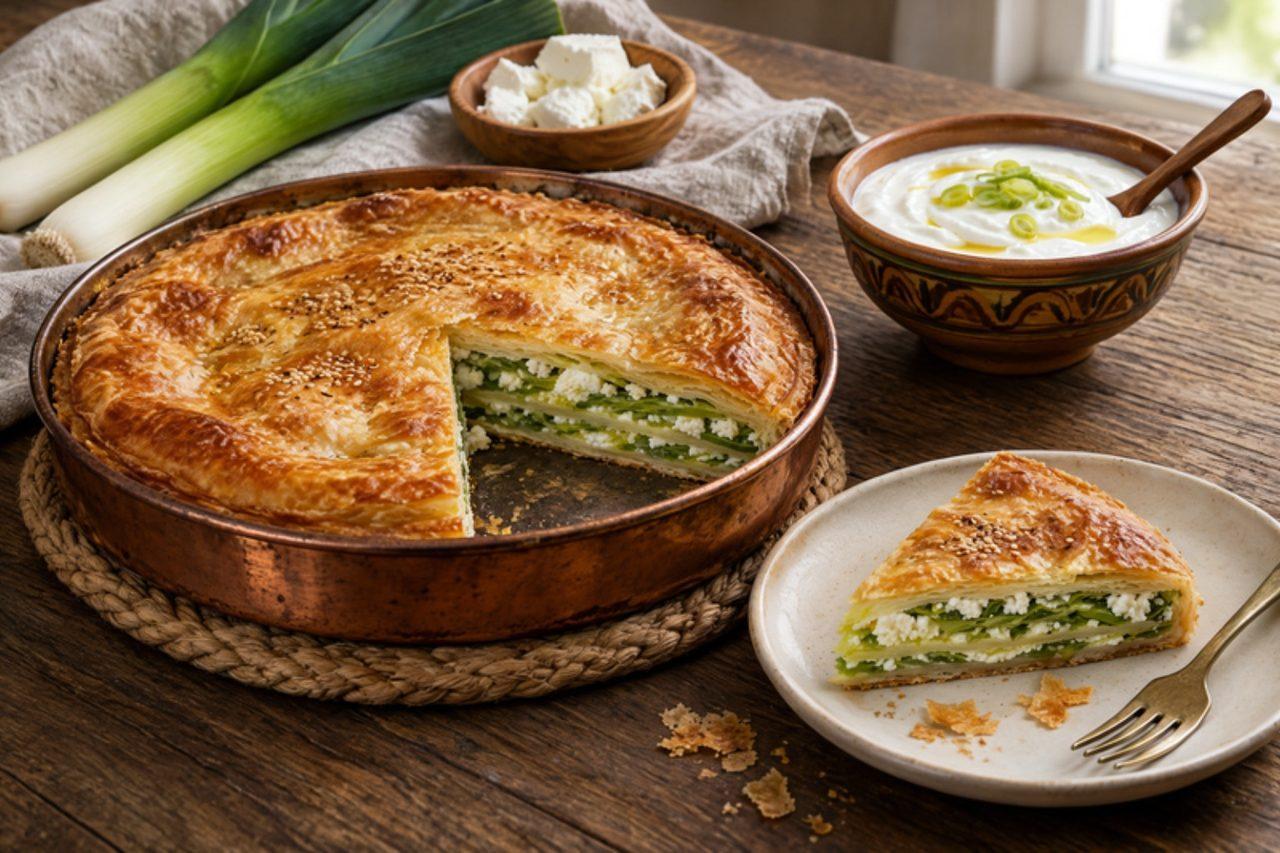
ZelnikLeek and cheese pie

In the Pirin and Struma valleys of southwest Bulgaria, zelnik is baked in a large round tin for Sunday breakfast and village feasts: crinkled sheets of thin pastry layered with sautéed leeks (or cabbage or spinach), crumbled sirene and egg, then baked until crisp and golden. It is cut into wedges and eaten with a bowl of thick yoghurt or a glass of ayran. The common mistake is a wet filling: squeeze or cook the leeks until all their liquid has gone, or the bottom layers turn soggy. Chef's tip: scrunch the pastry sheets loosely as you layer them instead of laying them flat, so the pie bakes up light and flaky.

by KrazyBadal 0 views

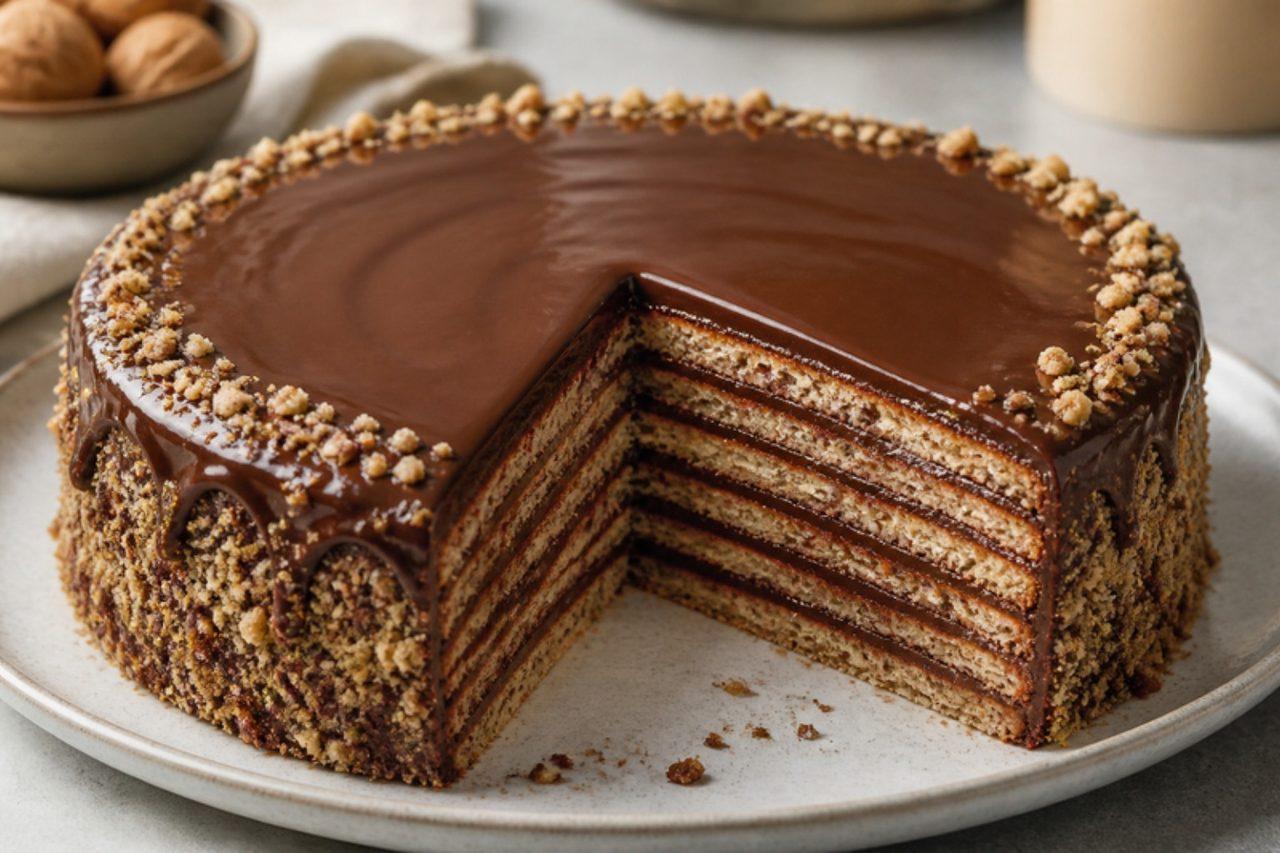
Garash tortaWalnut meringue chocolate cake

In 1885 a Hungarian confectioner named Kosta Garaš created this cake in Ruse, the elegant Danube town, and it has been the pride of Bulgarian patisseries ever since. Five thin, chewy layers of walnut meringue are stacked with a dark, glossy chocolate ganache and finished with a mirror-like chocolate glaze. Because it uses no flour, it is naturally gluten-free; it is rich and dense, so slices are thin, served with black coffee on name days and anniversaries. The cake is best made a day ahead and chilled so the meringue softens slightly into the ganache. Where most people go wrong is grinding the walnuts to an oily paste; pulse them only until like coarse sand. You will have ten yolks left over: use them for custard or pasta. Chef's tip: bake each layer on a circle drawn on baking paper and trim them all to the same size while still warm, when they cut cleanly.

by KrazyBadal 0 views

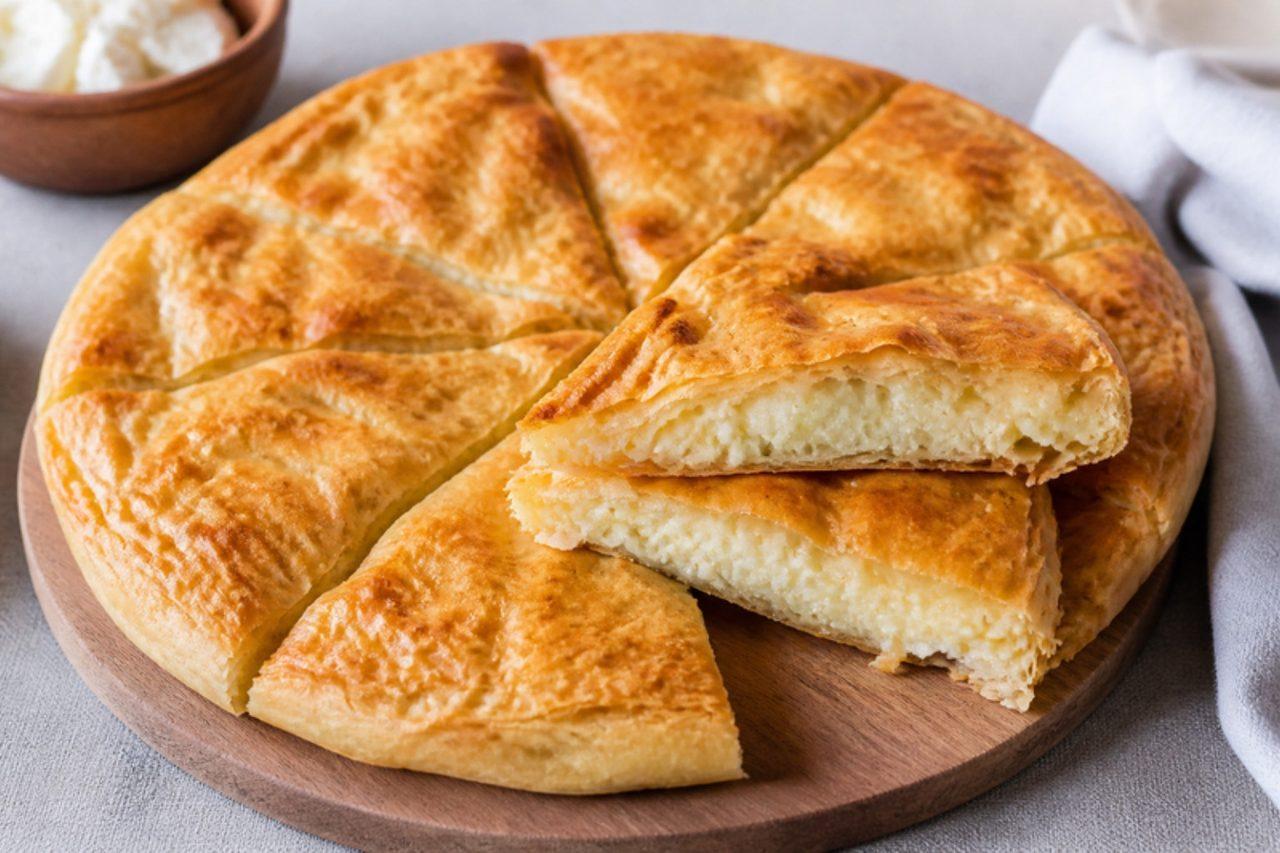
KlinRice and cheese filo pie

Klin is the festive pie of the Rhodopes, baked for Gergyovden in May, for weddings and for the end of the haymaking, in large round tins that come out to be shared across the village. Thin pastry sheets are layered with a loose, custardy mix of cooked rice, crumbled white cheese, eggs, milk and butter, so it bakes tender and soft inside with a crisp, golden lid. The rice makes it heartier than banitsa and gives every slice a gentle, creamy chew. It is eaten warm or cold with yogurt or ayran. Sirene is often made with animal rennet, so use a vegetarian white cheese. Where most people go wrong is cooking the rice fully; it must stay slightly firm, because it carries on soaking up milk in the oven. Chef's tip: pour any leftover egg and milk over the top just before baking, and the surface puffs into a glossy, golden crust.

by KrazyBadal 0 views

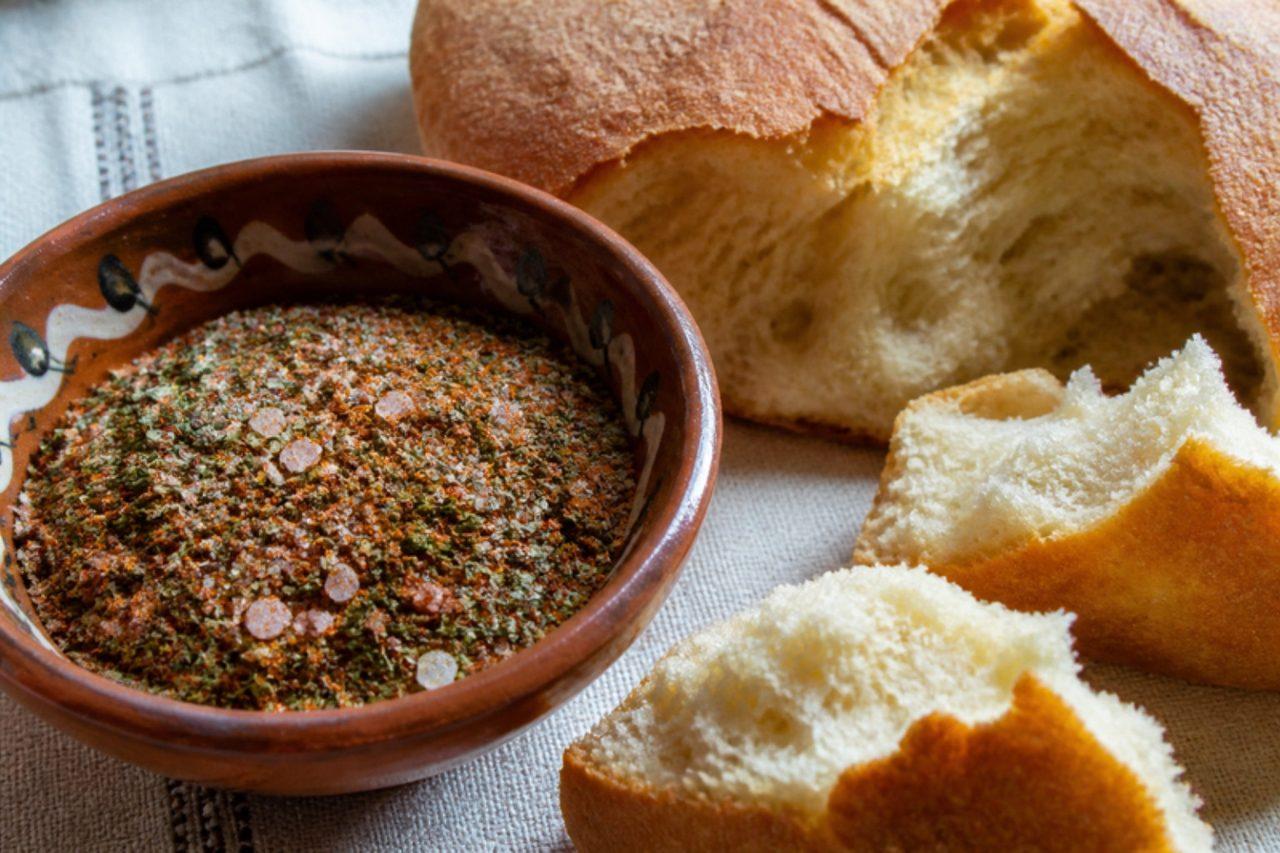
Sharena solSavory and paprika coloured salt

Every Bulgarian kitchen has a jar of sharena sol, 'mottled salt', and every guest knows the ritual: tear a piece of warm bread, dip it in sunflower oil or a dab of butter, then press it into the salt. The blend is earthy and herbal from summer savory (chubritsa), mellow and sweet from paprika, with a faintly maple-like warmth from blue or common fenugreek. It also goes on boiled eggs, grilled vegetables, potatoes and tomato salads. Village grandmothers in the mountains each have their own mix, sometimes with dried thyme or toasted pumpkin seeds. The usual slip is buying ready-ground old paprika, which tastes dusty and turns brown; use fresh, bright red paprika and keep the jar out of the sun. Chef's tip: toast the fenugreek seeds in a dry pan just until they smell of caramel before grinding them; a few seconds too long and they turn bitter.

by KrazyBadal 0 views