Skip to content
Recipes

All recipes

Vegetarian, or something you can't eat? Set your diet once and we'll hide recipes that don't fit.

Cocido quemadoBurnt sugar mate drink

Cocido is how Paraguay starts the day: in Asunción, in the villages of Guairá and Itapúa, and in school kitchens, a pot of burnt yerba is brewed and poured into cups with chipa, the cheesy cassava bread, or with a hard galleta. The old way is to drop a glowing piece of charcoal into a pot with yerba and sugar and stir until the sugar burns. On a home stove you caramelise them together in a dry pan instead, which is safer and gives the same smoky, toffee-like taste. The drink is clear amber-brown, with roasted, slightly bitter mate notes over burnt-sugar sweetness; with milk added it becomes cocido con leche, creamy and coffee-coloured. Yerba mate contains caffeine, so treat it like a cup of coffee. The common mistake is letting the sugar go black: it turns acrid and bitter. Pull it off the heat when the caramel is deep amber and the yerba smells toasted, not burnt. It is ready when the liquid is a clear dark amber and tastes of toffee and smoke. Chef's tip: the water will spit fiercely when it hits the hot caramel, so pour it in from the side, at arm's length.

by KrazyBadal 0 views

TereréIced yerba mate

In Asunción the hottest part of the day stops for tereré: a horn or cup packed with yerba mate, topped up again and again with ice water infused with crushed herbs, and passed round the group through a metal straw. It was recognised by UNESCO as part of Paraguay's cultural heritage, and the herbs (yuyos) change with the season and the drinker's mood. Yerba mate contains caffeine, so it isn't one for small children. The common mistake is pouring water straight into loose yerba, which then clogs the straw; tilt the yerba to one side first. Chef's tip: for tereré ruso, swap the water for cold orange or grapefruit juice.

by KrazyBadal 0 views

Guiso de lentejasLentil and chorizo stew

When the pampero wind blows cold off the plains, Buenos Aires turns to guiso de lentejas, a thick, smoky lentil stew that every school canteen, worker's diner and grandmother makes, traditionally on 20 June (Flag Day) and through the winter. It is built on pork: chorizo colorado (paprika sausage) and pancetta, browned first so their fat flavours the sofrito, then simmered with lentils, potato, squash, tomato and plenty of pimentón. The lentils should keep their shape in a sauce thick enough for a spoon to stand up, and crusty bread is a must alongside. Make sure the sausage is cooked through to 71 °C, which it will be after the long simmer. Seasoning with salt at the start is a common error, as the pork is salty and the stew reduces, so taste at the end. For a vegetarian version, skip the meats, use smoked paprika and add more squash. Chef's tip: make it a day ahead; like most guisos it thickens and tastes better reheated.

by KrazyBadal 0 views

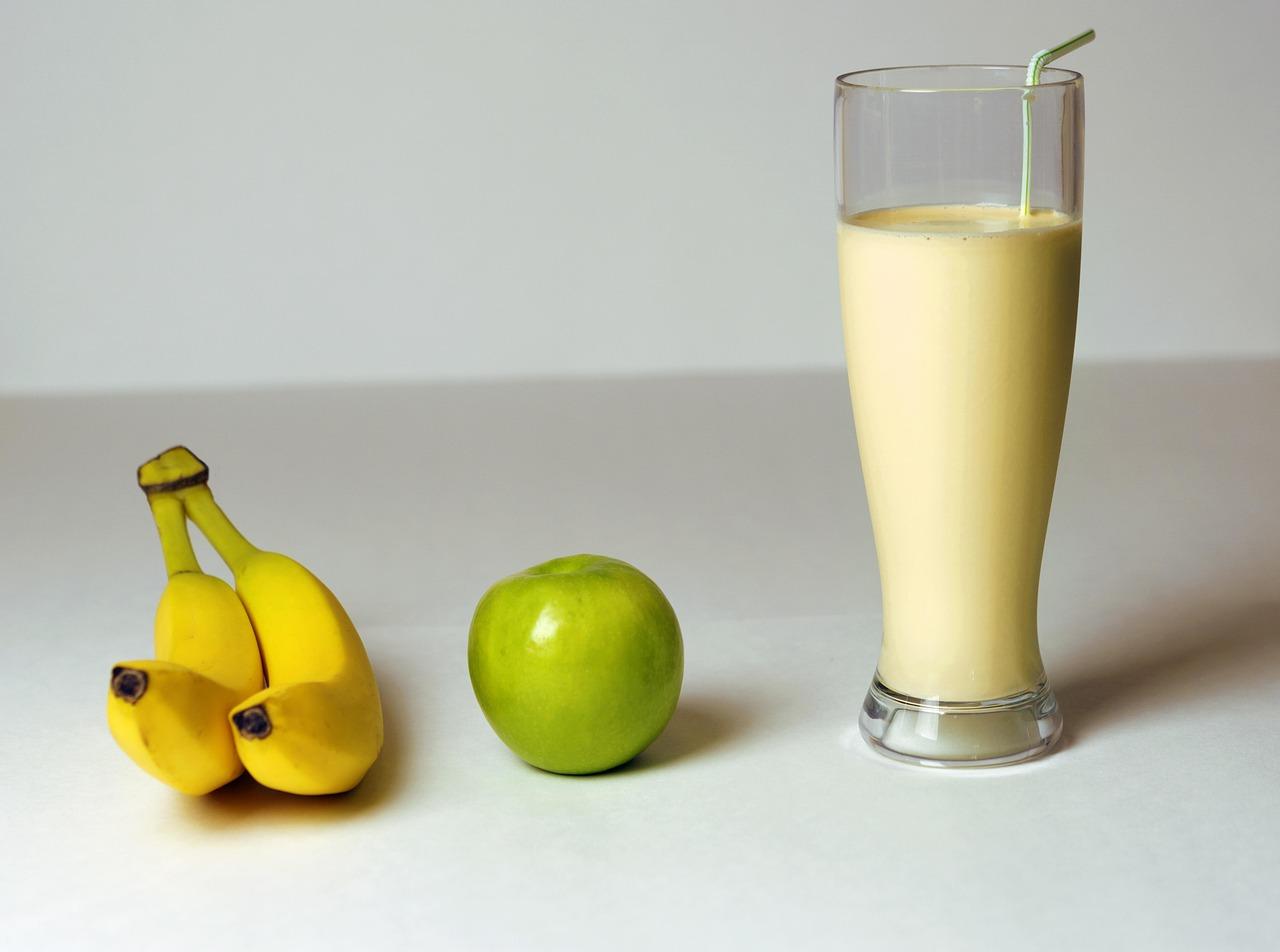
Licuado de bananaBanana milk shake

Order a licuado in any Argentine café or bar and you will get a tall glass of fruit blended with milk (con leche) or water (con agua), and banana with milk is the one nearly everyone grows up on. It is breakfast for teenagers in a hurry, a merienda with tostados, and the drink parents in Buenos Aires make when the fruit bowl has spotty bananas. It should be thick, cold and smooth, with a light froth, sweet mainly from ripe fruit. Using under-ripe bananas is the mistake: they taste chalky and need lots of sugar, so wait for brown freckles. Chef's tip: slice and freeze the bananas the night before and you can skip the ice; the shake comes out colder and thicker without being watered down.

by KrazyBadal 0 views

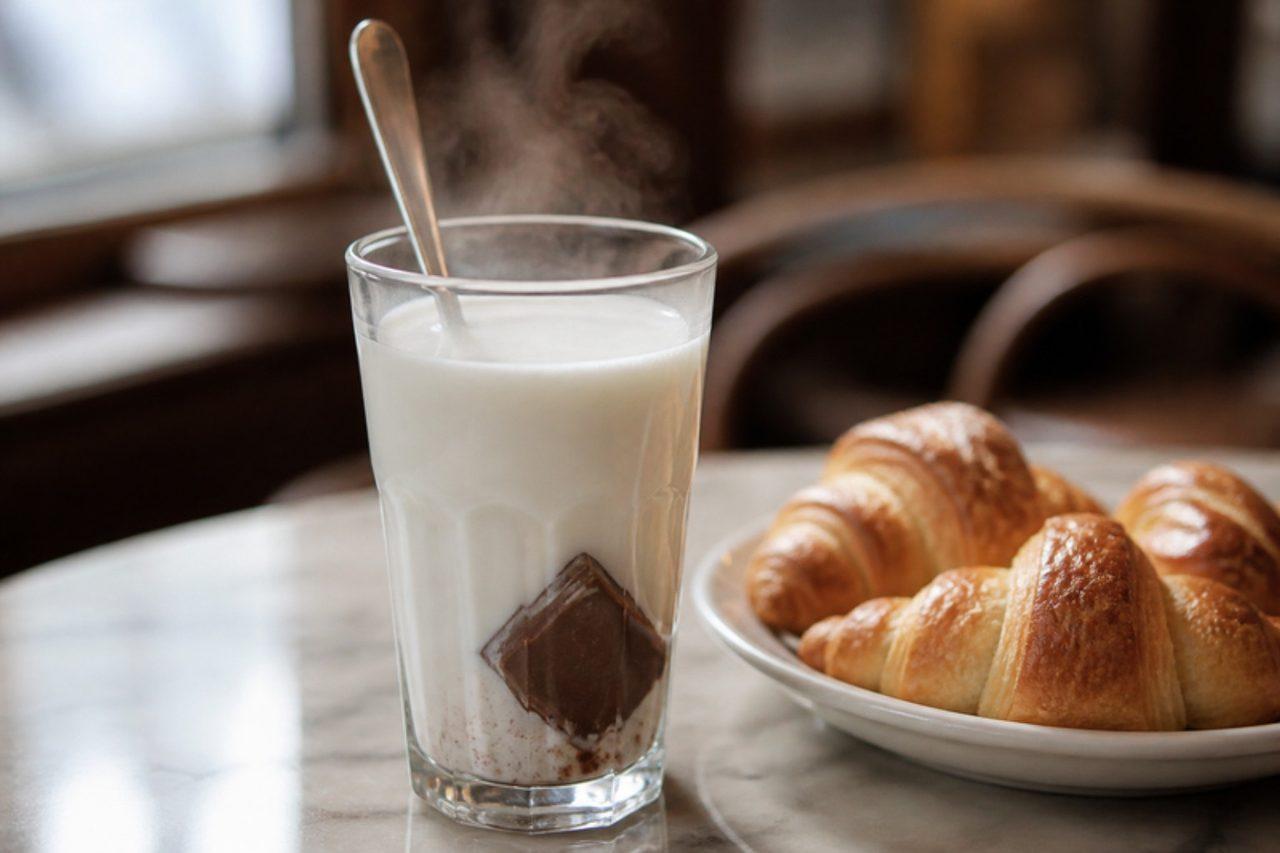
SubmarinoHot milk with chocolate bar

Café tables in Buenos Aires have their own way with hot chocolate: the waiter brings a tall glass of frothy, steaming milk on a saucer with a slim bar of dark chocolate, and you drop the bar in yourself and watch it sink like a submarine. Stirred with a long spoon, it melts into a rich, not-too-sweet drink, and it is the classic order with medialunas on a cold winter afternoon or after school. At home it takes five minutes, and children love the moment of dropping the bar in. The common letdown is milk that is only warm: the chocolate sits in a lump at the bottom. Heat it until it is steaming and just starting to rise, but not boiling. Chef's tip: froth the hot milk with a whisk or milk frother before pouring; the foam on top is part of the café ritual and keeps the drink hot while the chocolate melts.

by KrazyBadal 0 views

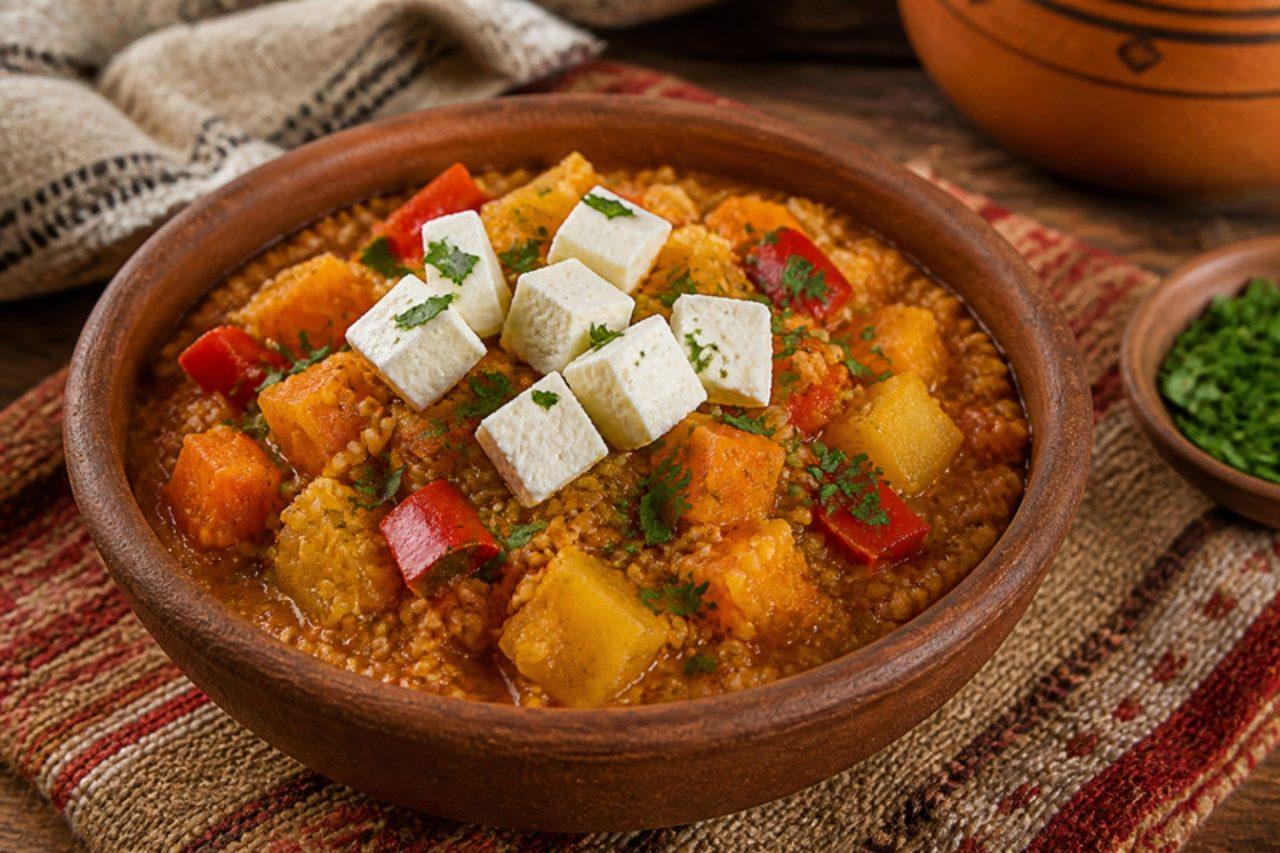
Guiso de quinoaQuinoa and squash stew

High in the Quebrada de Humahuaca, where quinoa has been grown on terraces for centuries, a pot of guiso de quinoa is the sort of thing served at a comedor beside the road or in a family kitchen on a cold evening at 3,000 metres. The grain cooks in a cumin-scented broth with potato, squash and red pepper until it bursts and thickens everything into a spoonable stew, and cubes of fresh cheese go in at the end to soften. Serve it in deep bowls with a spoon of llajua or chilli sauce and bread. Skipping the rinse is the mistake that spoils it: quinoa is coated in saponins that taste soapy and bitter, so wash it until the water runs clear. Queso fresco is often made with animal rennet; use a vegetarian fresh cheese, or leave it out for a vegan stew. Chef's tip: toast the rinsed quinoa in the oil for two minutes before the liquid goes in; it brings out a nutty flavour.

by KrazyBadal 0 views

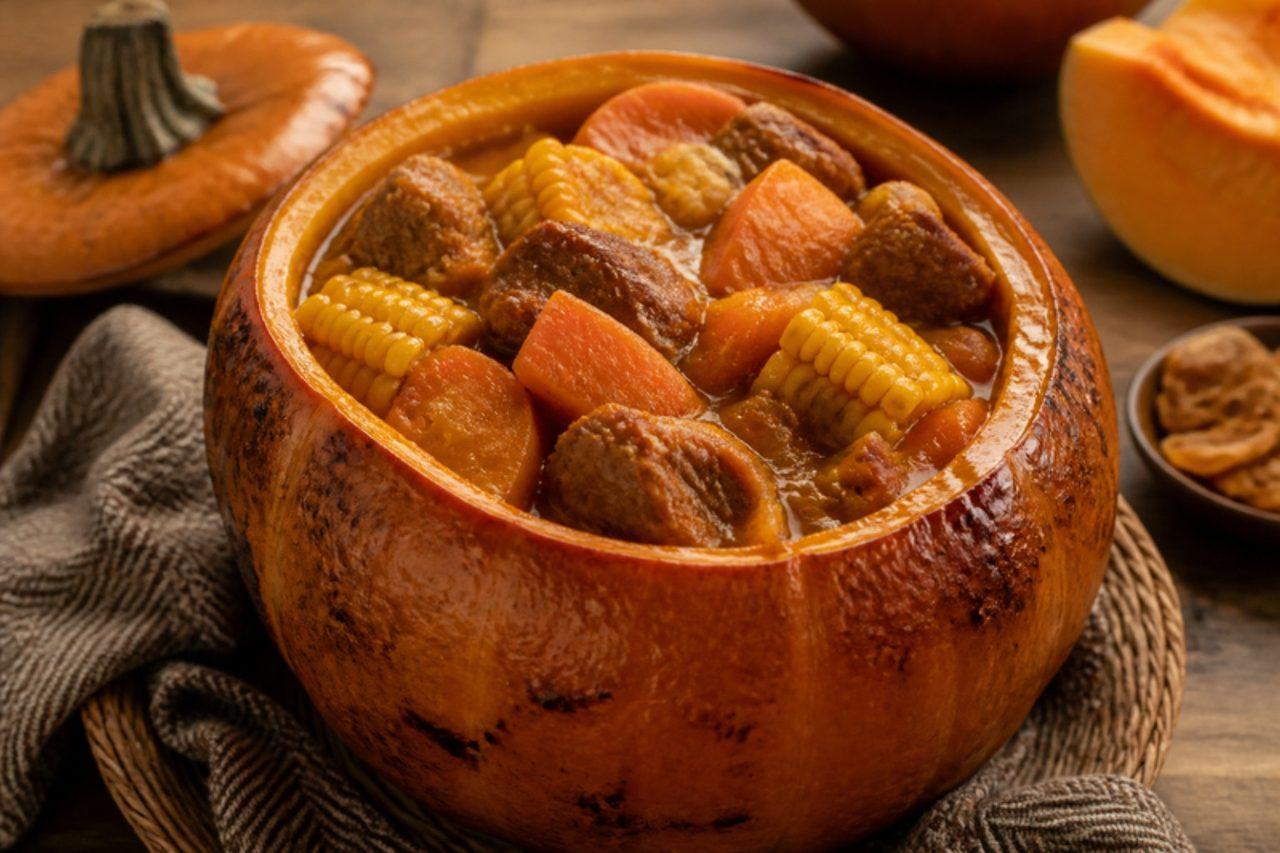
Carbonada en zapalloBeef stew in a pumpkin

Of all the dishes served for the 25 May and 9 July national holidays, carbonada criolla is the most theatrical when it arrives inside a whole roasted pumpkin, the lid lifted at the table to let out a cloud of steam. The stew comes from the Spanish-colonial interior and is beloved across Buenos Aires Province: cubes of beef braised with onion, tomato and pepper, then joined by corn, sweet potato, squash and dried peaches (or pears) that melt into a sweet-savoury sauce. Pieces of the pumpkin wall are scooped out with each serving. Beef stew cubes are cooked until tender, well past any pinkness. Overcooking the pumpkin is the common trap: it collapses when you pour in the stew, so roast it only until a knife meets slight resistance. Chef's tip: soak the dried peaches in a little hot water and add both the fruit and the soaking liquid; it gives the sauce its rounded sweetness without extra sugar.

by KrazyBadal 0 views

MateYerba mate tea

Mate is less a drink than a ritual in Argentina, Uruguay and Paraguay: a gourd (also called a mate) packed with yerba mate leaves, a metal straw called a bombilla, and a thermos of hot water passed around friends, family and coworkers, from the parks of Buenos Aires to long bus rides across Patagonia. One person, the cebador, pours and drinks first, then refills and passes it on. It's grassy, bitter and gently stimulating; sweet versions add sugar. Chef's tip: never use boiling water; at about 75–80 °C the yerba stays fresh for many rounds instead of 'burning' and turning bitter.

by KrazyBadal 0 views

Dulce de lecheMilk caramel

Dulce de leche is Argentina's national sweet, spread on toast at breakfast, sandwiched in alfajores, rolled into panqueques and spooned onto flan. Argentine families traditionally make it by slowly cooking milk and sugar with a vanilla pod and a pinch of bicarbonate of soda, which helps it turn deep brown, until it becomes a thick, glossy caramel cream. It takes about three hours of gentle cooking and regular stirring. Chef's tip: use a wide, heavy pan and keep the heat low; the wider the surface, the faster the milk reduces, and the less it catches on the bottom.

by KrazyBadal 0 views