Skip to content
Recipes

All recipes

Vegetarian, or something you can't eat? Set your diet once and we'll hide recipes that don't fit.

Torta de natasBoiled milk skin cake

Dairy farms in Boyacá and Cundinamarca boil their fresh milk every morning, and the thick, creamy skin that forms on top (the natas) gets lifted off and saved in a jar in the fridge. After a week or so there's enough for a torta de natas, a rich, close-crumbed cake with a buttery, slightly tangy flavour, served at onces (afternoon tea) with aguapanela or a tinto. Natas are mostly milk fat, so the cake needs no butter. If you don't boil raw milk, clotted cream loosened with a little milk is a fair stand-in. Over-beating natas is the trap: they can split into butter and whey, so beat only until smooth. Chef's tip: collect natas from whole milk simmered gently and cooled undisturbed; the slower it cools, the thicker the skin.

by KrazyBadal 0 views

Postre MassiniCustard sponge with burnt sugar top

Montevideo's birthday cake of choice since the early twentieth century, the Massini is two thin layers of sponge sandwiching a thick filling of whipped cream folded with egg-yolk custard, crowned with a thin glassy crust of torched yolk and sugar. Bakeries across Uruguay sell it on Sundays. Traditional versions sometimes add a sweet fortified wine to the custard; this one is alcohol-free. The custard is cooked to a safe 71 °C. The common mistake is assembling with warm custard, which melts the cream into a puddle. Chef's tip: if you don't have a blowtorch, put the sugared top under a very hot grill for a minute and watch it closely.

by KrazyBadal 0 views

Mandi'o chyryryFried cassava with onion and egg

Mandi'o chyryry means 'fried cassava' in Guaraní, and it is what rural Paraguayan families make from yesterday's boiled mandi'o: chunks crushed and fried in a big pan with onion until crisp in places, then scrambled with eggs. It comes out for breakfast with cocido or for a quick supper, and costs next to nothing. Use sweet cassava, the kind sold in supermarkets. The mistake is stirring constantly, which turns it to mush; let the cassava sit and brown. Chef's tip: the best chyryry starts with cold, day-old boiled cassava, which fries crisper than freshly boiled.

by KrazyBadal 0 views

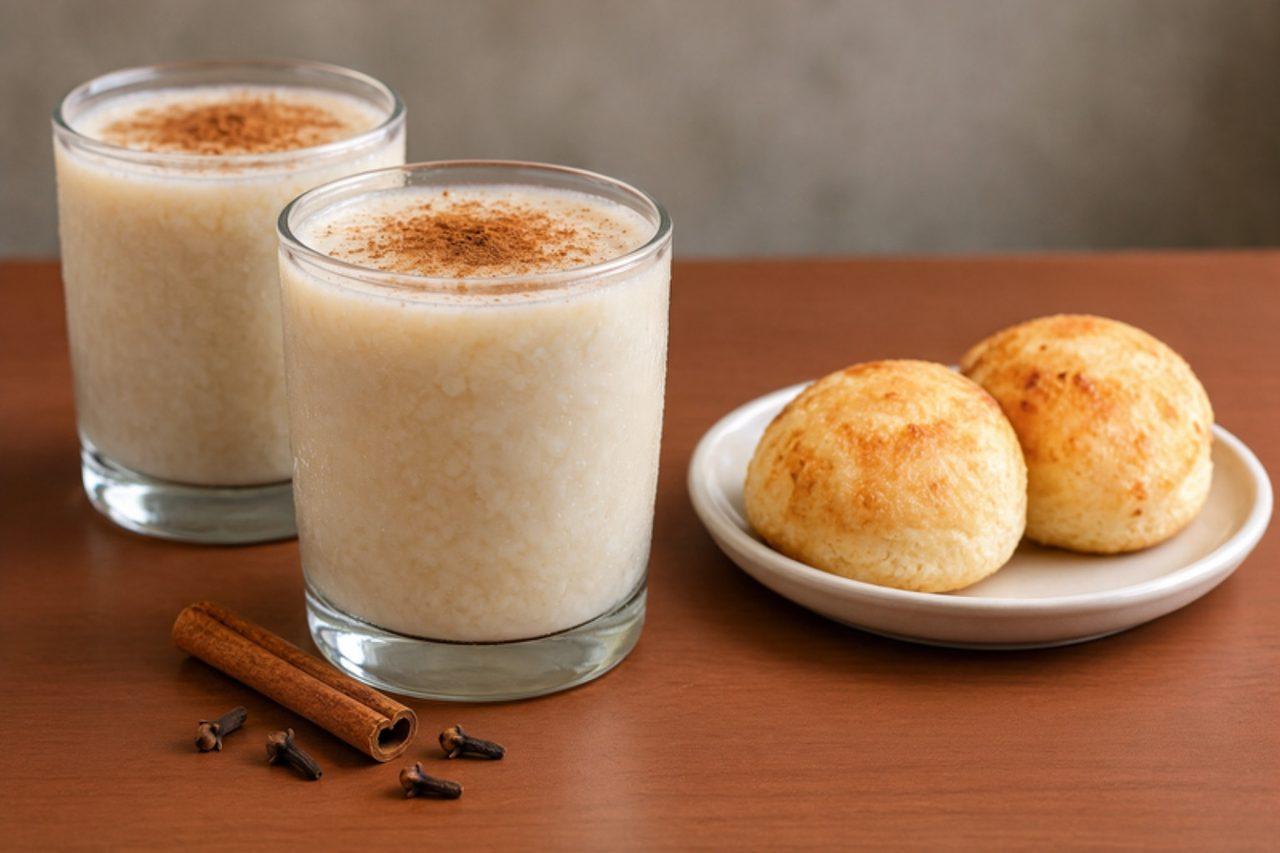
Masato de arroz (Bogotá spiced rice drink)

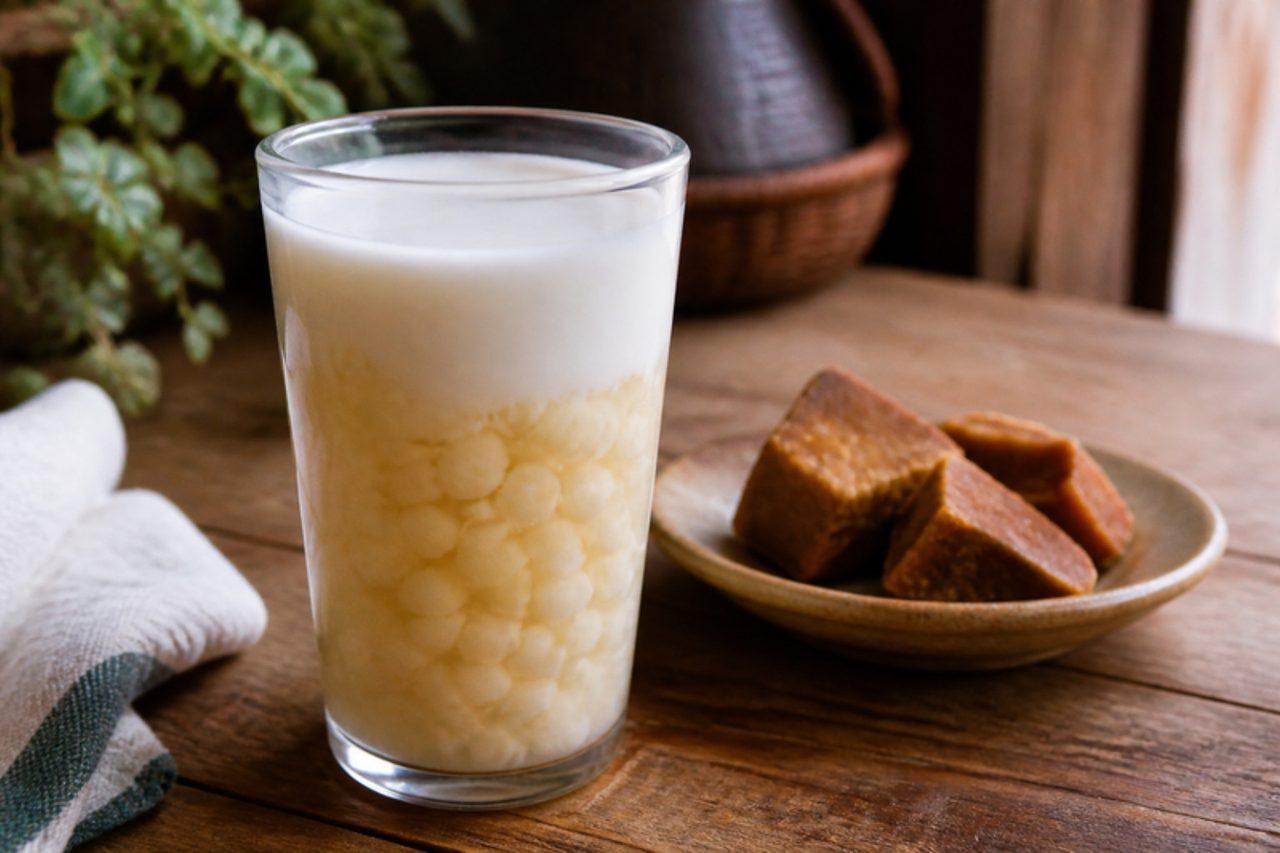
In the old bakeries of La Candelaria and at the juice stands of the Paloquemao market in Bogotá, masato is poured from big jugs to go with warm almojábanas and pandebono at mid-morning or with the afternoon onces. It is cooked rice blended with spiced syrup and left to rest until it turns gently tangy, so it tastes like a cross between rice pudding and a cool, creamy lemonade. Any natural fermentation produces a trace of alcohol the longer it goes on; this version rests only overnight and is then chilled, and for a completely alcohol-free drink skip the rest and add lime juice for the tang. Chef's tip: keep the rest short and taste it; it should be lightly sour and sweet, never fizzy or boozy.

by KrazyBadal 0 views

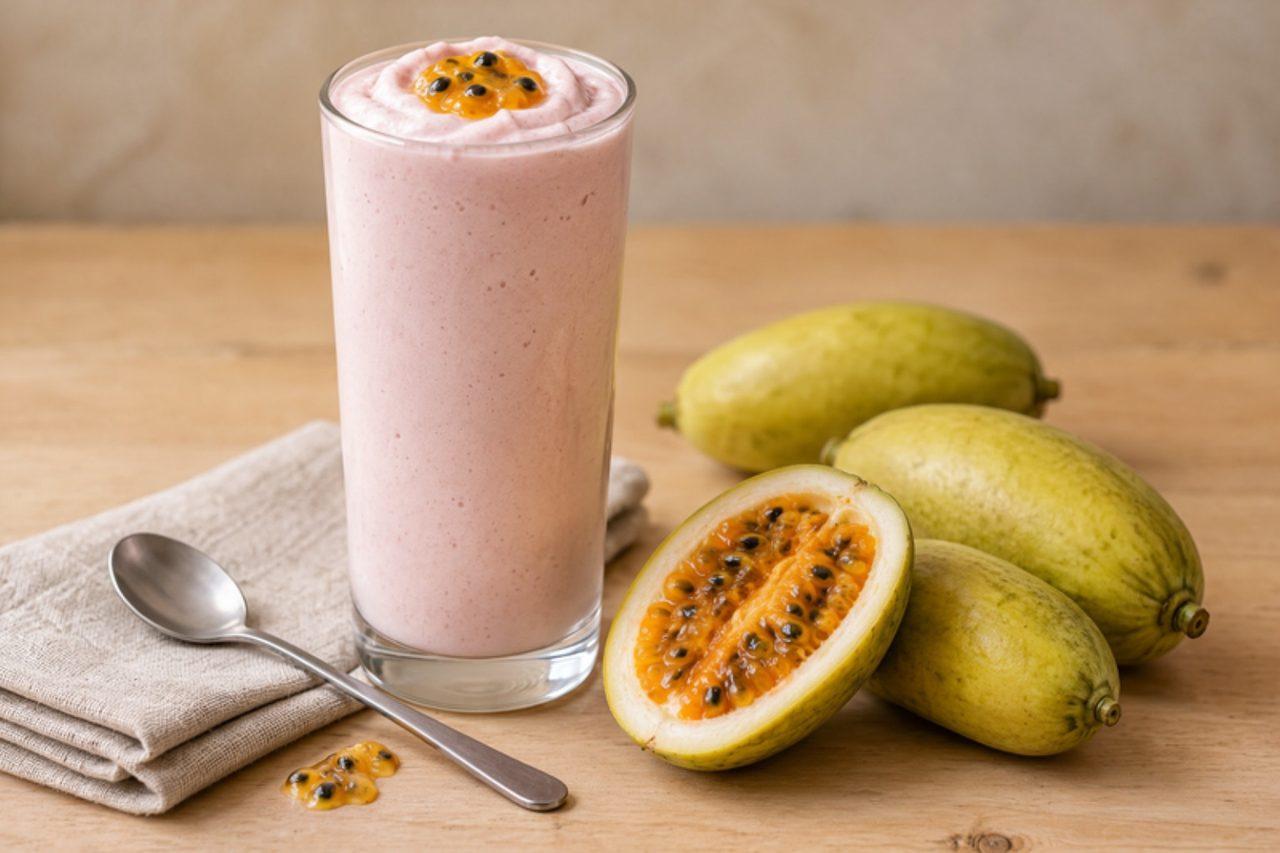
Sorbete de curubaBanana passionfruit milk drink

In Colombia a sorbete is not an ice but a fruit milkshake, and around Bogotá and the cold highlands of Boyacá and Cundinamarca the classic is made with curuba, the long, soft-skinned banana passionfruit that grows on vines at 2,500 metres. Bakeries and corrientazo lunch spots serve it with almuerzo or with a slice of cake at onces, the late-afternoon snack. It is pale salmon-pink, creamy and sweet-tart, more delicate than passionfruit, with a fragrance like guava and lemon. The common mistake is blending the pulp with its black seeds on high speed: the seeds break up and the sorbete turns bitter and grey-flecked. Pulse just enough to loosen the pulp from the seeds, strain, and only then blend with milk. Serve it at once, because the acid in curuba thickens the milk the longer it stands. It is ready when it is smooth, frothy and pink with no gritty specks. Outside Colombia look for frozen curuba pulp in Latin shops; passionfruit pulp works too, but use about two thirds of the amount as it is stronger. Chef's tip: dissolve the sugar in the strained juice before the milk goes in, so you can blend for less time.

by KrazyBadal 0 views

TereréIced yerba mate

In Asunción the hottest part of the day stops for tereré: a horn or cup packed with yerba mate, topped up again and again with ice water infused with crushed herbs, and passed round the group through a metal straw. It was recognised by UNESCO as part of Paraguay's cultural heritage, and the herbs (yuyos) change with the season and the drinker's mood. Yerba mate contains caffeine, so it isn't one for small children. The common mistake is pouring water straight into loose yerba, which then clogs the straw; tilt the yerba to one side first. Chef's tip: for tereré ruso, swap the water for cold orange or grapefruit juice.

by KrazyBadal 0 views

Cocido quemadoBurnt sugar mate drink

Cocido is how Paraguay starts the day: in Asunción, in the villages of Guairá and Itapúa, and in school kitchens, a pot of burnt yerba is brewed and poured into cups with chipa, the cheesy cassava bread, or with a hard galleta. The old way is to drop a glowing piece of charcoal into a pot with yerba and sugar and stir until the sugar burns. On a home stove you caramelise them together in a dry pan instead, which is safer and gives the same smoky, toffee-like taste. The drink is clear amber-brown, with roasted, slightly bitter mate notes over burnt-sugar sweetness; with milk added it becomes cocido con leche, creamy and coffee-coloured. Yerba mate contains caffeine, so treat it like a cup of coffee. The common mistake is letting the sugar go black: it turns acrid and bitter. Pull it off the heat when the caramel is deep amber and the yerba smells toasted, not burnt. It is ready when the liquid is a clear dark amber and tastes of toffee and smoke. Chef's tip: the water will spit fiercely when it hits the hot caramel, so pour it in from the side, at arm's length.

by KrazyBadal 0 views

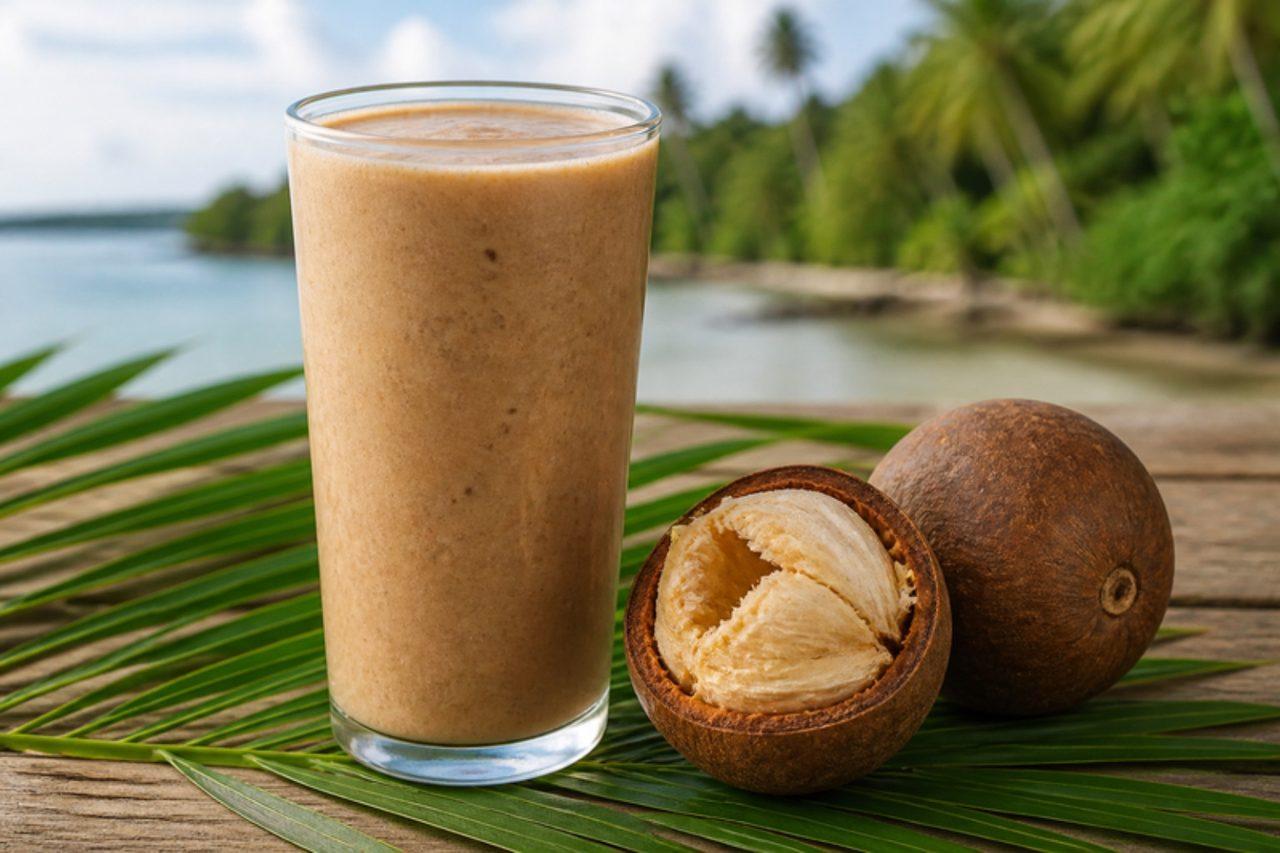
Jugo de borojóBorojó fruit milk shake

Borojó is the pride of the Chocó: a heavy brown fruit with a dense, sticky pulp and a sour, almost tamarind-like flavour. In Quibdó it is sold as pulp at the market and blended into thick shakes at juice stalls, and it carries a folk reputation as a restorative, sometimes jokingly called juice of love. Blended with cold milk and sugar it becomes creamy, tangy and filling, more a small meal than a drink. Outside Colombia, look for frozen borojó pulp in Latin American shops; there is no real substitute, though a mix of tamarind paste and banana gives a rough idea. Using too much pulp is easy to do, and the shake turns into a paste that will not go through a straw, so start with the amount below and thicken to taste. Chef's tip: blend the pulp with a little milk first to loosen it, then add the rest; borojó is so dense it can stall a blender.

by KrazyBadal 0 views

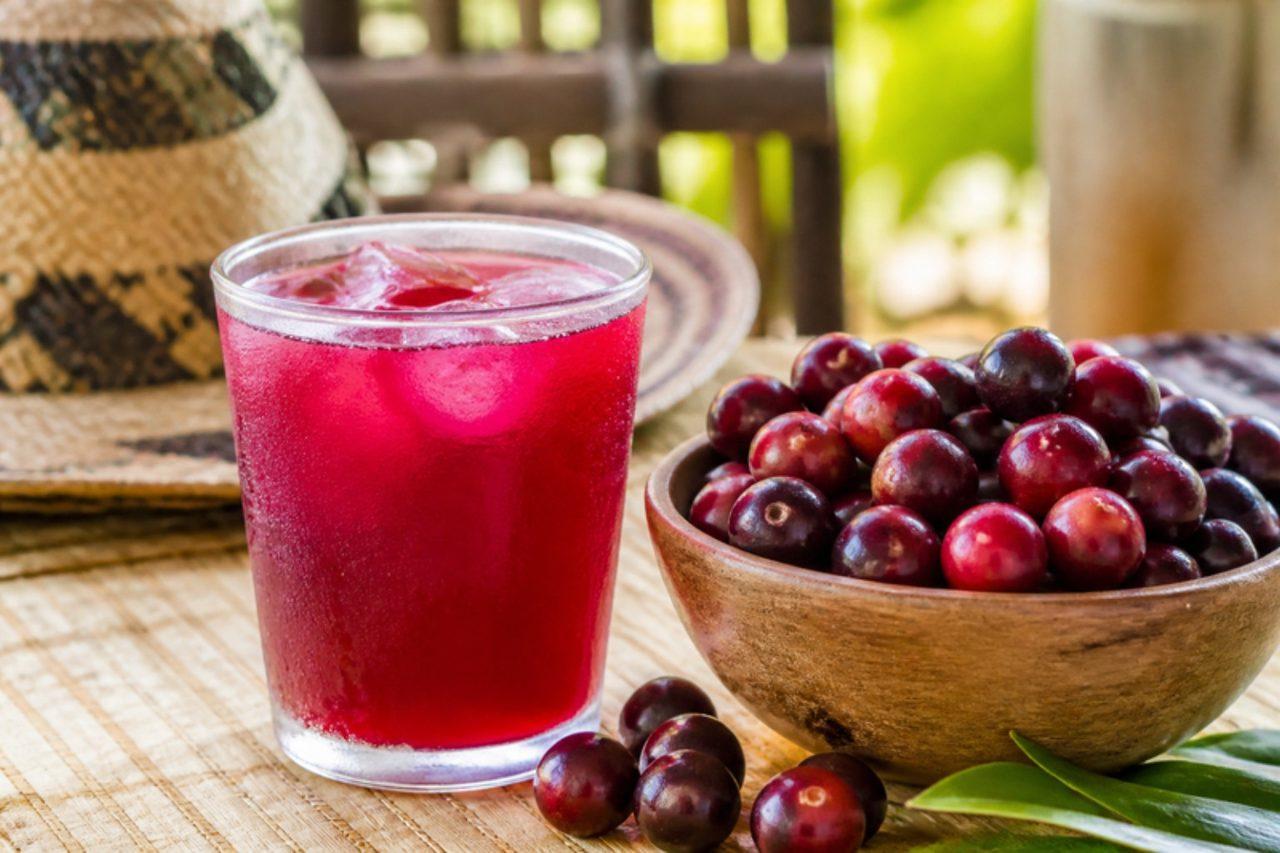
Jugo de corozoCorozo palm fruit juice

Corozo is a tiny, glossy red-black palm fruit that grows wild across Colombia's Caribbean lowlands, and in Sincelejo, Montería and Cartagena it is boiled into a deep wine-red juice that is tart, slightly bitter and very refreshing. It is sold in bags from street coolers and served with lunch at home, especially in the dry season when the fruit is plentiful. The fruit is mostly stone and skin, so it is boiled to release the colour and flavour, then mashed and strained. Blending the whole fruit is the trap here: the hard stones can break a blender and add bitterness, so only mash them. Frozen corozo pulp is sold in some Latin shops; there is no true substitute, but tart cherry juice with a squeeze of lime gives a similar colour and sourness. Chef's tip: dissolve the sugar while the juice is still warm, then chill well; it tastes sharper and brighter cold.

by KrazyBadal 0 views

Jugo de maracuyáPassion fruit juice

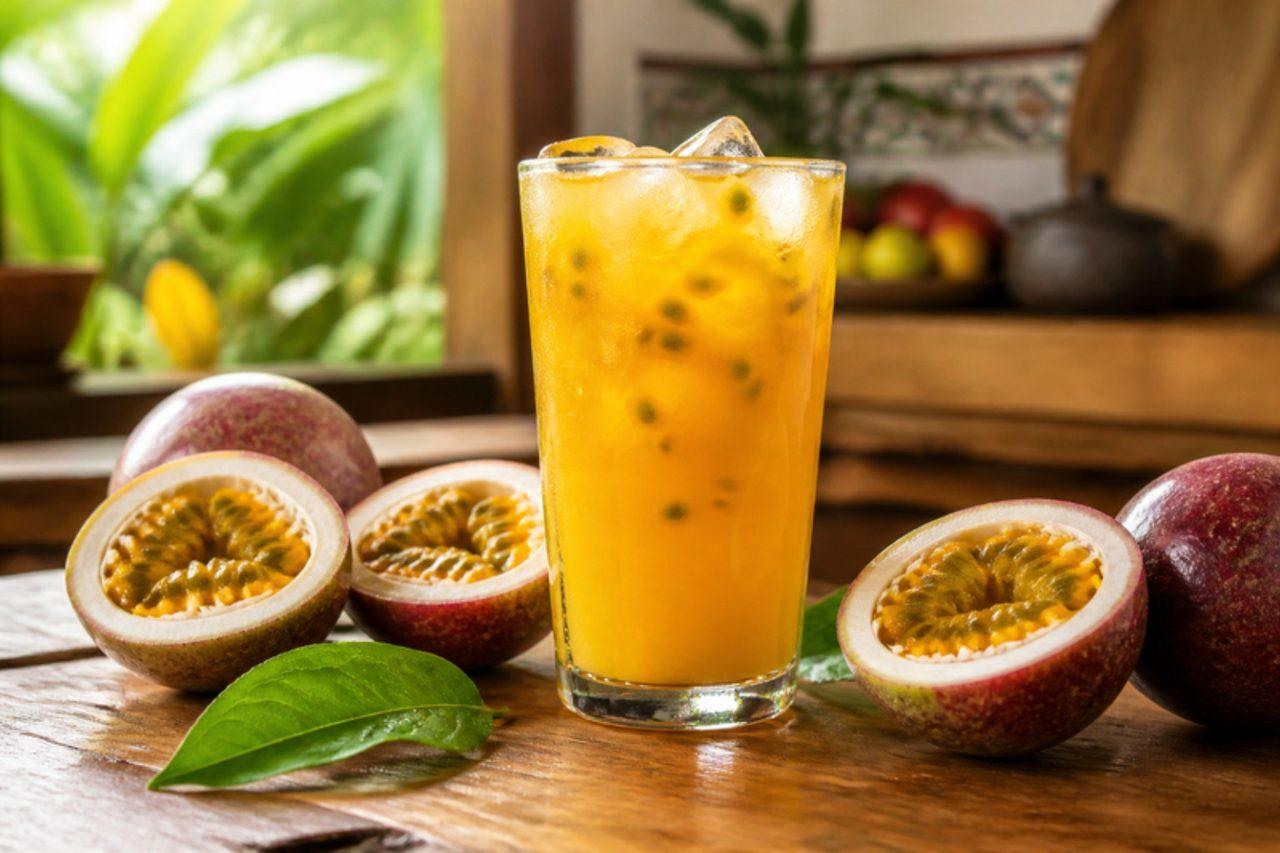
Passion fruit grows easily in the warm valleys of Colombia, and maracuyá juice is the default glass at many lunch tables, from Huila to the coast. It is intensely aromatic and sharp, so it needs plenty of water and sugar, and it is served over ice; a milk version is made too, but the water one is the more refreshing. Street juice stands blend it fresh all day, and it pairs especially well with fried fish, rice and patacones, or any spicy dish. People tend to over-blend it, crushing the black seeds into gritty, bitter bits; just pulse until the pulp lets go of the seeds, then strain. Frozen passion fruit pulp from Latin shops is a good, cheaper option and needs no straining. Chef's tip: scoop the pulp from wrinkled, heavy fruit; the more wrinkled the skin, the sweeter and more fragrant the fruit inside.

by KrazyBadal 0 views

Jugo de moraBlackberry milk juice

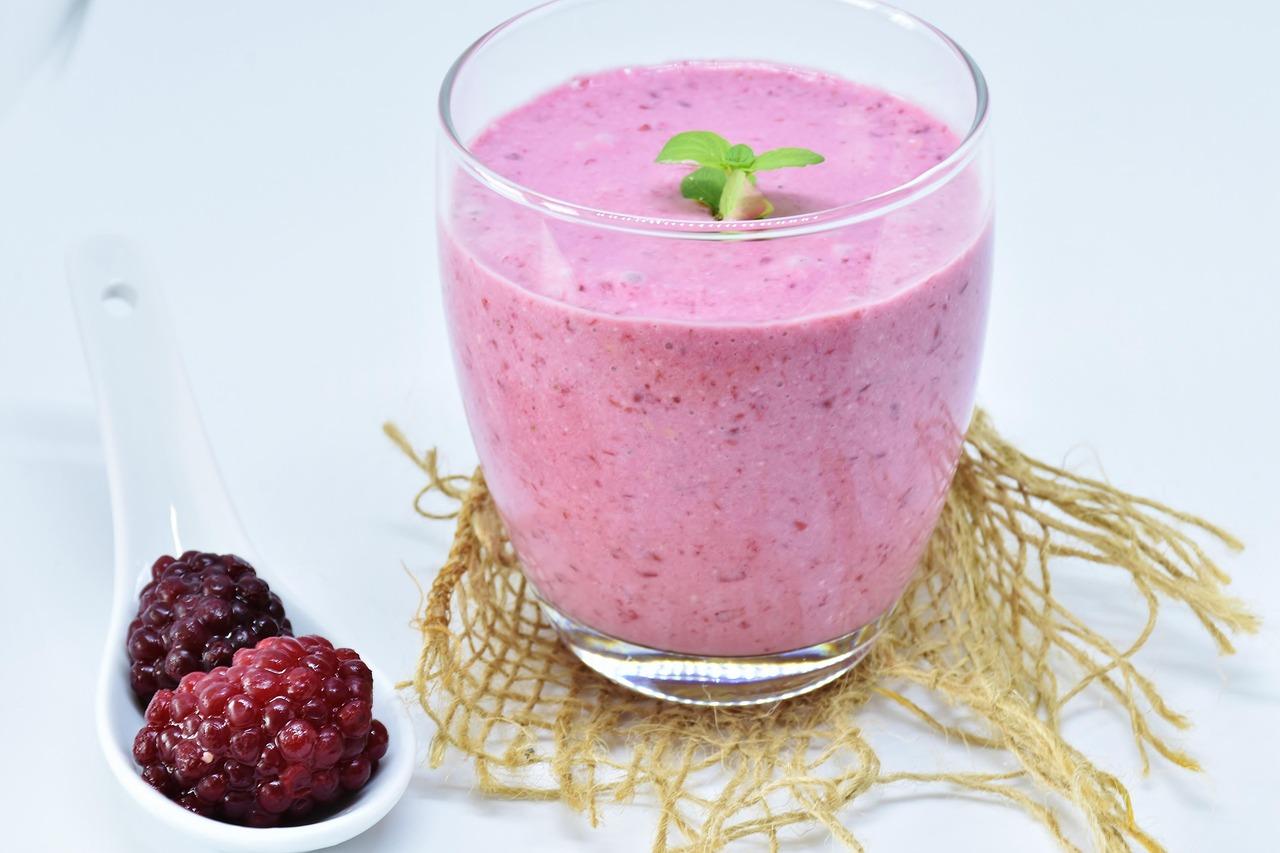
Order a juice anywhere in Colombia and the waiter will ask: en agua o en leche? With mora, the tart Andean blackberry, the milk version is the treat: a thick, dusky-purple shake with a sour-sweet berry flavour, served with lunch at corrientazo restaurants and in tall glasses at bakeries. Mora de Castilla is longer and sharper than European blackberries and is sold frozen in Latin shops; ordinary blackberries with a squeeze of lime make a good stand-in. Straining is what makes it smooth, since the seeds are gritty. The mistake many people make is blending the berries with the milk and leaving it to stand: the fruit acid slowly curdles the milk, so blend the fruit with water first, strain, then add cold milk and serve straight away. Chef's tip: very cold milk and a few ice cubes keep the drink thick and frothy.

by KrazyBadal 0 views

Jugo de tomate de árbolTamarillo juice

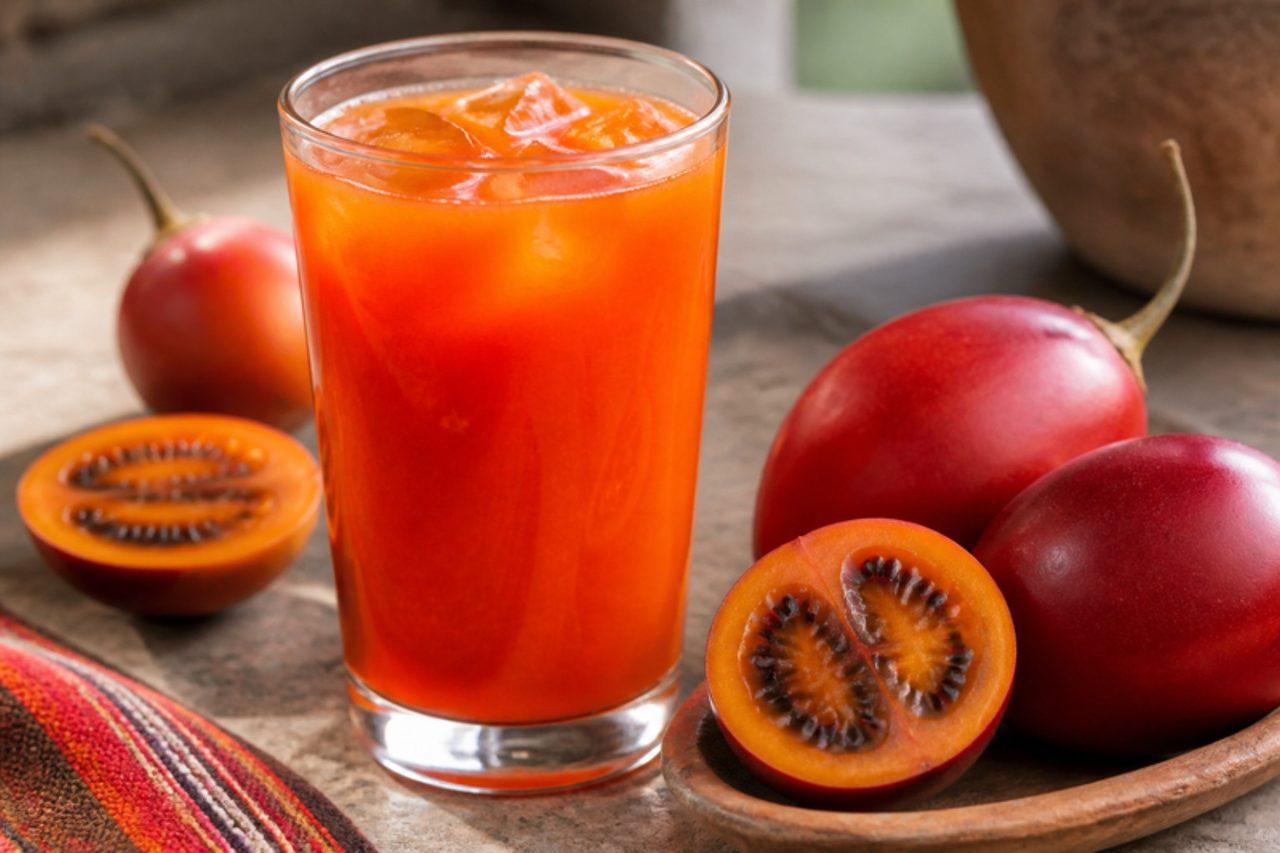
Tomate de árbol, the tree tomato or tamarillo, is everywhere in Andean Colombia: in market piles, in ají and above all in juice. Blended with water and sugar, it makes a tangy, deep orange drink with a flavour between passion fruit, tomato and apricot, and it turns up at lunch counters and family tables with almost every meal. Many people blend it with milk instead of water for a creamier glass; this version keeps it vegan. Blending the fruit with its skin is the most common misstep, as the peel is bitter and astringent; a quick blanch makes it slip off easily. Look for tamarillos in good greengrocers, or frozen pulp in Latin shops. Chef's tip: blend only briefly so you do not crush the small seeds, then strain; it stays bright and clean-tasting.

by KrazyBadal 0 views

Mazamorra antioqueñaHulled corn with milk

Paisas finish lunch with a glass of mazamorra the way others take dessert: soft, swollen kernels of hulled white corn in their own starchy cooking liquid, topped up with cold milk and eaten with a piece of panela or guava paste to nibble between sips. In Medellín it is sold from carts as well as made in big pots at home for the week, and it is mild, milky and quietly filling. Look for dried hulled white corn (maíz pilado or peto) in Latin American shops. Soak it overnight first. A common mistake is serving it before the corn is fully soft; the kernels should split open and be tender to the bite. Chef's tip: save the thick cooking liquid; it gives the drink its silky body, and the corn keeps in it for 4 days in the fridge.

by KrazyBadal 0 views

Limonada de cocoCoconut lime cooler

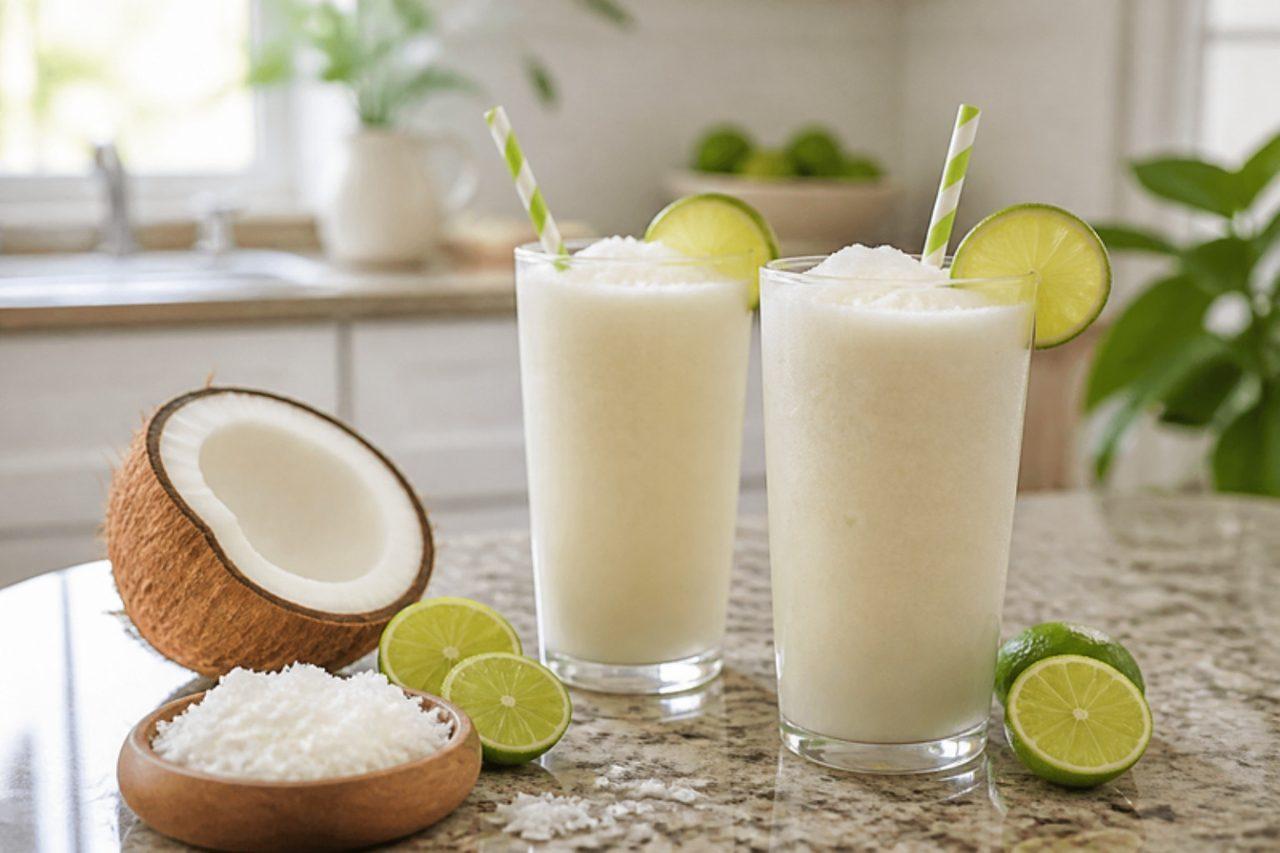
Cartagena's heat makes limonada de coco almost compulsory: beach kiosks and restaurants in the old walled city blend it to order, and it arrives as a pale, frosty slush, sharp with lime and rich with coconut. It is a drink to sip slowly with fried fish, coconut rice and patacones, or on its own on a hot afternoon. Coconut cream gives the body, sugar balances the lime, and a full load of ice gives the frozen texture. The common slip is blending lime pieces with their peel for too long, which turns it bitter within minutes; use juice plus a little zest instead. Shake the tin of coconut cream before measuring, since it separates. Serve it straight away, before it melts and separates. Chef's tip: freeze some of the coconut cream in an ice-cube tray beforehand and use it in place of half the ice for a thicker, creamier result.

by KrazyBadal 0 views

Maduro con quesoBaked plantain with cheese

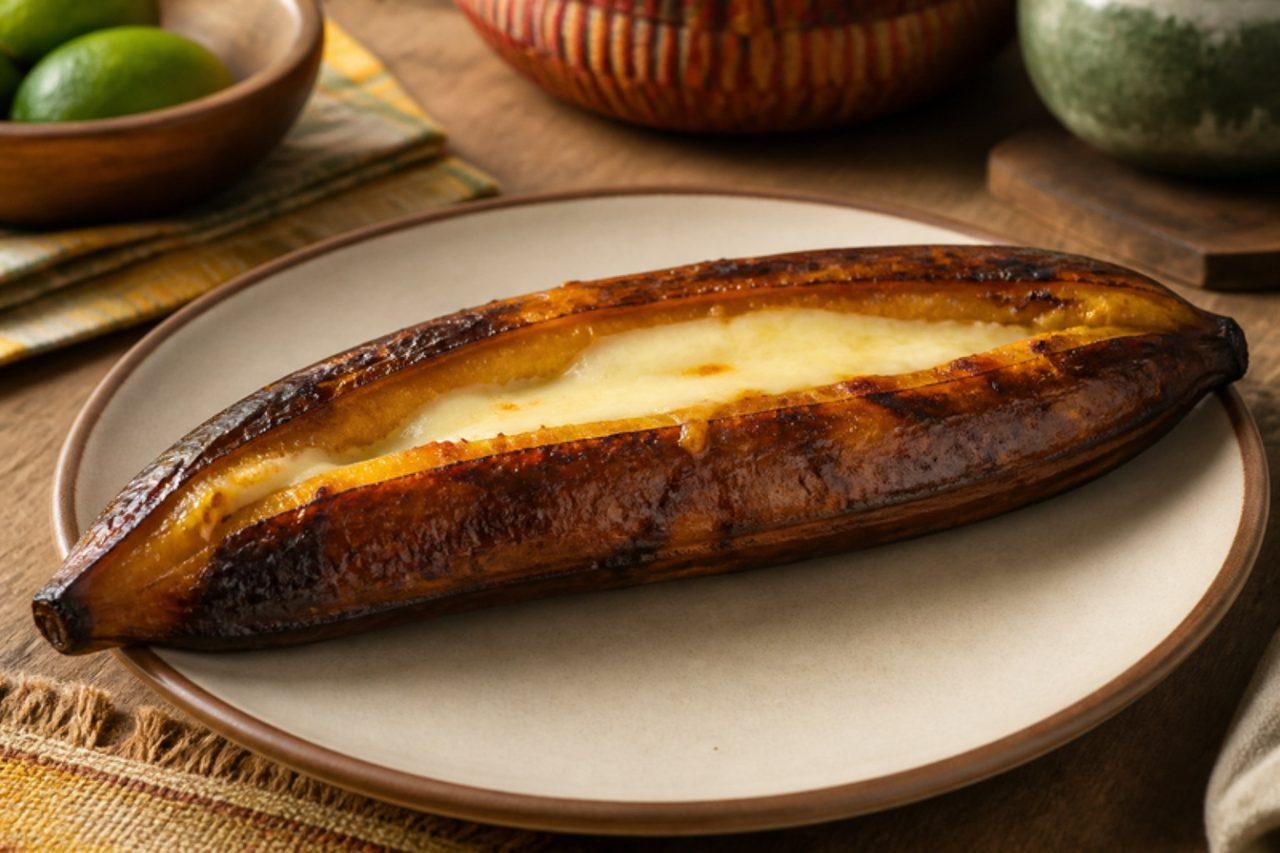
Cali cooks treat a black-skinned plantain as a treat rather than a fruit past its best, and maduro con queso shows why. The plantain bakes in its own skin until the flesh turns sticky and caramel-sweet, then it is split lengthways and packed with soft white cheese that melts into the hot fruit. In the Valle del Cauca it turns up at home lunches beside rice, beans and a sudado, and at weekend corrientazo counters as the sweet note on a savoury plate. The cheese of choice is a mild, stretchy quesillo or queso campesino, both normally set with animal rennet, so pick a vegetarian mozzarella-style cheese if that matters to you. Where it goes wrong is the plantain: a yellow one with a few spots stays starchy and dry, so wait until the skin is almost completely black and the fruit gives when pressed. Chef's tip: bake the plantains on a tray lined with baking paper, because the sugars leak out of the skins and burn onto bare metal.

by KrazyBadal 0 views

Pan de arrozRice flour cheese rings

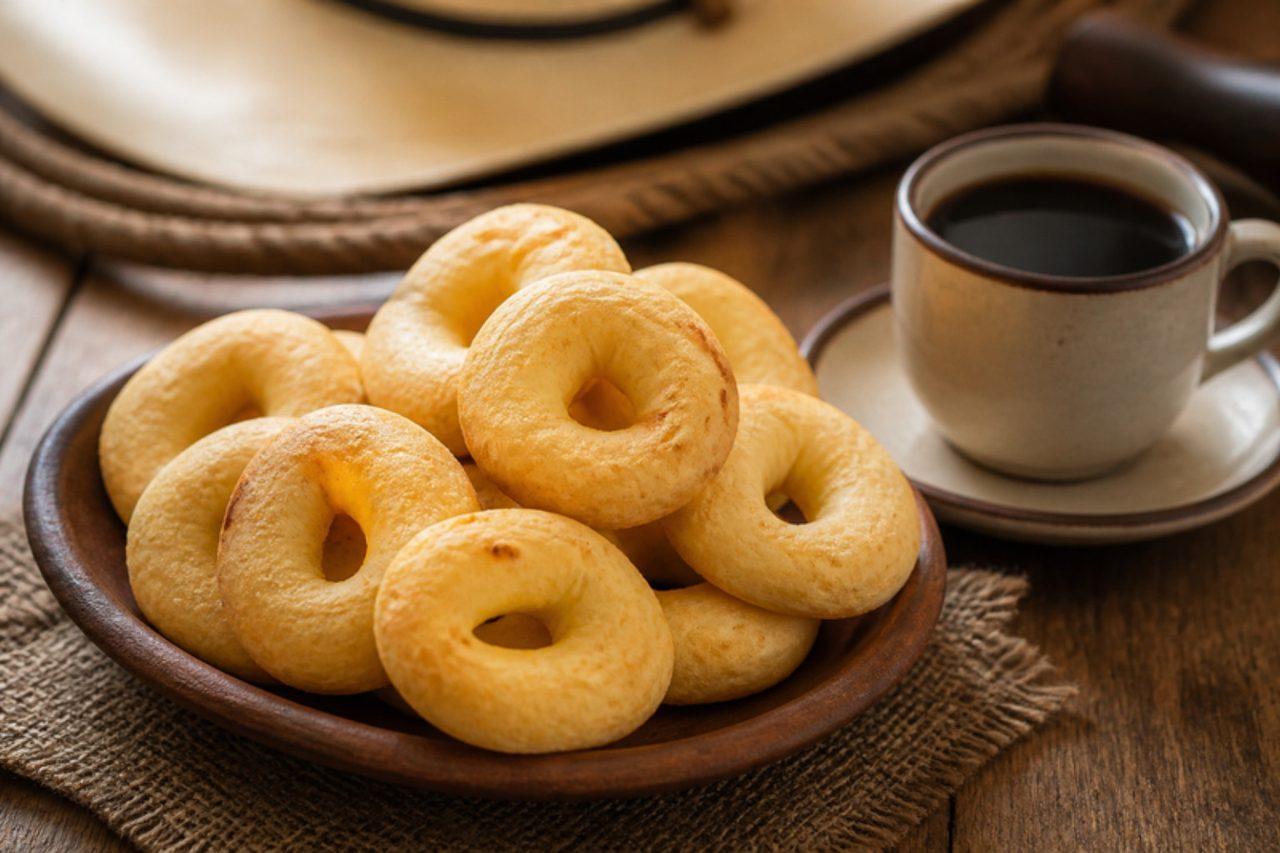
Coffee in Arauca or Casanare rarely comes alone: there is usually a basket of pan de arroz, small golden rings made from rice flour and grated salty cheese, sold at roadside stalls, bakeries and village fiestas across the plains. They bake crisp on the outside and soft, slightly chewy and cheesy within, a cousin of pandebono but lighter and more crumbly. Eat them warm with a cup of tinto or hot chocolate in the afternoon. The cheese on the plains is queso llanero, a firm, salty farm cheese; mix feta-style cheese with a little mozzarella if you cannot find it, and as both are usually made with animal rennet, choose vegetarian (microbial-rennet) ones. The mistake that causes trouble is coarse, lumpy cheese, which makes the dough crack as you shape it; crumble or grate it very finely. Chef's tip: rest the dough for 10 minutes before shaping so the rice flour hydrates and the rings close without splitting.

by KrazyBadal 0 views

Pan de yucaCassava starch cheese rolls

Cali bakeries sell pandeyucas warm in paper bags from early morning, often in a horseshoe shape, to go with a glass of kumis yoghurt drink or a café con leche. Made only from cassava starch, cheese, egg and a little butter, they are gluten free, puff up in the oven and stay hollow and stretchy inside with a thin crisp skin. Unlike pandebono, there is no corn flour, so they are lighter and chewier. Use tapioca (cassava) starch, sold in Asian and Latin shops; the cheese is typically a salty queso costeño made with animal rennet, so mix a vegetarian feta-style cheese with vegetarian mozzarella. Dough that is too wet makes them spread flat; it should feel like soft play dough. Chef's tip: they are at their best within 30 minutes of baking, so shape them ahead and bake just before eating.

by KrazyBadal 0 views

Papas chorreadasPotatoes in tomato cheese sauce

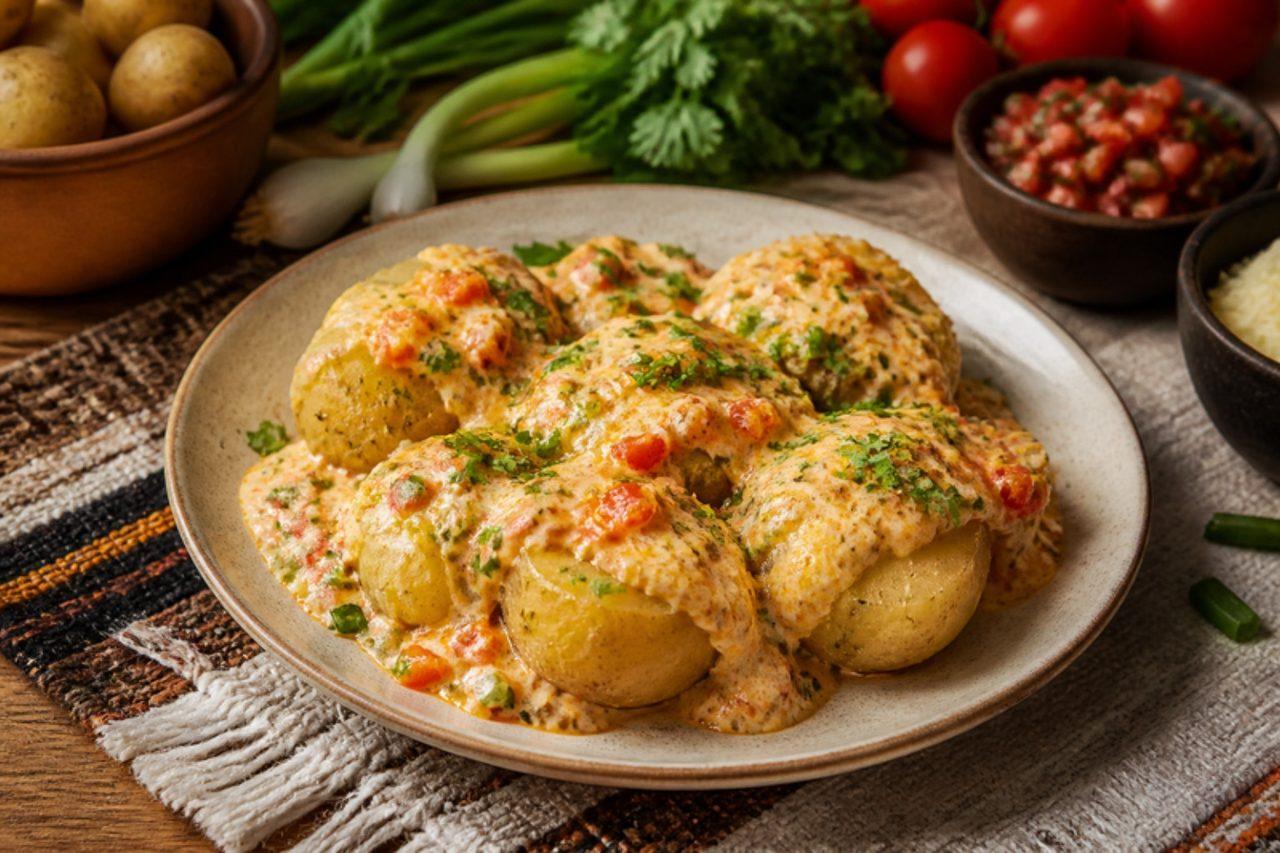
Chorreadas means drenched, and that is the idea: in farmhouse kitchens of Boyacá and Cundinamarca, whole boiled potatoes get a hot, loose sauce of tomato and long spring onion poured over them, enriched with milk and stretchy fresh cheese. It is comfort food from the cold highlands, served beside grilled meat on Sundays or on its own with an arepa and a mug of aguapanela on a weeknight. Colombians use queso campesino or doble crema, both usually made with animal rennet; a vegetarian mozzarella or other microbial-rennet melting cheese works perfectly. The mistake to avoid is adding the cheese to a boiling sauce, which makes it split and turn stringy; keep the heat low. Chef's tip: let the tomato and onion cook until really soft and jammy before the milk goes in, so the sauce tastes sweet and deep rather than raw.

by KrazyBadal 0 views

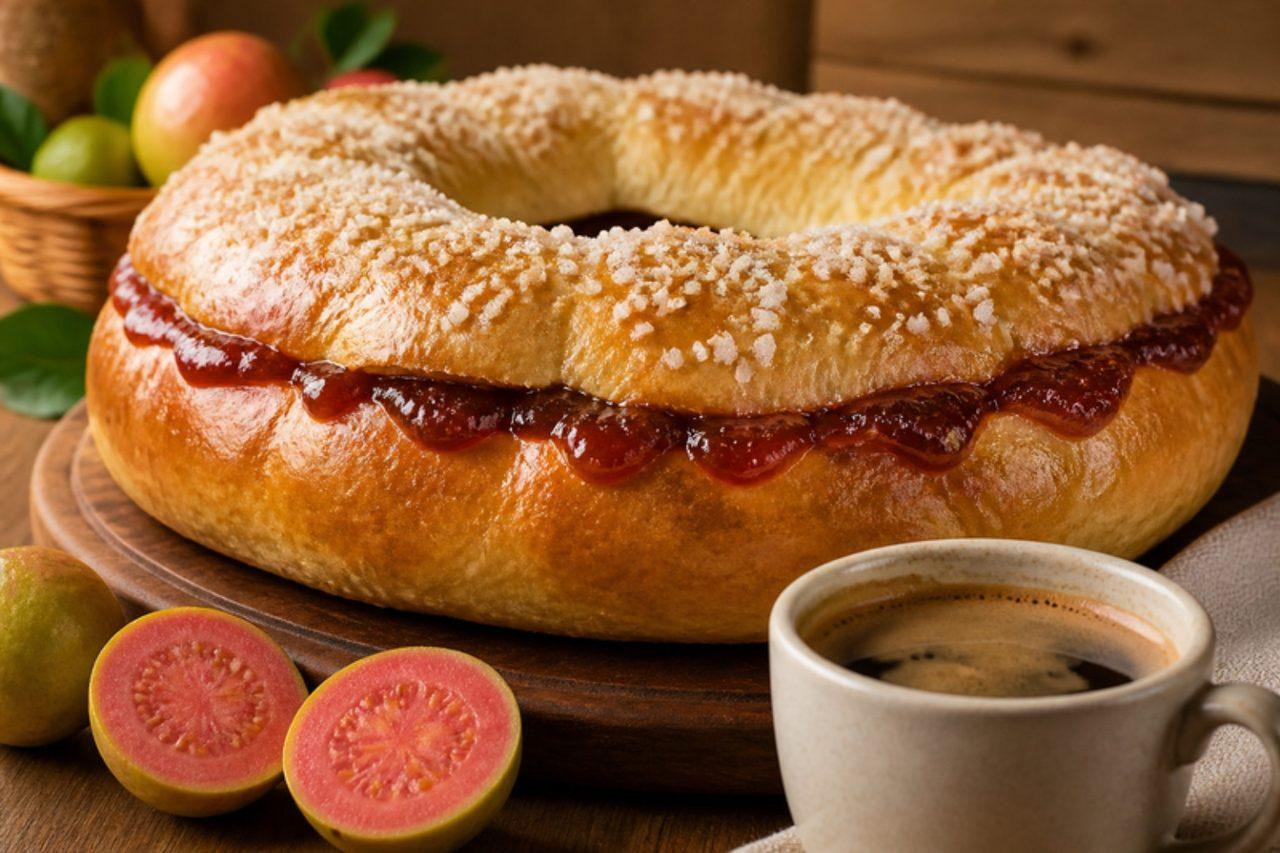
RoscónGuava-filled sweet bread ring

Every Bogotá bakery has a tray of roscones by the counter: soft, enriched bread rings glazed and sprinkled with sugar, hiding a seam of melted guava paste inside. They are eaten at onces, the afternoon coffee break, or for breakfast with hot chocolate, and they are a favourite thing to bring when visiting. The dough is a gently sweet milk-and-butter bread, close to a brioche but lighter. Chunks of guava paste that are too big are what normally goes wrong: they melt, burst the seam and burn on the tray, so cut it into thin batons and seal the dough firmly around them. Plan about 2 hours, most of it rising time. Look for guava paste (bocadillo or goiabada) in Latin shops; quince paste works in a pinch. Chef's tip: brush with the egg wash twice, once before the second rise and once before baking, for a deep, shiny crust that holds the sugar.

by KrazyBadal 0 views

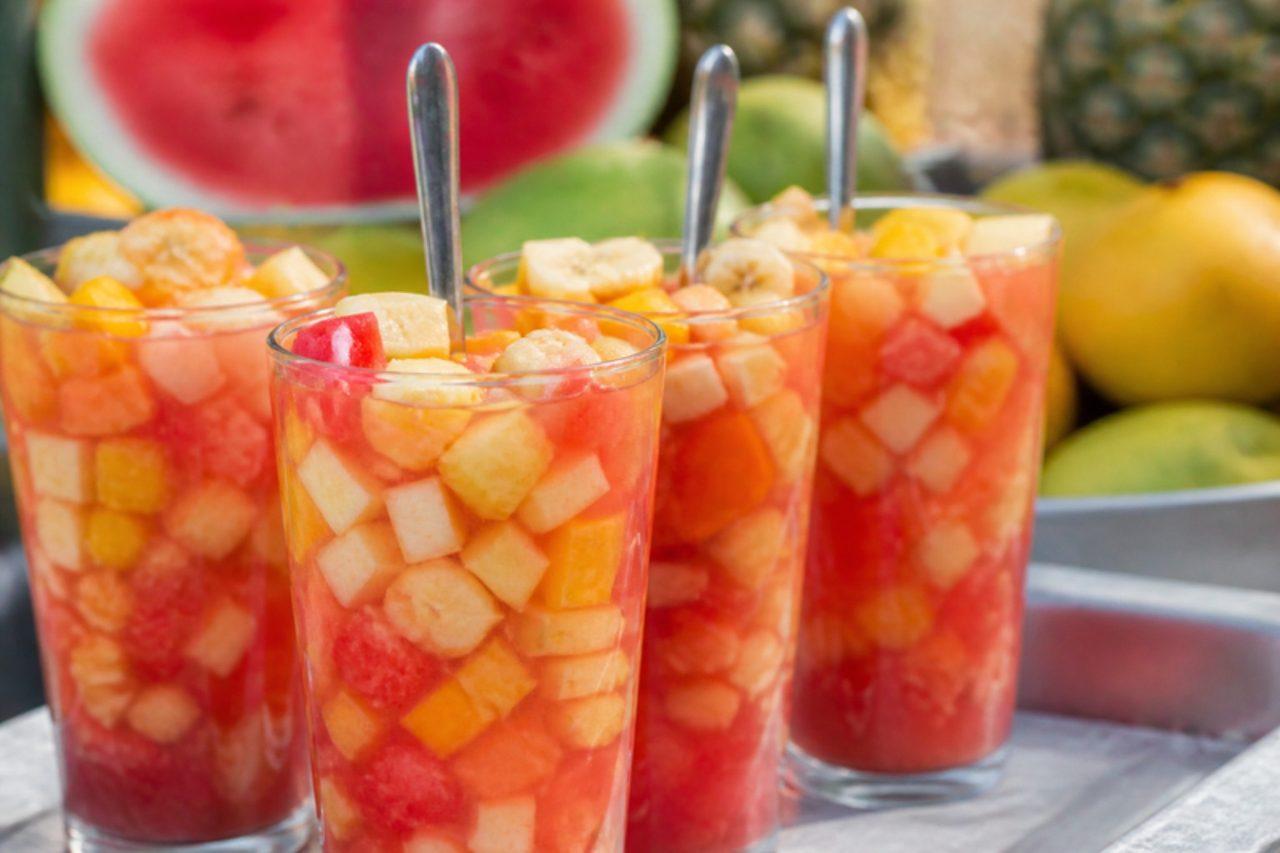
Salpicón de frutasDiced fruit in watermelon juice

Salpicón is what Caleños grab at fruit stands and in the parks of San Antonio when the afternoon heat sets in: a tall cup of tiny, jewel-like cubes of papaya, pineapple, mango, banana and apple, swimming in freshly blended watermelon juice, eaten with a spoon and drunk to the last drop. Some stalls top it up with a fizzy orange or lemon soda; this version keeps it to fresh juice. It is sweet, cool and very refreshing. The mistake people make is cutting the fruit too big; the joy is in tiny cubes you can drink through the juice. Chef's tip: blend and strain the watermelon just before serving and keep everything ice cold; watermelon juice loses its fresh taste within an hour.

by KrazyBadal 0 views

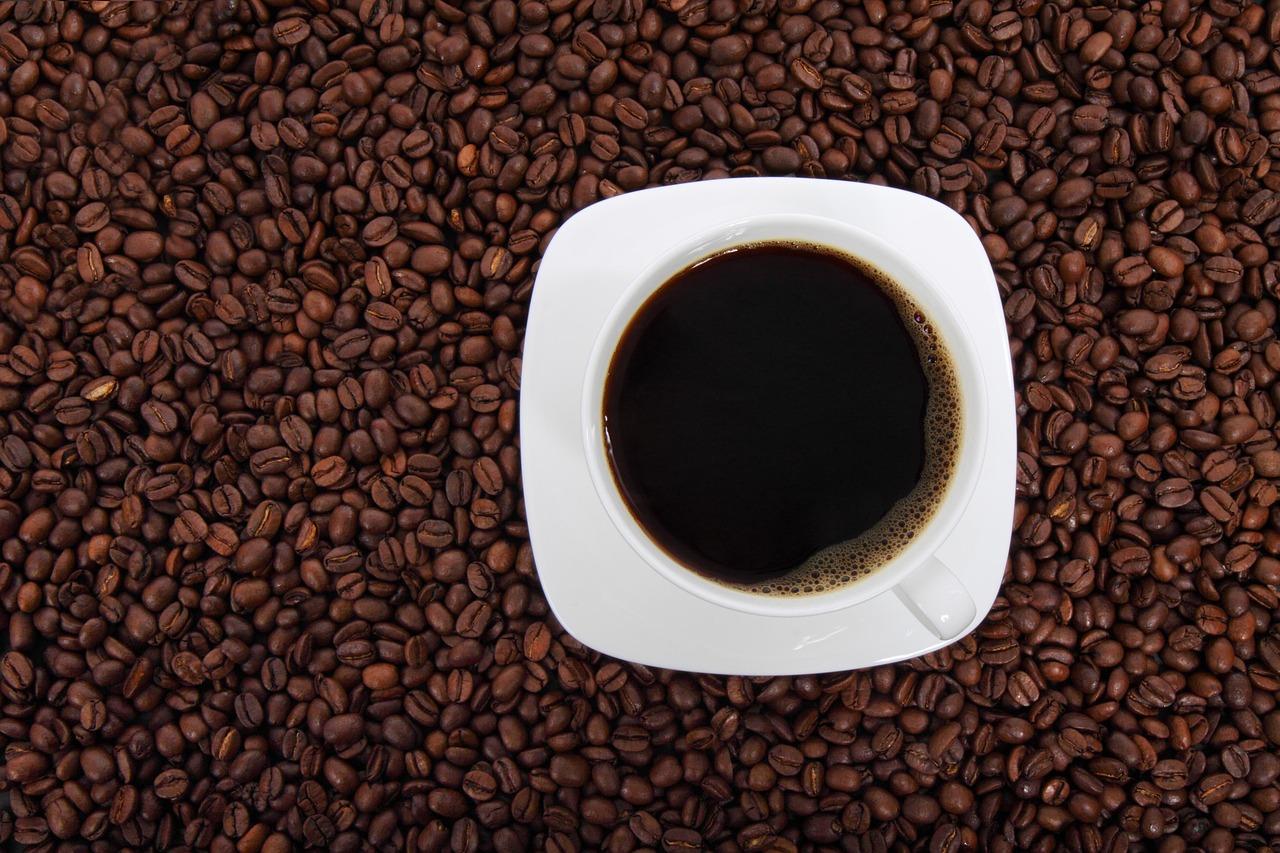
TintoBlack coffee with panela

Ask for a tinto anywhere in Colombia and you get a small cup of black coffee, never red wine. Street vendors carry it in thermos flasks through the plazas of Manizales, Pereira and Bogotá, and offices, bus stations and farm kitchens in the coffee region brew pots of it all day. It is light, hot and gently sweet, often made by simmering ground coffee with water and a little panela, then straining it through a cloth bag. The usual error is boiling the coffee hard, which makes it harsh and bitter; let it come to the boil only once. Chef's tip: let the grounds settle for a minute off the heat before straining, so the cup stays clear.

by KrazyBadal 0 views

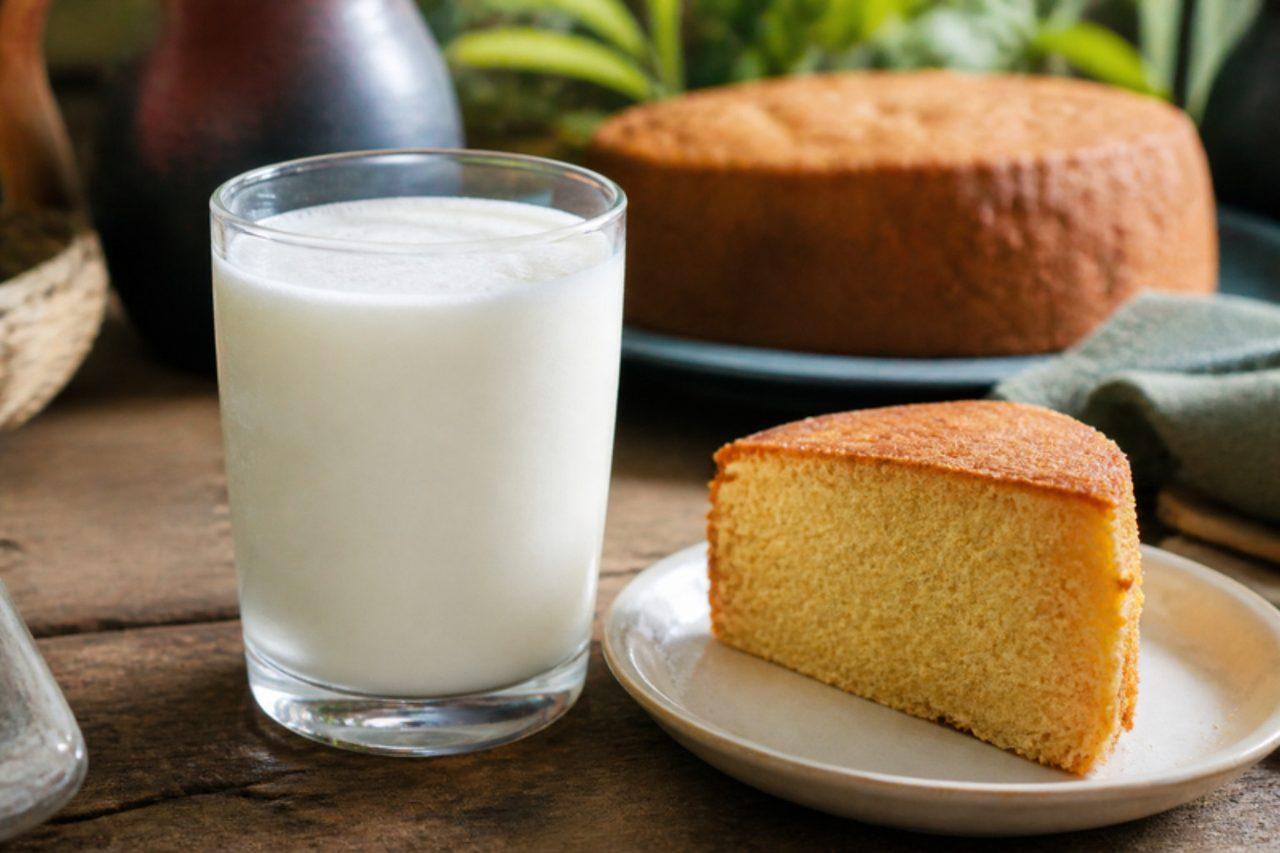
KumisFermented milk drink

Kumis in Colombia is a thick, sweetened fermented milk, nothing like the Central Asian mare's-milk drink of the same name. Bakeries and cafeterias sell it chilled in glasses with a slice of plain sponge cake, the classic kumis con ponqué, and many families still make it at home. It is cool, tangy and creamy, somewhere between drinking yogurt and buttermilk. Use only pasteurised milk, heat it first, and work with very clean equipment: wash jars and spoons in hot soapy water and scald them with boiling water. The milk ferments at room temperature (20–28 °C, out of direct sun) for 12–24 hours, then goes into the fridge; never leave it out longer. Discard any batch with mould, pink or orange patches, or a rotten rather than sour smell. Adding the starter to milk that is still too hot is the common slip, as heat kills the cultures and nothing sets. Chef's tip: add the sugar after fermenting, then chill well before serving.

by KrazyBadal 0 views

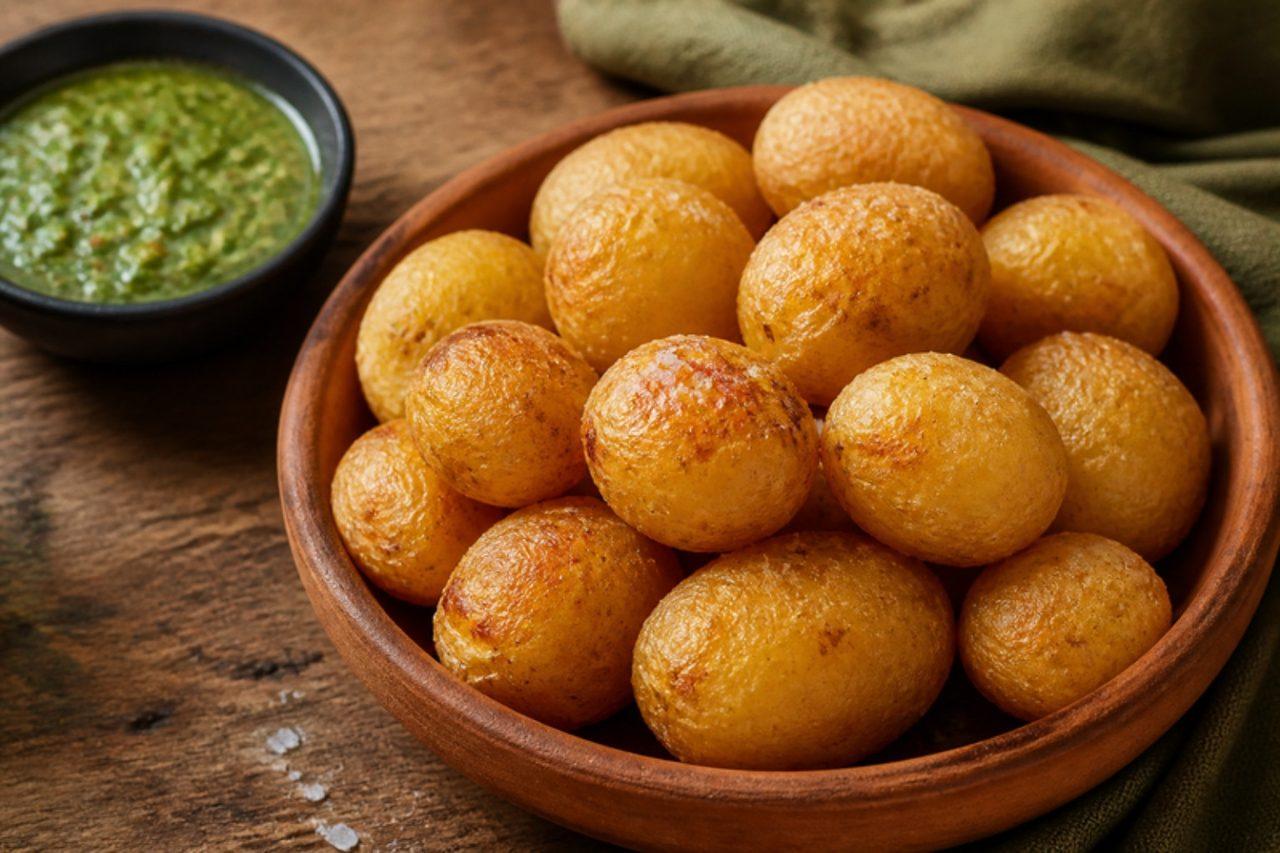
Papas criollas fritasFried small yellow potatoes

Little golden papas criollas are the potato Bogotá loves best: thin-skinned, buttery-yellow and so creamy they almost melt. At the asaderos along the roads out of the capital, and next to every plate of ajiaco or fritanga, they come fried whole, skin on, crackling outside and soft in the middle, with nothing but salt and a bowl of ají. Frozen papas criollas are sold in Latin American shops; otherwise use the smallest waxy yellow potatoes you can find. Frying them raw is the usual mistake: the skins brown before the insides are cooked. A quick boil first fixes that. Chef's tip: let the boiled potatoes steam dry for a few minutes and squash a few slightly with your palm before frying, so the split skins catch extra crunch.

by KrazyBadal 0 views

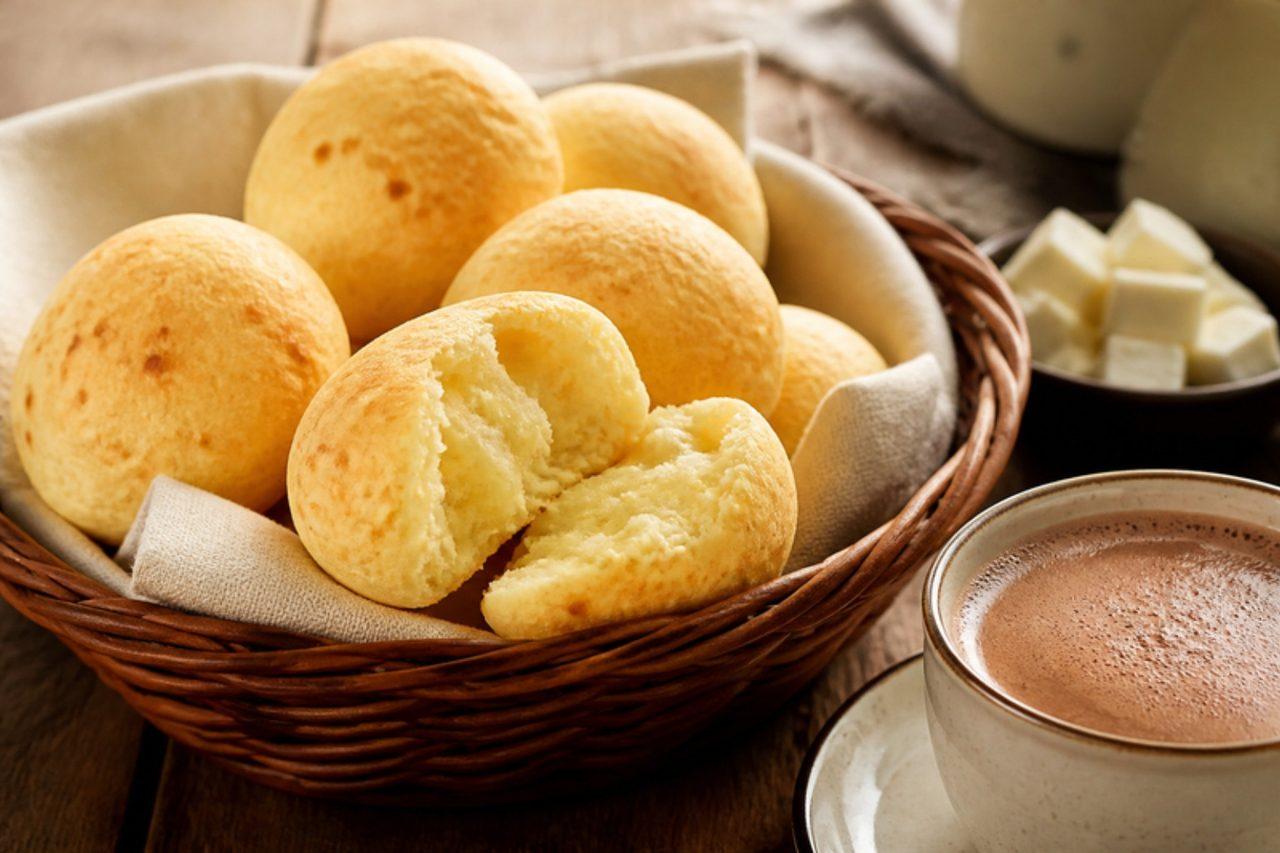
Colombian almojábanasCheese bread rolls

Few Bogotá breakfasts beat a warm almojábana torn open next to a cup of hot chocolate. Bakeries across Cundinamarca and Boyacá, and especially roadside stops near Chía and Sopó, bake these pale, puffy rolls from fresh cuajada and fine corn meal, so they are springy, moist and salty-sweet inside with a thin, lightly browned crust. They are gluten free by nature. Cuajada is curd set with rennet, usually animal-derived; use vegetarian curd or ricotta drained very well. Too much corn meal is the mistake most people make: the almojábanas come out dry and heavy. The dough should feel soft and slightly tacky. Chef's tip: they are best within an hour of baking; reheat leftovers briefly in a hot oven, never the microwave, which makes them rubbery.

by KrazyBadal 0 views

Showing 24 of 33 recipes

Show more recipes

Page 1 of 2