Skip to content
Recipes

All recipes

Vegetarian, or something you can't eat? Set your diet once and we'll hide recipes that don't fit.

Pipián verdeGreen pumpkin seed sauce

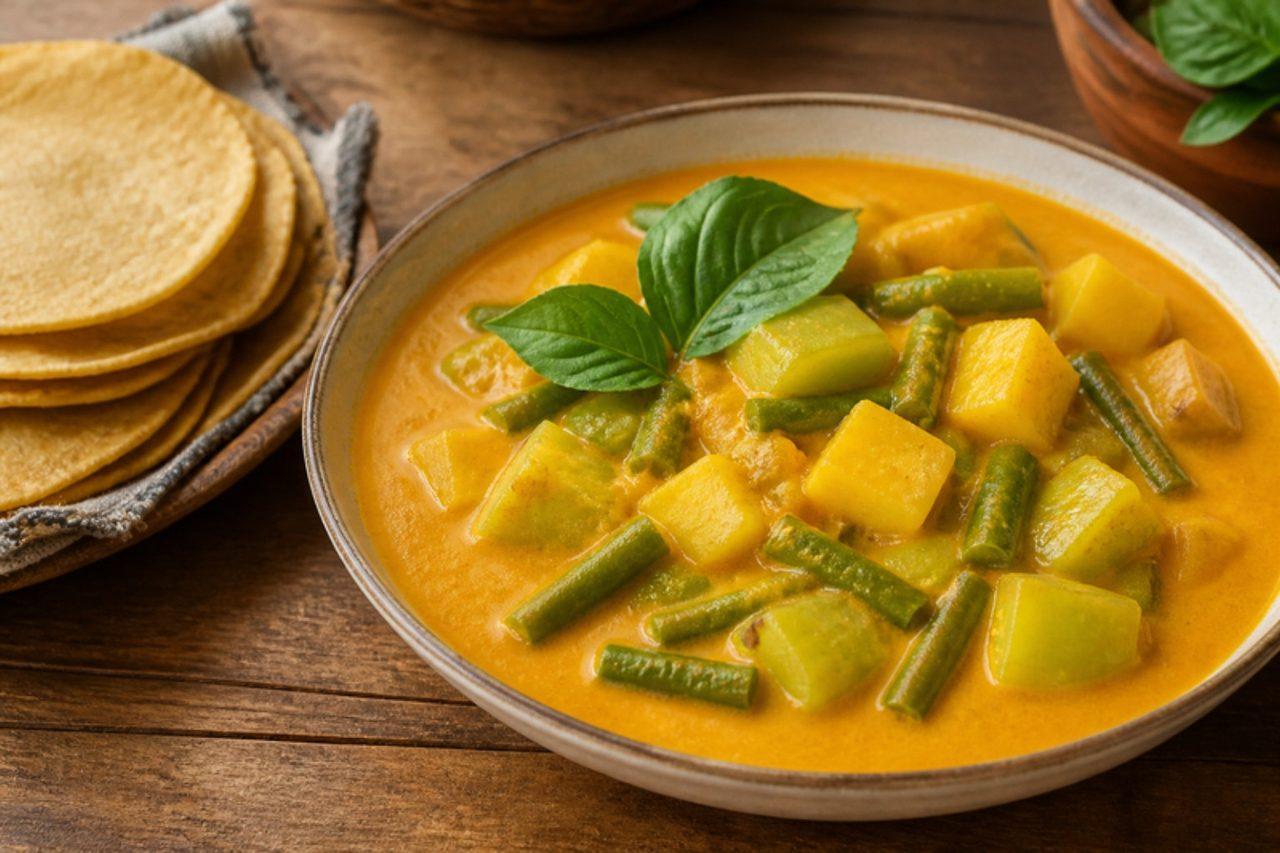
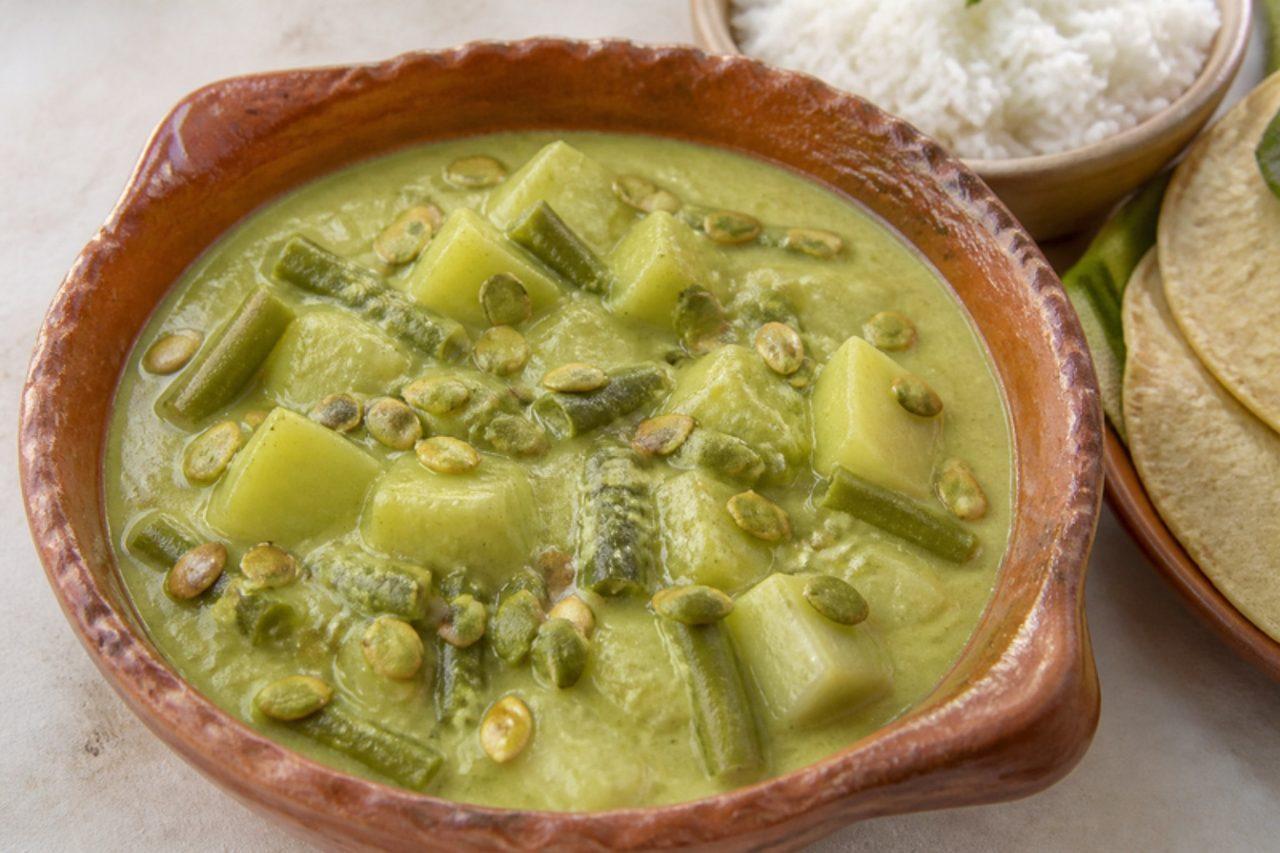
Pipián verde is one of the oldest sauces in central Mexico, thickened with ground pumpkin seeds long before chocolate moles appeared, and in Puebla it is often served during Lent with vegetables. Toasted seeds are blended with tomatillo, green chiles, herbs and lettuce leaves into a pale jade sauce that tastes nutty and gently tangy. Here it coats tender chayote and green beans; the same sauce is also made with poached chicken. Serve with rice and warm tortillas. Chef's tip: once the seed paste is in the pan, keep it at a lazy simmer, because boiling makes the sauce grainy and split.

by KrazyBadal 0 views

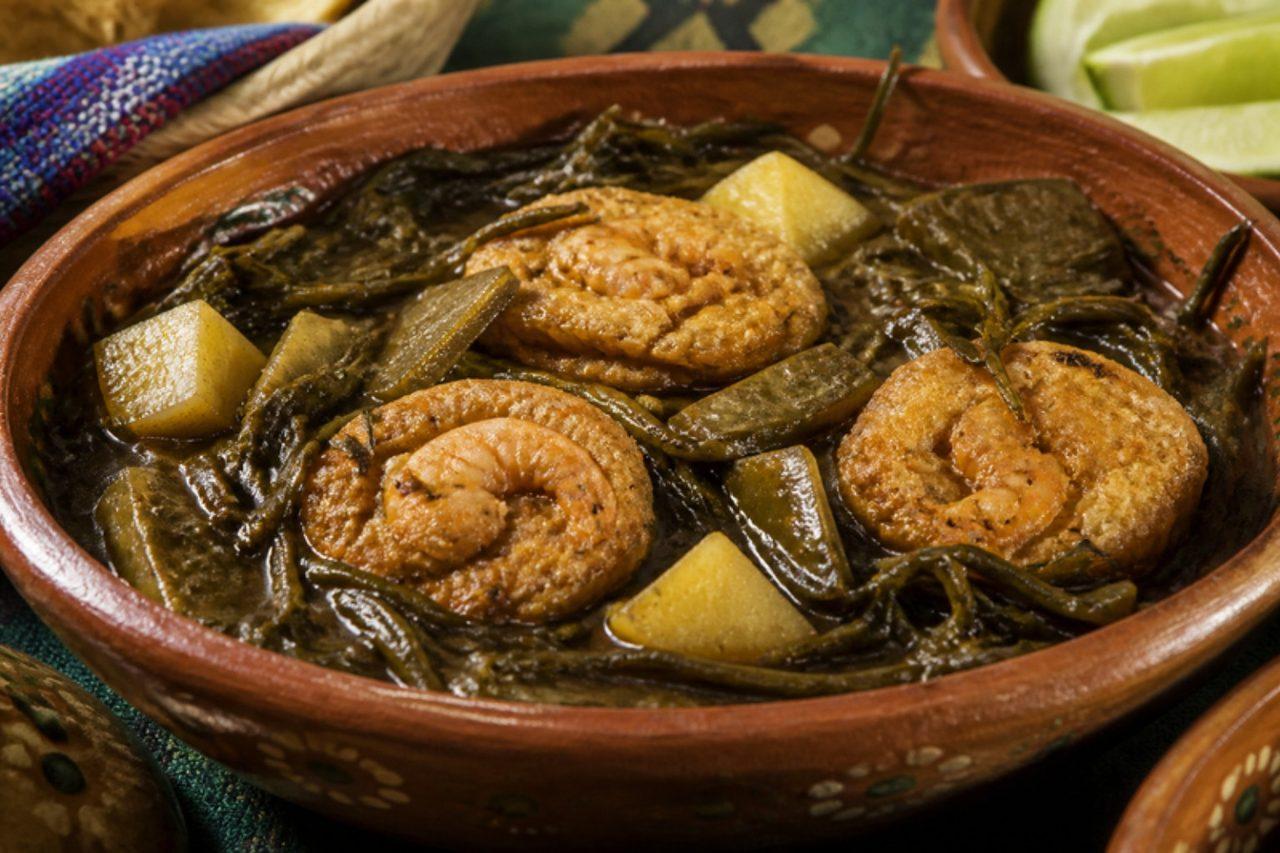
RomeritosSeepweed in mole

In Mexico City and the towns around it, Christmas Eve without romeritos is unthinkable: tender sprigs of seepweed (romerito) simmered in dark mole with little potatoes and cactus, crowned with fritters of dried shrimp and egg. It is eaten again at Lent, when meatless dishes rule. Find romeritos at Mexican grocers in December; samphire tips or tender spinach stems are the closest swap. A ready mole paste keeps this to an afternoon. For a vegetarian version, leave out the shrimp tortitas and use vegetable stock. Chef's tip: blanch the romeritos briefly and squeeze them well, or their bitterness and water flood the mole.

by KrazyBadal 0 views

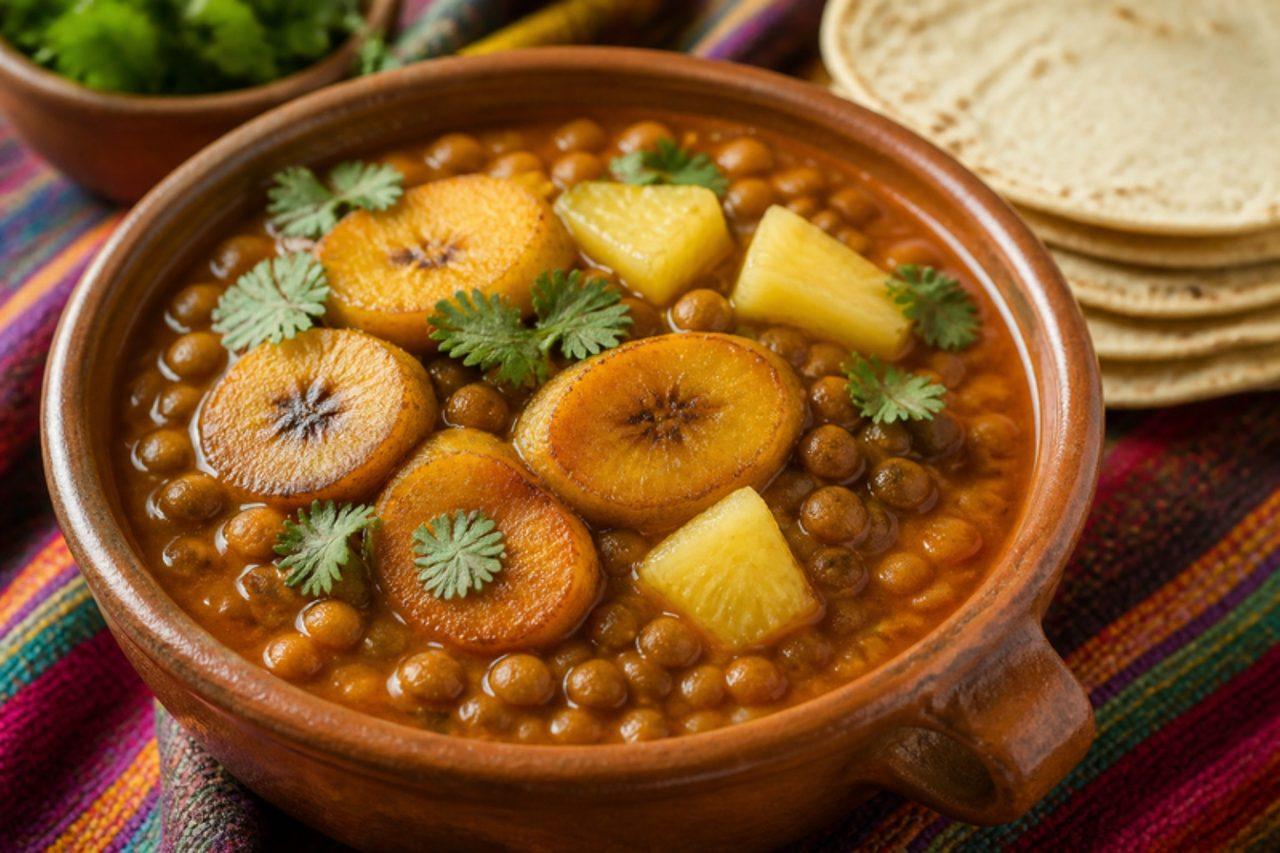
Lentejas con piña y plátanoLentils with pineapple and plantain

Sweet and savoury share a pot in this Lent favourite from Puebla and Mexico City kitchens: brown lentils simmered in a tomato and garlic broth, finished with chunks of pineapple and slices of fried ripe plantain. It sounds unusual but tastes balanced and comforting, and many families eat it on the Fridays before Easter with white rice and tortillas. Chef's tip: use a plantain with a black-speckled skin; green ones stay starchy and never sweeten.

by KrazyBadal 0 views

Locro de zapallo for toddlersPumpkin stew for toddlers

Locro de zapallo is the golden pumpkin stew of Lima's home kitchens and menú lunch spots, eaten on weekdays with white rice and, for adults, a fried egg and ají on the side. For toddlers from 12 months it is cooked without any ají, the pumpkin is simmered until it melts into a sauce, and just a little crumbled fresh cheese is stirred in, so it is sweet, creamy and easy to mash. It contains milk; there is no gluten, egg, nuts or soya. Queso fresco is often made with animal rennet, so for a vegetarian bowl choose one labelled vegetarian, or use a little paneer, and always a pasteurised cheese. Chef's tip: cut half the pumpkin small so it dissolves into the sauce and the rest larger so it keeps some shape.

by KrazyBadal 0 views

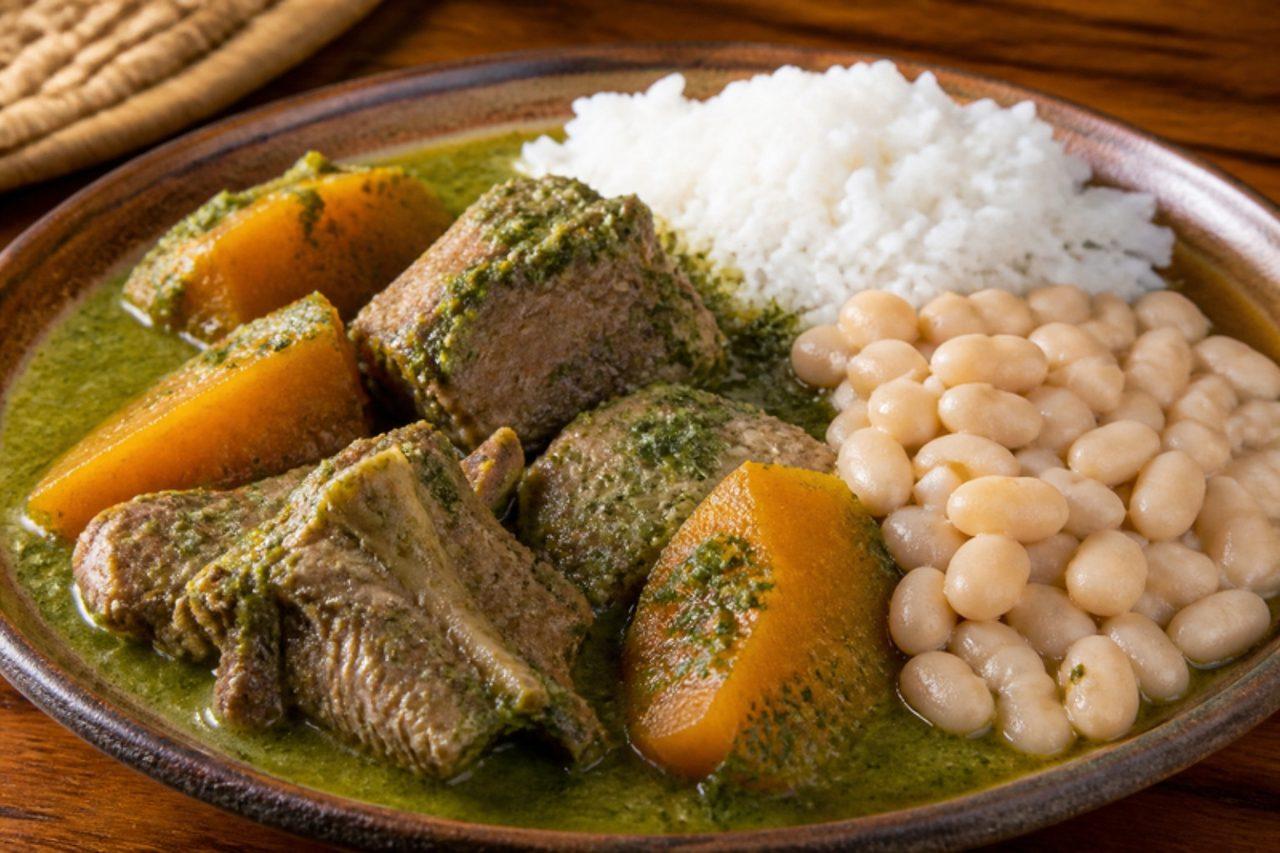
Seco de cabritoBraised kid goat with coriander

Ask anyone in Chiclayo or Lambayeque for the north's great Sunday dish and seco de cabrito comes up first: young goat, marinated in garlic and vinegar, then braised slowly in a deep green sauce of blended coriander, ají amarillo and chicha de jora, with grated loche, the local aromatic squash. The meat turns tender and the sauce is herby, sour and warm. It comes to the table with white rice and frejoles (stewed canary beans) and a sharp salsa criolla. Chicha de jora is a fermented maize beer and contains alcohol; the alcohol-free swap in the ingredients keeps the tang. Lamb shoulder stands in well for kid. People often blend the coriander with the stems discarded, but the stems carry the most flavour, so use the whole bunch. Chef's tip: add half the coriander at the start and half 10 minutes before the end, so the sauce stays bright green.

by KrazyBadal 0 views

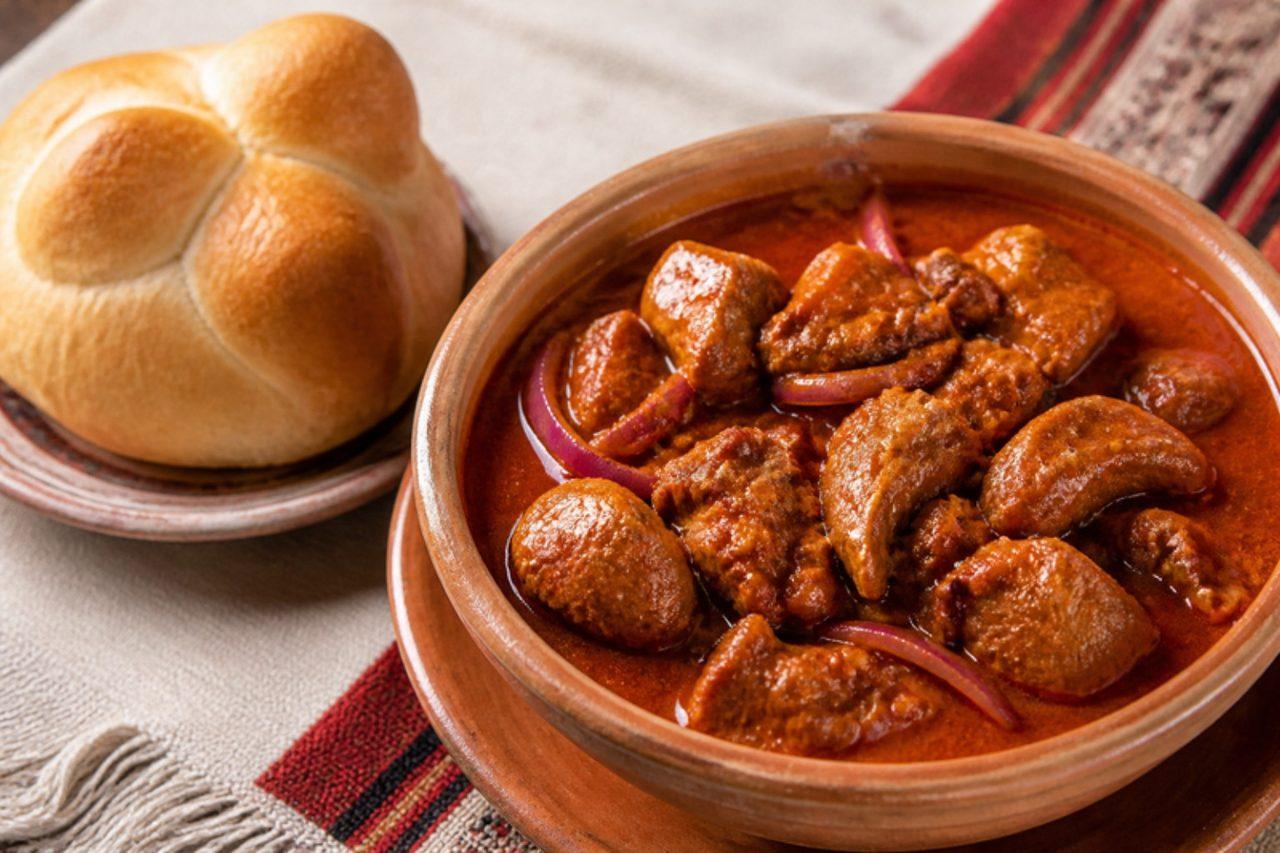
Adobo arequipeñoMarinated slow-cooked pork

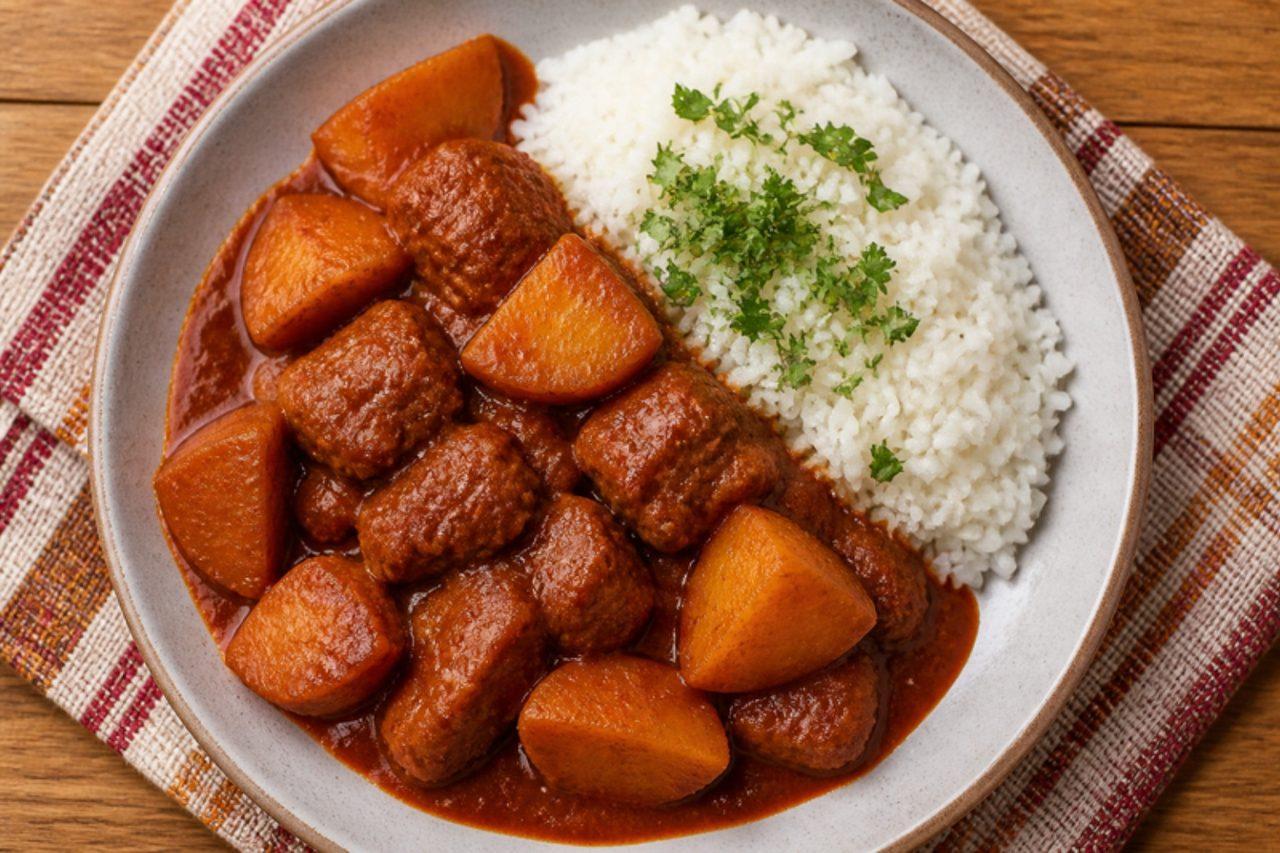
On Sunday mornings in Arequipa, families head to picanterías in Cayma and Yanahuara for a steaming bowl of adobo, chunks of pork that have marinated overnight in chicha de jora (fermented maize beer), ají panca, garlic and cumin, then cooked slowly in a clay pot with thick wedges of red onion. The sauce is dark red, tangy and garlicky rather than hot, and you mop it up with pan de tres puntas, the city's triangular bread; a mug of anise tea follows. Chicha de jora contains alcohol; for an alcohol-free adobo, use the vinegar and water swap in the ingredient list, which gives the same sour edge. Boiling it hard is the classic error, as it toughens the pork; it should barely tremble under the lid. Chef's tip: marinate the pork the evening before, always in the fridge, and cook it the next morning in its marinade.

by KrazyBadal 0 views

CarapulcraDried potato and pork stew

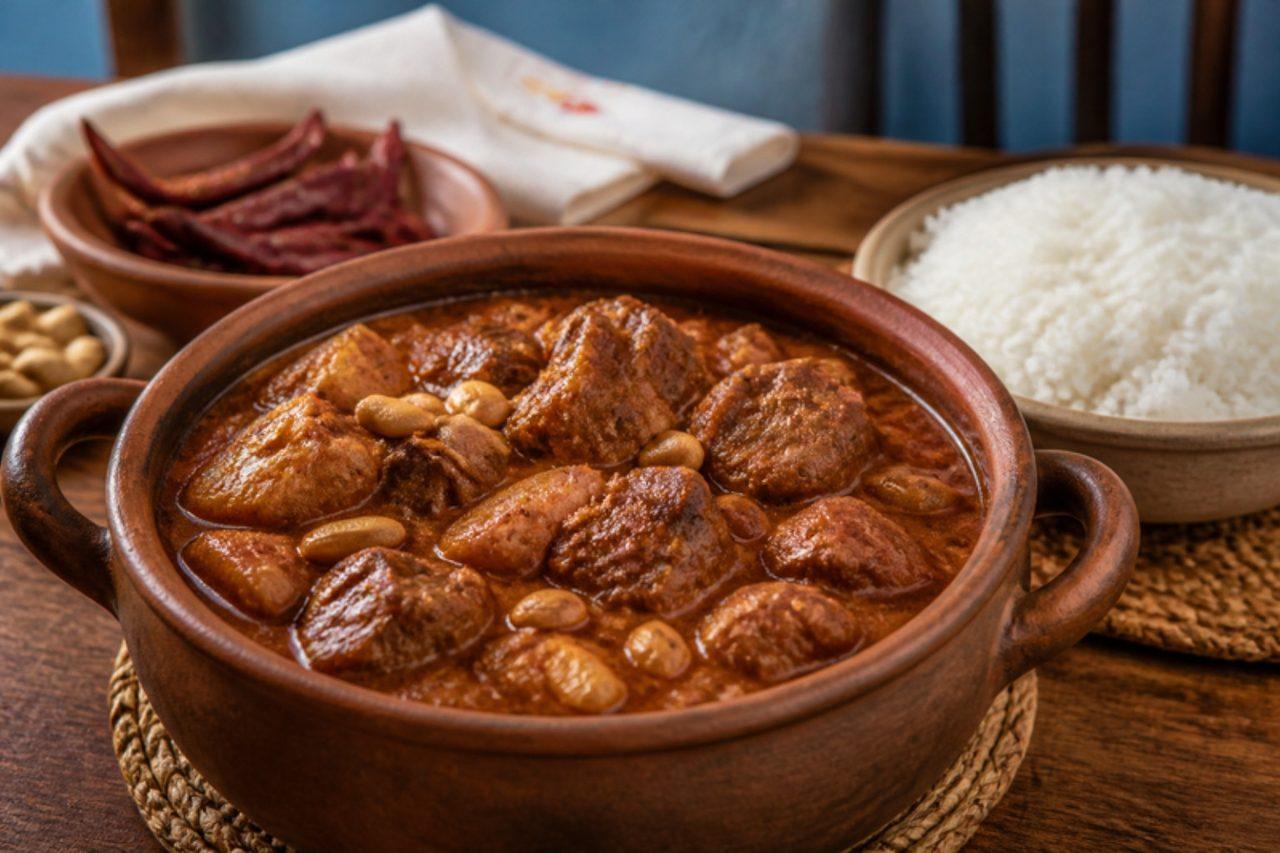
Older than Peru itself, carapulcra comes from the Afro-Peruvian kitchens of Chincha, south of Lima, where it is cooked in big pots for saints' days and family lunches and served next to a mound of sopa seca, a pairing locals call the 'matrimonio'. Pieces of papa seca, potato that has been boiled, sun-dried and broken into nuggets, are toasted and simmered with pork shoulder in a brick-red sauce of ají panca, garlic, cumin and ground peanuts, until the potato swells into chewy, savoury lumps and the sauce turns thick and nutty. Most people skip toasting the papa seca, and the stew tastes flat; the dry pan is where the flavour comes from. Chef's tip: stir often in the last half hour and add hot stock a ladle at a time; papa seca drinks liquid and catches on the base without warning.

by KrazyBadal 0 views

Cau cauTripe and potato stew

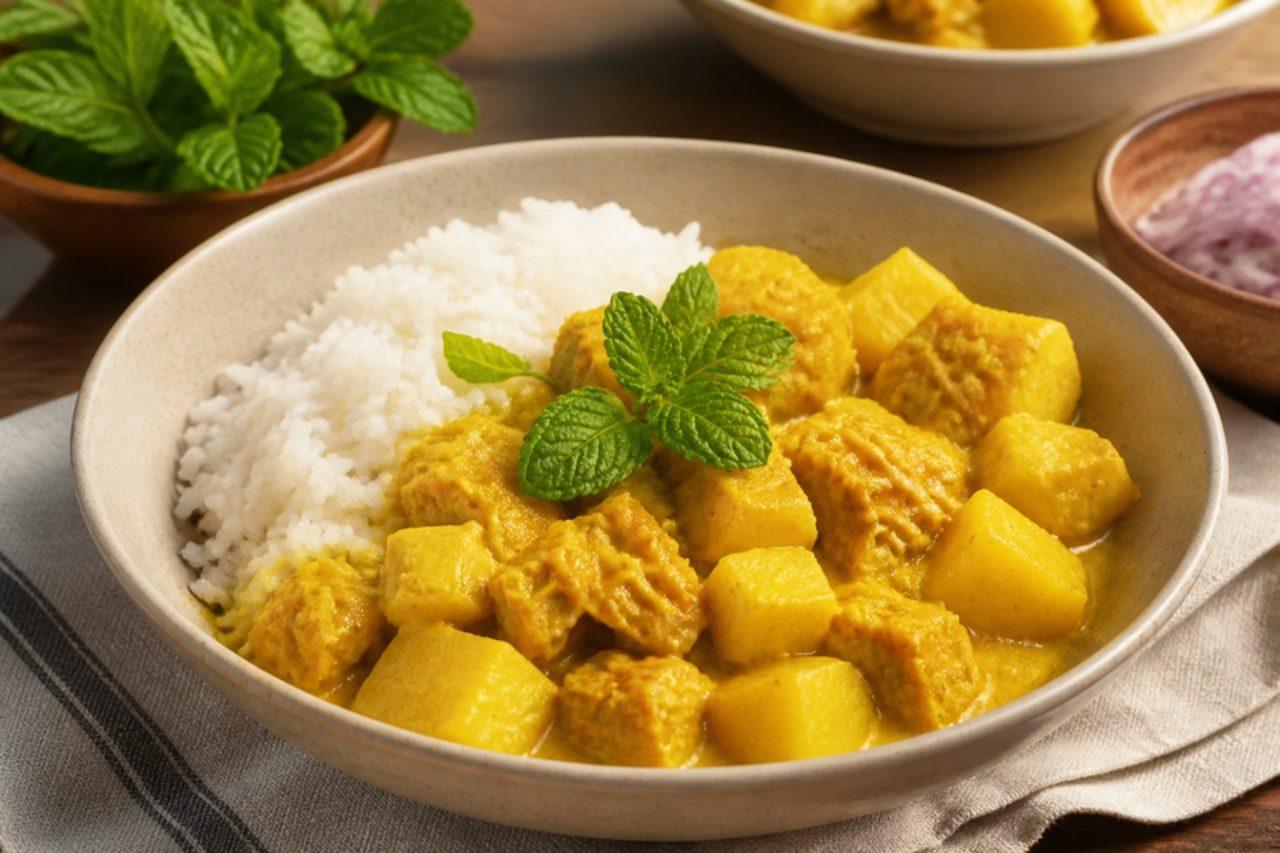
Cheap, filling and deeply loved, cau cau is a lunchtime staple at Lima's menú restaurants and market comedores, served with white rice. Pieces of honeycomb tripe are simmered until soft, then stewed with diced potato in a golden sauce of ají amarillo, garlic and turmeric, finished with a fistful of mint (hierbabuena) that freshens the richness. The texture is soft and slightly springy, the sauce mild, warm and herby. Buy tripe from a butcher or Latin, Asian or halal shop already cleaned and blanched (white honeycomb); it must be simmered until fully tender and cooked through. The common mistake is undercooking the tripe: if it squeaks between your teeth it needs longer. Chef's tip: cut the potatoes small and let some of them break up at the end; they thicken the sauce naturally.

by KrazyBadal 0 views

PurtumuteBean and white corn stew

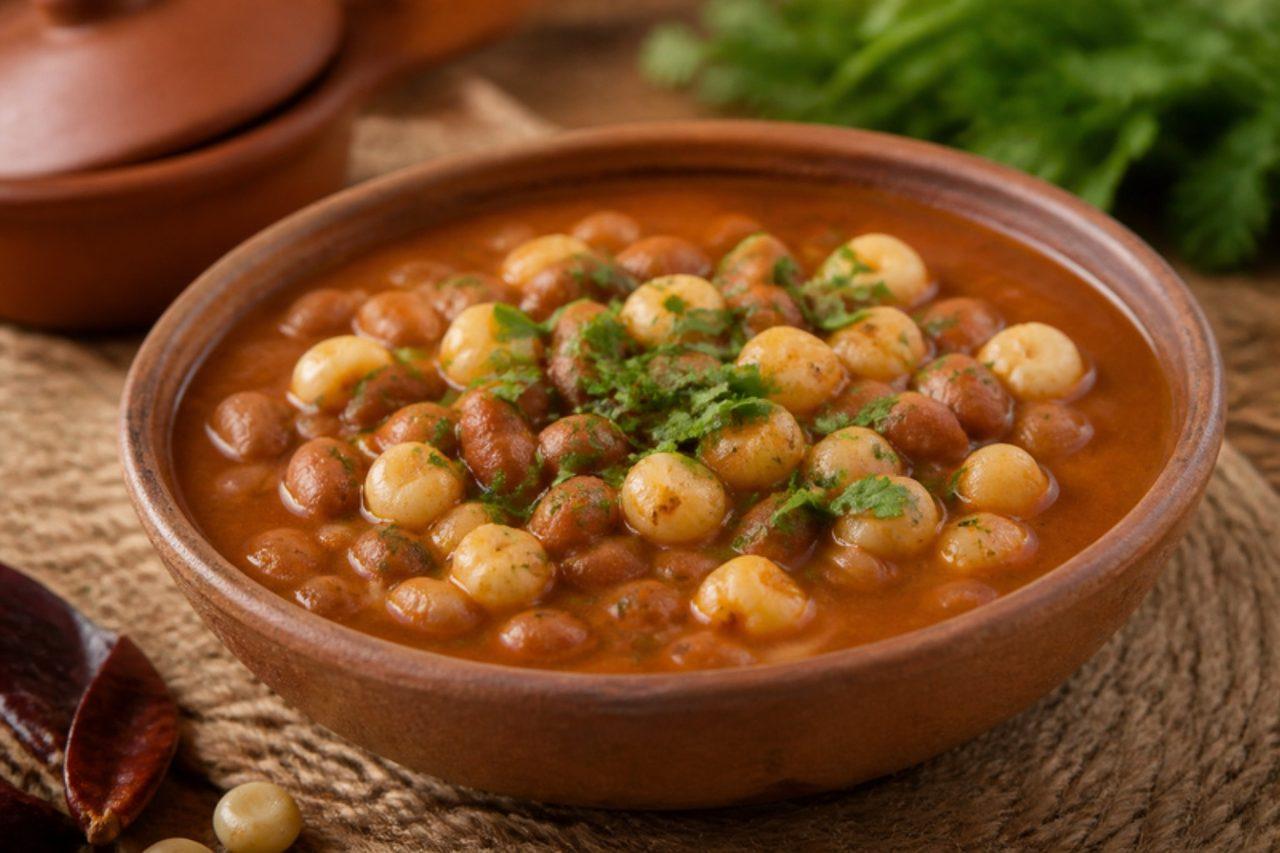
High-jungle towns like Chachapoyas and Moyobamba, in the cloud-forest regions of Amazonas and San Martín, serve purtumute at festivals and family gatherings: a thick pot of beans and big white mote corn kernels simmered with onion, garlic, chilli and plenty of chopped culantro. Some versions add cheese or pork crackling; this one keeps it vegan, letting the creamy beans and chewy corn carry the dish. It is filling and earthy with a fresh green finish, and it is served in bowls with ají on the side and a plantain or a little rice. The dried beans need an overnight soak, which isn't included in the times. The usual mistake is adding salt and the sofrito too early, which can stop the beans from softening; season once they are tender. Canned or jarred white hominy works for the mote. Chef's tip: mash a ladle of the beans against the side of the pot near the end; it thickens the stew without any flour.

by KrazyBadal 0 views

Mole amarillo with vegetablesYellow mole with vegetables

In Oaxaca's central valleys, the 'yellow' mole is the everyday one of the seven: lighter than mole negro, made on weekdays, sold at market fondas in Tlacolula and Ocotlán and folded into empanadas on the comal. Guajillo and costeño chillies give it a brick-orange colour, a few tomatillos make it tangy, and masa stirred in at the end thickens it to a soft, velvety sauce. Oaxacan cooks use chicken or beef broth; this version uses vegetable stock with chayote, green beans and potatoes, which is also how many homes make it during Lent. Serve it in deep bowls with corn tortillas. Chef's tip: the fresh hoja santa leaf (or a few fennel fronds) is what makes it taste Oaxacan, so add it for the last few minutes only.

by KrazyBadal 0 views

Puca picantePork and potato peanut stew

Puca means red in Quechua, and Ayacucho's puca picante is as red as a stew gets, thanks to ají panca and a little beetroot. Cubes of pork and potato simmer in a sauce thickened with ground toasted peanuts until creamy, nutty and mildly hot; it is served at Ayacucho's Sunday lunches and during Semana Santa with white rice, a fried pork chunk on top and a sharp salsa criolla. A frequent error is too much beetroot, which makes it earthy and sweet; you only need enough for the colour. Chef's tip: toast the peanuts in a dry pan before grinding them, and the sauce tastes twice as deep.

by KrazyBadal 0 views

Mole verde with vegetablesGreen mole with vegetables

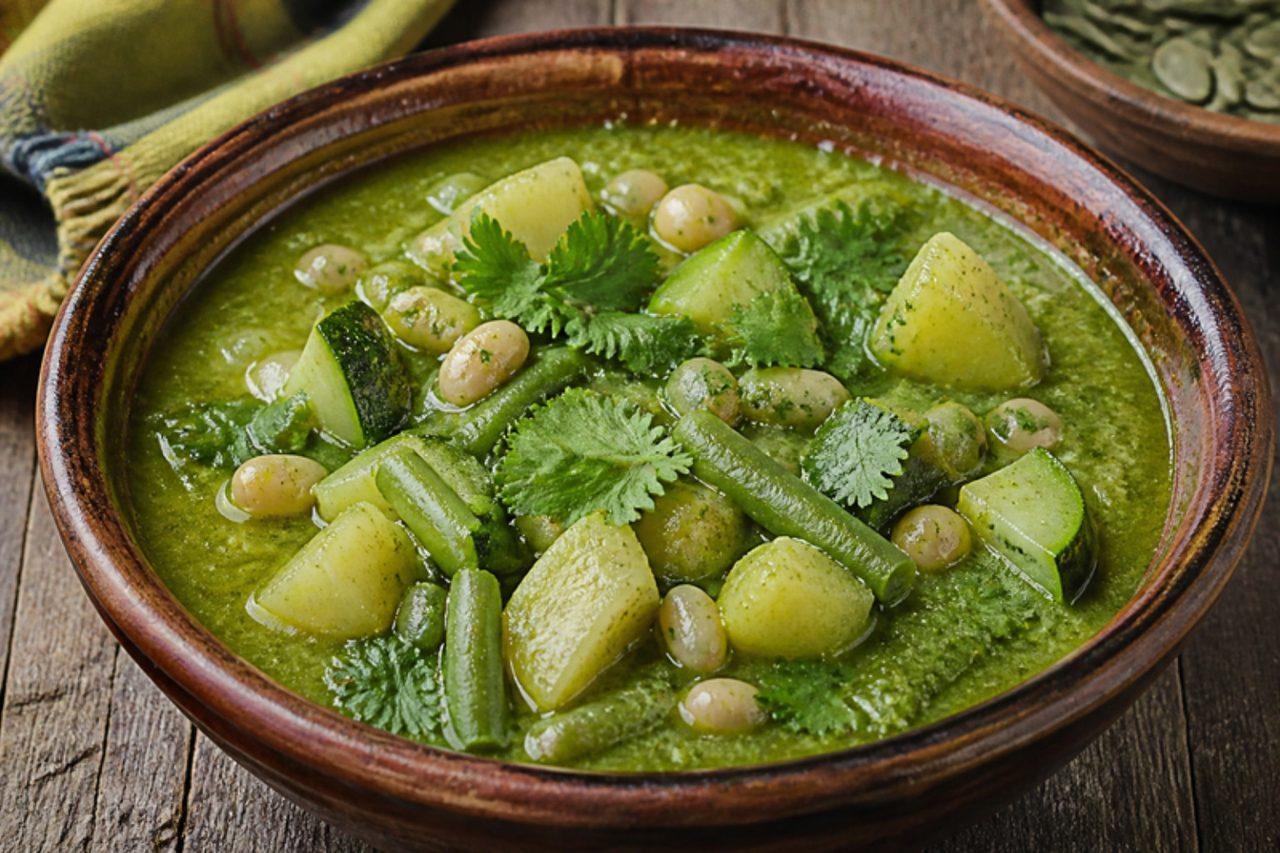
Mole verde is the brightest of Oaxaca's seven moles: instead of dried chillies and chocolate it is built from tomatillos, fresh green chillies and a fistful of herbs (hoja santa, epazote, parsley) and thickened with masa or pumpkin seeds. In Oaxaca it is often cooked with white beans and vegetables, which is how we make it here, with potatoes, courgette, green beans and chayote. The sauce is tangy, herbal and silky, and goes with white rice or warm corn tortillas. It is vegan as long as you use vegetable stock. Chef's tip: blend the raw herbs in at the very end, off the heat; cooked any longer they turn grey and lose their fresh perfume.

by KrazyBadal 0 views

Olluquito con charquiOlluco and dried beef stew

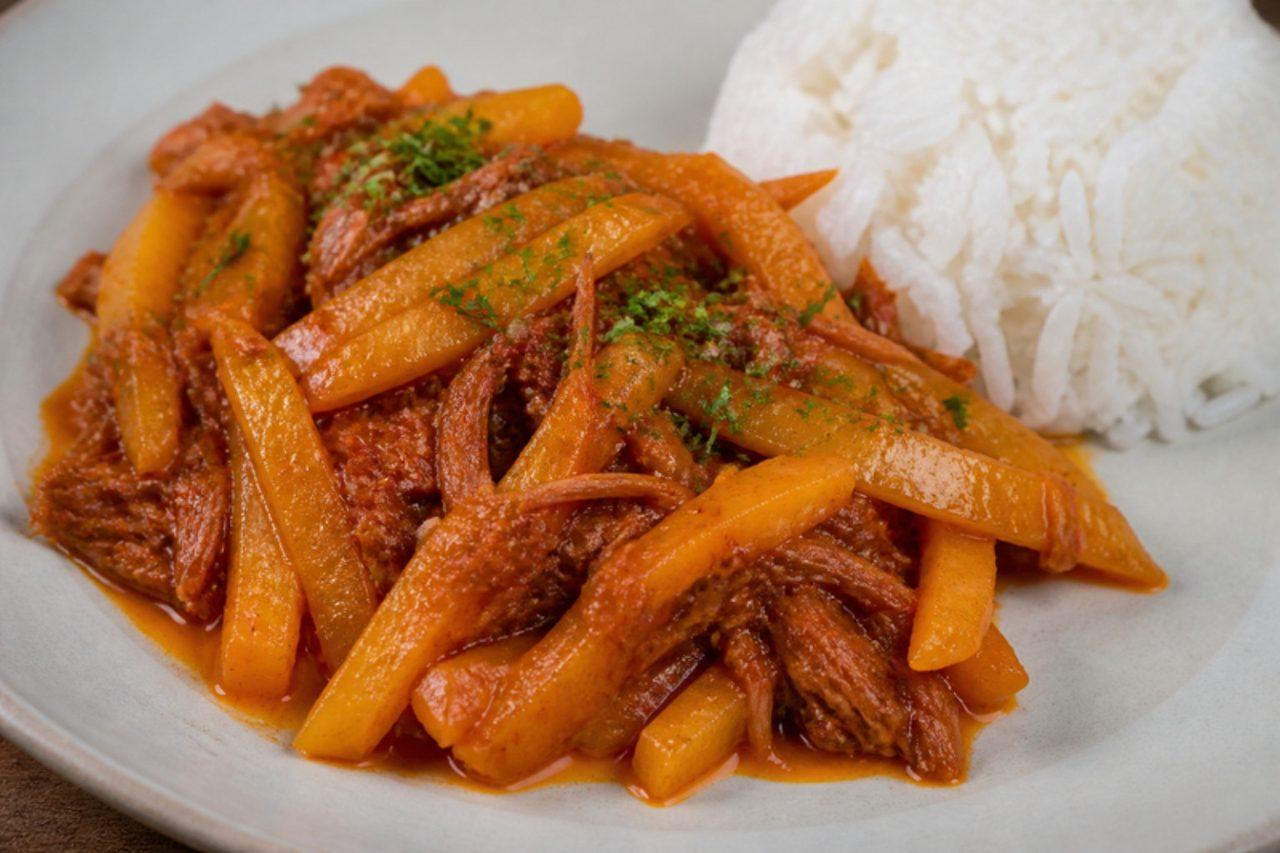
Olluco is a glossy yellow-and-pink tuber grown high in the Andes, crunchy when raw and silky when cooked, and in Lima's market eateries it is cut into fine matchsticks and stewed with charqui, sun-dried meat that was the travel food of Inca messengers. The dish is gently spiced with ají panca and finished with fresh parsley, and it is always served with white rice. Latin shops sell olluco in jars; if you can't find it, firm new potatoes or courgette give a similar texture, and beef brisket stands in well for charqui. Chef's tip: cut the olluco and rinse it well; the slippery sap washes off and the stew won't turn slimy.

by KrazyBadal 0 views