Skip to content
Recipes

All recipes

Vegetarian, or something you can't eat? Set your diet once and we'll hide recipes that don't fit.

KaguyjyWhite corn pudding

On the night of 23–24 June, Paraguayans celebrate San Juan with bonfires, games like walking over hot coals and the 'paso de fuego', and a table of traditional foods, and kaguyjy (also mazamorra) is one of them. It is a soft, creamy pudding of cracked white corn (locro) simmered slowly in water and then milk with sugar or honey, sometimes with orange peel. It is eaten warm or cold. It is gluten free. Chef's tip: soak the corn overnight and cook it until each kernel is tender before adding the milk, or it never turns creamy.

by KrazyBadal 0 views

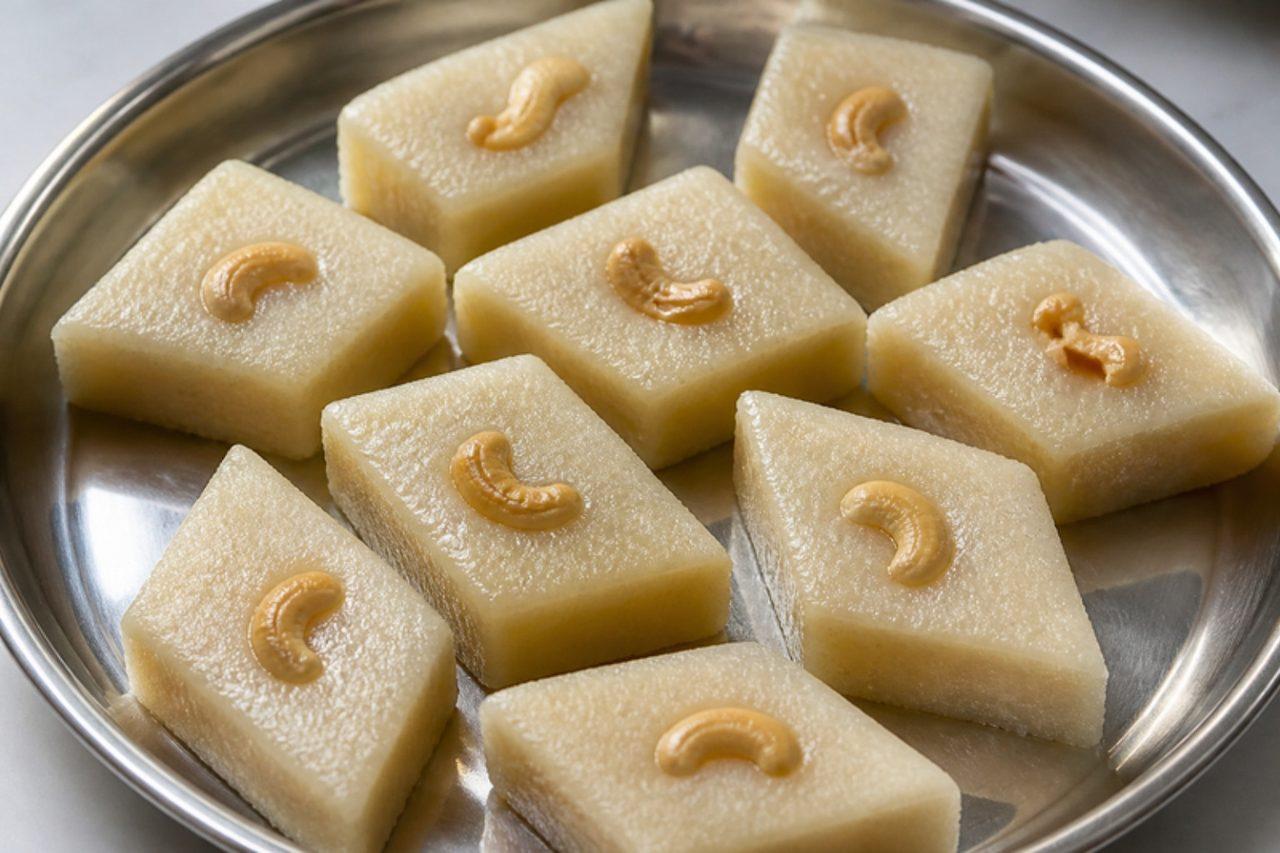
KinnathappamSteamed rice and coconut milk squares

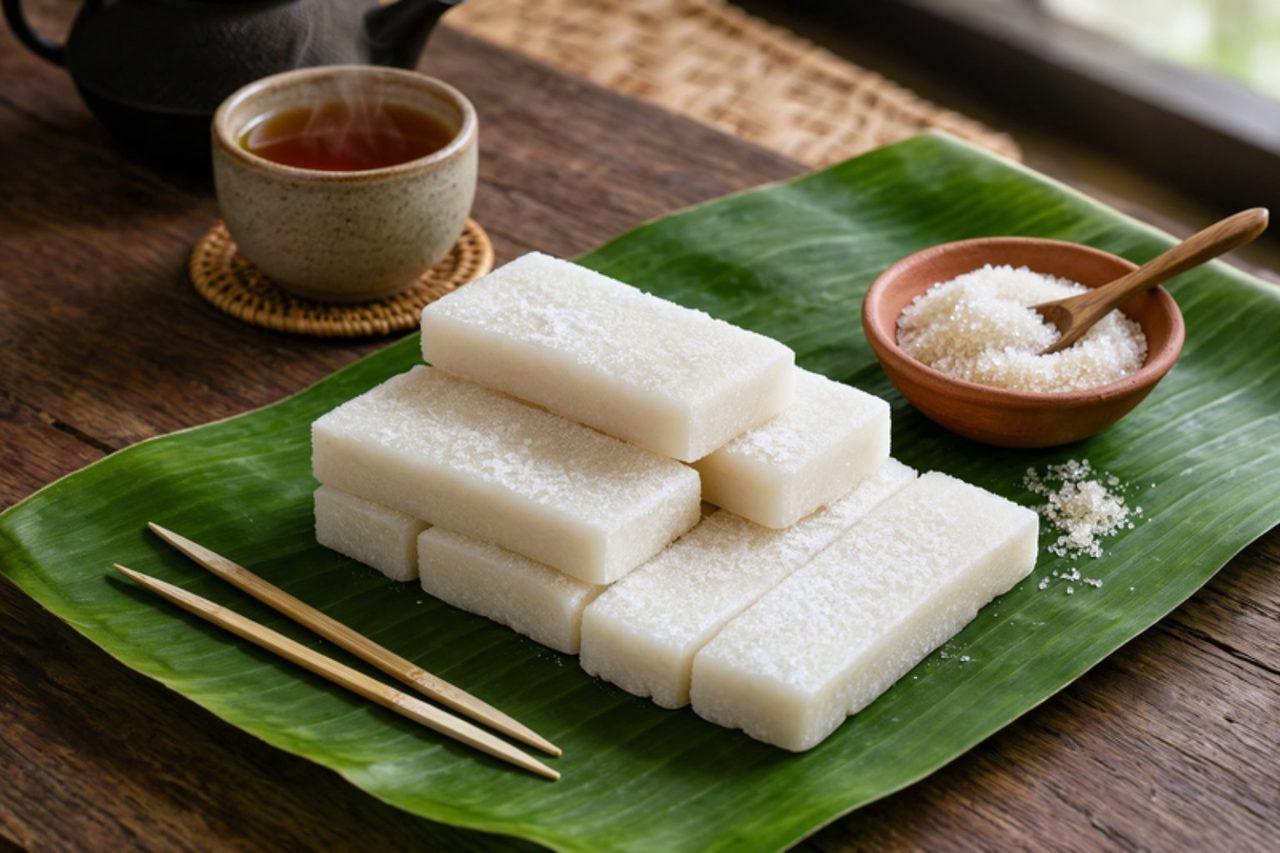
Kinnathappam is named after the kinnam, the round steel plate it sets in, and it is one of the soft, wobbly sweets Mappila cooks in Malabar make for iftar and Eid. Rice flour, coconut milk and sugar are stirred into a smooth batter, steamed until just set and cut into glossy diamonds that taste of coconut and cardamom. Chef's tip: strain the batter before steaming; any lumps of rice flour show as white specks in the finished squares.

by KrazyBadal 0 views

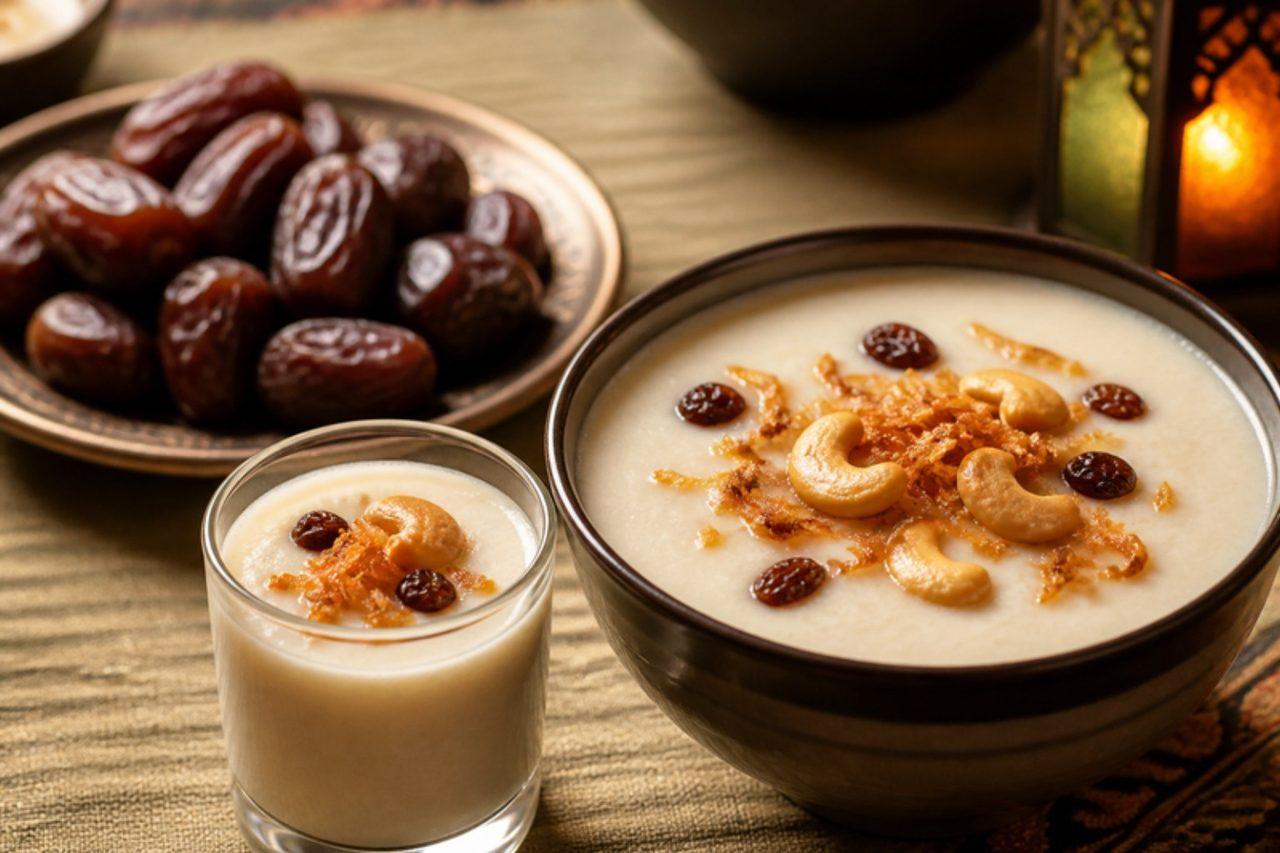
TharikanjiSemolina milk porridge

In Mappila homes along the Malabar coast of Kerala, the first thing many people sip after the dates at iftar is a small glass of tharikanji. Semolina is toasted and simmered in milk until it just coats a spoon, then poured over shallots, cashews and raisins fried in ghee, so it is sweet, gently savoury and soothing on an empty stomach. Chef's tip: keep it thin, like a drinking porridge, because it thickens as it cools.

by KrazyBadal 0 views

Tmar mehchi (Moroccan almond-stuffed dates)

Tmar mehchi is the stuffed date of Fez and Marrakech, piled high on silver trays at weddings, engagements and Eid, and offered to guests with mint tea. Soft dates are filled with a homemade almond paste perfumed with orange-blossom water, often tinted pale green or pink to match the celebration, then scored with a knife so the filling shows. They are soft, rich and caramel-sweet, with a floral, nutty middle. The paste here is mixed from ground almonds and icing sugar, so there is no shop marzipan, which can contain egg white. It is naturally egg-free: the dates' sticky flesh and a few spoonfuls of orange-blossom water bind the almond filling. Chef's tip: add the orange-blossom water a little at a time and stop when the paste is firm like play dough. The common mistake is a wet paste, which oozes out and makes the dates slippery.

by KrazyBadal 0 views

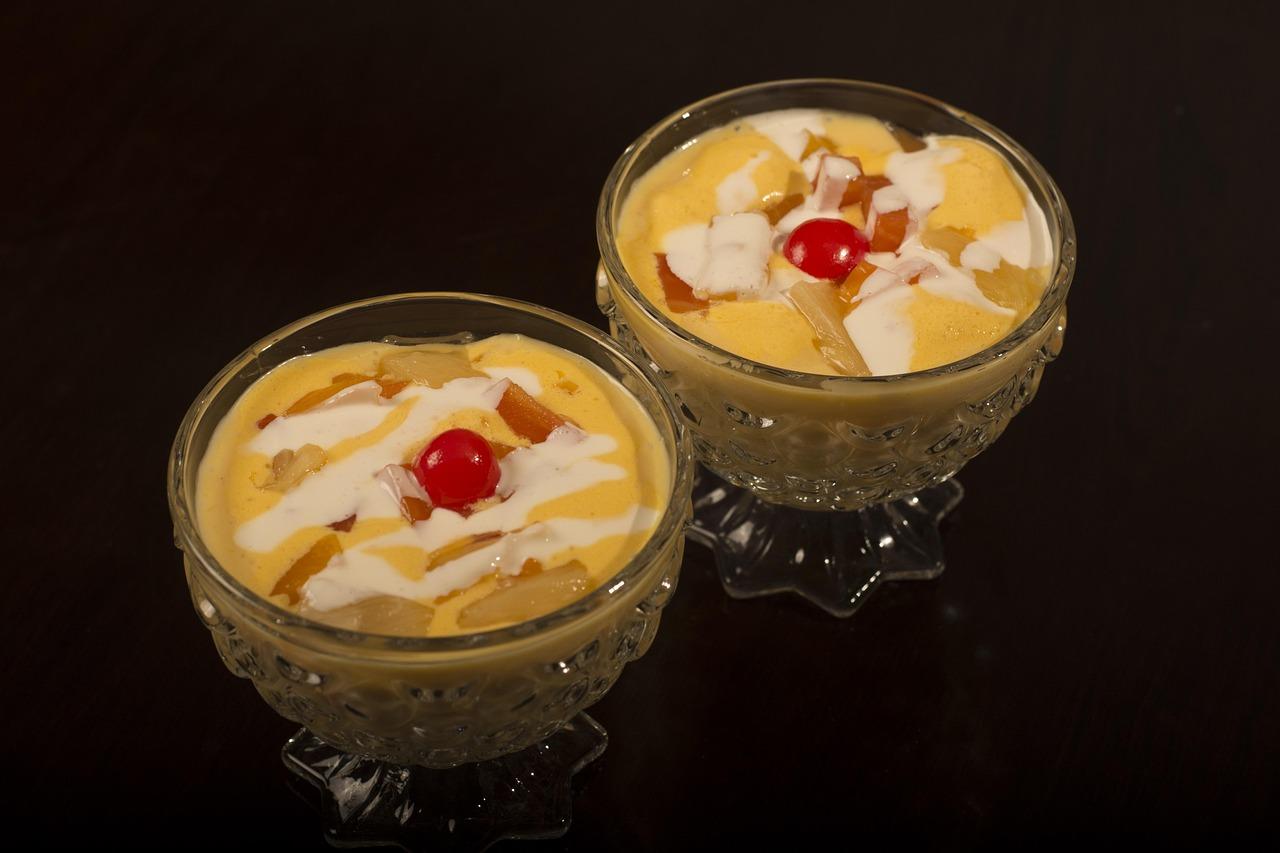
Fruit custard (Indian chilled vanilla custard with fruit)

All over India, fruit custard is the dessert that turns up at birthday parties, Sunday lunches and wedding buffets, and in summer it is made by the bowlful to sit in the fridge. It is a pale yellow, spoonably thick vanilla custard, chilled until cold and then loaded with chopped banana, apple, grapes, pomegranate and mango or chikoo when they are in season. Serve it on its own in glasses, or next to warm gulab jamun at a party. This version uses eggless custard powder, which is simply cornflour with vanilla flavouring and a yellow colour: the cornflour thickens the hot milk and sets it softly as it cools, doing the work that yolks do in a French crème anglaise, so the custard is naturally egg-free. Check the label says egg-free; the usual powders are just starch, flavour and colour. Chef's tip: add the fruit only when the custard is fully cold and just before serving; stirring banana and apple into warm custard is the common mistake that turns it watery and brown.

by KrazyBadal 0 views

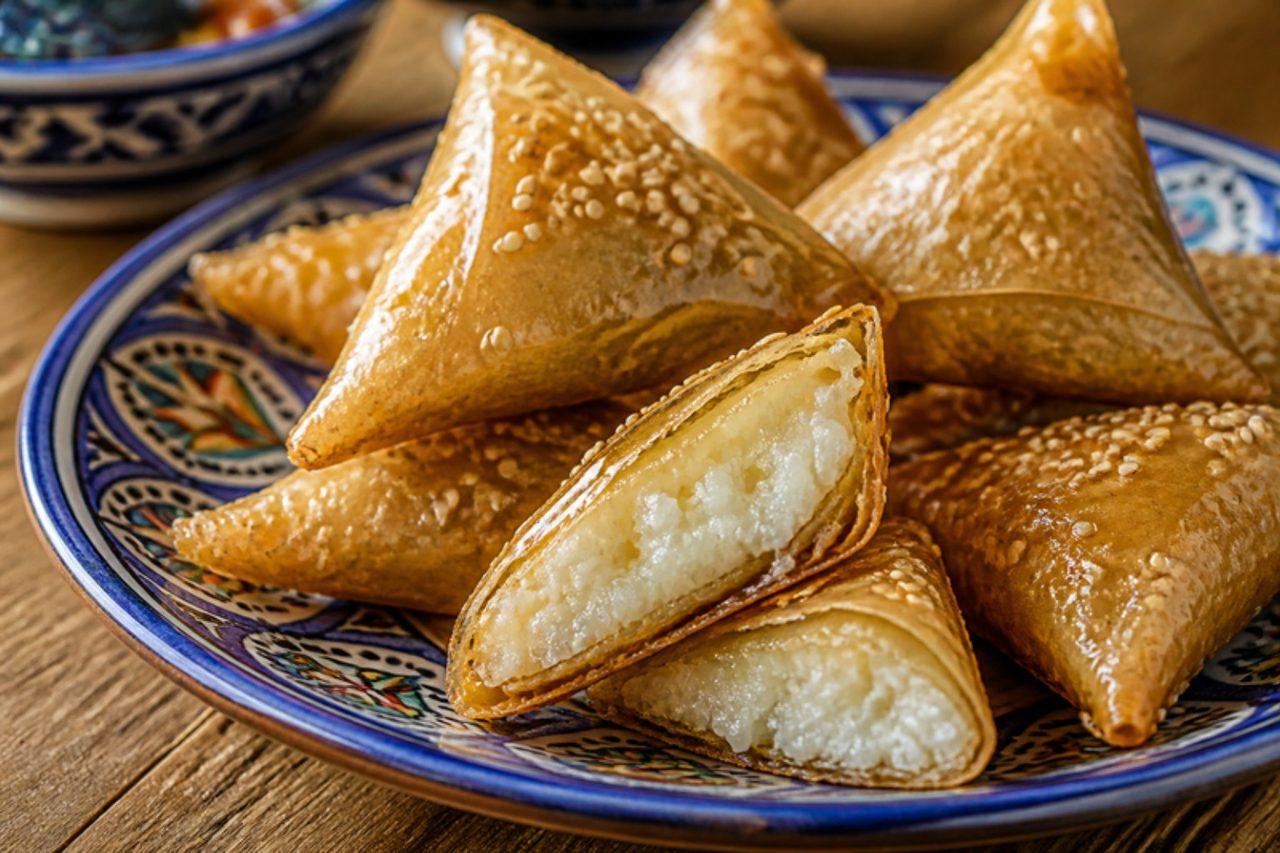
Sweet rice briouats with honey

The old Fassi households and pastry shops of Fes and Rabat make rice briouats for Ramadan and weddings: short-grain rice cooked thick in milk with orange-blossom water, wrapped in warqa, fried and plunged into warm honey. They're crisp outside, creamy within, and served with mint tea. Runny rice pudding makes the pastry burst in the oil, so cook it until a spoon can stand in it, then chill it firm. Chef's tip: warm the honey with a splash of orange-blossom water, and dip the briouats while both are hot so the honey soaks in rather than sitting on top. Contains milk, wheat and almonds.

by KrazyBadal 0 views

Sitaphal ice creamCustard apple ice cream

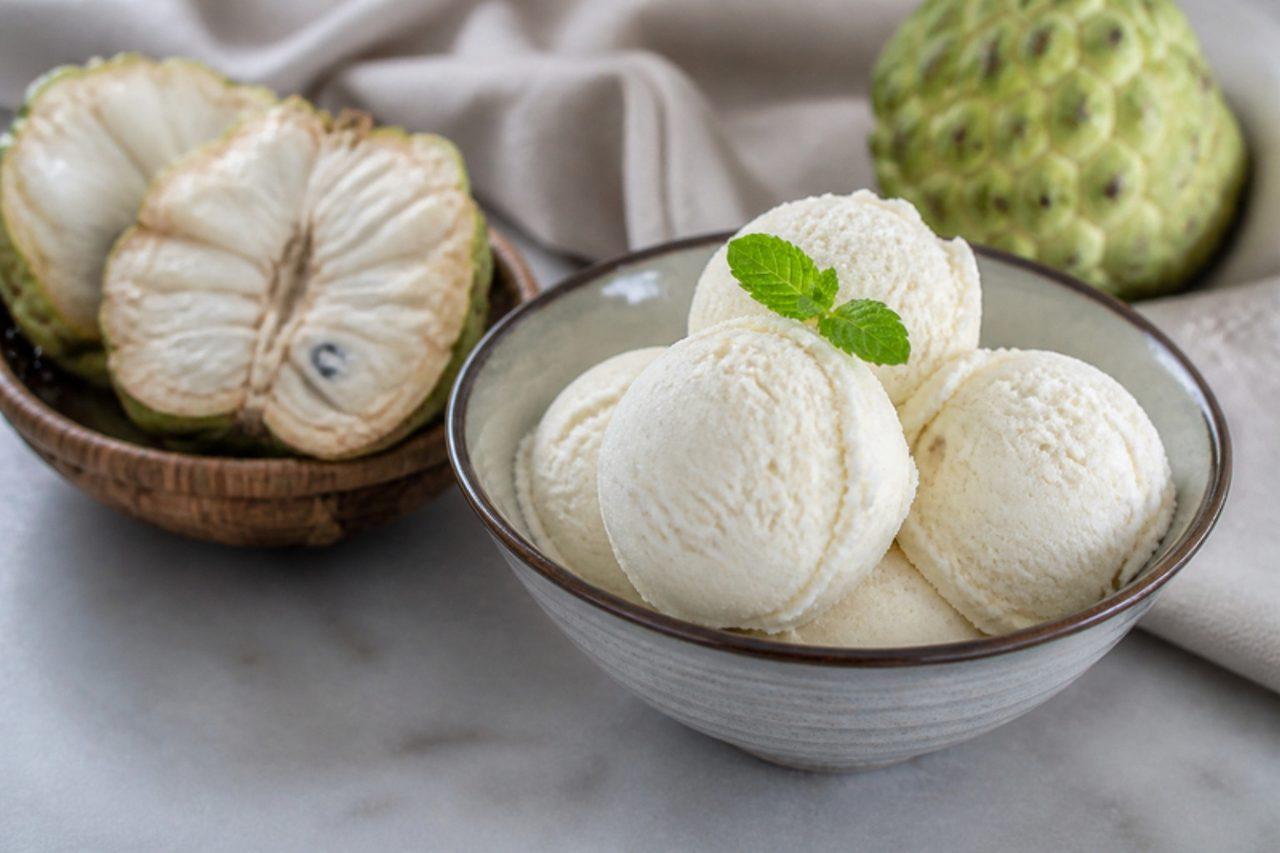
Every October, when custard apples pile up in the markets of Pune and Mumbai, the queues lengthen at the city's natural ice-cream parlours on Juhu and Malabar Hill for one flavour: sitaphal. The fruit tastes of pear, vanilla and cream, and when the pulp is folded into a simple milk-and-cream base, nothing else is needed. The ice cream is pale, soft and full of tiny tender pieces of fruit. It is the dessert of Navratri and Diwali visits in Maharashtra. A common mistake is blending the pulp with the seeds in; cracked seeds make the ice cream bitter, and they are toxic. Seed the segments by hand or rub the pulp through a coarse sieve. Chef's tip: never cook the pulp; heat turns custard apple bitter, so add it only to the fully cooled base.

by KrazyBadal 0 views

Paan kulfiBetel leaf ice cream

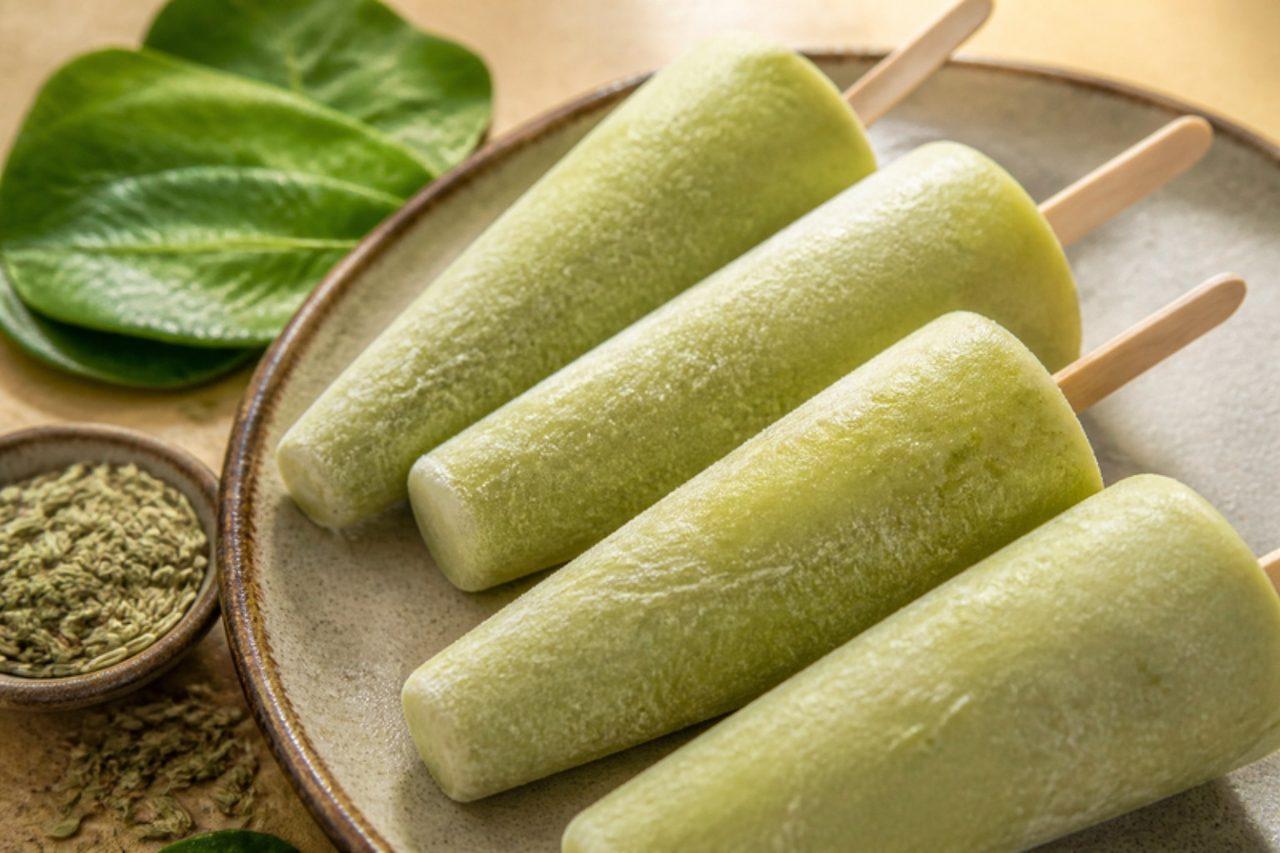
For many Lucknow and Banaras families, dinner ends with a folded meetha paan, and in Mumbai's paan shops and kulfi joints that same flavour turned into kulfi became a cult favourite at weddings and parties. The base is milk reduced by two-thirds; betel leaves, rose petal gulkand, fennel and cardamom go in once it has cooled, so it freezes dense, pale green and fragrant, with little chewy bits of gulkand. It is sweet, floral and leafy-fresh, and cuts through a rich biryani or korma dinner. A common mistake is boiling the betel leaves in the milk: they turn bitter and the colour goes khaki. Grind them raw with cold milk instead. Chef's tip: use the tender, sweet Calcutta or Banarasi leaves sold for meetha paan; the thick Maghai or Kapoori kind can taste peppery.

by KrazyBadal 0 views

Mango kulfiMango ice cream

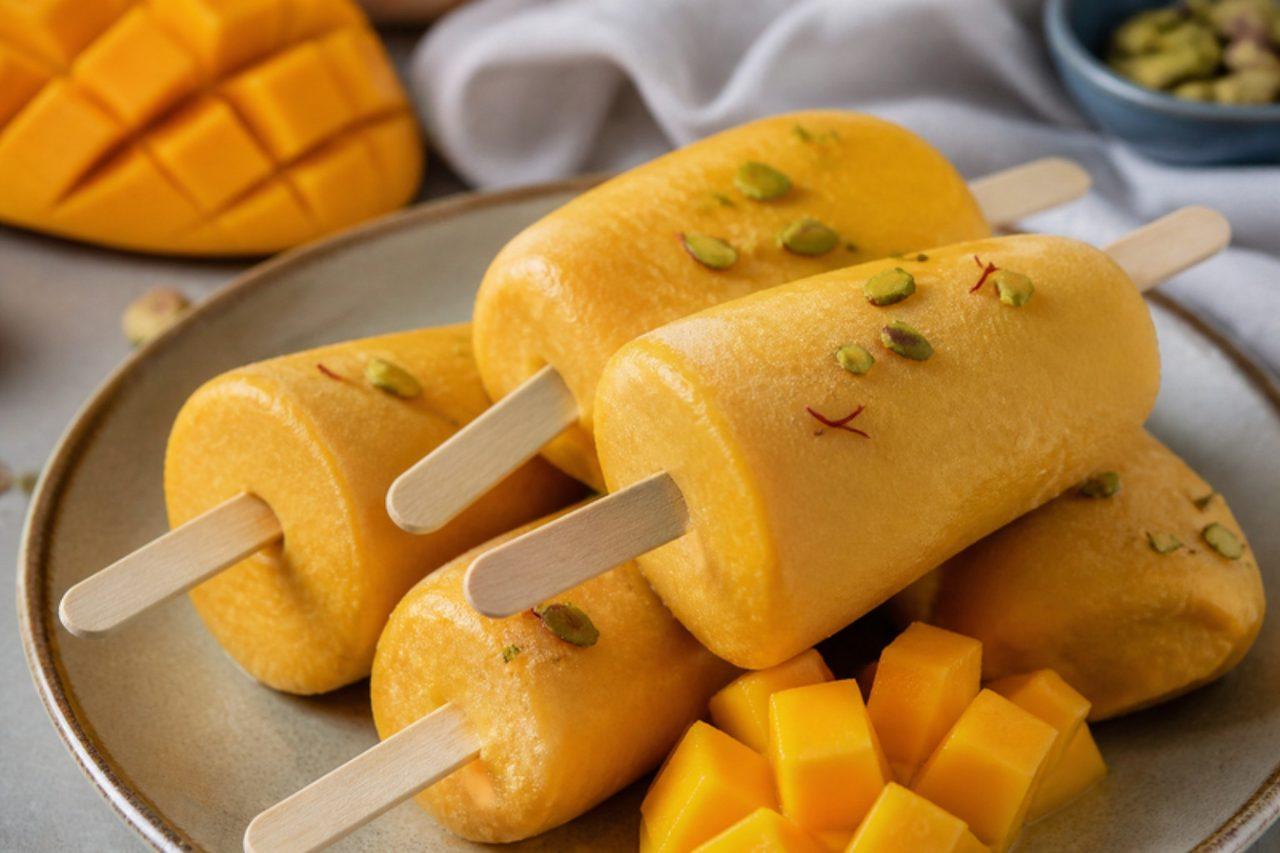
Kulfiwalas in Delhi's Chandni Chowk and Mumbai's Chowpatty freeze their mango kulfi in tall aluminium cones packed in ice and salt, and come May every family wants their own. It is not ice cream: milk is boiled down slowly until it is a third of its volume, rich and faintly caramel, then cooled and mixed with thick mango pulp, so it freezes dense and chewy rather than fluffy. Serve it unmoulded on a stick, or sliced into rounds on a plate, after a summer lunch or at a birthday. The common mistake is stirring the mango into hot milk; the acid can curdle it and heat dulls the fruit, so wait until the rabri is completely cool. Chef's tip: Kesar from Gujarat or Alphonso from Ratnagiri give the colour and perfume; if you use tinned pulp, cut the sugar by half because it is already sweetened.

by KrazyBadal 0 views

Chikoo ice creamSapodilla ice cream

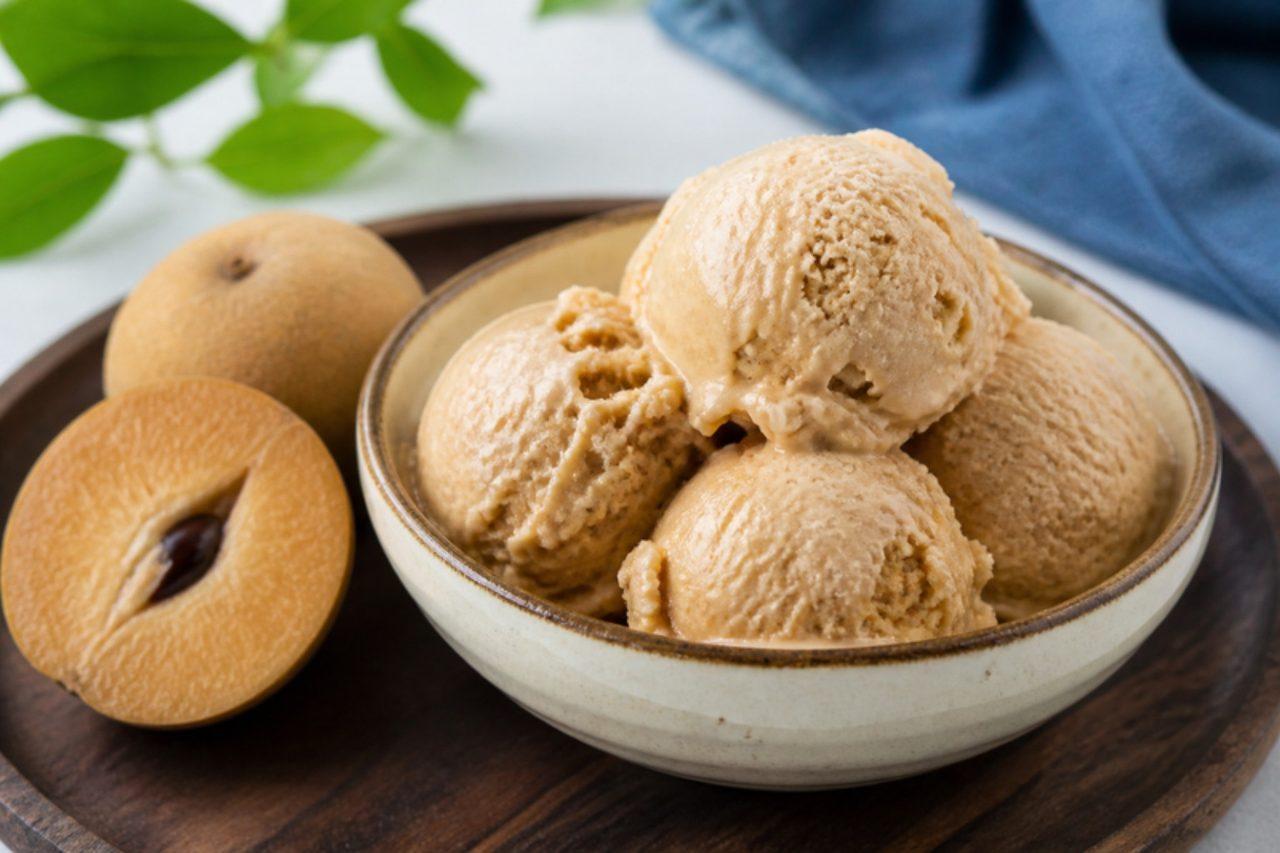
The coast from Dahanu and Gholvad in Maharashtra up to Navsari and Valsad in South Gujarat is chikoo country, and when the orchards are heavy in winter, every home freezes a tub of this. Ripe chikoo tastes of brown sugar, malt and pear, so the ice cream needs barely any sugar and comes out a soft caramel colour, a little grainy from the fruit in a pleasing way. It's a family dessert after Sunday lunch and a favourite at Uttarayan terrace parties. The common mistake is using chikoos that are not fully soft; underripe fruit is astringent and makes the mouth feel furry. Press each one: it should give like a ripe peach. Chef's tip: blend the chikoo with the milk only just before folding; the pulp browns and turns flat if it sits around.

by KrazyBadal 0 views

Gulkand ice creamRose petal ice cream

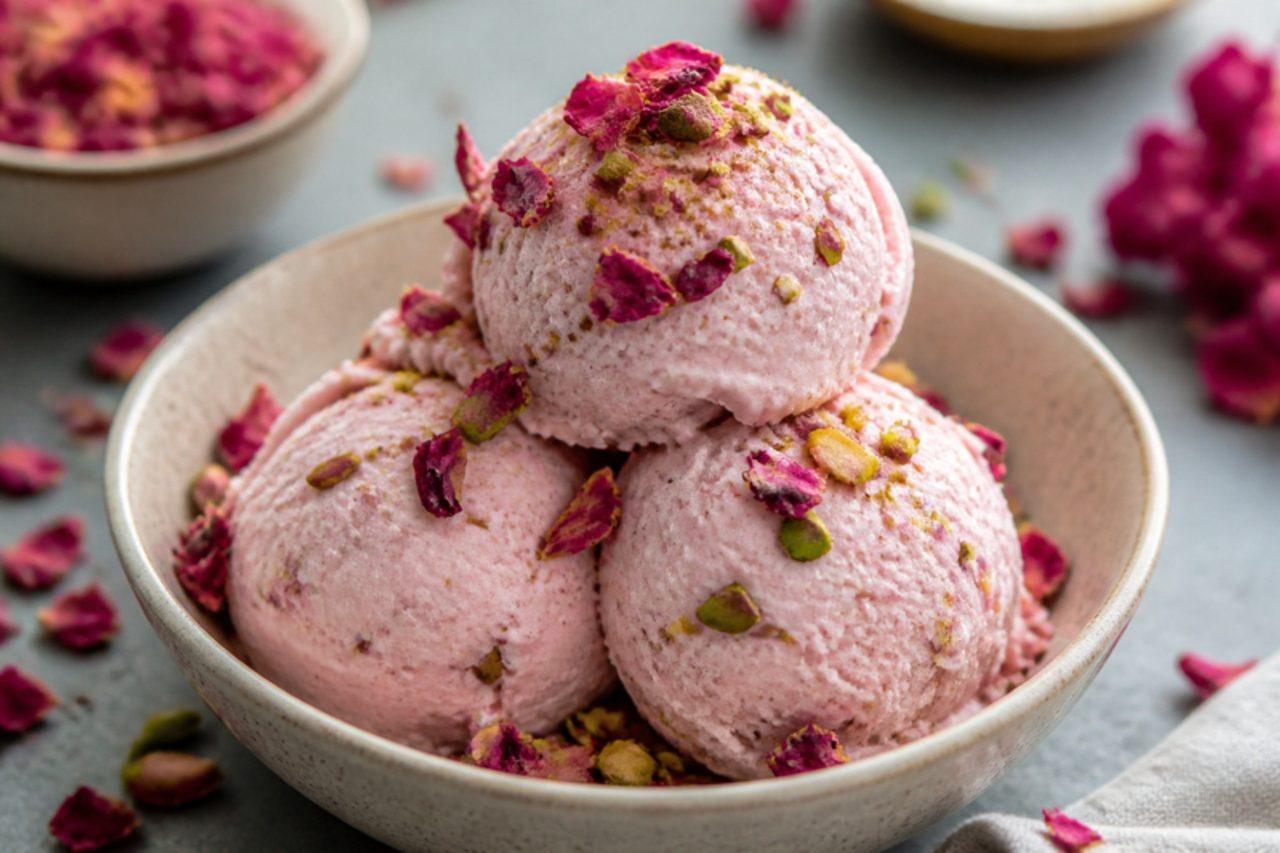
Gulkand, rose petals pounded with sugar and left to mature in the sun, is what gives a meetha paan its sweet floral heart, and Mumbai parlours and Delhi dessert shops have long turned it into a pink-flecked ice cream. This no-churn version needs no machine: whipped cream and condensed milk freeze smooth, and the gulkand stays in soft, jammy ribbons that taste of roses and honey. Serve it after a Mughlai dinner, at a summer party, or between slices of malpua. The common mistake is overwhipping the cream until grainy; then the ice cream feels buttery. Stop at soft, floppy peaks. Chef's tip: loosen the gulkand in the condensed milk before folding; stirred in on its own, it sinks as sticky clumps.

by KrazyBadal 0 views

Anjeer kulfiFig ice cream

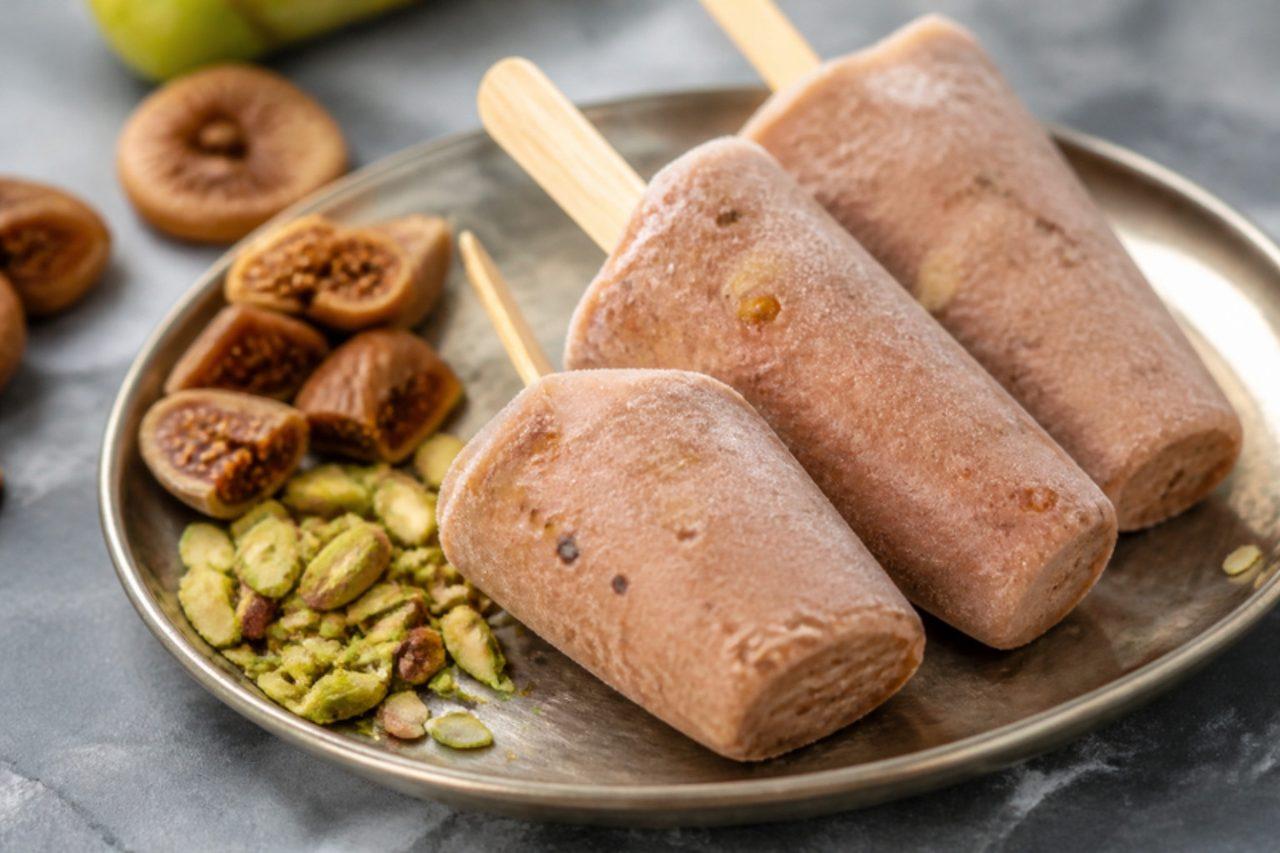
Dried figs from Afghanistan have been sold in the dry-fruit markets of Delhi's Khari Baoli and Amritsar for centuries, and anjeer kulfi is how North Indian halwais show them off in winter-wedding dessert spreads and Diwali parties. The figs bring natural sweetness, a jammy colour and a gentle crunch of tiny seeds, so less sugar goes in than in plain kulfi. Puréeing half the figs flavours every bite while the chopped half gives chewy pieces. It's lovely after a rich dinner or with a cup of masala chai. A common mistake is skipping the soak: hard dried figs stay leathery and grate on the blades. Soak them in warm milk until plump. Chef's tip: let the reduced milk cool to just warm before adding the fig paste; added while boiling, figs can make the milk look grainy.

by KrazyBadal 0 views

Gadbad ice creamLayered fruit and ice cream sundae

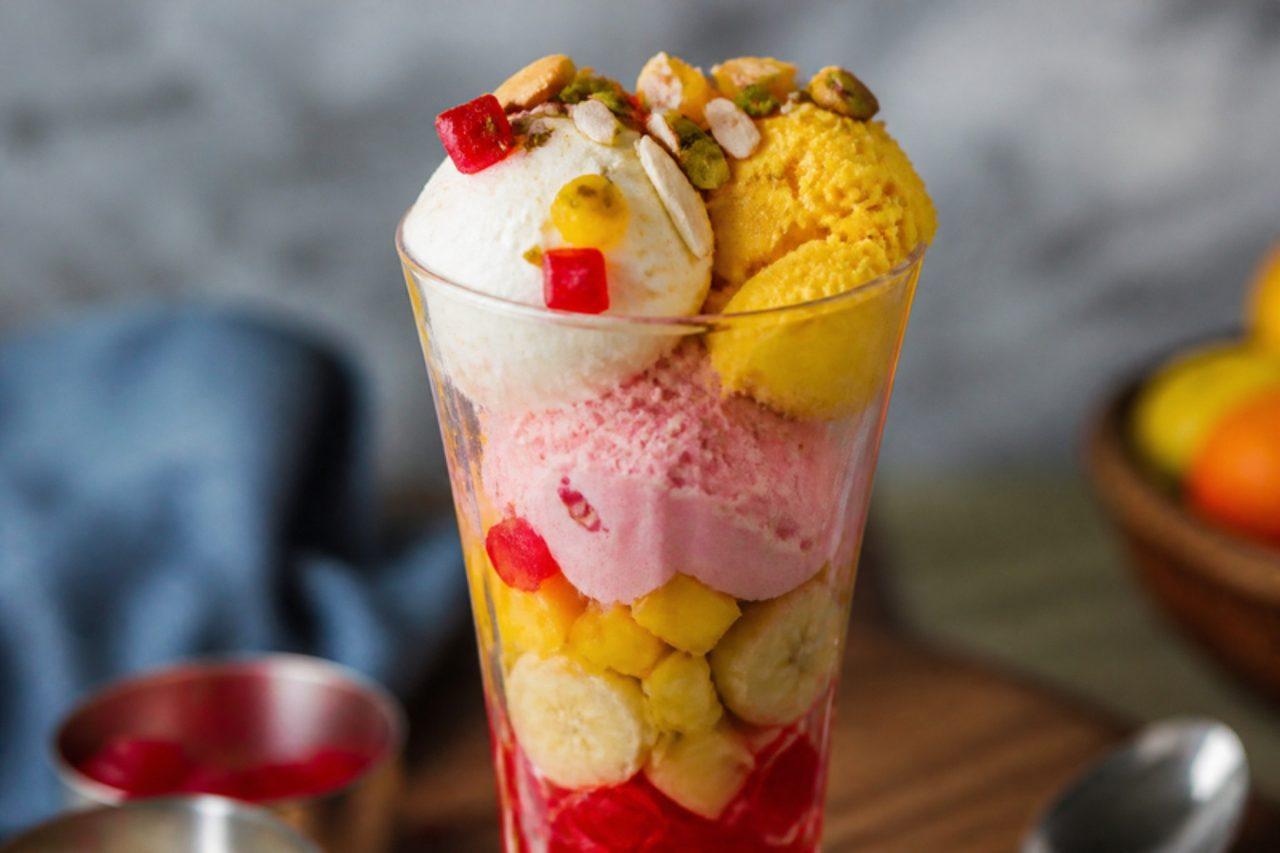
Gadbad means a jumble, and that is exactly what arrives at the table in Udupi and Mangalore ice-cream parlours: a tall fluted glass layered with cubes of jelly, chopped fresh fruit, scoops of vanilla, strawberry and mango ice cream, crushed nuts and a glacé cherry on top, eaten with a long spoon. The sundae is credited to a café in Udupi in the 1970s and is now the treat every coastal Karnataka family orders after a temple visit or a beach evening. It's sweet, cold, fruity and crunchy all at once. Most jelly crystals are set with gelatine, so choose a vegetarian jelly set with agar or carrageenan, and check your ice cream is egg-free and gelatine-free if that matters to you. A common mistake is layering on fruit that is wet from washing; it waters down the ice cream. Chef's tip: chill the glasses in the freezer for 15 minutes so the layers stay distinct.

by KrazyBadal 0 views

Mutta malaEgg yolk threads in syrup

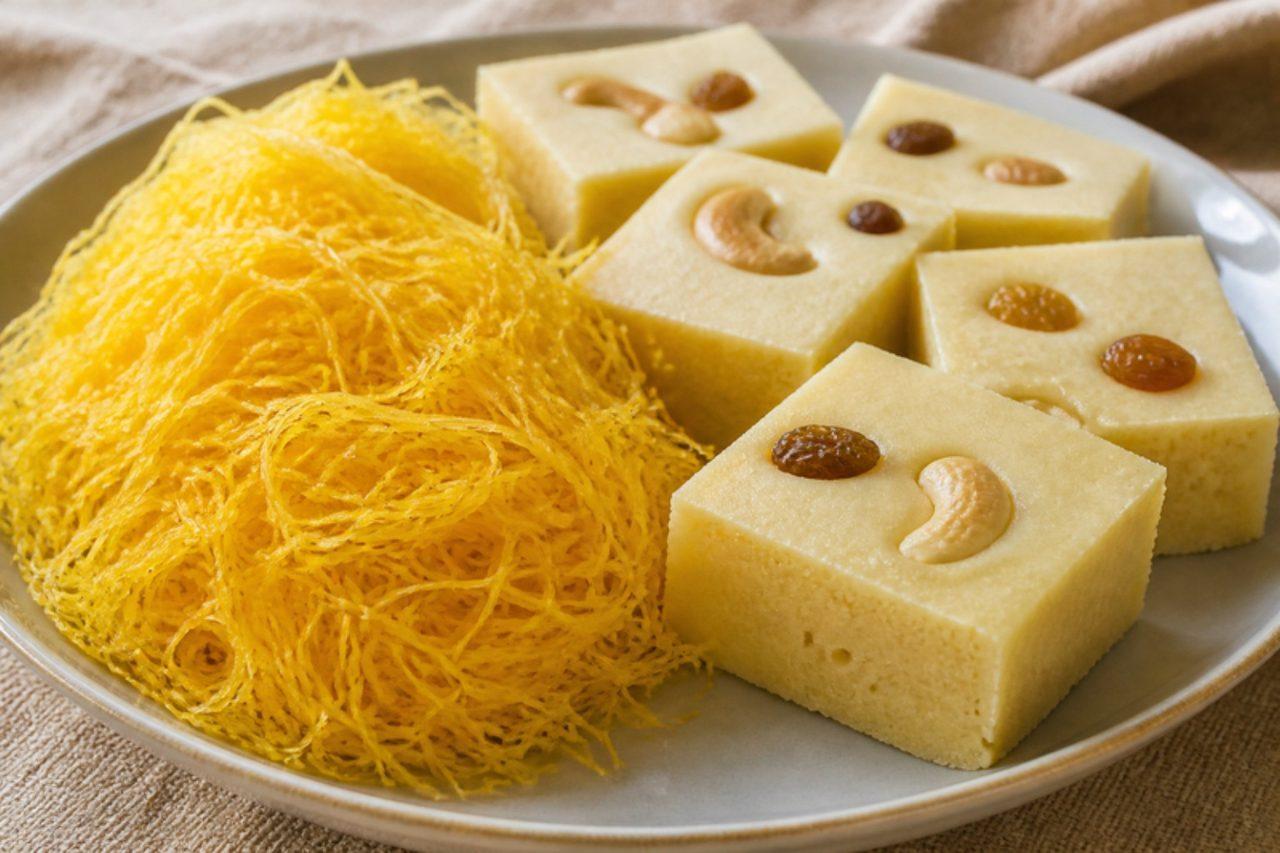
Mutta mala, the egg garland, is the showpiece sweet of Malabar Muslim kitchens: a nest of shiny golden threads on a wedding table in Kannur or a festive iftar spread in Kozhikode. Yolks are poured in a fine stream through a pierced coconut shell or a squeeze bottle into simmering cardamom syrup, where they set instantly into strands. Nothing is wasted; the whites are beaten with sugar and steamed into a soft, white pudding called mutta surka, and the two are served side by side. Mutta mala is sweet, rich and silky with a gentle eggy flavour; the pudding is light and wobbly. This is vegetarian with egg, not vegan. The common mistake is syrup that is boiling hard: the strands break up into crumbs. Keep it at a gentle simmer. Chef's tip: strain the yolks through a fine sieve twice; any bits of white or membrane clog the nozzle and make the threads break.

by KrazyBadal 0 views

Alle belleCoconut-filled pancake rolls

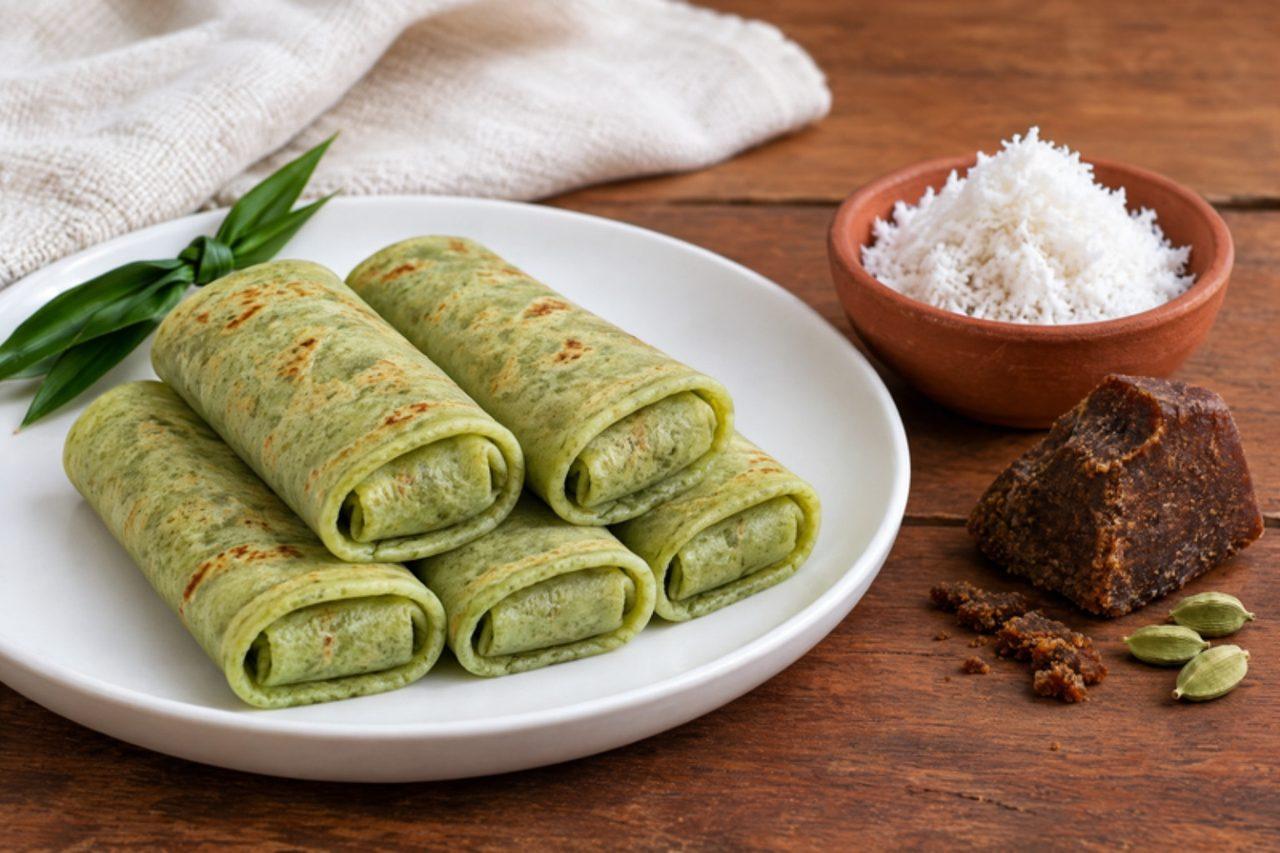
Alle belle are the tea-time sweet of Goan Catholic homes: soft, lacy pancakes, sometimes tinted with a little green from pandan or turmeric leaf, rolled up around a sticky filling of fresh coconut and dark palm jaggery (godd). They appear at feast-day teas, at village fairs and in school tiffin boxes, and they contain egg in the batter. The common mistake is a thick batter, which gives heavy pancakes that crack when rolled; it should pour like single cream and spread thinly with a swirl of the pan. Chef's tip: cook the filling until it is sticky but still soft, then add a pinch of salt, because the salt makes the palm jaggery taste richer.

by KrazyBadal 0 views

Martín FierroCheese with quince paste

Ask for dessert in a Montevideo bodegón or a country parador and you may be offered a Martín Fierro: a thick slice of fresh, mild cheese laid with an equal slice of dense quince or sweet-potato paste, named after the gaucho of the epic poem. It's salty against sweet, soft against firm, and takes two minutes to assemble. Uruguayan fresh cheese is usually made with animal rennet, so choose one with vegetarian rennet if that matters to you. The mistake is serving it fridge-cold, which dulls both flavours. Chef's tip: cut the cheese and paste to exactly the same thickness, about 1 cm, so every bite has both.

by KrazyBadal 0 views

ChhangbanPounded sticky rice cakes

Chhangban are soft, chewy cakes that Mizo families make from steamed sticky rice pounded in a wooden mortar, traditionally for Christmas, Chapchar Kut and visits from relatives. They are eaten warm, dipped in sugar, or toasted the next day with a mug of black tea. The mistake people make is pounding cold rice: it will not come together, so work while it is steaming hot. Chef's tip: wet the pestle or your hands with salted water so the rice does not stick.

by KrazyBadal 0 views

Ka'i ladrilloPeanut molasses bricks

Ka'i ladrillo — 'monkey brick' in Guaraní — is the sweet sold by vendors on Asunción buses and at country fiestas: roasted peanuts bound in boiled cane molasses and set in brick-shaped blocks, crunchy and dark with a slightly smoky toffee taste. It contains peanuts, so keep it away from anyone with a peanut allergy. The common mistake is taking the syrup off too soon, so the bricks stay sticky and never set. Chef's tip: test the syrup by dropping a little into cold water; it is ready when it sets into a brittle thread that snaps.

by KrazyBadal 0 views

Cremolada (Lima passion fruit slush)

From January to March, when Lima's coast swelters, queues form at the cremolada counters of Barranco and along the Jirón de la Unión downtown for cups of this thick fruit ice. It sits between a granita and a sorbet: frozen fruit pulp scraped again and again until it is slushy and spoonable, with real bits of fruit through it. Passion fruit (maracuyá) gives a sharp, bright flavour; creamy lúcuma, with its maple and sweet potato taste, is the other favourite. Chef's tip: use a shallow metal tray; it freezes faster and evenly, so you get fine crystals rather than chunks.

by KrazyBadal 0 views

KilanjiRice crepes with coconut banana sauce

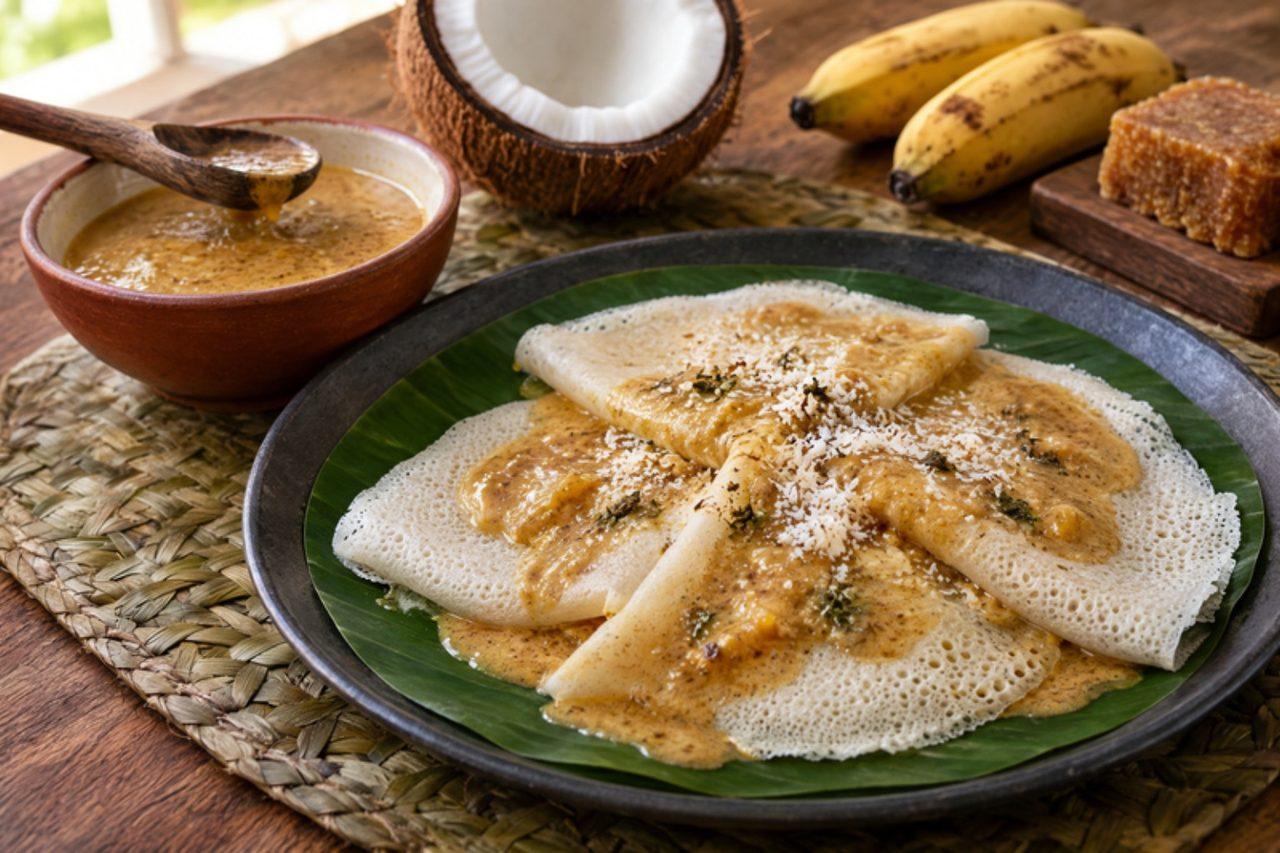
On the coral islands of Lakshadweep, kilanji is the treat for weddings, Eid mornings and a welcome guest. Thin, soft crepes of soaked rice and egg, or rice alone as here, are folded and drenched in a warm sauce of coconut milk sweetened with coconut jaggery and full of mashed ripe banana and cardamom. The islanders often add egg to the batter; this version keeps it vegan with a touch of cooked rice for softness. The common mistake is a gritty batter: the rice needs a full four hours' soak and a long, fine grind, or the crepes tear. Chef's tip: keep the sauce barely warm, never boiling, so the coconut milk stays silky.

by KrazyBadal 0 views

KoserevaCandied bitter orange peel

Kosereva is a Paraguayan home preserve from the days when nothing was wasted: thick strips of bitter-orange peel soaked and boiled to soften their bite, then cooked slowly in dark cane molasses until glossy and nearly black. In the countryside it is eaten after lunch with a slice of fresh cheese or simply on its own. Bitter oranges (Seville oranges) are in season in winter. The most common mistake is not changing the boiling water enough, which leaves the peel unpleasantly bitter. Chef's tip: taste a sliver of peel after the third boil; it should be gently bitter like marmalade, not harsh.

by KrazyBadal 0 views

Steamed Nendran banana mash

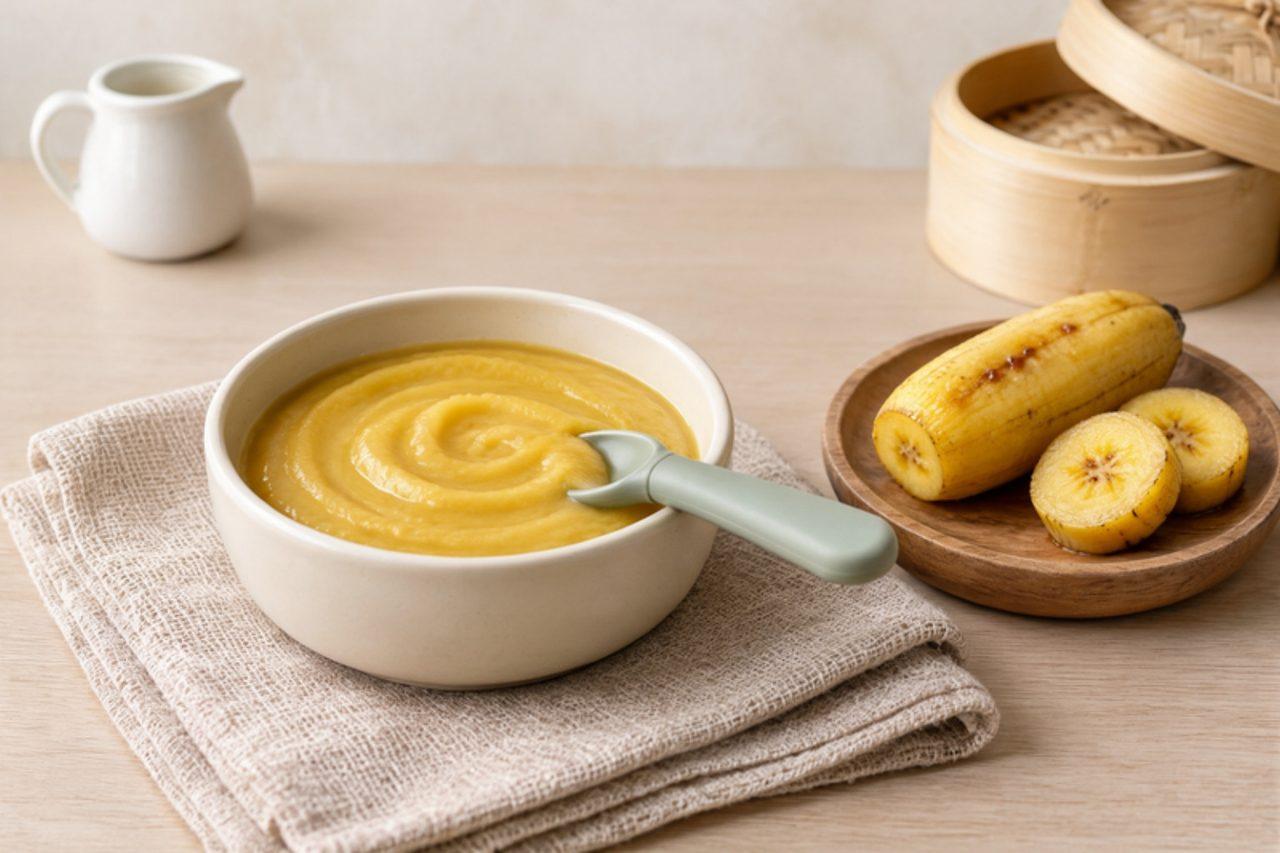
Nendran is the long, golden plantain of Kerala, sold in hands at every market from Palakkad to Thiruvananthapuram, and a steamed ripe Nendran is one of the first fruits a Malayali baby tastes. Raw, it is too firm and starchy for a six-month-old, so it is steamed in its skin until the flesh turns soft and orange-gold, the dark string of seeds in the centre is pulled out, and the rest is mashed smooth. It is naturally sweet, so nothing is added: no sugar, jaggery, honey or salt. It is free of the major allergens. Chef's tip: wait until the skin is fully yellow with black freckles; a green Nendran stays chalky however long you steam it.

by KrazyBadal 0 views

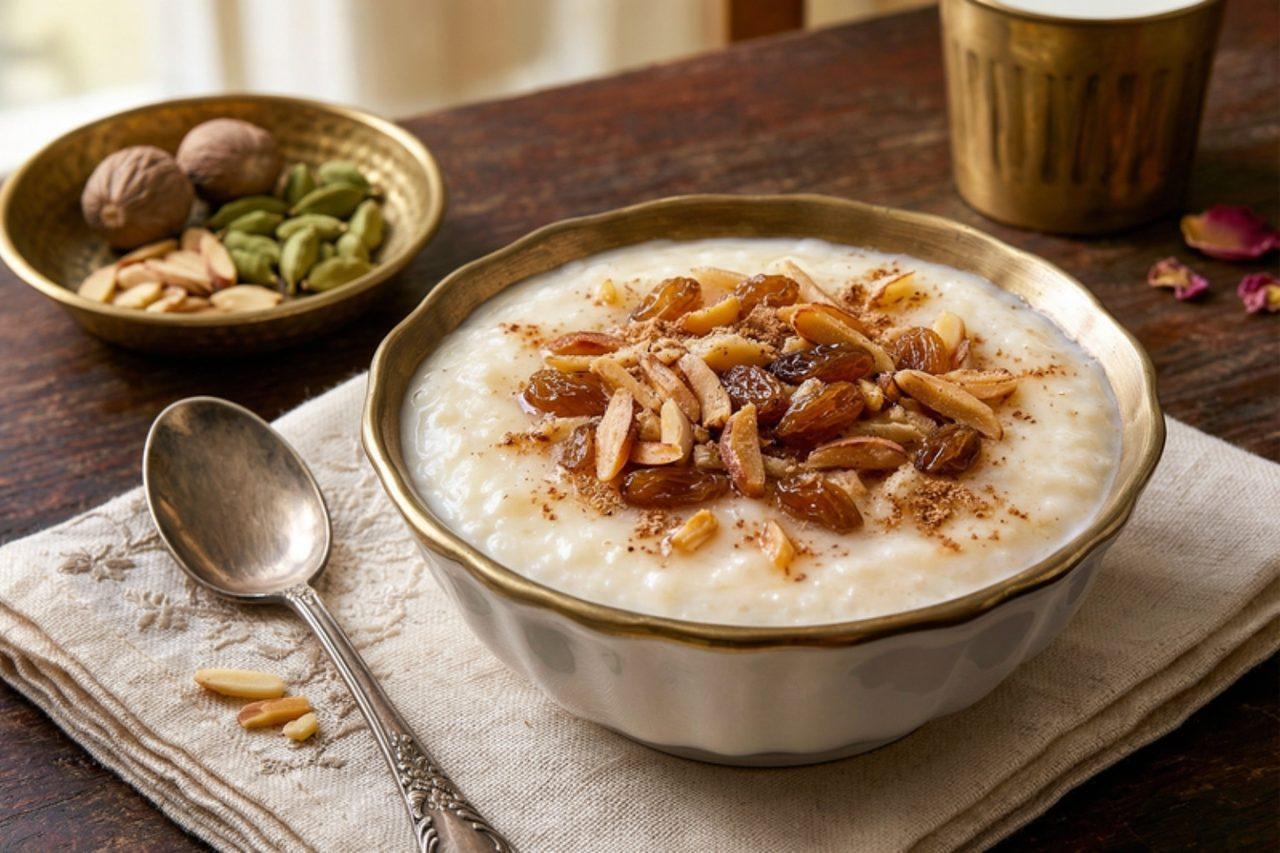
Parsi ravoSemolina milk pudding

Ravo is the sweet a Parsi family in Surat or Navsari makes on a birthday morning, on Navroz and after the navjote, served warm in small bowls with a crown of ghee-fried almonds and raisins. Semolina is roasted gently in ghee and then cooked in a lot of milk, so it ends up spoonable and creamy, much looser than a North Indian sheera, scented with nutmeg and a little rose water. Many households beat in an egg for richness; this version leaves it out so it stays vegetarian. The mistake is adding the semolina to boiling milk without roasting it first, which makes a gluey, raw-tasting pudding. Chef's tip: take ravo off the heat while it still looks slightly too loose; it thickens a lot as it sits.

by KrazyBadal 0 views

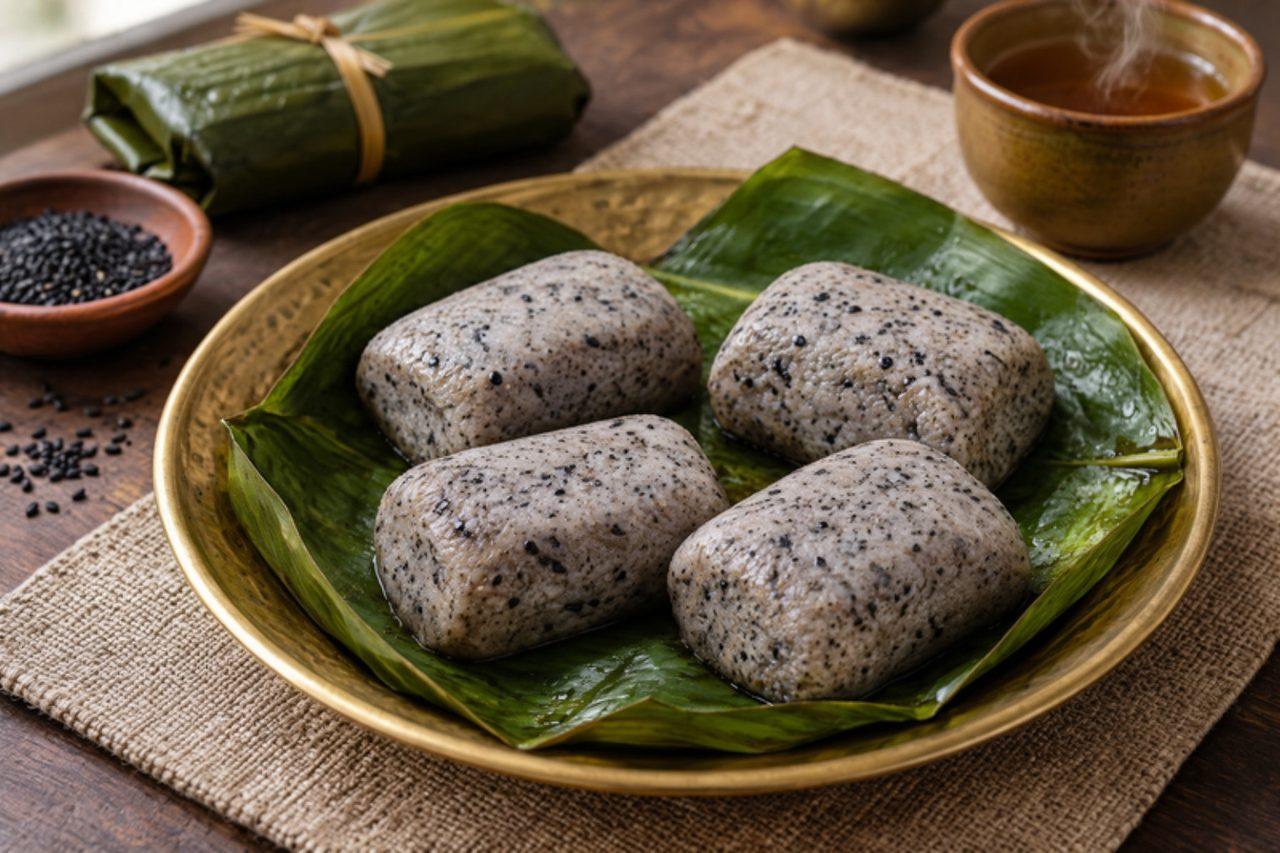
Sakin gataSticky rice and sesame cakes

During Wangala, the Garo harvest festival of drums and dancing each autumn, families steam sakin gata: sticky rice ground with black sesame, sweetened lightly and wrapped in leaves. The cakes are chewy, nutty and grey-black, shared with visitors and offered at the celebrations. The common mistake is grinding the rice too dry, which makes cakes that crack; the dough should feel like soft clay. Chef's tip: toast the sesame until it just starts to pop, no darker, or it turns bitter.

by KrazyBadal 0 views

Showing 24 of 57 recipes

Show more recipes

Page 1 of 3