Skip to content
Recipes

All recipes

Vegetarian, or something you can't eat? Set your diet once and we'll hide recipes that don't fit.

KaguyjyWhite corn pudding

On the night of 23–24 June, Paraguayans celebrate San Juan with bonfires, games like walking over hot coals and the 'paso de fuego', and a table of traditional foods, and kaguyjy (also mazamorra) is one of them. It is a soft, creamy pudding of cracked white corn (locro) simmered slowly in water and then milk with sugar or honey, sometimes with orange peel. It is eaten warm or cold. It is gluten free. Chef's tip: soak the corn overnight and cook it until each kernel is tender before adding the milk, or it never turns creamy.

by KrazyBadal 0 views

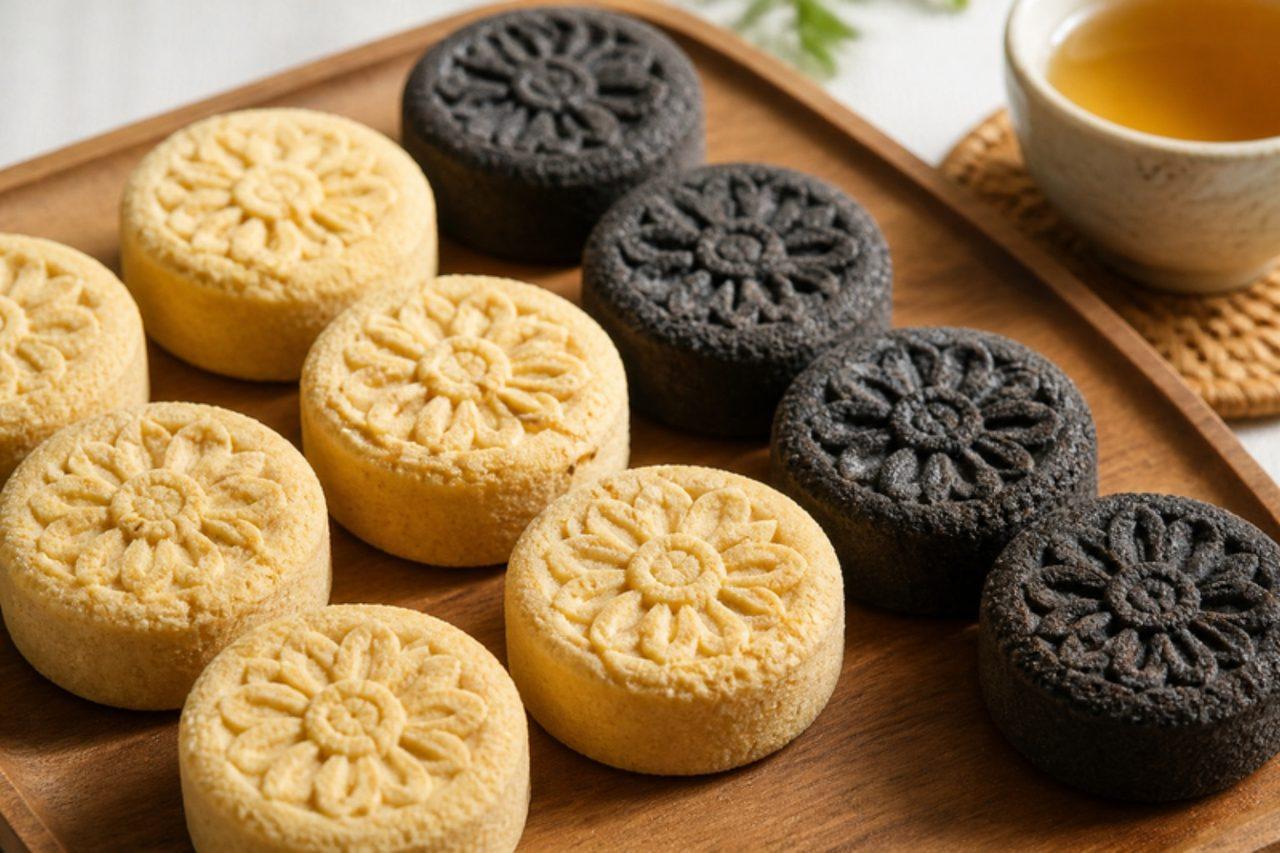
Dasik (Korean pressed tea cakes)

Dasik are small pressed tea cakes stamped with patterns of flowers, characters for long life and good fortune, made across Korea for Chuseok, weddings and the tables set for ancestral rites. Powders of roasted grain, black sesame or yellow pine pollen are kneaded with honey and pressed into carved wooden moulds, so a single plate shows contrasting colours. They are dense and melt slowly, tasting of toasted nuts and honey, and they are always served with tea: green tea, or a tea of jujube or citron. This version makes two colours, roasted soybean and black sesame. They are naturally egg-free: honey binds the powders and lets them hold the fine pattern of the mould. Chef's tip: add the honey a teaspoon at a time; the common mistake is too much, which makes a sticky dough that blurs the pattern and won't leave the mould.

by KrazyBadal 0 views

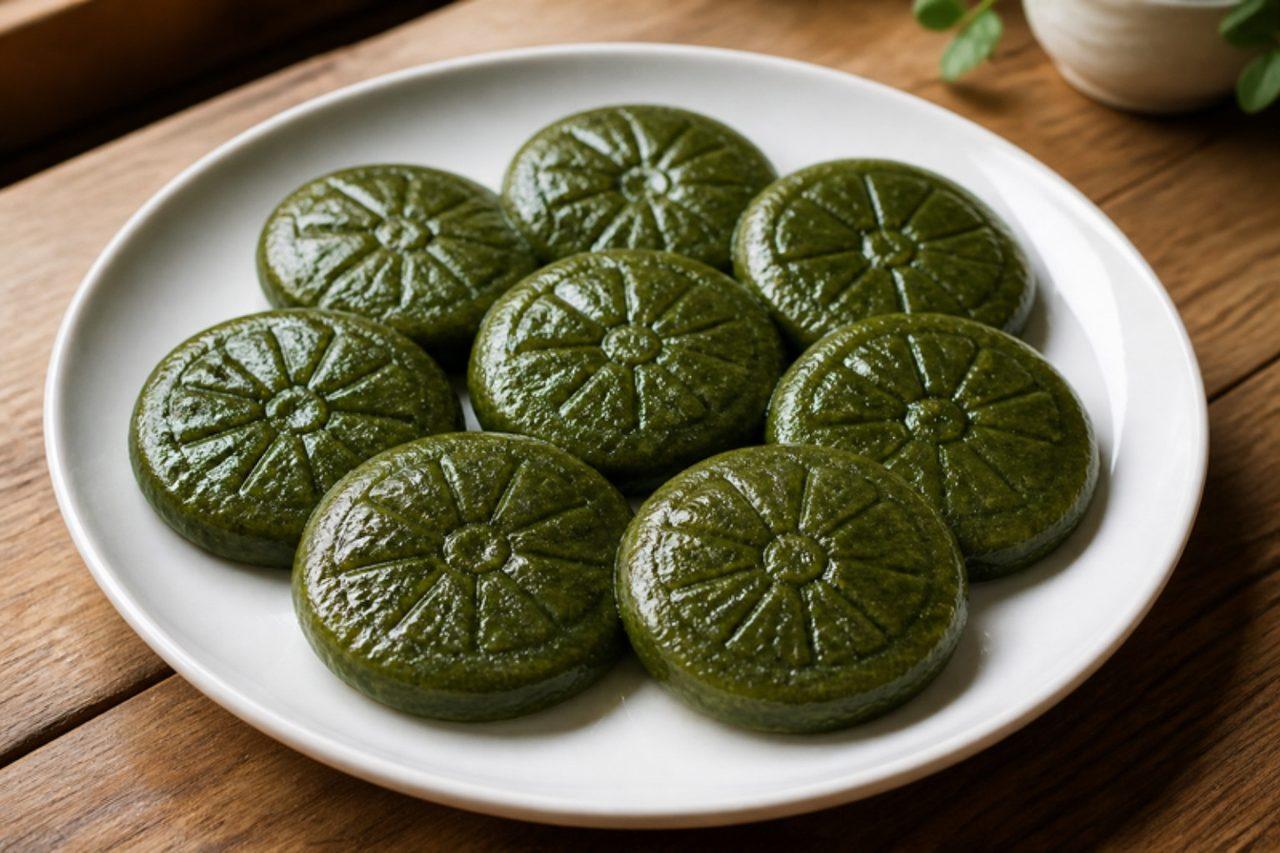
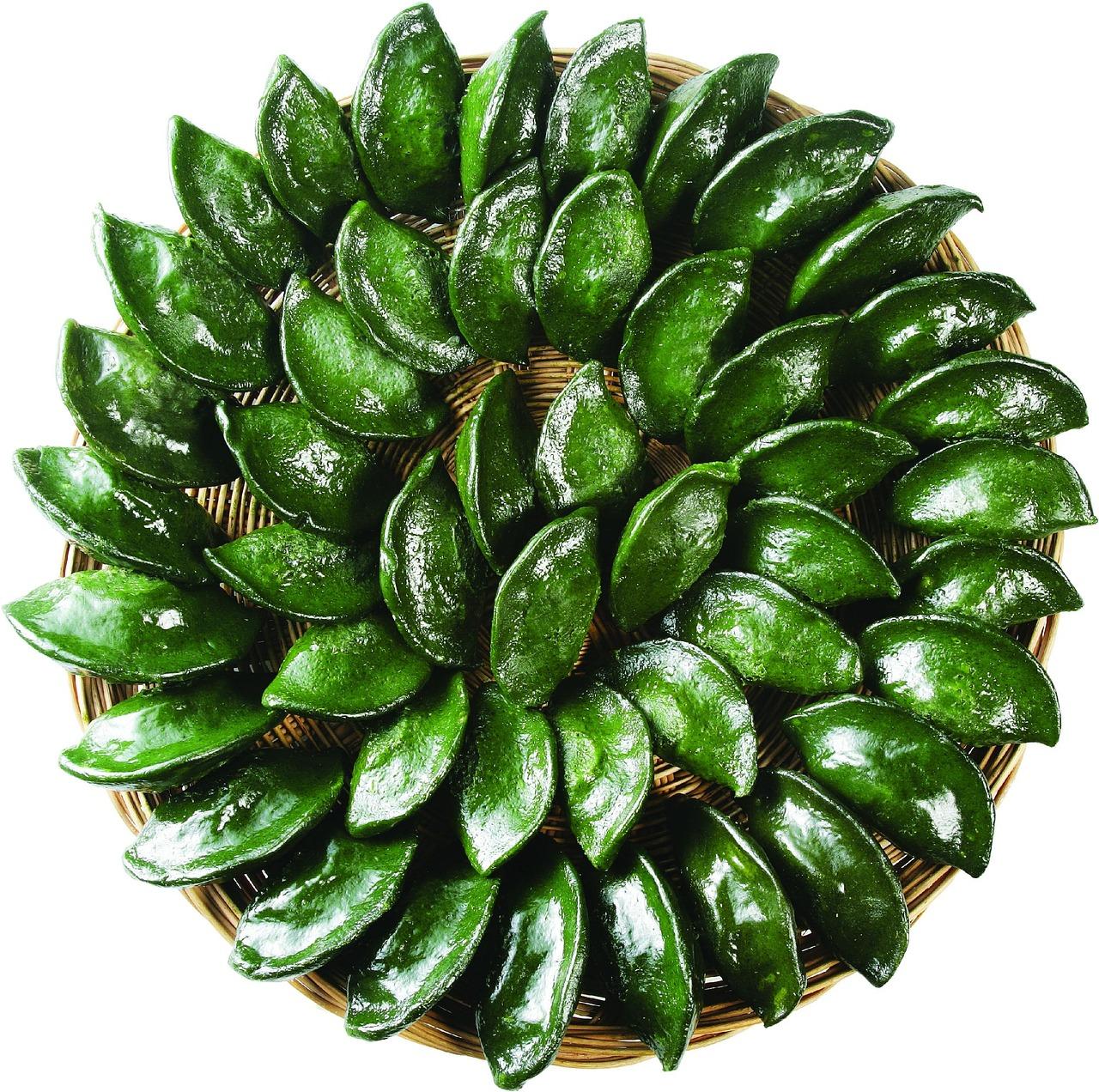
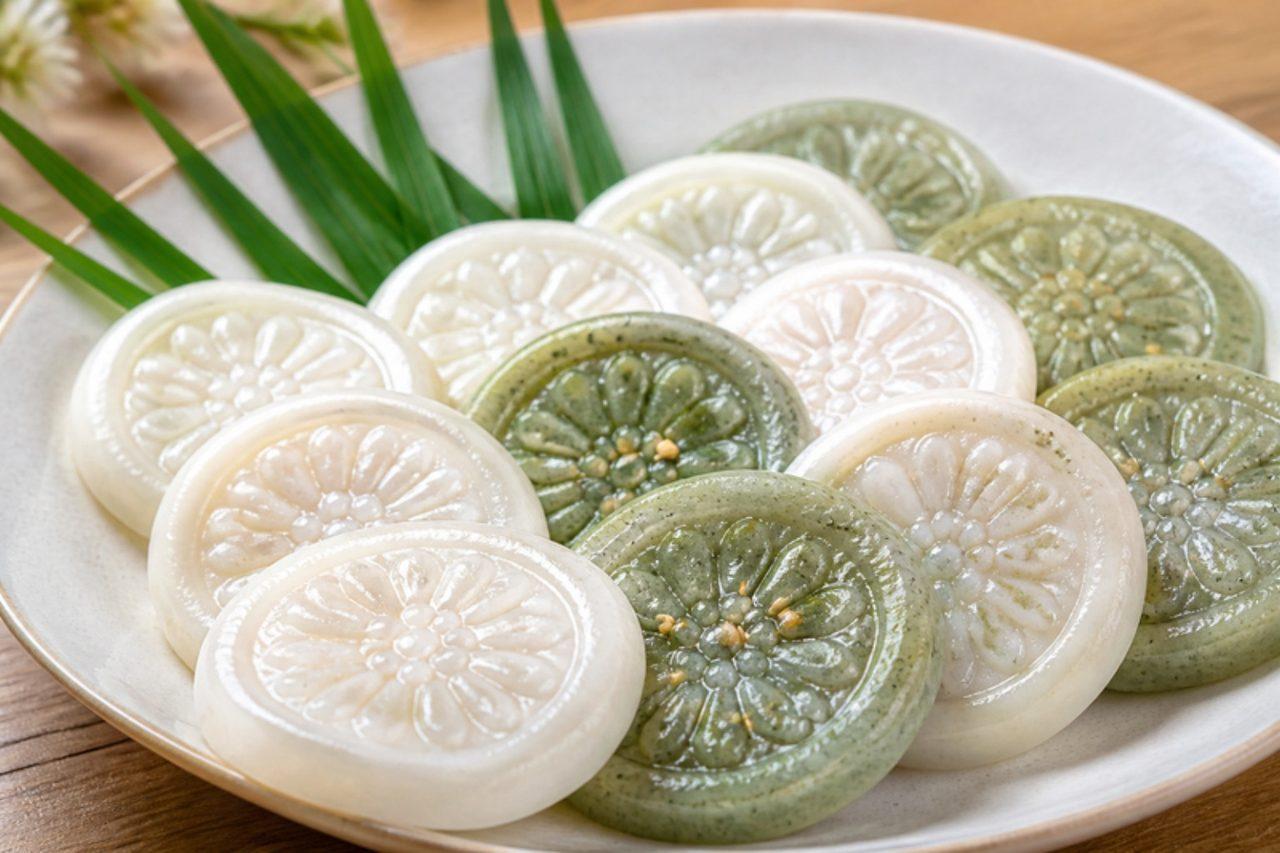
Surichwi-tteok (Dano wheel rice cakes)

Dano, on the fifth day of the fifth lunar month, was once called surit-nal, and the green surichwi-tteok of Gangwon and the rest of Korea carries that name: the cakes are pounded with surichwi (Korean mountain aster) and pressed with a cartwheel stamp, since 'suri' was read as 'wheel', a wish for the year to roll on smoothly and for good health as summer heat sets in. The leaves give a grassy, faintly bitter scent and a deep green fleck, and the steamed rice is pounded until it turns chewy and bouncy. If you can't find surichwi, mugwort (ssuk) powder or dried mugwort works well; the flavour is a little more herbal and the cakes are just as traditional in spirit. Serve at room temperature with cold omija hwachae or barley tea. Chef's tip: pound the rice while it is still steaming hot; once it cools it tightens and will never go smooth.

by KrazyBadal 0 views

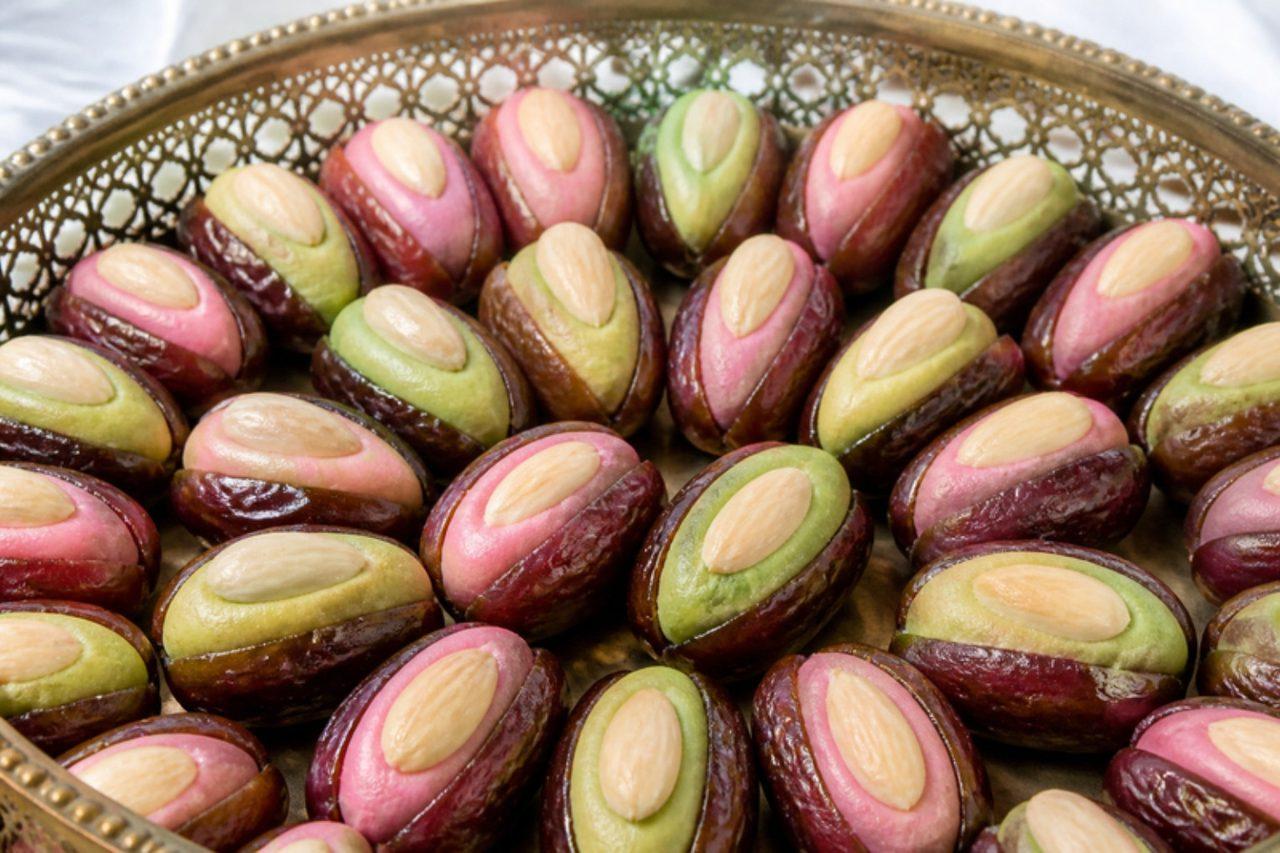
Tmar mehchi (Moroccan almond-stuffed dates)

Tmar mehchi is the stuffed date of Fez and Marrakech, piled high on silver trays at weddings, engagements and Eid, and offered to guests with mint tea. Soft dates are filled with a homemade almond paste perfumed with orange-blossom water, often tinted pale green or pink to match the celebration, then scored with a knife so the filling shows. They are soft, rich and caramel-sweet, with a floral, nutty middle. The paste here is mixed from ground almonds and icing sugar, so there is no shop marzipan, which can contain egg white. It is naturally egg-free: the dates' sticky flesh and a few spoonfuls of orange-blossom water bind the almond filling. Chef's tip: add the orange-blossom water a little at a time and stop when the paste is firm like play dough. The common mistake is a wet paste, which oozes out and makes the dates slippery.

by KrazyBadal 0 views

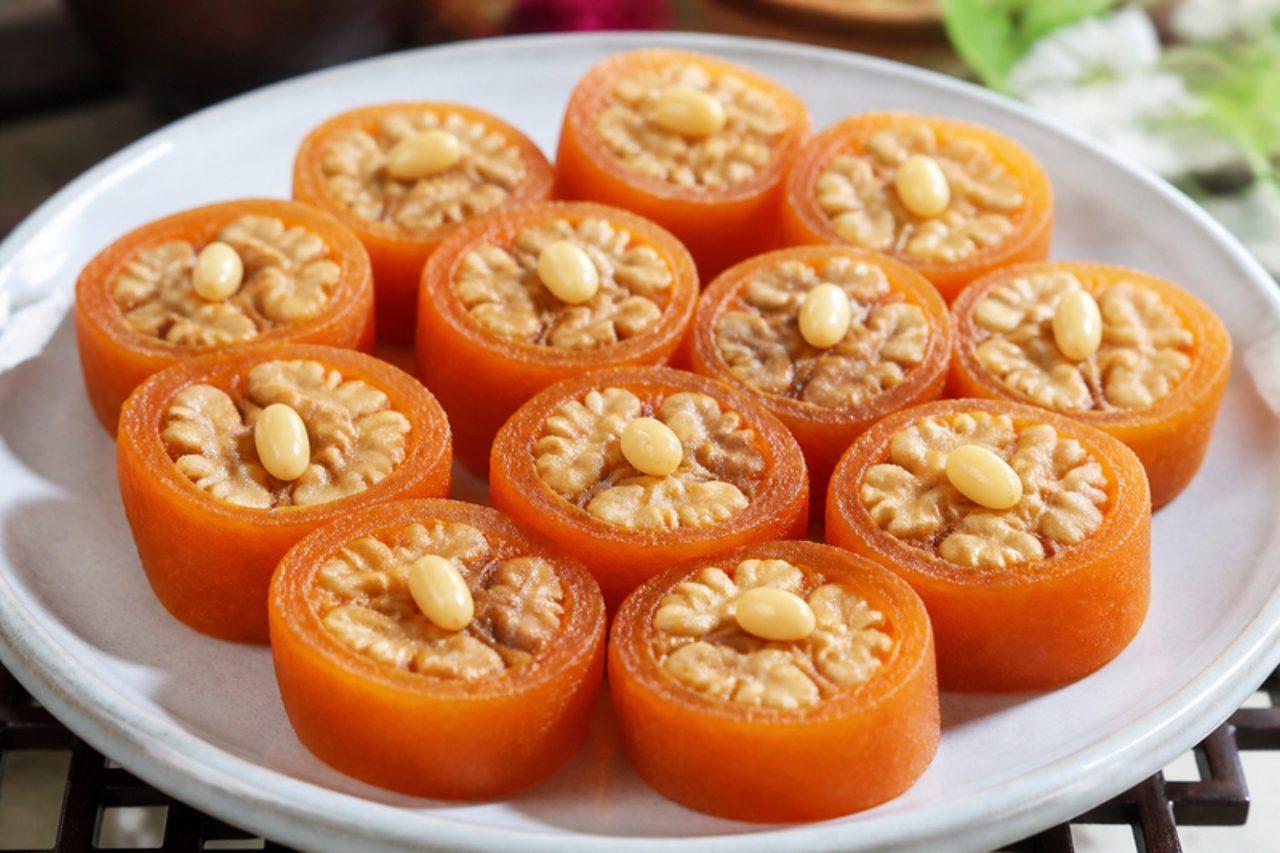
Gotgam-ssam (walnut-stuffed dried persimmon rounds)

Sangju in North Gyeongsang is Korea's dried-persimmon capital, and in Andong and across the region gotgam-ssam is a sweet for Seollal and Chuseok tables and for welcoming guests in winter. Soft dried persimmons are opened out flat, rolled tightly around a row of walnut halves and sliced, so each round shows a pattern like a flower. They are chewy and honeyed from the fruit, with crunchy, slightly bitter walnuts in the middle. Serve them with sujeonggwa, the cinnamon-ginger punch, or with a cup of roasted barley tea. It is naturally egg-free: the sticky dried fruit is its own glue, and a short chill firms the roll so it slices neatly. Chef's tip: wrap the roll tightly in cling film and chill it before slicing; the common mistake is slicing it straight away, which squashes the rounds and lets the walnuts fall out.

by KrazyBadal 0 views

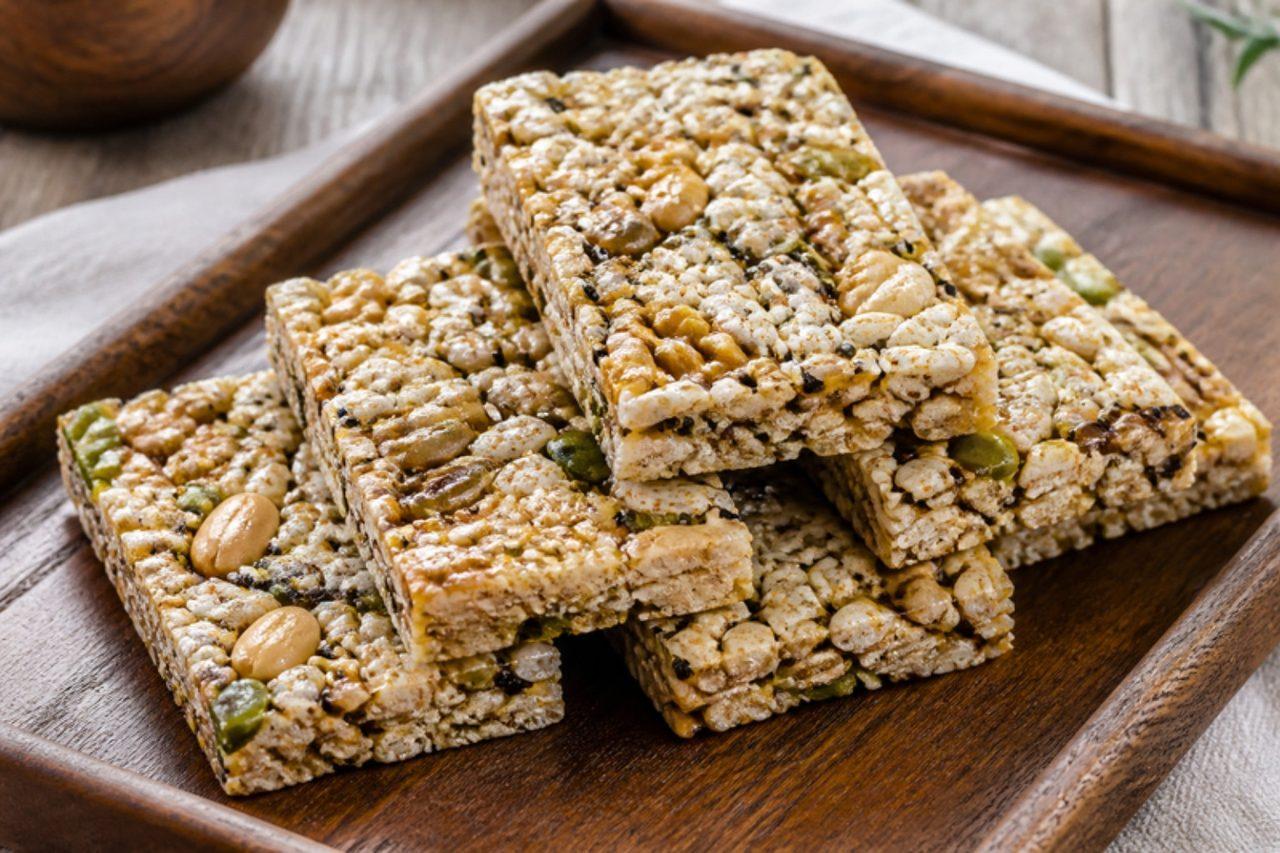
Yeot-gangjeong (nut and sesame bars in rice syrup)

Yeot-gangjeong is a traditional Korean hangwa made all over the country, especially in the weeks before Seollal and Chuseok, when trays of these bars are given as gifts and set out for visitors. Toasted nuts, sesame seeds and puffed rice are folded into hot rice syrup, pressed flat and cut into bars that are crunchy, nutty and only gently sweet, with a faint malty flavour from the syrup. Serve them with green tea or sikhye, the sweet rice drink, or pack them for a lunchbox. They are naturally egg-free: rice syrup, heated until it bubbles, acts as the glue and sets firm as it cools. Chef's tip: cut the slab while it is still warm. The common mistake is waiting until it is cold, when the bars shatter instead of slicing cleanly.

by KrazyBadal 0 views

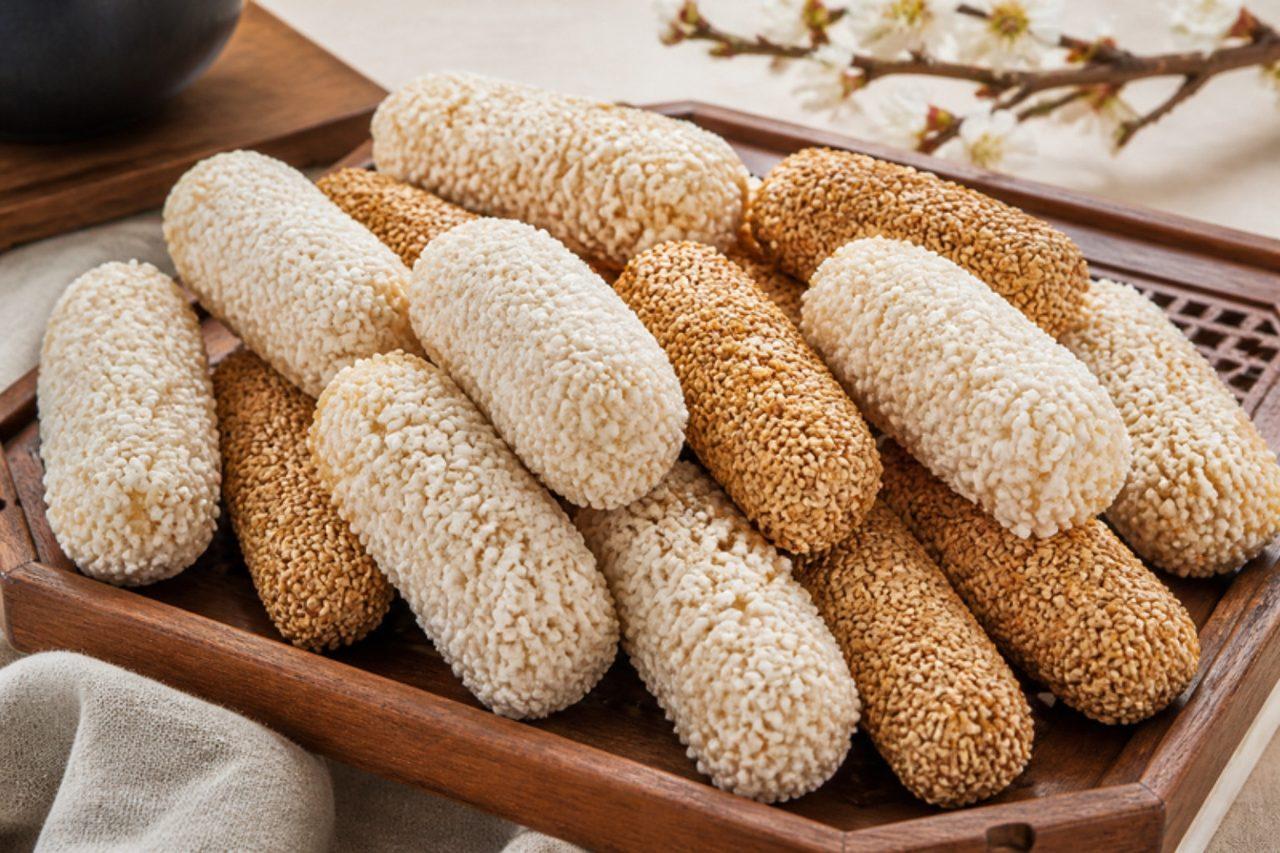
Yugwa (Korean puffed glutinous-rice crackers)

Yugwa are the light, airy crackers piled on trays at Seollal, the Lunar New Year, and given in gift boxes for Chuseok and weddings across Korea. A dough of glutinous rice is steamed and pounded until stretchy, rolled thin, cut and dried until hard, then fried slowly so each piece swells to several times its size into a crisp, hollow puff. A brush of rice syrup and a coating of puffed rice or sesame finish them. They melt on the tongue, crunchy but almost weightless, gently sweet and toasty. Serve with green tea or barley tea. Yugwa never used egg: the sticky starch of glutinous rice, steamed and pounded, traps air and binds the dough, and the rice syrup glues on the coating. Some cooks add rice wine to the dough; this version uses plain water and needs no alcohol. Chef's tip: dry the cut pieces until they snap like a cracker before frying; the common mistake is frying them half-dried, and then they stay flat and chewy instead of puffing.

by KrazyBadal 0 views

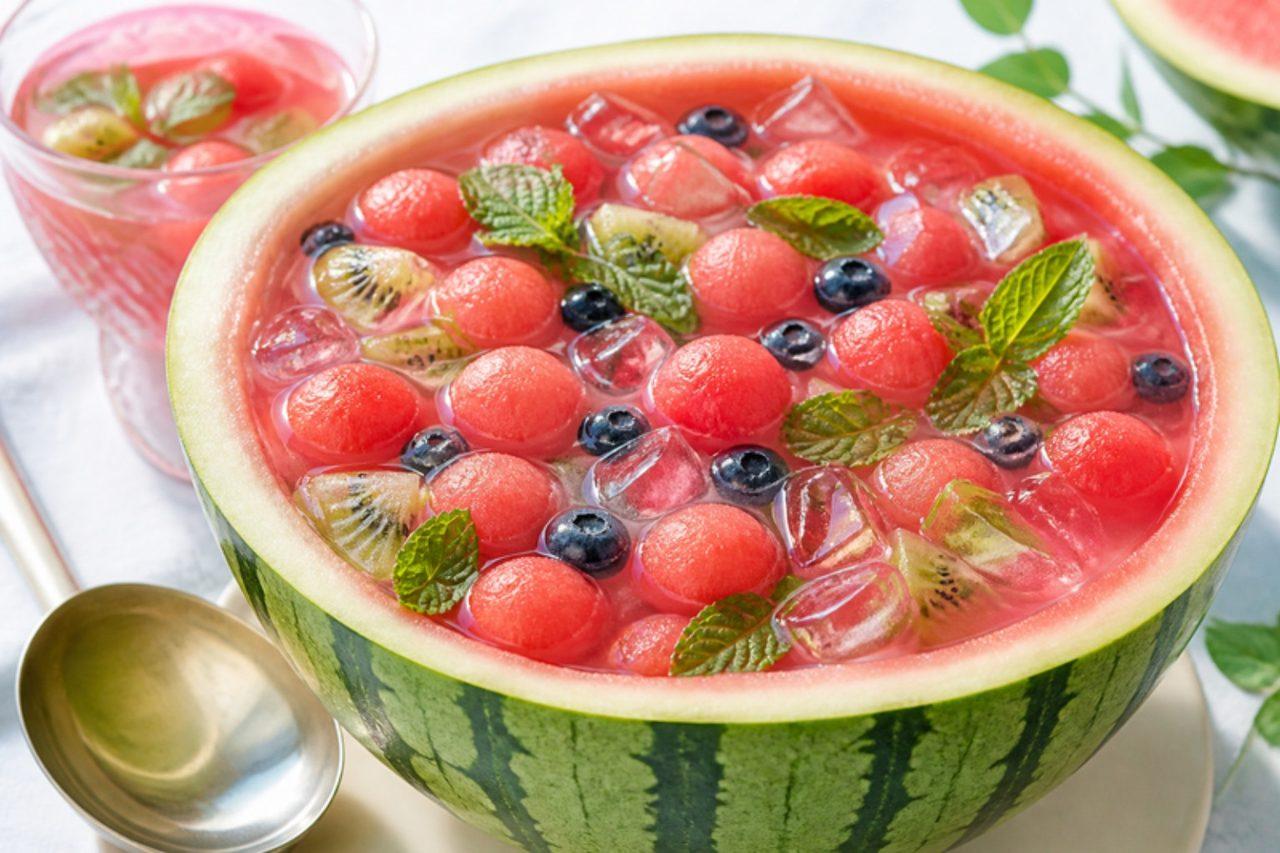
Subak hwachae (Korean watermelon punch)

Subak hwachae is the cooling bowl Koreans set out on the hottest days of summer, especially around Boknal, the dog days of July and August, when families gather and eat from a hollowed-out watermelon shell. Balls of watermelon and other fruit float in chilled watermelon juice lightly sweetened and sharpened with lemon, with sparkling water for fizz and plenty of ice. It is refreshing, juicy and only gently sweet. Serve it straight away in small bowls with a spoon, after a barbecue or a spicy meal. This version is egg-free and dairy-free, and nothing needs binding or setting, as it is simply fruit in its own juice. Some modern versions add milk or a fizzy lemon soda; this one keeps it light with sugar syrup and sparkling water. Chef's tip: chill the fruit and juice for at least an hour before adding the fizz; the common mistake is relying on ice alone, which melts and waters the punch down.

by KrazyBadal 0 views

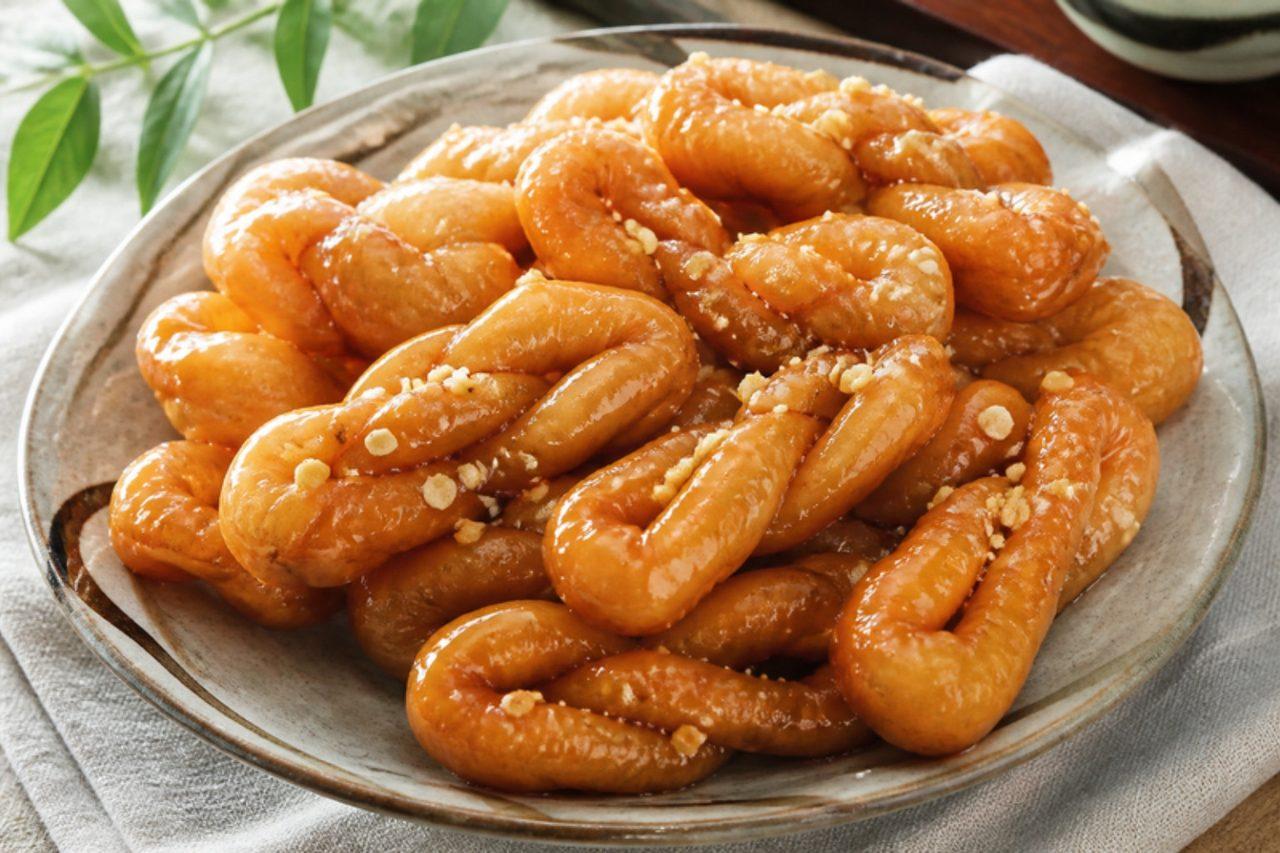
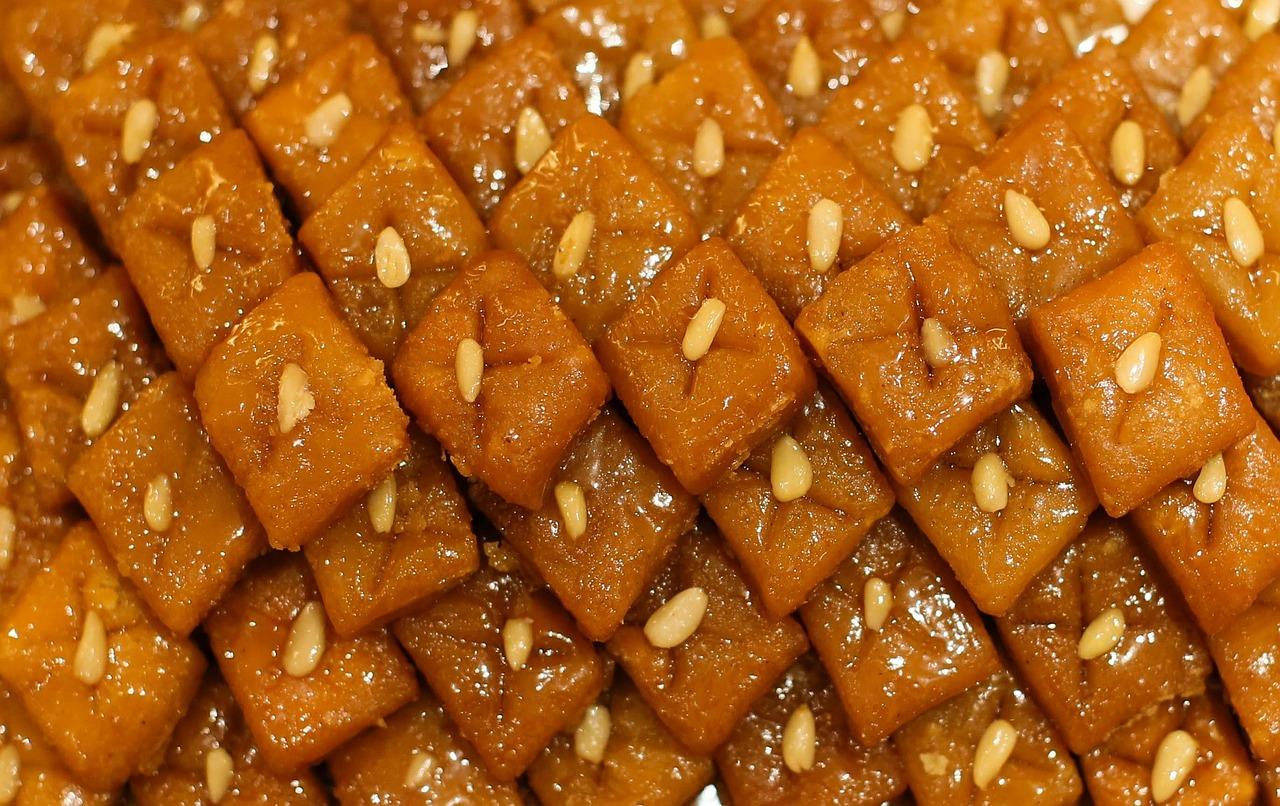
Maejakgwa (Korean ginger ribbon twists in honey syrup)

Maejakgwa is one of Korea's oldest hangwa, the traditional confections served on holiday tables at Seollal and Chuseok, at weddings and ancestral rites, and with tea when guests visit. Thin rectangles of ginger-scented wheat dough are slit and twisted into little ribbons, fried until crisp and pale gold, then dipped in honey and cinnamon syrup and finished with ground pine nuts. The name is often said to come from their resemblance to a sparrow perched on a plum branch. They shatter lightly when bitten, then turn sweet and warm with ginger. Serve a small plate with green tea or a cup of sweet rice punch. They are naturally egg-free: the dough is just flour, ginger juice and water held together by its own gluten, and the honey syrup that coats them is the only glaze. Because of the honey they are vegetarian but not vegan. Chef's tip: keep the frying oil at about 160°C; the common mistake is oil that is too hot, which browns the ribbons before they crisp through and leaves them chewy inside.

by KrazyBadal 0 views

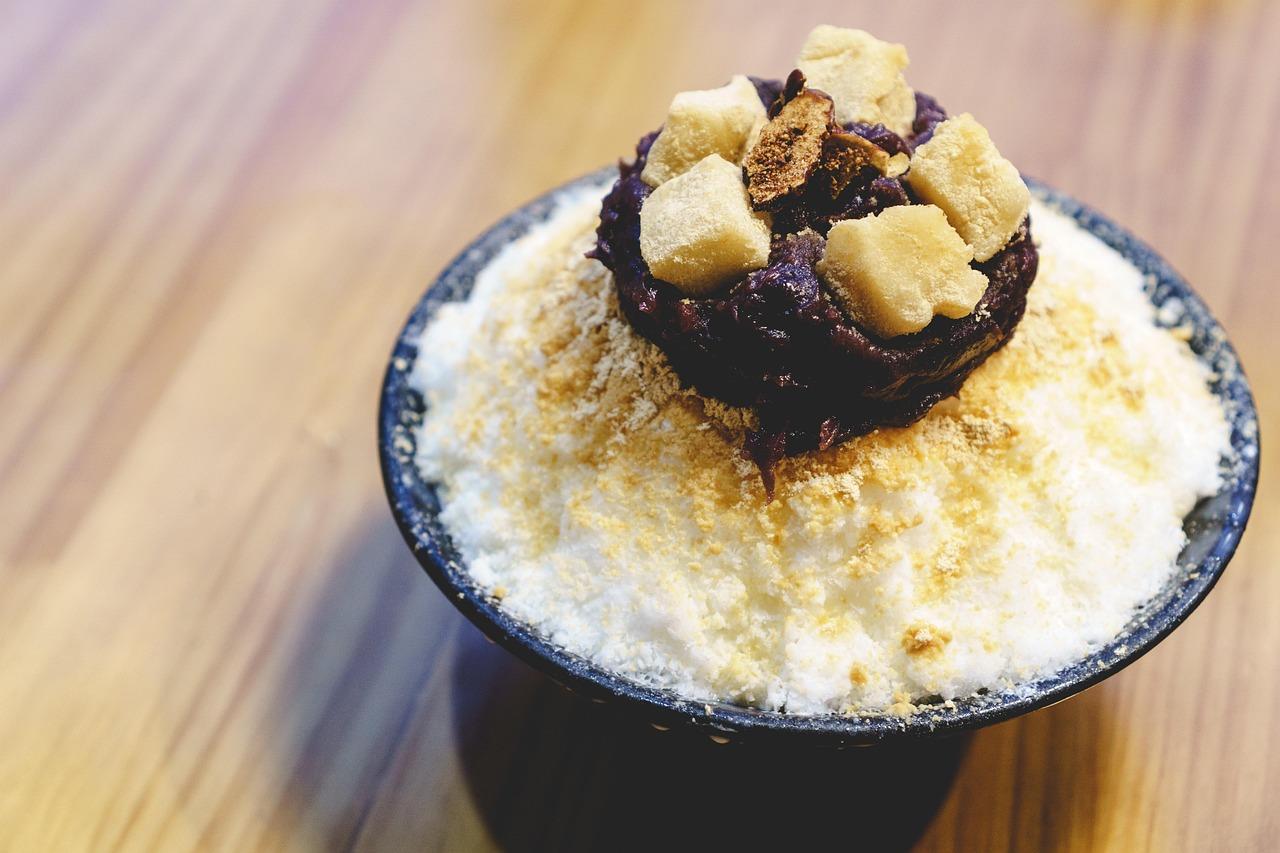
팥빙수 (Patbingsu, Korean red bean shaved ice)

Patbingsu is the great Korean summer dessert, eaten nationwide from the start of the rainy season until autumn, usually shared from one big bowl in a café after lunch or on a hot evening. Under the mound of milk ice sits the heart of it: sweet, soft red beans cooked until they almost melt, with chewy little rice cakes dusted in roasted soybean powder and a thread of condensed milk. Fluffy, creamy and earthy-sweet. There are no eggs anywhere: the ice is milk and condensed milk frozen in a thin layer, and the condensed milk's sugar keeps the crystals fine so the shavings are soft and snowy rather than crunchy, while the beans thicken with their own starch. Make the beans and the ice a day ahead. Chef's tip: freeze the milk thin in a flat tray and scrape it with a fork; the common mistake is freezing it in a deep tub, which sets too hard to shave.

by KrazyBadal 0 views

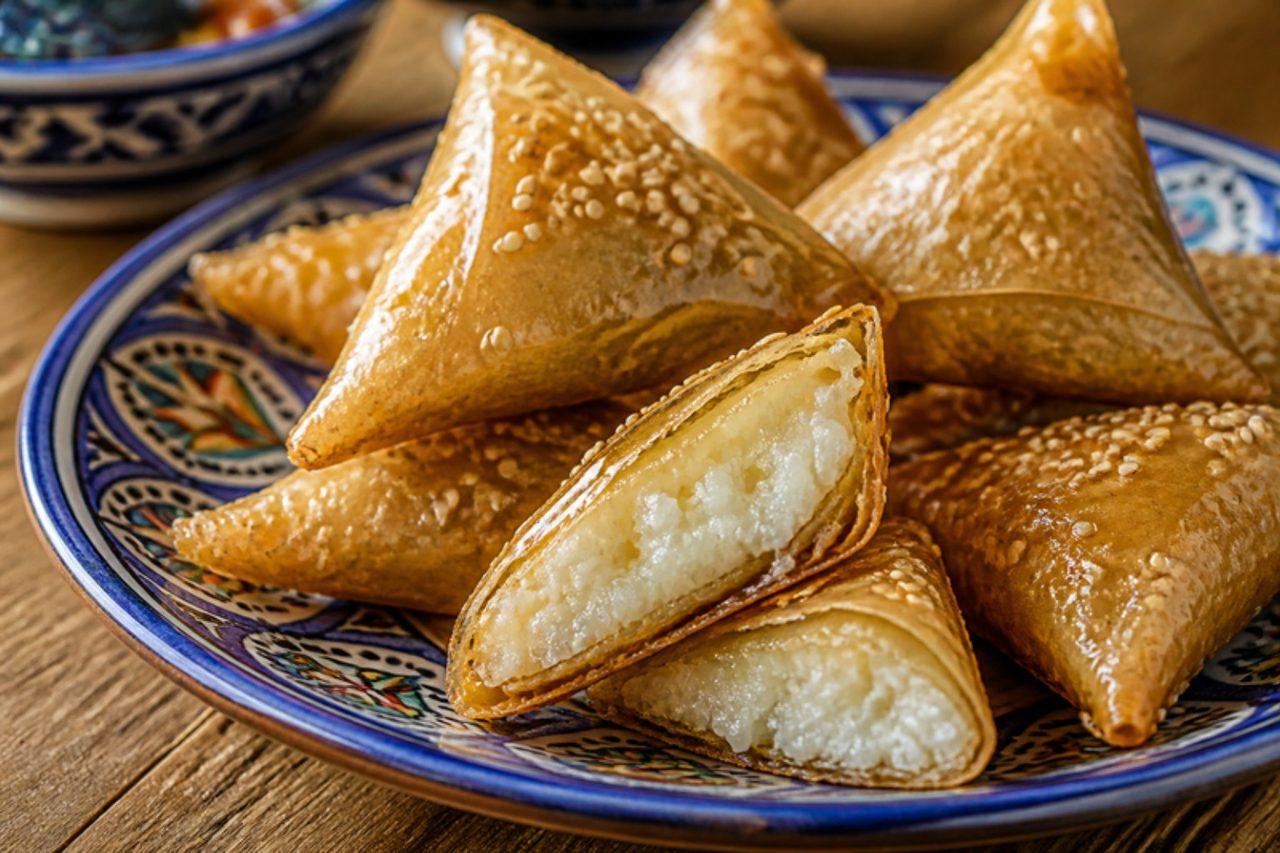
Sweet rice briouats with honey

The old Fassi households and pastry shops of Fes and Rabat make rice briouats for Ramadan and weddings: short-grain rice cooked thick in milk with orange-blossom water, wrapped in warqa, fried and plunged into warm honey. They're crisp outside, creamy within, and served with mint tea. Runny rice pudding makes the pastry burst in the oil, so cook it until a spoon can stand in it, then chill it firm. Chef's tip: warm the honey with a splash of orange-blossom water, and dip the briouats while both are hot so the honey soaks in rather than sitting on top. Contains milk, wheat and almonds.

by KrazyBadal 0 views

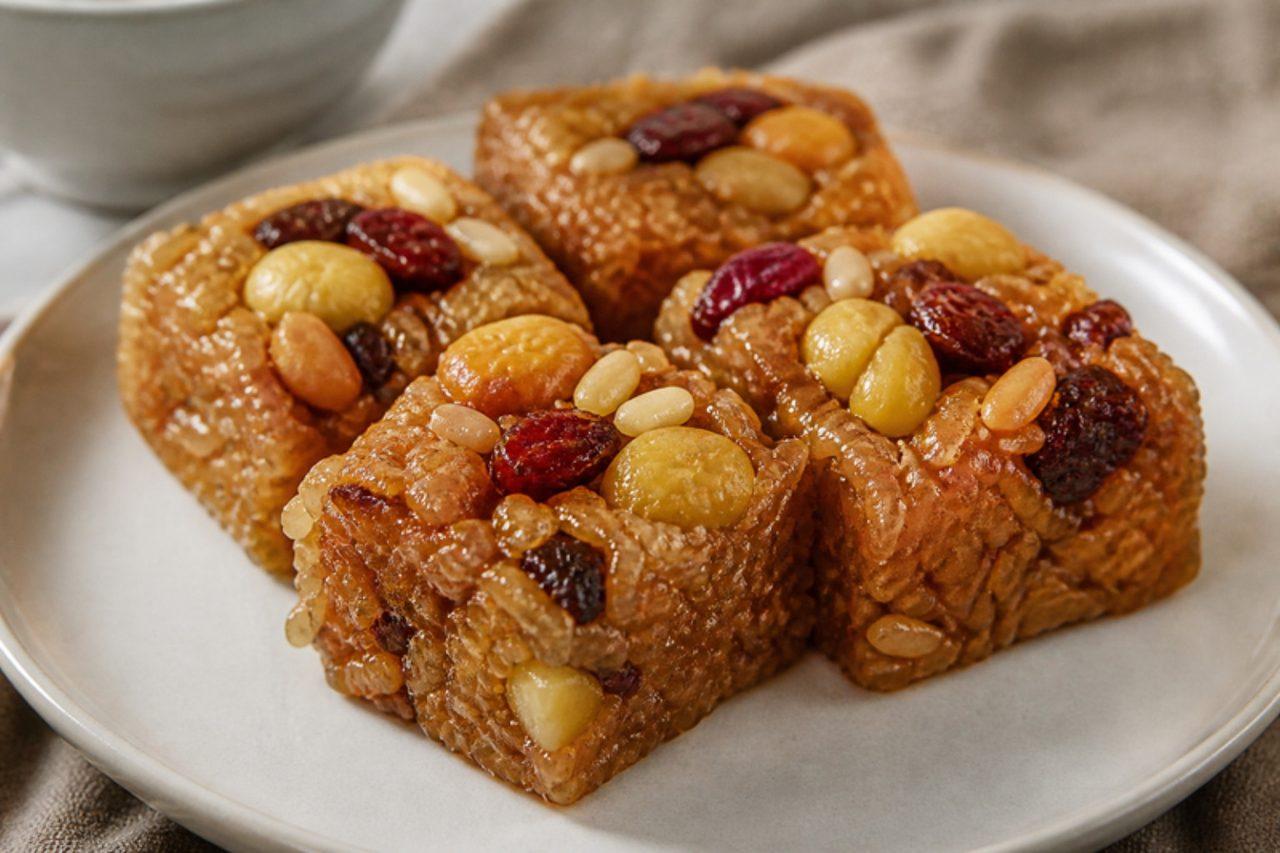
YaksikSweet rice with chestnuts

Yaksik began as a dish for Daeboreum, the first full moon of the lunar year, and is now a standard of Chuseok and Seollal tables and of birthday gifts, cut into neat squares and wrapped in cling film. Glutinous rice is steamed, tossed with dark sugar, soy sauce, sesame oil and cinnamon, then steamed a second time with chestnuts, jujubes and pine nuts until it turns a deep caramel brown and holds together like a soft, chewy cake. The usual mistake is skipping the soak: unsoaked rice stays hard in the centre however long you steam it. Contains soy, sesame and pine nuts. Rice cakes are dense and sticky, so cut them small for young children and older people and make sure they eat sitting down: they are a known choking risk. Chef's tip: caramelise a spoonful of the sugar in a dry pan before adding it; that dark caramel gives the traditional colour without needing extra soy sauce.

by KrazyBadal 0 views

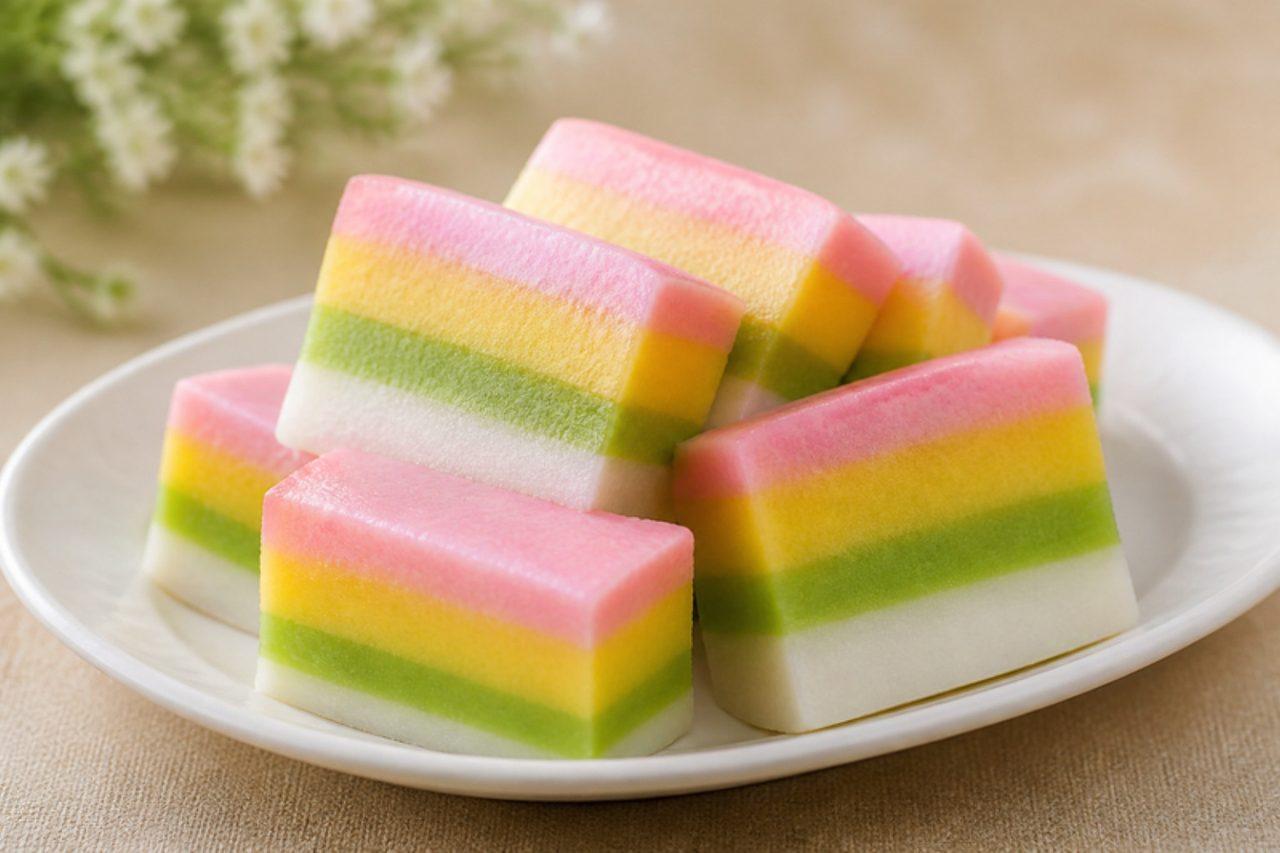
Mujigae tteokRainbow rice cake

Mujigae tteok is the rice cake of children's birthdays and school picnics in Korea, with soft stripes of pink, yellow, green and white that stand for harmony and happiness; it is also a fixture on the doljanchi first-birthday table. Each layer is the same lightly sweet, fluffy steamed rice flour, coloured naturally. The common mistake is packing the layers down: press too hard and the cake turns dense and the colours bleed, so spread each layer and just level it with a scraper. Rice cakes are chewy and sticky, a known choking risk: cut them into small pieces for young children and older people and eat them sitting down. Chef's tip: colour each portion of flour before sieving it, so the colour is even with no streaks.

by KrazyBadal 0 views

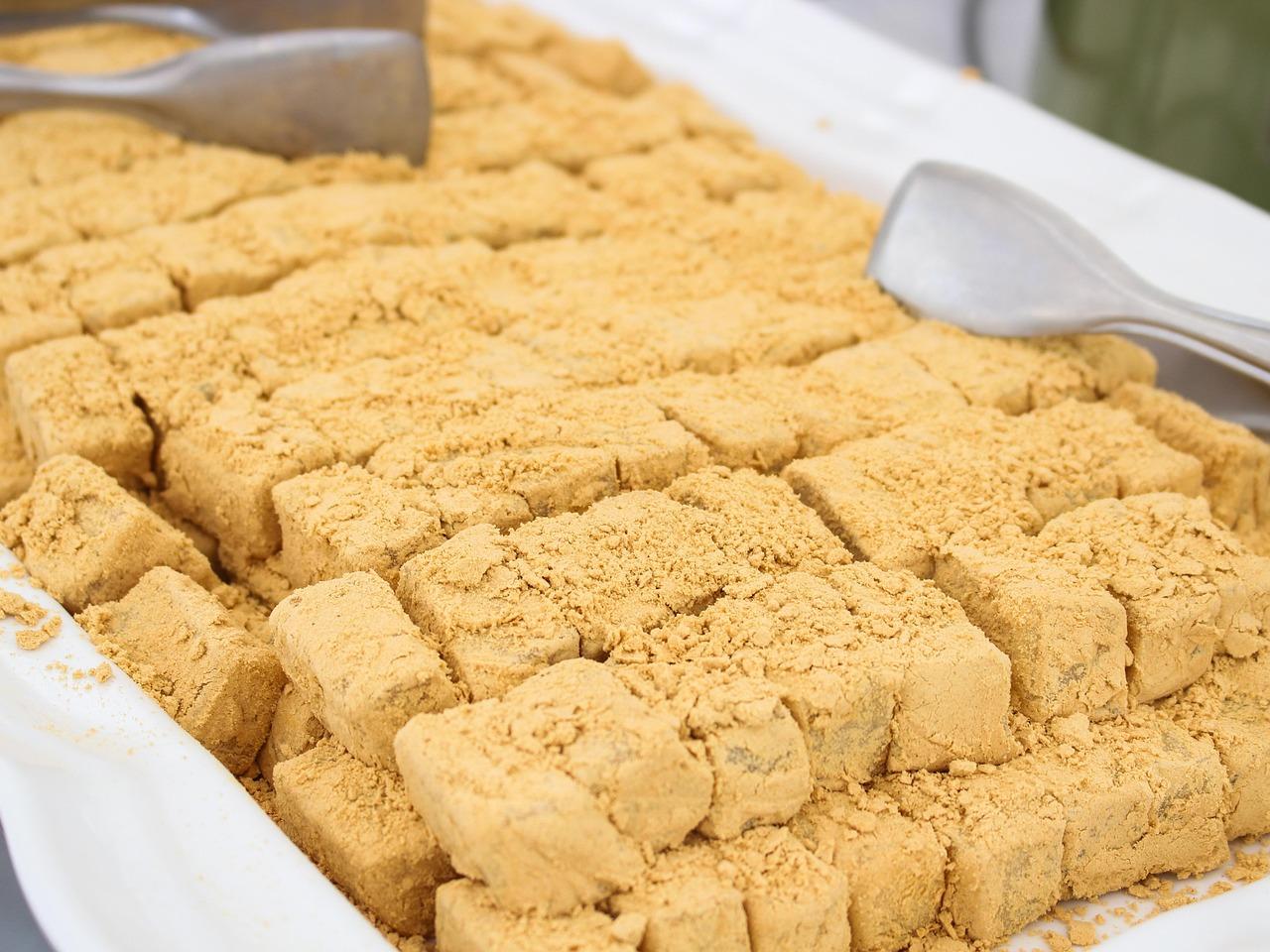
InjeolmiSoybean-coated rice cake

Injeolmi is the rice cake you meet everywhere in Korea, from the tteok shop by a Seoul subway exit to the trays handed round at weddings, Chuseok and housewarmings. Glutinous rice is steamed, pounded until it stretches like soft taffy, then cut into pillows and rolled in nutty, sweet roasted soybean powder. Bingsu cafés now pile it on shaved ice too. The common mistake is under-steaming the dough, which leaves powdery white specks that never turn chewy; keep cooking until it is evenly translucent. Rice cakes are chewy and sticky, a known choking risk: cut them into small pieces for young children and older people and eat them sitting down. Chef's tip: oil the knife and your hands, and cut the warm slab with a dough scraper pressed straight down rather than a sawing knife.

by KrazyBadal 0 views

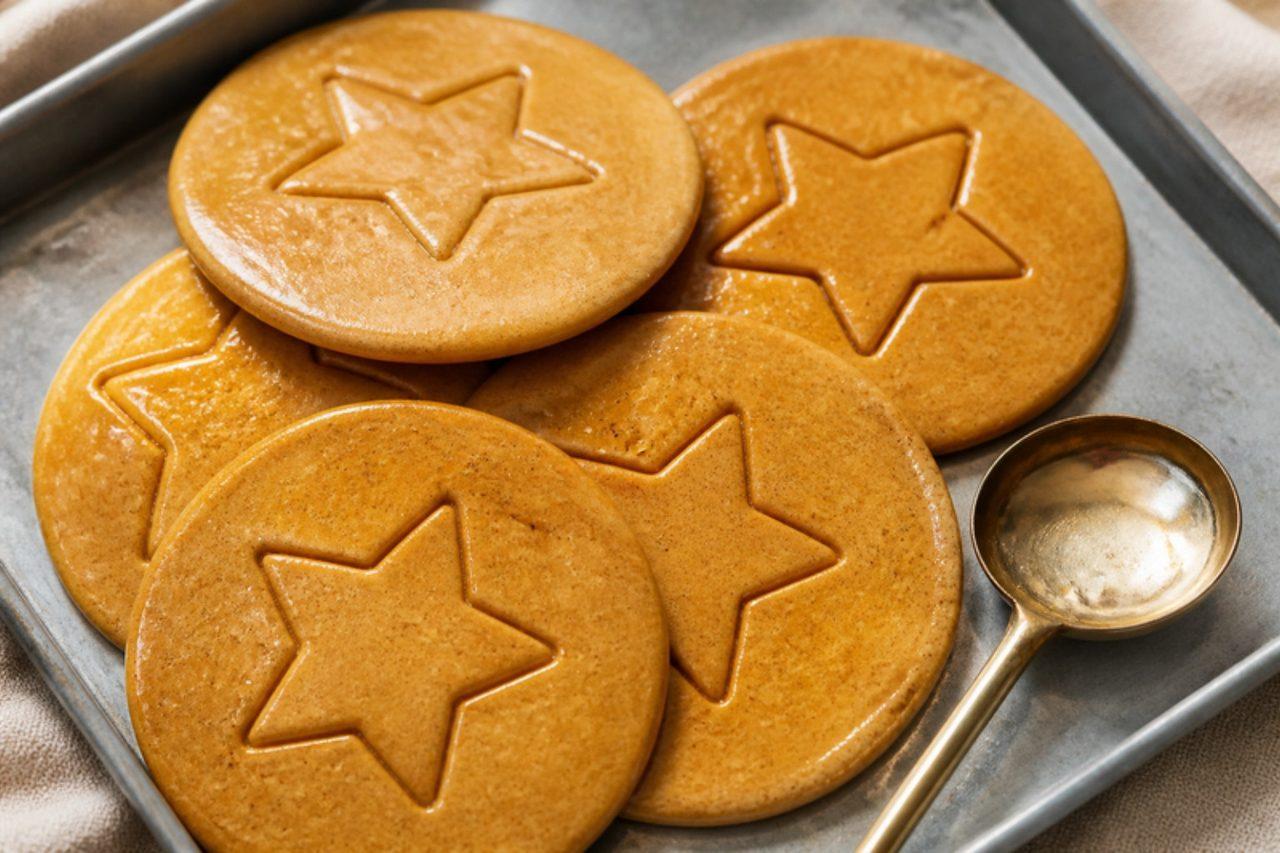
DalgonaHoneycomb toffee

Dalgona, or ppopgi, was the 1970s and 80s snack of Seoul alleyways, where an old man with a little stove melted sugar in a ladle and stamped a star or umbrella into it; if you could break the shape out without cracking it you won a free one. It is just sugar and a pinch of baking soda, puffed into a crisp, toffee-brown honeycomb that tastes faintly bitter-sweet. The common mistake is adding too much baking soda, which leaves the candy bitter and soapy; a tiny pinch on the tip of a chopstick is all it needs. Melted sugar reaches about 160 °C and burns badly, so children should watch while an adult does the melting, and should only press shapes once the candy has set a little. Chef's tip: use a stainless-steel ladle or small pan, not non-stick, and keep the flame low; the moment the sugar is clear and amber, take it off.

by KrazyBadal 0 views

YakgwaHoney ginger cookies

Yakgwa, 'medicinal sweet', were once so prized at royal banquets in Joseon-era Seoul that the court restricted who could make them, because of the honey and oil they swallowed. Today they turn up in gift boxes for Seollal and Chuseok and on the ancestral memorial table, and lately in Seoul cafés that cannot keep them in stock. The flaky, layered dough is fried at a low heat, then left to drink a ginger and cinnamon honey syrup until it is dense and soft all the way through. The mistake nearly everyone makes the first time is frying too hot: the outside browns while the middle stays raw and hard, so keep the oil low and be patient. Contains wheat and sesame. Chef's tip: fold and press the dough, don't knead it; the loose layers are what open up into those flaky ridges.

by KrazyBadal 0 views

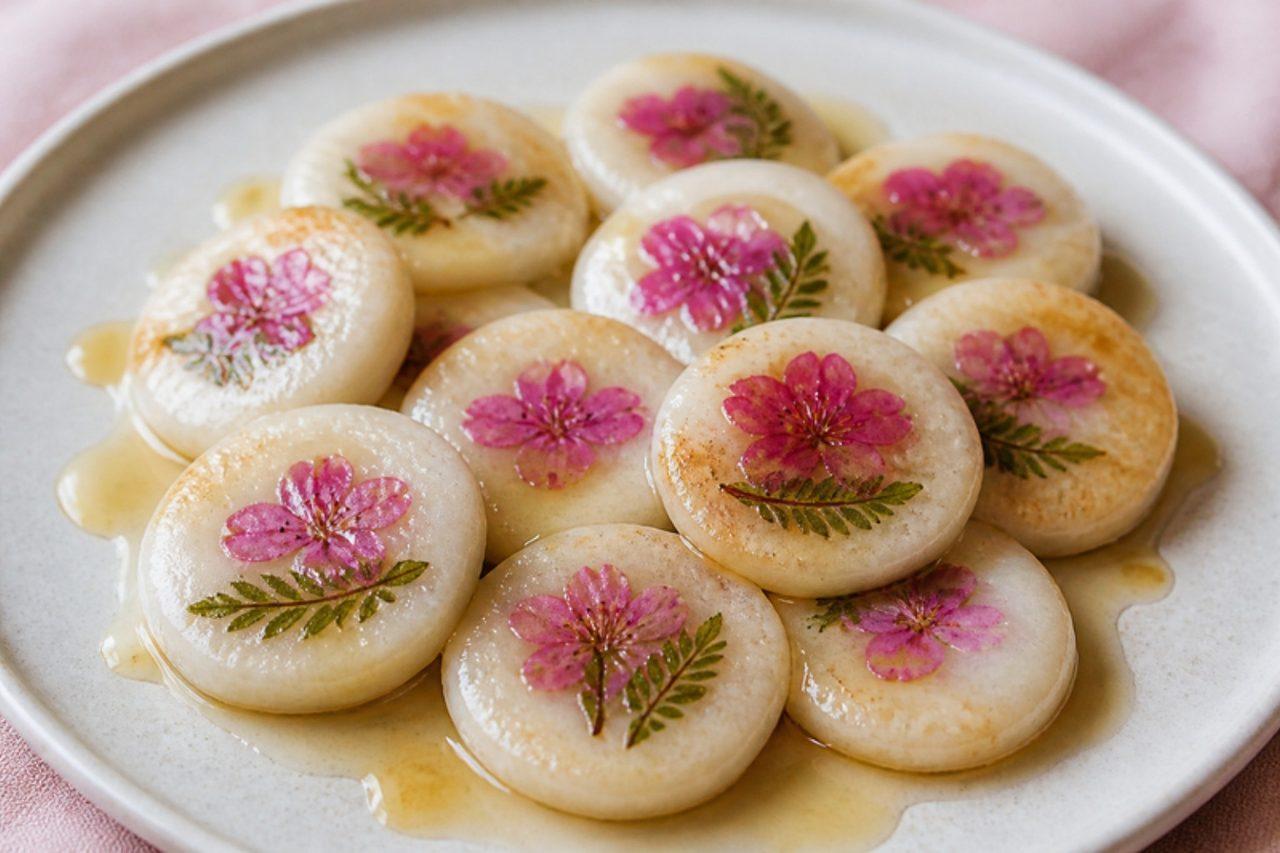
HwajeonFlower rice cake pancakes

In April, when the azaleas bloom on Korean hillsides, women in Joseon times climbed to picnic spots for hwajeonnori, the flower-cake party, frying little rice cakes with fresh petals pressed into them on the spot. Hwajeon are still made for spring festivals and Samjinnal, the third day of the third lunar month. The cakes are soft and chewy, barely crisp at the edges, and brushed with syrup. The common mistake is frying over too high a heat: the cakes should stay white with the flower bright, so keep the pan low and turn only once. Use only flowers you know are edible and unsprayed, such as pansies, violas or azalea (jindallae) petals; never ornamental shop flowers. Rice cakes are chewy and sticky, a known choking risk: cut them into small pieces for young children and older people and eat them sitting down. Chef's tip: press the flower on after you flip the cake, so it warms through and sticks without browning.

by KrazyBadal 0 views

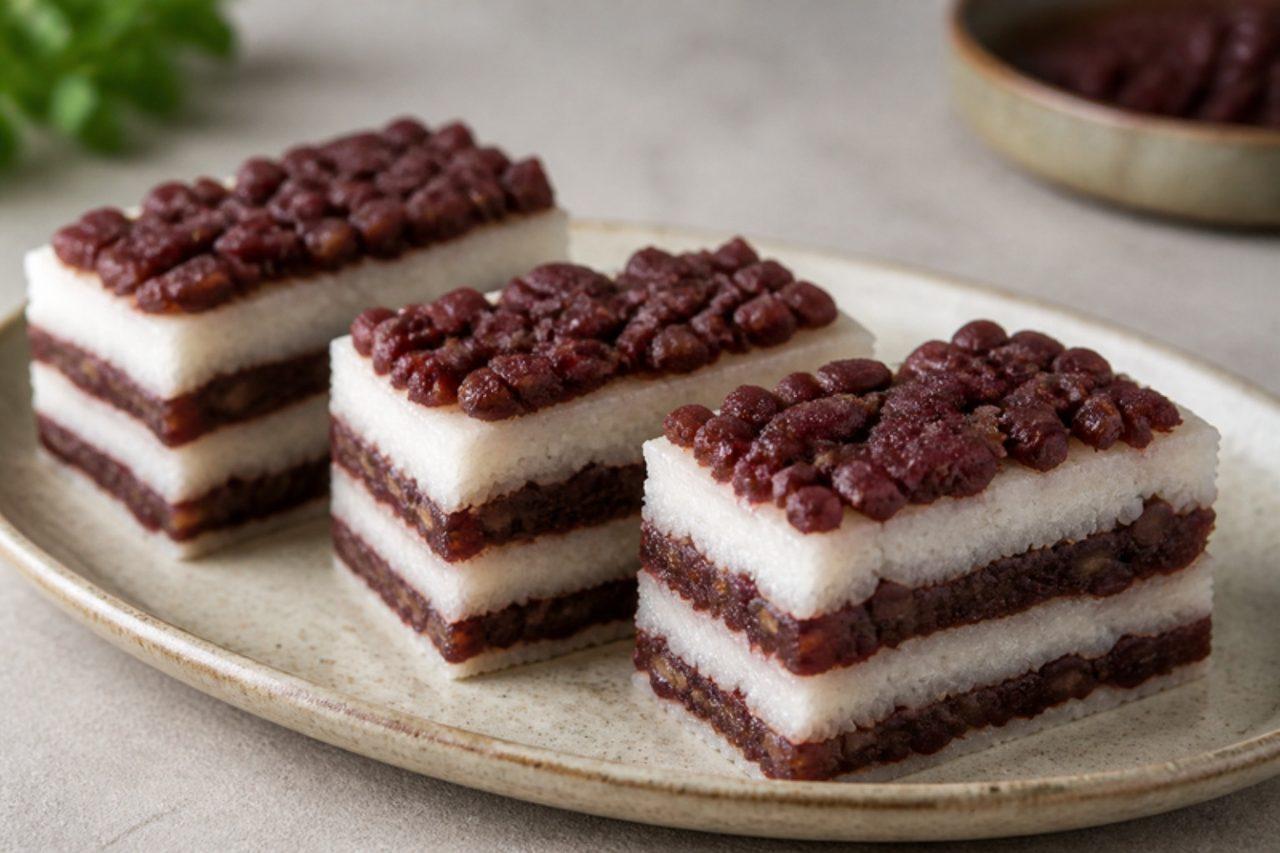
SirutteokRed bean steamed rice cake

Sirutteok, named after the earthenware siru steamer, is the rice cake Koreans make to bless a new home, open a shop or mark the autumn harvest at a village gosa ceremony; the red adzuki beans were believed to chase away bad luck, and a slice is often left at the door. Layers of fluffy rice flour are steamed between layers of coarse, salted red bean crumble, so every bite is soft, a little sweet and earthy. The common mistake is mashing the beans to paste: the crumble should stay dry and grainy or the layers turn soggy. Rice cakes are chewy and sticky, a known choking risk: cut them into small pieces for young children and older people and eat them sitting down. Chef's tip: cook the beans until just tender, drain them, then dry them out in the pan over a low heat until the crumble falls apart.

by KrazyBadal 0 views

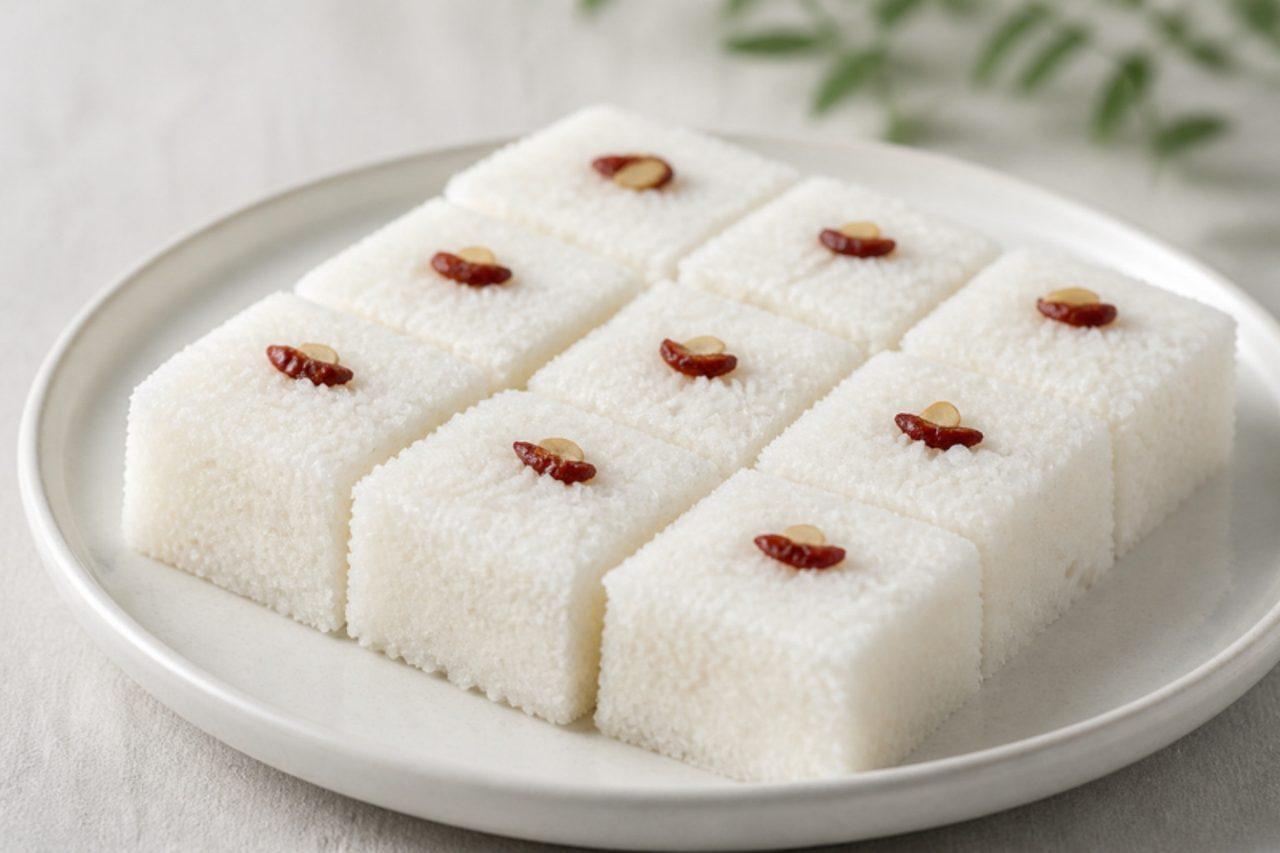
BaekseolgiWhite steamed rice cake

Baekseolgi, 'white snow cake', is the plain steamed rice cake that Korean families share out on a baby's baek-il, the 100th day, and at the doljanchi first-birthday party, where its pure white colour stands for a clean, long life. Custom says it should go to a hundred neighbours. It has a fine, crumbly-soft, cake-like texture and a mild, milky rice sweetness, best eaten the day it is made with a cup of barley tea. The usual mistake is skipping the sieving: unsieved flour steams into a heavy, patchy cake, so push it through twice. Rice cakes are chewy and sticky, a known choking risk: cut them into small pieces for young children and older people and eat them sitting down. Chef's tip: score the raw cake into portions before steaming; it cooks more evenly and you can lift pieces out cleanly.

by KrazyBadal 0 views

SongpyeonStuffed rice cakes

On the eve of Chuseok, the harvest moon festival, families all over Korea sit around one table pinching songpyeon, and the old saying goes that whoever shapes the prettiest ones will have pretty children. The chewy rice-flour shells are filled with crunchy toasted sesame and sugar that melts into a syrup as they steam, and the batch is laid on fresh pine needles so the cakes pick up a faint forest scent. They go to the ancestral table first, then out to everyone with a cup of tea. The common mistake is a dough that is too dry: it cracks while you shape it and splits in the steamer, so it should feel as soft as an earlobe. Rice cakes are dense and sticky, so cut them small for young children and older people and make sure they eat sitting down: they are a known choking risk. Chef's tip: brush the steamed cakes with sesame oil while they are still hot; it stops them sticking together and gives that glossy finish you see at the market.

by KrazyBadal 0 views

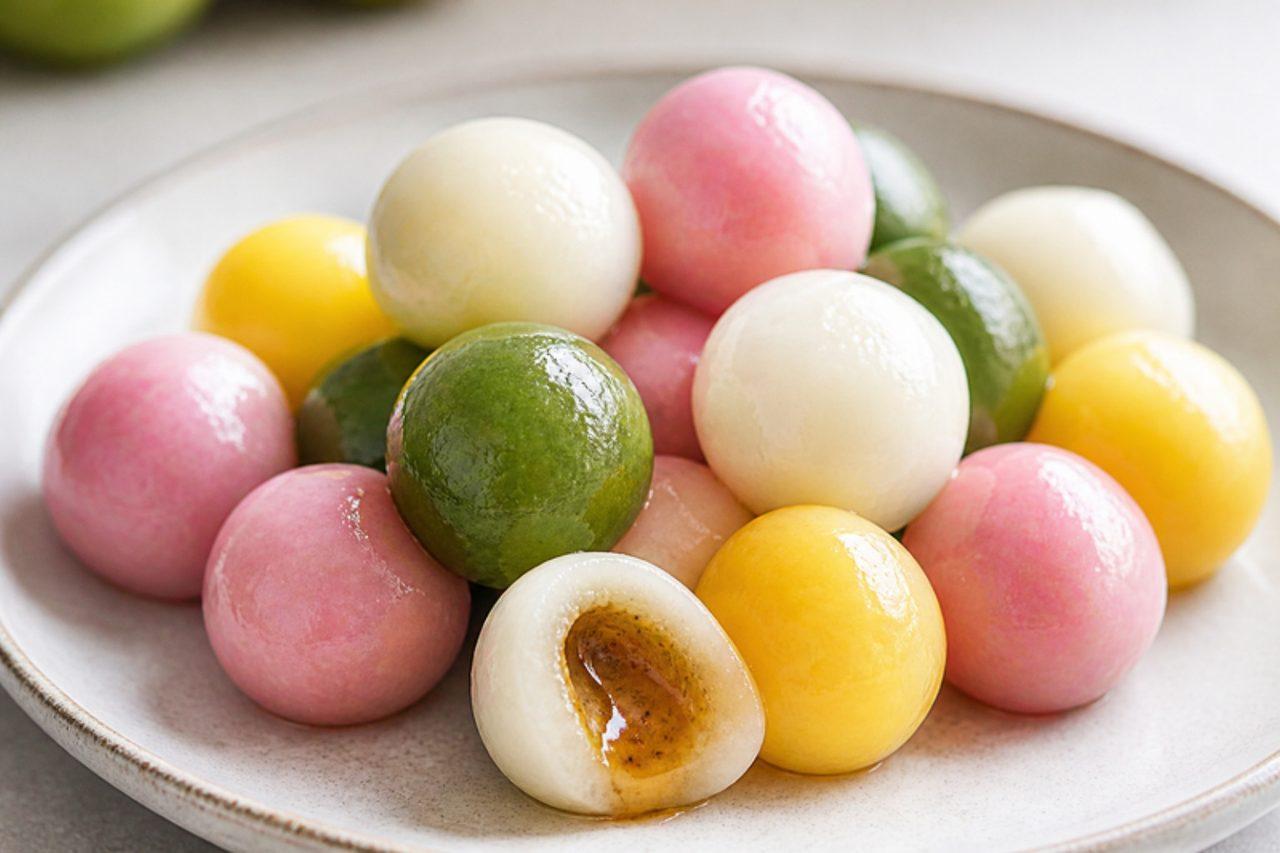
KkultteokHoney-filled rice cakes

Kkultteok, 'honey rice cake', are the bite-sized coloured balls lined up in the windows of Korean tteok shops and on every Chuseok and birthday tray; bite one and a sweet, runny syrup of brown sugar and sesame bursts out. Despite the name, the filling is usually sugar, which melts into a honey-like syrup as the dumplings cook. The cakes are boiled, cooled in water and glossed with sesame oil. The common mistake is using too much filling or a thin dough, so the balls burst in the pot; keep the wall about 5 mm thick and seal well. Rice cakes are chewy and sticky, a known choking risk: cut them into small pieces for young children and older people and eat them sitting down. The filling is very hot straight from the pot, so let them cool before giving them to children. Chef's tip: let the boiled balls sit 1 minute in ice water; the shell firms up and the syrup inside turns fully liquid.

by KrazyBadal 0 views

JeolpyeonStamped rice cakes

Jeolpyeon are the patterned rice cakes Korean tteok shops press with carved wooden stamps called tteoksal, so each piece carries a flower or a wish for long life; they appear at weddings, 60th birthdays and Dano, the early-summer festival, when they were made green with mugwort or Korean ox-eye daisy. The cakes are plain and only lightly salted, firm yet chewy, and glossy with sesame oil. The common mistake is pounding too little: the dough must be kneaded until completely smooth, or the stamp won't leave a clean pattern and the cakes crack. Rice cakes are chewy and sticky, a known choking risk: cut them into small pieces for young children and older people and eat them sitting down. Chef's tip: no stamp? Press the base of a decorative glass or a clean biscuit mould into each piece.

by KrazyBadal 0 views

Ka'i ladrilloPeanut molasses bricks

Ka'i ladrillo — 'monkey brick' in Guaraní — is the sweet sold by vendors on Asunción buses and at country fiestas: roasted peanuts bound in boiled cane molasses and set in brick-shaped blocks, crunchy and dark with a slightly smoky toffee taste. It contains peanuts, so keep it away from anyone with a peanut allergy. The common mistake is taking the syrup off too soon, so the bricks stay sticky and never set. Chef's tip: test the syrup by dropping a little into cold water; it is ready when it sets into a brittle thread that snaps.

by KrazyBadal 0 views

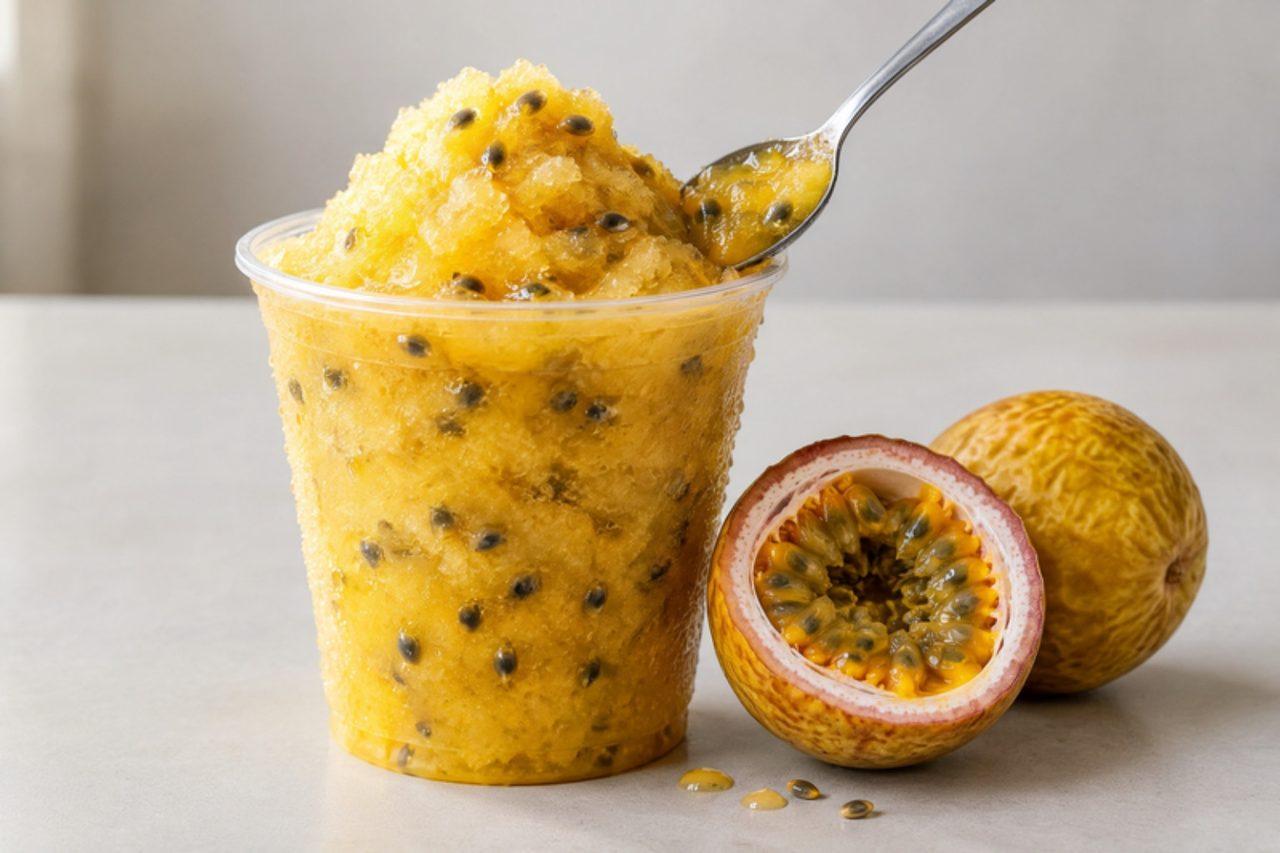
Cremolada (Lima passion fruit slush)

From January to March, when Lima's coast swelters, queues form at the cremolada counters of Barranco and along the Jirón de la Unión downtown for cups of this thick fruit ice. It sits between a granita and a sorbet: frozen fruit pulp scraped again and again until it is slushy and spoonable, with real bits of fruit through it. Passion fruit (maracuyá) gives a sharp, bright flavour; creamy lúcuma, with its maple and sweet potato taste, is the other favourite. Chef's tip: use a shallow metal tray; it freezes faster and evenly, so you get fine crystals rather than chunks.

by KrazyBadal 0 views

Showing 24 of 54 recipes

Show more recipes

Page 1 of 3