Skip to content
Recipes

All recipes

Vegetarian, or something you can't eat? Set your diet once and we'll hide recipes that don't fit.

KaguyjyWhite corn pudding

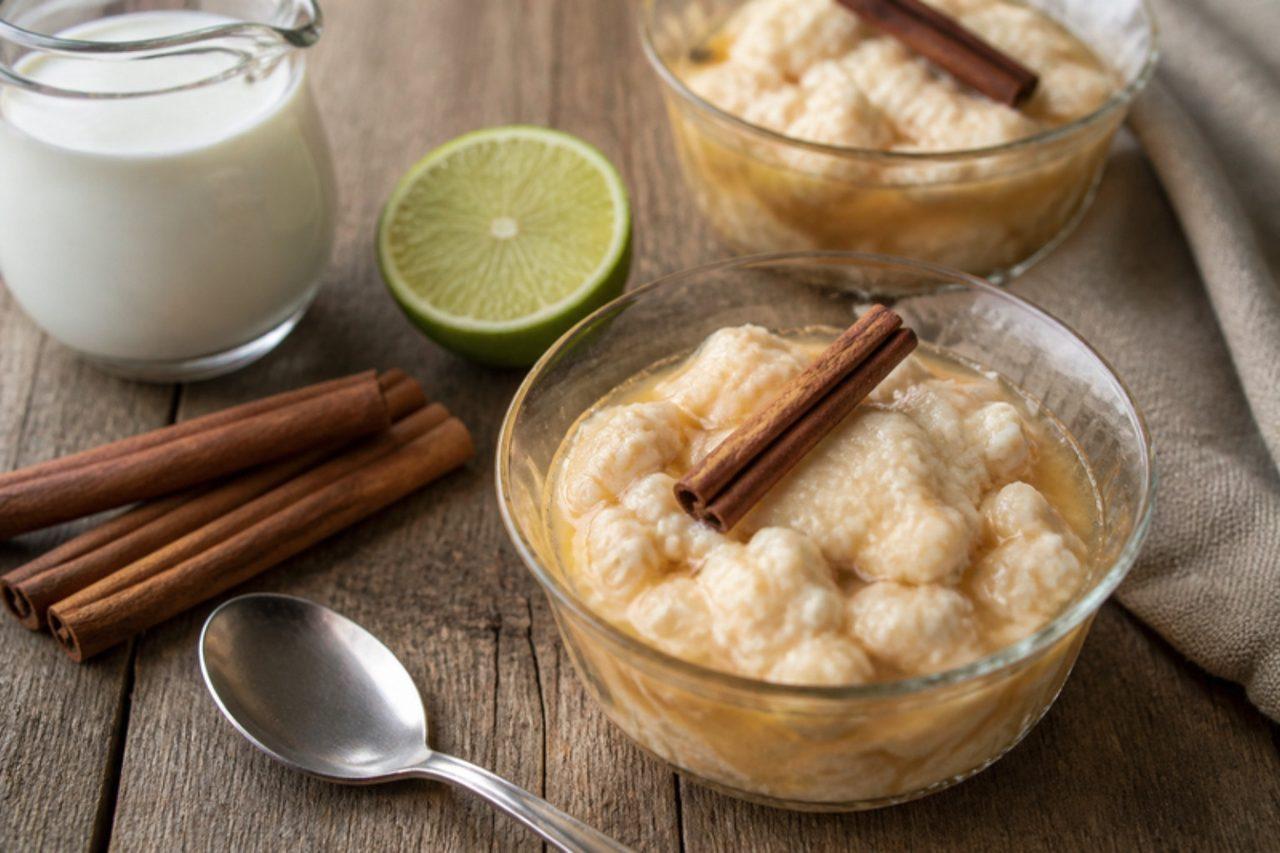
On the night of 23–24 June, Paraguayans celebrate San Juan with bonfires, games like walking over hot coals and the 'paso de fuego', and a table of traditional foods, and kaguyjy (also mazamorra) is one of them. It is a soft, creamy pudding of cracked white corn (locro) simmered slowly in water and then milk with sugar or honey, sometimes with orange peel. It is eaten warm or cold. It is gluten free. Chef's tip: soak the corn overnight and cook it until each kernel is tender before adding the milk, or it never turns creamy.

by KrazyBadal 0 views

Mont let saung (Burmese sago in coconut milk and jaggery)

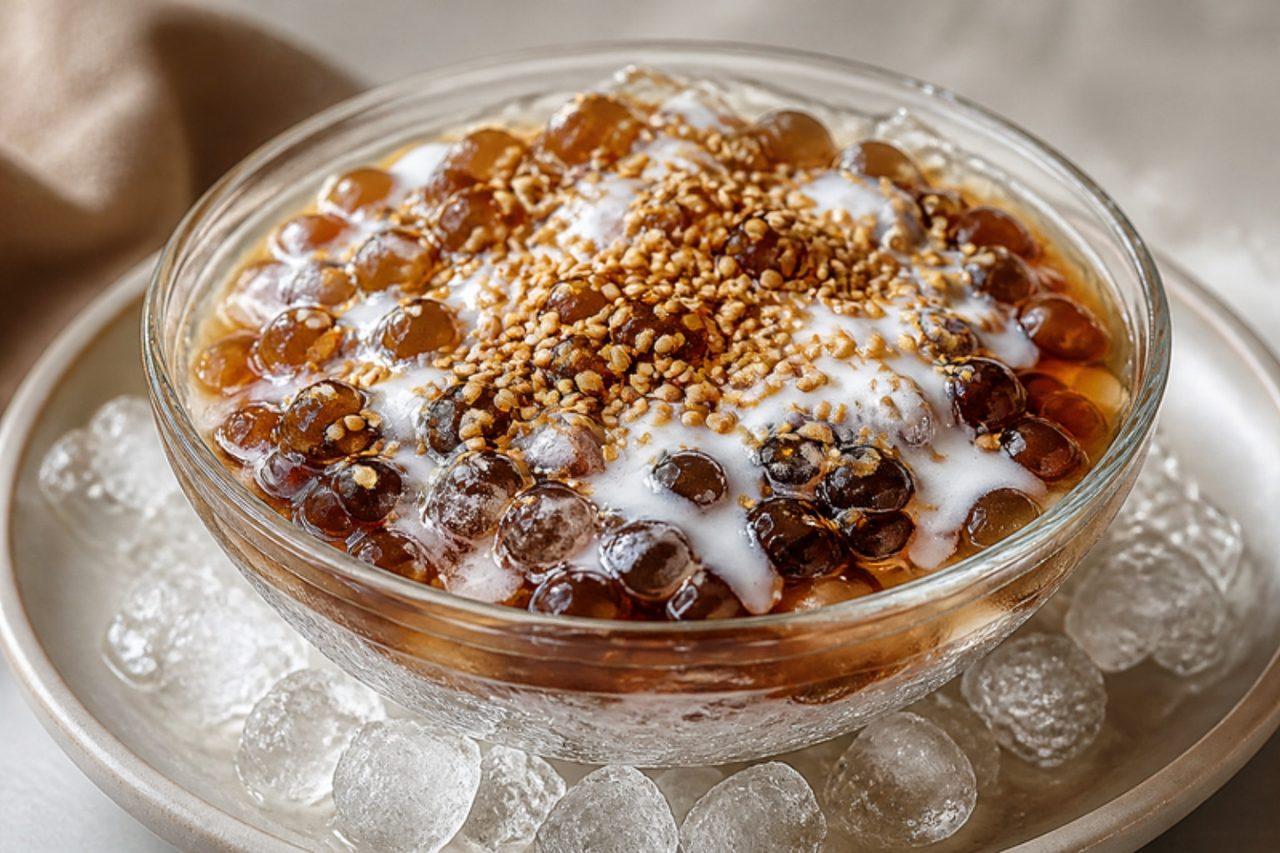
During Thingyan, the Burmese water festival that ends the old year in mid-April, stalls across Myanmar hand out free food and cold drinks as a way of making merit, and mont let saung is one of the best loved. Chewy, glassy sago pearls (or short white rice-flour threads in some towns) sit on crushed ice, soaked in dark jaggery syrup and lightly salted coconut milk, with toasted sesame on top. It is cool, sweet and gently smoky from the jaggery, exactly what you want after a day of being splashed with water. Serve it in glasses or bowls as soon as it is assembled. Chef's tip: a pinch of salt in the coconut milk is what makes the jaggery taste rounder, so don't skip it.

by KrazyBadal 0 views

Dulce de fruta bomba (Cuban green papaya in syrup)

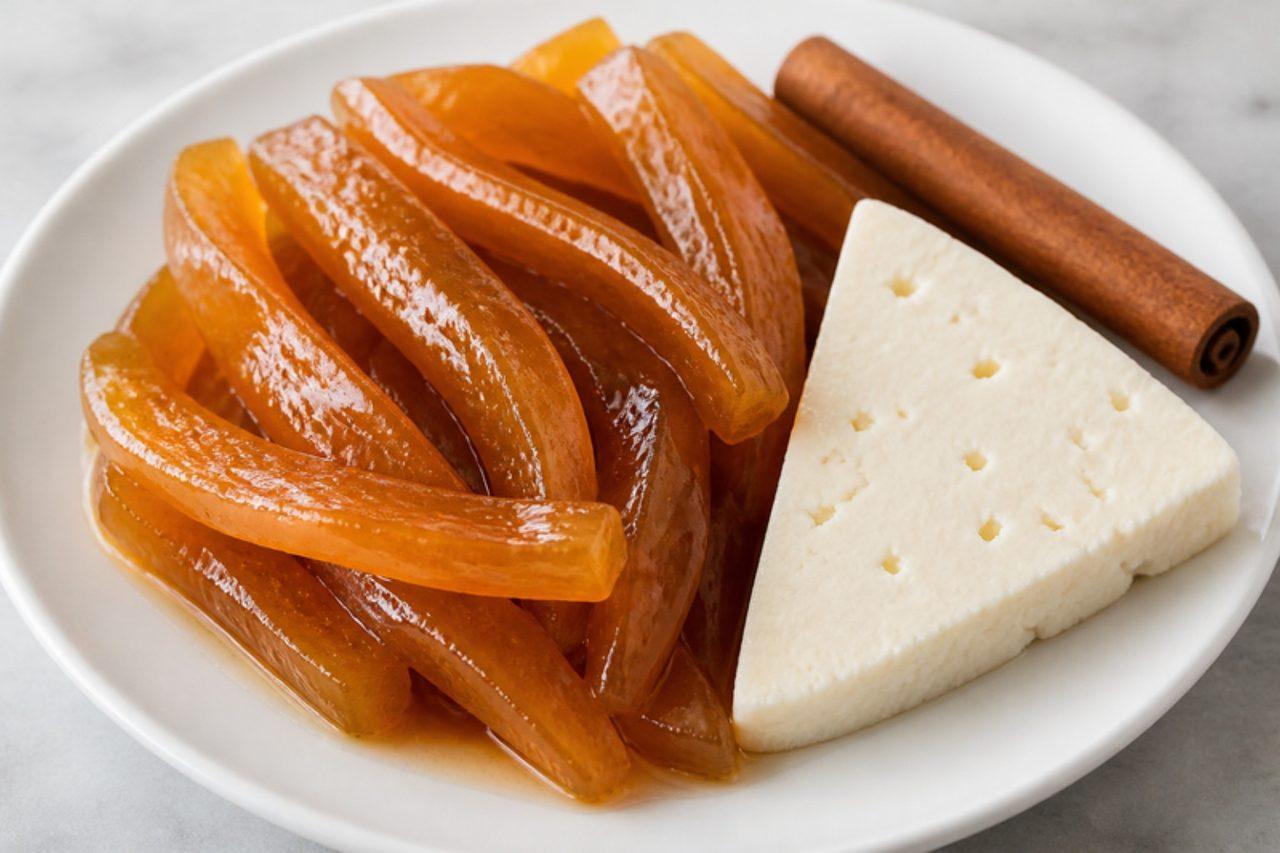
In Cuba, papaya is called fruta bomba, and its green, unripe fruit is cooked into this old-fashioned dulce, a fixture of home cooking all over the island and often made in big batches to keep. Strips of firm green papaya are simmered slowly in a cinnamon and lime-peel syrup until they turn translucent and chewy, with a candied, honeyed flavour. The Cuban way to eat it is with a slice of salty, crumbly white cheese, which balances the sweetness; a cup of strong coffee goes alongside. The dulce is egg-free by tradition, with nothing to bind: the papaya candies in the sugar syrup, and a short soak in water with a little bicarbonate of soda helps the strips stay firm. Chef's tip: rinse the strips well after the soak and simmer them gently; the common mistake is boiling the syrup fast, which hardens the outside of the papaya before the syrup can soak in.

by KrazyBadal 0 views

Ka'i ladrilloPeanut molasses bricks

Ka'i ladrillo — 'monkey brick' in Guaraní — is the sweet sold by vendors on Asunción buses and at country fiestas: roasted peanuts bound in boiled cane molasses and set in brick-shaped blocks, crunchy and dark with a slightly smoky toffee taste. It contains peanuts, so keep it away from anyone with a peanut allergy. The common mistake is taking the syrup off too soon, so the bricks stay sticky and never set. Chef's tip: test the syrup by dropping a little into cold water; it is ready when it sets into a brittle thread that snaps.

by KrazyBadal 0 views

KoserevaCandied bitter orange peel

Kosereva is a Paraguayan home preserve from the days when nothing was wasted: thick strips of bitter-orange peel soaked and boiled to soften their bite, then cooked slowly in dark cane molasses until glossy and nearly black. In the countryside it is eaten after lunch with a slice of fresh cheese or simply on its own. Bitter oranges (Seville oranges) are in season in winter. The most common mistake is not changing the boiling water enough, which leaves the peel unpleasantly bitter. Chef's tip: taste a sliver of peel after the third boil; it should be gently bitter like marmalade, not harsh.

by KrazyBadal 0 views

Martín FierroCheese with quince paste

Ask for dessert in a Montevideo bodegón or a country parador and you may be offered a Martín Fierro: a thick slice of fresh, mild cheese laid with an equal slice of dense quince or sweet-potato paste, named after the gaucho of the epic poem. It's salty against sweet, soft against firm, and takes two minutes to assemble. Uruguayan fresh cheese is usually made with animal rennet, so choose one with vegetarian rennet if that matters to you. The mistake is serving it fridge-cold, which dulls both flavours. Chef's tip: cut the cheese and paste to exactly the same thickness, about 1 cm, so every bite has both.

by KrazyBadal 0 views

Durofrío de mangoFrozen mango milk pops

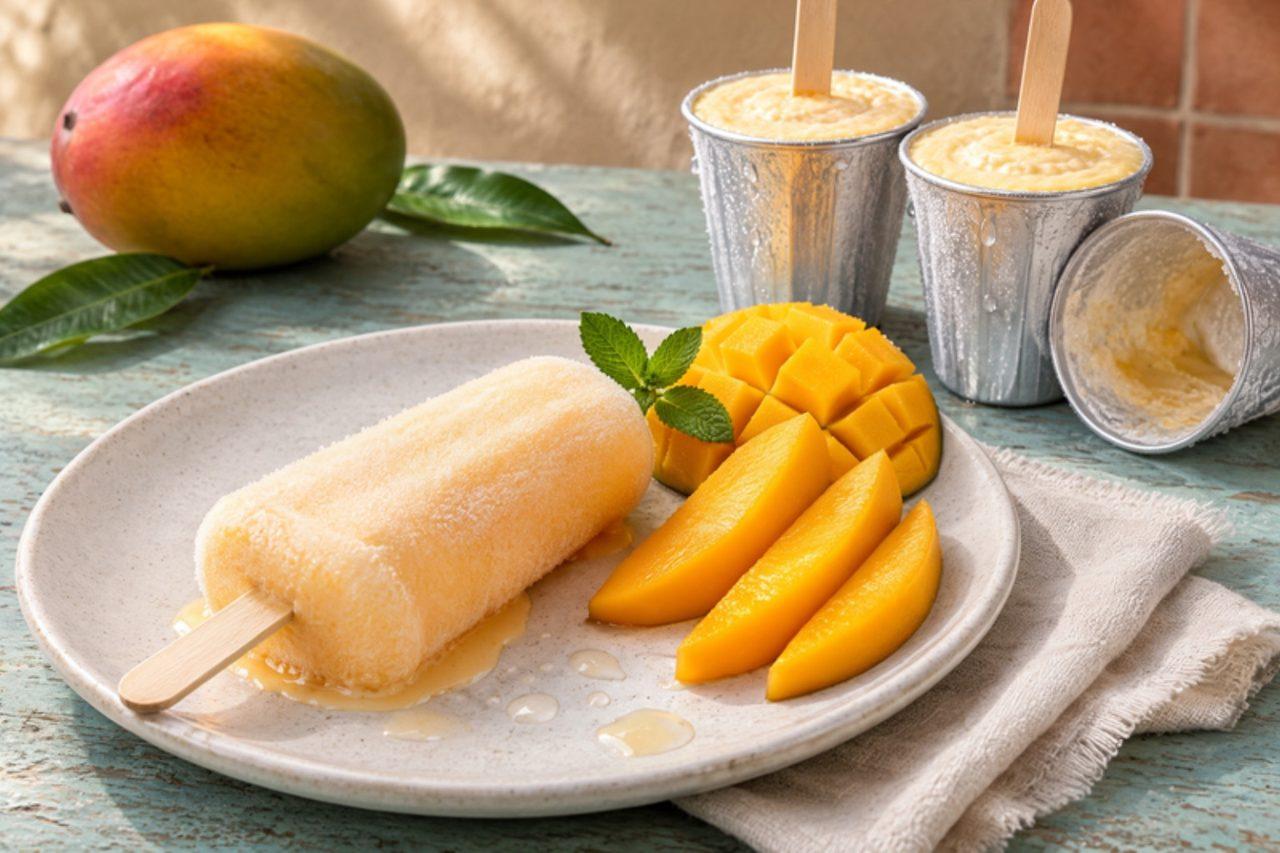
In the hot streets of Centro Habana, durofríos are sold straight from the front windows of family homes: a few pesos buys a frozen cup of fruit juice or fruit and milk, popped out and eaten on a stick or straight from its paper cup. Children queue for them after school in the long summer afternoons, when the sea breeze has dropped. This version blends ripe mango with milk and lime into a creamy, fruity ice that is firm, as the name says ("hard-cold"), rather than soft like ice cream. Swap the milk for water or guava juice for a dairy-free fruit ice. It contains milk. Chef's tip: make the mix taste a little too sweet before freezing; cold dulls sweetness.

by KrazyBadal 0 views

Pathein halawaSticky rice halawa

Pathein, the old river port of the Ayeyarwady delta, is famous for two things: painted parasols and this halawa, sold in boxes at roadside shops to travellers heading for the beaches at Chaung Tha and Ngwe Saung and carried home as gifts. Unlike dark mont kalama, it is pale amber and rich with dairy: glutinous rice flour is cooked slowly with milk, coconut milk and sugar, and butter and ghee are worked in until the mixture turns chewy, glossy and toffee-like, with poppy seeds pressed on top. It tastes buttery, caramel-sweet and faintly milky, and is cut into small pieces to eat with plain green tea. Adding all the butter at once is the usual slip; the fat floats out and the halawa turns greasy, so work it in a little at a time. Chef's tip: keep the heat low and patient; a light amber colour means a clean, milky flavour.

by KrazyBadal 0 views

Sanwin makinSemolina coconut cake

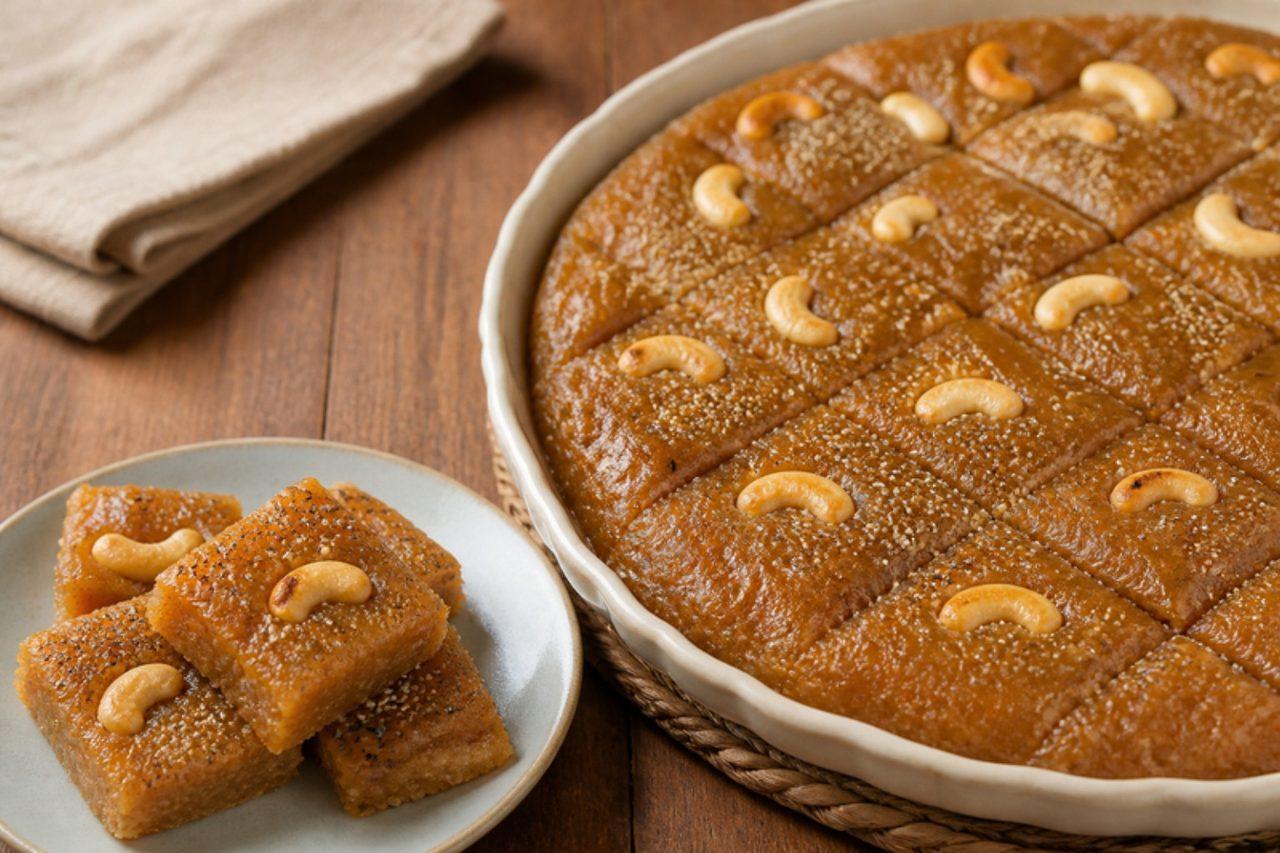
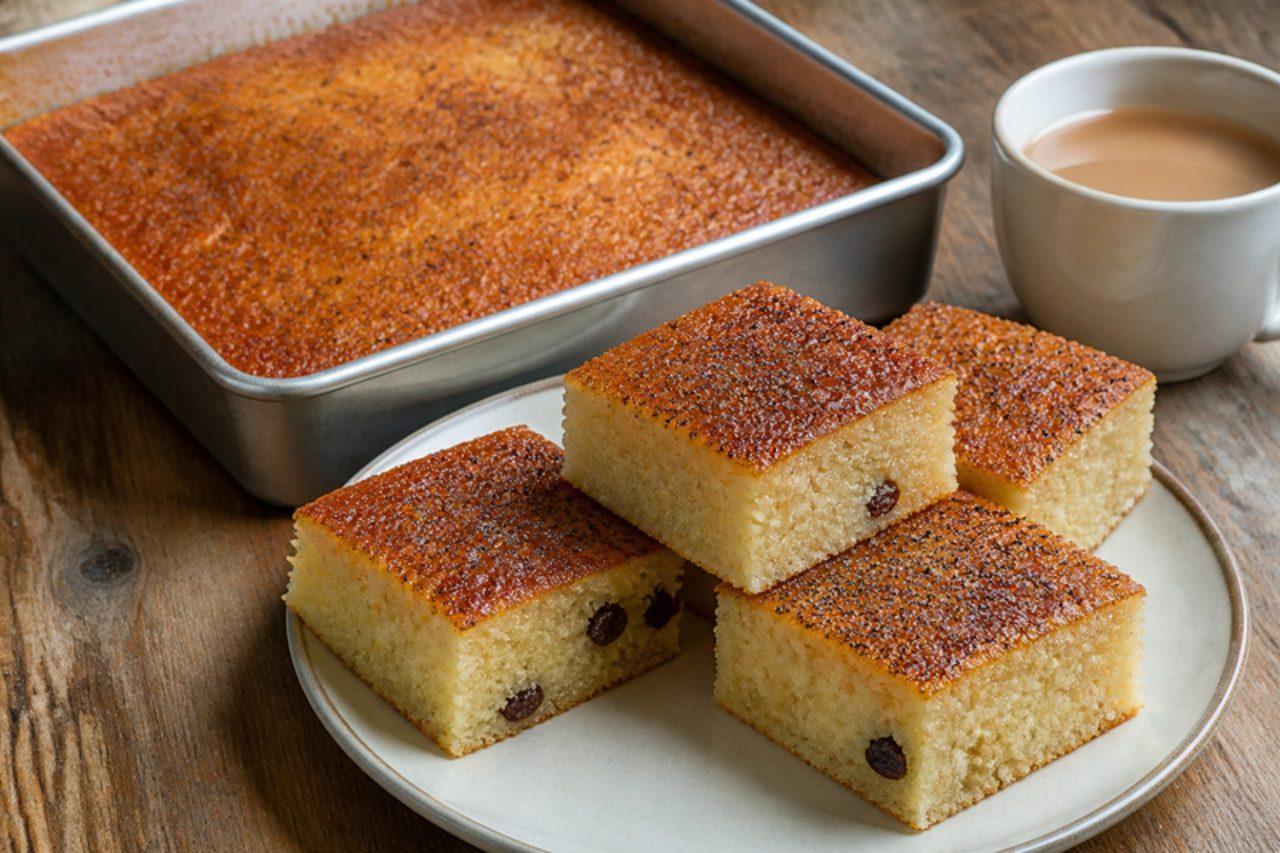
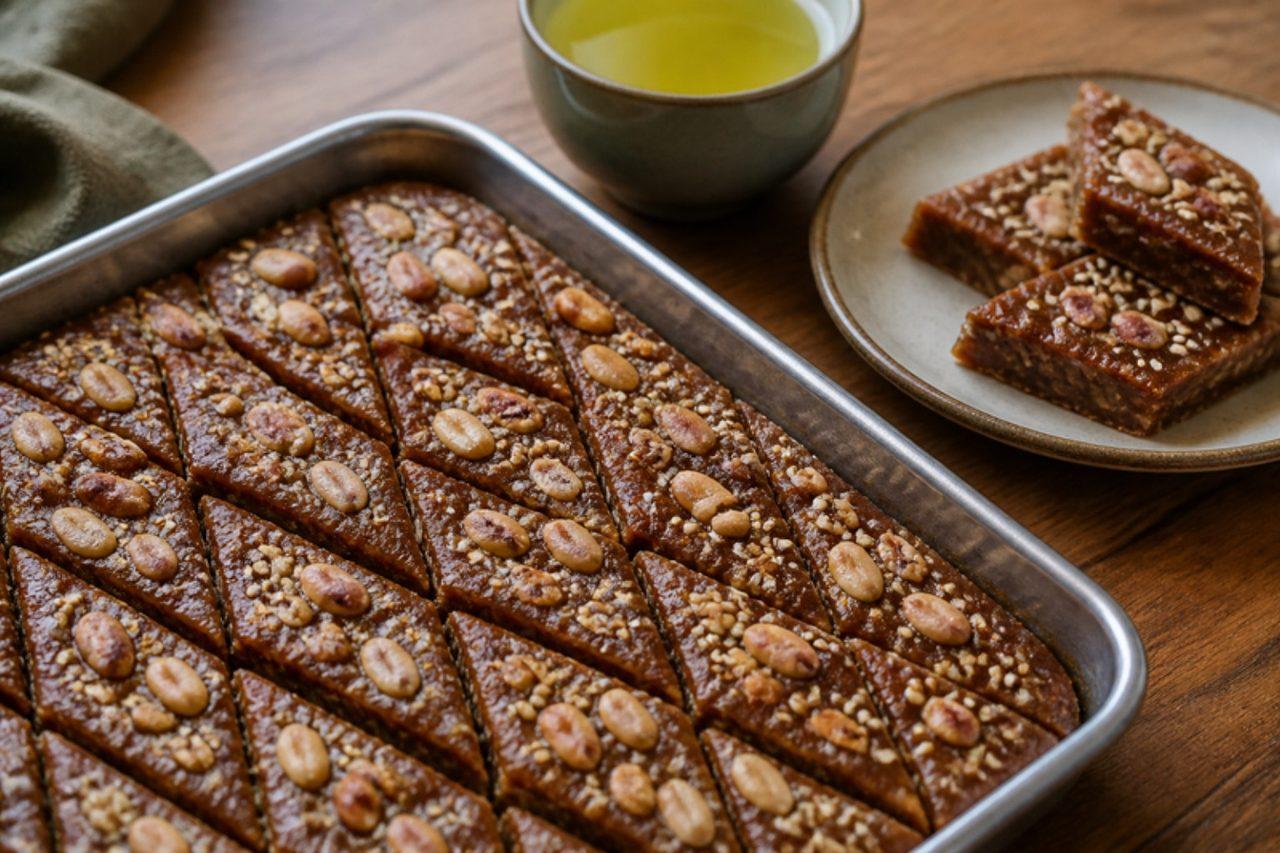
Burmese families bake trays of this dense, golden cake for donation ceremonies, novice monk initiations and the Thadingyut lights festival, and tea shops in Yangon sell it in neat diamonds beside the milky tea. Semolina is toasted and slowly cooked with coconut milk, milk and sugar into a thick paste, enriched with butter and eggs, then baked until the top is deep brown and the inside is soft, moist and fudgy, somewhere between a cake and a set pudding. Poppy seeds on top add a faint crunch; toasted sesame is a common swap. Cutting it warm is the typical letdown: the cake only firms as it cools, so wait a few hours. Chef's tip: toast the semolina until it smells like warm biscuits before adding any liquid; that nutty depth is what makes a good sanwin makin.

by KrazyBadal 0 views

Bein montJaggery coconut rice pancake

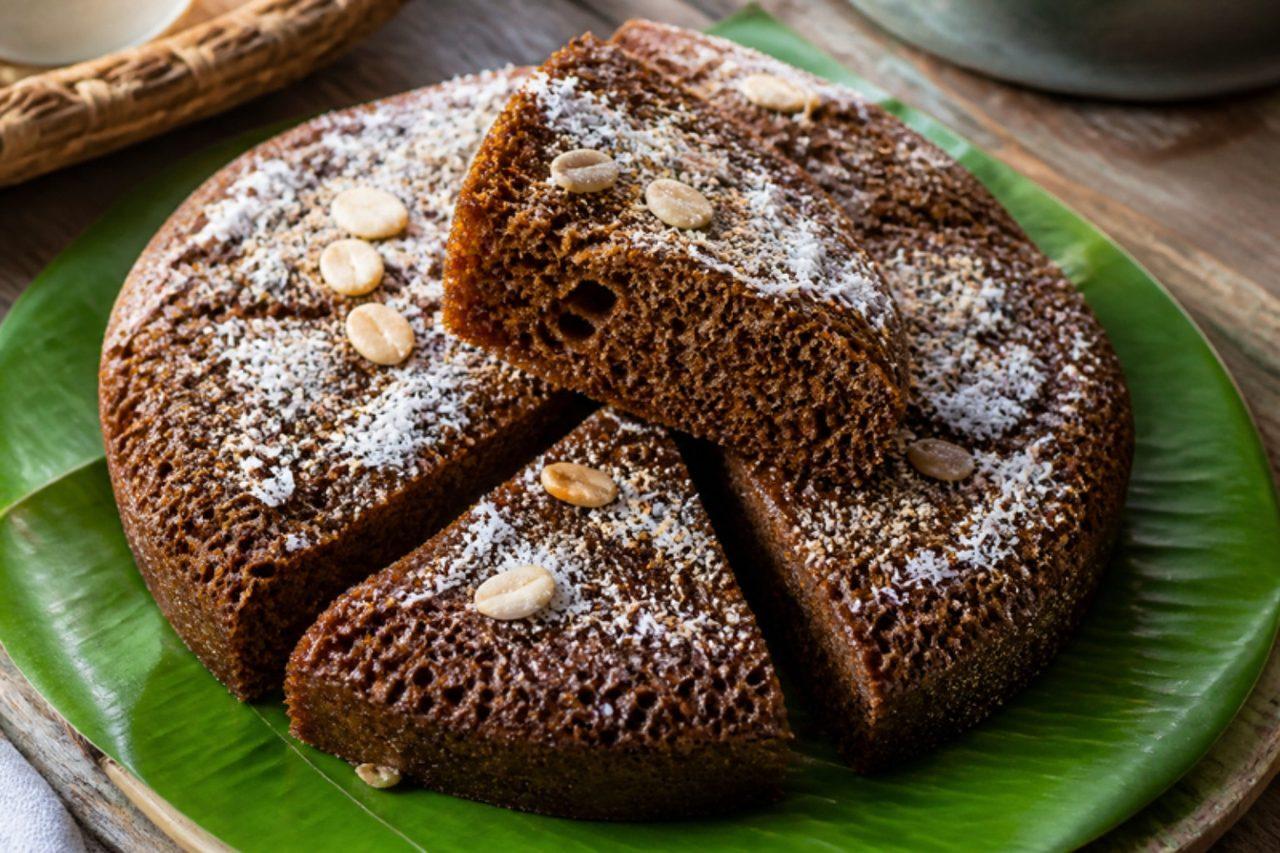
When the November nights cool down for the Tazaungdaing festival, food stalls outside pagodas in Yangon and Mandalay start cooking bein mont in small, lidded iron pans with embers piled on top, so the cake bakes from above and below at once. The batter is rice flour sweetened with dark jaggery, so it cooks into a thick, springy, brown pancake with a crisp base, studded on top with shreds of coconut and sliced peanuts; some vendors still scatter poppy seeds, the bein that may have given the snack its name. It is eaten warm in wedges with hot green tea. High heat is what usually goes wrong: the base scorches while the centre stays raw, so keep the flame low and the lid on. Chef's tip: a small cast-iron pan finished under the grill copies the charcoal top heat at home.

by KrazyBadal 0 views

BoniatilloSweet potato pudding

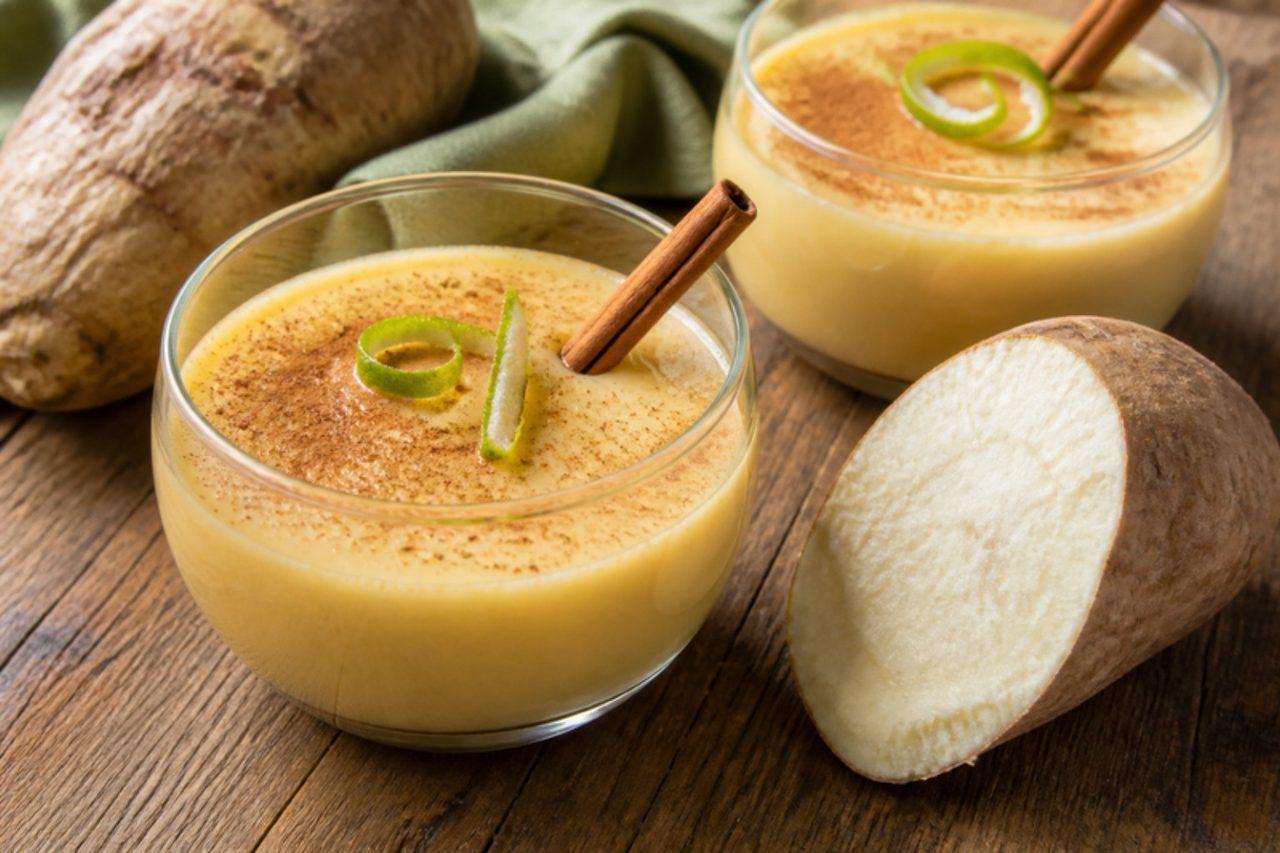
Boniatillo comes from the sweet tooth of old Havana, where white-fleshed boniato is boiled, puréed and cooked in a cinnamon and lime-peel syrup until it turns into a thick, glossy pudding. It is served at room temperature in small bowls, often dusted with cinnamon, at birthdays or simply after Sunday lunch. The mistake to avoid is using orange sweet potato alone, which makes it wet and very sweet; Cuban boniato or a white sweet potato gives the right dry, chestnutty texture. Chef's tip: beat in the egg yolks off the heat with a little of the hot purée first, so they thicken the pudding without scrambling.

by KrazyBadal 0 views

Cascos de guayaba con quesoGuava shells with white cheese

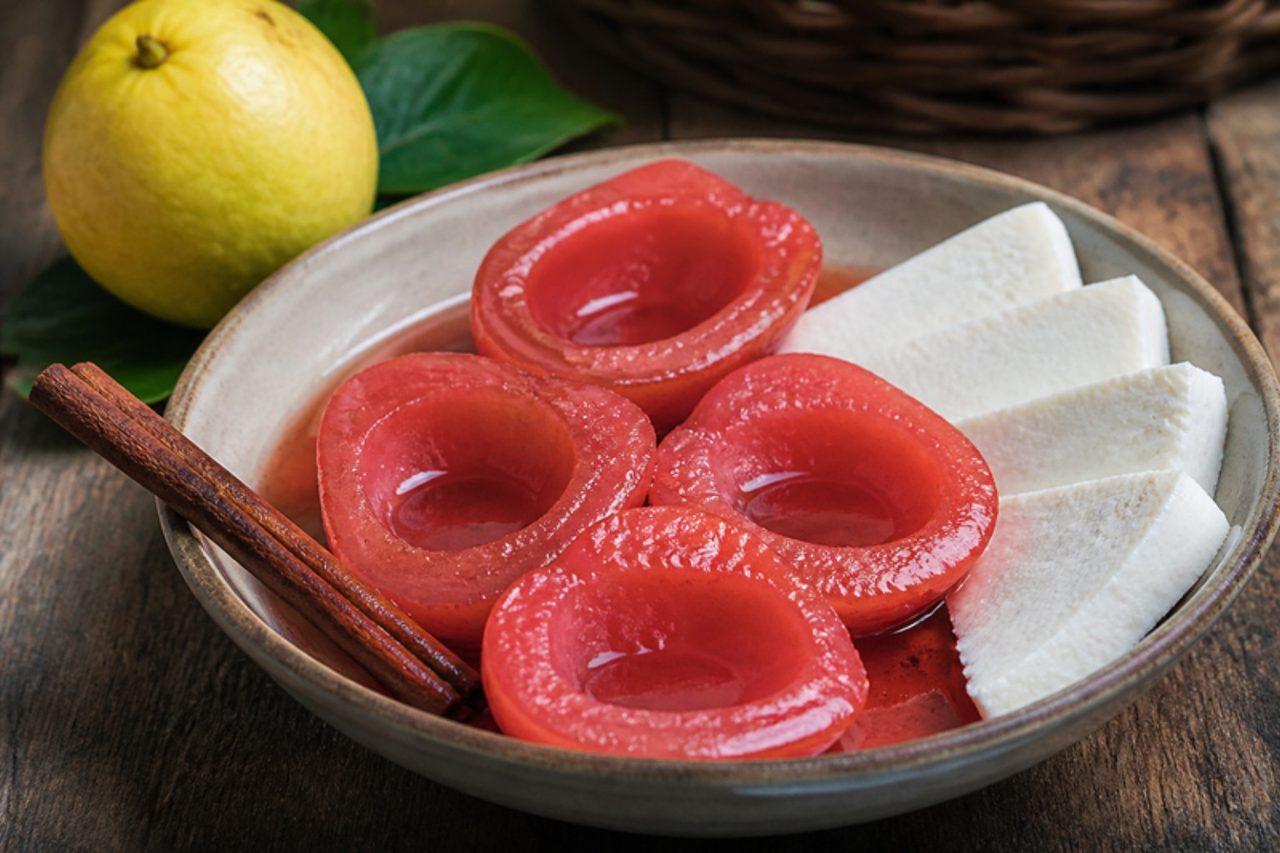
On Cuban tables from Havana to Pinar del Río, the most loved dessert is also one of the simplest: guava halves, scooped of their seeds and simmered in syrup until glossy and tender, served beside a slab of salty white cheese. The sweet, perfumed fruit and the sharp cheese balance each other perfectly. Cooks often overcook the shells until they fall apart; they should still hold their cup shape. Queso blanco and cream cheese are usually made with animal rennet or microbial enzymes depending on the maker, so check the label and choose a vegetarian one if needed. Chef's tip: simmer the scooped-out seeds and pulp in a little water, sieve them and add that purée to the syrup, which gives it a deep pink colour and real guava flavour.

by KrazyBadal 0 views

Cucurucho de cocoCoconut and honey cones

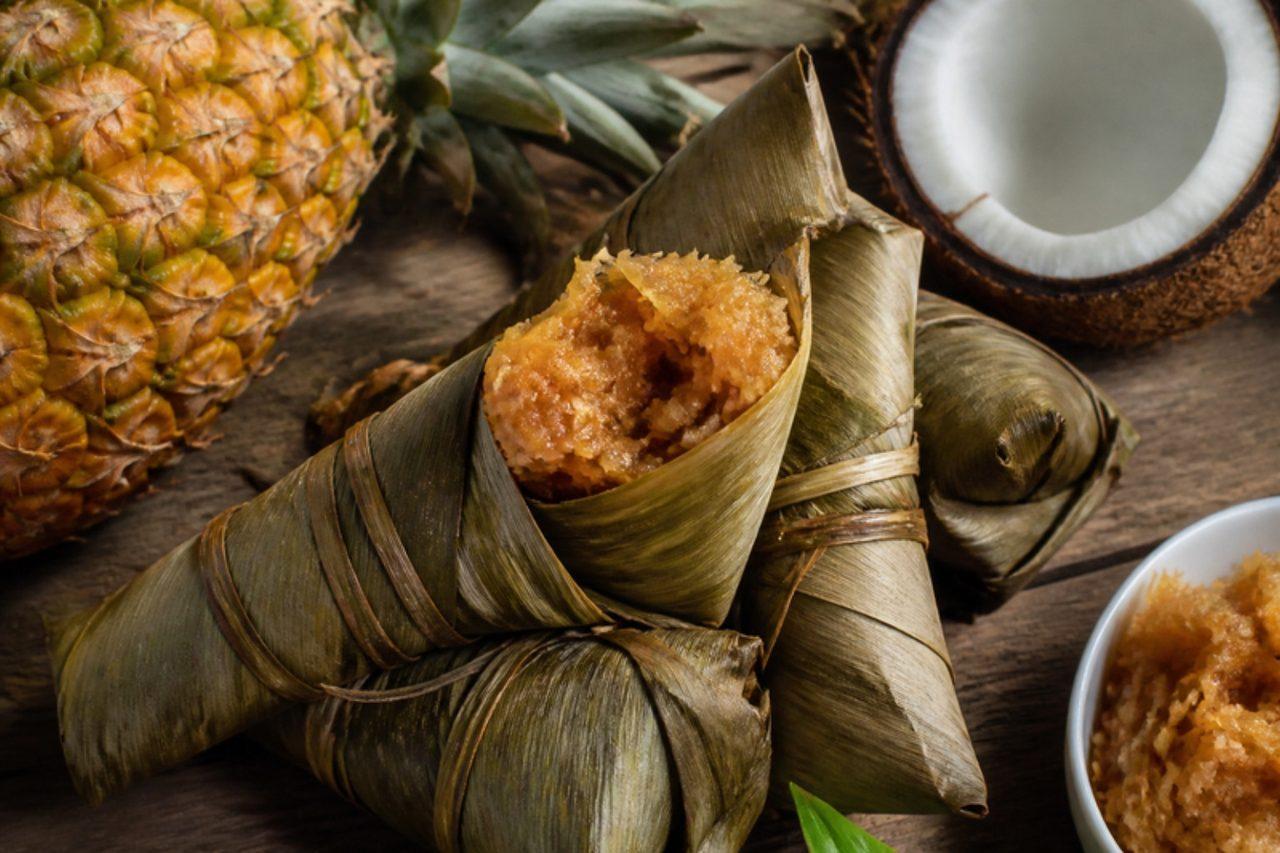
Drive into Baracoa on Cuba's far eastern tip and roadside sellers hold up cucuruchos, cones of dried palm bark packed with grated coconut cooked down with sugar, honey and local fruit such as guava, orange or pineapple. It is sticky, chewy and fragrant, a sweet you eat with your fingers on the road. The mistake is stopping too soon; the mix has to cook until it pulls from the pan, or it weeps in the cone. At home, cones of baking paper or small cups stand in for the palm bark. Chef's tip: use fresh coconut if you can and toast it lightly first, which keeps the shreds chewy rather than soggy.

by KrazyBadal 0 views

Dulce de leche cortadaSweet milk curds in syrup

Dulce de leche cortada is a farmhouse sweet from the dairy country of central Cuba: milk is split with lime juice, then cooked slowly with sugar and cinnamon until the curds turn soft, golden and chewy in a caramel-coloured syrup. It is served cold in small dishes, and it is quite unlike the smooth Argentine dulce de leche. People often stir too much once the milk splits, breaking the curds into grains, so stir gently and only to stop it catching. There is no rennet here; lime does the curdling. Chef's tip: add the lime to the milk while it is warm, not boiling, and leave it untouched for 10 minutes, which gives large, tender curds.

by KrazyBadal 0 views

Kyauk kyawTwo-layer coconut jelly

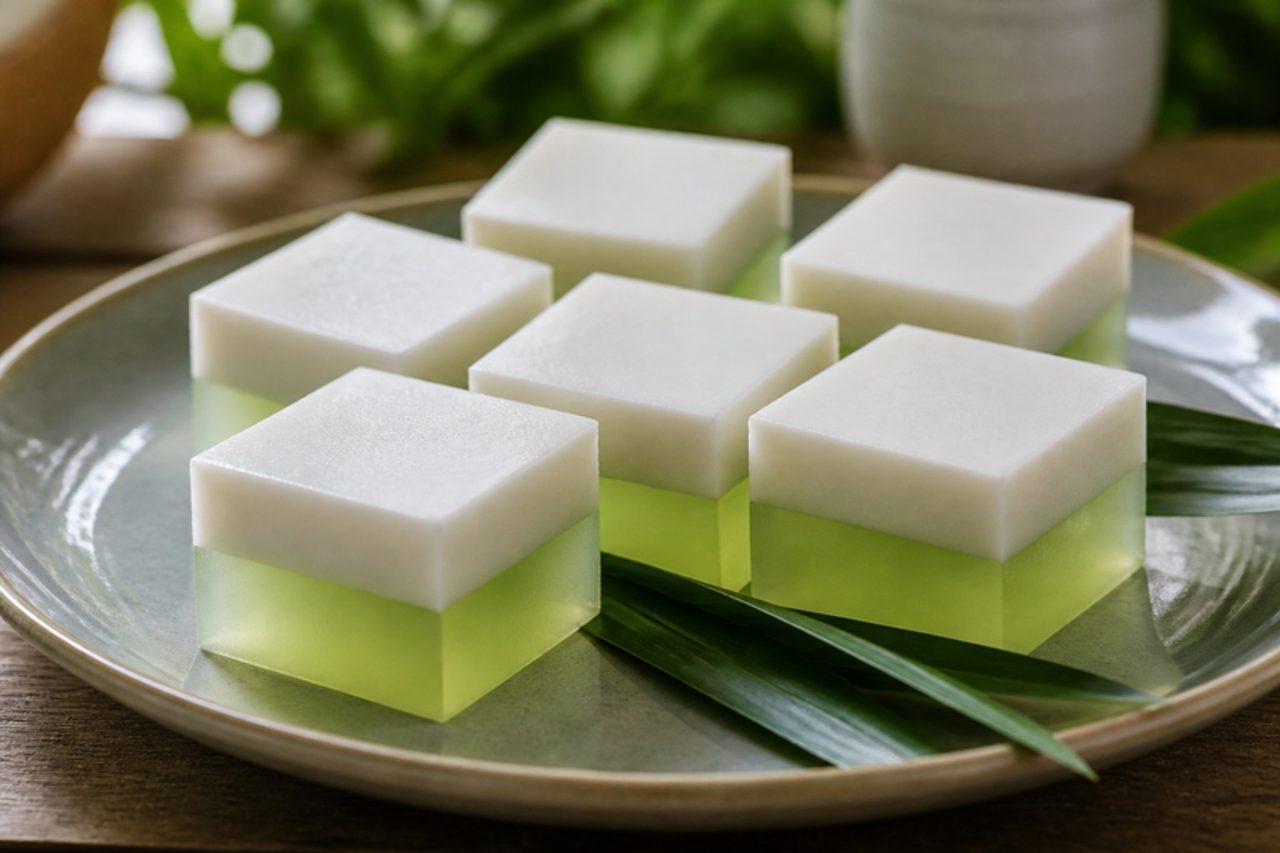
Trays of kyauk kyaw are cut into diamonds for nearly every Burmese celebration, from birthday donation lunches to the water-splashing days of Thingyan in April, when a cold, firm jelly is exactly what the heat calls for. Agar sets far firmer than gelatine, and that clean, snappy bite is the whole point: a translucent sweet layer on the bottom and an opaque, lightly salted coconut cream layer on top, each tasting of fresh coconut and a hint of pandan. It is served chilled, on its own or alongside shwe yin aye and other festival sweets. If the bottom layer sets completely hard before you pour the top, the two layers slide apart when you cut them. Chef's tip: pour the coconut layer while the clear layer has just formed a skin that holds a fingertip but is still warm.

by KrazyBadal 0 views

Mont kalamaSticky rice and jaggery fudge

Making mont kalama is a group effort: before weddings, shinbyu novice ceremonies and village pagoda festivals, Burmese families take turns stirring a giant wok of sticky rice flour, coconut milk and jaggery for hours until it turns into a dark, glossy mass. The result, sliced into thick bars and topped with toasted sesame, is chewy and elastic like a soft toffee, tasting of caramel, smoky palm sugar and coconut, much like Malay dodol. It keeps for days, which is why it is a favourite gift to carry home from celebrations. Stopping stirring or turning up the heat to save time is the classic error; it scorches on the bottom and the whole batch tastes bitter. Chef's tip: use a heavy non-stick wok and a sturdy flat wooden spatula, and switch hands often.

by KrazyBadal 0 views

Panetela borrachaSyrup-soaked sponge cake

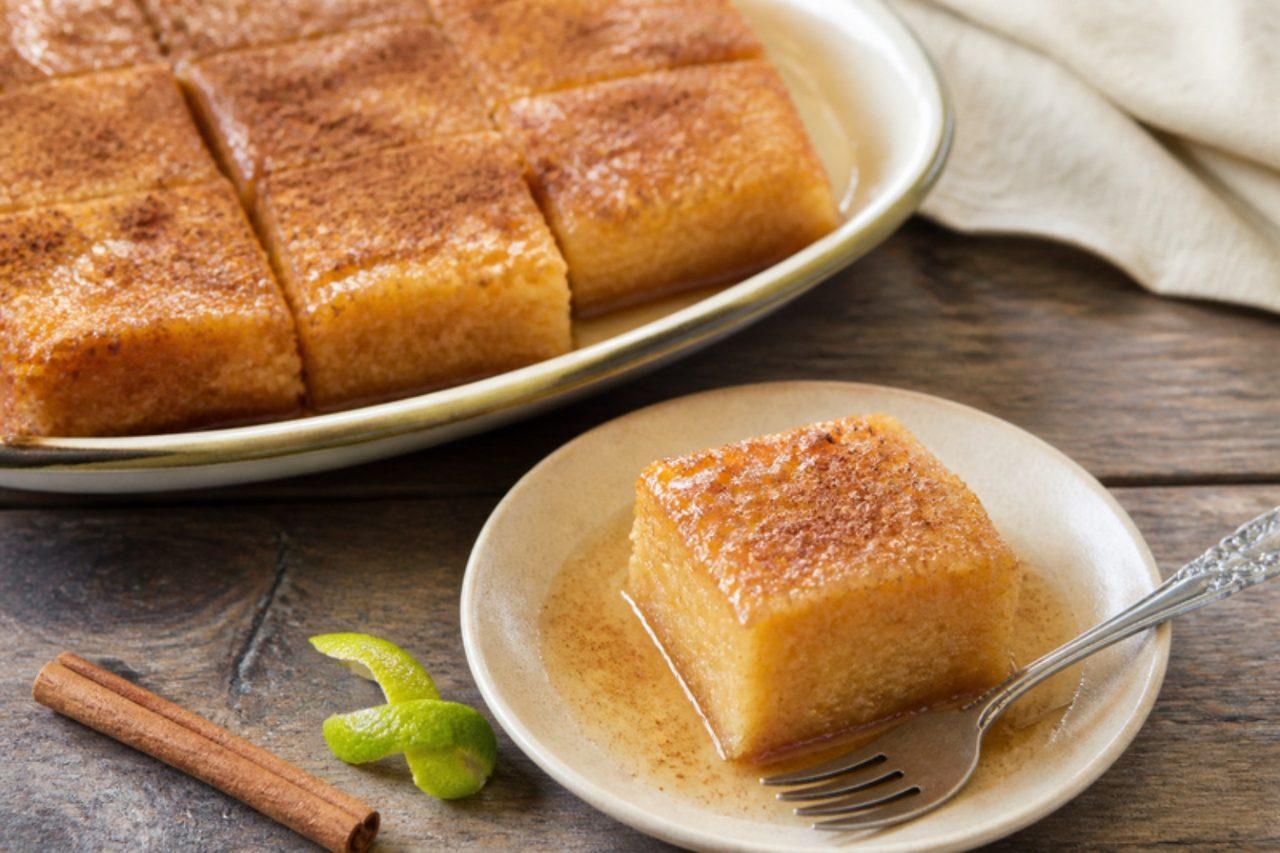
Panetela borracha, "drunken sponge", is the cake of Havana birthday parties and neighbourhood celebrations: a light sponge baked in a tray, cut into squares and drenched in hot syrup until it is almost a pudding. The traditional syrup contains rum, so that version is for adults only; the alcohol is not cooked off. For children or anyone avoiding alcohol, leave the rum out and use the vanilla and cinnamon syrup alone, which is how many families make it anyway. The mistake to avoid is pouring cold syrup on cold cake; one of them must be hot so the syrup soaks in rather than sitting on top. Chef's tip: prick the sponge all over with a skewer before pouring, and add the syrup in two goes, ten minutes apart.

by KrazyBadal 0 views

MohnnudelnPotato noodles with poppy seeds

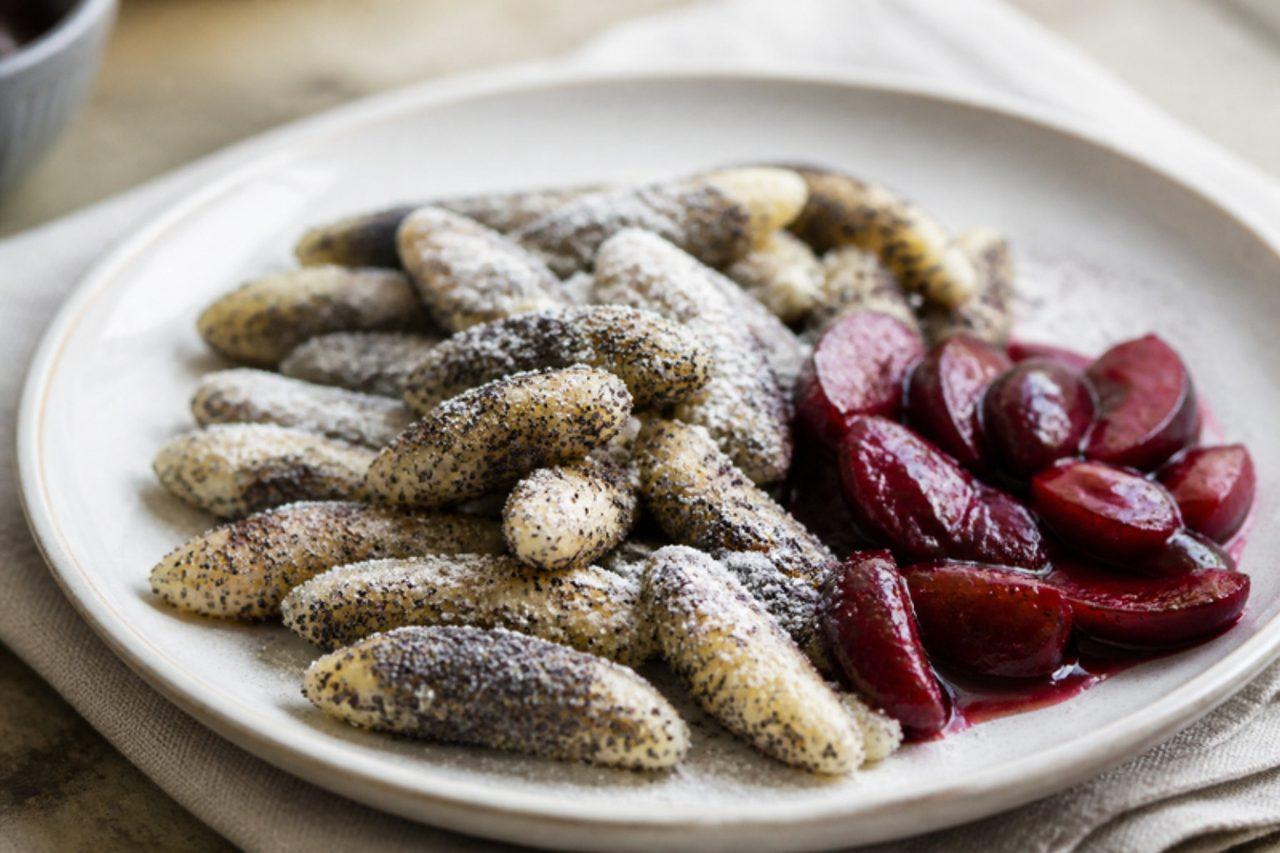
The Waldviertel, the cool, forested uplands of Lower Austria, is poppy country: in July its fields bloom white, pink and violet, and the grey poppy seed grown there has a protected name. Mohnnudeln are its favourite sweet dish, served as a main meal on meatless days or as dessert. Soft potato dough is rolled into little tapered noodles, boiled, then tossed in foaming butter with a generous amount of freshly ground poppy seed and icing sugar, so they taste nutty, buttery and gently sweet. A common mistake is using whole or stale poppy seeds; whole seeds give no flavour and old ground ones taste bitter. Chef's tip: grind the poppy seed yourself in a spice grinder just before using, in short bursts so it doesn't turn to paste.

by KrazyBadal 0 views

MalakofftorteNo-bake sponge finger torte

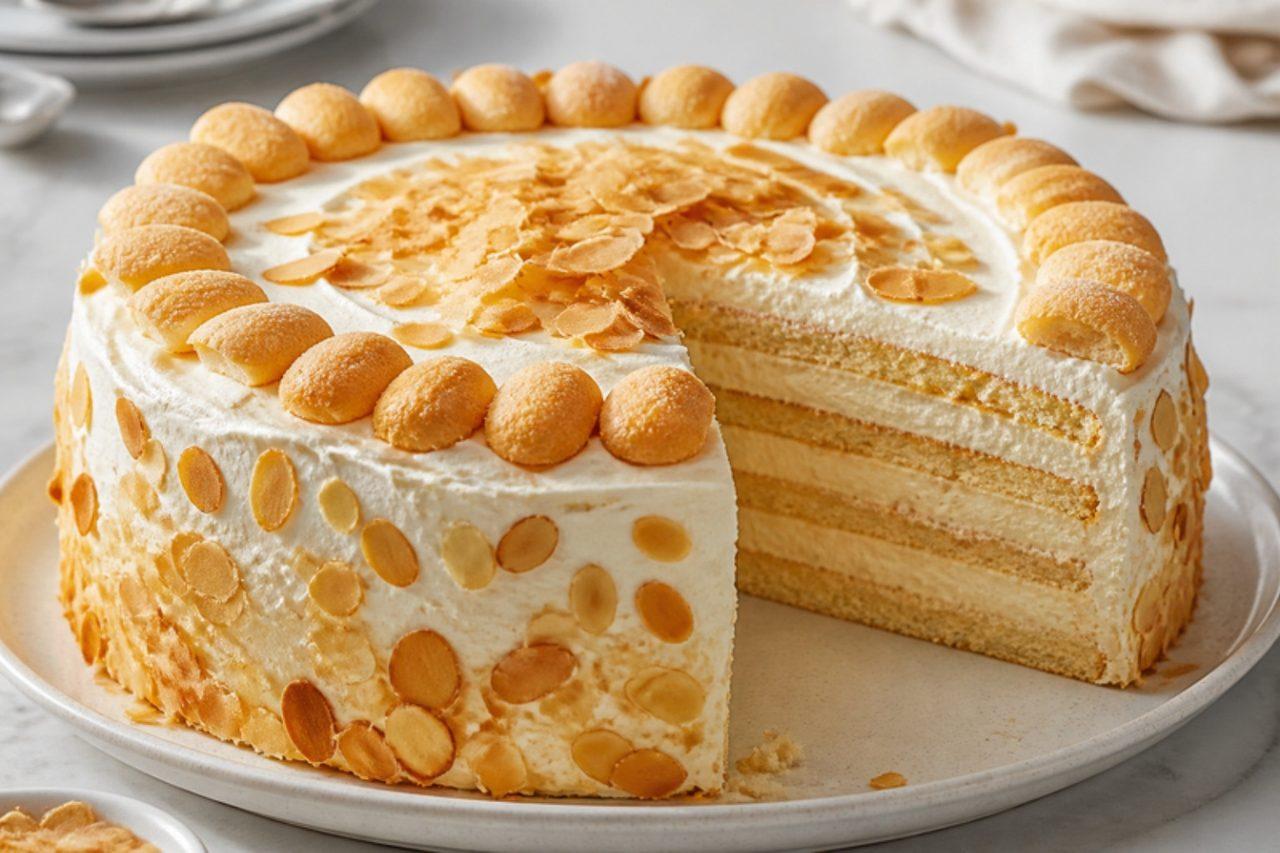
Malakofftorte is the cake Viennese families put together for name days and summer parties, because the oven stays off. Sponge fingers are dipped in milk and layered with a rich almond cream made from butter, cooked vanilla custard and whipped cream, then chilled until it slices like a soft mousse cake. In many Austrian homes the soaking milk is laced with rum or almond liqueur; this version is alcohol-free and uses vanilla milk, and you can add 2 tbsp dark rum to the milk if you want the traditional taste. A common mistake is soaking the biscuits too long, so they go soggy and the layers collapse; one quick dip is enough. Chef's tip: make it the day before; it needs at least 6 hours to set and tastes best the next day.

by KrazyBadal 0 views

Salzburger NockerlSweet soufflé peaks

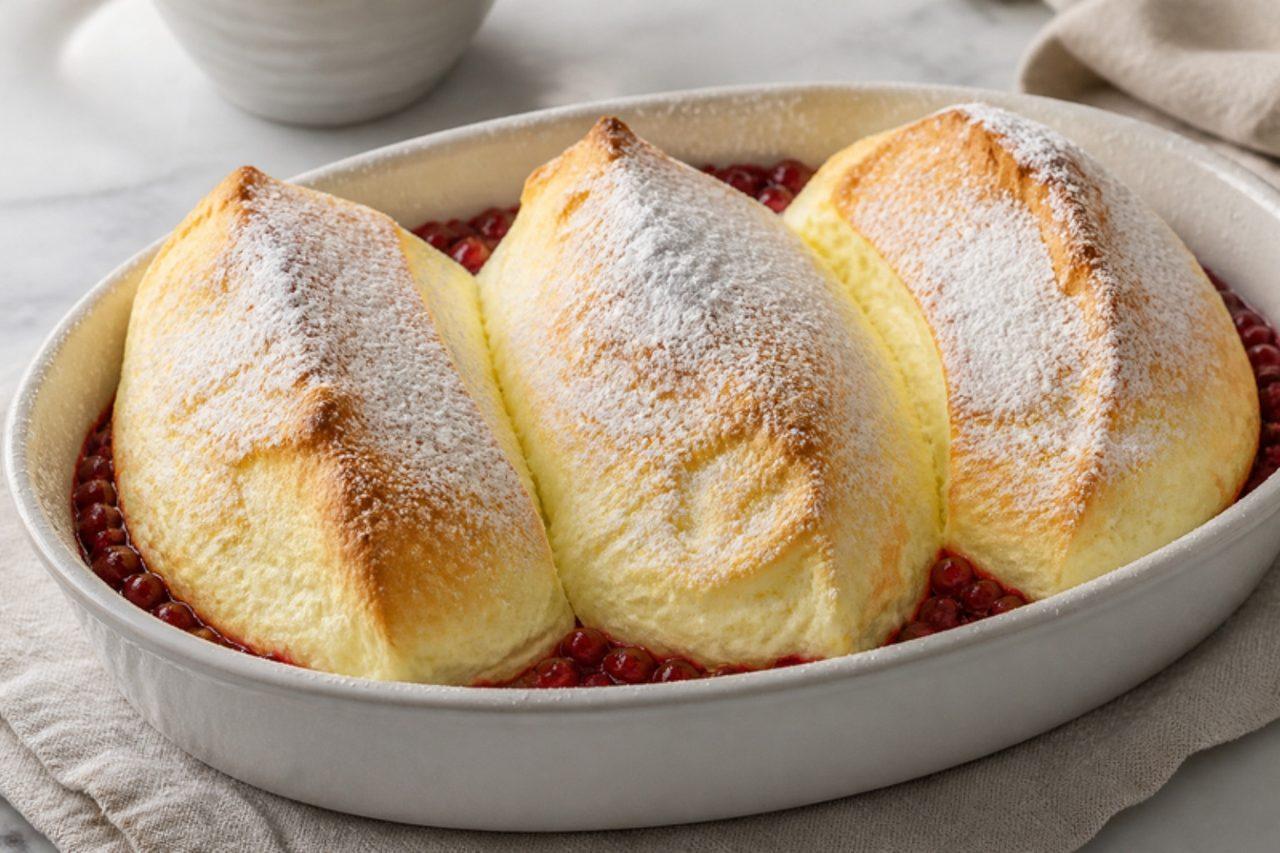
Salzburger Nockerl is the dessert Salzburg serves to visitors after a concert or a walk through the old town: three golden, sugar-dusted peaks said to stand for the hills around the city. Under the airy egg-white soufflé is a layer of tart lingonberries or redcurrants, warmed with vanilla milk in the baking dish. It is meant to be shared from the dish and eaten the moment it leaves the oven, before it sinks. This version uses cornflour instead of wheat flour, so it is gluten free. A common mistake is over-folding the yolks into the whites; streaks are fine, and too much stirring makes it collapse. Chef's tip: keep the oven door shut until the end; the peaks are ready when they are golden outside but still creamy inside.

by KrazyBadal 0 views

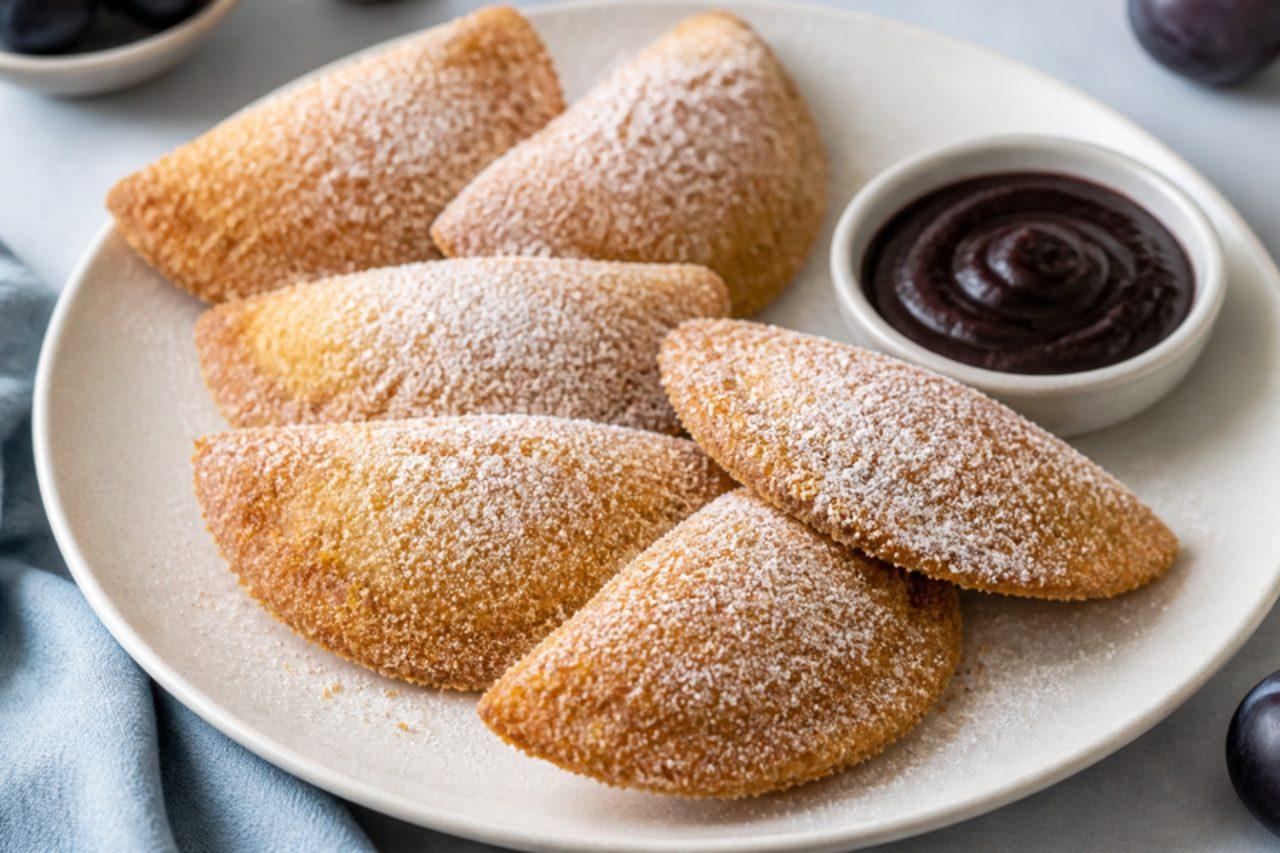
PowidltascherlPlum butter potato dough pockets

Powidl, a thick, dark plum butter cooked for hours without added sugar, came to Vienna from Bohemia, and these little pockets are one of its best uses. In Austrian homes they are a sweet lunch in late summer, when the new season's plums arrive, or a pudding after a bowl of soup. A tender potato dough is cut into squares, folded around a spoonful of spiced powidl, simmered, then tossed in golden butter crumbs and dusted with icing sugar. A common mistake is overworking the dough, which makes it tough and sticky; mix the potato and flour only until it comes together. Chef's tip: rice the potatoes while hot and spread them out to steam dry, so you need less flour and the dough stays light.

by KrazyBadal 0 views

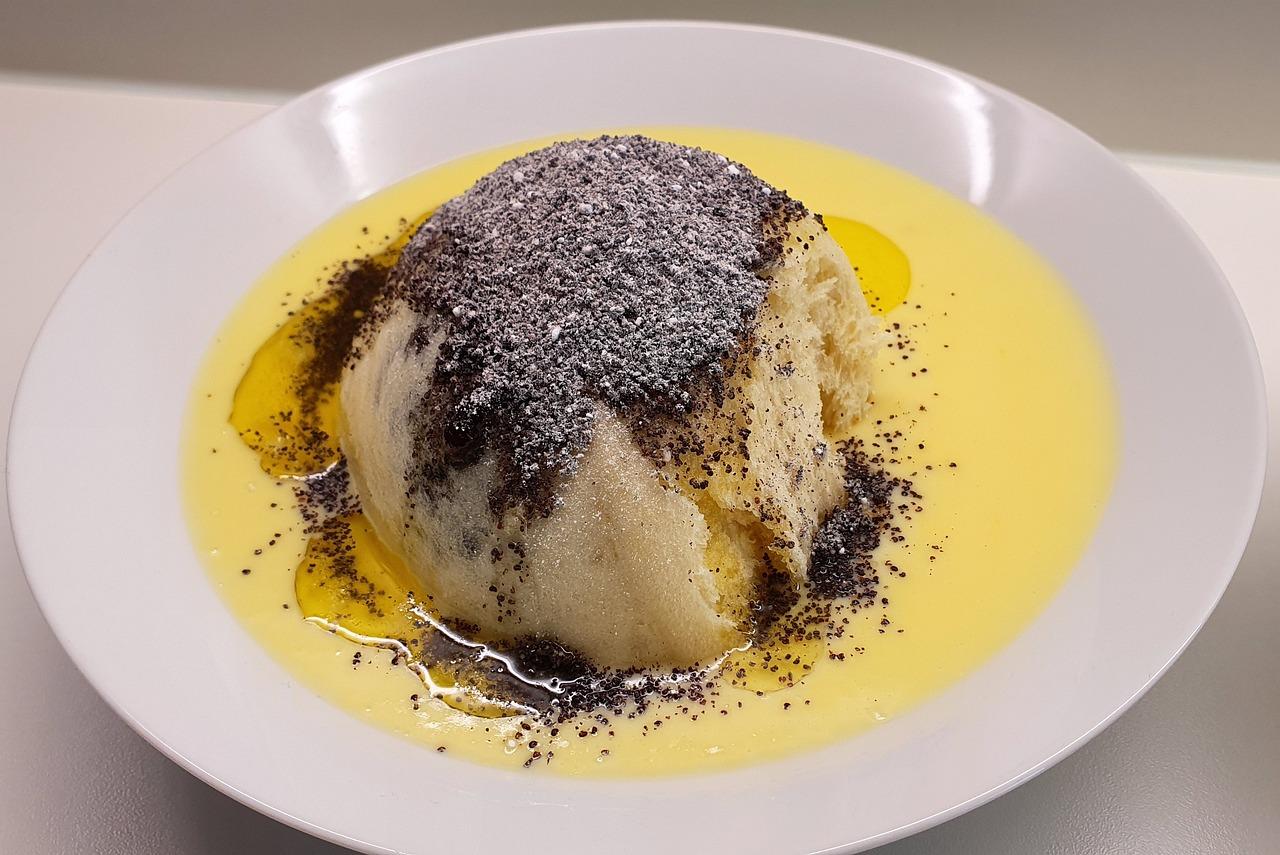
GermknödelSteamed plum jam dumpling

After a morning on the slopes, Austrians head into the mountain huts of Tyrol, Salzburg and Styria for one thing: a Germknödel the size of a fist, steamed until pillowy and split open to reveal dark plum butter. It comes drowned in melted butter, or in vanilla sauce, under a thick snow of ground poppy seeds and icing sugar, and it is eaten as a whole meal. The dough is soft and slightly sweet, and the powidl inside is tart and jammy. A common mistake is lifting the lid while they steam; the dumplings deflate and turn heavy. Chef's tip: seal each dumpling with the seam underneath and let them prove a second time on squares of baking paper, so you can move them without denting them.

by KrazyBadal 0 views

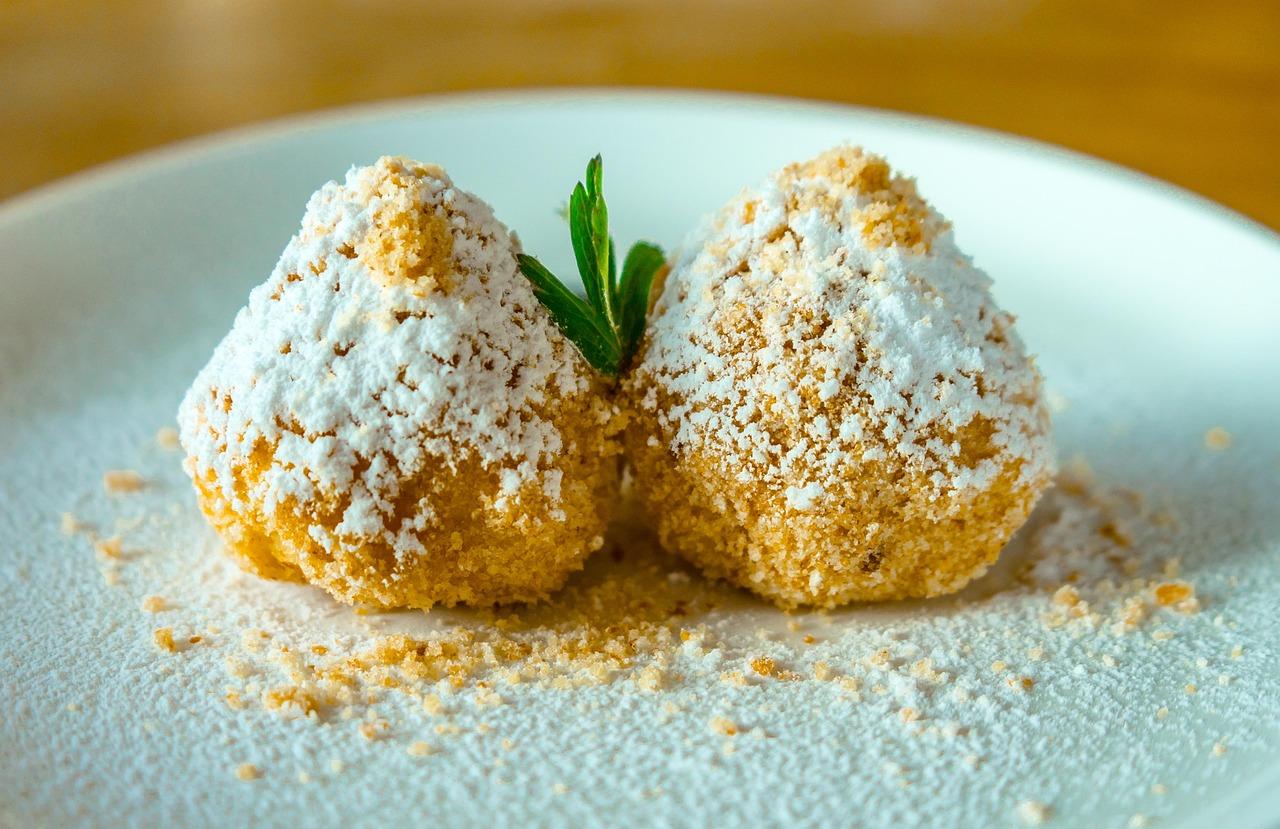
TopfenknödelQuark dumplings in buttery crumbs

Topfenknödel belong to the long Austrian tradition of sweet main courses: in Viennese homes and Lower Austrian inns they are often served as a light Friday lunch, or as dessert after soup. Fresh quark, butter, egg and semolina make a dough that cooks into soft, tangy, almost cheesecake-like dumplings, which are rolled in breadcrumbs toasted in butter with cinnamon sugar and served with a warm fruit compote. A common mistake is boiling them hard; they puff, crack and fall apart, so keep the water just shivering. Most quark is made without animal rennet, but check the label and choose one marked vegetarian. Chef's tip: rest the dough for at least 30 minutes so the semolina can swell; it makes the dumplings hold together.

by KrazyBadal 0 views

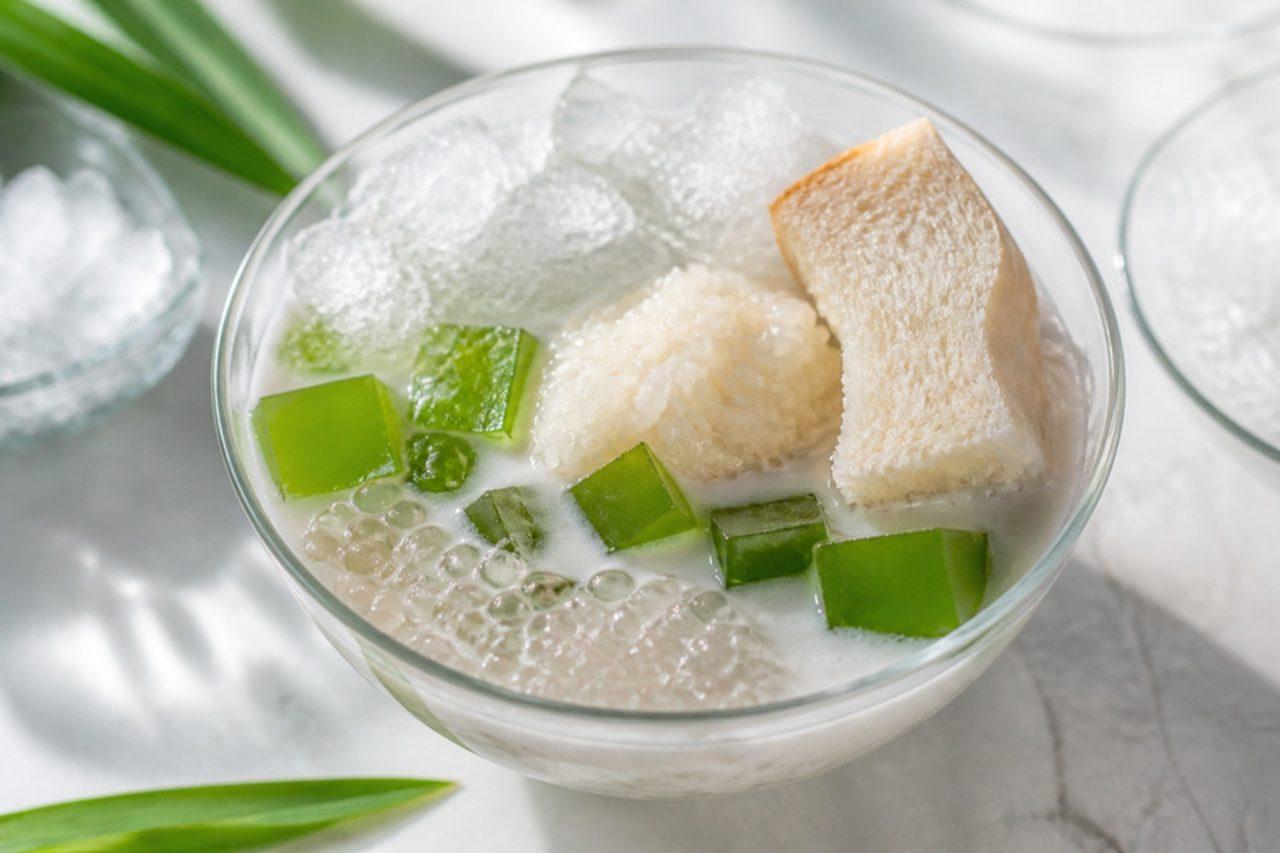
Shwe yin ayeIced coconut dessert

Shwe yin aye, roughly 'golden heart cooler', is what Yangon drinks during the scorching weeks of Thingyan, the April water festival, when stalls set up along the streets to hand it out. It's a bowl of sweet, lightly salted coconut milk over crushed ice, filled with chewy sago pearls, cubes of green agar jelly, a scoop of sticky rice and, surprisingly, a few pieces of soft white bread that soak up the coconut. Chef's tip: make the jelly, sago and sticky rice in the morning and chill everything; assembled cold, the bowl stays refreshing to the last spoonful.

by KrazyBadal 0 views

Showing 24 of 30 recipes

Show more recipes

Page 1 of 2