Skip to content
WhatToEat.Today

All recipes

67

Vegetarian, or something you can't eat? Set your diet once and we'll hide recipes that don't fit.

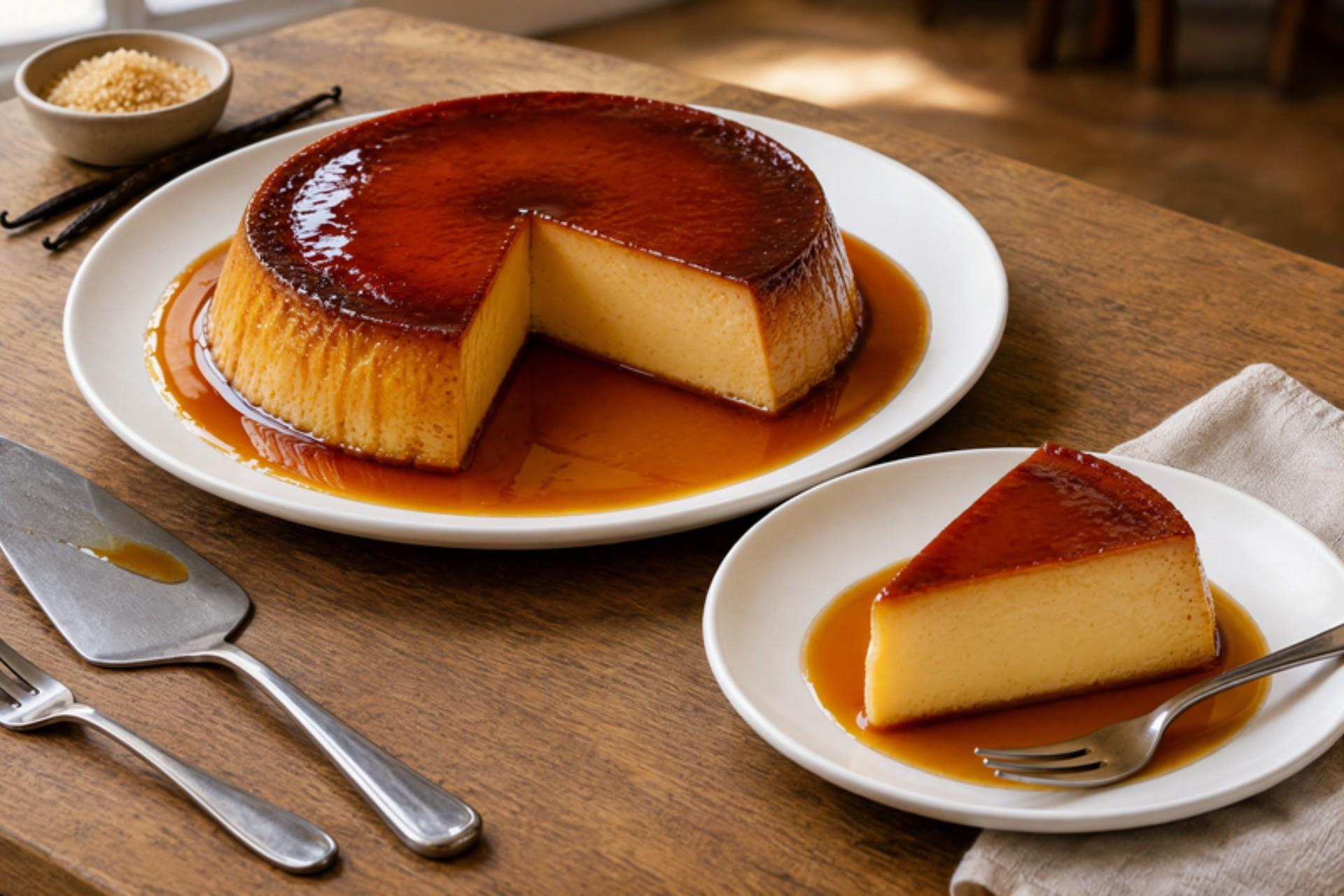
Crema volteadaBaked caramel custard

In Lima, crema volteada is the dessert that appears at Sunday lunch in Miraflores and Barranco homes and at every birthday where an aunt is in charge of the sweets. It is firmer and richer than a Spanish flan because it is made with both evaporated and condensed milk, so it slices cleanly and tastes of toffee. The usual mistake is baking it in an oven that is too hot: the custard boils, fills with tiny holes and weeps. Keep the water bath at a bare simmer and take it out while the centre still wobbles slightly. Chef's tip: chill it overnight before turning it out; a cold custard releases in one piece and the caramel has time to melt into a pourable sauce.

by KrazyBadal 0 views

OponkiQuark ring doughnuts

On Tłusty Czwartek, Fat Thursday, Poles queue at bakeries for pączki, but at home many families make oponki instead: little ring doughnuts from a quick twaróg (curd cheese) dough with no yeast and no waiting. They fry in minutes into light, tender 'tyres' that are rolled in sugar or glazed and eaten warm by the plateful. The common mistake is kneading the dough too much, which makes them tough; mix only until it holds together. Chef's tip: press the twaróg through a sieve first, or blend it, so the dough is smooth and the rings puff evenly.

by KrazyBadal 0 views

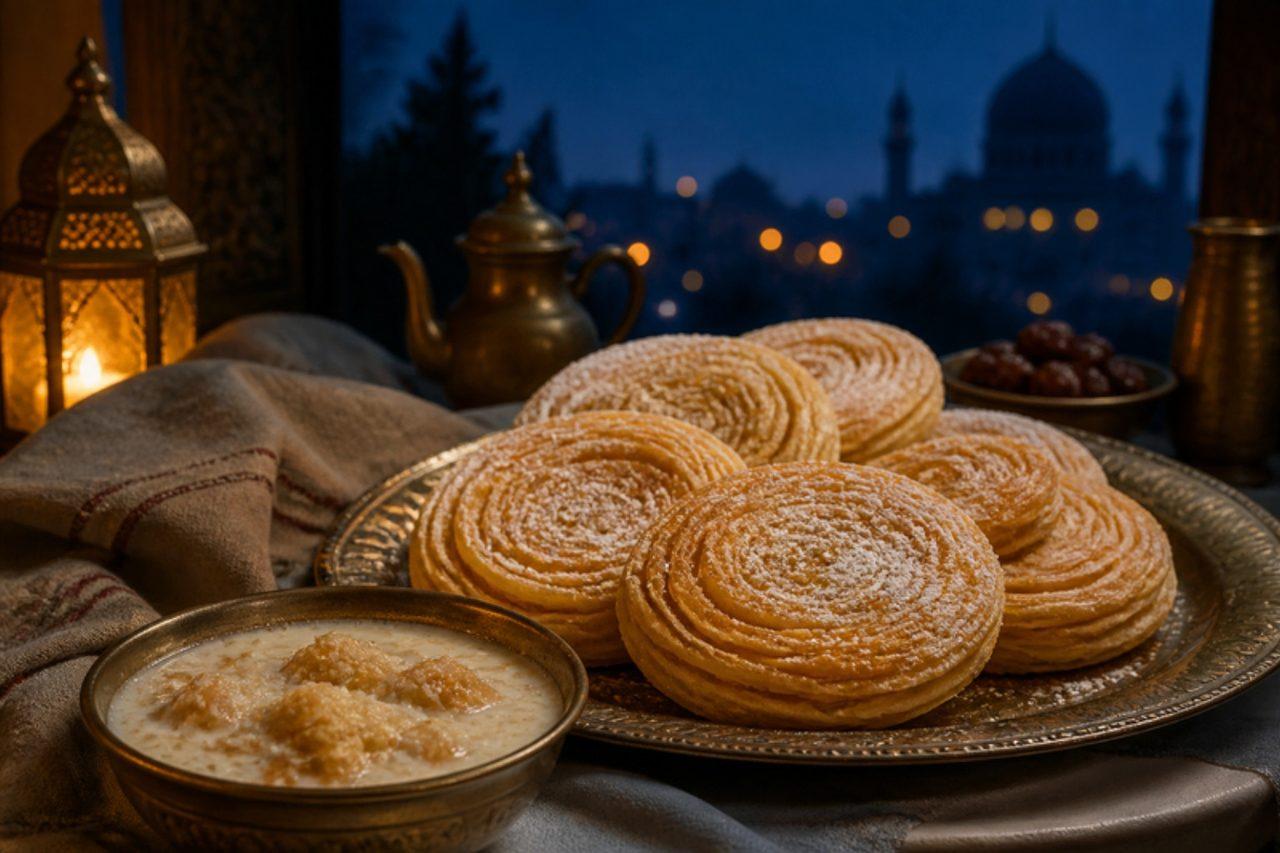
KhajlaFried pastry rounds in sweet milk

In the old lanes of Lahore and Karachi's Burns Road, sweet shops fry khajla through the night in Ramadan so families can buy it fresh for sehri, the meal eaten before dawn. Each round is a stack of paper-thin layers of ghee-rubbed dough that shatter when you press them, and it is crumbled into a bowl of hot sweetened milk, often with fine pheni, to give slow energy for the fasting day. Chef's tip: keep the oil only medium-hot; khajla must fry slowly so every inner layer turns crisp before the outside browns.

by KrazyBadal 0 views

KaguyjyWhite corn pudding

On the night of 23–24 June, Paraguayans celebrate San Juan with bonfires, games like walking over hot coals and the 'paso de fuego', and a table of traditional foods, and kaguyjy (also mazamorra) is one of them. It is a soft, creamy pudding of cracked white corn (locro) simmered slowly in water and then milk with sugar or honey, sometimes with orange peel. It is eaten warm or cold. It is gluten free. Chef's tip: soak the corn overnight and cook it until each kernel is tender before adding the milk, or it never turns creamy.

by KrazyBadal 0 views

Turrón de maníPeanut nougat

On an Argentine Christmas Eve, after midnight toasts, the 'mesa dulce' appears with pan dulce, garrapiñadas and turrón de maní: a chewy white nougat of honey, sugar, whipped egg white and roasted peanuts, often set between two sheets of rice paper. Families make it in the days before Nochebuena. The egg white is cooked by the hot syrup. It is gluten free if you use gluten-free wafer paper or none. Chef's tip: work fast once the syrup is in, as the nougat stiffens as it cools and gets hard to spread.

by KrazyBadal 0 views

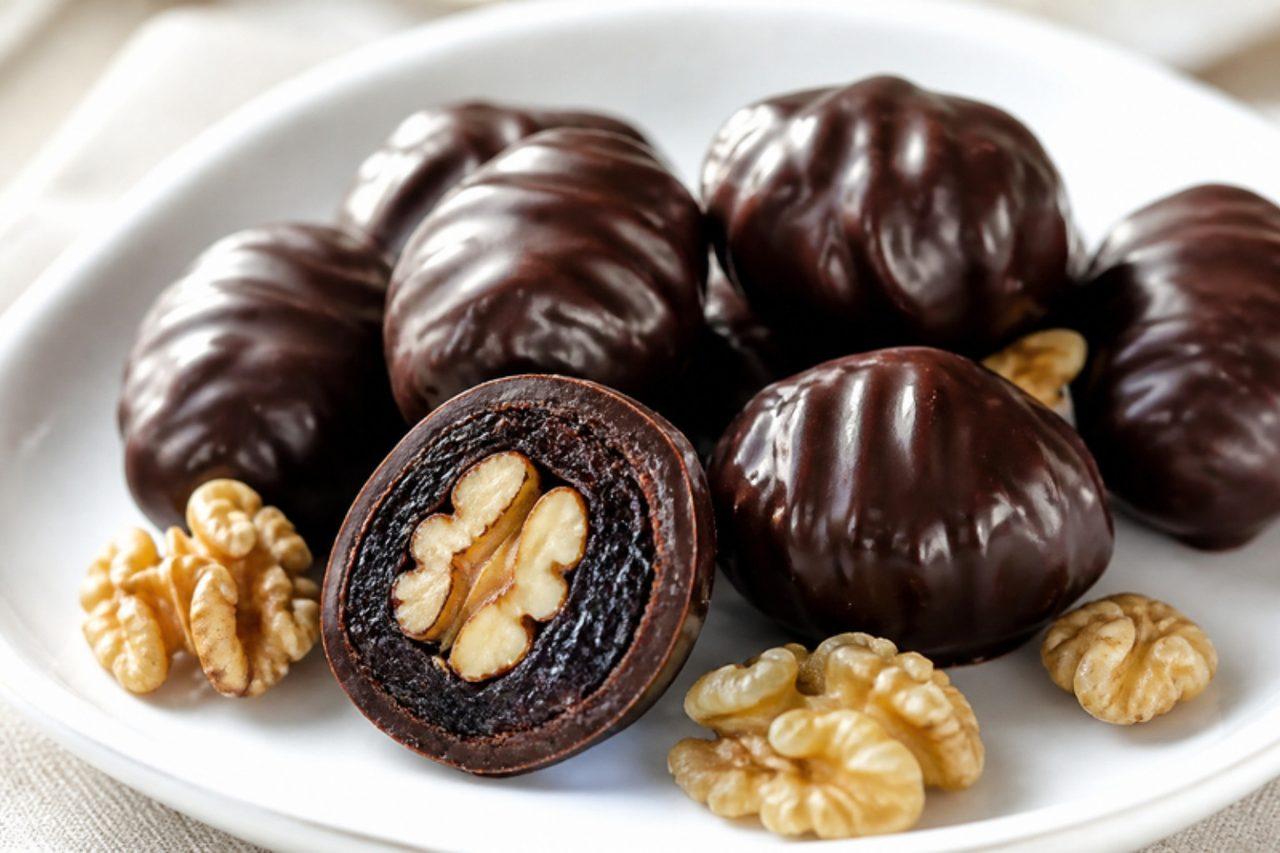
Śliwki w czekoladzie (chocolate-coated prunes with walnuts)

Boxes of chocolate prunes are a classic Polish gift: brought to grandmothers at Christmas, set out on the Wigilia table among the twelve dishes, and passed round on name days. Plump smoked or soft prunes from the south of the country are best. Each one hides a walnut half, so you get chewy, slightly tart fruit, a crunchy bitter nut and a snap of dark chocolate in one bite. Serve them with coffee or tea after a big meal. Nothing here ever needed egg: the prune itself holds the nut, and chocolate sets around it as it cools. Older recipes soak the prunes in spirits; here they are alcohol-free, plumped in warm orange juice instead, which also brightens the flavour. Use a dark chocolate made without milk and the sweets are vegan. Chef's tip: dry the soaked prunes very well before dipping; the common mistake is leaving them damp, and even a few drops of juice will make melted chocolate seize and turn grainy.

by KrazyBadal 0 views

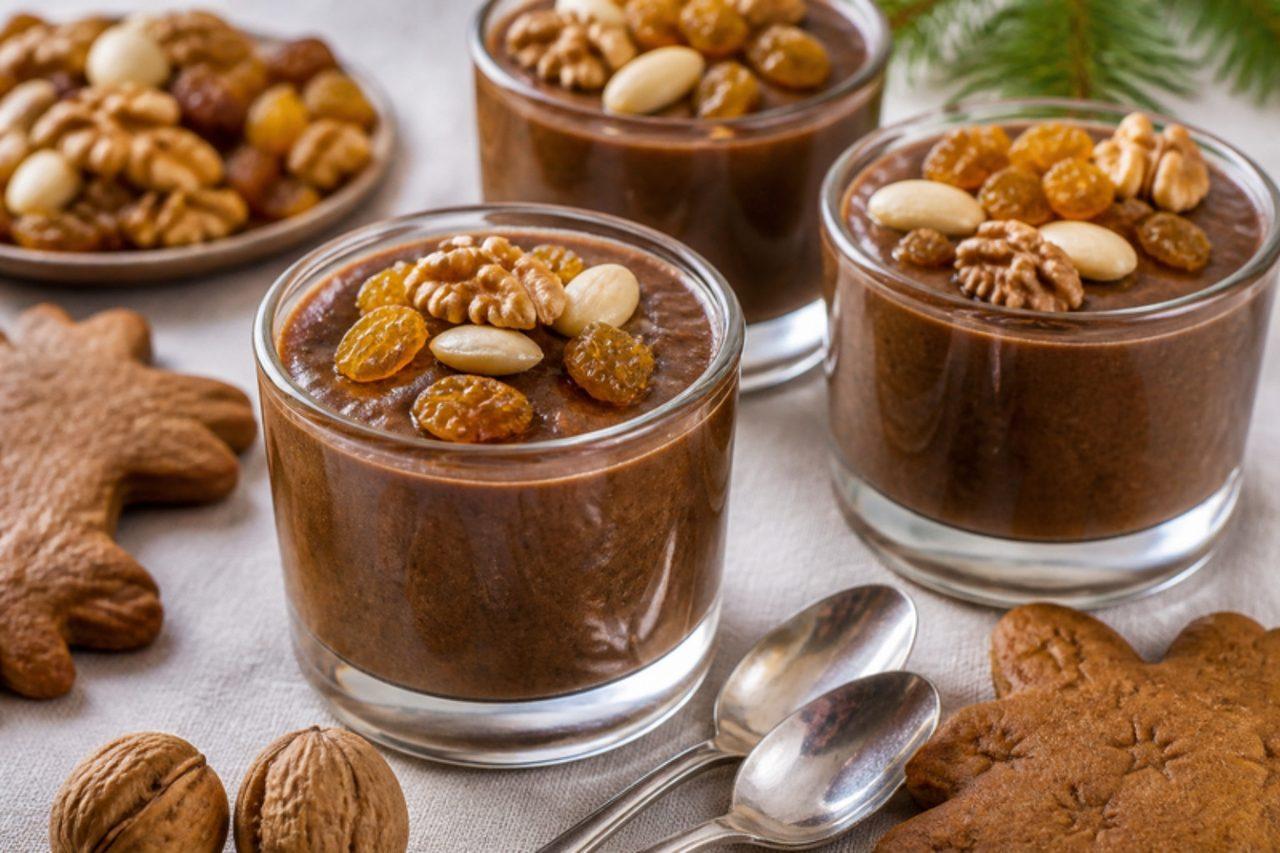
MoczkaGingerbread in dried fruit compote

Moczka is the Christmas Eve dessert of Upper Silesia in southern Poland, a thick, dark, spiced mixture of honey gingerbread dissolved in dried-fruit compote, then loaded with almonds, walnuts, raisins, figs and prunes. Each family has its own version; many add dark beer to the base, which this one leaves out, but adults may stir 100 ml dark beer into the compote while it simmers. It is eaten cold from small bowls and keeps for several days. Chef's tip: use dry, slightly stale gingerbread, which dissolves into a smooth sauce, while fresh cake turns to lumps.

by KrazyBadal 0 views

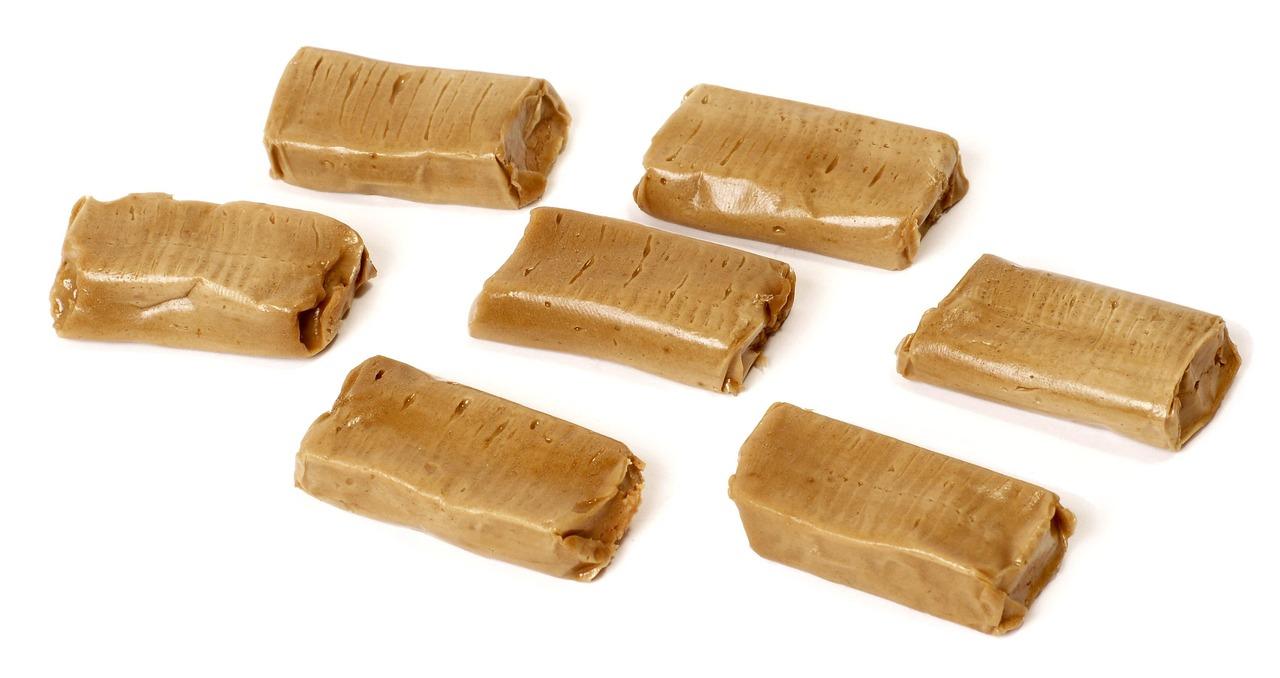
Krówki (Polish milk fudge)

Krówki, 'little cows', are the sweets Polish children grow up with: wrapped in paper with a cow on it, handed out at name days and school parties, and bought by the bag all year round. Fresh ones have a thin, sugary crust that crumbles at the edges while the middle stays soft and almost runny, with a deep taste of cooked milk and butter, close to dulce de leche. Eat them with black tea or coffee, or chop them into ice cream. They are naturally egg-free: milk and cream are boiled with sugar until the milk solids caramelise and the mixture reaches the soft-ball stage, then beating it as it cools starts fine sugar crystals that set the fudge and give that crumbly crust. A spoonful of honey adds its own flavour and keeps the centre soft. Chef's tip: stop beating as soon as the mixture loses its shine and starts to thicken; beating too long is the common mistake, and the fudge then sets in the pan before you can pour it.

by KrazyBadal 0 views

Quinotos en almíbar (Argentine kumquats in syrup)

In Buenos Aires and the river provinces of the Litoral, kumquat trees ripen in the middle of winter, between June and August, and the fruit goes straight into jars of syrup. Grandmothers' pantries held quinotos for the whole year, brought out for birthdays and long Sunday lunches. Each little fruit turns glossy orange and translucent, with a soft, bittersweet skin and a sharp, juicy centre. Spoon them over vanilla ice cream, serve them with a slice of fresh cheese in the style of postre vigilante, or eat them straight from the jar. Many bar menus offer them steeped in spirits; this version keeps only the syrup. Naturally egg-free, the quinotos rely on sugar syrup to preserve them, while pectin from the peel gives the syrup a light, jammy body. Chef's tip: blanch the fruit three times from cold water; the common mistake is skipping this, which leaves the skins tough and bitter.

by KrazyBadal 0 views

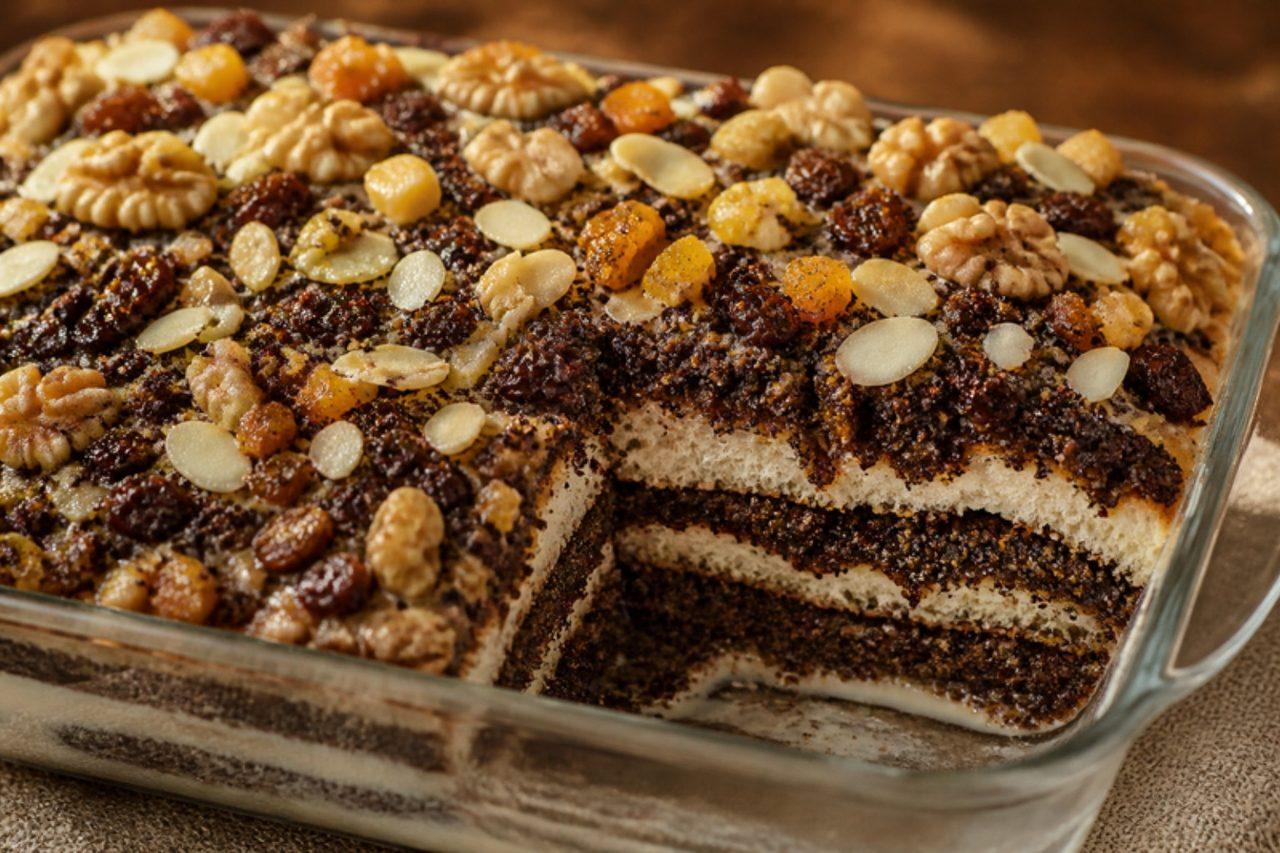
Makówki (Silesian poppy-seed bread pudding)

Makówki are a must on the Christmas Eve table in Silesia, around Katowice and Opole, made the day before so they are ready when the first star appears. Slices of stale white rolls are soaked in sweet milk and layered with a thick mass of ground poppy seed cooked with honey, butter, nuts, raisins and candied peel, then left overnight to settle into a soft, moist, spoonable pudding. It tastes of honey and nuts, rich and not too sweet. Serve it cold, scooped from the dish. Use plain eggless white rolls (kajzerki or a basic white loaf), not brioche or challah, which are enriched doughs. The pudding is otherwise naturally egg-free: the soaked bread and the sticky poppy mass bind each other as they chill, so nothing else is needed. Chef's tip: grind the scalded poppy seed twice until it looks like wet paste; the common mistake is grinding it once, which leaves it gritty and bitter.

by KrazyBadal 0 views

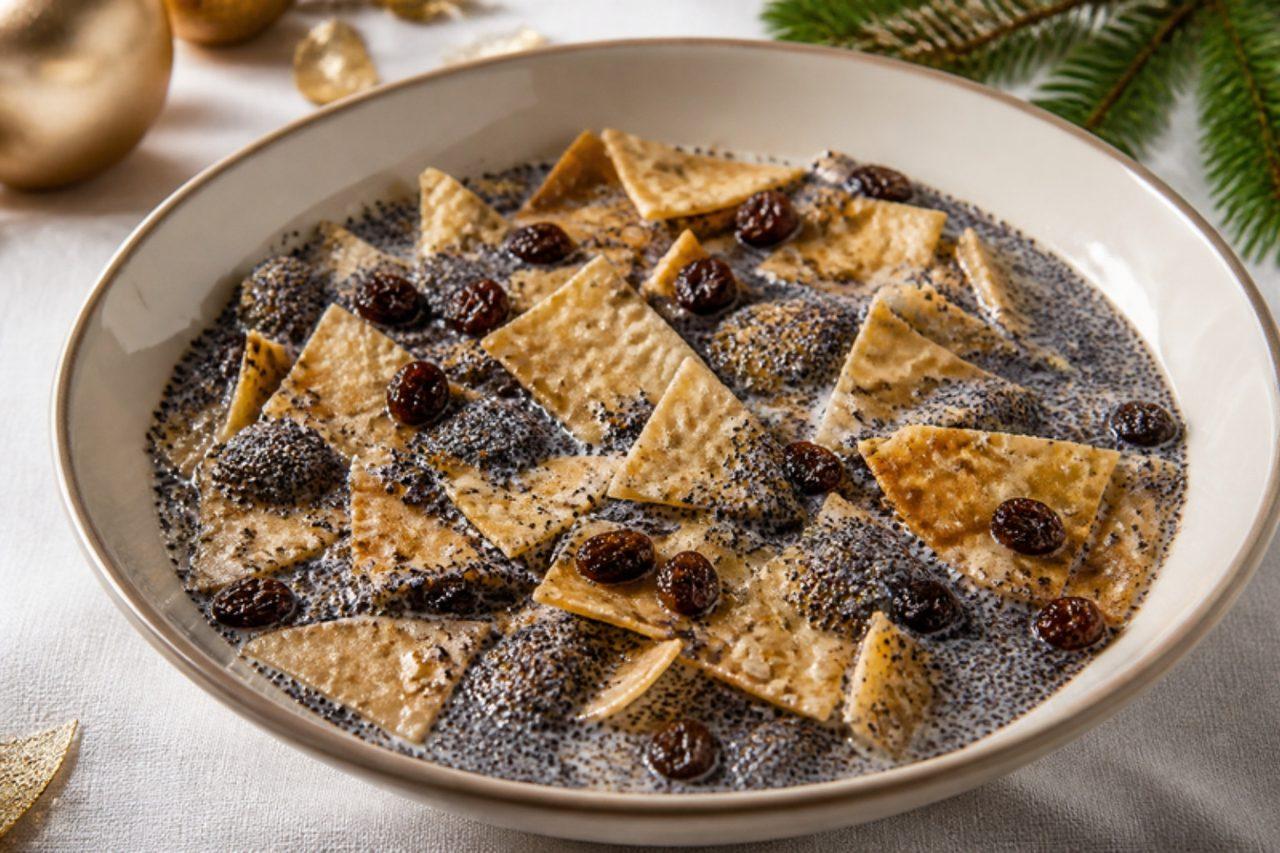
Łamańce z makiem (wafers in sweet poppy-seed milk)

In Podlasie and across eastern Poland, Christmas Eve supper, Wigilia, is meatless, and among the twelve dishes on the table is a bowl of łamańce: thin, crisp wafers broken into milk that has been turned grey-blue with ground poppy seed and sweetened with honey. Poppy seed stands for plenty in the coming year. The wafers soften at the edges but stay crunchy in the middle, and the milk tastes nutty and gently sweet. Serve it at room temperature or slightly warm, at the end of the meal. Bakery łamańce are not always egg-free; these are, a simple dough of flour, water and oil with a pinch of baking powder that bakes crisp without any binding. Chef's tip: roll the dough paper-thin, almost see-through; the common mistake is leaving it thick, which bakes into hard crackers that never soak up the poppy milk.

by KrazyBadal 0 views

Helado de dulce de leche (Buenos Aires dulce de leche ice cream)

Dulce de leche is the flavour Buenos Aires heladerías are judged by, and on a summer night the queues at neighbourhood ice-cream shops stretch out onto the pavement well after dinner. Locals order it plain, with a ripple of extra dulce de leche (dulce de leche granizado adds chocolate flakes), often by the kilo to take home. It is dense, chewy and deeply caramel. This home version is egg-free with no custard: a little cornflour cooked into the milk thickens it the way yolks would, and the dulce de leche itself is milk and sugar cooked down, its sugar and milk solids keeping crystals tiny so it stays smooth and scoopable. Churn it, or still-freeze and stir it every 45 minutes. Chef's tip: chill the extra dulce de leche before rippling it in; the common mistake is folding in a warm one, which melts into the ice cream instead of leaving ribbons.

by KrazyBadal 0 views

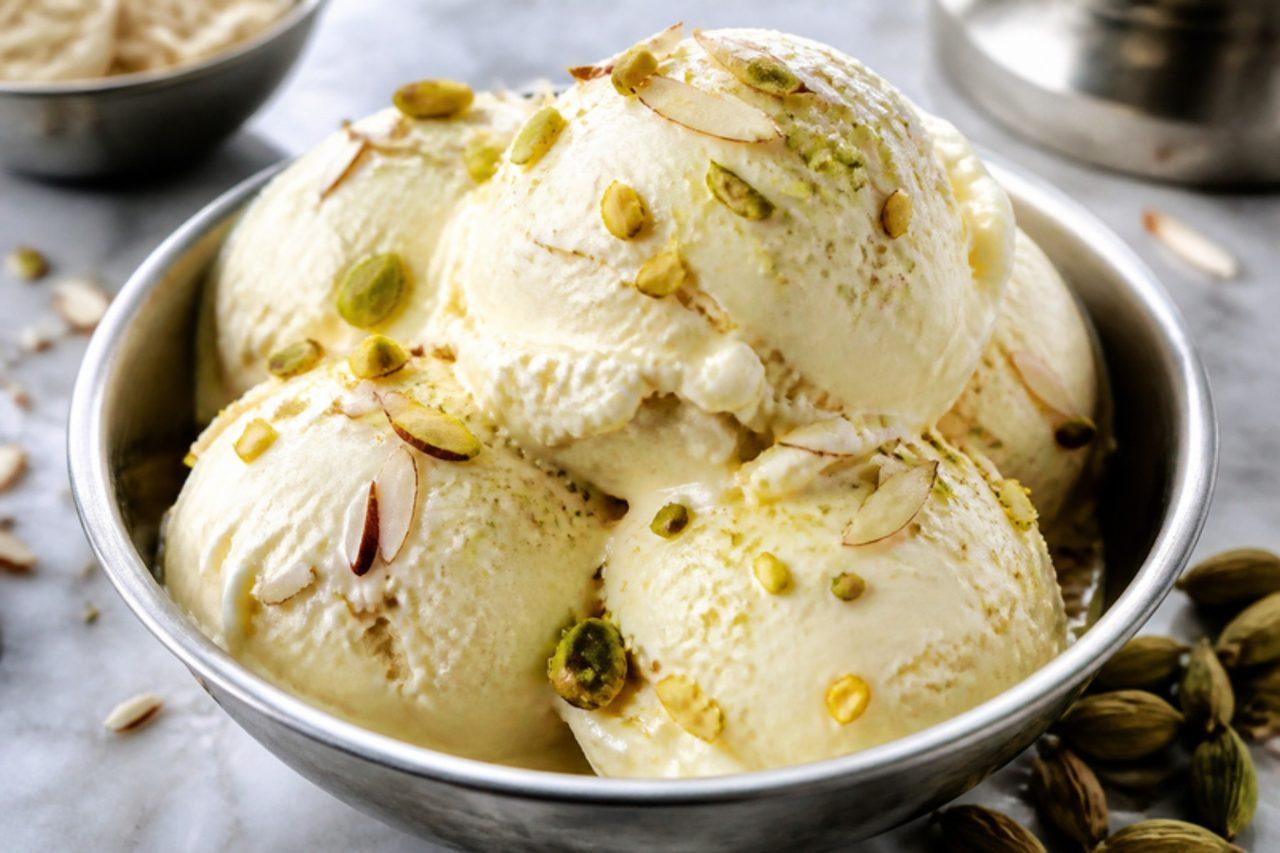
پشاوری آئس کریم (Peshawari ice cream)Cardamom pistachio ice cream

In the Qissa Khwani bazaar of Peshawar, ice-cream sellers spin a tall metal drum inside a tub of crushed ice and salt, scraping the freezing milk off the walls with a long paddle until it turns thick, stretchy and pale. It is a summer evening treat, eaten from small bowls after dinner or late at night when the streets cool down, and often topped with a spoonful of falooda vermicelli or more chopped pistachio. The flavour is simple: slowly reduced milk, green cardamom and a little rose. This version has no eggs and no custard: a cornflour slurry cooked into the milk thickens it the way yolks would, and the starch holds on to water so ice crystals stay small and the texture stays smooth, while milk powder adds body without extra fat. You can churn it in a machine or still-freeze it in a tray and stir it every 45 minutes. Chef's tip: the common mistake is churning a warm base; chill it until it is fridge-cold right through, or it will turn icy instead of silky.

by KrazyBadal 0 views

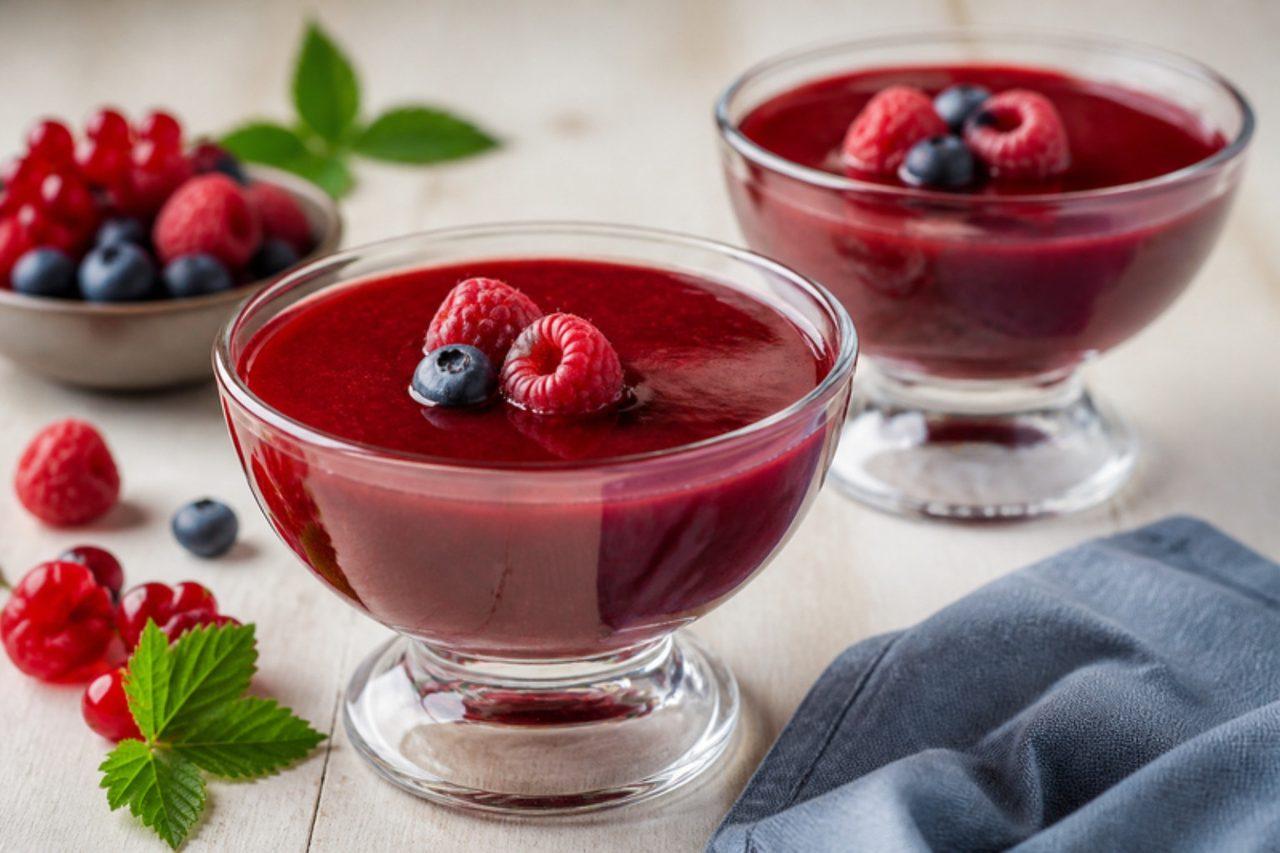
Kisiel (Polish fruit jelly drink)

Kisiel is a Polish childhood staple served in school canteens and at home after school, warm in winter and chilled in summer, somewhere between a thick drink and a soft jelly. Home-made versions use fruit or juice thickened with potato starch, without the bright colours of packet mixes. This one uses mixed berries and only a little sugar. None of the common allergens are in it. Chef's tip: always mix the starch with cold water first and pour it into the boiling fruit while stirring; added dry, it forms lumps that never dissolve.

by KrazyBadal 0 views

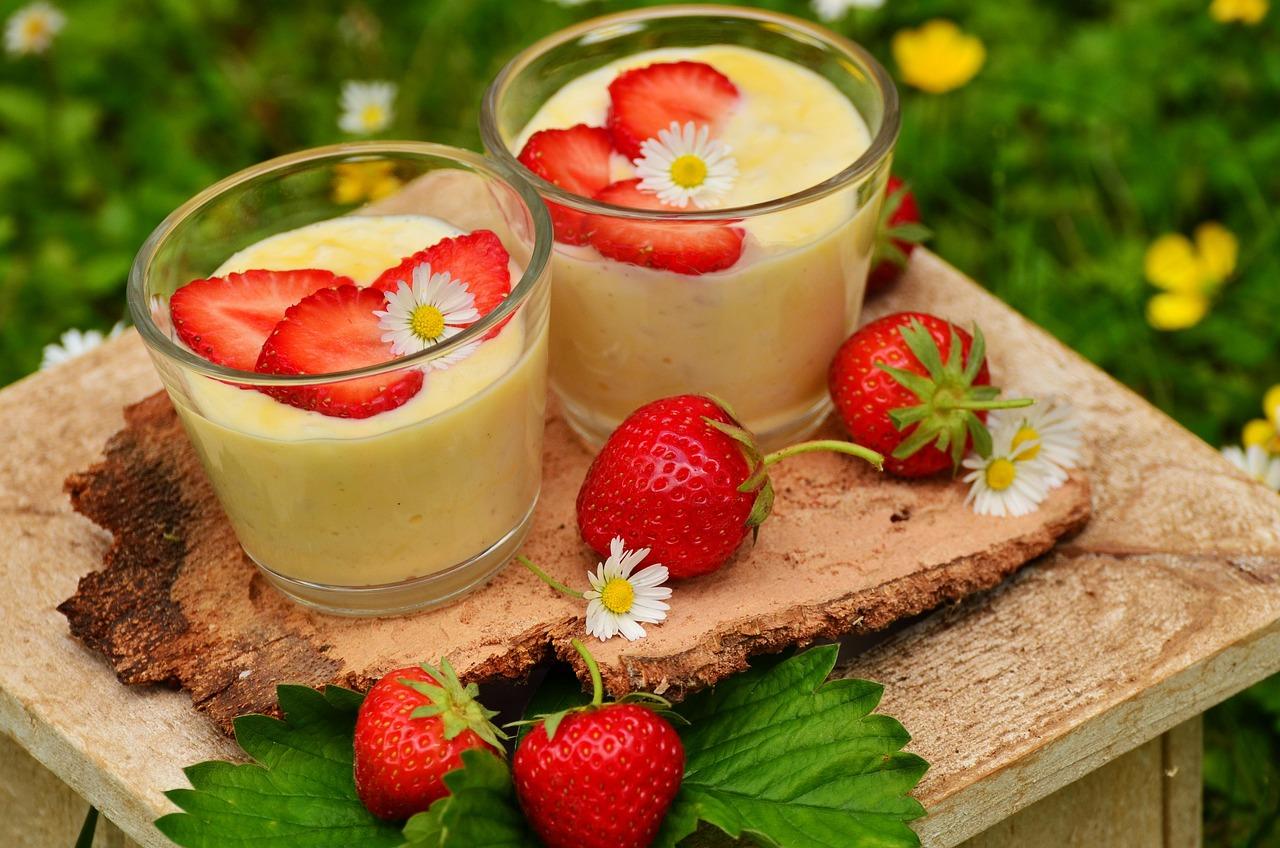
BudyńMilk pudding

Budyń is the pudding every Polish grandmother can make without a recipe, a soft spoonable milk custard thickened with potato starch or cornflour and set in glasses. Milk bars in Gdynia and Katowice sell it warm in winter and chilled in summer, often with a spoon of raspberry or cherry syrup on top, and children eat it after school. A common mistake is pouring the starch into hot milk without whisking it first in cold milk, which gives lumps. Chef's tip: once it bubbles, keep whisking for one more full minute; undercooked budyń tastes floury and goes thin as it cools.

by KrazyBadal 0 views

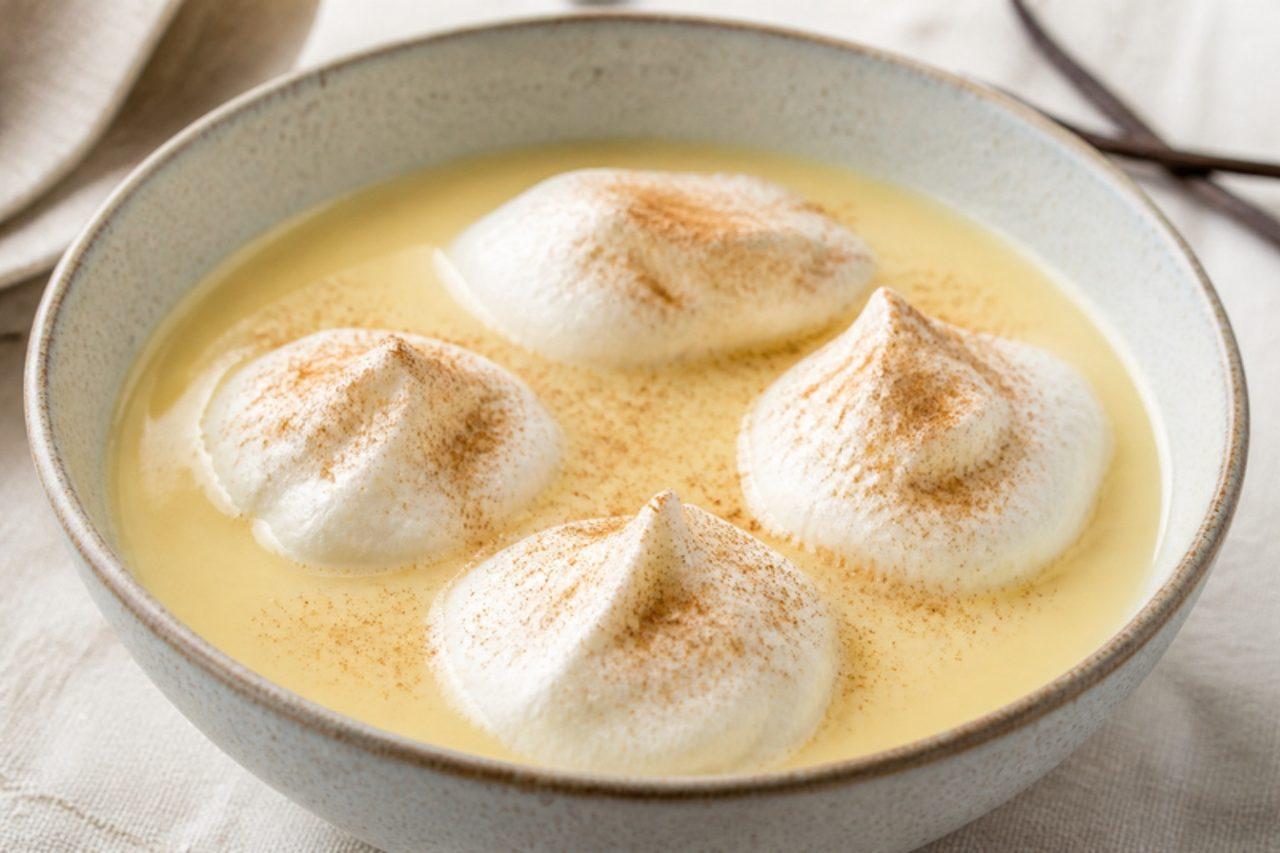
Zupa nicVanilla milk with meringue

Zupa nic means 'nothing soup', and Polish grandmothers in Silesia and Greater Poland made it from almost nothing: milk, eggs, sugar and vanilla. Spoonfuls of whipped egg white are poached in the milk like little clouds, then the milk is thickened with the yolks into a thin custard and poured round them. It is eaten warm on a winter evening or chilled in summer, and children love it. A common mistake is boiling the custard after the yolks go in, which scrambles them. Chef's tip: poach the clouds for only a minute on each side; any longer and they puff up, then shrink and turn rubbery.

by KrazyBadal 0 views

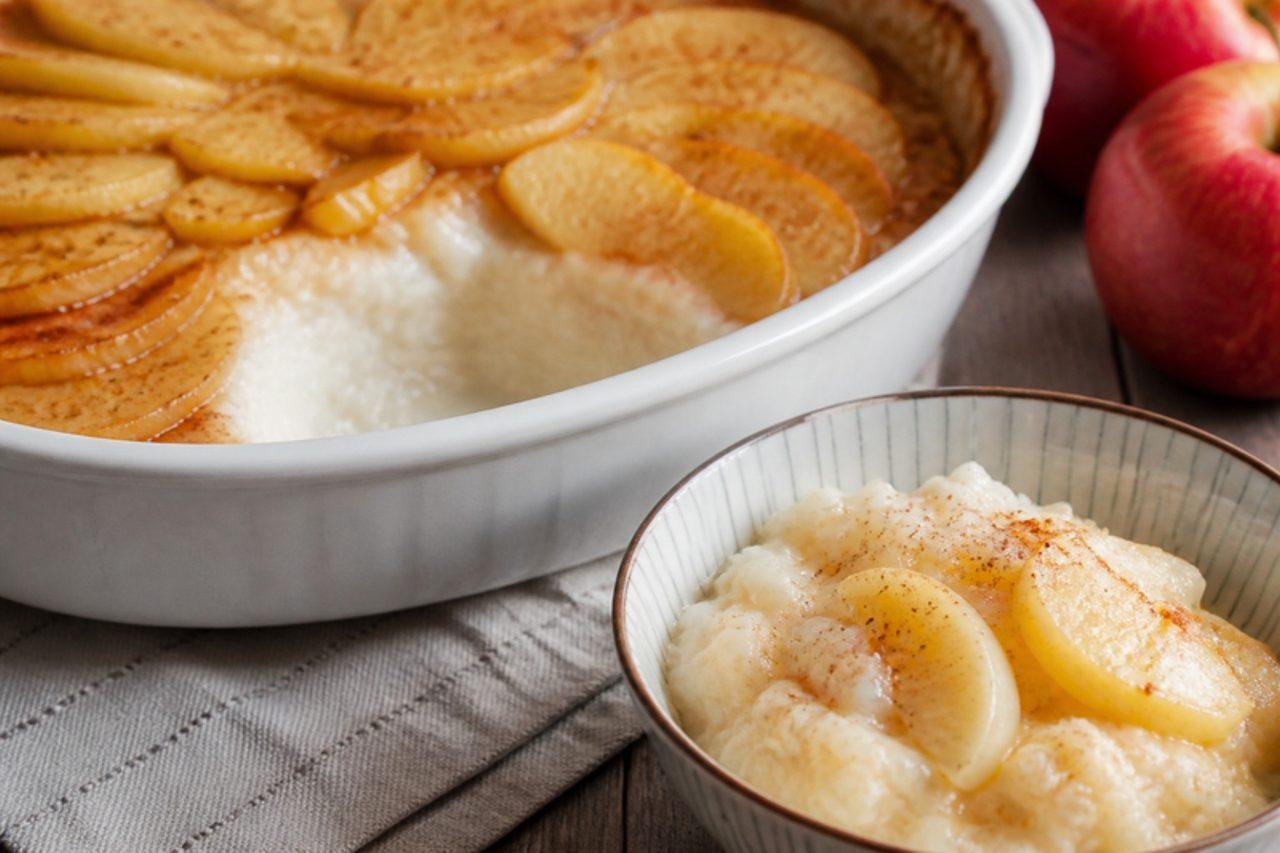
Ryż z jabłkamiBaked rice with apples

Every Polish school canteen and milk bar from Gdańsk to Rzeszów has served ryż z jabłkami, and many grown-ups still bake it on a cold Sunday afternoon when autumn apples fill the market. Rice is cooked slowly in milk until creamy, layered in a dish with grated sharp apples, sugar and cinnamon, then baked until the top turns golden and the apple juices soak into the rice. It is eaten warm with soured cream or cold the next day from the fridge. A common mistake is using sweet dessert apples, which go mushy and bland; tart apples like Antonówka, Bramley or Granny Smith keep their bite. Chef's tip: squeeze a little of the juice out of the grated apples, or the bottom layer turns watery.

by KrazyBadal 0 views

Martín FierroCheese with quince paste

Ask for dessert in a Montevideo bodegón or a country parador and you may be offered a Martín Fierro: a thick slice of fresh, mild cheese laid with an equal slice of dense quince or sweet-potato paste, named after the gaucho of the epic poem. It's salty against sweet, soft against firm, and takes two minutes to assemble. Uruguayan fresh cheese is usually made with animal rennet, so choose one with vegetarian rennet if that matters to you. The mistake is serving it fridge-cold, which dulls both flavours. Chef's tip: cut the cheese and paste to exactly the same thickness, about 1 cm, so every bite has both.

by KrazyBadal 0 views

Ka'i ladrilloPeanut molasses bricks

Ka'i ladrillo — 'monkey brick' in Guaraní — is the sweet sold by vendors on Asunción buses and at country fiestas: roasted peanuts bound in boiled cane molasses and set in brick-shaped blocks, crunchy and dark with a slightly smoky toffee taste. It contains peanuts, so keep it away from anyone with a peanut allergy. The common mistake is taking the syrup off too soon, so the bricks stay sticky and never set. Chef's tip: test the syrup by dropping a little into cold water; it is ready when it sets into a brittle thread that snaps.

by KrazyBadal 0 views

KoserevaCandied bitter orange peel

Kosereva is a Paraguayan home preserve from the days when nothing was wasted: thick strips of bitter-orange peel soaked and boiled to soften their bite, then cooked slowly in dark cane molasses until glossy and nearly black. In the countryside it is eaten after lunch with a slice of fresh cheese or simply on its own. Bitter oranges (Seville oranges) are in season in winter. The most common mistake is not changing the boiling water enough, which leaves the peel unpleasantly bitter. Chef's tip: taste a sliver of peel after the third boil; it should be gently bitter like marmalade, not harsh.

by KrazyBadal 0 views

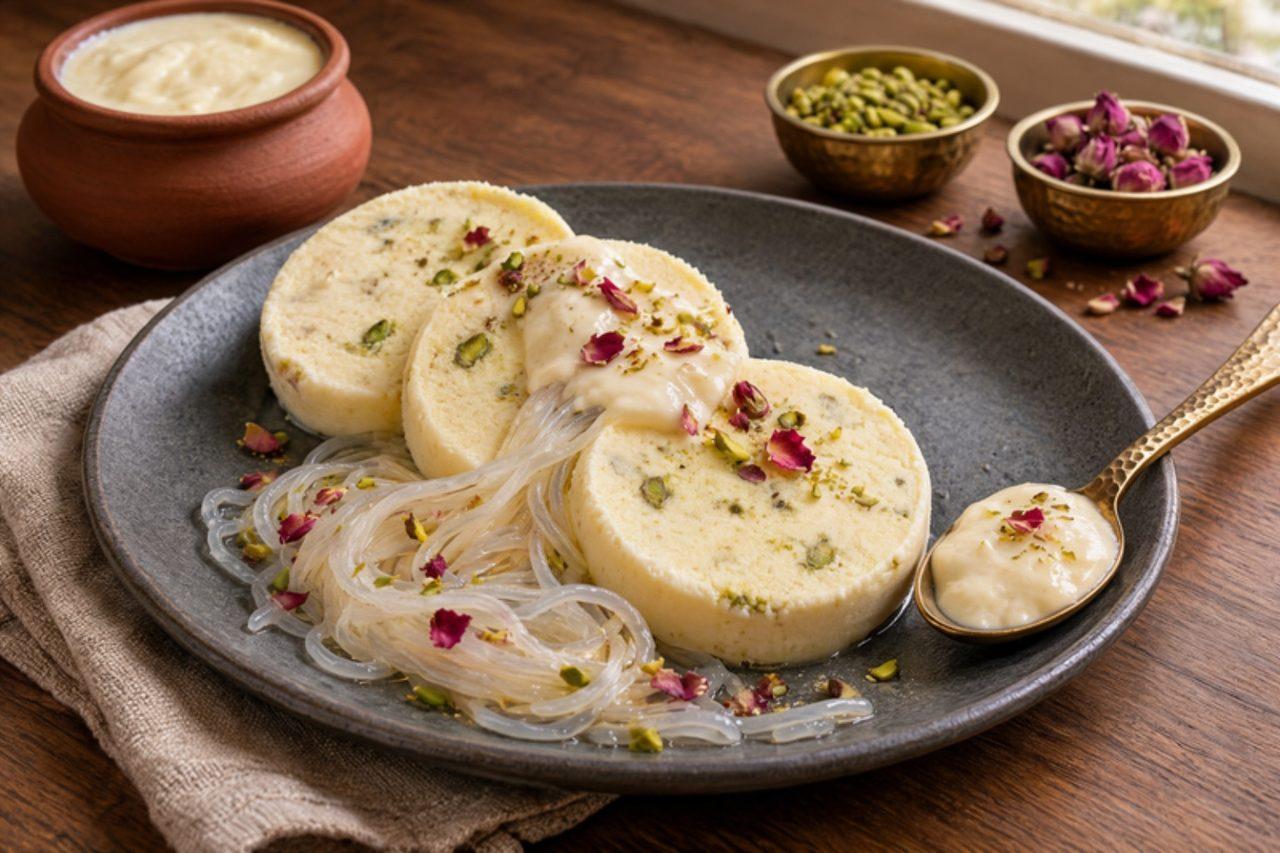
Lahori kulfaKulfi with falooda

On hot Lahore nights, families stroll to Gawalmandi food street and the old shops near Anarkali for kulfa: a whole cone of dense, cardamom-scented kulfi is sliced into fat discs, laid over soft falooda noodles and spooned over with rabri, the thick sweetened milk. It is cold, chewy and creamy in every mouthful. Contains milk and tree nuts (pistachio and almond); the falooda noodles may contain wheat. Chef's tip: scrape the bottom and sides of the pan constantly as the milk reduces; one scorched patch flavours the whole batch.

by KrazyBadal 0 views

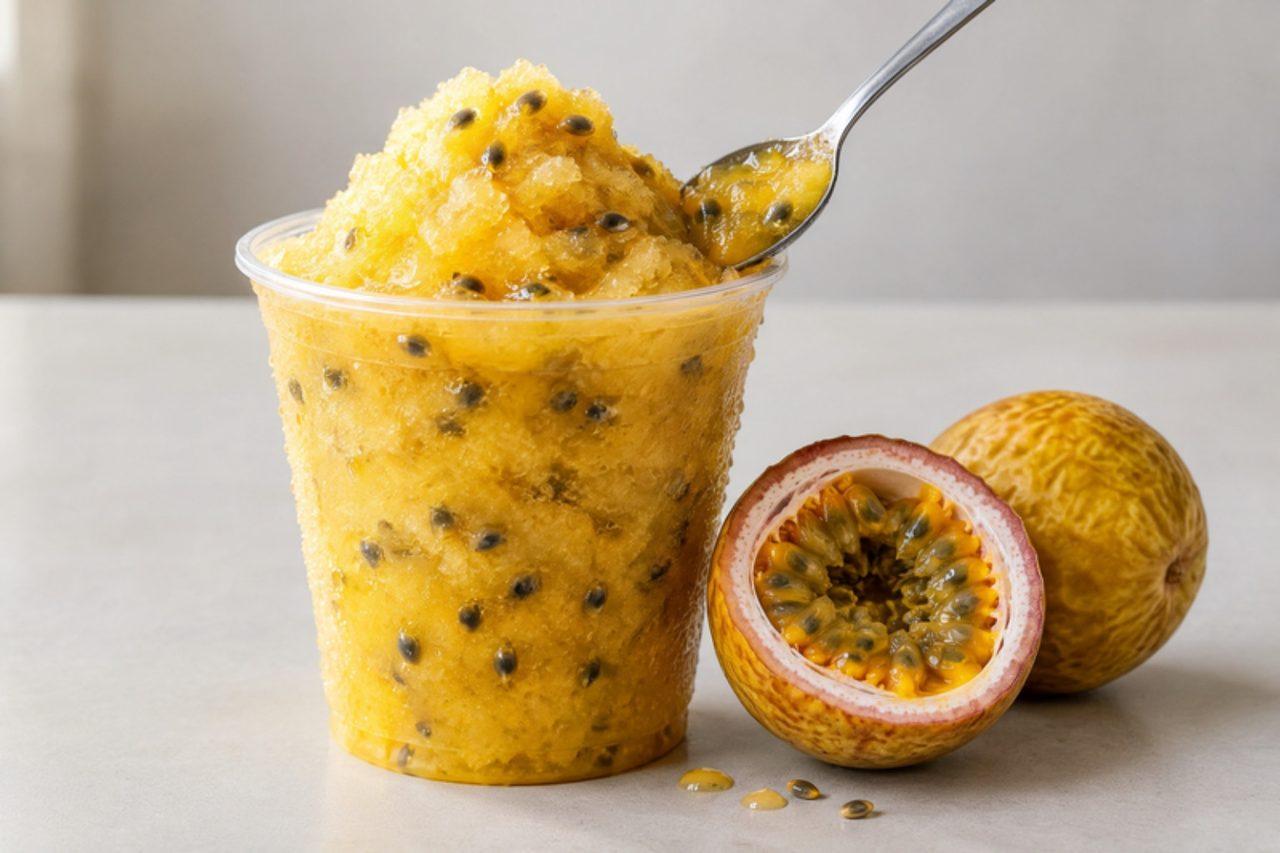
Cremolada (Lima passion fruit slush)

From January to March, when Lima's coast swelters, queues form at the cremolada counters of Barranco and along the Jirón de la Unión downtown for cups of this thick fruit ice. It sits between a granita and a sorbet: frozen fruit pulp scraped again and again until it is slushy and spoonable, with real bits of fruit through it. Passion fruit (maracuyá) gives a sharp, bright flavour; creamy lúcuma, with its maple and sweet potato taste, is the other favourite. Chef's tip: use a shallow metal tray; it freezes faster and evenly, so you get fine crystals rather than chunks.

by KrazyBadal 0 views

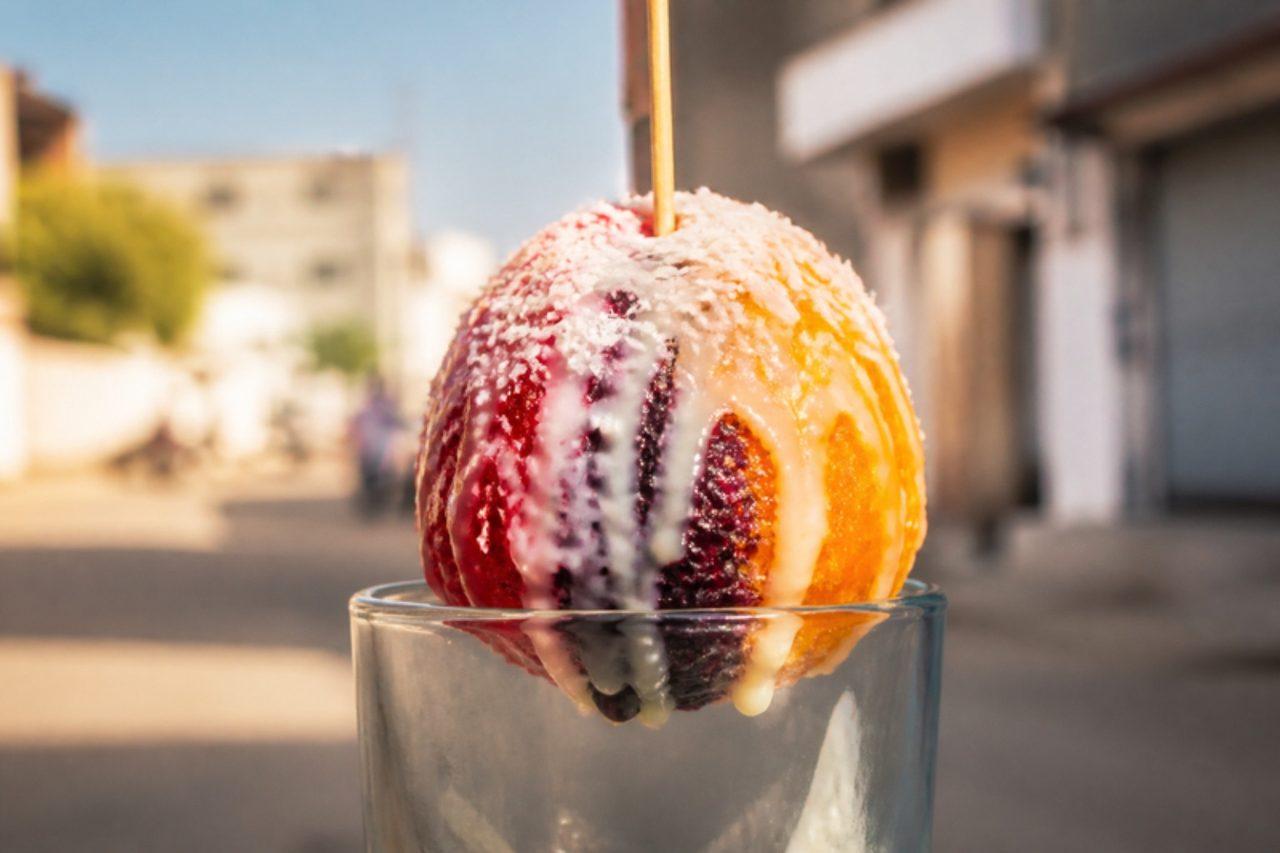
Gola gandaShaved ice with syrups

Nothing says summer evening at Clifton beach or Burns Road quite like the clatter of a gola ganda cart, where a block of ice is shaved on a hand plane, packed round a stick into a fist-sized ball and doused in rose-pink, mango-orange and purple kala khatta syrups. It melts fast in the Karachi heat, so children lick it from the bottom as it drips, and the fancier stalls serve it in a plate with condensed milk, desiccated coconut and a pinch of chaat-style salt on the sour syrup. At home a hand ice shaver or a powerful blender makes snow fine enough to press into balls. The most common disappointment is ice crushed too coarsely, which will not hold together and lets the syrup run straight through. Chef's tip: freeze the ice from boiled and cooled drinking water in a shallow tray, and put the glasses or plates in the freezer too, so the gola keeps its shape for longer.

by KrazyBadal 0 views

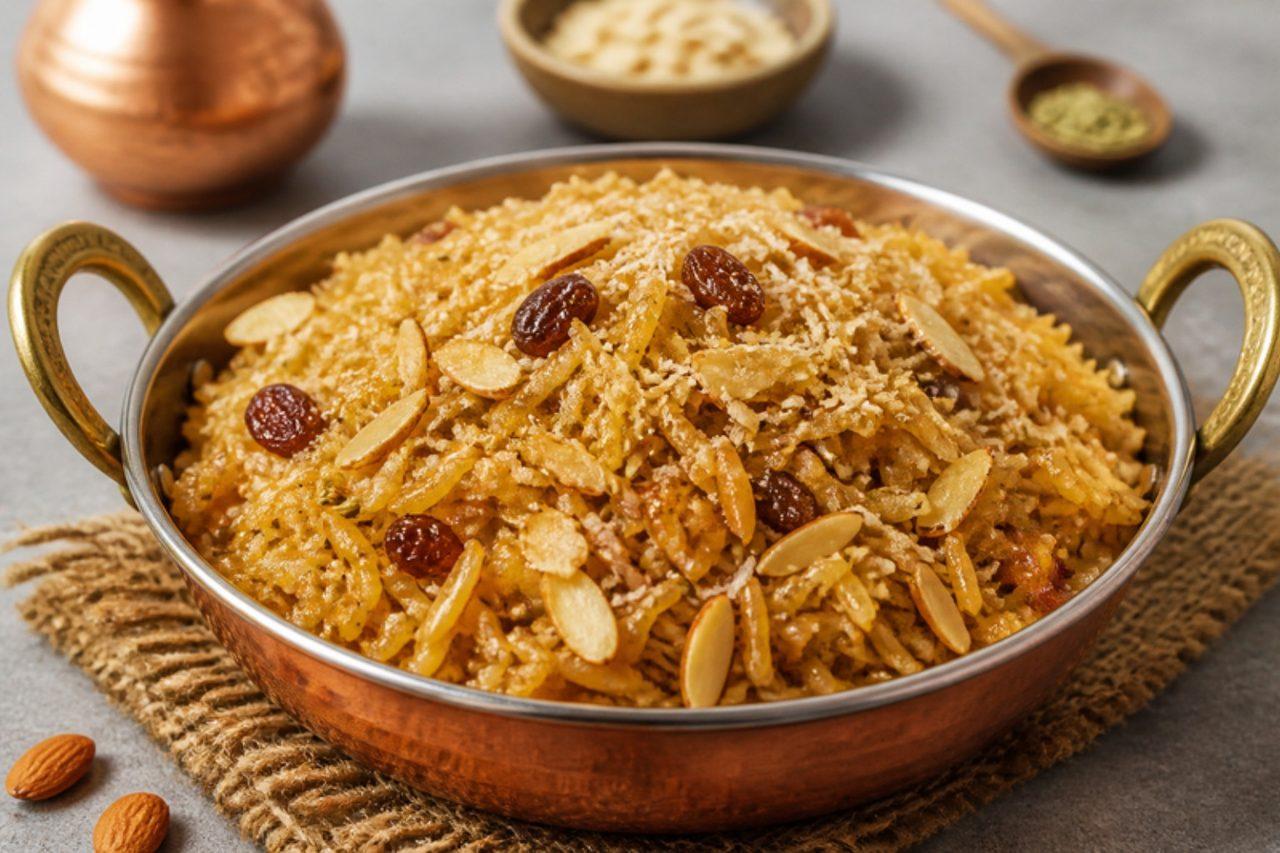
Gur wale chawalJaggery rice

Every winter, when the sugarcane presses in the villages around Bahawalpur and Rahim Yar Khan boil the new season's jaggery, families celebrate with a pot of gur wale chawal. Basmati grains turn a warm amber in a syrup of melted gur and ghee, with fennel seeds and cardamom for fragrance and raisins, almonds and coconut tucked through, and the result is sweet but not sticky, each grain separate. It is cooked for weddings, for distribution on religious days and simply for guests on a cold evening, and eaten warm, sometimes with a spoonful of extra ghee on top. Adding the jaggery to raw rice is the commonest error, because sugar stops the grains from softening and they stay hard. Chef's tip: boil the rice until it is three-quarters cooked first, then fold it into the jaggery syrup and let it steam.

by KrazyBadal 0 views

Showing 24 of 67 recipes

Show more recipes

Page 1 of 3