Skip to content
Recipes

All recipes

Vegetarian, or something you can't eat? Set your diet once and we'll hide recipes that don't fit.

ซาหริ่ม (Sarim, mung bean noodles in coconut syrup)

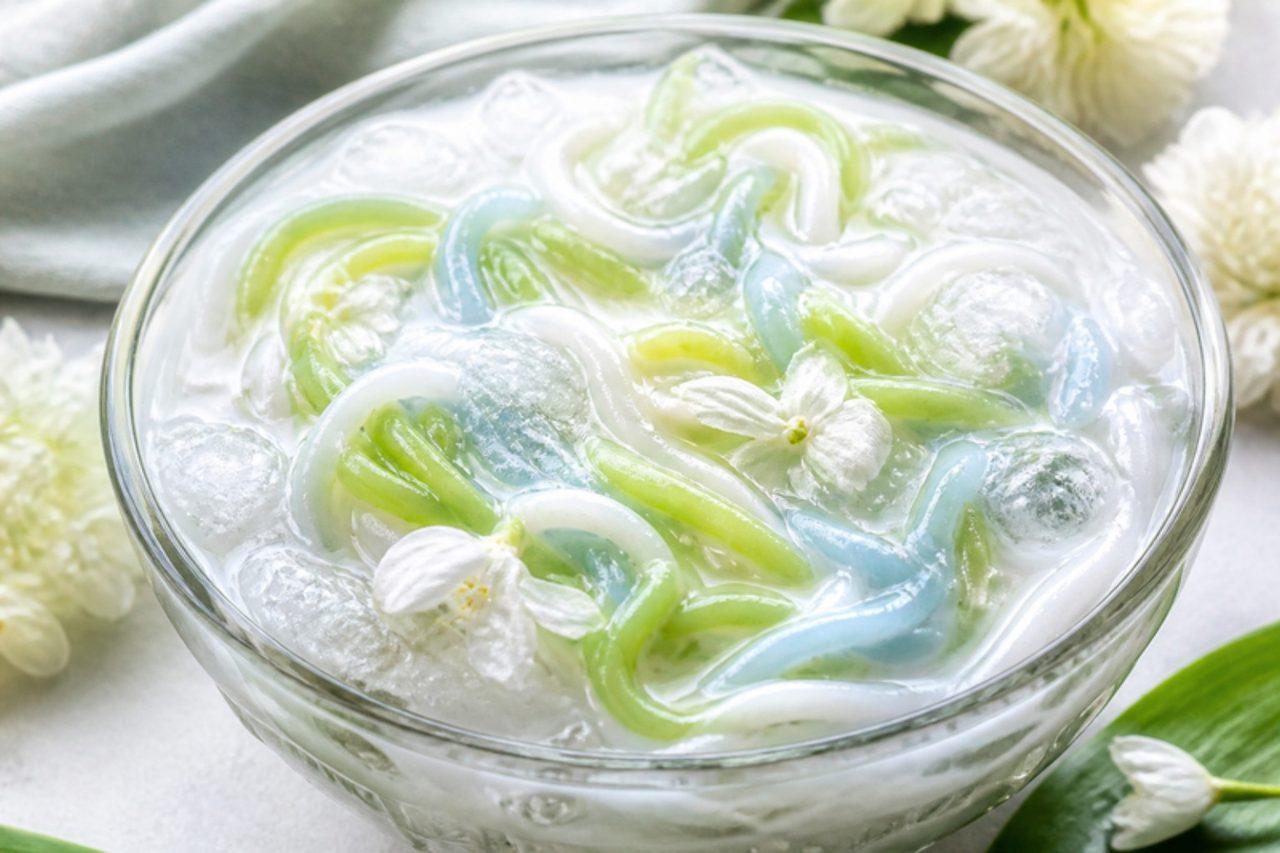
Sarim is an old dessert of central Thailand, served at temple fairs and in market dessert shops on sweltering afternoons: thin, slippery strands in pastel green, blue and white, floating in a pale coconut syrup over a mound of crushed ice. The strands are almost flavourless and very soft, so the syrup does the work; in Thailand it is scented with jasmine flowers or the smoke of a scented candle, and here with pandan and optional fresh jasmine. It is naturally egg-free: the strands are pure mung bean starch cooked with water into a clear, thick paste, which sets into a soft gel the moment it hits ice water. Pandan juice and butterfly pea flowers give the colours, so there is no need for dyes. Serve it straight away, as a light end to a spicy meal. Chef's tip: cook the paste until it turns fully glossy and see-through; the common mistake is stopping while it is still milky, which gives strands that break and taste floury.

by KrazyBadal 0 views

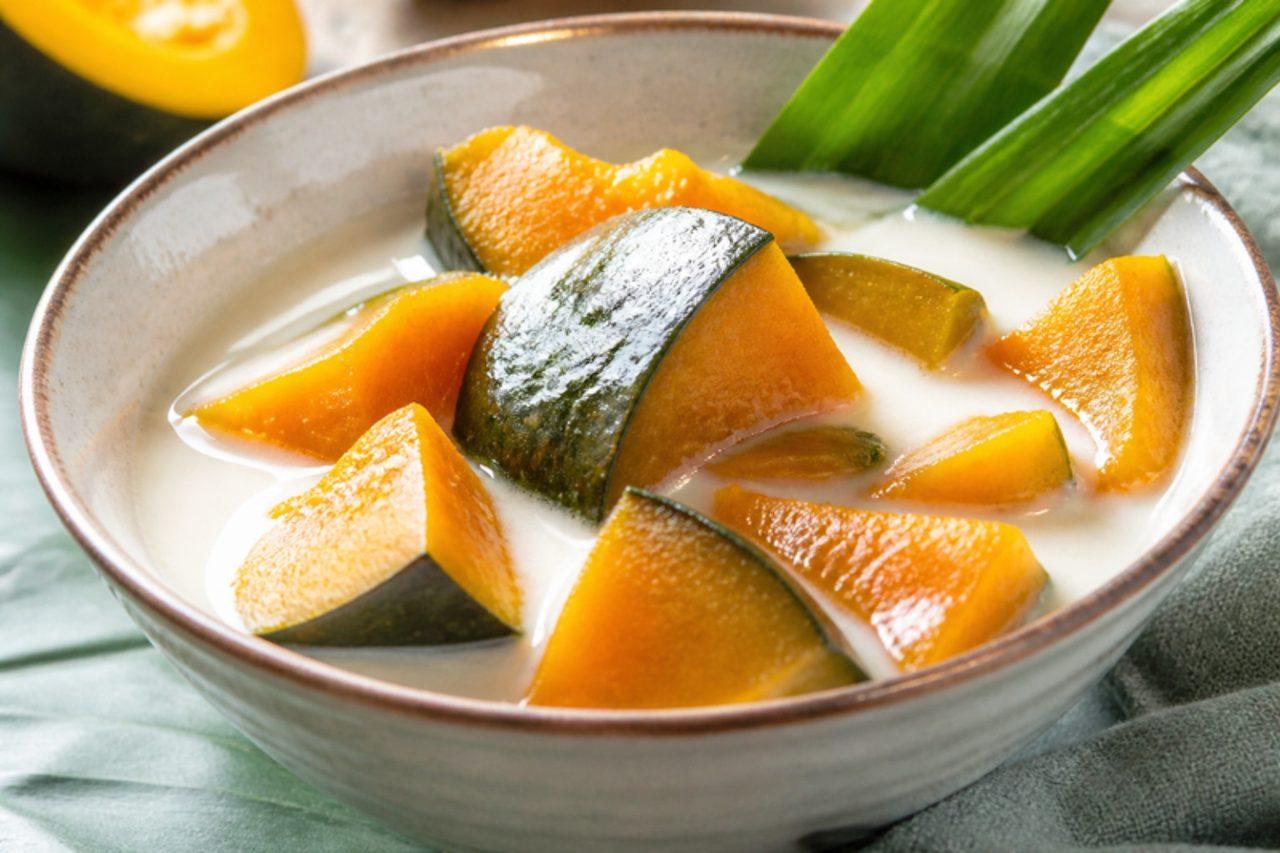
Fak thong kaeng buat (Thai pumpkin in coconut milk)

When the rains end and pumpkins pile up in the markets of central Thailand, kaeng buat is what cooks make with them: chunks of dense kabocha simmered in coconut milk sweetened with palm sugar and sharpened with a pinch of salt. It is a homely, everyday dessert, sold warm from big pots at markets in the afternoon and also cooked at Ok Phansa, the end of Buddhist Lent. The pumpkin turns velvety but keeps its shape, and the thin, creamy, caramel-scented broth is meant to be drunk from the spoon. Eat it warm or at room temperature, in small bowls. There is no egg in it and never was: nothing needs setting or binding, as the pumpkin's own starch gives the coconut milk a light body as it cooks. Chef's tip: pick a dry, orange-fleshed kabocha and keep the coconut milk at a bare simmer; letting it boil hard is the common mistake that splits the milk and breaks the pumpkin into mush.

by KrazyBadal 0 views

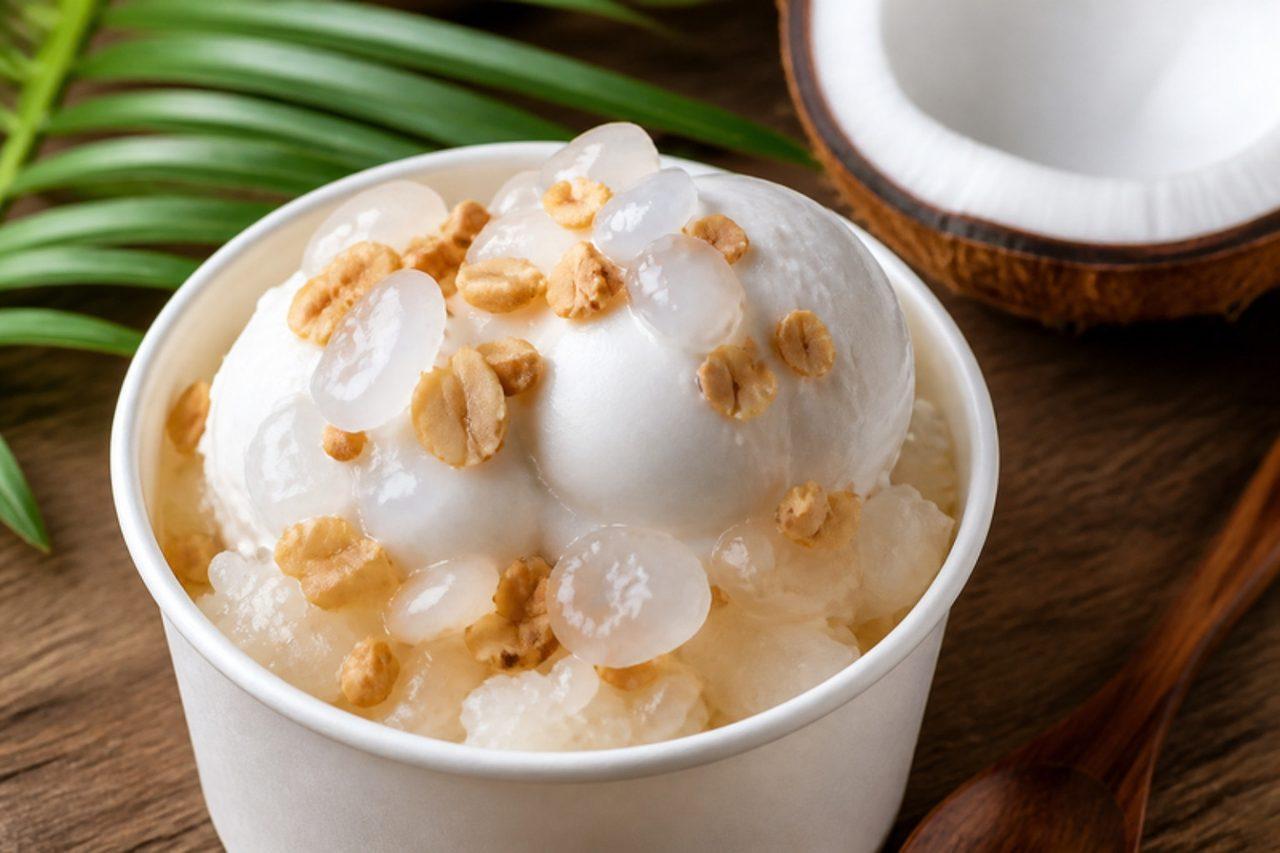
ไอติมกะทิ (Itim kathi, Thai coconut ice cream)

Itim kathi is the ice cream of Bangkok's pushcarts: a vendor lifts the lid of an insulated drum, scrapes up a scoop of snow-white coconut ice cream and piles it into a small cup over sticky rice, then adds whatever the customer points at, from roasted peanuts and sweet corn to chewy palm seeds. It is sold all afternoon in the hot months, outside schools and temples and in markets. Some vendors tuck the scoop into a soft bread roll; serve it in cups as here and it stays gluten free. It is naturally egg-free and dairy-free. Coconut milk carries the fat that makes it creamy, and a little cornflour cooked into it binds the water so crystals stay fine and the texture stays smooth without any custard, while a pinch of salt sharpens the coconut. Chef's tip: use full-fat coconut milk with no added water; the common mistake is using a light one, which freezes hard and icy.

300 minThaiDessertsVeganGluten free
by KrazyBadal 0 views

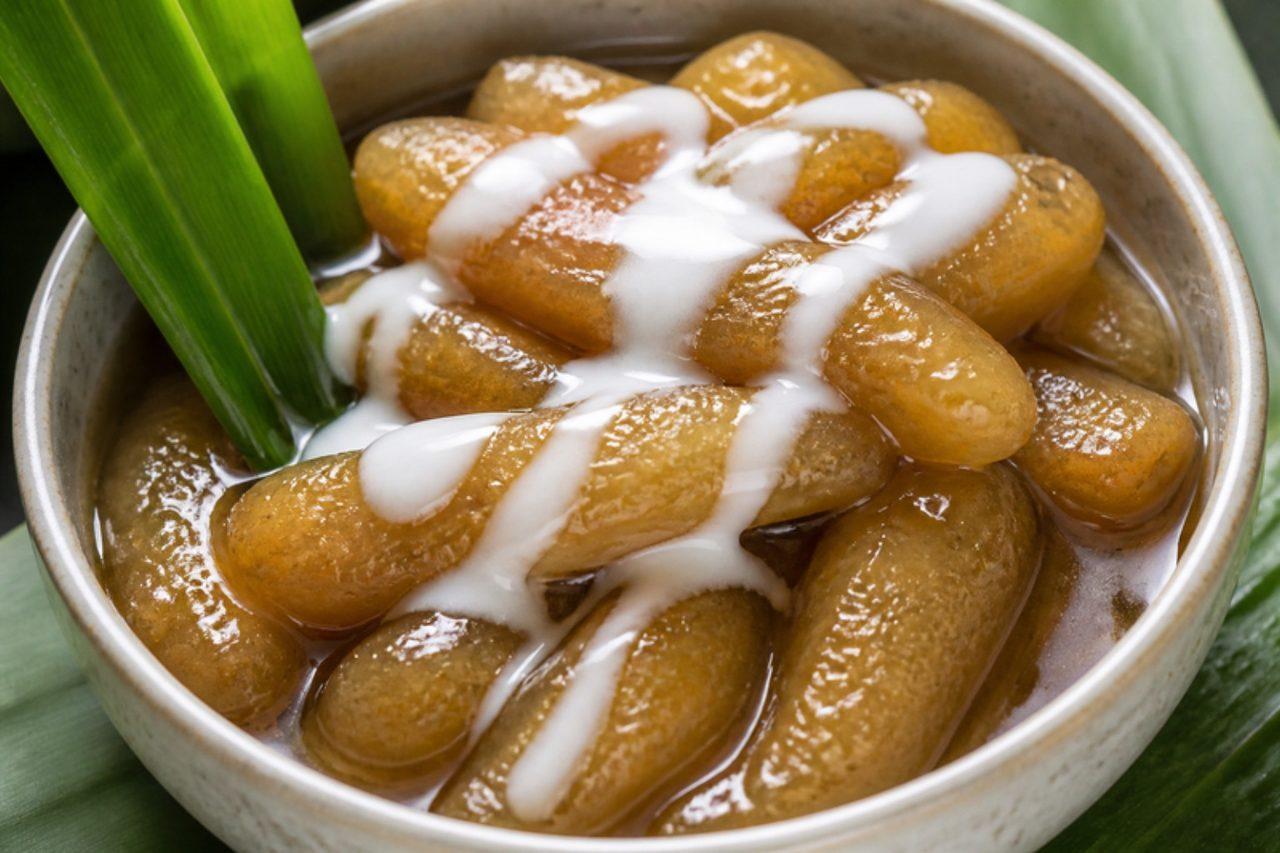
Kluay chuam (Thai bananas in palm-sugar syrup)

Kluay chuam is a market dessert of central Thailand, cooked in big brass pans and sold by the bag year round, and it is a common sweet to offer monks at merit-making. Small, starchy nam wa bananas are simmered slowly in palm-sugar syrup until they turn translucent and amber, soft and chewy rather than mushy, then served with thick, salty coconut cream poured over. The flavour is deep caramel and banana, cut by the salt. Serve at room temperature in small bowls. Being egg-free by nature, it relies on the long simmer in syrup firms the bananas and a little rice flour thickens the coconut topping. Chef's tip: keep the syrup at the gentlest simmer and don't stir; the common mistake is a fast boil and a spoon, which break the bananas before they have time to turn glassy.

by KrazyBadal 0 views

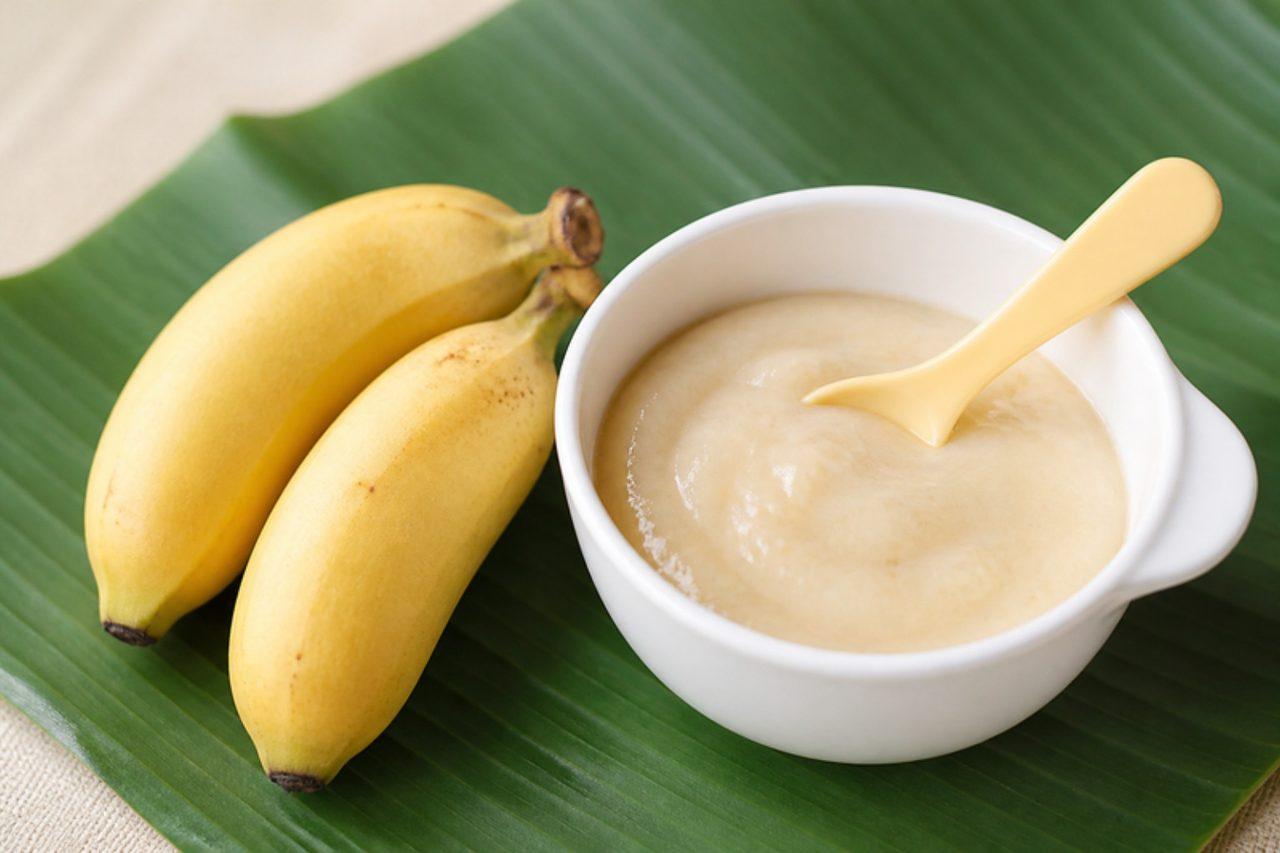
Mashed nam wa banana (kluay nam wa bod)

Ask a Thai grandmother about first foods and she will talk about kluay nam wa, the short, plump banana that grows in nearly every garden in Thailand. Ripe ones are steamed, which softens the slightly astringent edge, then scraped and mashed for a baby's first taste, often in the afternoon. It is sweet, creamy and needs nothing added. There are no common allergens (milk, egg, gluten, peanut, tree nuts, soya, sesame, fish). If you can't find nam wa, use a small, very ripe ordinary banana. Chef's tip: steam the banana in its skin; it keeps the flesh moist and stops it browning.

by KrazyBadal 0 views

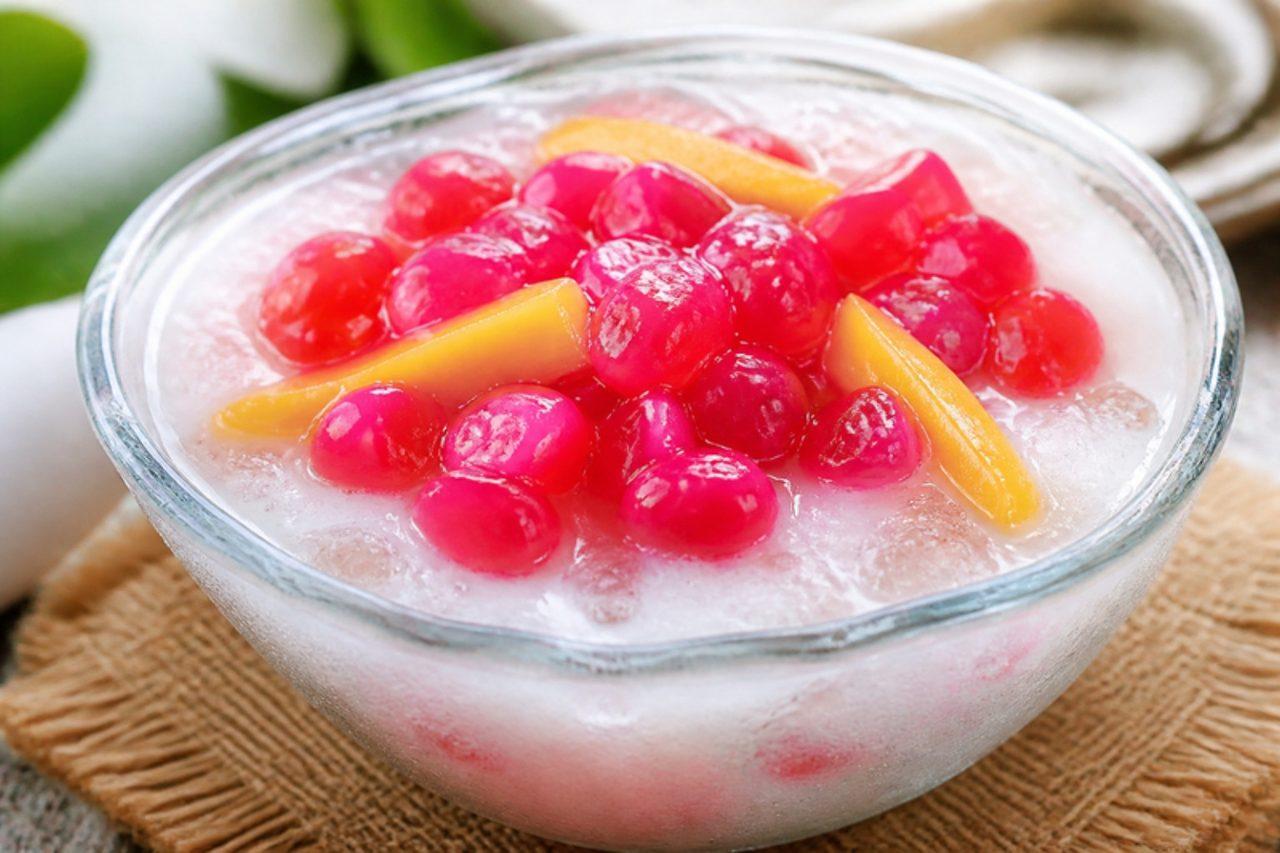
Tub tim grob (red rubies)Water chestnut in coconut milk

On a sticky afternoon in Bangkok, from the food courts of Siam to roadside dessert carts, this is the bowl people order to cool down. Each 'ruby' is a cube of water chestnut wrapped in a chewy, glassy coat of tapioca, so you get crunch inside slipperiness, all floating in jasmine-scented syrup and salted coconut milk with shaved ice. Some shops add jackfruit strips. Chef's tip: shake off excess starch before boiling; a thick coating turns into a gluey lump instead of a thin, see-through skin.

by KrazyBadal 0 views

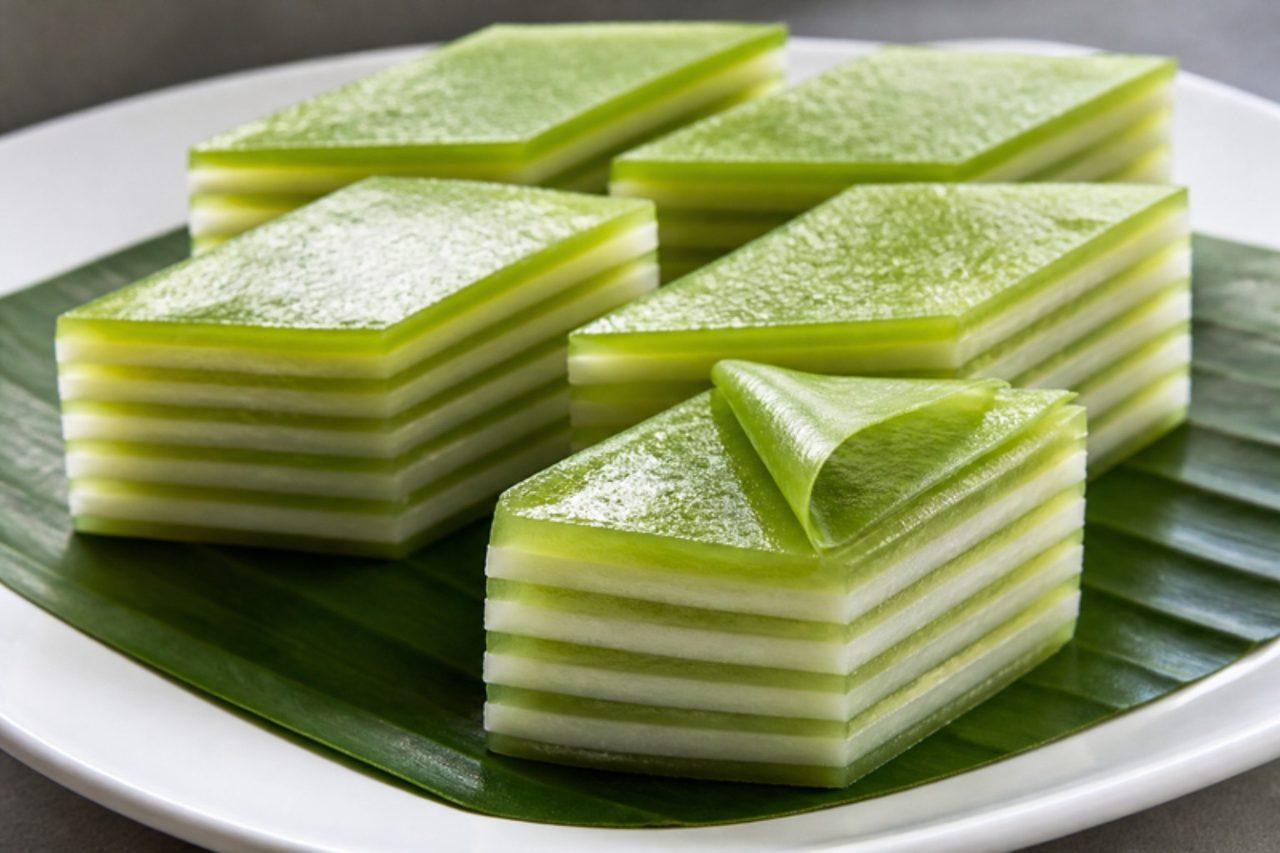
Khanom chan (layered pandan cake)

Bangkok's old dessert shops in Thonburi and the markets around Ayutthaya stack trays of this cake on their counters, and it turns up at weddings and house blessings because 'chan' also sounds like rising a level in life. Each green or white band is steamed on top of the last, so the finished slice is springy, faintly chewy and scented with pandan and jasmine; children eat it by peeling off one layer at a time. Serve it at room temperature with hot jasmine tea. Chef's tip: the classic mistake is pouring the next layer before the one beneath has turned fully translucent, which blurs the stripes; give each layer its full five minutes.

120 minThaiDessertsVeganGluten free
by KrazyBadal 0 views

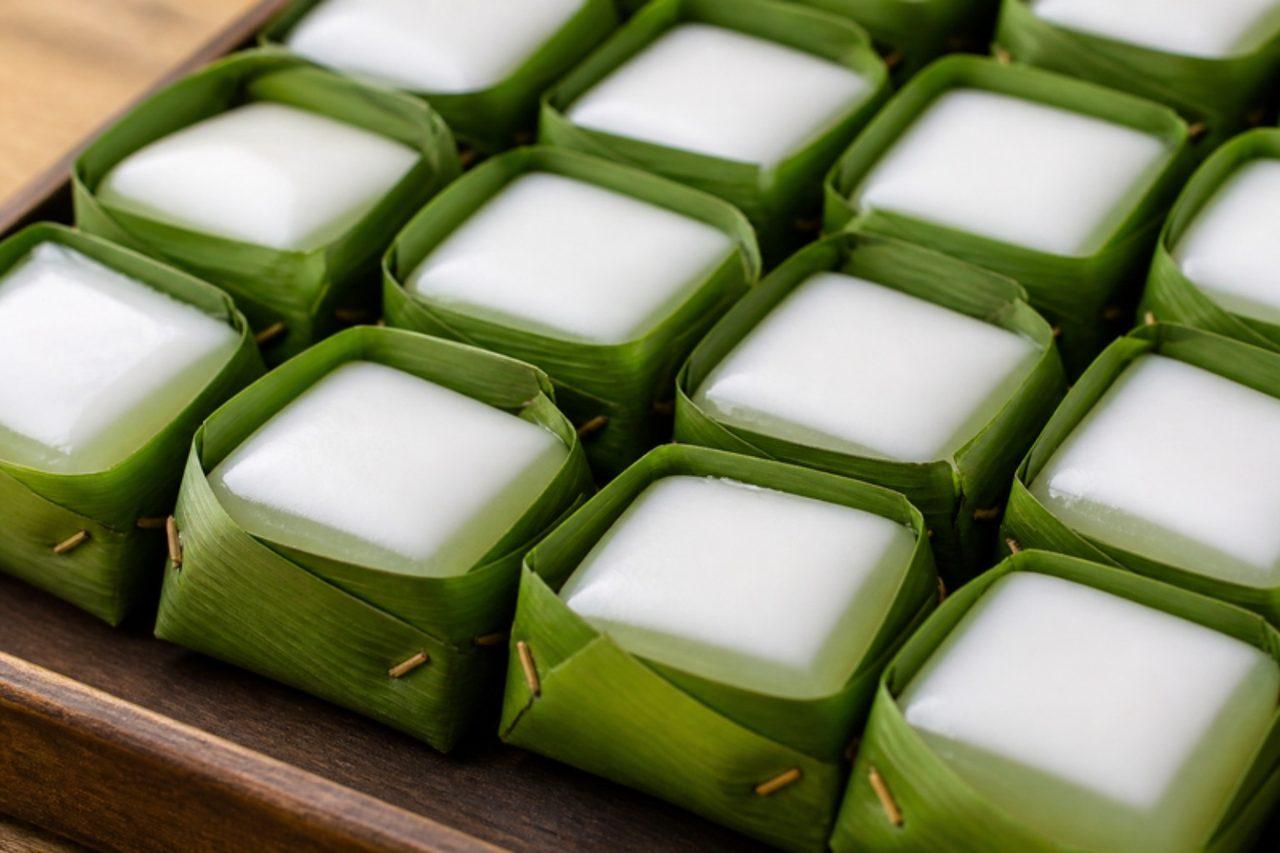
Khanom takoPandan coconut cream jelly cups

Little boxes of folded pandan leaf filled with jelly sit on the trays of every khanom seller in central Thailand, from Chatuchak's dessert stalls to the morning market in Nakhon Pathom. The base is firm, cool and green with diced water chestnut for crunch; the thick white top is coconut cream set with rice flour and seasoned with a clear note of salt, which is the whole point. They are eaten as a mid-afternoon snack, two or three at a time. Chef's tip: most people undersalt the coconut layer; it should taste lightly salty on its own, so the sweet base underneath sings.

by KrazyBadal 0 views

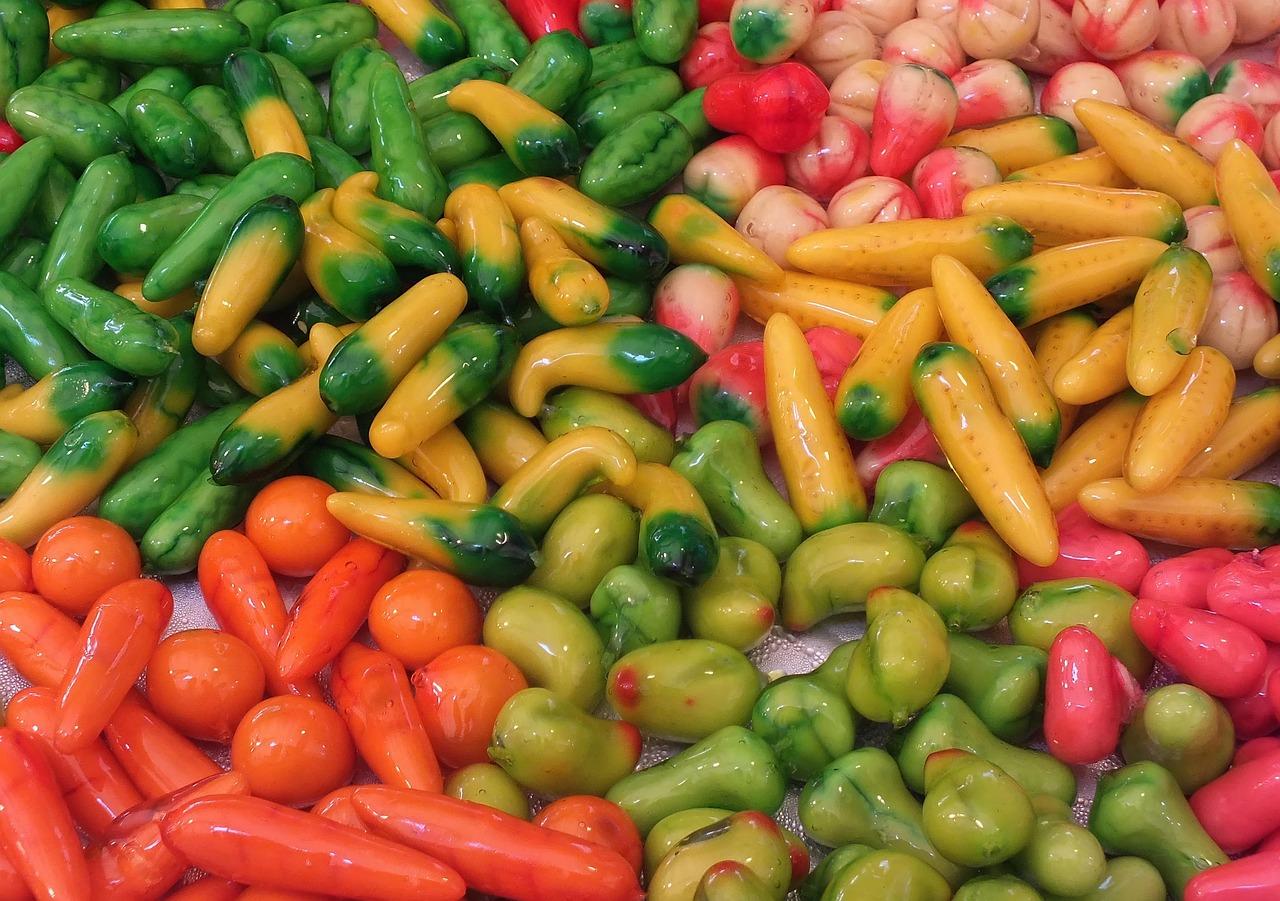
Look chupMung bean fruit sweets

Once made in the palace kitchens of Ayutthaya, these miniature chillies, mangosteens and mangoes now fill gift boxes in Bangkok bakeries for weddings, merit-making and Mother's Day. The inside is a smooth, sweet paste of mung beans and coconut milk; the outside is a thin, shiny skin of jelly, so each one tastes a little like marzipan in a glass coat. Making them is an afternoon project best shared. Chef's tip: a paste that is too wet won't hold a shape and slides off the stick; cook it until it pulls away from the pan in one soft ball.

150 minThaiDessertsVeganGluten free
by KrazyBadal 0 views

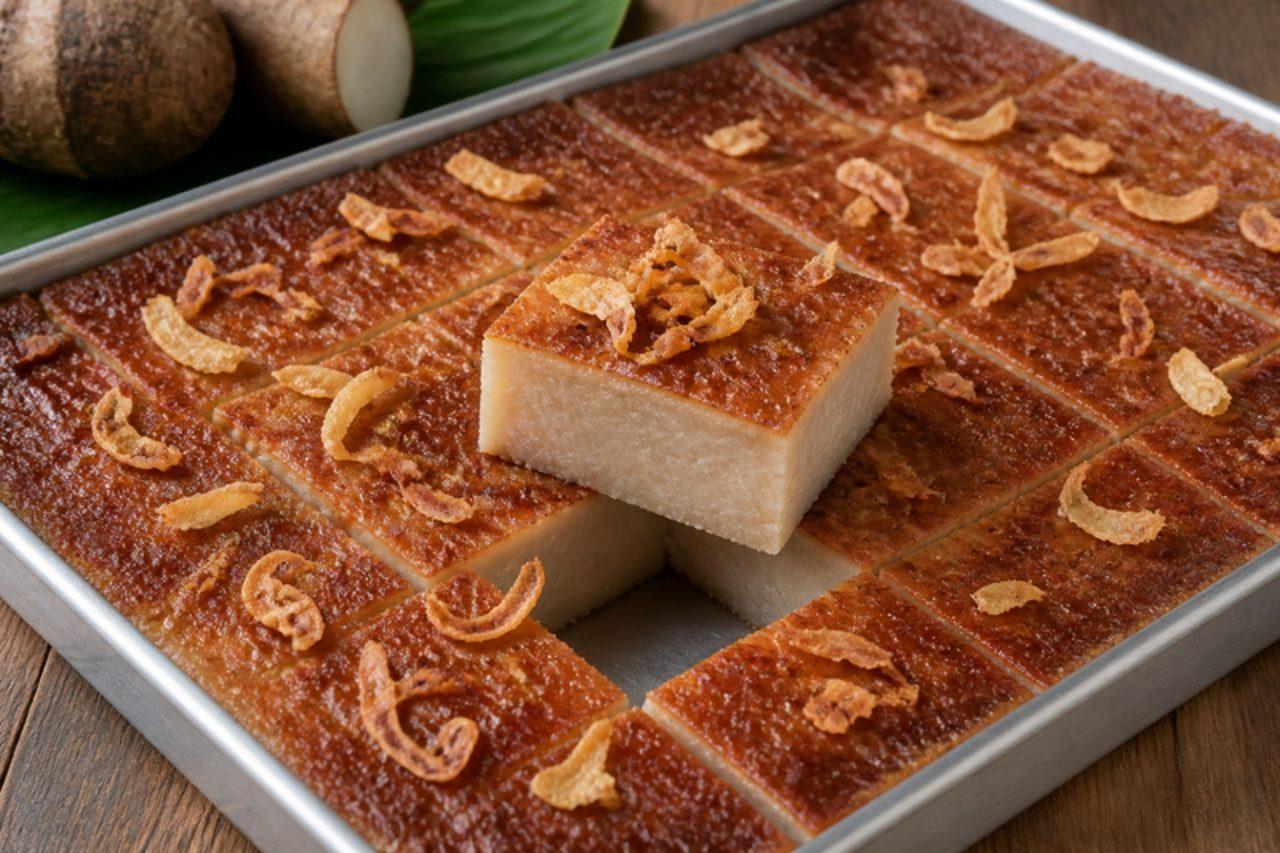
Khanom mo kaeng (Thai coconut custard cake)

Drive south from Bangkok and every roadside shop in Phetchaburi sells this dense custard in foil trays, because the province's sugar palms give it the palm sugar that defines it. Duck eggs, coconut cream and mashed taro bake into a firm, fudgy slab with a browned top, then a scattering of crisp fried shallots adds a savoury, sweet-onion crunch. Cut it in squares for an afternoon snack. Chef's tip: the common mistake is baking it too hot, which makes it puff and crack; bake low until just set, then brown the top under the grill.

by KrazyBadal 0 views

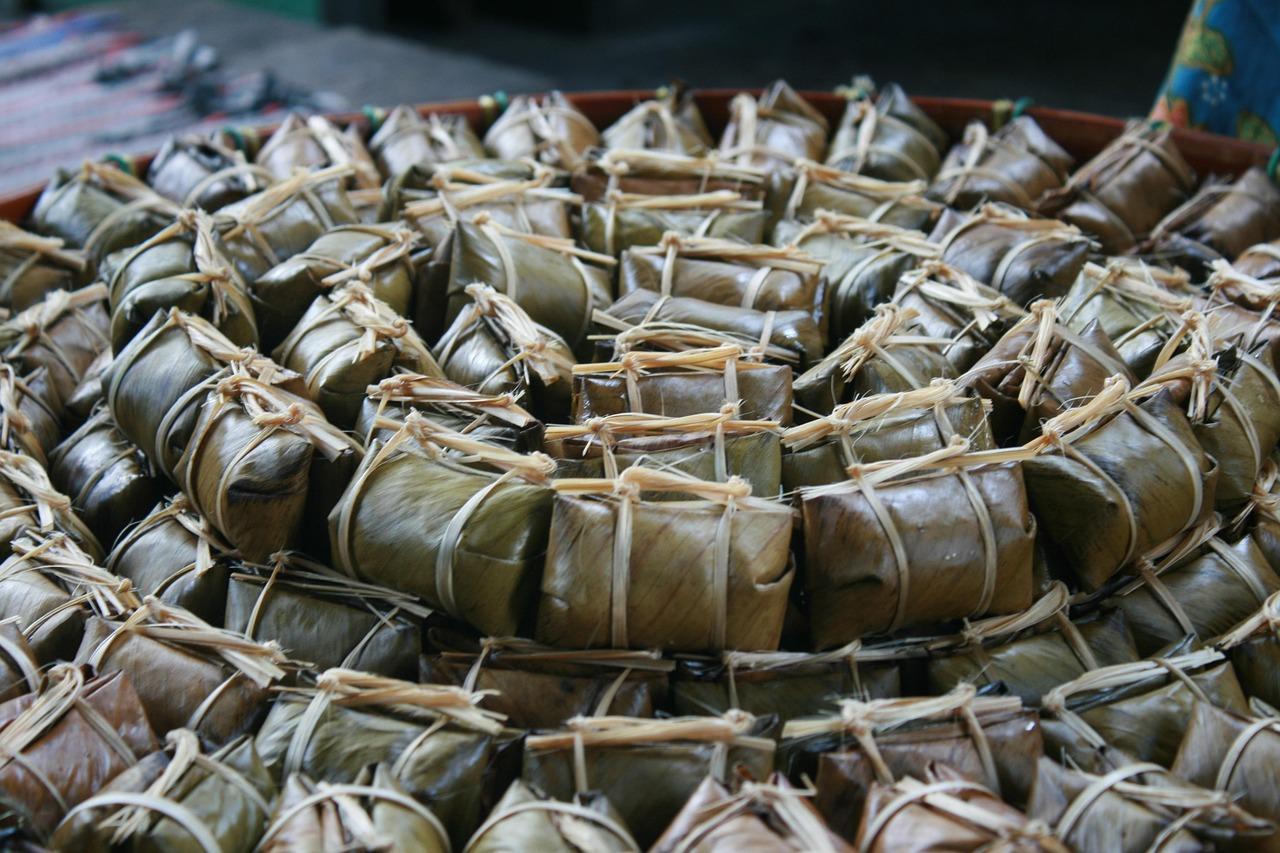
Khao tom mat (banana sticky rice parcels)

Before dawn on Buddhist holy days and during Ok Phansa at the end of the rains retreat, families in central Thailand tie bundles of these parcels in pairs to give to monks on their alms round. Inside the leaf, glutinous rice cooked first in coconut milk wraps around half a small banana and a few black beans, then steams until the banana turns pink and jammy. Eat them warm or at room temperature for breakfast. Chef's tip: wrapping too tightly is the common mistake; the rice swells as it steams, so leave a little room or the parcels burst.

120 minThaiDessertsVeganGluten free
by KrazyBadal 0 views

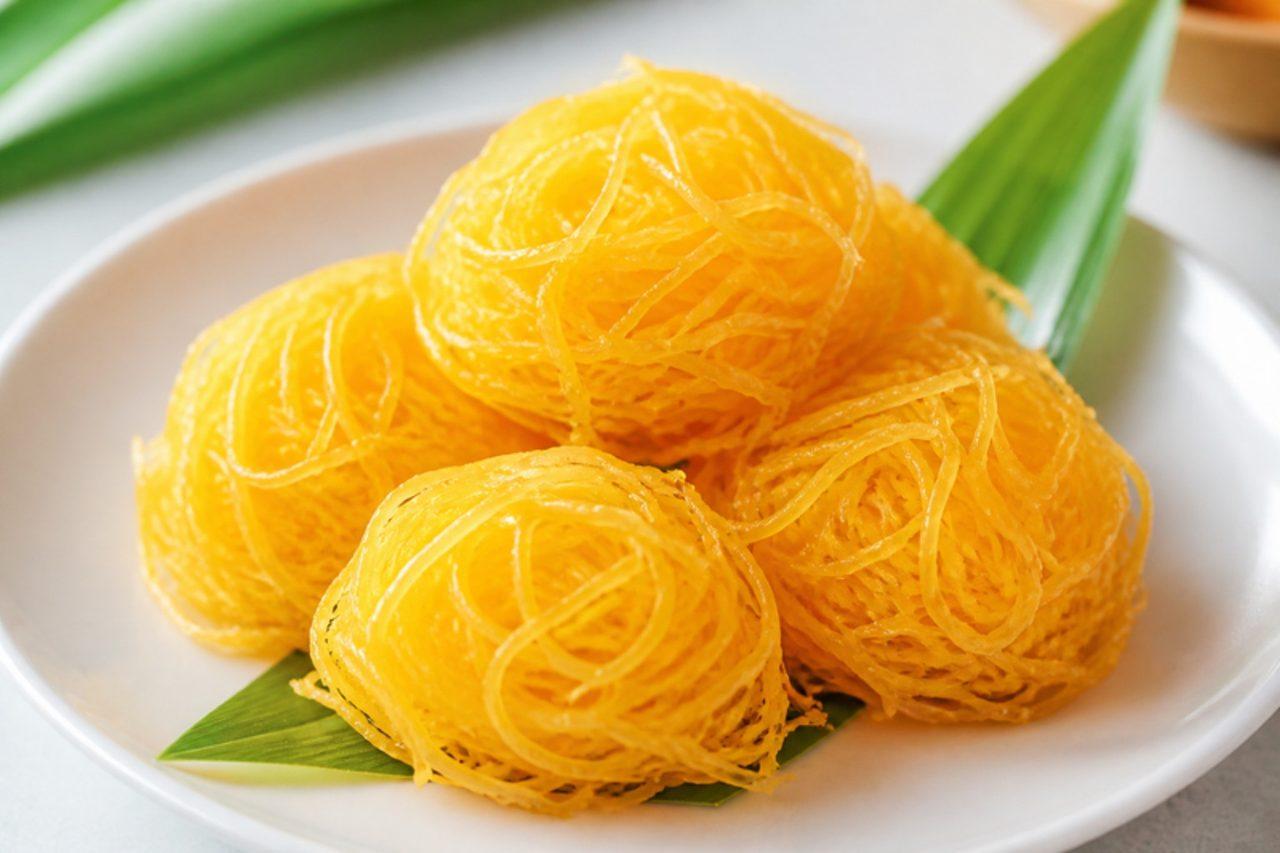
Foi thong (golden threads)Egg yolk threads

Ayutthaya's royal kitchens learned this sweet from Portuguese settlers in the seventeenth century, and today stalls along the old city's riverside and wedding banquets across Thailand pile up the shining nests. Thin streams of yolk set in boiling syrup into glossy, rich, very sweet threads, eaten in small pieces with strong tea or coffee. Long threads are offered at weddings for a long marriage. The eggs are fully cooked in the syrup. Chef's tip: the mistake is letting the syrup thicken too far; keep topping it up with a splash of water so it stays thin enough for threads to stay separate.

by KrazyBadal 0 views

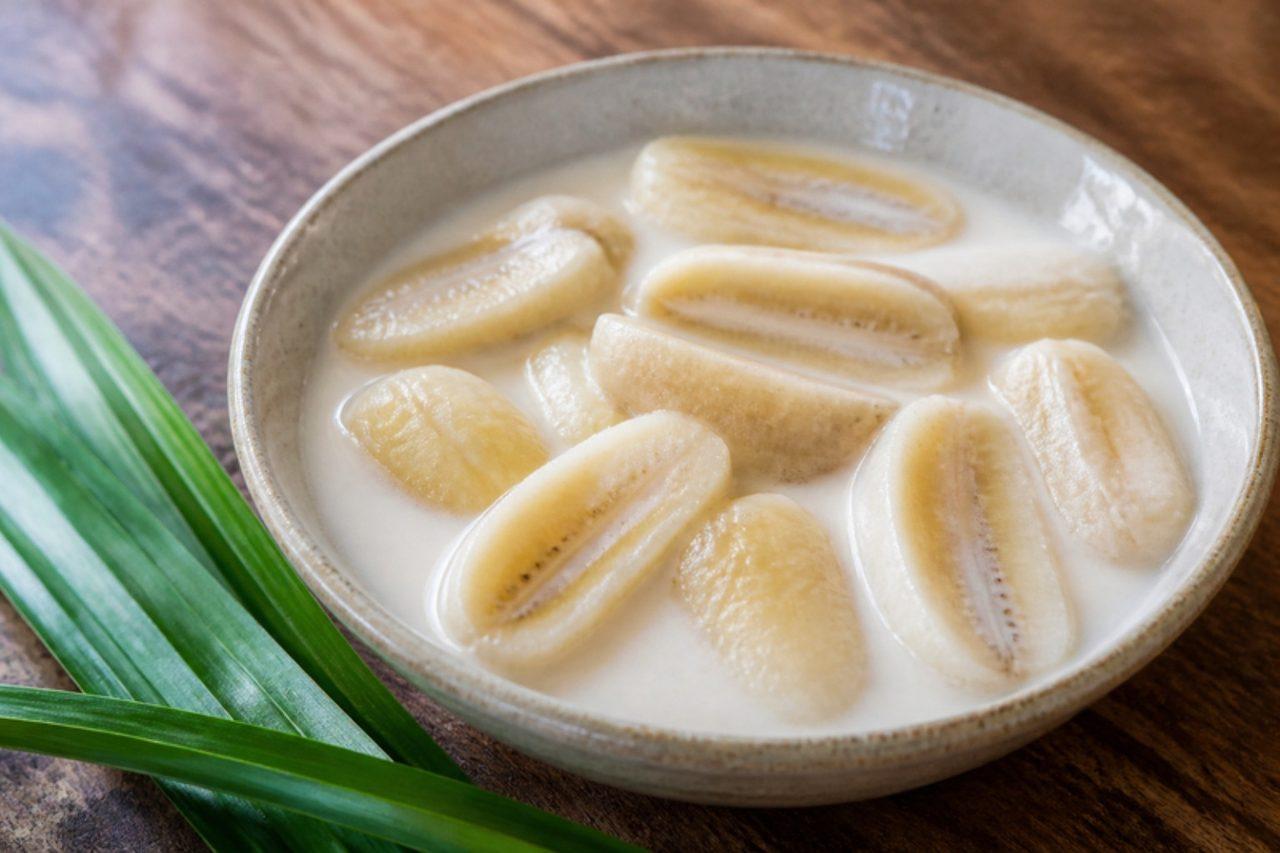
Kluay buat chi (bananas in coconut milk)

Rows of pots of this simple sweet sit on home stoves all over central Thailand, and it is often the first dessert a Thai cook learns. The name compares the pale bananas in white coconut milk to women ordained as nuns in white robes. Small, sweet namwa bananas soften without collapsing, and the milk is seasoned so salt and palm sugar balance. Eat it warm or at room temperature, as an afternoon snack or after a spicy dinner. Chef's tip: boiling the coconut milk hard is the usual error; it splits and turns oily, so keep it at a bare simmer.

by KrazyBadal 0 views

Bua loy (rice balls in coconut milk)

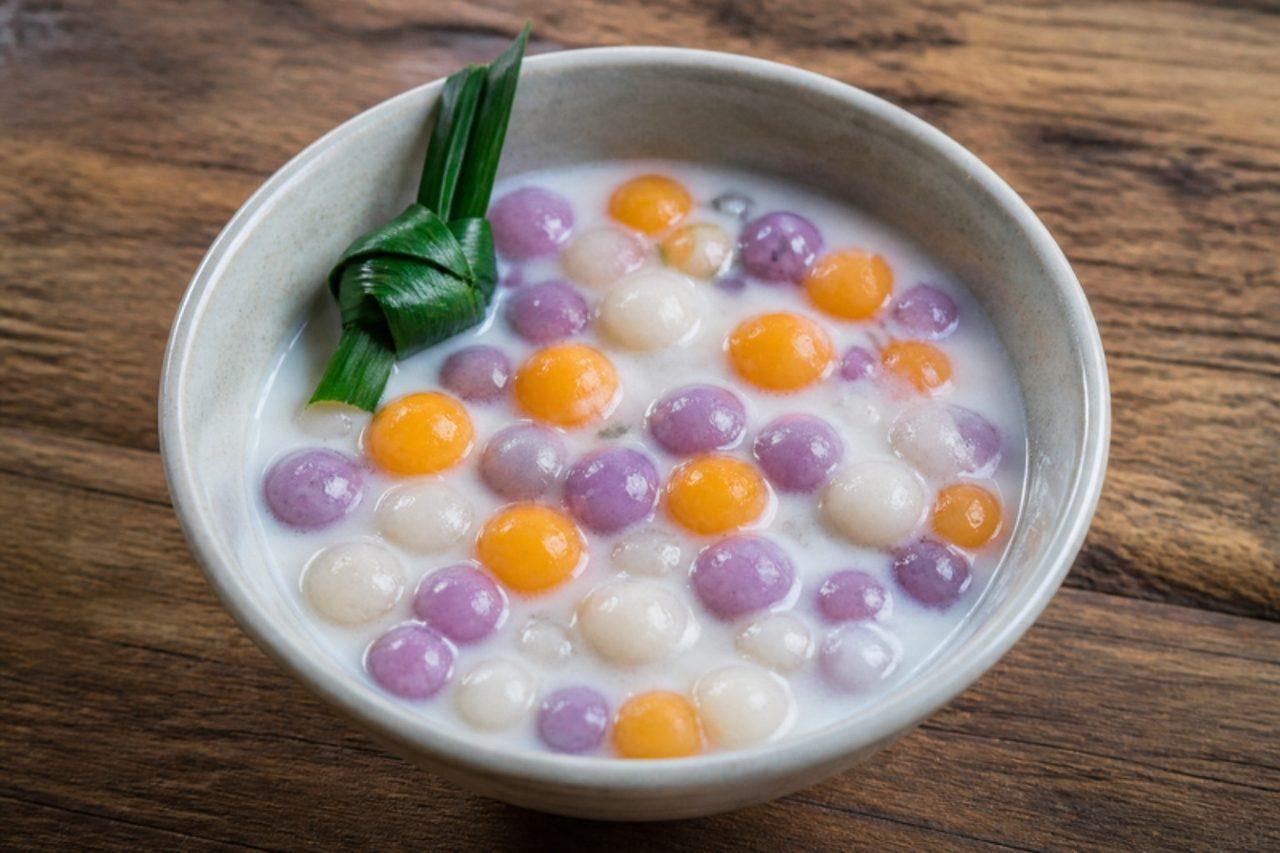
The name means 'floating lotus', and on cool evenings in Bangkok's Yaowarat and around temple fairs bowls of these tiny glutinous dumplings are ladled out warm. They are coloured with mashed pumpkin and taro, so they taste faintly of both, and the coconut milk around them is sweet with palm sugar and edged with salt. Some vendors add a soft-cooked egg to the bowl; this version keeps it plant-only. Chef's tip: the usual mistake is making the balls too big; keep them the size of a chickpea so they cook through and stay tender rather than gummy.

by KrazyBadal 0 views

KoserevaCandied bitter orange peel

Kosereva is a Paraguayan home preserve from the days when nothing was wasted: thick strips of bitter-orange peel soaked and boiled to soften their bite, then cooked slowly in dark cane molasses until glossy and nearly black. In the countryside it is eaten after lunch with a slice of fresh cheese or simply on its own. Bitter oranges (Seville oranges) are in season in winter. The most common mistake is not changing the boiling water enough, which leaves the peel unpleasantly bitter. Chef's tip: taste a sliver of peel after the third boil; it should be gently bitter like marmalade, not harsh.

by KrazyBadal 0 views

Kluay pingGrilled banana

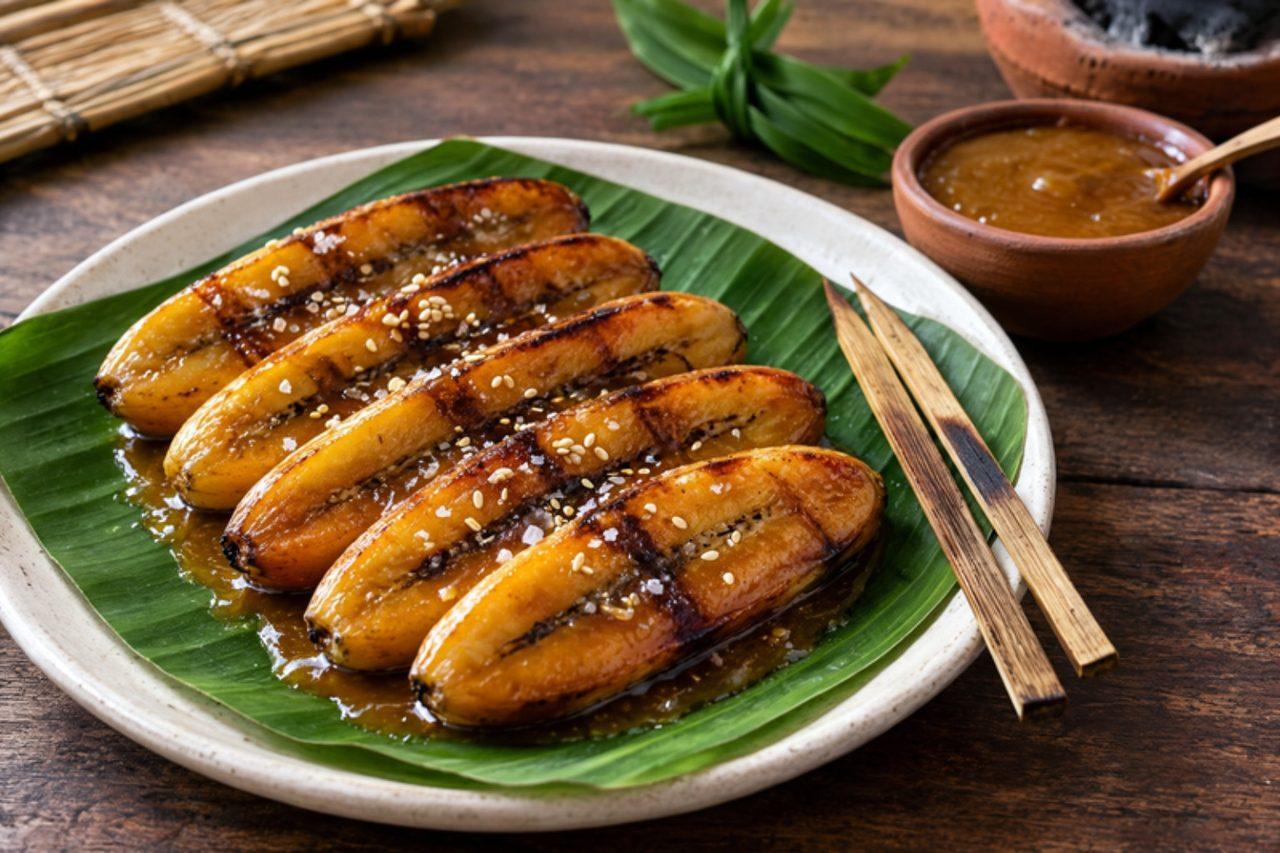
Kluay ping carts work the pavements of Silom and the lanes off Sukhumvit from mid-morning, when office workers want something sweet with their iced coffee. The vendor grills small, starchy nam wa bananas slowly over embers, presses each one flat with a wooden board and then brushes it with coconut cream cooked down with palm sugar and a pinch of salt. The outside turns sticky and smoky; the inside stays soft and fudgy. Ladyfinger bananas or firm, just-ripe small bananas work at home. Chef's tip: choose bananas that are yellow with no brown spots; overripe fruit turns to mush on the grill.

by KrazyBadal 0 views

Ka'i ladrilloPeanut molasses bricks

Ka'i ladrillo — 'monkey brick' in Guaraní — is the sweet sold by vendors on Asunción buses and at country fiestas: roasted peanuts bound in boiled cane molasses and set in brick-shaped blocks, crunchy and dark with a slightly smoky toffee taste. It contains peanuts, so keep it away from anyone with a peanut allergy. The common mistake is taking the syrup off too soon, so the bricks stay sticky and never set. Chef's tip: test the syrup by dropping a little into cold water; it is ready when it sets into a brittle thread that snaps.

by KrazyBadal 0 views

Martín FierroCheese with quince paste

Ask for dessert in a Montevideo bodegón or a country parador and you may be offered a Martín Fierro: a thick slice of fresh, mild cheese laid with an equal slice of dense quince or sweet-potato paste, named after the gaucho of the epic poem. It's salty against sweet, soft against firm, and takes two minutes to assemble. Uruguayan fresh cheese is usually made with animal rennet, so choose one with vegetarian rennet if that matters to you. The mistake is serving it fridge-cold, which dulls both flavours. Chef's tip: cut the cheese and paste to exactly the same thickness, about 1 cm, so every bite has both.

by KrazyBadal 0 views

Cremolada (Lima passion fruit slush)

From January to March, when Lima's coast swelters, queues form at the cremolada counters of Barranco and along the Jirón de la Unión downtown for cups of this thick fruit ice. It sits between a granita and a sorbet: frozen fruit pulp scraped again and again until it is slushy and spoonable, with real bits of fruit through it. Passion fruit (maracuyá) gives a sharp, bright flavour; creamy lúcuma, with its maple and sweet potato taste, is the other favourite. Chef's tip: use a shallow metal tray; it freezes faster and evenly, so you get fine crystals rather than chunks.

by KrazyBadal 0 views

SerraduraCream and biscuit crumb pudding

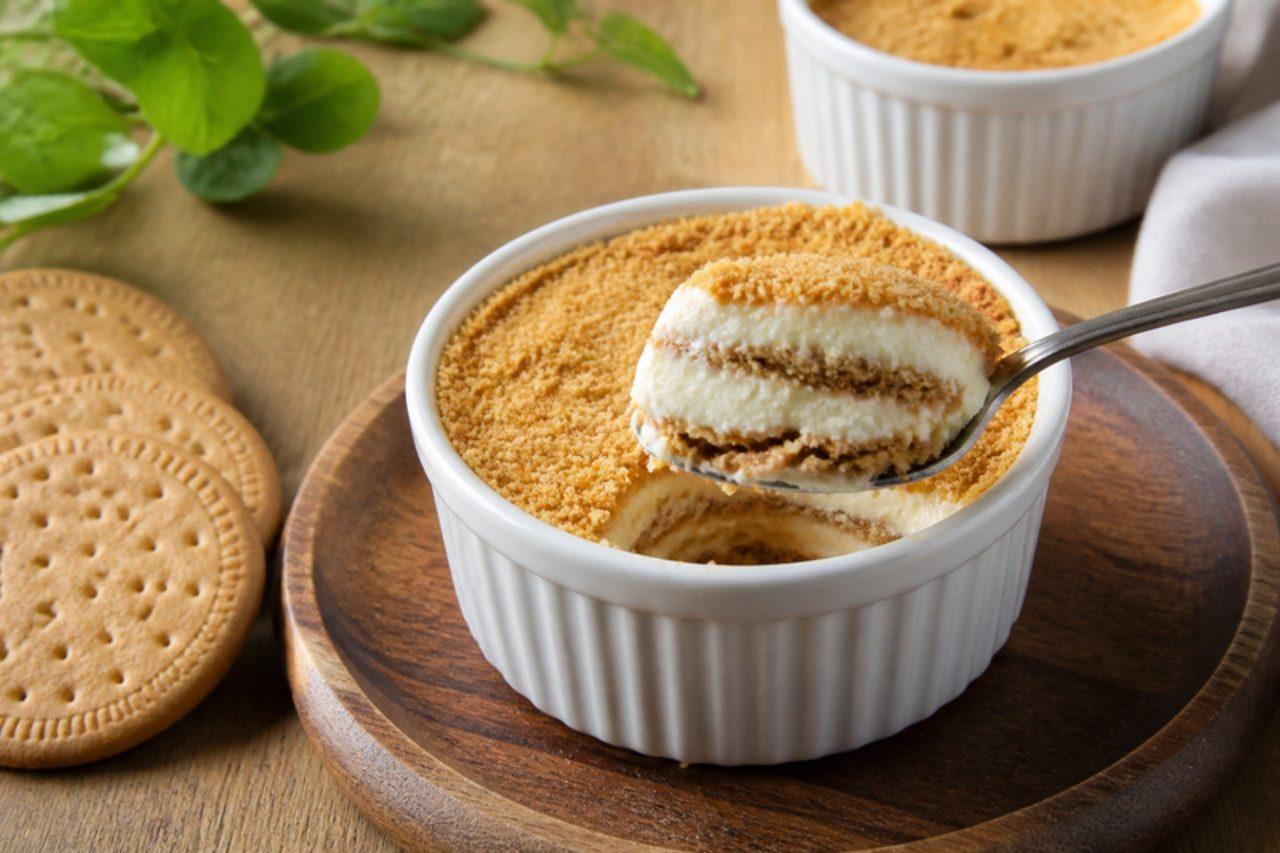
Portuguese for 'sawdust', serradura is the cool, creamy dessert you'll find in every Macanese restaurant and café from Taipa to the Senado Square backstreets, ordered to round off a long Macanese lunch. Alternating layers of sweetened whipped cream and powder-fine tea biscuit crumbs set softly in the fridge, so each spoonful is light, milky and caramel-sweet, with a gentle crumbly texture. It is usually served in small glasses, sometimes semi-frozen like an ice cream cake. Coarse crumbs are where it goes wrong; they stay crunchy and gritty instead of melting into the cream, so grind the biscuits as fine as sand. Chef's tip: whip the cream and condensed milk together only to firm peaks and stop there, or it turns grainy and buttery.

by KrazyBadal 0 views

Leche asadaBaked milk custard

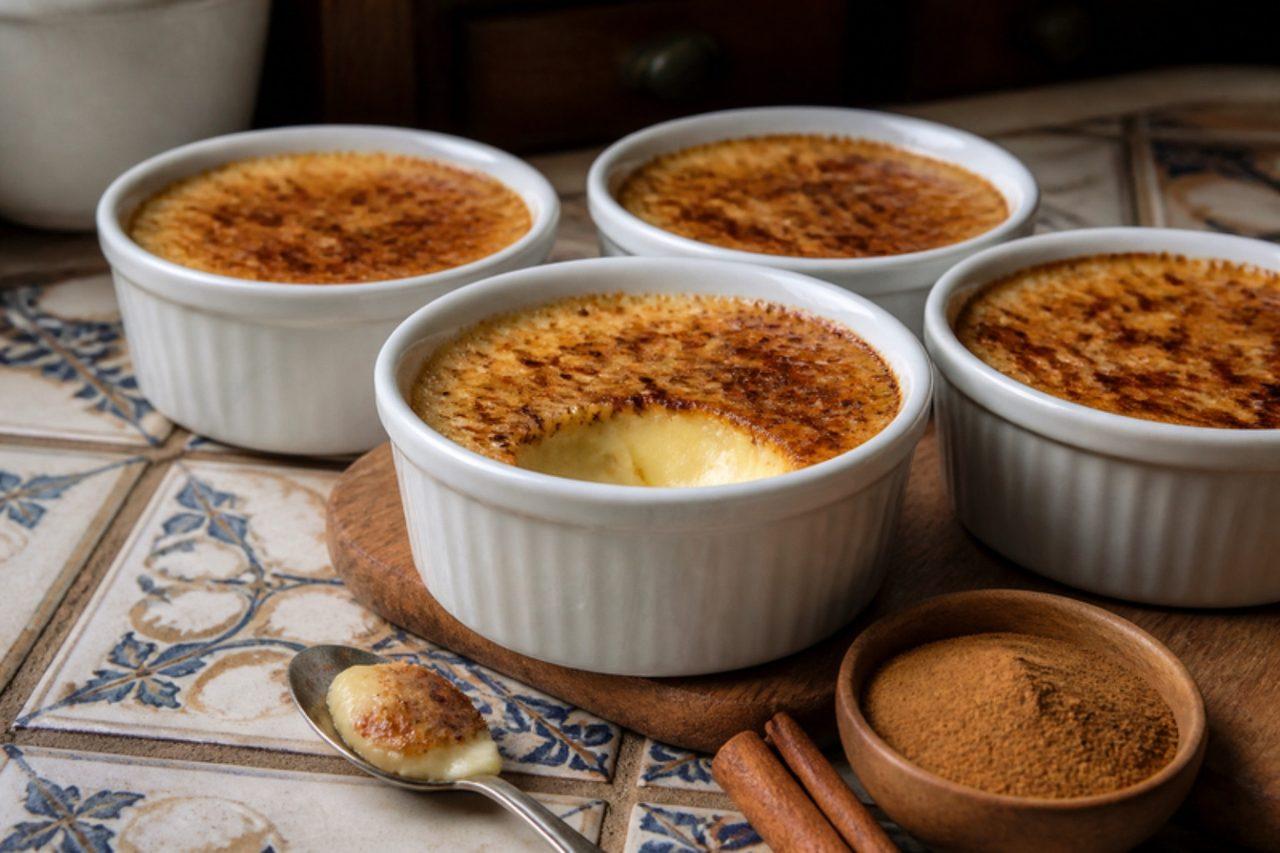
A fixture of Lima's set-lunch menus and school canteens, leche asada is the plainer sibling of flan: milk, eggs, sugar and vanilla baked in a dish until set, with no caramel layer, so the top browns into a freckled skin that's the best part. It is lighter and a little less smooth than crème caramel, faintly scented with cinnamon and lemon zest, and served cold in squares or straight from little ramekins. Many cooks rush it in a hot oven, which makes the custard bubble and weep watery holes; bake it low and in a water bath, and only brown the top at the end. It makes a gentle end to a heavy meal and keeps for three days in the fridge. Chef's tip: strain the custard and skim off the foam before baking for a smooth, even set.

by KrazyBadal 0 views

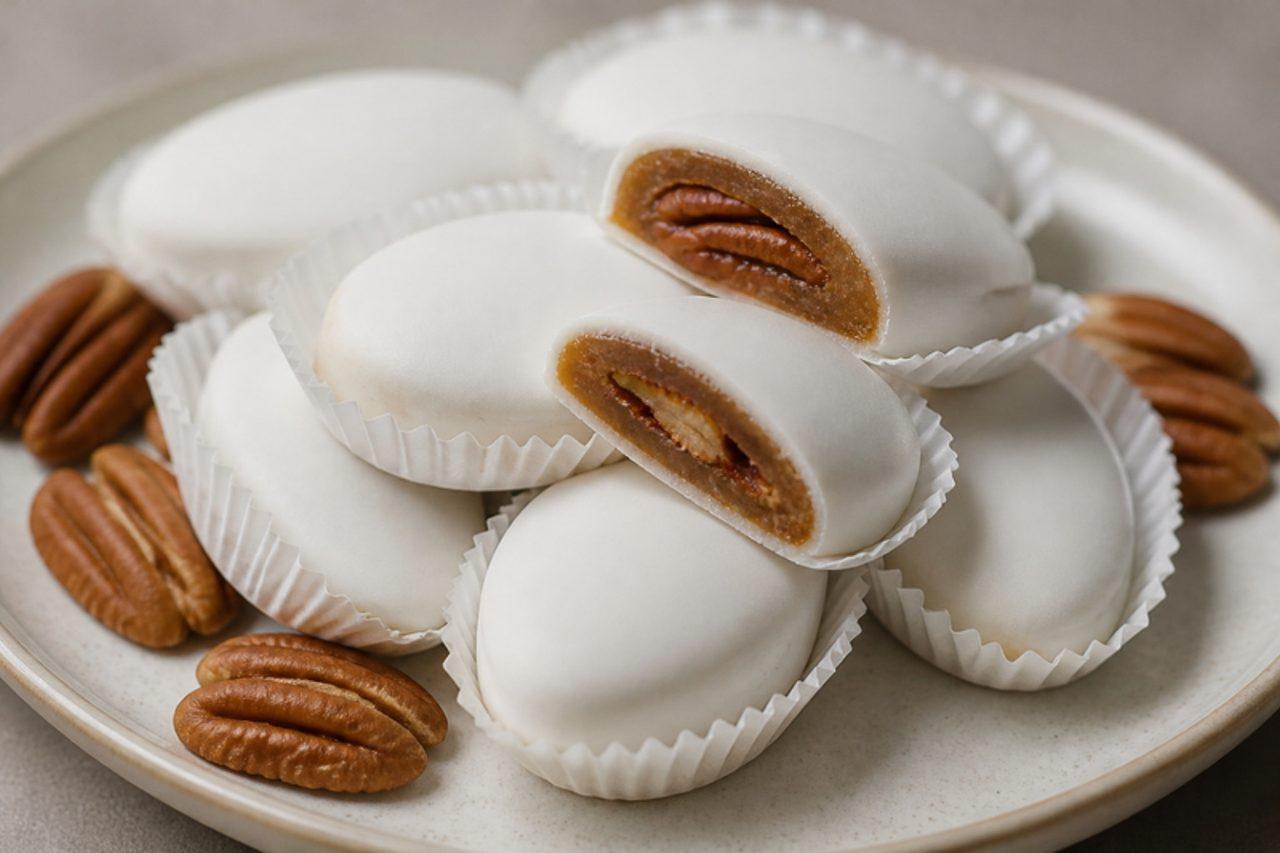
TejasPecan and manjar blanco sweets

Ica's sweet shops, along the road into town and around the main square, stack tejas in long rows, each one wrapped in white tissue paper with frilled ends. Inside the thin, crackly sugar shell is a soft centre of manjar blanco with a pecan or a piece of candied fruit; Ica has been making them since the 19th century and they are the city's best-known souvenir. They are intensely sweet, so one or two with coffee is enough. The hard part is the fondant: stir it while it's too hot and it turns grainy and opaque too early, so let the syrup cool before working it. This version makes a quick manjar blanco from condensed and evaporated milk and uses pecans; candied lime or orange peel works the same way. Chef's tip: chill the filled centres until firm before dipping; warm ones melt into the fondant and lose their shape.

by KrazyBadal 0 views

Frejol coladoSweet black bean paste

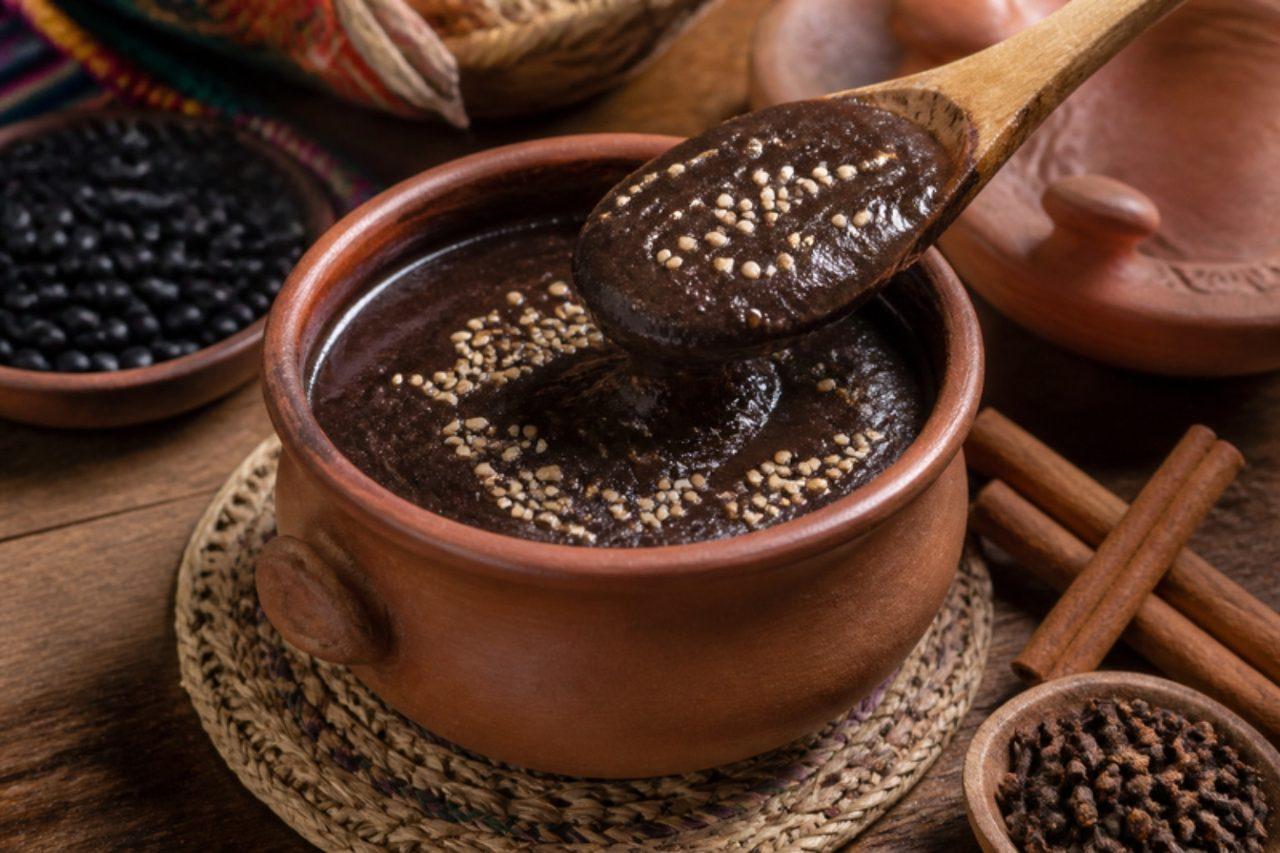
Chincha, south of Lima, is the heart of Afro-Peruvian culture, and its signature sweet is frejol colado: black beans cooked, pushed through a sieve (colado means strained) and then stirred for a long time with sugar and spices until the paste is dark, glossy and thick enough to stand a spoon in. It is traditionally served in little gourd bowls called potos, sprinkled with toasted sesame, and sold in Chincha's square and at festivals in El Carmen. The taste is deep and molasses-like, with clove and cinnamon, and nobody guesses it's beans. The beans need an overnight soak, which isn't counted in the time. Most people give up stirring too early; under-cooked frejol colado is runny and tastes of beans, so keep going until it pulls away from the pan in one mass. Some cooks add milk; this version is dairy free. Chef's tip: use a wide, heavy pan and a long wooden spoon, and wear an oven glove, because the thick paste spits as it reduces.

by KrazyBadal 0 views

Arroz zambitoRice pudding with chancaca and raisins

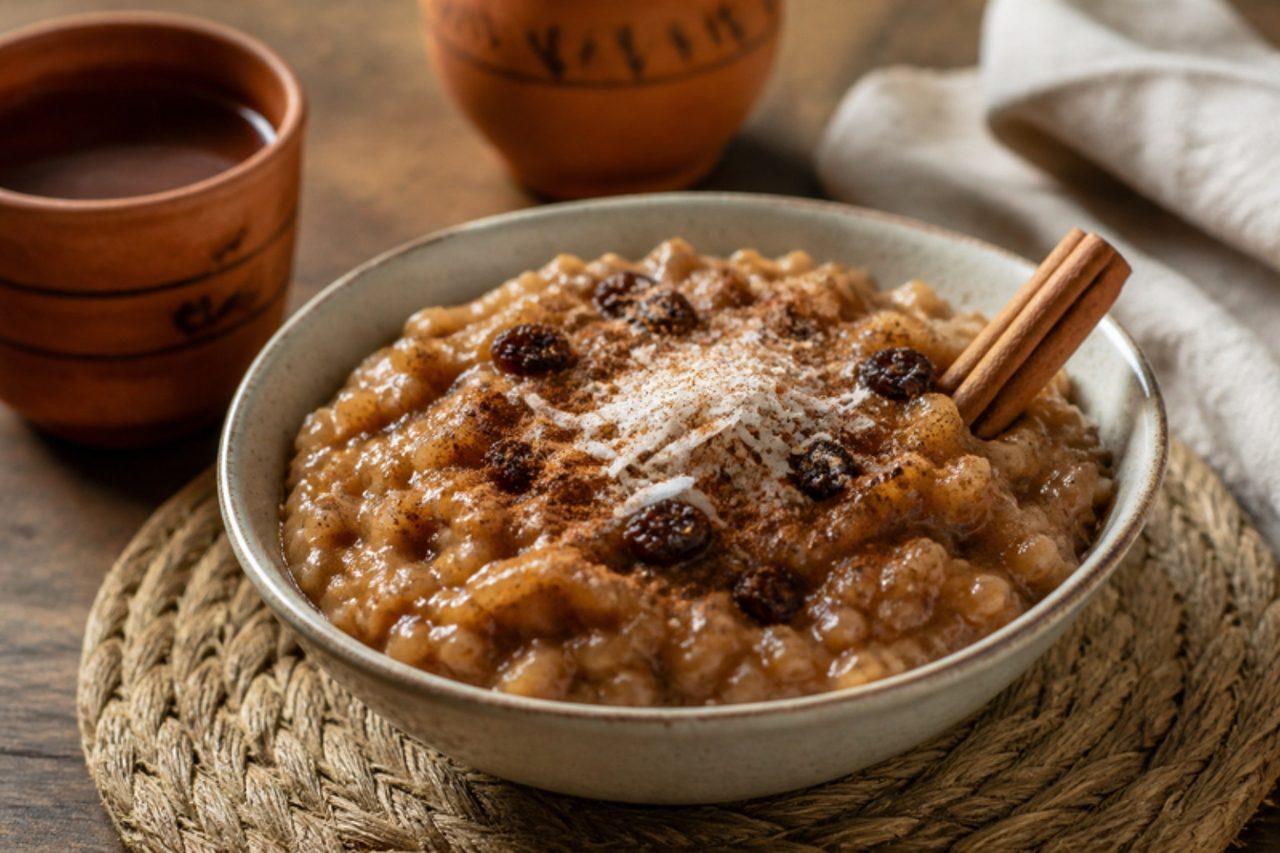
Lima's Afro-Peruvian kitchens gave the city arroz zambito, the dark cousin of arroz con leche: rice simmered with cloves and cinnamon, sweetened with chancaca instead of white sugar, and enriched with milk, coconut and raisins. The name refers to its deep brown colour, and it is sold in cups at markets and from carts alongside mazamorra morada, often half and half in the same cup. It tastes of molasses and spice, soft and creamy with chewy raisins and nuggets of coconut. The way it usually goes wrong is adding the chancaca too soon, before the rice is tender; the sugar firms the grains and they never soften. Serve warm or at room temperature, dusted with cinnamon. Chancaca can be swapped for panela or dark muscovado. Chef's tip: melt the chancaca in a little water first and strain it, as the blocks often contain bits of cane fibre.

by KrazyBadal 0 views

Showing 24 of 41 recipes

Show more recipes

Page 1 of 2