Skip to content
Recipes

All recipes

Vegetarian, or something you can't eat? Set your diet once and we'll hide recipes that don't fit.

Cocido quemadoBurnt sugar mate drink

Cocido is how Paraguay starts the day: in Asunción, in the villages of Guairá and Itapúa, and in school kitchens, a pot of burnt yerba is brewed and poured into cups with chipa, the cheesy cassava bread, or with a hard galleta. The old way is to drop a glowing piece of charcoal into a pot with yerba and sugar and stir until the sugar burns. On a home stove you caramelise them together in a dry pan instead, which is safer and gives the same smoky, toffee-like taste. The drink is clear amber-brown, with roasted, slightly bitter mate notes over burnt-sugar sweetness; with milk added it becomes cocido con leche, creamy and coffee-coloured. Yerba mate contains caffeine, so treat it like a cup of coffee. The common mistake is letting the sugar go black: it turns acrid and bitter. Pull it off the heat when the caramel is deep amber and the yerba smells toasted, not burnt. It is ready when the liquid is a clear dark amber and tastes of toffee and smoke. Chef's tip: the water will spit fiercely when it hits the hot caramel, so pour it in from the side, at arm's length.

by KrazyBadal 0 views

TereréIced yerba mate

In Asunción the hottest part of the day stops for tereré: a horn or cup packed with yerba mate, topped up again and again with ice water infused with crushed herbs, and passed round the group through a metal straw. It was recognised by UNESCO as part of Paraguay's cultural heritage, and the herbs (yuyos) change with the season and the drinker's mood. Yerba mate contains caffeine, so it isn't one for small children. The common mistake is pouring water straight into loose yerba, which then clogs the straw; tilt the yerba to one side first. Chef's tip: for tereré ruso, swap the water for cold orange or grapefruit juice.

by KrazyBadal 0 views

Postre MassiniCustard sponge with burnt sugar top

Montevideo's birthday cake of choice since the early twentieth century, the Massini is two thin layers of sponge sandwiching a thick filling of whipped cream folded with egg-yolk custard, crowned with a thin glassy crust of torched yolk and sugar. Bakeries across Uruguay sell it on Sundays. Traditional versions sometimes add a sweet fortified wine to the custard; this one is alcohol-free. The custard is cooked to a safe 71 °C. The common mistake is assembling with warm custard, which melts the cream into a puddle. Chef's tip: if you don't have a blowtorch, put the sugared top under a very hot grill for a minute and watch it closely.

by KrazyBadal 0 views

Zibdiyit gambariBaked prawns with tomato and garlic

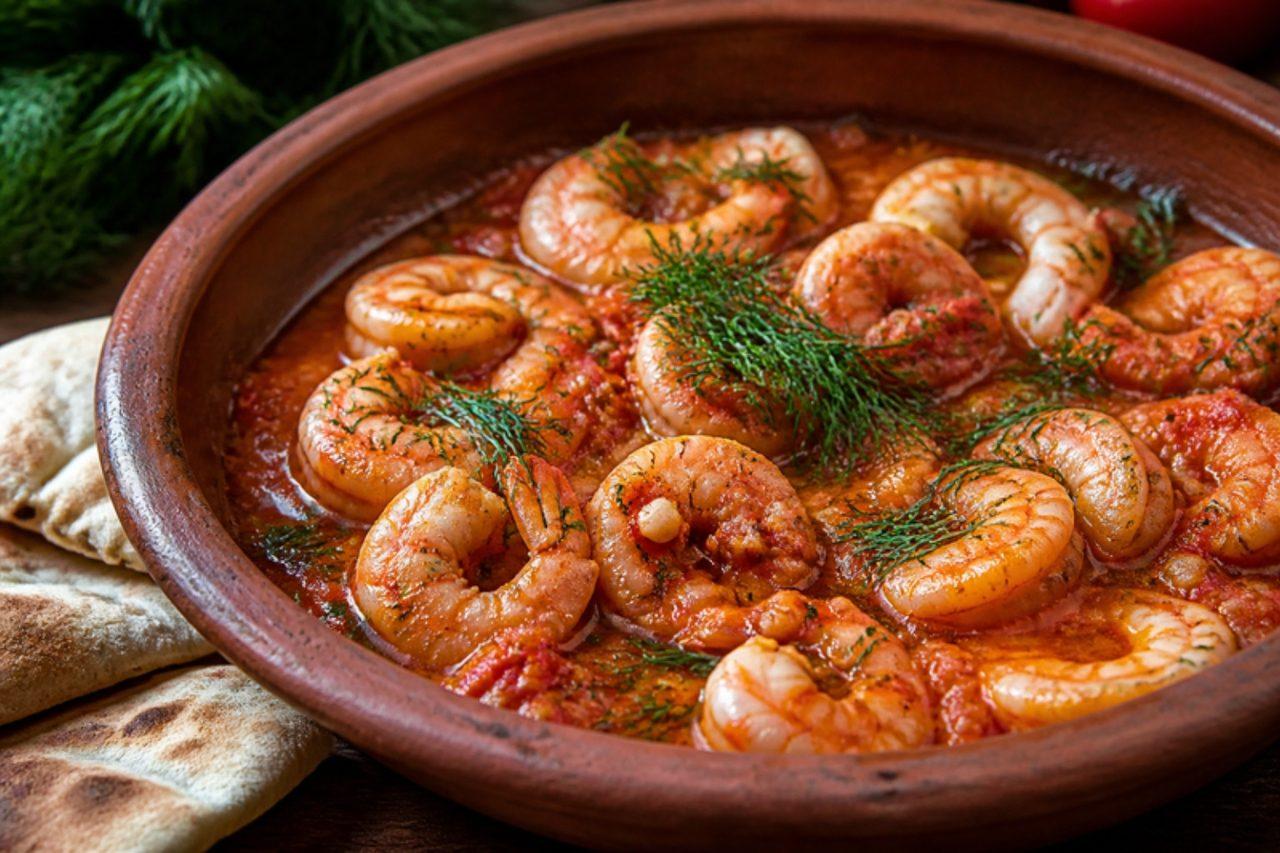
In Gaza's seafront restaurants zibdiyit gambari arrives bubbling in the same clay bowl (zibdiya) in which the sauce was pounded: prawns baked in a fierce tomato sauce full of garlic, green chilli and dill seed, with olive oil pooling at the edges for dipping bread. Families make it at home for special Friday lunches when the catch is good. Common mistake: cooking the prawns as long as the sauce, which makes them tough; they need only a few minutes at the end. Chef's tip: pound the garlic, chilli and dill seed by hand; the rough paste fries into the oil and gives the sauce its punch.

by KrazyBadal 0 views

KharroubCarob drink

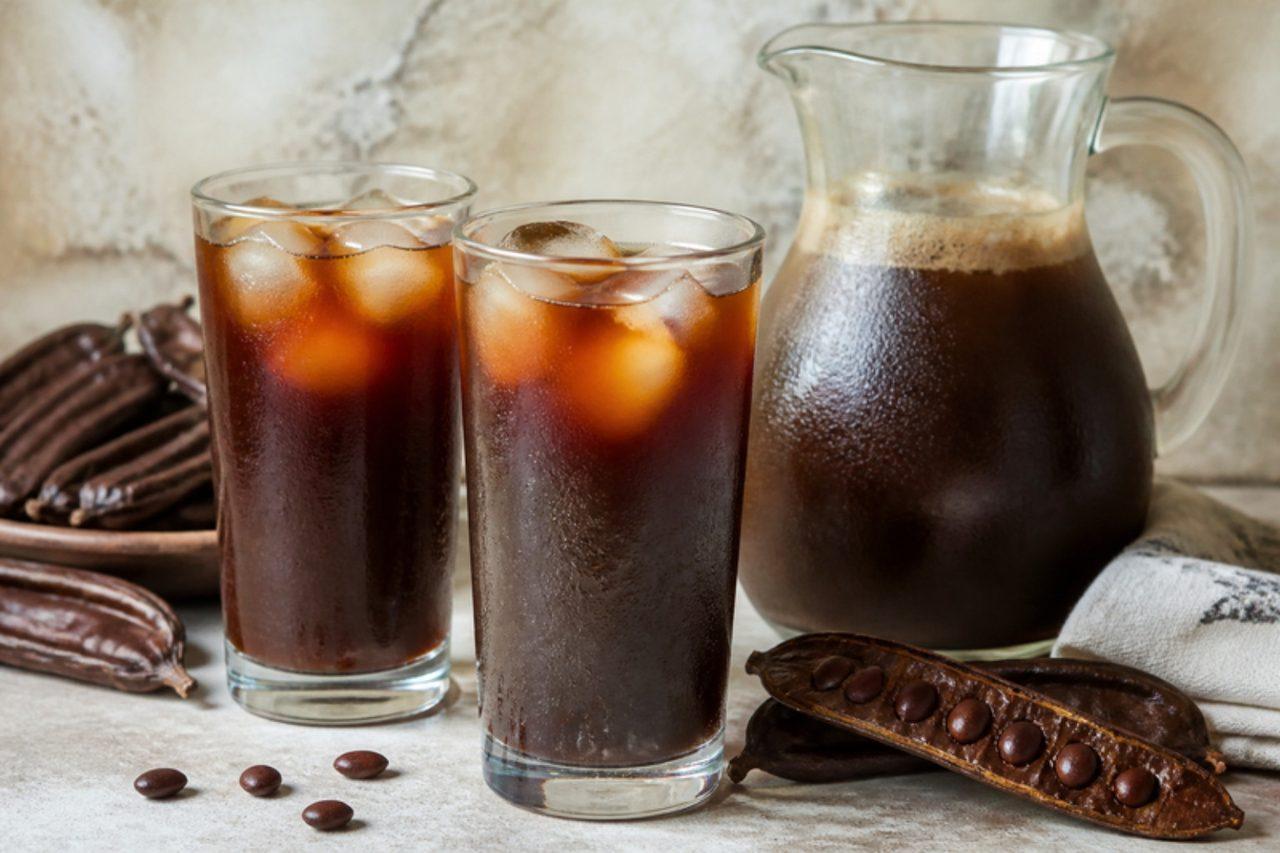
Through Ramadan, street vendors in Jerusalem's Old City and in Nablus walk the alleys with brass urns of kharroub on their backs, clacking cups to announce the cold carob drink that breaks the fast. Made by soaking crushed carob pods (or more easily from carob molasses), it is dark, chocolatey-caramel in taste, lightly sweet and very refreshing over ice. Common mistake: boiling the pods hard, which makes the drink bitter and cloudy; soak and simmer gently. Chef's tip: a few drops of orange-blossom water just before serving lifts the earthy carob flavour.

by KrazyBadal 0 views

LemonanaFrozen mint lemonade

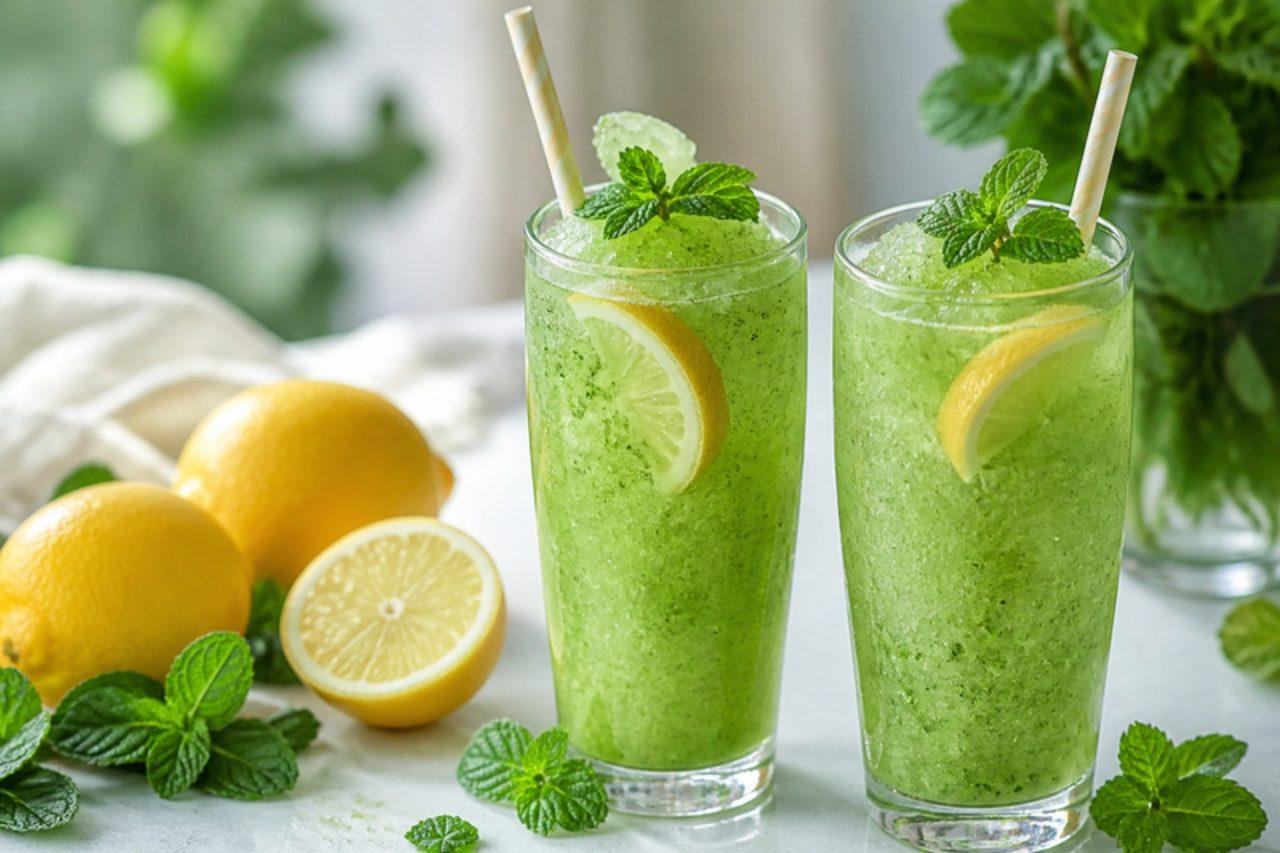
From café terraces in Ramallah and Jaffa to juice bars along Hamra Street in Beirut, summer means tall glasses of lemonana: lemons and fistfuls of fresh mint blended with ice into a sharp, sweet, electric-green slush. It is the drink handed to you after a walk through the market at noon, and it cools a mezze lunch like nothing else. Everything goes in a blender, but the mint must be fresh and plentiful. The common mistake is blending the mint for too long, which bruises it and turns the drink murky and grassy. Chef's tip: make a lemon-sugar syrup first and chill it; dissolved sugar sweetens evenly and lets you blend for only a few seconds.

by KrazyBadal 0 views

QizhaNigella seed cake

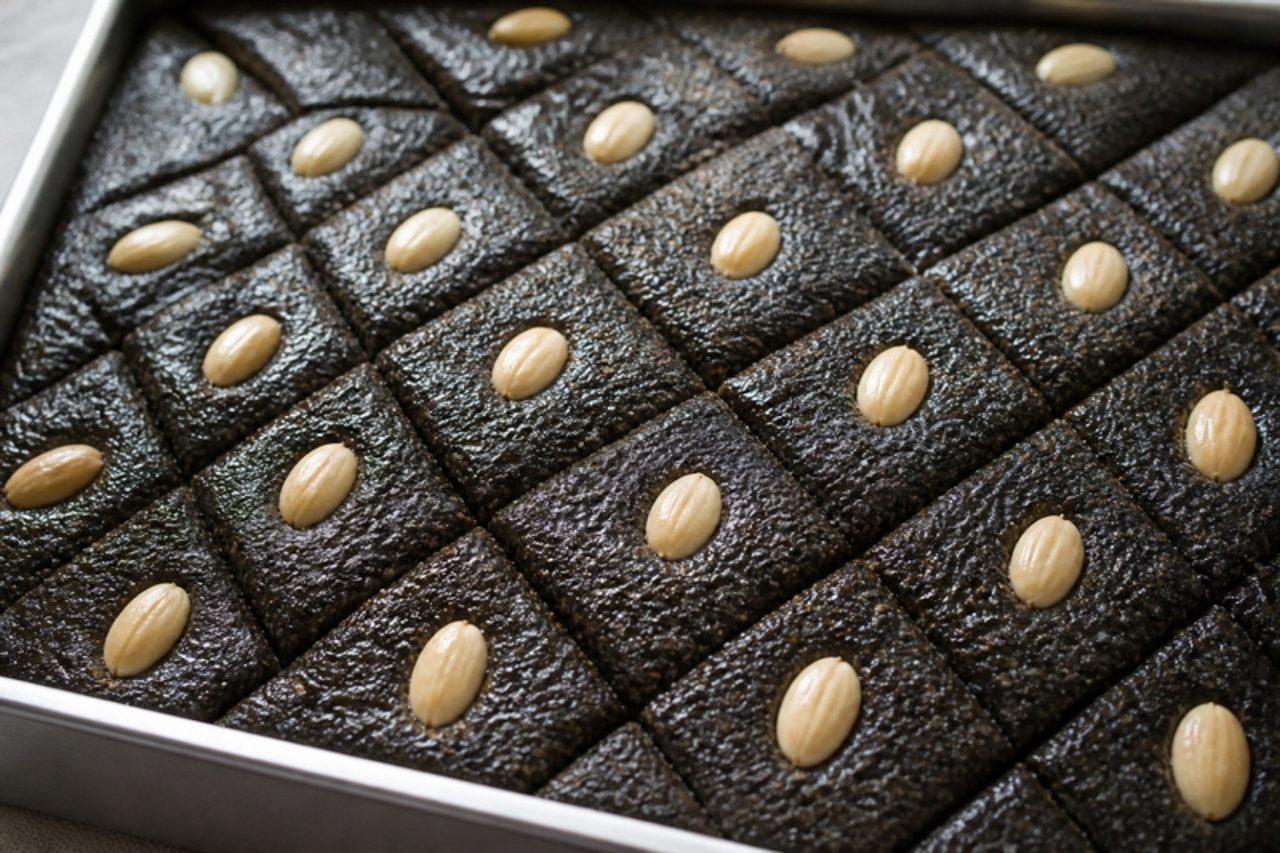
Qizha is Gaza's own sweet: a dense, near-black semolina cake made with a paste of roasted nigella seeds, eaten especially in winter and during Ramadan, when bakeries in Gaza City stack trays of it. It tastes nutty and slightly bitter, a little like dark sesame, softened by syrup and topped with almonds or pistachios. Nigella paste is sold in some Middle Eastern shops; if you can't find it, grind toasted nigella with tahini as below. Common mistake: over-toasting the nigella, which turns it acrid; stop as soon as it smells fragrant. Chef's tip: rest the mixed batter for 30 minutes before baking so the semolina swells and the cake slices cleanly.

by KrazyBadal 0 views

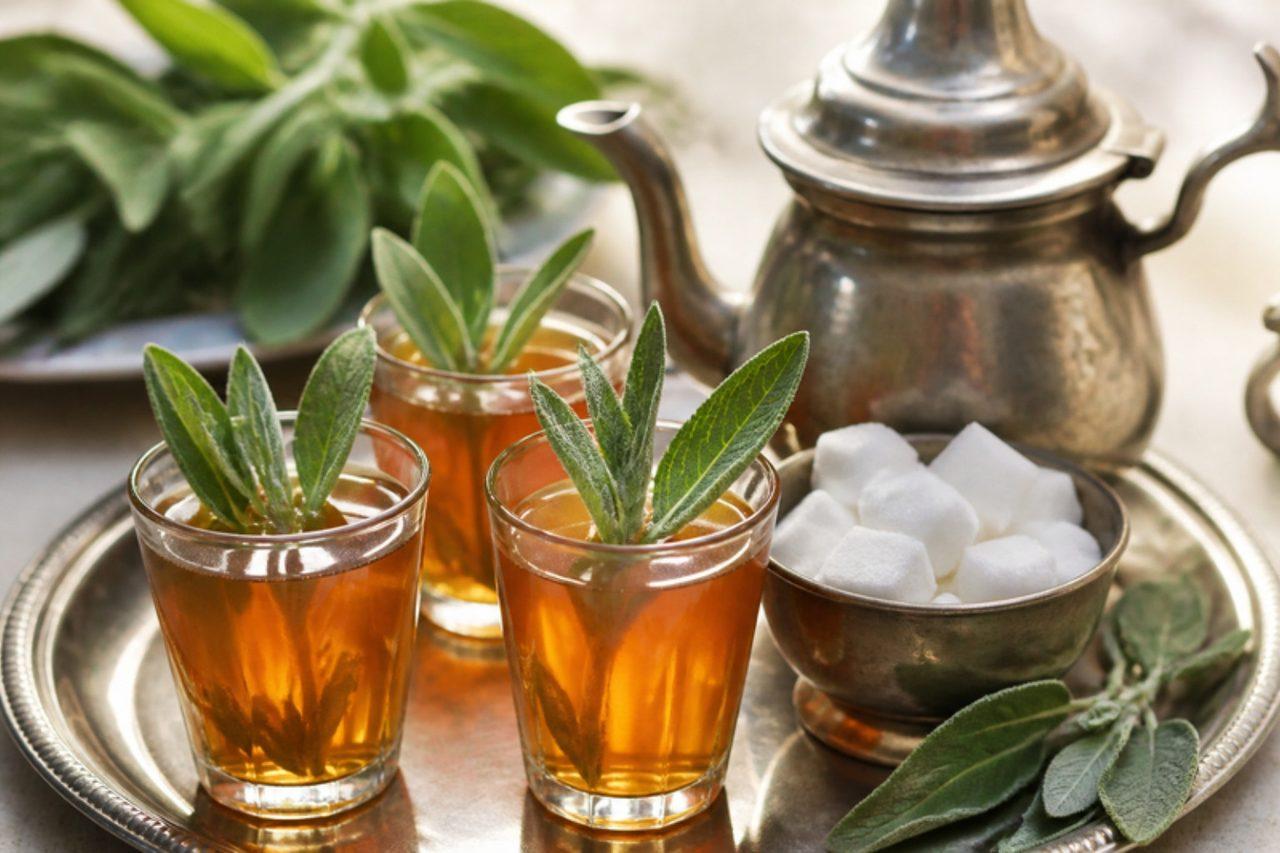
Shai bil maramiyaSage tea

Offer a guest tea in a Palestinian home and it will most likely come in small glasses, sweet, strong and fragrant with maramiya, the soft-leaved sage that grows on every terrace and is said to settle the stomach after a heavy meal. In winter the leaves are dried; in spring they are picked fresh. Common mistake: boiling the sage with the tea, which brings out a medicinal bitterness; it goes in after the heat is off. Chef's tip: bruise the sage leaves between your fingers before dropping them in, and let them steep only 2–3 minutes.

by KrazyBadal 0 views

ChajáSponge, peach and cream cake

Chajá was created in 1927 at a bakery in Paysandú, a city on the Uruguay River, and named after a local bird whose feathers look as fluffy as its crumbly meringue coat. Today it's Uruguay's birthday and celebration cake: layers of light sponge soaked in peach syrup, filled with whipped cream, peaches and dulce de leche, then covered in crushed meringue. It's sweet, soft and crunchy at once, best on the day it's assembled. Chef's tip: soak the sponge but not too much; it should feel moist, not wet, or the layers slide.

by KrazyBadal 0 views

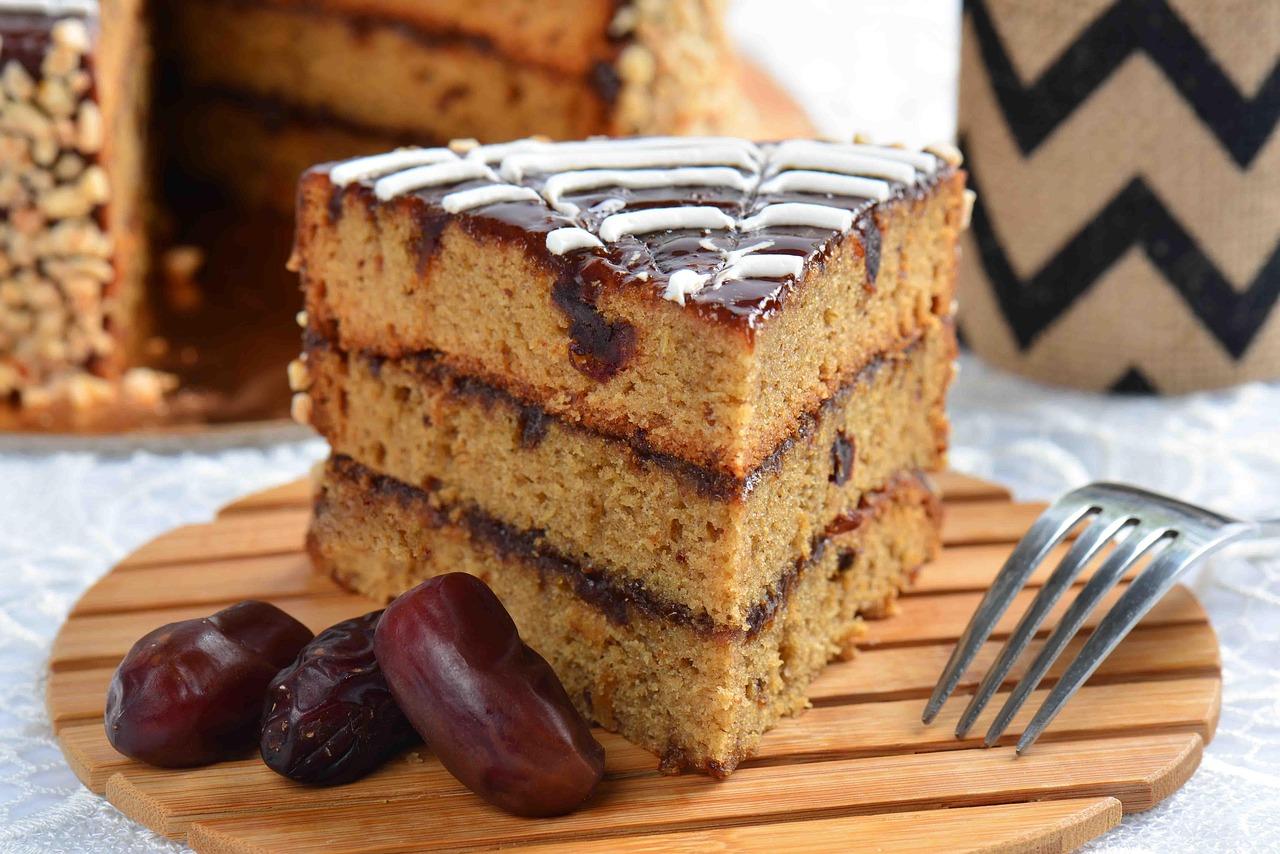
Lebanese date cake

A soft, moist cake made without eggs: self-raising flour and brown sugar are rubbed with butter, then mixed with milk and sour cream and studded with chopped dates, raisins and pistachios, with a warm hint of nutmeg and vanilla. Lovely with tea or served warm with cream.

by KrazyBadal 0 views

Arabian date pinwheels

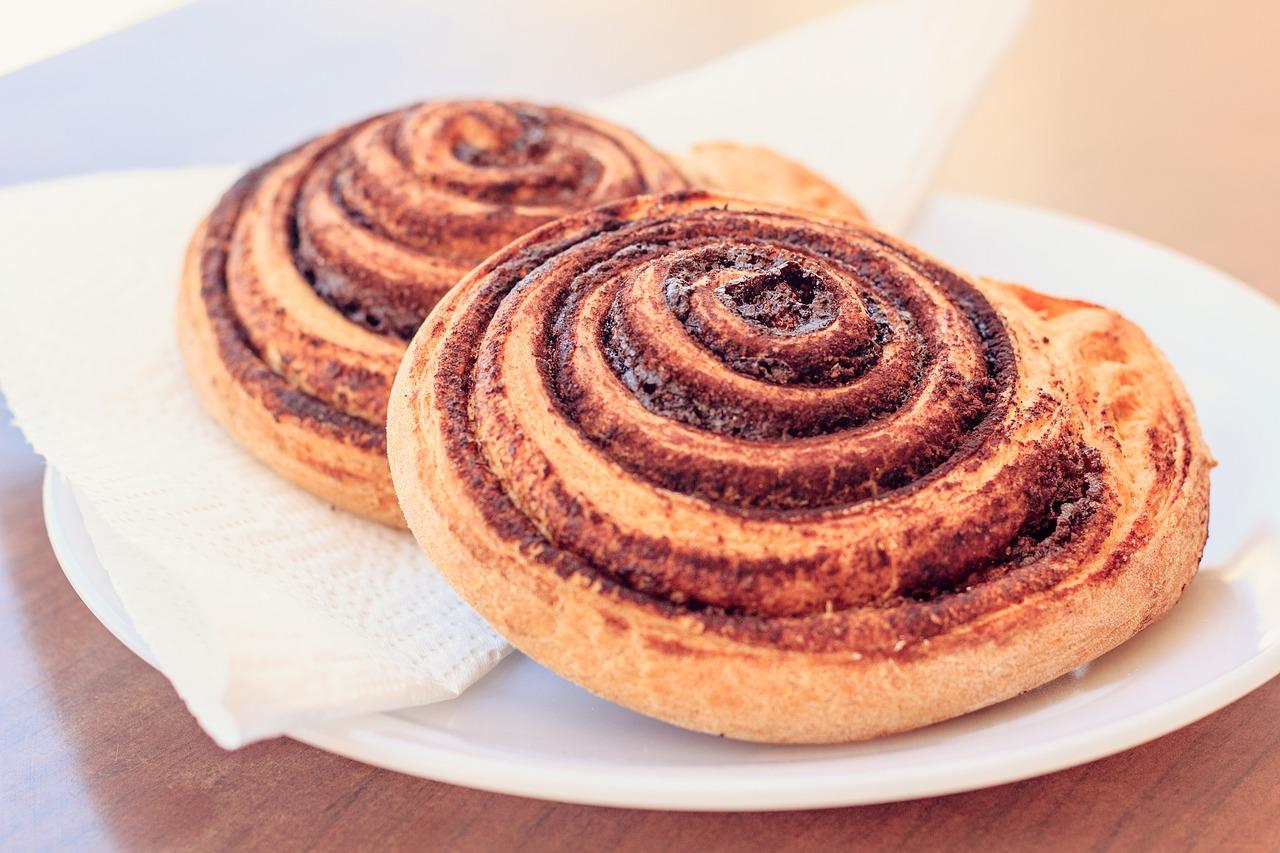
Crumbly, buttery biscuit dough is rolled out, spread with a soft date filling flavoured with cinnamon and lemon, rolled into logs, sliced and baked into pretty pinwheels. They make a big batch of 50 and keep well in an airtight tin. Serve with tea, or with ice cream as a dessert.

by KrazyBadal 0 views

Ma'amoulDate and walnut butter pastries

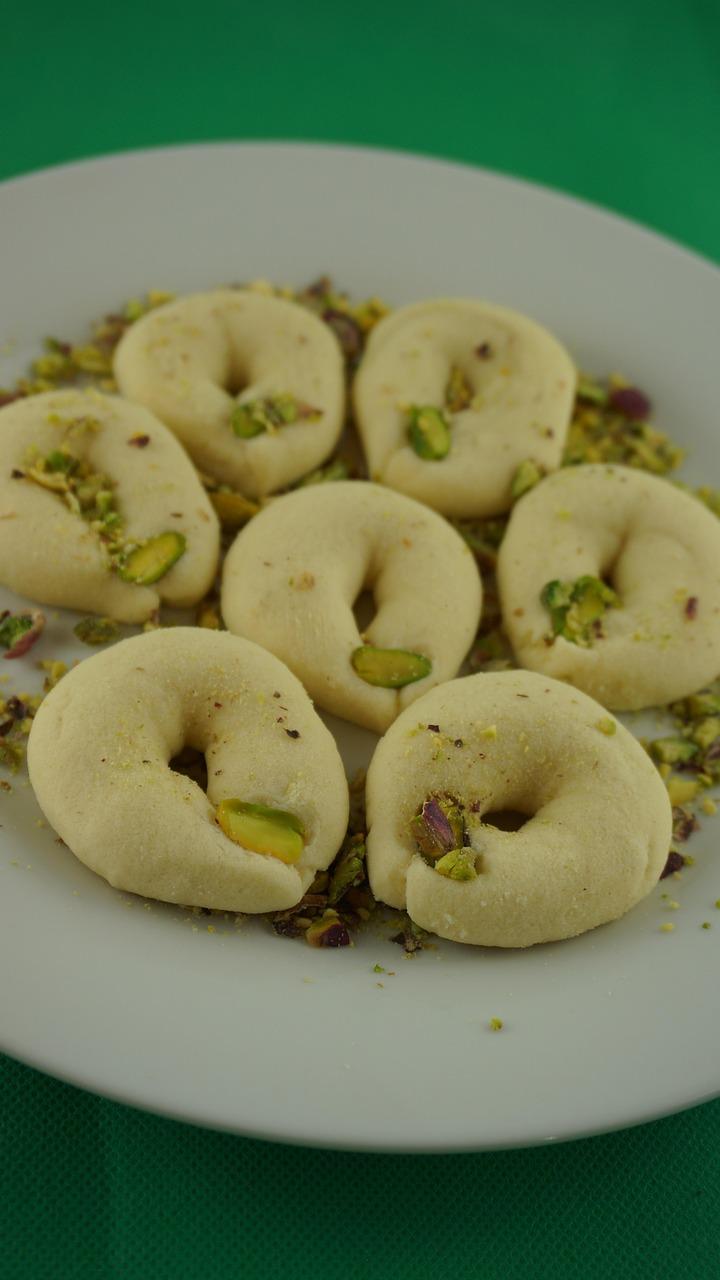
Ma'amoul are delicate shortbread-like pastries made for Eid and Easter across the Middle East. A soft, rose-scented butter dough is wrapped around a filling of dates, walnuts, almonds and pistachios cooked with cinnamon, marked with a fork, baked pale and dusted with icing sugar. Makes 35; they keep well in a tin.

by KrazyBadal 1 views

Semolina cake

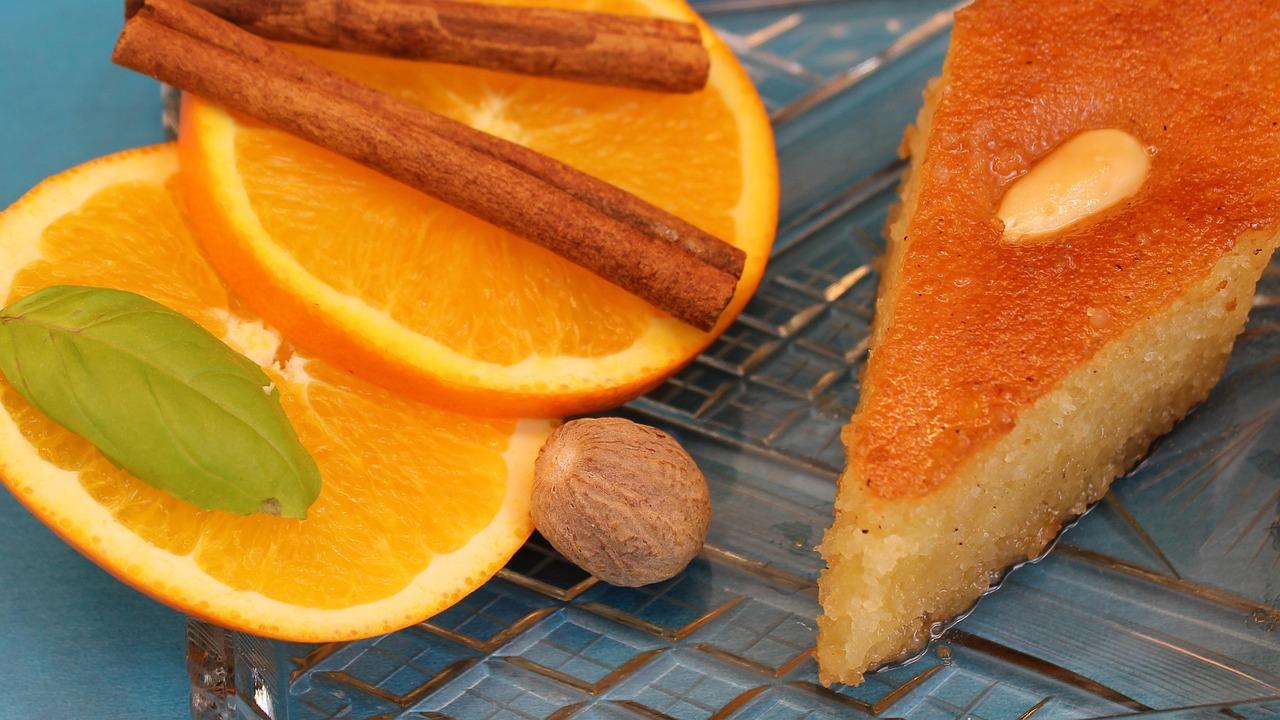
A moist eggless cake made with semolina, coconut and yogurt, baked with slivered almonds on the bottom and top and moistened with orange juice. Serve with coconut ice cream or custard sauce.

by KrazyBadal 0 views