Skip to content
WhatToEat.Today

All recipes

24

Vegetarian, or something you can't eat? Set your diet once and we'll hide recipes that don't fit.

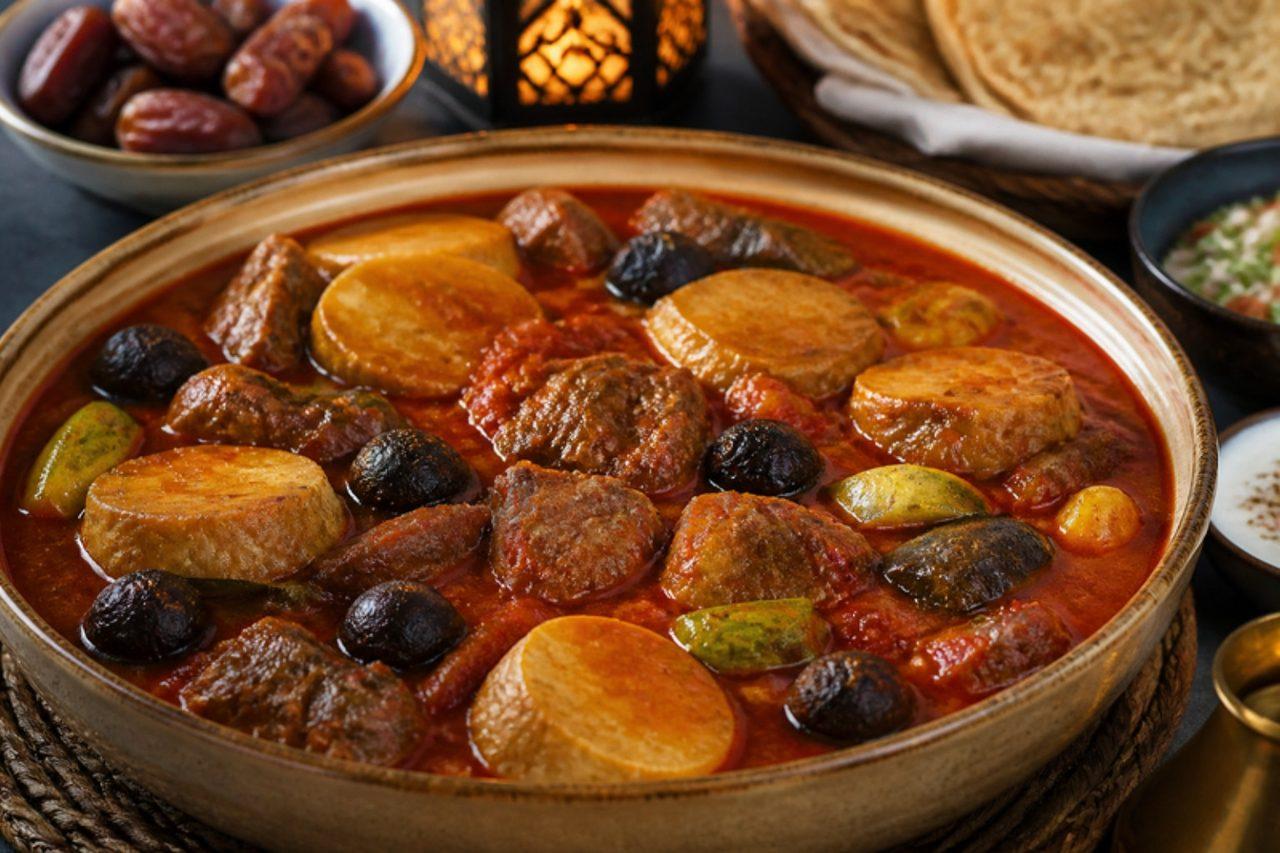
MatazizLamb stew with dough discs

Mataziz is a hearty one-pot supper from Najd in central Saudi Arabia, often cooked for iftar during Ramadan: a tomato stew of lamb, courgette, aubergine and dried black lime in which thumb-thick discs of whole-wheat dough are poached until soft and dumpling-like. The dough soaks up the tangy, gently spiced gravy, so a bowl is filling after a long day of fasting. Ask the butcher for halal lamb if that matters to your table. Chef's tip: add the dough discs only when the lamb is tender, and keep the stew at a gentle simmer so they don't break up.

by KrazyBadal 0 views
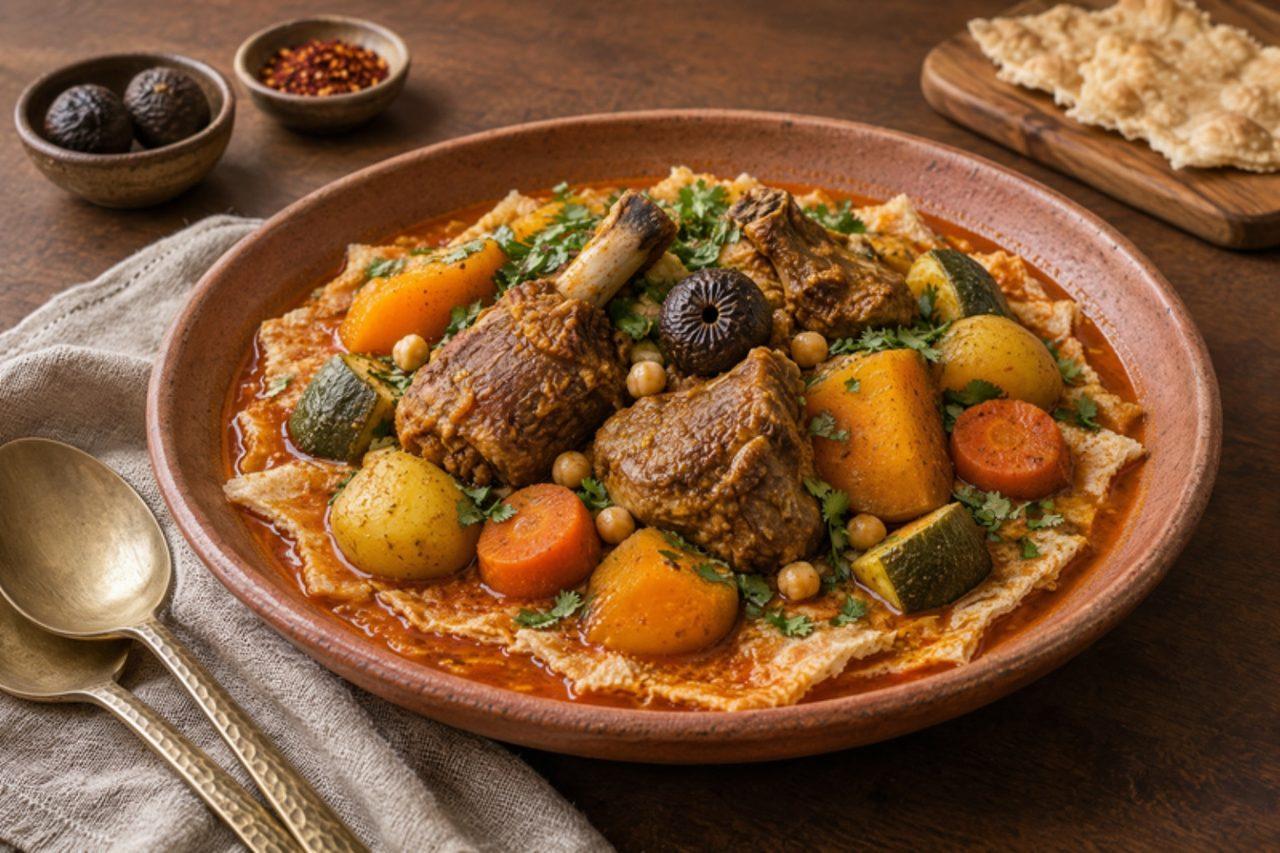
ThareedLamb and vegetable stew over bread

Thareed is the Ramadan iftar dish of the Emirates and Saudi Arabia, a meal of the Prophet's time that families still serve after sunset prayers. Lamb on the bone is stewed with tomato, baharat, turmeric and dried lime (loomi), then potatoes, courgettes and carrots soften in the broth. To serve, thin regag bread is torn and layered in a deep dish and the stew is ladled over so the bread soaks up the broth. For a vegetable version, leave out the lamb, use vegetable stock and add a tin of chickpeas with the vegetables. The usual mistake is pouring the stew over the bread too early: it turns to paste, so assemble just before eating. Chef's tip: pierce the dried limes before adding so they flavour the broth evenly.

by KrazyBadal 0 views

BezarSpice blend

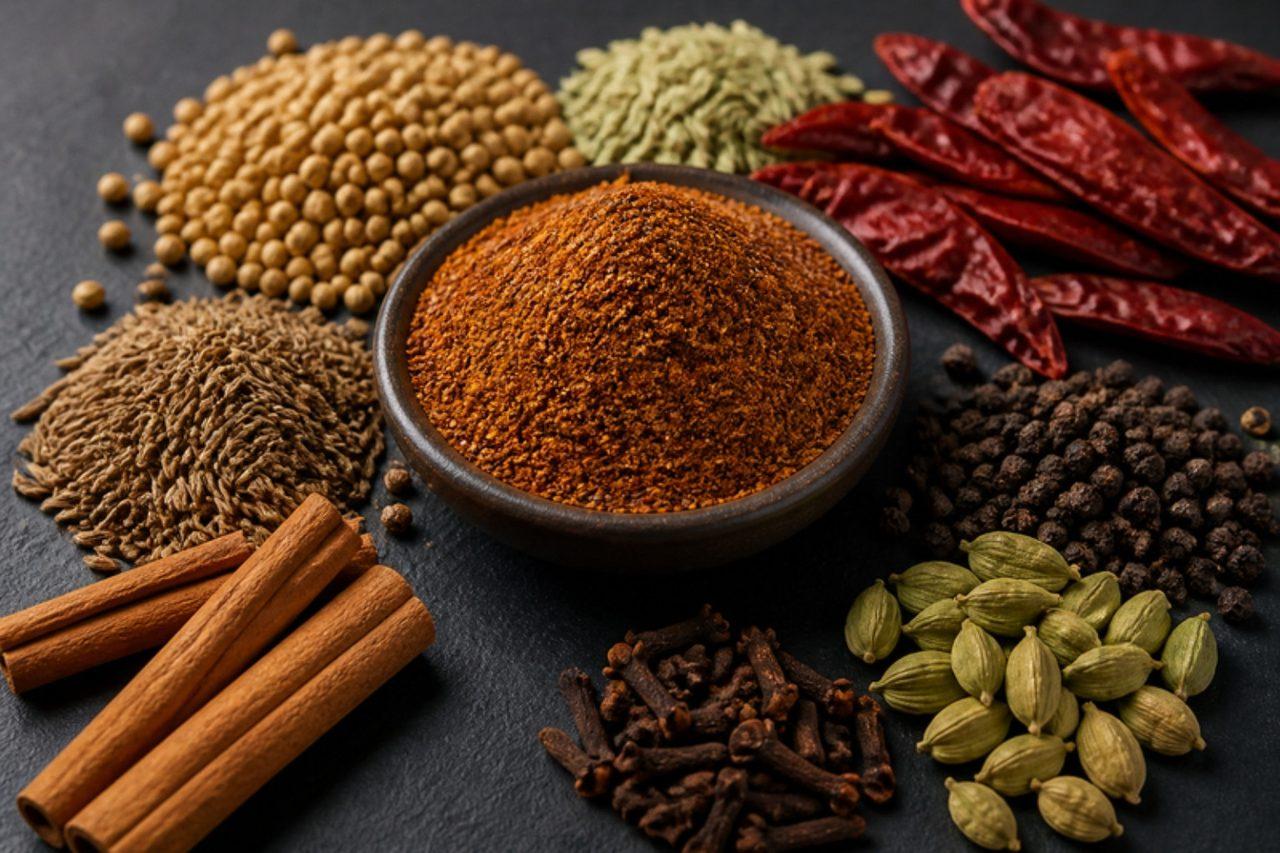
Every Emirati kitchen keeps a jar of bezar, and many families in Dubai and Al Ain still roast and grind their own each winter to last the year. It is the warm, earthy backbone of machboos, saloona, harees and grilled fish, built mainly on coriander and cumin with fennel, a little chilli heat, cinnamon and plenty of turmeric for colour. Toasting the whole spices first gives it a deeper, nuttier taste than any ready-mixed powder. The common slip is toasting everything together on a high heat, so the small seeds burn while the coriander is still raw. Chef's tip: stir the turmeric and ground ginger in after grinding, never into the hot pan, or they turn bitter.

by KrazyBadal 0 views

Bint al sahnLayered honey bread

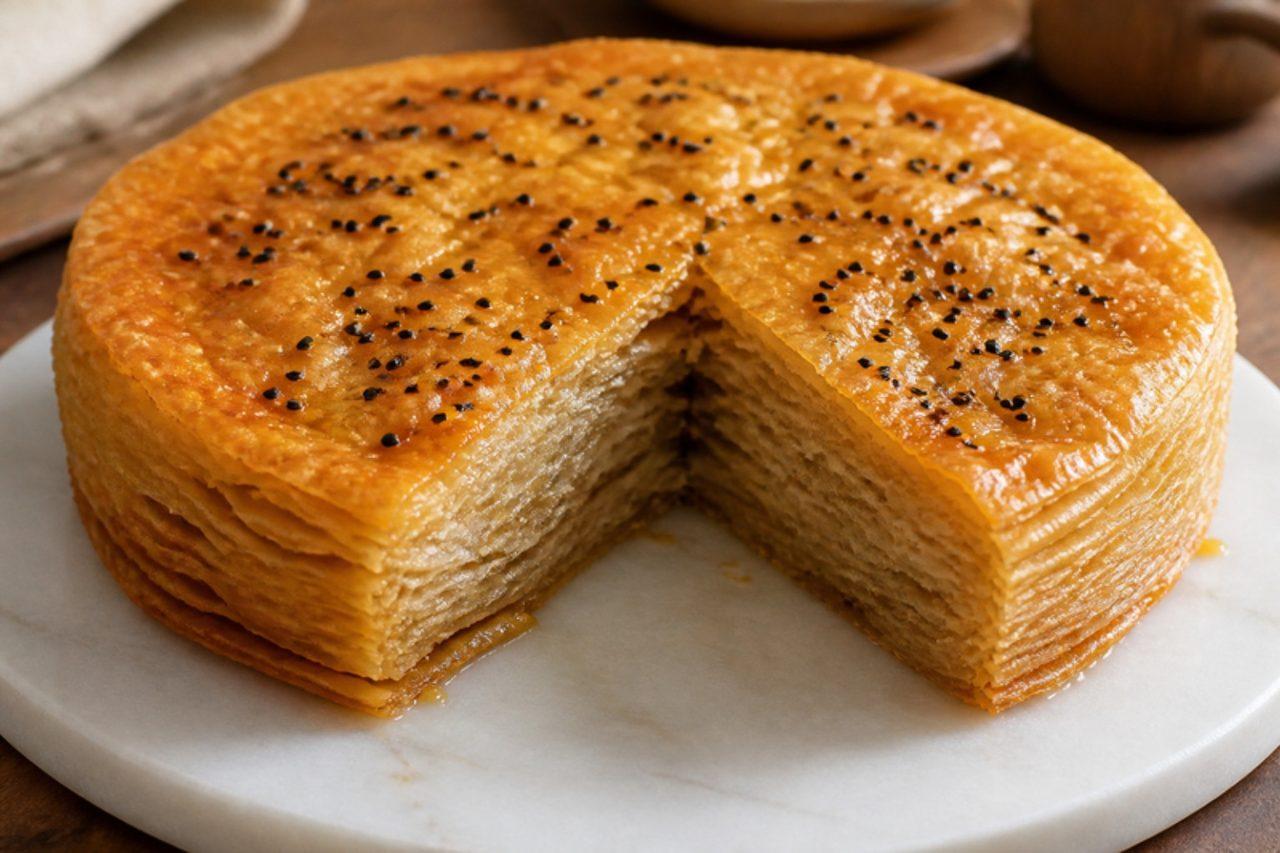
Bint al sahn, 'daughter of the plate', is the grand bread of Sana'a, set in the centre of the table for guests, weddings and Eid and pulled apart with the fingers while it is still warm. Many paper-thin sheets of egg-rich dough are stacked with melted ghee, baked until the top is deep gold and the inside is flaky and soft, then soaked with warm honey and sprinkled with nigella seeds. It is eaten with Yemeni coffee or tea, often as the sweet that opens a big meal. The mistake that ruins it is skimping on the ghee between the layers; without it the sheets fuse into a dense loaf. Chef's tip: roll the first sheets slightly bigger than the rest, so the bottom layers wrap up around the sides and hold the stack together.

by KrazyBadal 0 views

ChamiFresh curd cheese

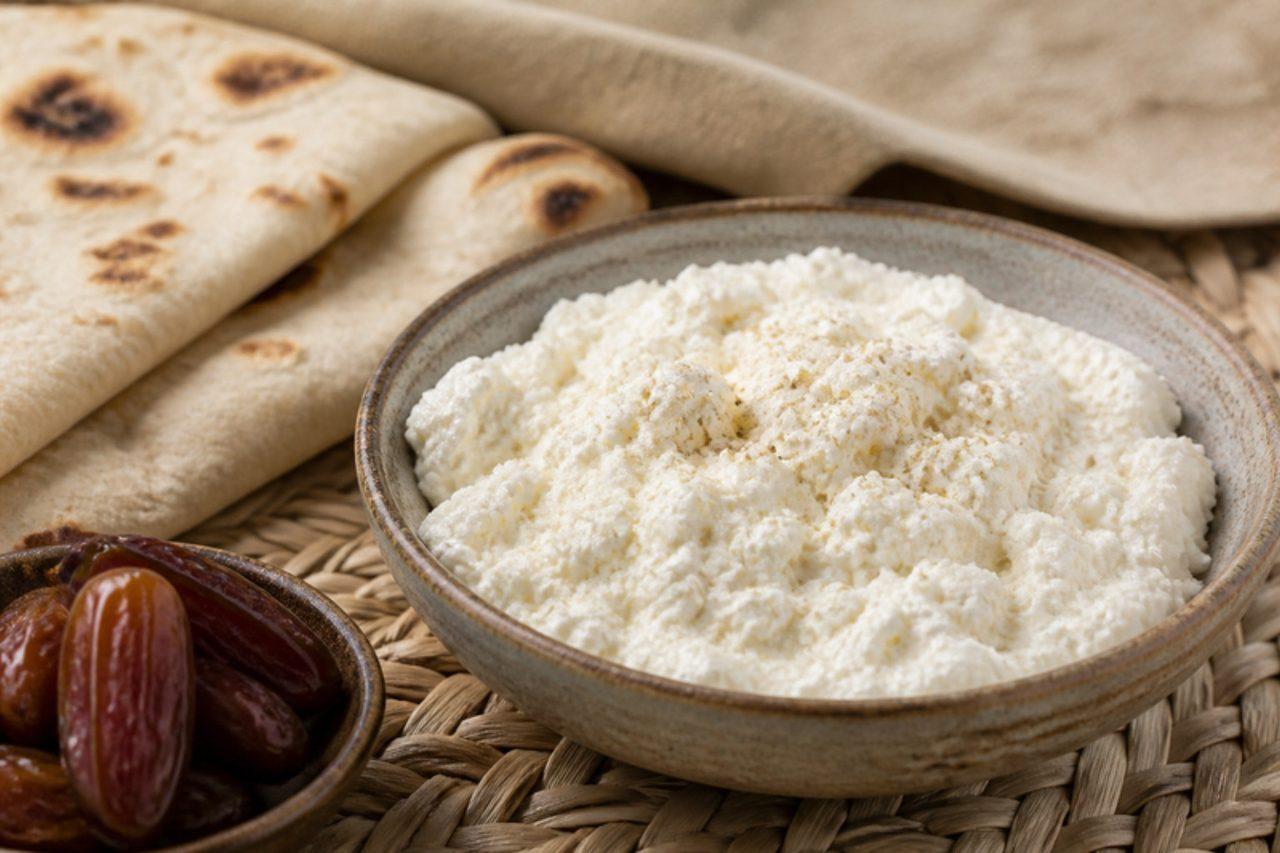
Chami was once made in Emirati desert and coastal homes from the laban left after churning butter, heated until it split into soft, tangy curds. It is still the cheese of a traditional UAE breakfast, spooned next to chebab, dates and a cup of sweet tea, and it tastes like a mild, slightly sour cottage cheese with a crumbly-creamy texture. Because the curds form from the natural acidity of the cultured milk and gentle heat, no rennet is used, so it suits vegetarians. Boiling it hard is the mistake to avoid: the curds turn rubbery and squeaky instead of soft. Chef's tip: stir in a pinch of turmeric or cardamom at the end, as some families do, for a golden colour and a faint perfume.

by KrazyBadal 0 views

DibsDate syrup

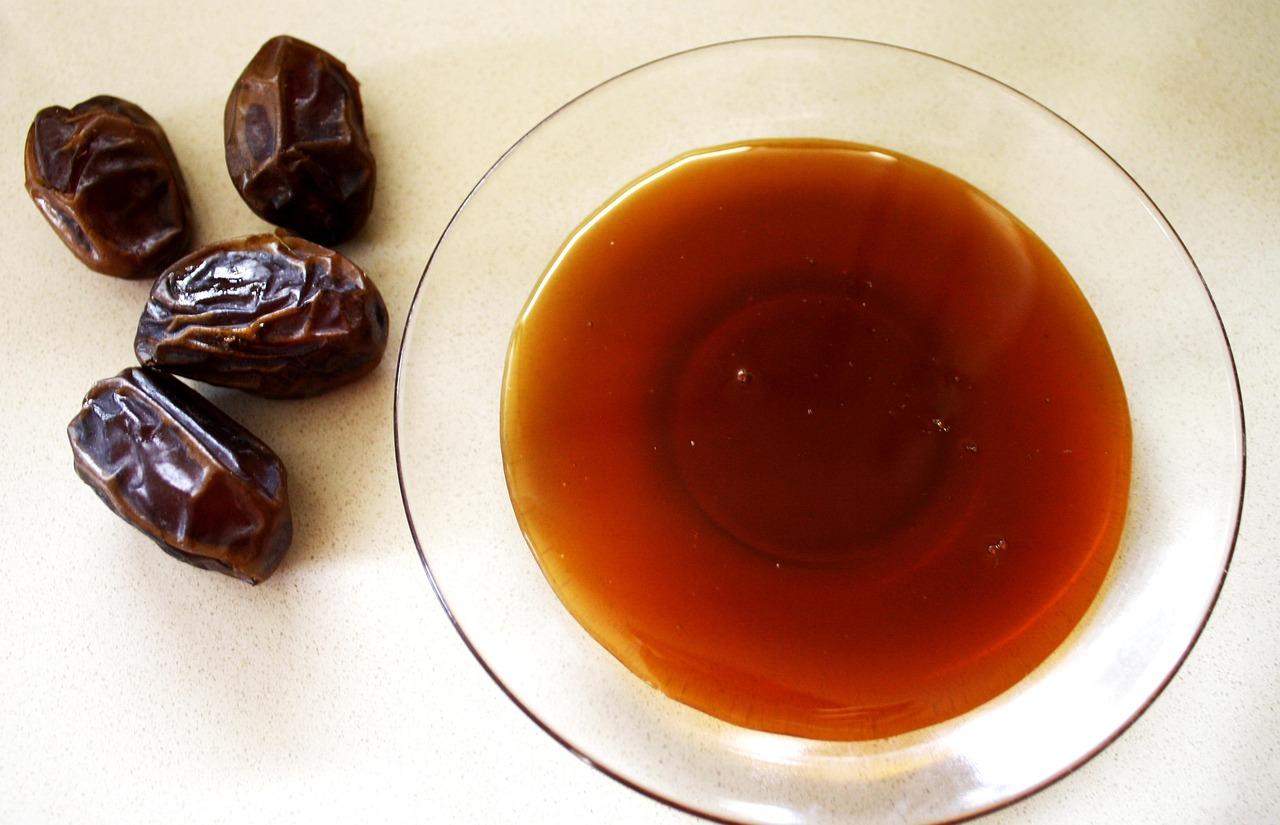
Across the Gulf, from the date gardens of Al-Ahsa to the oases of Oman and the UAE, dibs is the dark, glossy syrup pressed and boiled from ripe dates, and it was the region's sweetener long before sugar was common. It tastes of toffee and dried fruit with a faint bitterness, and families pour it over chebab and khameer, mix it with tahini for dipping bread, and use it in sweets like luqaimat. Making it at home takes time but little effort, and a kilo of dates gives a jar that lasts for months in the fridge. The mistake is boiling the strained juice too hard at the end: it scorches and turns bitter. Chef's tip: squeeze the date pulp in the cloth when it is still warm; you get far more juice than from cold pulp.

by KrazyBadal 0 views

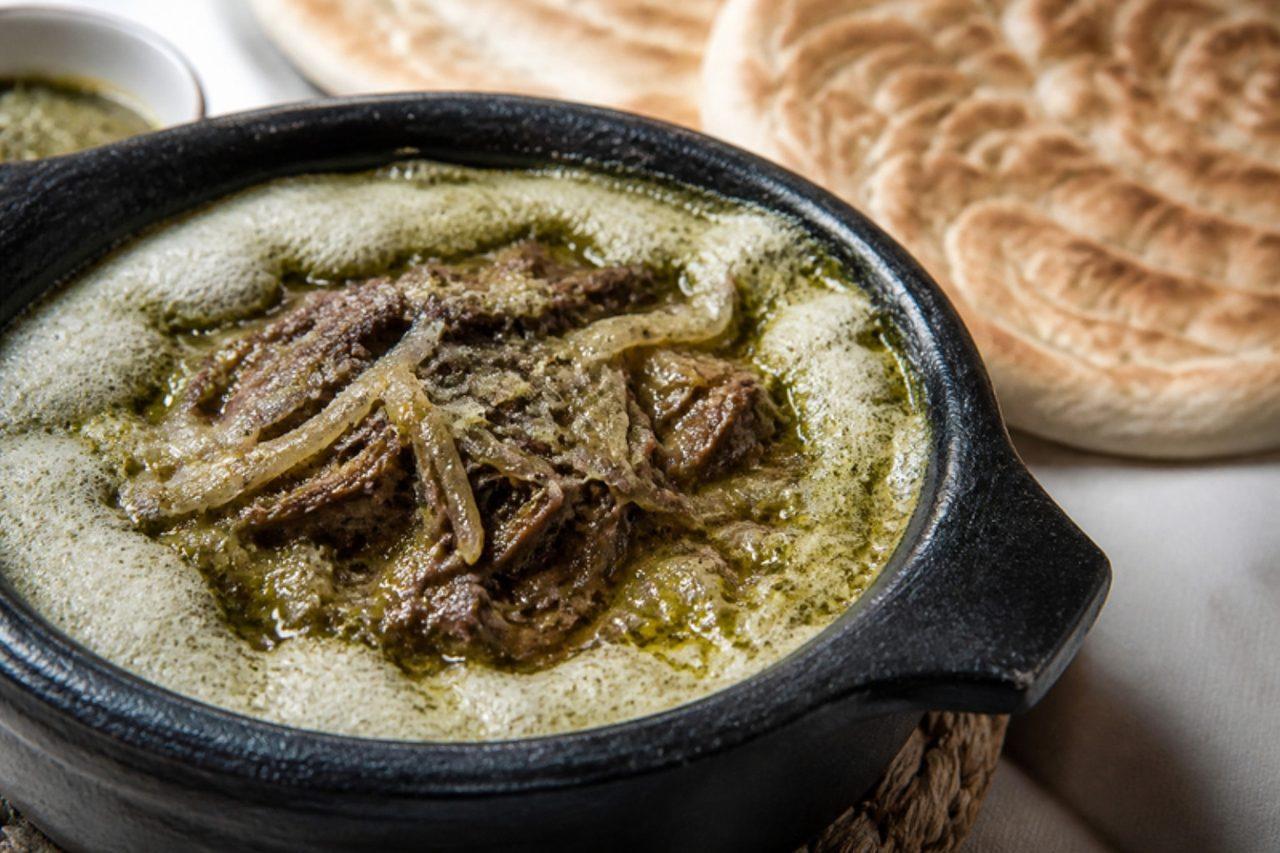
FahsaShredded lamb stew with fenugreek

Fahsa is the lunch of Sana'a, Yemen: in the old city's restaurants it arrives volcanically hot in a black stone pot called a madara, still bubbling, with a cap of whipped fenugreek on top and a stack of flatbread for scooping. Lamb is slow-cooked until it shreds, then fried hard with its thick broth, tomato and hawaij, so it is meatier and drier than saltah, the broth-based cousin already on this site. The fenugreek froth adds a bitter, savoury edge against the rich meat. The usual mistake is serving it lukewarm: fahsa should still be spitting when it reaches the table. Chef's tip: heat a small cast-iron pan in the oven while you cook, then finish the fahsa in it for that sizzling stone-pot effect.

by KrazyBadal 0 views

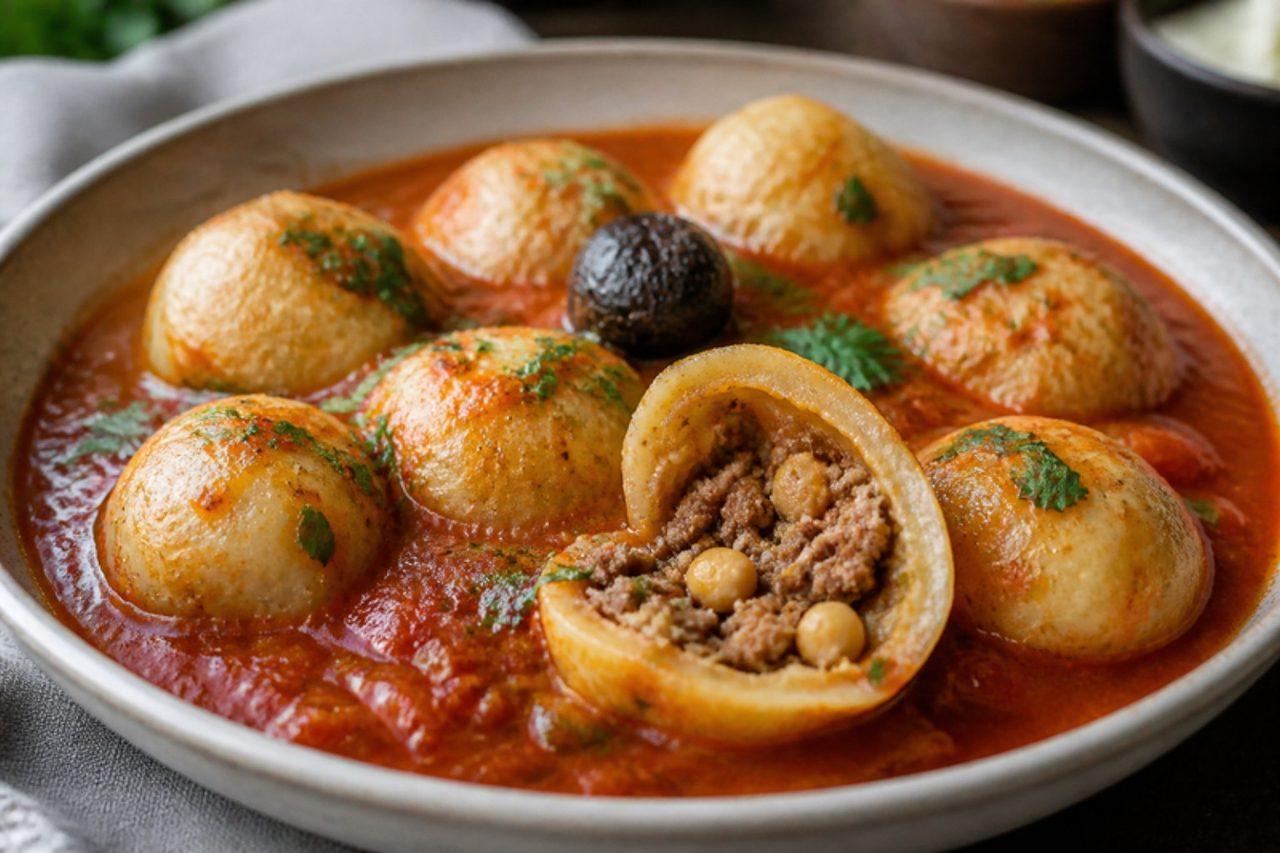
GaboutStuffed dumplings in tomato stew

Gabout is old Kuwaiti home cooking, the kind grandmothers in Kuwait City still make for family lunches in winter, and a close relative of the Iraqi dumplings brought along the trading routes of the Gulf. Soft flour dough is wrapped around spiced lamb or beef mince with chickpeas, and the dumplings are simmered in a sour tomato and dried-lime stew until they are tender and plump. It is filling and comforting, eaten with bread or on its own. The mistake people make is rolling the dough too thick, which makes the dumplings heavy and doughy. Chef's tip: wet your fingers when sealing, the dough must close tightly or the filling leaks into the stew.

by KrazyBadal 0 views

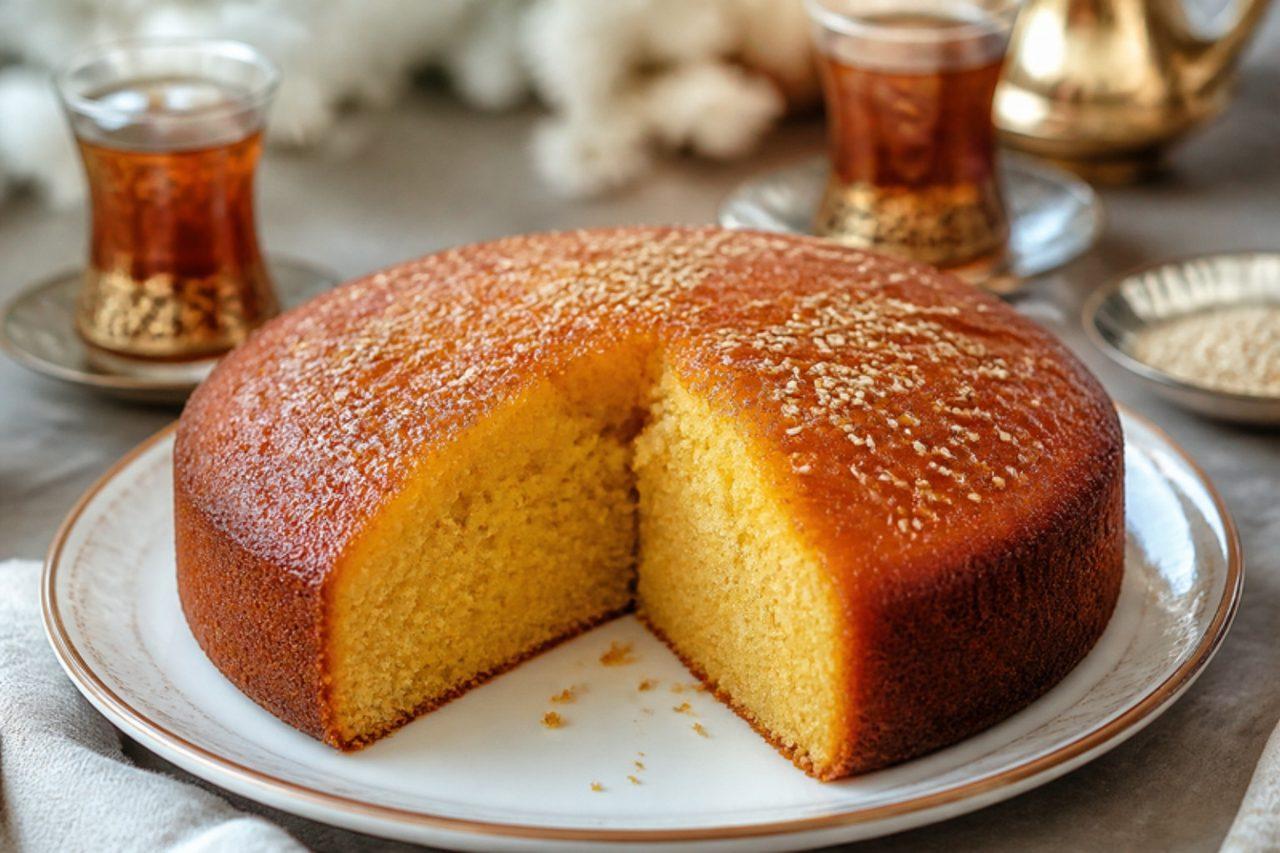
Gers ogailySaffron cardamom sponge cake

Gers ogaily is the plain, golden sponge cake that sits on every coffee tray in Kuwait and the UAE: served to visitors, at Eid gatherings and after Friday lunch with small cups of cardamom coffee. It is light and springy but not fluffy like a Western sponge, more like a fragrant, slightly firm tea cake, yellow with saffron and with sesame seeds toasted on top. A slice needs nothing else beside it but coffee or tea. The mistake to avoid is whisking the eggs and sugar too briefly; the whole rise depends on that foam, as there is little baking powder. Chef's tip: soak the saffron in warm rosewater before you begin, so its colour spreads evenly through the batter.

by KrazyBadal 0 views

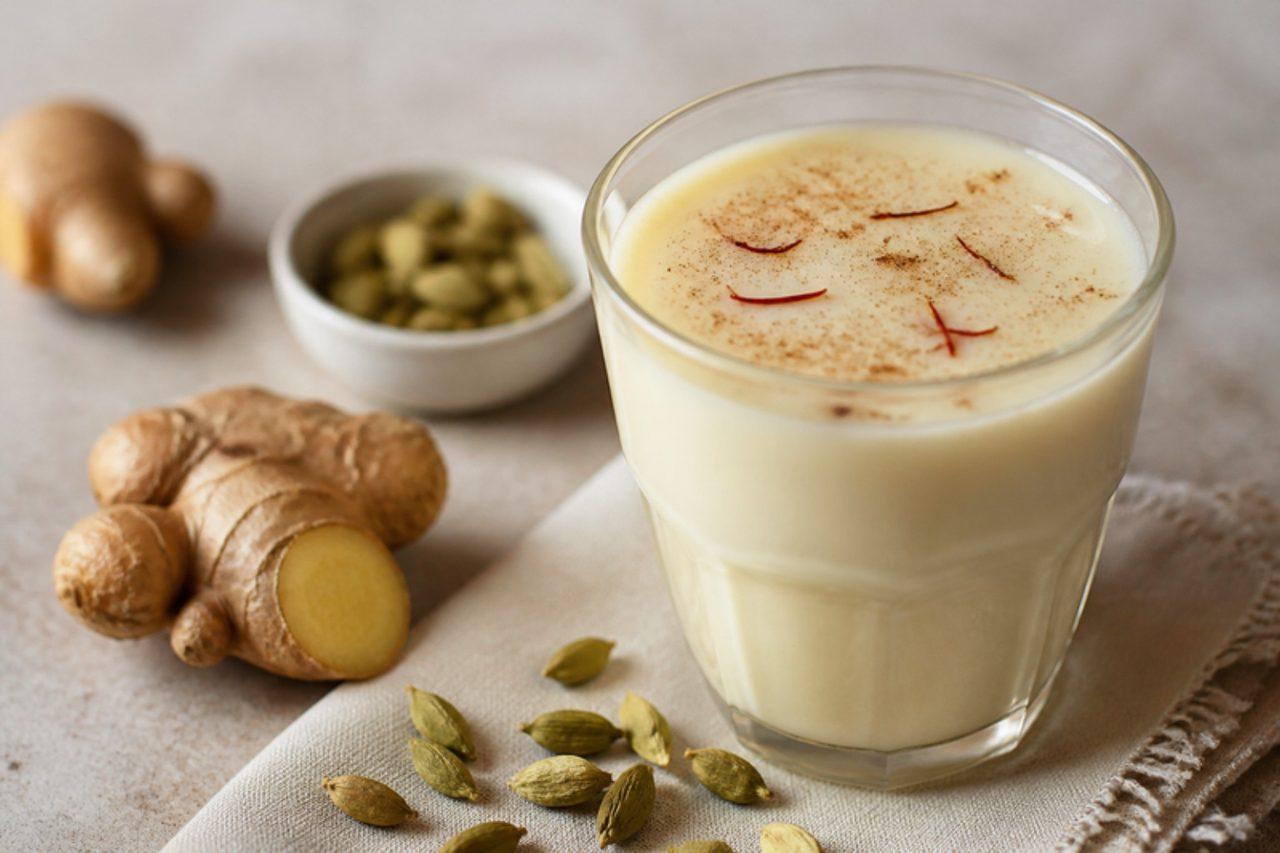
Haleeb zanjabeelGinger and cardamom milk

When the short Gulf winter brings chilly evenings to Riyadh, Kuwait and the desert camps, families pour cups of haleeb zanjabeel, hot milk steeped with fresh ginger, cardamom and a few threads of saffron. It is offered to guests in the majlis, given to anyone with a cold, and sipped at breakfast or late at night. It tastes warming and gently spicy, creamy and pale gold. The commonly made mistake is boiling the ginger hard in the milk for too long, which can curdle it and makes it harsh; steep it gently instead. Sweeten with sugar or honey to taste. Chef's tip: simmer the ginger and cardamom in a splash of water first, then add the milk; you get more flavour and less risk of splitting.

by KrazyBadal 0 views

KleijaDate-filled cardamom cookies

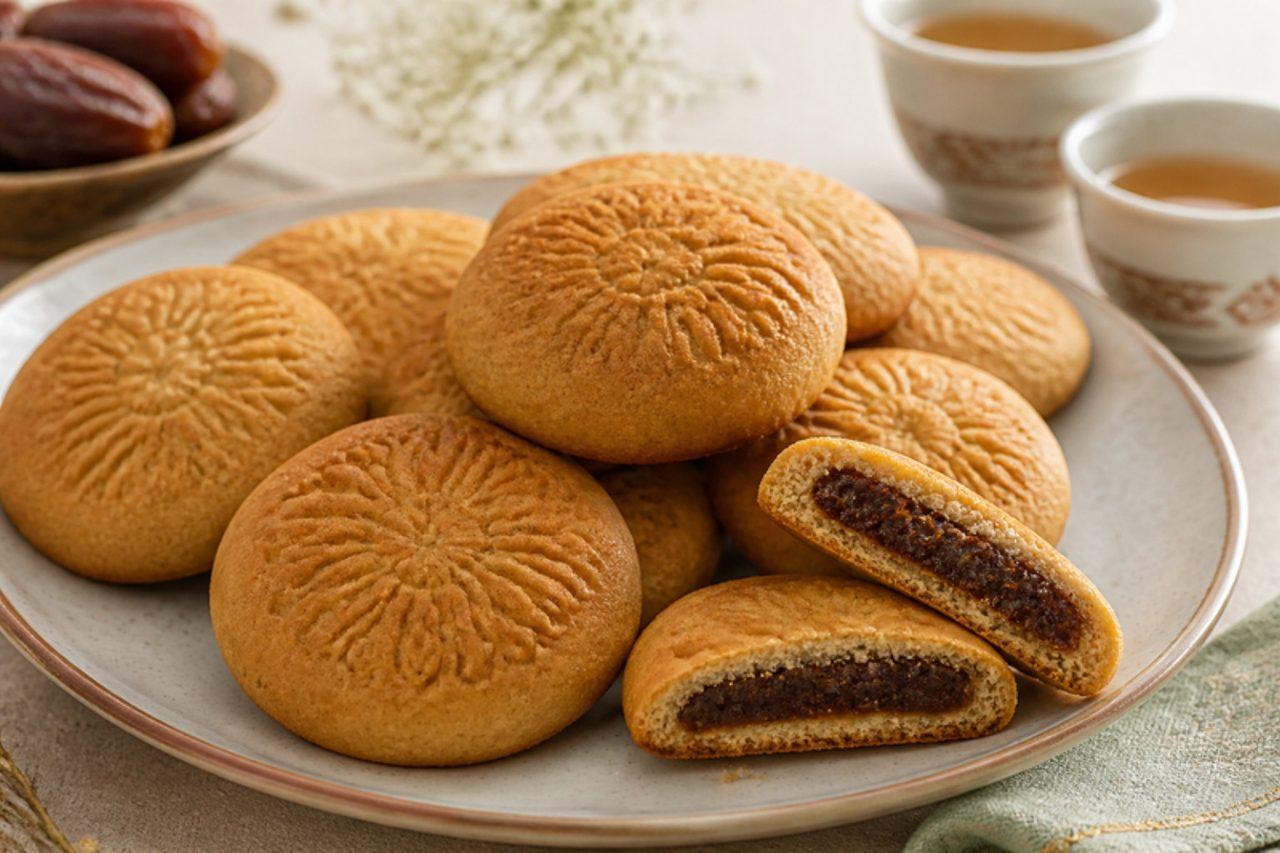
Kleija is the pride of Qassim, the farming heartland north of Riyadh, where an entire festival in Buraidah is devoted to these round, stamped cookies filled with date paste and fragrant with cardamom, saffron and a little fennel. They are packed for journeys, offered to guests with Arabic coffee and baked in big batches before Eid. The pastry is short and crumbly with a soft, chewy date centre. A common mistake is overworking the dough after adding ghee, which makes it tough; mix just until it holds. Store them in a tin for a week. Chef's tip: roll the date paste into small balls with damp hands first, so each cookie gets the same amount and seals neatly.

by KrazyBadal 0 views

Loomi teaDried black lime tea

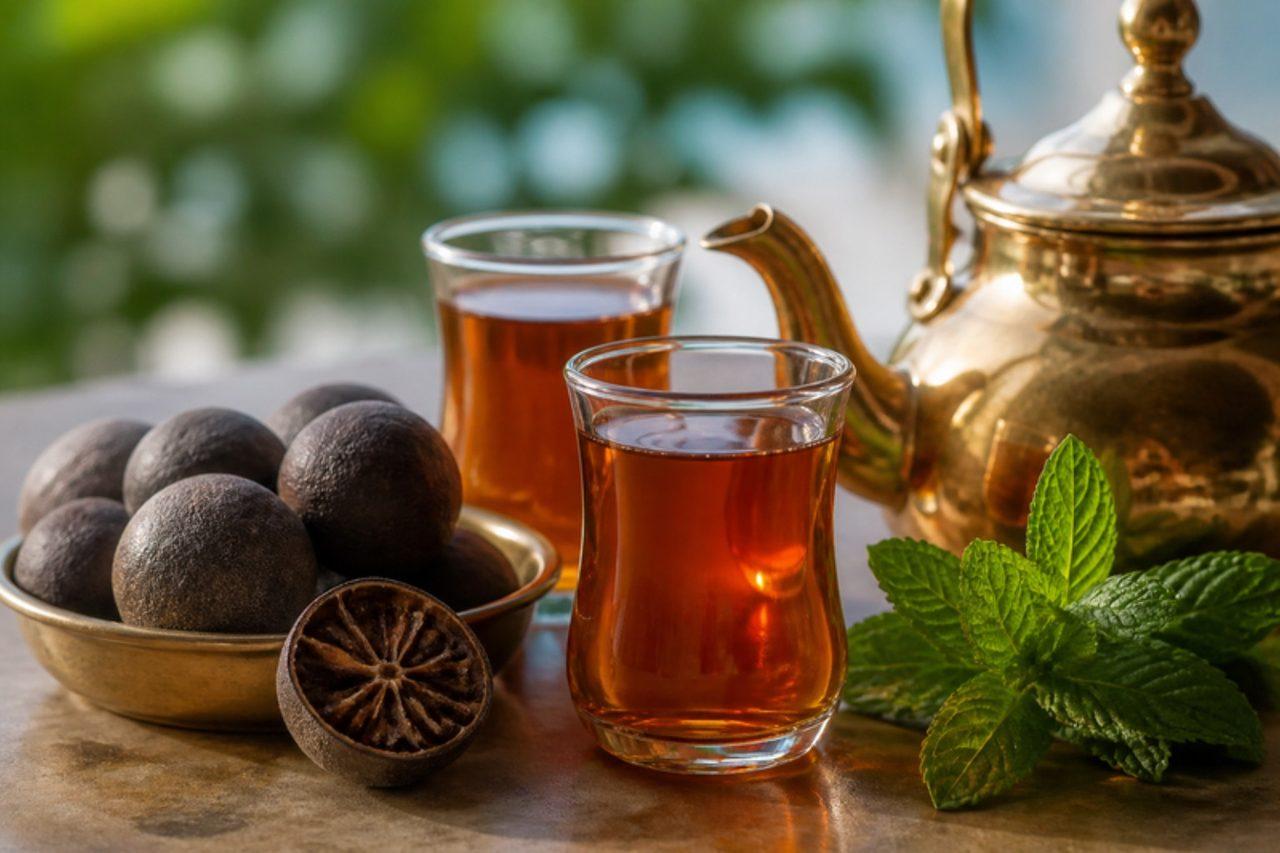
Dried limes, loomi, are everywhere in the Gulf kitchen, from Bahraini machboos to Kuwaiti stews, and on cold days or after a heavy meal they are also cracked open and steeped into shai loomi, a tart, smoky, amber tea. In Saudi Arabia, Kuwait and Bahrain it is drunk hot and sweet in small glasses, and it is many families' remedy for an upset stomach. The flavour is sour and a little bitter, like a cross between lemon tea and something faintly smoked. A common mistake is steeping the whole limes uncracked, which gives a weak, watery tea; break them open first. Strain well, as the seeds are very bitter if chewed. Chef's tip: use the darker limes for a deeper, earthier tea and the pale ones for a sharper, brighter cup.

by KrazyBadal 0 views
MadhbiStone-cooked lamb

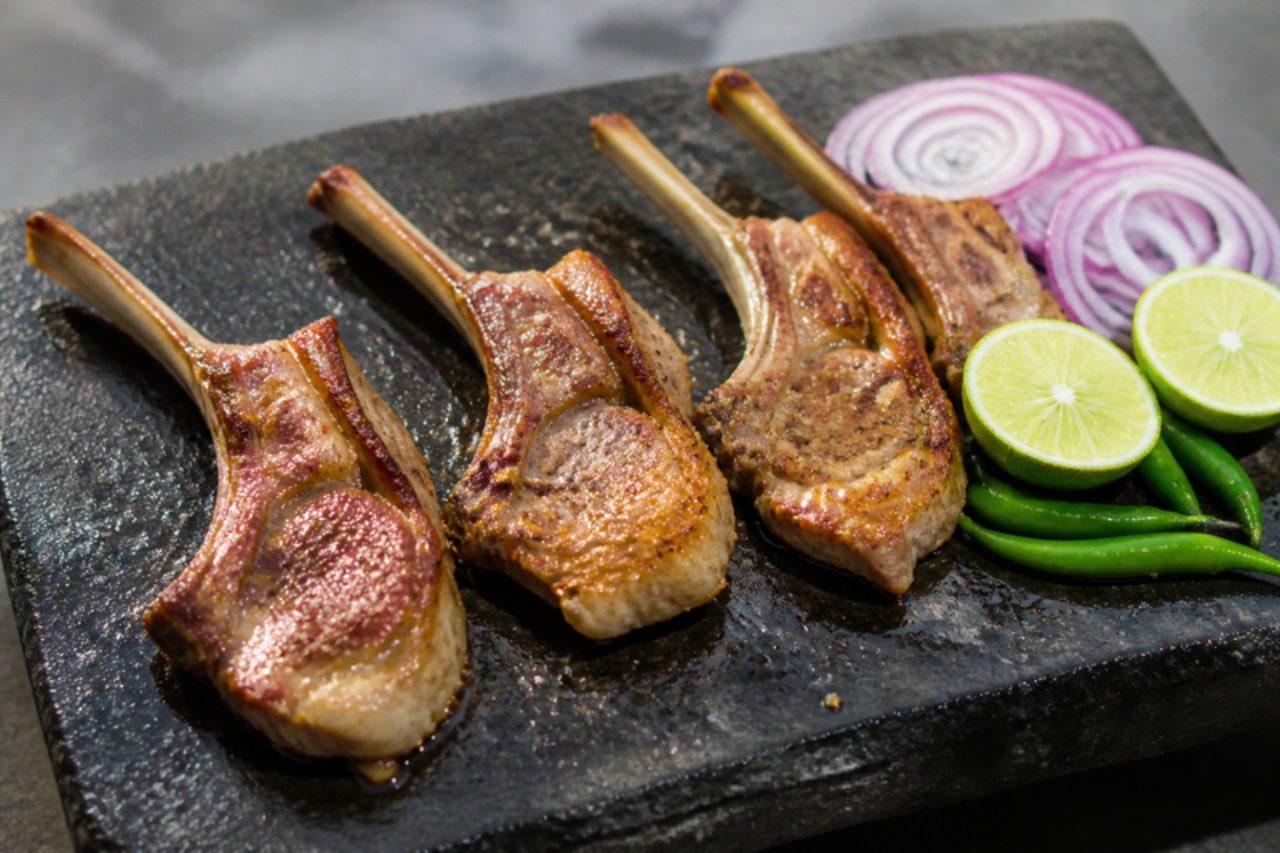
In the hills around Salalah in Dhofar, southern Oman, madhbi is cooked when families head out into the khareef, the green monsoon season: flat stones are heated on a fire until they shimmer, and pieces of lamb or goat are laid straight on them with nothing but salt. The meat sears hard, keeps its juices and picks up a clean, smoky flavour. At home a heavy cast-iron griddle or skillet heated for a long time does the same job. Eat it with flatbread, raw onion, lime and a fresh chilli. The usual mistake is putting the meat on before the stone is hot enough, so it stews in its own juice. Chef's tip: cut the lamb thin enough to cook through quickly, about 1.5 cm, and keep the bones in for the best flavour.

by KrazyBadal 0 views
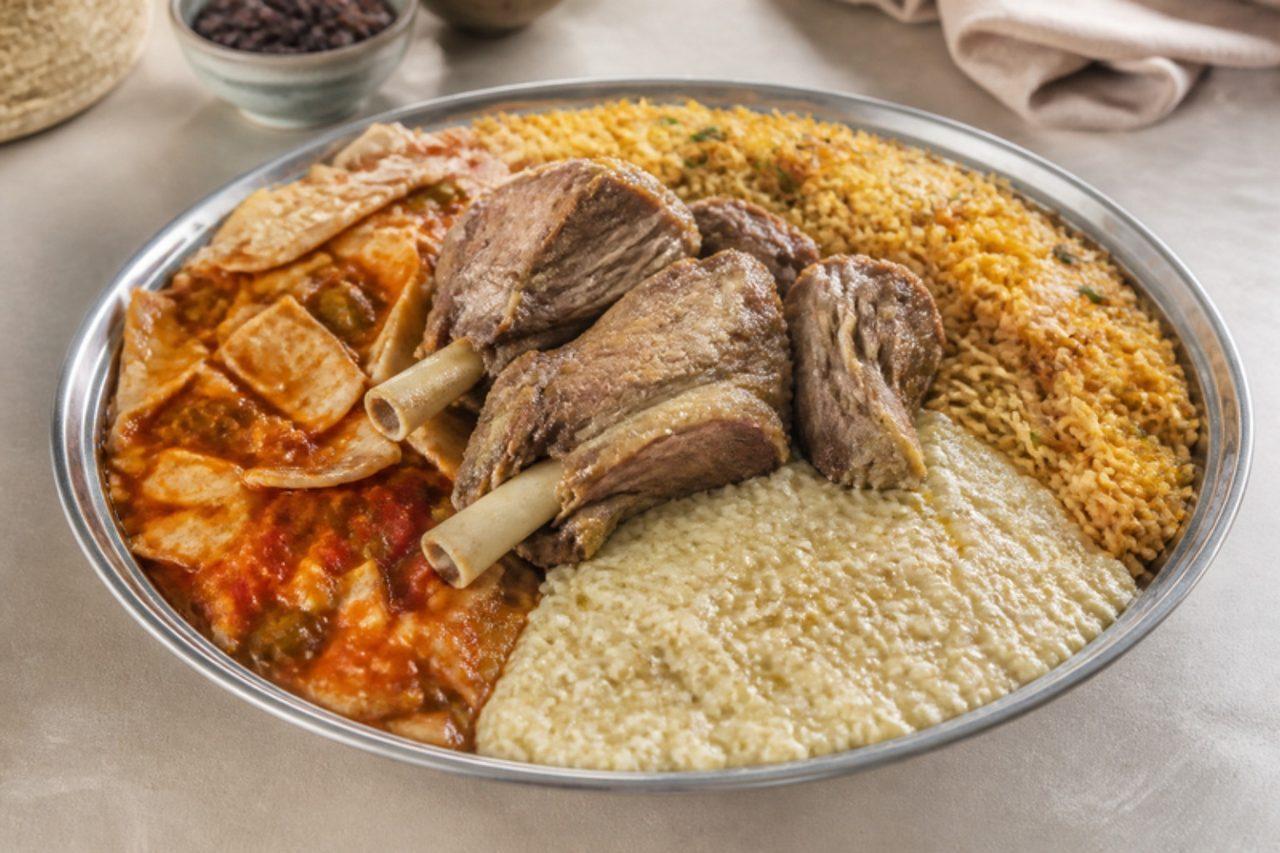
MathloothaLamb with wheat and rice

Mathlootha means 'the tripled one', and in Buraidah and Unaizah in Qassim, central Saudi Arabia, it is the dish that appears when a family wants to honour guests: cracked wheat, thin qursan bread and rice cooked in one lamb broth and layered on a single tray. Each layer keeps its own texture, from the soft, porridge-like jareesh to the silky torn bread and the separate grains of rice, all tied together by the spiced lamb. It is eaten by hand or with spoons from a shared platter, with laban and a sharp daqqus sauce. The mistake most people make is cooking all three in one pot at once, so everything turns into the same mush. Chef's tip: cook the jareesh first because it takes longest and holds its heat; the bread and rice can follow in the same broth while it rests under a lid.

by KrazyBadal 0 views
MishkakTamarind garlic meat skewers

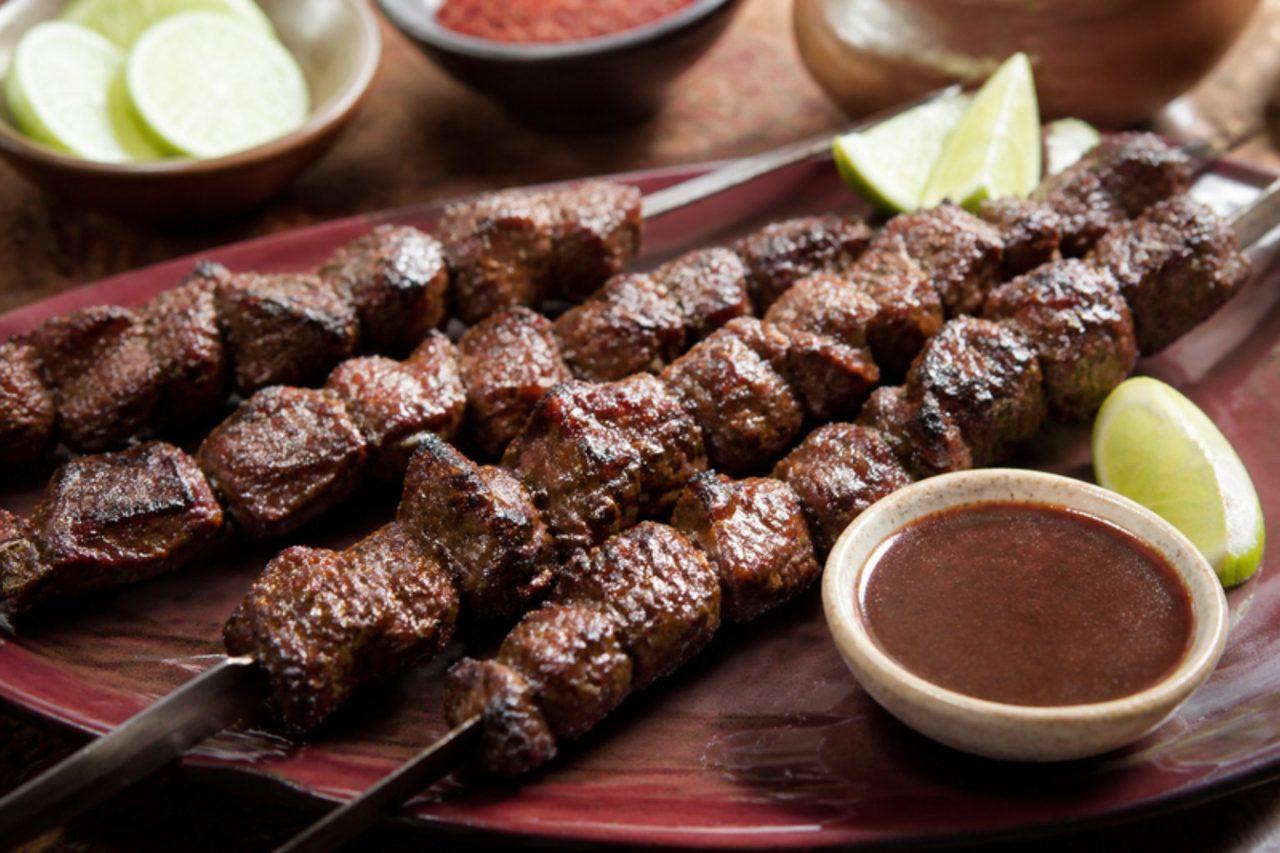
After sunset on the beach at Qurum and around the souq in Muttrah, Muscat, mishkak sellers fan their charcoal and the smell of tamarind and garlic drifts across the crowd; at Eid every family grills them at home too. Small pieces of beef or lamb are soaked in a sour-hot marinade, threaded tightly on skewers and charred quickly, then eaten with a squeeze of lime, a hot chilli sauce and Omani bread. The meat is tangy, smoky and juicy. The common mistake is cutting the pieces too big, so the outside burns before the middle cooks. Chef's tip: thread the meat closely without squashing it; the pieces protect each other and stay juicy.

by KrazyBadal 0 views
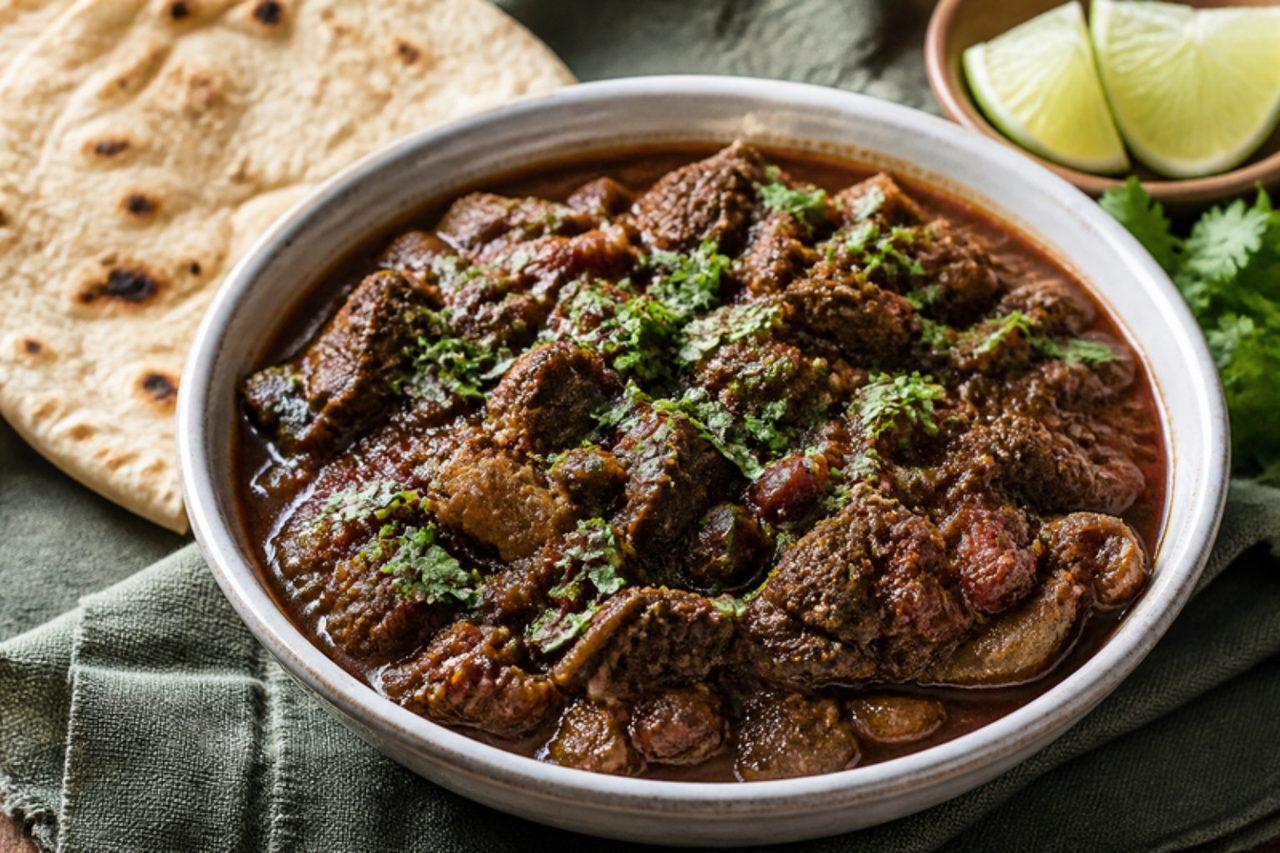
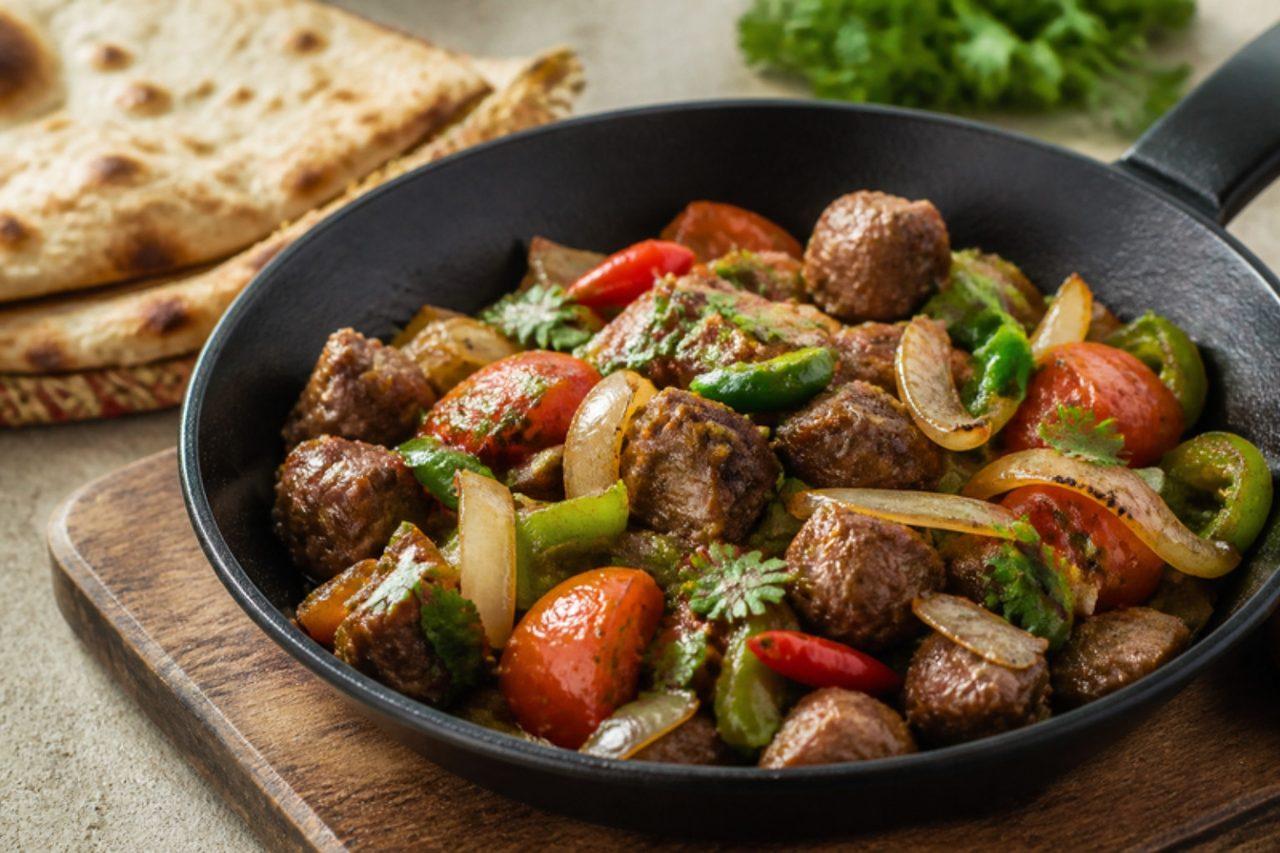
MugalgalQuick-fried lamb with vegetables

Mugalgal is the fast, sizzling lamb dish of Yemeni kitchens, from Taiz to the restaurants of Sana'a, often cooked for breakfast or as part of a feast spread, and it travelled with Yemeni cooks to cafés across the Gulf. Small cubes of lamb are seared in a hot pan with onion, then tossed with tomato, peppers and cumin until just tender and coated in a little thick sauce. It tastes meaty and bright and is scooped up with hot flatbread. The mistake is crowding the pan so the meat boils grey instead of browning. Chef's tip: use tender lamb leg or neck fillet and keep the pieces small, about 1.5 cm, so they cook through in minutes and stay juicy.

by KrazyBadal 0 views

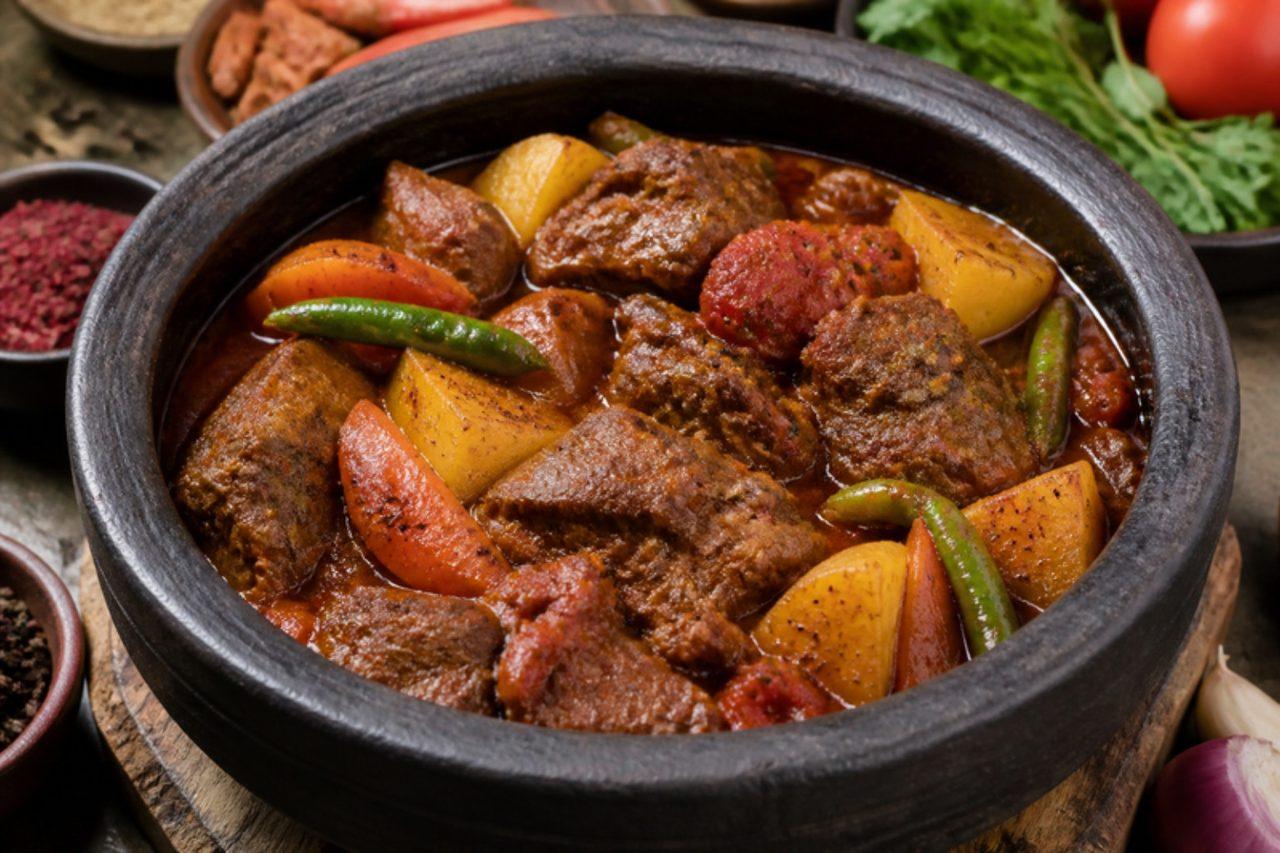
MughashStone pot baked lamb and vegetables

In Jazan, on Saudi Arabia's southern Red Sea coast, mughash is named after the heavy soapstone pot it is cooked in, which is packed with meat and vegetables, sealed and pushed into a hot oven or embers until everything collapses. Restaurants in Jazan and Sabya serve it bubbling in the stone, with hot flatbread for scooping. The lamb turns spoon-soft, the tomatoes melt into a thick gravy and the green chilli gives it a gentle heat. A heavy cast-iron casserole with a tight lid works just as well at home. The mistake to avoid is adding water as if for a stew: the vegetables release plenty of juice, and too much liquid washes out the flavour. Chef's tip: seal the lid with a strip of foil so no steam escapes in the first two hours.

by KrazyBadal 0 views
MuqalabTripe and offal stew

Muqalab is the dish Omani families make with the tripe and offal of the Eid lamb, cooked in the first days of the festival in homes across the Sharqiyah and the interior while the shuwa is still in its pit. The tripe is simmered until soft, then fried with liver, heart and kidney, onion, garlic and a warm mix of cumin, cardamom and black pepper, giving a rich, savoury stew with lots of texture. It is eaten with Omani bread or rice. The most common mistake is rushing the tripe, which then stays chewy however long you fry it. Chef's tip: buy tripe already cleaned and blanched from a halal butcher, then rinse it well yourself; it saves an hour and a lot of smell.

by KrazyBadal 0 views
Saudi champagneSparkling apple and mint punch

Despite the name, Saudi champagne is completely alcohol-free: a jug of chilled apple juice topped up with sparkling water and loaded with sliced apple, orange, lemon and fresh mint. It is the drink of weddings, Eid gatherings and summer afternoons in Jeddah and Riyadh, poured over plenty of ice into tall glasses. It is light, fizzy and fruity, a little like a cider-free punch, and children love it. The most common mistake is adding the sparkling water hours ahead, so the bubbles are gone by the time guests arrive; mix the fruit and juice early, and add the fizz at the last moment. Chef's tip: bruise the mint lightly between your palms before it goes in so it releases its scent without turning bitter.

by KrazyBadal 0 views
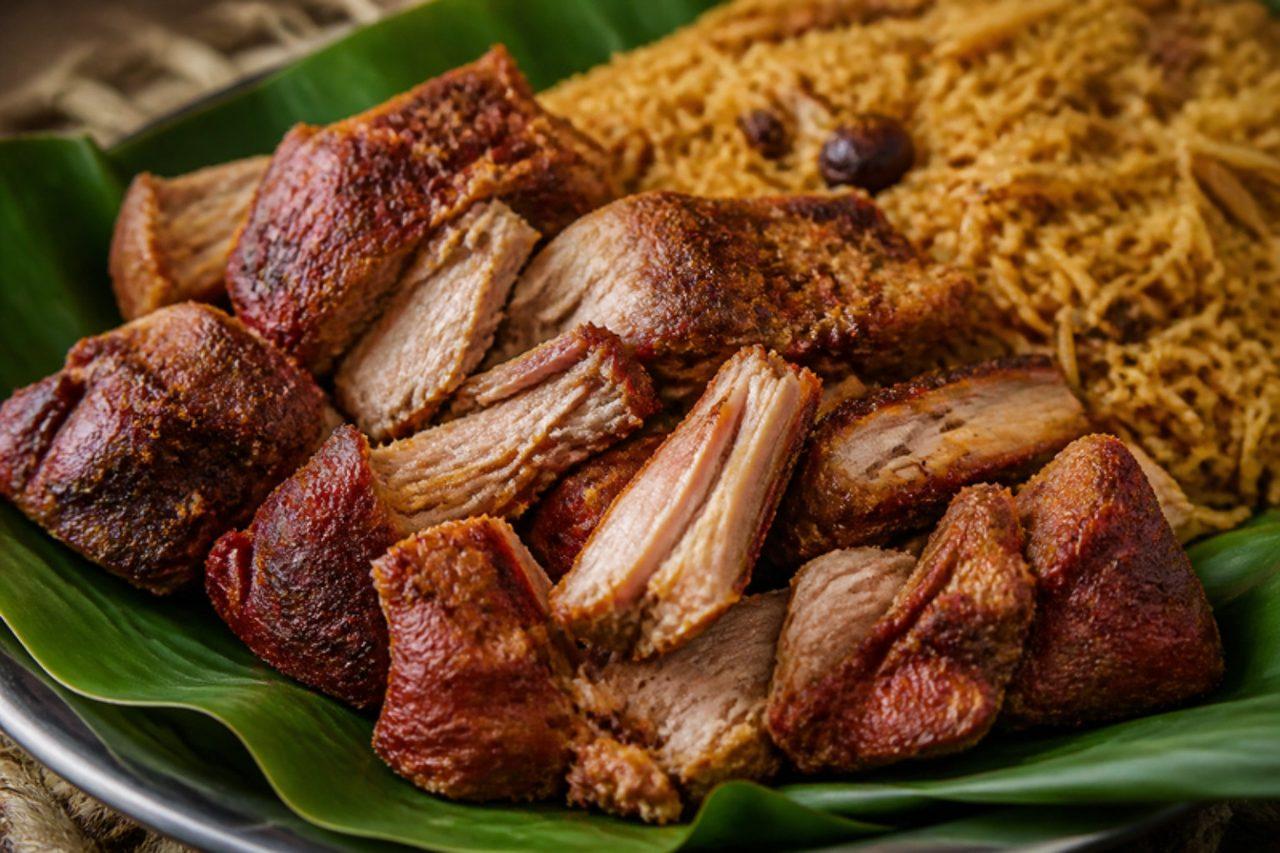
ShuwaSlow-roast spiced lamb

At Eid in Oman, from Nizwa to the villages of the interior, whole sides of goat or lamb are smothered in a red spice paste, wrapped in banana leaves and lowered into an underground sand pit of glowing embers, where they cook for a day or two. This home version keeps that ritual's flavour with a single lamb shoulder, marinated overnight in the fridge, then wrapped and slow-roasted in a low oven for about five hours. The meat comes out dark, smoky with spice and soft enough to pull with a spoon, and is served on rice with the juices poured over. The common mistake is roasting it uncovered or too hot, so the paste burns before the meat softens. Chef's tip: wrap it tightly in two layers so no steam escapes, and give it a final 20 minutes unwrapped for a sticky crust.

by KrazyBadal 0 views
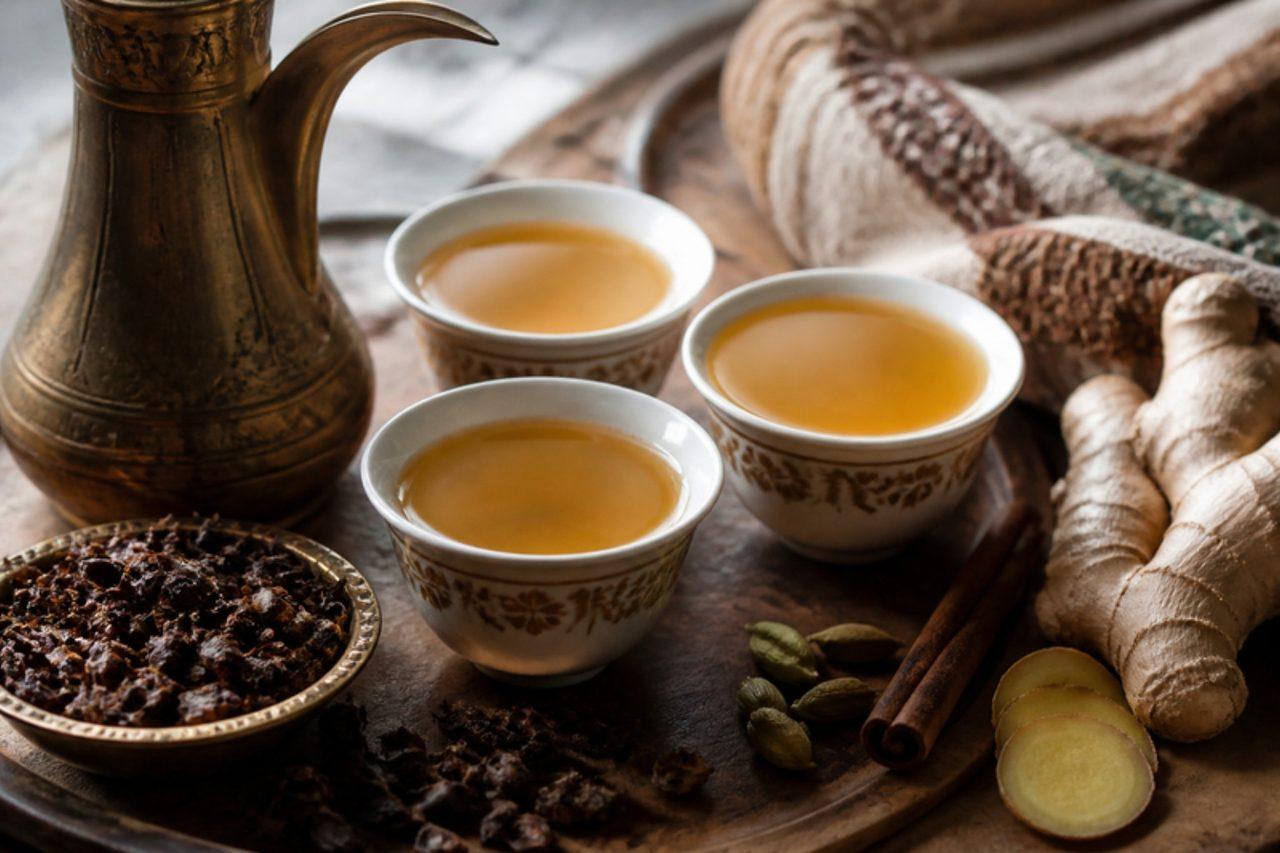
QishrSpiced coffee husk drink

In the highlands around Sana'a and in the coffee towns of Yemen, qishr is the everyday hot drink, brewed from the dried husks of the coffee cherry rather than the bean, with ginger and often cinnamon or cardamom. It is lighter and sweeter than coffee, amber in colour, with a fruity, tea-like taste and a warming bite of ginger, and it is poured all day for guests, after meals and during long afternoon visits. Serve it hot in small glasses or cups, with dates or bint al sahn. Boiling it for too long makes it bitter, so let it simmer briefly and then steep. Chef's tip: grate fresh ginger straight into the pot; it gives a brighter heat than the dried powder.

by KrazyBadal 0 views
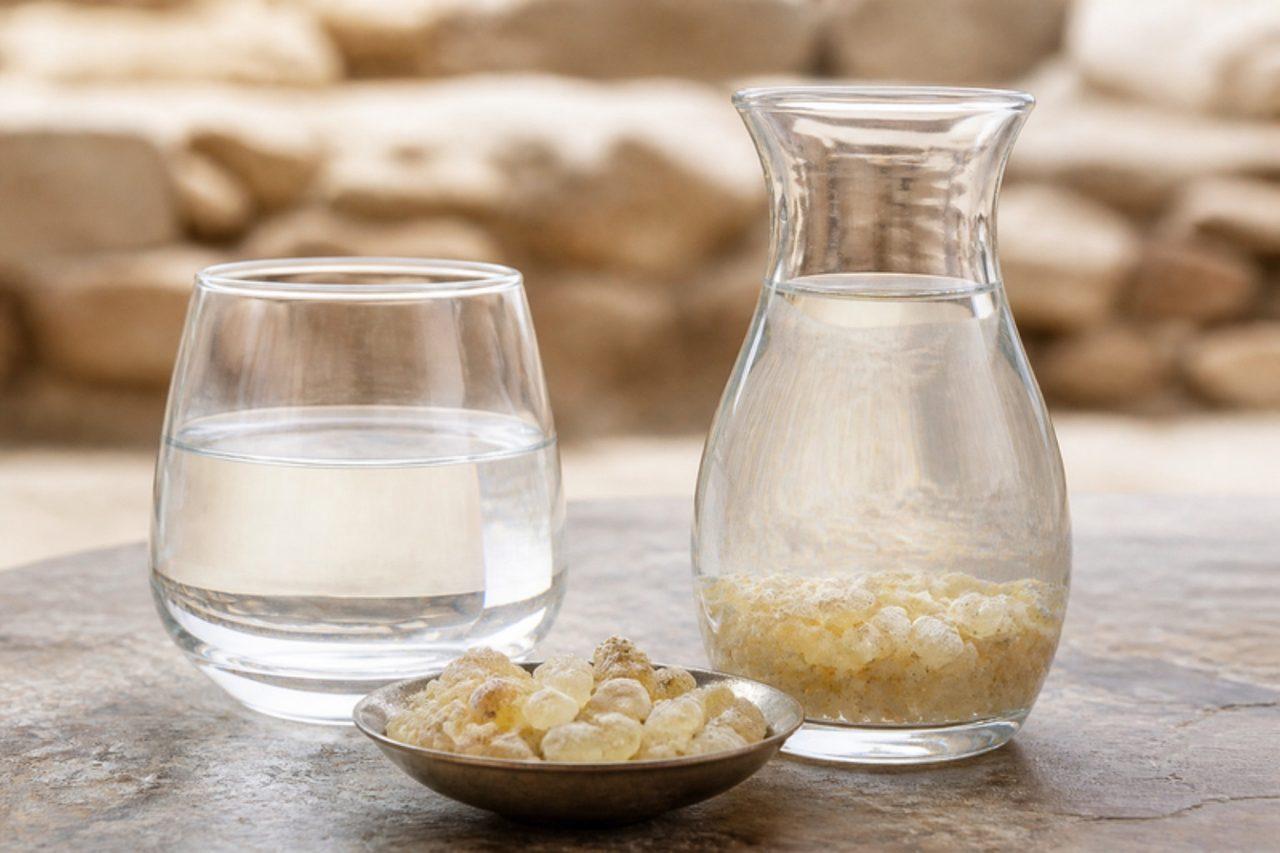
Frankincense water

Around Salalah in Oman's Dhofar region, where the frankincense trees grow on the dry hills behind the coast, many households drop a few tears of resin into a jug of water at night and sip it the next day, believing it settles the stomach. The water turns faintly milky and tastes cool, piney and slightly bitter. It is drunk at room temperature, in small glasses, often in the morning. Use only food-grade Boswellia sacra resin sold for eating (the pale hojari grade is best), never incense blends, and do not drink it if you are pregnant or breastfeeding, or without asking a doctor if you take regular medication. The mistake is using too much resin, which makes it unpleasantly bitter. Chef's tip: rinse the tears in a sieve first to wash off dust and resin powder, and the water will be clearer and gentler.

by KrazyBadal 0 views

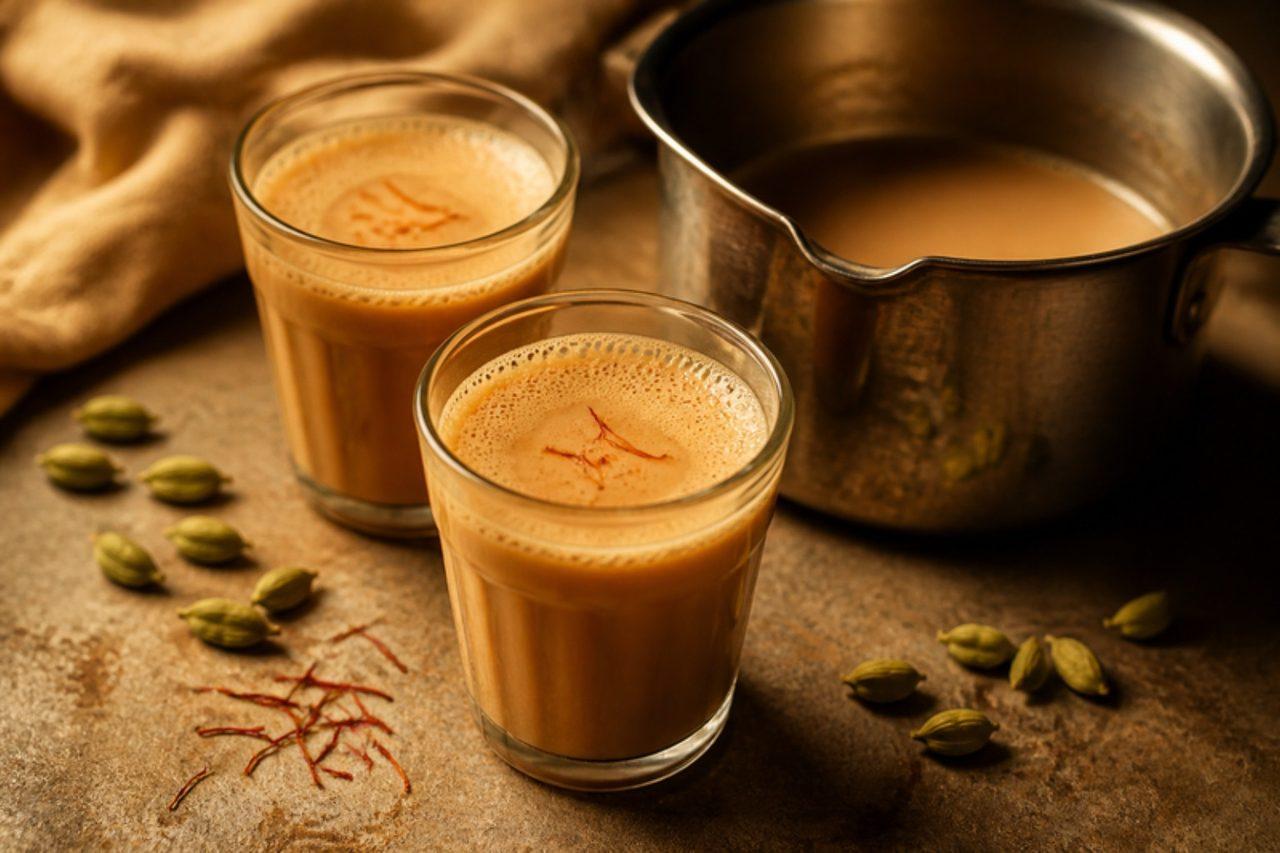
Karak chaiSpiced evaporated milk tea

Every neighbourhood in Doha, Dubai and Kuwait City has a cafeteria with a hatch on the street, where karak is handed through car windows in paper cups at all hours. Brought to the Gulf by South Asian workers and now firmly local, it is black tea boiled hard with sugar and cardamom, then simmered again with evaporated milk until it is strong, sweet and the colour of toffee; a few strands of saffron mark the Gulf version. Chef's tip: pour the tea from a height between two pans a few times; the froth and slight cooling give the silky karak texture.

by KrazyBadal 0 views

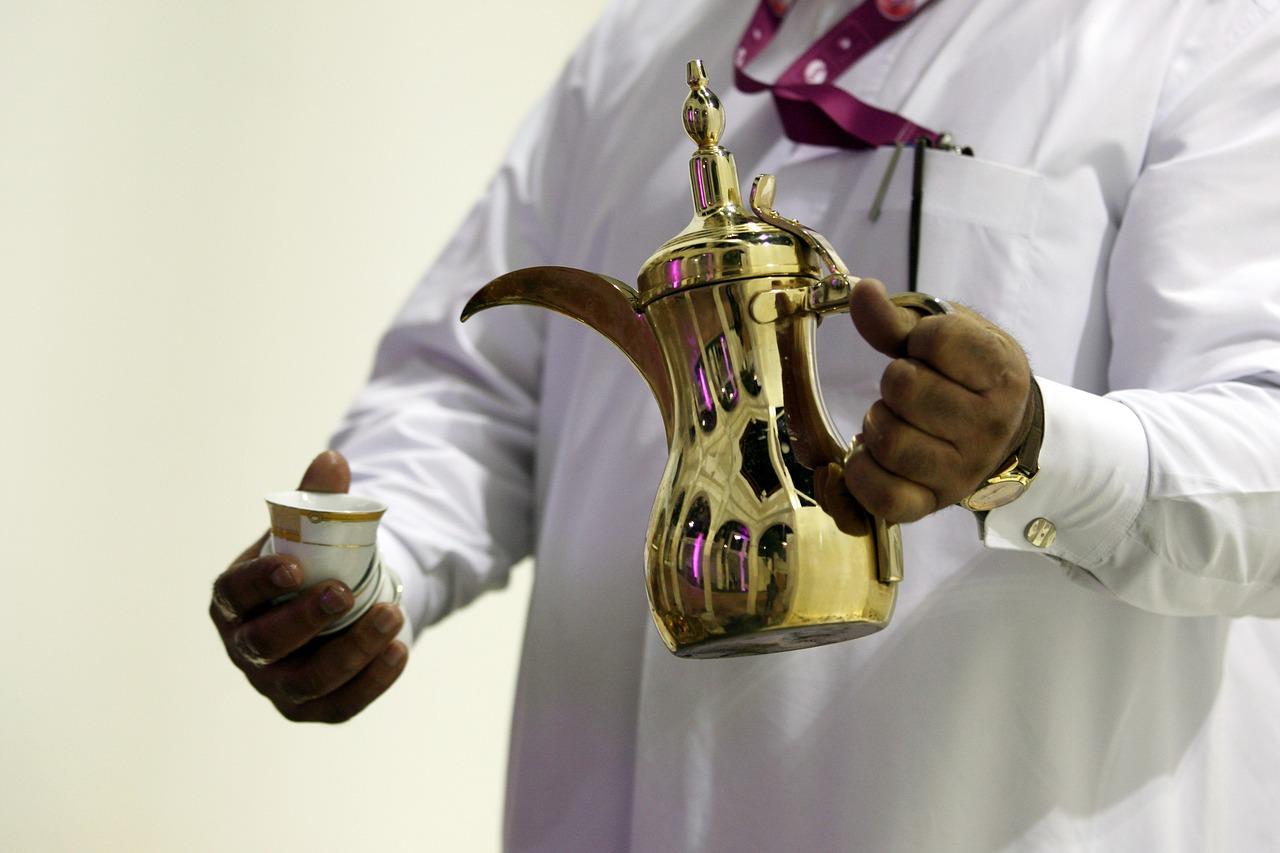
Arabic coffeeCardamom coffee

Pale, fragrant and nothing like espresso, qahwa is the coffee of Gulf hospitality: poured from a brass dallah into tiny handleless cups in majlis sitting rooms from Kuwait to Oman, always beside a bowl of dates. The beans are only lightly roasted, so the drink is golden-brown and herbal, dominated by cardamom with a little saffron and clove. Guests take a few sips at a time, and a small shake of the empty cup tells the host you've had enough. Chef's tip: grind the cardamom just before brewing; pre-ground cardamom has lost most of the perfume that makes qahwa.

by KrazyBadal 0 views