Skip to content
Recipes

All recipes

Vegetarian, or something you can't eat? Set your diet once and we'll hide recipes that don't fit.

TereréIced yerba mate

In Asunción the hottest part of the day stops for tereré: a horn or cup packed with yerba mate, topped up again and again with ice water infused with crushed herbs, and passed round the group through a metal straw. It was recognised by UNESCO as part of Paraguay's cultural heritage, and the herbs (yuyos) change with the season and the drinker's mood. Yerba mate contains caffeine, so it isn't one for small children. The common mistake is pouring water straight into loose yerba, which then clogs the straw; tilt the yerba to one side first. Chef's tip: for tereré ruso, swap the water for cold orange or grapefruit juice.

by KrazyBadal 0 views

Jwano ko jholCarom seed broth

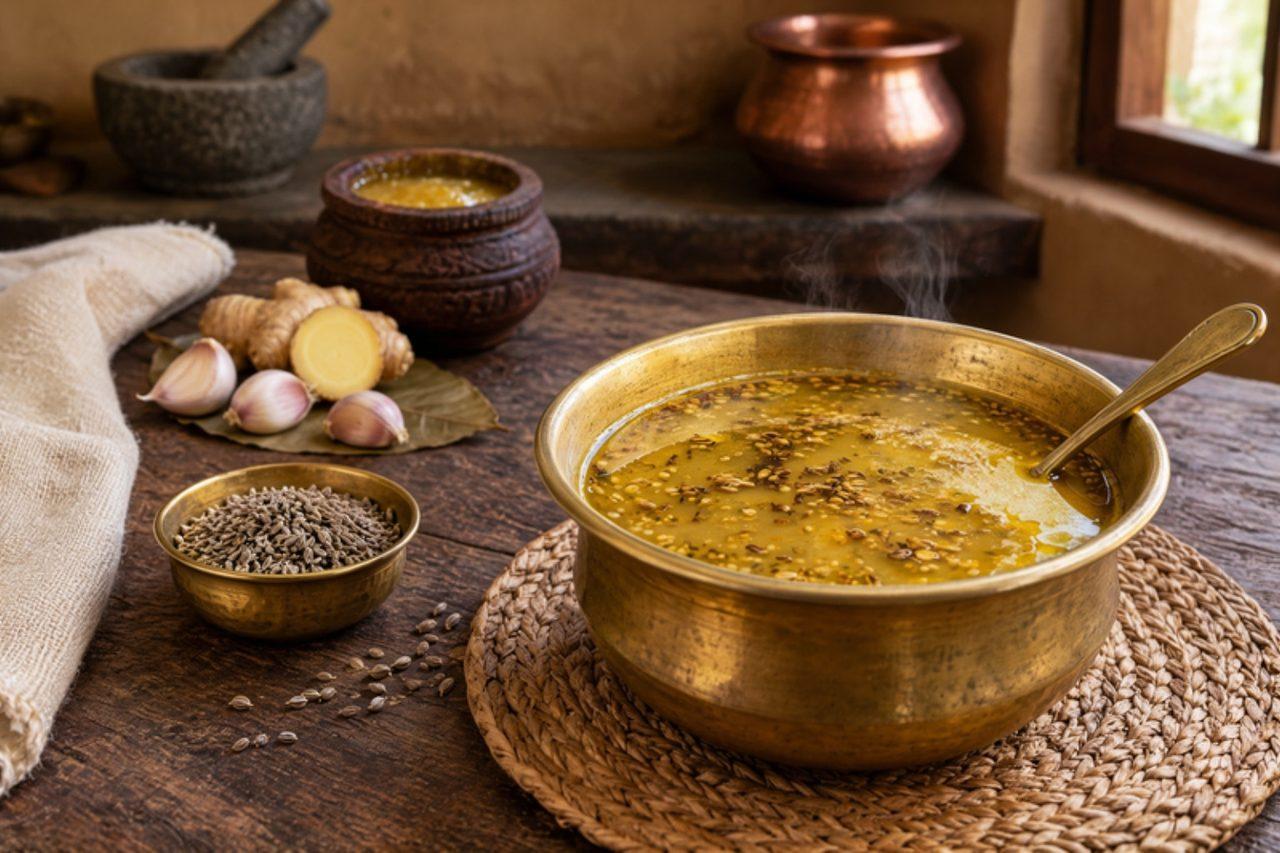
Jwano ko jhol is the soup Nepali families make for a mother in the weeks after a birth, and for anyone in the house who has a cold during the Kathmandu winter. Carom seeds are fried in ghee with a spoon of flour until nutty, then whisked with water, garlic and ginger into a thin, peppery, slightly thyme-like broth that is sipped hot from a bowl or poured over rice. The usual mistake is burning the jwano: it turns bitter in seconds, so take it off the heat as soon as it darkens a shade. Chef's tip: whisk the water in a little at a time, as with gravy, so the flour never forms lumps.

by KrazyBadal 0 views

Postre MassiniCustard sponge with burnt sugar top

Montevideo's birthday cake of choice since the early twentieth century, the Massini is two thin layers of sponge sandwiching a thick filling of whipped cream folded with egg-yolk custard, crowned with a thin glassy crust of torched yolk and sugar. Bakeries across Uruguay sell it on Sundays. Traditional versions sometimes add a sweet fortified wine to the custard; this one is alcohol-free. The custard is cooked to a safe 71 °C. The common mistake is assembling with warm custard, which melts the cream into a puddle. Chef's tip: if you don't have a blowtorch, put the sugared top under a very hot grill for a minute and watch it closely.

by KrazyBadal 0 views

Cocido quemadoBurnt sugar mate drink

Cocido is how Paraguay starts the day: in Asunción, in the villages of Guairá and Itapúa, and in school kitchens, a pot of burnt yerba is brewed and poured into cups with chipa, the cheesy cassava bread, or with a hard galleta. The old way is to drop a glowing piece of charcoal into a pot with yerba and sugar and stir until the sugar burns. On a home stove you caramelise them together in a dry pan instead, which is safer and gives the same smoky, toffee-like taste. The drink is clear amber-brown, with roasted, slightly bitter mate notes over burnt-sugar sweetness; with milk added it becomes cocido con leche, creamy and coffee-coloured. Yerba mate contains caffeine, so treat it like a cup of coffee. The common mistake is letting the sugar go black: it turns acrid and bitter. Pull it off the heat when the caramel is deep amber and the yerba smells toasted, not burnt. It is ready when the liquid is a clear dark amber and tastes of toffee and smoke. Chef's tip: the water will spit fiercely when it hits the hot caramel, so pour it in from the side, at arm's length.

by KrazyBadal 0 views

ThenthukHand-pulled noodle soup

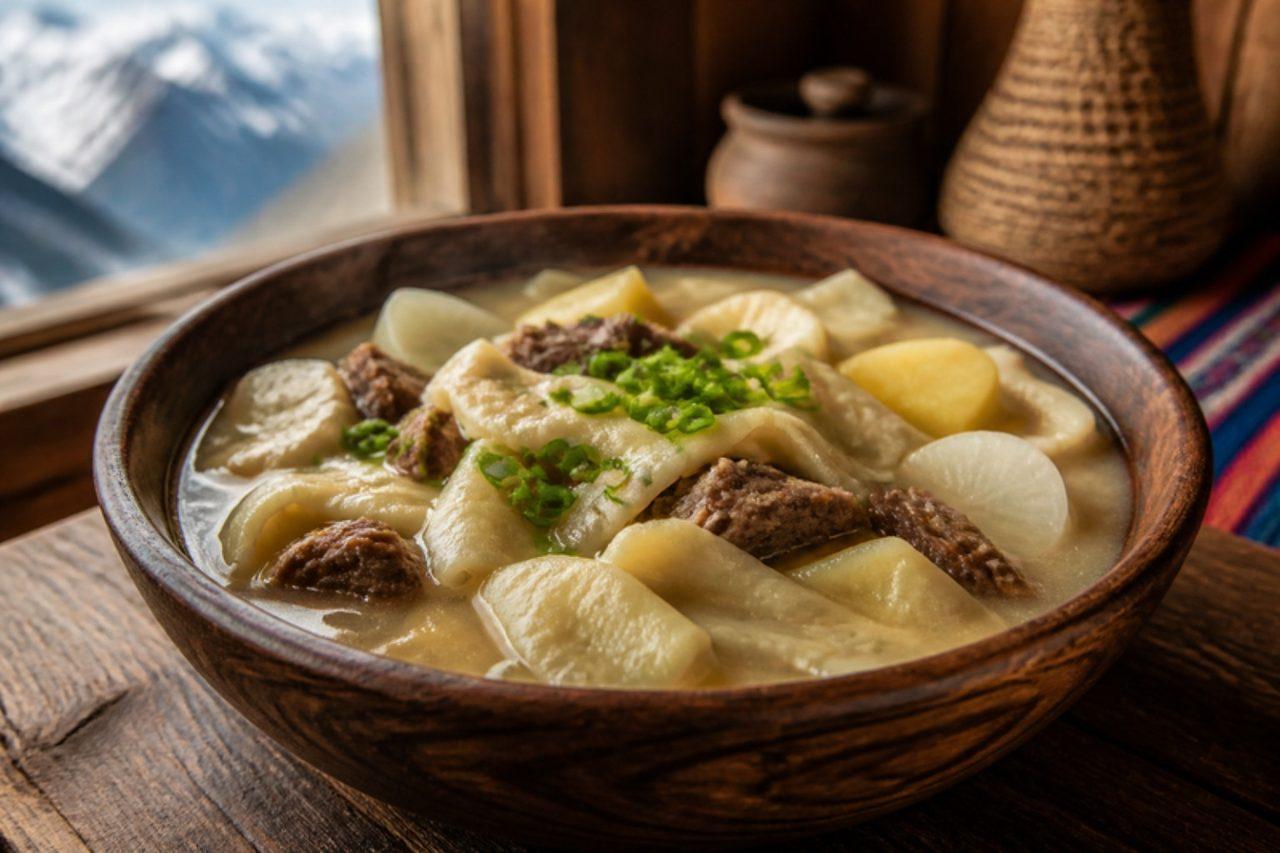
In the Tibetan restaurants around Boudha stupa in Kathmandu, thenthuk is what people order on cold evenings and winter mornings: pieces of dough are pulled flat and pinched straight into a light broth with mutton or buffalo, tomato, radish and spinach. The noodles are thick, soft and slightly uneven, and the soup is gentle and warming, with a little soy and spring onion. This home version uses mutton or lamb. Contains wheat and soya. Chef's tip: pull the dough so thin you can almost see your fingers through it; thick pieces stay doughy in the middle.

by KrazyBadal 0 views

Pira caldoCreamy fish soup with cheese

Along the Paraguay River from Asunción to Concepción, pira caldo is the fishermen's soup, said to restore strength after a long night: chunks of firm river fish poached in a broth of onion, peppers and tomato fried in fat, then made creamy with milk and melted fresh cheese. Surubí or other catfish is traditional; any firm white fish such as hake or pollock works. The mistake most people make is boiling the soup after the milk and cheese go in, which splits it. Chef's tip: fry the vegetables until they are very soft and sweet before adding the water; that is where the flavour comes from.

by KrazyBadal 0 views

ShyakpaHand-torn dough and yak stew

In the stone lodges of Namche Bazaar and the villages of Solukhumbu, shyakpa is what a Sherpa family cooks on the hearth when the wind comes down off the glaciers: a thick, peppery stew of yak meat, potato and white radish, with pieces of fresh dough pinched straight off a ball and dropped into the pot to cook like chunky noodles. It is eaten from big bowls at the end of a long day's trekking, often with a spoonful of fiery tomato and chilli achar. Yak is rare outside the Himalaya, so beef or lamb is the usual swap, and a vegetables-only shyakpa with extra potato, radish and greens is just as common. Many cooks drop all the dough in at once, which clumps it into a stodgy mass; add it in batches and stir. Chef's tip: let the dough rest for 15 minutes so it stretches thin without tearing.

by KrazyBadal 0 views

Sisnu ko jholStinging nettle soup

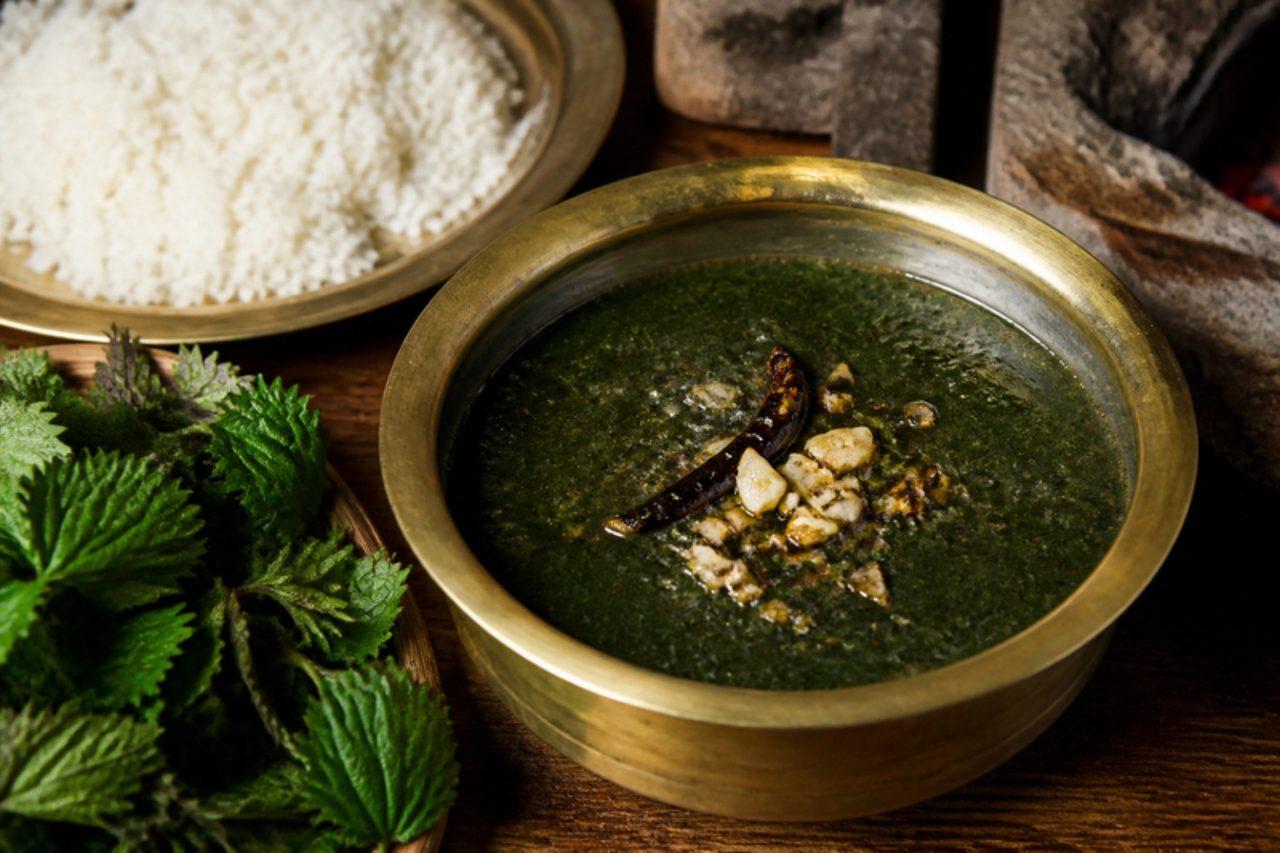
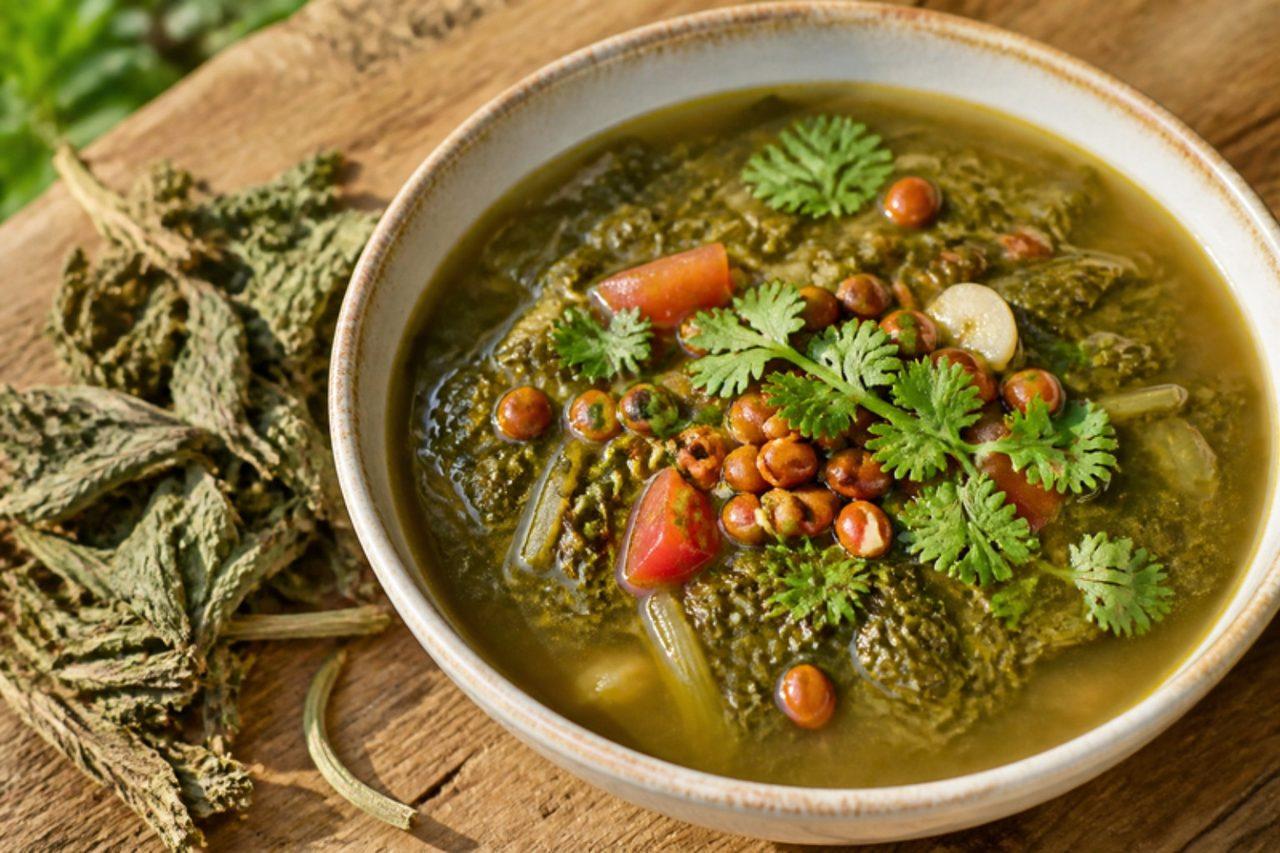
Sisnu grows wild along every terrace wall and trail in the middle hills, and before vegetables were easy to buy it was the green that kept villages going through the dry season; Rai and Magar families still pick the tender tips with tongs or with a cloth wrapped round the hand. Cooked, the sting disappears completely, leaving a deep green, silky soup that tastes somewhere between spinach and seaweed, thickened with a spoonful of cornmeal and seasoned with garlic, chilli, jimbu and timur. It is poured over rice or eaten with dhido, and many Kathmandu restaurants now serve it as a proud reminder of hill cooking. Never handle the raw leaves bare-handed; the sting lasts for hours. Chef's tip: wear rubber gloves until the nettles have been in boiling water for a minute, and pick only the top four to six leaves of each shoot.

by KrazyBadal 0 views

Fini rotiLayered fried sugar bread

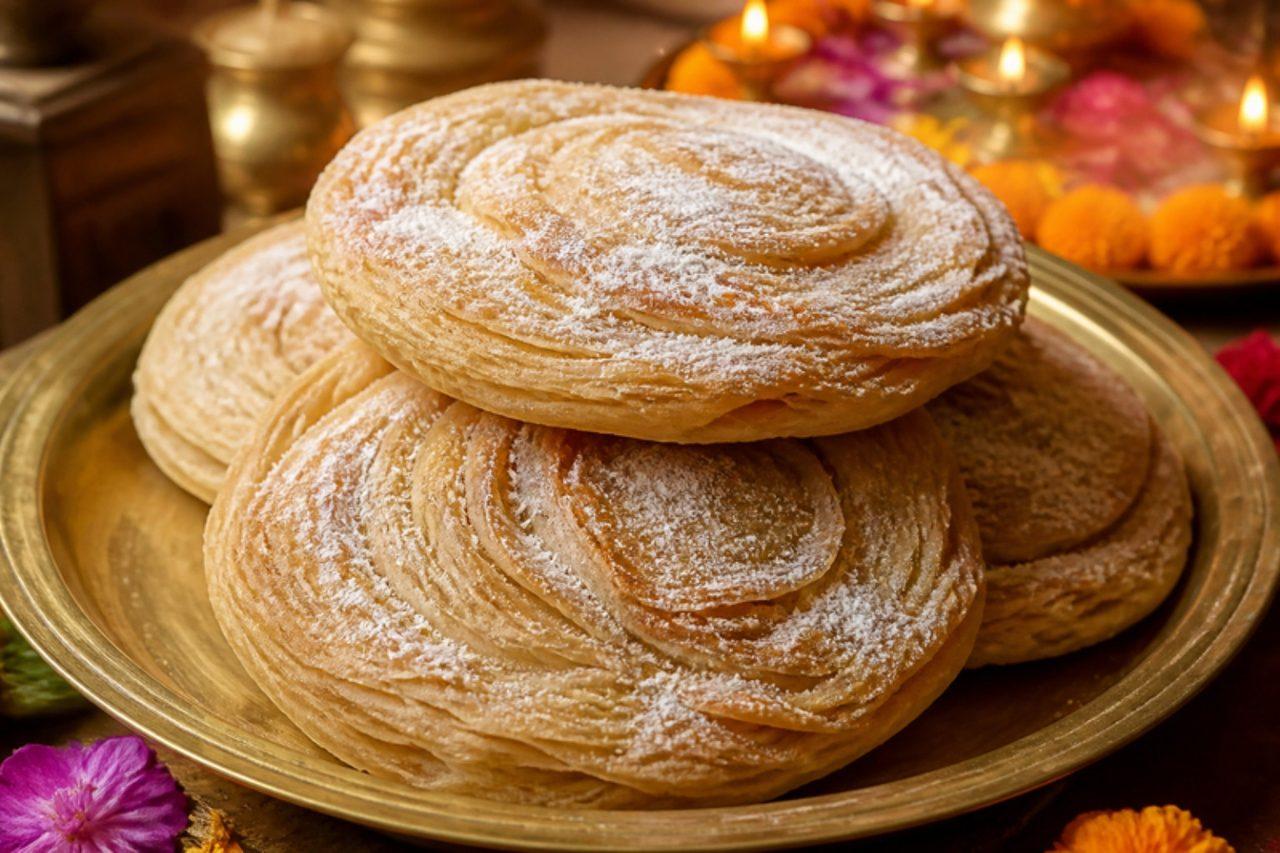
During Tihar, the five-day festival of lights in late autumn, sisters in Kathmandu and Pokhara prepare a basket of treats for Bhai Tika, and fini roti, a crisp round of fried bread made of dozens of paper-thin layers, sits in it beside sel roti, nuts and sweets. A simple dough of flour and ghee is rolled very thin, spread with a paste of ghee and rice flour, rolled into a log and cut, so that each piece fans out in the hot oil into a flaky spiral that shatters at the first bite. It is lightly dusted with sugar, lasts for days in a tin, and is eaten with tea or given to visiting relatives. The layers vanish if you make the paste with melted ghee, which seeps out instead of staying put. Chef's tip: beat the ghee and rice flour together until fluffy and pale like soft butter, and keep the dough cool so the layers stay distinct.

by KrazyBadal 0 views

Sinki ko jholFermented radish soup

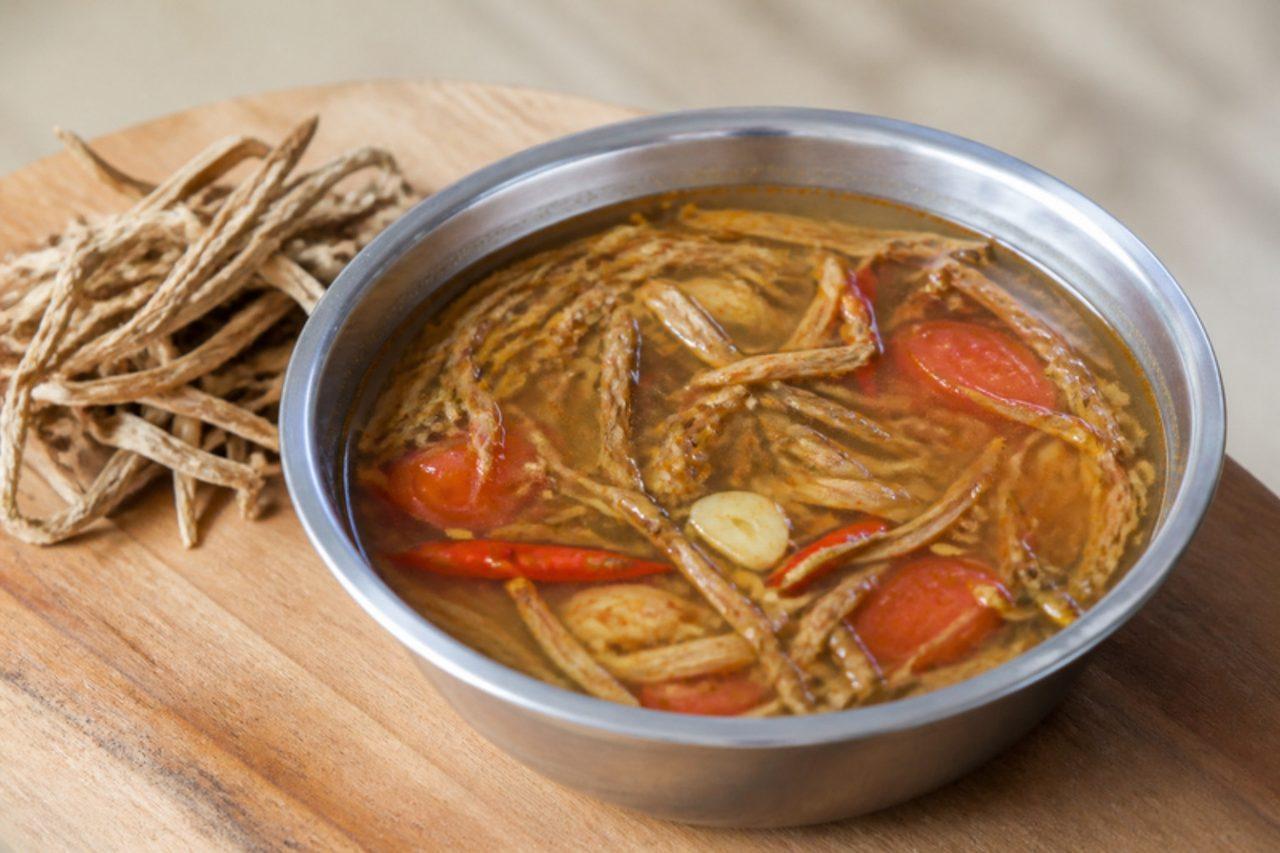
Sinki is the radish answer to gundruk: in late autumn, families in Ilam, Dhankuta and Terhathum pack chunks of radish root into pits lined with straw or into airtight jars, let them ferment for a few weeks, then cut and sun-dry the pieces into chewy, pungent strips that last all year. In winter and through the monsoon, a handful turns a pot of water, tomato, garlic and chilli into a thin, tangy, warming soup that is poured over rice or drunk from a bowl alongside dal bhat. It is light, sharp and savoury, and many people in the hills swear by it for a cold or a heavy stomach. It goes wrong if the sinki is not rinsed and soaked, so the soup tastes musty and gritty. Chef's tip: soak the strips in warm water for 10 minutes, squeeze them dry and fry them briefly in the oil before the water goes in, which mellows the funk and brings out a pleasant smokiness.

by KrazyBadal 0 views

Vegetarian vori voriCornmeal dumpling and vegetable soup

Vori vori is the soup Paraguayan grandmothers make on cold June and July evenings: a golden broth full of bori, small balls of cornmeal and cheese that swell soft as they simmer. The name is a Guaraní take on the Spanish 'bolita' (little ball). It's usually made with hen; this version gets its colour and body from pumpkin, carrot and a sofrito with saffron or turmeric. Chef's tip: shape the balls no bigger than a hazelnut; they double in size and larger ones stay raw inside.

by KrazyBadal 0 views

Gundruk ko jholSour fermented greens soup

In the terraced hill villages between Pokhara and Ilam, families pack mustard, radish and cauliflower leaves into clay pots after the autumn harvest, let them ferment for a week or two and then sun-dry them into gundruk. That dark, tangy leaf is the store cupboard of the winter months, and its most common use is this thin, sour soup (jhol), served on the side of dal bhat or with dhido, the stiff buckwheat or millet porridge of the hills. It tastes a little like a smoky, vinegary green tea and is light, warming and very cheap. A handful of roasted soybeans (bhatmas) is often thrown in for crunch. The mistake is to cook gundruk without soaking it first, which leaves it gritty and too sour. Chef's tip: squeeze the soaked leaves hard and fry them in the oil until they crackle before you add water; that frying gives the soup its toasty depth.

by KrazyBadal 0 views

KwatiMixed sprouted bean soup

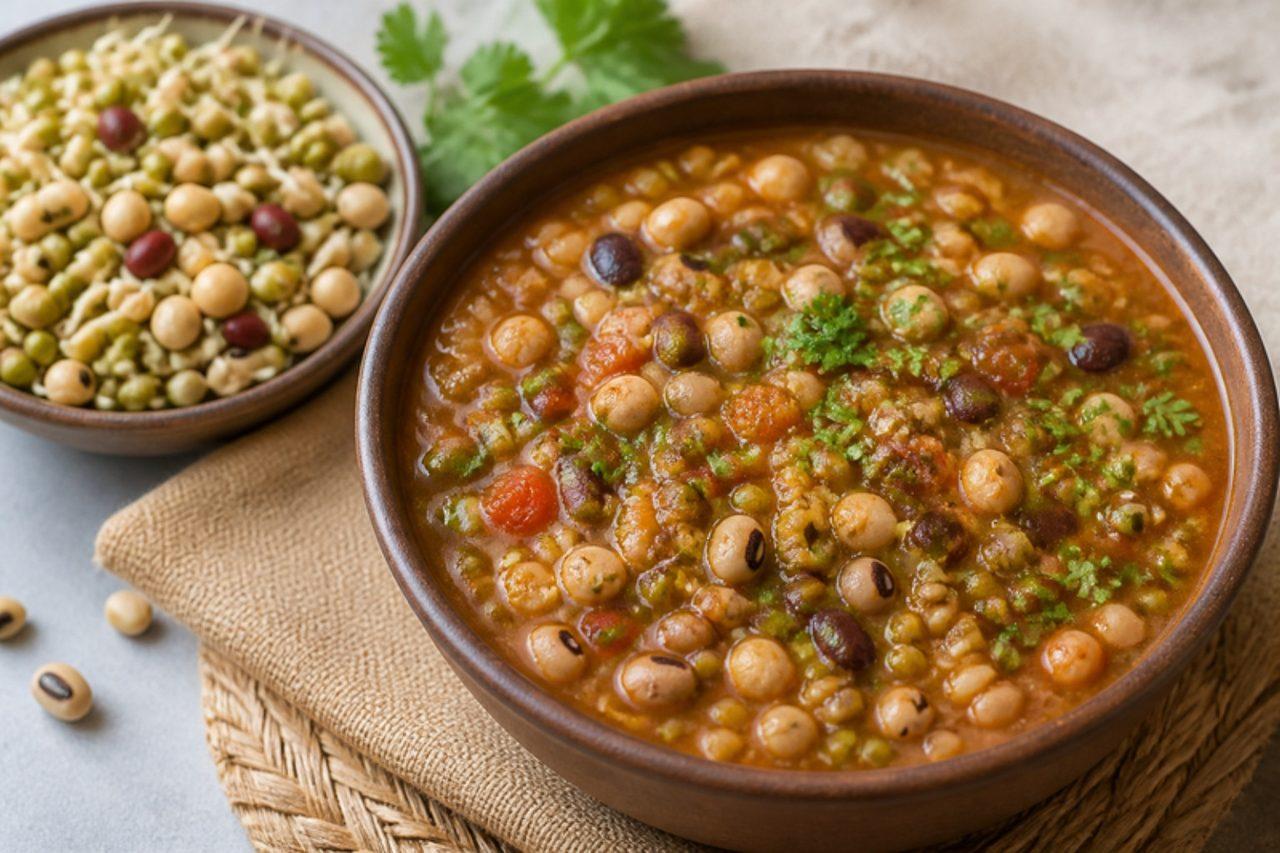
Kwati is a thick, warming soup of nine kinds of sprouted beans that the Newar families of the Kathmandu Valley cook on Janai Purnima, the August full moon also called Kwati Punhi, when the monsoon is at its height and people are said to need strength against the damp. The mix usually includes black gram, green mung, chickpeas, soybeans, field peas, kidney beans, cowpeas, field beans and rice beans, soaked and sprouted for two or three days beforehand, then cooked with ajwain, ginger, garlic, tomato and a pinch of timur. Markets in Asan sell ready-mixed kwati beans in the week before the festival. It is eaten in bowls with beaten rice or simply on its own. The mistake people make is skipping the sprouting, which leaves the soup heavy and the beans hard. Chef's tip: fry the ajwain until it crackles; its thyme-like warmth makes the beans easier to digest and is the flavour of the festival.

by KrazyBadal 0 views

ChajáSponge, peach and cream cake

Chajá was created in 1927 at a bakery in Paysandú, a city on the Uruguay River, and named after a local bird whose feathers look as fluffy as its crumbly meringue coat. Today it's Uruguay's birthday and celebration cake: layers of light sponge soaked in peach syrup, filled with whipped cream, peaches and dulce de leche, then covered in crushed meringue. It's sweet, soft and crunchy at once, best on the day it's assembled. Chef's tip: soak the sponge but not too much; it should feel moist, not wet, or the layers slide.

by KrazyBadal 0 views

So'o yosopyGround beef and rice soup

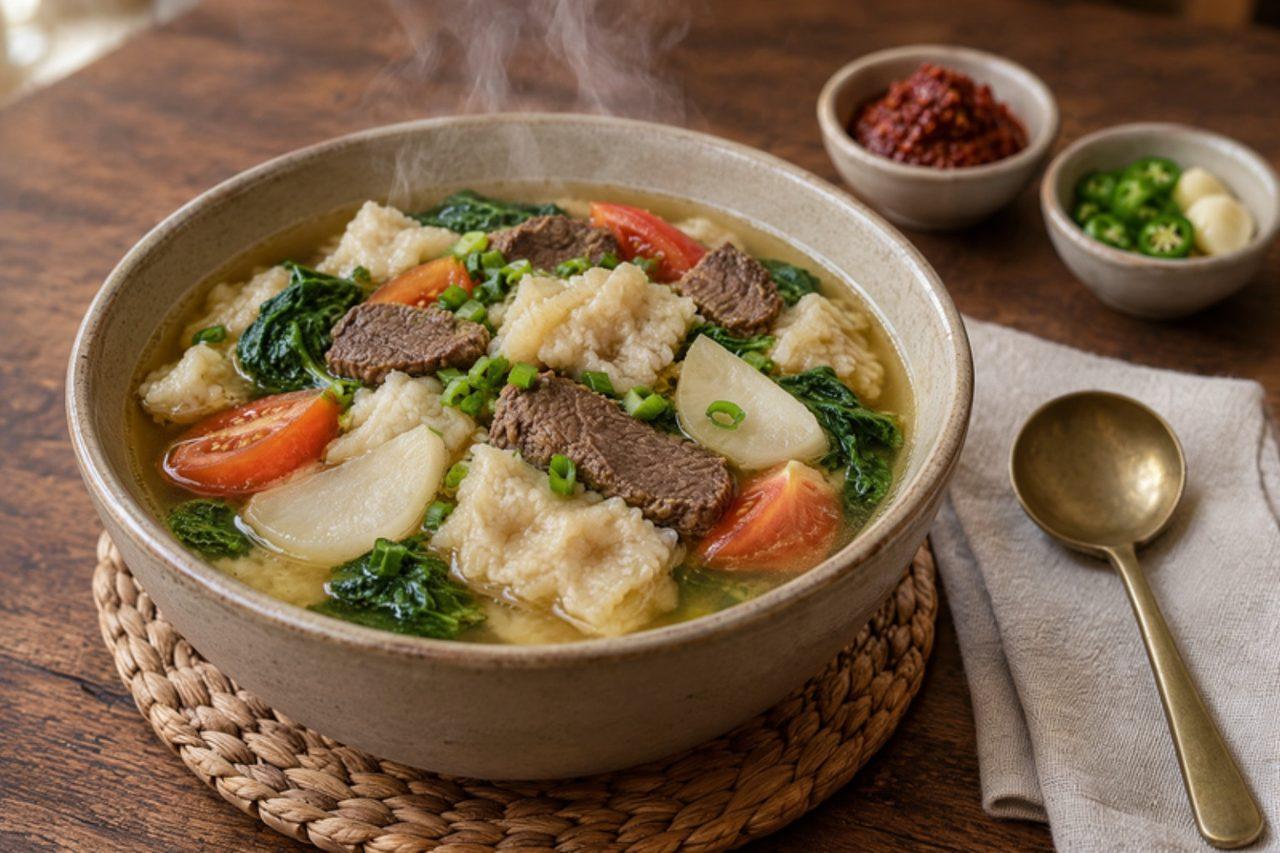
So'o yosopy, "pounded meat" in Guaraní, is a soup Paraguayans make for anyone who is tired or recovering, and on cold days in Asunción's winter: beef is ground very finely and stirred into cold water so it breaks into soft, delicate threads, then simmered with onion, tomato, pepper and a little rice and oregano. The texture is smooth and the broth light. The mistake is adding the beef to boiling water, which makes it clump into meatballs; mix it into cold water first and stir as it heats. Chef's tip: ask the butcher to mince lean beef twice, or pulse it very fine in a food processor.

by KrazyBadal 0 views

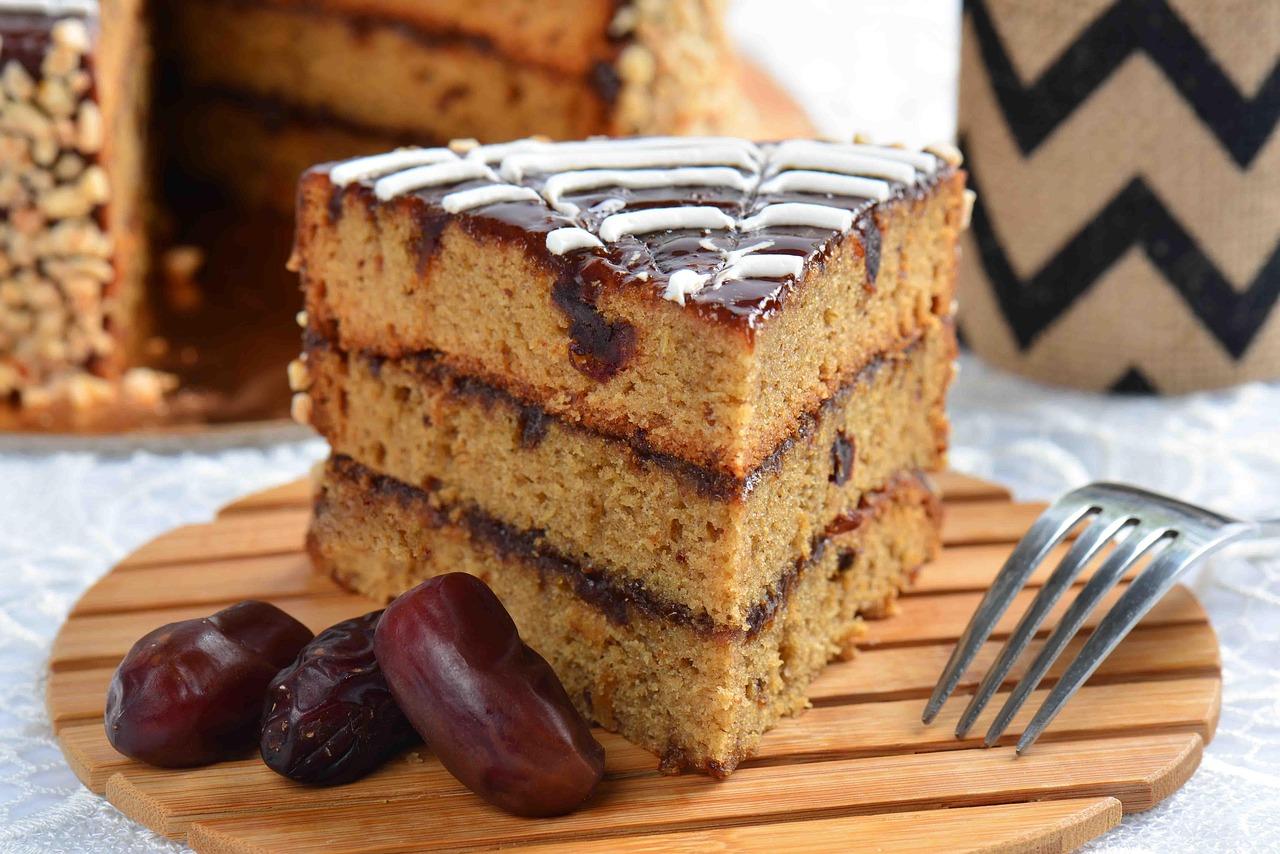
Lebanese date cake

A soft, moist cake made without eggs: self-raising flour and brown sugar are rubbed with butter, then mixed with milk and sour cream and studded with chopped dates, raisins and pistachios, with a warm hint of nutmeg and vanilla. Lovely with tea or served warm with cream.

by KrazyBadal 0 views

Arabian date pinwheels

Crumbly, buttery biscuit dough is rolled out, spread with a soft date filling flavoured with cinnamon and lemon, rolled into logs, sliced and baked into pretty pinwheels. They make a big batch of 50 and keep well in an airtight tin. Serve with tea, or with ice cream as a dessert.

by KrazyBadal 0 views

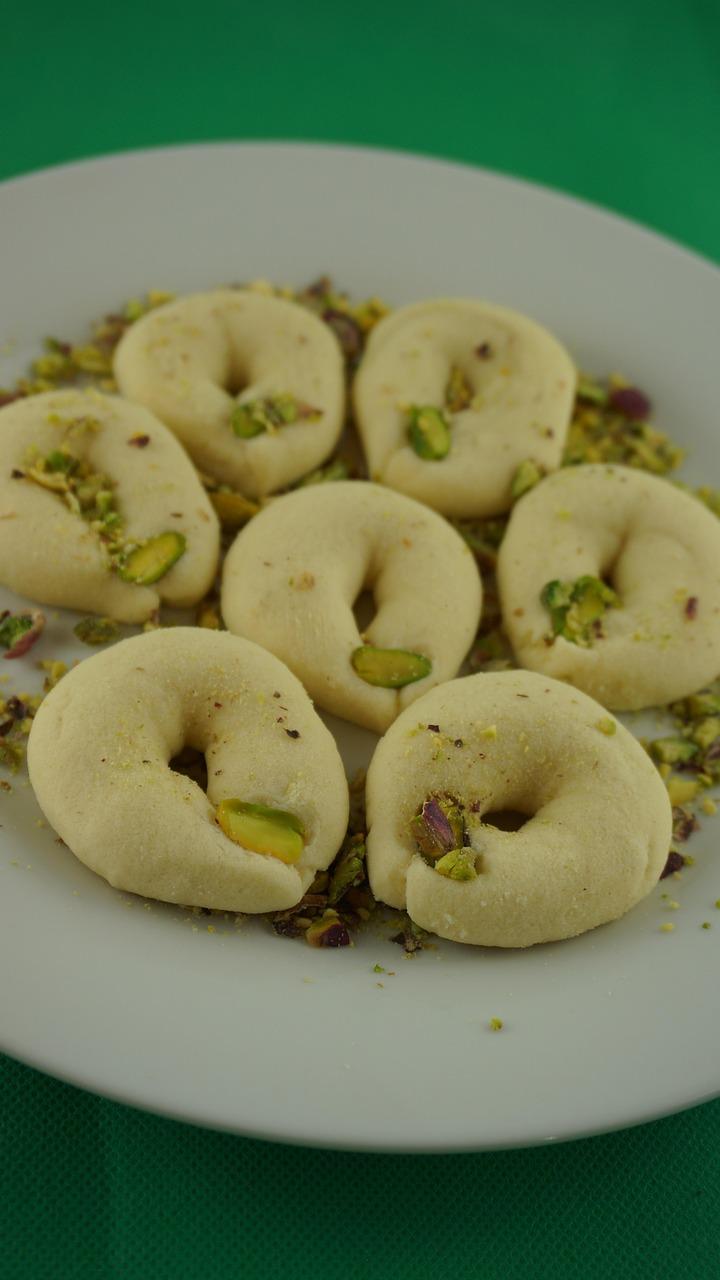
Ma'amoulDate and walnut butter pastries

Ma'amoul are delicate shortbread-like pastries made for Eid and Easter across the Middle East. A soft, rose-scented butter dough is wrapped around a filling of dates, walnuts, almonds and pistachios cooked with cinnamon, marked with a fork, baked pale and dusted with icing sugar. Makes 35; they keep well in a tin.

by KrazyBadal 1 views

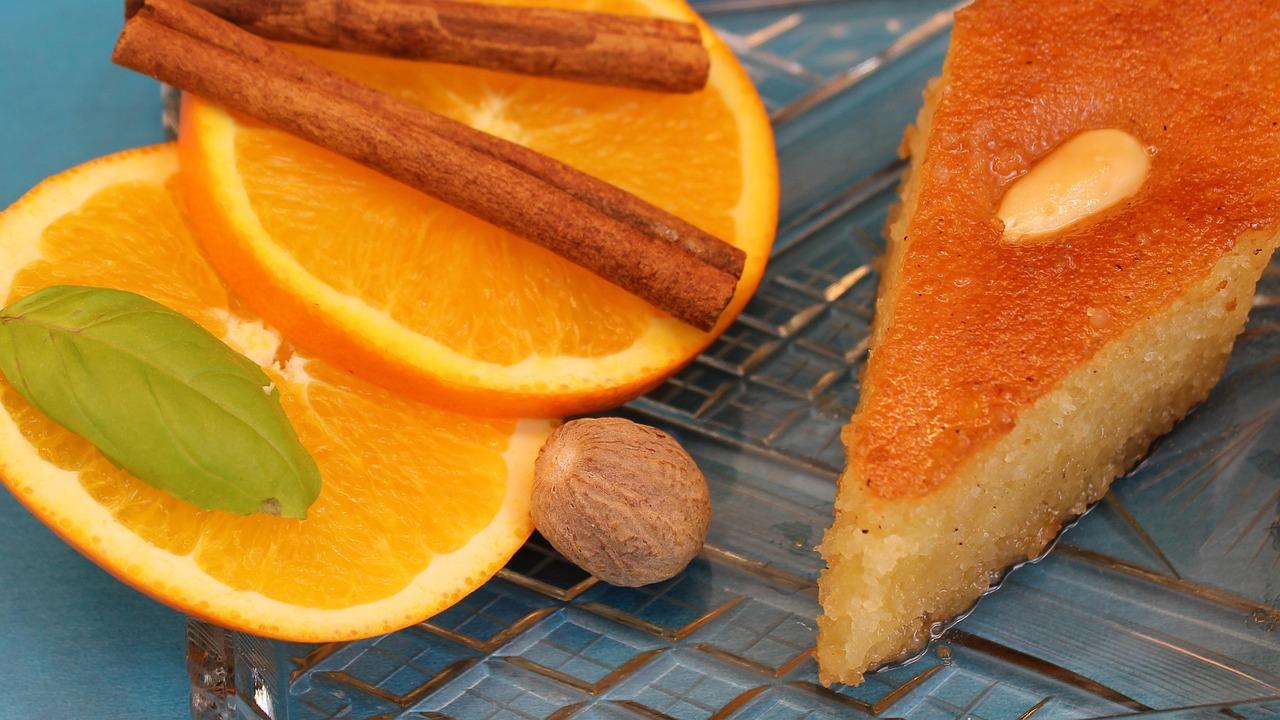
Semolina cake

A moist eggless cake made with semolina, coconut and yogurt, baked with slivered almonds on the bottom and top and moistened with orange juice. Serve with coconut ice cream or custard sauce.

by KrazyBadal 0 views