Skip to content
Recipes

All recipes

Vegetarian, or something you can't eat? Set your diet once and we'll hide recipes that don't fit.

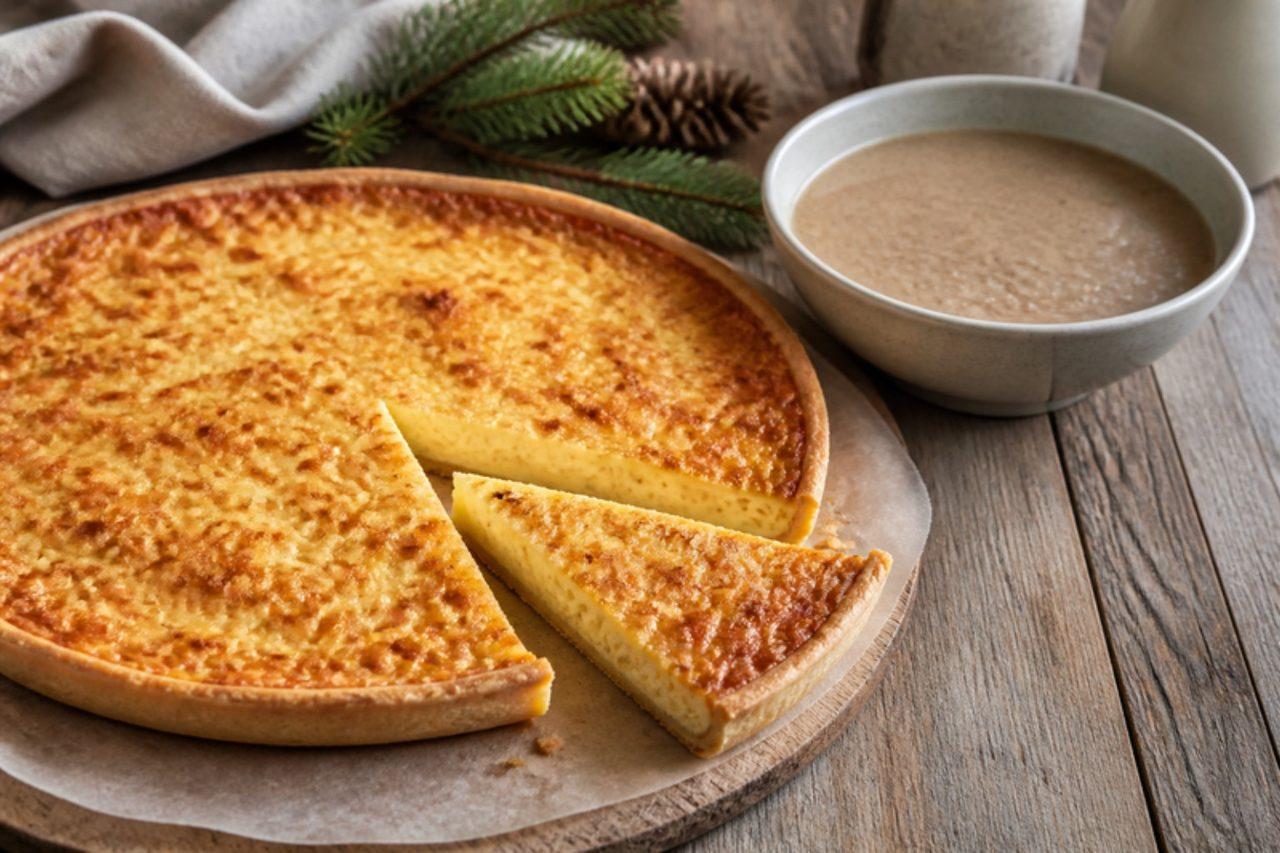
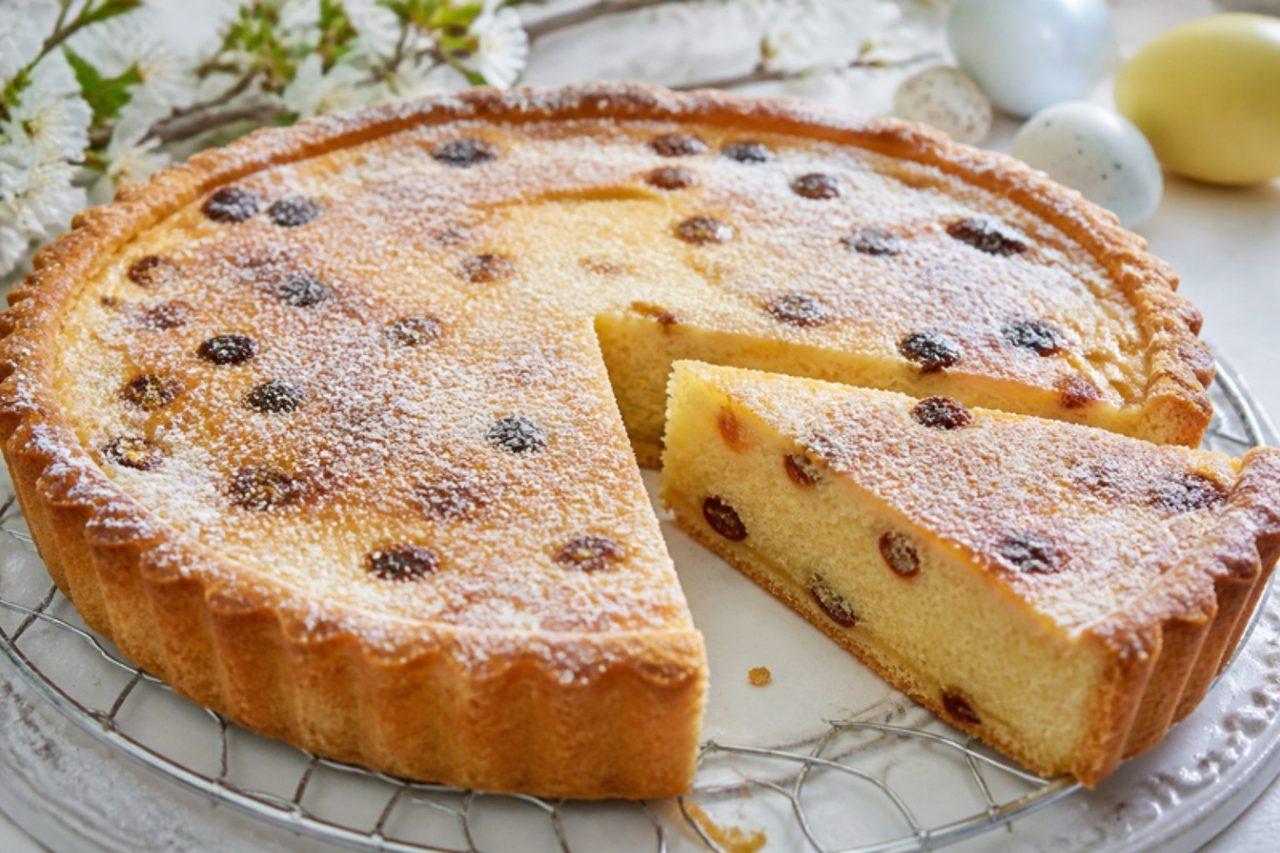
OsterfladenSemolina and almond Easter tart

Osterfladen is the Easter tart of Basel and northern Switzerland, baked on Holy Saturday and eaten on Easter Sunday. A shortcrust case holds a creamy filling of semolina (or rice) cooked in milk, folded with ground almonds, raisins, lemon zest and whipped egg white, which bakes into a light, sliceable custard under a dusting of icing sugar. Some bakers soak the raisins in kirsch; here they are soaked in warm water, so it is alcohol-free. Chef's tip: fold the egg whites in gently and last, as they are what makes the filling light.

by KrazyBadal 0 views

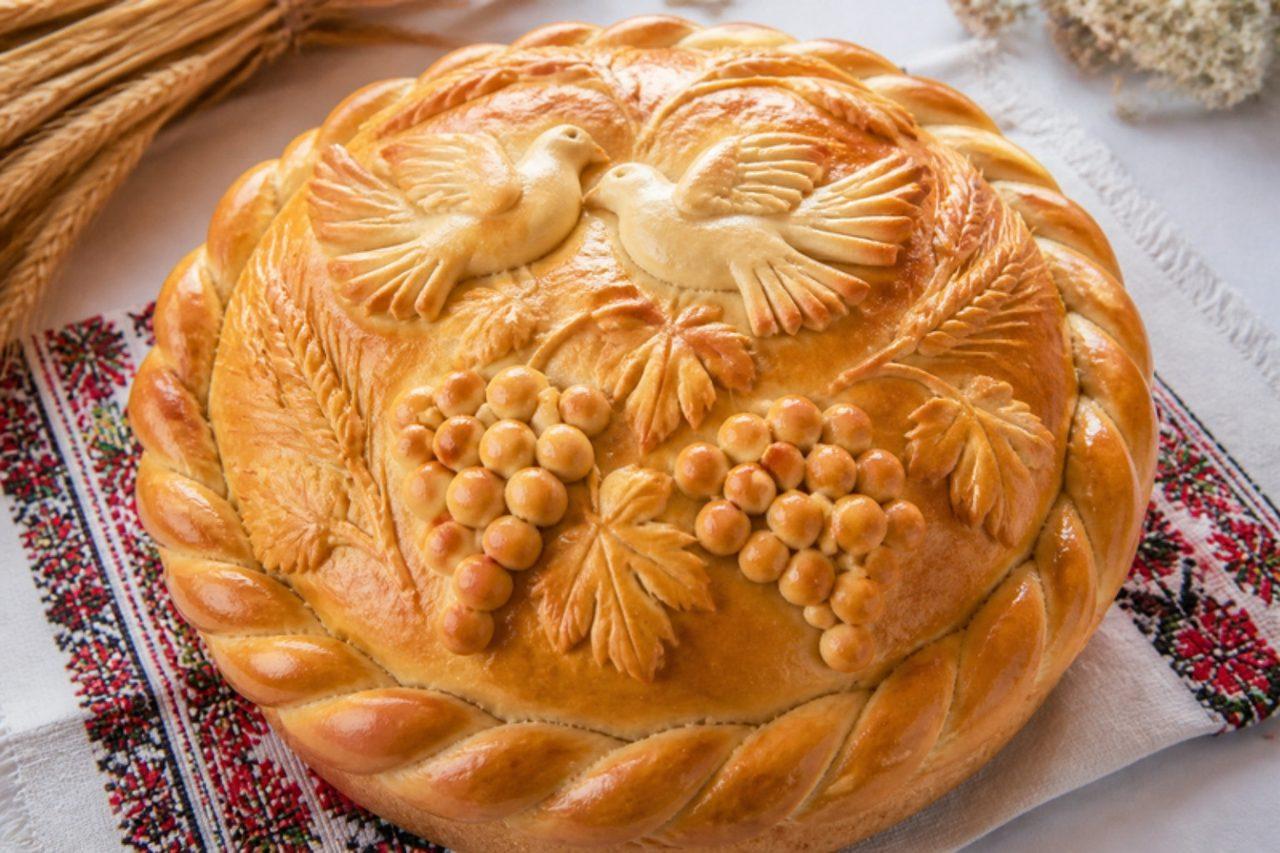
Slavski kolačDecorated ceremonial bread

The slava is a uniquely Serbian Orthodox custom: each family honours its own patron saint on that saint's feast day, passed from father to son, with a lit candle, boiled wheat (žito) and the slavski kolač, a round, decorated bread. The priest blesses it; the family turns it, cuts a cross into its base, pours a little wine into the cuts, and breaks it together. It is decorated with dough crosses, the seal 'IC XC NI KA', doves, wheat ears and grapes. It is a plain, vegan bread. Chef's tip: keep the decorations' dough a little stiffer than the loaf, so they hold their shape.

110 minBalkanBakingVegan
by KrazyBadal 0 views

KäsewäheCheese tart

At four in the morning on Basel's Morgestraich, when the lanterns go out and Fasnacht begins, the restaurants fill with drummers and pipers eating Mehlsuppe and slices of hot Käsewähe. The tart is a thin buttery pastry base filled with grated Gruyère or Emmentaler set in a nutmeg-scented custard of egg and milk, baked until puffed and golden. Traditional Swiss hard cheeses are made with animal rennet; use a vegetarian Alpine-style hard cheese if you need to. The common mistake is a soggy base, so bake the pastry blind first. Chef's tip: toss the grated cheese with a spoon of flour, which stops it sinking into a rubbery layer.

by KrazyBadal 0 views

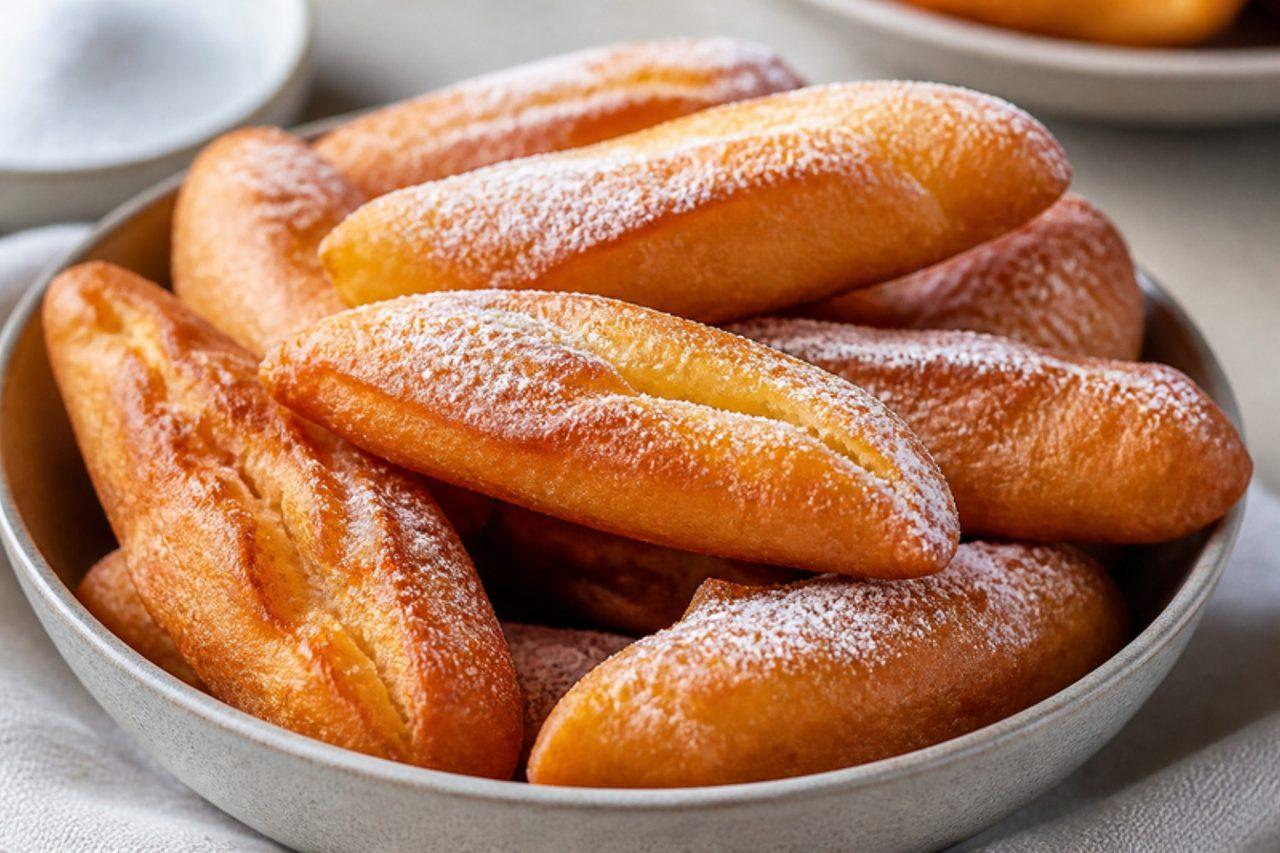
Fasnachts-SchenkeliFried lemon dough fingers

Schenkeli ('little thighs') are fried for Fasnacht, the Carnival weeks that lead up to Lent in Switzerland, when bakeries in Basel, Lucerne and Zurich sell them by the bagful beside Fasnachtschüechli. The dough is rich with butter, eggs and lemon zest, rolled into finger-length logs and fried until they have a crisp, cracked golden shell and a soft, cakey middle. Some recipes add a splash of kirsch to the dough; this one doesn't. Chef's tip: fry them at a moderate temperature, as they need time to cook through and the signature cracks form only if they aren't browned too fast.

by KrazyBadal 0 views

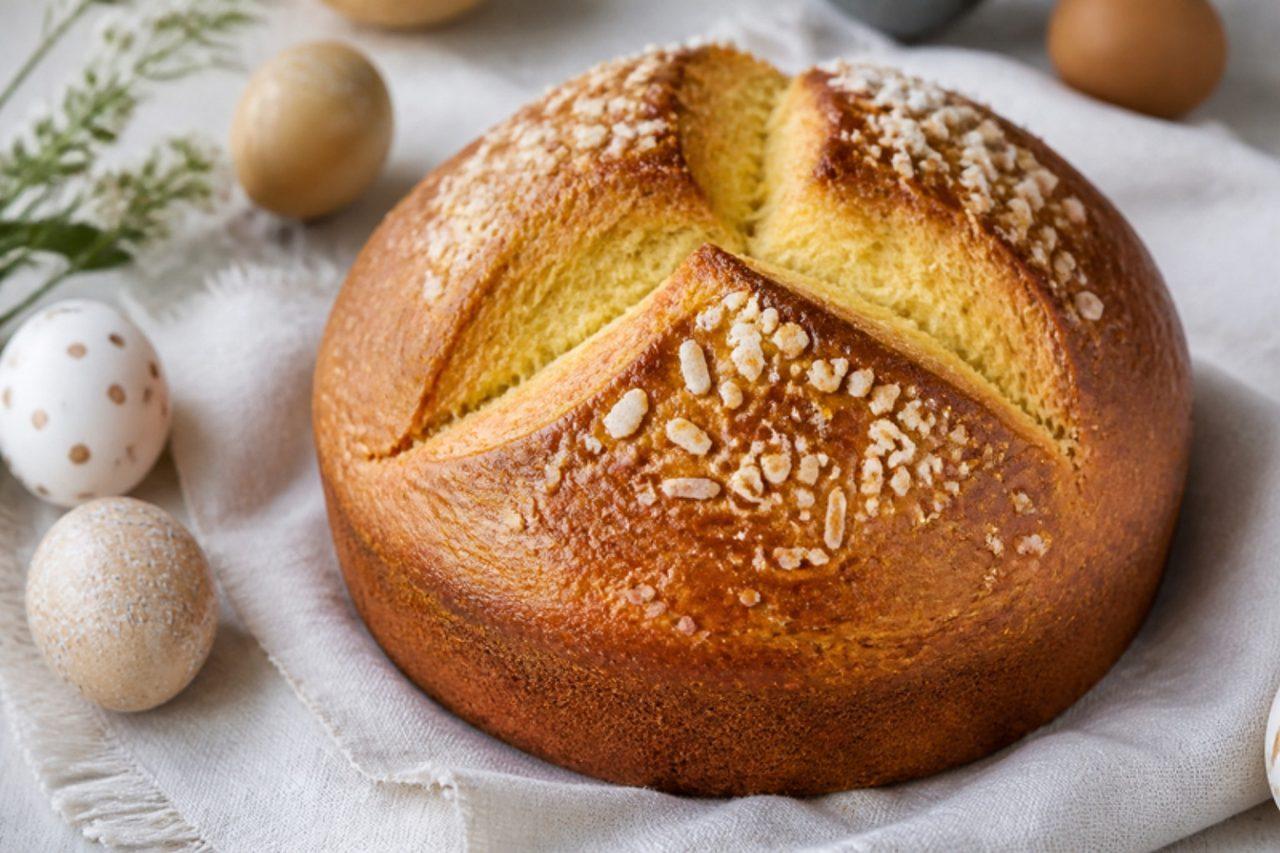
PincaEaster sweet bread

Pinca (or sirnica in Dubrovnik) is the Easter bread of Dalmatia and Istria in Croatia. It is a tall, golden round of rich yeast dough with egg yolks, butter, lemon and orange zest and vanilla, cut with three slashes on top before baking so it opens into a three-pointed cross. It is blessed at church on Holy Saturday with the Easter eggs and ham, and eaten at Easter breakfast. Old recipes add a spoon of rum or prošek wine; this one doesn't. Chef's tip: let the dough rise slowly, even overnight in the fridge, as pinca gets its tender, fragrant crumb from a long rise.

by KrazyBadal 0 views

SchlorzifladenDried pear tart

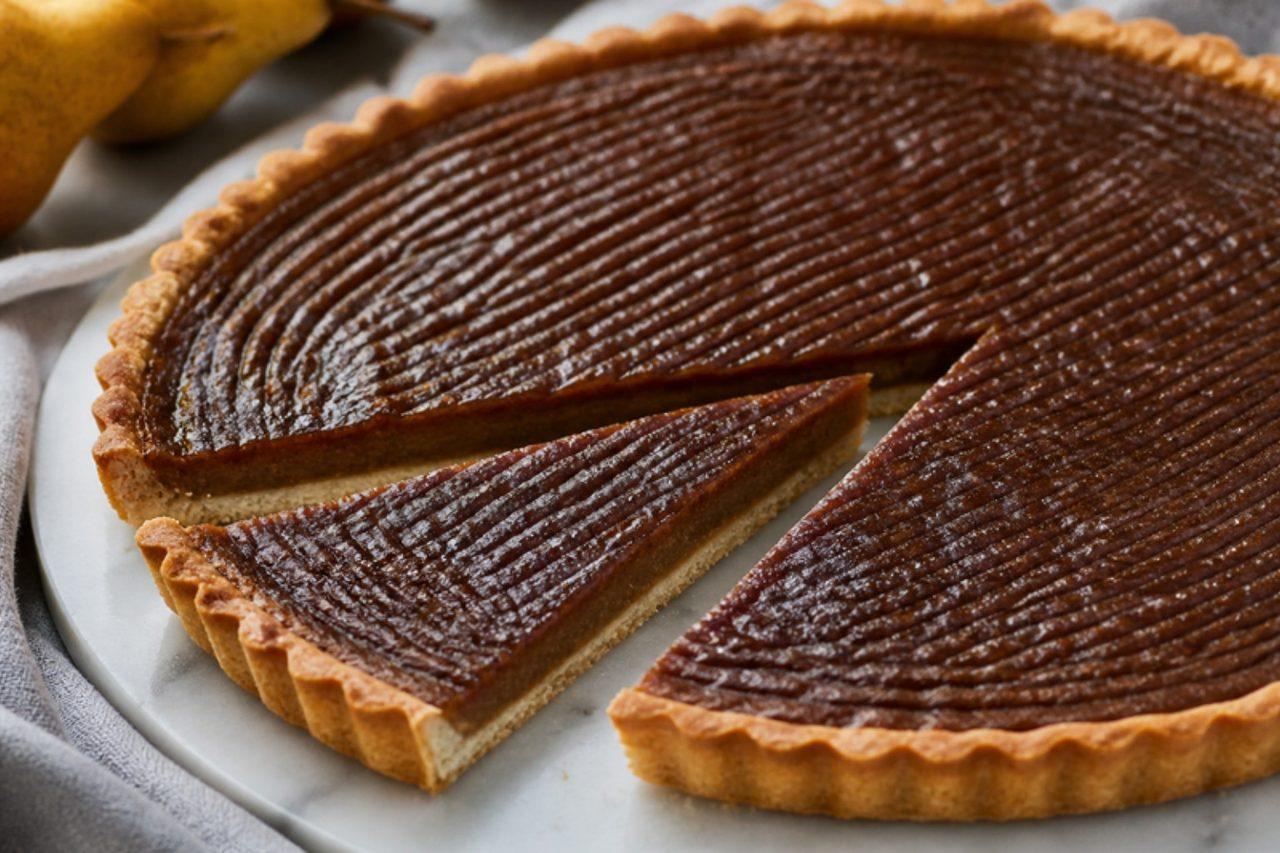
Schlorzifladen comes from the Toggenburg valley in the canton of St Gallen in eastern Switzerland, where dried pears (schlorzi) were a winter staple. The thin, crisp tart is filled with a thick, dark purée of cooked dried pears spiced with cinnamon, and baked for Christmas and village feast days. Some versions have a rice or cream layer on top; this is the simple pear one. Pear brandy is sometimes added, but this version uses lemon juice instead and is alcohol-free. Chef's tip: cook the pear purée until it is stiff enough to hold a spoon upright, or it soaks the pastry.

120 minSwissBaking
by KrazyBadal 0 views

Lenja pitaGrated apple pie

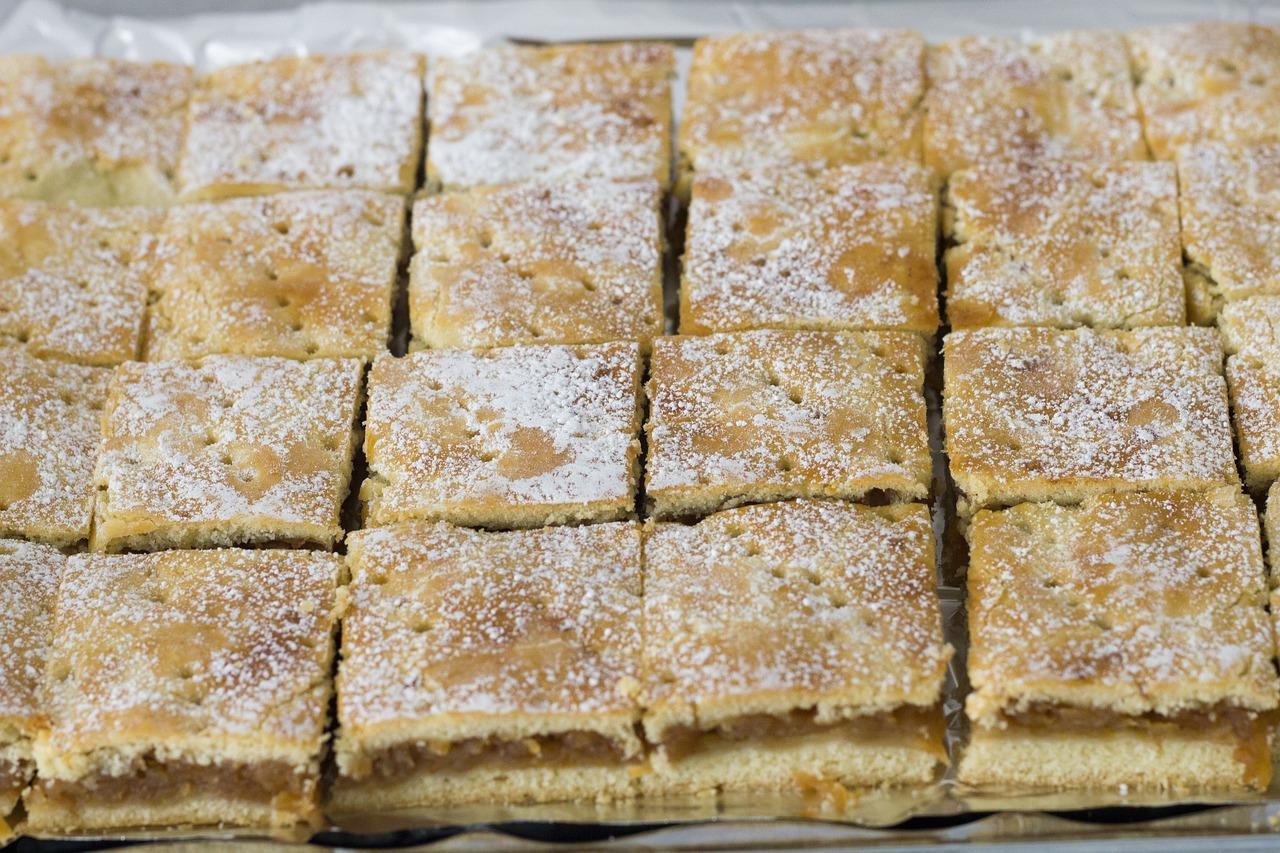
The name means 'lazy pie', and that is the point: unlike the paper-thin pies of Serbia and Bosnia, lenja pita needs no stretching of filo, just two sheets of soft short pastry and a thick layer of grated apple with cinnamon. Home cooks in Belgrade and Sarajevo make a tray of it on autumn weekends, for name days and slava visits, and cut it into squares dusted with icing sugar to serve with Turkish-style coffee. The pastry is tender and crumbly, the apple soft, sweet and sharp. Putting the grated apple straight onto the pastry is the error to avoid: it floods the base, so squeeze it and cook it down first. Chef's tip: mix sour and sweet apples and leave the skins on a few of them for more flavour.

by KrazyBadal 0 views

MailänderliLemon butter cookies

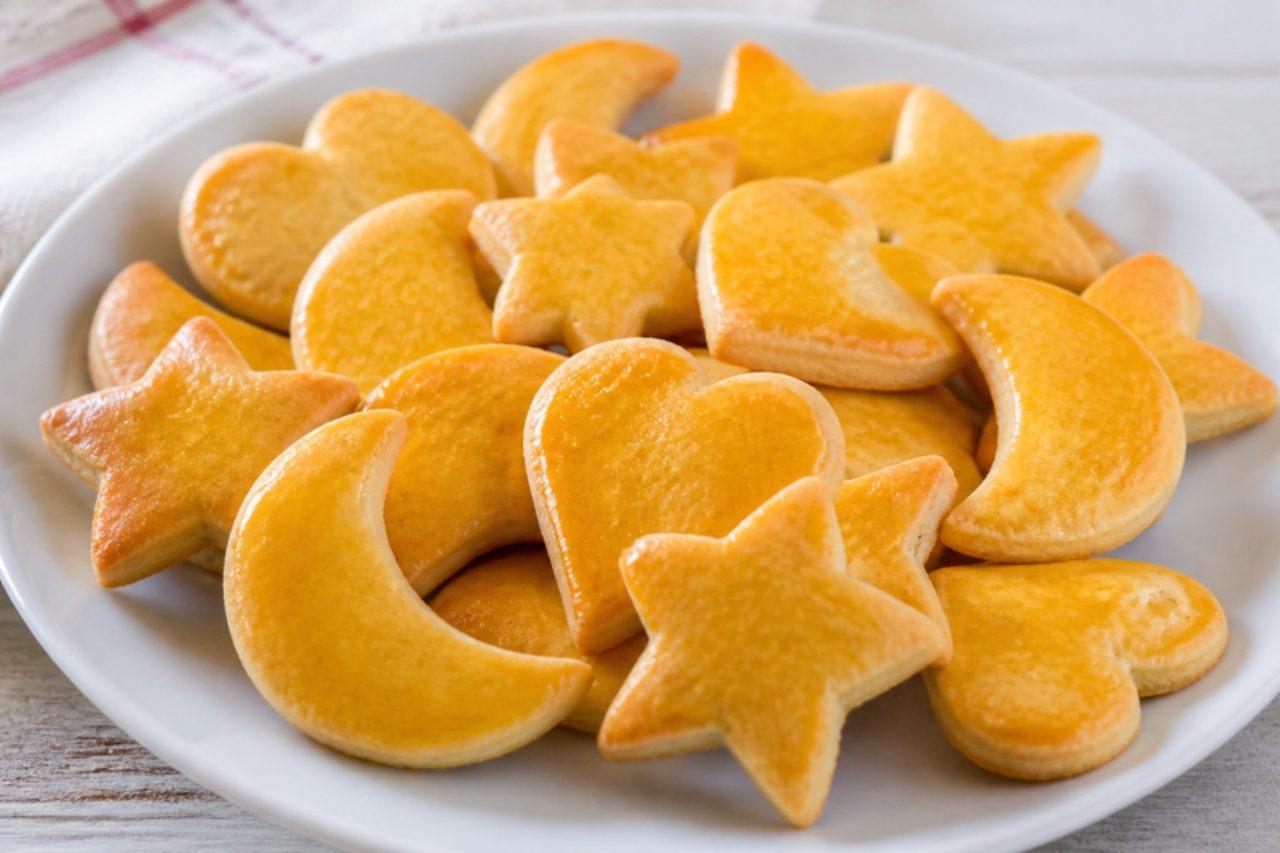
Come December, almost every Swiss household bakes Mailänderli, the simplest and best-loved of the Weihnachtsguetzli: buttery, lemon-scented biscuits cut into stars, hearts and moons and painted with egg yolk so they bake to a deep shine. Children across German-speaking Switzerland help cut them out, and tins of them are swapped with neighbours and eaten all through Advent. Chef's tip: rest the dough in the fridge overnight, or for at least 2 hours; warm dough spreads and the shapes lose their sharp edges.

by KrazyBadal 0 views

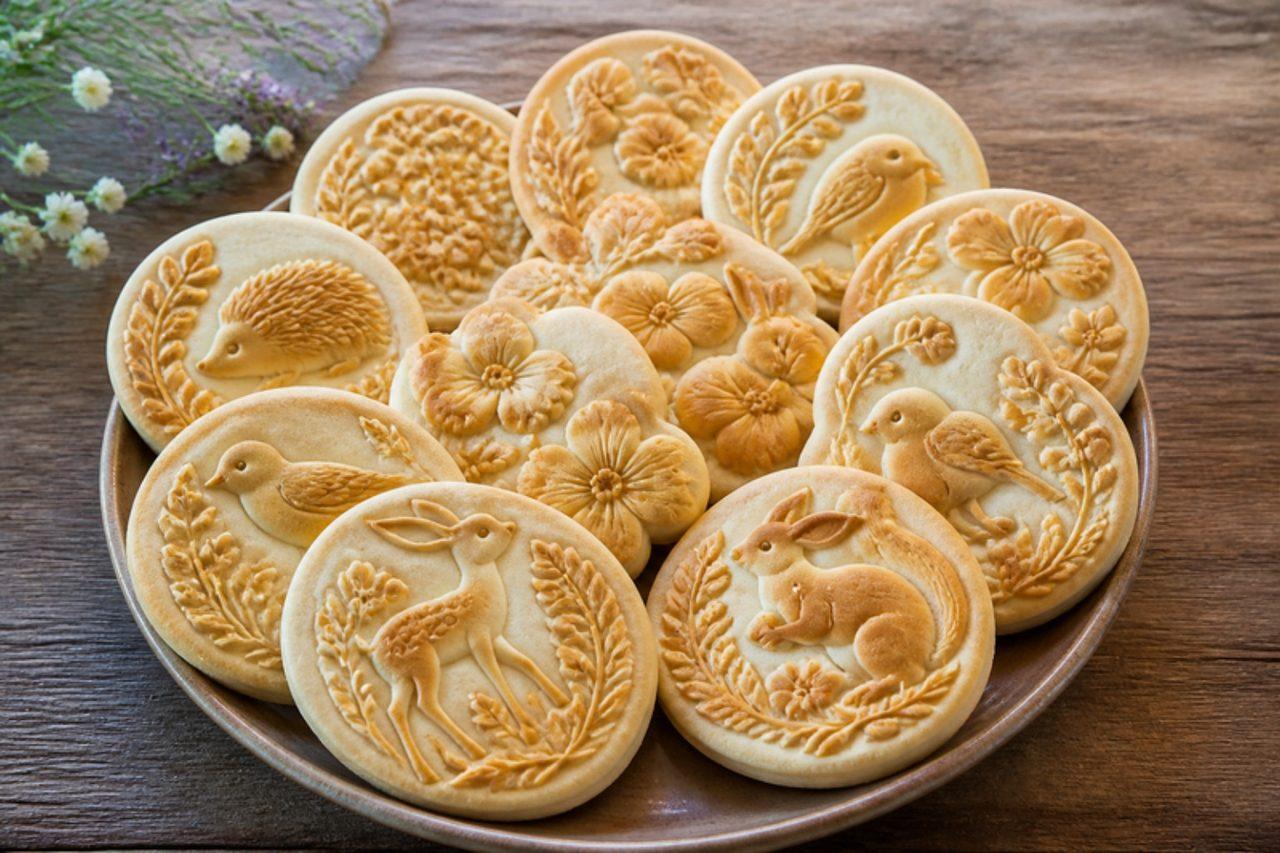
Appenzeller BiberAlmond-filled gingerbread

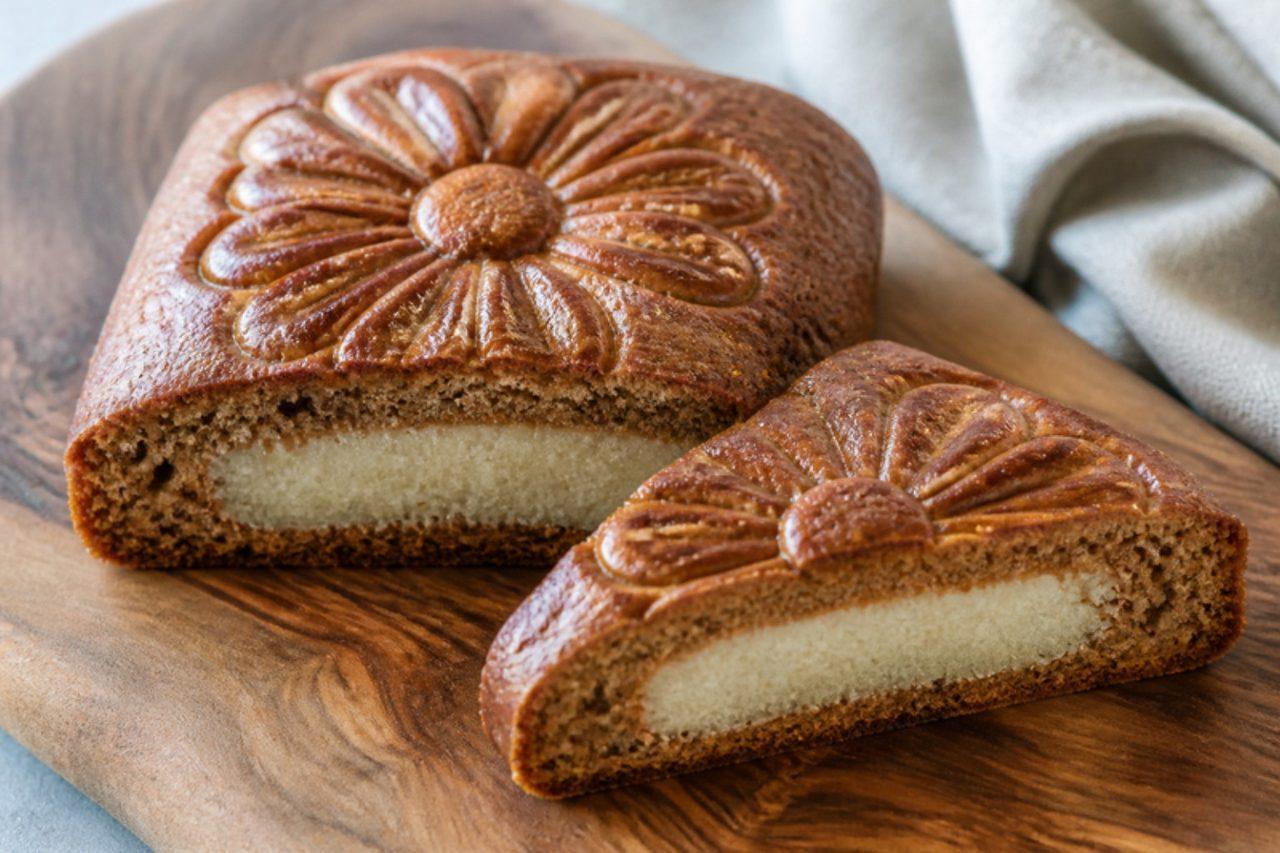
In the green hills of Appenzell, Biber are the sweet that marks Christmas, New Year and christenings, and bakers in Appenzell town stamp them with wooden moulds of cows, bears and the traditional alpine ascent. The dough is a dark, spicy honey gingerbread wrapped around a layer of almond paste, baked until it glows chestnut brown. They keep well and are sliced or eaten whole with coffee. Chef's tip: leave the dough to rest for at least a day if you can; honey doughs get smoother and spicier with time and crack less when stamped.

by KrazyBadal 0 views

TirggelHoney biscuits

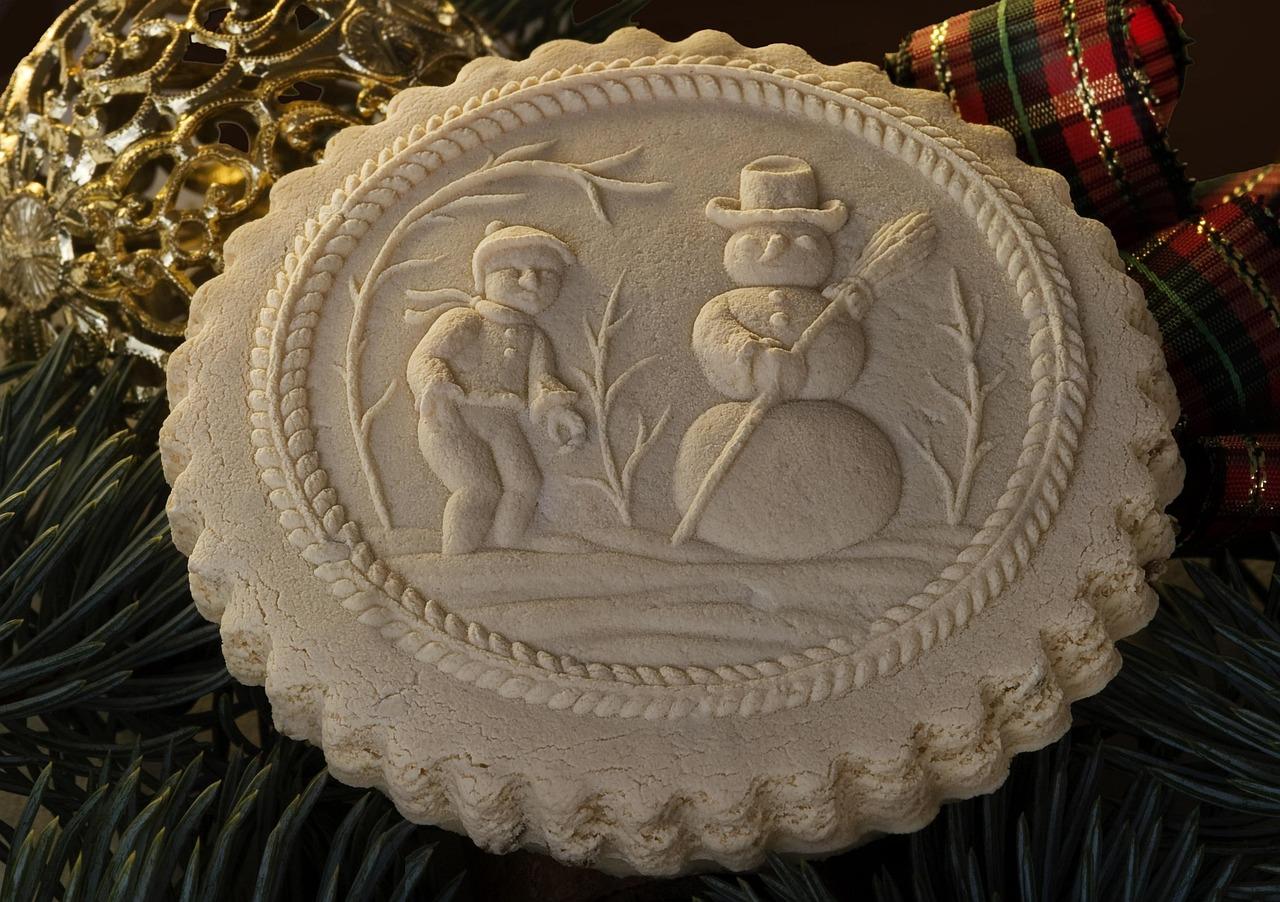
Tirggel have been baked in Zurich since the Middle Ages and are still sold at the Christmas markets on the Bahnhofstrasse and the old-town bakeries: wafer-thin honey biscuits pressed into carved moulds of guild scenes, animals and town views, then baked with heat from the top only so the raised picture turns golden while the back stays pale. They are hard and meant to be broken into pieces and let melt on the tongue. Wooden or silicone springerle moulds work at home. Chef's tip: bake them under the top heat only, or on the highest shelf with a tray below; full heat browns the whole biscuit and the picture disappears.

by KrazyBadal 0 views

AnisbrötliAnise cookies

Anisbrötli and their claw-shaped cousins Chräbeli are among the oldest Swiss Christmas biscuits, baked in Basel, Aargau and Zurich from Advent onwards and packed into tins beside Mailänderli and Brunsli. The egg and sugar dough is pressed into springerle moulds or cut into shapes, then left to dry overnight, so in the oven the bottom puffs up into a little 'foot' while the top stays white and smooth. Inside they are chewy and fragrant with anise. Chef's tip: beat the eggs and sugar for the full 10 minutes; under-whipped batter gives flat cookies with no foot.

by KrazyBadal 0 views

Gâteau du VullySweet cream yeast cake

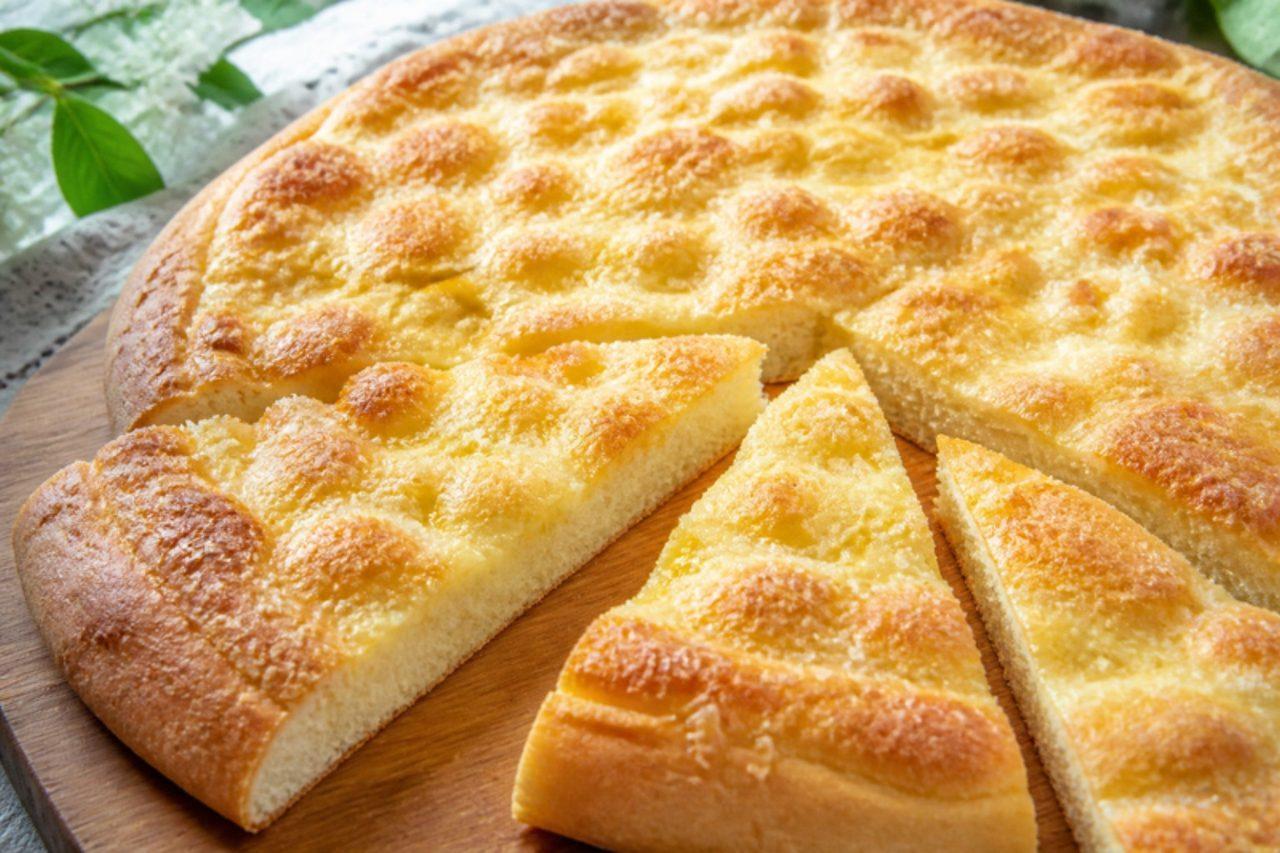
On the slopes of Mont Vully between Lake Murten and Lake Neuchâtel, bakers fill their windows with this flat yeast cake on Sundays and at the autumn harvest festival in Môtier and Praz. A soft, buttery dough is dimpled all over, sprinkled thickly with sugar and doused with cream, which bakes into a caramel-like crust that dips into the hollows. A savoury cousin is topped with bacon and caraway; this is the sweet one. Chef's tip: press really deep dimples with your fingertips right before baking, so pools of cream and sugar stay in place instead of sliding off.

125 minSwissBaking
by KrazyBadal 0 views

TotenbeinliAlmond biscuits

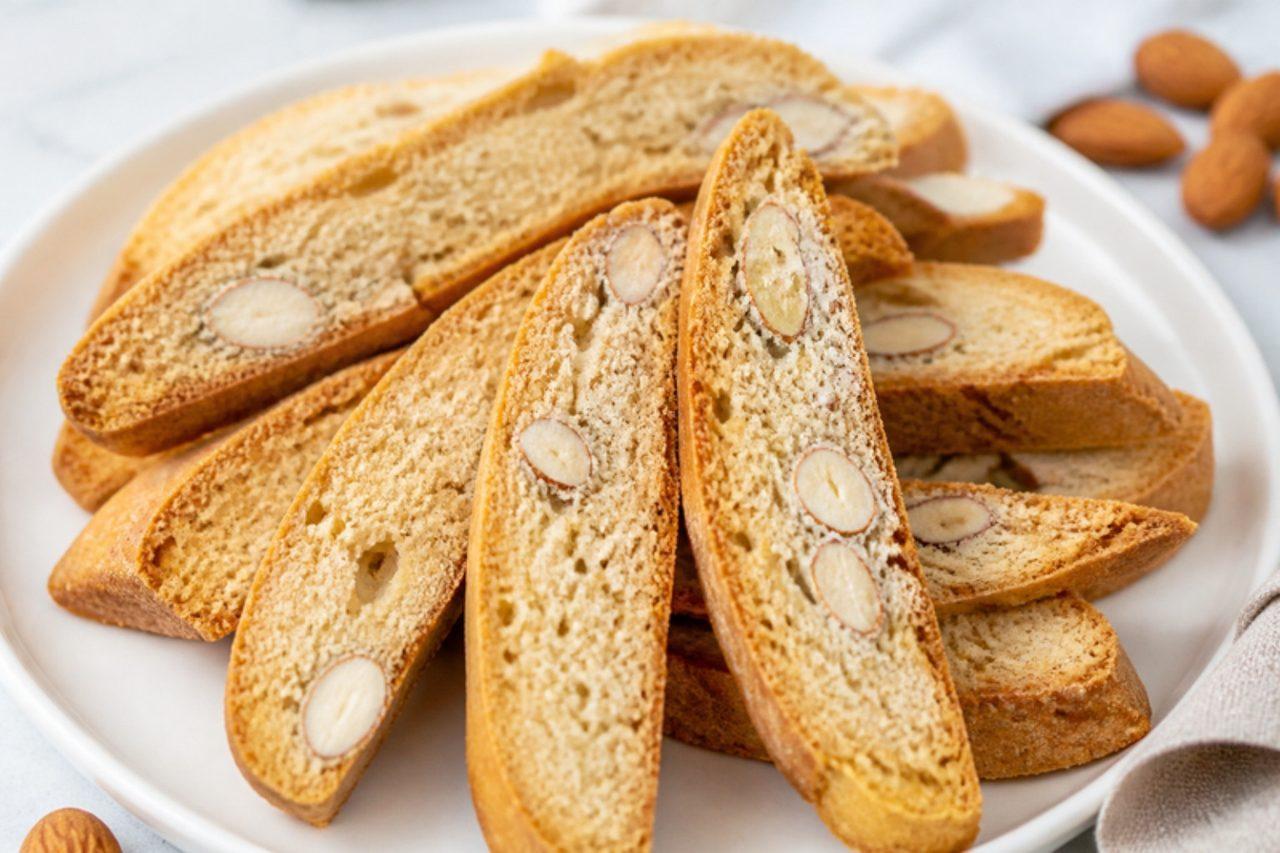
The name means 'little dead men's bones', but there is nothing gloomy about these crunchy almond biscuits from Graubünden, sold in the bakeries of Chur and the Engadin and dunked in coffee or a glass of milk on winter afternoons. Whole almonds are folded into a buttery, cinnamon-scented dough, baked in logs, then sliced and baked again, a little like biscotti but richer. Chef's tip: slice the logs while still warm with a serrated knife and a gentle sawing motion; cold logs crumble and the almonds tear out.

by KrazyBadal 0 views

Willisauer RingliSugar ring biscuits

The little town of Willisau in the canton of Lucerne has been making these rock-hard sugar rings since the 1800s, and Swiss children have been nibbling them on hikes and car journeys ever since, sucking them slowly like sweets. They are made from little more than sugar, flour, egg and lemon, and dried before baking so they set with a smooth, pale, glassy crust. The bakery recipe is a well-kept secret; this home version gets the same snap. Chef's tip: don't skip the overnight drying, which forms the crust that gives Ringli their famous crunch.

by KrazyBadal 0 views

NussgipfelHazelnut crescents

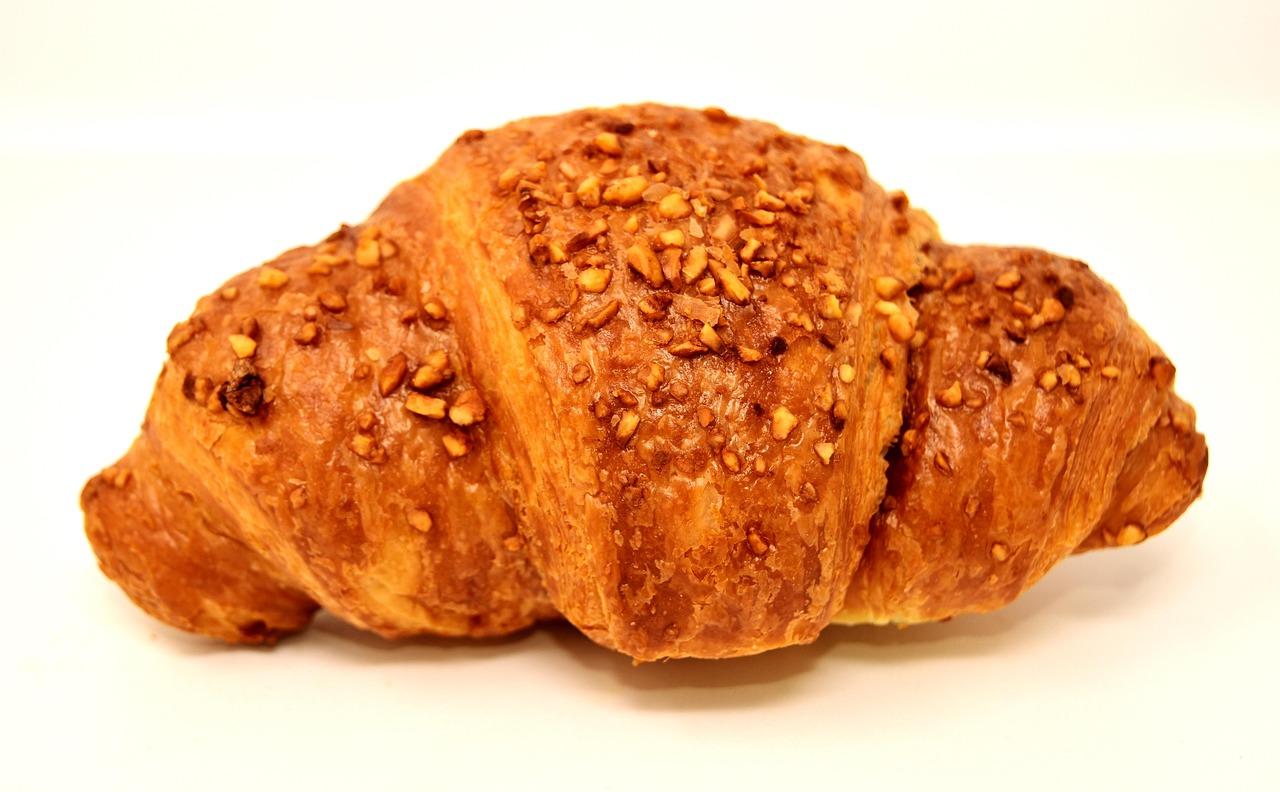
In Swiss train-station bakeries and village tearooms the Nussgipfel is the pastry commuters grab with their morning coffee: a crisp, flaky crescent wrapped around a sweet filling of ground hazelnuts and cinnamon, glazed so it shines. Bakers in Bern and Lucerne make their own laminated dough, but at home good all-butter puff pastry gives an excellent result in about an hour and a half. Chef's tip: chill the shaped crescents for 15 minutes before baking; warm pastry slumps and the filling leaks out.

by KrazyBadal 0 views

Refresco de coconaCocona cooler

In Iquitos, Pucallpa and the river towns of Loreto, heat and humidity make a cold refresco part of every lunch, and cocona is one of the favourites sold from plastic jugs at the Belén market. The fruit looks like a fuzzy orange tomato and tastes between tomato, lemon and apricot: very sour, aromatic and juicy. Blended with water and sugar it makes a tangy, golden drink with a light pulp, served with juane or tacacho con cecina. The usual mistake is skipping the fuzz: cocona skin is covered in fine hairs that make the drink scratchy, so rub them off under running water before you start. Blend only briefly, too, so the many seeds do not crack. It is ready when the refresco is opaque orange, sour first and sweet after, with no grit. Outside the Amazon, look for frozen cocona pulp in Latin American shops; naranjilla (lulo) pulp is the closest substitute. Chef's tip: a pinch of salt makes the fruit taste sweeter and fruitier without more sugar.

by KrazyBadal 0 views

LakrorLeek and cheese pie

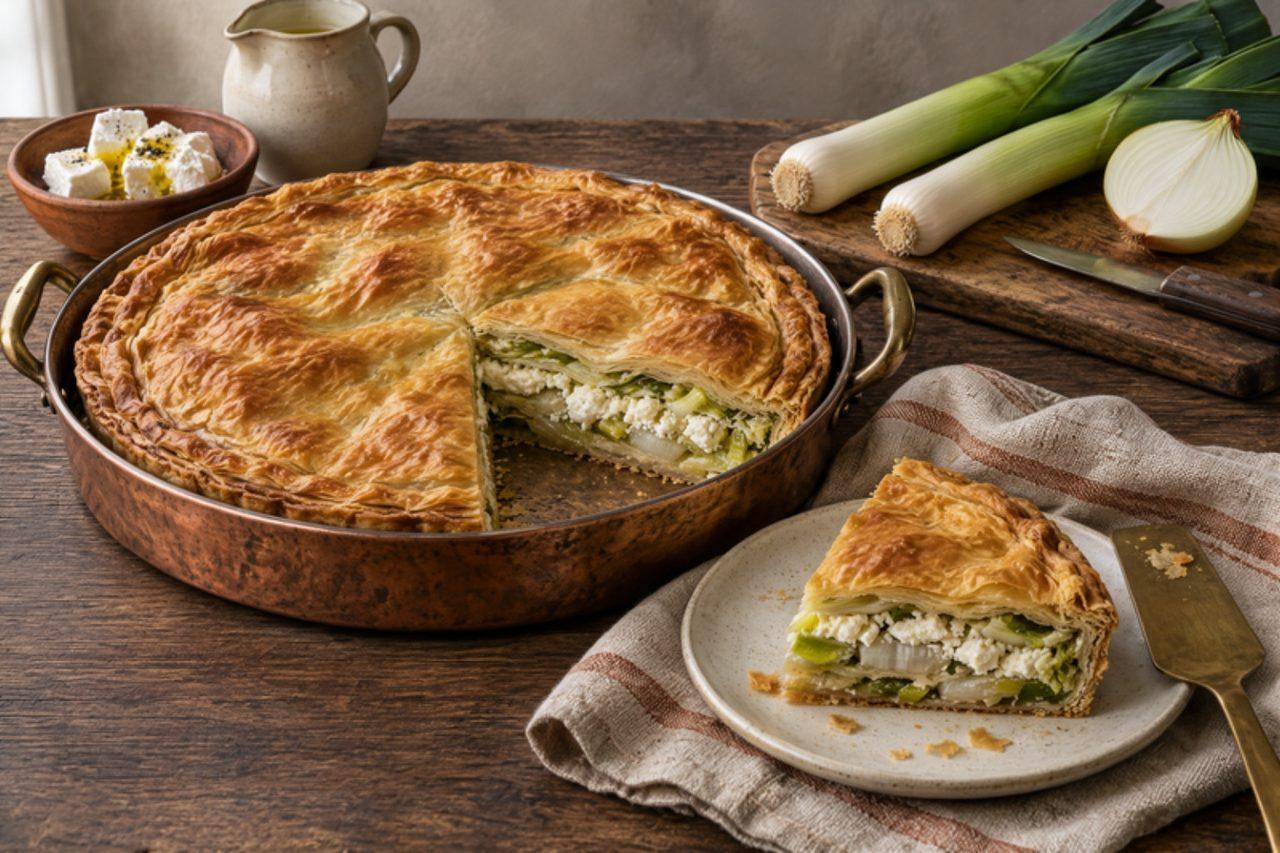
Lakror comes from the south of Albania, around Korçë, where it was baked in a round copper tray under a saç, a domed iron lid heaped with embers, and eaten for breakfast or carried to the fields. Thin rounds of homemade dough are layered with oil, then filled with leeks, onions and cheese, giving a pie that is crisp at the top and soft inside. At home, a very hot oven stands in for the saç. The common mistake is rolling the dough too thick: each round should be thin enough to see your hand through, or the layers stay doughy. Chef's tip: rest the dough balls for 30 minutes after kneading; relaxed dough rolls out thin without shrinking back.

100 minBalkanBaking
by KrazyBadal 0 views

Chilcano de piscoPisco and ginger ale highball

When Lima's grey winter finally lifts and summer reaches the beaches south of the city, the chilcano takes over from the pisco sour: lighter, longer and made for an afternoon. Peru even gives it a Semana del Chilcano each January, and it is poured at weekend lunches with chifa or fried fish. This is a highball for adults only: pisco poured over a tall glass of ice with fresh lime and ginger ale, finished with a few drops of bitters. It should taste crisp and fizzy, with the ginger and lime lifting the floral grape notes of the pisco rather than hiding them. The common mistake is using too little ice and warm ginger ale, which gives a sweet, diluted drink that goes flat in minutes. Fill the glass to the top with ice and keep the ginger ale in the fridge until the last second. It is ready when the glass is frosty, the bubbles race up the sides and the bitters drift through the top as a pink haze. Light it may be, but drink responsibly. Chef's tip: try a fruit-infused pisco, made by steeping passion fruit or mandarin peel in the bottle for a few days; Limeños love a chilcano de maracuyá.

by KrazyBadal 0 views

Mate de muñaAndean mint tea

Muña is the minty shrub that grows wild on the slopes around Cusco, Puno and the Sacred Valley, and highland cooks reach for it after a heavy meal of chicharrón or when visitors are struggling with the altitude. Market herb sellers sell it in fresh bunches, and hotels and homes leave it in a flask for anyone coming in from the cold evenings. Steeped simply in hot water, it smells somewhere between spearmint, oregano and pennyroyal, with a cooling, slightly peppery taste and a pale green-gold colour. It is traditionally drunk to settle the stomach. The usual mistake is boiling the leaves hard for a long time, which turns the tea brown and bitter. Pour water just off the boil over the sprigs, cover, and let it steep. It is ready when the cup is pale gold and the aroma rises as soon as you lift the lid. Outside Peru, look for dried muña in Latin shops; failing that, use mostly spearmint with a little fresh oregano. Muña is strong: avoid large amounts in pregnancy, and check with a doctor if you take regular medication. Chef's tip: cover the cup while it steeps so the scented oils stay in the tea.

by KrazyBadal 0 views

ZlevankaBaked cornmeal and buttermilk cake

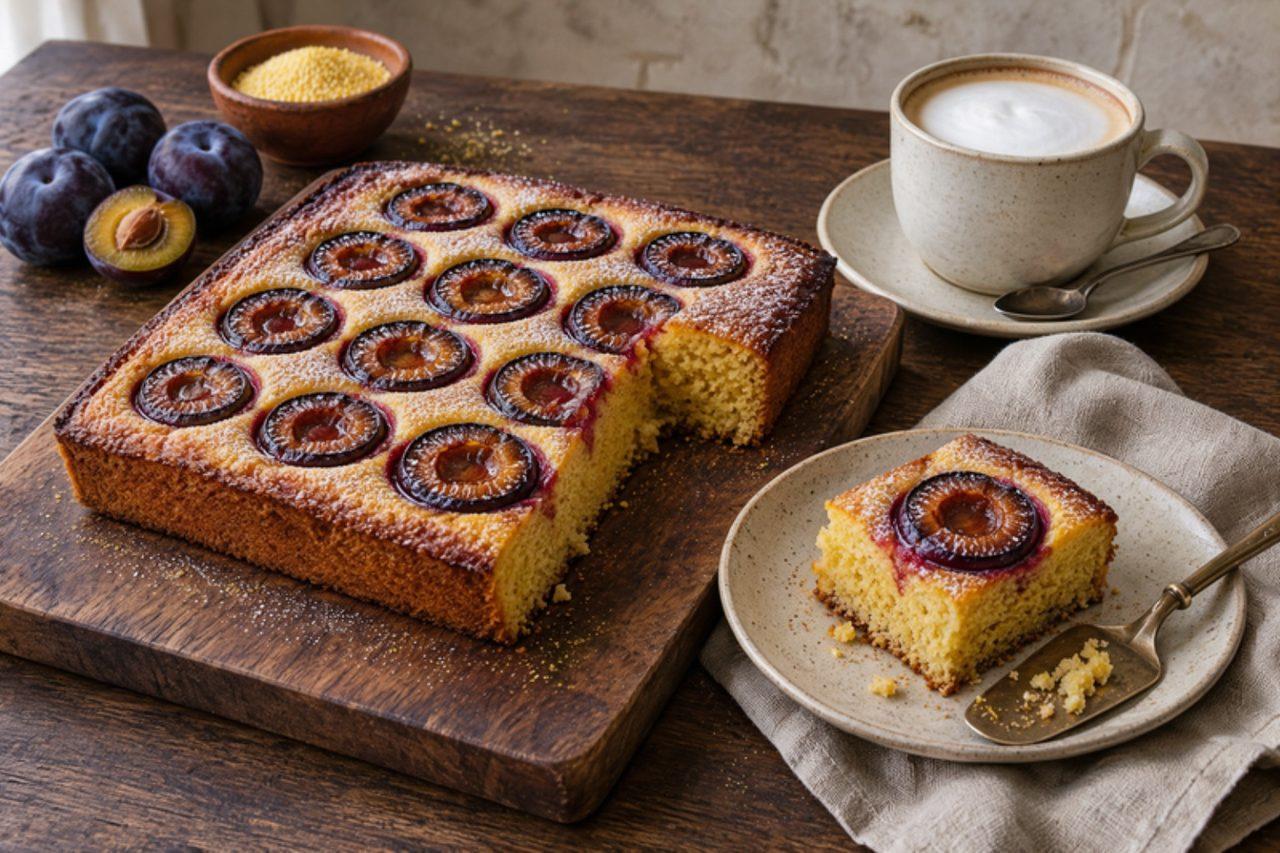
Zlevanka, from the Slovenian for 'poured', is a farmhouse batter cake from the Prekmurje and Štajerska regions, poured into a tin and baked for breakfast, then cut into squares and eaten with a big cup of milky white coffee. This sweet version is made with cornmeal and buttermilk, which give it a soft, moist, slightly crumbly crumb with a golden crust; some families add fruit on top. The common mistake is overmixing the batter once the flour goes in, which makes it tough; stir only until combined. Chef's tip: soak the cornmeal in the buttermilk for 15 minutes before mixing, so it softens and the cake isn't gritty.

by KrazyBadal 0 views

Jugo surtidoMixed fruit juice

Step up to any juguería in Lima's Mercado de Surquillo or a barrio market at breakfast time and order a surtido: the juicer drops papaya, banana, pineapple and freshly squeezed orange into a tall blender, sometimes a slice of cooked beetroot for colour or a splash of milk, and pours you a big glass with the rest left in the jug for your 'yapa', the free refill. It is thick but still pourable, sweet from ripe fruit with a sharp orange edge, the kind of drink that stands in for breakfast before a long day. The common mistake is adding lots of ice and water, which makes it thin and frothy rather than velvety. Use cold fruit and freshly squeezed orange juice as the liquid. It is ready when it coats the glass and no lumps of banana are left. This version is fruit only; stalls also make it with milk if you prefer. Drink it straight away: papaya and banana go brown and bitter within half an hour. Chef's tip: use very ripe papaya with orange flesh; under-ripe papaya tastes of nothing and gives a faintly bitter aftertaste.

by KrazyBadal 0 views

Pisco sour

Lima drinks its pisco sour as the aperitif before a long ceviche lunch, and celebrates it every year on the first Saturday of February; the recipe took shape in the city's bars in the 1920s. It is for adults only and stronger than its pillowy look suggests. Underneath a thick white foam you get sharp Peruvian lime, a clean sweetness and the floral, grapey warmth of quebranta pisco, with the bitters adding a spicy smell to every sip. The texture should be silky, almost creamy, never thin. The classic mistake is squeezing the limes too hard or too early: the oil from the pith turns the drink bitter within half an hour. Halve the limes, press each half gently by hand just before mixing and stop when the juice slows. The egg white is raw, so use pasteurised egg white for anyone pregnant, for babies, older people or anyone unwell, or swap in 30 ml aquafaba. It is ready when the foam stands about 1 cm high and is firm enough to hold the drops of bitters on its surface. Sip one slowly and drink responsibly. Chef's tip: shake once without ice first to whip the egg white, then again with ice; the foam will be twice as thick.

by KrazyBadal 0 views

Jugo de macaWarm maca drink

Before dawn at markets in Huancayo, Cusco and Lima, juice ladies ladle hot jugo de maca from big pots for workers on their way in: maca root, a turnip relative grown above 4,000 metres in the Junín highlands, simmered with milk, cinnamon and cloves and sweetened with honey or sugar. It tastes malty and toasty, a bit like butterscotch. The common mistake is stirring the powder straight into hot milk, which leaves gritty lumps; whisk it into a little cold milk first. Maca is not usually advised in pregnancy, so ask your doctor first if you are pregnant. Chef's tip: use gelatinised (cooked) maca powder if you can find it; it dissolves smoothly and is gentler on the stomach.

by KrazyBadal 0 views

Cocido quemadoBurnt sugar mate drink

Cocido is how Paraguay starts the day: in Asunción, in the villages of Guairá and Itapúa, and in school kitchens, a pot of burnt yerba is brewed and poured into cups with chipa, the cheesy cassava bread, or with a hard galleta. The old way is to drop a glowing piece of charcoal into a pot with yerba and sugar and stir until the sugar burns. On a home stove you caramelise them together in a dry pan instead, which is safer and gives the same smoky, toffee-like taste. The drink is clear amber-brown, with roasted, slightly bitter mate notes over burnt-sugar sweetness; with milk added it becomes cocido con leche, creamy and coffee-coloured. Yerba mate contains caffeine, so treat it like a cup of coffee. The common mistake is letting the sugar go black: it turns acrid and bitter. Pull it off the heat when the caramel is deep amber and the yerba smells toasted, not burnt. It is ready when the liquid is a clear dark amber and tastes of toffee and smoke. Chef's tip: the water will spit fiercely when it hits the hot caramel, so pour it in from the side, at arm's length.

by KrazyBadal 0 views

Showing 24 of 61 recipes

Show more recipes

Page 1 of 3