Skip to content
Recipes

All recipes

Vegetarian, or something you can't eat? Set your diet once and we'll hide recipes that don't fit.

TereréIced yerba mate

In Asunción the hottest part of the day stops for tereré: a horn or cup packed with yerba mate, topped up again and again with ice water infused with crushed herbs, and passed round the group through a metal straw. It was recognised by UNESCO as part of Paraguay's cultural heritage, and the herbs (yuyos) change with the season and the drinker's mood. Yerba mate contains caffeine, so it isn't one for small children. The common mistake is pouring water straight into loose yerba, which then clogs the straw; tilt the yerba to one side first. Chef's tip: for tereré ruso, swap the water for cold orange or grapefruit juice.

by KrazyBadal 0 views

Cocido quemadoBurnt sugar mate drink

Cocido is how Paraguay starts the day: in Asunción, in the villages of Guairá and Itapúa, and in school kitchens, a pot of burnt yerba is brewed and poured into cups with chipa, the cheesy cassava bread, or with a hard galleta. The old way is to drop a glowing piece of charcoal into a pot with yerba and sugar and stir until the sugar burns. On a home stove you caramelise them together in a dry pan instead, which is safer and gives the same smoky, toffee-like taste. The drink is clear amber-brown, with roasted, slightly bitter mate notes over burnt-sugar sweetness; with milk added it becomes cocido con leche, creamy and coffee-coloured. Yerba mate contains caffeine, so treat it like a cup of coffee. The common mistake is letting the sugar go black: it turns acrid and bitter. Pull it off the heat when the caramel is deep amber and the yerba smells toasted, not burnt. It is ready when the liquid is a clear dark amber and tastes of toffee and smoke. Chef's tip: the water will spit fiercely when it hits the hot caramel, so pour it in from the side, at arm's length.

by KrazyBadal 0 views

Postre MassiniCustard sponge with burnt sugar top

Montevideo's birthday cake of choice since the early twentieth century, the Massini is two thin layers of sponge sandwiching a thick filling of whipped cream folded with egg-yolk custard, crowned with a thin glassy crust of torched yolk and sugar. Bakeries across Uruguay sell it on Sundays. Traditional versions sometimes add a sweet fortified wine to the custard; this one is alcohol-free. The custard is cooked to a safe 71 °C. The common mistake is assembling with warm custard, which melts the cream into a puddle. Chef's tip: if you don't have a blowtorch, put the sugared top under a very hot grill for a minute and watch it closely.

by KrazyBadal 0 views

Couque de DinantHard honey biscuit

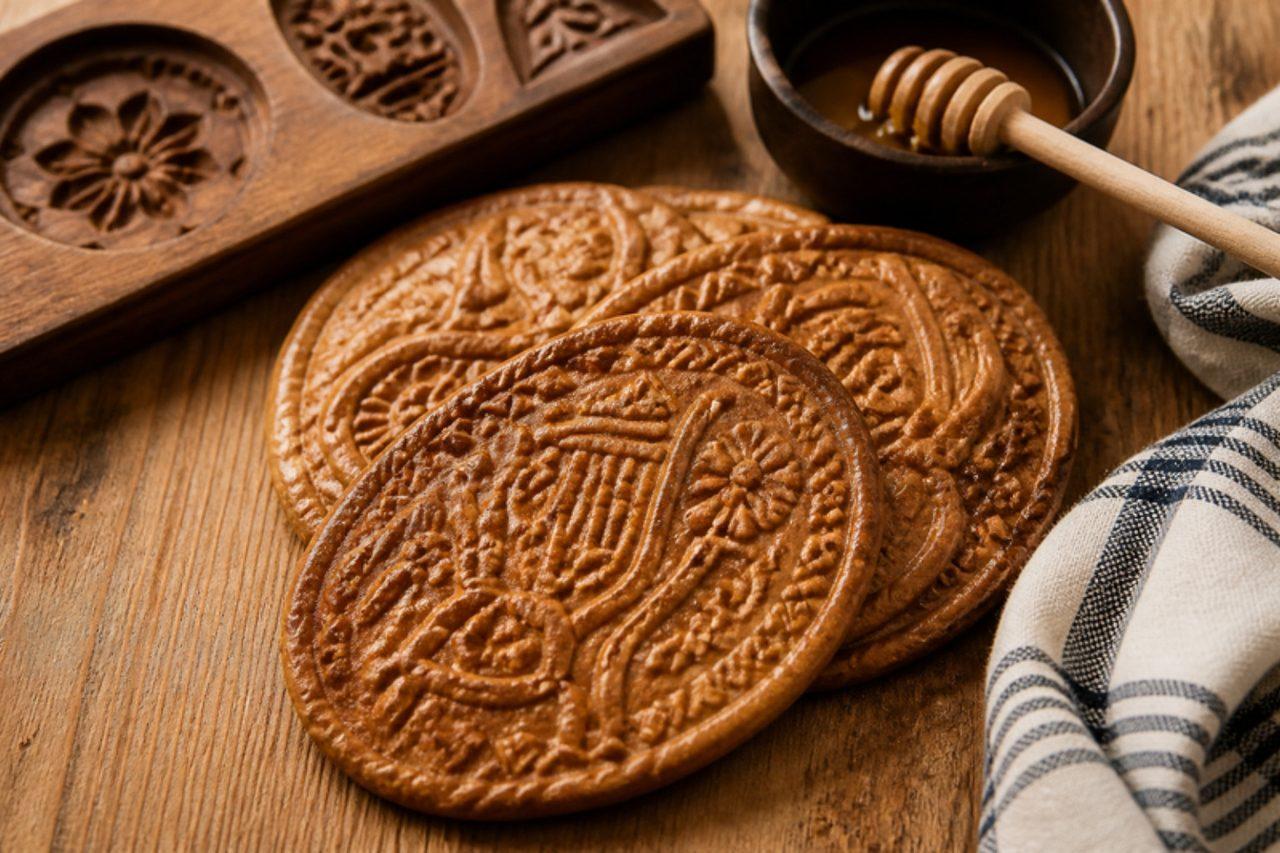
Couques de Dinant are the famously hard honey biscuits of Dinant on the Meuse, made only of flour and honey, pressed into carved wooden moulds showing castles, animals and the town's skyline, and baked so hot that the honey caramelises into a very hard, glossy biscuit. Dinant bakers say they keep for years; locals let a piece melt slowly in the mouth rather than biting. Honey is traditional; golden syrup makes a vegan version. A common mistake is a soft dough; it must be stiff enough to hold the mould's detail. Chef's tip: dust the mould with flour, press hard and tap the dough out sharply.

by KrazyBadal 0 views

CramiqueRaisin brioche

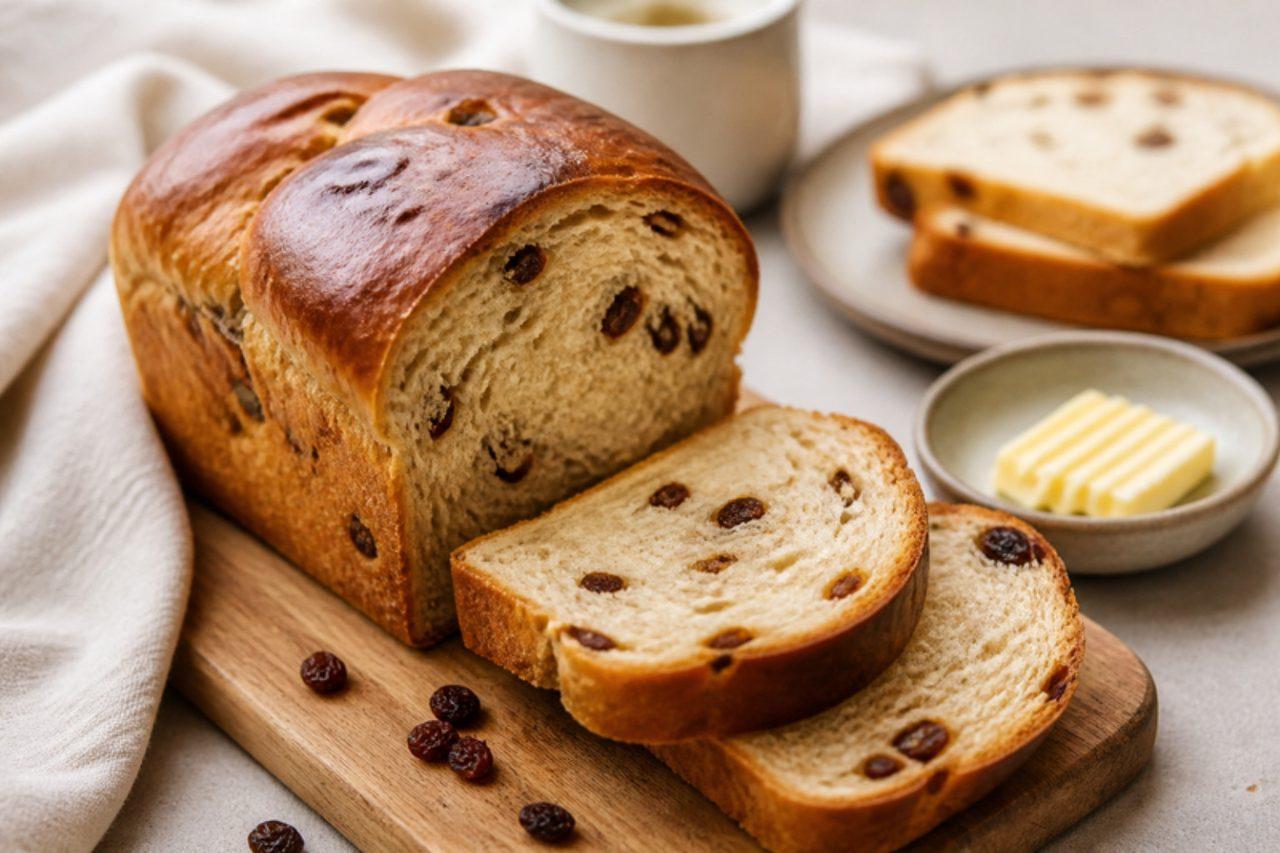
Cramique is the Sunday breakfast loaf of Brussels and Wallonia: a soft, golden brioche packed with raisins, bought from the bakery on Sunday morning and sliced thickly with salted butter. Its sister, craquelin, swaps the raisins for pearl sugar. A common mistake is adding the raisins at the start of kneading, which tears the gluten and turns the dough grey. Chef's tip: soak the raisins in warm tea for 20 minutes, then knead them in only at the end, gently.

by KrazyBadal 0 views

EscavècheCold fried fish in vinegar jelly

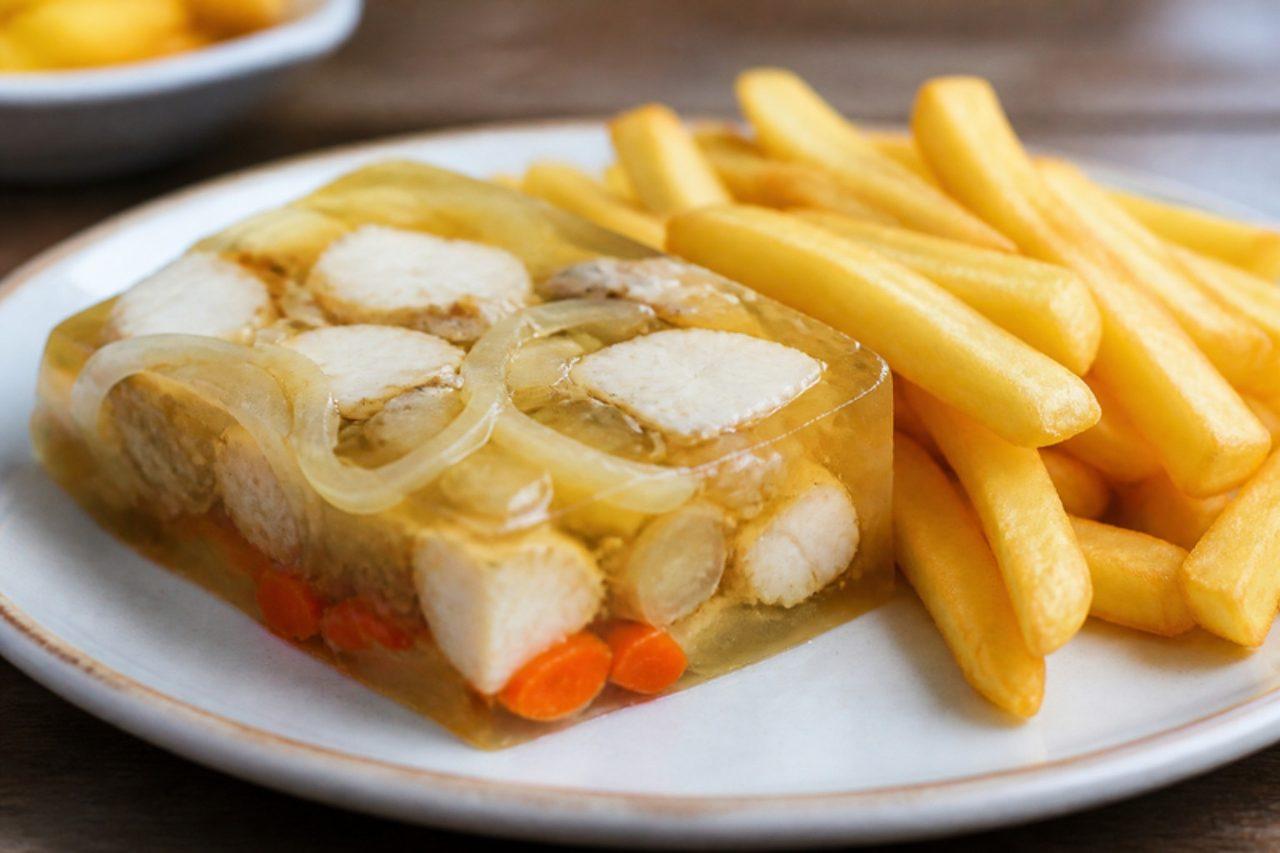
Escavèche is a speciality of the Chimay and Couvin area in southern Wallonia, a legacy of Spanish rule in the 16th century: fish fillets, traditionally eel or pike, fried and then covered with a hot marinade of vinegar, onion, thyme and bay that sets into a clear, tangy jelly as it cools. It is eaten cold, sliced, with crisp fries, in the brasseries of the Botte du Hainaut. A common mistake is not cooking the fish through before it goes into the marinade; cold marinade does not cook it. Chef's tip: let it set for at least 12 hours in the fridge; the vinegar mellows and the jelly firms. The fish should be opaque and flaking before marinating.

by KrazyBadal 0 views

LukkenThin crisp waffle biscuits

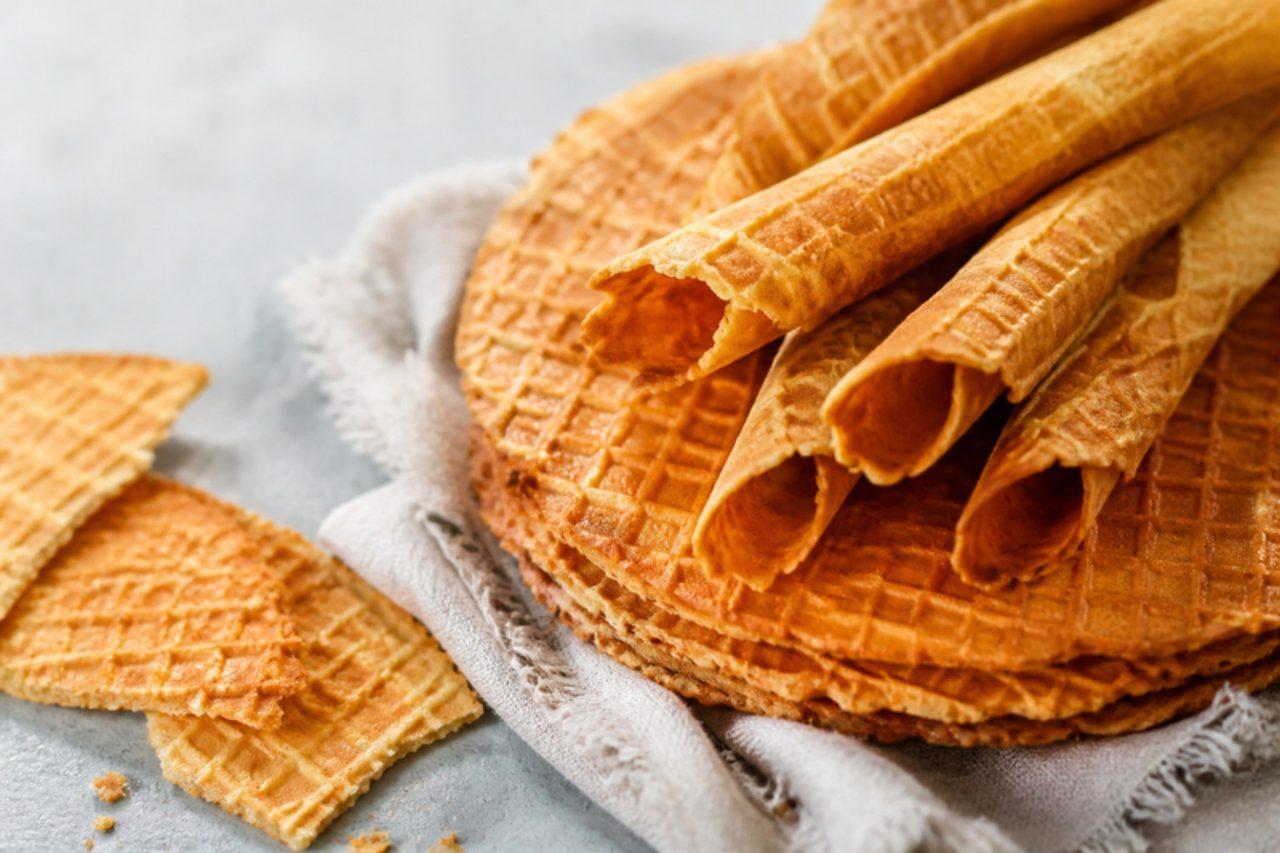
Lukken are paper-thin, crisp waffle biscuits baked in West Flanders, around Kortrijk and Roeselare, in the days before New Year, when children go from house to house wishing neighbours a happy new year and are rewarded with them. They are made in a special iron that presses a fine pattern; a pizzelle iron or a thin-waffle (gaufrette) iron works. A common mistake is using too much batter, which makes them thick and soft. Chef's tip: use only a teaspoon of dough per biscuit and roll them while warm if you like, for 'rolled lukken'.

by KrazyBadal 0 views

Paling in 't groenEel in green herb sauce

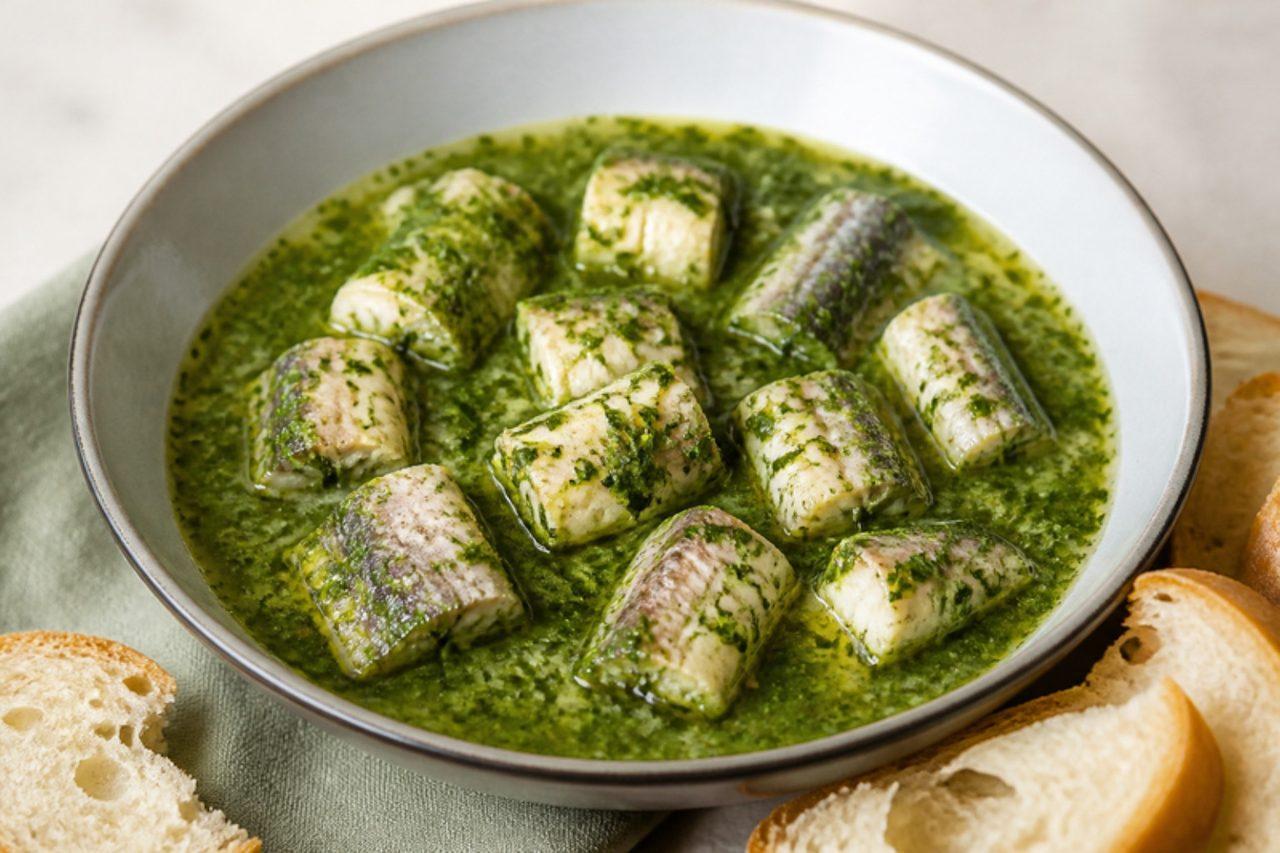
Paling in 't groen, 'eel in green', is the old riverside dish of the Scheldt valley between Antwerp and Ghent, served in summer in cafés along the river at places like Hamme and Lillo: pieces of eel cooked briefly in butter, then simmered in a vivid green sauce of sorrel, spinach, chervil, parsley, tarragon, mint and sage, thickened with egg yolk. It is eaten hot or cold with fries or bread. European eel is critically endangered, so buy only eel from a legal, responsibly managed source, cleaned and skinned by the fishmonger, or use thick pieces of another firm, oily fish such as mackerel. A common mistake is cooking the herbs for long, which turns the sauce khaki. Chef's tip: add the herbs only for the last 3 minutes, then bind with yolk off the heat. The fish is cooked when firm and opaque at the bone.

by KrazyBadal 0 views

Truite à l'ardennaisePan-fried trout with ham

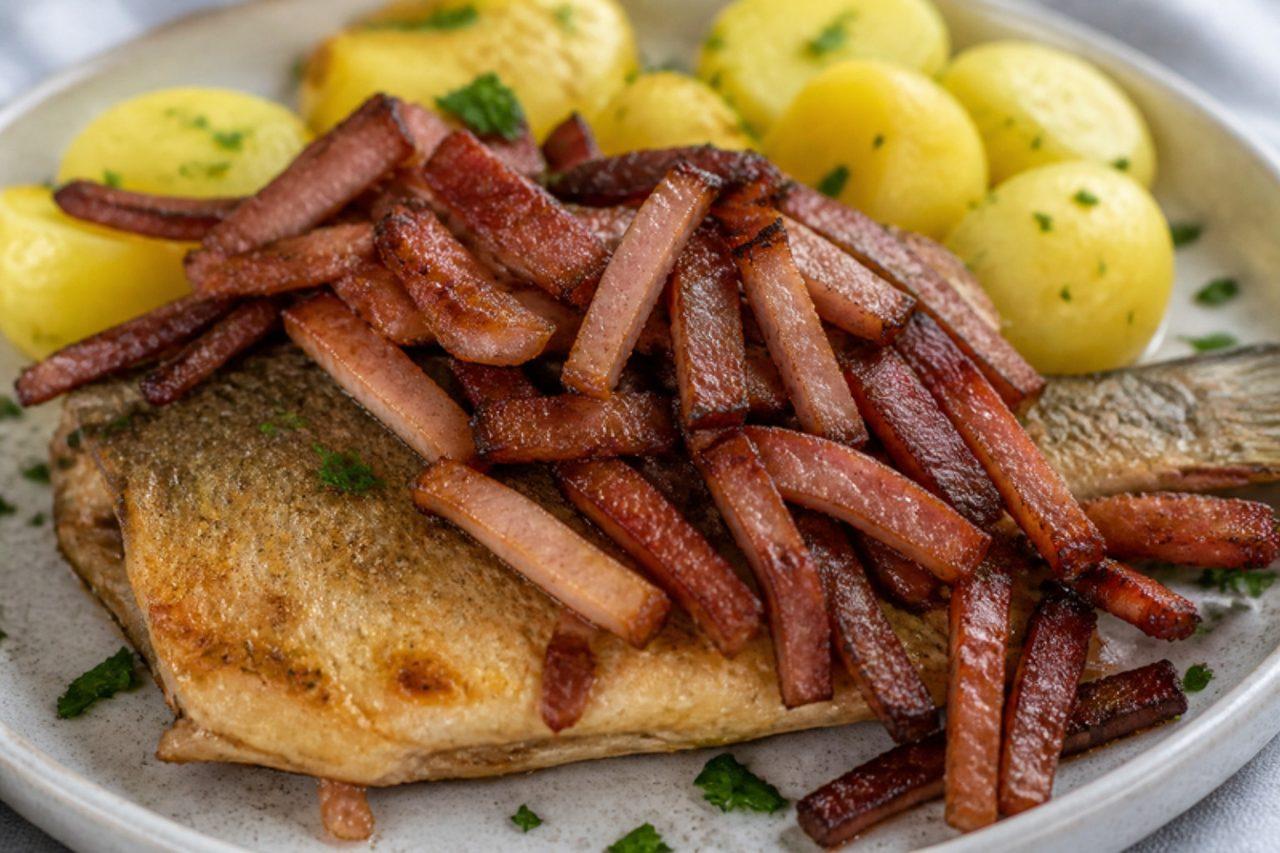
The rivers of the Belgian Ardennes, the Semois, the Ourthe and the Lesse, are trout country, and every inn in Bouillon and La Roche serves truite à l'ardennaise: a whole trout fried in butter until golden and finished with strips of jambon d'Ardenne, the smoked, cured pork ham of the region, crisped in the same pan. This dish contains pork. It is served with boiled potatoes or fries and a green salad. A common mistake is adding the ham at the start, which makes it hard and salty. Chef's tip: dust the trout with seasoned flour so the skin crisps, and add the ham only for the last 2 minutes. The trout is done when the flesh is opaque and lifts off the backbone.

by KrazyBadal 0 views

CaricolesWhelks in celery broth

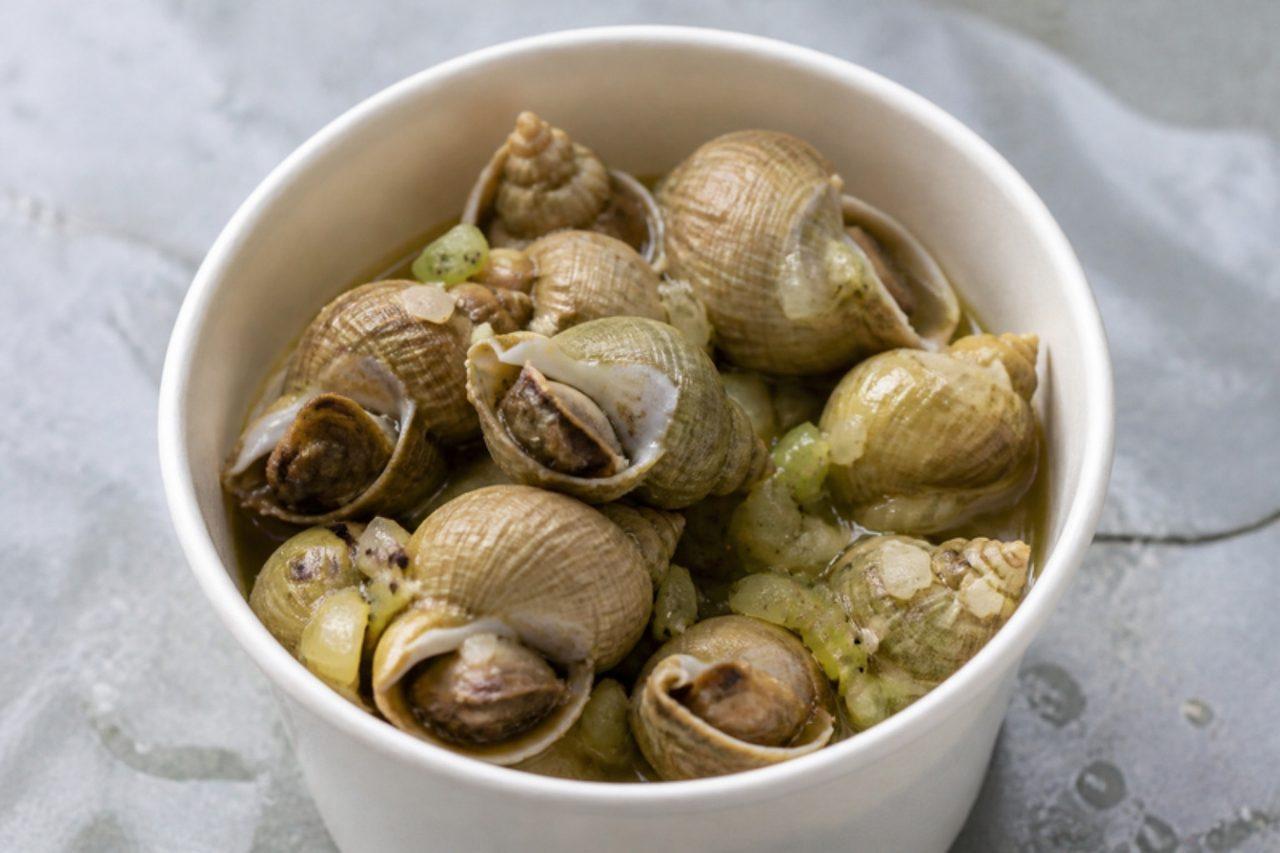
Caricoles are the whelks sold hot in paper cups from street carts in Brussels, at the Marolles flea market, the Place Sainte-Catherine and the Christmas market: the sea snails are simmered for an hour in a peppery broth with celery, onion, thyme, bay and a lot of black pepper and chilli, and you pick them out with a toothpick and drink the broth. Buy whelks live or freshly cooked from a fishmonger. Live whelks should be tightly closed inside their shells or retract when touched; throw away any that smell bad or have broken shells, and any that stay open and limp after cooking. A common mistake is skipping the purge, which leaves them gritty. Chef's tip: soak live whelks in salted cold water for an hour and rinse them several times, then start them in cold broth so they don't toughen.

by KrazyBadal 0 views

CougnouChristmas brioche

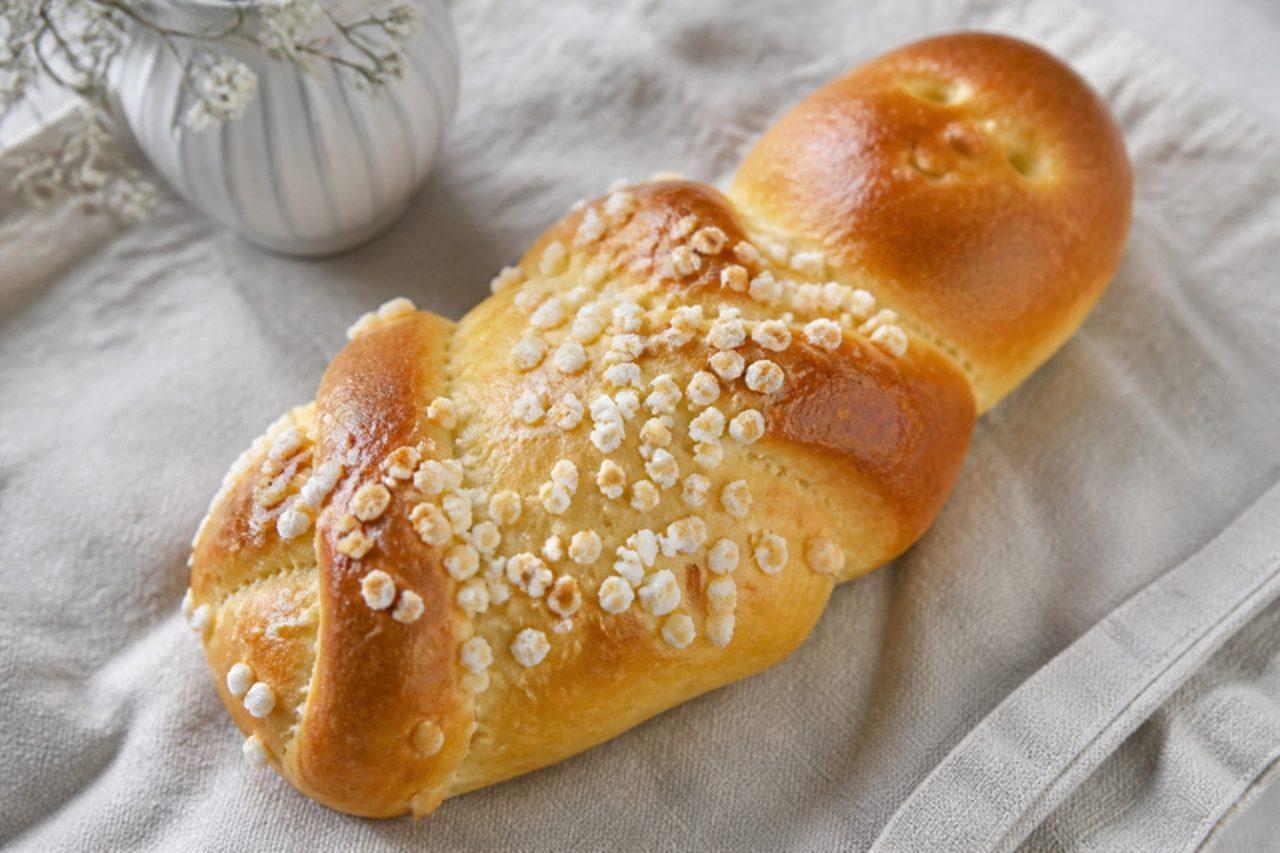
Cougnou, also called cougnolle or bommetje, is the Christmas bread of Wallonia, given to children on Christmas morning: a soft brioche shaped like the infant Jesus in swaddling clothes, with a little clay or sugar medallion pressed into the middle, eaten with hot chocolate. Bakeries in Namur and Charleroi make them from early December. A common mistake is shaping them too small, which dries them in the oven. Chef's tip: make three balls, one large for the body and two small for the head and feet, pressed together tightly so they bake as one.

by KrazyBadal 0 views

KletskoppenLacy almond biscuits

Kletskoppen are the lacy, crackly biscuits of Bruges, sold in the old city's bakeries and served with coffee in the cafés around the Markt: brown sugar, butter and chopped almonds with very little flour (this version uses none), baked until they spread into thin, see-through, toffee-flavoured lace. A common mistake is putting them too close on the tray; they spread enormously and join up. Chef's tip: let them cool for a minute on the tray before lifting, and drape them over a rolling pin while still warm if you want curved tuiles.

by KrazyBadal 0 views

Bratislavské rožkyWalnut or poppy seed crescents

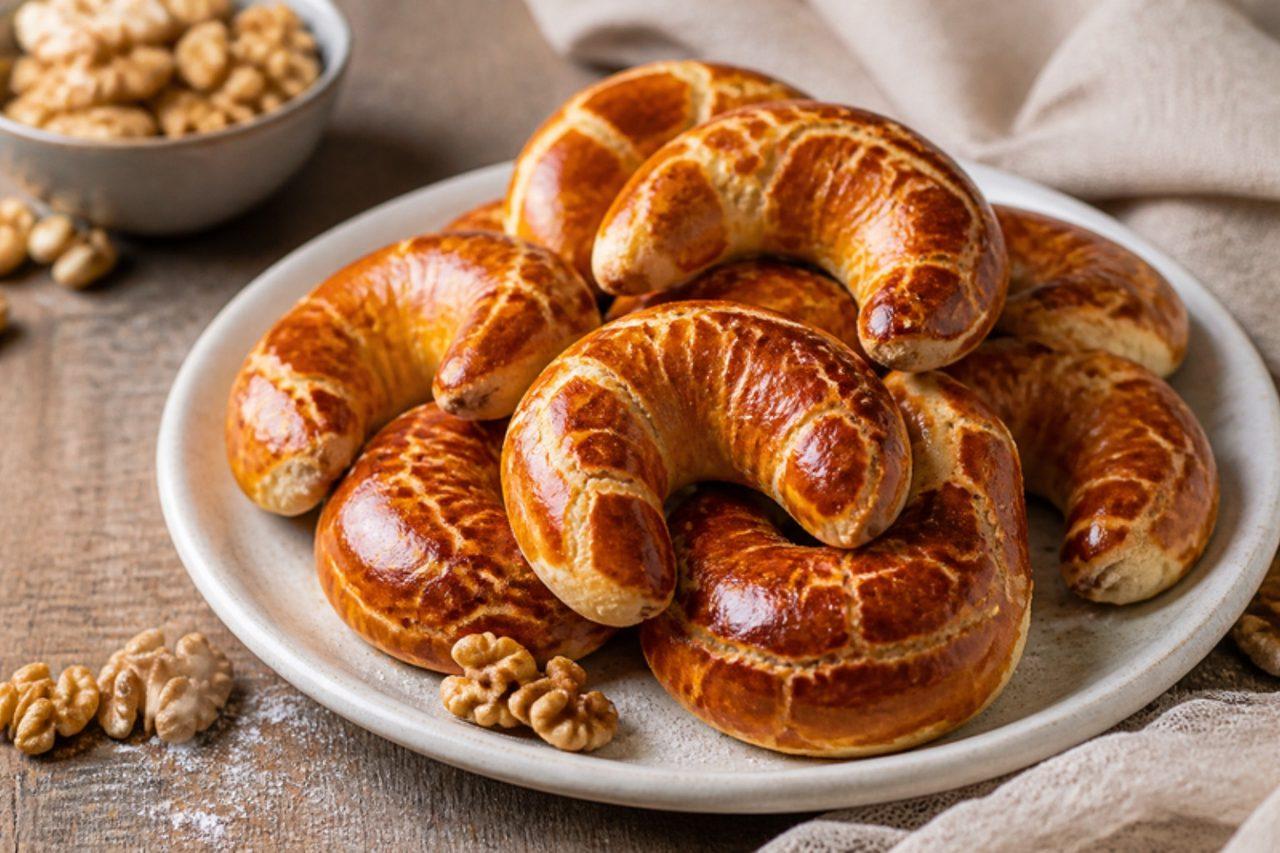
Bakers in old Pressburg, today's Bratislava, have shaped these little horns for nearly three centuries, and the city still treats them as its own Christmas and wedding pastry. The walnut ones are bent into a horseshoe and the poppy seed ones into a crescent, so you can tell them apart on the plate. The dough is rich and short, almost like a pastry, and the shiny brown top is crazed with fine cracks from a double egg glaze. A common mistake is glazing the second time before the first coat is dry, which leaves a dull, smooth top instead of the famous marbling. Patience is the whole trick: a cool rest after the yolk, then a warm rest after the white. Old recipes add a splash of rum to the walnut filling; this version uses lemon and cinnamon instead. Chef's tip: keep the dough cold and work quickly, so the butter stays in tiny flakes.

150 minCzechBaking
by KrazyBadal 0 views

BublaninaCherry sponge traybake

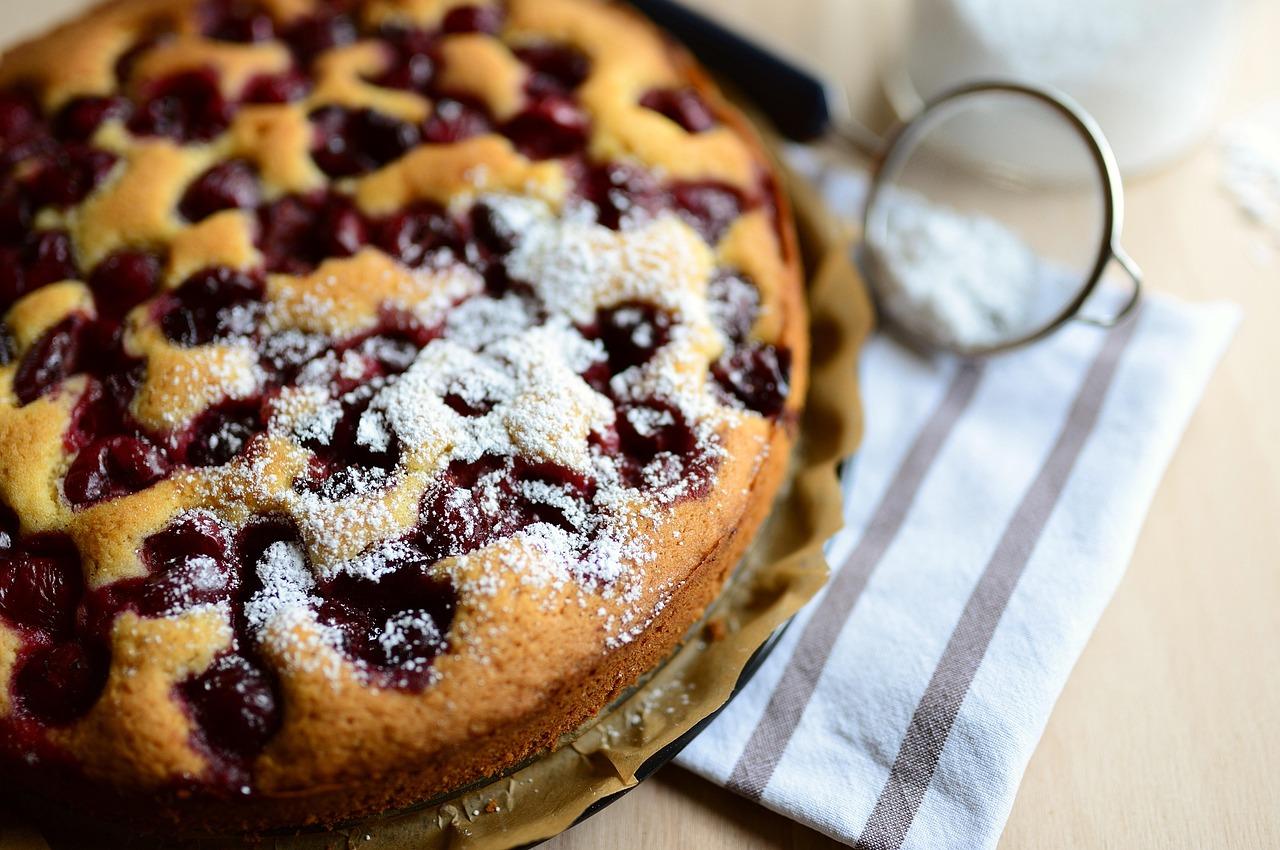
Czech grandmothers make bublanina the moment cherries ripen in June, and again with apricots or plums later in summer, baking it in a big tray for afternoon coffee in the garden. The name comes from the bubbles that form as the fruit sinks into the batter. It is a light, buttery sponge, golden at the edges, with pockets of juicy, sharp fruit and a snowfall of icing sugar on top; children love it warm. A common mistake is folding in the flour too hard, which knocks out the air and makes a tough cake; mix until just combined. Pitted fruit is easiest for little eaters. Chef's tip: toss the fruit in a spoon of flour before scattering it over, so it sits in the sponge instead of sinking to the bottom.

by KrazyBadal 0 views

FrgályYeast tarts with pear or cheese

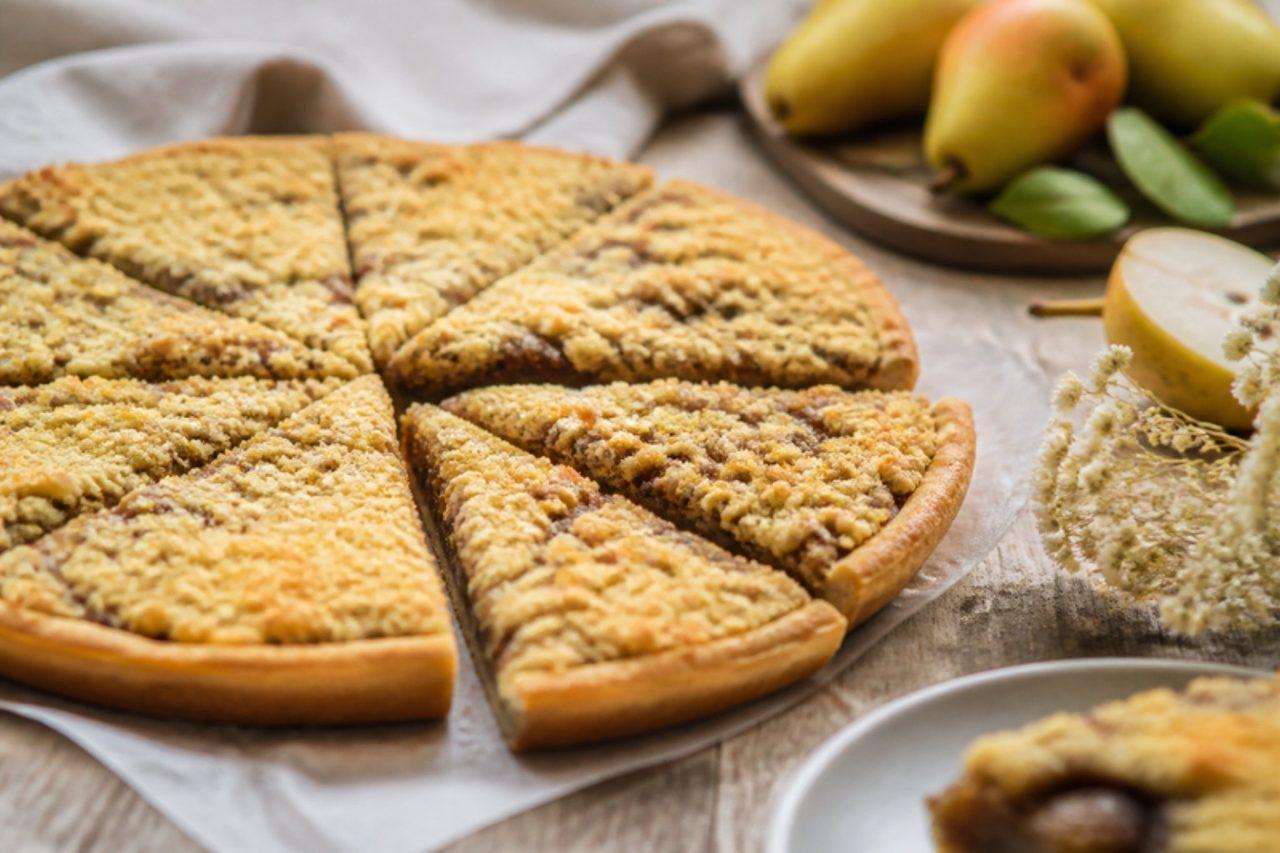
At weddings and church fairs in Moravian Wallachia, in the hills around Rožnov and Vsetín, tables are stacked with frgály: yeast tarts as wide as a dinner plate, rolled so thin the filling seems to sit on a crisp, chewy disc. The classic toppings are dried pear mixed with plum butter, sweet tvaroh (Czech quark), or poppy seed, all scattered with a buttery crumble. This recipe makes four, two with each of the first two fillings. Tvaroh is usually set without rennet, but some brands use it, so check the label. The usual slip is leaving the dough thick in the middle, which makes a bready tart; roll right to the edge, about 3 mm thick. Chef's tip: bake on the lowest oven shelf on a hot tray, so the base browns before the filling dries.

150 minCzechBaking
by KrazyBadal 0 views

JidášeEaster honey buns

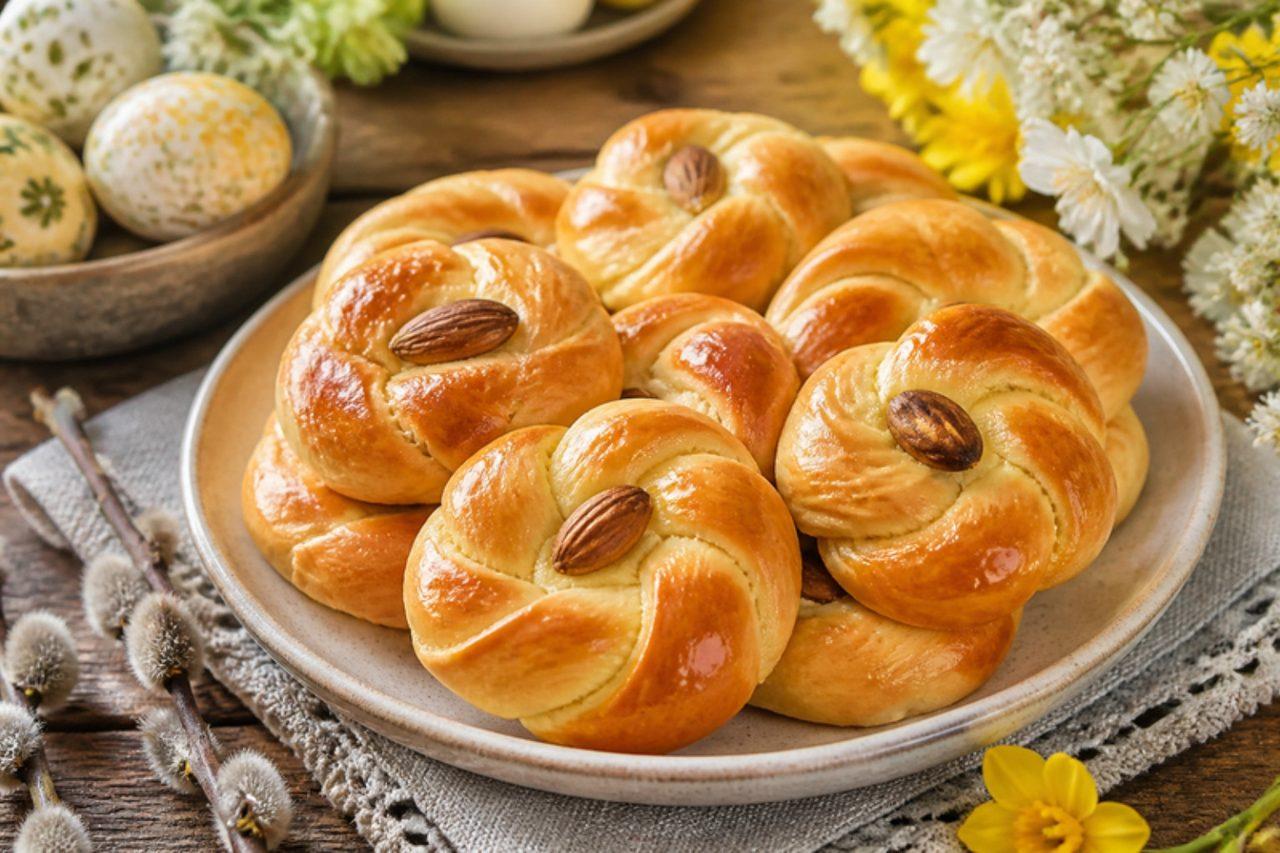
Maundy Thursday, "Green Thursday" in Czech, is the day for jidáše, sweet yeasted buns rolled into ropes and coiled into spirals or loose knots to recall the rope of Judas, which gives them their name. Families in Bohemia and Moravia bake them for breakfast that morning and brush them, still hot, with honey; eating one was once said to bring health for the year. They are soft and fluffy, lightly scented with lemon, with a sticky, shiny top. A common mistake is brushing the honey on cold buns, where it just sits; warm the honey and glaze them straight from the oven so it soaks in. Honey is not suitable for babies under one year old. Chef's tip: roll the ropes thinner than you think, about finger thickness; they double as they prove.

145 minCzechBaking
by KrazyBadal 0 views

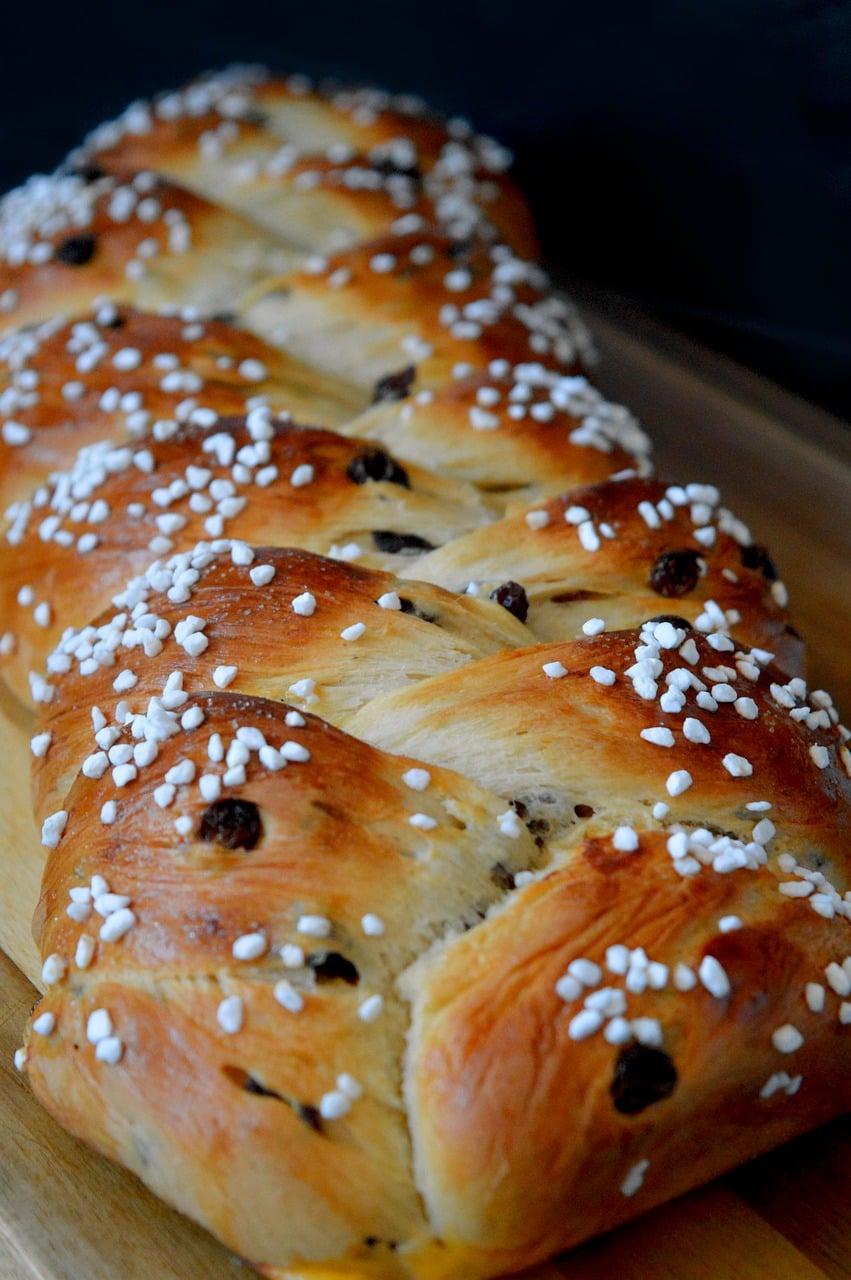
VánočkaBraided Christmas bread

On Czech Christmas Eve morning, before the carp and the potato salad, the table holds a long golden vánočka, a sweet braided loaf whose layered plaits are said to represent the baby Jesus in swaddling. Families slice it for breakfast through the holidays with butter, honey or jam. The crumb is soft and rich with egg and butter, scented with lemon zest and studded with raisins; flaked almonds crisp up on the crust. The usual slip is braiding too loosely, so the tiers slide apart in the oven; plait tightly and hold them with wooden skewers while baking. Soaking raisins in warm water (not rum) keeps them juicy and alcohol-free. Chef's tip: vánočka keeps for days wrapped in a cloth, and slightly stale slices make superb French toast.

185 minCzechBaking
by KrazyBadal 0 views

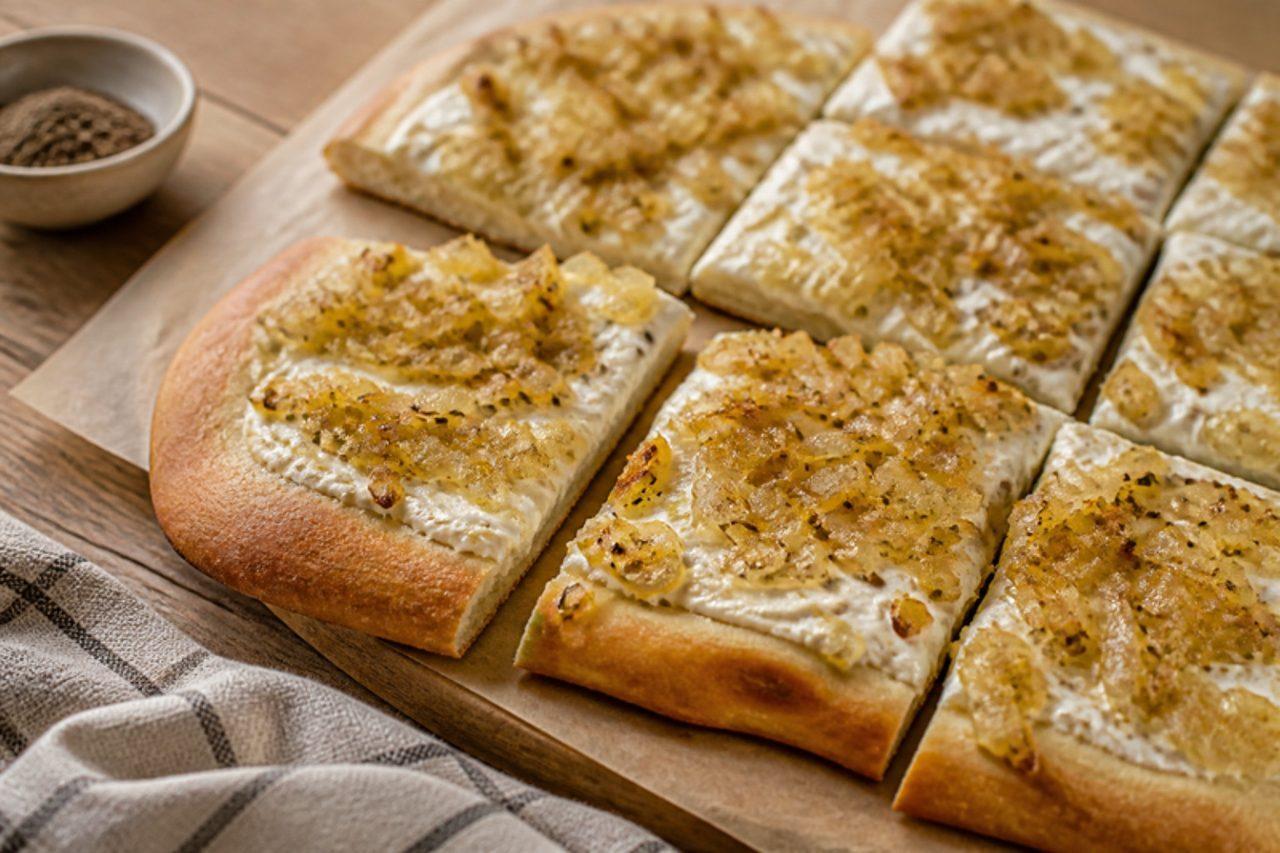
ZelňákSauerkraut yeast pie

Out in the Moravian wine villages, when bread was baked in the communal oven, the last of the dough went into zelňák: a flat yeast base spread with sour cabbage and fried onion and baked until the edges blister. It is still sold in bakeries around Brno and Hodonín and eaten warm in slices with a glass of buttermilk or new wine. Old recipes fry the onion in lard or add crackling; this version uses oil and butter and is vegetarian. The topping is tangy, sweet from the onion and scented with caraway, over a soft, bready base. Where it often goes wrong is using wet sauerkraut straight from the jar, which turns the base soggy. Squeeze it well and fry it first. Chef's tip: a thin layer of sour cream under the cabbage keeps the base moist and stops the topping drying out.

120 minCzechBaking
by KrazyBadal 0 views

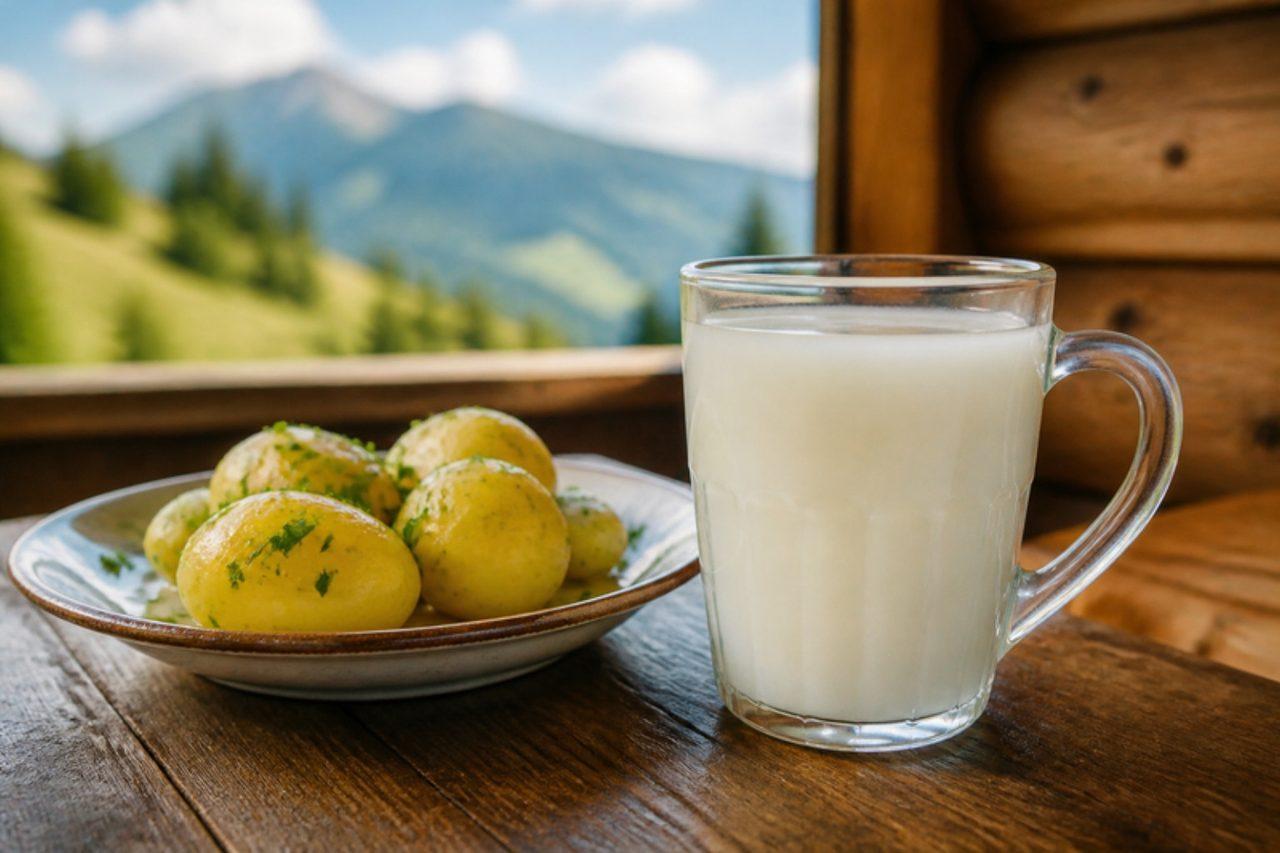
ŽinčicaSoured whey drink

Hikers walking past a salaš, a Slovak shepherds' hut, are often offered a mug of žinčica, the cool, sour whey left over from making bryndza and hrudka cheese. Shepherds heat the whey until fine flakes of cheese float up, then leave it to sour, and drink it with boiled potatoes or on its own on a hot afternoon. It is thin, refreshing and tangy, a little like a light buttermilk. At the salaš it is often made from raw sheep's milk, so at home make it only from the whey of cheese made with pasteurised milk (the korbáčiky recipe gives you plenty) and vegetarian rennet. The common slip is leaving it to sour somewhere warm for too long, where it turns cheesy and harsh; a cool room and 12 hours is enough. Chef's tip: a spoonful of cultured buttermilk gives a clean, reliable sourness every time.

by KrazyBadal 0 views

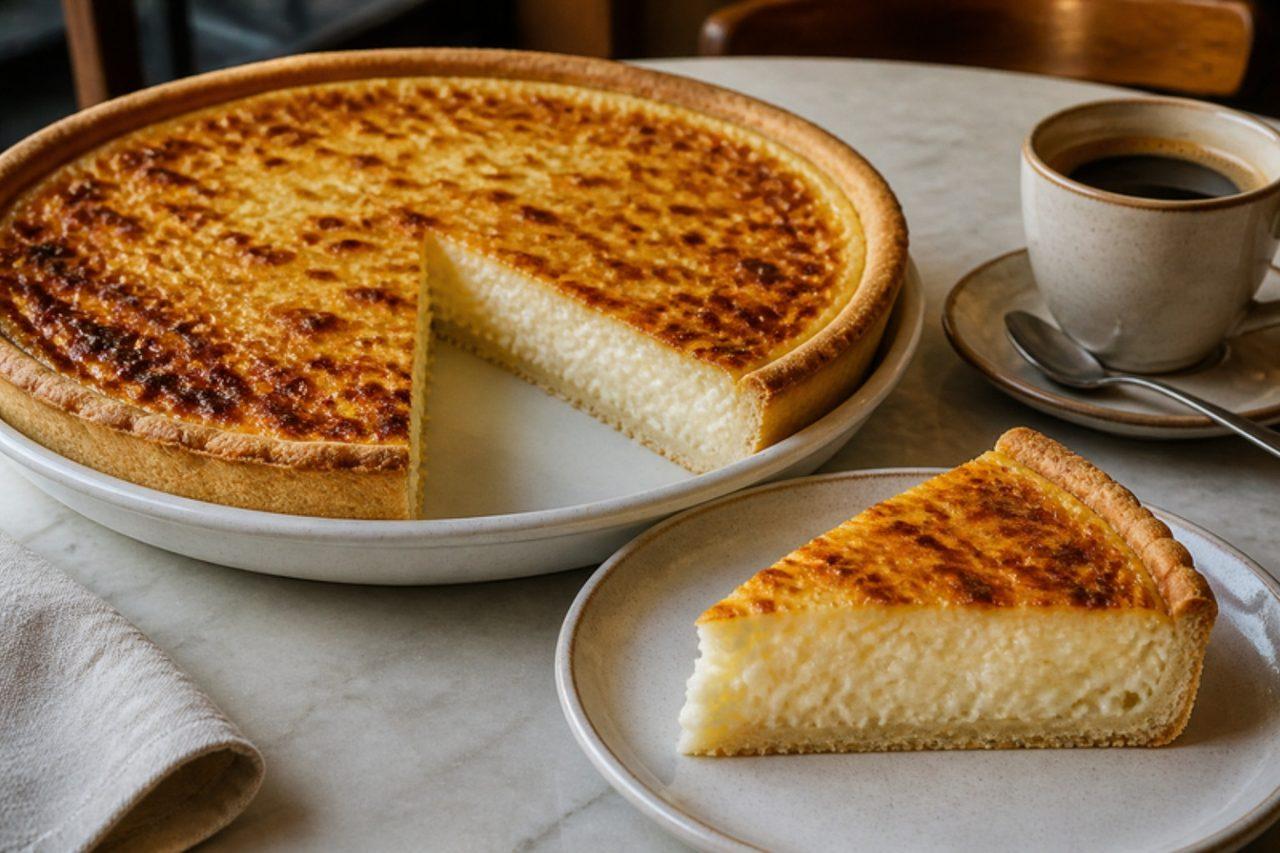
Tarte au rizRice pudding tart

In the province of Liège, and above all in the town of Verviers, no village fair (ducasse) or family celebration happens without tarte au riz, called rijsttaart in Flanders. A thin, soft yeast-dough crust holds a thick layer of rice cooked slowly in milk with vanilla and sugar, enriched with egg yolks and baked until the top is speckled brown. People buy whole tarts from the bakery for a birthday and eat them cold with coffee. Chef's tip: cook the rice until a spoon drawn through it leaves a clear path that closes slowly; a runny filling never sets in the oven, and the crust turns soggy.

by KrazyBadal 0 views

Tomaat-garnaalTomatoes stuffed with grey shrimp

Along the Belgian coast, from Ostend to De Panne, tomaat-garnaal is the starter that tells you you are at the seaside: a hollowed raw tomato heaped with tiny, sweet North Sea grey shrimp in homemade mayonnaise, served with lettuce, lemon and often a few chips. The shrimp are caught and boiled on the boats, so they come ready-cooked and peeled. Because the dish has so few parts, everything depends on good ripe tomatoes and very fresh shrimp. The thing people often get wrong is drowning the shrimp in mayonnaise; use just enough to bind them so their sweetness comes through. Chef's tip: salt the hollowed tomatoes and turn them upside down for 10 minutes so they do not leak water onto the plate.

by KrazyBadal 0 views

Moravské koláčeFilled yeast buns

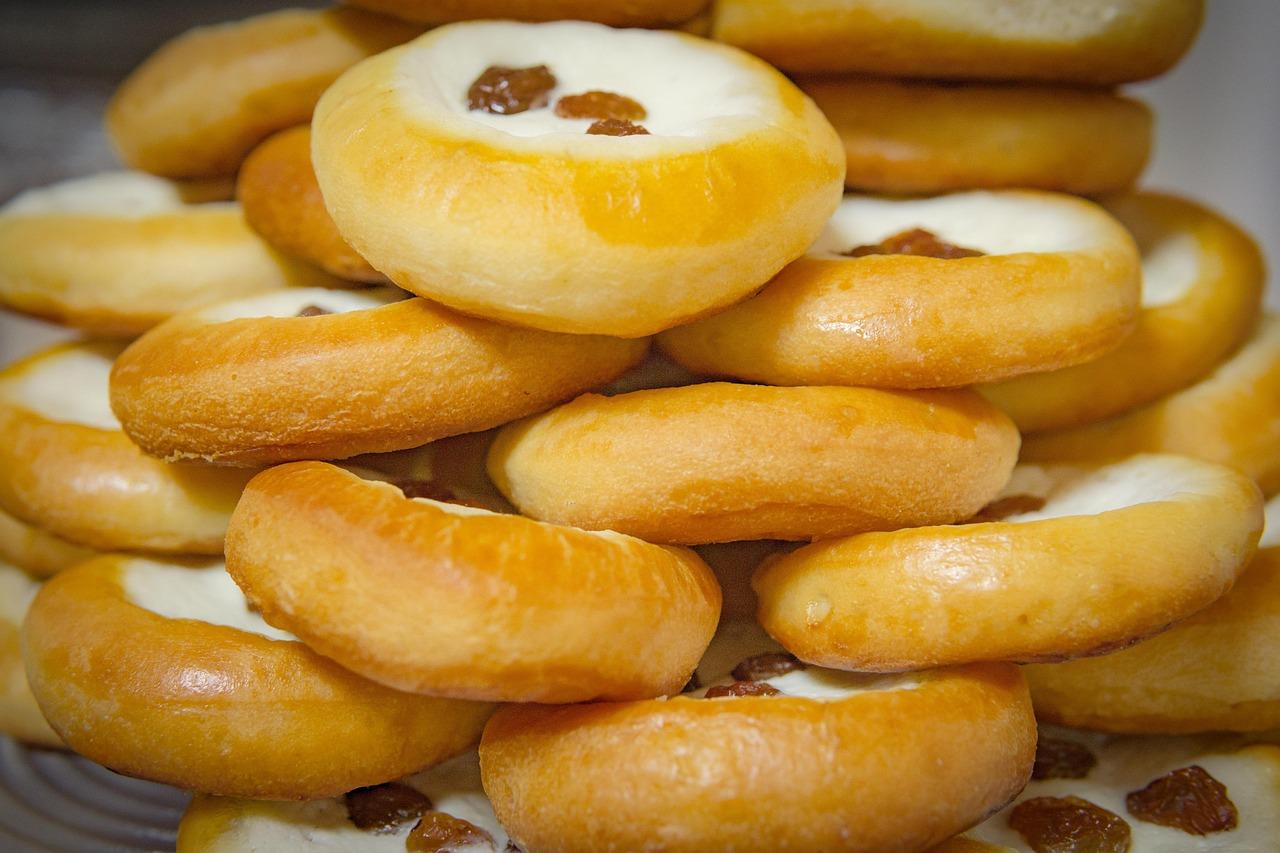
In the villages of South Moravia and Wallachia, nobody gets married without a mountain of koláče: small round yeast buns with a deep hollow filled with sweetened poppy seed, vanilla quark or povidla (thick plum butter), each crowned with buttery posypka crumble. Relatives bake hundreds for the wedding and send guests home with boxes of them, and they turn up again at village fairs (pouť) and Sunday coffee. Chef's tip: press the hollow deep and wide just before filling; the dough rises again in the oven, and a shallow dip pushes the filling over the edge.

by KrazyBadal 0 views

Pain à la grecquePearl sugar bread

Despite the name, pain à la grecque is pure Brussels: the 'Greek' is thought to come from the Flemish gracht, the canal next to the old abbey on the Wolvengracht whose monks handed out bread to the poor. Today it is a long, flat stick of cinnamon-spiced bread pressed into pearl sugar and baked until the sugar melts into a crunchy, glassy crust. Brussels bakeries such as those around the Sablon sell it by the slab, and it is eaten with coffee in the afternoon or dunked at breakfast. Chef's tip: press the dough hard into the pearl sugar on both sides; loosely scattered sugar just falls off in the oven.

by KrazyBadal 0 views

Geraardsbergse mattentaartCurd tartlets

The small town of Geraardsbergen in East Flanders is so proud of its mattentaart that the little round puff-pastry tart has protected (PGI) status in the EU, and only bakers in the area may sell it under that name. It is filled with matten, a fresh curd made by curdling hot milk with buttermilk, mixed with eggs, sugar and a hint of almond, and baked until puffed and golden. Locals eat it with coffee, especially in late February when the town holds its Krakelingen festival. You make the curd yourself the day before. Chef's tip: hang the curd for a full night; too much whey left in it makes the filling weep and the pastry soggy.

by KrazyBadal 0 views

Showing 24 of 27 recipes

Show more recipes

Page 1 of 2