Skip to content
Recipes

All recipes

Vegetarian, or something you can't eat? Set your diet once and we'll hide recipes that don't fit.

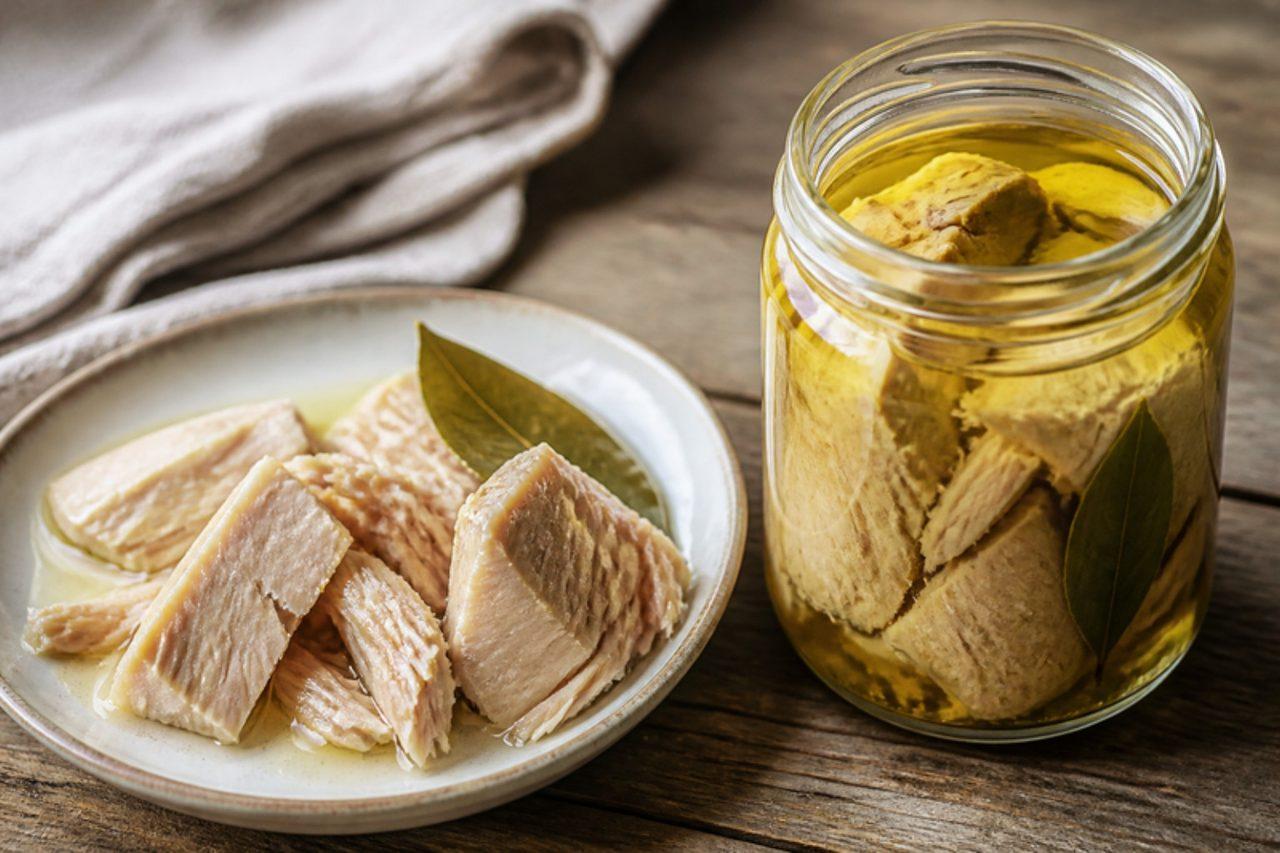
Tonno sott'olioTuna preserved in oil

In the tonnare, the old tuna fisheries of Sicily and Calabria around Favignana and Pizzo, fresh bluefin tuna was boiled in sea water and packed in olive oil to keep for months. At home, Italian families still do it with a piece of fresh tuna: poached gently in salted water with bay and lemon, dried and covered in good oil. It tastes far better than tinned tuna and is perfect for salads and pasta. Chef's tip: poach the tuna at a bare simmer and let it cool in the water; boiling makes it dry and stringy.

by KrazyBadal 0 views

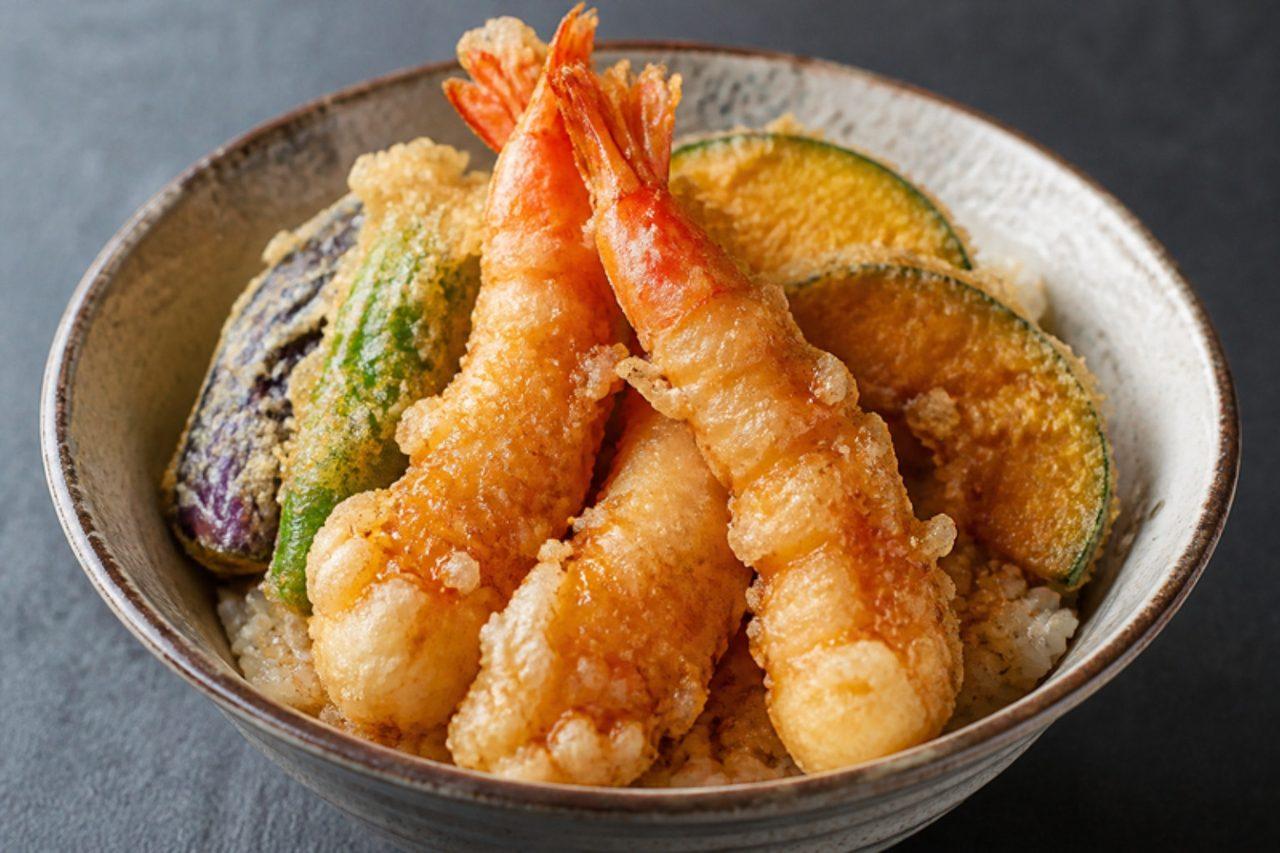
Tendon (tempura rice bowl)

In Tokyo's old shitamachi districts, Asakusa above all, tendon shops have been serving bowls of rice crowned with prawn and vegetable tempura since the Edo period, the batter soaked just enough in a dark, sweet soy sauce to go half crisp, half soft. It is a hearty lunch, and a great way to make tempura at home without having to serve it piece by piece. The tare uses mirin, boiled for a few minutes so the alcohol mostly cooks off; use sugar and water instead for an alcohol-free version. The common mistake is over-mixing the batter: stir with chopsticks only a few times, leaving lumps, and keep it ice-cold so the coating stays lacy and light. Chef's tip: dip each piece in the warm sauce for just a second before laying it on the rice.

by KrazyBadal 0 views

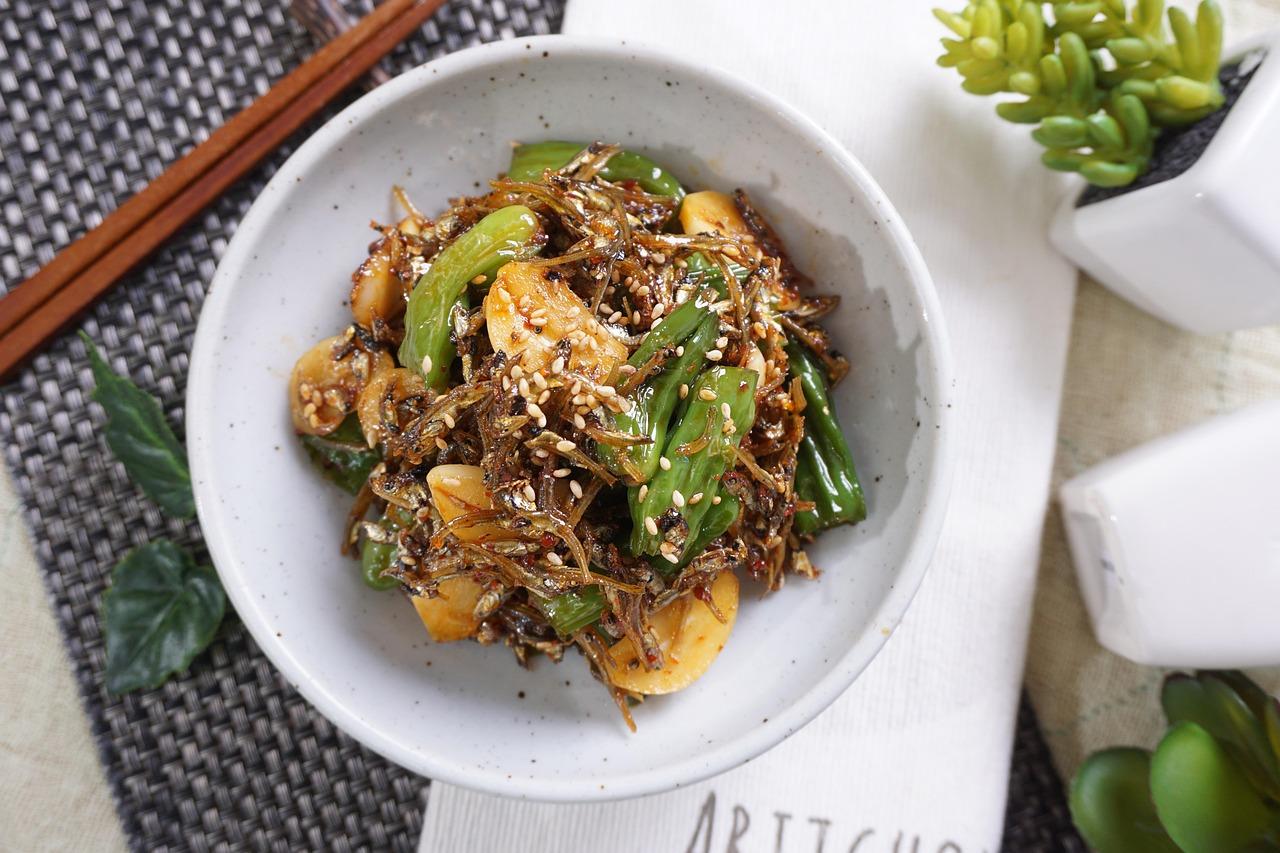
Myeolchi bokkeumSweet stir-fried anchovies

Myeolchi bokkeum is the lunchbox banchan of Korea, made with tiny dried anchovies landed and sun-dried on the southern coast around Tongyeong and Namhae, the country's anchovy heartland. The little fish are toasted in a dry pan, then tossed in garlic oil and a quick soy and rice-syrup glaze, so they end up crunchy, sweet, salty and deeply savoury. A small dish goes alongside rice at almost every Korean meal. The common mistake is adding the syrup over a high heat: it caramelises into a hard sheet that welds the anchovies into a brick. Chef's tip: take the pan off the heat before the syrup goes in and toss; the pan's leftover warmth is enough to glaze without hardening.

15 minKoreanFish
by KrazyBadal 0 views

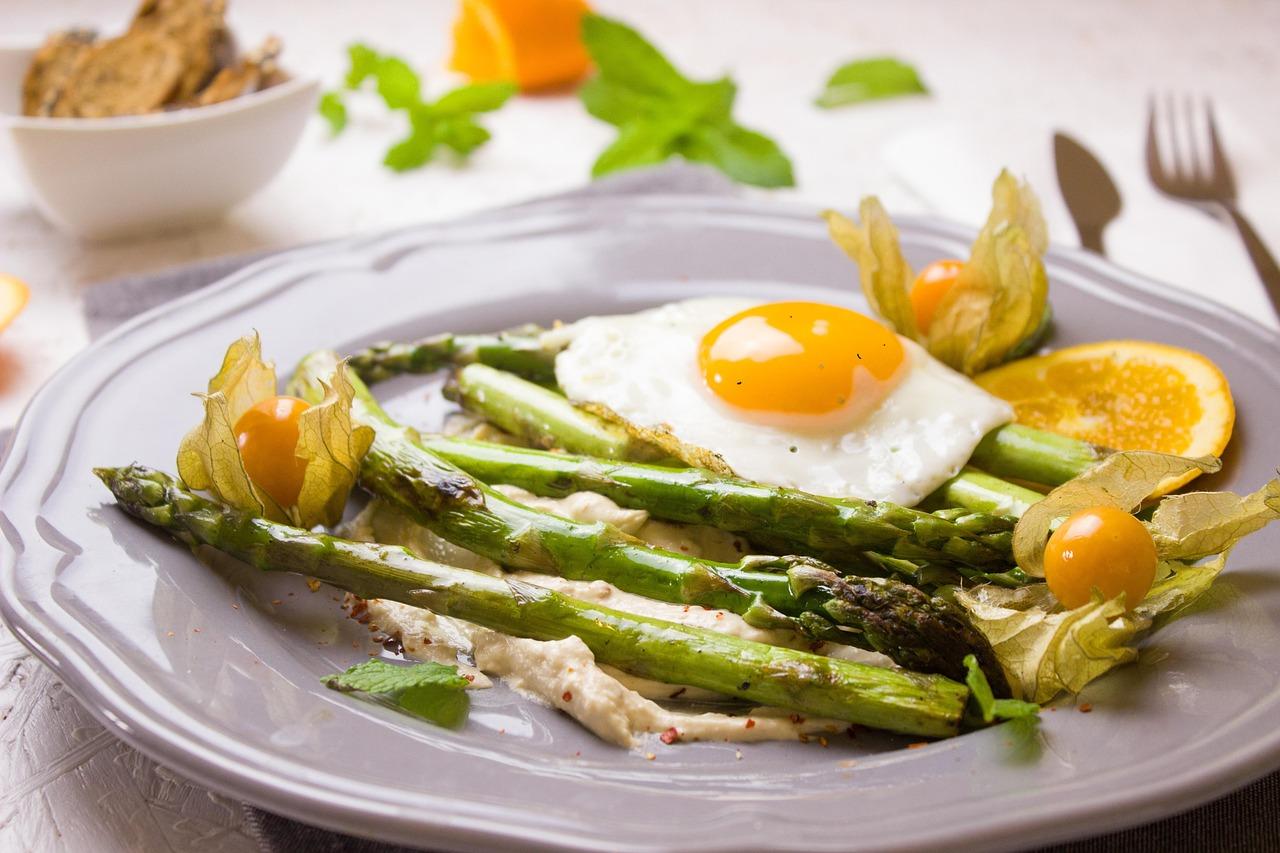
Asparagi alla milaneseAsparagus with fried egg

In Milan in April, when the first fat green asparagus come down from the farms of Lombardy, they are served "alla milanese": boiled until just tender, laid on a plate with melted butter and Parmigiano, and topped with a fried egg whose runny yolk becomes the sauce. It is a light lunch or a spring starter in old Milanese trattorie. Parmigiano is made with animal rennet; a vegetarian hard cheese works. For pregnant women, young children and older people, cook the yolk until firm. Chef's tip: tie the asparagus in a bundle and stand it upright in the pan so the thick stems boil while the tender tips steam.

by KrazyBadal 0 views

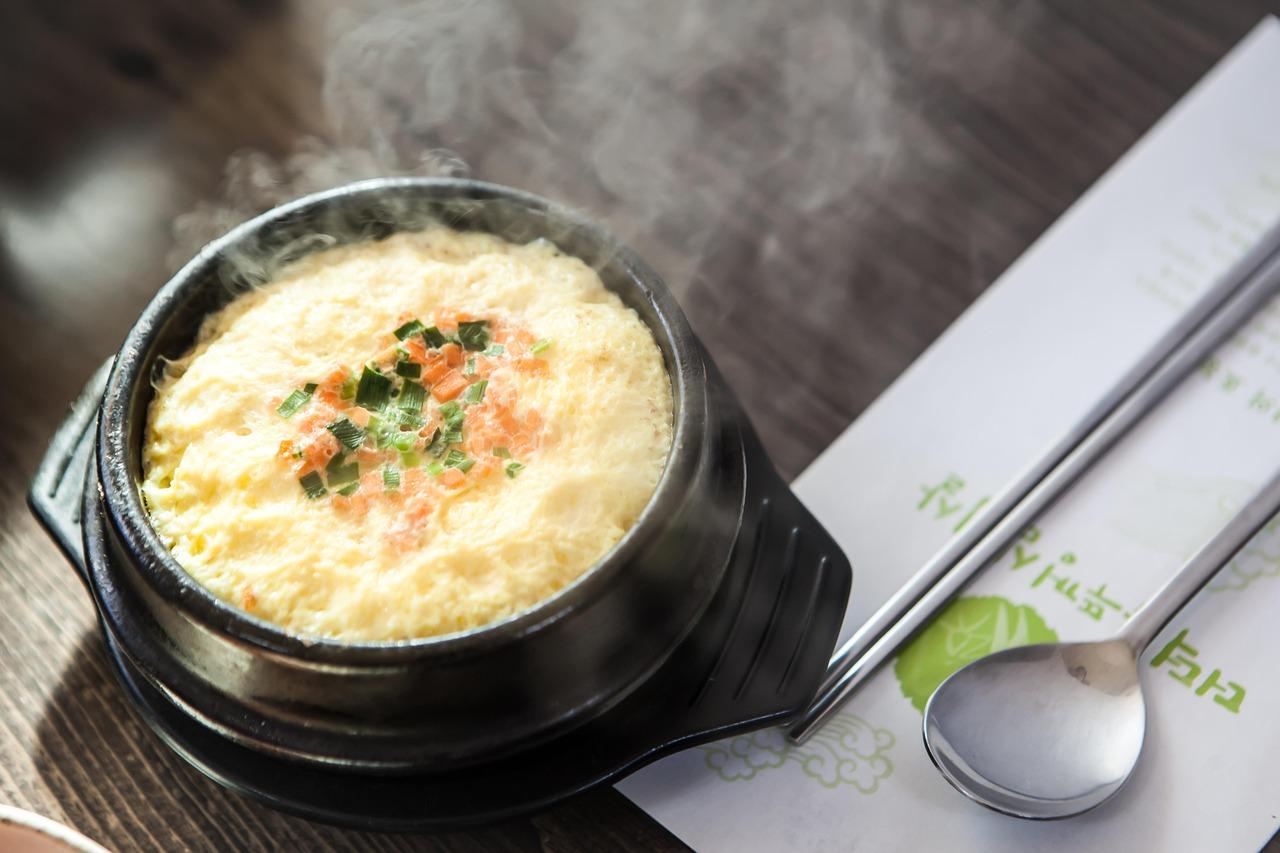
Gyeran jjimSteamed egg

At Korean barbecue restaurants in Seoul and Busan, a bubbling stone pot of gyeran jjim arrives puffed high above the rim to soothe mouths burned by grilled meat and kimchi. At home it is a soft, savoury egg custard eaten with rice, especially by children. This vegetarian version uses kelp water instead of the usual salted shrimp or anchovy stock. The common mistake is keeping the heat high once the egg starts to set, which scorches the bottom and makes the top tough and full of holes. Chef's tip: stir constantly for the first minute as it heats, then cover with an upturned bowl over the lowest flame; trapped steam is what makes it rise like a soufflé.

by KrazyBadal 0 views

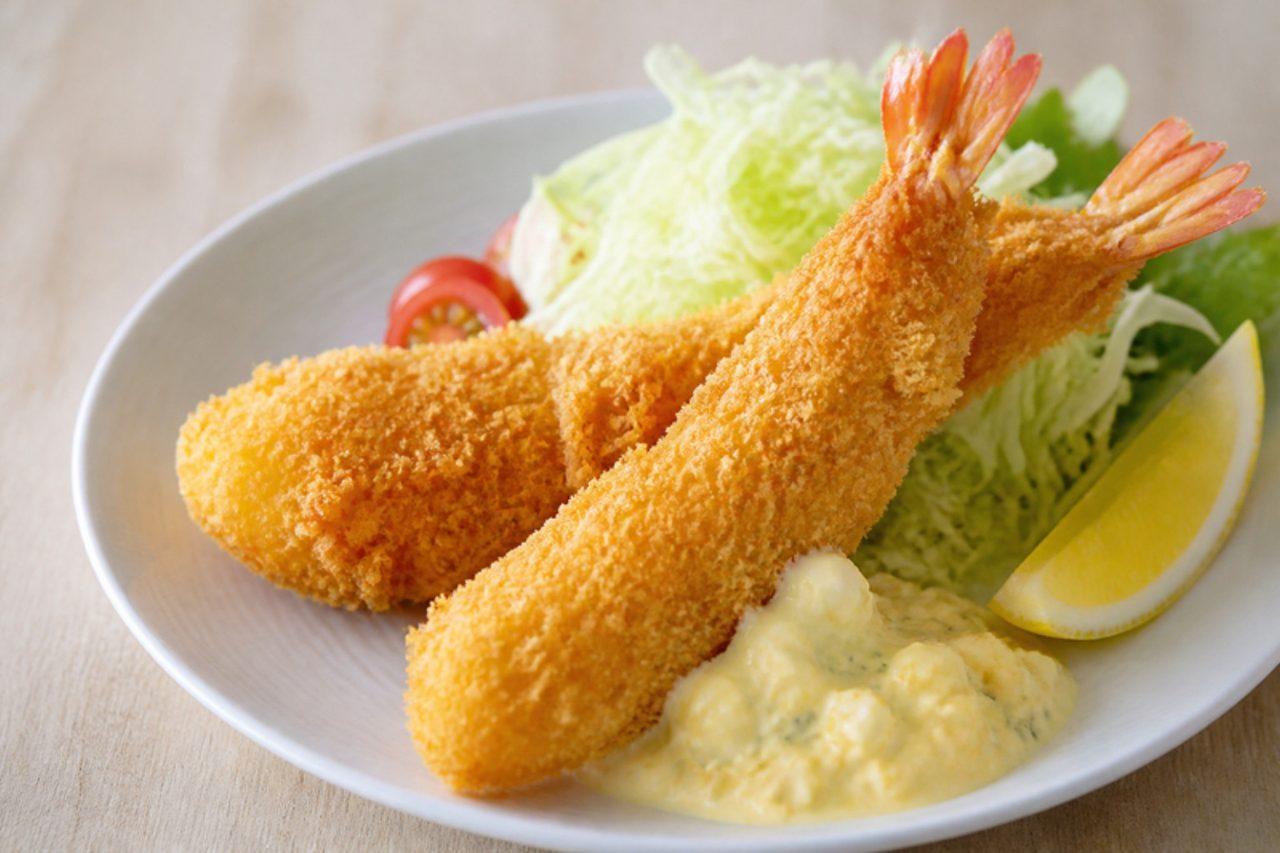
Ebi fry (Japanese breaded prawns with tartare)Breaded fried prawns

In Nagoya, ebi fry is a point of local pride, served in long, straight prawns that stick out over the edge of the plate, but it is on the menu of every family restaurant and bento shop in Japan. Large prawns are scored so they stay straight, coated in panko and fried until crunchy, then served with a chunky tartare of boiled egg, onion and pickles. The common mistake is skipping the scoring; the prawns curl tight in the hot oil and the coating cracks. Prawns are done when they turn pink and opaque all the way through, usually in under 3 minutes. Use fresh or thawed raw prawns that smell of the sea; throw out any that smell of ammonia. Chef's tip: press each prawn flat on the board after scoring until you feel a slight click; that stops it curling.

by KrazyBadal 0 views

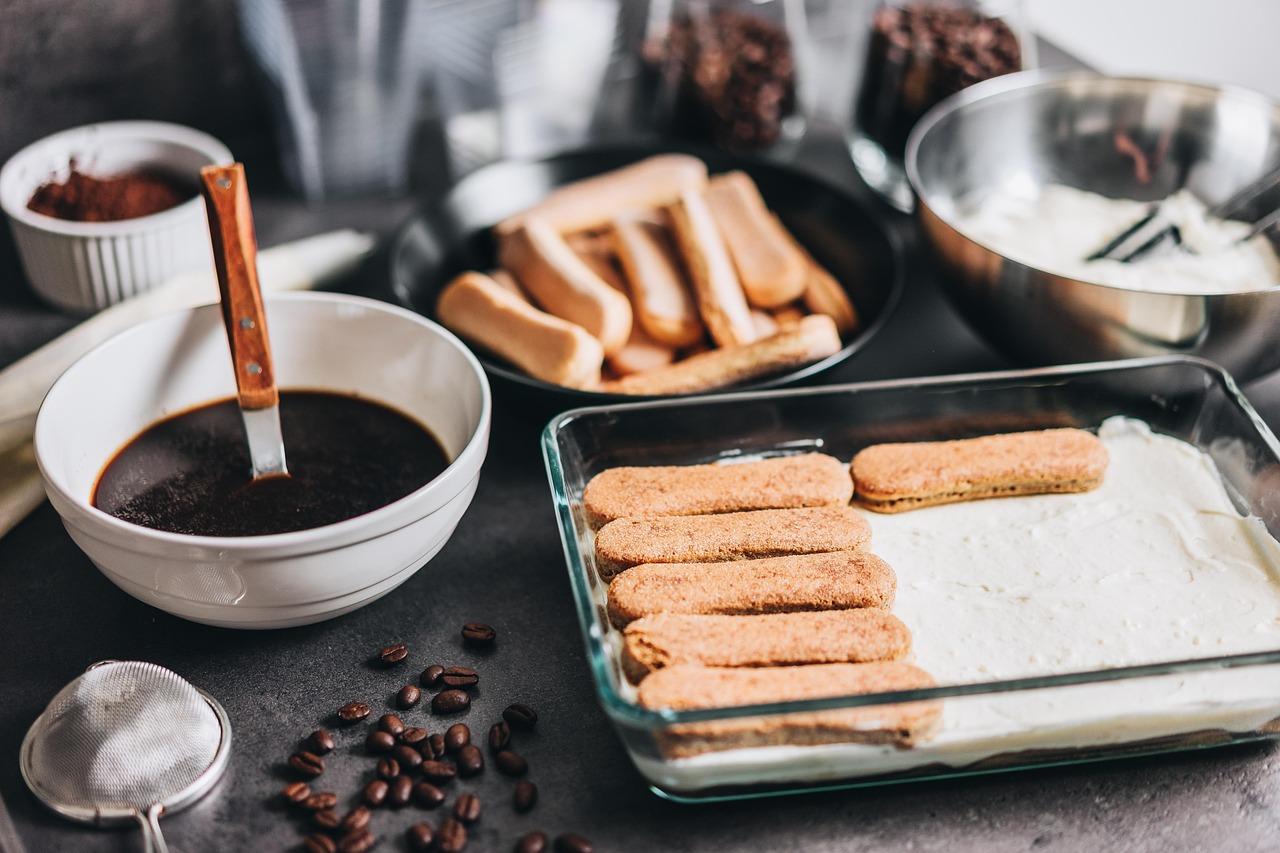
Savoiardi

Savoiardi were created in the 1300s at the court of the House of Savoy in Piedmont, for a visit by the King of France. They are long, light finger biscuits of whipped eggs, sugar and flour, with a crisp sugary crust and a dry, spongy inside, made to be soaked: in coffee for tiramisù, in liqueur for zuppa inglese, or in milk for children's breakfast. Chef's tip: dust the piped fingers twice with icing sugar, 5 minutes apart; this forms the pearly crust that keeps them crisp outside.

by KrazyBadal 0 views

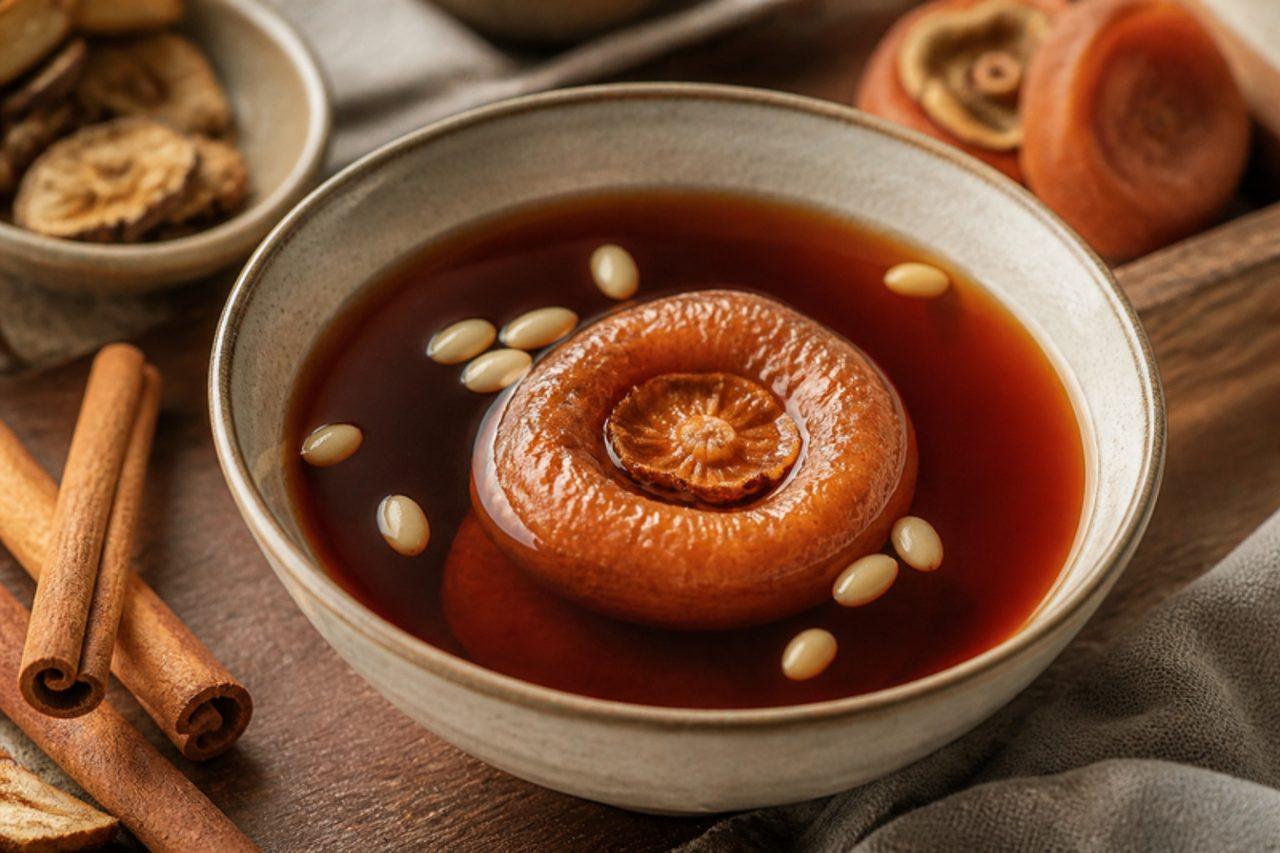
SujeonggwaCinnamon persimmon punch

After a big Seollal feast in Seoul, sujeonggwa comes out ice-cold in small bowls, dark red-brown and fragrant with cinnamon and ginger, with a soft dried persimmon and a few pine nuts floating in each one. It is the punch of the New Year season, made a day or two ahead and kept on a cold balcony. The cinnamon and ginger are boiled separately and then combined, which keeps each flavour clean. The common mistake is boiling the cinnamon too long or too hard: it turns bitter and cloudy, so keep it to a gentle simmer. Contains pine nuts. Chef's tip: soak the dried persimmons in the cooled punch only a few hours before serving, so they soften without falling apart.

by KrazyBadal 0 views

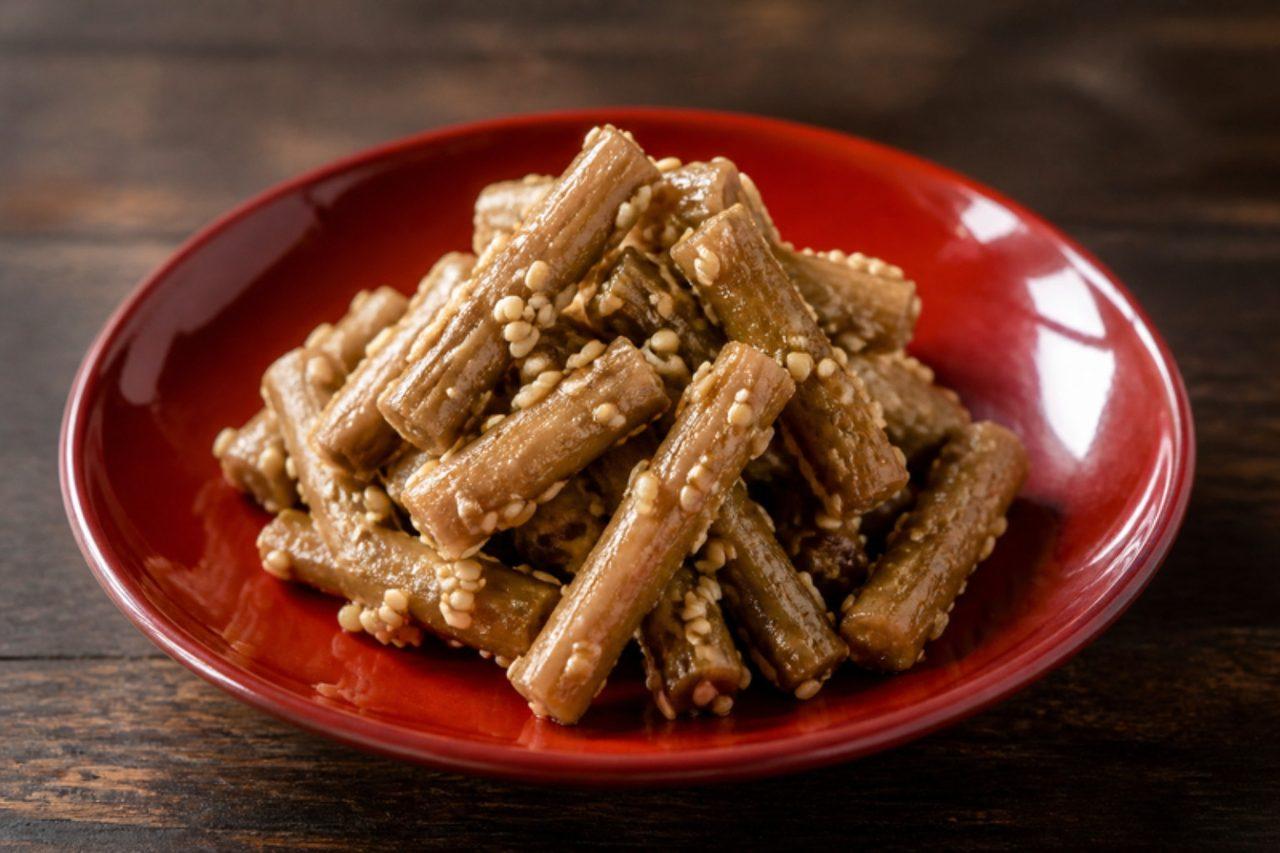
Tataki goboSesame burdock salad

In Kansai homes around Osaka and Kyoto, osechi always includes tataki gobo: burdock root boiled, then beaten with a rolling pin so it splits open, and dressed in a thick ground-sesame vinegar. The long, deep-rooted burdock stands for a family that is settled and lasting. The pounding gives rough, fibrous edges that soak up the nutty, tangy dressing, so each bite is earthy, sweet and sharp. The common mistake is overcooking the burdock until soft; it should still be pleasantly firm before you pound it. Chef's tip: dress the burdock while it is still warm, when the fibres open up and drink in the sesame vinegar.

by KrazyBadal 0 views

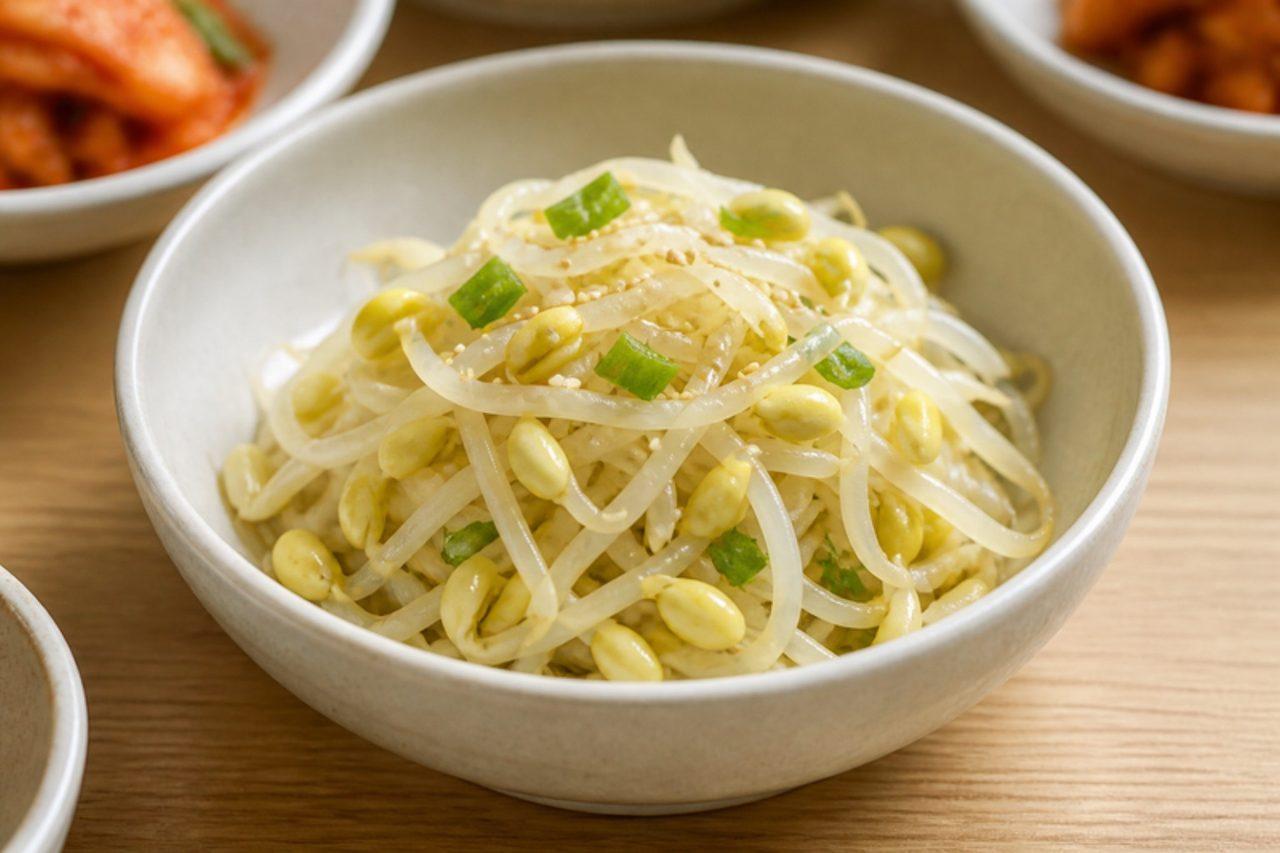
Sukju namulSeasoned bean sprouts

Sukju namul is the most delicate of Korea's sprout dishes, set out on every ancestral-rite table at Chuseok and on everyday trays in Seoul homes because it takes five minutes and costs very little. Mung bean sprouts are blanched for barely a minute, then dressed with salt, a little garlic and sesame oil, so they stay juicy and crunchy with a clean, nutty taste. It belongs in bibimbap too. The common mistake is overcooking: mung bean sprouts go limp and stringy within seconds of being done, so pull them while they still squeak. Chef's tip: plunge them straight into iced water after blanching and squeeze gently; they keep their snap for a whole day.

by KrazyBadal 0 views

Torta della nonnaLemon custard pine nut tart

Torta della nonna, "grandmother's tart", is on the dessert menu of almost every trattoria in Florence and across Tuscany: a shortcrust case filled with thick lemon-scented custard, covered with a second layer of pastry and scattered with pine nuts and icing sugar. Despite the name it was probably invented by a Florentine restaurant cook in the 1900s, but it tastes of family Sunday lunches. Contains pine nuts. Chef's tip: let the custard cool completely before filling the tart; warm custard melts the butter in the pastry and makes the base soggy.

by KrazyBadal 0 views

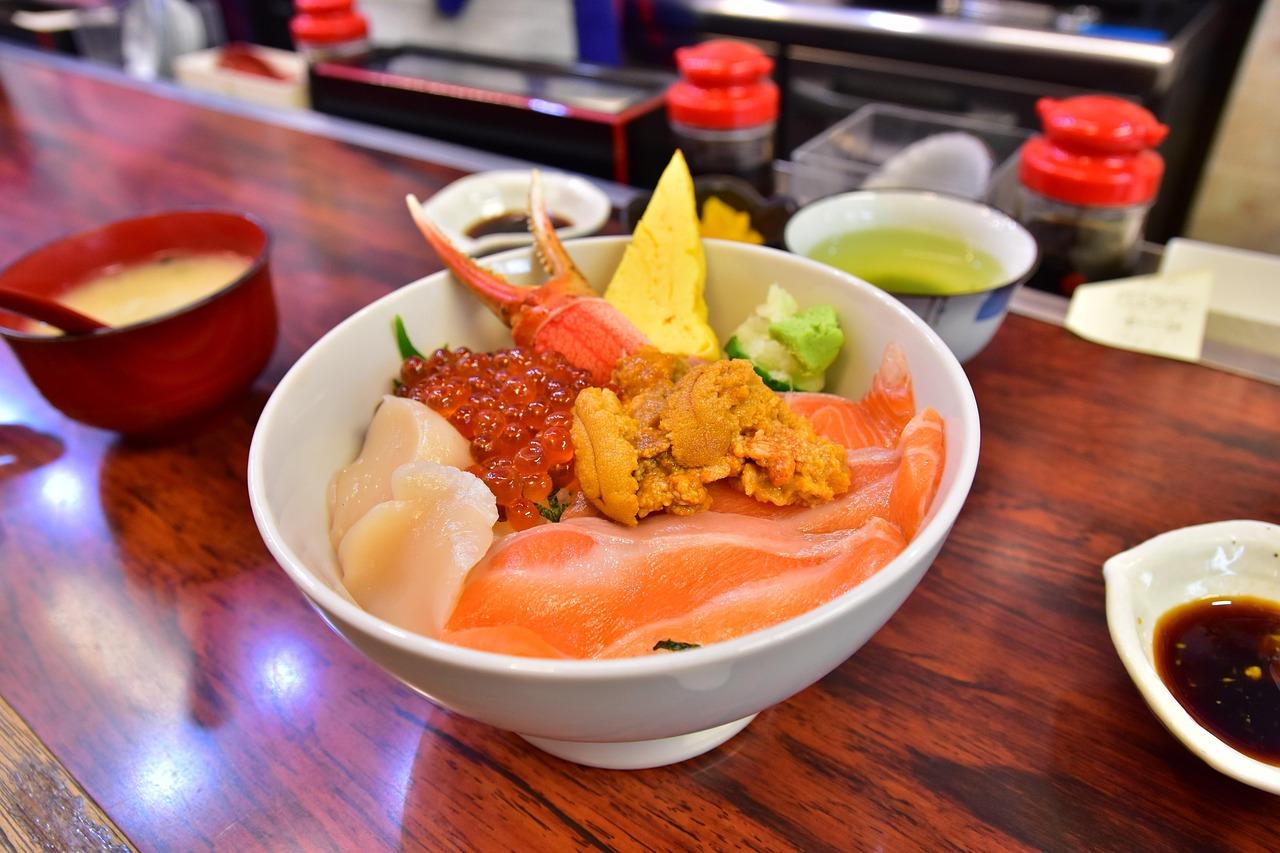
Kaisendon (seafood rice bowl)

At the morning markets of Hakodate and Sapporo, and in harbour towns all along Japan's coast, kaisendon is breakfast: a bowl of sushi rice heaped with raw salmon, tuna, scallops and glistening salmon roe, eaten with wasabi and a drizzle of soy. At home, buy only fish sold as sushi- or sashimi-grade that has been previously frozen (freezing kills parasites), keep it cold and eat it the day you buy it. Raw fish is not for pregnant women, young children or anyone with a weakened immune system; for them, sear the salmon and tuna all over and cook through, and use cooked prawns. The common mistake is piling cold fish onto hot rice, which warms the fish and makes the rice gluey; cool the rice to body temperature first. Chef's tip: slice the fish across the grain in one long pull of a very sharp knife, not a sawing motion.

by KrazyBadal 0 views

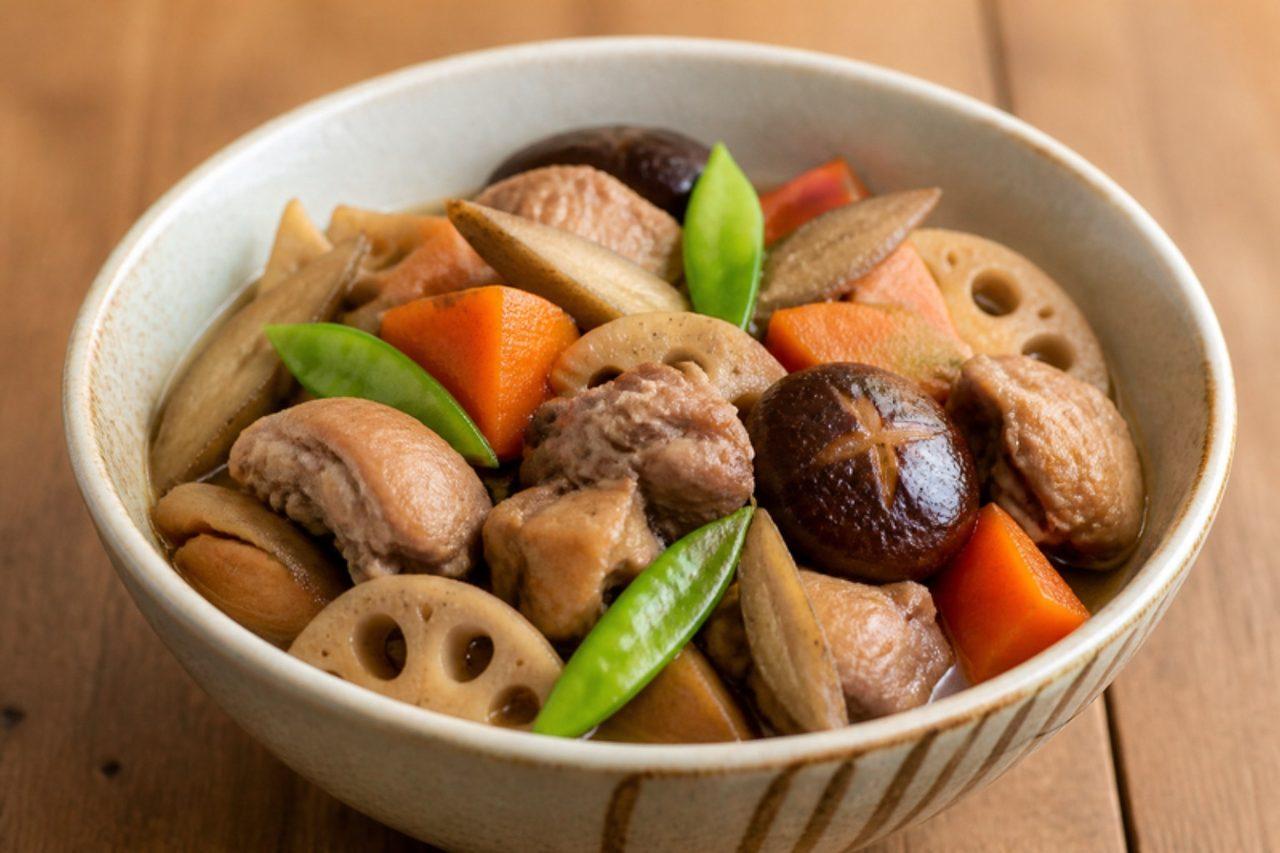
Chikuzenni (Fukuoka simmered chicken and root vegetables)

Chikuzen is the old name for the Fukuoka area of northern Kyushu, where this sweet-savoury simmer of chicken and root vegetables is called gameni and turns up at every family gathering; across Japan it is packed into the New Year osechi boxes and eaten cold. The chicken and vegetables are first stir-fried in oil, then simmered in dashi with soy, sugar, sake and mirin until the liquid reduces to a glaze. The sake and mirin simmer for 20 minutes, so the alcohol cooks off; use water and extra sugar for an alcohol-free version. The common mistake is stirring too much, which breaks the taro and lotus root into mush; shake the pan instead. Chef's tip: let it cool in the pot; the vegetables soak up flavour as it cools, so it is even better the next day.

by KrazyBadal 0 views

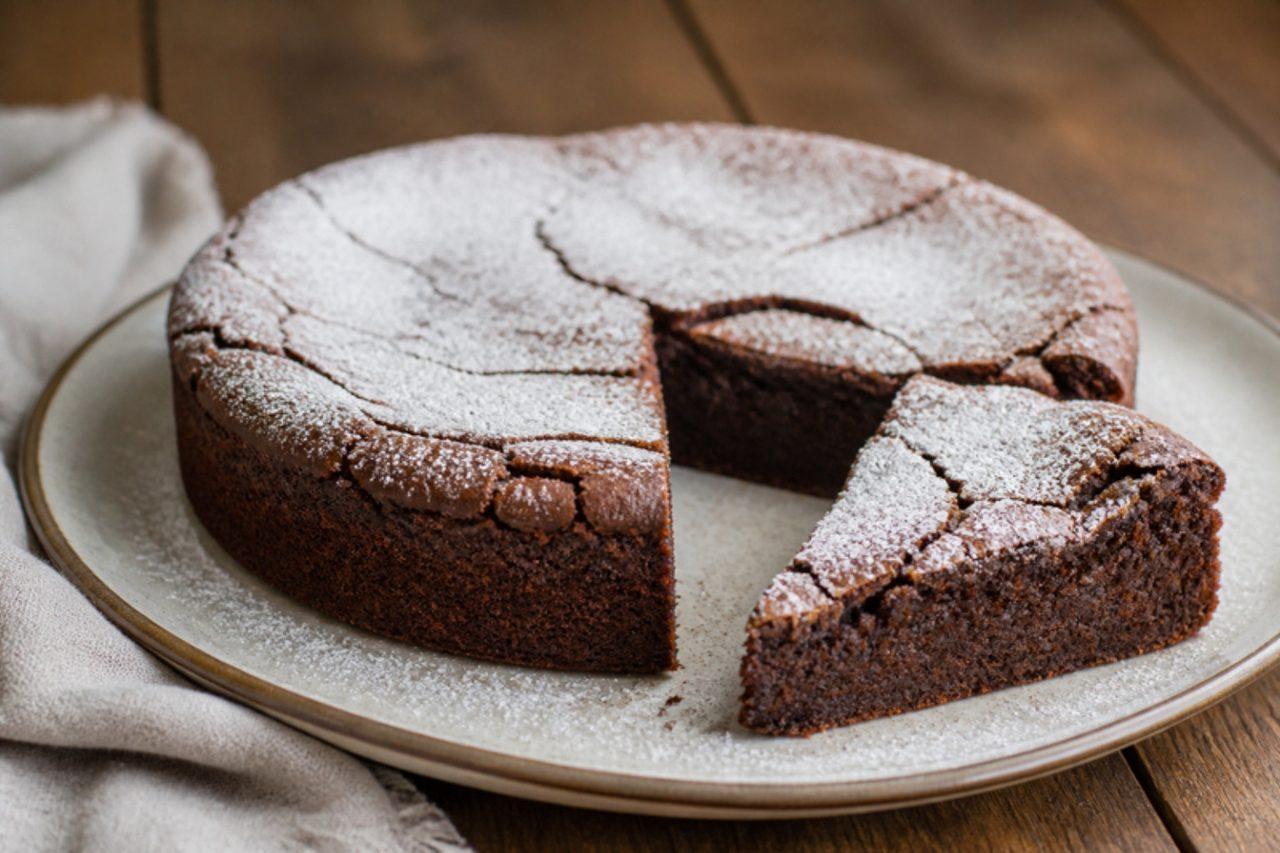
Torta capreseFlourless chocolate almond cake

Torta caprese was born on the island of Capri in the 1920s, the story goes, when a baker forgot to add flour to a chocolate almond cake and created a classic by accident. It is now the cake of the Amalfi Coast: dense, moist and fudgy in the middle, with a thin crackled crust and a dusting of icing sugar. Restaurants in Capri and Sorrento serve it with a spoonful of cream or lemon sorbet. It is naturally gluten free. Contains nuts. Chef's tip: take it out while the middle is still slightly soft; it firms up as it cools and stays moist for days.

by KrazyBadal 0 views

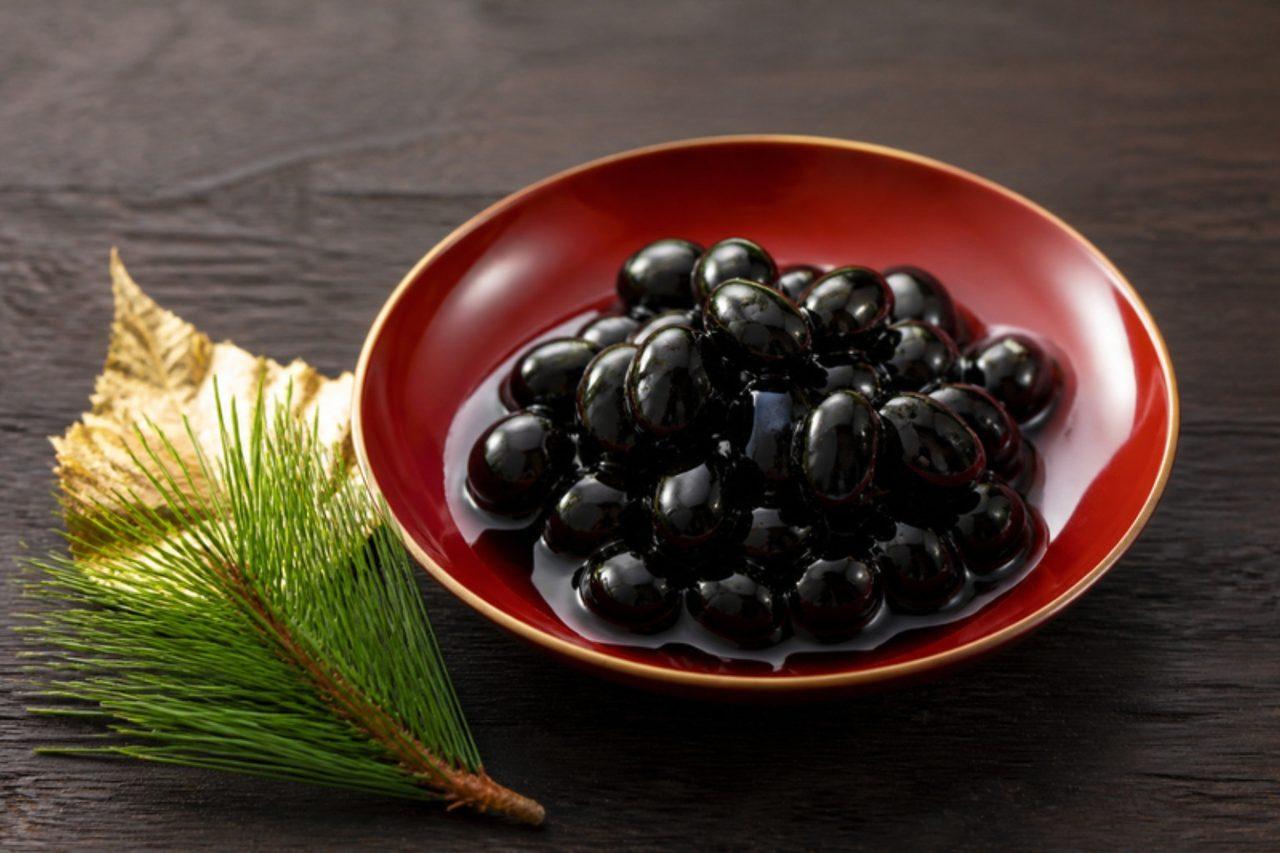
KuromameSweet black soybeans

No osechi box, the lacquered stack of cold dishes Japanese families share over the first three days of January, is complete without kuromame: plump black soybeans simmered so slowly in syrup that they stay whole, wrinkle-free and shining like jet. The word 'mame' also means hard work and good health, so eating them wishes for a diligent year. They are soft, sweet and gently savoury, with a deep bean flavour. The common mistake is letting the beans touch the air while cooking, which wrinkles their skins; keep them submerged under a drop-lid the whole time and top up with water. Chef's tip: soak the dry beans directly in the hot seasoned syrup overnight rather than in plain water, which seasons them from the inside and keeps the skins smooth.

by KrazyBadal 0 views

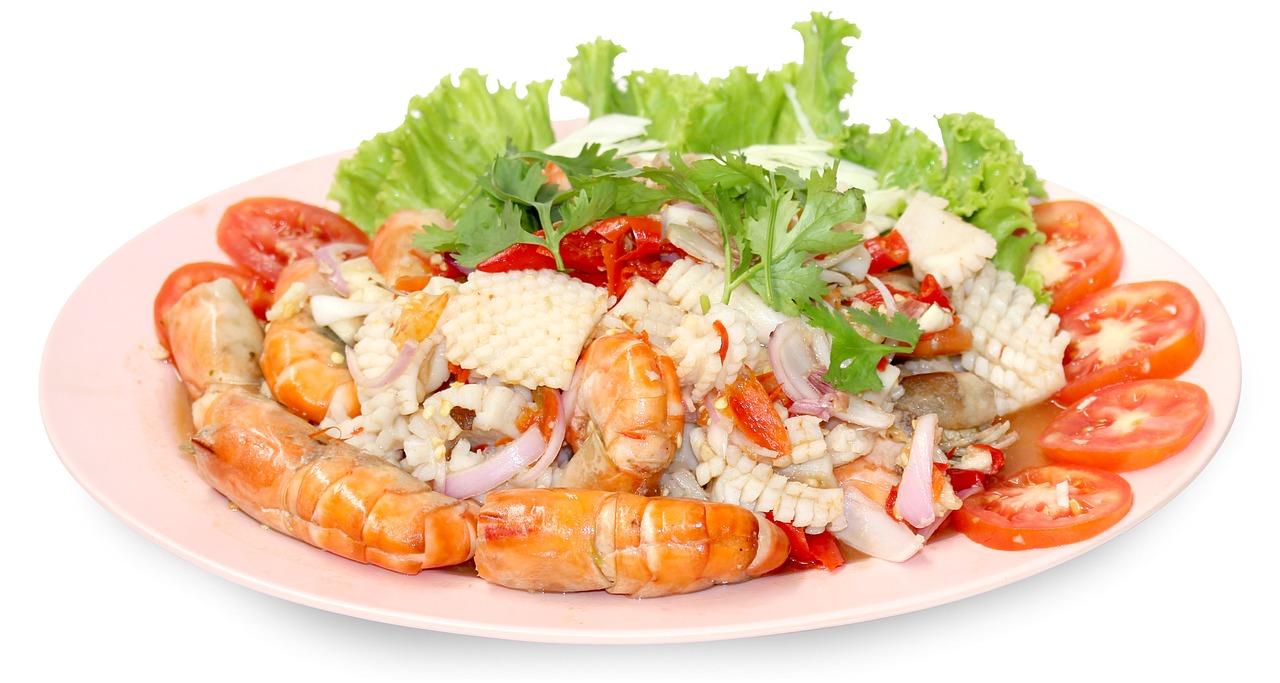
Insalata di mareSeafood salad

Along every Italian coast, from the Adriatic beaches of Romagna to the Amalfi Coast, insalata di mare is the cold antipasto that opens a seafood lunch in summer and the Christmas Eve feast in winter. Squid, prawns, mussels and clams are cooked separately, each just long enough, then dressed with lemon, olive oil, garlic, celery and parsley and left to chill so the flavours meld. Chef's tip: cook each kind of seafood on its own and pull it the moment it is done; squid needs only a minute or two, and overcooked squid turns as tough as a rubber band.

by KrazyBadal 0 views

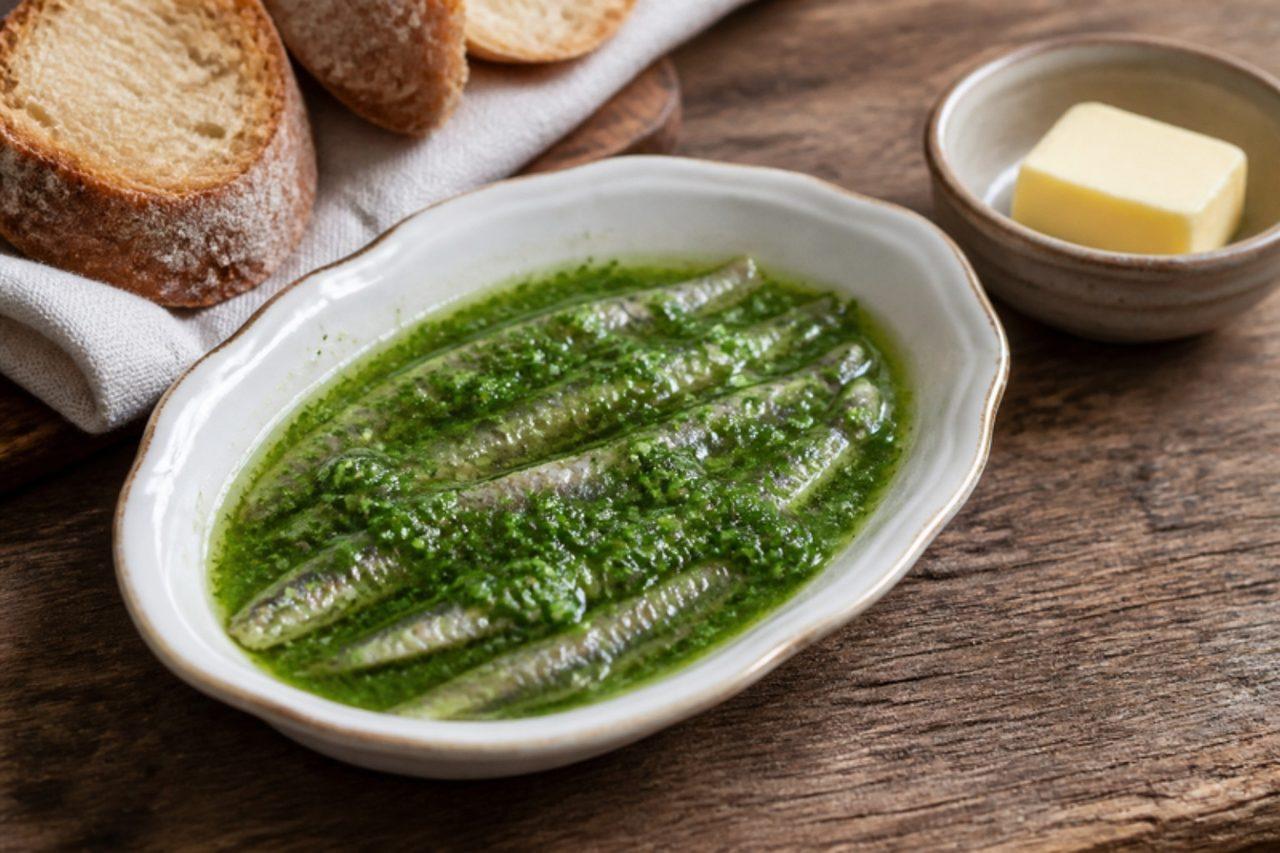
Acciughe al verdeAnchovies in green sauce

Piedmont has no coast, yet anchovies are part of its soul: salt-packed anchovies came over the mountain passes from Liguria with the salt traders, and acciughe al verde is still on the antipasto trolley of every trattoria in Turin and the Langhe. Fillets are layered in a jar with a green sauce of parsley, garlic, olive oil and a little vinegar and chilli, then left for a day to mellow. They are eaten with bread and butter or with boiled potatoes. Chef's tip: soak salted anchovies in a bowl of milk or water and vinegar for 10 minutes; it draws out the harsh salt and makes the fillets easy to lift off the bone.

by KrazyBadal 0 views

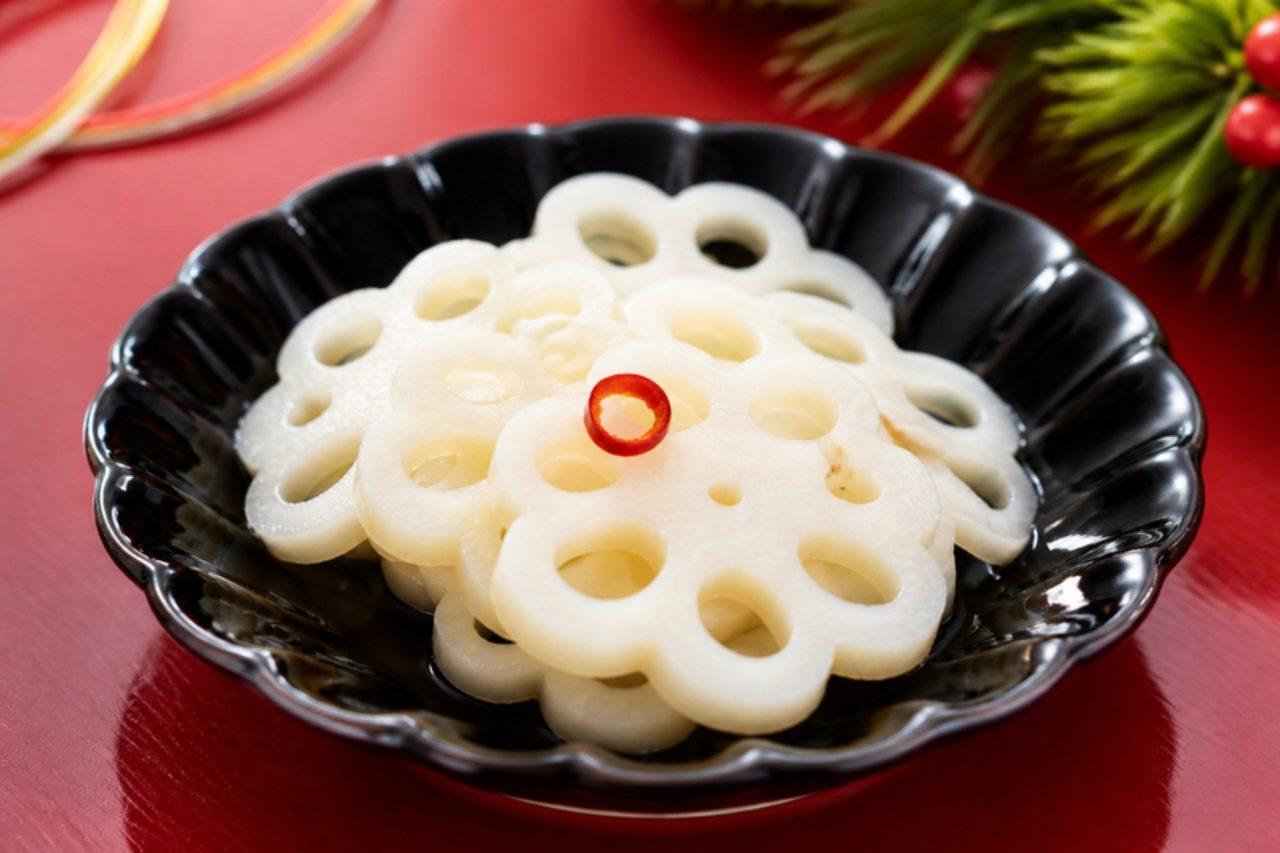
Su-renkonPickled lotus root

Lotus root is full of holes you can see straight through, so in Japan it stands for a clear view of the year ahead, and these crunchy, snow-white slices of sweet-vinegared lotus are a fixture of osechi boxes on New Year's Day. Often cut into flower shapes, they taste bright and lightly sweet with a satisfying crispness. The common mistake is boiling the slices for too long: more than 2 minutes and they turn starchy instead of crunchy. Chef's tip: add a splash of vinegar to the boiling water as well as to the pickle, which keeps the lotus root brilliantly white.

by KrazyBadal 0 views

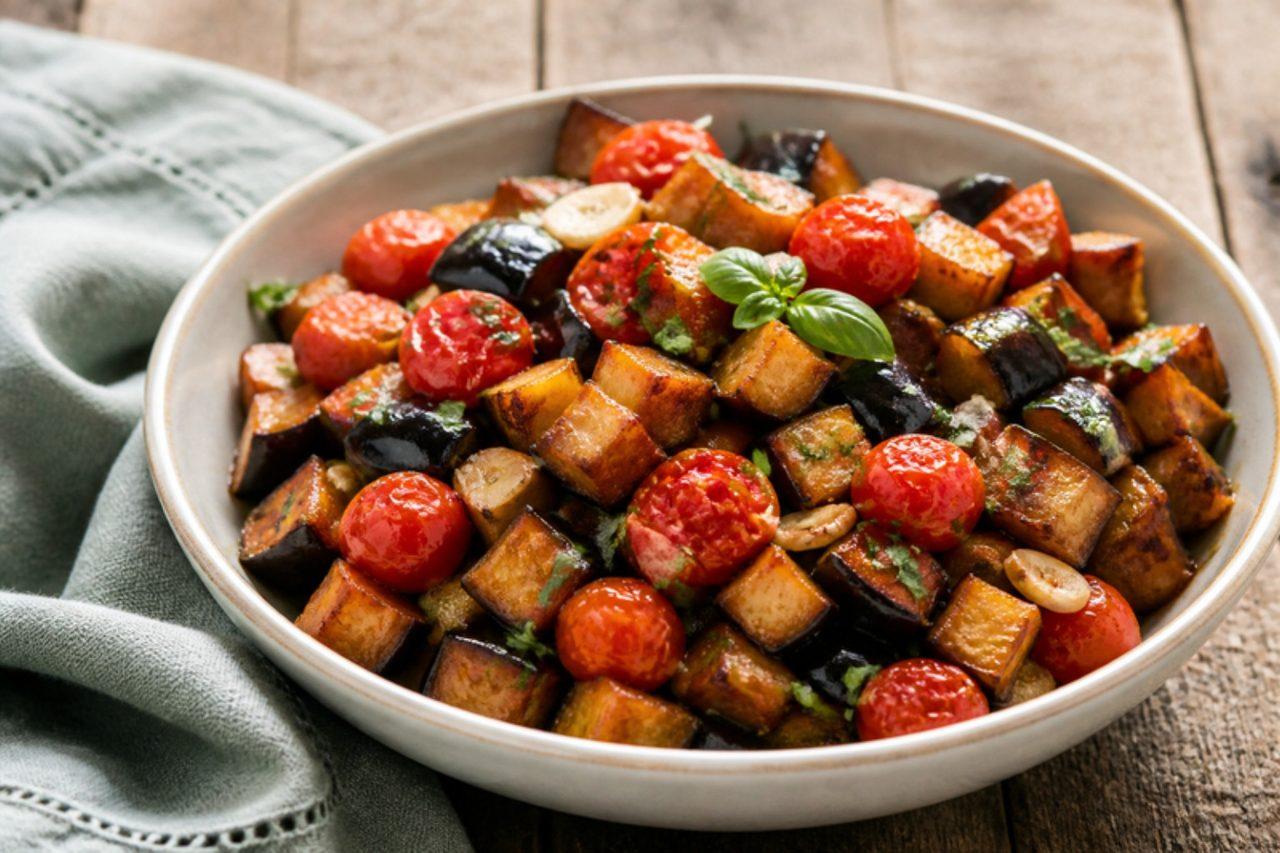
Melanzane a funghettoFried aubergine with tomatoes

Neapolitans call this aubergine "a funghetto" because the small fried cubes look and taste a little like sautéed mushrooms. It is a summer side dish from Naples and the Amalfi Coast, made when aubergines are cheap and glossy: cubes fried until golden, then tossed with a quick sauce of cherry tomatoes, garlic and basil. It is served warm or cold next to grilled meat or fish, or piled on bread. Chef's tip: salt the aubergine cubes and leave them in a colander for 30 minutes, then pat dry; they soak up less oil and fry crisp.

by KrazyBadal 0 views

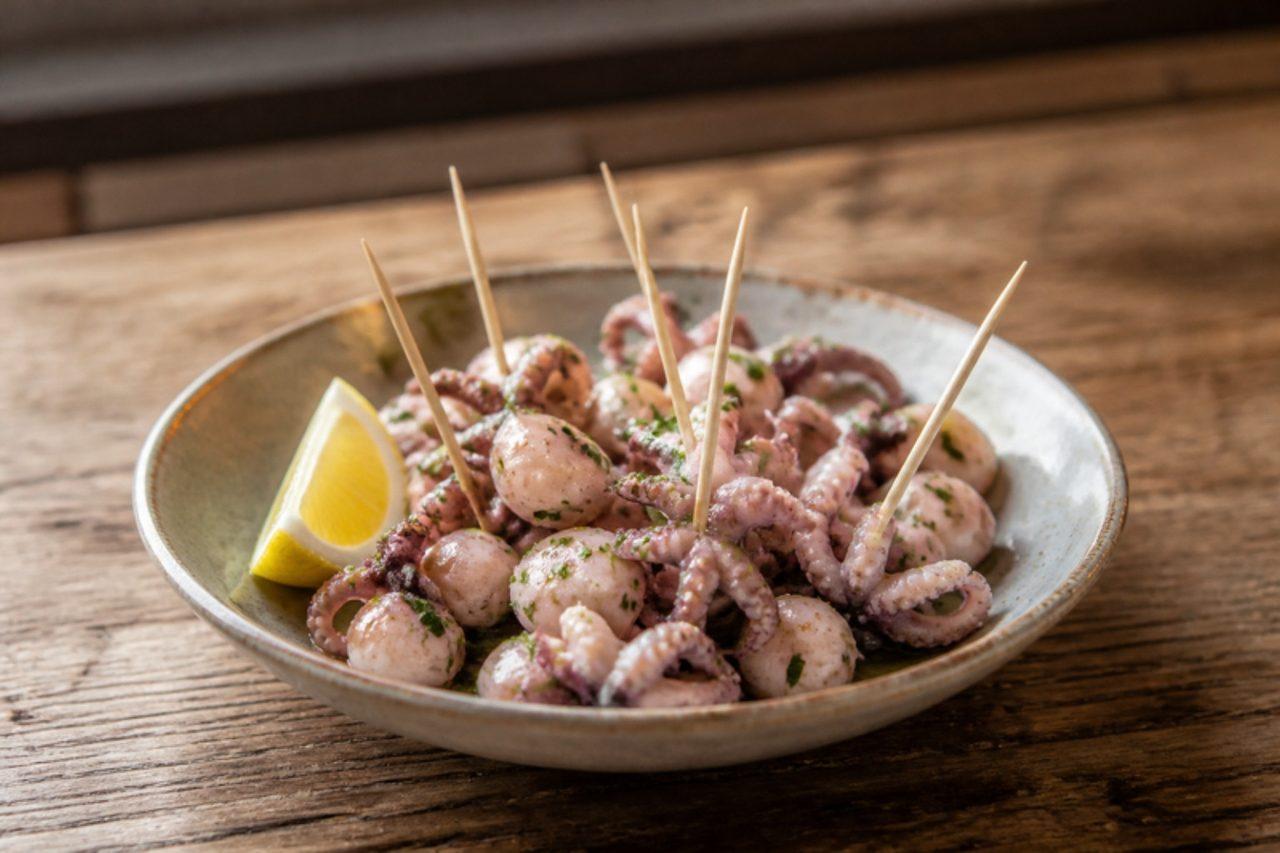
Folpetti lessiBoiled baby octopus

In the bacari (wine bars) of Venice, around the Rialto market, folpetti sit warm in a tray on the counter and are speared with a toothpick as a cicchetto, the city's small bite eaten standing up before lunch or after work. They are tiny musky octopus from the lagoon, simply boiled until tender and dressed with olive oil, lemon, garlic and parsley. The texture should be tender with a slight bite, never rubbery. Chef's tip: let the octopus cool in its cooking water for 15 minutes; it finishes softening gently and soaks up flavour.

by KrazyBadal 0 views

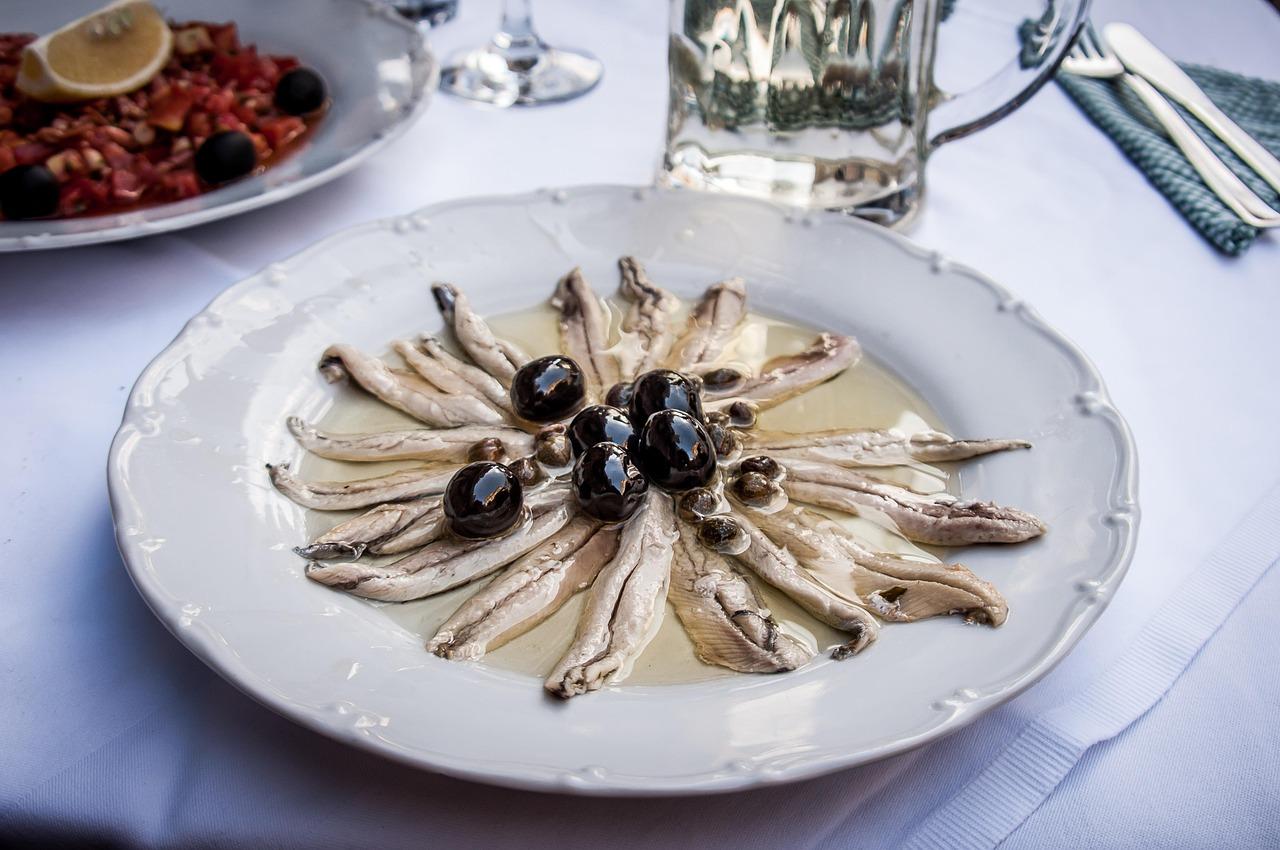
Alici marinateMarinated fresh anchovies

Along the Amalfi Coast and in the fish restaurants of Naples, alici marinate are a summer antipasto: very fresh anchovy fillets "cooked" by soaking in lemon juice and vinegar until they turn white, then dressed with olive oil, garlic, parsley and chilli. The fish is not heated, so it is not for pregnant women, young children or anyone with a weakened immune system. To be safe from parasites, freeze the cleaned fillets at −20 °C for at least 96 hours (or buy them already frozen) before marinating; the acid does not kill parasites. For a fully cooked version, poach the fillets in the marinade for 1 minute, until opaque. Chef's tip: marinate in the fridge until the flesh is white all the way through; pink in the middle means it needs longer.

by KrazyBadal 0 views

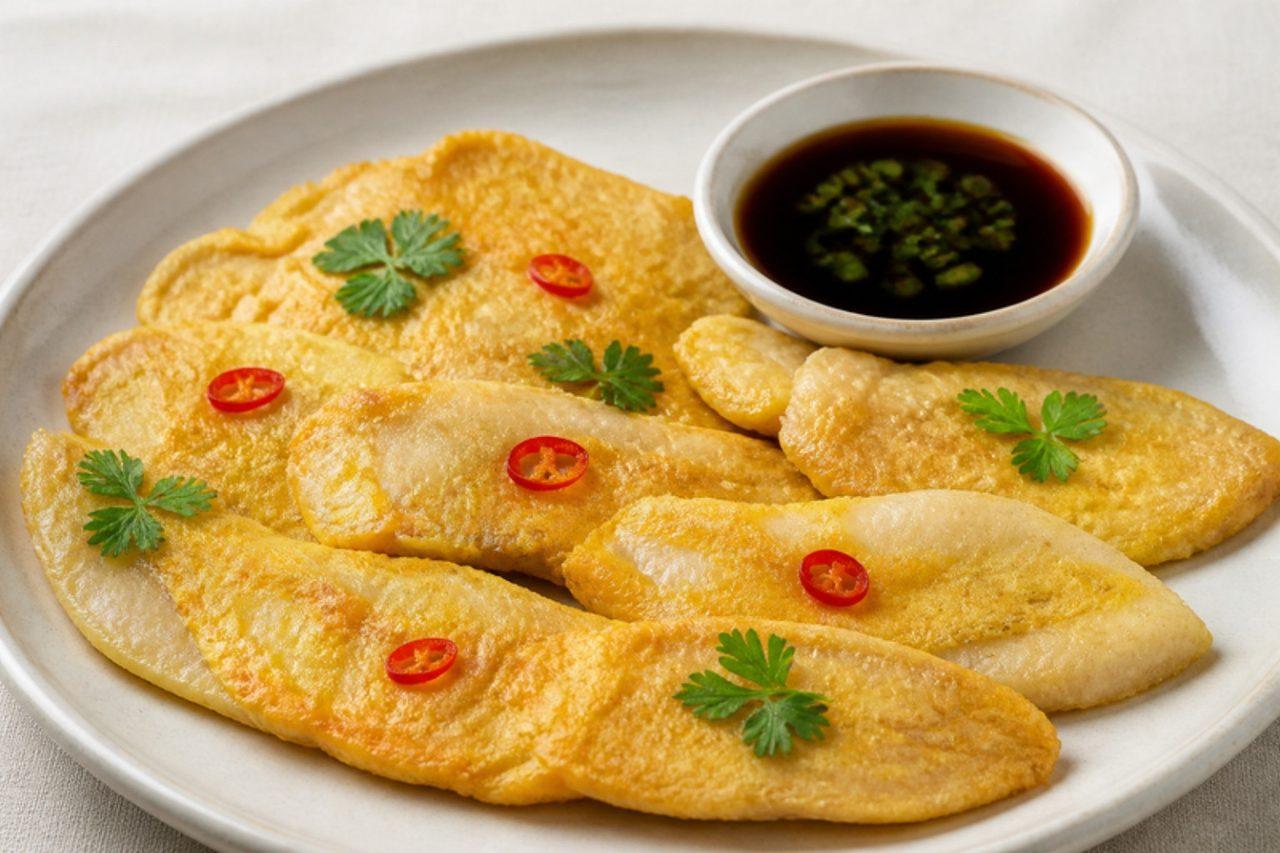
Saengseon jeonEgg-battered fish slices

Saengseon jeon is one of the golden jeon laid out on ancestral rite tables at Chuseok and Seollal, especially in coastal homes along the East Sea, where pollock and cod are the holiday fish. Thin slices of white fish are seasoned, floured, dipped in egg and fried gently, giving delicate, tender fish inside a soft yellow coat. They are eaten with a soy-vinegar dip. The common mistake is cutting the fish too thick, so the egg browns before the centre is cooked. Chef's tip: slice the fillets while they are still half-frozen; you can cut neat 7 mm slices that cook in the time it takes the egg to set.

35 minKoreanFish
by KrazyBadal 0 views

Cannoncini alla cremaCustard puff pastry horns

Every pastry shop in Turin and Piedmont has a tray of cannoncini: puff pastry wrapped around metal cones, baked until golden and flaky, then piped full of vanilla custard and dusted with icing sugar. Little ones are part of the "pasticcini mignon" bought on Sunday morning after church to take to lunch at the grandparents' house. You need cannoncino or cream-horn moulds. Chef's tip: fill them just before serving; custard softens the pastry within a few hours.

by KrazyBadal 0 views

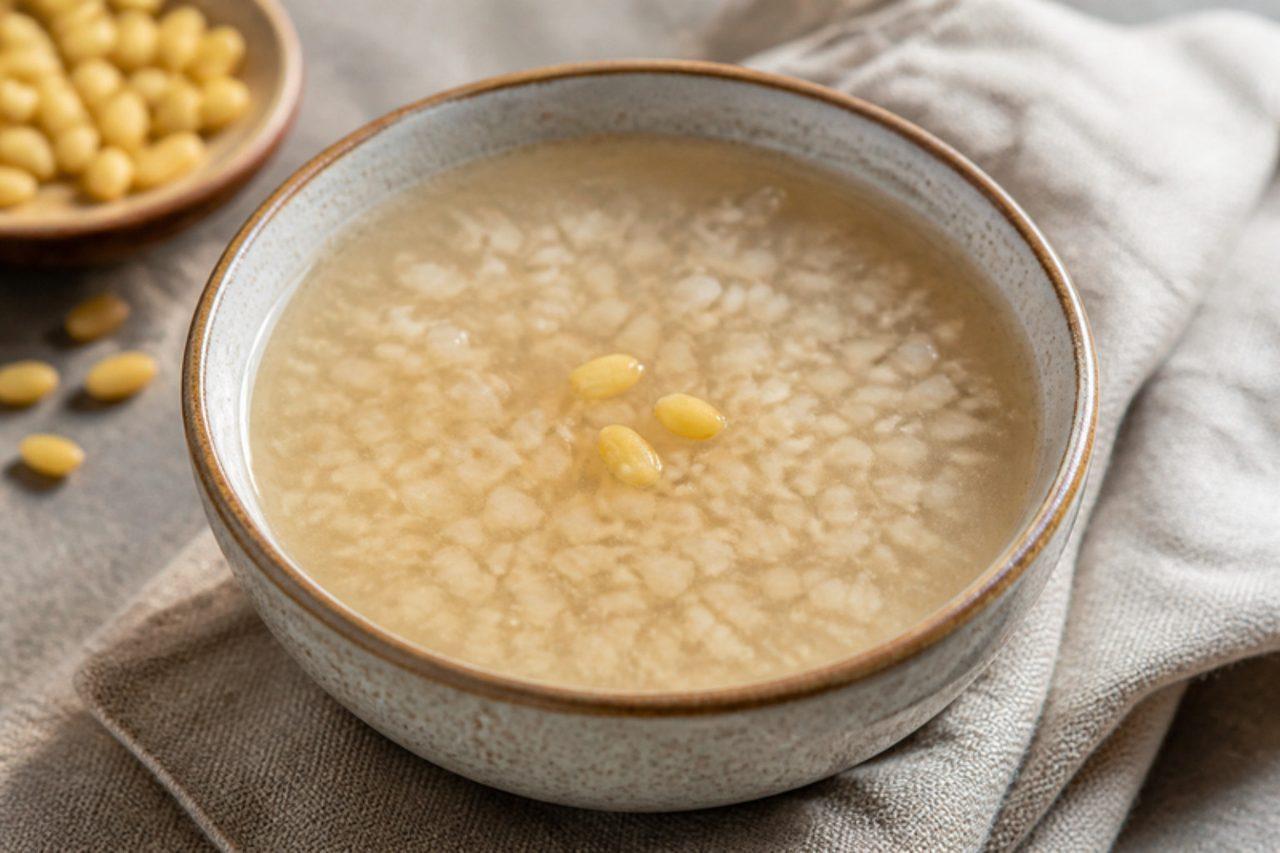
SikhyeSweet rice punch

Every Korean jjimjilbang (bathhouse) sells sikhye in little cans, and every grandmother makes a big pot of it before Seollal and Chuseok to sip after the heavy holiday meal, because it is believed to help digestion. Barley malt water and cooked rice are kept warm for several hours until enzymes turn the rice starch into sugar and the grains float up to the top, then the drink is boiled with ginger and chilled until icy. It is mild, lightly sweet and nutty, with soft rice grains to slurp. The usual mistake is letting it get too hot while it ferments: above about 65 °C the enzymes stop working and the grains never float. Contains barley (gluten). Chef's tip: use the rice cooker's 'keep warm' setting; it holds the perfect temperature on its own.

320 minKoreanDrinksVegan
by KrazyBadal 0 views

Showing 24 of 2,631 recipes

Show more recipes

Page 1 of 110