Skip to content
WhatToEat.Today

All recipes

87

Vegetarian, or something you can't eat? Set your diet once and we'll hide recipes that don't fit.

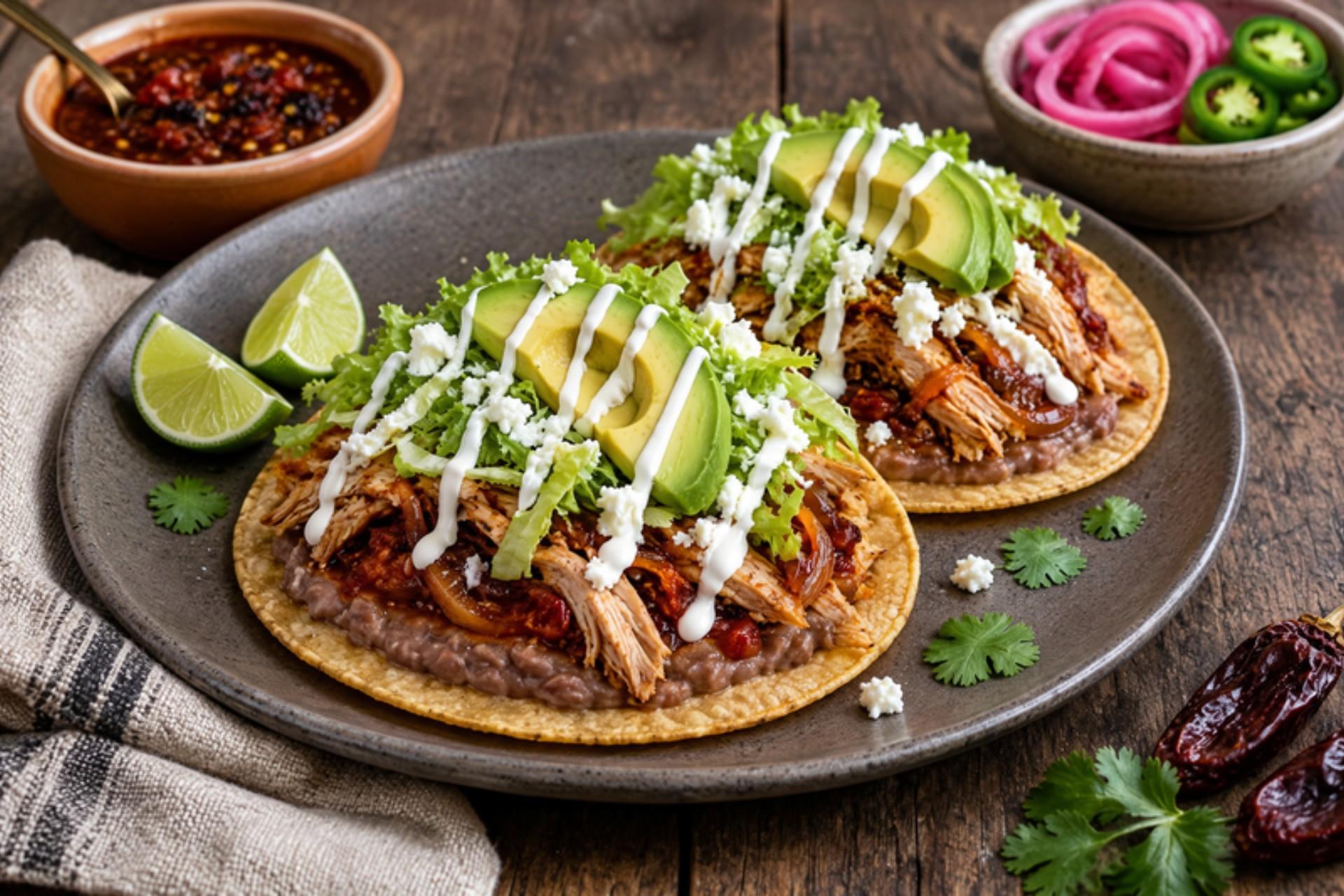
Tinga de polloShredded chipotle chicken

Tinga comes from Puebla, where it is a favourite for weekday lunches, parties and street-side tostada stalls: poached chicken shredded into a sauce of softened onions, tomatoes and smoky chipotle chillies in adobo, until every strand is coated in red. Pile it on crisp tostadas spread with refried beans and top with lettuce, crema, cheese and avocado, or roll it into tacos and quesadillas. The common mistake is adding all the chipotles at once: tins vary a lot in heat, so start with two and taste. The chicken must reach 74 °C in the thickest part before you shred it; it then simmers again in the sauce. Chef's tip: let the onions cook soft and sweet for a full 10 minutes before the tomato goes in; that sweetness balances the smoky heat.

by KrazyBadal 0 views
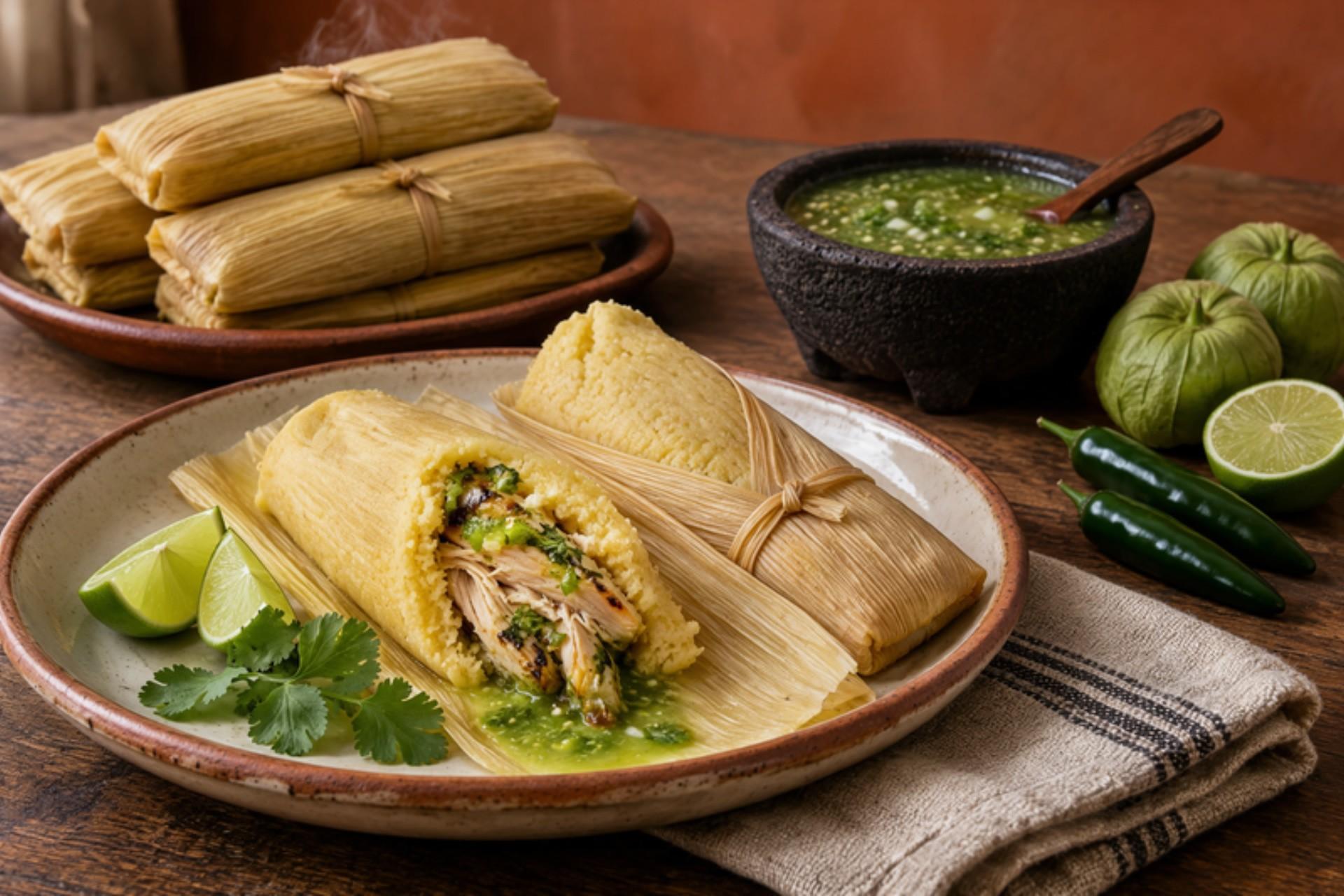
Tamales verdes de polloChicken tamales in green salsa

In Mexico City, tamales verdes are breakfast: bought hot from bicycle carts outside metro stations, eaten with a cup of atole, or squeezed into a bolillo roll as a 'guajolota'. Families also make them by the dozen for Candelaria on 2 February and for Christmas. Fluffy corn masa is beaten with fat and broth, spread on soaked corn husks, filled with chicken in a sharp tomatillo and green chilli sauce, then steamed. Fondas often use pork lard; this version uses vegetable shortening. The common mistake is under-beating the masa: it should be light enough that a small ball floats in a glass of cold water. They are done when the husk peels away cleanly from the masa. Cook the chicken to 74 °C before filling. Chef's tip: let the steamed tamales rest in the pot off the heat for 15 minutes; they firm up and stop sticking to the husks.

by KrazyBadal 0 views
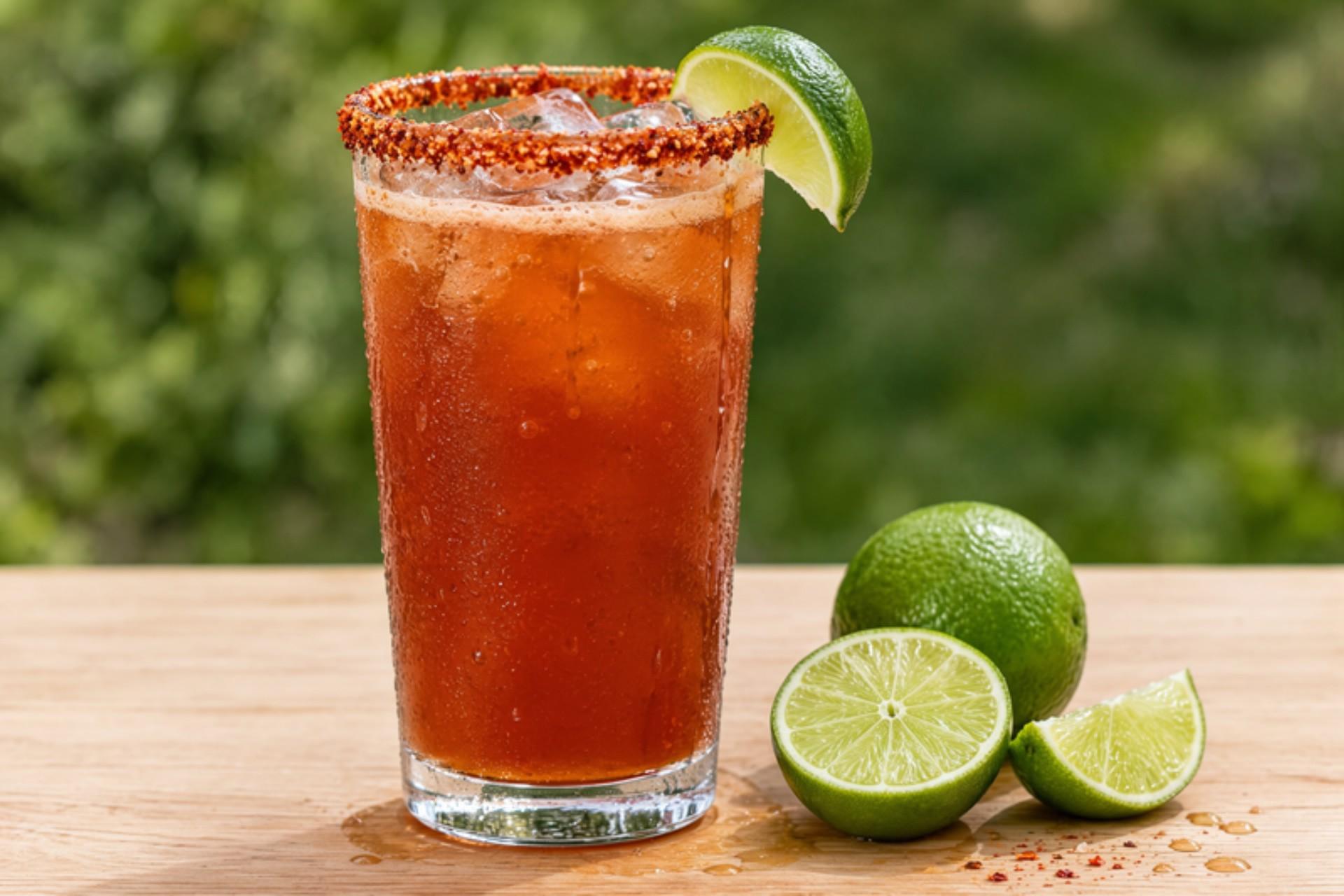
MicheladaSpiced lime beer cocktail

The michelada is the weekend drink of Mexico, poured at beach bars in Mazatlán, cantinas in Mexico City and backyard carne asadas on Sunday afternoons, and it is a drink for adults only. A light Mexican-style lager is mixed with plenty of lime, a dash of hot sauce, a little soy sauce and Worcestershire sauce, over ice in a glass rimmed with chilli salt, so it is sour, salty, savoury and very refreshing. Most Worcestershire sauce contains anchovies, so buy a vegetarian Worcestershire sauce. For an alcohol-free version, use alcohol-free lager or sparkling water with a little tomato juice; it tastes almost the same. The common mistake is adding the beer too fast: it foams up over the seasoning and the glass overflows. Tilt the glass and pour slowly. Drink responsibly. Chef's tip: chill the glass in the freezer for 15 minutes; the rim sets crisply and the drink stays cold to the last sip.

by KrazyBadal 0 views
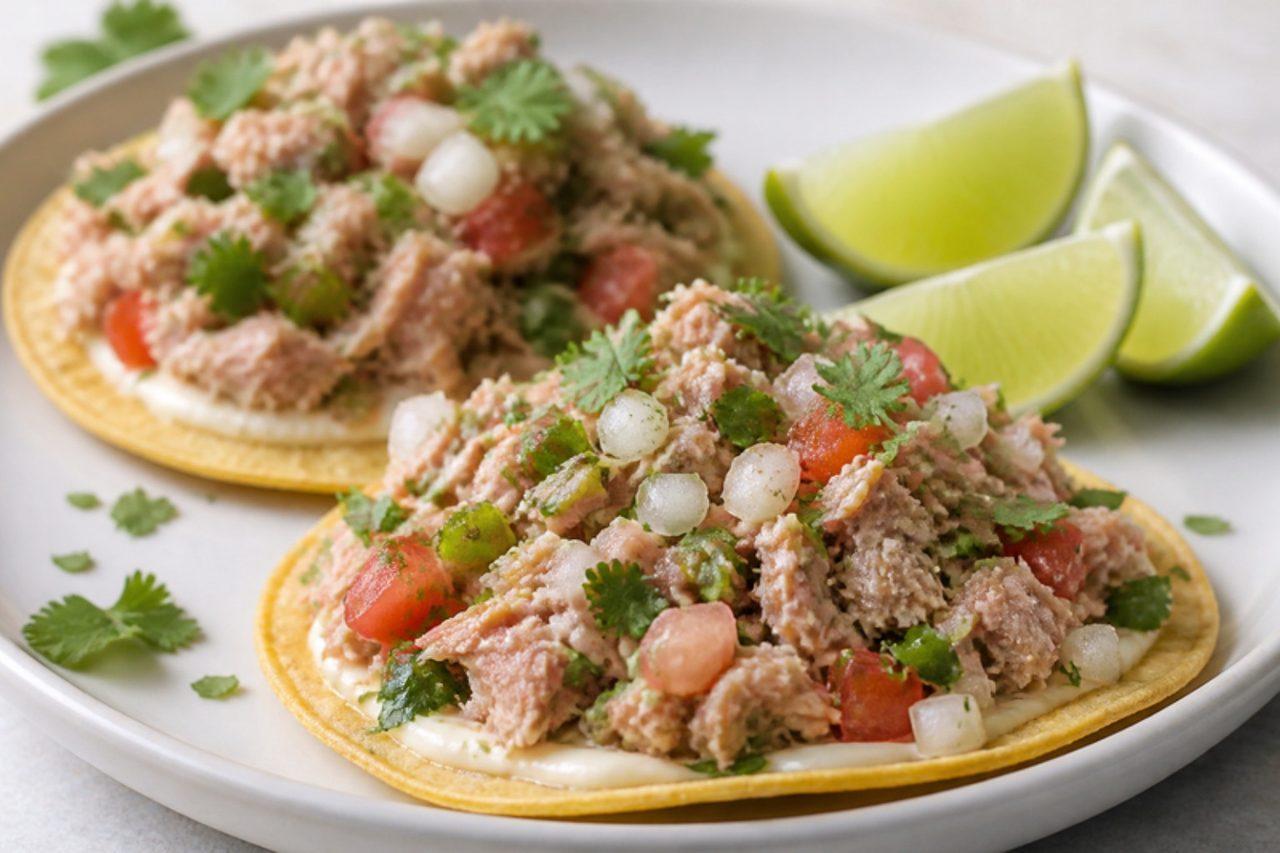
Tostadas de atúnTuna tostadas

Tostadas de atún are a Lent favourite all over Mexico and an everyday late supper when the cupboard is nearly empty: shop-bought crisp tostadas spread with a little mayonnaise and heaped with canned tuna mixed with onion, tomato, chilli and lime. Nothing is cooked, so it is on the table in ten minutes. The common mistake is piling on watery tomato, which turns the tostada soggy before you can eat it. Chef's tip: squeeze the tuna really dry and add the lime and salt only at the last moment so the mix stays crisp and bright.

by KrazyBadal 0 views
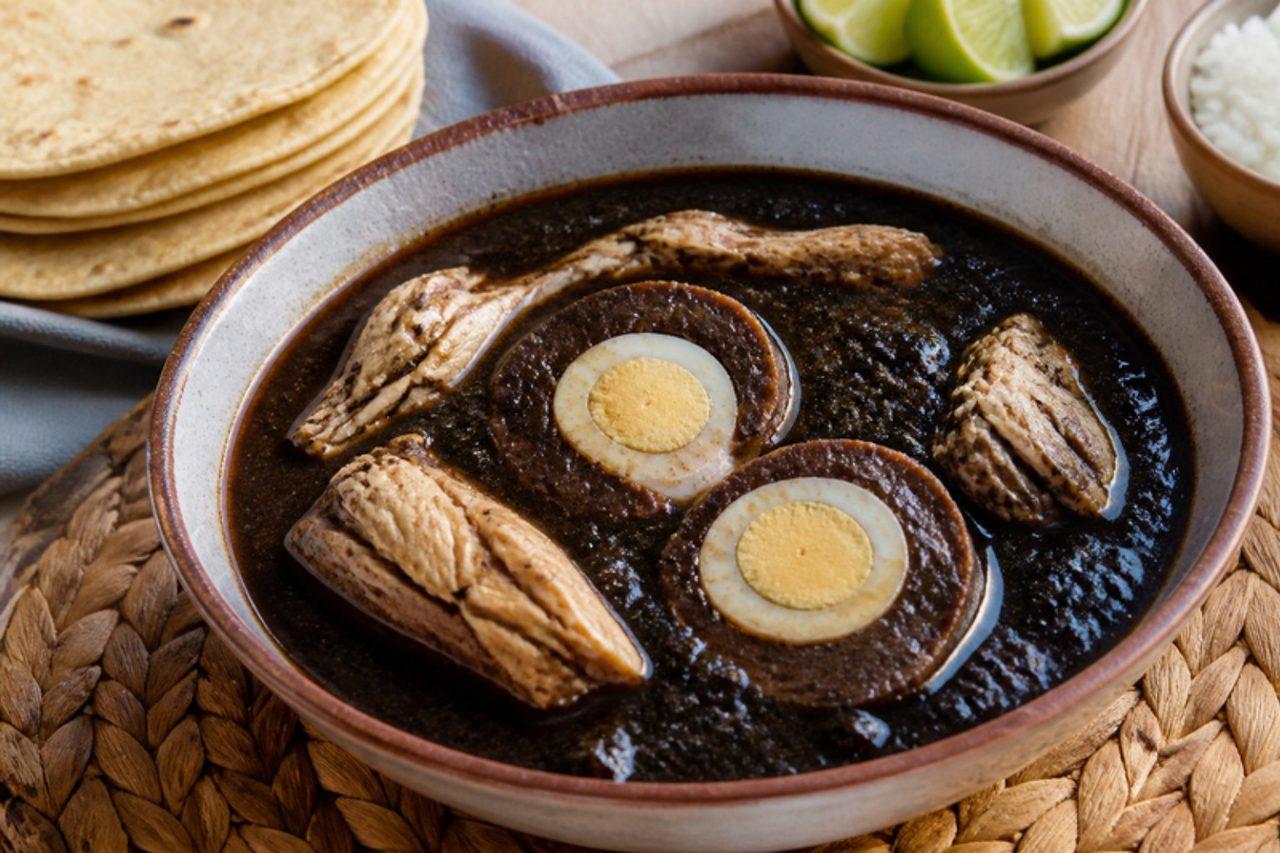
Relleno negroTurkey and pork black chilli stew

Relleno negro, or chilmole, is the great fiesta dish of the Yucatán peninsula, cooked for Christmas, New Year and village saints' days. Turkey is simmered in a jet-black broth coloured by recado negro, a paste of chillies charred until black, and served with a 'but', a meatball of minced pork and spices wrapped around hard-boiled egg. Recado negro paste is sold in Mexican shops; it is very hard to make at home safely because the chillies are burnt outdoors. Serve with corn tortillas or in tortas. Chef's tip: dissolve the recado in some of the warm broth first, so it blends smoothly instead of floating in black lumps.

by KrazyBadal 0 views
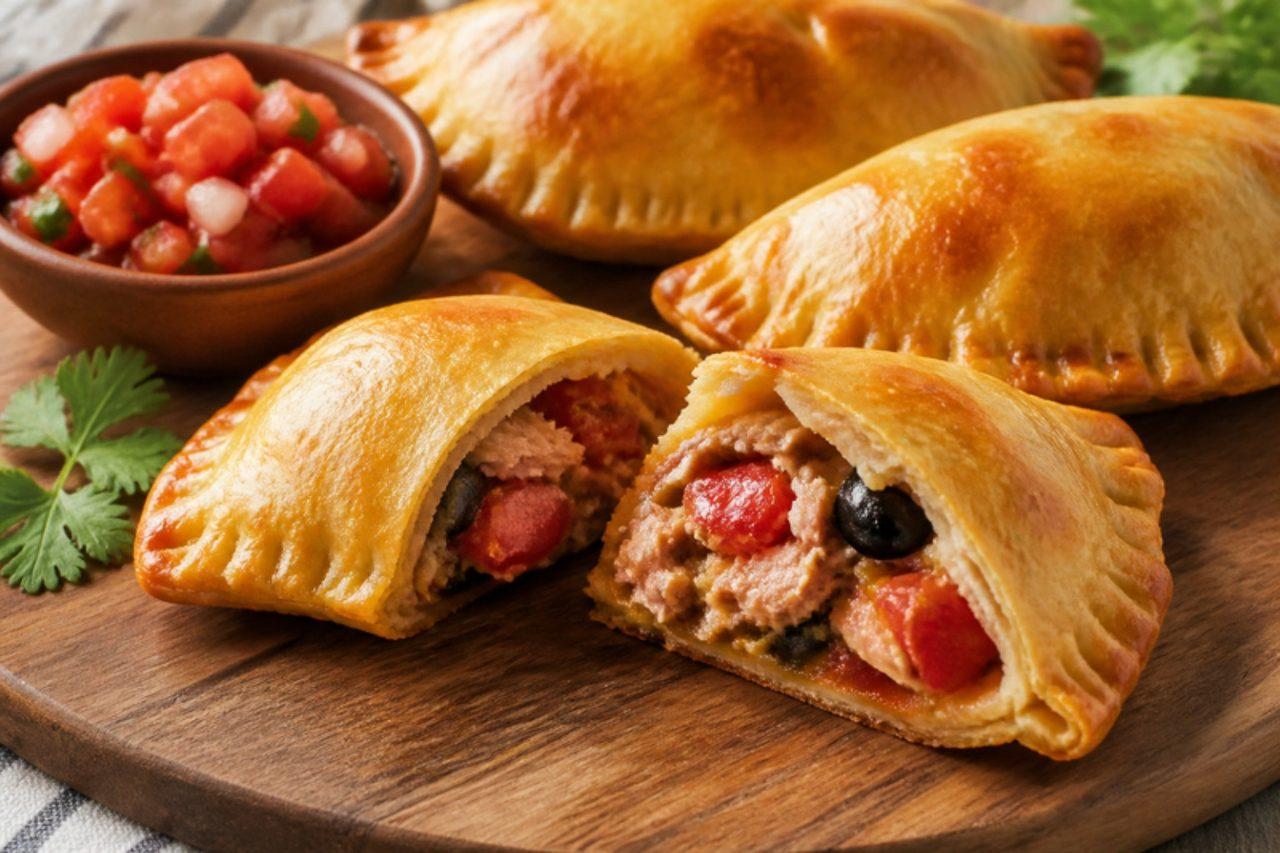
Empanadas de vigiliaTuna empanadas

During Cuaresma (Lent) and on the Fridays of Holy Week, Mexican kitchens turn to 'vigilia' food without meat, and fish empanadas are a favourite: tender wheat pastry half-moons filled with tuna (or soaked salt cod) cooked with tomato, onion, olives, capers and pickled jalapeños, a cousin of bacalao a la vizcaína. They are baked here, but can be fried. Chef's tip: cook the filling until quite dry, as a wet filling makes soggy empanadas that leak.

by KrazyBadal 0 views
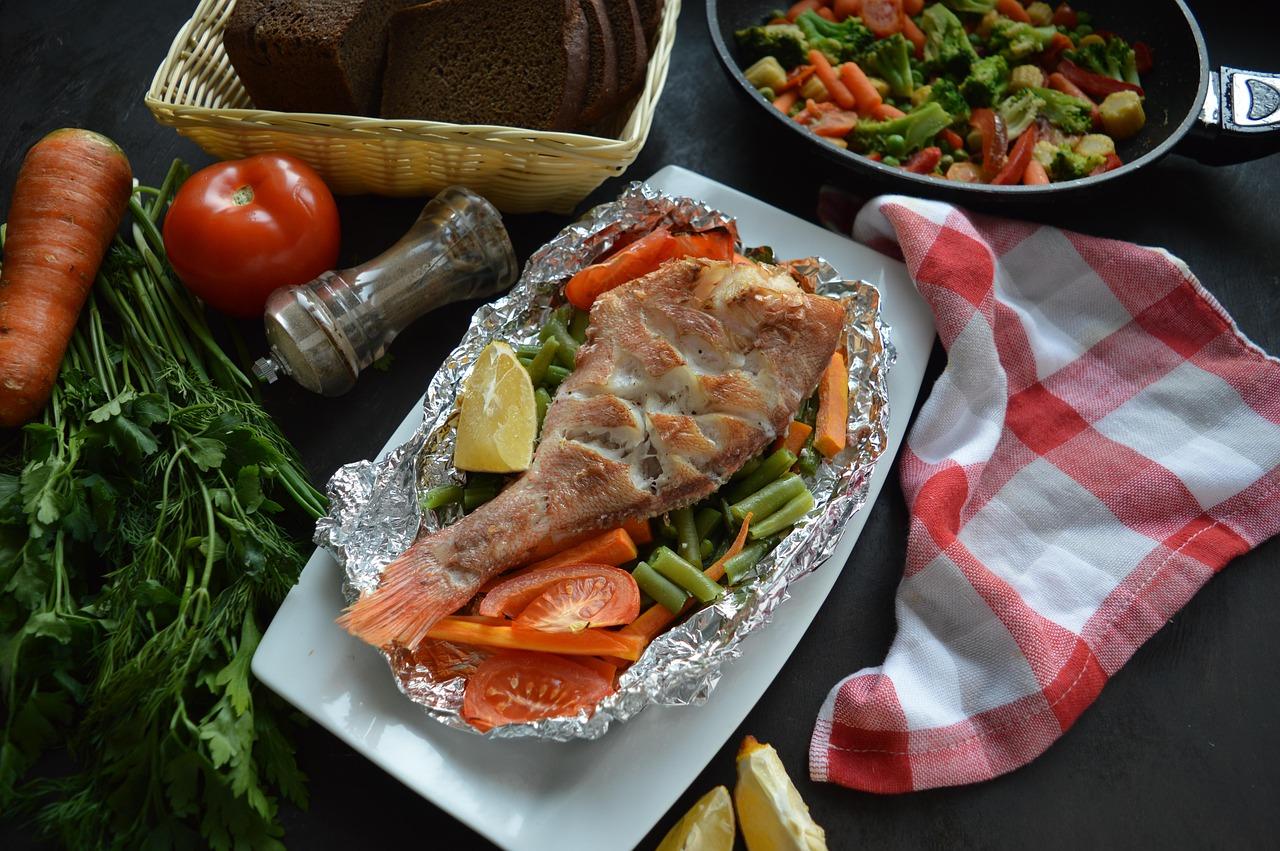
Pescado empapeladoFish baked in paper parcel

Along the Gulf coast of Veracruz, pescado empapelado is a weekday lunch and a Lenten Friday favourite: a fillet of snapper or other white fish is sealed in paper or foil with tomato, onion, peppers, olives, capers and herbs, then baked so it steams in its own juices. Each person opens their own fragrant parcel at the table. A portion gives about 32 g of protein, from the fish, for around 250 kcal. The common mistake is a loose parcel: if the edges aren't crimped tightly the steam escapes and the fish bakes dry, so fold and pinch the edges all the way round. The fish is done when it is opaque and flakes easily at the thickest point (63 °C). Chef's tip: slice the vegetables thinly and lay them under the fish as well as on top; they cook in the same 15 minutes and keep the fillet off the hot paper.

by KrazyBadal 0 views

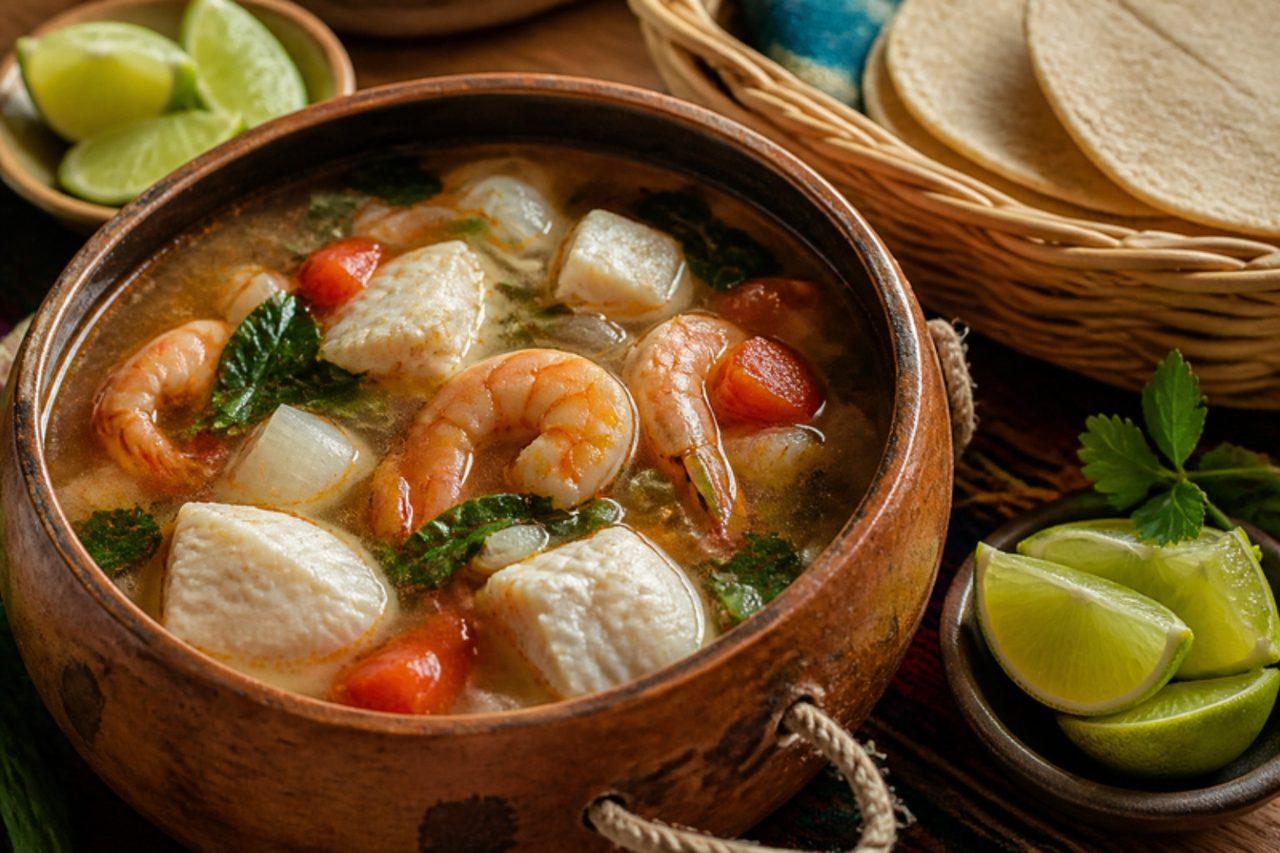
Caldo de piedraFish and tomato stone soup

Caldo de piedra comes from San Felipe Usila in the Chinantla of northern Oaxaca, where Chinantec men cook it by the river: fish, tomato, chilli and epazote go into a gourd bowl of water and red-hot river stones are dropped in to bring it to a fierce boil in seconds. It is eaten as a celebration and every year at a festival in the village. Heating stones at home is dangerous (wet or porous stones can crack or burst), so this version brings a heavy pot to a hard boil first and cooks the fish just as briefly. A portion gives about 38 g of protein, from the fish and prawns, for roughly 260 kcal. The common mistake is letting the fish boil on: it is done in 3–4 minutes, when it turns opaque and flakes, and after that it falls apart. Chef's tip: blend the tomato, onion and chilli raw; the broth tastes fresh and sharp, closer to the riverside original than a cooked sauce.

by KrazyBadal 0 views
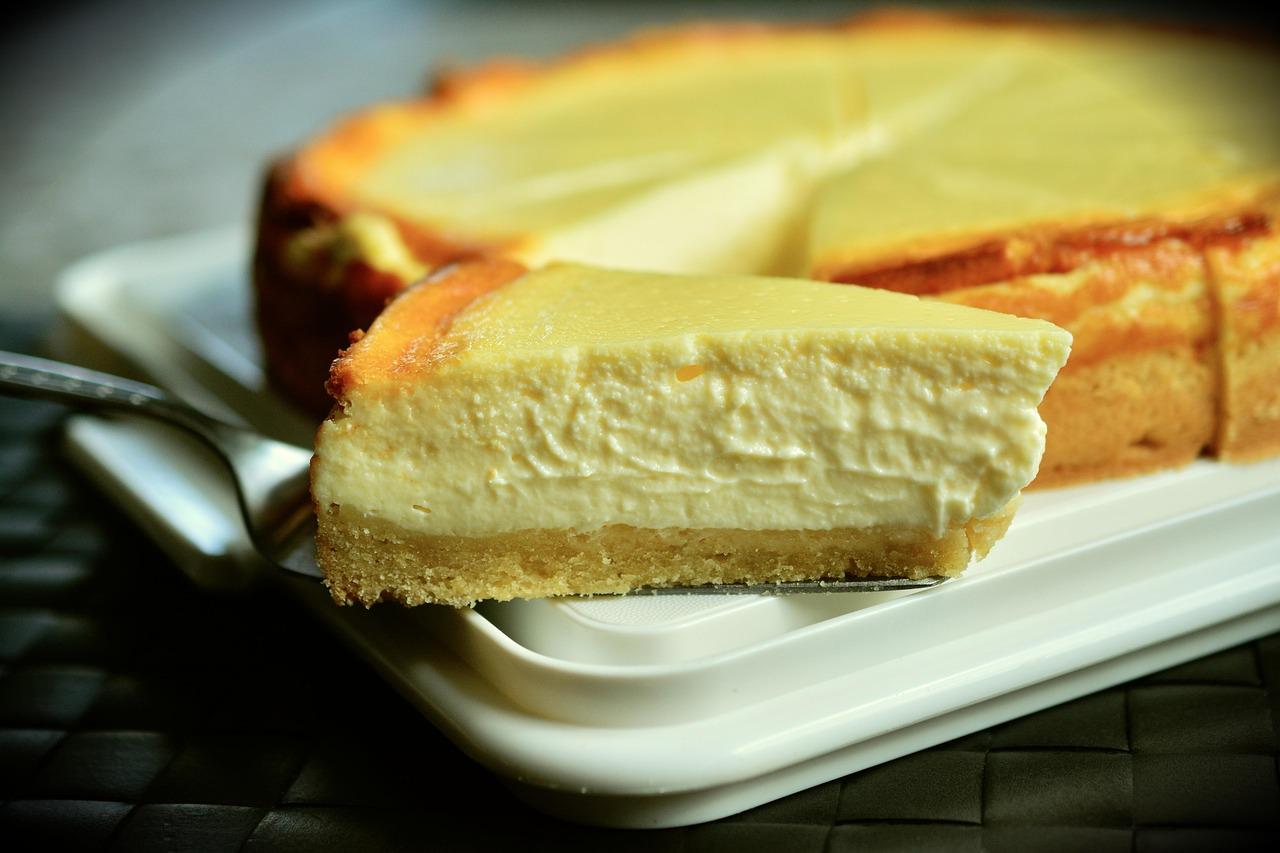
Pay de quesoCreamy cheesecake

Mexican cafés, school bake sales and Sunday family lunches all have a pay de queso, the country's own take on cheesecake. Cream cheese, condensed milk and evaporated milk are whizzed in a blender with eggs and vanilla, poured onto a crust of crushed plain tea biscuits and baked into a dense, creamy slice with a caramel note from the condensed milk. Serve it chilled with coffee, or with strawberries or a spoon of cajeta on top for a party. The usual mistake is blending at full speed for too long, which whips in air and makes the top rise and crack. Chef's tip: blend on low just until smooth, then tap the filled tin on the worktop a few times to bring big bubbles to the surface.

by KrazyBadal 0 views
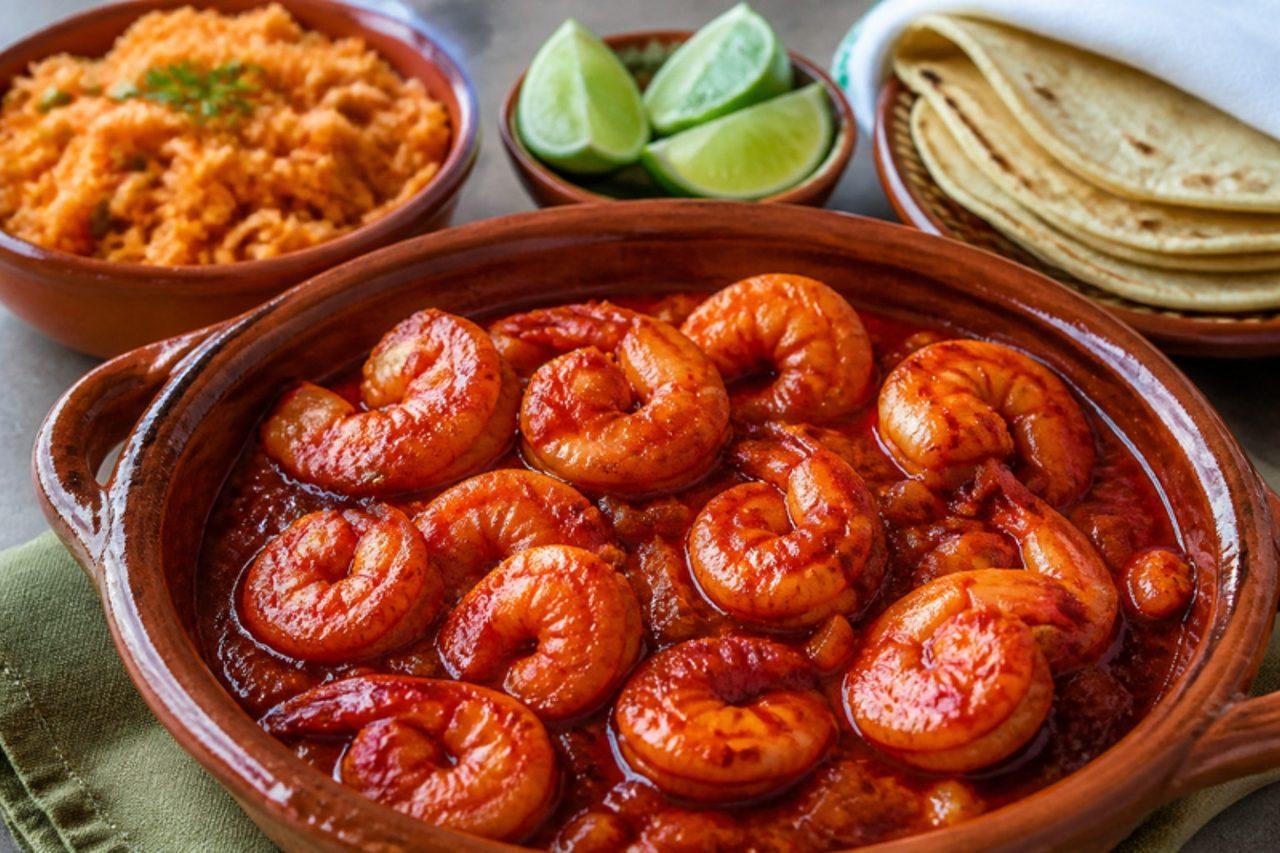
Camarones a la diablaPrawns in fiery chile sauce

Camarones a la diabla, 'devil's prawns', come from the seafood shacks of Mexico's Pacific coast, from Mazatlán down to Acapulco, where they are eaten at lunch with cold drinks, white rice and lime. The sauce is a quick blend of toasted guajillo and chile de árbol with tomato and garlic, fried until it darkens and clings, and the prawns go in only for the last few minutes. It is properly hot; use fewer árbol chiles for a milder pan. The common mistake is burning the dried chiles when toasting them: a few seconds a side is enough, and blackened chiles make the whole sauce bitter. Chef's tip: fry the blended sauce in the oil until it turns a shade darker and thick enough to leave a trail; that is where the deep, rounded flavour comes from.

by KrazyBadal 0 views

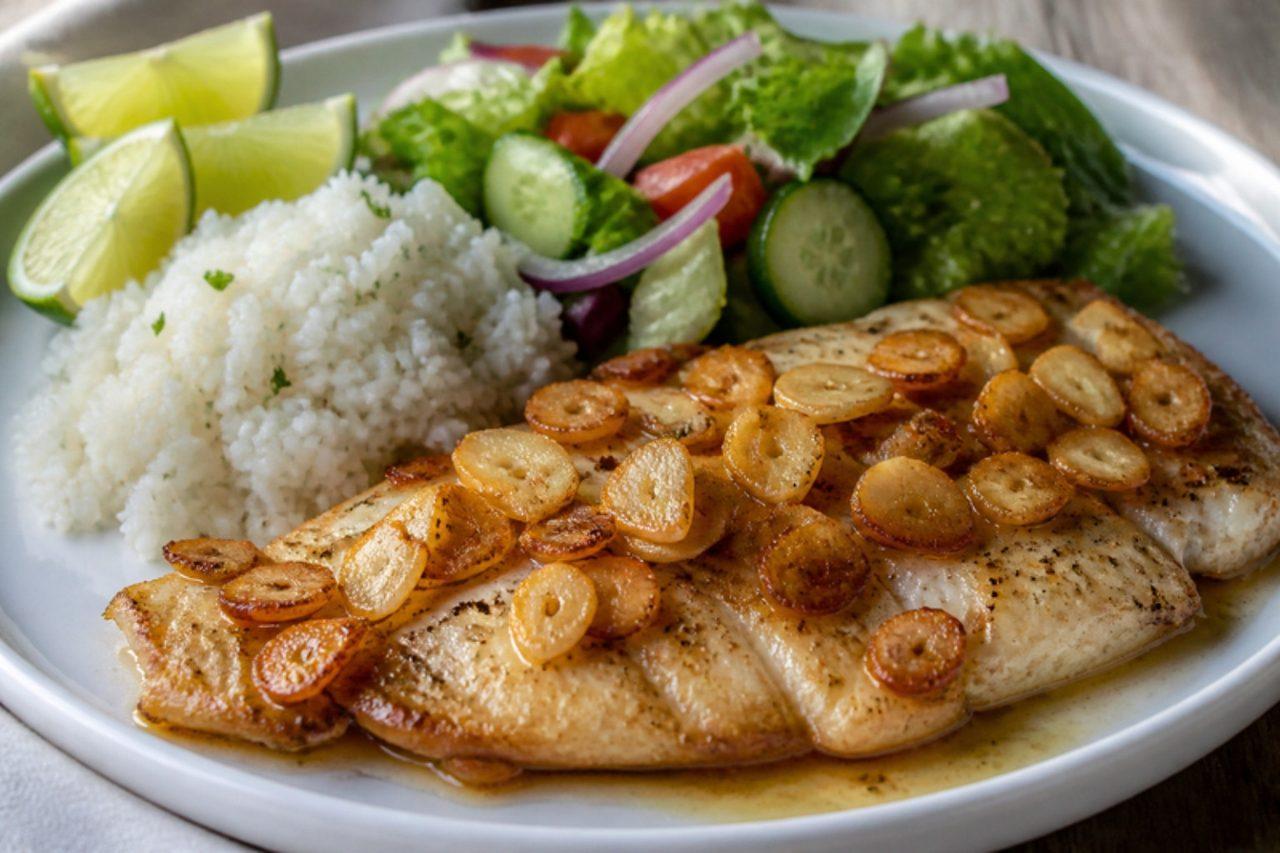
Pescado al mojo de ajoGarlic butter fried fish

Along the Gulf coast, from the port of Veracruz to the beach restaurants of Boca del Río, pescado al mojo de ajo is the everyday fish order: firm white fillets fried and spooned over with a butter-and-oil sauce full of slowly golden garlic, a squeeze of lime and a little chile. It is served at lunchtime with white rice, a green salad and warm tortillas to mop the plate. The mistake that ruins it is rushing the garlic over a high heat: it should turn pale gold slowly, because burnt garlic is bitter and cannot be saved. Chef's tip: cook the garlic first and keep it aside, then fry the fish in the same flavoured fat, so the slices stay sweet and crisp instead of scorching while the fish cooks.

by KrazyBadal 0 views

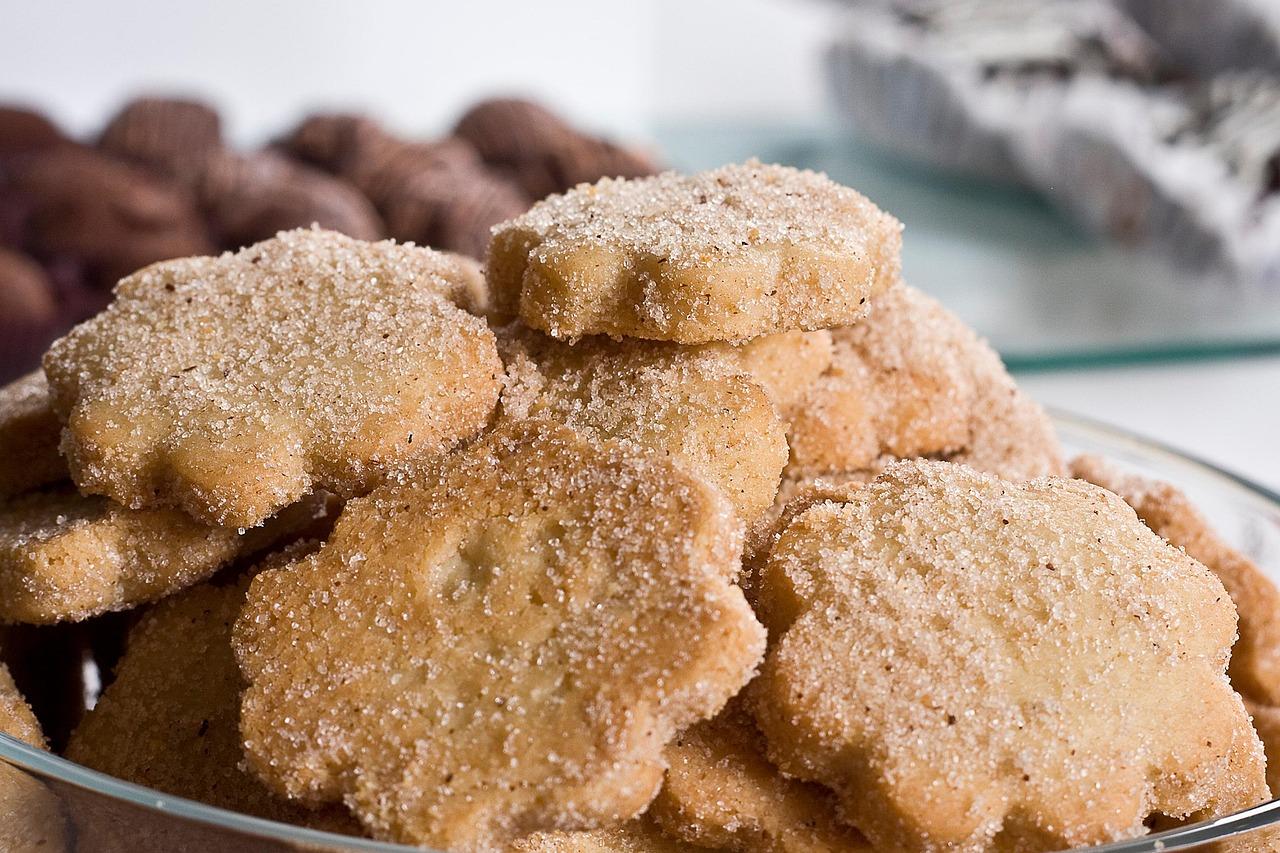
HojarascasCinnamon sugar crumble cookies

At weddings, quinceañeras and Christmas gatherings in Nuevo León and Coahuila, someone always brings a platter of hojarascas, the name meaning 'fallen leaves' because they crumble as lightly as dry leaves underfoot. The cookies are short and sandy, spiced with cinnamon, and rolled while warm in more cinnamon sugar so they look frosted. Monterrey families serve them with café de olla or hot champurrado. They are traditionally made with lard; this version uses vegetable shortening, which gives the same tender crumb and makes them vegan, or you can use butter for a richer taste. Overworking the dough once the flour is in is the classic mistake, because it develops gluten and makes them tough. Chef's tip: steep a cinnamon stick in the water first and use that tea to bind the dough, which doubles the spice flavour without bitterness.

by KrazyBadal 0 views

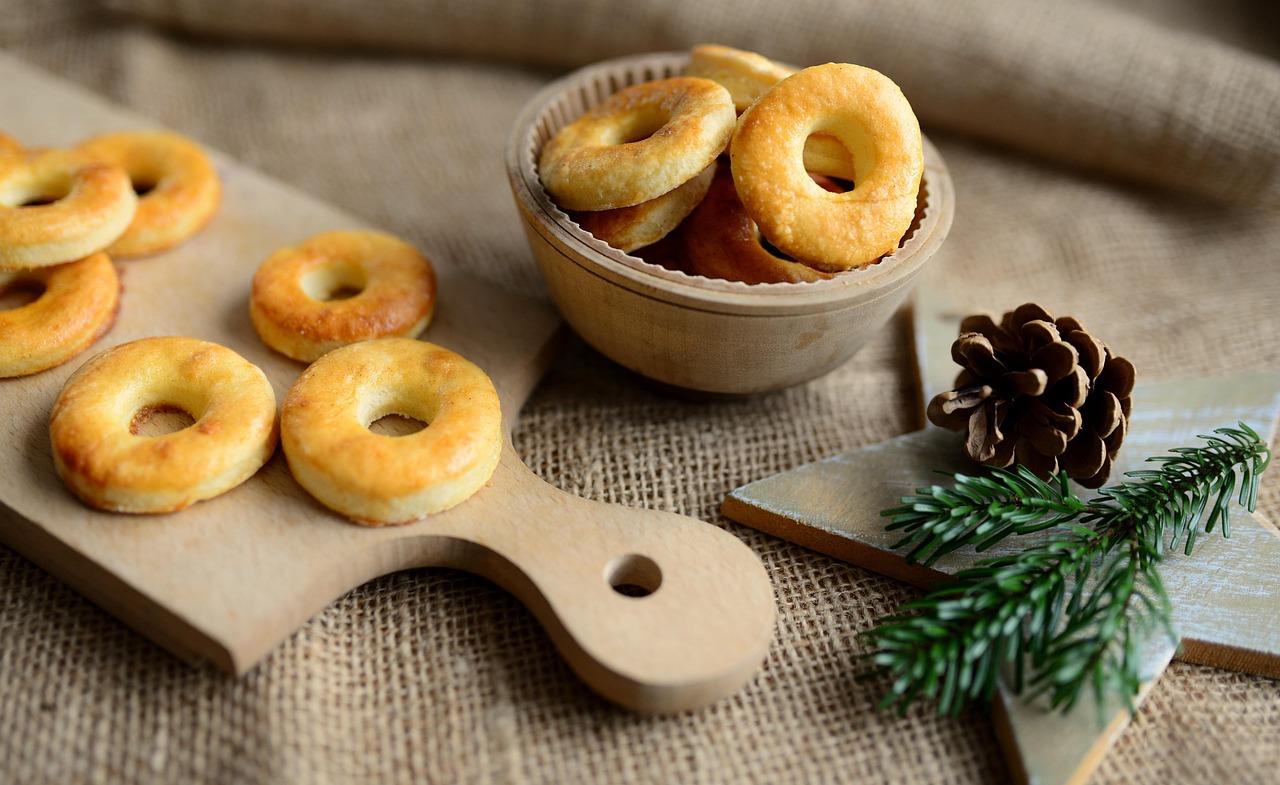
CoricosCornmeal cinnamon ring cookies

Coricos come from Sonora in Mexico's northwest, where maize has always been ground for more than tortillas. They are rings of sweet corn dough flavoured with cinnamon, baked until golden: firm and a little crunchy on the outside, with the slightly gritty, toasty taste of corn inside. Families make them by the dozen for coffee in the afternoon and for visitors, and Sonoran panaderías sell them in plastic bags by the counter. They are traditionally made with lard; this recipe uses butter (vegetable shortening works too), so they are vegetarian. A little wheat flour keeps the rings from cracking. Chef's tip: if the ropes split when you join them into rings, the dough is too dry; work in milk a teaspoon at a time until it bends without breaking.

by KrazyBadal 0 views

CampechanasFlaky sweet pastries with sugar top

Campechanas take their name from the port of Campeche, but now they shatter all over the coffee tables of Mexico City and Veracruz: oval, paper-thin layers of dough with a glossy, caramelised sugar crust that cracks as you bite. Mexicans buy them in the evening from the panadería, along with conchas, to dunk in café de olla or hot chocolate. They are traditionally made with lard; this version uses vegetable shortening, which gives the same light flakiness and keeps them vegan. Butter also works but browns faster. The trap is a timid oven: below full heat the sugar stays grainy and white instead of turning to glass. Chef's tip: press the sugar firmly into the top before baking so it melts into an even shiny layer.

by KrazyBadal 0 views

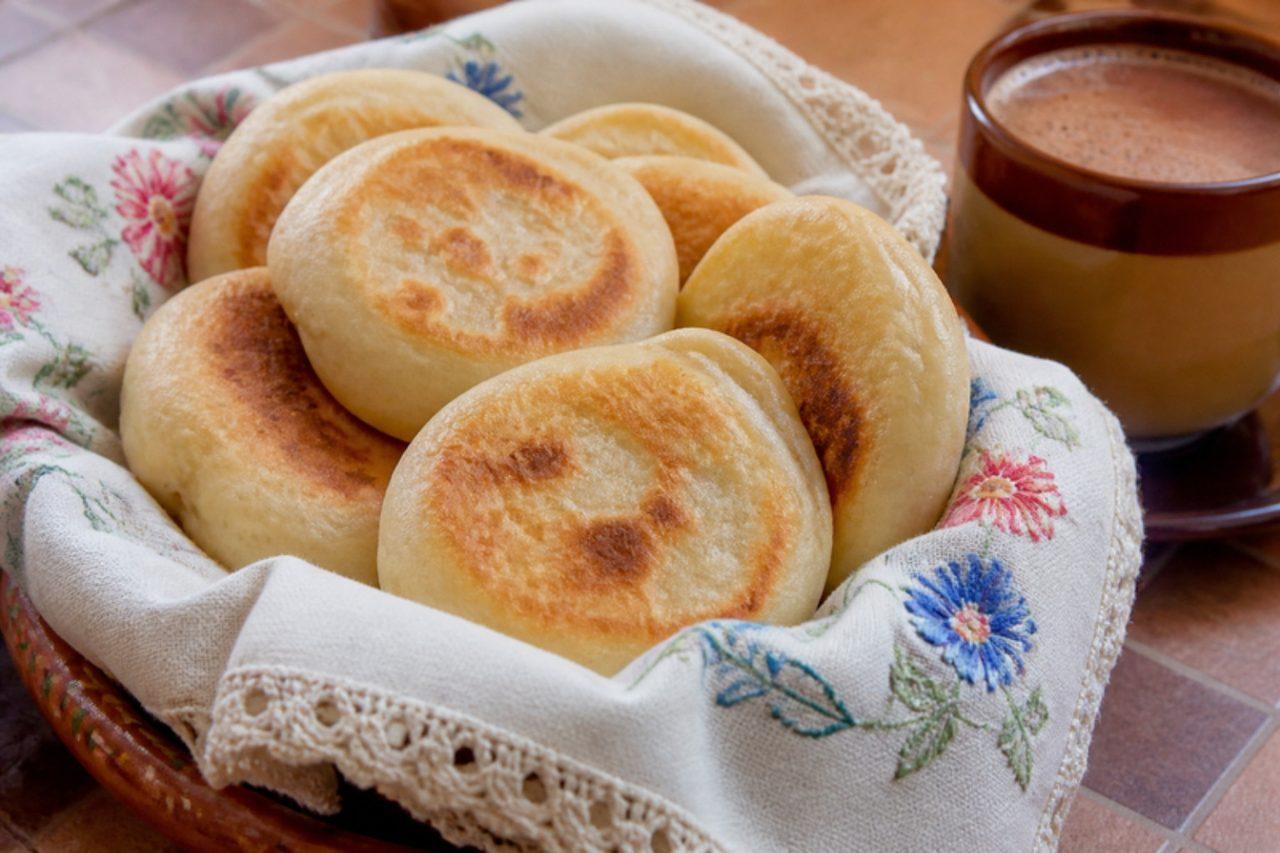
Gorditas de nataSweet cream griddle cakes

In central Mexico, from Mexico City markets to kitchens in Hidalgo and Puebla, gorditas de nata were traditionally made with the thick skin of cream (nata) skimmed from boiled milk, and grandmothers still cook them on the comal for an afternoon merienda with hot chocolate or milky coffee. They are soft and cakey inside with a lightly crisp, golden face, somewhere between a scone and a pancake. Double cream stands in for nata here. They contain gluten, milk and egg. Chef's tip: keep the comal on a low-medium heat; these brown quickly because of the cream and sugar.

by KrazyBadal 0 views

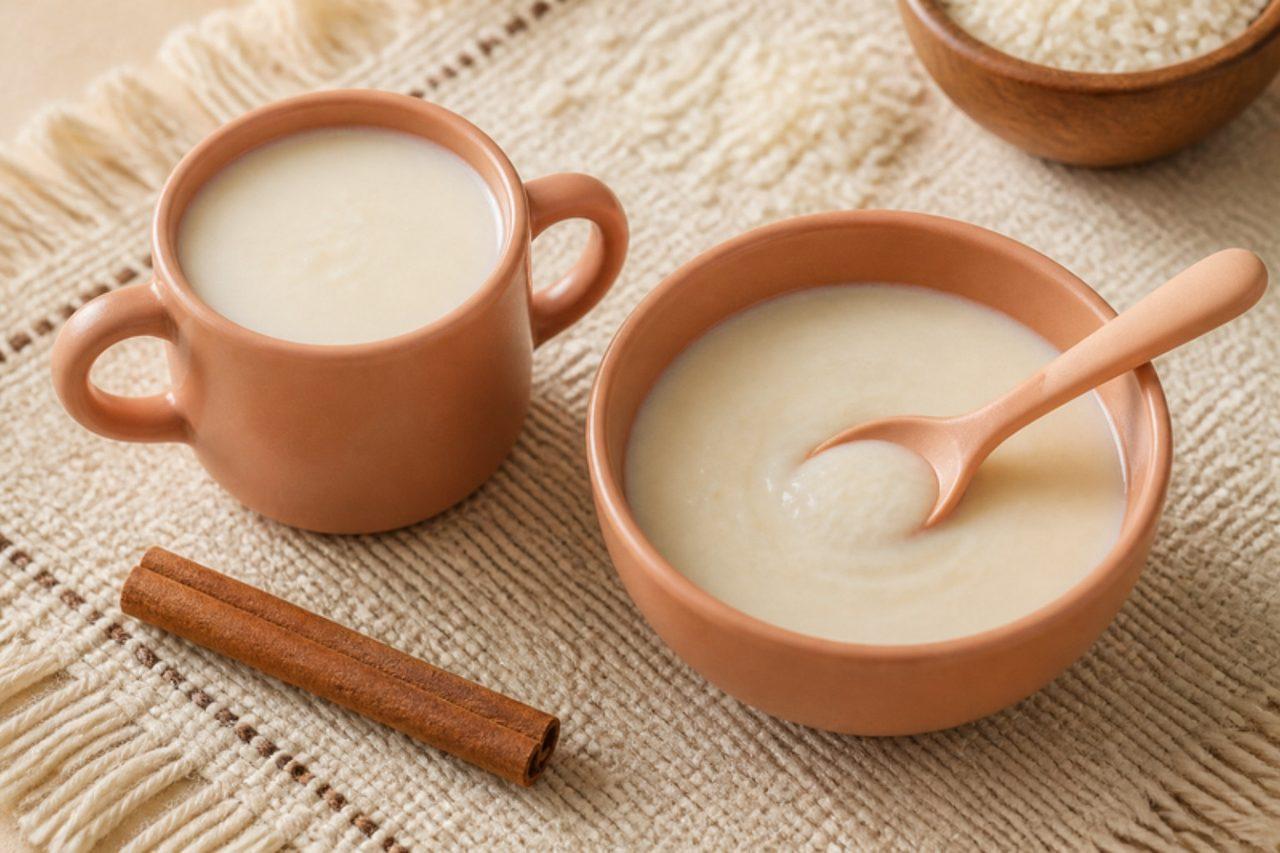
Rice atole for babies (atole de arroz)

Atole is the warm, thick drink Mexicans have sipped since before the conquest, and in many homes the first version a baby tastes is atole de arroz, ground rice cooked with a stick of true cinnamon. For grown-ups it is sweetened with piloncillo and drunk at breakfast or on cold evenings around Día de Muertos; for babies the sugar stays out and it is thickened enough to eat from a spoon. It contains milk; there is no egg, gluten, nuts, soya, sesame or fish. Chef's tip: grind the rice yourself in a spice grinder; shop-bought rice flour works, but freshly ground rice tastes sweeter.

by KrazyBadal 0 views

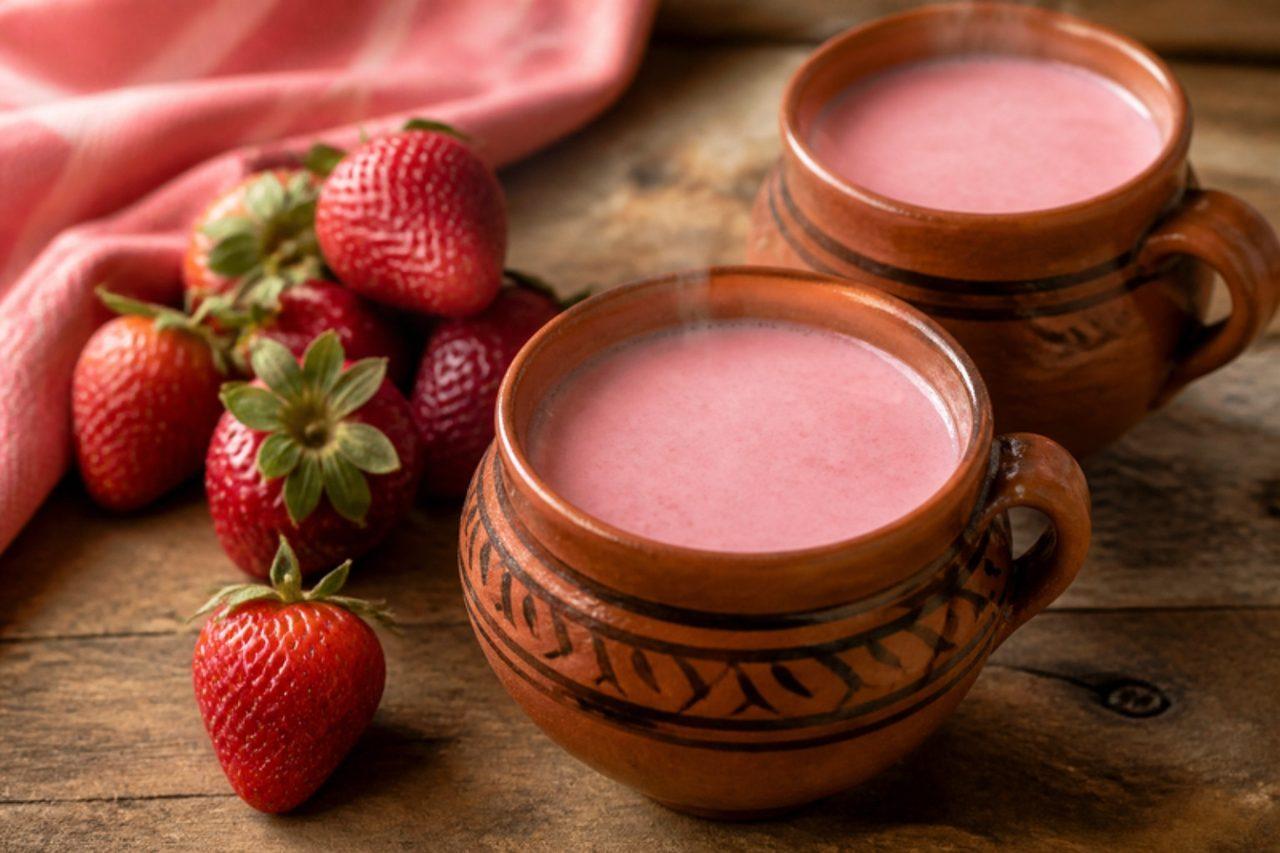
Atole de fresaStrawberry masa drink

Pink, warm and sweet, atole de fresa is a children's favourite in Mexico City and Irapuato, the strawberry capital of Guanajuato, sold in polystyrene cups alongside tamales for breakfast. Fresh strawberries are blended with milk and thickened with a little masa, which gives a gentle corn flavour under the fruit. It contains dairy. Chef's tip: blend the strawberries raw and add them at the end, so the drink keeps its bright colour.

by KrazyBadal 0 views

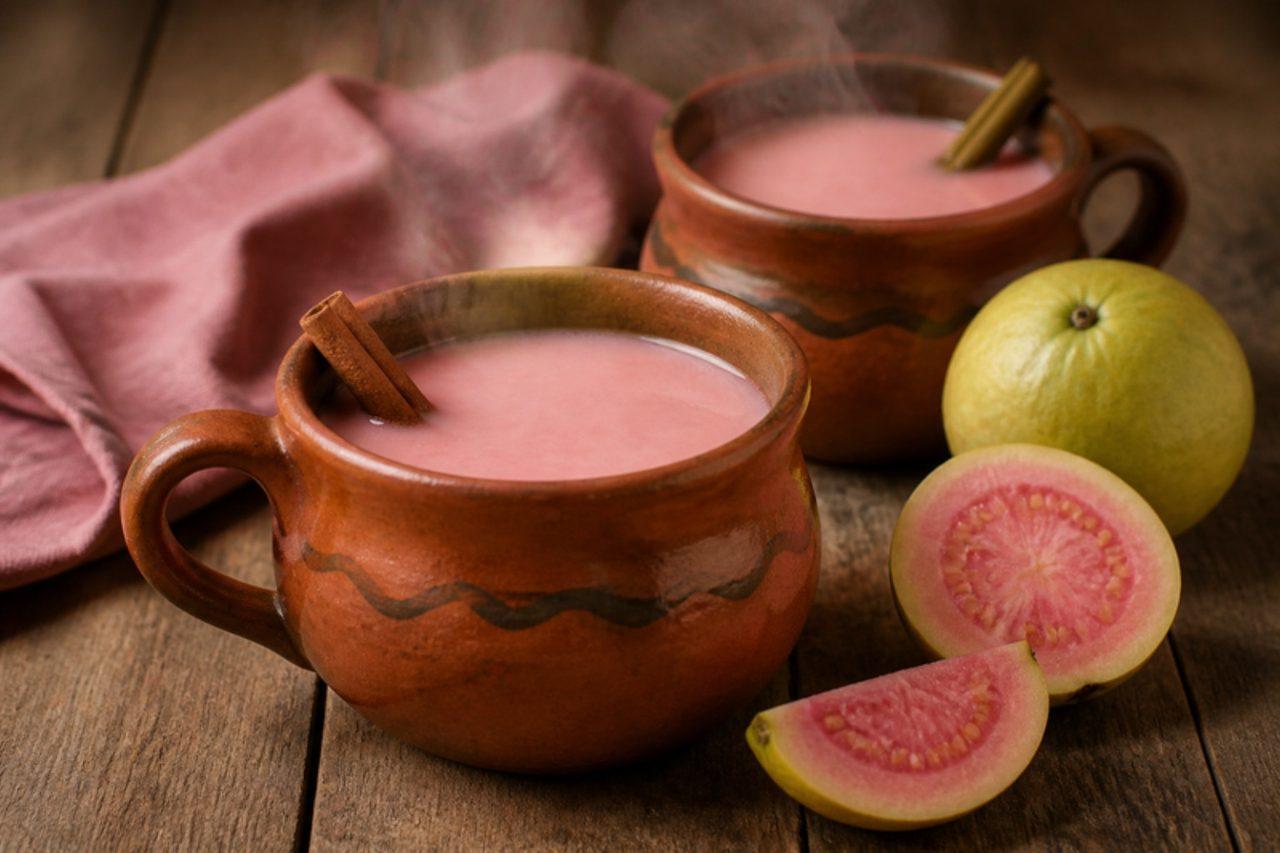
Atole de guayabaGuava masa drink

In the cold months, when guavas from Aguascalientes and Michoacán perfume the markets, street vendors in Mexico City ladle atole de guayaba from big steaming pots beside the tamal cart. Ripe guava is blended with milk, strained and thickened with cornflour into a pink, creamy, fragrant drink. It contains dairy. Chef's tip: add the blended guava only once the milk is thickened and off the boil, so the milk doesn't curdle.

by KrazyBadal 0 views

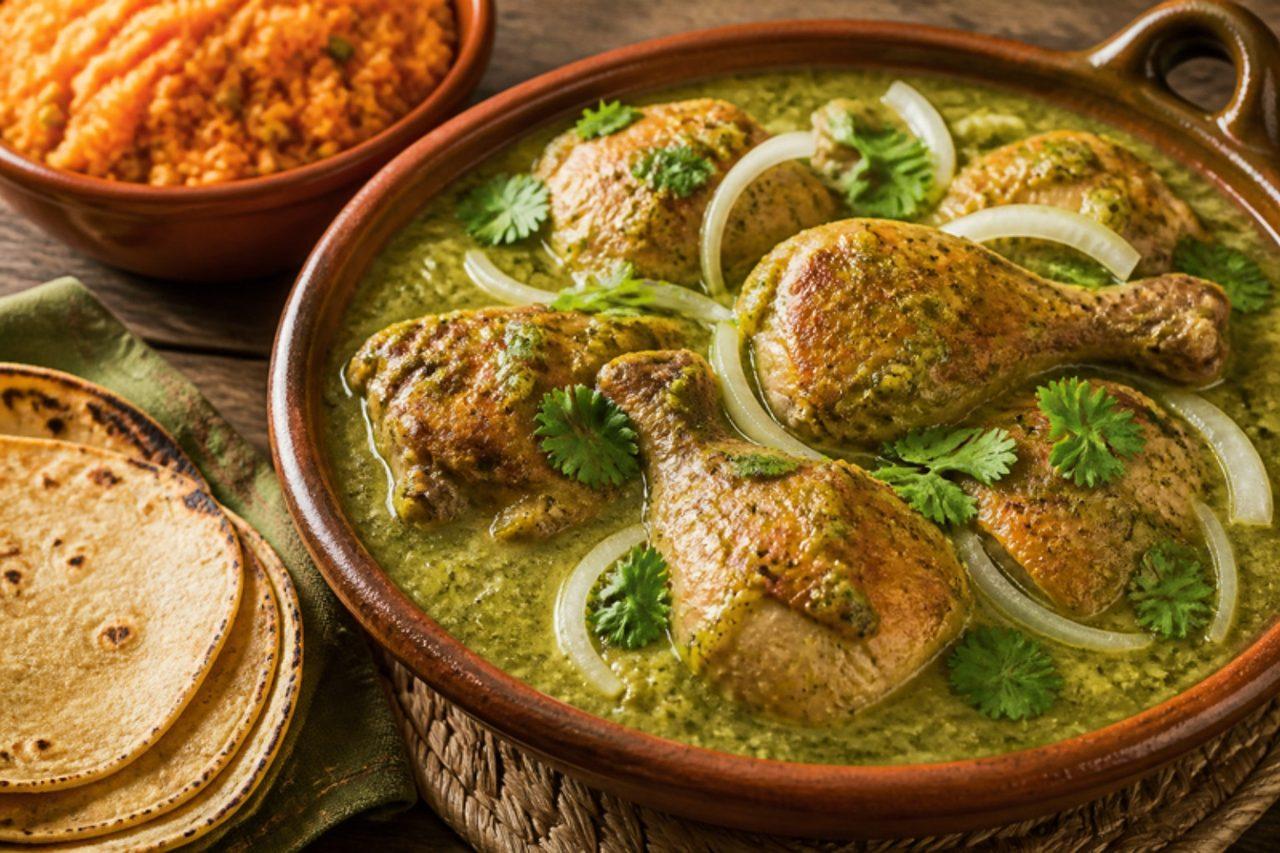
Pollo en salsa verdeChicken in green salsa

Tangy, fresh and deeply savoury, this is one of the most common weekday dishes in Central Mexican kitchens, from Mexico City to Puebla and Hidalgo. Chicken pieces are browned, then simmered in a sauce of boiled tomatillos, serrano chiles, garlic and coriander until the meat is tender and the sauce coats it. Serve with white rice, beans and tortillas. Chef's tip: a few potato chunks or nopal strips simmered in the sauce stretch it to feed more people.

by KrazyBadal 0 views

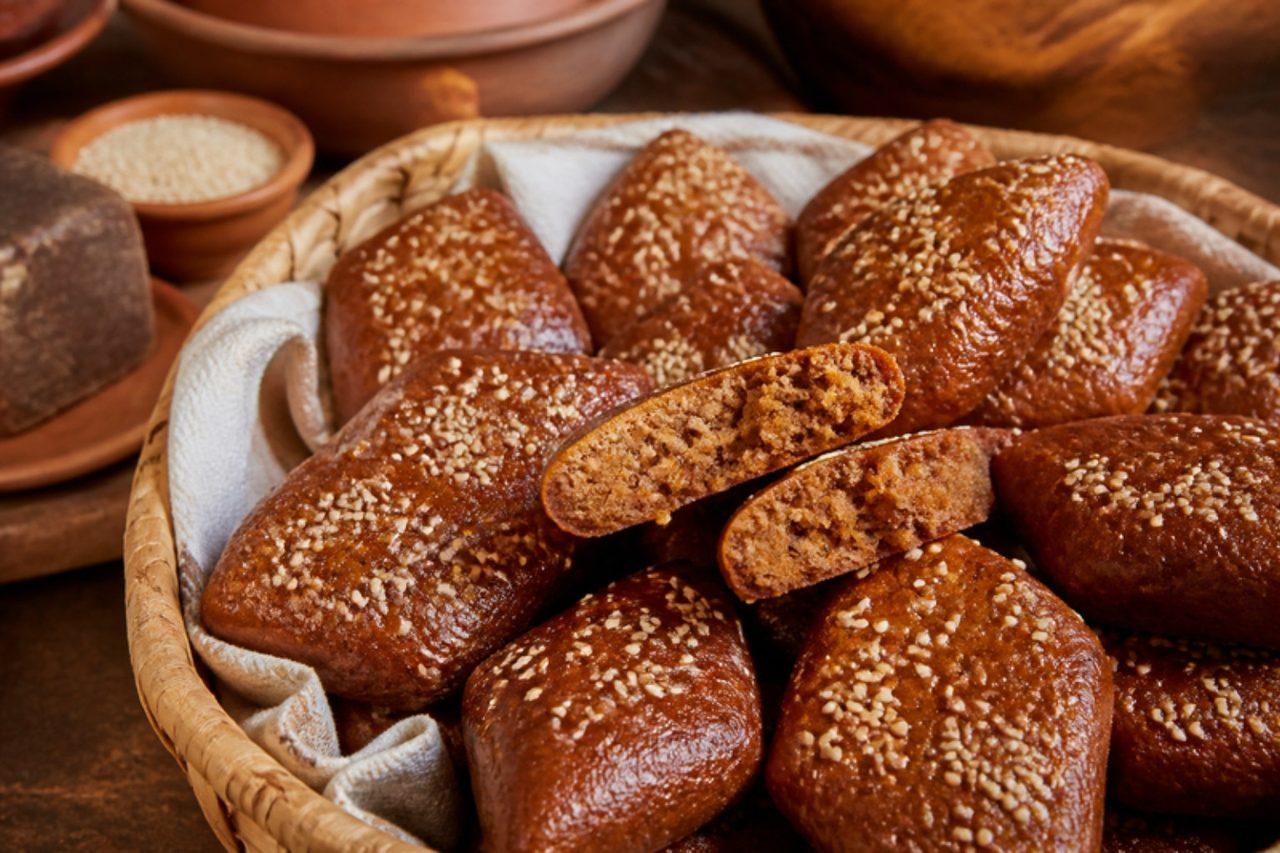
CocolesAnise sweet bread

In the markets of Puebla, Tlaxcala and Mexico City, cocoles are the plain, honest bread of the morning: diamond-shaped, deep brown from piloncillo, fragrant with anise and studded with sesame seeds on top. They are not very sweet, so people eat them with café de olla or split them for a cheese torta. Old bakers used lard; this version uses vegetable shortening, so it stays vegetarian and vegan. Chef's tip: steep the anise in the warm piloncillo syrup, so its flavour runs through every bite.

by KrazyBadal 0 views

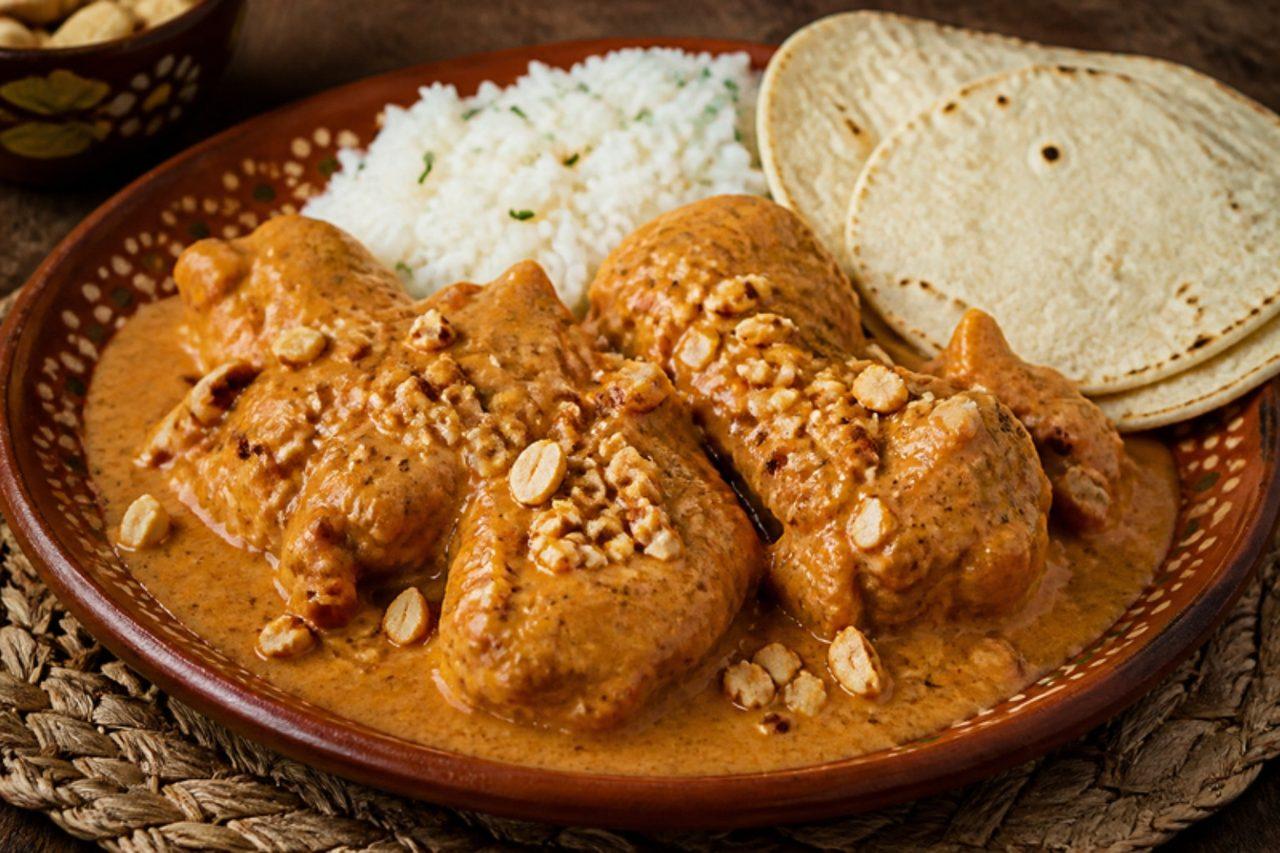
Pollo encacahuatadoChicken in peanut sauce

In Veracruz and the towns of central Mexico, encacahuatado is a fiesta-day dish of chicken in a thick, rust-coloured sauce of roasted peanuts, tomato and smoky chipotle. It tastes nutty, gently sweet and warm rather than hot, and is served with white rice and tortillas. Peanuts are the heart of the sauce, so this dish is not suitable for anyone with a peanut allergy. Chef's tip: the sauce thickens a lot as it stands, so keep a cup of warm stock nearby to loosen it before serving.

by KrazyBadal 0 views

GaribaldisJam-glazed sprinkle cakes

Named after a famous old Mexico City bakery, garibaldis are little dome-shaped butter cakes coated in warm apricot jam and rolled in white nonpareils, so they look like snowballs on the counter. Chilangos buy them by the bag for afternoon coffee and school lunchboxes. The cake is dense and buttery, the jam gives a sharp, sticky contrast and the sprinkles a light crunch. Chef's tip: brush the jam on while the cakes are still warm, as the sprinkles then stick evenly.

by KrazyBadal 0 views

Tortitas de camarónShrimp fritters

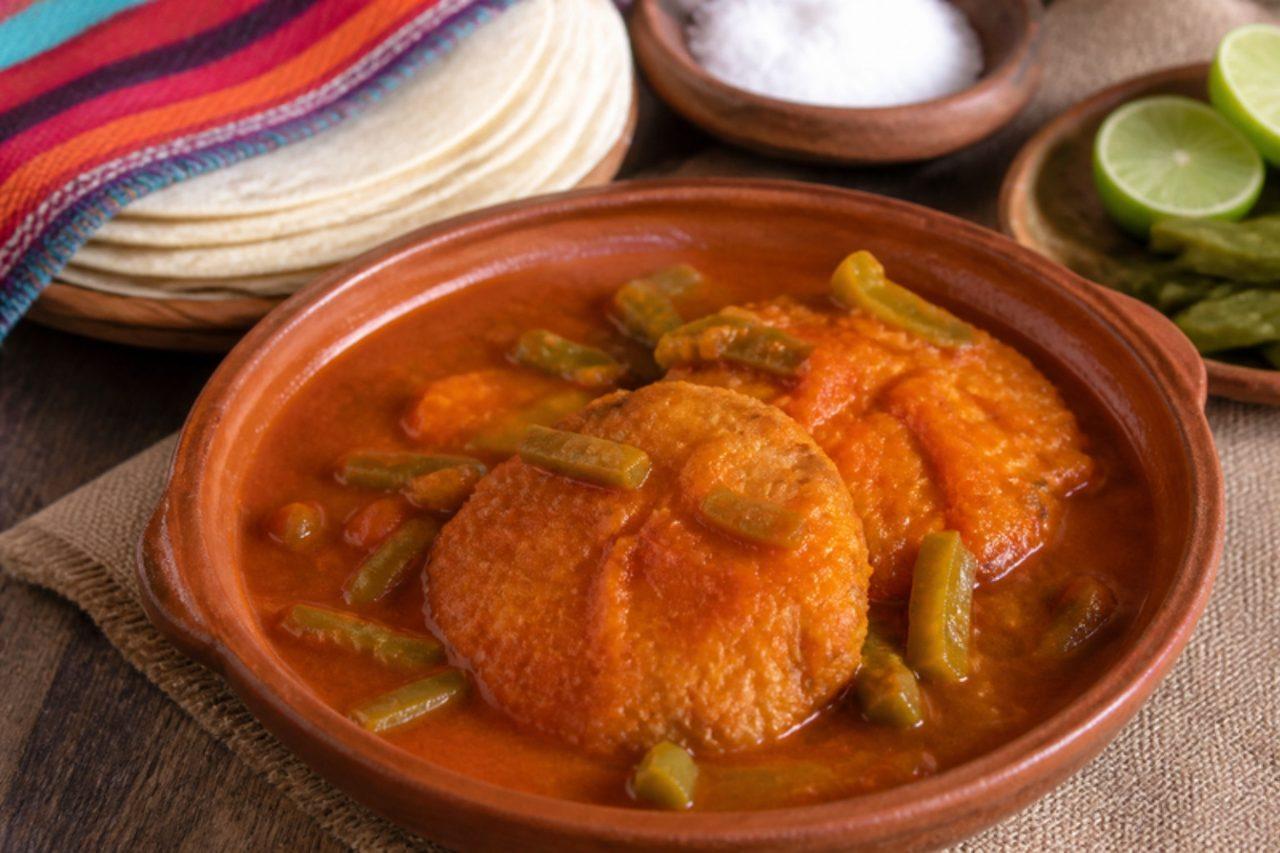
Friday lunch during Lent in Mexico City, Puebla and Oaxaca often means tortitas de camarón: airy fritters of beaten egg and ground dried shrimp, fried golden and then simmered in a guajillo-ancho sauce with tender nopales. The dried shrimp gives a deep, briny savouriness that a little goes a long way with. Buy them at Mexican or Asian grocers; they should smell of the sea, not of ammonia, and be pink-orange, not grey. Chef's tip: grind the shrimp with heads and legs removed, then sieve the powder, so no sharp bits end up in the batter.

by KrazyBadal 0 views

Caldo de pollo mexicanoChicken vegetable broth

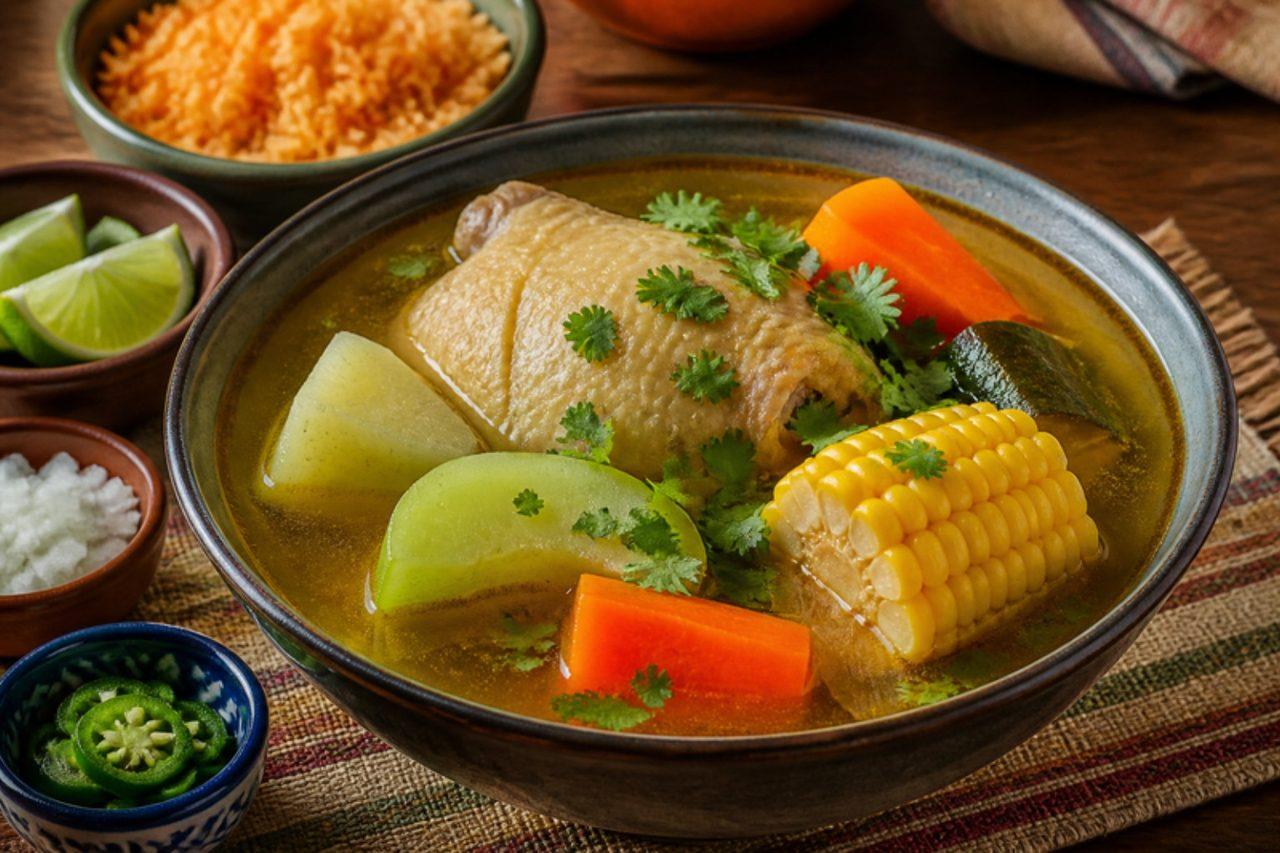
Mexican mothers make caldo de pollo for colds, hangovers and rainy Sundays, and every market has a stall serving it in huge bowls. Chicken is simmered with onion and garlic, then chunks of carrot, potato, chayote, courgette and corn cook in the clear broth. At the table each person adds a spoonful of red rice, chopped onion, coriander, fresh chile and a good squeeze of lime. Chef's tip: add the vegetables in stages, from hardest to softest, so nothing turns to mush.

by KrazyBadal 0 views

Showing 24 of 87 recipes

Show more recipes

Page 1 of 4