Skip to content
Recipes

All recipes

Vegetarian, or something you can't eat? Set your diet once and we'll hide recipes that don't fit.

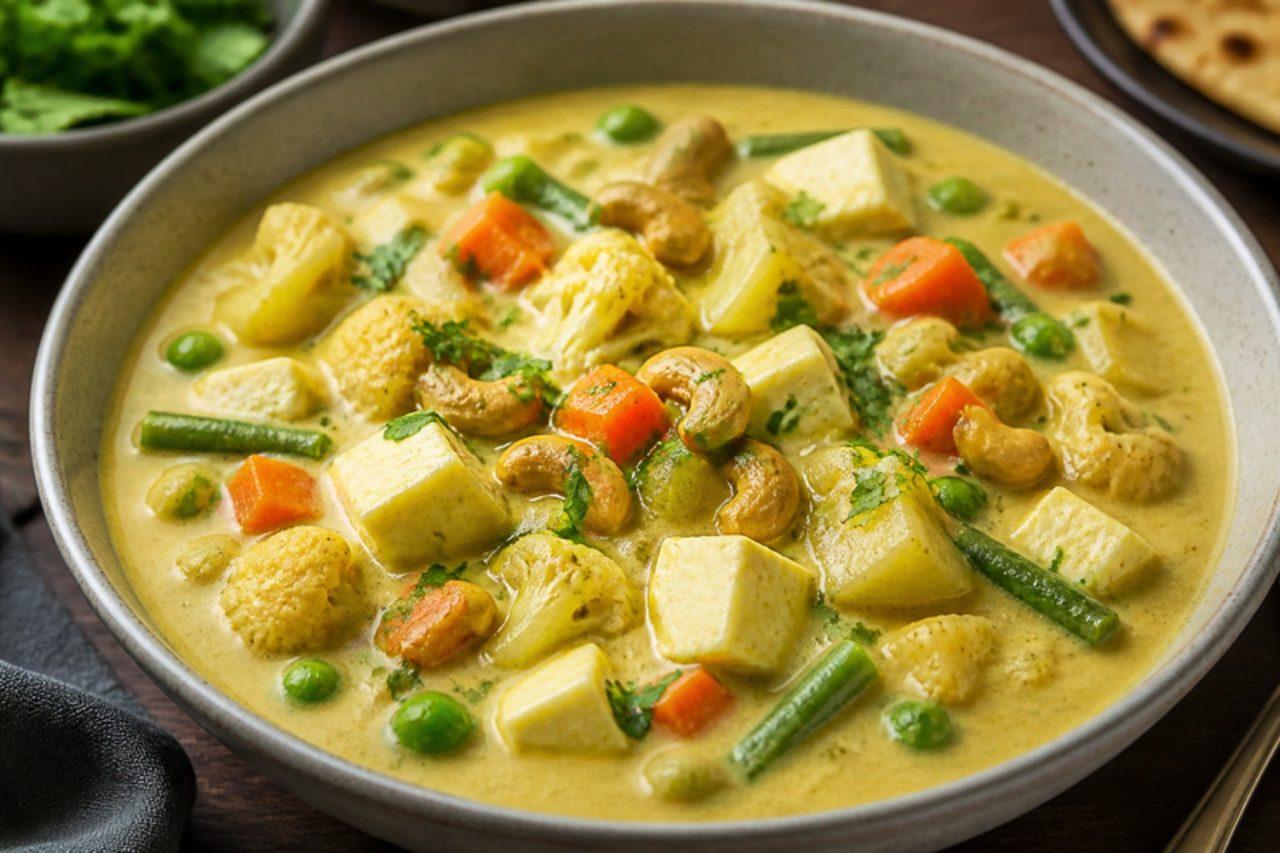
Navratan kormaNine-jewel vegetable korma

Legend ties the name to the nine gems (navratna) of Akbar's court, and the dish lives up to it: nine kinds of vegetables, paneer, fruit and nuts in an ivory gravy that is mild, rich and a little sweet. It is a fixture of North Indian wedding buffets and restaurant menus, often the one curry children and spice-shy guests head straight for. The gravy is a Mughlai white base, made from onions boiled (not browned) and ground with cashews, cooked gently in ghee with whole spices, yogurt and cream. Each vegetable is cooked separately so it stays bright and holds its shape, and pineapple and raisins go in at the end for little bursts of sweetness. Serve it with jeera rice, naan or laccha paratha and a sharp onion salad on the side. Common mistake: browning the onions; they colour the gravy beige and make it taste like any other curry. Keep the heat gentle once the yogurt is in, so it does not split. Chef's tip: a pinch of white pepper and a drop of kewra water at the end give the restaurant flavour without adding chilli heat.

by KrazyBadal 0 views

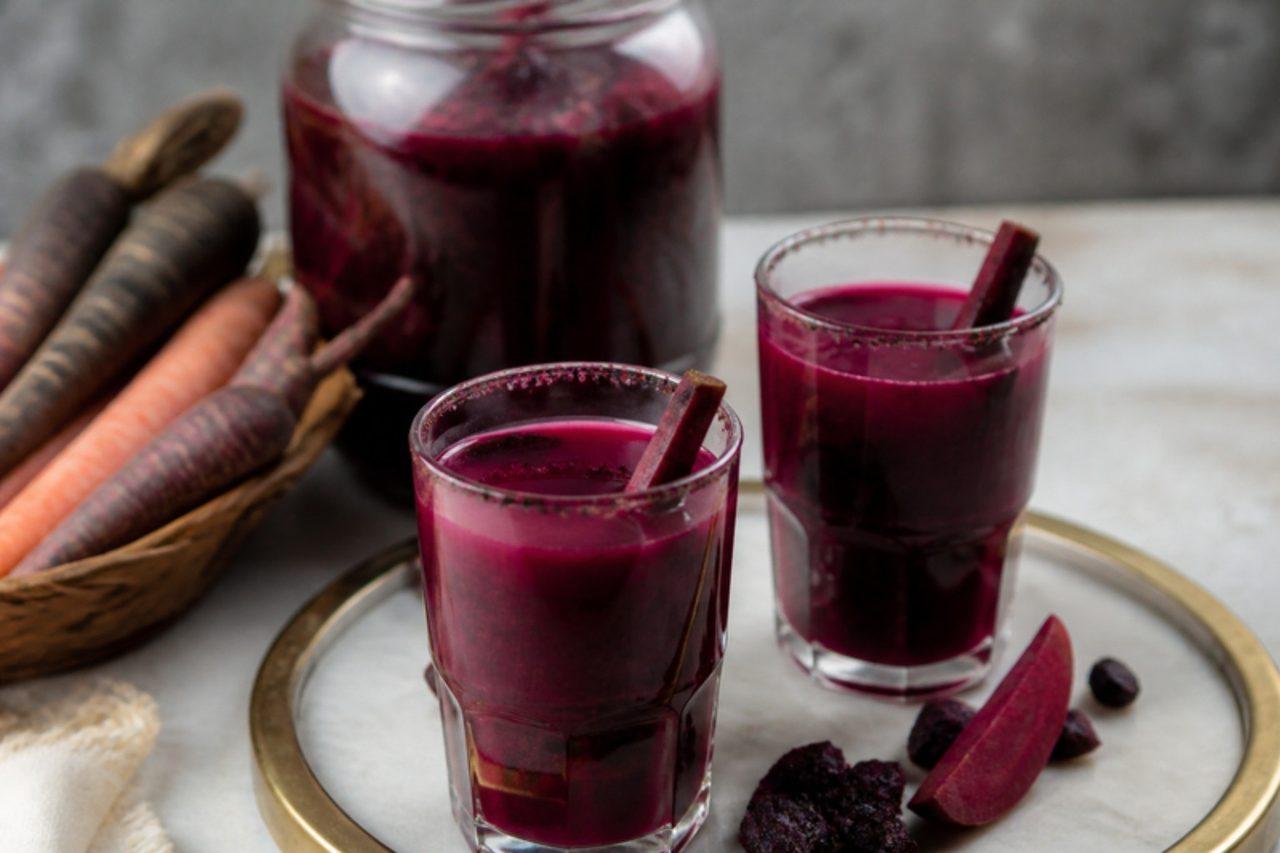
Kali gajar ki kanjiFermented black carrot drink

When the last black carrots of winter reach Punjabi and UP markets in February and March, kitchens start a jar of kanji. The carrots are cut into fingers, steeped in water with crushed mustard seed, salt and chilli, and left in the sun for a few days until the liquid turns deep purple, sour and sharp enough to tickle your nose. It is drunk by the glass before meals around Holi as a digestive and a spring tonic, and the soft, tangy carrot sticks are eaten too. The flavour is like a lively pickle brine, earthy from the carrots and peppery from mustard. Use a glass or ceramic jar that you have washed and dried completely, keep the vegetables under the water, stir with a clean dry spoon, and discard if mould or an unpleasant smell appears. Chef's tip: a small beetroot deepens the colour if your carrots are more red than black, but don't overdo it or the kanji tastes earthy and sweet.

by KrazyBadal 0 views

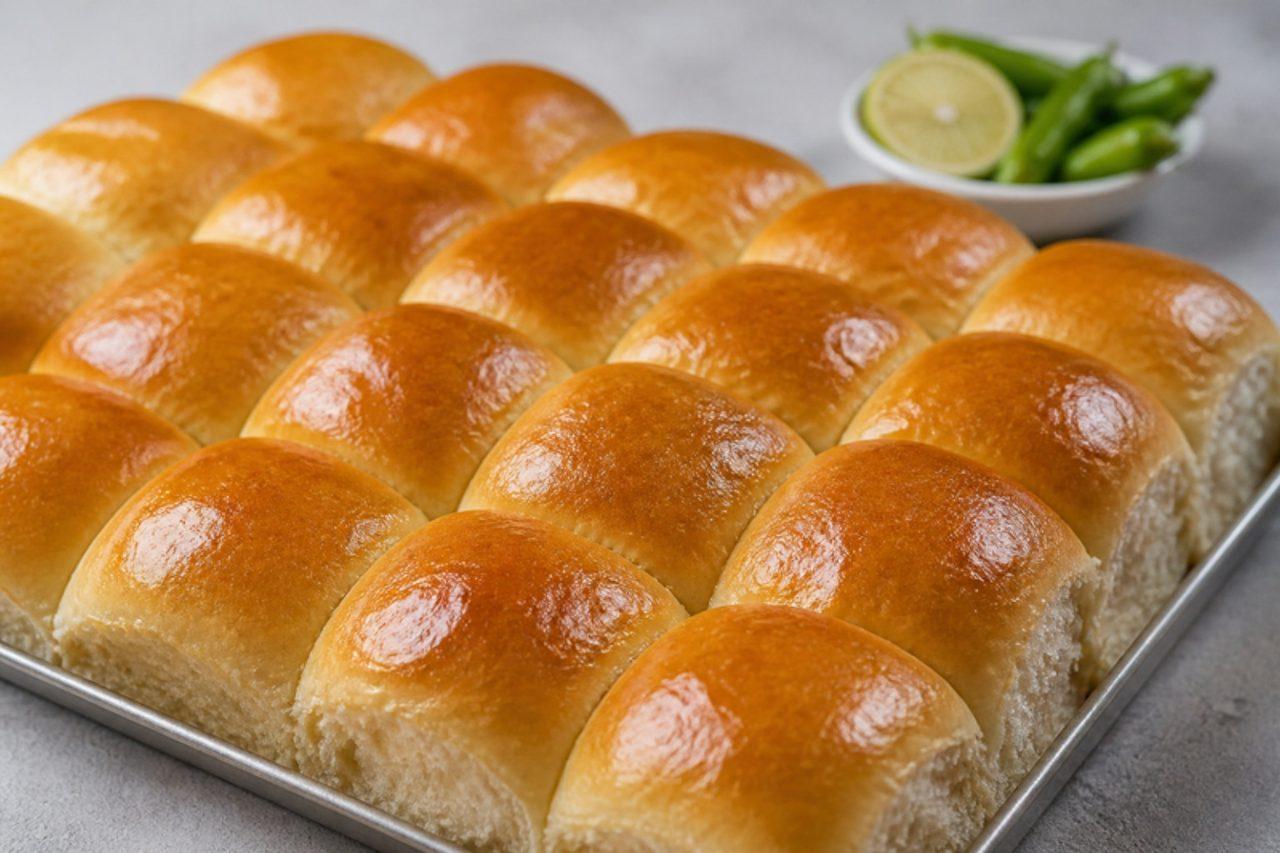
Ladi pavSoft pull-apart bread rolls

Pav came to Mumbai with the Portuguese and was taken up by the city's Goan and Irani bakeries, and today it is the bread every street snack depends on: vada pav, misal pav, bhurji pav, dabeli and pav bhaji. A ladi is a slab of rolls baked touching each other, so their sides stay pale and fluffy and they tear apart with soft white edges and a thin golden top. This home version uses milk and a little butter for a tender, slightly sweet crumb that holds up to a buttery tawa toast. It bakes in an ordinary oven at 190 °C (170 °C fan). Common mistake: baking the pav too long or too hot, so the crust turns hard and brown; take it out the moment the tops are golden and brush with butter at once. Chef's tip: cover the hot ladi with a clean cloth as it cools; the trapped steam is what gives that typical bakery softness.

by KrazyBadal 0 views

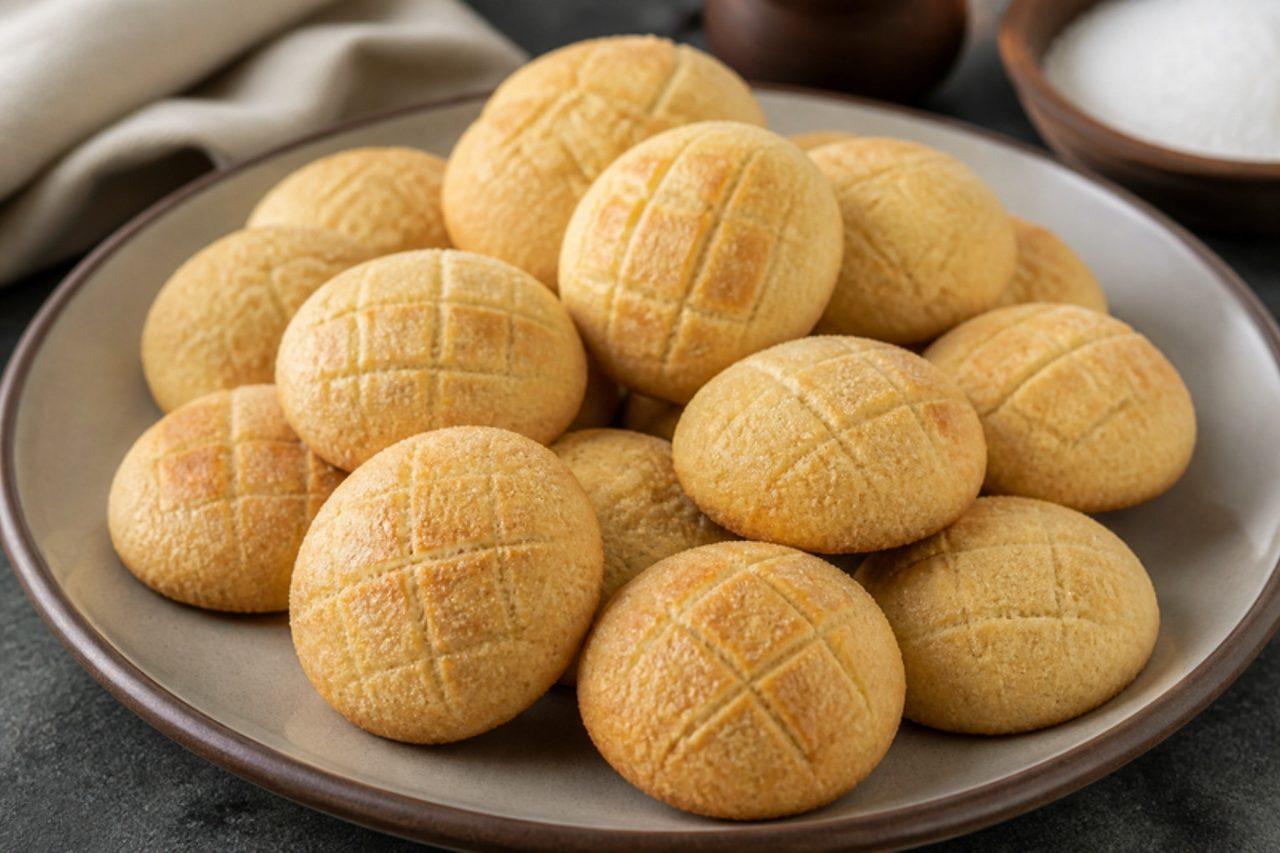
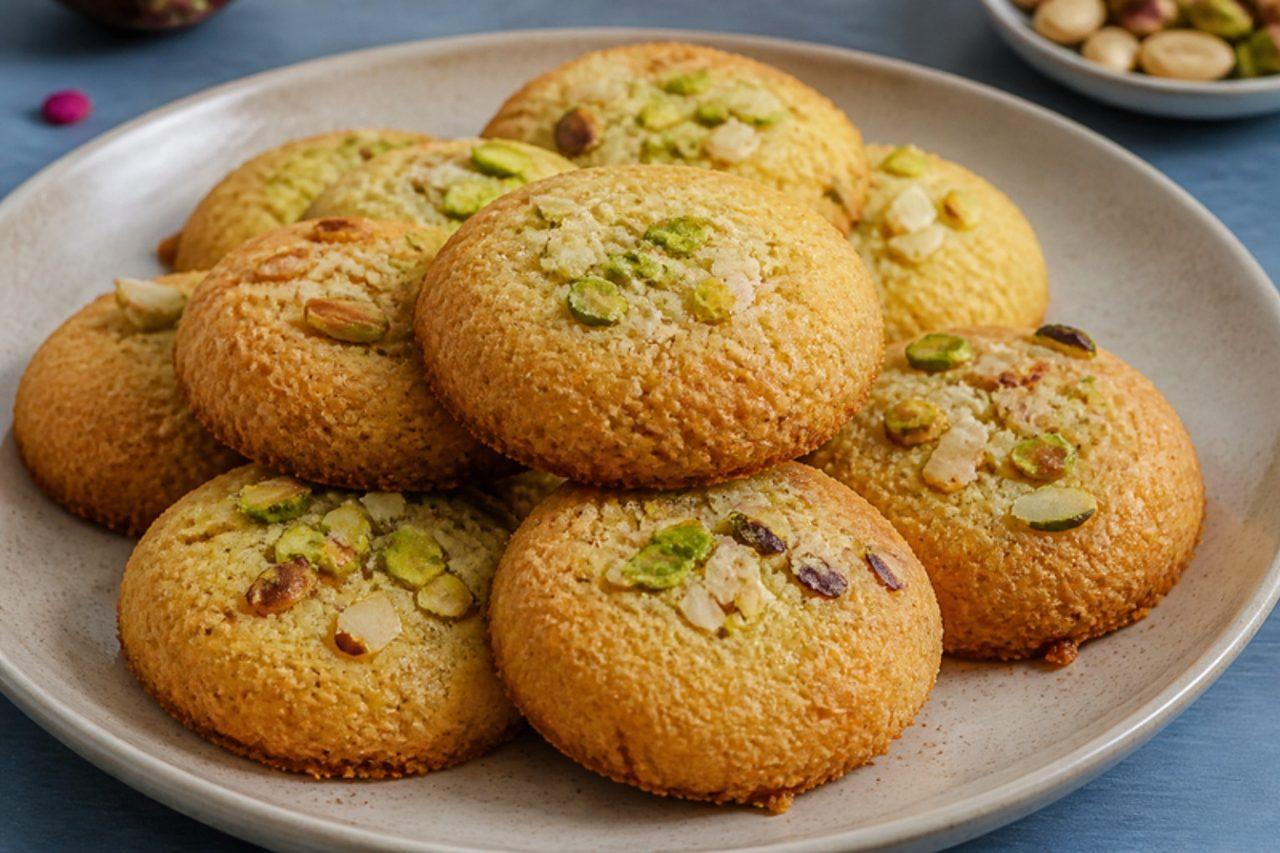
BolinhasSemolina and coconut cookies

Bolinhas (small balls in Portuguese) are the cookies Goan Catholic families bake in batches for the Christmas kuswar, the tins of sweets sent to friends and neighbours in Panjim and Salcete in mid-December. Fresh coconut is cooked briefly in a sugar syrup, mixed with semolina and left overnight so the grains soften, then bound with butter and egg yolks, shaped into small balls, marked with a fork or a cross and baked until golden. The texture is sandy and crumbly outside with a chewy coconut centre, and they smell of cardamom and browned butter. They contain egg yolk, so they are vegetarian with egg, not vegan. The common mistake is baking them the same day: unsoaked semolina stays gritty and the cookies spread. Chef's tip: shape with slightly damp hands and keep them small, about 3 cm; they puff a little and need room on the tray.

by KrazyBadal 0 views

Katachi amtiSweet-sour chana dal stock curry

When Maharashtrian homes cook chana dal for the puran on Holi, the cooking liquid is drained off before the dal is sweetened, and nothing goes to waste: that starchy, nutty stock, the kat, becomes katachi amti. Tempered with mustard, cumin and curry leaves, then simmered with roasted dry coconut, goda masala, tamarind and jaggery, it turns into a thin, hot, sweet-and-sour dal that is poured over puran poli or drunk from a bowl alongside it. The spice balances the rich sweet bread perfectly, which is why the two always appear together on Holi and Gudi Padwa thalis. If you are not making puran poli, cook 150 g chana dal in 1 litre of water until soft, drain off the liquid for this and use the dal for something else. Use gluten-free asafoetida and a goda masala made without wheat for a gluten-free amti. Chef's tip: keep it thin, like rasam; it is meant to soak into the poli, not sit on it.

by KrazyBadal 0 views

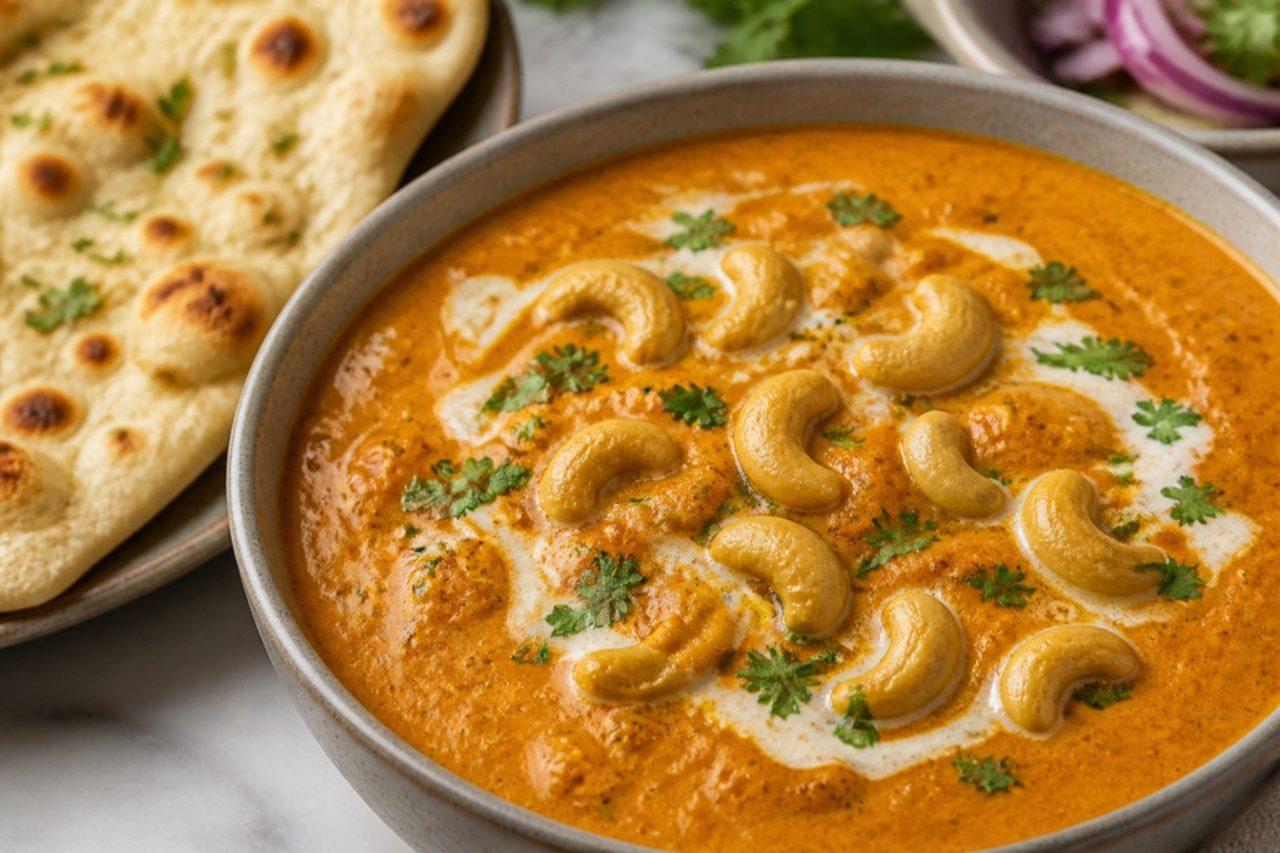
Kaju curryCashew curry

Walk along any wedding buffet in Pune, Mumbai or Ahmedabad and there is usually a chafing dish of kaju curry near the paneer, with guests going back for seconds. Whole cashews are fried in ghee until golden, which makes them crunchy outside and buttery inside, then folded into a rich onion and tomato gravy thickened with more cashews, finished with cream and kasuri methi. The gravy is orange, smooth and rounded with a touch of sweetness; it should taste of roasted nuts and gentle spice, not fire. Gujarati restaurants often serve a spicier Kathiyawadi version, but the wedding style here is the mild one. Eat it with butter naan, tandoori roti or jeera rice. Common mistake: adding the fried cashews too early; they soak up the gravy and turn soft, so fold them in just before serving. Chef's tip: keep a few fried cashews back and scatter them on top at the table so every spoonful has some crunch.

by KrazyBadal 0 views

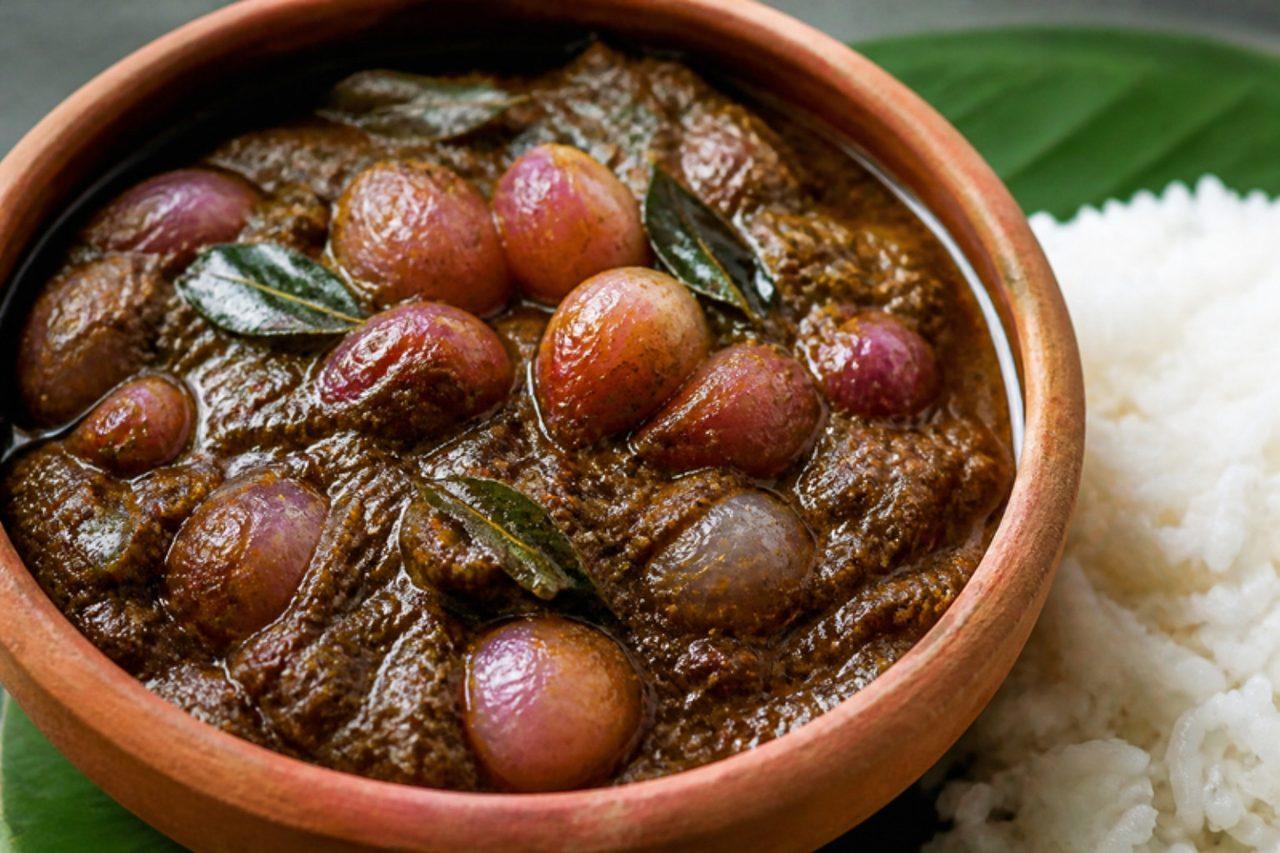
Ulli theeyalShallots in roasted coconut gravy

Theeyal comes from the word for burnt, and the colour gives it away: grated coconut and coriander seeds are roasted together in a dry pan until deep brown, then ground into a paste that turns a sour tamarind gravy almost black. Ulli (shallot) theeyal is the version most Malayali grandmothers make for Onam and for ordinary weekday lunches in Palakkad and Thrissur, with dozens of whole small onions softened in coconut oil until sweet. It tastes smoky, sour and slightly sweet all at once, and it is thick enough to cling to rice. Serve with hot matta rice, a thoran and papadam. The mistake everyone makes once is burning the coconut: it must be roasted on a low flame and taken off when it is the colour of strong coffee, never black. Gluten-free with gluten-free asafoetida. Chef's tip: grind the roasted coconut while it is still warm, so the oil releases and the paste turns smooth and glossy.

by KrazyBadal 0 views

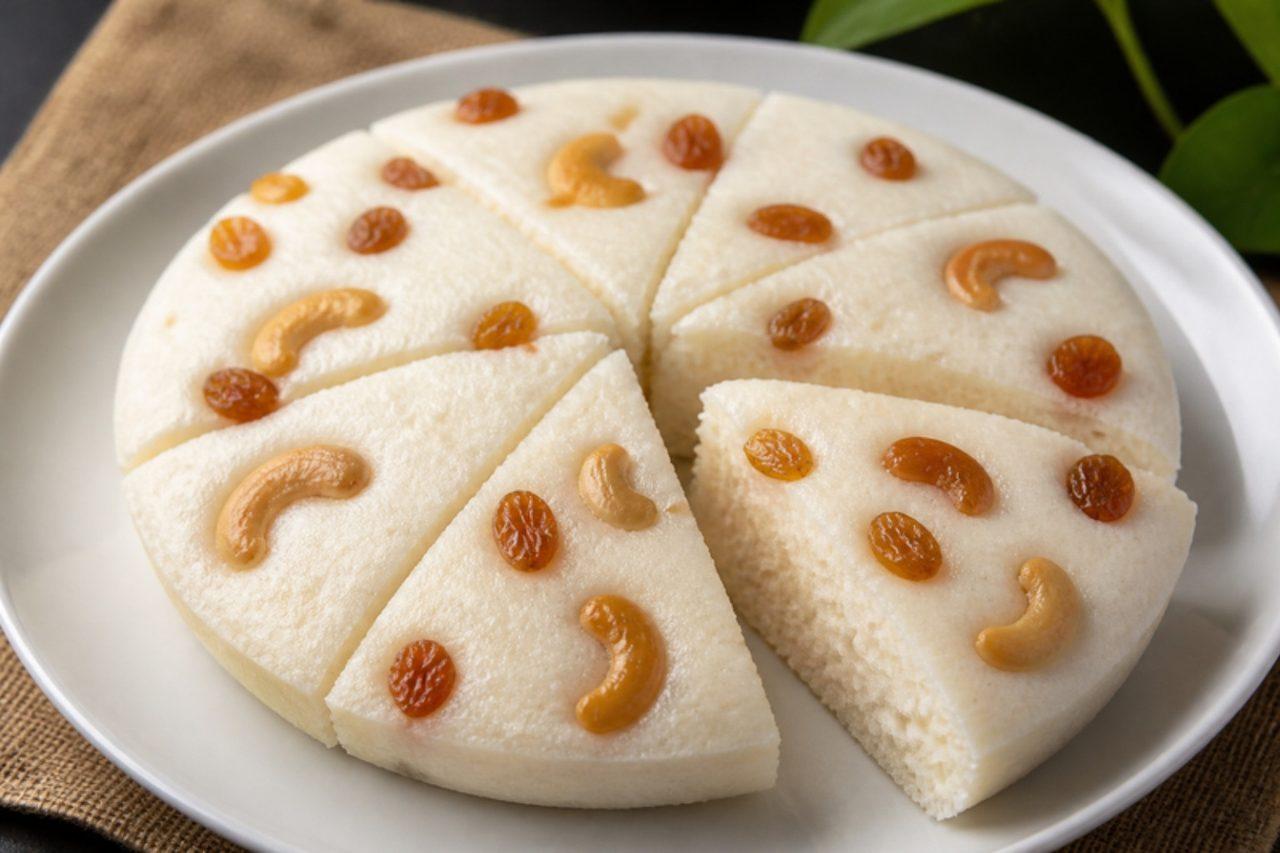
VattayappamSteamed rice and coconut cake

In Syrian Christian homes in Kottayam and Thiruvalla, vattayappam is the sweet that appears on Christmas and Easter mornings and goes in boxes to every neighbour. A batter of raw rice and coconut is fermented until airy, sweetened, flavoured with cardamom and steamed in a round plate until it rises into a fluffy, honeycombed cake. It is light, moist and gently sweet, with a faint tang from the ferment. Grandmothers used kallu (coconut toddy) to ferment it; this recipe uses dried yeast instead and contains no alcohol at all. Eat it warm with tea, or alongside chicken stew for breakfast. The common mistake is a batter that is too thick: it steams heavy and dense. It should pour like thick pancake batter. Rice and coconut only, so it is naturally gluten-free and vegan. Chef's tip: cook a spoon of the soaked rice into a soft porridge (kurukku) and grind it in; that is what gives vattayappam its fine, silky crumb.

by KrazyBadal 0 views

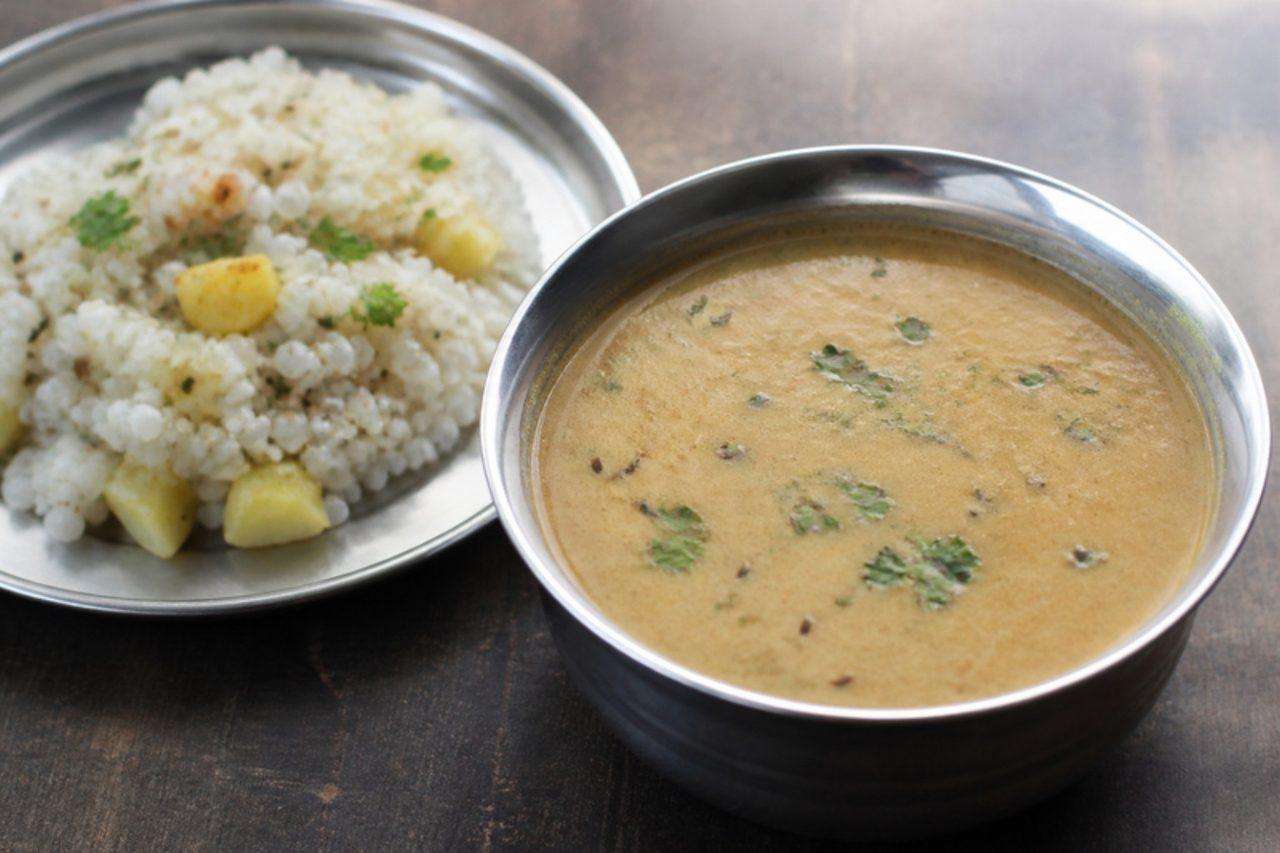
Danyachi amtiPeanut curry

On fast days in Maharashtra, when dal is off the menu, danyachi amti takes its place. Roasted peanuts are ground smooth with green chilli, then simmered with water, a cumin tadka, kokum and a little jaggery into a pale, creamy curry with a sour, slightly sweet and spicy taste. It is ladled over sabudana khichdi or vari tandul (barnyard millet) bhagar, loosening them and adding protein to a fasting meal, and it goes well with upvasachi batata bhaji on the side. Use sendha namak so it suits the fast; ghee is the usual fat in many homes, oil keeps it vegan. It thickens a lot as it stands, so thin it with hot water before serving. Chef's tip: grind the peanut paste really smooth and whisk it into the water before heating; a coarse grind leaves the amti gritty and it splits as it boils.

by KrazyBadal 0 views

Dum ka roatBaked semolina and khoya cake

Dum ka roat is baked in Hyderabadi homes and bakeries in the first ten days of Muharram, and boxes of it are shared with neighbours and at majlis gatherings in the Old City. It is closer to a dense shortbread than a sponge: coarse semolina soaked overnight in ghee and milk, mixed with khoya, sugar, eggs, cardamom and nutmeg, then baked slowly until golden and crumbly with a crunchy almond top. It contains egg, so it is vegetarian with egg, not vegan. Each piece tastes of browned butter, milk and spice, and it keeps for a week in a tin. Eat it with Irani chai. The common mistake is skipping the overnight rest: the semolina stays gritty and the roat falls apart. Chef's tip: bake low and slow, at 160 °C, until the top is deep golden and a skewer comes out with moist crumbs; at higher heat the edges burn before the khoya centre has set.

by KrazyBadal 0 views

Gogji razmaKidney beans with turnips

In the Kashmir valley, gogji razma is a winter comfort dish, made in heavy pots when turnips are sweet after the first snow and dried beans from Bhaderwah fill the store. Red kidney beans and turnip chunks simmer in a thin, red gravy flavoured with mustard oil, ground fennel, dried ginger and Kashmiri chilli, without any onion or tomato. Serve with a modest bowl of rice or a millet roti and a green salad. It is suitable as part of a balanced diet. About 300 kcal and 38 g carbohydrate per portion. The usual mistake is slow-cooking dried kidney beans without boiling them hard first; raw kidney beans are unsafe, so soak them overnight and boil hard for 10 minutes before simmering. Chef's tip: add the turnips only when the beans are almost soft, so they keep their shape and sweetness.

by KrazyBadal 0 views

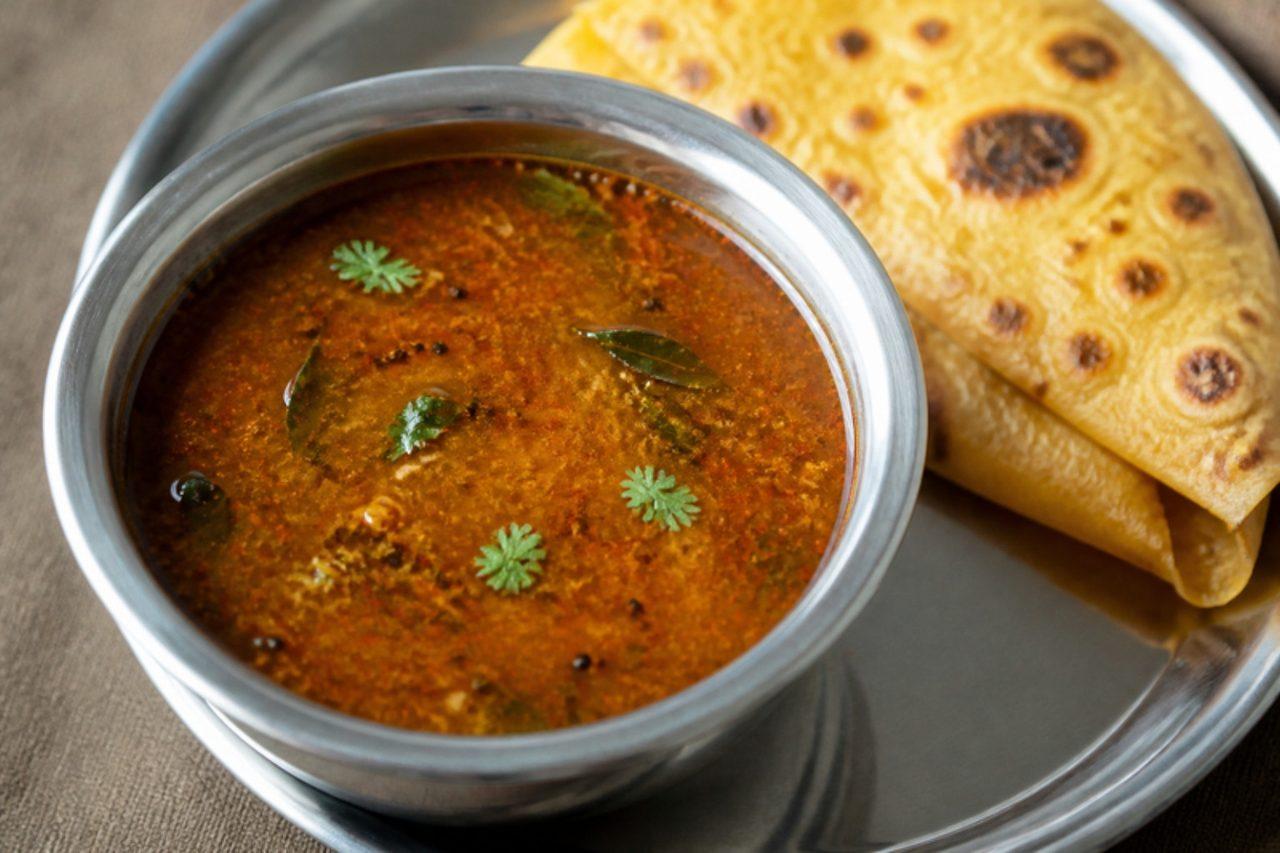
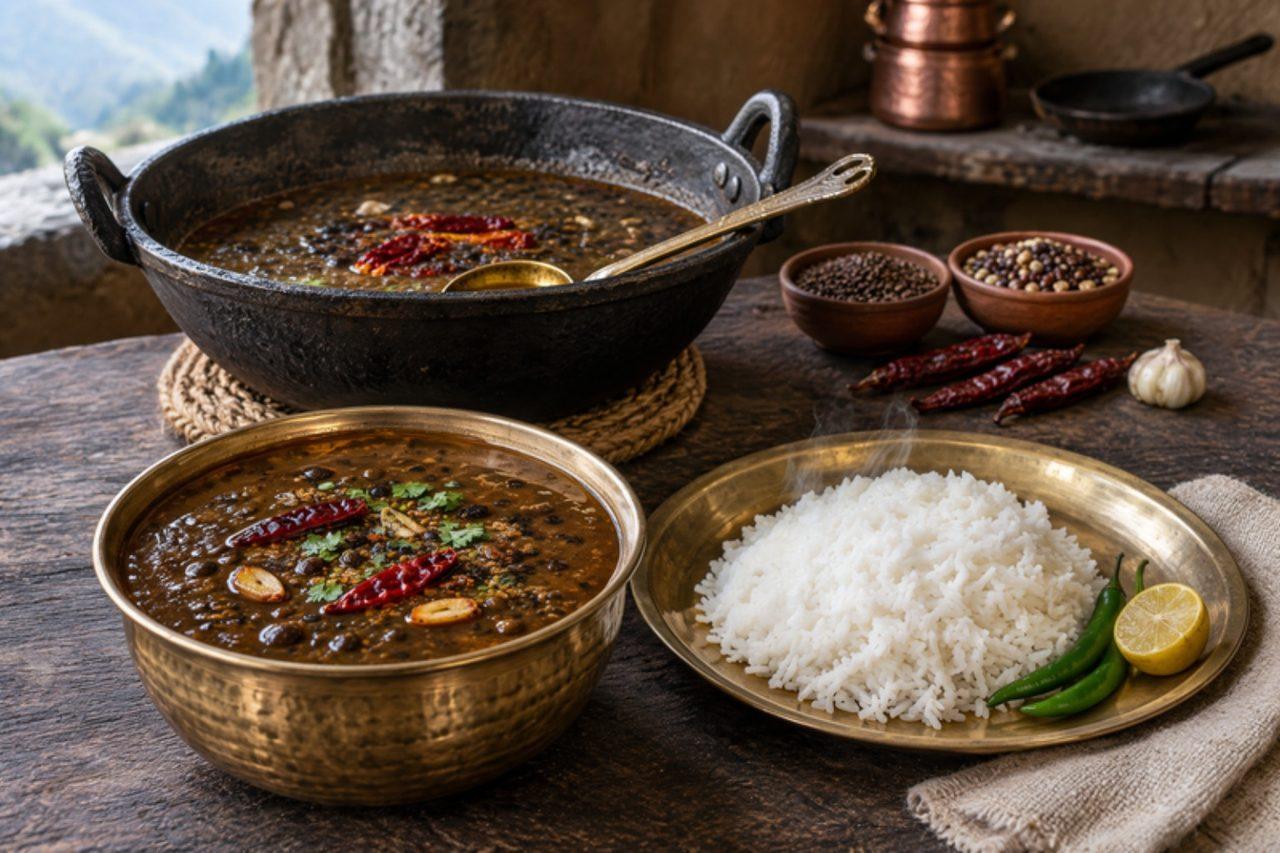
Kumaoni rasMixed dal broth

In the hill villages of Kumaon in Uttarakhand, ras is cooked through the cold months in a heavy iron kadhai that sits on the fire for hours; the iron turns the broth dark and earthy, and families drink it with rice or mandua (finger millet) roti. Several whole dals, here horse gram (gahat), black soybeans (bhatt), black urad and green moong, are simmered until their liquid becomes a rich, brown, silky broth, lightly thickened with ground rice and finished with a crackling mustard-oil tempering of jakhya seeds. The cooked dal solids are eaten too, as a dry side. The usual mistake is hurrying: the broth needs long, slow simmering to turn silky and full-flavoured. Chef's tip: jakhya (wild mustard seed) is sold in Uttarakhand shops; cumin is a fair stand-in.

by KrazyBadal 0 views

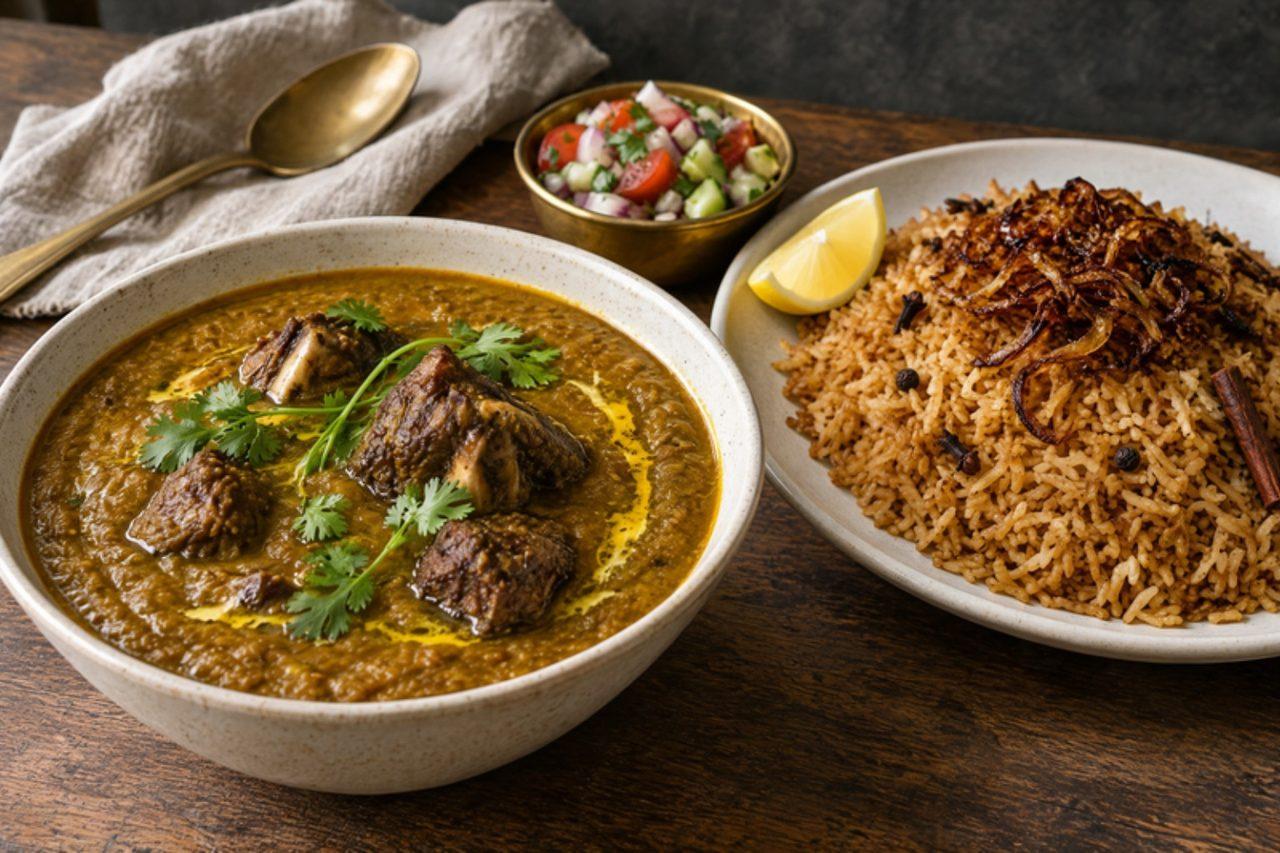
DhansakMutton and lentil curry

Dhansak is the Parsi Sunday lunch in Mumbai and the old Gujarat towns of Navsari and Surat, traditionally the first meat dish cooked when the meatless days after a death are over, and a weekend favourite the rest of the time, always with brown rice (rice browned in caramelised sugar and onion) and kachumber. Mutton is cooked together with toor, masoor, moong and chana dal, pumpkin, aubergine, tomato and fenugreek leaves, then the dal and vegetables are pureed into a thick, gently spiced sauce with dhansak masala. Veg version: leave out the mutton and cook the same dal and vegetables with vegetable stock. The usual mistake is not pureeing the dal finely; it should be smooth and velvety around the meat. Slow-cooker option: everything except the tempering on low for 8 hours, then blend. Chef's tip: fry the dhansak masala in ghee at the end and pour it over; it gives the dish its aroma.

by KrazyBadal 0 views

Chhena tarkariFried cheese cube curry

In Odia homes, from Cuttack to Puri, chhena tarkari is the special curry for a Sunday lunch, a guest or a festival day when the household eats no onion or garlic. Fresh chhena, the soft cheese Odisha also turns into rasagola, is pressed, cut into cubes and fried golden, then simmered with potato in a thin gravy of tomato, ginger and roasted cumin. The cubes stay soft and soak up the sauce, and the dish is eaten with rice, puri or paratha. Chhena is made by curdling milk with lemon juice, so it contains no rennet. The usual mistake is boiling the gravy hard after the chhena goes in, which breaks the cubes into crumbs. Chef's tip: fry the chhena cubes until golden on two sides only, then rest them in warm water for five minutes; they swell and turn spongy, just like an Odia grandmother's.

by KrazyBadal 0 views

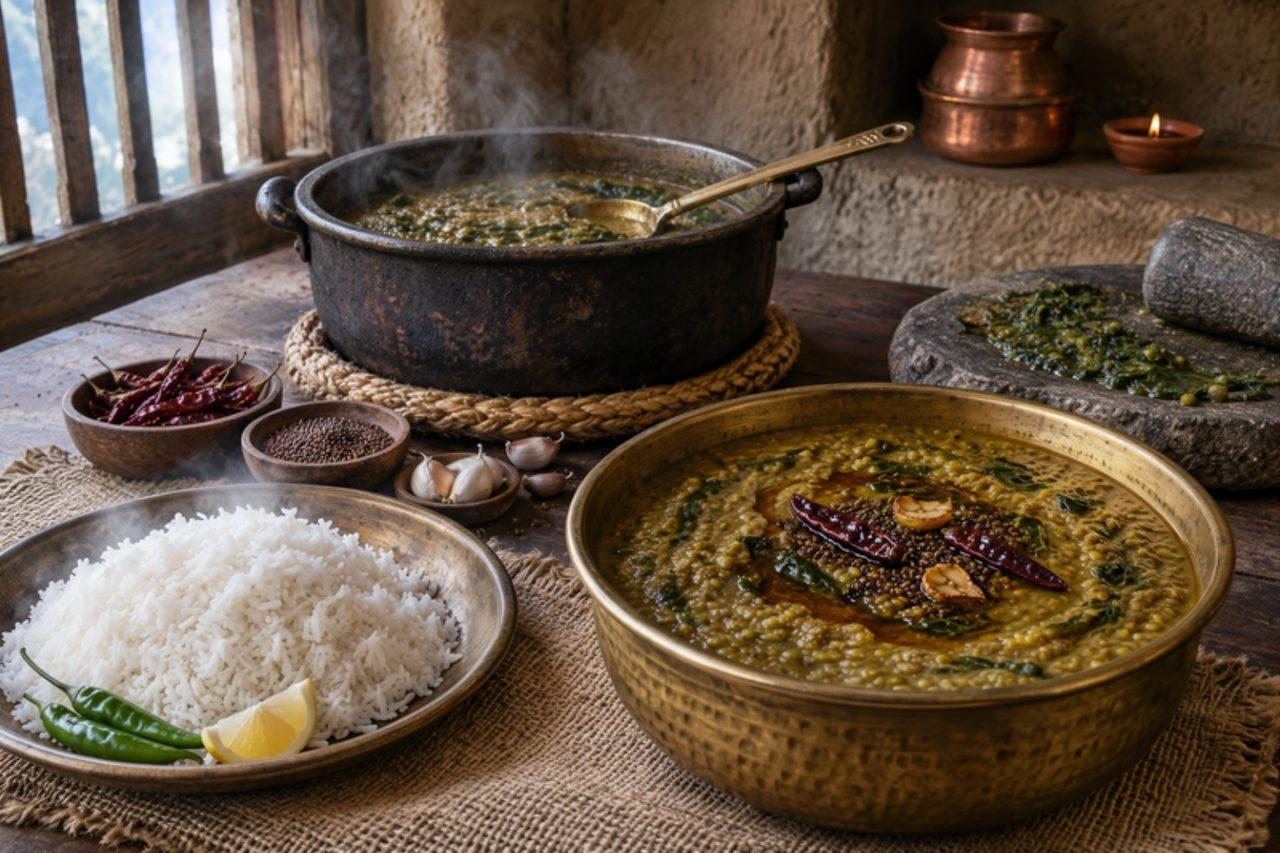
PhaanuGround mixed lentil stew

Phaanu is everyday food in Garhwal's hill villages, from Pauri to Tehri, made on cold days and in large pots for family gatherings. Mixed lentils are soaked overnight, ground to a coarse paste and simmered slowly in an iron pot until the paste turns into a thick, earthy stew, with spinach or other greens and a mustard-oil and jakhya tempering. It is eaten with steamed rice and a little ghee. The usual mistake is adding the paste to the pot and walking away; for the first 10 minutes it must be stirred constantly or it forms lumps and sticks to the bottom. Chef's tip: whisk the lentil paste into cold water before it goes on the heat; it thickens smoothly and never catches.

by KrazyBadal 0 views

Alu chi patal bhajiColocasia leaf curry

No Maharashtrian festive thali, at Ganesh Chaturthi, a wedding or a naming ceremony, feels complete without a bowl of aluchi patal bhaji: chopped colocasia leaves stewed soft with chana dal and peanuts in a thin curry that is sour with tamarind, sweet with jaggery and thickened with a spoon of gram flour. It is eaten mixed into rice or sipped from the thali. Colocasia leaves must be cooked thoroughly with an acid like tamarind; undercooked leaves make the throat itch. The usual mistake is skimping on the cooking time to save the bright green colour; the leaves should be fully soft and olive-green. Chef's tip: soak the peanuts and chana dal for at least 2 hours, so they cook in the same time as the leaves.

by KrazyBadal 1 views

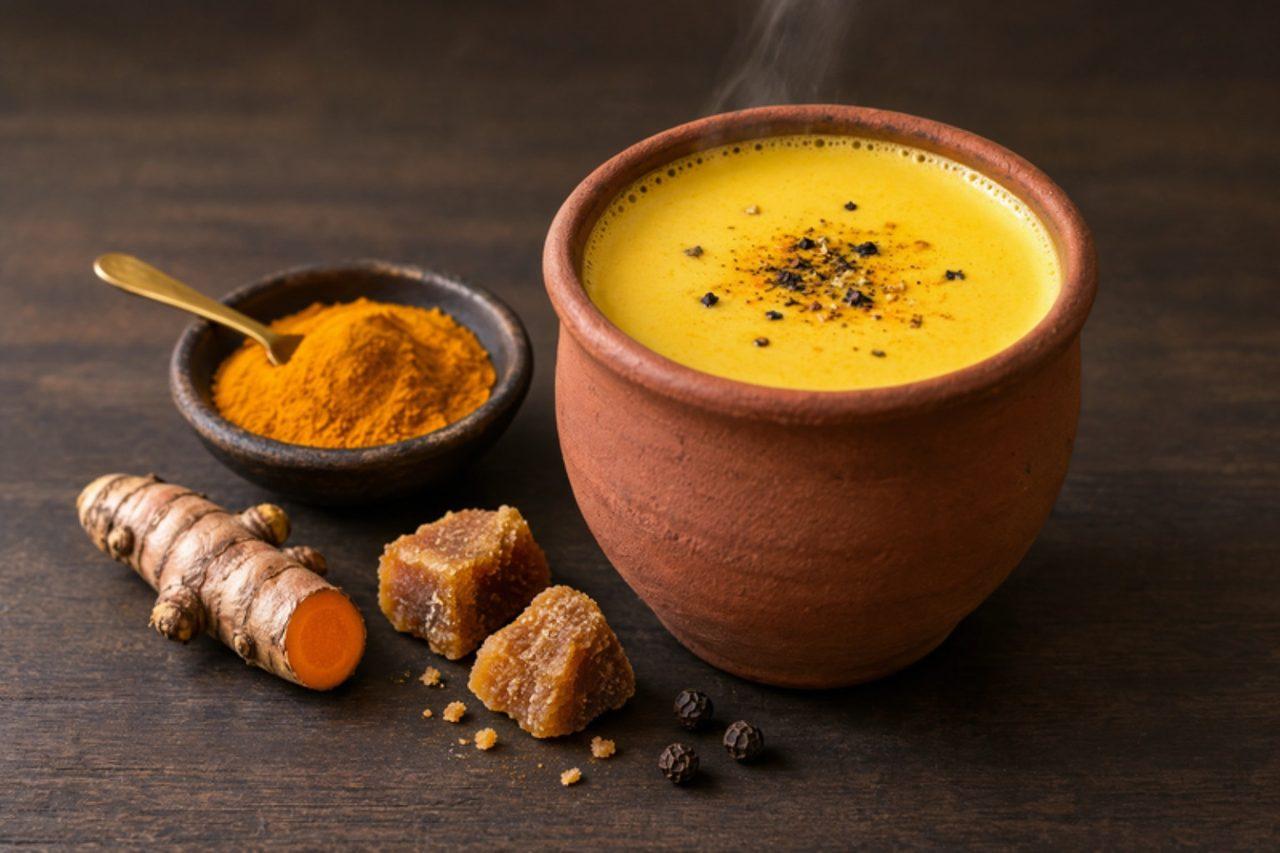
Haldi doodh (turmeric milk)

In homes from Punjab to Kerala, a mother or grandmother hands round haldi doodh on cold winter nights, after a fall in the playground or whenever someone starts sniffling; it is drunk at bedtime, steaming, in a steel tumbler. Milk is simmered with turmeric, a few grinds of black pepper and sometimes ginger or cinnamon, then sweetened with jaggery. It is golden, warming and gently earthy, with a soft peppery heat and a slightly grainy feel if the turmeric is fresh-ground. It is traditionally drunk for colds and aches, as a comfort rather than a cure. The common mistake is adding raw turmeric powder to hot milk at the end: it tastes chalky and bitter. Simmer it in the milk for a few minutes so the raw edge cooks out. It is ready when the milk turns an even deep yellow, smells mellow and has a thin skin forming on top. Add jaggery off the heat, as it can curdle boiling milk. Turmeric stains, so use a steel pan. Chef's tip: a teaspoon of ghee stirred in at the end makes it rounder and is how many families make it.

by KrazyBadal 0 views

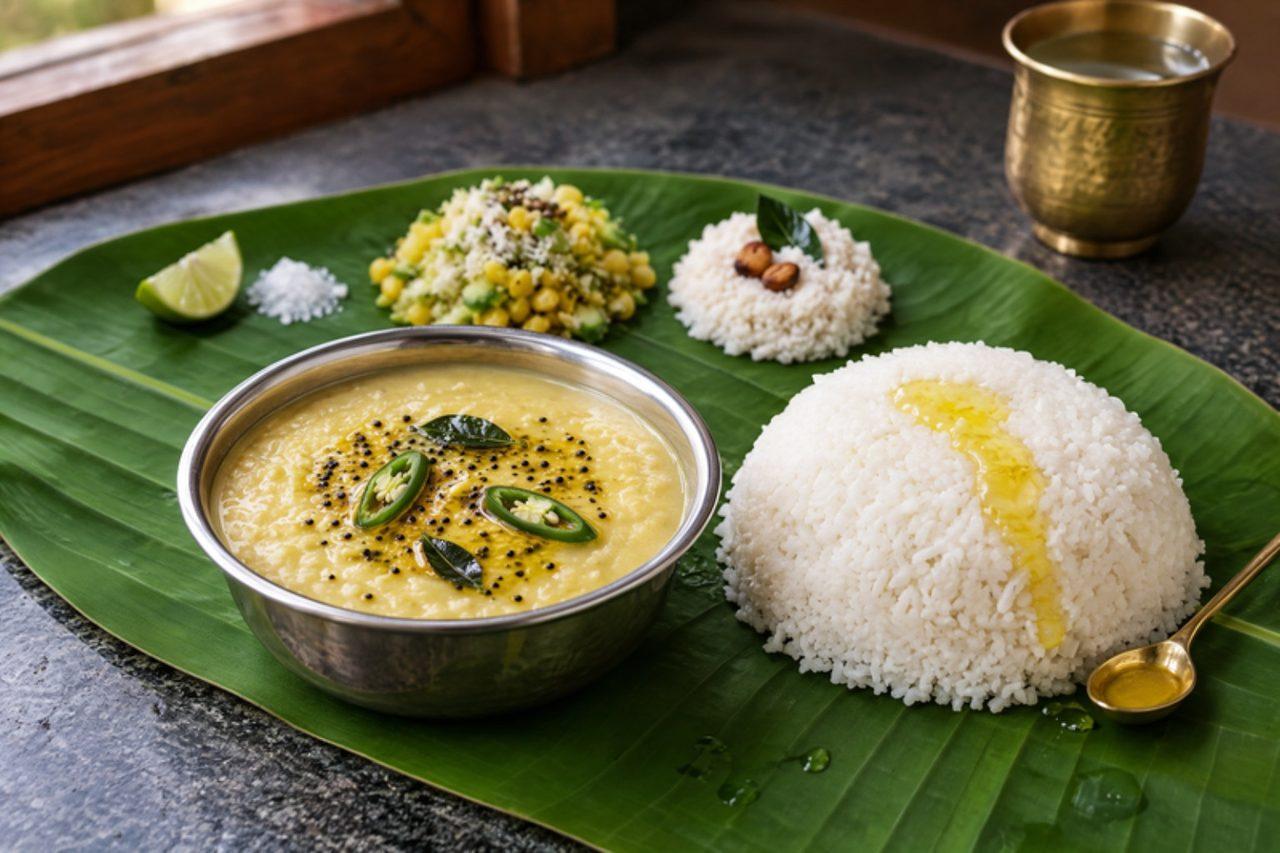
TovveToor dal with green chilli

Tovve is the plainest dal of the Udupi temple kitchens and of Kannada homes along the coast: toor or moong cooked soft, seasoned with green chilli and ginger and finished with a sizzling ghee tempering. There is no tomato, no onion and no masala, so it is the first dal children eat and what families cook for a light dinner or after a fast, with rice, a spoon of ghee and a lemon pickle. Its flavour depends on a well-cooked dal, so it must be soft enough to fall apart when stirred. The usual mistake is adding salt before the dal is tender, which keeps it grainy. Chef's tip: whisk the cooked dal hard for 30 seconds before tempering; the smooth, creamy texture is what makes tovve taste of more than its few ingredients.

by KrazyBadal 0 views

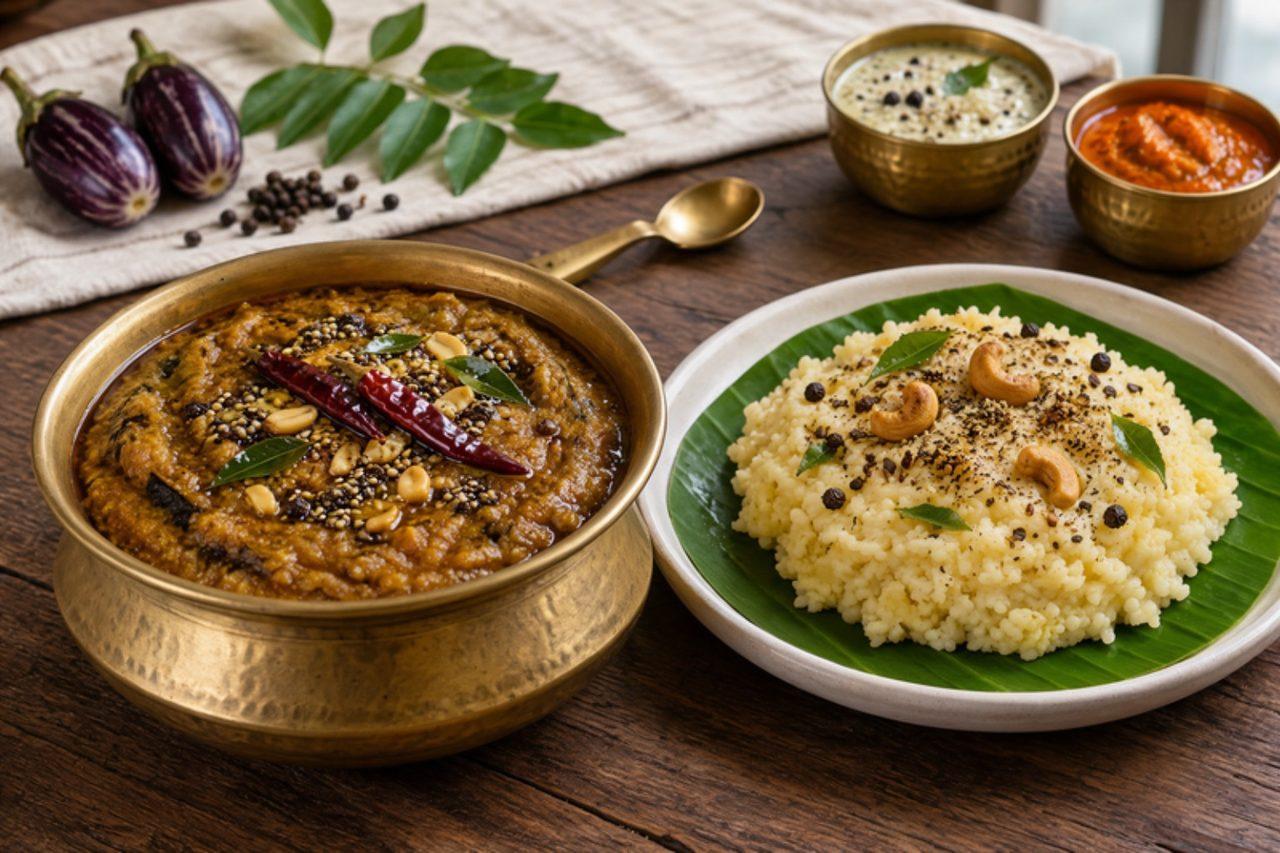
Kathirikai gothsuSmoky aubergine tamarind gravy

At the Nataraja temple in Chidambaram, ven pongal, the peppery rice and moong porridge, is always served with gothsu, and the pairing has spread to breakfast tables and wedding feasts all over Tamil Nadu. Brinjal is charred over the flame, mashed and simmered with a little moong dal, shallots and tamarind, then seasoned with a freshly roasted powder of coriander, chana dal and chilli. The result is smoky, tangy and spoonable, also good with idli or dosa. The usual mistake is using big, seedy aubergines: choose small, firm, glossy ones, which are sweeter. Chef's tip: char at least one brinjal right over the gas flame until the skin is black all over; that smoky note is what makes Chidambaram gothsu.

by KrazyBadal 0 views

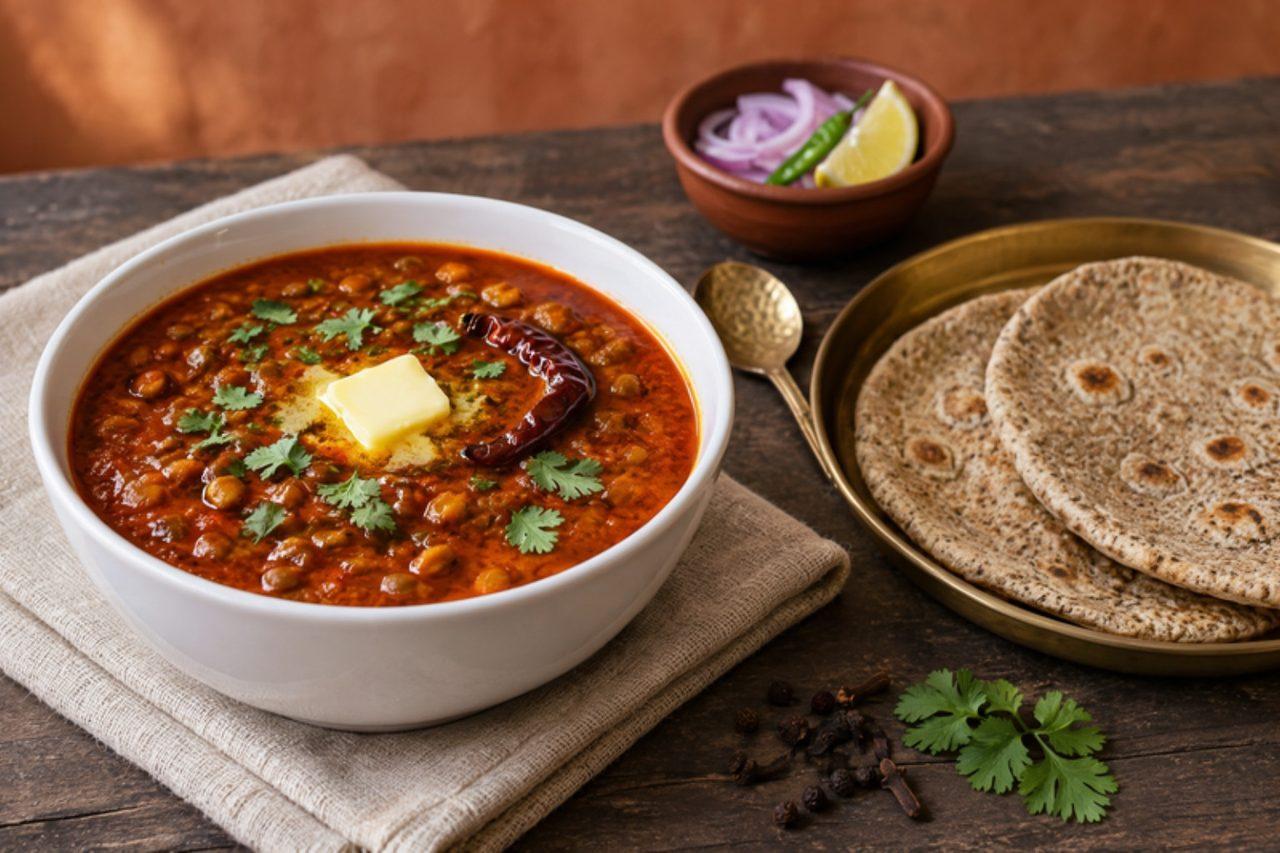
Akkha masoorWhole brown lentil curry

Akkha masoor is the dish that made the dhabas on the Kolhapur–Pune highway famous: whole brown lentils cooked into a rich, fiery onion, tomato and Kolhapuri-masala gravy, finished with a big knob of butter and eaten with jowar bhakri, tandoori roti or jeera rice. At home it is a weeknight dinner and a favourite on cold evenings. The lentils keep their shape while the roasted dry coconut and red chilli give a deep, nutty heat. The usual mistake is undercooking the onions; they must turn deep brown before the tomatoes go in, or the gravy tastes thin. Slow-cooker: cook everything except the butter on low for 6 hours, then stir the butter in at the end. Chef's tip: toast the dry coconut until it is the colour of a biscuit; it is the secret of the dhaba flavour.

by KrazyBadal 0 views

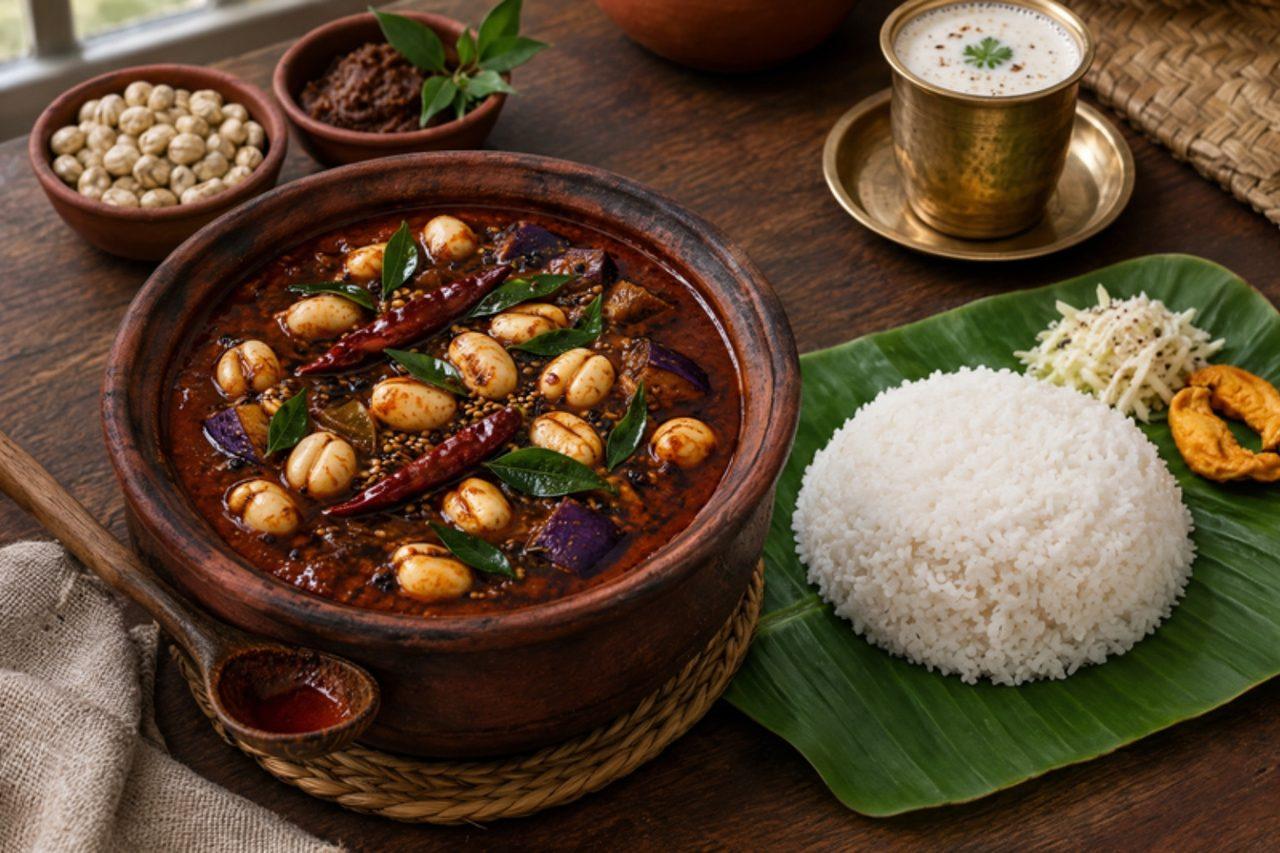
Mochai kottai kuzhambuField bean gravy

Across Tamil Nadu, from Madurai to Tirunelveli, mochai kottai kuzhambu is a winter and weekend curry: dried field beans and small brinjals stewed in a thick tamarind and sambar-powder gravy with shallots and garlic. It is cooked in a big batch, because everyone agrees it tastes better the next day, and eaten with rice, a spoon of sesame oil and appalam or a simple keerai. The beans turn creamy and the brinjal melts into the sauce. Dried field beans must be soaked and boiled until completely soft; never eat them undercooked. The usual mistake is adding the tamarind before the beans are tender, because acid stops them softening. Slow-cooker: boil the soaked beans hard on the hob for 10 minutes first, then cook everything on low for 6 hours. Chef's tip: fry the brinjal in the oil before the gravy goes in, so it holds its shape instead of dissolving.

by KrazyBadal 0 views

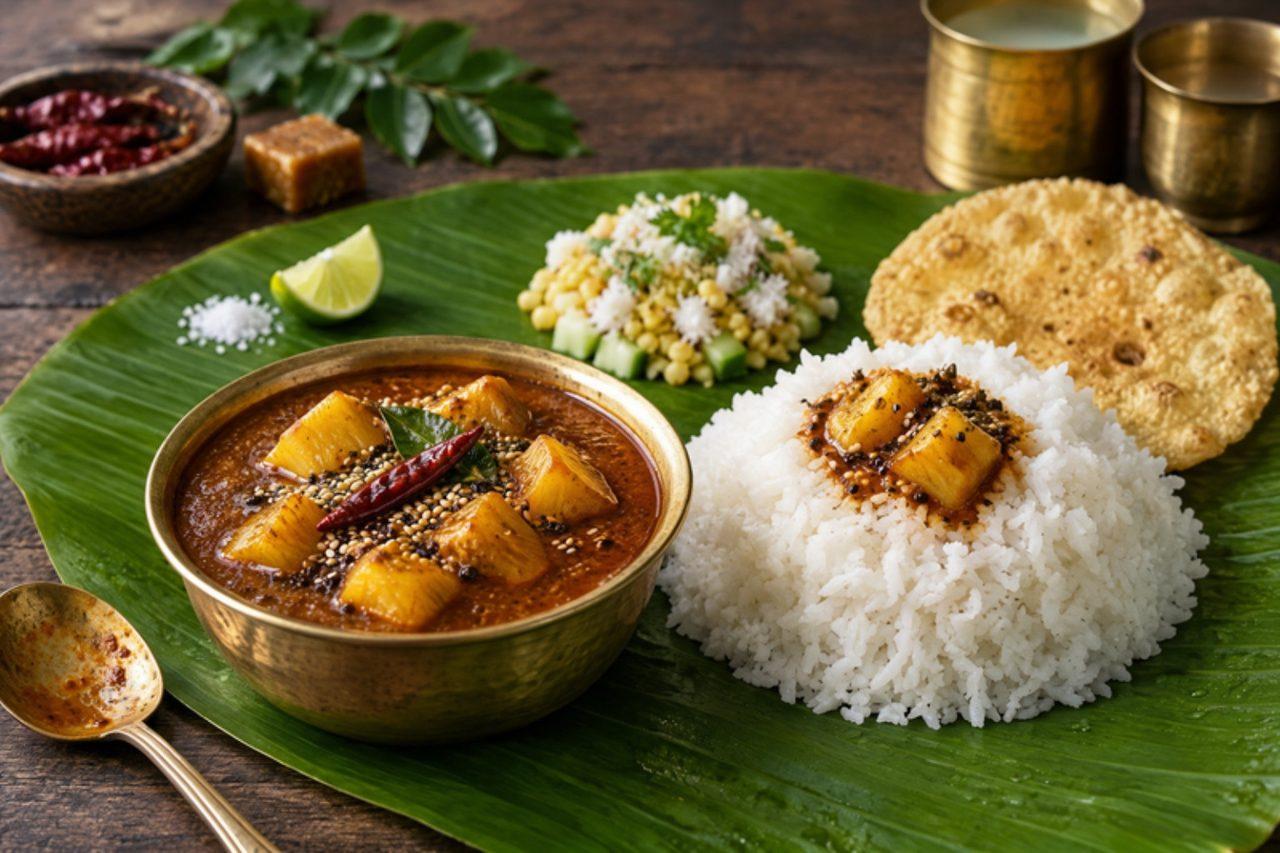
Pineapple gojjuSweet and sour pineapple gravy

Pineapple gojju turns up on banana leaves at Kannada weddings, housewarmings and Ugadi feasts, where its bright sweet-sour-hot taste cuts through the rice, saaru and payasa. Ripe pineapple is simmered with tamarind and jaggery, then thickened with a roasted paste of sesame, coconut, chilli and lentils until glossy. It is eaten in small spoonfuls with rice or chapati, or as a relish on the side. The usual mistake is adding the jaggery too early and boiling it hard, which makes it sticky and dull; let the pineapple soften first. It keeps for 4 days in the fridge. Chef's tip: toast the sesame seeds separately and add them last, so they stay nutty and you can hear them crackle.

by KrazyBadal 0 views

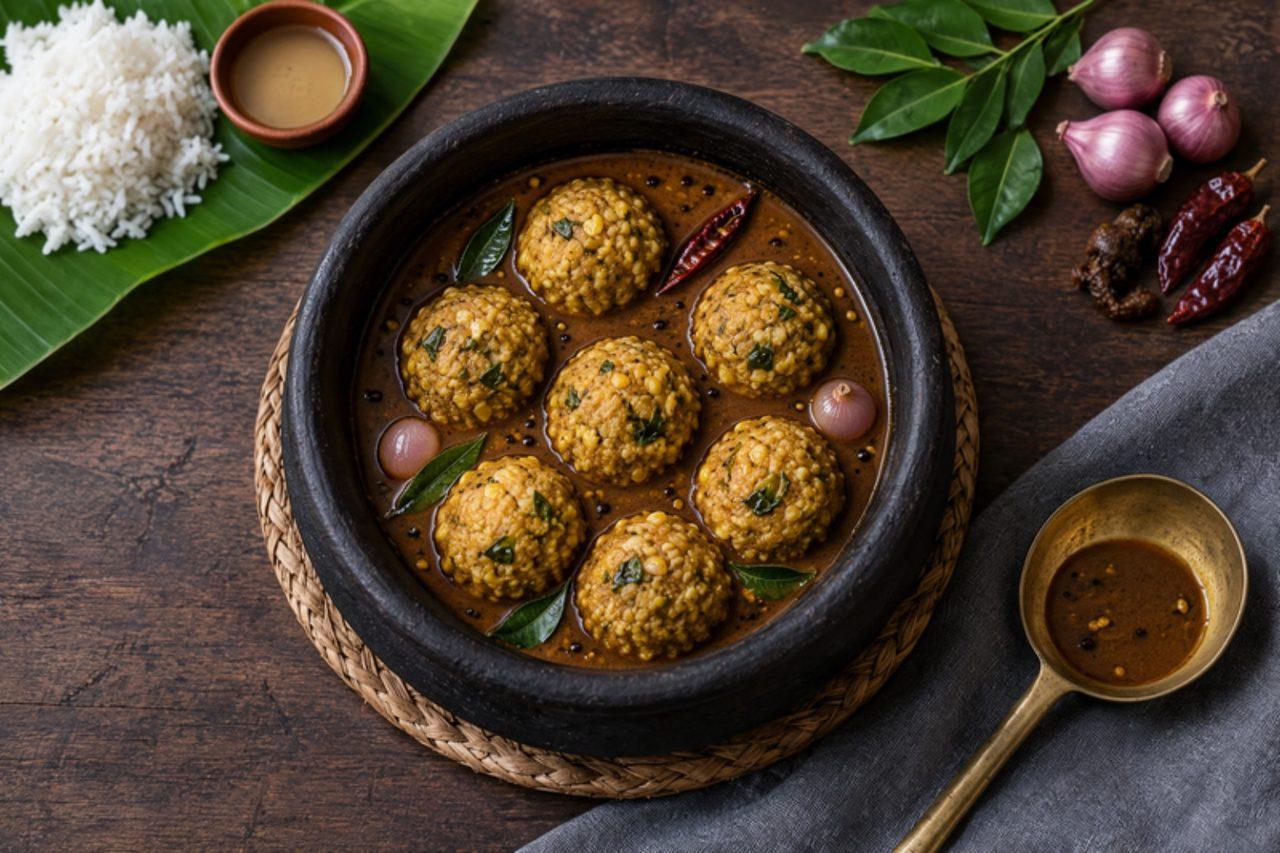
Paruppu urundai kuzhambuLentil dumpling gravy

Paruppu urundai kuzhambu is a Sunday-lunch treat in Tamil homes from Chennai to Coimbatore: coarse balls of soaked chana and toor dal, spiked with fennel, chilli and shallot, dropped raw into a bubbling tamarind gravy where they steam and firm up. The dumplings come out soft inside and soak up the sour, spicy sauce, and the crumbs that escape thicken the gravy. Serve it with plain rice, a spoon of sesame oil and a vegetable poriyal. The usual mistake is stirring as soon as the balls go in, which breaks them; leave them alone until they float and feel firm. Chef's tip: drop one test ball in first; if it cracks, knead a spoon of rice flour into the mixture before shaping the rest.

by KrazyBadal 0 views

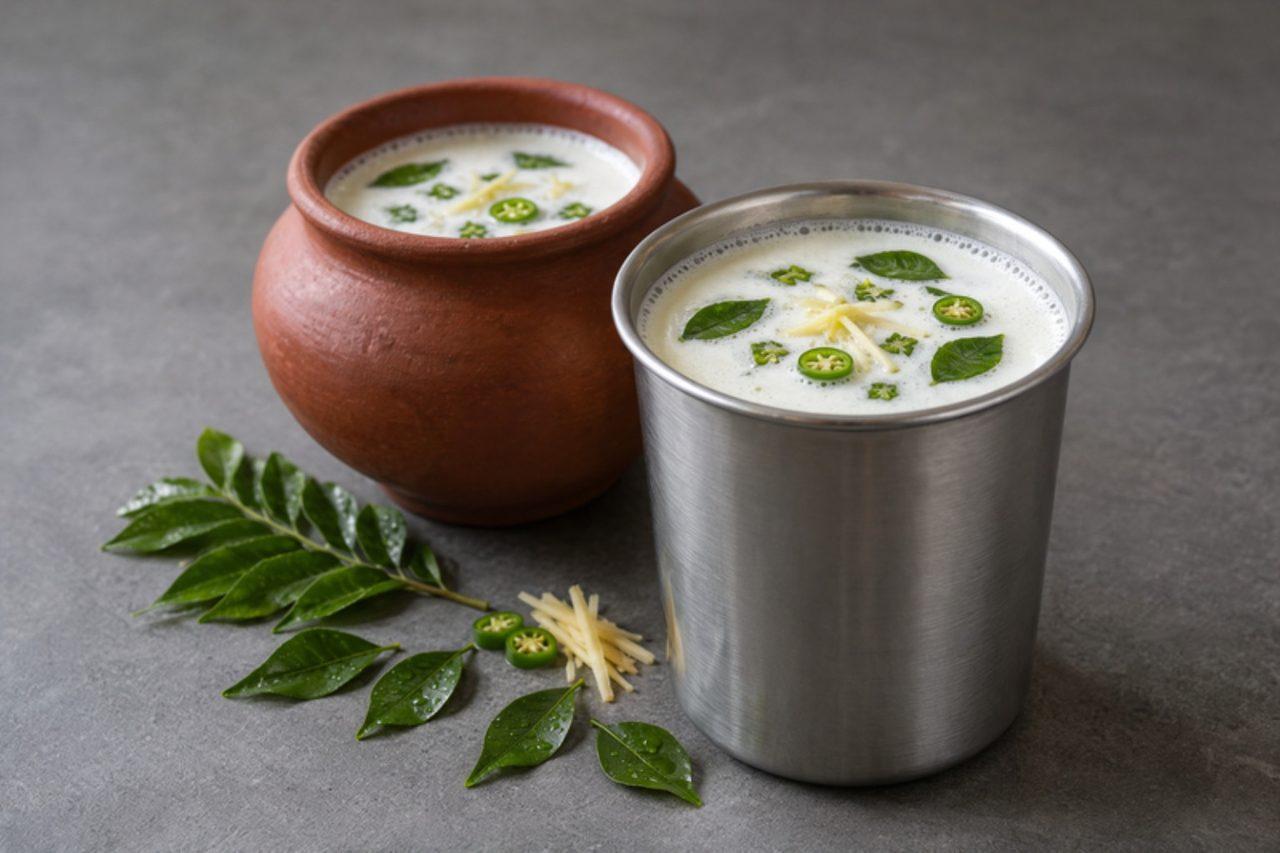
Neer mor (spiced buttermilk)

From April to June, when Chennai and Madurai bake at forty degrees, temples, shops and political parties set up 'thaneer pandhal' sheds by the roadside, offering free neer mor to every passer-by from great clay pots. At home it comes after a rice meal of sambar and rasam, or in the middle of the afternoon. The curd is churned and thinned with water until barely white, then seasoned with green chilli, ginger, curry leaves, coriander and a pinch of asafoetida, sometimes finished with a tempering of mustard seeds. It should be very thin, salty, tangy and herby, with a little chilli heat and a lingering savoury scent. The common mistake is using too little water: it then drinks like a heavy lassi rather than a thirst-quencher. Aim for about one part curd to four parts water. It is ready when the buttermilk is smooth, cold and pale green-flecked, and smells of curry leaf. It keeps a day in the fridge. Chef's tip: crush the ginger, chilli and curry leaves rather than chopping them; bruising releases far more flavour into the thin liquid.

by KrazyBadal 0 views

Showing 24 of 197 recipes

Show more recipes

Page 1 of 9