Skip to content
Recipes

All recipes

Vegetarian, or something you can't eat? Set your diet once and we'll hide recipes that don't fit.

Socată (elderflower fizz)

In late May and early June, when elder bushes bloom white along every Romanian village lane and riverbank, grandmothers fill big glass jars with water, sugar, lemon slices and elderflower heads and set them on a sunny windowsill or balcony. Three or four days later the jar is fizzing gently and socată, the most beloved summer drink of rural Romania, is bottled and chilled for haymaking days, family lunches and long evenings in the courtyard. It is sweet and floral, like honeyed lemonade with the scent of muscat grapes, with a light natural sparkle. Like all young ferments it makes a trace of alcohol, well under 1% if drunk within a week. The common mistake is washing the flowers or picking them after rain: the pollen and wild yeast that start the fermentation are rinsed away and nothing happens. Pick dry, fully open heads on a sunny morning and just shake off insects. It is ready to strain when fine bubbles rise steadily and it smells floral and slightly tangy. Use only the flowers: elder stems, leaves and unripe berries are toxic. Chef's tip: a few raisins in the jar give the yeast a boost if your flowers are slow.

by KrazyBadal 0 views

BusecaTripe and white bean stew

Buseca arrived in Montevideo with Italian immigrants from Lombardy and became a classic winter dish of Uruguayan bodegones and family kitchens, eaten on cold June and July days. Honeycomb tripe is simmered until tender, then stewed with white beans, pork chorizo, bacon, peppers, tomato and paprika into a thick, warming stew served with crusty bread. Buy tripe that is already cleaned and blanched (dressed). The usual mistake is undercooking the tripe: it needs a full 2 hours, until it's soft enough to cut with a spoon. Slow-cooker option: after step 4, cook on low for 8 hours. Chef's tip: a little grated lemon zest and parsley stirred in at the end lifts the rich, gelatinous sauce.

by KrazyBadal 0 views

Cocido quemadoBurnt sugar mate drink

Cocido is how Paraguay starts the day: in Asunción, in the villages of Guairá and Itapúa, and in school kitchens, a pot of burnt yerba is brewed and poured into cups with chipa, the cheesy cassava bread, or with a hard galleta. The old way is to drop a glowing piece of charcoal into a pot with yerba and sugar and stir until the sugar burns. On a home stove you caramelise them together in a dry pan instead, which is safer and gives the same smoky, toffee-like taste. The drink is clear amber-brown, with roasted, slightly bitter mate notes over burnt-sugar sweetness; with milk added it becomes cocido con leche, creamy and coffee-coloured. Yerba mate contains caffeine, so treat it like a cup of coffee. The common mistake is letting the sugar go black: it turns acrid and bitter. Pull it off the heat when the caramel is deep amber and the yerba smells toasted, not burnt. It is ready when the liquid is a clear dark amber and tastes of toffee and smoke. Chef's tip: the water will spit fiercely when it hits the hot caramel, so pour it in from the side, at arm's length.

by KrazyBadal 0 views

Morcilla dulceSweet blood sausage with walnuts

No Uruguayan parrilla is complete without morcilla dulce: a soft pork blood sausage sweetened with sugar and scented with orange peel, studded with walnuts and raisins, grilled until the skin crisps and served first, as part of the achuras, while the beef is still cooking. It is pork throughout: pork blood, pork back fat and natural pork casings. Making it at home is a project. Buy fresh pork blood with an anticoagulant added from a butcher who supplies it for sausage making, keep it chilled below 4 °C and use it within a day. The common mistake is poaching at a rolling boil, which bursts the casings. Chef's tip: keep the water at 80–85 °C, just shivering, and prick a sausage after 25 minutes: it is done when brown, not red, juice comes out.

by KrazyBadal 0 views

Postre MassiniCustard sponge with burnt sugar top

Montevideo's birthday cake of choice since the early twentieth century, the Massini is two thin layers of sponge sandwiching a thick filling of whipped cream folded with egg-yolk custard, crowned with a thin glassy crust of torched yolk and sugar. Bakeries across Uruguay sell it on Sundays. Traditional versions sometimes add a sweet fortified wine to the custard; this one is alcohol-free. The custard is cooked to a safe 71 °C. The common mistake is assembling with warm custard, which melts the cream into a puddle. Chef's tip: if you don't have a blowtorch, put the sugared top under a very hot grill for a minute and watch it closely.

by KrazyBadal 0 views

TereréIced yerba mate

In Asunción the hottest part of the day stops for tereré: a horn or cup packed with yerba mate, topped up again and again with ice water infused with crushed herbs, and passed round the group through a metal straw. It was recognised by UNESCO as part of Paraguay's cultural heritage, and the herbs (yuyos) change with the season and the drinker's mood. Yerba mate contains caffeine, so it isn't one for small children. The common mistake is pouring water straight into loose yerba, which then clogs the straw; tilt the yerba to one side first. Chef's tip: for tereré ruso, swap the water for cold orange or grapefruit juice.

by KrazyBadal 0 views

EinspännerBlack coffee with whipped cream

The Einspänner is named after the one-horse carriages of old Vienna: coachmen waiting outside in winter supposedly liked their coffee under a lid of cream that kept it hot and stopped it slopping. Today it is served in a handled glass at classic coffee houses, a strong black mocha (a double espresso or Großer Brauner without milk) topped with a thick layer of cold, lightly sweetened whipped cream and a pinch of icing sugar. You do not stir it: you sip the hot, bitter coffee through the cold, sweet cream, so each mouthful is two temperatures and two textures. It is an afternoon or late-morning coffee, often with a slice of Sachertorte. The common mistake is runny cream that sinks and turns the drink into a milky latte; whip it until it just holds a peak and spoon it on gently so it floats. It is ready when the cream stands at least 2 cm above the coffee and slowly sinks at the edges. It is strong: a double shot of caffeine in one glass. Chef's tip: pour the coffee in first and wait ten seconds before adding the cream, so the crema settles and helps support the cap.

by KrazyBadal 0 views

SchnitzelsemmelSchnitzel in a bread roll

Austrians setting off on a train journey, a ski day or a building-site shift pack a Schnitzelsemmel: a crisp Kaisersemmel roll holding a cold, golden pork schnitzel (veal for special days), a leaf of lettuce and a squeeze of lemon, sometimes with a smear of mustard or a gherkin. Leftover Sunday schnitzels are made for it. The common mistake is pressing the breadcrumbs on hard; they should sit loosely so they puff up and ripple away from the meat as it fries. Chef's tip: shake the pan constantly while frying so hot fat washes over the top, and the crust soufflés into those famous waves.

by KrazyBadal 0 views

Wiener MelangeCoffee with milk and foam

In Vienna you never simply order 'a coffee'; you order by name, and the Melange is the one most Viennese ask for. It arrives in a large cup on a small silver tray with a glass of water and often a tiny chocolate, and you may sit over it for an hour with the newspapers at Café Prückel or Hawelka, mid-morning or after lunch. Traditionally it is a mild, longer espresso (a Verlängerter) with roughly equal hot milk and a soft cap of milk foam; it is gentler than a cappuccino and the foam is looser and creamier. Expect a round, nutty, slightly sweet cup with little bitterness. The common mistake is overheating the milk: once it passes about 70 °C it smells cooked and loses its sweetness and the foam turns big-bubbled and dry. Stop when the jug is too hot to hold for more than a second or two. It is ready when the foam sits in a smooth, glossy dome about a finger thick and the coffee shows as a brown ring at the edge. One cup has about the caffeine of a single espresso. Chef's tip: always serve the glass of water alongside, as Vienna does; it is drunk first to clear the palate.

by KrazyBadal 0 views

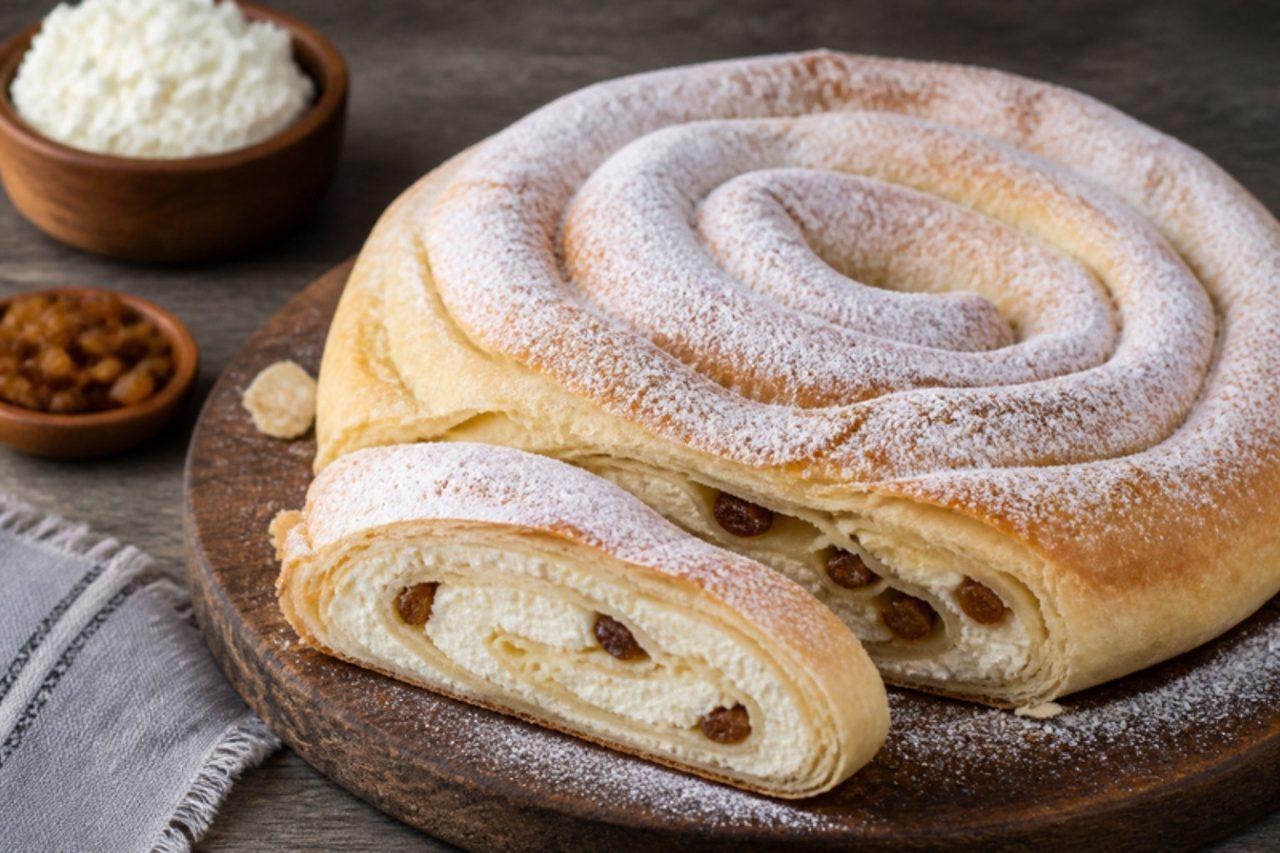
ÎnvârtităRolled sweet cheese pastry

Sunday visits in the villages around Iași and Suceava rarely happen without a tray of învârtită, the coiled pastry whose name simply means 'twisted'. A soft dough is pulled over a floured tablecloth until it is as fine as paper, brushed with butter, covered in sweet cottage cheese with raisins and lemon zest, rolled up and wound into a snail before baking. Fresh from the oven it is crackly at the edges and moist in the middle; it is cut into wedges and eaten with coffee or a glass of milk. Families also fill it with sour cherries in June or grated pumpkin in autumn. Cottage cheese is usually made without animal rennet, but check the label if you keep strictly vegetarian. Lots of bakers stretch the dough too soon after mixing, and it tears into holes; give it the full rest. Chef's tip: drain the cottage cheese in a sieve for 20 minutes first, so the filling stays creamy and does not run out of the seams.

by KrazyBadal 0 views

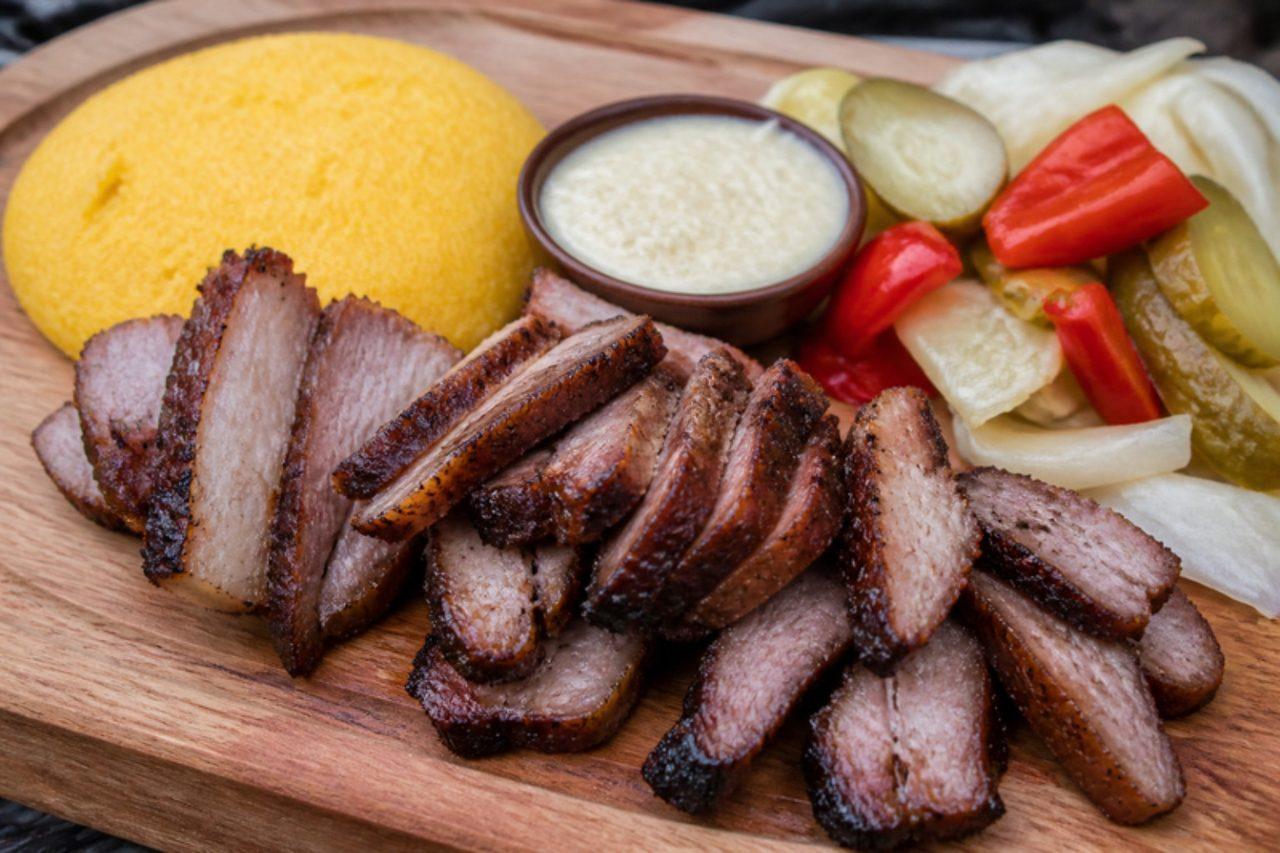
Pastramă de oaieGarlic-cured mutton

Autumn, when the flocks come down from the summer pastures of Moldavia and Wallachia, used to be pastramă season: slabs of mutton were rubbed with salt, garlic and spice, pressed, then dried in the sun and wind for days before being grilled over embers. Sun-drying raw meat at home is risky, so this is a safer version: the meat cures for 1 to 2 days in the fridge, dries uncovered on a rack in the fridge for a few hours, and is then grilled until cooked through. You still get the deep, garlicky, slightly gamey taste and the salty, caramelised edges. It is served hot with mămăligă, pickles and a glass of must-like grape juice in October. The traditional sun-dried, uncooked kind is not for pregnant women, young children or anyone with a weakened immune system. The common mistake is cutting the slabs too thick: keep them to 1.5 cm so the cure gets in and they cook through evenly. Chef's tip: lamb shoulder works if you cannot find mutton; it is milder, so add an extra clove of garlic.

1470 minRomanianMeatGluten free
by KrazyBadal 0 views

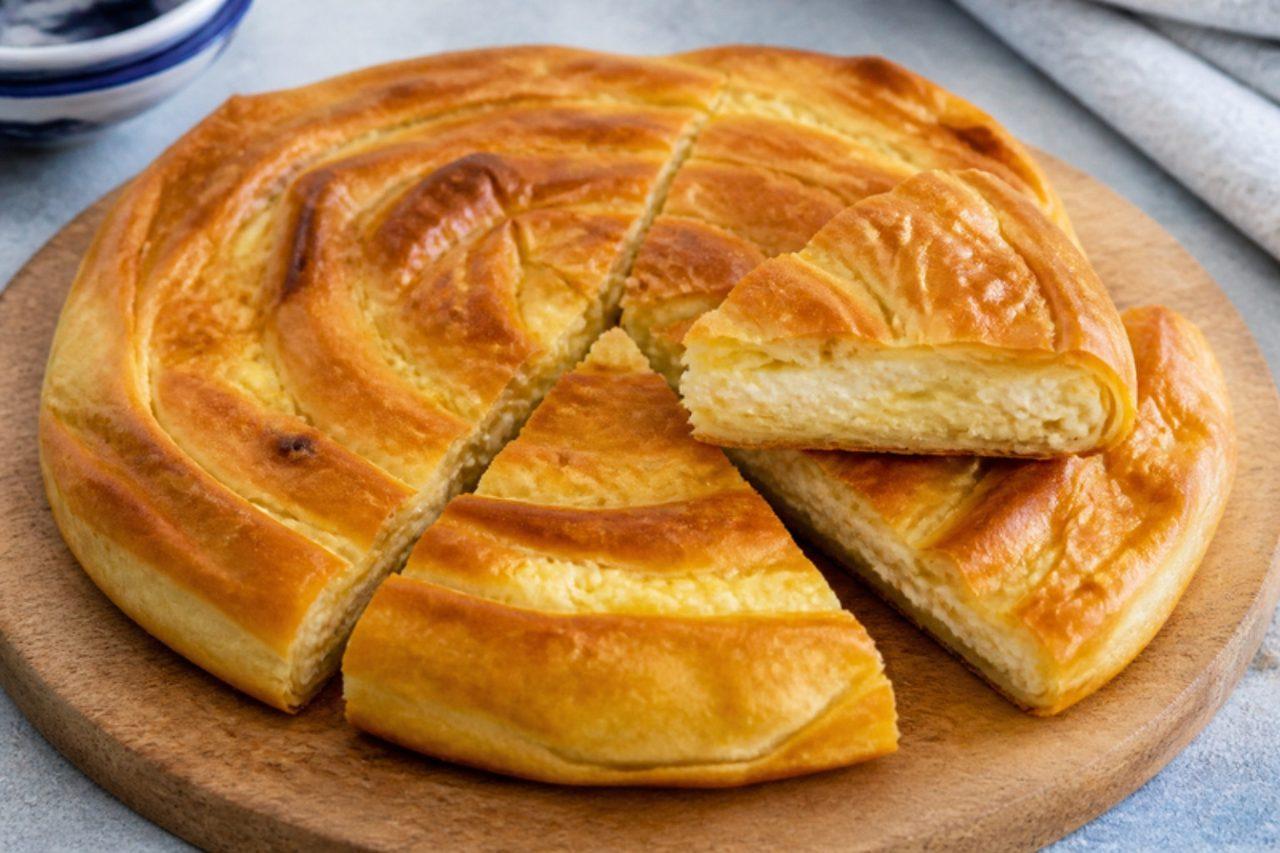
Plăcintă dobrogeanăCheese and egg coil pie

Down on the Black Sea coast and the steppe villages around Constanța and Tulcea, where Aromanian, Turkish and Tatar cooks have shared ovens for generations, plăcintă dobrogeană is a big round pie made from hand-stretched sheets rolled around salty cheese and egg, coiled into a tin and baked until crackling. Just before baking, a little egg and yogurt is poured over, so the inner layers turn soft and custardy under a shatteringly crisp top. It is cut into wedges and eaten warm for breakfast with ayran or a glass of milk. Telemea and other salty white cheeses are often made with animal rennet, so pick one labelled vegetarian. The usual slip is overfilling the rolls, which split as they coil. Chef's tip: keep the stretched dough under a damp tea towel while you work, so it stays supple.

by KrazyBadal 0 views

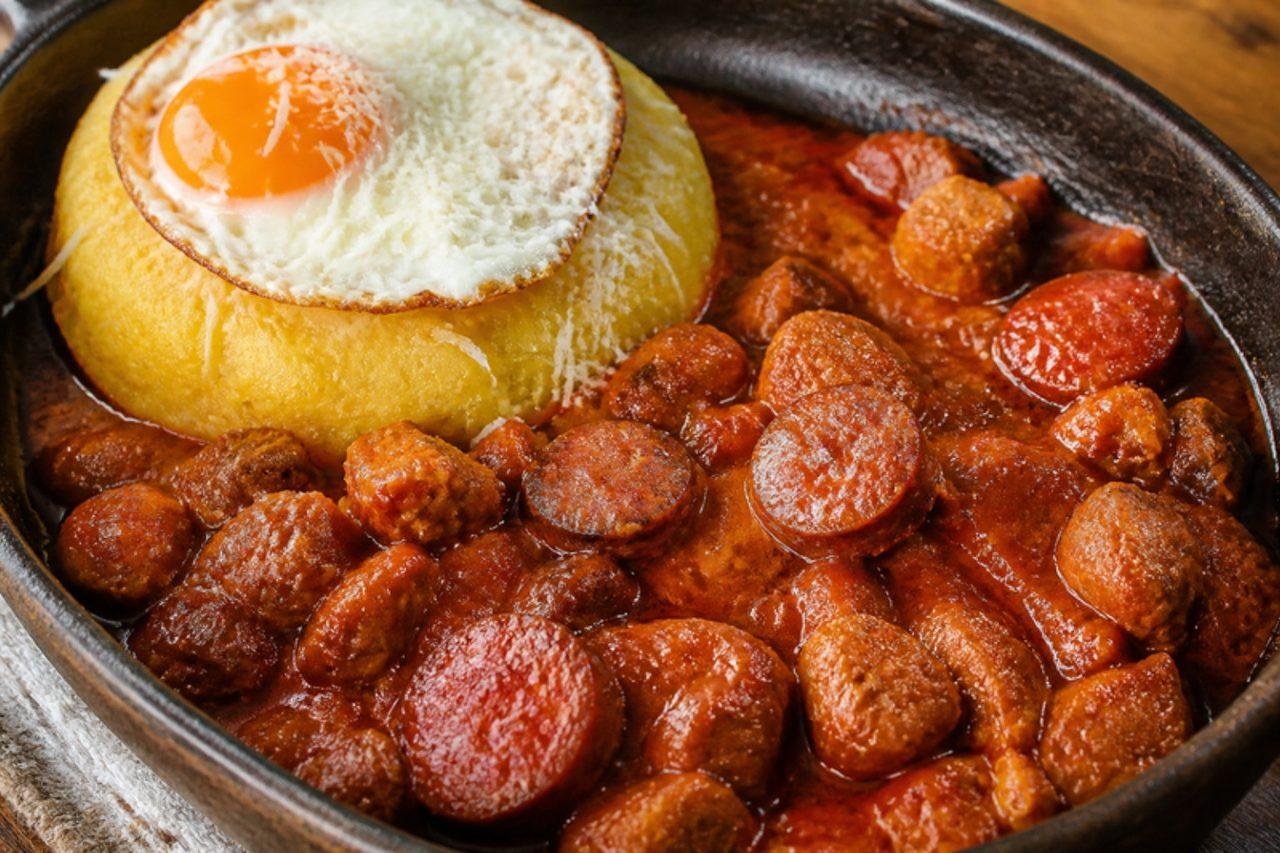
TochiturăPork and sausage stew

Ask for tochitură in a roadside han near Iași or Piatra Neamț and it arrives as a full plate: cubes of pork shoulder and pork sausage stewed in a garlicky, red-tinged sauce, a hill of mămăligă, a fried egg perched on top and crumbled salty sheep's cheese over everything. It is a dish for cold days and big appetites, rich, peppery and smoky. Traditionally a glass of dry white wine goes into the pan; for an alcohol-free version use the same amount of stock with 1 tablespoon of cider vinegar. The cheese is usually telemea or brânză de burduf. A frequent slip is cooking the pork hard and fast, which leaves it chewy; a gentle simmer turns it tender. Chef's tip: stir a spoon of crushed garlic into the sauce in the last minute only, so it stays fresh and fierce against the rich meat.

by KrazyBadal 0 views

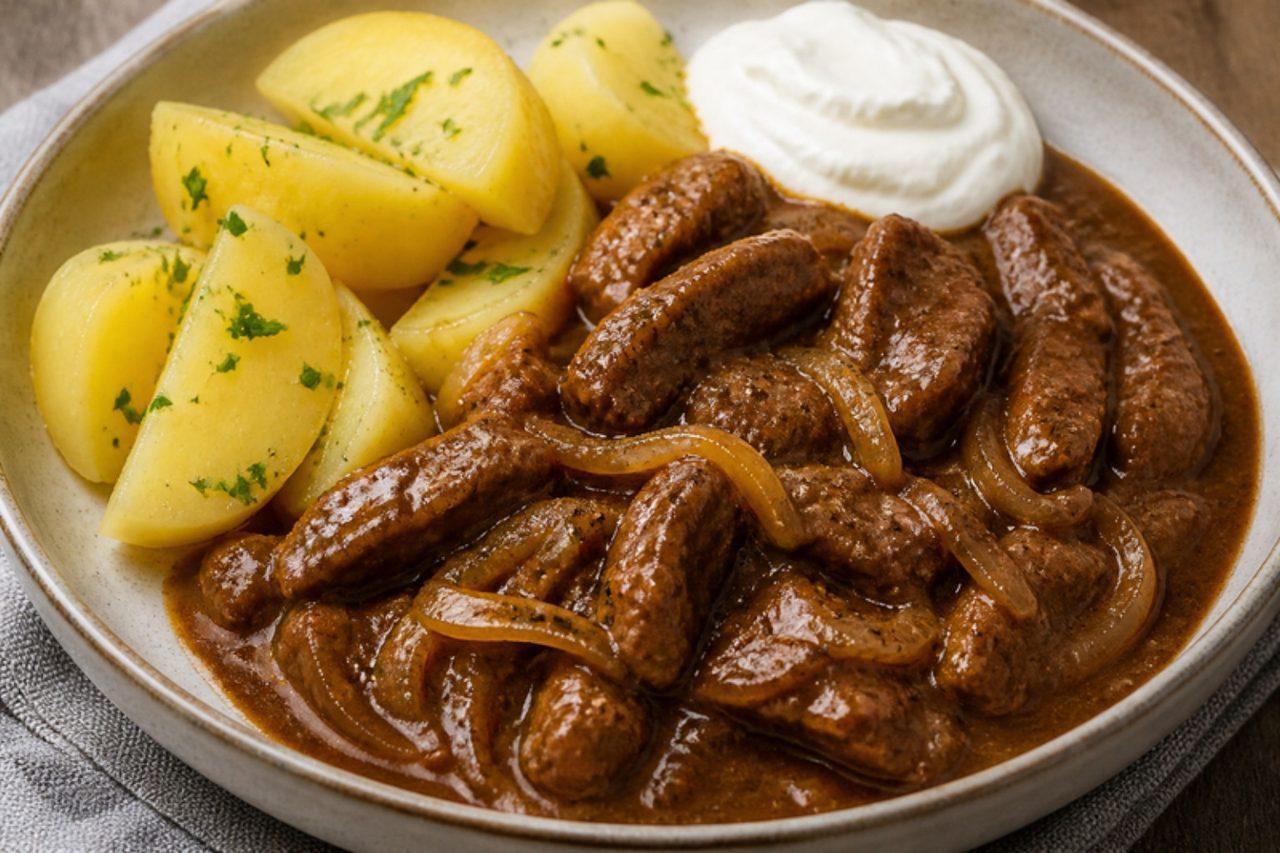
TokányBeef strips in wine and onion

Among the Hungarian communities of Transylvania, especially the Székely towns of Harghita and Covasna, tokány is the stew that is not a gulyás: the meat is cut into finger-long strips rather than cubes, and it is seasoned with black pepper and marjoram and a splash of wine instead of a red cloud of paprika. The result is a pale, savoury, peppery sauce that clings to tender ribbons of beef. Dry white wine is traditional; for an alcohol-free pot use the same amount of beef stock with 1 tablespoon of white wine vinegar. Serve it with boiled rice, mashed potato or a heap of pickled cucumbers. The usual slip is cutting the strips with the grain, so they cook up stringy; slice across it. Chef's tip: let the onions melt slowly for a full 15 minutes before the meat goes in; they dissolve into the sauce and thicken it without any flour.

by KrazyBadal 0 views

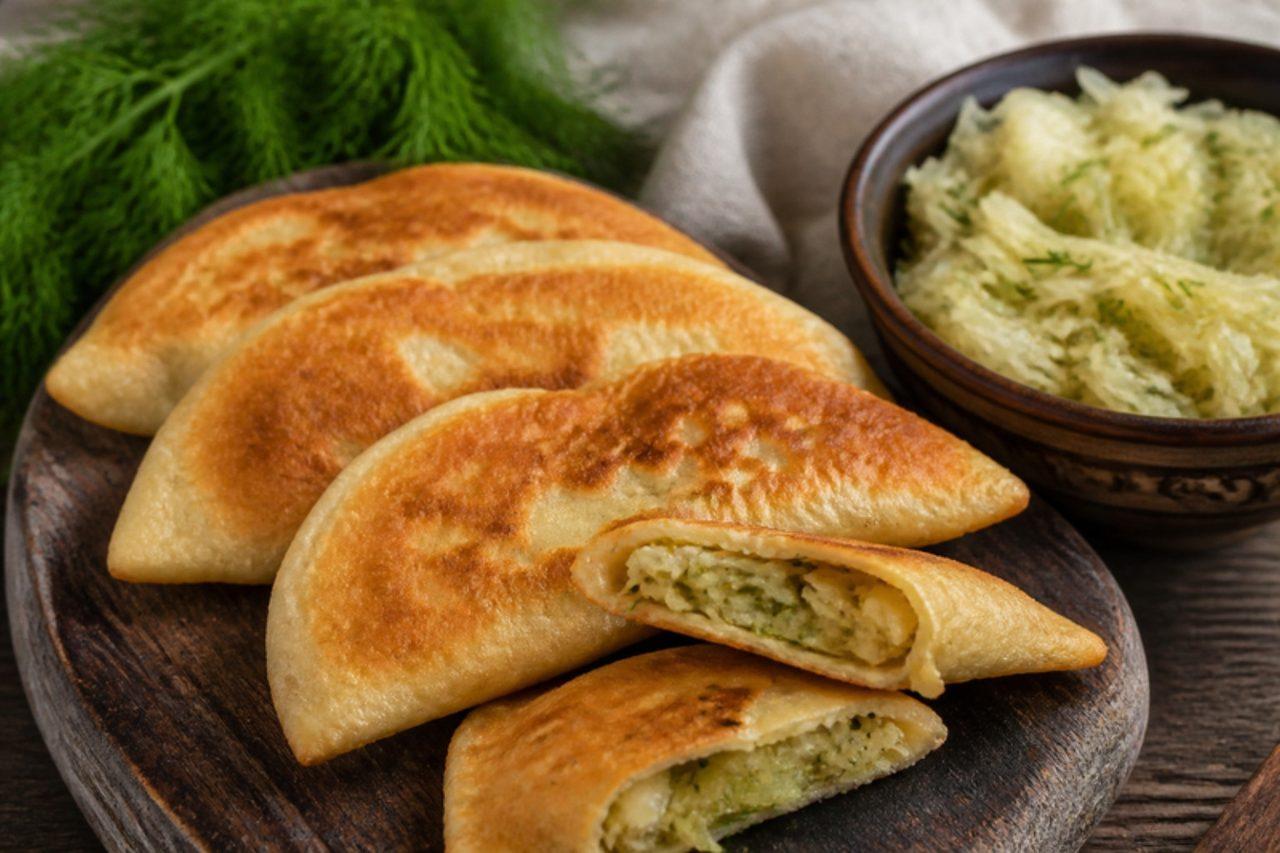
VărzăriSauerkraut pan-fried pies

Across Moldavia and over the Prut in the Republic of Moldova, the long Lent before Easter and Christmas is when grandmothers bring out the sauerkraut barrel and start rolling vărzări. The dough is plain flour, water and oil, rolled paper-thin, folded around sauerkraut fried with onion and black pepper, then pan-fried in a little oil until blistered and crisp. Hot from the pan they are flaky outside and soft and sour within; at room temperature they make a good packed lunch, often eaten with a glass of compote or a bowl of bean soup. Being completely free of animal products, they suit the strict fasting days. Where most people go wrong is leaving the sauerkraut wet: squeeze it hard, or the juice soaks the dough and the pies tear. Chef's tip: rest the dough under a warm bowl for half an hour; the gluten relaxes and it will roll almost transparent without springing back.

by KrazyBadal 0 views

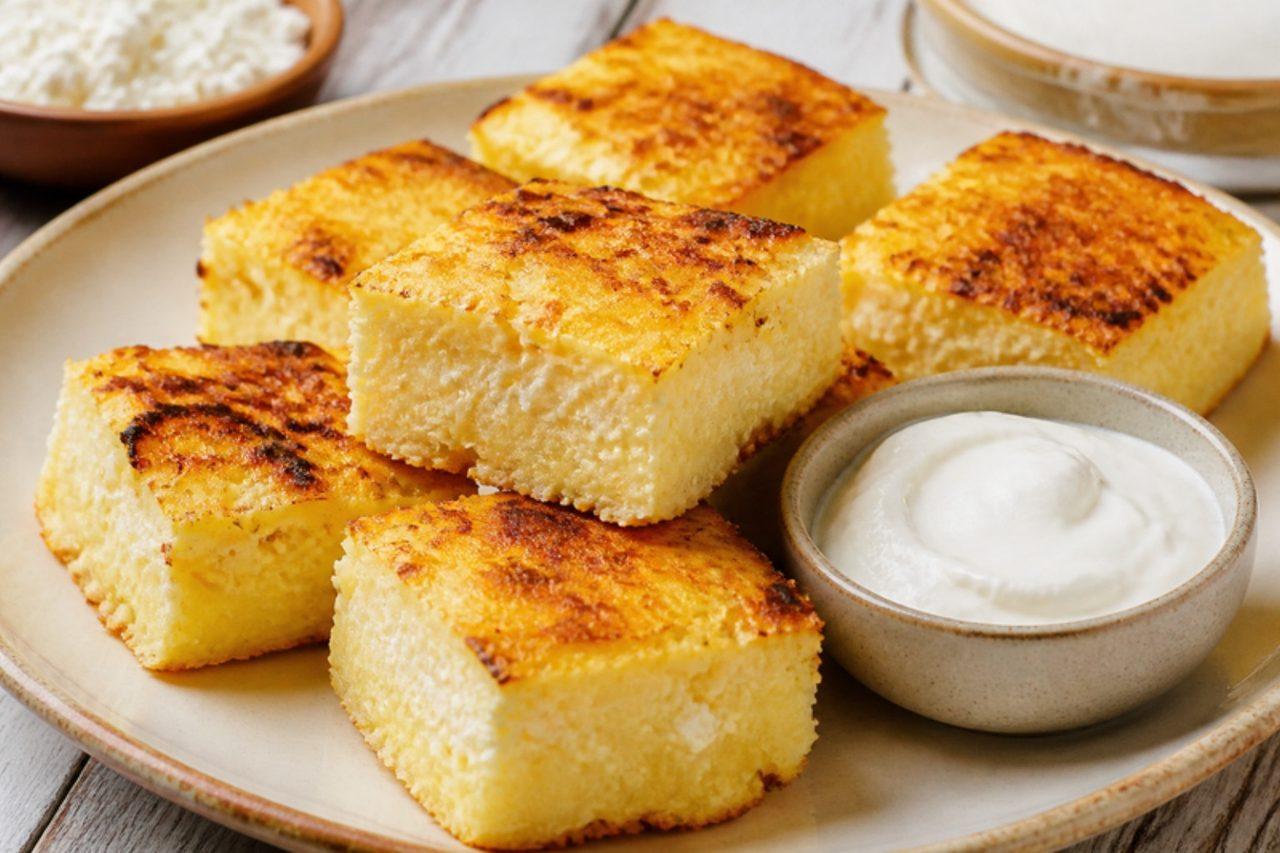
AlivenciCornmeal and cheese cake

Across the Prut, in villages from Vaslui to the Republic of Moldova, alivenci is what happens when a farmhouse has fresh cheese, sour cream and a sack of cornmeal: a soft, custardy cake baked in a tray and cut into squares while warm. It is lighter than mămăligă and richer than bread, with a tender, slightly crumbly crumb studded with curd, and is eaten for Sunday breakfast or as a side with stews and a dollop of sour cream. Traditional brânză de vaci (cottage-style cheese) is usually made without rennet, but some brands use it, so check the label. Where most people go wrong is using coarse polenta, which stays gritty; fine cornmeal gives the silky texture. Chef's tip: let the batter sit for 15 minutes before baking so the cornmeal hydrates and the cake sets evenly.

by KrazyBadal 0 views

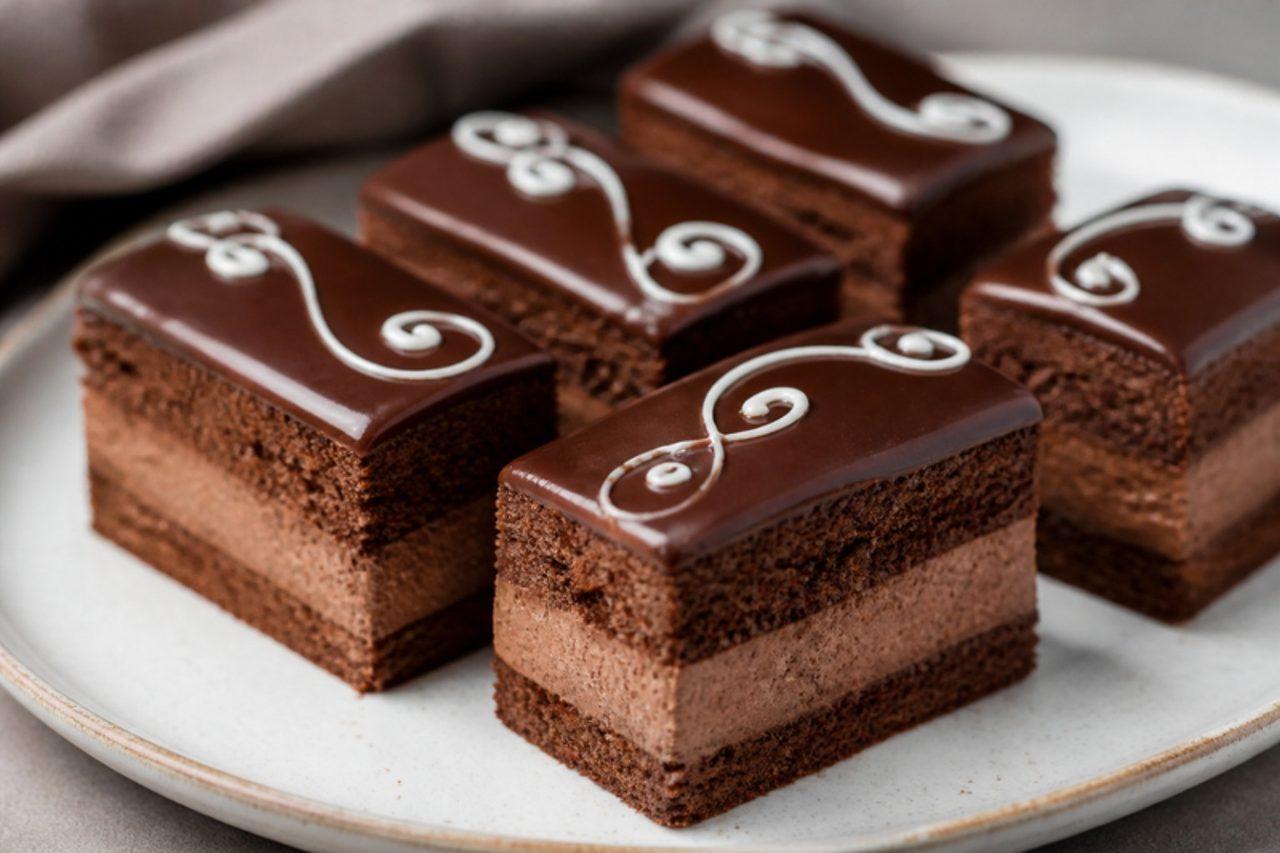
AmandineChocolate sponge cakes

Every Bucharest cofetărie keeps a tray of amandine in the glass case, neat dark oblongs that generations of schoolchildren have bought with their pocket money. Despite the almond-sounding name there are no almonds in them: a cocoa sponge is split, soaked with a cocoa syrup, sandwiched with a rich chocolate custard buttercream and coated in a shiny ganache. Bakeries traditionally add rum to the syrup; this version is alcohol-free and uses vanilla and orange zest instead, though you can add 2 tablespoons of rum if you like. A common mistake is soaking the sponge while the syrup is still hot, which turns it to mush; both should be cool. Chef's tip: chill the filled cake until really firm before glazing and cutting, and wipe the knife hot between each cut for clean edges.

by KrazyBadal 0 views

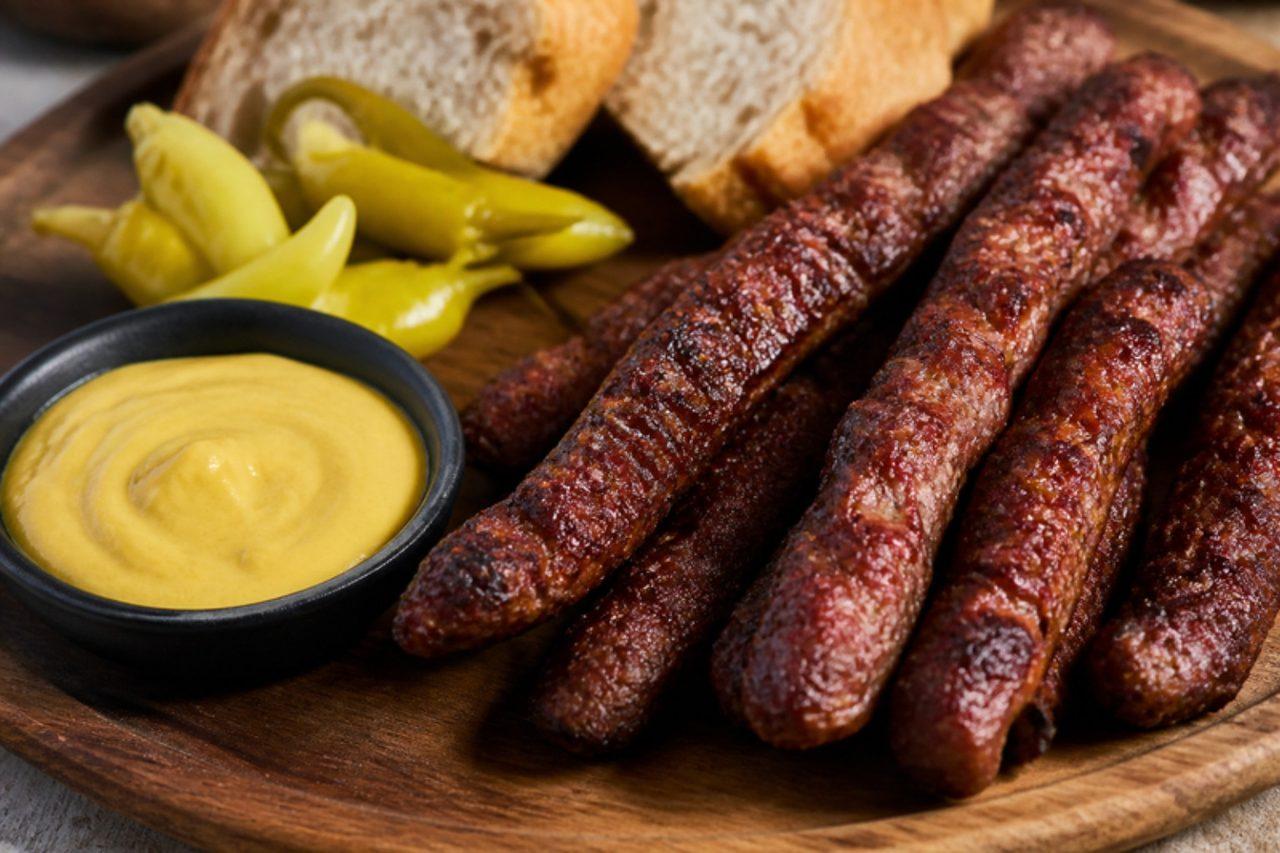
Cârnați de PleșcoiGarlic and chilli mutton sausages

The village of Pleșcoi, in the hills above Buzău, is so proud of its sausages that roadside inns there sell them by the metre: dark red, fiery with chilli and heavy with garlic, made from mutton with a little beef and no pork in the meat. Traditionally they are smoked and air-dried; this home version is a fresh sausage, rested overnight in the fridge for the flavours to settle, then grilled until cooked right through. The casings are usually sheep's casings, but if you buy hog casings they are pork, so check what your butcher sells you. Snappy outside and juicy within, they are eaten straight off the grill with sharp mustard, bread and pickled vegetables. Where people tend to go wrong is letting the meat warm up while mixing; keep everything fridge-cold so the fat does not smear. Chef's tip: fry a small spoonful of the mix before you fill the casings and taste it for salt and chilli; once stuffed, you cannot adjust.

240 minRomanianMeatGluten freeSpicy
by KrazyBadal 0 views

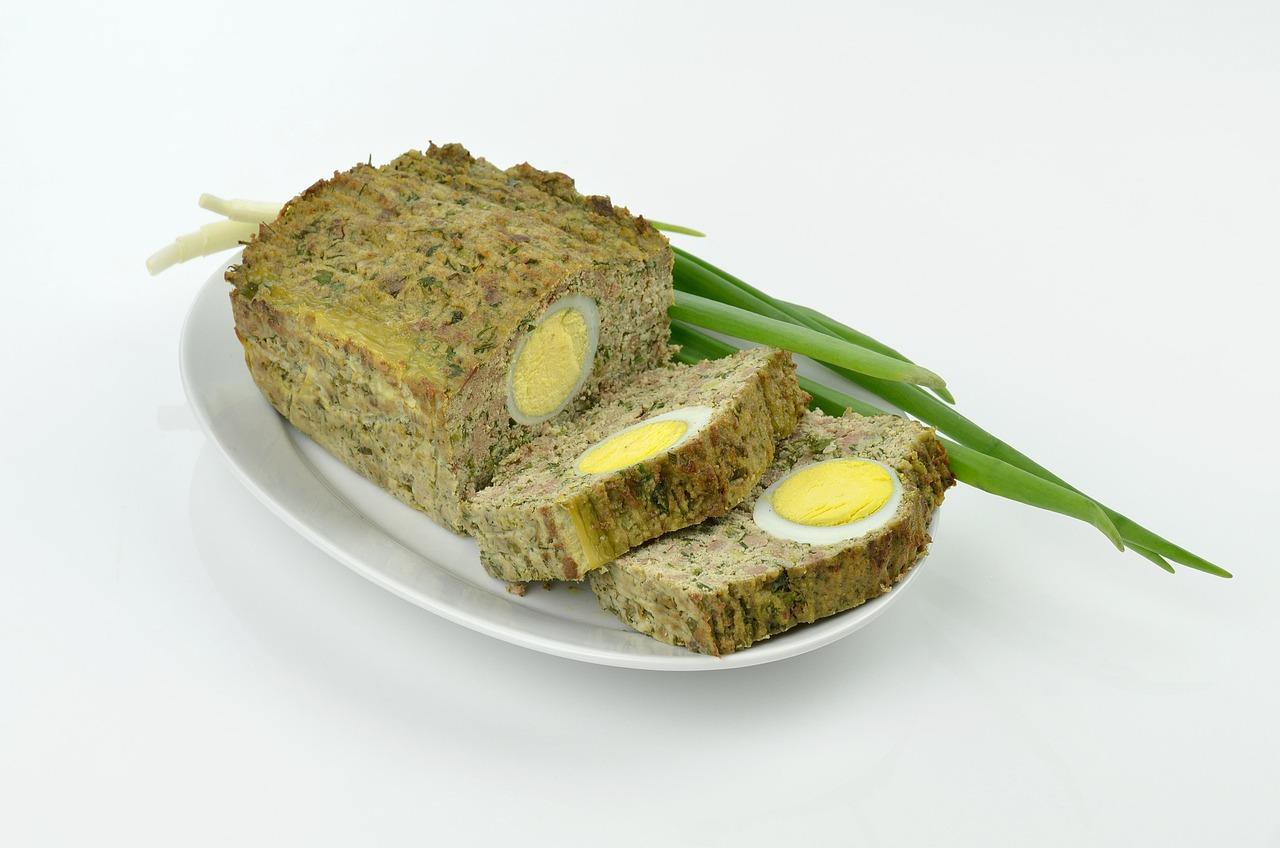
Drob de mielLamb offal loaf

On Easter Sunday a Romanian table holds red-dyed eggs, cozonac and, nearly always, a slab of drob: lamb liver, heart and kidneys poached, chopped and bound with fresh bread, raw egg and a whole bunch of spring onions and dill, then baked with hard-boiled eggs hidden in the middle. Sliced cold, each piece shows a yellow-and-white eye of egg in a green-flecked, earthy loaf that is milder than you might expect. It is served as a starter with radishes, horseradish and green salad, and keeps well for the days of visiting that follow. Butchers often sell a lamb 'pluck'; ask for the lungs to be left out if you prefer, and use a little extra lamb mince instead. The classic mistake is under-seasoning: the loaf is eaten cold, which dulls salt and herbs, so the mix should taste bold. Chef's tip: wrap the loaf in caul fat (prapur) if your butcher has it; it bastes the drob as it bakes and gives a lacy, golden crust.

120 minRomanianMeat
by KrazyBadal 0 views

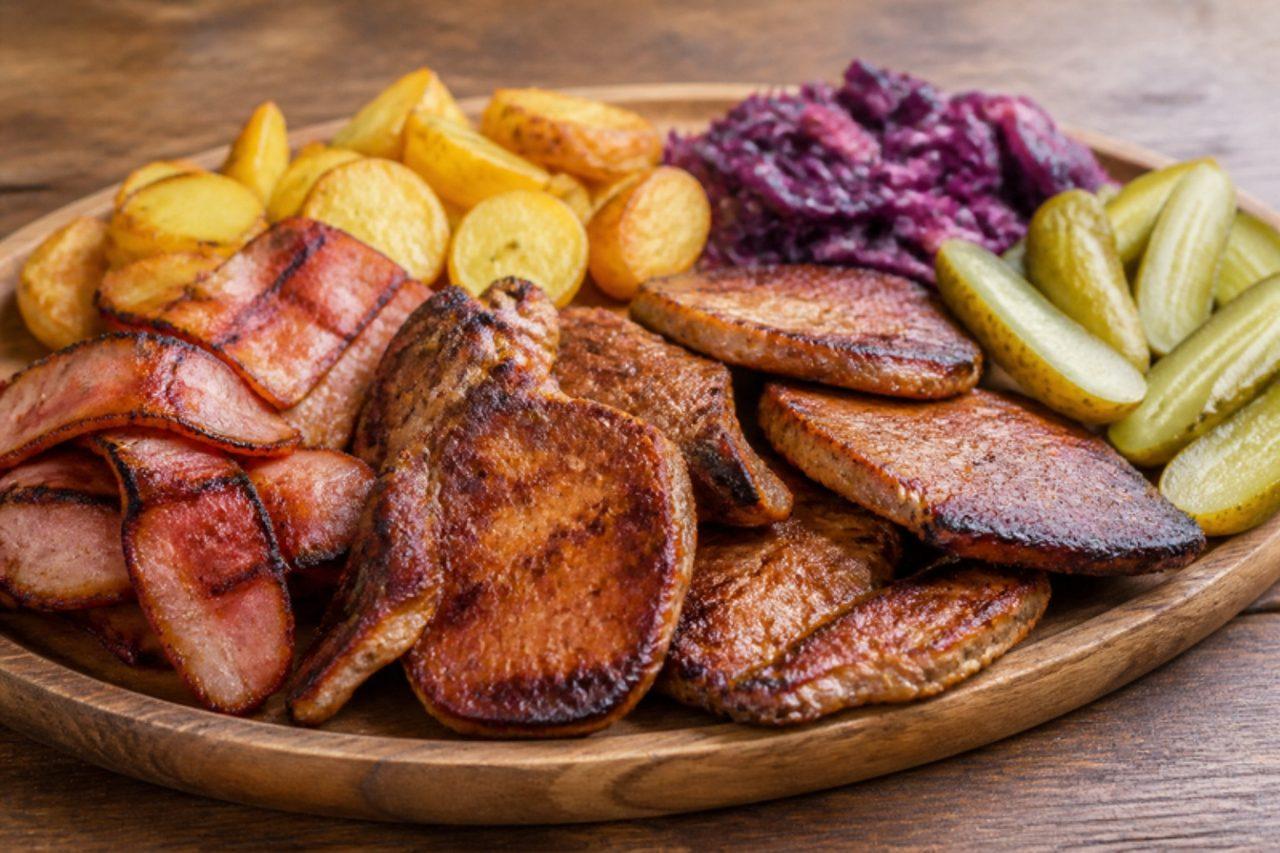
Erdélyi fatányérosMixed grill platter

The name means 'wooden plate', and that is how this Transylvanian-Hungarian feast is brought to the table in Cluj and Târgu Mureș restaurants: a big board heaped with fried potatoes and topped with grilled pork chops, veal escalopes and crisp smoked bacon, surrounded by pickled cucumbers, peppers and red cabbage. It is meant for sharing, two or four people picking from one board, and it smells of garlic, marjoram and smoke. The pork and bacon make this very much a pork dish, balanced by the sharp pickles. Where people most often go wrong is grilling everything at once; cook the bacon first and use its fat for the meat, so nothing dries out while waiting. Chef's tip: score the edge of each pork chop through the fat every 2 cm; it stops the chops curling up in the pan and cooking unevenly.

by KrazyBadal 0 views

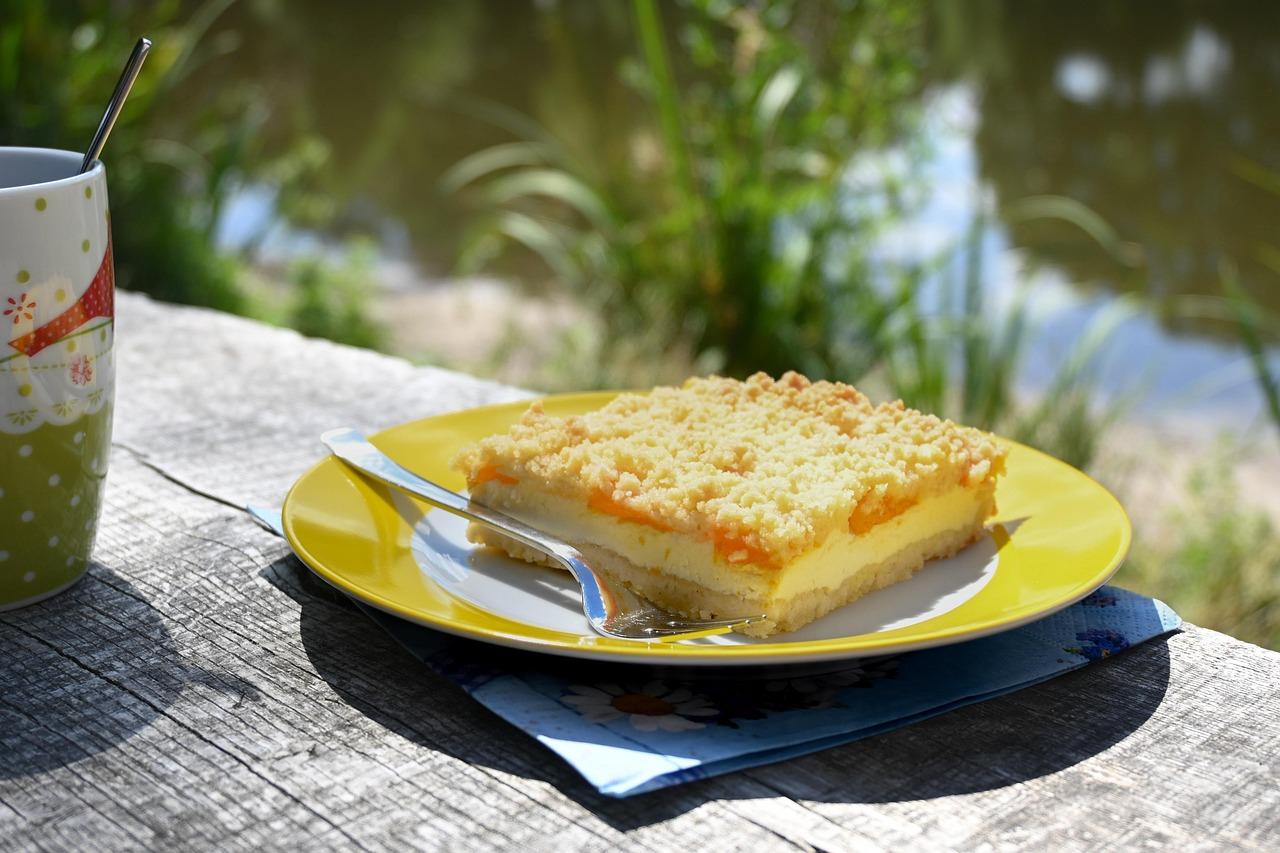
HanklichCheese and egg yeast cake

The Transylvanian Saxons, German-speaking villagers who settled around Sibiu, Brașov and Sighișoara in the Middle Ages, baked Hanklich in their fortified-church villages for Sundays, weddings and the Kronenfest in late June. A thin, soft yeast base is spread with a thick layer of sweetened cottage cheese, eggs and cream that bakes into a wobbly, lemony custard with a golden top, a little like a cheesecake on bread. It is cut into squares and eaten with coffee. Some quark and cottage cheese is made with animal rennet, so check the label if you want it strictly vegetarian. The classic slip is overbaking until the topping cracks and weeps; take it out while the centre still trembles slightly. Chef's tip: roll the dough right into the corners of the tray and build a small rim, so the topping stays put.

by KrazyBadal 0 views

Steirisches WurzelfleischPork simmered with root vegetables

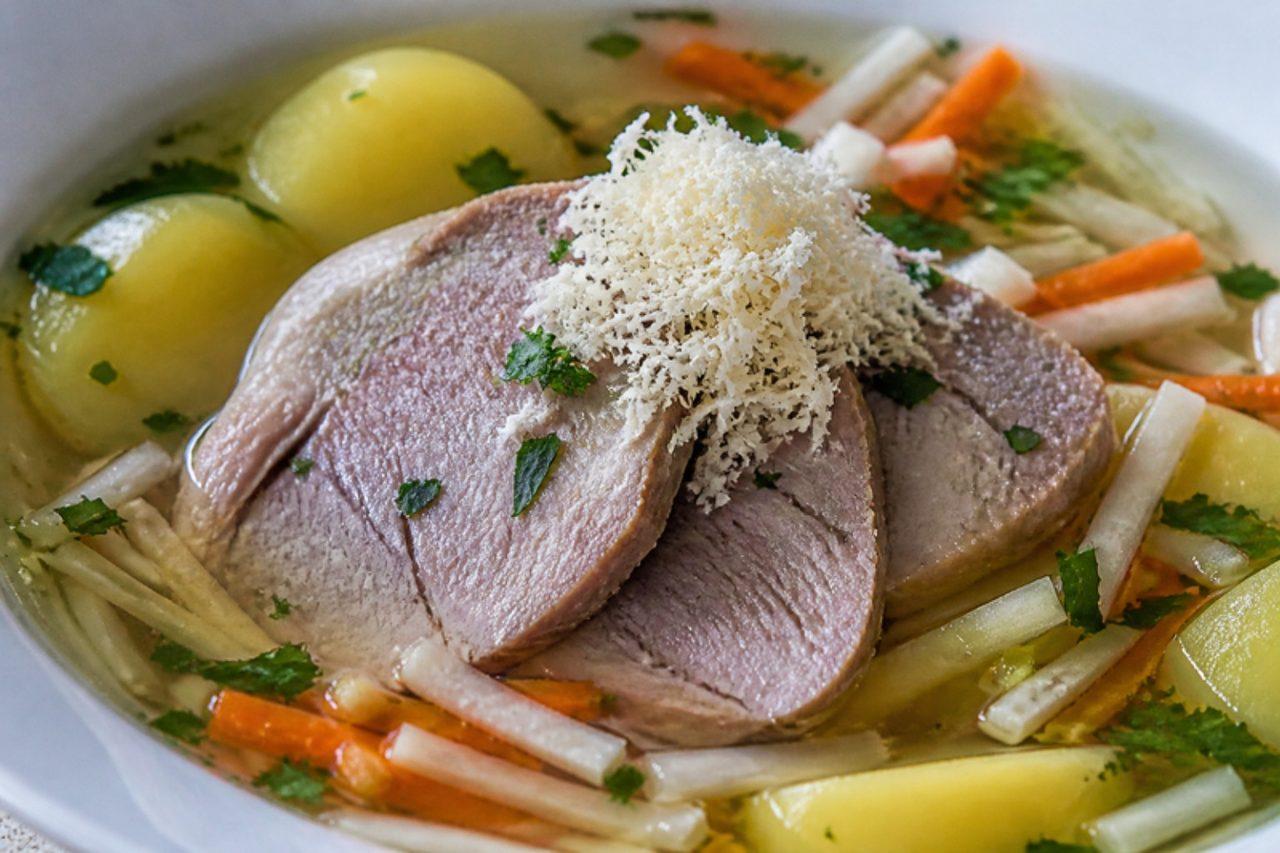
Wurzelfleisch, 'root meat', is a winter dish from the farms of Styria in south-east Austria, cooked in November and December when pigs were killed and the cellar was full of carrots, celeriac and parsley root. Pork shoulder is simmered in a lightly sour broth, then served in deep plates with thin strips of root vegetables, boiled potatoes and a snowfall of freshly grated horseradish. It is a gentle, clean-tasting dish, quite unlike a roast. Chef's tip: grate the horseradish at the table; it loses its bite within minutes.

130 minAustrianMeatGluten free
by KrazyBadal 0 views

Tiroler GröstlFried potato and pork with egg

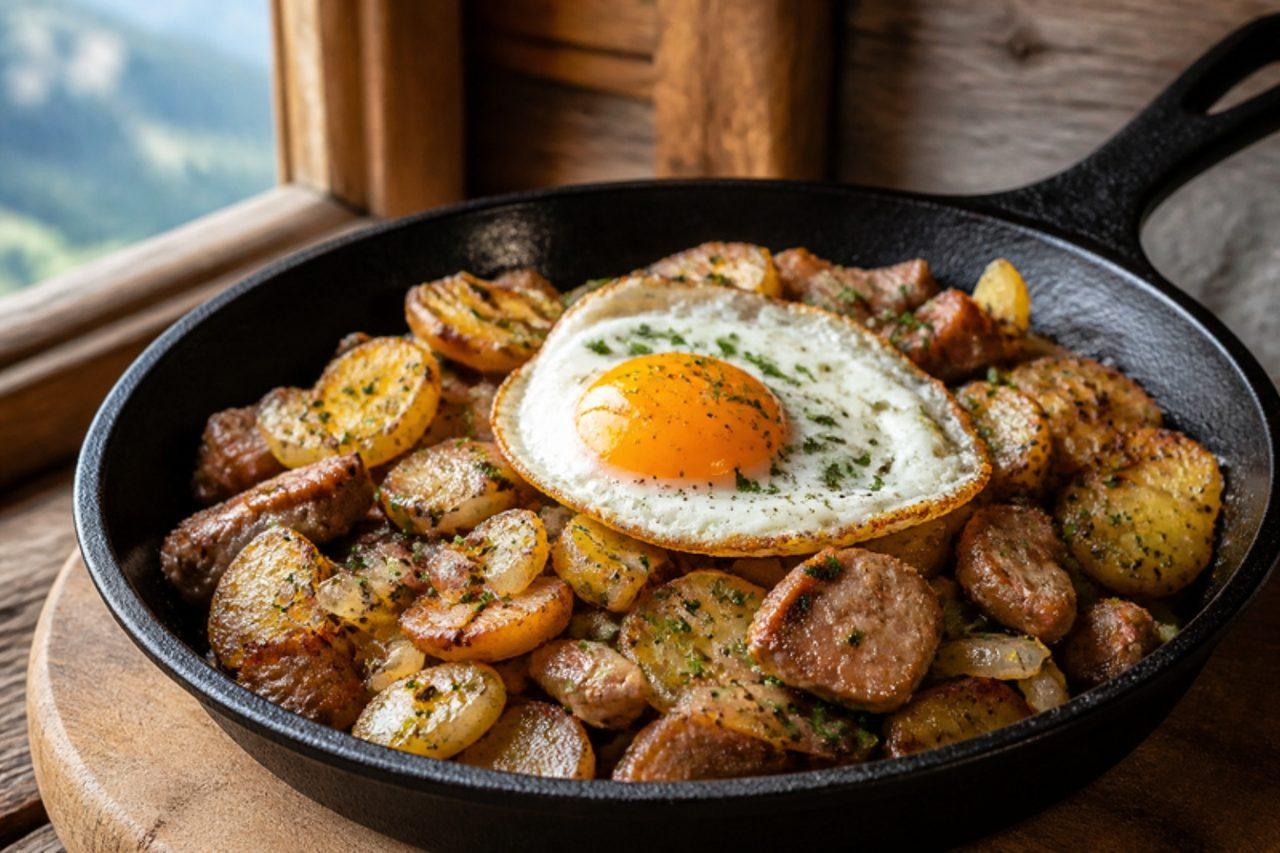
Tiroler Gröstl is what Tyrolean mountain huts serve to skiers and hikers coming in from the cold, and what farmhouse kitchens around Innsbruck make on Monday from Sunday's roast. Cold boiled potatoes are fried until crusty with onions, then tossed with cubes of leftover roast pork or smoked pork, caraway and marjoram, and crowned with a fried egg. It is made in one big pan and brought to the table in it. Chef's tip: let the potatoes fry undisturbed for the first few minutes; the brown crust is the whole dish.

by KrazyBadal 0 views

Sachertorte

This dense, dark chocolate torte is Vienna's most famous cake, eaten in coffee houses all over the city with a cup of Melange and, always, a cloud of unsweetened whipped cream on the side. The sponge is made with melted chocolate and whisked egg whites, so it is fine-crumbed and slightly dry by design; a thin layer of sharp apricot jam runs through the middle and over the top, under a shiny, snappy chocolate glaze. A common mistake is pouring the glaze too hot or too cold; too hot and it runs off thin, too cold and it sets dull and lumpy. It is a cake for birthdays and Sunday visits, and it keeps well for days. Chef's tip: bake it the day before and let it rest overnight wrapped; it cuts far more neatly and the crumb softens.

by KrazyBadal 0 views

Showing 24 of 36 recipes

Show more recipes

Page 1 of 2