Skip to content
Recipes

All recipes

Vegetarian, or something you can't eat? Set your diet once and we'll hide recipes that don't fit.

Black Country faggots

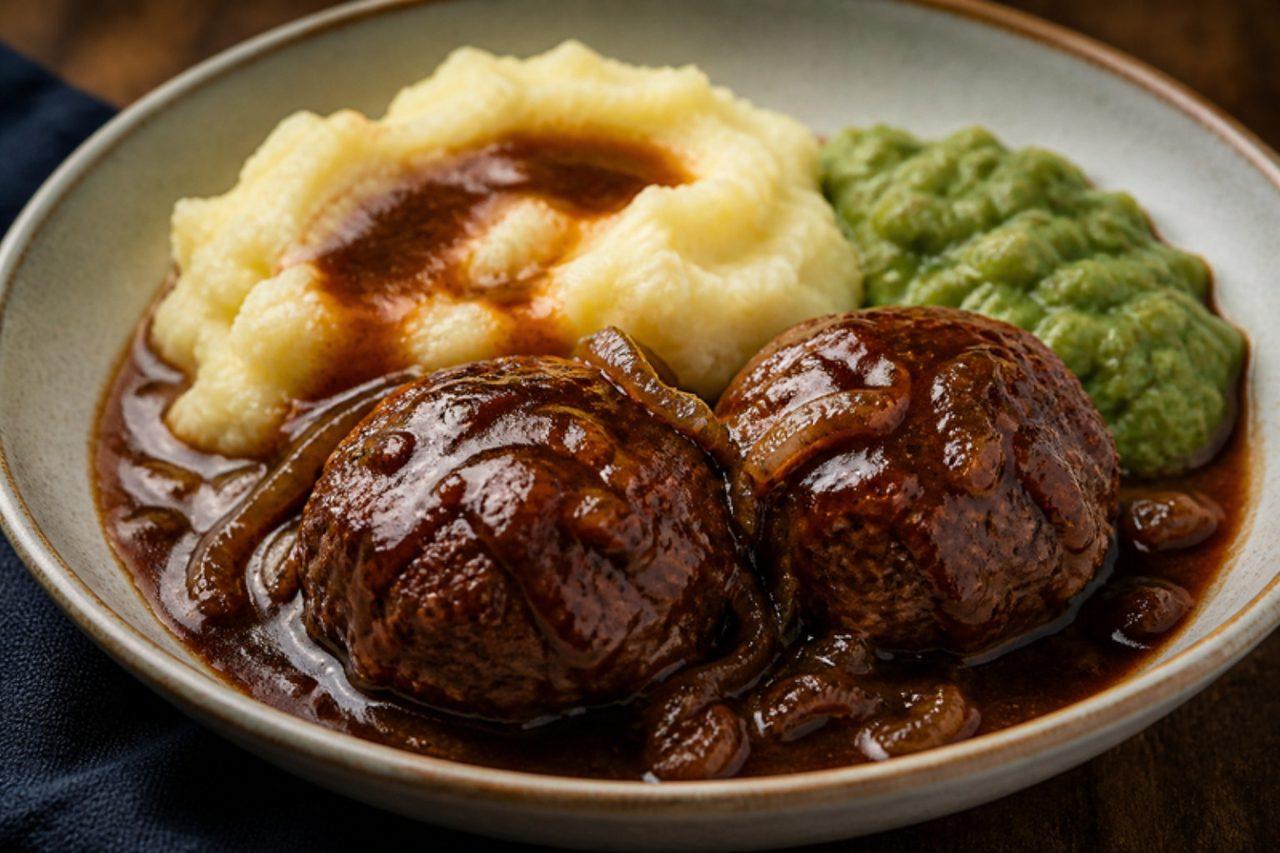
Faggots are the thrifty meatballs of the Black Country, the industrial towns west of Birmingham, sold by butchers and served at chip shops with mushy peas and gravy. They are made from pork liver, pork belly and onion with breadcrumbs, sage and mace, and baked in a deep onion gravy. This is a pork dish. Chef's tip: wrap each faggot in caul fat if your butcher has it; it bastes them and holds them together.

by KrazyBadal 0 views

Tatws pum munud

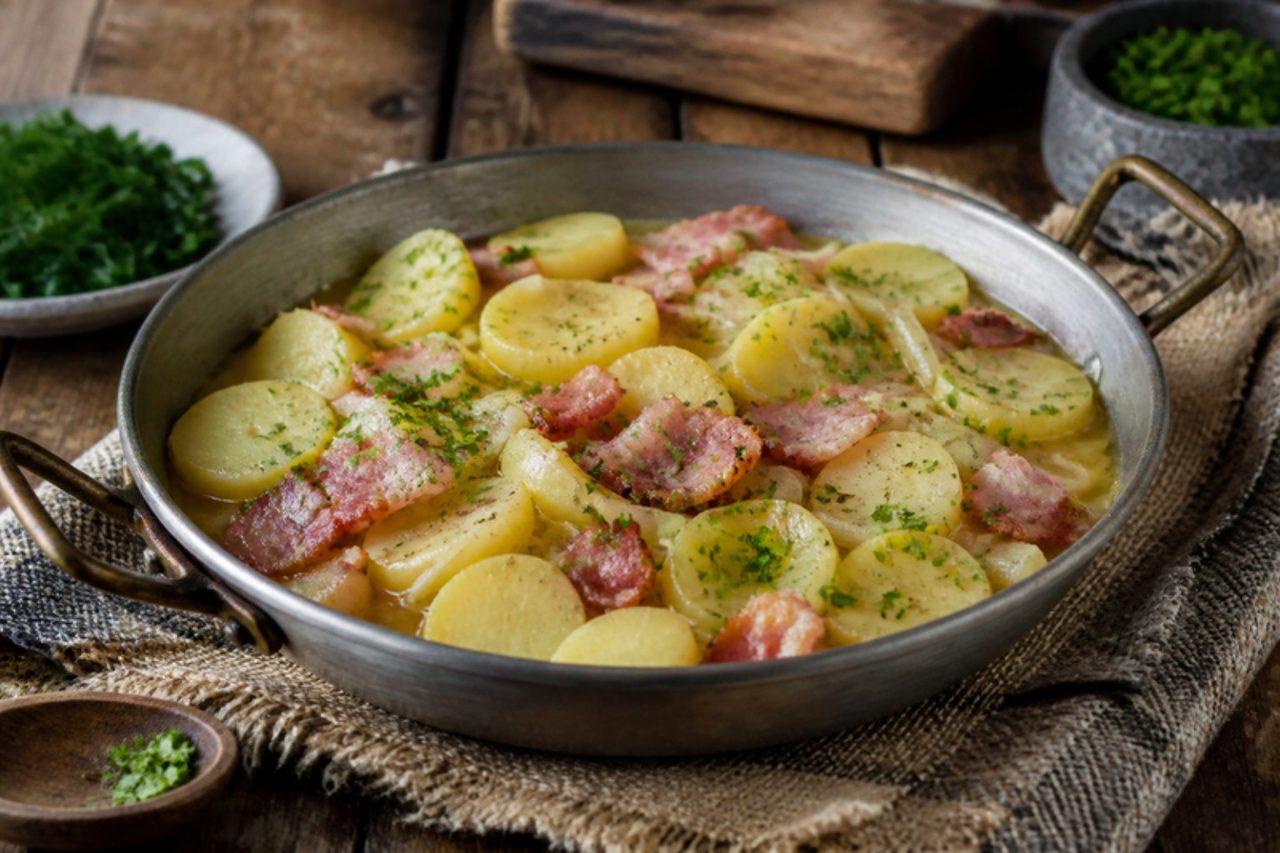
Tatws pum munud means 'five-minute potatoes' in Welsh, a joke, since it takes half an hour, but it was the quick, cheap one-pot supper of North Wales quarry and farm families. Sliced potatoes and onions are simmered on a bed of smoked bacon (pork) in stock until the potatoes are soft and the bottom layer catches and turns golden. Chef's tip: don't stir; shake the pan instead so the layers stay intact and the bottom crisps.

by KrazyBadal 0 views

Seco de chabelo

Piura's picanterías, near the dry northern border, serve this rough, savoury mash at lunch: green plantains, roasted or boiled and pounded, mixed with fried strips of carne seca (salted dried beef) and a quick sofrito of onion, tomato and ají amarillo. It is dense, salty and smoky, with the plantain's starchy sweetness, and is eaten with salsa criolla and fried ripe plantain or chifles (plantain crisps). The legend says it was invented for a soldier called Chabelo in the War of the Pacific. Use carne seca or cecina from Latin shops, or unseasoned beef jerky. Pounding the plantains smooth is the classic mistake: chabelo should be lumpy and rustic. Chef's tip: soak the dried beef in warm water for 30 minutes and taste a piece; if it's still very salty, change the water and soak again.

by KrazyBadal 0 views

Aguajina

Aguaje is the scaly, chestnut-red fruit of the moriche palm that grows in the flooded forests around Iquitos, and its orange flesh ends up in ice lollies, ice cream and, above all, aguajina, the cold drink sold in plastic cups at every corner and in Belén market. The taste is unusual and loved locally: tangy, a little like apricot and carrot, with a rich, slightly oily body. Fresh aguaje must be softened in warm water for an hour before its thin layer of pulp can be scraped off; outside Peru, frozen aguaje pulp from Latin American shops is the realistic choice and gives a good result. A common slip is adding all the sugar before tasting: the pulp's sourness varies from pack to pack, so sweeten at the end. Serve very cold with lunch or on a hot afternoon. Chef's tip: blend the pulp with only part of the water first, so it breaks down fully, then stir in the rest.

by KrazyBadal 0 views

Chapo

Breakfast stalls in Iquitos and the riverside towns of Loreto pour chapo into glasses from big steaming pots before the heat of the day sets in, and by afternoon the same drink is sold chilled. It is made from plantains left until their skins are black, simmered with cinnamon and cloves until soft, then blended smooth and loosened with milk. The result is thick, naturally sweet and gently spiced, somewhere between a smoothie and a thin custard, and children love it. Some families make it with water only; evaporated milk is the common addition in town. The mistake is using plantains that are still yellow-green: they taste starchy and the drink turns grey and gluey, so wait until the skins are mostly black and the fruit gives when pressed. Serve hot with bread or a tamal, or cold over ice. Chef's tip: strain it through a sieve after blending for a silky drink, and thin it with water if it thickens as it cools.

by KrazyBadal 0 views

Camu camu

Camu camu are small purple-red berries that grow on bushes along the flooded riverbanks of the Peruvian Amazon, and in Iquitos and Pucallpa they are sold as frozen pulp and blended into a sharp, pink refresco at juice bars and lunch places. The flavour is intensely sour, more than lime, with a faint cherry note, and the berries are famous for containing far more vitamin C than oranges. It is the drink people order with a heavy plate of tacacho or rice. Never boil camu camu or make the juice hours ahead: heat and air quickly fade its colour and much of the vitamin C, so blend it cold and drink it soon. Frozen pulp or freeze-dried powder from health-food and Latin shops are the forms you'll find abroad. Chef's tip: start with half the pulp and add more to taste; it's strong enough that a little goes a long way.

by KrazyBadal 0 views

Champús

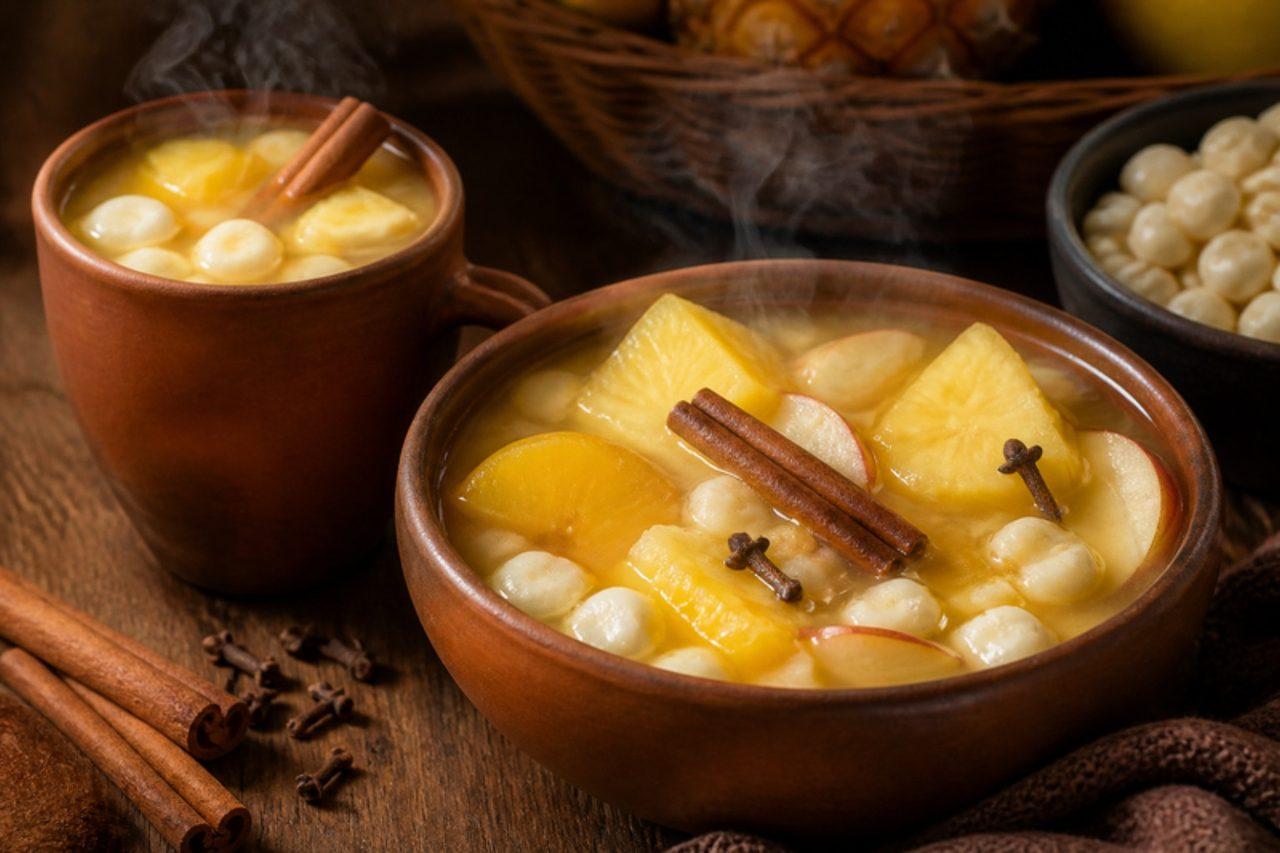
When Lima's grey winter sets in, from June to September, champús sellers set up on street corners with big pots of this thick, fruity drink, ladled warm into glasses and eaten as much as drunk. It's made from mote (hulled white corn), simmered with pineapple, quince or apple, soursop, chancaca and warm spices, then thickened lightly with corn flour, so every spoonful has soft fruit and chewy corn in a spiced, molasses-sweet base. It is close in spirit to mazamorra morada but paler and tangier. The mistake people make is adding the thickener straight into the hot pot, where it forms lumps; always slake it in cold water first and pour it in while stirring. Canned or jarred hominy saves hours; frozen soursop (guanábana) pulp is in Latin shops and can be left out. Serve warm in glasses with spoons. Chef's tip: simmer the pineapple peel and core with the spices for the first 20 minutes, then strain them out; they give much of the flavour.

by KrazyBadal 0 views

Emoliente

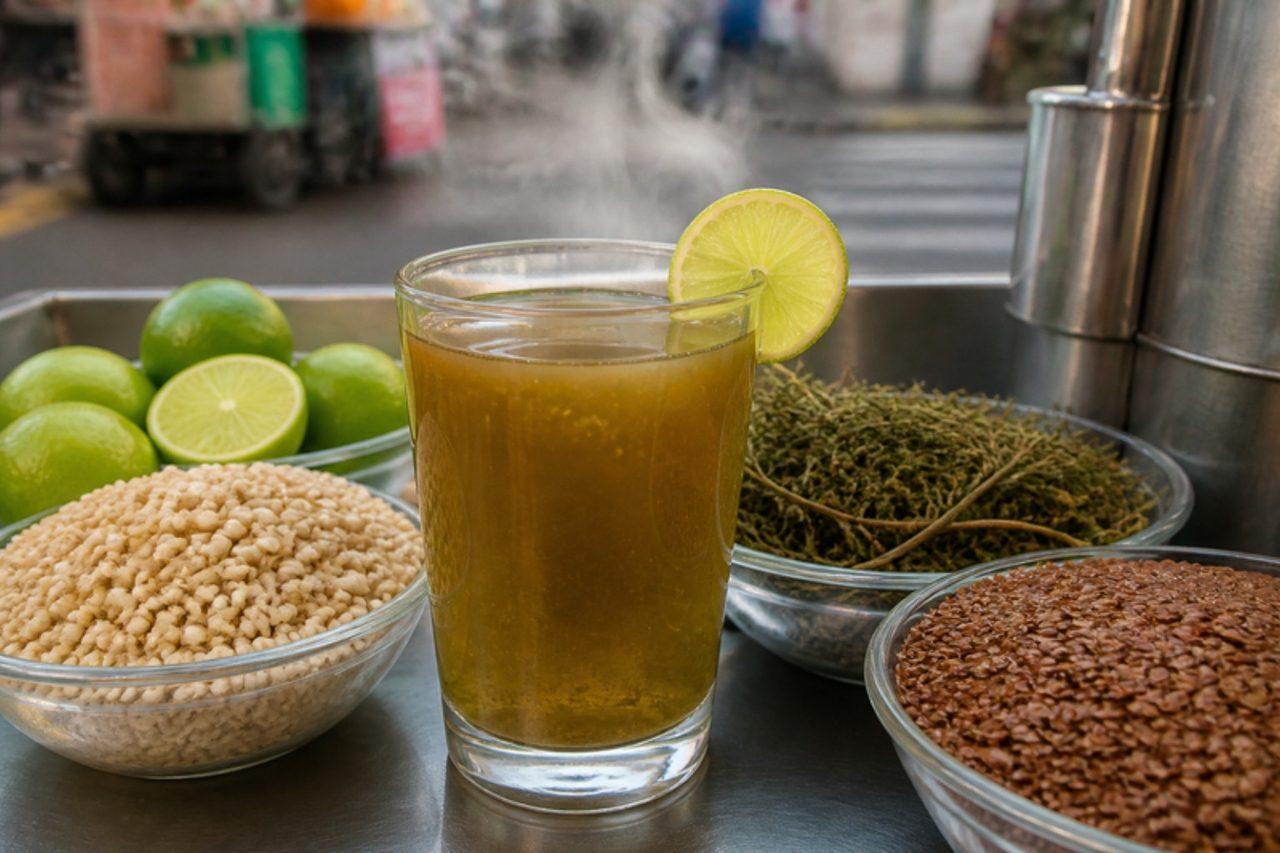
Before dawn, all over Peru, emolienteros set up their carts with a row of steaming kettles and jars of herbs, and commuters stop for a glass of emoliente on the way to work. It's a hot infusion of toasted barley, flaxseed and herbs, with lime juice and sugar added to order, and it is drunk for comfort and digestion, especially in Lima's damp winter. The flaxseed gives it a slippery, soothing body; the barley a toasty, almost coffee-like note. Street versions use horsetail, alfalfa, boldo and other herbs; this home version keeps it simple, with horsetail as an option (leave it out if you are pregnant or have kidney problems). The usual error is boiling the flax too long, which makes the drink gloopy; add it for the last 10 minutes only. Serve very hot in glasses, with pan con queso or a sandwich. Barley contains gluten. Chef's tip: toast the barley yourself until it is deep brown; it's what gives emoliente its colour and its roasted flavour.

by KrazyBadal 0 views

Quinua con manzana

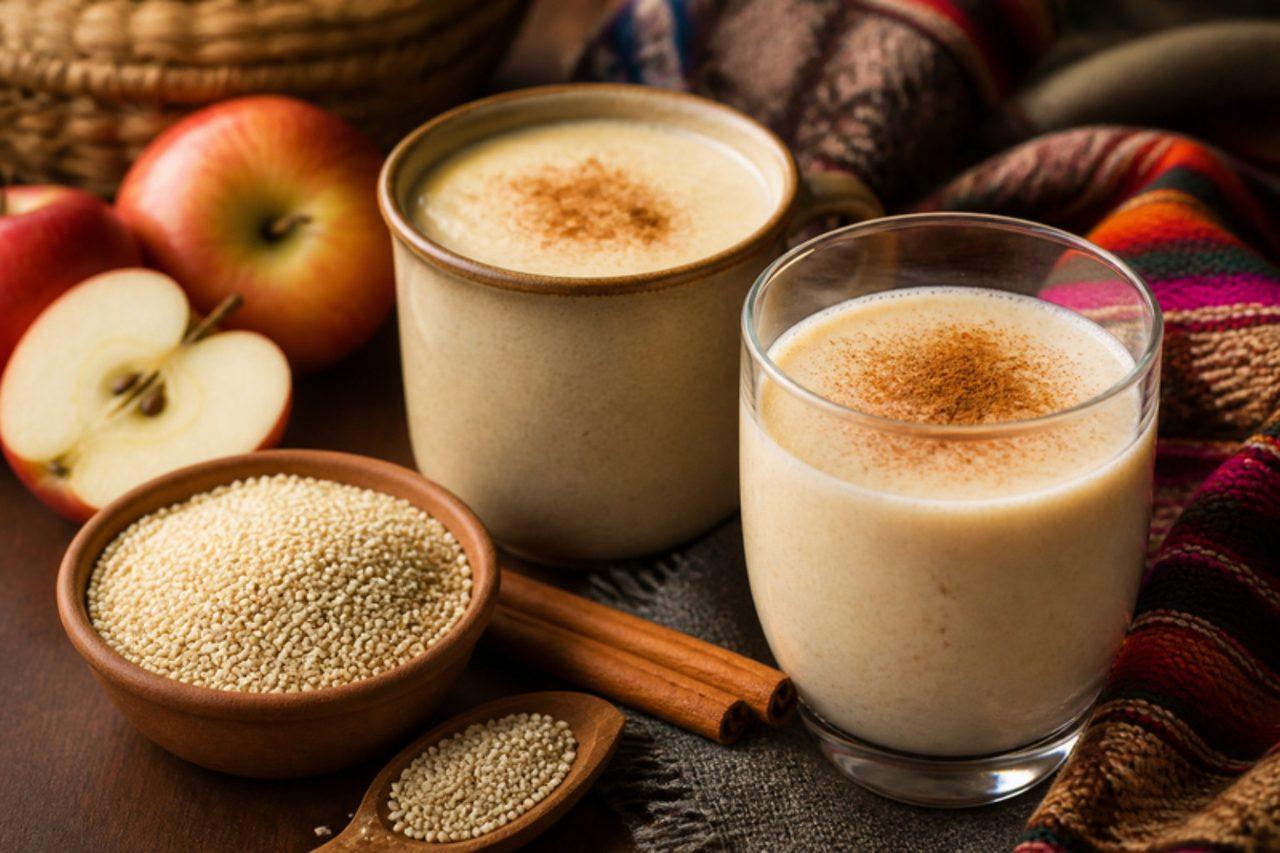
Morning market stalls and street carts from Lima to Huancayo ladle quinua con manzana into glasses alongside emoliente and maca, and many people drink it as breakfast on its own, with a bread roll or a sandwich beside it. Quinoa and chunks of apple are simmered with cinnamon and cloves until the grains burst and the liquid thickens, then sweetened and served warm or cold. Some stalls blend it smooth; others leave the grains and soft apple pieces to spoon up. It is mild, fruity and filling, and children usually like it. The mistake that ruins it is skipping the rinse: quinoa's natural coating, saponin, makes the drink bitter and soapy, so rub it under running water until the foam stops. Chef's tip: add a few drops of lime at the end; it lifts the apple and keeps the drink from tasting flat.

by KrazyBadal 0 views

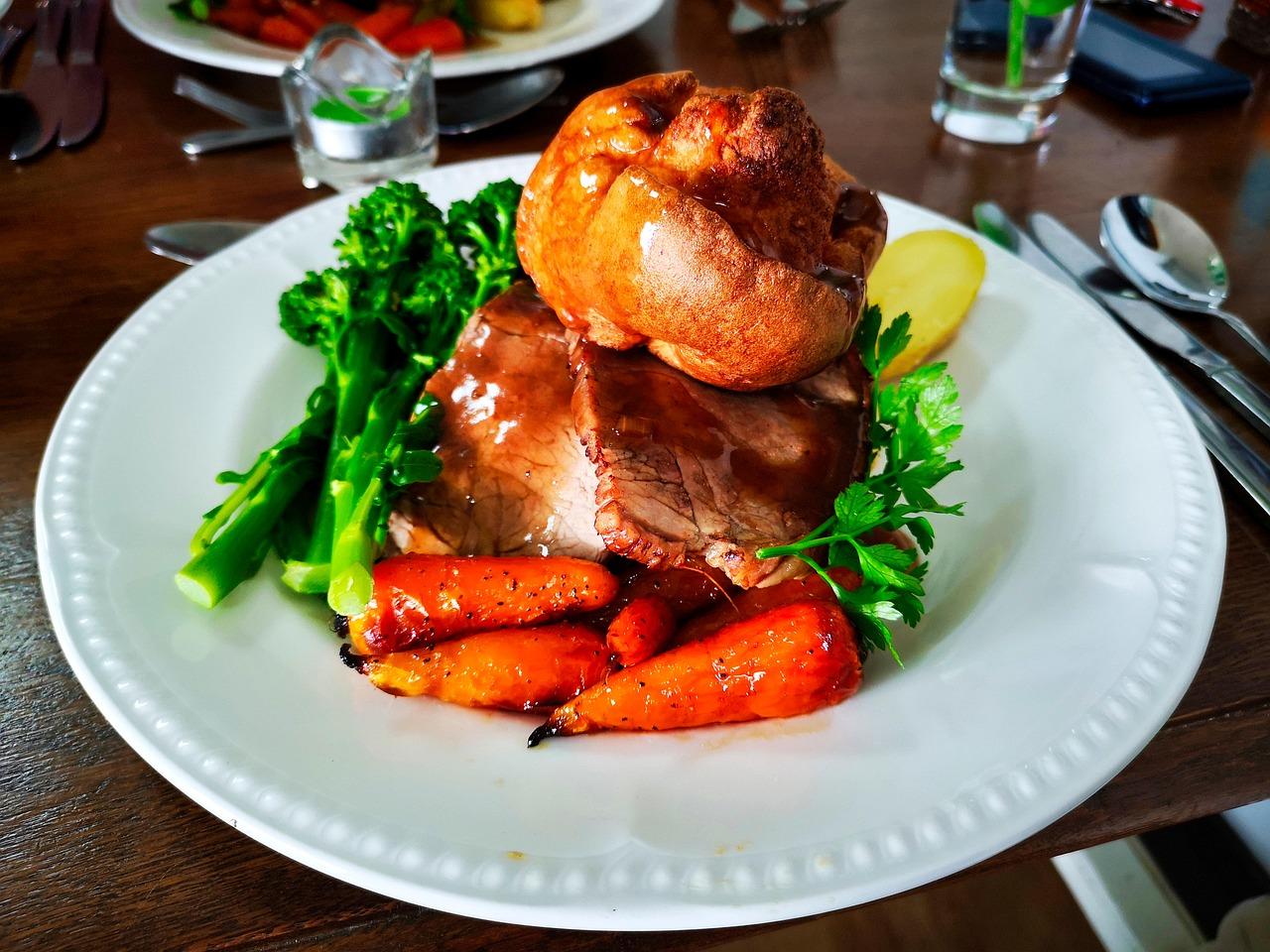
Roast beef and gravy

Roast beef is the heart of the English Sunday lunch, and in Yorkshire it comes with puddings, roast potatoes and a jug of gravy made from the pan juices. A beef joint is seared in a hot oven, then roasted more gently and rested so it slices juicy and pink, with crisp, well-seasoned edges. Serve with Yorkshire puddings, horseradish and greens. Chef's tip: rest the meat for at least 20 minutes under foil; carved straight away, its juices run all over the board.

110 minBritishMeat
by KrazyBadal 0 views

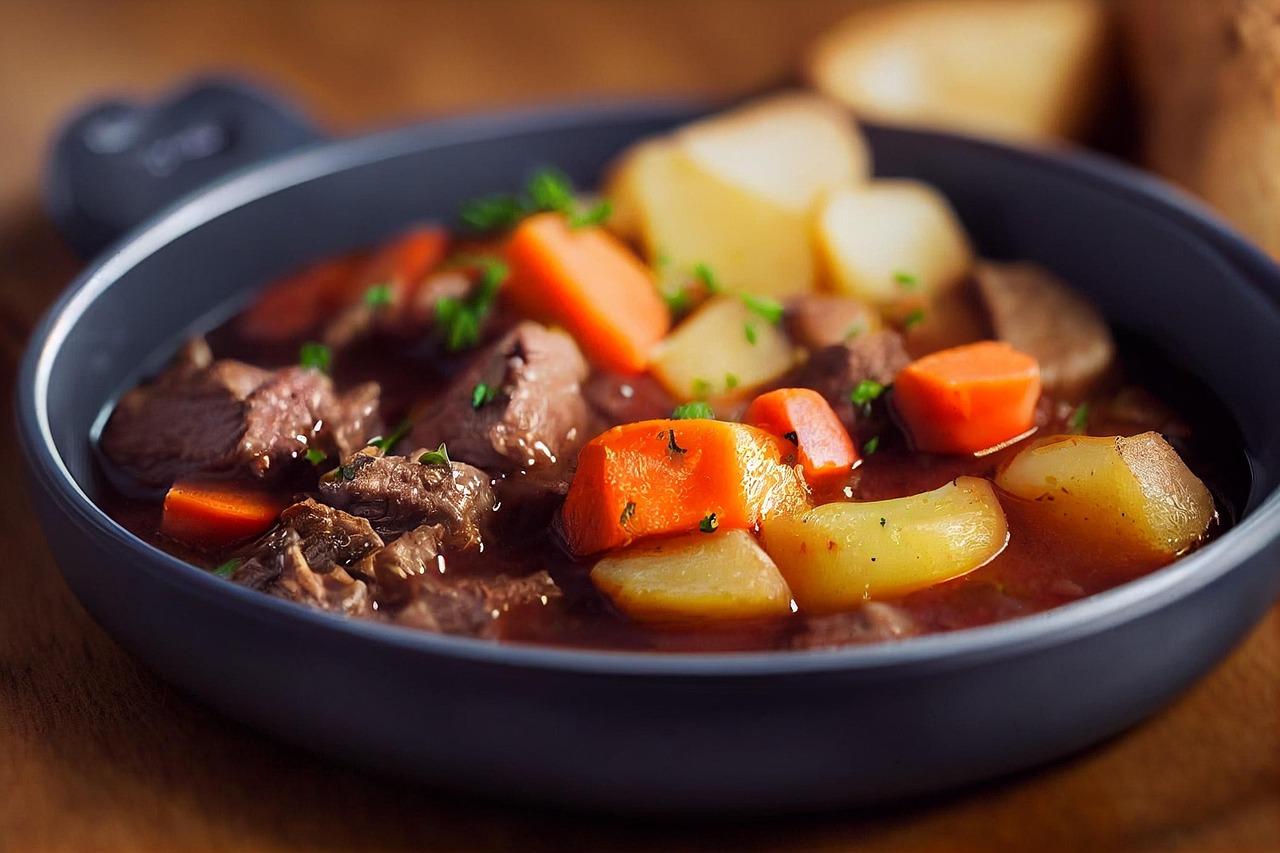
Liverpool scouse

Scouse is so central to Liverpool that its people are named after it; the thick stew of meat, potatoes and onions was carried from the Baltic by sailors and cooked for dockers' families, and city restaurants still celebrate Global Scouse Day each February. Some of the potatoes cook down into the gravy, making it thick and hearty. Serve it with pickled red cabbage or beetroot and crusty bread. Chef's tip: cut half the potatoes small so they collapse and thicken the stew, and leave the rest in chunks.

170 minBritishMeat
by KrazyBadal 0 views

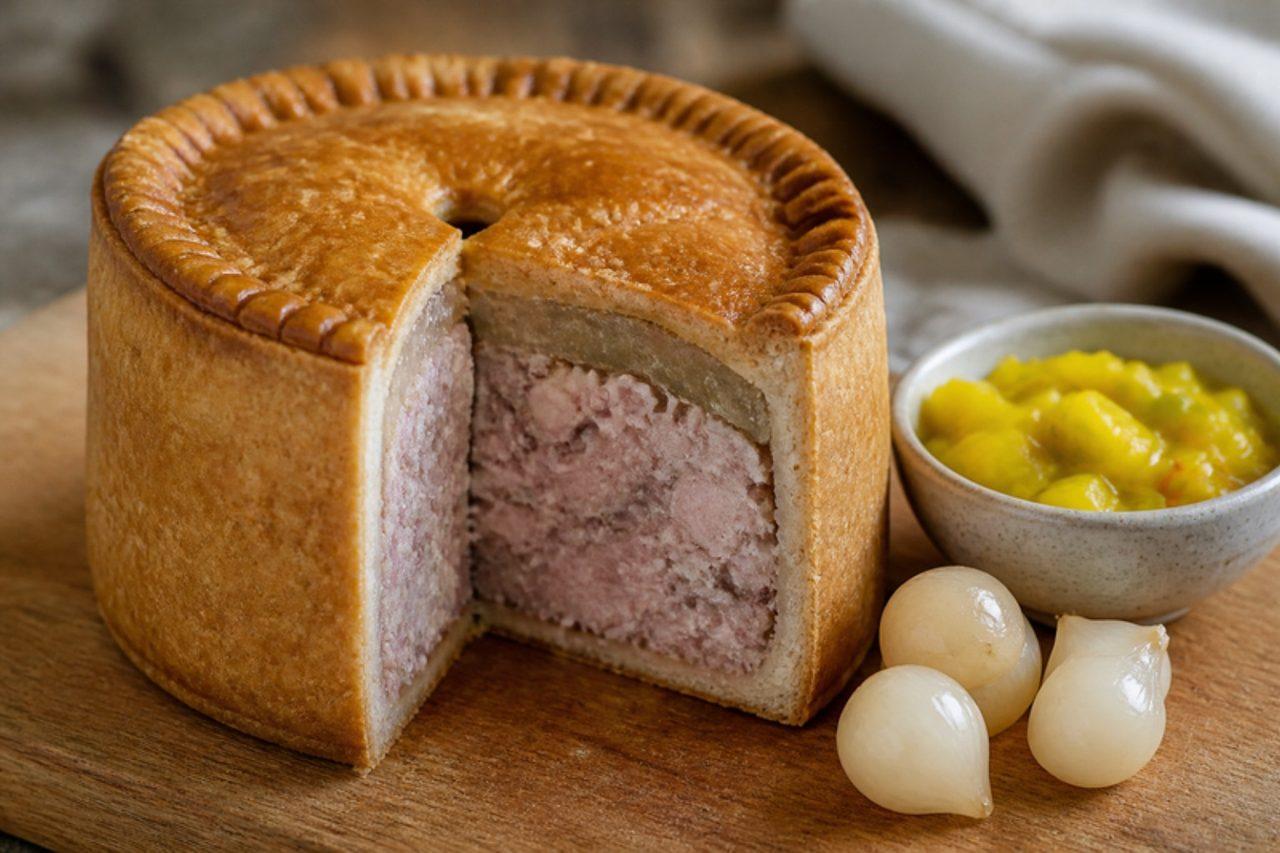
Raised pork pie

This is a raised pork pie in the style of Melton Mowbray in Leicestershire, the hunting town whose pies were carried in saddle bags; only pies made in the area may use the town's name, so this is our home version. Chopped, uncured pork shoulder and belly, peppered and spiced with mace, is packed into a crisp hot water crust made with lard, baked with bowed sides, then filled with a savoury jelly. Eat it cold with English mustard and pickle at picnics or on Boxing Day. Chef's tip: work the pastry while it is still warm; as it cools it cracks.

180 minBritishMeat
by KrazyBadal 0 views

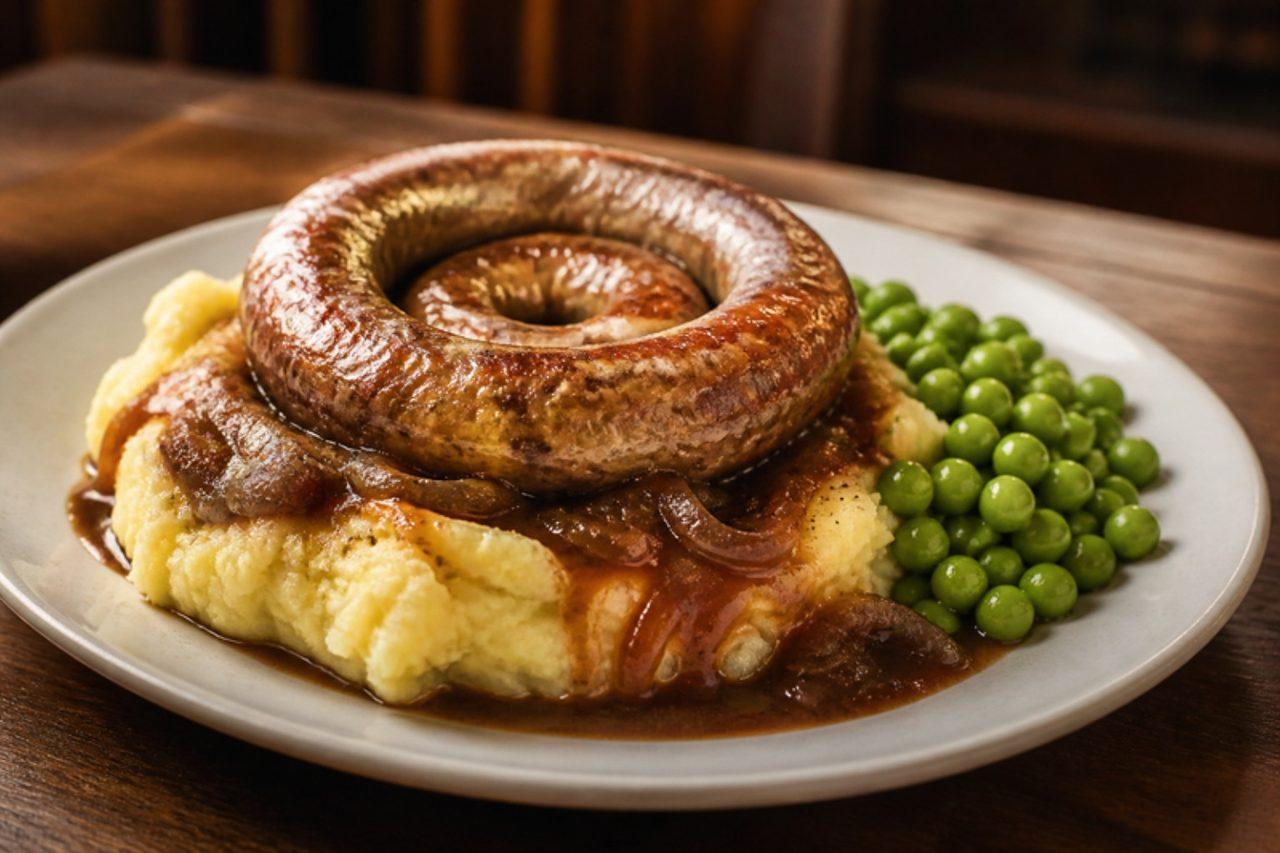
Cumberland sausage and mash

The Cumberland sausage is a long, unlinked coil of coarse, peppery pork sausage from the old county of Cumberland in the Lake District, cooked whole and cut at the table. With buttery mash and a slow onion gravy it's the pub and family supper of the North West. Chef's tip: cook the coil gently in the oven, held flat with skewers, so it doesn't split and stays juicy.

by KrazyBadal 0 views

Steak and kidney pudding

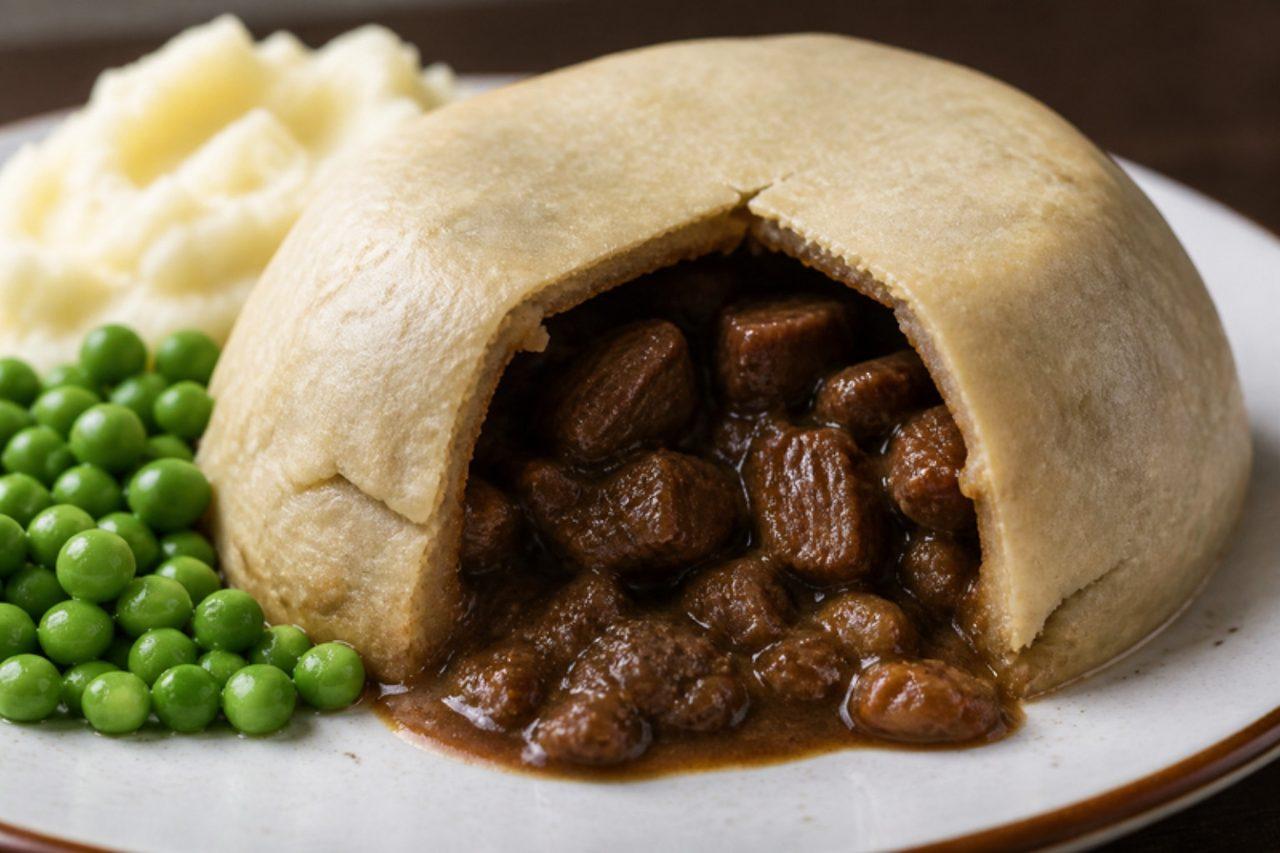
Steak and kidney pudding is the steamed suet pie of old English chop houses and Northern family kitchens, the kind of dish that filled up mill workers through Lancashire winters. Beef and lamb's kidney in rich gravy are sealed in a basin lined with suet pastry and steamed for hours until the crust is soft and the filling falls apart. Chef's tip: cook the filling first; it gives tender meat and a crust that isn't soggy.

340 minBritishMeat
by KrazyBadal 0 views

Liver and onions

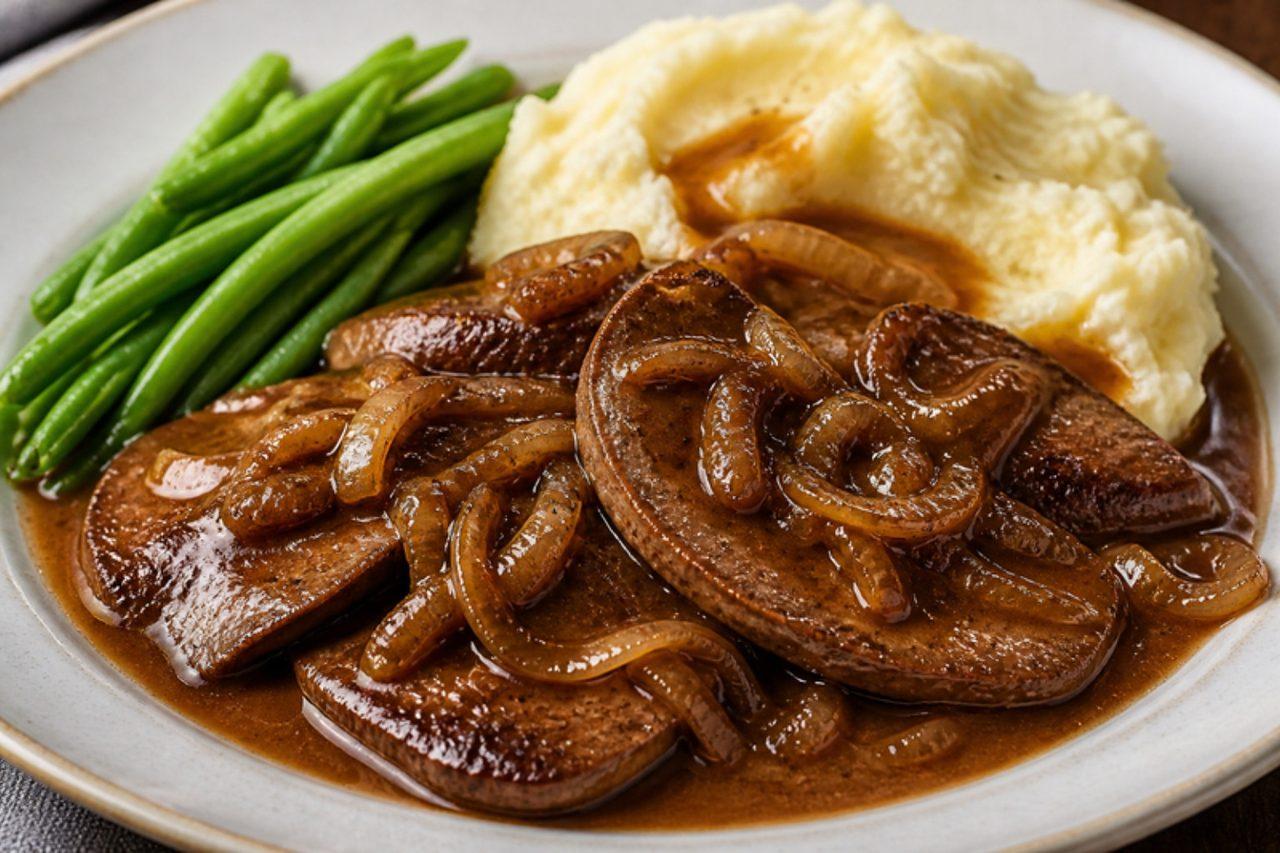
Liver and onions is a café and works-canteen classic across the North and the Midlands, cheap, quick and full of iron, eaten with mash and a dollop of gravy. Thin slices of calf's or lamb's liver are fried briefly in butter after the onions have turned slow and sweet. Chef's tip: soak the liver in milk for 30 minutes if you find its flavour strong; it softens the taste.

by KrazyBadal 0 views

Beef and ale pie

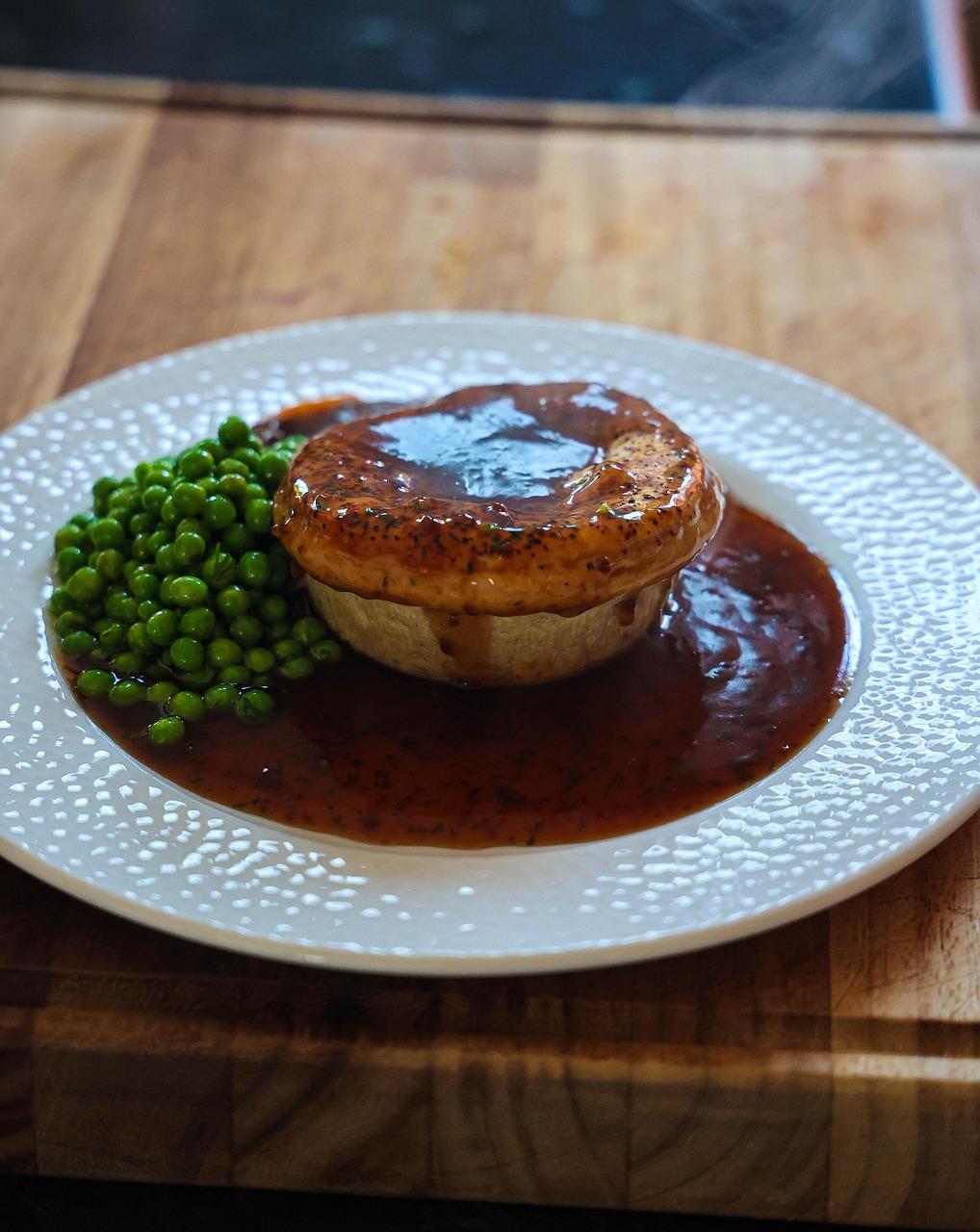
Beef and ale pie is the pub supper of Yorkshire and the Midlands, where brewing towns like Burton upon Trent made a dark ale gravy part of the region's cooking. Chuck steak is braised slowly in ale with onions and mushrooms until tender, then topped with flaky pastry. This recipe contains alcohol, most of which cooks off; for an alcohol-free pie use the same amount of beef stock with 1 tablespoon of malt vinegar and a teaspoon of brown sugar. Chef's tip: let the filling cool before topping, so the pastry stays crisp and puffy.

210 minBritishMeat
by KrazyBadal 0 views

Huntingdon fidget pie

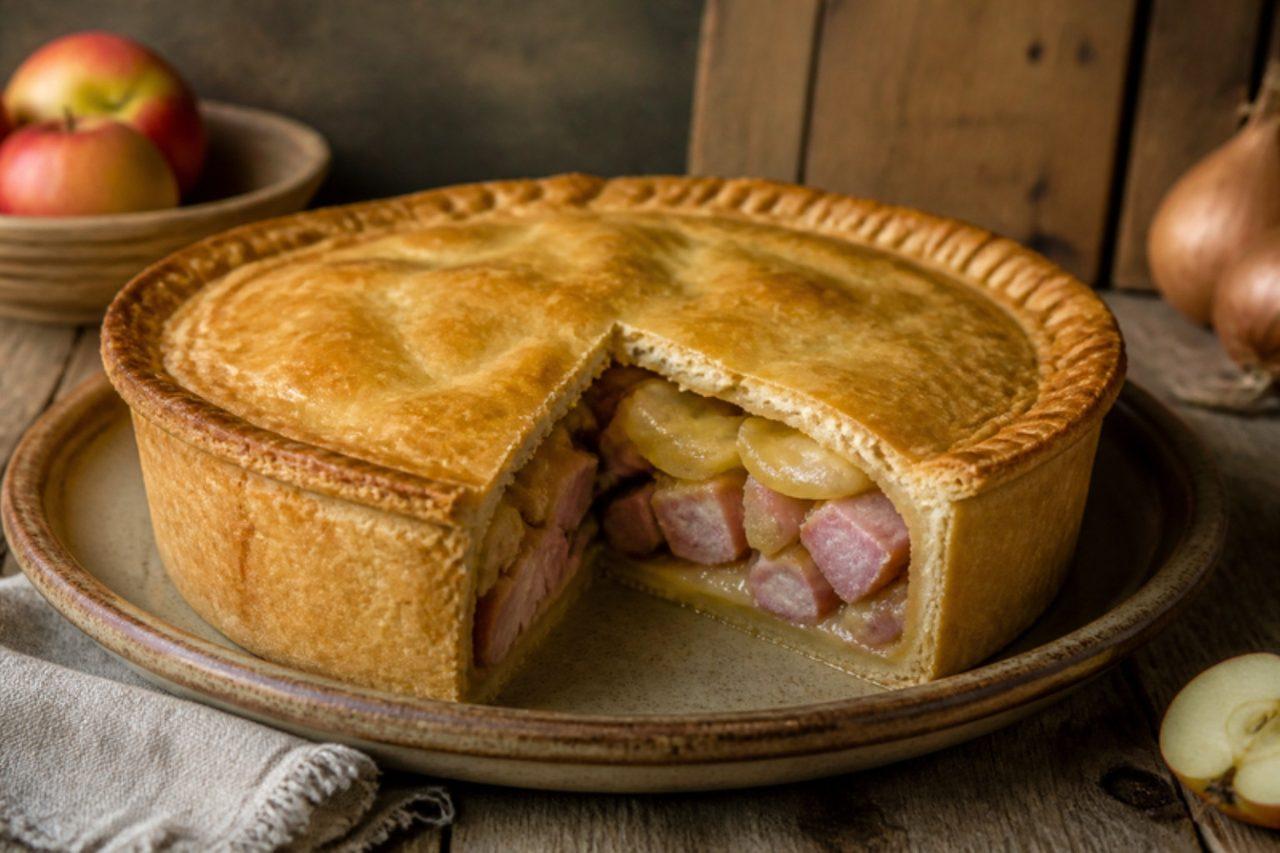
Fidget pie is a harvest pie from Huntingdonshire and the Fens around Cambridge, baked for farm workers bringing in the crops in autumn. It is a pork dish: chunks of gammon (cured pork) are layered with sharp cooking apples and onions in a cider gravy under shortcrust, so it is salty, sweet and fruity all at once. This recipe contains alcohol from the cider; for alcohol-free use cloudy apple juice with a teaspoon of cider vinegar. Chef's tip: soak salty gammon in cold water for an hour first, or the pie can be too salty.

by KrazyBadal 0 views

Pie and mash with liquor

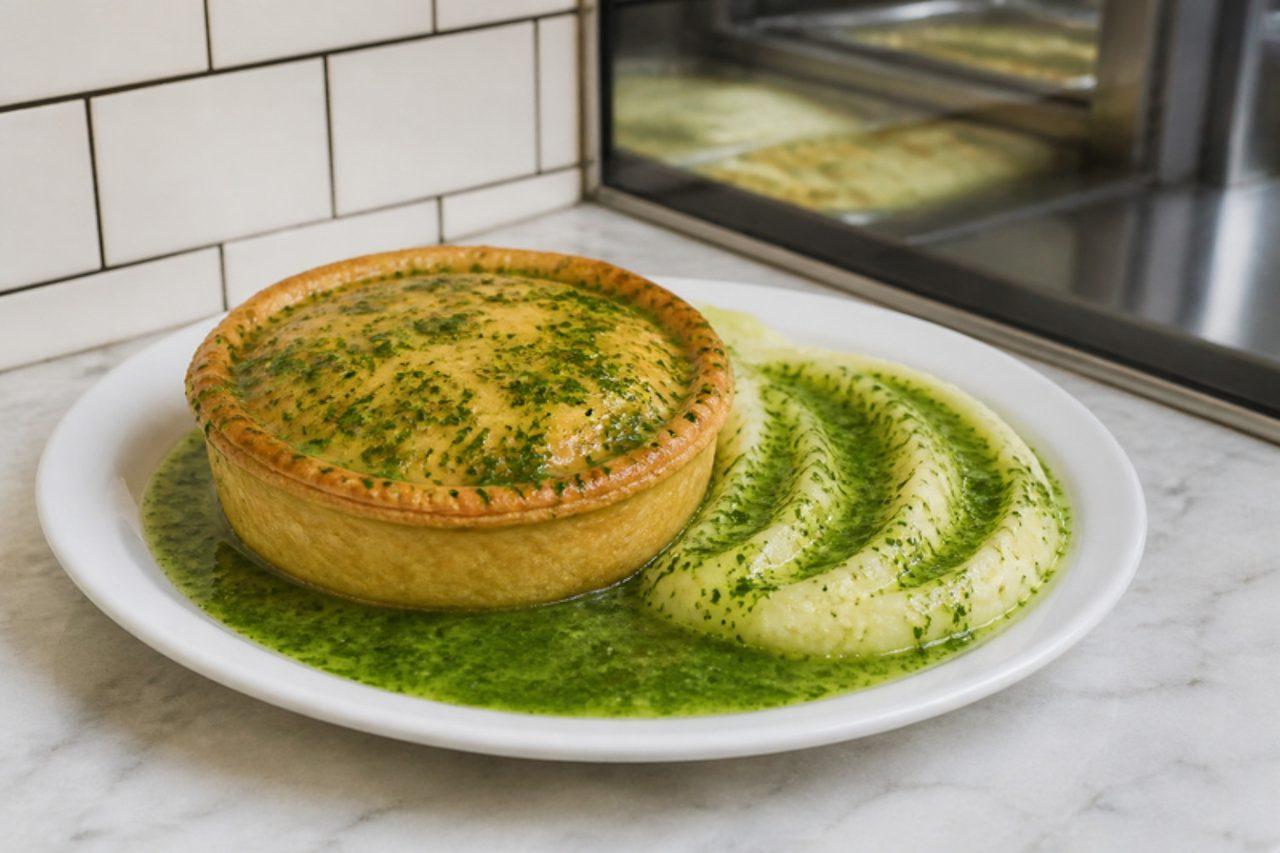
Pie, mash and liquor is the working-class lunch of the East End of London, served in tiled pie shops from Bethnal Green to Walthamstow since the 1800s. Small minced beef pies with a soft suet-style base and a crisp puff lid sit next to a scoop of smooth mash, all flooded with liquor, a thin, bright green parsley sauce. Pie shops make the liquor with the stock from stewed eels; this version uses fish or vegetable stock. Locals add chilli vinegar. Chef's tip: keep the liquor thin and pourable, like single cream, not thick like gravy.

by KrazyBadal 0 views

Roast lamb with mint sauce

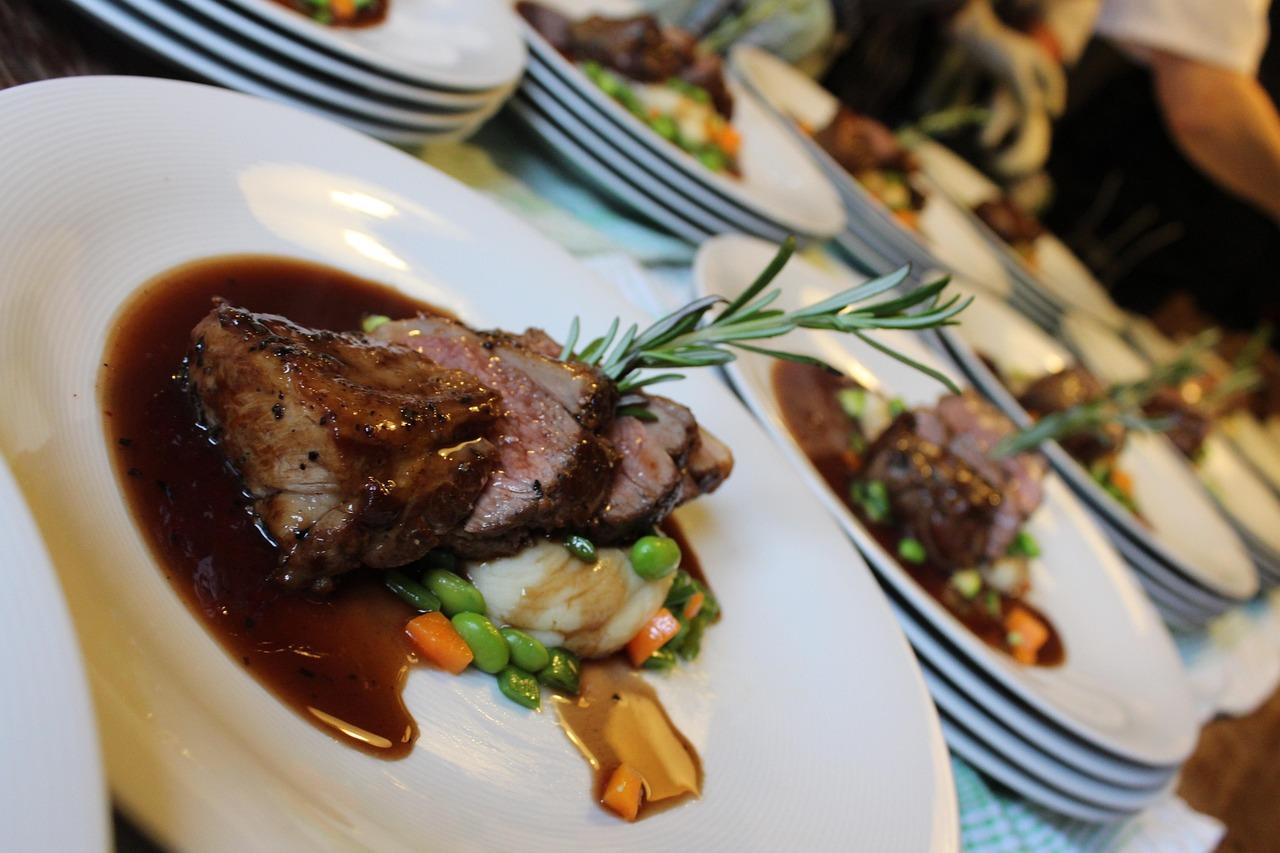
Roast leg of lamb is the Easter Sunday lunch of England, when spring lamb from the South Downs and the West Country comes in, served with roast potatoes, spring greens and a jug of mint sauce. The sauce is the English twist: chopped garden mint steeped in vinegar and a little sugar, sharp enough to cut the richness of the meat. Chef's tip: make the mint sauce an hour ahead so the vinegar mellows and the mint flavour comes out.

120 minBritishMeatGluten free
by KrazyBadal 0 views

Beef Wellington

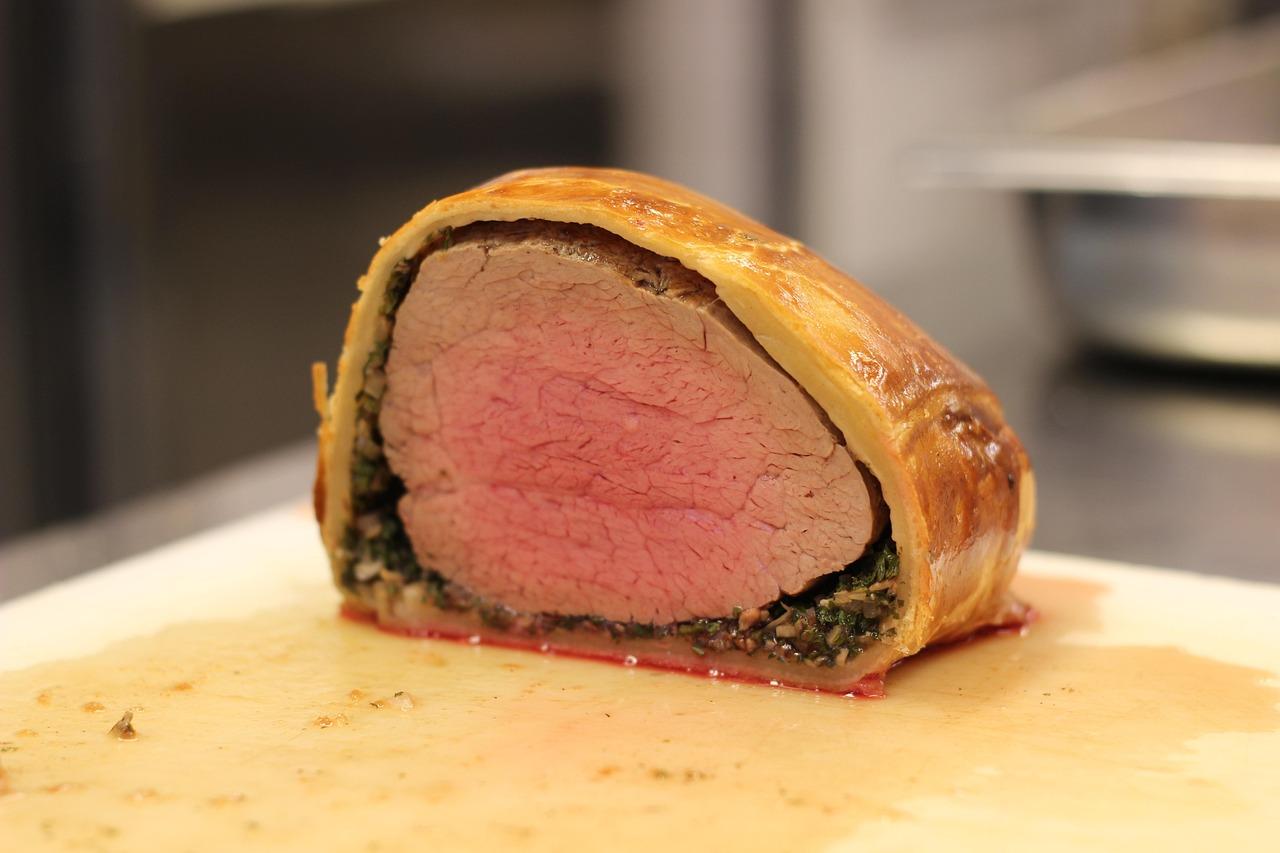
Beef Wellington is the grand centrepiece of British Christmas and celebration dinners, a whole beef fillet coated in finely chopped mushroom duxelles, wrapped in thin pancakes or ham and golden puff pastry, then sliced at the table to show a pink middle. It is linked, without much proof, to the Duke of Wellington. This version wraps the fillet in crêpes instead of the usual Parma ham. The duxelles is deglazed with a splash of white wine, which contains alcohol; use a little stock for an alcohol-free version. Chef's tip: chill the wrapped fillet before it goes in the pastry so everything stays tight and the base doesn't go soggy.

105 minBritishMeat
by KrazyBadal 0 views

Gammon, egg and chips

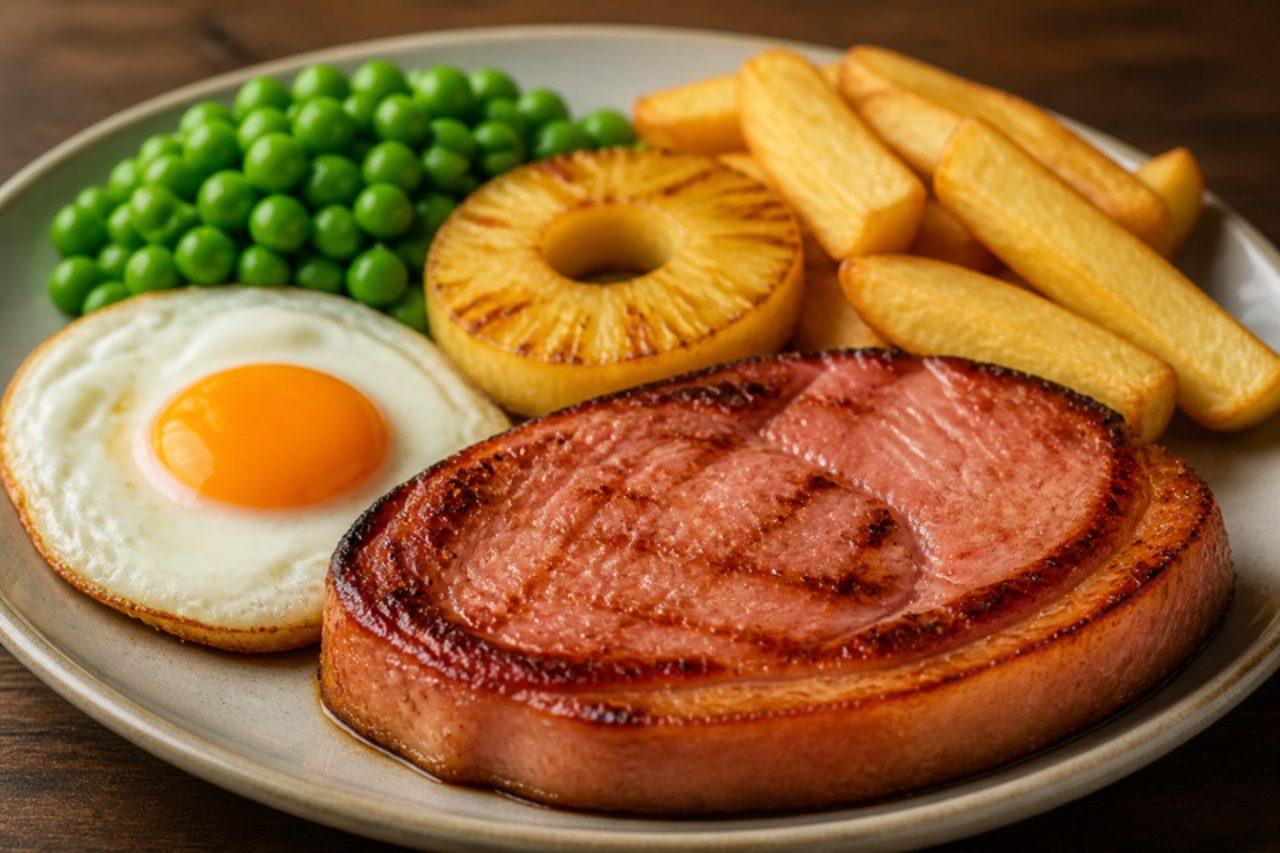
Gammon, egg and chips is the great English pub and transport-café dinner, on the menu from roadside diners on the A1 to Devon seaside pubs. A thick steak of cured pork gammon is grilled until the fat crisps, then topped with a fried egg or a ring of pineapple (or both), next to chunky chips and peas. Chef's tip: snip the fat around the edge every 2 cm before cooking so the steak stays flat.

by KrazyBadal 0 views

Bedfordshire clanger

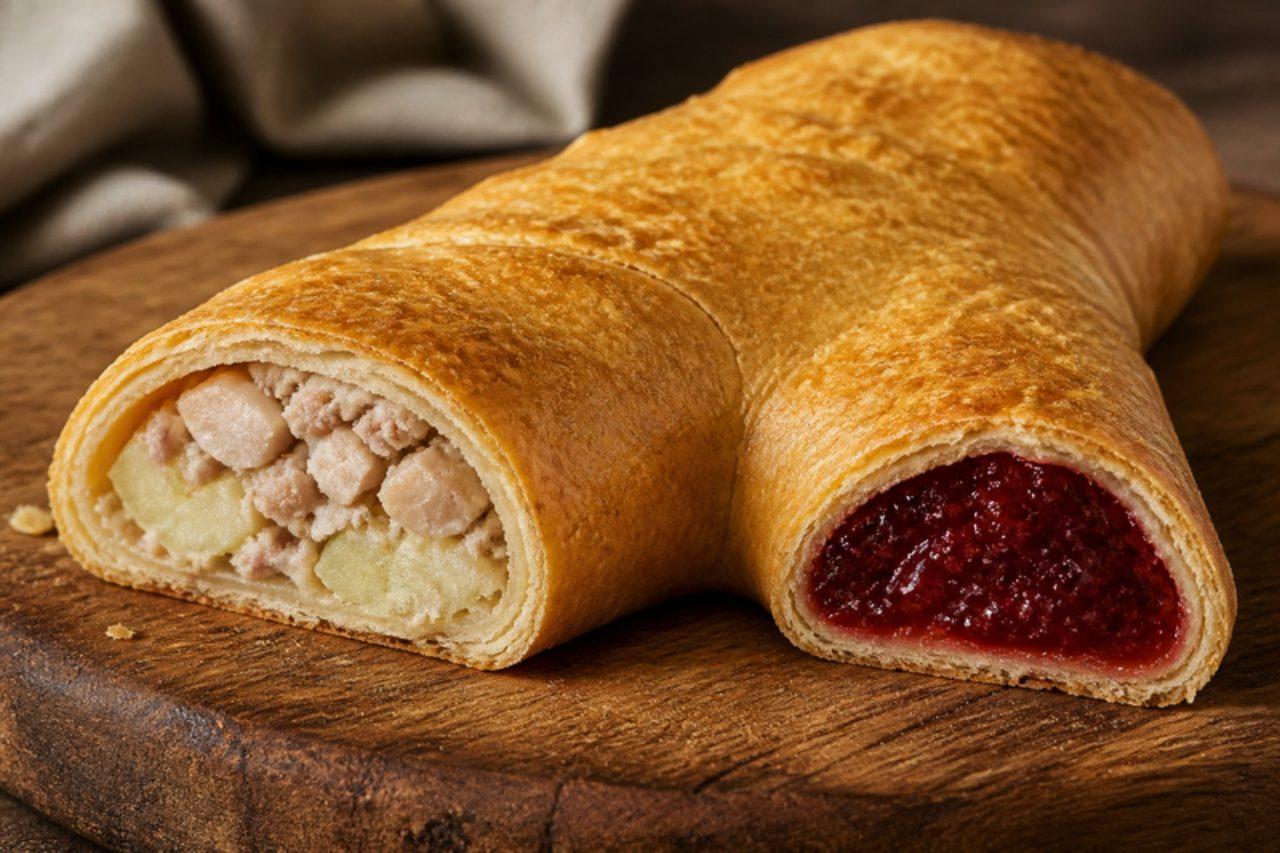
The Bedfordshire clanger is a long suet-crust roll that held a whole working lunch for farm labourers and the lace and straw-hat workers of Bedfordshire: savoury pork and potato at one end and sweet jam or apple at the other, marked by slashes so you knew which end to start with. Bakeries in Luton and Bedford still sell them. Chef's tip: build a pastry wall between the two fillings so the jam doesn't run into the meat.

by KrazyBadal 0 views

Haggis, neeps and tatties

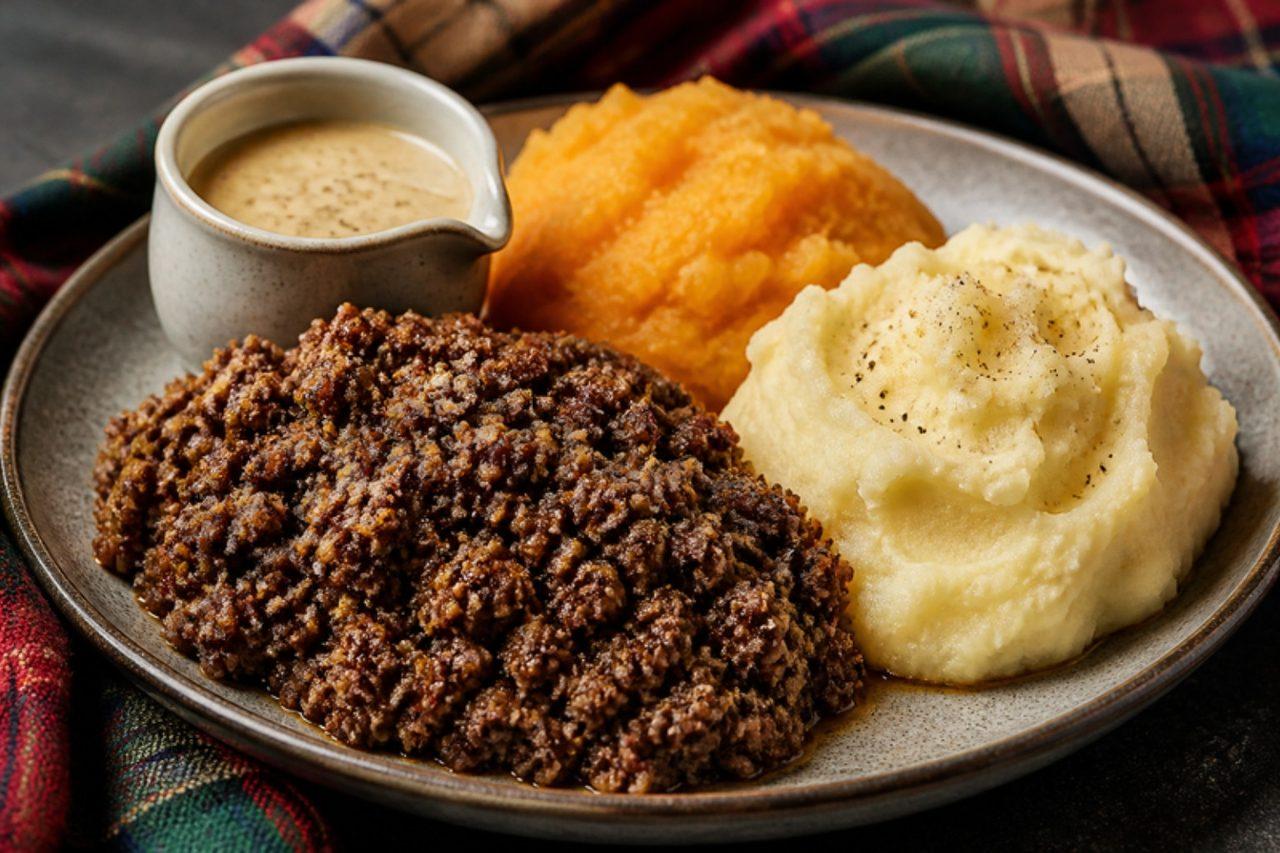
Haggis, neeps and tatties is the centre of every Burns Supper on 25 January, when the haggis is piped in, addressed with Robert Burns's poem and cut open with a flourish. Haggis is a peppery, oaty pudding of minced lamb's offal, onion and spice; nearly everyone in Scotland buys it from a butcher, then simply heats it and serves it with mashed swede (neeps) and potatoes (tatties). The cream sauce has a splash of whisky, which contains alcohol; leave it out and add a teaspoon of mustard for an alcohol-free sauce. Chef's tip: wrap the haggis tightly in foil before it goes in the water so the casing doesn't burst.

by KrazyBadal 0 views

Scotch pies

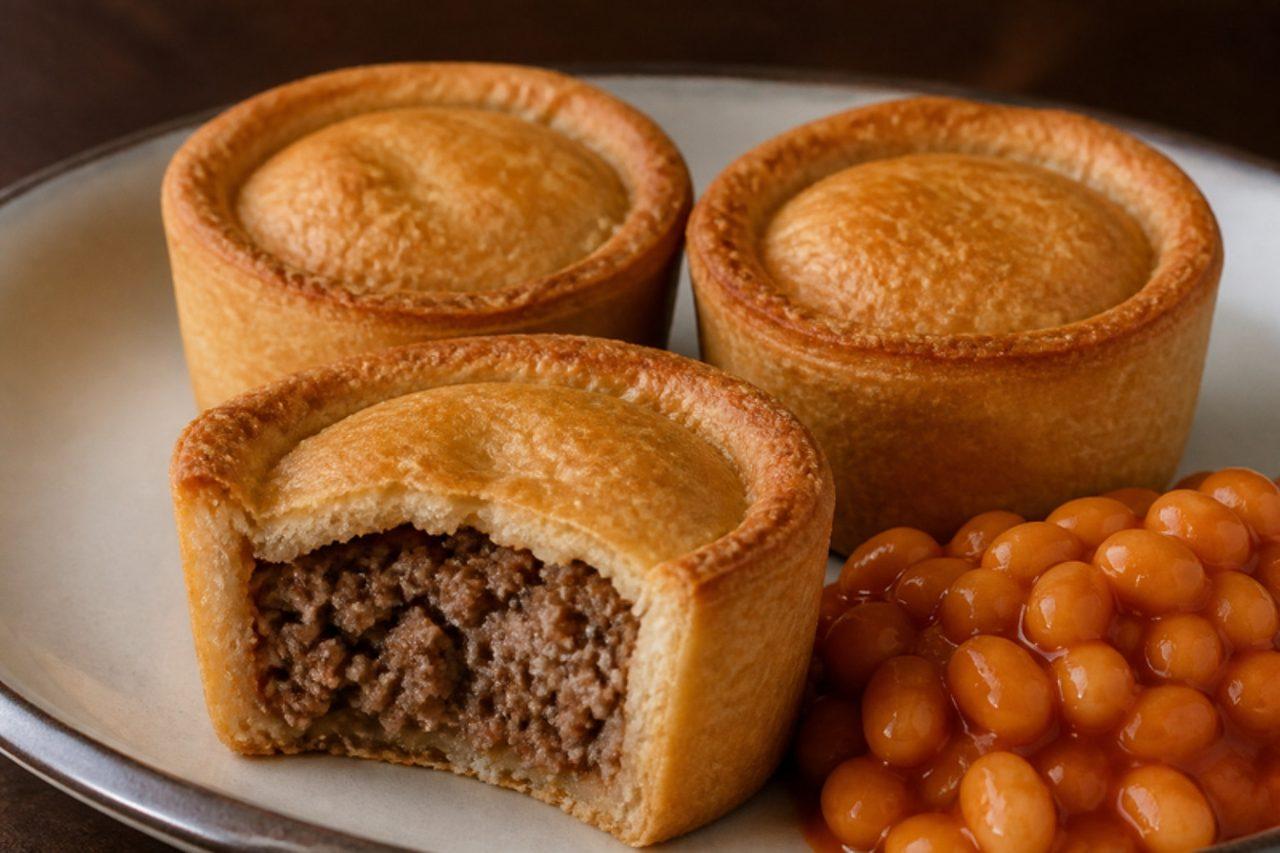
The Scotch pie is the straight-sided, double-crust mutton pie eaten at half time on football terraces and bought from butchers' counters in every Scottish town, with an open rim at the top for adding gravy, beans or mash. The pastry is a hot water crust made with lard (an animal fat) and the filling is peppery minced mutton or lamb. Chef's tip: shape the pastry while it is still warm; cold hot-water pastry cracks.

by KrazyBadal 0 views

Showing 24 of 38 recipes

Show more recipes

Page 1 of 2