Skip to content
WhatToEat.Today

All recipes

19

Vegetarian, or something you can't eat? Set your diet once and we'll hide recipes that don't fit.

ChampurradasCrisp sesame biscuits

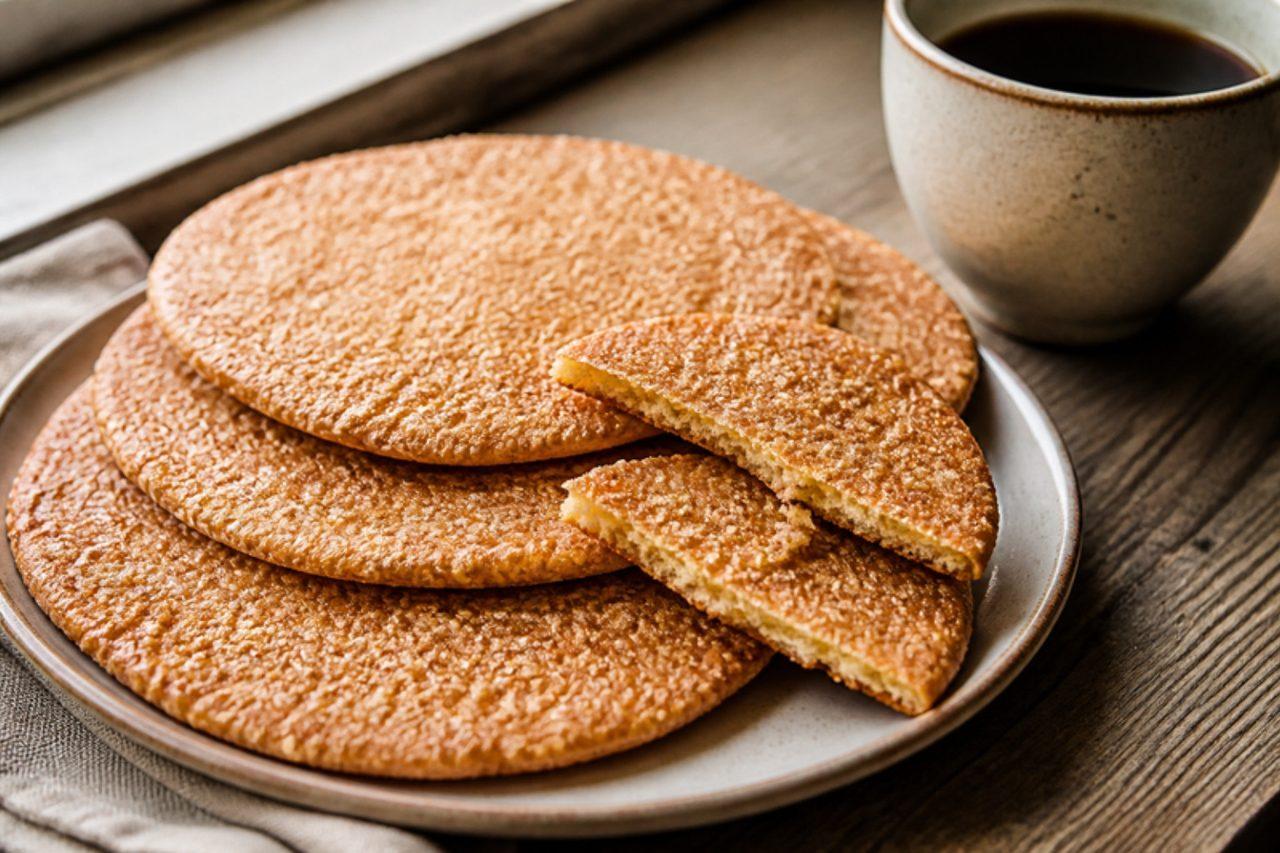
No breakfast table in Guatemala City or Antigua is complete without a basket of champurradas, saucer-sized biscuits scattered with sesame seeds and made thin enough to snap. Guatemalans dunk them in a mug of sweet black coffee or hot chocolate, and they are sold in stacks wrapped in paper at bakeries and markets. They taste of butter and toasted sesame, not too sweet, with a crisp, slightly blistered top. Being too timid with the rolling pin is where most people go wrong; thick champurradas come out like cake. Chef's tip: roll each ball out directly on the baking paper to about 3 mm, so you never have to lift a fragile disc.

by KrazyBadal 0 views
MarquesoteSugar-crusted sponge loaf

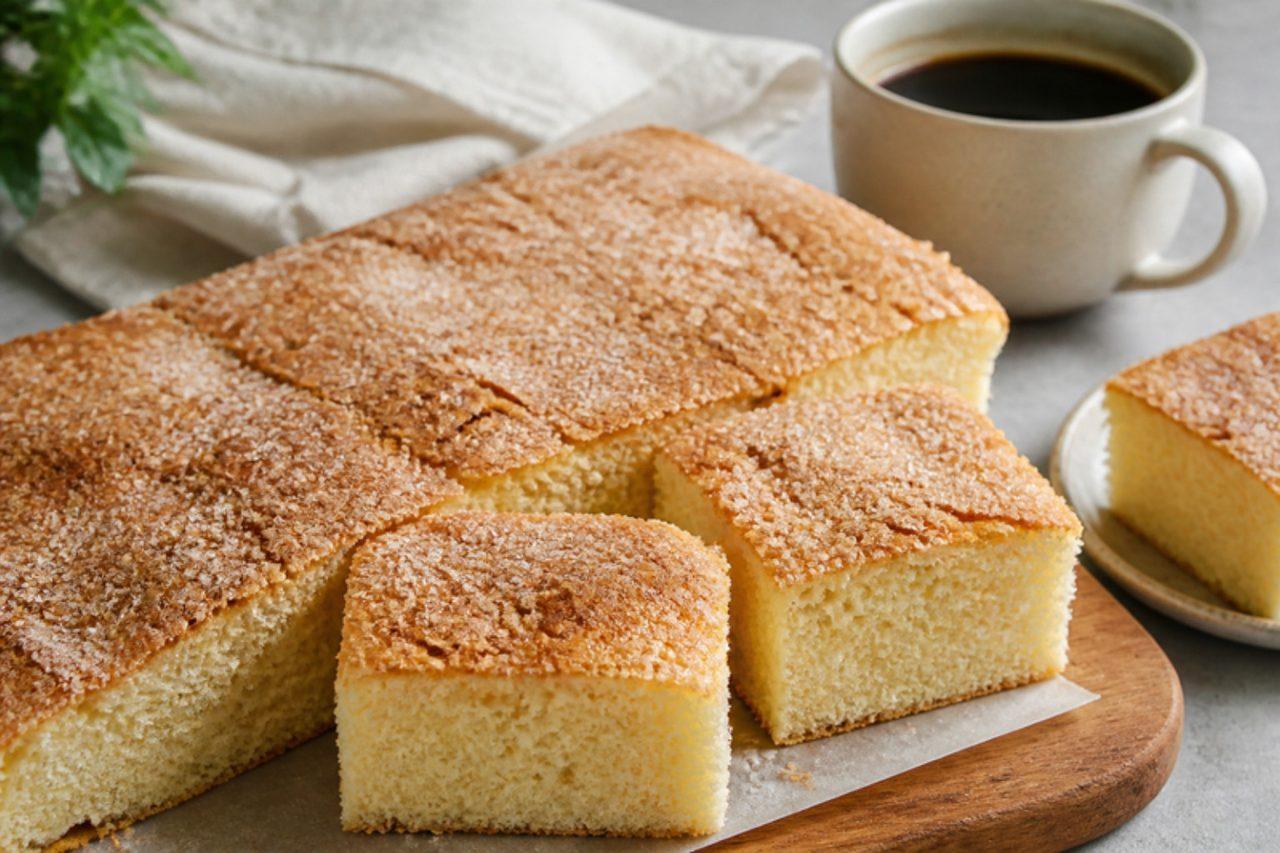
In Tegucigalpa, León and San Salvador, marquesote turns up on bakery shelves in big golden slabs, cut to order and wrapped in paper to dunk in morning coffee. It is a separated-egg sponge, very light and slightly dry, with a thin crackly crust from sugar sprinkled on before baking; Salvadoran bakers often add rice flour for a finer crumb. Around Holy Week in Nicaragua it is soaked in a cinnamon and clove syrup, and the syrup is given here as an option. Rough folding is what sinks it: beaten whites lose air fast, so fold in the flour with a light hand, just until it disappears. Chef's tip: line the tin with paper that stands 3 cm above the rim; the sponge climbs it, and you can lift the whole slab out to cool without squashing it.

by KrazyBadal 0 views
Salpores de arrozCrumbly rice flour cookies

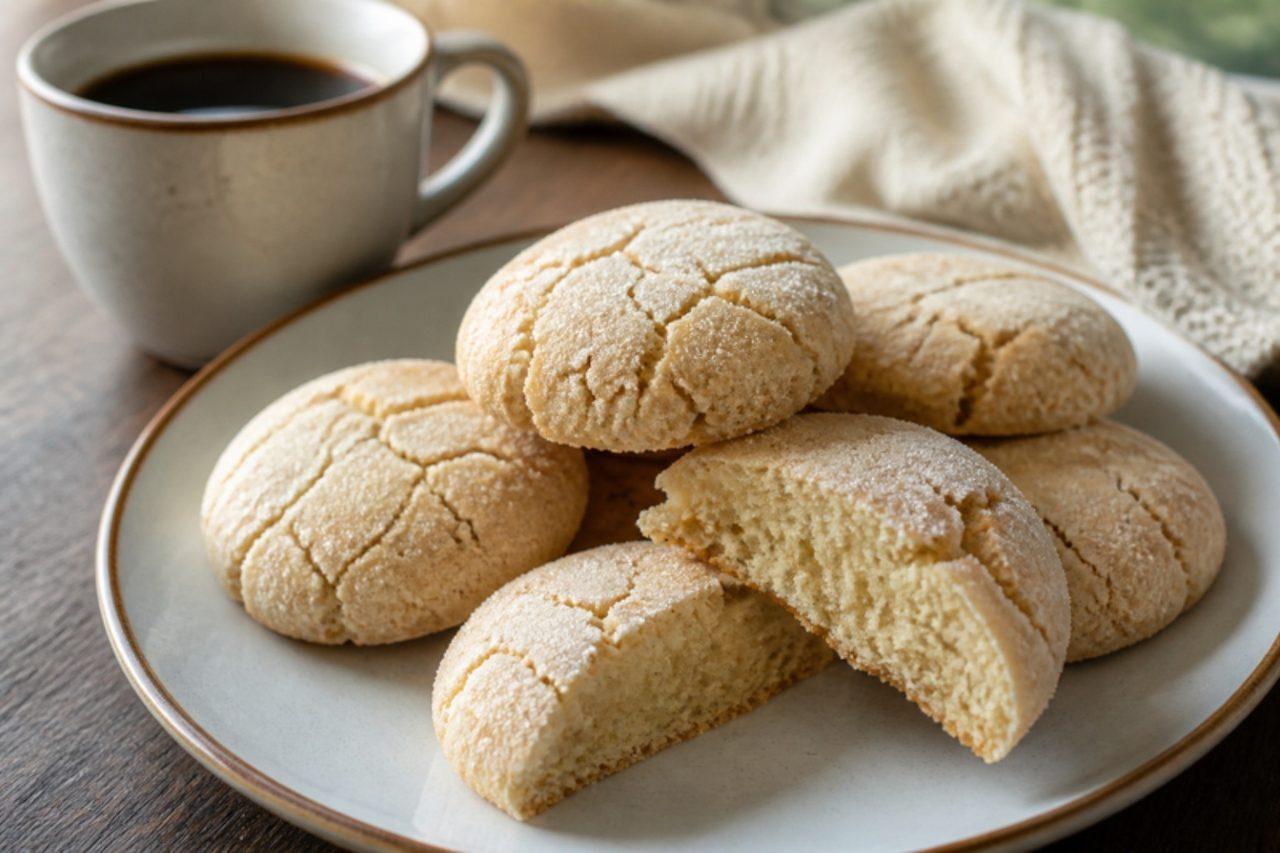
Ask in a Salvadoran panadería for pan dulce to go with the afternoon cafecito and you will be offered salpores, round cookies with a sugar-crackled top that break into soft, sandy crumbs. Salpores de arroz are made with rice flour instead of wheat, which gives them their fine, almost powdery texture and makes them naturally gluten free. They taste of butter and vanilla with just enough sugar. Families in San Salvador buy them by the bag for wakes, birthdays and Sunday visits, and they are made to be dunked. Chef's tip: use finely milled white rice flour, not glutinous rice flour, which turns the cookies gummy; and don't wait for colour on top, because salpores stay pale and an extra few minutes dries them out.

by KrazyBadal 0 views
TisteMaize and cacao drink

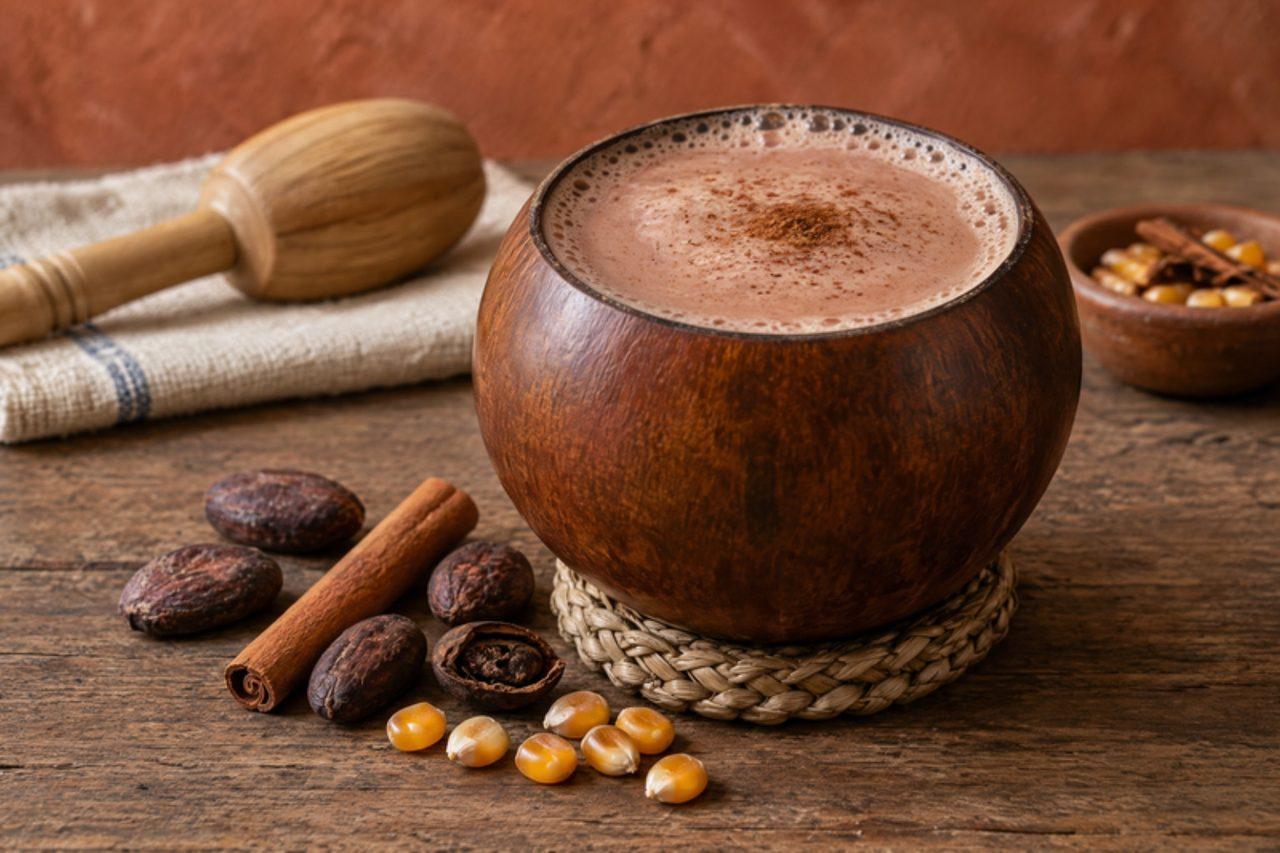
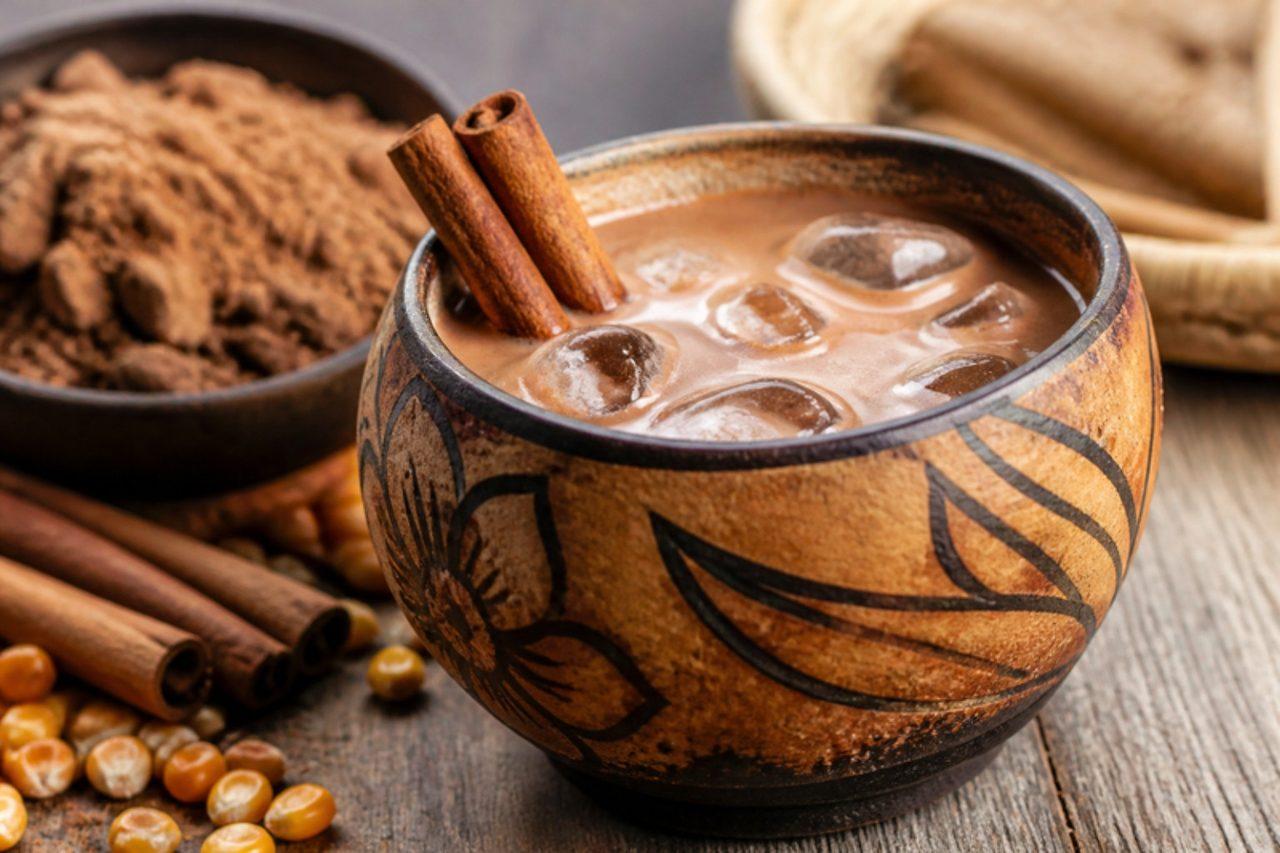
In Nicaragua tiste belongs to the hot season and to the countryside around León, Chinandega and Masaya, where it is served in a jícara, a polished half-gourd, at fiestas patronales, at markets and to anyone arriving tired from the fields. Dried maize and cacao beans are toasted until fragrant, ground with cinnamon to a fine flour, then stirred into cold water with sugar. It is grainy in a pleasant way, with the taste of toasted corn, a deep cocoa bitterness and warm cinnamon; in the north they add a little achiote for colour. The common mistake is under-toasting the maize: it needs to go a deep golden-brown, with a few kernels popping, or the drink tastes raw and floury. It is ready when the powder smells like popcorn and chocolate, and the mixed drink is a cloudy cocoa brown that needs stirring as it settles. Traditionally the grinding was done on a stone; a high-powered blender or grain mill works well. If you cannot get dried maize, toast 150 g masa harina in a dry pan until golden instead. Chef's tip: make a double batch of the powder and keep it in a jar; it lasts a month and a glass takes one minute.

by KrazyBadal 0 views
Atol de plátanoWarm plantain and milk drink

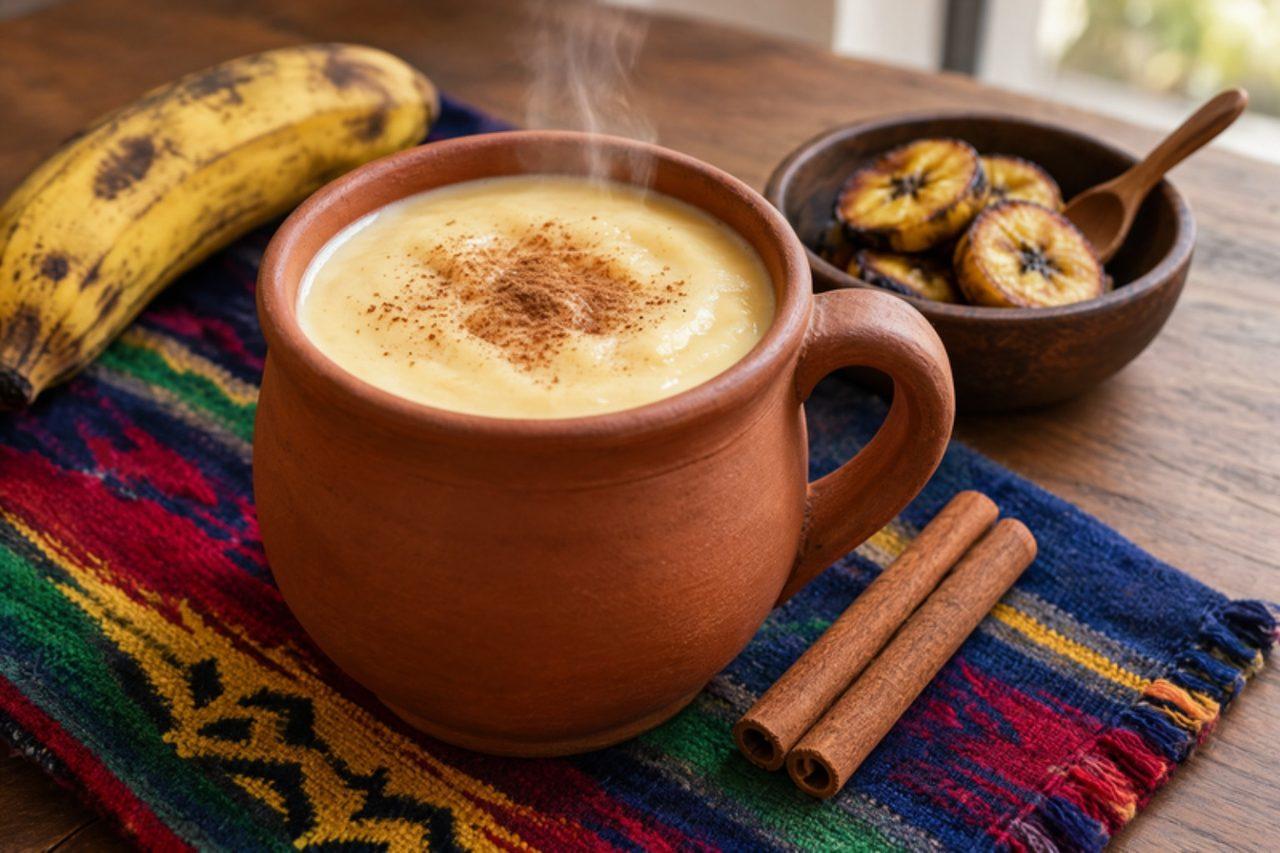
In Guatemalan markets, steaming pots of atol are sold from early morning: thick, sweet, drinkable porridges made from corn, rice, oats or, in this case, very ripe plantain blended with milk and cinnamon. Atol de plátano is creamy and fruity, a filling breakfast in a mug. The common mistake is boiling it hard after the milk goes in, which catches and burns on the bottom; keep it at a gentle bubble and stir. Chef's tip: simmer the plantain with the cinnamon in water first, then blend; this cooks the starch fully and gives a silky drink without any raw-banana taste.

by KrazyBadal 0 views
MoshOat and milk drink

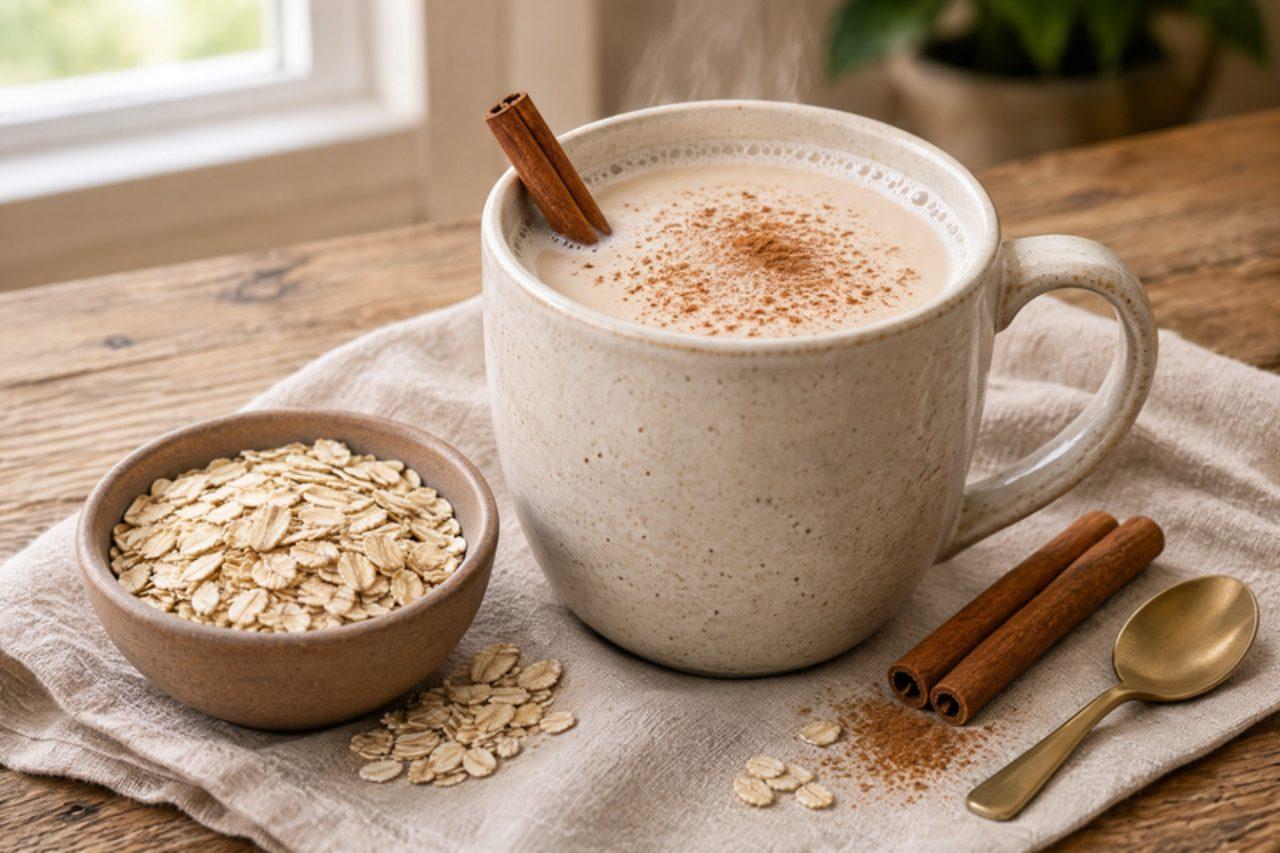
In Guatemalan homes, mosh is what a mother hands a child on a chilly highland morning in Quetzaltenango or Huehuetenango: rolled oats cooked long and thin with water, milk, cinnamon and sugar, so it's drunk from a mug rather than eaten with a spoon. The common mistake is making it too thick like porridge; it should pour easily, so keep adding hot milk or water as the oats swell. Chef's tip: whisk it hard for a minute at the end; it breaks up the oats and makes the drink smooth and frothy.

by KrazyBadal 0 views

Atol shucoSour black corn drink

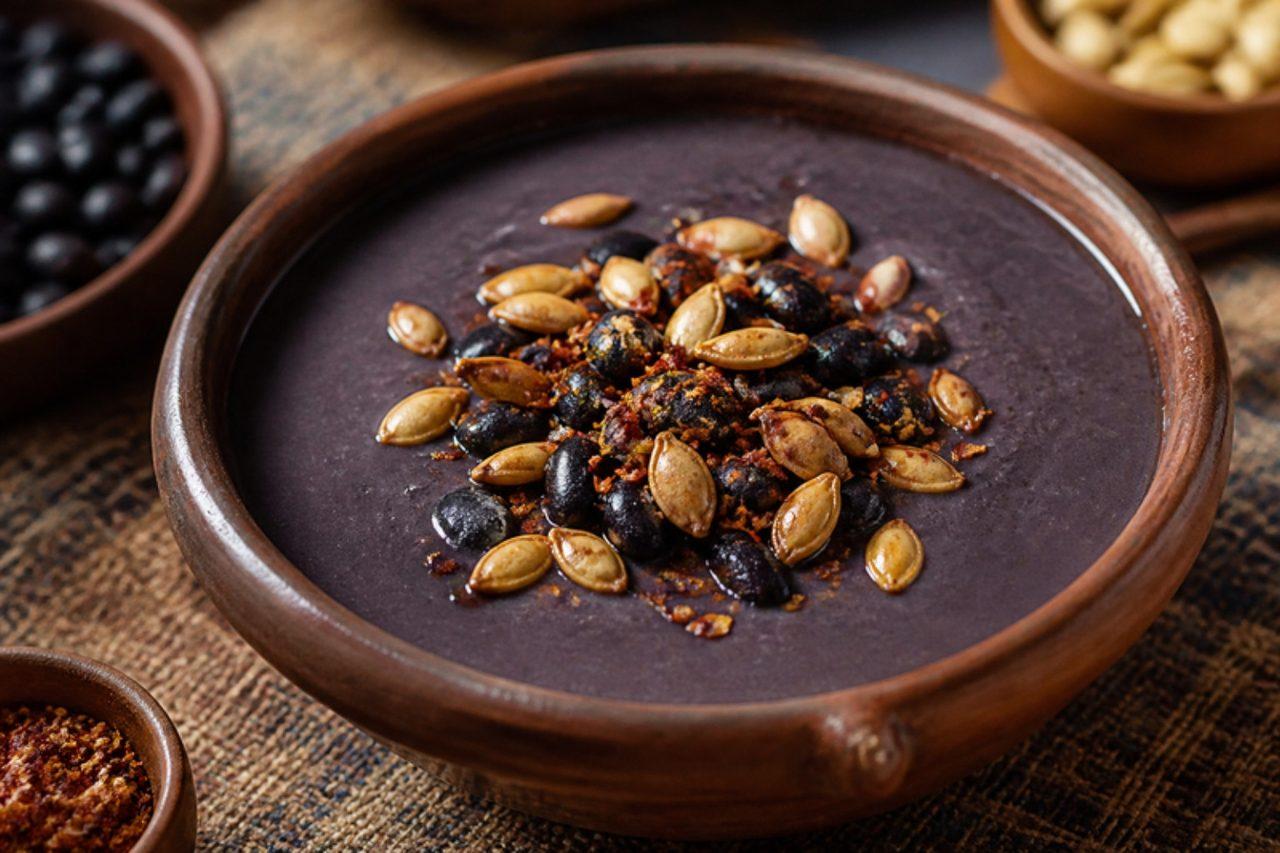
In San Salvador's Plaza Libertad and outside churches on cool mornings, atol shuco is ladled from steaming clay pots into gourd bowls. Shuco means 'dirty', for its dusky purple-grey colour: it is made from fermented black corn, so it tastes slightly sour and earthy, topped with ground toasted pumpkin seeds, a few whole black beans and a pinch of chilli salt. It is savoury and filling rather than sweet. The usual mistake is leaving the masa to ferment too long in a hot kitchen; check it after a day and use it as soon as it smells pleasantly tangy. Throw it away if you see mould or it smells unpleasant. Chef's tip: if you can't wait for fermentation, a squeeze of lime at the end gives a similar tang.

by KrazyBadal 0 views

Café chorreadoCloth-filtered coffee

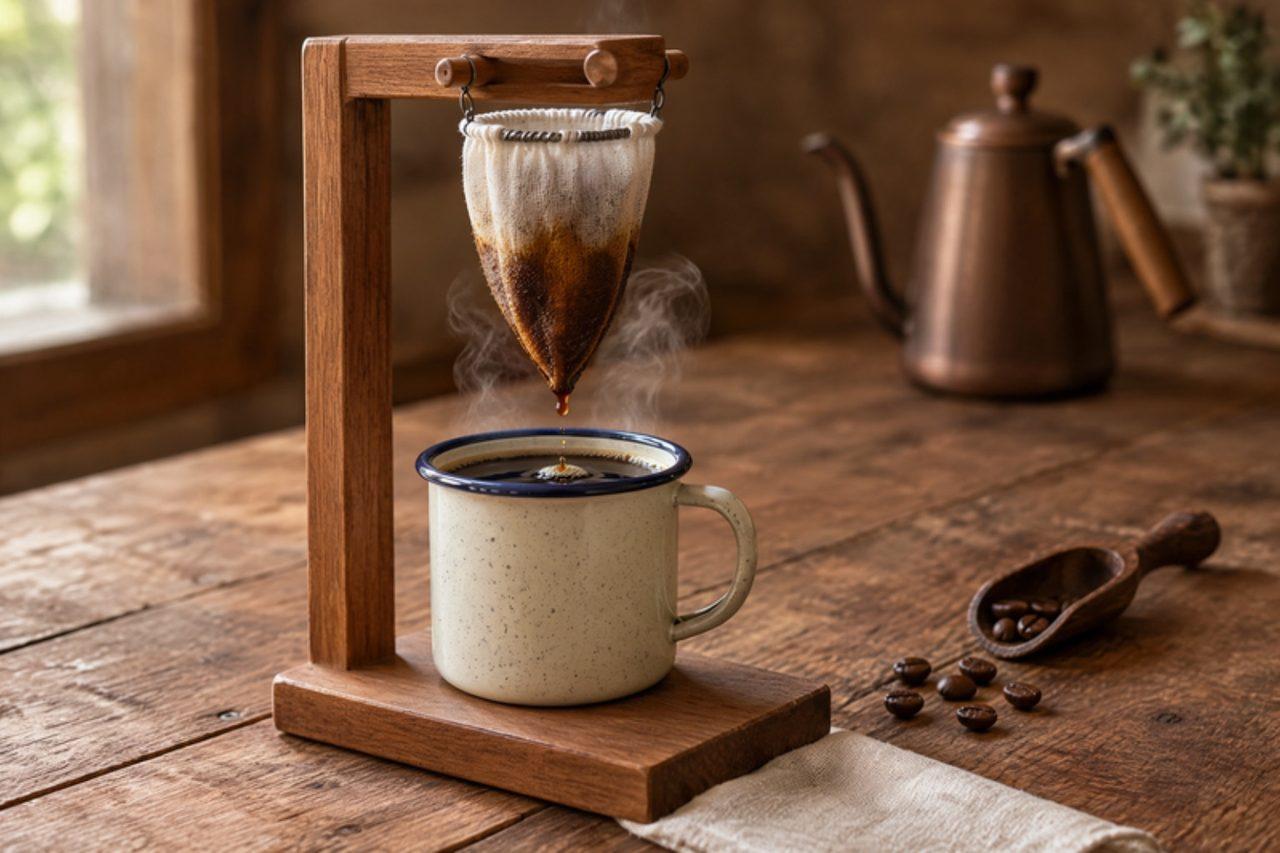
Every Costa Rican grandmother has a chorreador: a small wooden stand holding a cloth bag, the bolsita, over a cup or jug. Hot water is poured through the grounds by hand, a little at a time, and the result is the coffee drunk at breakfast with gallo pinto and again at the afternoon cafecito around three, with a tamal, a slice of pan casero or a rosquilla. The cloth catches the oils and fine grounds, so the cup is clean, bright and smooth, with the soft acidity and caramel sweetness of Tarrazú and Central Valley beans. In the countryside the water is sometimes sweetened with tapa de dulce before it goes through. It is strong coffee, so mind the caffeine late in the day. The common mistake is pouring all the water in at once, which floods the bag and leaves weak, uneven coffee; pour in slow circles, in four or five goes. It is ready when the drips slow to a trickle and the coffee is dark reddish-brown and smells of toasted caramel. Never wash the bag with soap; rinse it in hot water and hang it to dry. Chef's tip: boil a new bag once with a spoonful of coffee before using it, to season the cloth.

by KrazyBadal 0 views

ChichemeCold cracked corn drink

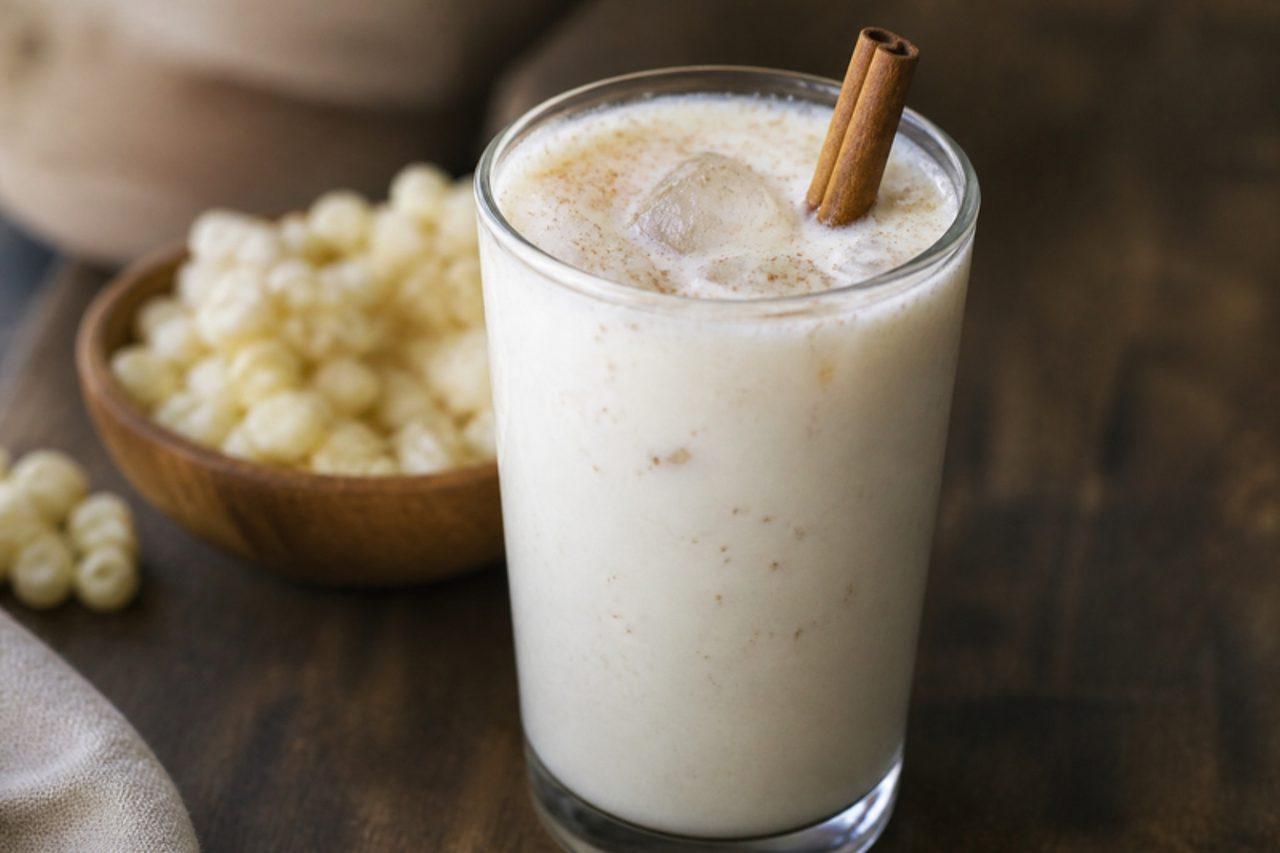
Chicheme comes from La Chorrera, just west of Panama City, where it is sold by the glass at the town's fairs alongside bollos and chorizo, and it is now drunk all over the country on hot afternoons. Cracked white corn is cooked until soft and swollen, then mixed with sweetened milk, cinnamon and vanilla and served very cold, so every sip has chewy grains in it. Undercooked corn is the classic mistake; the kernels must be soft right through or the drink feels gritty. Chef's tip: soak the corn overnight, and it cooks in under an hour instead of two.

by KrazyBadal 0 views

Ensalada salvadoreñaChopped fruit apple drink

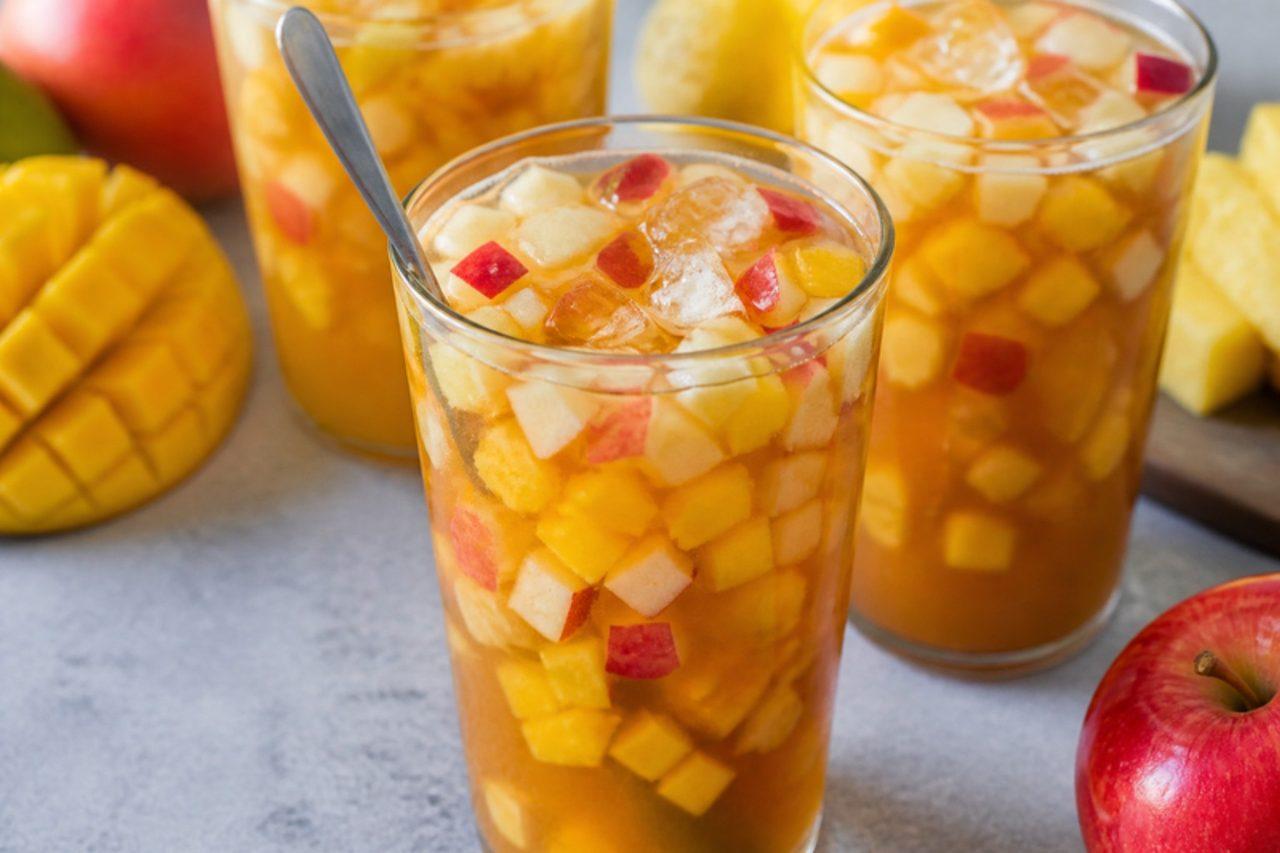
Order an ensalada at a pupusería in El Salvador and a tall glass arrives: apple juice crowded with tiny cubes of apple, mango and marañón (cashew fruit), drunk through a straw and finished with a spoon. It is the country's favourite cooler for hot afternoons and Sunday lunches. Outside Central America cashew fruit is rare, so pineapple stands in well. Cutting the fruit too big is the mistake people make; pieces should be small enough to come up a wide straw. Chef's tip: chop the apple last and drop it straight into the juice so it stays white.

by KrazyBadal 0 views

Horchata de morroMorro seed and rice drink

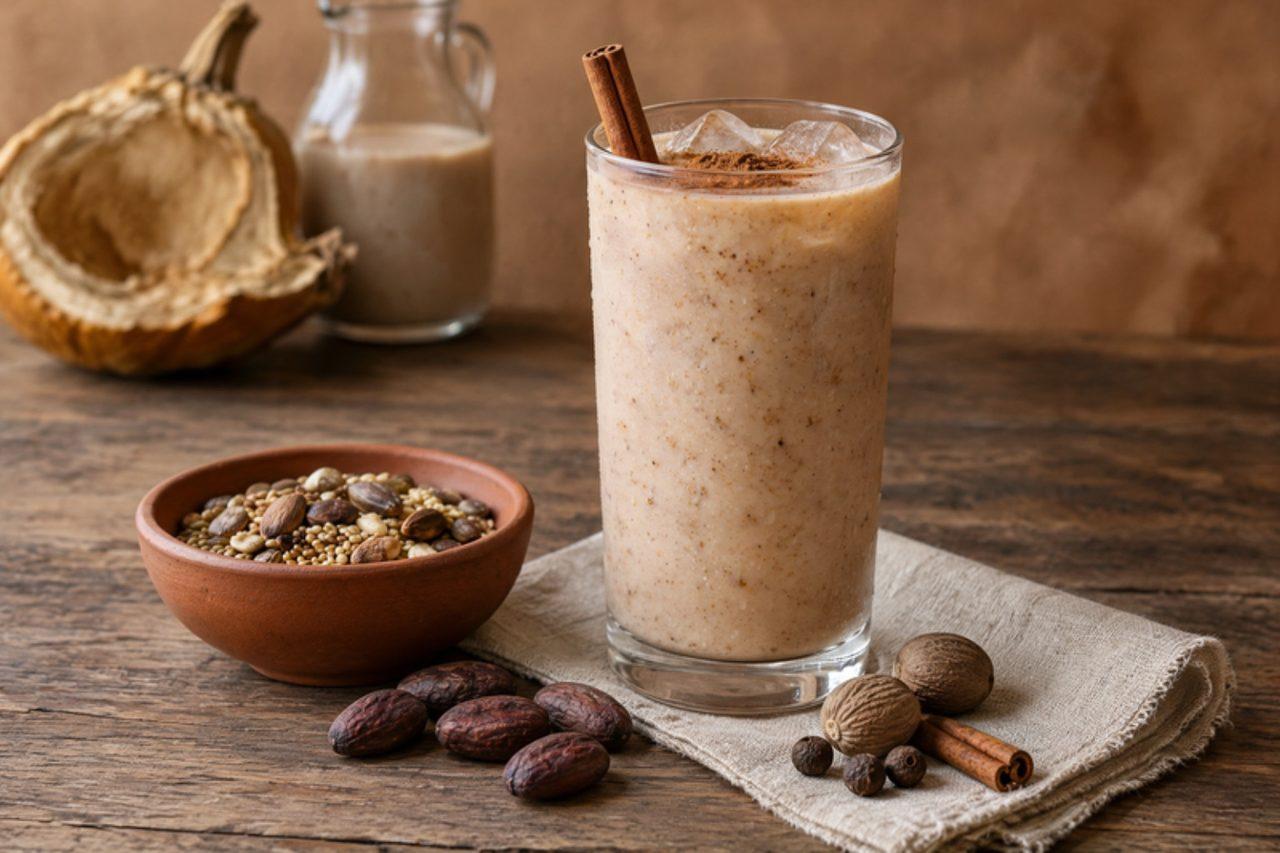
In El Salvador horchata means horchata de morro, made with the seeds of the morro or jícaro tree, whose round gourds also become cups and bowls. It is poured from big glass jars at pupuserías every evening, sold in plastic bags with a straw outside schools, and drunk at home with Sunday lunch. Markets in San Salvador and Santa Ana sell a ready-ground mix, but toasting your own is easy: rice, morro seeds, sesame, pumpkin seeds and cacao, with cinnamon and allspice. The drink is light brown, cool and creamy, with a nutty, toasted taste, a hint of chocolate and warm spice; quite different from the white Mexican rice horchata. The common mistake is skipping the soak and blending the powder straight with water; it stays gritty and tastes thin. Let it soak at least 30 minutes, or overnight in the fridge. It is ready when it is smooth, beige-brown, coats the glass faintly and smells of toasted seeds and cinnamon. Outside Central America, look for semilla de morro or horchata mix in Latin shops; if you cannot find it, use extra pumpkin seeds and sesame. Chef's tip: toast each seed separately, because they brown at different speeds.

by KrazyBadal 0 views

Pan bonDark spiced fruit and cheese bread

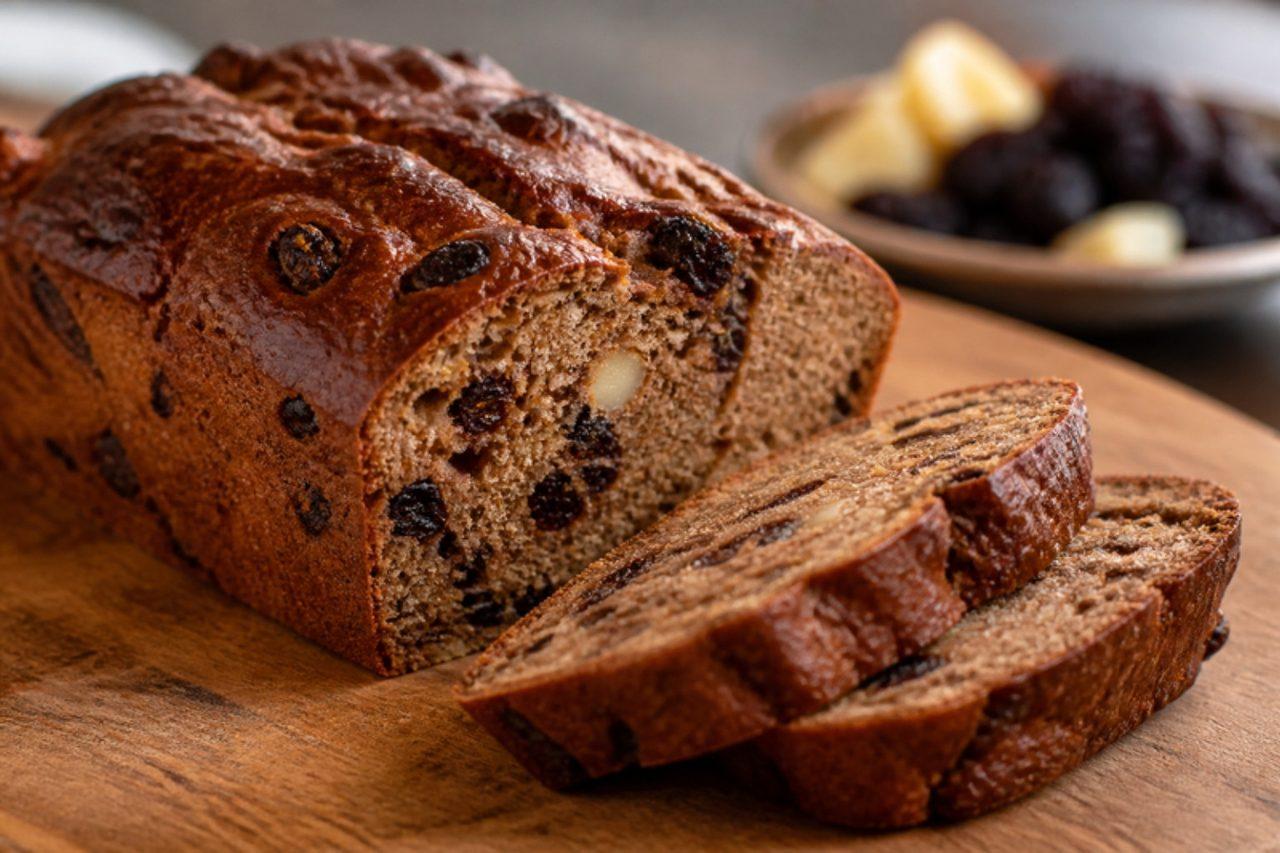
On Costa Rica's Caribbean coast, the Afro-Caribbean families of Limón and Cahuita bake pan bon for Easter, Christmas and any big gathering, a recipe brought by Jamaican railway workers in the late 1800s. The loaf is dark and fragrant with molasses and burnt-sugar syrup, studded with raisins, candied peel and little cubes of salty cheese that melt into pockets. It is sliced thick and eaten with coffee. Dense, heavy loaves usually come from adding the fruit and cheese too early; knead them in only after the dough is smooth. Hard cheese is often made with animal rennet, so pick a vegetarian one if needed. Chef's tip: brush the warm loaf with the burnt-sugar syrup straight from the oven for its signature sticky, shining crust.

by KrazyBadal 0 views

Pan de coco garífunaCoconut milk bread rolls

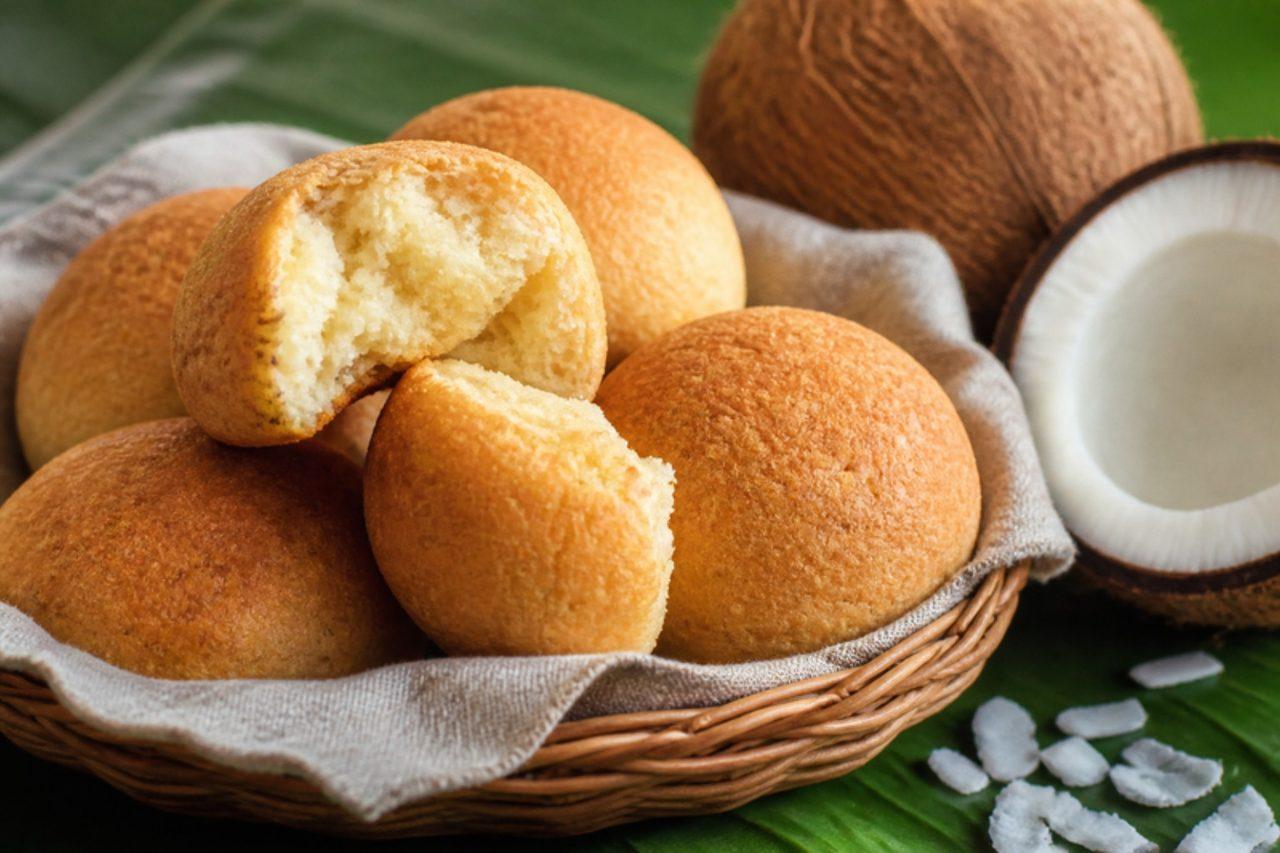
In Garifuna towns along the Caribbean coast, from Dangriga in Belize to Trujillo and La Ceiba in Honduras, pan de coco is baked almost every morning and eaten with fried fish, beans or a bowl of hudut. The dough is made with coconut milk in place of water, which gives soft, slightly sweet rolls with a golden crust and a faint coconut perfume; this version uses coconut oil and is fully vegan. The common mistake is using coconut milk that is too hot, which kills the yeast: it should feel just warm on your wrist. Chef's tip: if you can, grate a fresh coconut and squeeze it with hot water to make your own milk, as Garifuna bakers do; the flavour is noticeably richer.

by KrazyBadal 0 views

PinolilloToasted corn and cacao drink

Nicaraguans call themselves pinoleros after this drink, sold cold from plastic jugs at markets in Masaya and León and stirred up at home in gourd cups called jícaras. Toasted ground corn, cacao and a little cinnamon and clove are whisked into water or milk, giving a nutty, gently chocolatey drink with a soft, grainy body that settles if you leave it. Made with water or a plant milk it is vegan. Burning the corn while toasting is the mistake to avoid: it only needs to turn biscuit-coloured, and anything darker tastes bitter. Chef's tip: shake the powder and liquid in a lidded jar with ice instead of stirring, and there will be no lumps.

by KrazyBadal 0 views

Powder bunsCoconut raisin buns

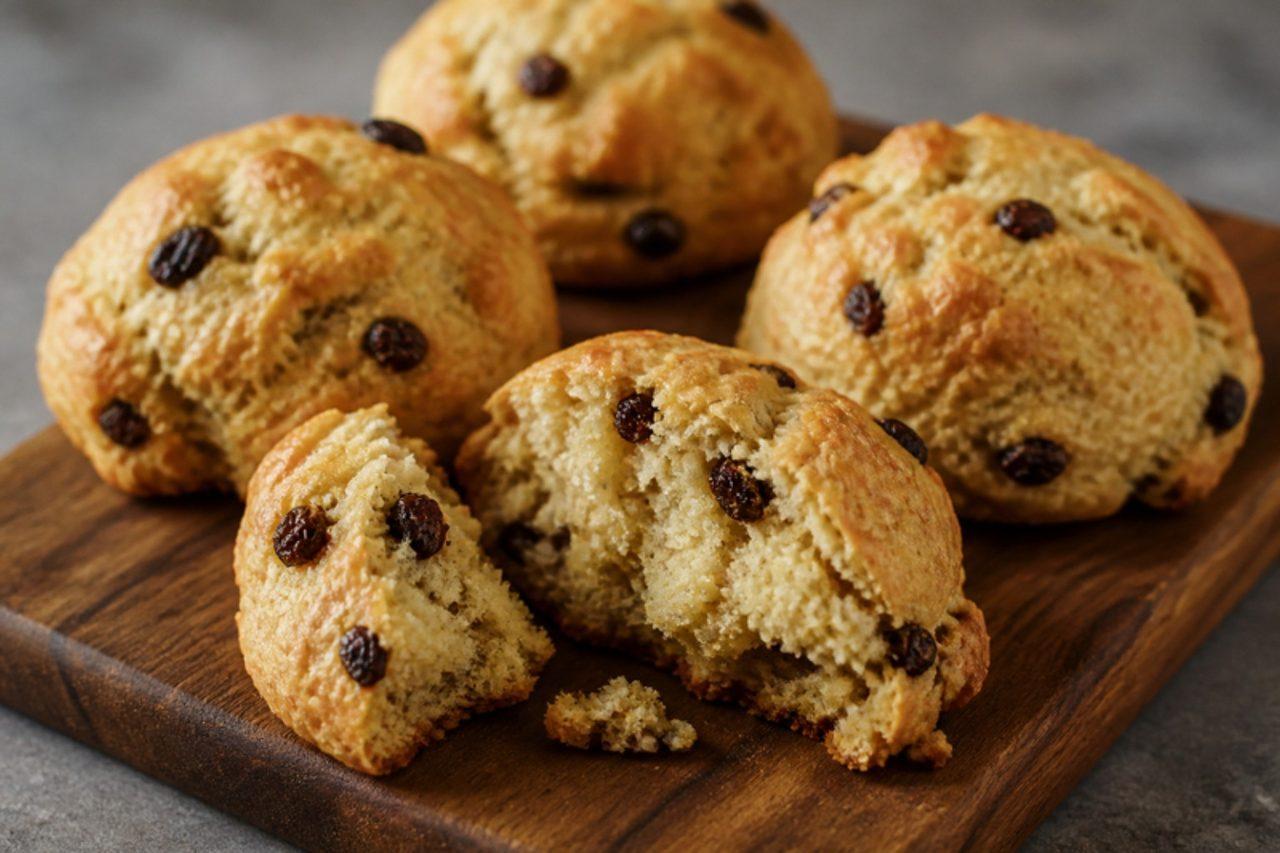
Called powder buns because baking powder, not yeast, makes them rise, these lightly sweet buns are what Belizean families in Belize City and the Cayo district bake for afternoon tea or a breakfast with coffee. They are halfway between a scone and a soft bread roll, scented with nutmeg and enriched with coconut milk, with plump raisins throughout. Overworking the dough is the mistake that makes them tough and flat; stop mixing as soon as it comes together. Chef's tip: grate the butter straight from the freezer into the flour, which gives a lighter crumb with less rubbing.

by KrazyBadal 0 views

Quesadilla salvadoreñaSweet cheese pound cake

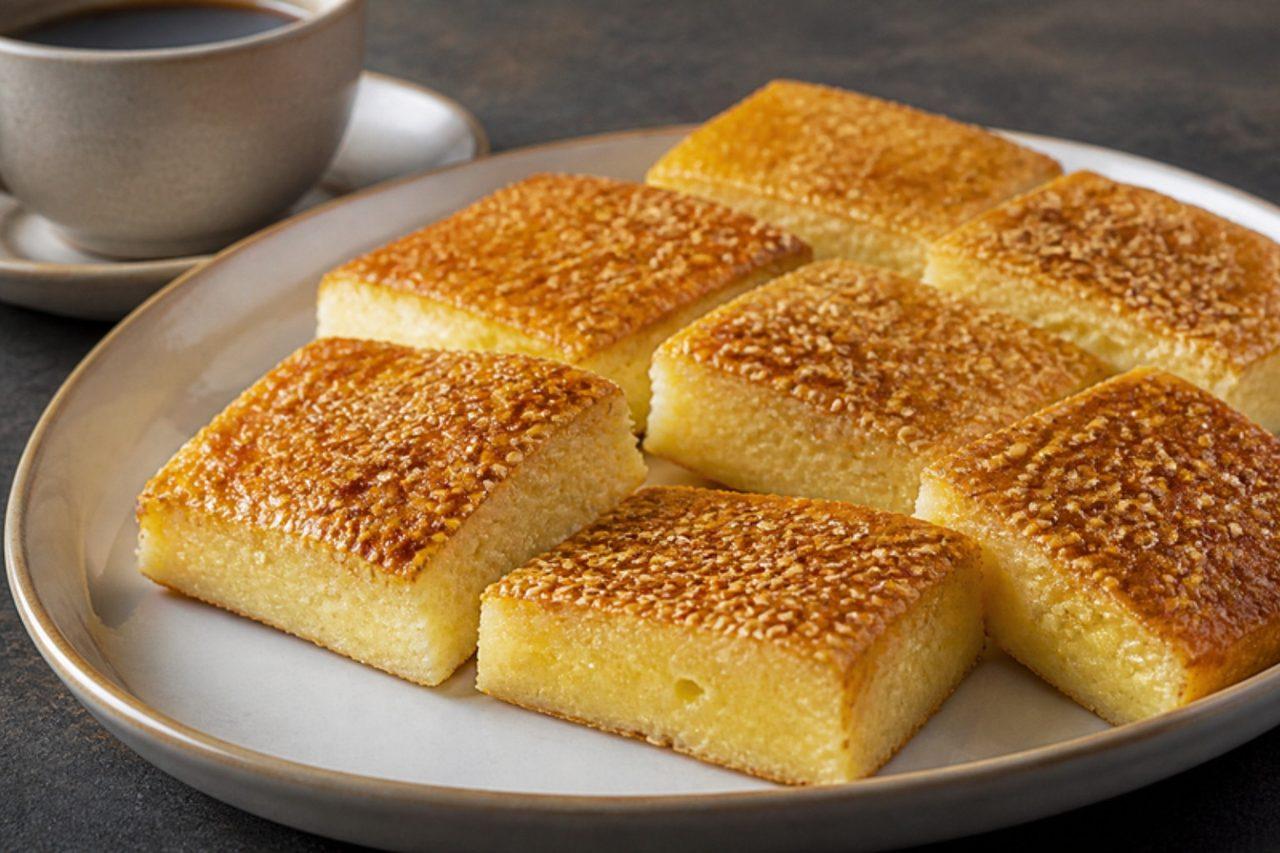
Ask for a quesadilla in San Salvador and you get cake, not a folded tortilla: a dense, buttery loaf made with rice flour, thick cream and grated hard cheese, with a crackly top of sesame seeds. Salvadoran families eat a slice with hot coffee on Sunday afternoons, and every bakery has its own version. It is sweet and salty at once, moist and close-textured. The usual mistake is overmixing after the flour goes in, which makes it rubbery. Hard cheeses like parmesan and many queso duro are made with animal rennet, so choose a vegetarian hard cheese if needed. Chef's tip: check your baking powder is gluten free if you are baking for a coeliac; the rice flour already is.

by KrazyBadal 0 views

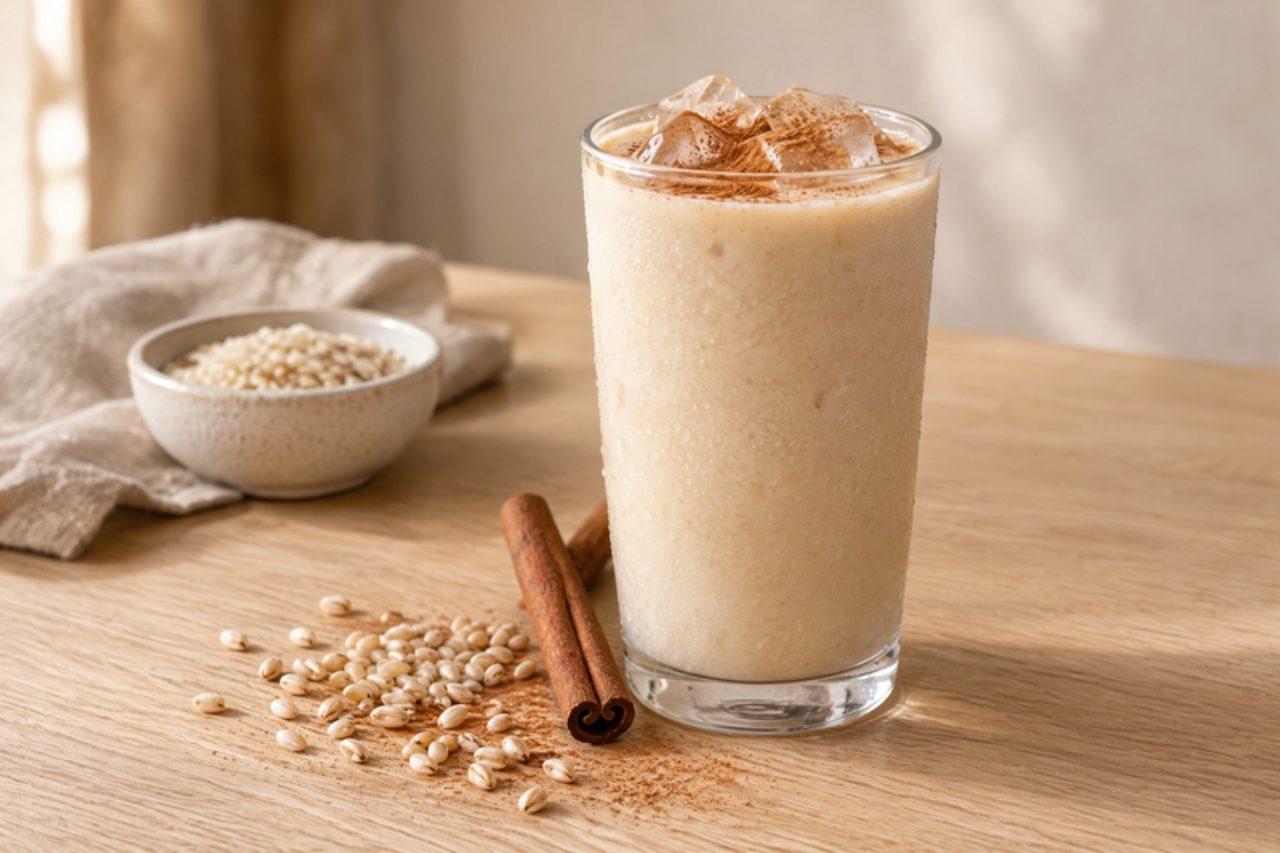
ResbaladeraBarley and rice milk drink

Resbaladera comes from Guanacaste, the dry, sunny cattle province of northwest Costa Rica, and is sold by the cup at the Fiestas de Santa Cruz in January, at the July celebrations of the Anexión in Liberia, and from carts at rodeos and turnos all through the hot months. Pearl barley and a little rice are cooked with cinnamon and cloves until bursting, then blended with milk and sweetened, giving a cold, slightly thick, creamy drink, smooth and milky like rice pudding in a glass, with warm spice and vanilla. The name hints at how easily it slips down. The common mistake is undercooking the barley: if the grains still have bite, the drink is gritty and thin however long you blend. Cook until they are swollen, split and very soft. It is ready when it is pale cream, completely smooth after straining and tastes of vanilla, cinnamon and nutmeg. Barley means it is not gluten free. Chef's tip: chill it properly before serving and stir in a splash of cold milk if it thickens in the fridge overnight; it should pour easily.

by KrazyBadal 0 views

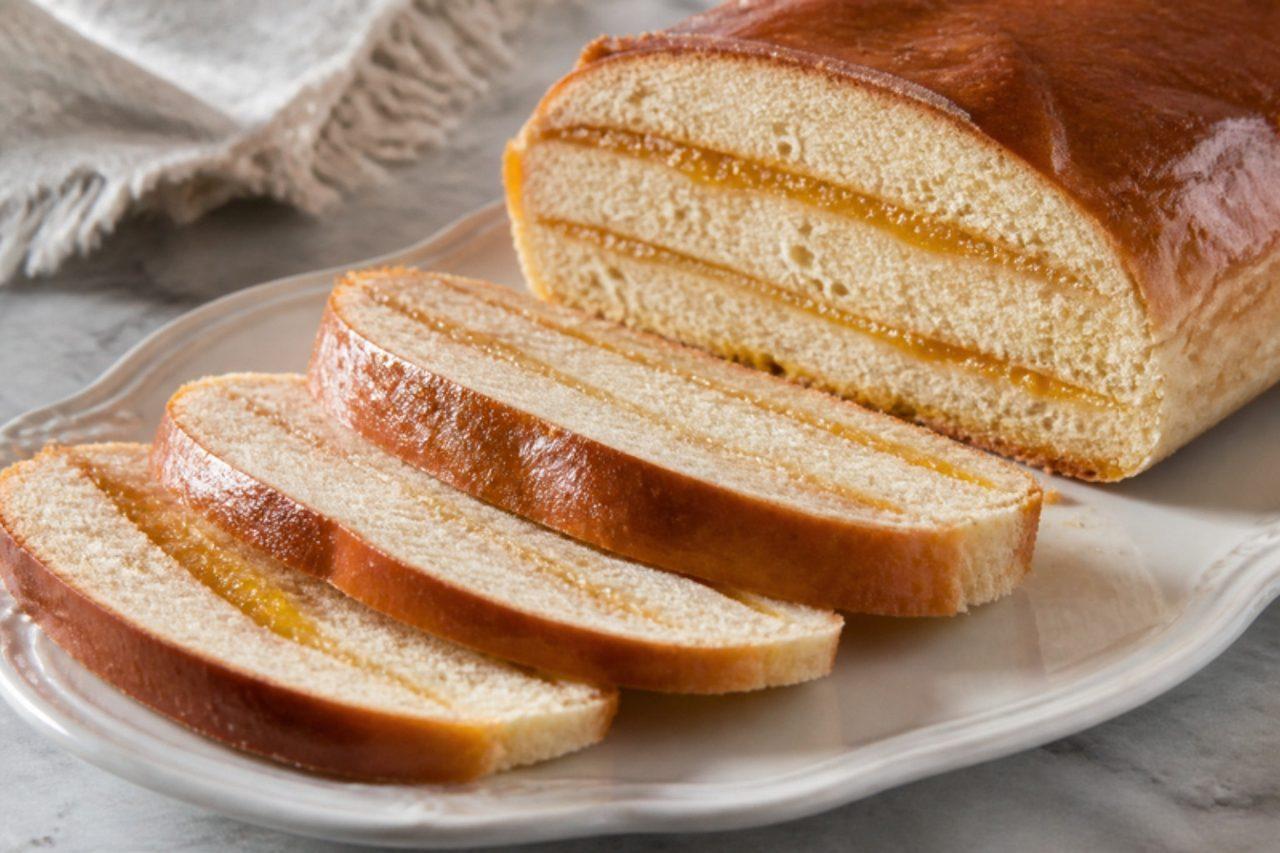
Semita altaLayered sweet bread with pineapple jam

Salvadoran panaderías sell two semitas: the flat semita pacha and this tall one, built from soft sweet dough layered with pineapple or panela jam, so each slice shows dark stripes of fruit. It is bought by the slab for breakfast and afternoon coffee across the country. Dry dough is the common mistake; it should feel soft and slightly tacky, or the layers bake up like biscuit. Chef's tip: make the pineapple jam the day before and chill it; cold, thick jam spreads cleanly and doesn't leak out of the layers.

by KrazyBadal 0 views

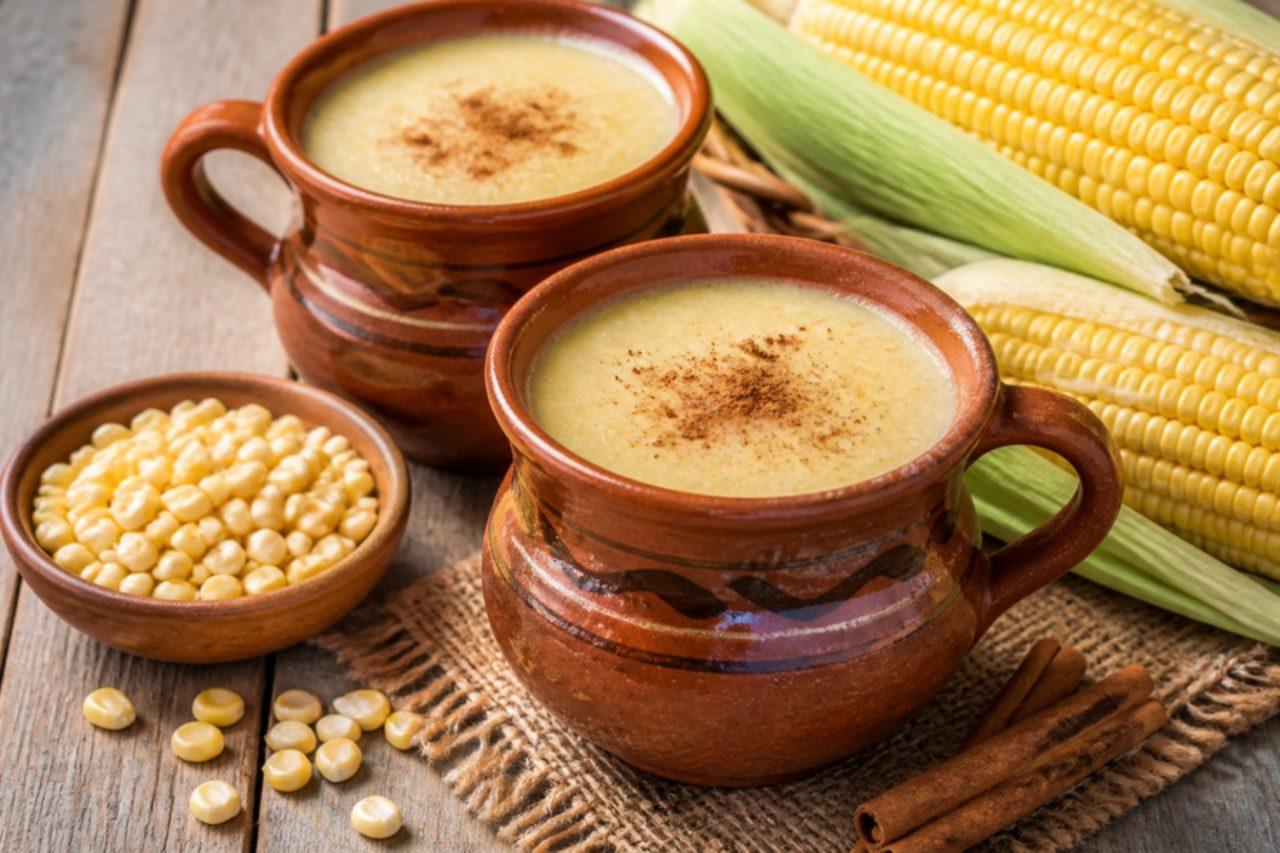
Atol de eloteWarm fresh corn drink

When the new maize comes in, Central Americans drink their corn: atol de elote is fresh sweetcorn blended, strained and cooked with milk and cinnamon into a thick, pale-yellow drink, sipped from a cup or a gourd. In El Salvador it's sold at roadside stands with tamales de elote; in Guatemala it warms chilly highland evenings. Taste is like sweet corn custard you can drink. Chef's tip: strain the blended corn through a fine sieve and press hard; the skins make the drink gritty.

by KrazyBadal 0 views