Skip to content
Recipes

All recipes

Vegetarian, or something you can't eat? Set your diet once and we'll hide recipes that don't fit.

Mandi'o chyryryFried cassava with onion and egg

Mandi'o chyryry means 'fried cassava' in Guaraní, and it is what rural Paraguayan families make from yesterday's boiled mandi'o: chunks crushed and fried in a big pan with onion until crisp in places, then scrambled with eggs. It comes out for breakfast with cocido or for a quick supper, and costs next to nothing. Use sweet cassava, the kind sold in supermarkets. The mistake is stirring constantly, which turns it to mush; let the cassava sit and brown. Chef's tip: the best chyryry starts with cold, day-old boiled cassava, which fries crisper than freshly boiled.

by KrazyBadal 0 views

Kawa zbożowaRoasted grain coffee

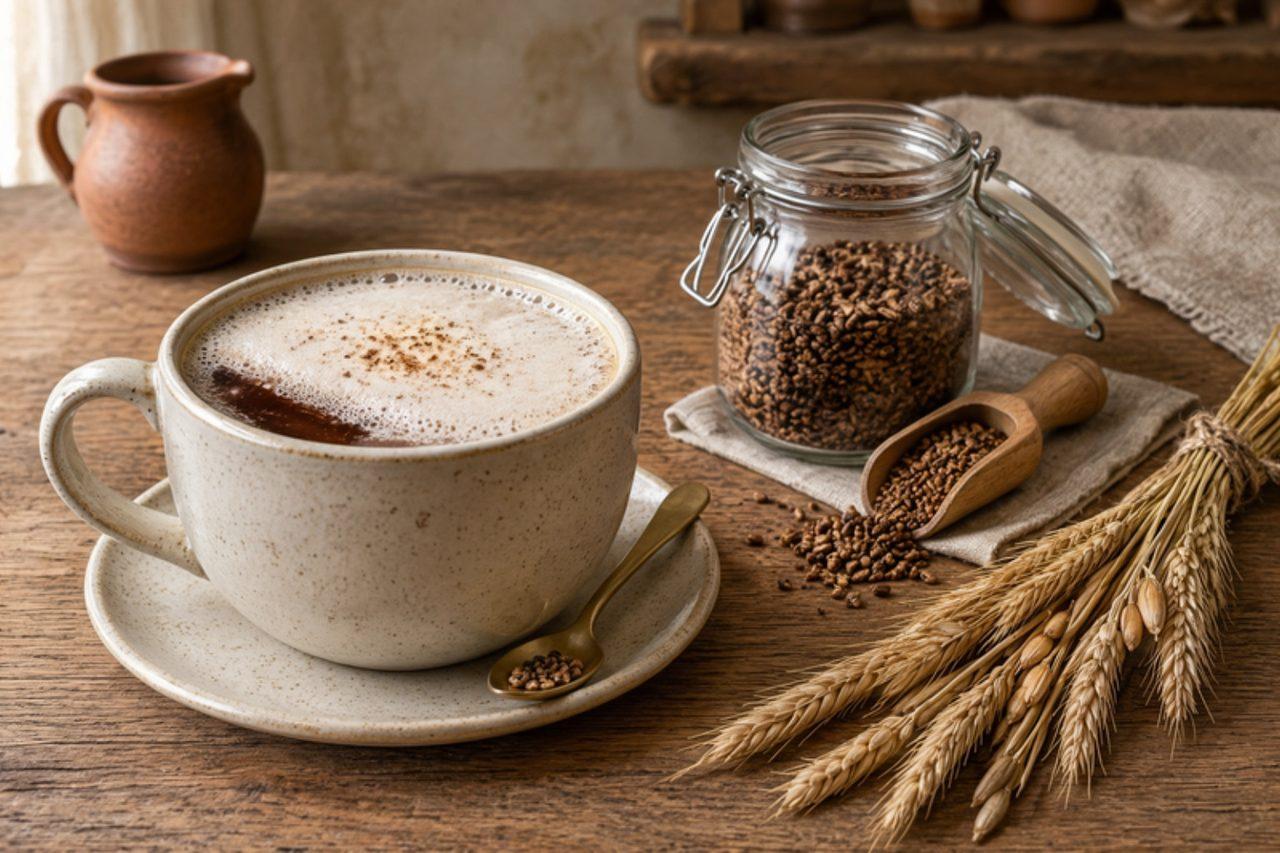
In Polish kindergartens, school canteens and grandmothers' kitchens, kawa zbożowa is the breakfast "coffee" everyone can drink: a blend of roasted rye, barley, chicory and sometimes sugar beet that tastes toasty and malty with no caffeine at all. It is usually drunk milky and a little sweet alongside bread and butter. The common mistake is brewing ground grain coffee like espresso: it needs a few minutes of simmering to give up its flavour, or it tastes like weak tea. Chef's tip: let the pot stand off the heat for 2 minutes after simmering so the grounds sink, then pour gently and you won't need a filter at all.

by KrazyBadal 0 views

MaślankaChilled buttermilk

Maślanka, the tangy liquid left after churning butter, is sold in cartons all over Poland and drunk ice-cold with breakfast, with boiled new potatoes in summer, or blended with fruit for children. On its own it is thin, sour and refreshing; with strawberries and a spoon of sugar it becomes a light pink breakfast smoothie. The mistake is buying "buttermilk" that is really thickened yoghurt drink with added flavourings; look for plain cultured buttermilk with nothing else on the label. Chef's tip: chill the glasses as well as the buttermilk, and blend for no more than 20 seconds so it stays light and doesn't separate.

by KrazyBadal 0 views

TereréIced yerba mate

In Asunción the hottest part of the day stops for tereré: a horn or cup packed with yerba mate, topped up again and again with ice water infused with crushed herbs, and passed round the group through a metal straw. It was recognised by UNESCO as part of Paraguay's cultural heritage, and the herbs (yuyos) change with the season and the drinker's mood. Yerba mate contains caffeine, so it isn't one for small children. The common mistake is pouring water straight into loose yerba, which then clogs the straw; tilt the yerba to one side first. Chef's tip: for tereré ruso, swap the water for cold orange or grapefruit juice.

by KrazyBadal 0 views

Cocido quemadoBurnt sugar mate drink

Cocido is how Paraguay starts the day: in Asunción, in the villages of Guairá and Itapúa, and in school kitchens, a pot of burnt yerba is brewed and poured into cups with chipa, the cheesy cassava bread, or with a hard galleta. The old way is to drop a glowing piece of charcoal into a pot with yerba and sugar and stir until the sugar burns. On a home stove you caramelise them together in a dry pan instead, which is safer and gives the same smoky, toffee-like taste. The drink is clear amber-brown, with roasted, slightly bitter mate notes over burnt-sugar sweetness; with milk added it becomes cocido con leche, creamy and coffee-coloured. Yerba mate contains caffeine, so treat it like a cup of coffee. The common mistake is letting the sugar go black: it turns acrid and bitter. Pull it off the heat when the caramel is deep amber and the yerba smells toasted, not burnt. It is ready when the liquid is a clear dark amber and tastes of toffee and smoke. Chef's tip: the water will spit fiercely when it hits the hot caramel, so pour it in from the side, at arm's length.

by KrazyBadal 0 views

EiskaffeeIced coffee with ice cream

On a hot July afternoon in any German or Austrian Eiscafé, from a Hamburg promenade to a Viennese Gastgarten, the tall glass with the long spoon is Eiskaffee. It is not iced coffee in the American sense: strong coffee, chilled, is poured over two scoops of vanilla ice cream and crowned with sweetened whipped cream, sometimes a wafer and a dusting of cocoa or grated chocolate. You drink the cold coffee through a straw while the ice cream slowly melts into it, then spoon up the creamy, half-frozen rest, so it is part drink, part dessert, eaten at the café in the afternoon rather than with a meal. The usual mistake is pouring hot or even warm coffee straight onto the ice cream: it melts at once into a thin, lukewarm, milky soup. Brew it earlier and chill it properly. It is ready when the coffee is fridge-cold, the scoops sit just proud of the surface and the cream holds soft peaks on top. It is moderately caffeinated, so keep it for adults and older teens. Chef's tip: freeze leftover coffee in ice-cube trays and add a couple to the glass so nothing gets diluted with water.

by KrazyBadal 0 views

Herbata z sokiem malinowymTea with raspberry syrup

In Polish homes a bottle of sok malinowy, the raspberry syrup made each July from garden or forest raspberries, waits in the pantry for winter. When someone comes in from the frost, or lies in bed with a cold, it goes into a glass of hot black tea, sometimes with a slice of lemon; grandmothers insist it makes you sweat the chill out, and the drink is traditionally given at the first sign of a sniffle. It also appears simply after a winter walk or with a slice of cake. The tea turns ruby, tastes of summer berries with a light tannic edge, and is sweet enough without sugar. The usual mistake is pouring syrup into boiling tea straight from the kettle: the fresh raspberry aroma cooks off and only sweetness is left. Let the tea cool for a minute or two first. It is ready when the tea is deep amber, the syrup has fully swirled through and it smells clearly of raspberries. No homemade syrup? Use a good shop-bought raspberry syrup, or make the quick one in the optional steps. Chef's tip: brew the tea weaker than usual, about two minutes, so the fruit stays in front.

by KrazyBadal 0 views

Polish-style cauliflower

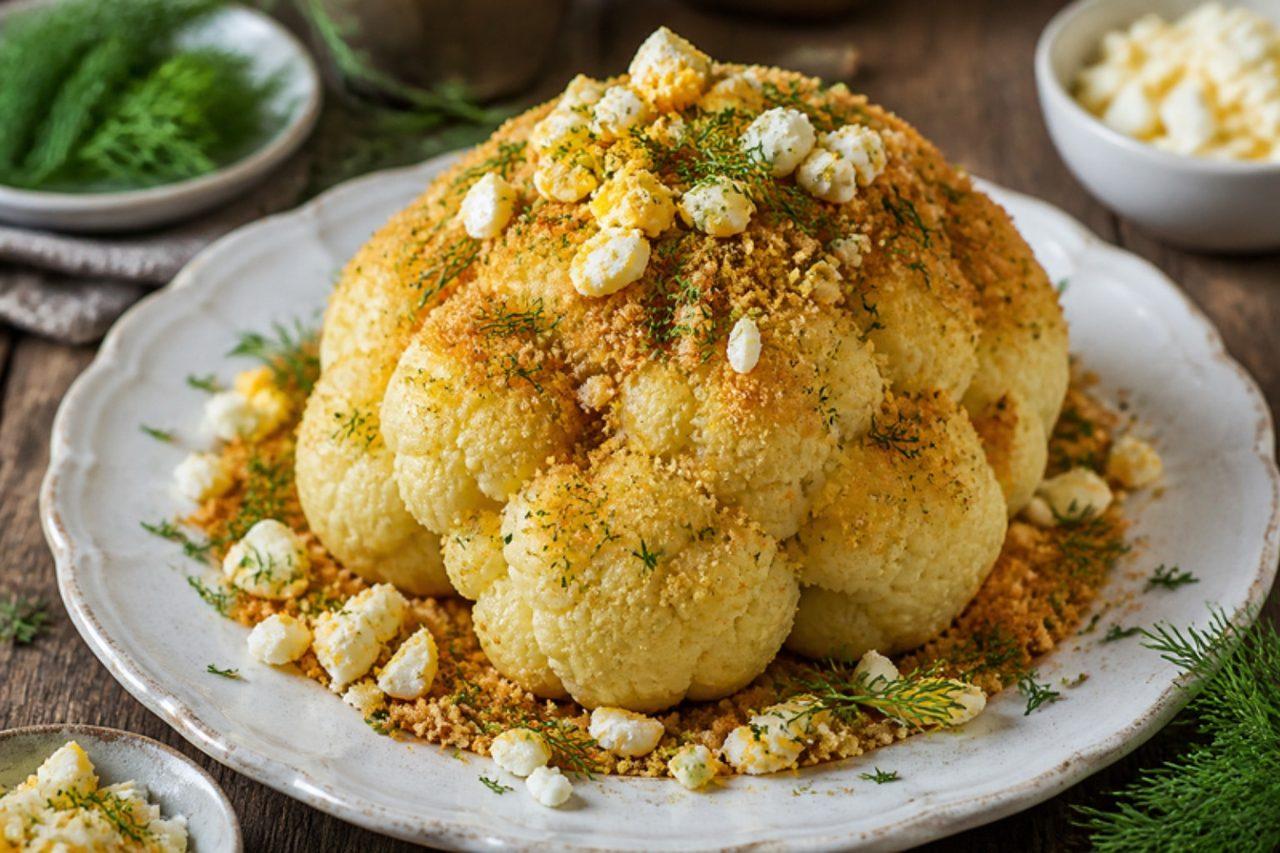
‘Po polsku’ on a Polish menu means one thing: a vegetable topped with crumbs fried in plenty of butter. In Warsaw canteens and on Sunday tables, a whole cauliflower arrives this way next to potatoes and a salad, and children who claim to hate cauliflower eat it happily. The florets are tender and sweet, the crumbs nutty and crisp. A common mistake is boiling the cauliflower until it falls apart; it should keep a slight bite in the stalk. Chef's tip: a pinch of sugar and a splash of milk in the boiling water keep the cauliflower white and sweet.

by KrazyBadal 0 views

Buraczki zasmażaneWarm grated beetroot

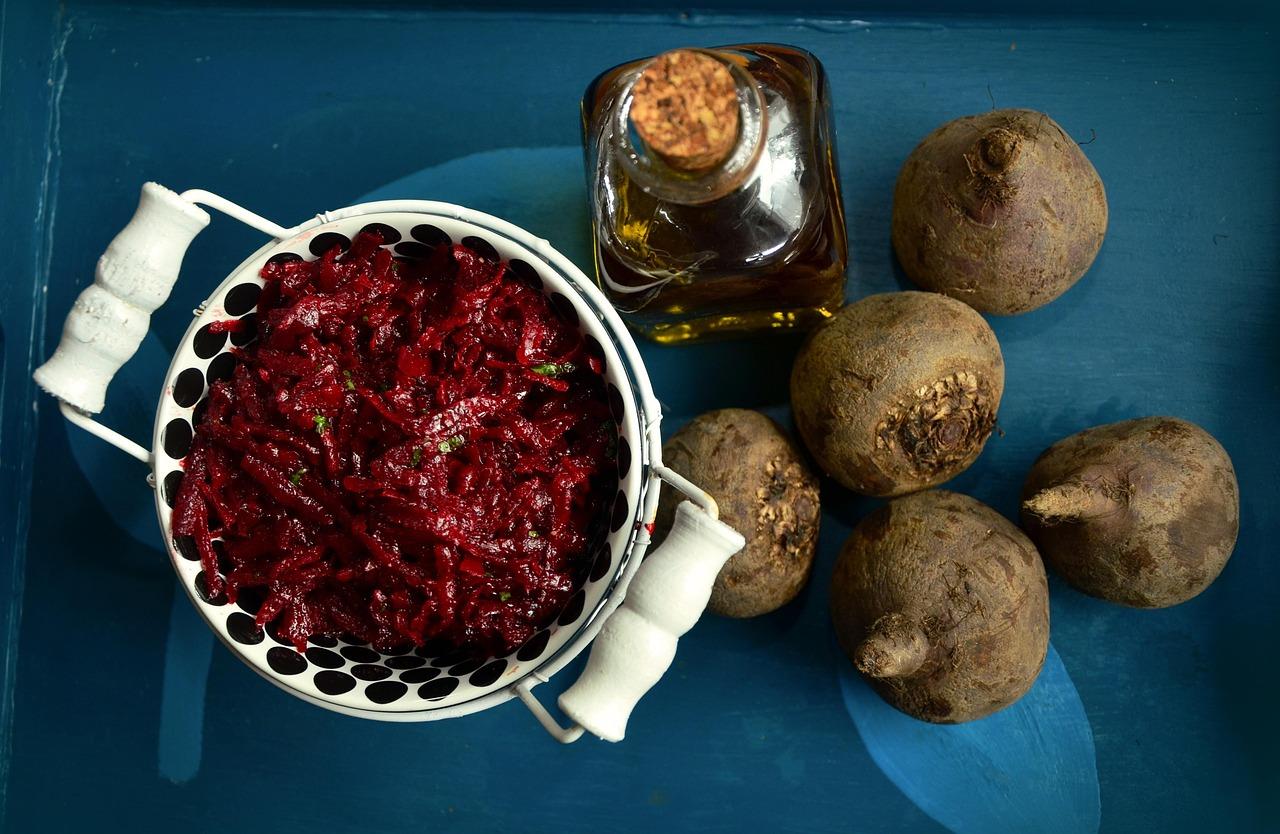
Sunday lunch in Poland has its trio: potatoes with dill, something from the oven, and a heap of these warm, glossy beets. Cooked beetroot is grated, then warmed through with a quick butter roux that turns it soft and spoonable, and balanced with lemon juice and a little sugar until sweet, sour and earthy at once. It goes with dumplings, eggs, fried cheese or a mushroom cutlet as well as with roasts. Where most people go wrong is adding the lemon too late; acid early keeps the beets ruby red instead of brown. Chef's tip: roast the beetroot whole in foil rather than boiling it for a deeper, sweeter flavour.

by KrazyBadal 0 views

Grzybki marynowanePickled forest mushrooms

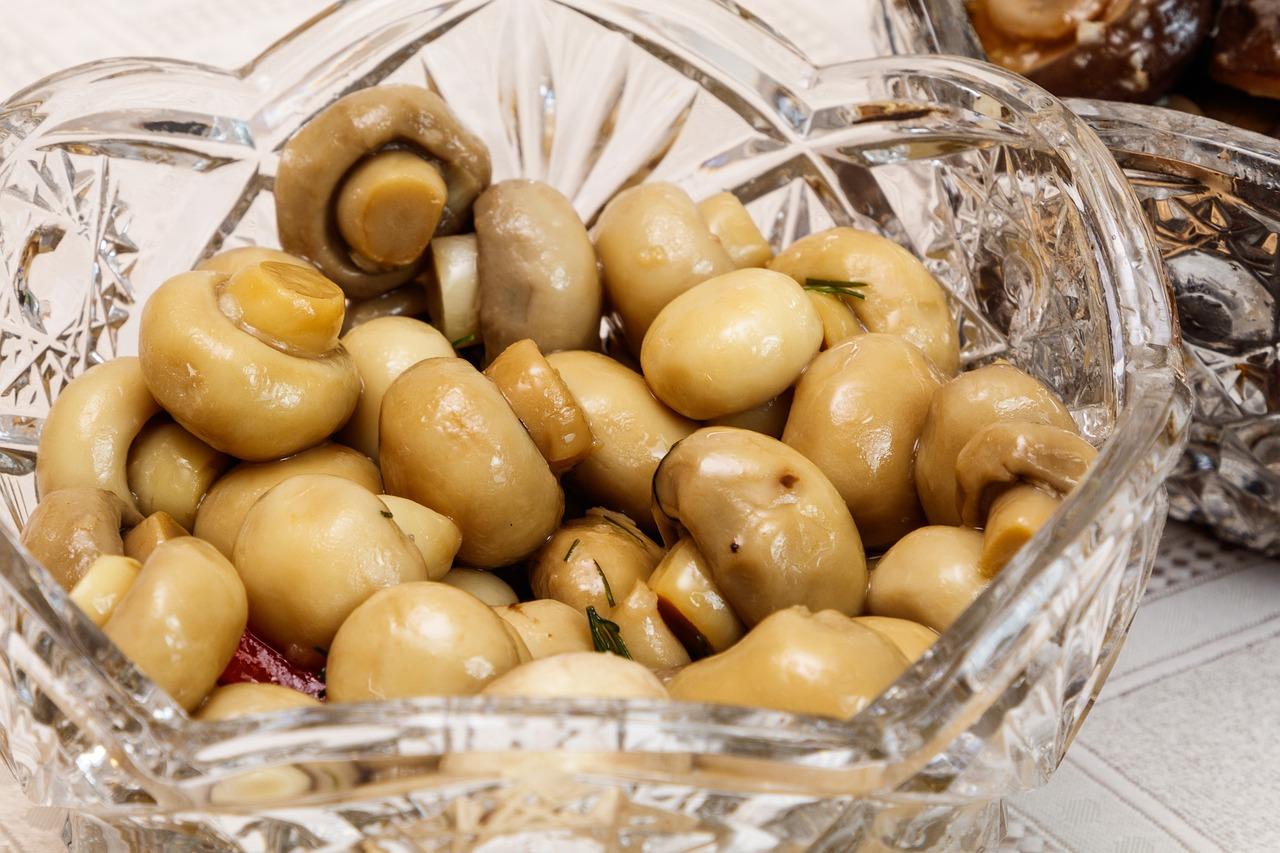
After an autumn morning of mushroom picking in the forests of Podlasie or the Bieszczady, the smallest, firmest boletes and slippery jacks are set aside for jars of grzybki marynowane. They come out at Christmas and on name days as a zakąska, sharp and sweet with allspice and mustard seed, sliced onion and firm, slightly slippery mushrooms. Only use wild mushrooms you bought from a trusted seller or had checked by an expert; cultivated chestnut or button mushrooms work well too. A common mistake is skipping the first boil in salted water, which leaves the pickle cloudy and the mushrooms soft. Chef's tip: cook the mushrooms until they sink, then pack them while hot under boiling marinade.

by KrazyBadal 0 views

Kluski śląskieSilesian potato dumplings

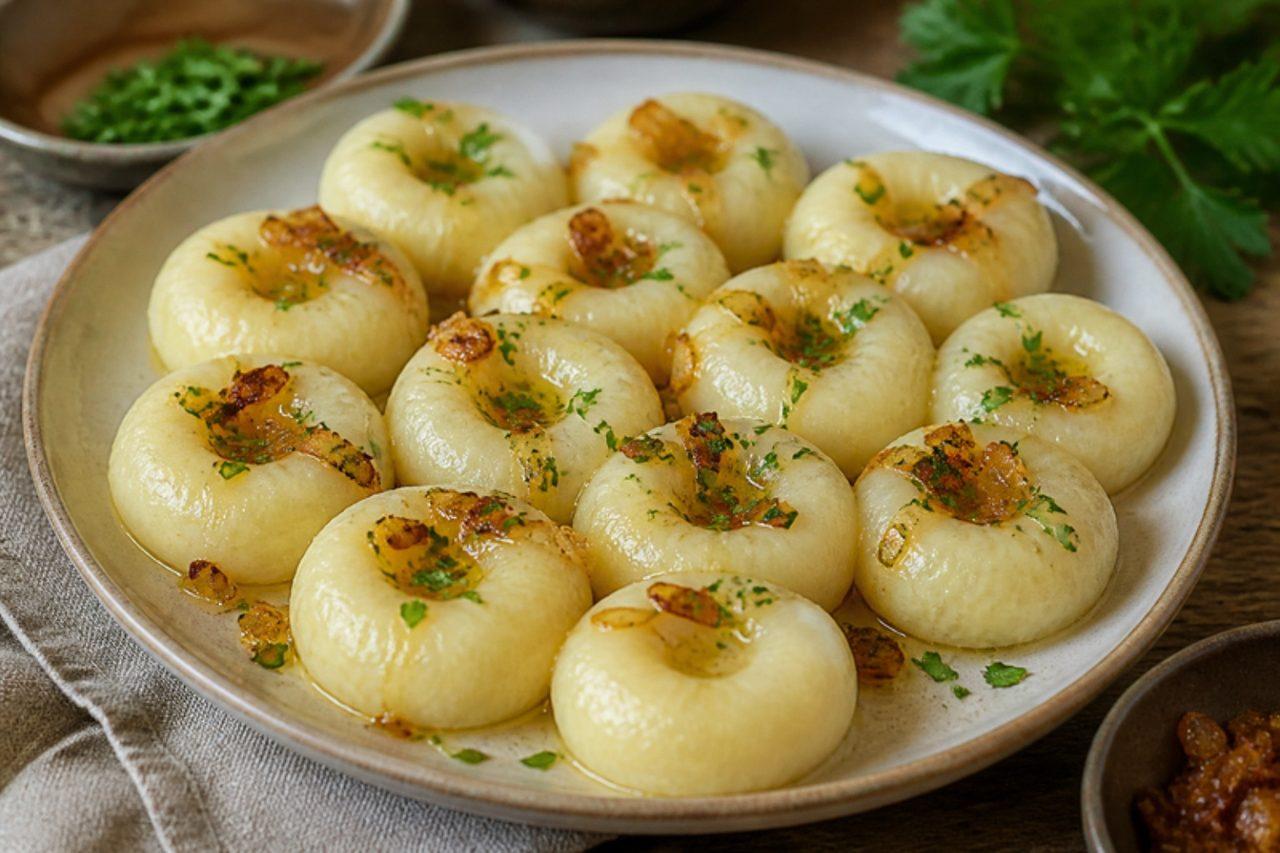
No Sunday dinner in Katowice, Gliwice or Opole feels complete without a heap of these pale, bouncy dumplings, traditionally next to roulade and red cabbage. Here they are served the meatless way, with browned butter and fried onion, or with a mushroom sauce poured into the little dent each one gets from your thumb. They are made from boiled, riced potato and potato starch, so the texture is springy and smooth, almost elastic, with a clean potato taste. The classic error is guessing the starch: Silesian cooks press the cooled potatoes flat, cut out a quarter and fill the gap with starch, which gives the right ratio every time. Chef's tip: rice the potatoes while hot but let them cool completely before mixing, or the dough turns gluey.

by KrazyBadal 0 views

Ogórki kiszoneFermented dill cucumbers

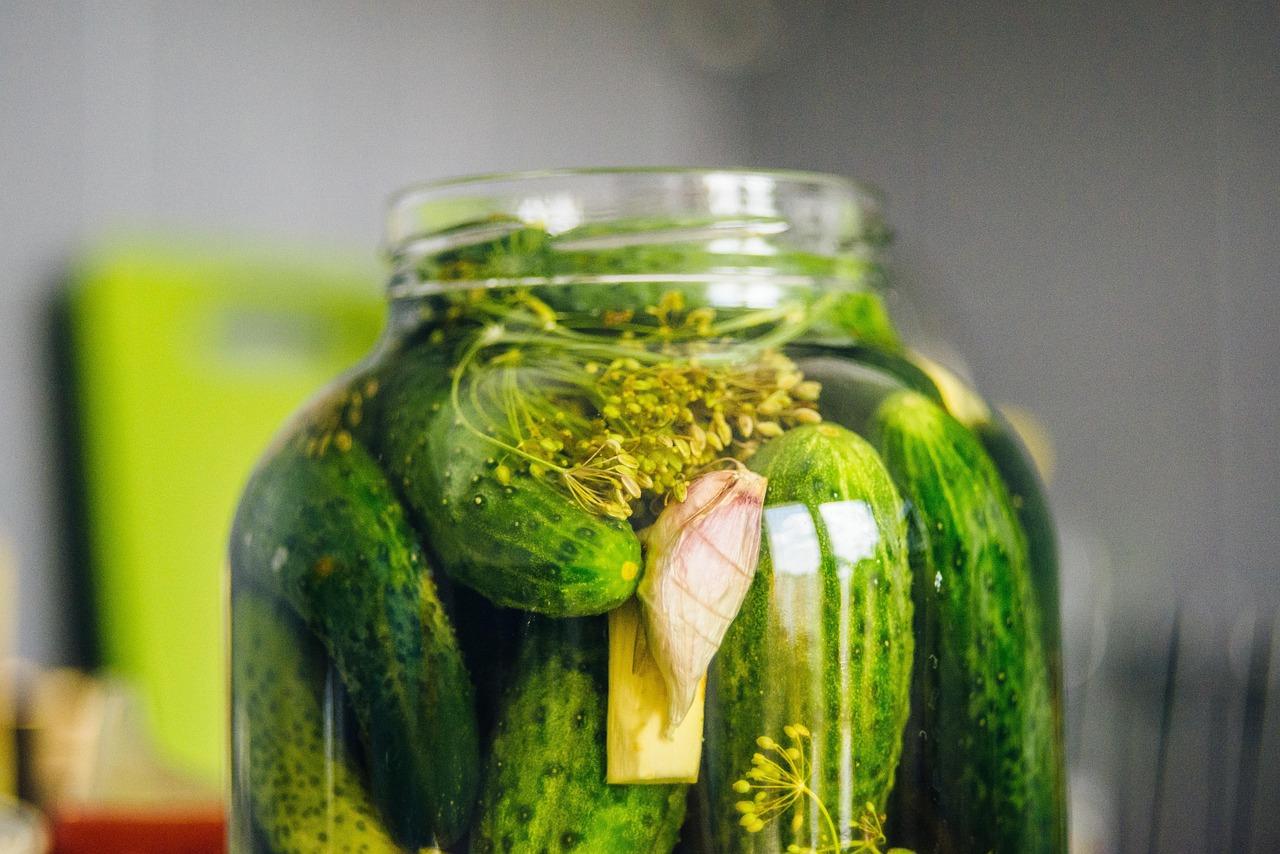
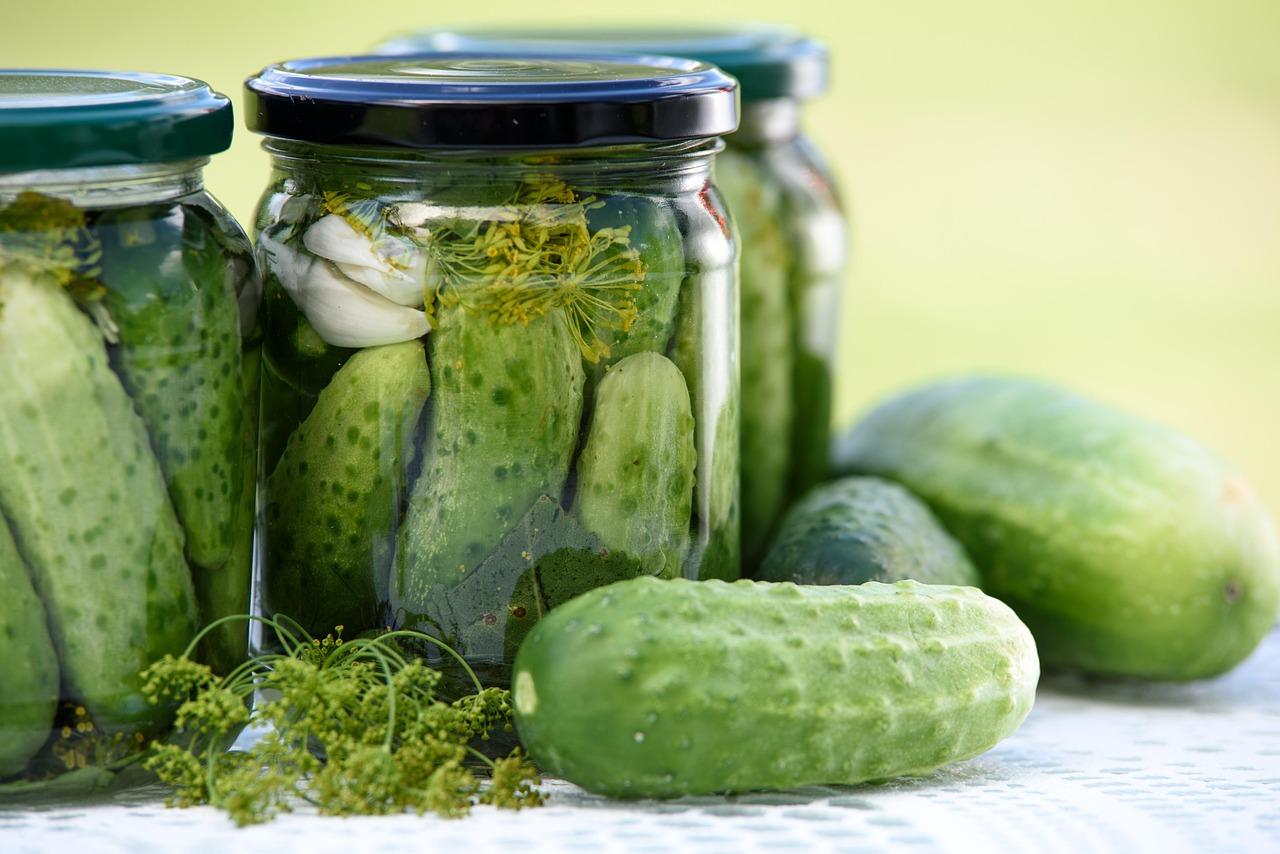
Every Polish cellar and balcony in late summer holds jars of these, and they are nothing like vinegar pickles: the cucumbers sour naturally in salty water over several days, turning olive green, crunchy and garlicky with a clean lactic tang. Eat them with potatoes and dill, chop them into salads, or drink the brine, which Poles swear by the morning after. Use small, firm pickling cucumbers picked within a day or two. The usual slip is using iodised table salt, which can stop the ferment and soften the pickles; use plain rock or pickling salt. Fermentation takes 3 to 7 days at room temperature, so plan ahead. If anything other than a thin white film forms, or the jar smells rotten, throw it out. Chef's tip: horseradish or oak leaves, rich in tannin, are what keep the cucumbers crisp.

by KrazyBadal 0 views

Thüringer KlößePotato dumplings

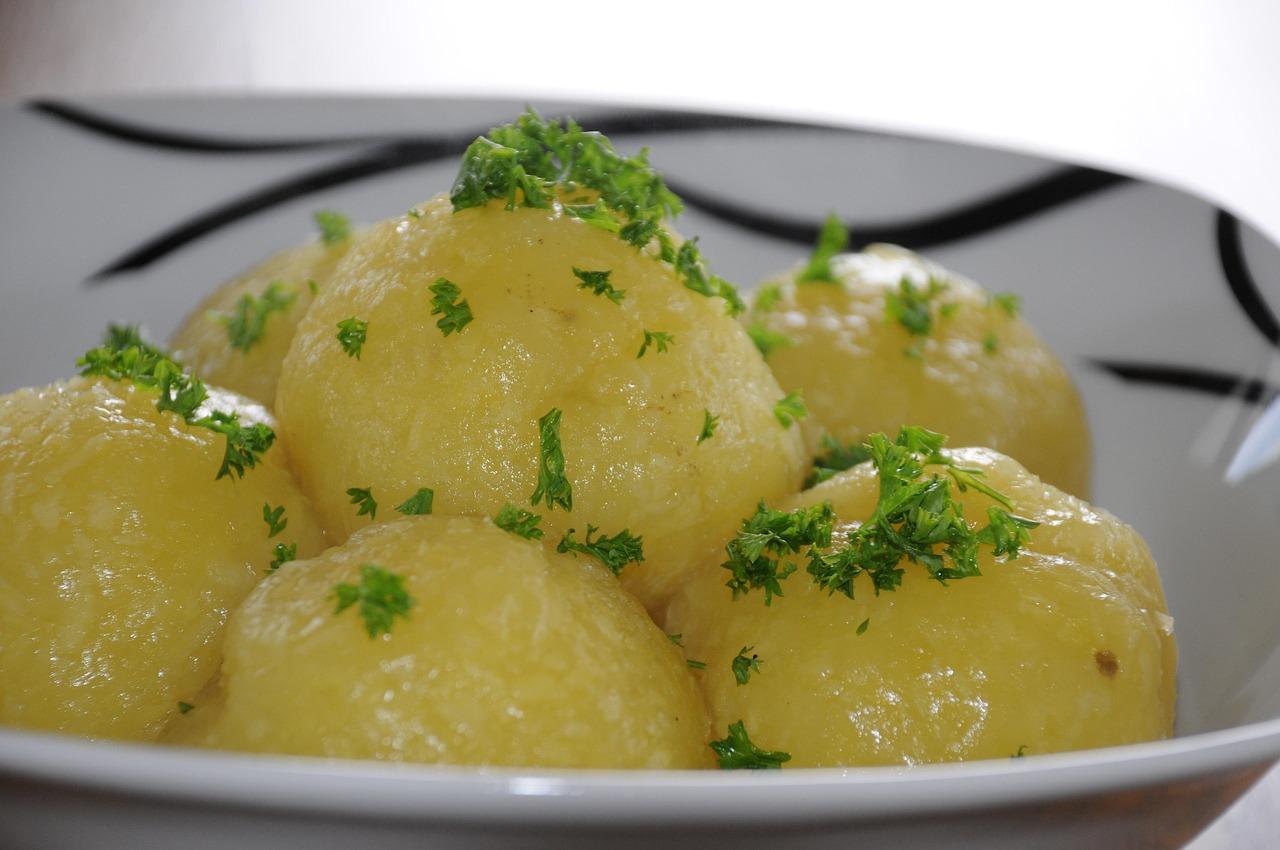
In Thuringia, Sunday lunch without Klöße hardly counts: big, pale, springy dumplings made from two-thirds raw grated potato and one-third hot cooked potato paste, each hiding a few butter-fried croutons in the middle. They come to the table beside roasts with lots of gravy, red cabbage or a mushroom sauce, and the texture is unique, smooth, slightly chewy and very good at soaking up sauce. A common mistake is letting the water boil once the dumplings are in, which makes them fall apart; they should only just tremble. Chef's tip: work fast once the raw potato is pressed, because it greys as it meets the air.

by KrazyBadal 0 views

Sweet-sour pickled pumpkin

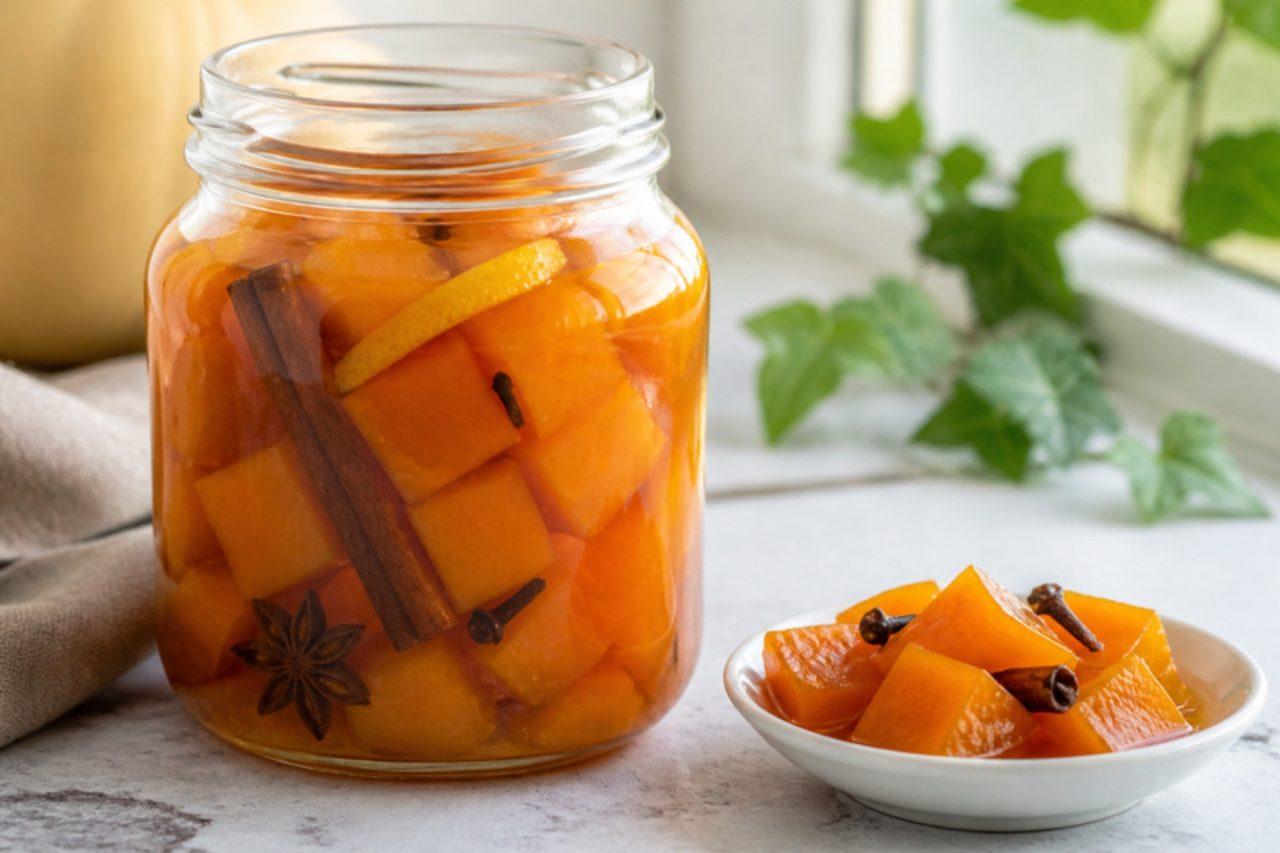
When the pumpkin harvest peaks in October, from the Rhineland to Saxony, German kitchens turn the firm orange flesh into Süß-sauer eingelegter Kürbis, golden cubes preserved in sweet spiced vinegar. Through the winter they come out of the cellar to sit beside roast dinners, game, cheese boards and cold cuts, or a simple plate of potatoes and quark. Cinnamon, cloves, ginger and a little lemon peel make them taste of Christmas. The mistake is using a watery carving pumpkin, which falls apart; choose a dense one such as Hokkaido or butternut. Chef's tip: steep the raw cubes in the cold vinegar overnight before cooking; it firms them so they stay in neat, glassy cubes.

by KrazyBadal 0 views

BratkartoffelnFried potatoes with onion

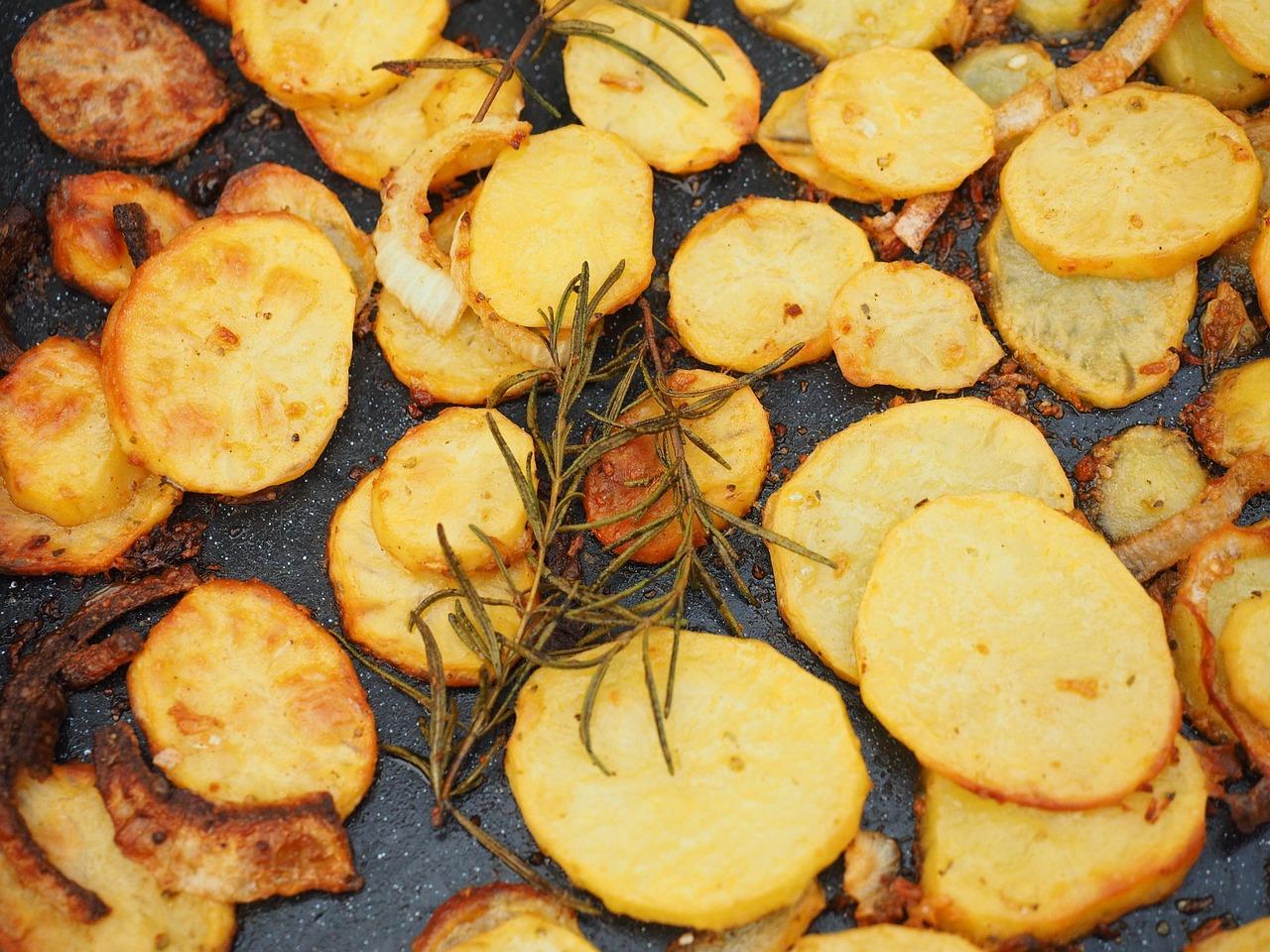
Bratkartoffeln are the potatoes of every German pub and home kitchen, from Hamburg to Munich: yesterday's boiled potatoes sliced and fried slowly in a heavy pan until the edges are crisp and brown, then tossed with onion. They come with fried eggs, pickled herring, Sülze or a green salad, and many cooks add bacon cubes; this version stays vegetarian with butter, onion and marjoram. The mistake everyone makes is stirring too often and crowding the pan: the slices steam instead of crisping. Chef's tip: use waxy potatoes boiled in their skins the day before; cold, firm slices hold their shape and brown far better than fresh ones.

by KrazyBadal 0 views

BrezenknödelPretzel dumplings

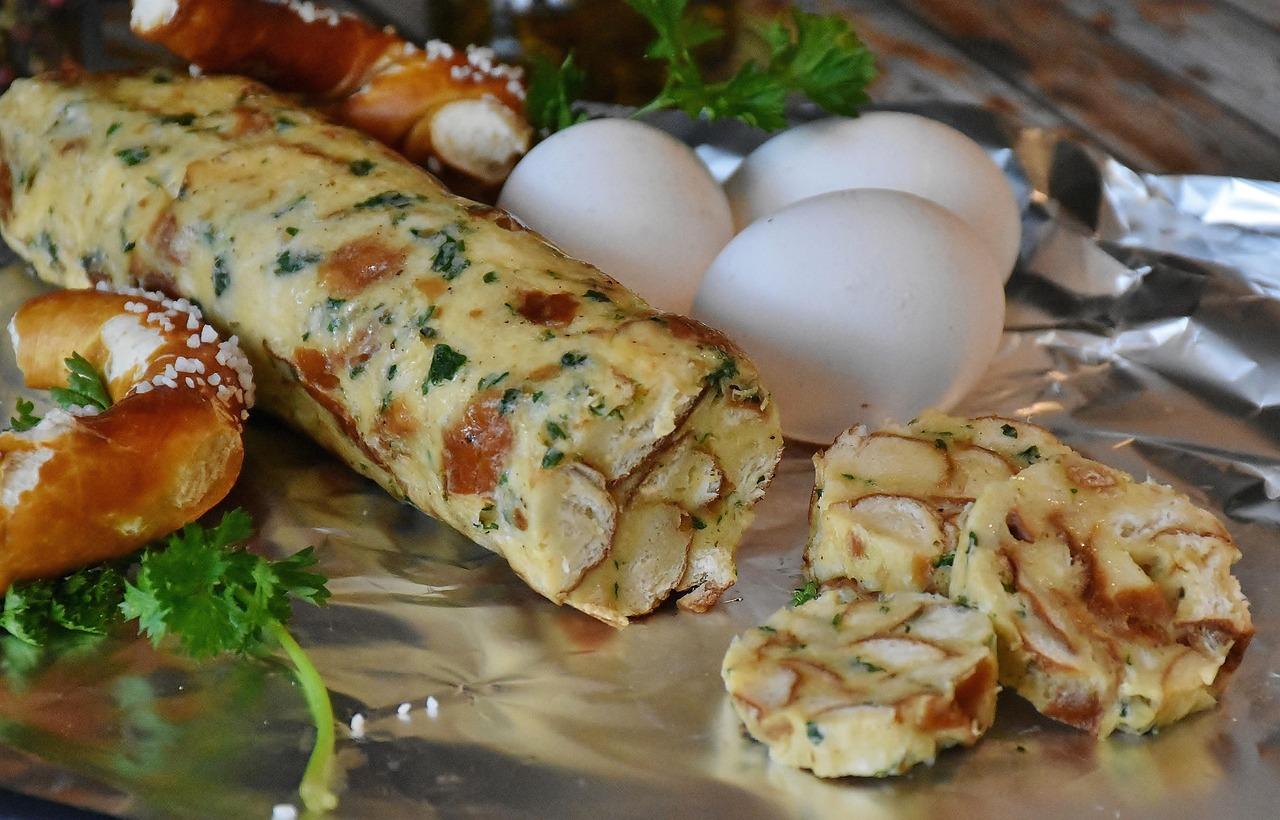
Brezenknödel are what thrifty Munich kitchens make from yesterday's pretzels: the cubes soak in warm milk with egg, onion and parsley, then are shaped into dumplings with a faintly salty, malty crust flavour running through them. They are served on Sundays in place of bread dumplings, alongside a creamy mushroom sauce or a pile of red cabbage, and leftovers are sliced and fried the next morning. The big mistake is adding too much milk: the mixture should hold when squeezed, not drip. Chef's tip: pick off most of the coarse salt before cubing the pretzels, otherwise the dumplings end up far too salty.

by KrazyBadal 0 views

Eingelegte Rote BetePickled beetroot

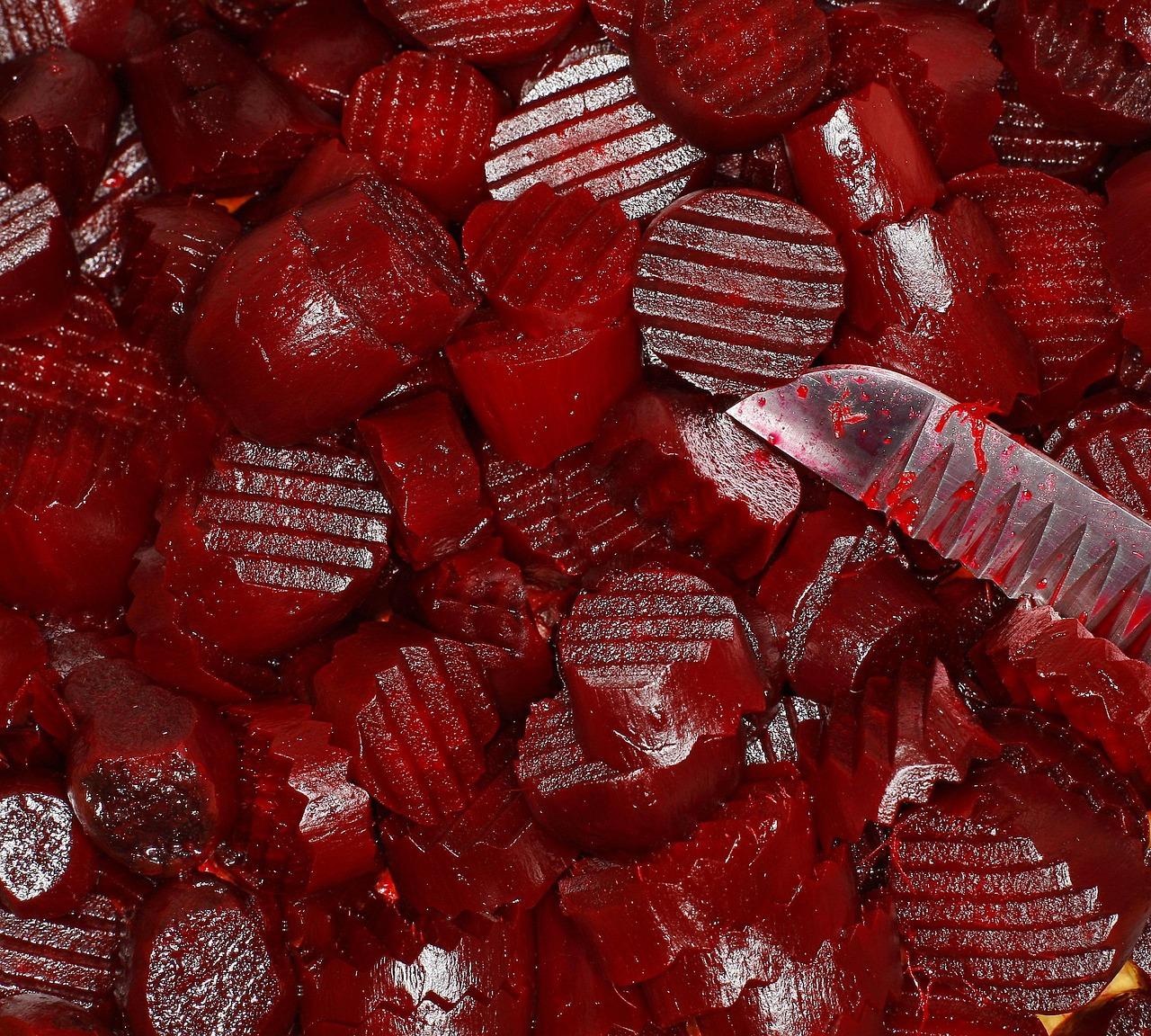
In Hamburg, Bremen and across Schleswig-Holstein a jar of pickled beetroot sits on the table whenever there is Labskaus, herring or a cold meat platter, and many households still make their own each autumn when the beets come in from the fields. Earthy cooked beetroot is sliced and steeped in sweet-sour vinegar with onion, cloves and a little horseradish, turning gently spiced and jewel red. The mistake people often make is peeling or trimming beets before boiling, which lets the colour and flavour bleed into the water. Chef's tip: wear gloves and use a plastic board when slicing, and slice evenly at about 5 mm so every piece pickles at the same rate.

by KrazyBadal 0 views

SchupfnudelnPotato noodles with sauerkraut

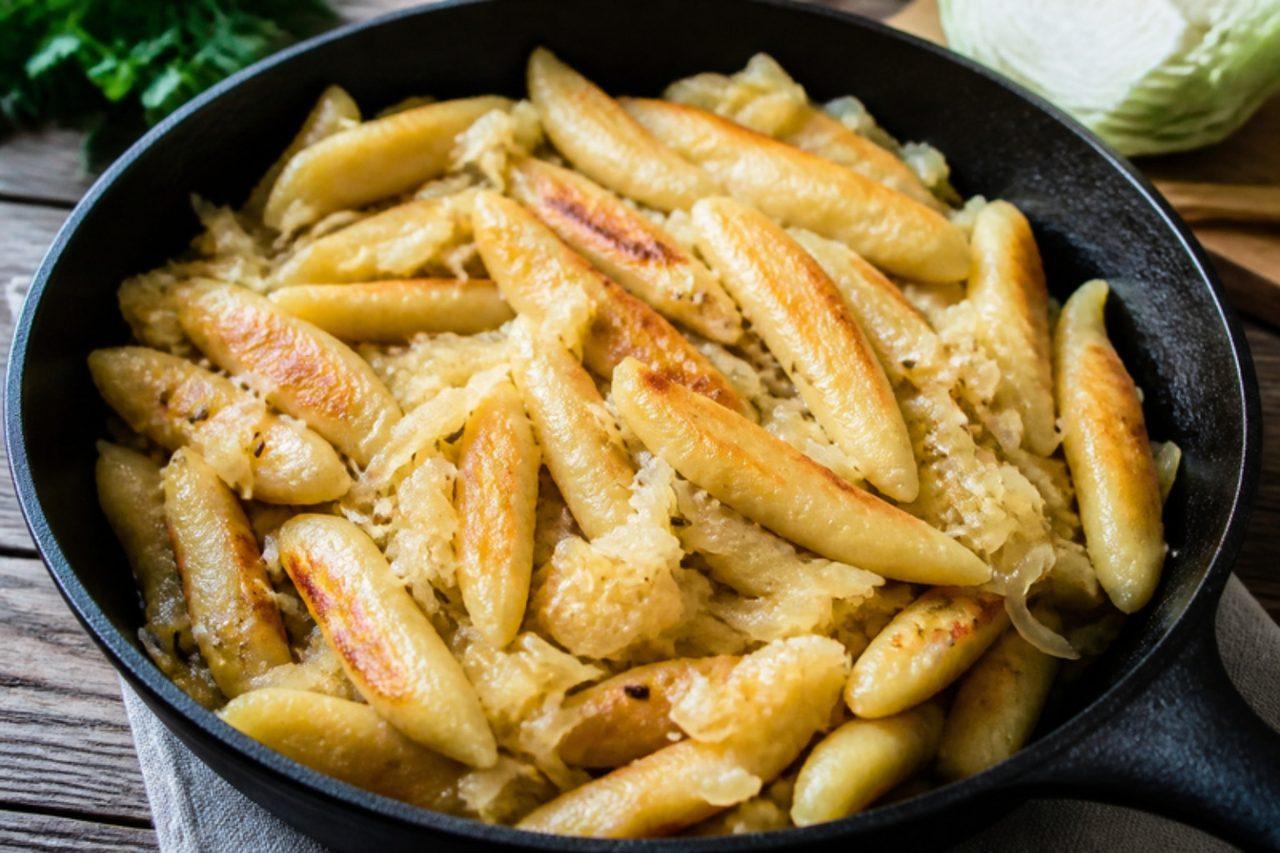
Schupfnudeln are thick little potato noodles, rolled between the palms into pointed fingers, that turn up at every Christmas market and village festival in Baden-Württemberg, fried in a huge pan with sauerkraut. At home they are a winter supper on their own or a side for roasts. The dough is the same family as gnocchi, but the noodles are boiled first and then fried until browned on the outside. A common mistake is using freshly boiled hot potatoes and too much flour: they need to be cold and dry, so plan to cook them the day before. Chef's tip: rinse the sauerkraut only if it is very sharp; otherwise its tang is what balances the butter.

by KrazyBadal 0 views

SenfgurkenMustard pickled cucumber

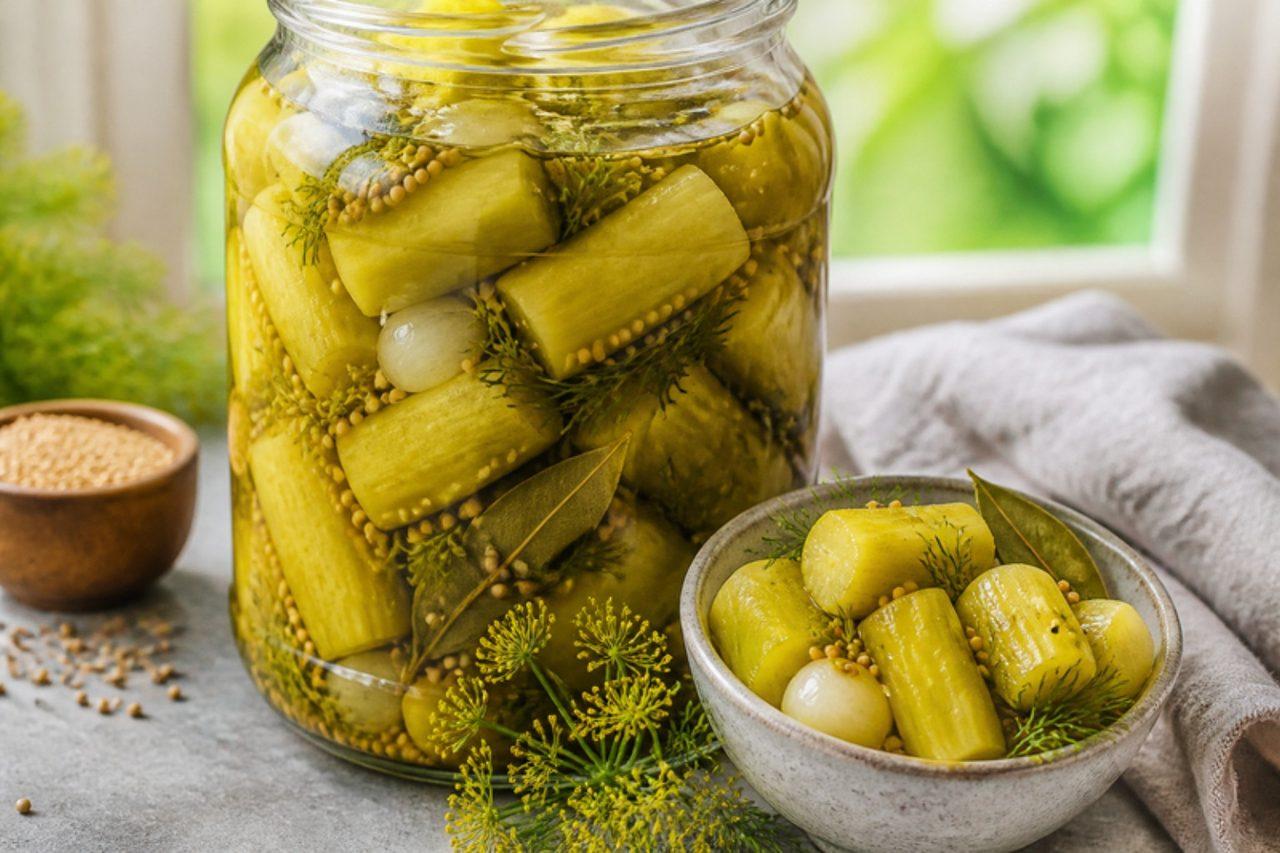
Senfgurken are the big, pale golden chunks of peeled cucumber that German families put up in late summer, when the fat yellow-skinned 'Schmorgurken' are cheap at markets from Brandenburg to the Rhineland. Pickled in sweet vinegar with mustard seeds, dill and onion, they are served through the winter with cold cuts, cheese boards, potato salad or a plate of fried eggs and potatoes. Unlike gherkins they are soft-crunchy and mellow. The mistake is skipping the overnight salting, which leaves the cucumbers watery so they dilute the vinegar and spoil sooner. Chef's tip: scrape out every bit of the seedy core with a teaspoon; it is what turns soft and slimy in the jar.

by KrazyBadal 0 views

Spreewälder GurkenDill-fermented gherkins

In the Spreewald, the forest and canal country south-east of Berlin, cucumbers have been fermented in barrels of dill brine for centuries, and in late summer the riverbanks are lined with stalls selling them by the jar. These salt-fermented gherkins are sour, garlicky and crunchy, eaten as a snack, alongside sandwiches or with jacket potatoes and quark. No vinegar is used: lactic fermentation does the souring. The most common mistake is letting cucumbers poke above the brine, where mould can start. Chef's tip: choose small, firm, freshly picked cucumbers and add a few vine or oak leaves; their tannins keep the gherkins crisp.

by KrazyBadal 0 views

Teltower RübchenGlazed baby turnips

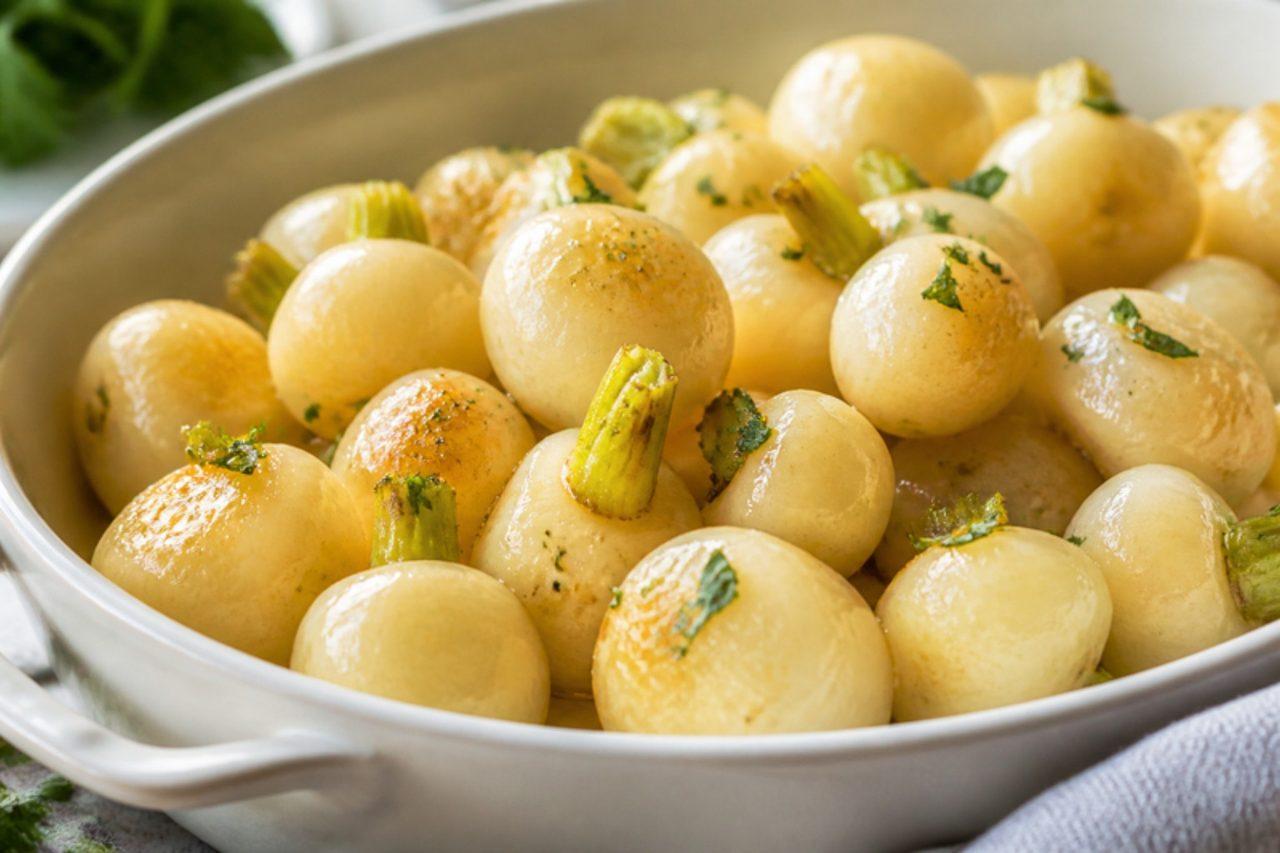
Teltower Rübchen are tiny, finger-length turnips grown in the sandy fields of Teltow, just south of Berlin, and harvested in spring and again in autumn. They were once a delicacy at the Prussian court, and Berliners still serve them glazed in butter and caramel as a side for roasts, goose or simply with boiled potatoes. They taste sweeter and more peppery than big turnips, with a hint of radish. Outside Brandenburg, use small white turnips or the base of young navets. A common mistake is peeling them thickly; just scrape off the thin skin. Chef's tip: let the sugar turn pale amber before adding the turnips, so the glaze has a real caramel flavour.

by KrazyBadal 0 views

Sauerkraut

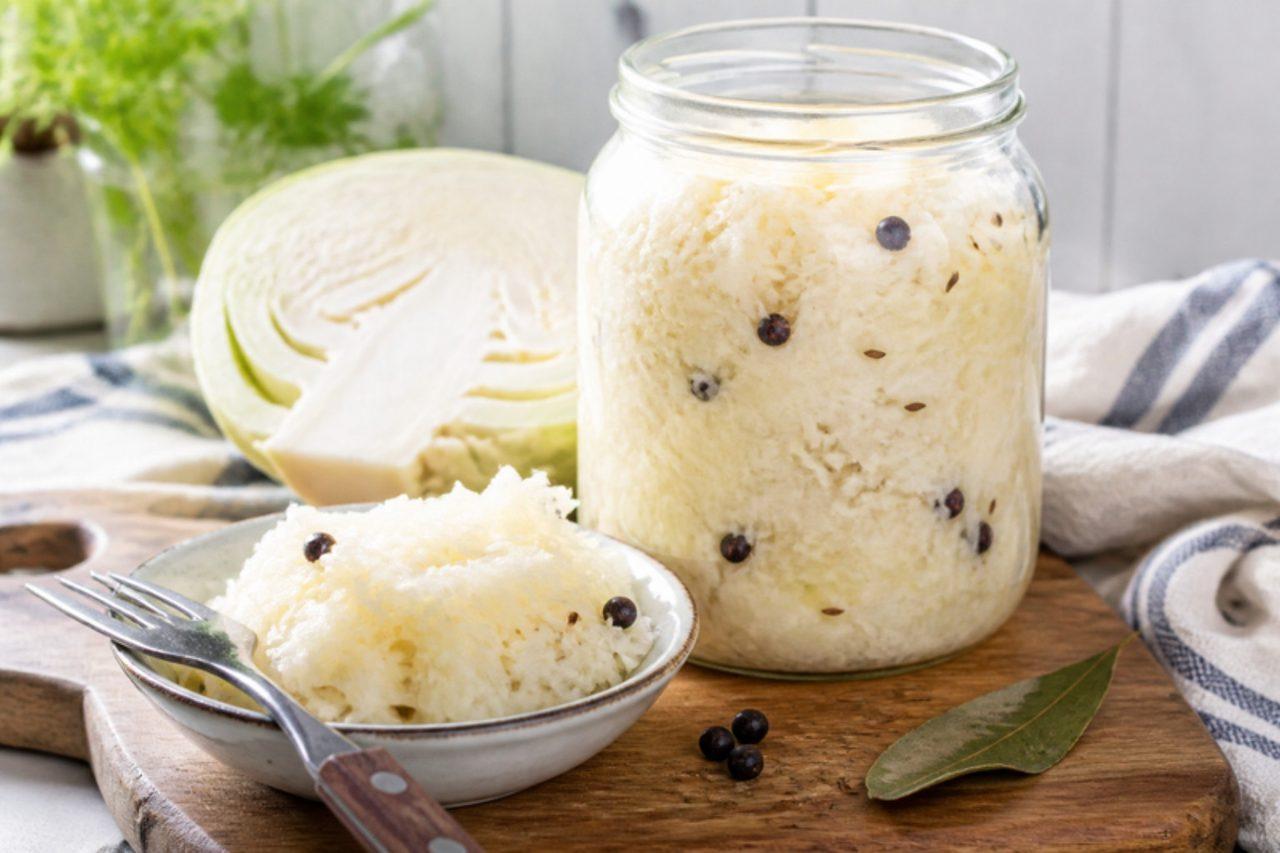
Sauerkraut is how German households have kept cabbage through the winter for centuries, and autumn is still when families in Baden, Franconia and Alsace shred the new white cabbage into stoneware crocks. It's nothing but cabbage and salt: the salt pulls out the juice and natural lactic acid bacteria do the rest, turning it sour, crunchy and full of flavour in a few weeks. Raw homemade sauerkraut tastes far fresher than the jar and is a lovely side for Kartoffelpuffer or potato mash; for a warm side, simmer it with onion and a grated apple. Chef's tip: weigh the cabbage and use exactly 2% of its weight in salt; too little and it goes soft and mouldy, too much and it won't ferment.

by KrazyBadal 0 views

RotkohlBraised red cabbage

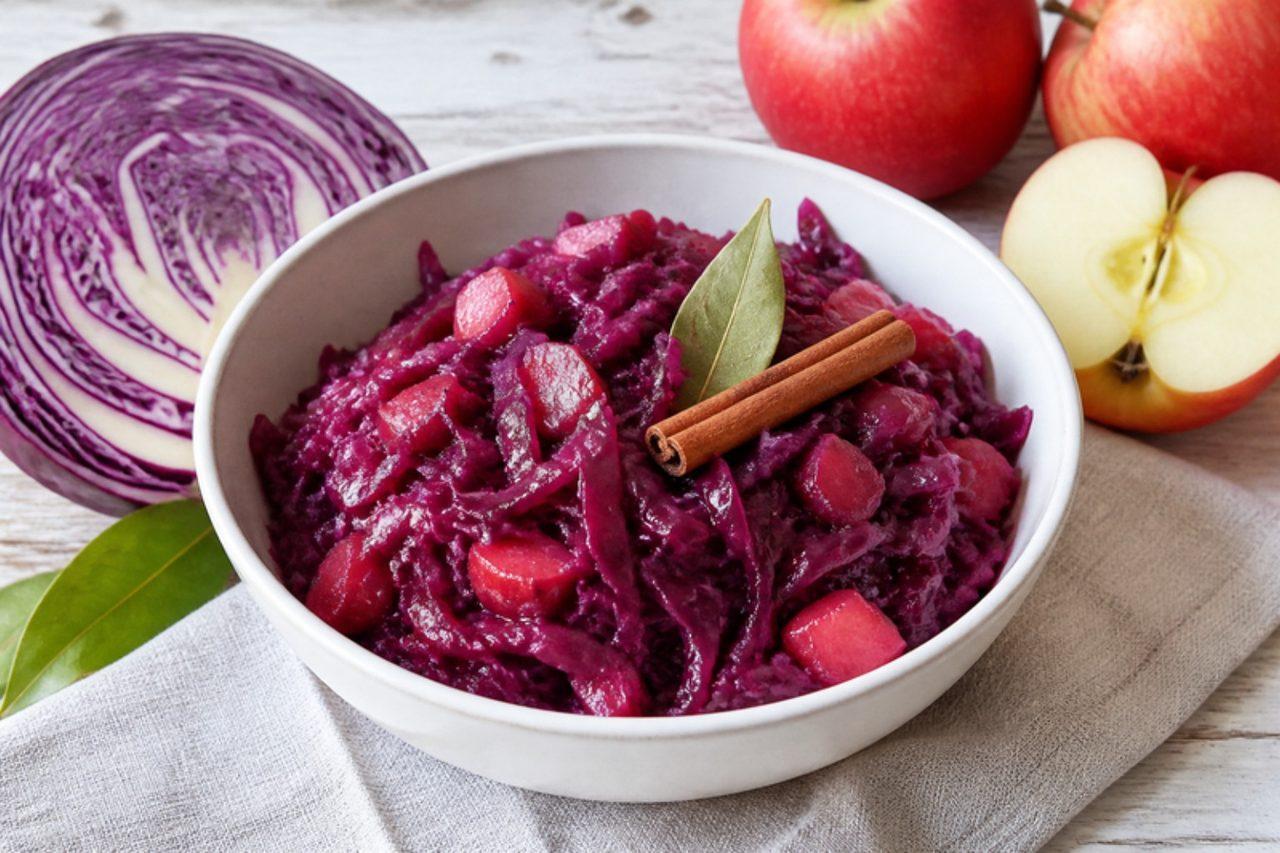
Rotkohl, called Blaukraut in Bavaria and Austria, is the purple braised cabbage that sits next to dumplings and potatoes on German plates from autumn to Christmas. Red cabbage is cooked slowly with apple, onion, vinegar, bay and clove until meltingly soft, sweet-sour and glossy, a deep wine-red because the acid keeps the colour bright. Traditionally it's started in goose fat or lard; oil works perfectly and keeps it vegan. It's one of those dishes that is better the next day, so families make a big pot before Christmas. Chef's tip: add the vinegar at the start, not the end; without acid the cabbage turns an unappetising blue-grey as it cooks.

by KrazyBadal 0 views

KinderpunschHot spiced fruit punch

At every German and Austrian Christmas market, from Nuremberg to Vienna's Rathausplatz, the stalls selling Glühwein also sell Kinderpunsch: a steaming, alcohol-free mix of fruit tea and juices with cinnamon, cloves and orange, served in the market's own decorated mugs. Children love it, but so do drivers and anyone who just wants something warm to hold on a cold evening. It takes 20 minutes at home and makes the whole house smell of Advent. Chef's tip: keep it just below a simmer; boiling makes the spices bitter and dulls the fruit flavour.

by KrazyBadal 0 views