Skip to content
Recipes

All recipes

Vegetarian, or something you can't eat? Set your diet once and we'll hide recipes that don't fit.

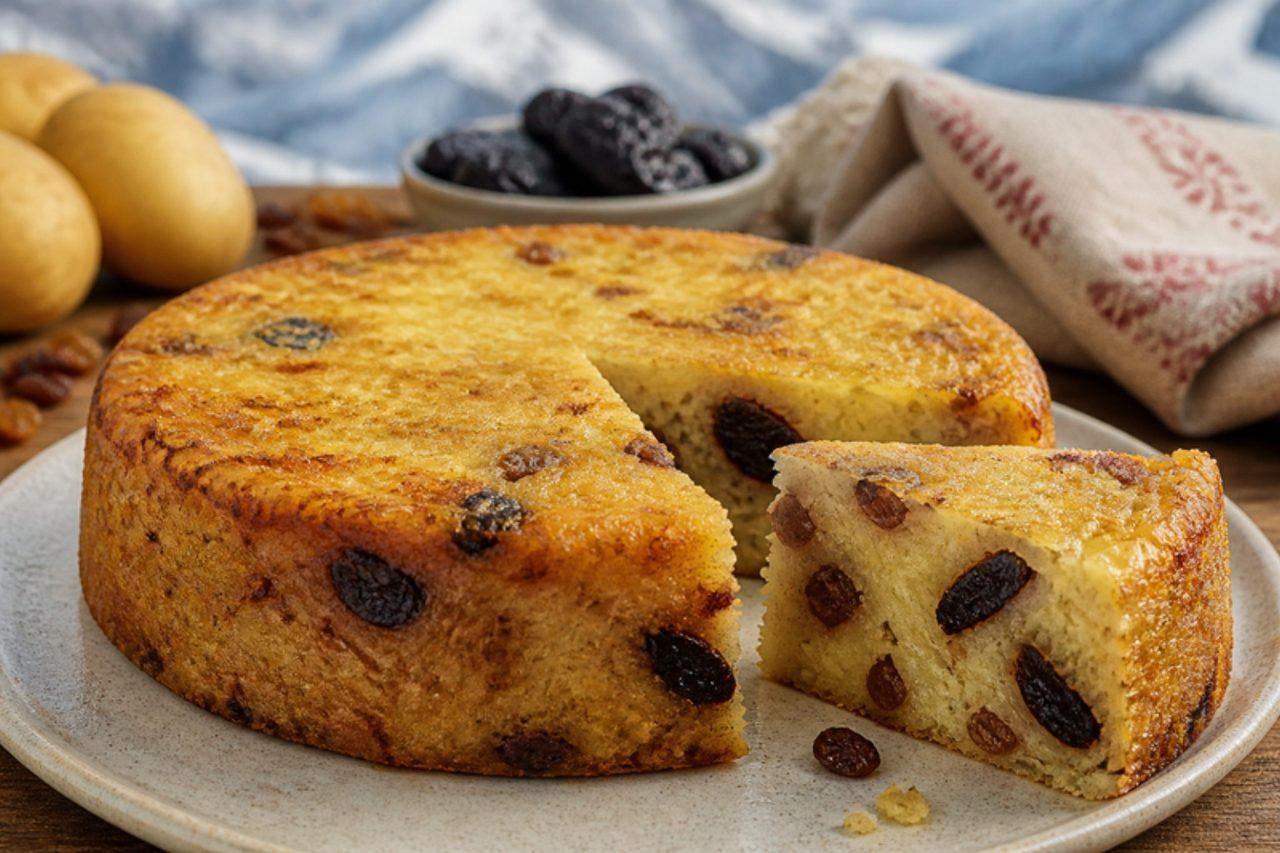
Farçon savoyard

In the Savoyard valleys, especially around Albertville and the Val d'Arly, farçon was the Sunday dish left to cook slowly while the family was at Mass: grated potatoes mixed with eggs, cream, prunes and raisins, set in a tall mould and cooked for hours in a water bath. The result is a sliceable, sweet-and-savoury cake, soft and golden, served with a green salad or as a side at a winter feast. Traditionally the mould is lined with bacon; this version uses a buttered mould instead, so it is vegetarian. Chef's tip: let it rest for 15 minutes in the mould before turning it out; it firms up and slices cleanly.

145 minFrenchSidesGluten free
by KrazyBadal 0 views

Chapo

Breakfast stalls in Iquitos and the riverside towns of Loreto pour chapo into glasses from big steaming pots before the heat of the day sets in, and by afternoon the same drink is sold chilled. It is made from plantains left until their skins are black, simmered with cinnamon and cloves until soft, then blended smooth and loosened with milk. The result is thick, naturally sweet and gently spiced, somewhere between a smoothie and a thin custard, and children love it. Some families make it with water only; evaporated milk is the common addition in town. The mistake is using plantains that are still yellow-green: they taste starchy and the drink turns grey and gluey, so wait until the skins are mostly black and the fruit gives when pressed. Serve hot with bread or a tamal, or cold over ice. Chef's tip: strain it through a sieve after blending for a silky drink, and thin it with water if it thickens as it cools.

by KrazyBadal 0 views

Camu camu

Camu camu are small purple-red berries that grow on bushes along the flooded riverbanks of the Peruvian Amazon, and in Iquitos and Pucallpa they are sold as frozen pulp and blended into a sharp, pink refresco at juice bars and lunch places. The flavour is intensely sour, more than lime, with a faint cherry note, and the berries are famous for containing far more vitamin C than oranges. It is the drink people order with a heavy plate of tacacho or rice. Never boil camu camu or make the juice hours ahead: heat and air quickly fade its colour and much of the vitamin C, so blend it cold and drink it soon. Frozen pulp or freeze-dried powder from health-food and Latin shops are the forms you'll find abroad. Chef's tip: start with half the pulp and add more to taste; it's strong enough that a little goes a long way.

by KrazyBadal 0 views

Champús

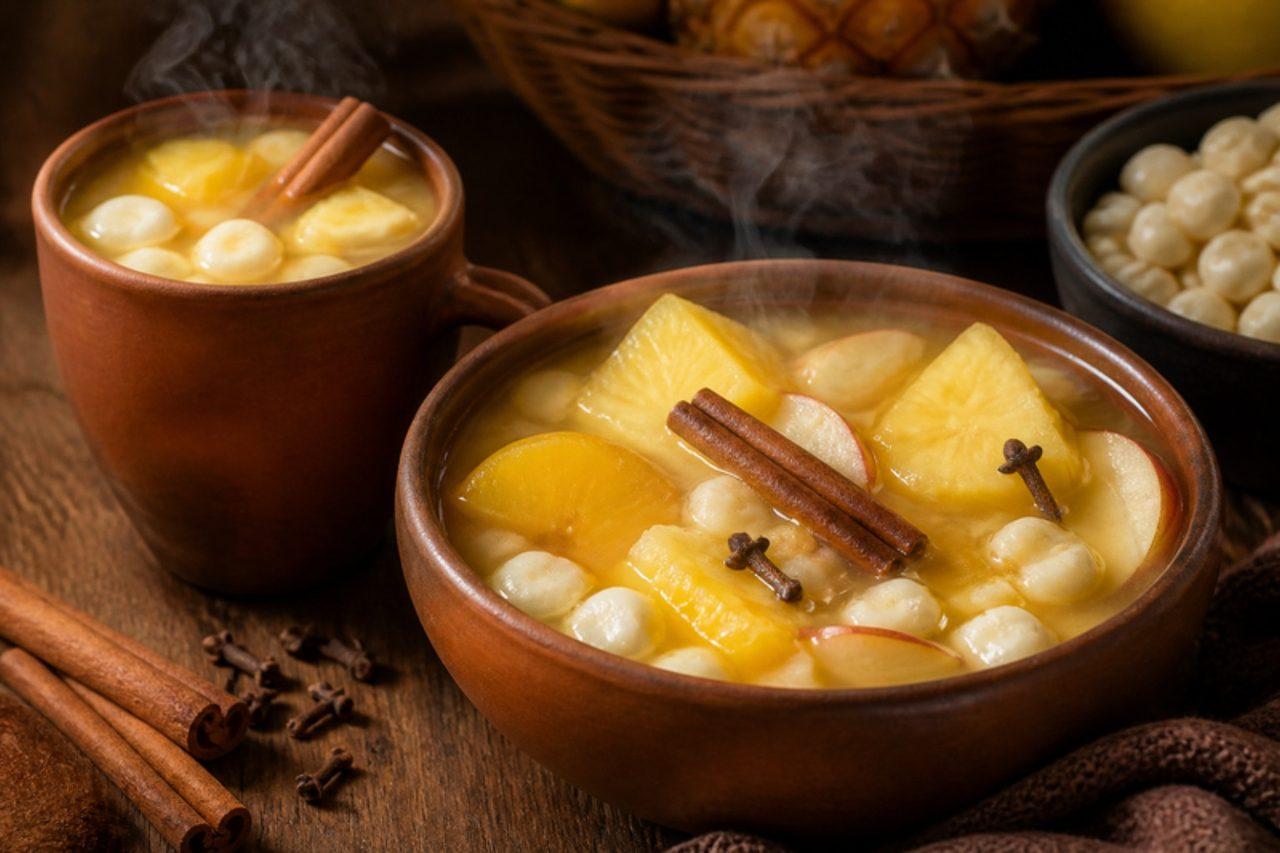
When Lima's grey winter sets in, from June to September, champús sellers set up on street corners with big pots of this thick, fruity drink, ladled warm into glasses and eaten as much as drunk. It's made from mote (hulled white corn), simmered with pineapple, quince or apple, soursop, chancaca and warm spices, then thickened lightly with corn flour, so every spoonful has soft fruit and chewy corn in a spiced, molasses-sweet base. It is close in spirit to mazamorra morada but paler and tangier. The mistake people make is adding the thickener straight into the hot pot, where it forms lumps; always slake it in cold water first and pour it in while stirring. Canned or jarred hominy saves hours; frozen soursop (guanábana) pulp is in Latin shops and can be left out. Serve warm in glasses with spoons. Chef's tip: simmer the pineapple peel and core with the spices for the first 20 minutes, then strain them out; they give much of the flavour.

by KrazyBadal 0 views

Emoliente

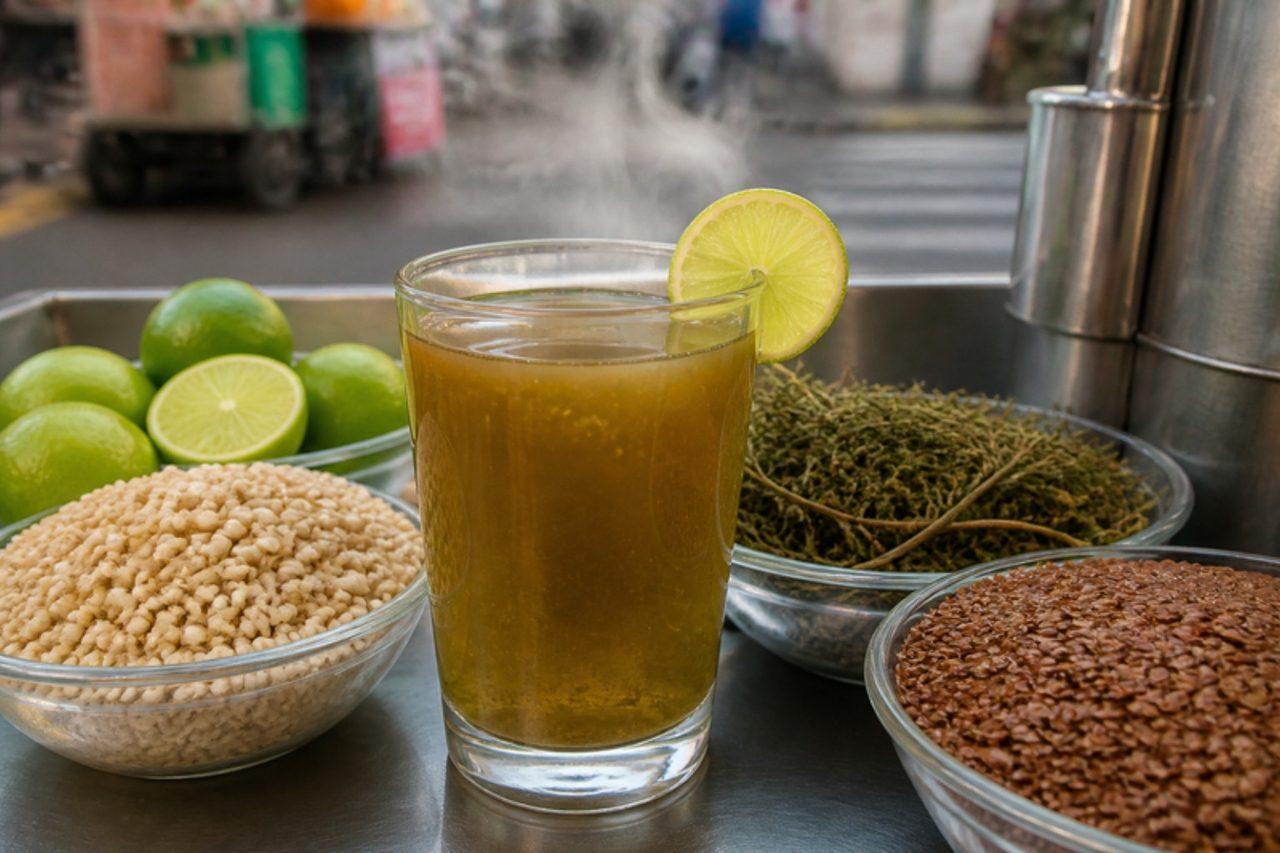
Before dawn, all over Peru, emolienteros set up their carts with a row of steaming kettles and jars of herbs, and commuters stop for a glass of emoliente on the way to work. It's a hot infusion of toasted barley, flaxseed and herbs, with lime juice and sugar added to order, and it is drunk for comfort and digestion, especially in Lima's damp winter. The flaxseed gives it a slippery, soothing body; the barley a toasty, almost coffee-like note. Street versions use horsetail, alfalfa, boldo and other herbs; this home version keeps it simple, with horsetail as an option (leave it out if you are pregnant or have kidney problems). The usual error is boiling the flax too long, which makes the drink gloopy; add it for the last 10 minutes only. Serve very hot in glasses, with pan con queso or a sandwich. Barley contains gluten. Chef's tip: toast the barley yourself until it is deep brown; it's what gives emoliente its colour and its roasted flavour.

by KrazyBadal 0 views

Quinua con manzana

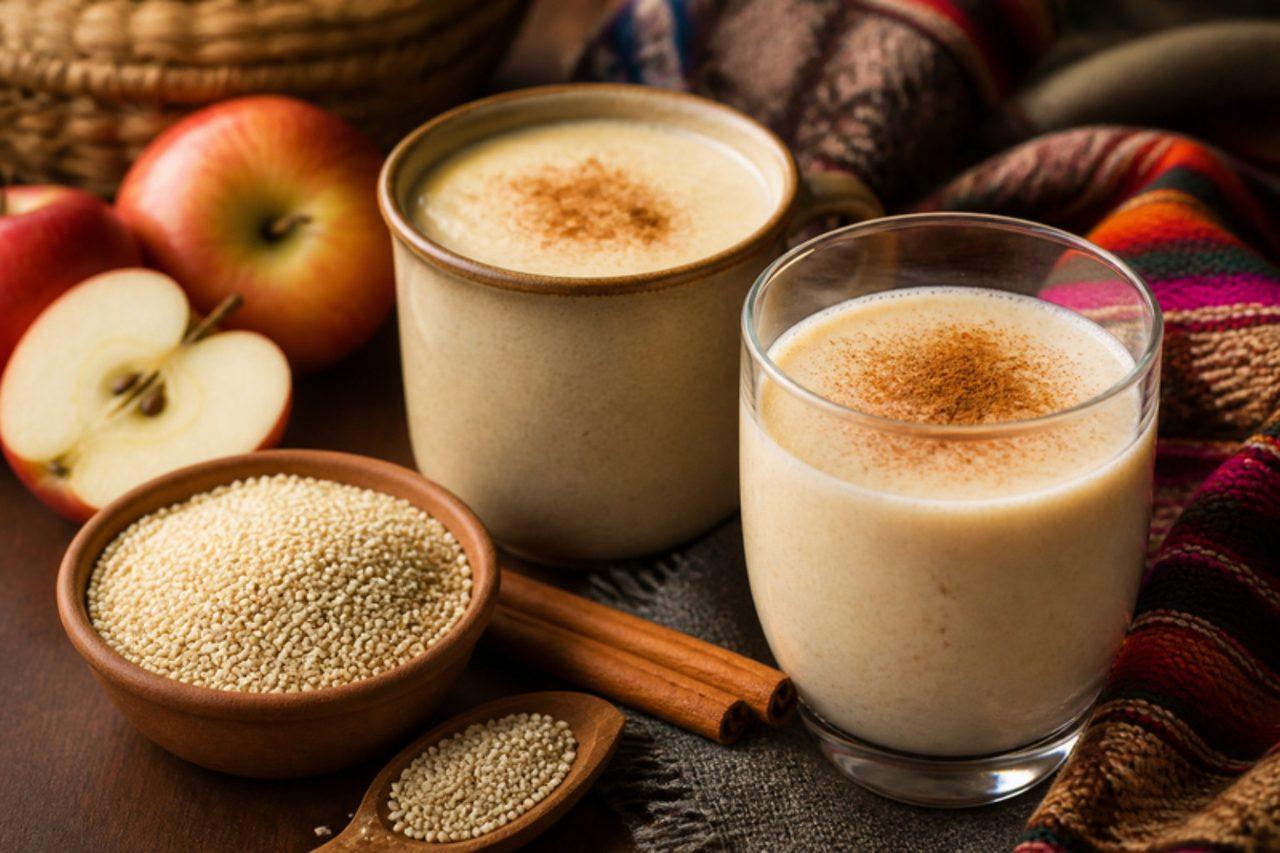
Morning market stalls and street carts from Lima to Huancayo ladle quinua con manzana into glasses alongside emoliente and maca, and many people drink it as breakfast on its own, with a bread roll or a sandwich beside it. Quinoa and chunks of apple are simmered with cinnamon and cloves until the grains burst and the liquid thickens, then sweetened and served warm or cold. Some stalls blend it smooth; others leave the grains and soft apple pieces to spoon up. It is mild, fruity and filling, and children usually like it. The mistake that ruins it is skipping the rinse: quinoa's natural coating, saponin, makes the drink bitter and soapy, so rub it under running water until the foam stops. Chef's tip: add a few drops of lime at the end; it lifts the apple and keeps the drink from tasting flat.

by KrazyBadal 0 views

Gratin de cardons

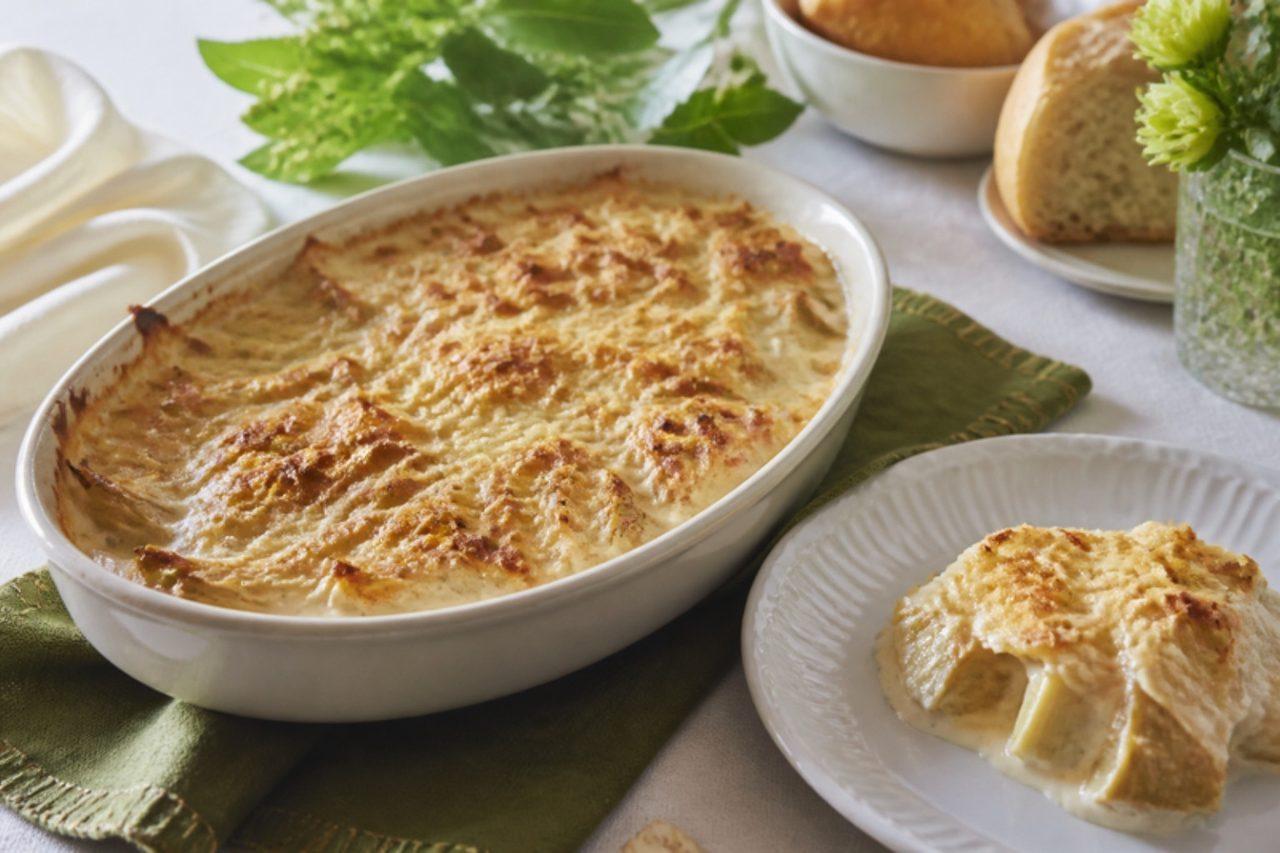
Cardoons, the tall silvery cousin of the artichoke, are a Christmas vegetable in Lyon and the Dauphiné; market stalls on the Quai Saint-Antoine sell them in December, and the gratin goes on the table at the réveillon dinner. The stalks taste gently of artichoke and celery and turn meltingly soft under a nutmeg béchamel. Lyon cooks often add bone marrow; this version leaves it out and uses vegetable stock in the sauce. Gruyère is usually made with animal rennet, so choose a vegetarian alternative if needed. If you cannot find cardoons, celery hearts work, though they cook faster. Chef's tip: drop each peeled stalk straight into lemon water; cardoons blacken within minutes in the air.

105 minFrenchSides
by KrazyBadal 0 views

Aligot

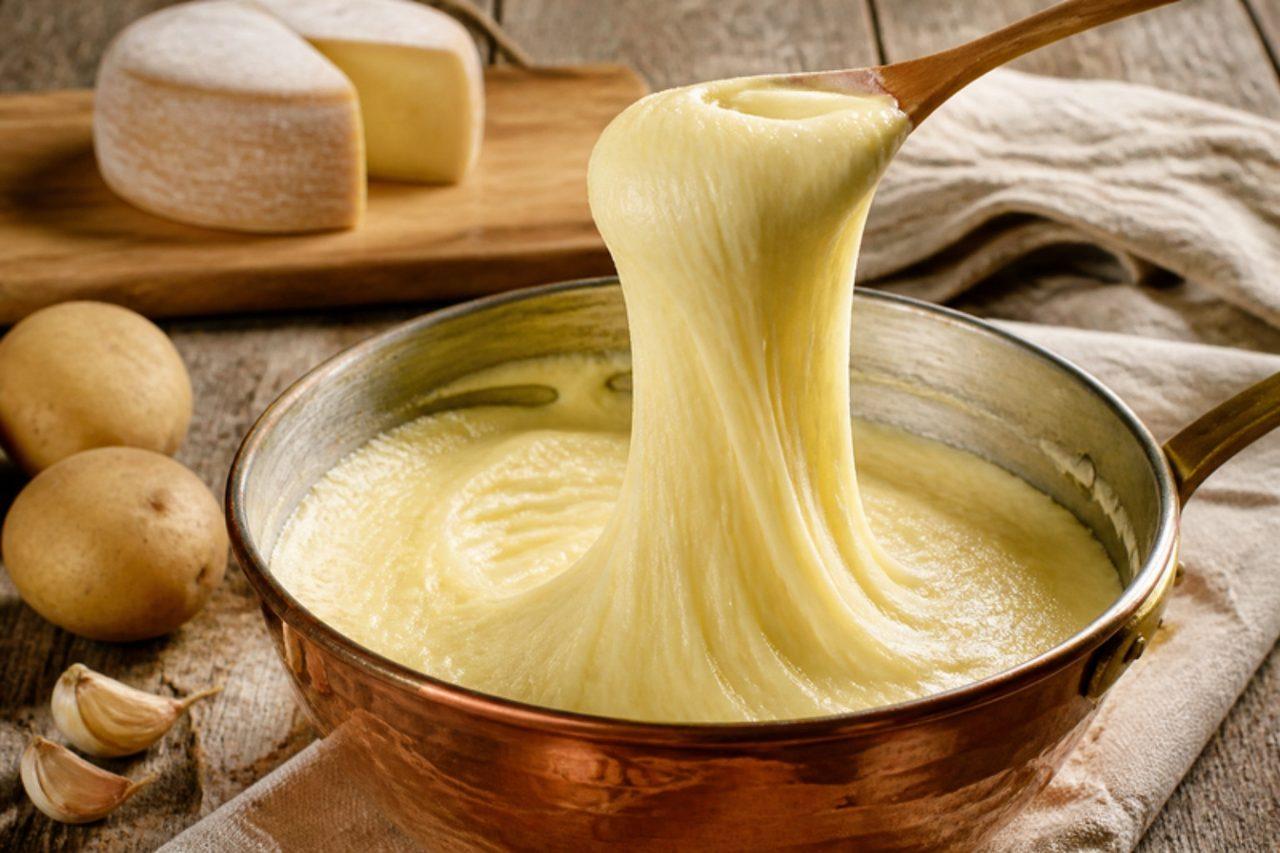
High on the Aubrac plateau, where Aveyron, Cantal and Lozère meet, aligot was once the meal monks gave to pilgrims on the road to Santiago. Today it is beaten in huge copper pans at village fêtes and buron farm restaurants around Laguiole, then lifted high on a wooden spoon in long, glossy ribbons before it is served beside sausages or, for a vegetarian table, a big green salad and roasted mushrooms. It is a mash of floury potato, butter, cream and garlic, worked with young tomme fraîche until it stretches like mozzarella. Tomme fraîche is made with animal rennet; a mix of vegetarian mozzarella and a vegetarian mild cheddar gives a similar stretch. Chef's tip: keep beating in a figure of eight once the cheese goes in; the stretch only comes with steady work.

by KrazyBadal 0 views

Truffade

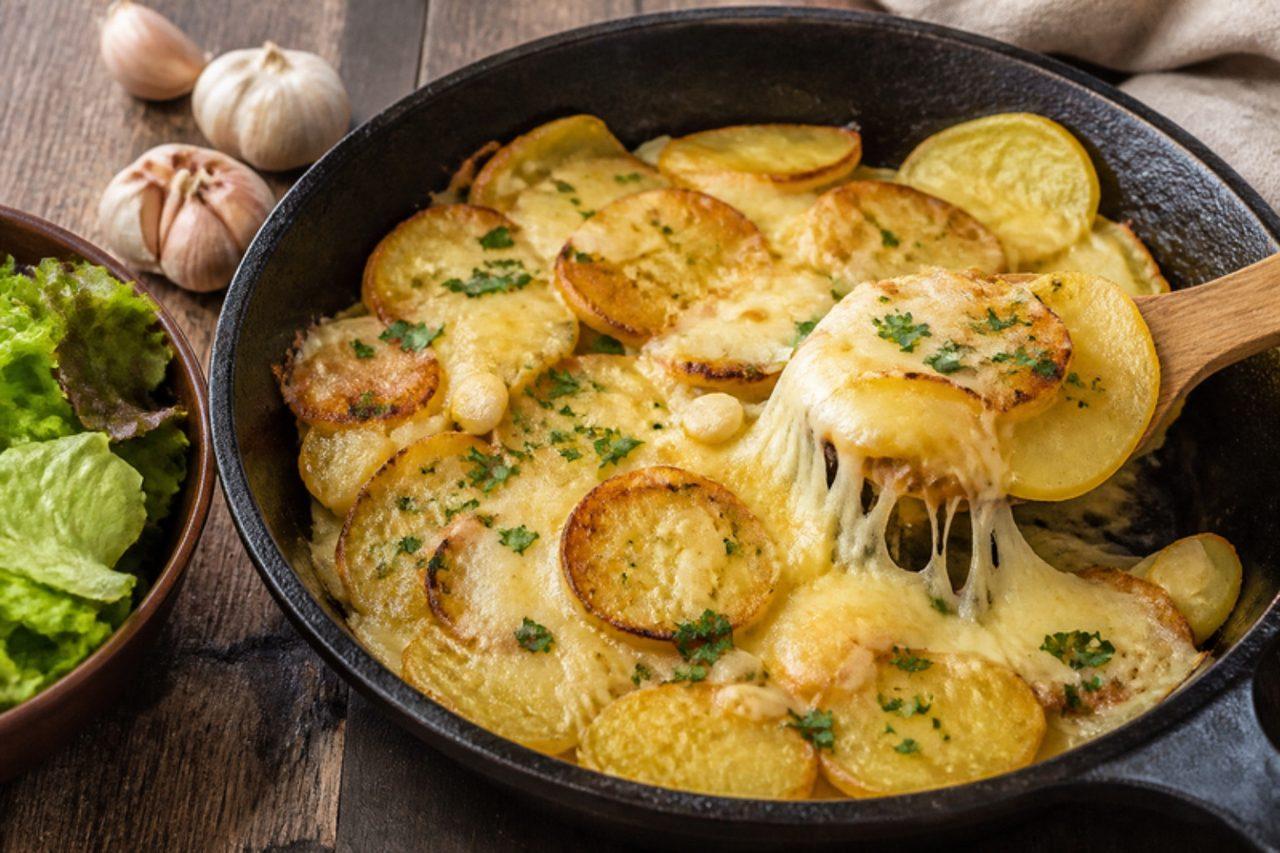
Truffade is cattle-herders' food from the volcanic mountains of the Cantal, cooked in a big pan over the fire in the stone burons where Salers cows spend the summer. Potato slices are fried until tender and lightly golden, then folded with thin slices of young tomme fraîche du Cantal until the cheese melts into strings, and the whole thing is eaten with a green salad, nothing else. Herders used lard; this version uses butter and oil, so it is vegetarian. Tomme du Cantal is made with animal rennet; a young vegetarian cheese that melts well, such as a mild Lancashire-style or vegetarian mozzarella, also works. Chef's tip: slice the potatoes as thin as a coin so they cook through before they burn.

by KrazyBadal 0 views

Cèpes à la bordelaise

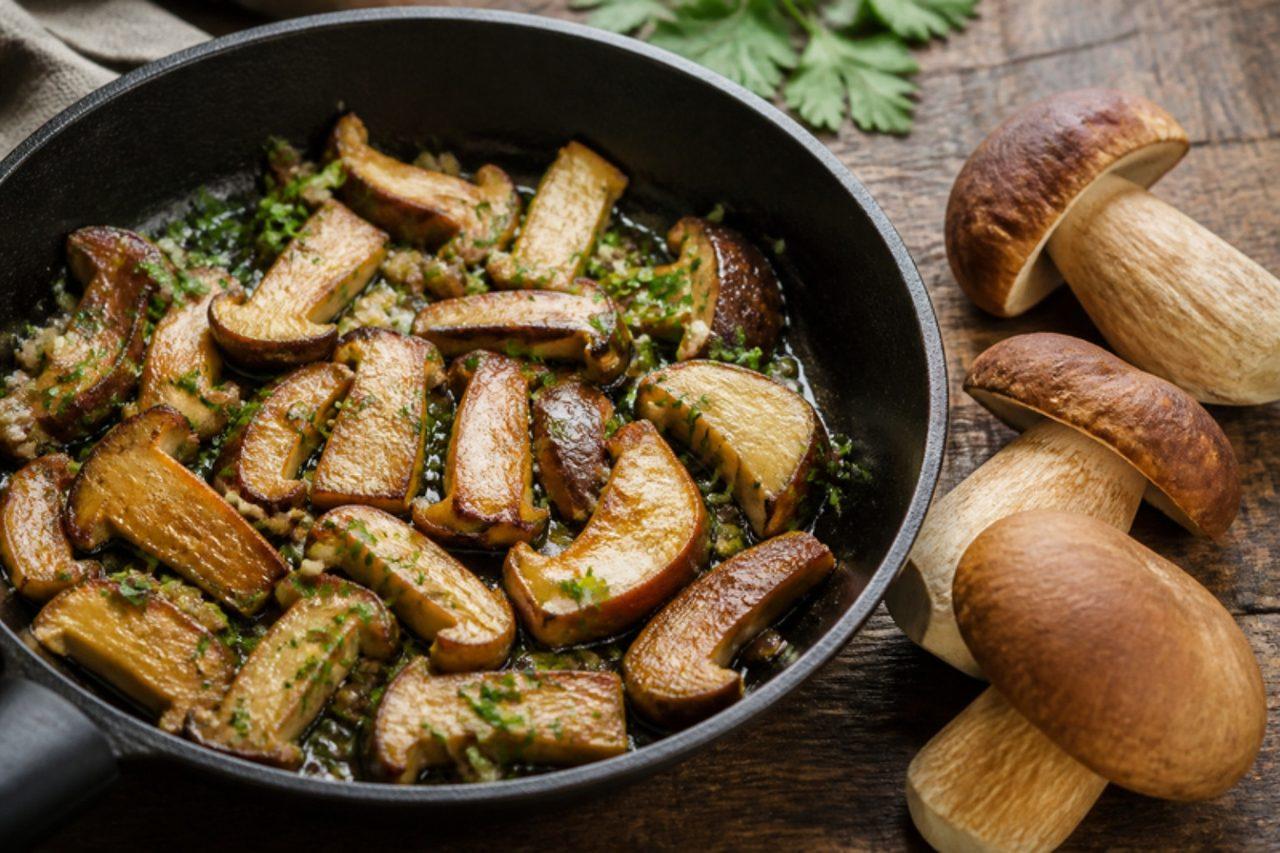
In autumn, when cèpes push up through the pine forests of the Landes and the oak woods of the Gironde, Bordeaux families fry them the local way: thick slices browned hard in a hot pan, then tossed with shallot, garlic and plenty of parsley. They come to the table as a side for Sunday lunch, piled on toast for a starter, or beside an omelette for supper. Many cooks use duck fat; this version uses olive oil, so it is vegan. Out of season, use chestnut mushrooms with a few soaked dried porcini for flavour. Chef's tip: wipe the cèpes with a damp cloth instead of washing them; wet mushrooms steam instead of browning.

by KrazyBadal 0 views

Huatia

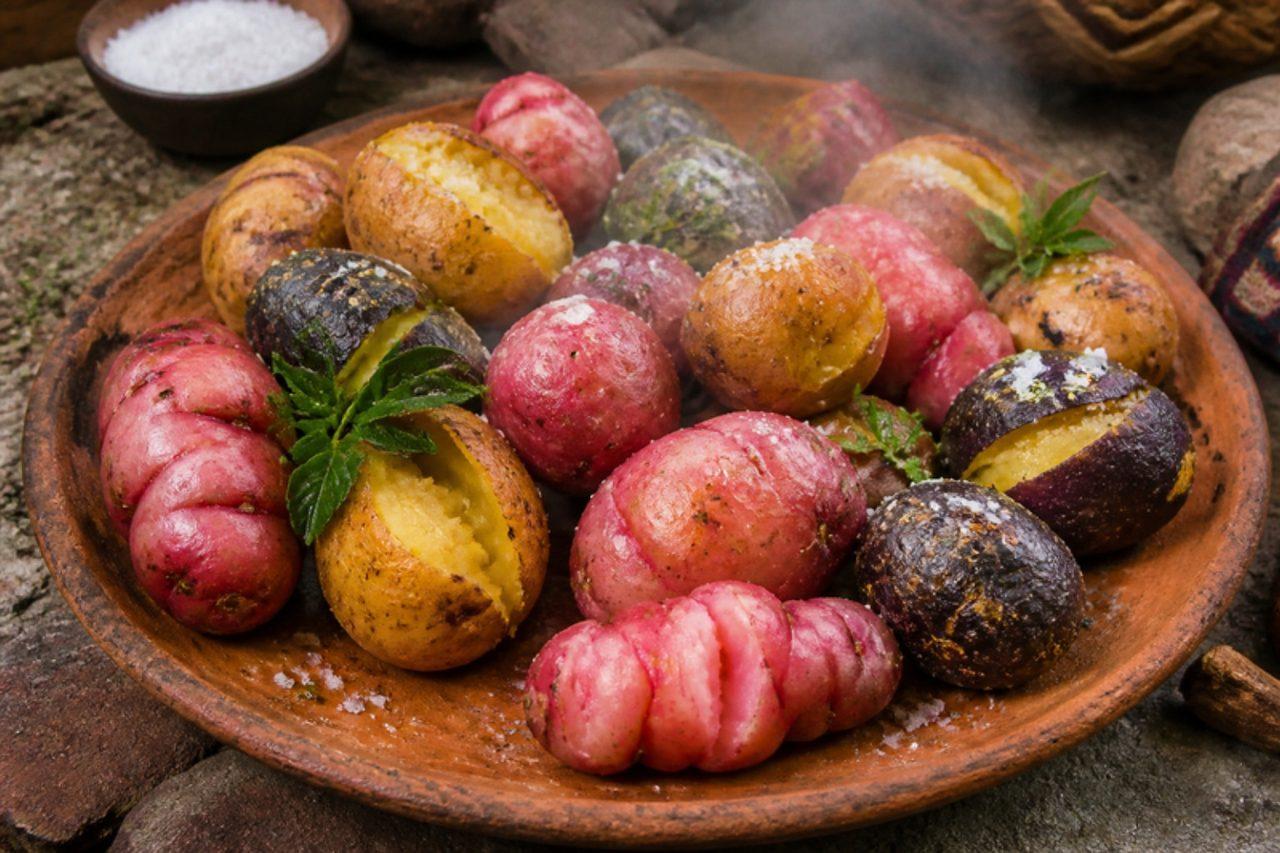
After the potato harvest in May and June, families in Puno, Cusco and across the highlands build a huatia in the field: a little dome of dry earth clods heated with dried brush until the clods glow, then knocked down over freshly dug potatoes and oca so they bake slowly underground. Opened an hour later, the potatoes are smoky, floury and so soft their skins split, and the oca turns sweet and tangy. Everyone eats them with their hands, with salt, chilli sauce and fresh cheese. This recipe gives an oven method for home cooks: a lidded pot bedded with coarse salt and herbs, which traps heat and steam much like the earth. If you do try a real huatia outdoors, use a clear patch of ground away from anything that can catch fire and keep water nearby. Don't uncover the pot early to check: the steam escapes and the potatoes turn leathery. Fresh oca is sold in some markets as New Zealand yam; small sweet potatoes will do. Chef's tip: choose potatoes of a similar size so they all finish together, and serve with uchucuta.

by KrazyBadal 0 views

Aguajina

Aguaje is the scaly, chestnut-red fruit of the moriche palm that grows in the flooded forests around Iquitos, and its orange flesh ends up in ice lollies, ice cream and, above all, aguajina, the cold drink sold in plastic cups at every corner and in Belén market. The taste is unusual and loved locally: tangy, a little like apricot and carrot, with a rich, slightly oily body. Fresh aguaje must be softened in warm water for an hour before its thin layer of pulp can be scraped off; outside Peru, frozen aguaje pulp from Latin American shops is the realistic choice and gives a good result. A common slip is adding all the sugar before tasting: the pulp's sourness varies from pack to pack, so sweeten at the end. Serve very cold with lunch or on a hot afternoon. Chef's tip: blend the pulp with only part of the water first, so it breaks down fully, then stir in the rest.

by KrazyBadal 0 views

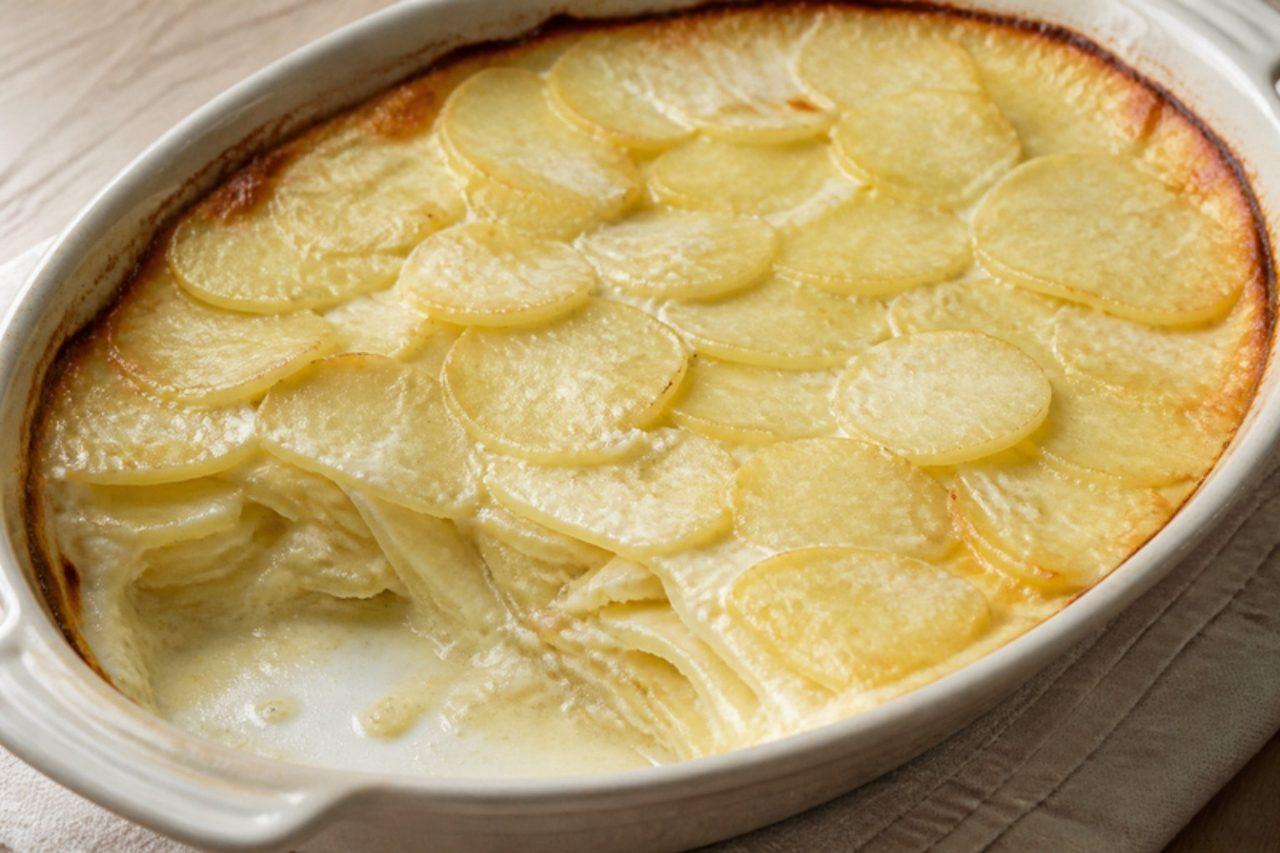
Gratin dauphinois

Gratin dauphinois comes from the Dauphiné, the mountain region around Grenoble, where it has been made since at least the 1700s. Thinly sliced potatoes are simmered in milk and cream with garlic and nutmeg, then baked slowly until the top is golden and blistered and the inside is soft and creamy enough to cut with a spoon. Purists in the Dauphiné insist there is no cheese; the crust comes from the cream itself. It is a side for Sunday lunch and festive meals, especially good with a green salad or roasted mushrooms. Chef's tip: don't rinse the potato slices; washing off the starch is the common mistake that leaves the cream thin and watery.

by KrazyBadal 0 views

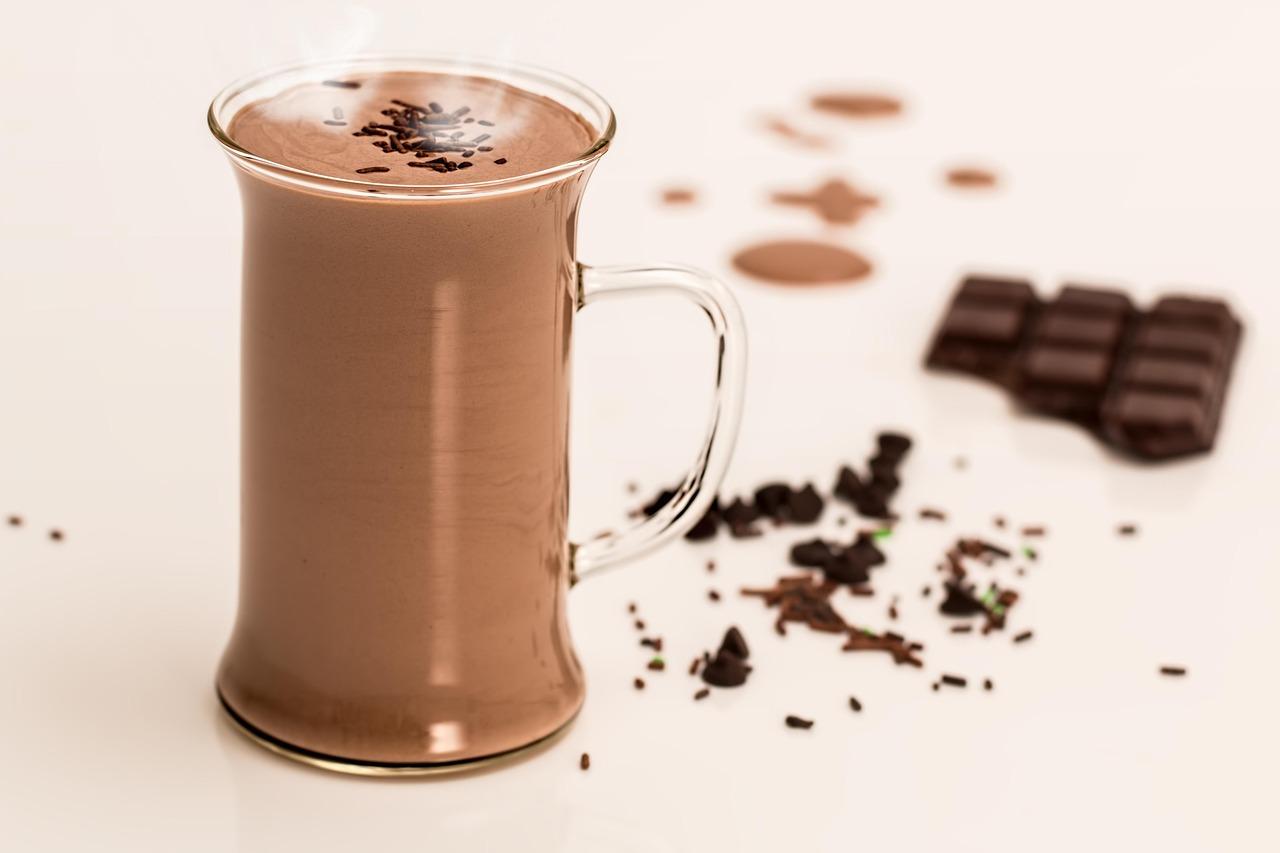
Chocolat chaud

Paris's grand tearooms have served chocolat chaud since the 1800s, and it is nothing like a powdered cocoa drink: dark chocolate is melted into hot milk and cream until it is thick, glossy and rich enough to coat the cup. Parisians drink it in small cups on cold afternoons, often with a pot of whipped cream on the side and a pastry. It is also a winter treat at home after a walk. Use chocolate you'd enjoy eating. Chef's tip: keep the heat low and whisk; letting it boil is the common mistake and the chocolate can turn grainy and catch on the bottom.

by KrazyBadal 0 views

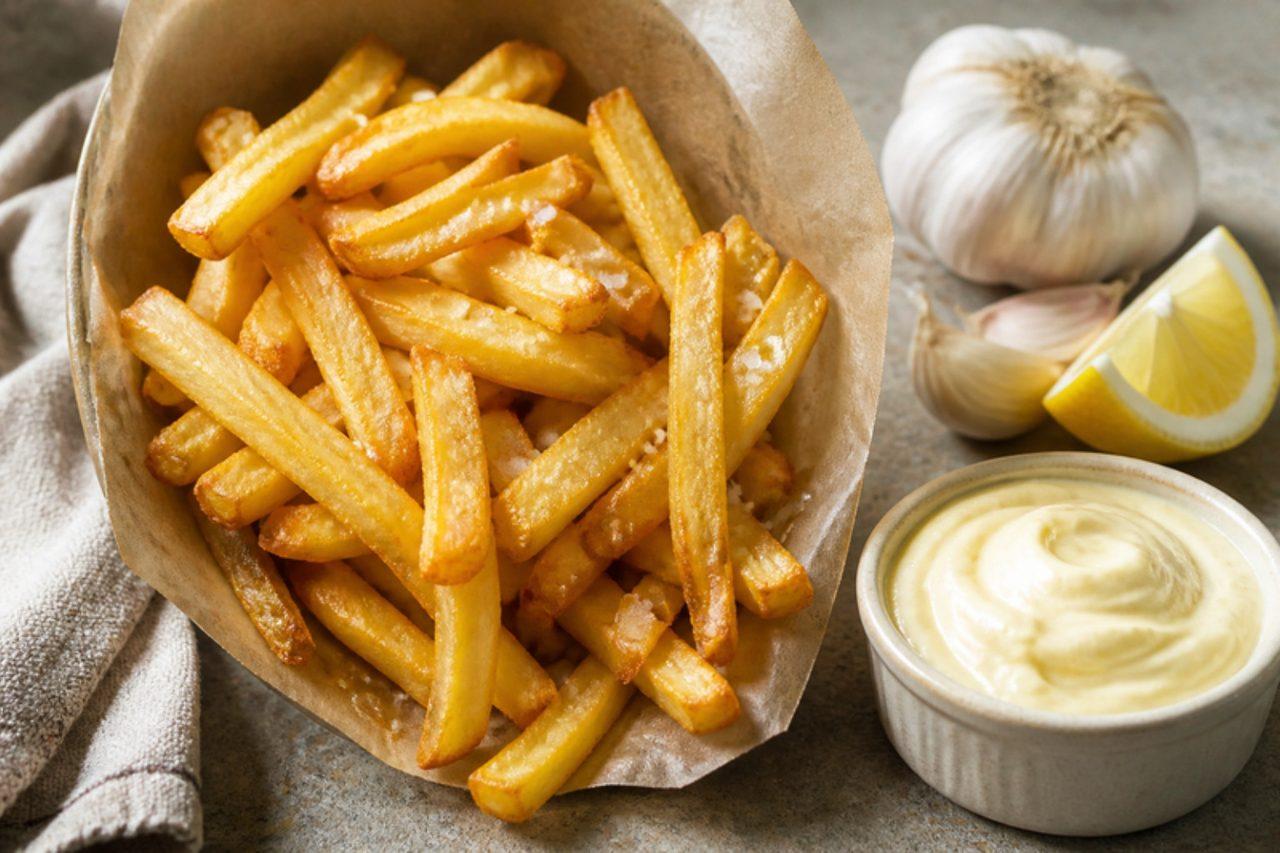
Frites with aïoli

Frites are a fixture of French brasseries and street stalls, served in paper cones at markets and beside every omelette and salad in Paris cafés. The secret is frying twice: once gently to cook them through, then hot to make them crisp. In Provence, the dip would be aïoli, a thick, garlicky sauce that gave its name to the region's Friday feast. Our aïoli is made the old-fashioned egg-free way, with a little boiled potato to hold the garlic and olive oil together. Children usually prefer it with less garlic. Chef's tip: dry the cut potatoes thoroughly before frying; wet chips are the common mistake that make the oil spit and leave the chips soft.

by KrazyBadal 0 views

Chicha morada

Chicha morada is Peru's favourite soft drink, served by the jug in every restaurant in Lima and drunk across the country with lunch. Andean purple corn is simmered with pineapple peel, apple, cinnamon and cloves, then sweetened and sharpened with lime to make a dark ruby drink that tastes of berries, spice and gentle tannin, a little like a spiced cranberry juice. It has no alcohol, unlike the fermented chicha de jora of the Andes. Dried purple corn (maíz morado) comes from Latin shops; purple corn powder works too. Chef's tip: add the sugar and lime only once the drink has cooled; lime added to the hot liquid turns it bitter.

by KrazyBadal 0 views

Tacacho

Tacacho is the breakfast of the Peruvian Amazon, from Tarapoto to Iquitos: green plantains roasted over coals, mashed with fat and salt and shaped into balls. There it comes with cecina (smoked pork) and is mashed with lard and crackling; this vegan tacacho uses good oil and a pinch of smoked paprika for the same savoury, smoky depth. The balls are dense, chewy and starchy, crisp at the edges where the plantain charred, and they are eaten hot with a fiery chilli sauce or alongside stews. Use plantains that are fully green and firm. Chef's tip: mash the plantains while they are still very hot; as green plantain cools its starch sets and it won't bind into a smooth ball.

by KrazyBadal 0 views