Skip to content
WhatToEat.Today

All recipes

55

Vegetarian, or something you can't eat? Set your diet once and we'll hide recipes that don't fit.

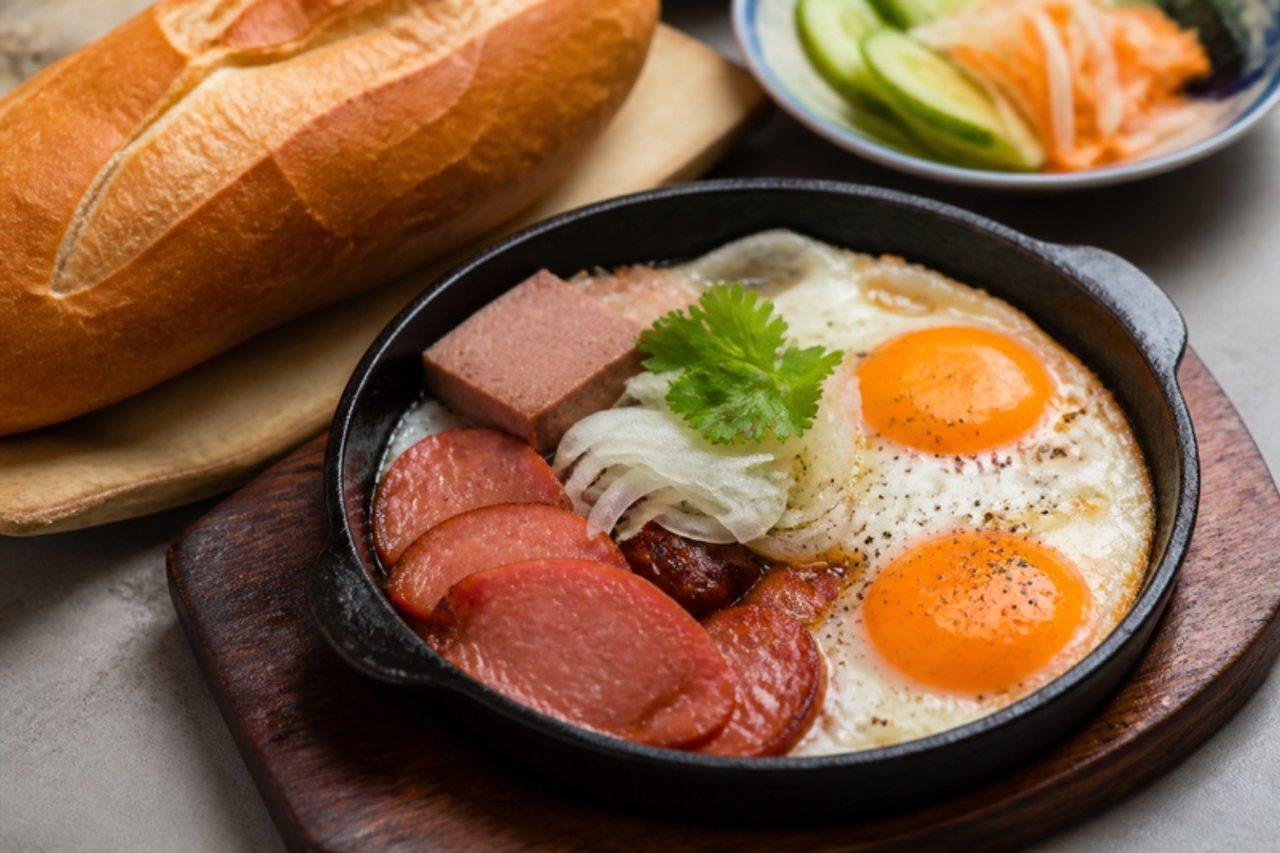
Bánh mì chảoSkillet eggs, pâté and baguette

Bánh mì chảo, 'pan bread', is served at Saigon breakfast stalls in small black skillets still spitting from the stove, and more and more people eat it for a quick dinner too. Eggs are fried with sliced onion beside pork liver pâté and pork sausages, then you tear a crisp baguette and mop everything up with chilli sauce and a little soy. It's rich, so serve cucumber and tomato beside it. This dish contains pork. The common mistake is crowding the pan, so the eggs steam instead of frying with crisp, lacy edges. Chef's tip: get the pan really hot before the eggs go in, and warm the baguette in the oven so the crust shatters.

by KrazyBadal 0 views
Giò thủ (pressed pork roll)

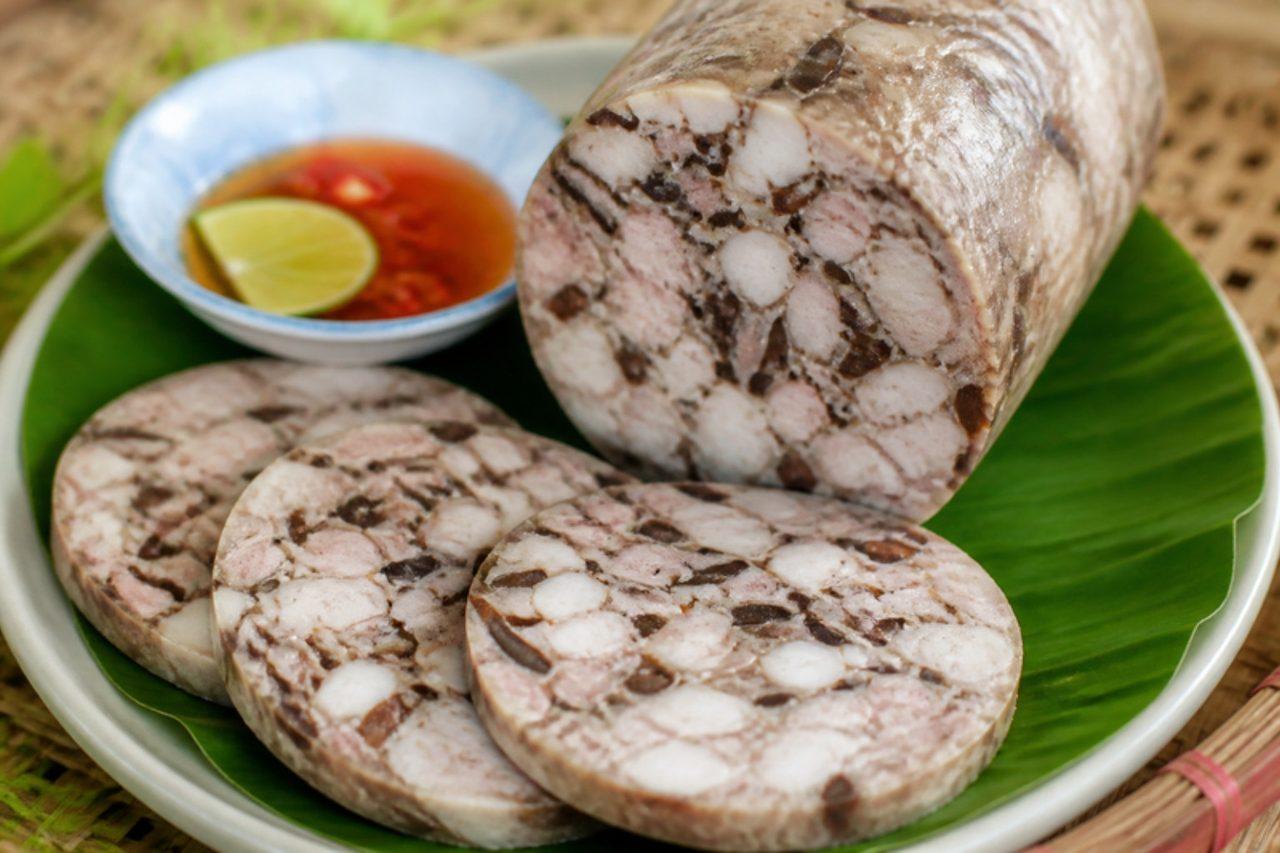
Giò thủ is a northern Tết classic, a mosaic roll made from pork ear, pork tongue and boneless pork cheek meat with crunchy wood ear mushrooms and plenty of black pepper. Using these cuts is an old way of honouring the whole animal at the year's biggest feast, and the roll's neat round slices are a wish for a complete, well-ordered year. The pieces are boiled, sliced, stir-fried with fish sauce and packed hot into banana leaf, where their natural gelatine binds them as they cool. Every slice is crunchy, chewy and peppery; serve with pickled shallots, fish sauce with lime and chilli, and bánh chưng. Chef's tip: pack and press the filling while it is still very hot; once it cools the gelatine sets and the roll will not hold together.

by KrazyBadal 0 views
Thịt heo ngâm mắm (fish-sauce cured pork)

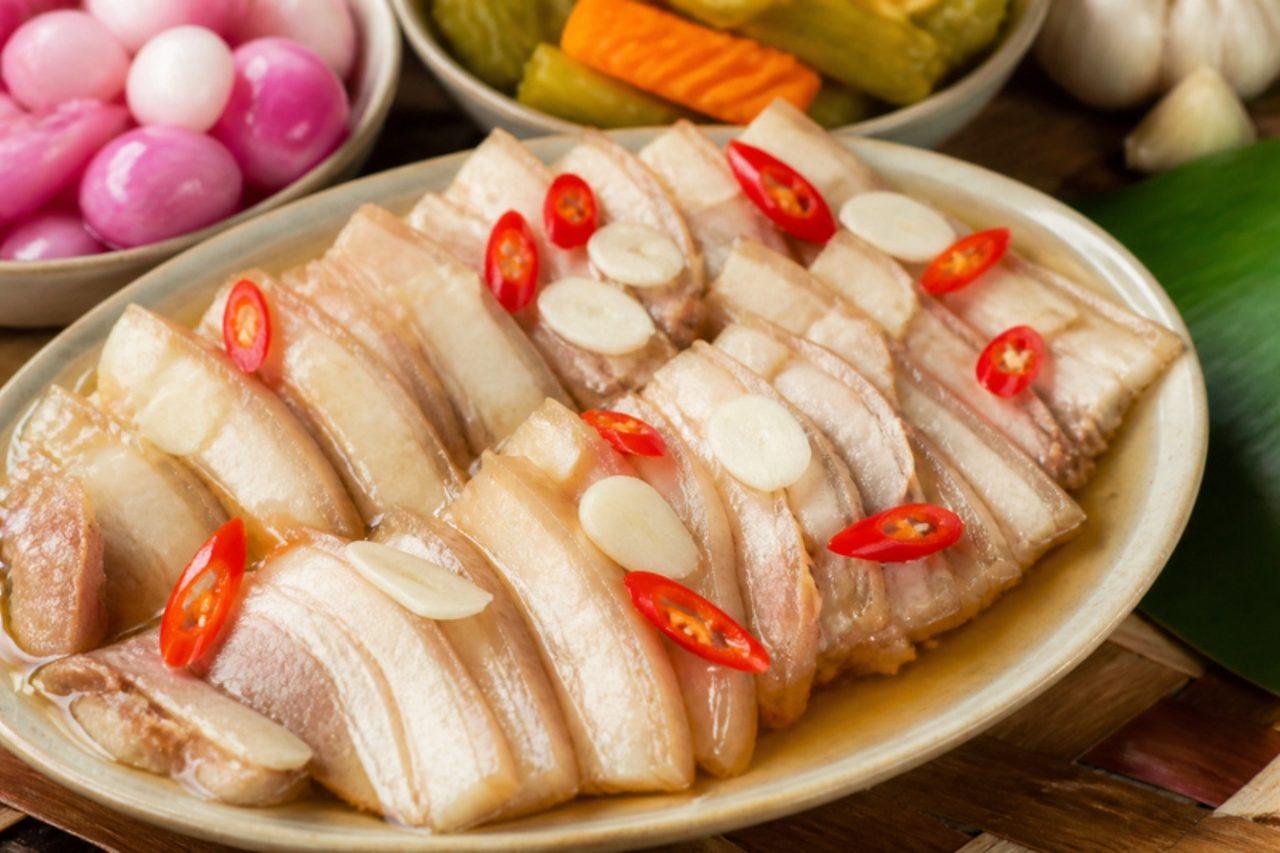
In southern Vietnam a jar of thịt heo ngâm mắm is prepared a week before Tết so that hosts always have something ready when relatives drop by; the jar full of pork is a sign of a well-stocked home in the new year. Pork belly is boiled until fully cooked, then submerged in a boiled and cooled brine of fish sauce, sugar, garlic and chilli, where it turns amber, savoury-sweet and firm enough to slice paper thin. Serve it with steamed rice, pickled mustard greens or củ kiệu, and fresh herbs. Chef's tip: make sure the belly and the brine are both completely cold before they meet, and keep the jar in the fridge throughout.

by KrazyBadal 0 views
Bánh thuẫn (Tết sponge cakes)

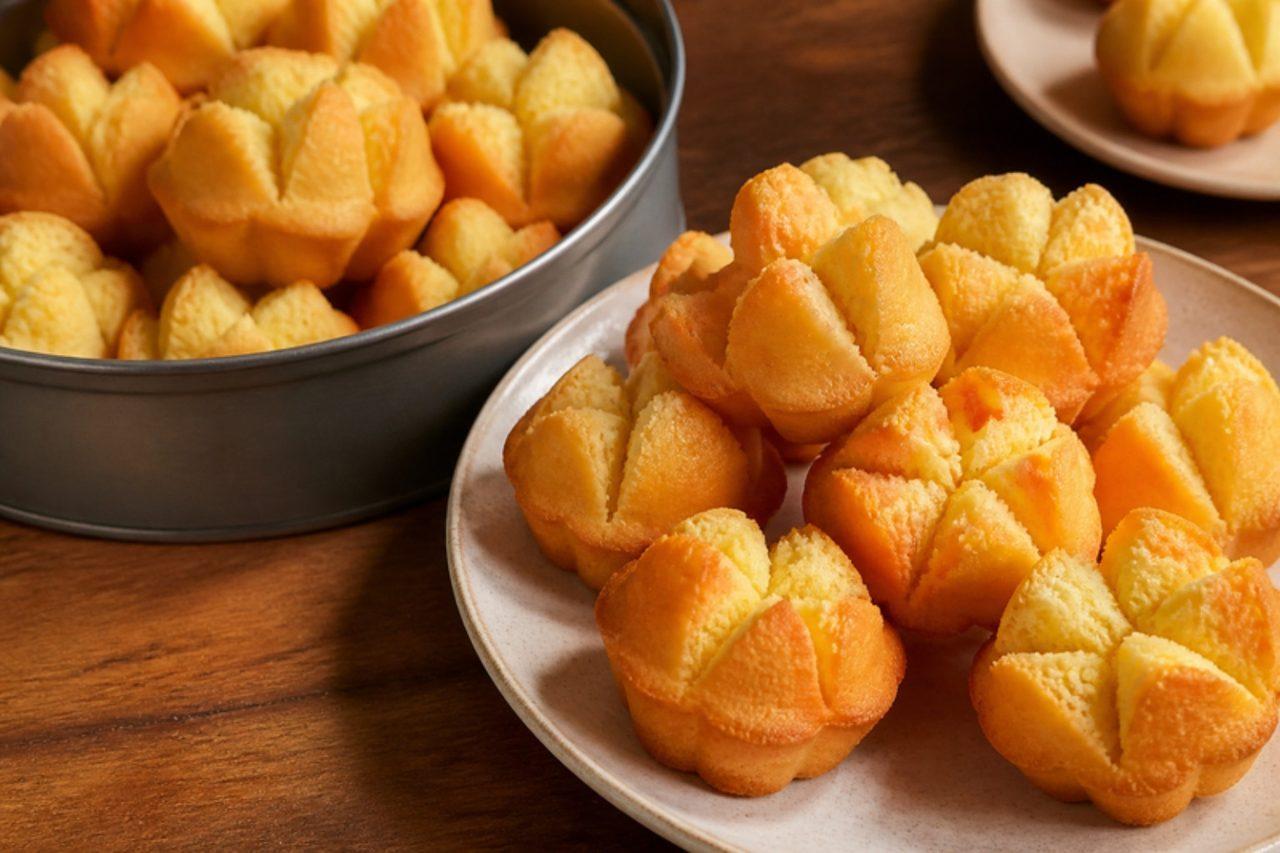
In Huế and across the south, bánh thuẫn are baked in small flower-shaped moulds for the Tết table and ancestor offerings; the top splits open like a blossom as it bakes, and a well-cracked cake is said to bring a year that blooms. They are dairy-free, made only of eggs, sugar and flour, so the texture is springy inside with a golden, crisp rim, a little like a madeleine but airier. Children love them, and they keep in a tin for days, ready for visitors with tea. Chef's tip: heat the oiled moulds in the oven before filling; the batter hitting hot metal is what makes the tops crack into petals.

by KrazyBadal 0 views
Thịt đông (pork in aspic)

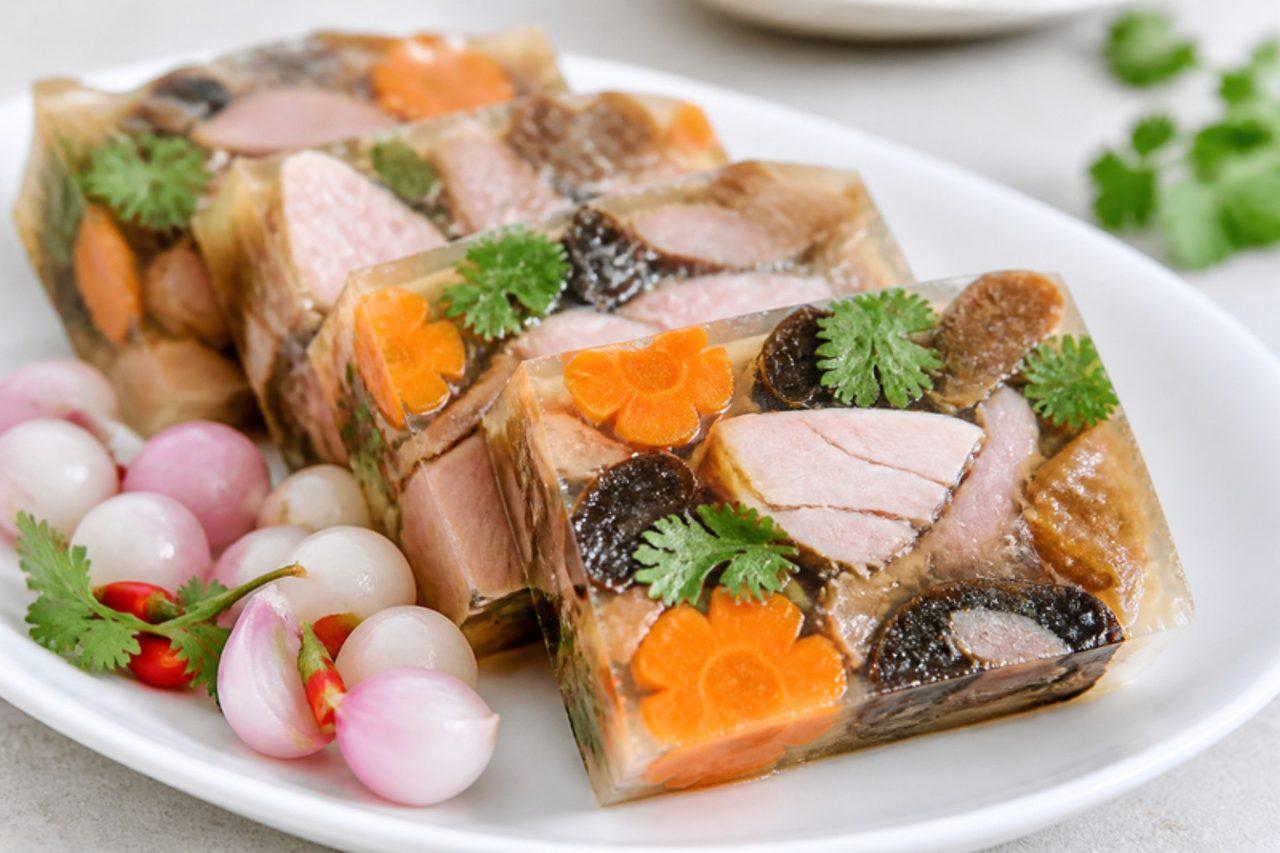
Thịt đông is a dish of the cold northern Tết, when families once left bowls of simmered pork outside overnight to set; today the fridge does the job. Pork hock and pork skin are cooked gently with shallots, fish sauce and black pepper until the meat is tender and the broth is rich in natural gelatine, then wood ear mushrooms are added for crunch and everything sets into a clear, wobbly jelly. It is eaten cold, cut into wedges, with hot rice, bánh chưng and a bowl of pickled shallots to cut the richness. No gelatine powder is needed. Chef's tip: keep the pot at a bare simmer and skim often; a rolling boil clouds the jelly.

by KrazyBadal 0 views
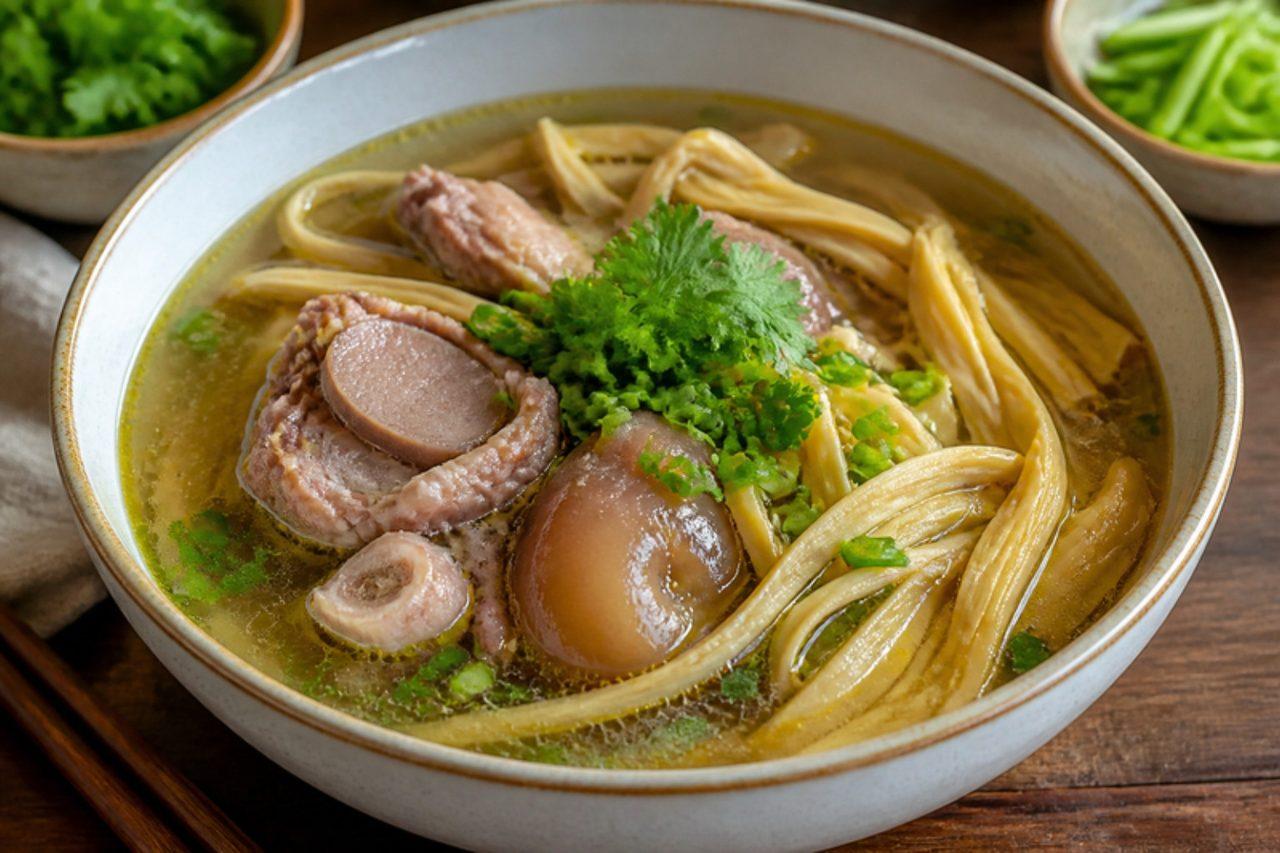
Canh măng (dried bamboo shoot soup)

A deep bowl of canh măng sits at the centre of the northern Tết feast tray, where its long, chewy strands of bamboo stand for steady growth in the new year. The dried shoots are soaked and boiled several times until mild and tender, then simmered with pork hock until the broth is clear, sweet and lightly smoky. It is rich but clean-tasting, served with rice beside the boiled chicken, spring rolls and giò. If you prefer chicken, a variation is given in the steps. Chef's tip: tear the soaked shoots into thin strips along the grain rather than cutting across; they stay chewy and soak up more broth.

by KrazyBadal 0 views
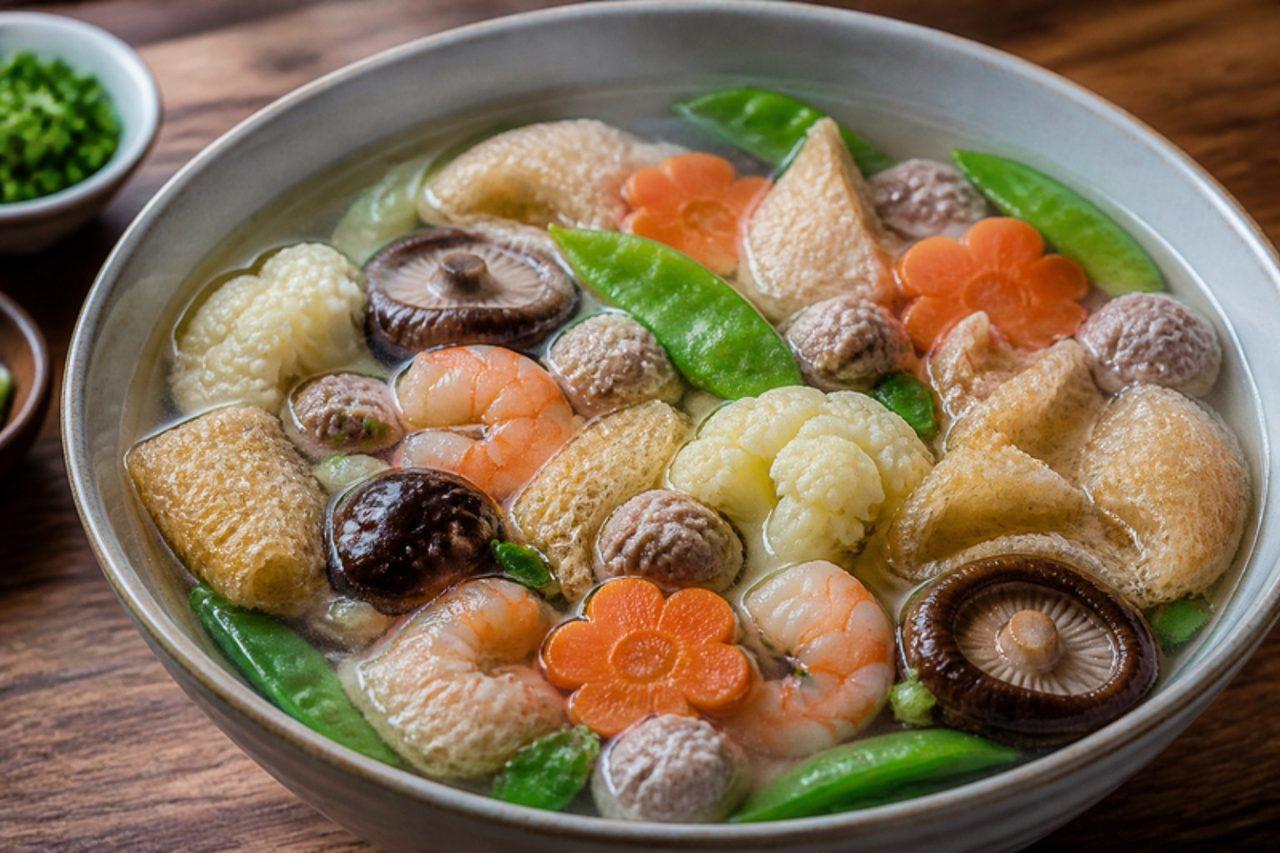
Canh bóng (Hanoi puffed pork skin soup)

Canh bóng is the showpiece soup of the Hanoi Tết feast tray: a clear pork bone broth full of colour, with carrot flowers, cauliflower, snow peas and mushrooms floating beside pork meatballs, prawns and bóng bì, the puffed dried pork skin that soaks up broth like a sponge. Its many ingredients stand for abundance, and its clarity for a clean start to the year. It is light yet deeply savoury, served with rice and the rest of the feast. Buy bóng bì ready-puffed in packets from Vietnamese grocers. Chef's tip: soak and squeeze the pork skin in warm ginger water twice; it removes the frying oil so the broth stays sparkling.

by KrazyBadal 0 views
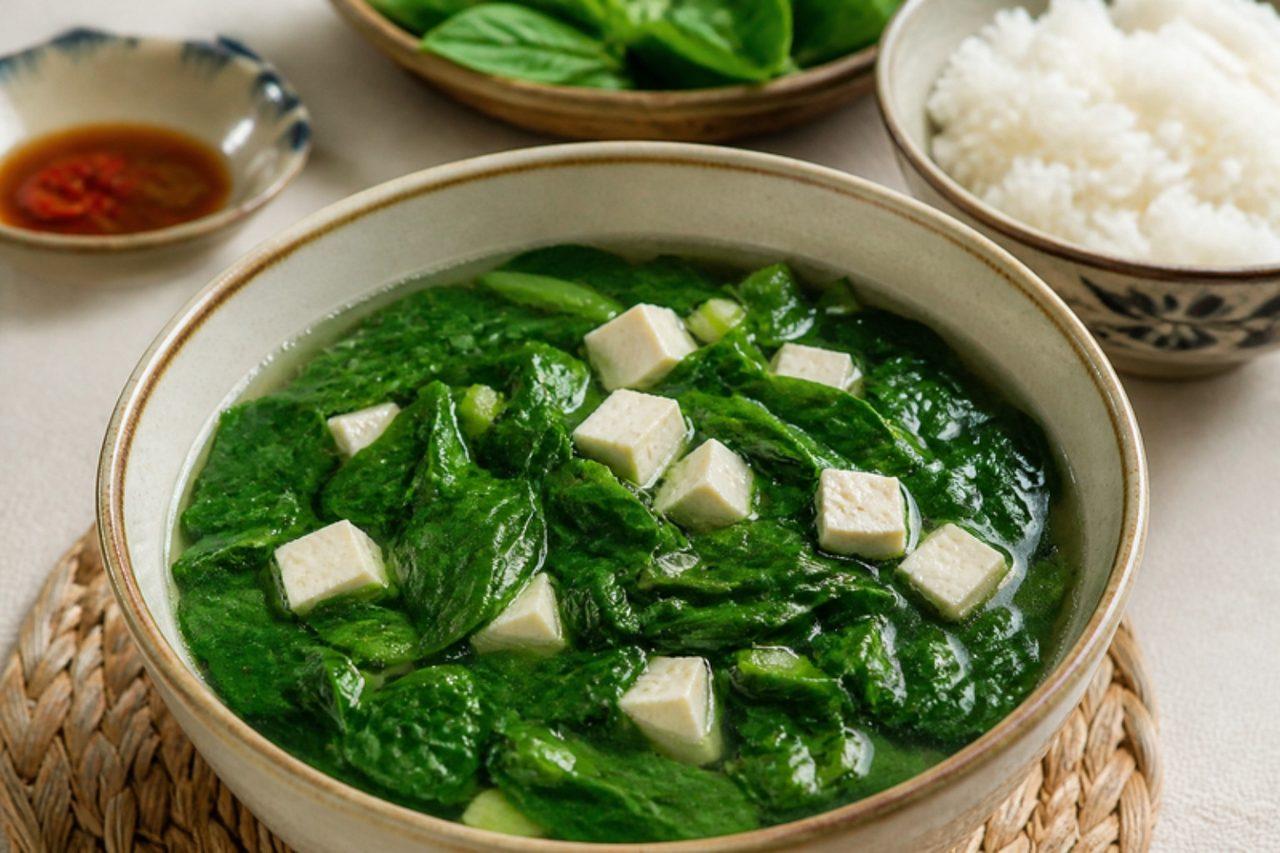
Canh rau ngot with tofuKatuk leaf and tofu soup

Canh rau ngot is one of the plainest and most loved soups on a Vietnamese family table, served at dinner in Hanoi and the Mekong Delta alike, in a shared bowl beside rice, a braised dish and a dipping sauce. The leaves of the katuk shrub are bruised and simmered briefly until soft and sweet. It is usually made with minced pork or dried shrimp; this vegetarian version uses cubes of tofu and a little fried shallot for savouriness. Each bowl has about 110 kcal and roughly 10 g of protein, from the tofu, so it is a light side soup. Katuk can be found frozen in Asian shops; young spinach is the nearest stand-in. The common mistake is overcooking the leaves, which turn khaki and slimy. Chef's tip: rub the leaves between your palms before cooking; bruising them lets them release their sweetness in just a few minutes.

by KrazyBadal 0 views
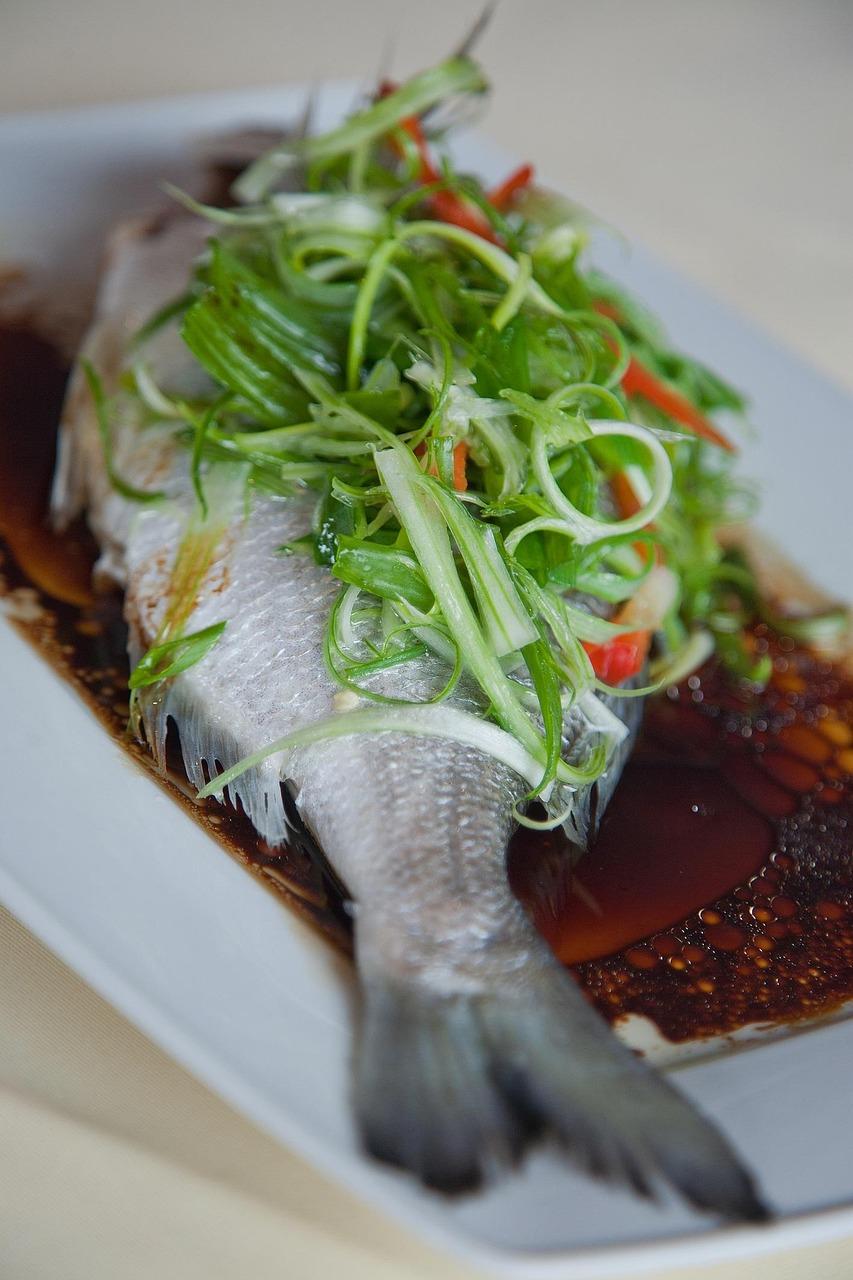
Cá hấp gừngGinger steamed whole fish

Cá hấp gừng is a family dish across Vietnam, from Hanoi to the Mekong Delta, put in the middle of the table for a weekend lunch or a Tết dinner and shared with rice and greens. A whole fish is steamed over ginger, then heaped with ginger and spring onion shreds and dressed with sizzling oil and a light soy and fish sauce. The flesh comes out silky and delicate. A portion has about 25 g of protein from the fish. The common mistake is oversteaming: thin parts go dry and woolly. Take it off as soon as the flesh at the thickest point pulls cleanly from the bone. Chef's tip: score the fish to the bone on both sides so it cooks evenly and the sauce gets in.

by KrazyBadal 0 views

Tôm rim (caramelised prawns)

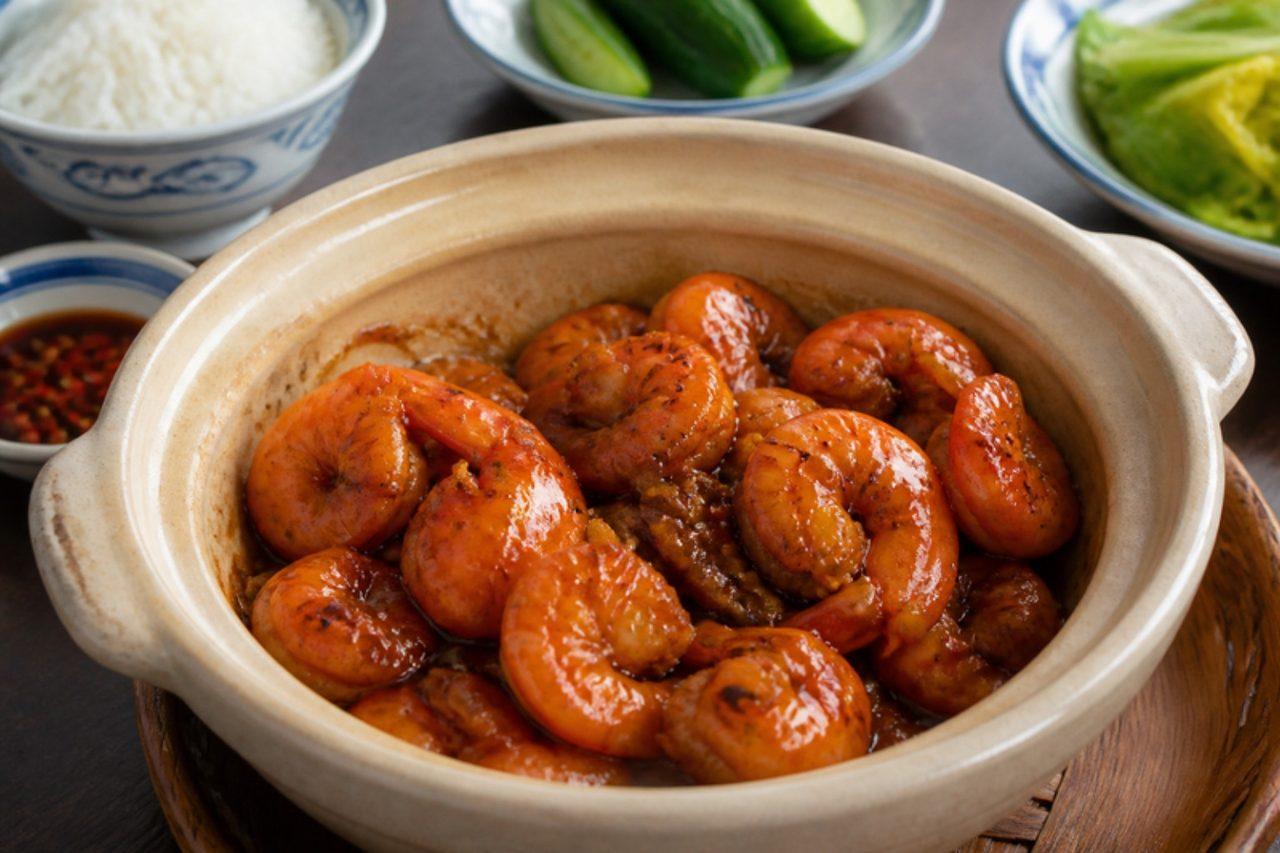
Tôm rim is a homely dish cooked in kitchens from Hanoi to the Mekong Delta and eaten at the family rice tray with boiled greens and a clear soup: prawns simmered down in fish sauce, sugar and shallot until the liquid turns to a sticky, salty-sweet glaze. The mistake is walking away in the last few minutes, when the sauce goes from glaze to burnt very quickly. Chef's tip: leave the shells on if your prawns are small, as many Vietnamese cooks do; they turn crisp and caramelised and add flavour.

by KrazyBadal 0 views

Bò lúc lắc (Vietnamese shaking beef)

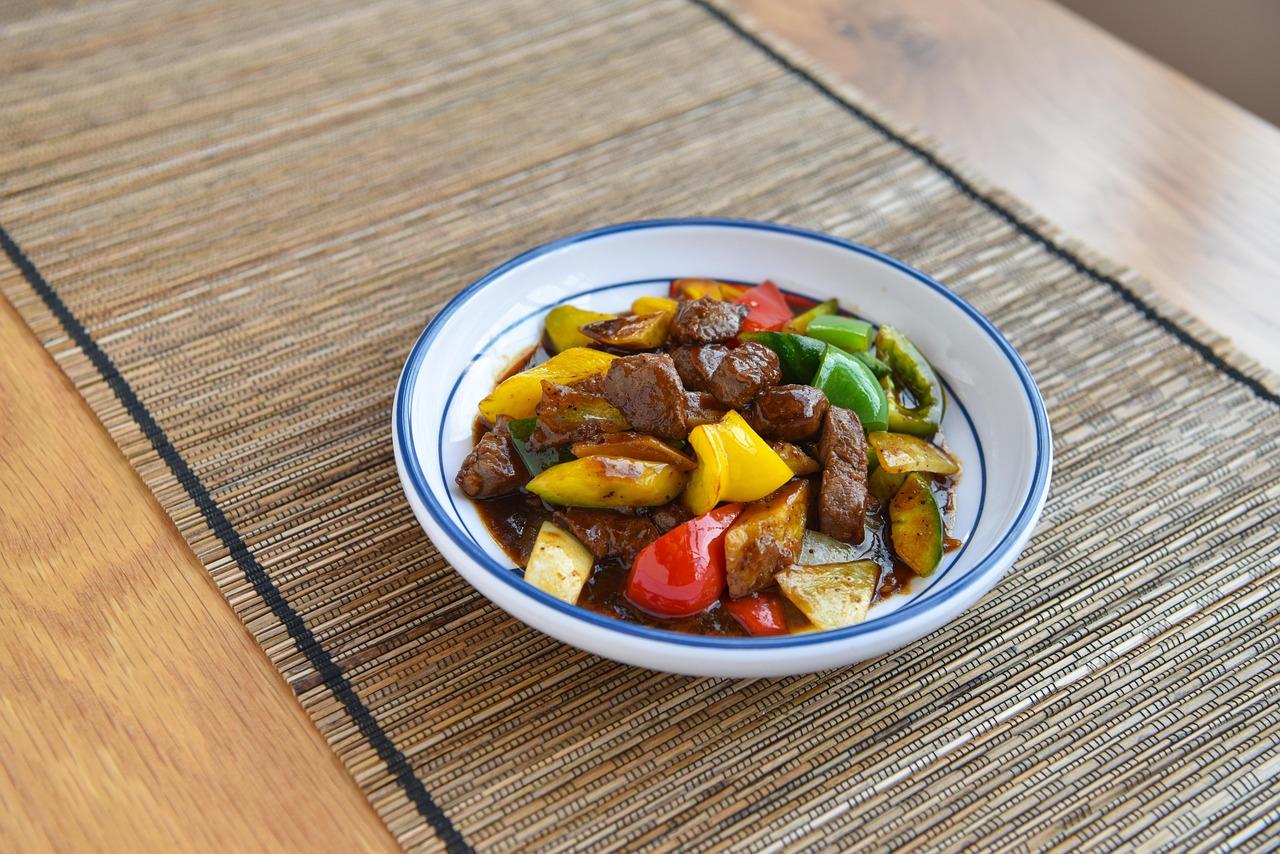
Bò lúc lắc, shaking beef, is a Saigon dish from the French-influenced south, ordered at family dinners and celebrations: cubes of tender steak seared in a smoking pan and shaken with garlic and onion, then tipped over peppery watercress and tomato with a lime, salt and pepper dip. The mistake almost everyone makes is crowding the pan, which boils the meat grey instead of searing it; cook in two batches. Chef's tip: let the cubes sit untouched for a full minute before the first shake to build a dark crust.

by KrazyBadal 0 views

Bò xào cần tây (beef and celery stir-fry)

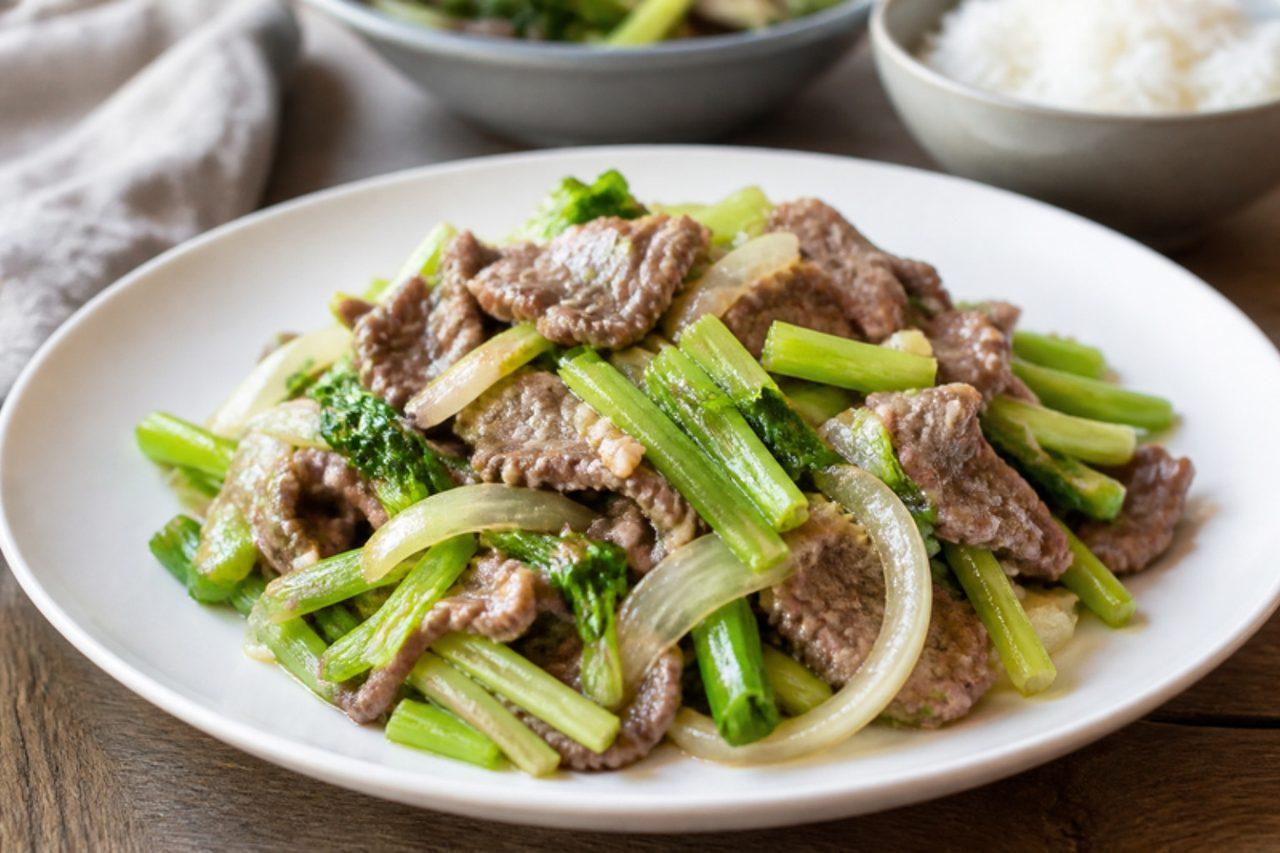
Bò xào cần tây is a weeknight stir-fry found on family tables all over Vietnam: thin slices of beef, seasoned with fish sauce and pepper, flashed in a hot wok with crunchy celery, onion and plenty of garlic, then eaten with rice. The usual mistake is cooking the beef and celery together from the start, so the beef stews while the celery softens; sear the beef first, take it out, and add it back at the end. Chef's tip: slice the beef across the grain and as thin as you can, so it is tender after only a minute in the pan.

by KrazyBadal 0 views

Bánh bông lan (Vietnamese sponge cake)

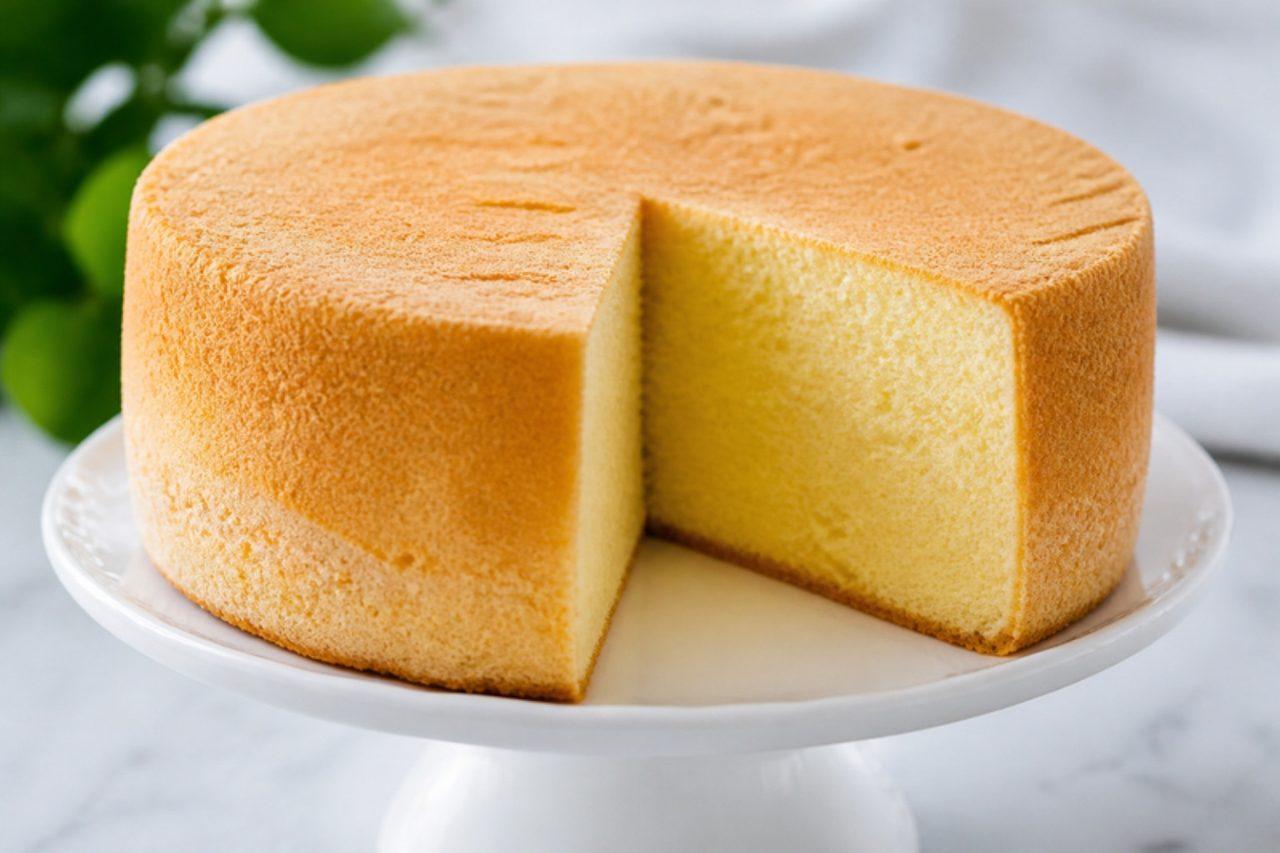
Bánh bông lan is the soft, golden sponge sold in every Vietnamese bakery, eaten with coffee or as an after-school snack, and it is also the cake under the cream and fruit at most children's birthdays from Hanoi to Saigon. Made with oil instead of butter, it stays moist and springy for days and is free of milk. It contains egg and gluten. Chef's tip: whisk the whites in a spotlessly clean bowl; a trace of yolk or grease stops them rising.

by KrazyBadal 0 views

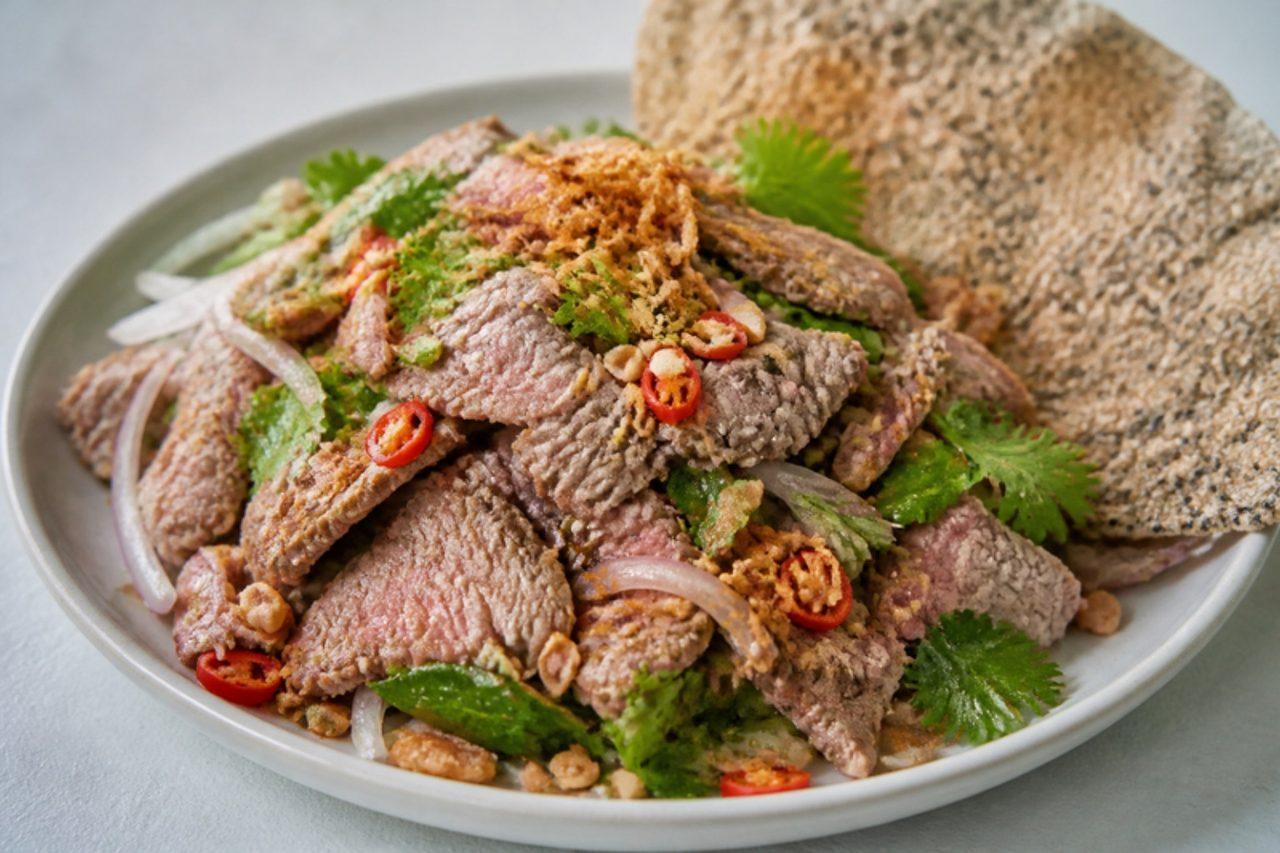
Bò tái chanhLime-cured beef salad

In Saigon's beer gardens bò tái chanh arrives as the first plate of the evening, a sharp, herb-heavy pile of thin beef slices dressed in lime juice and fish sauce with onion, rau răm and peanuts, scooped up with sesame rice crackers. Street cooks often leave the beef almost raw and let the lime 'cook' it; lime does not make beef safe, so this home version blanches the slices for a few seconds until they are cooked at least to medium, still tender and rosy at the centre. Chef's tip: squeeze out the lime juice before dressing; beef left sitting in a pool of lime turns grey and chewy.

by KrazyBadal 0 views

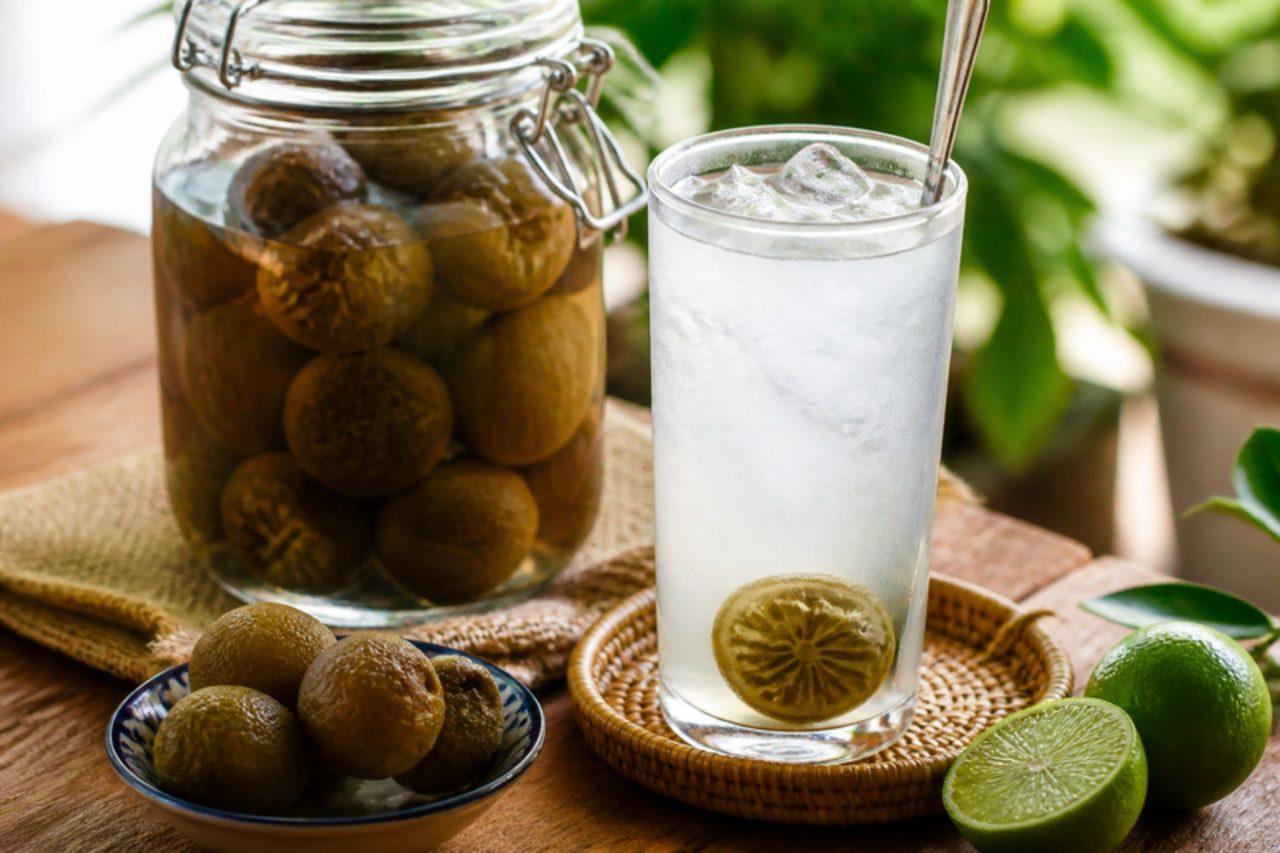
Chanh muốiSalted lime drink

Vietnamese households keep a jar of chanh muối, limes cured in salt until they turn soft and olive-brown, on a sunny shelf for months; on a sweltering day a lime or two is muddled with sugar and topped up with ice water or soda water. The drink is salty, sour and sweet all at once, and grandmothers swear by it for sore throats and after a bout of sun. This recipe makes the jar of cured limes (allow four weeks before the first glass) and then the drink itself. Chef's tip: dry the limes completely after blanching; any water left on the skins lets mould take hold in the jar.

by KrazyBadal 0 views

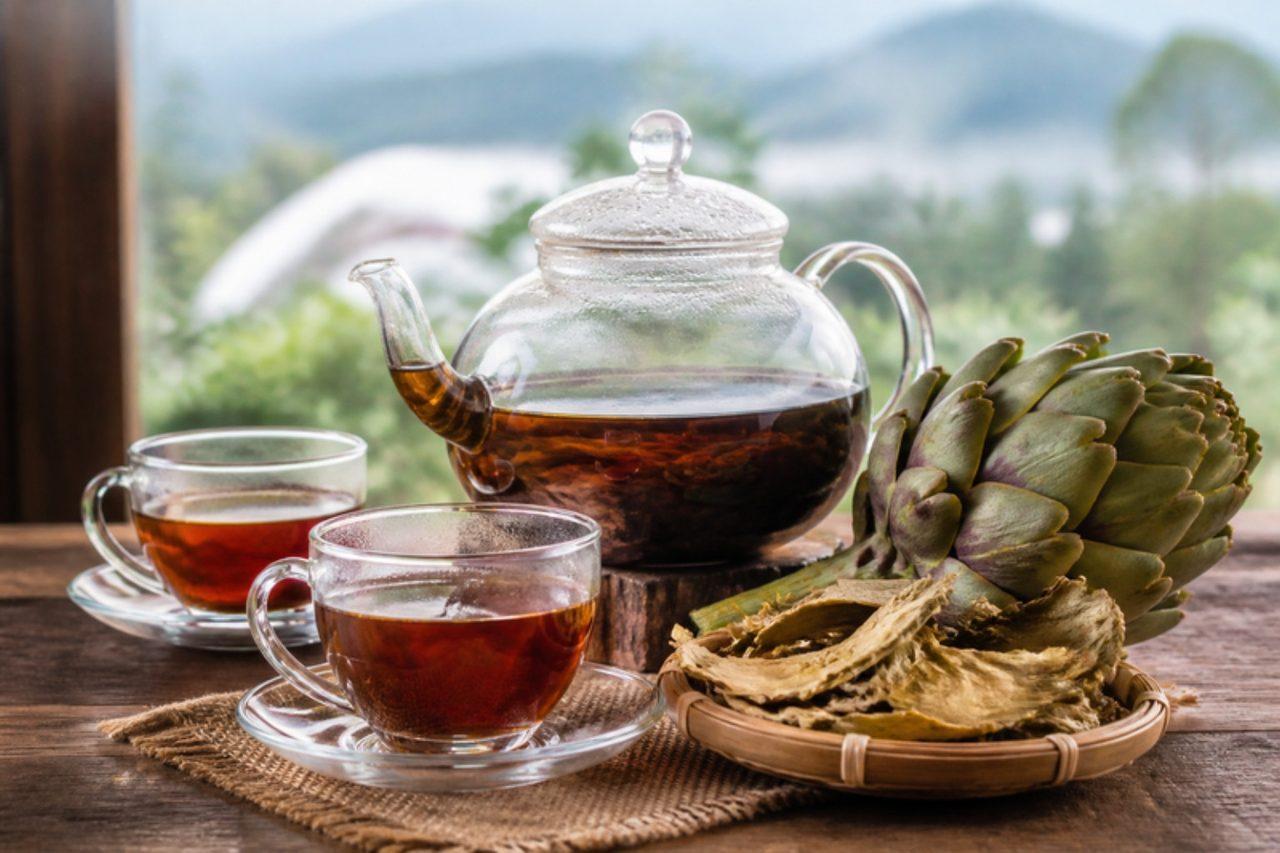
Trà atisôArtichoke tea

Artichokes arrived in the cool Đà Lạt highlands with French planters, and today the town's markets sell dried artichoke leaves, stems and flower buds for tea along with fresh heads for soup. Local cafés serve it hot on misty mornings and iced in the afternoon, slightly sweet, earthy and pleasantly bitter, and many Vietnamese drink it as a gentle tonic after rich meals. This version brews fresh globe artichokes with their stems; a 30 g bag of dried trà atisô works the same way. Chef's tip: skip the aluminium pan; artichokes react with it and the tea turns grey and metallic.

by KrazyBadal 0 views

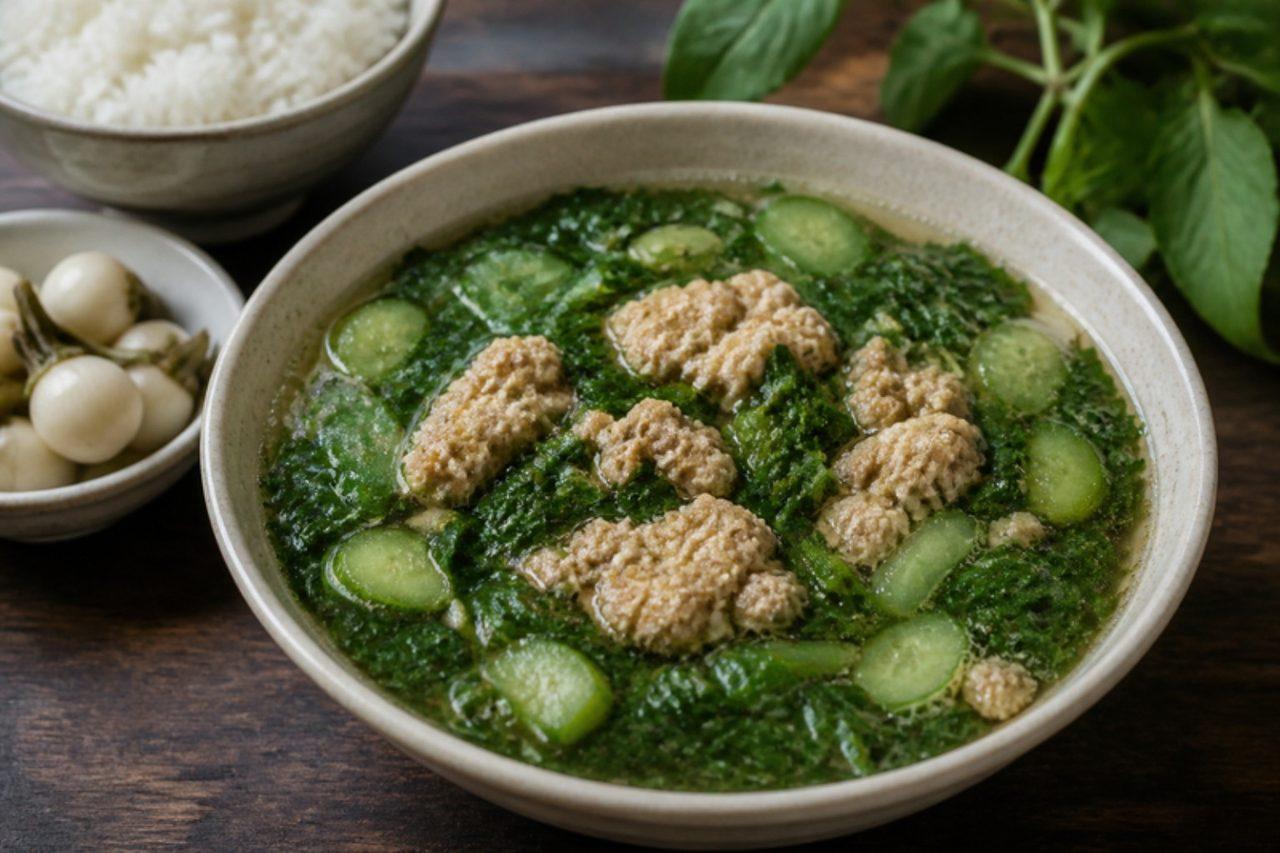
Canh cua rau đayCrab and jute leaf soup

Through the sticky Hanoi summer, the cheapest and most loved soup is canh cua: tiny rice-field crabs pounded and strained so the sweet crab 'curds' float to the top of a broth of slippery jute leaves (rau đay) and luffa, eaten with rice and crunchy pickled aubergines. Away from the paddies, fresh crab meat gives the same soft curds; if you buy live crabs, cook only lively ones and discard any that are dead. Chef's tip: stir the broth only until it comes to a simmer, then leave it; keep stirring and the crab curds break into a cloudy mush.

by KrazyBadal 0 views

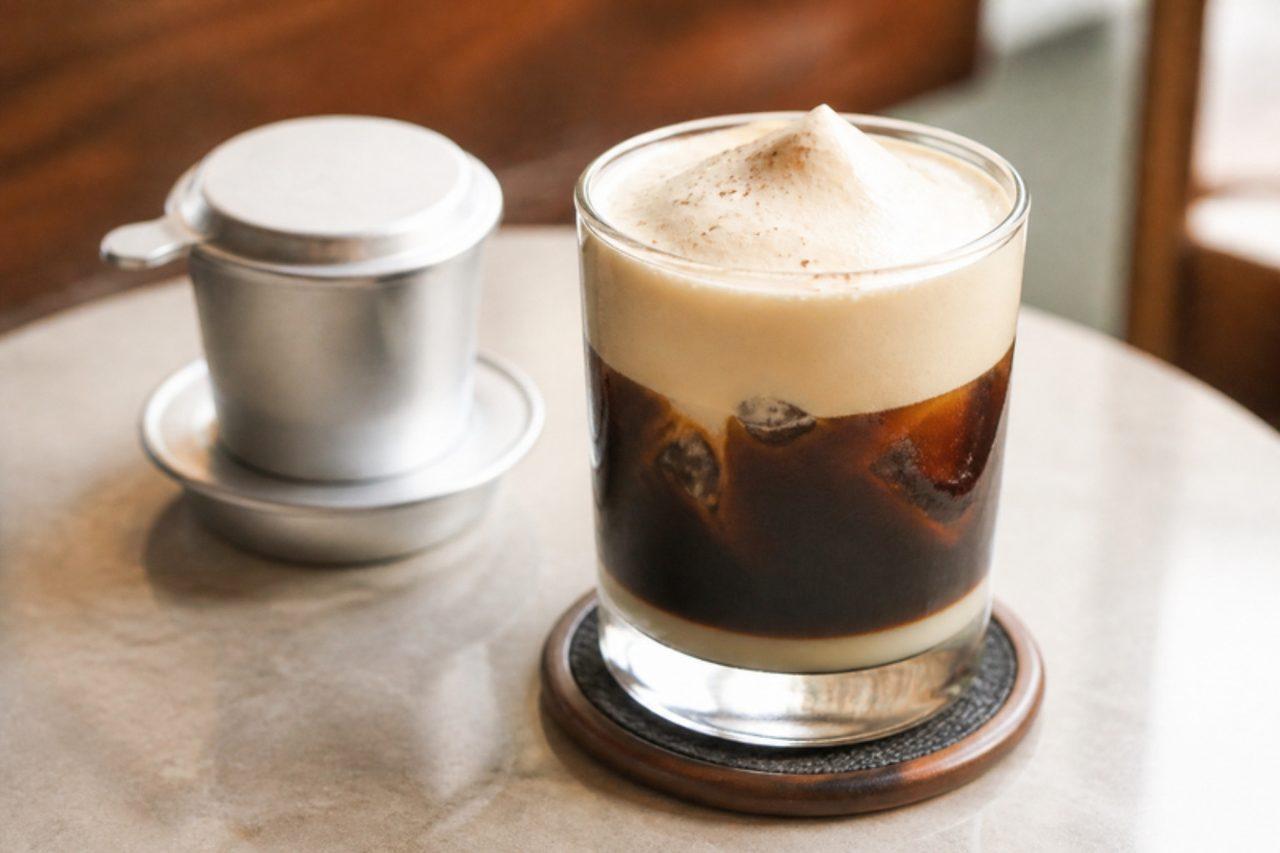
Cà phê muốiSalt coffee

A family café in Huế's citadel quarter began topping its coffee with salted cream, and now cà phê muối is served across central Vietnam and in trendy cafés in Saigon and Hanoi. Sip it without stirring: first the cool, faintly salty cream, then sweet condensed milk and strong phin coffee, the salt rounding off the bitterness much like a pinch in caramel. It is good hot or poured over ice. Chef's tip: use only a small pinch of salt per glass; too much and the drink tastes like seawater rather than salted caramel.

by KrazyBadal 0 views

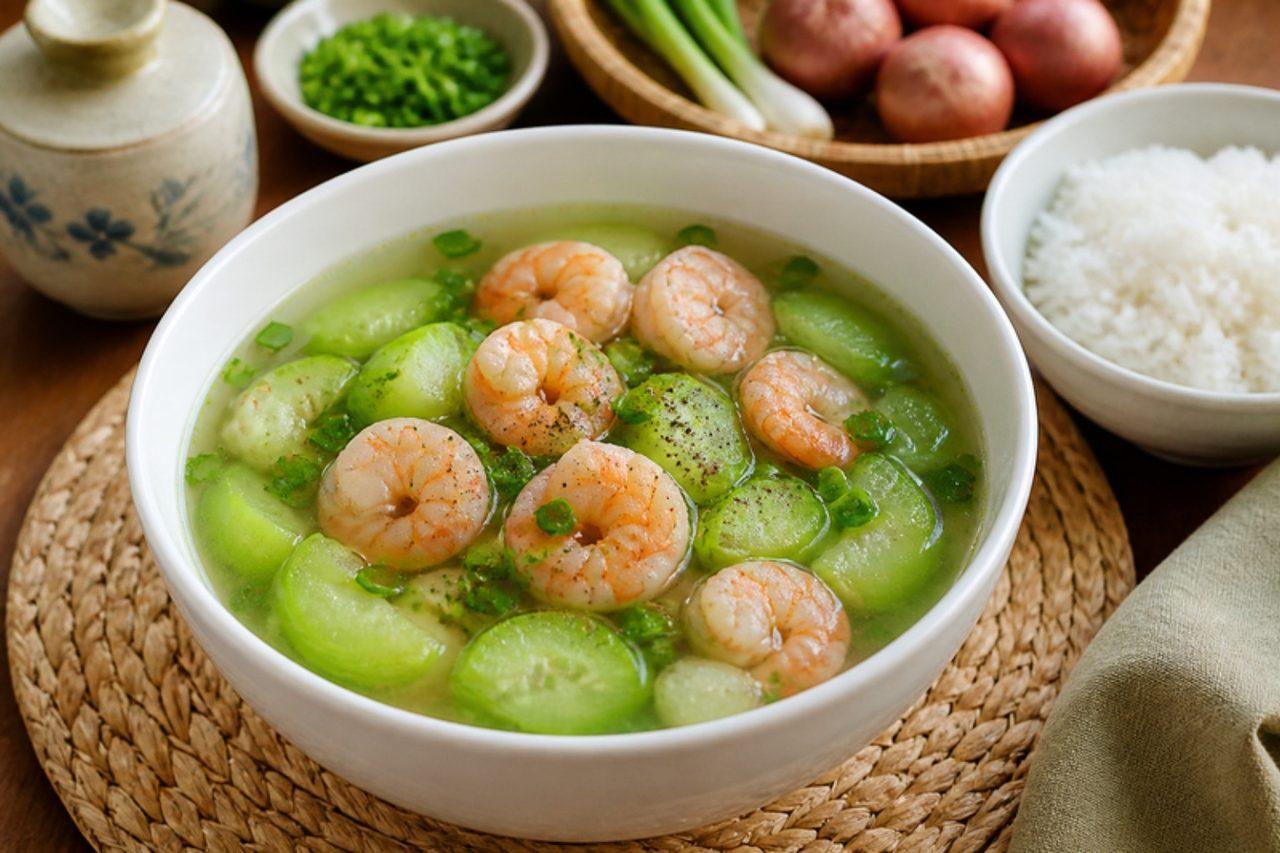
Canh mướp tômLuffa and prawn soup

In summer the trellises of Vietnamese gardens hang heavy with luffa, and canh mướp is what goes on the table most evenings from Hanoi to Huế: a clear, barely salted broth with soft, sweet gourd and a little chopped prawn, ladled over rice through the meal. It takes 20 minutes and very little oil, which is why mothers make it for anyone feeling the heat. Chef's tip: add the luffa last and pull the pot off as soon as it turns translucent; overcooked luffa goes slimy and the soup turns grey.

by KrazyBadal 0 views

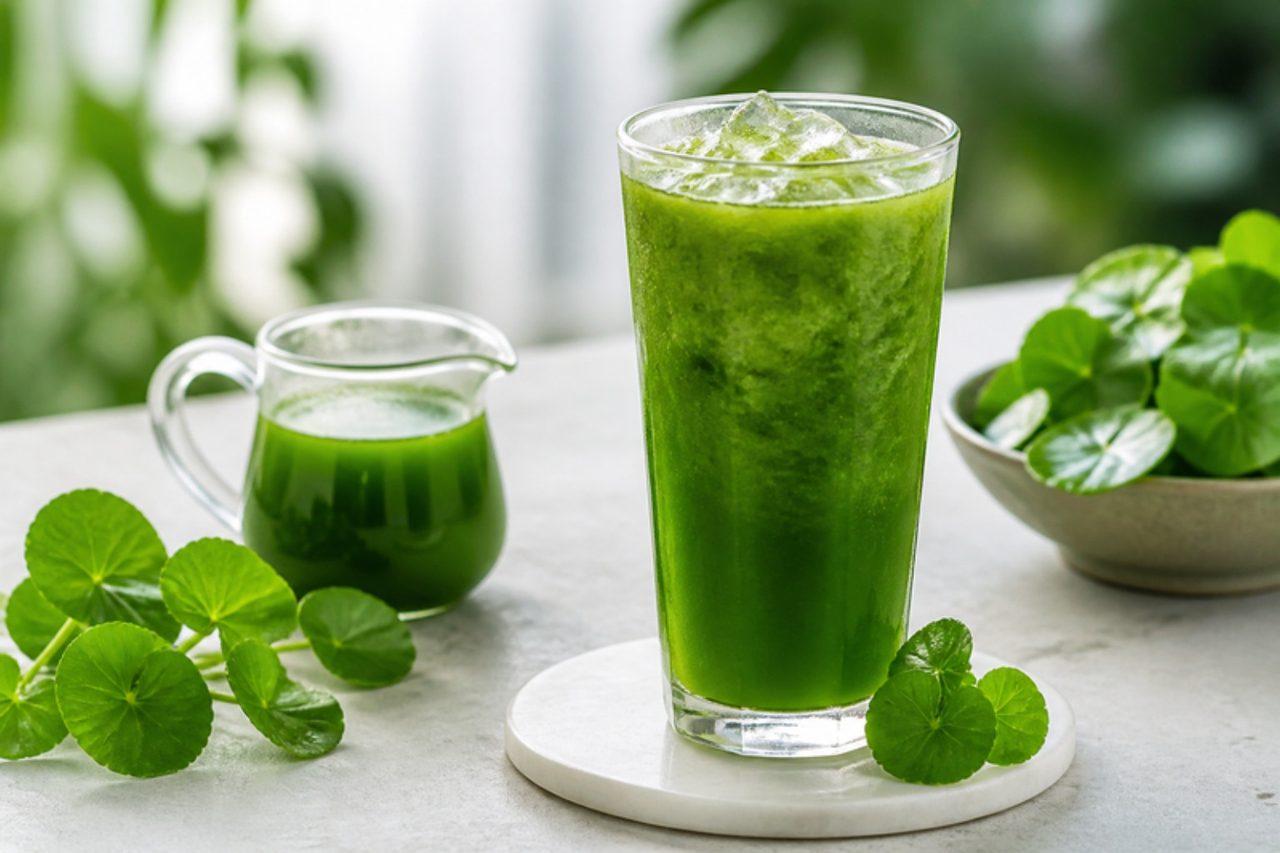
Nước rau máPennywort juice

Saigon street carts blend nước rau má to order through the hottest part of the afternoon, pouring the bright green juice into plastic cups over crushed ice for office workers and students. Pennywort (rau má) tastes fresh, grassy and very slightly bitter, and southerners drink it to 'cool the body' in the dry season; some stalls blend in cooked mung beans or a splash of coconut milk to make it richer. Look for bunches of rau má in Vietnamese and South Asian grocers, where it is also sold as gotu kola. Chef's tip: strain twice through a fine cloth and drink it within the hour; left standing, it separates and darkens to a dull khaki.

by KrazyBadal 0 views

Nước sâmCooling herbal drink

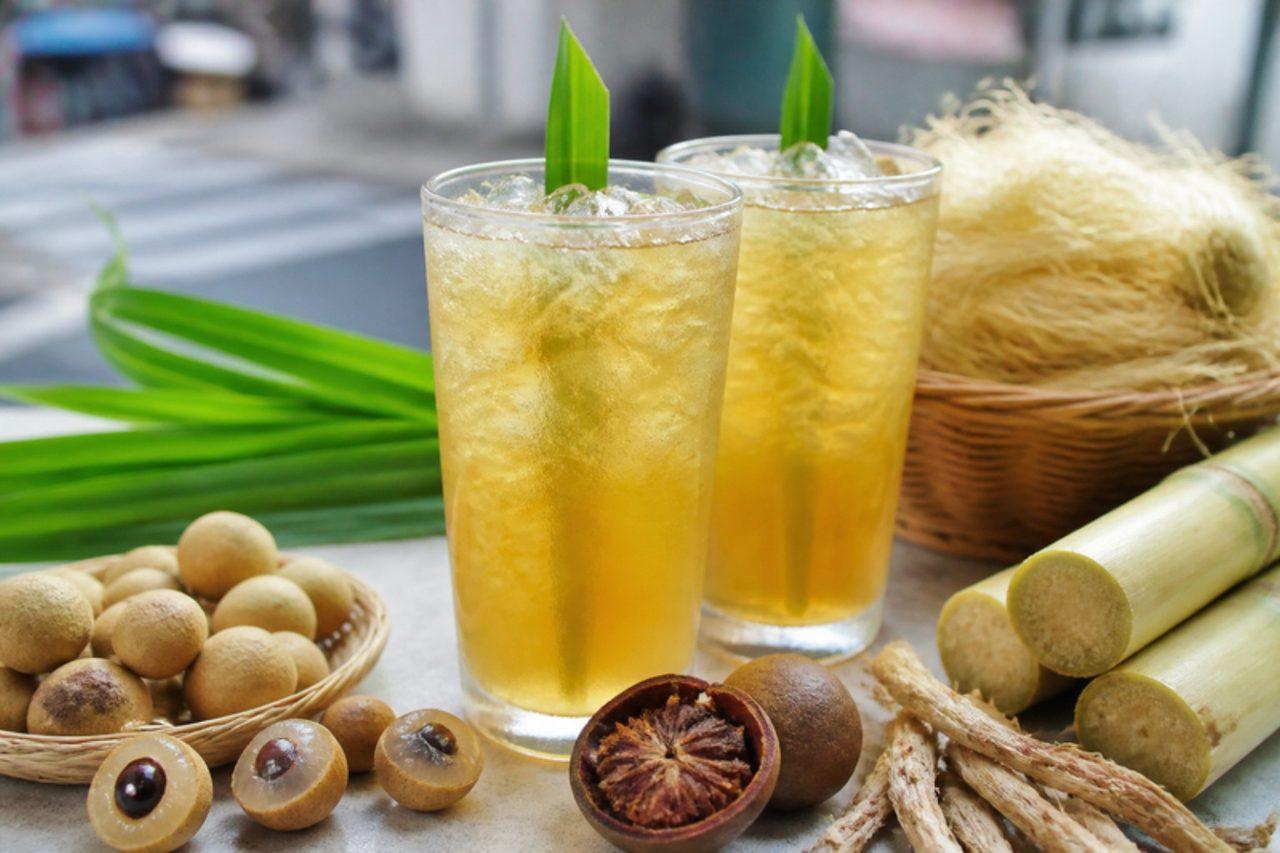
Big glass jars of amber nước sâm sit on pavement stalls all over Hồ Chí Minh City, ladled over ice for anyone who has eaten too much fried food or spent too long in the sun. The brew is gently sweet and earthy, with honeyed dried longan, the liquorice note of monk fruit and fresh sugarcane, and Chinese-Vietnamese herbalists sell ready-mixed bags of the dried roots. Make a big pot: it keeps for four days in the fridge. Chef's tip: simmer, never boil hard; a rolling boil pulls bitterness out of the roots and turns the drink cloudy.

by KrazyBadal 0 views

Cà phê trứngEgg coffee

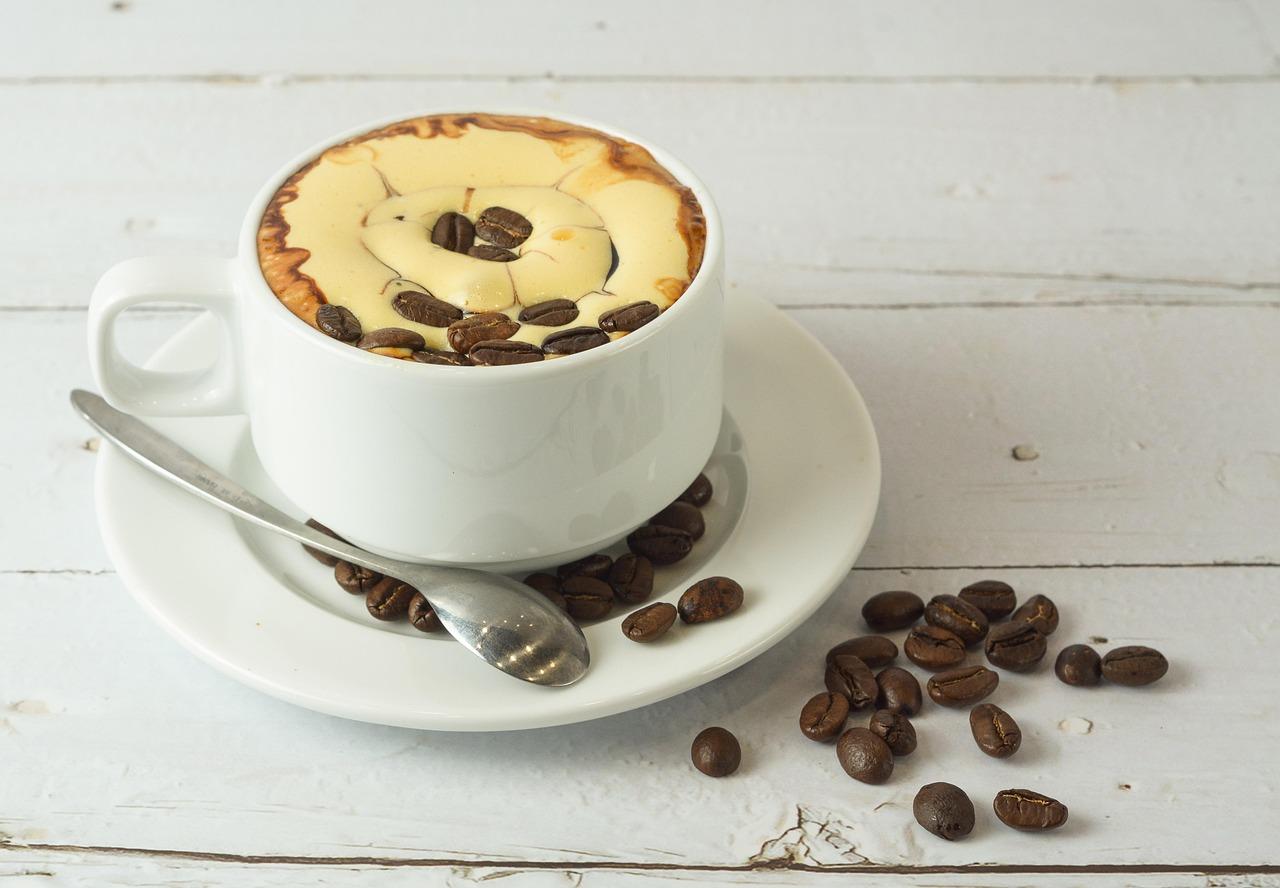
Hanoi's old-quarter cafés, up narrow stairs and in tiny back rooms, serve cà phê trứng in a small cup set in a bowl of hot water so it stays warm while you spoon through the custardy foam into bitter coffee below. The topping is egg yolk whisked with condensed milk until pale and thick, a trick that began when fresh milk was scarce in the 1940s. Because the yolk is not cooked, use pasteurised eggs for pregnant women, young children, older people or anyone with a weakened immune system. Chef's tip: whisk longer than you think; under-beaten yolk tastes eggy and sinks straight into the coffee instead of sitting on top.

by KrazyBadal 0 views

Bò lá lốtBeef in betel leaves

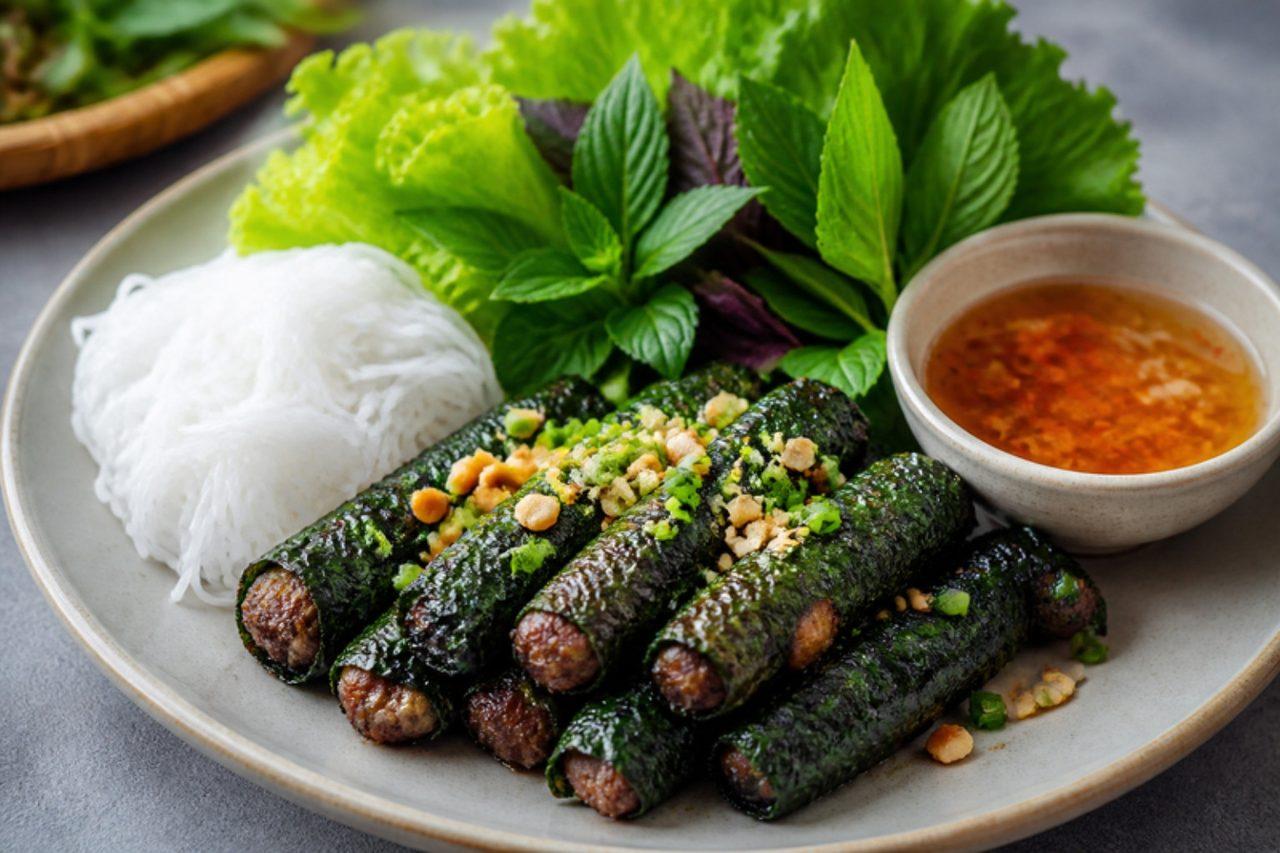
Saigon's evening grill stalls fan charcoal under racks of bò lá lốt, little cigars of garlicky, lemongrass-scented minced beef wrapped in wild betel leaves that char and turn smoky, almost tea-like. They are eaten rolled in rice paper or lettuce with vermicelli and herbs, dipped in nước chấm or the funkier mắm nêm anchovy sauce. Look for lá lốt (Piper sarmentosum) in Vietnamese and Thai grocers; it is not the same as the betel leaf chewed with areca nut. Chef's tip: wrap with the shiny side of the leaf outward and keep the rolls snug; loose rolls unravel on the grill and the filling dries out.

by KrazyBadal 0 views

Phá lấu (five-spice braised pork offal)

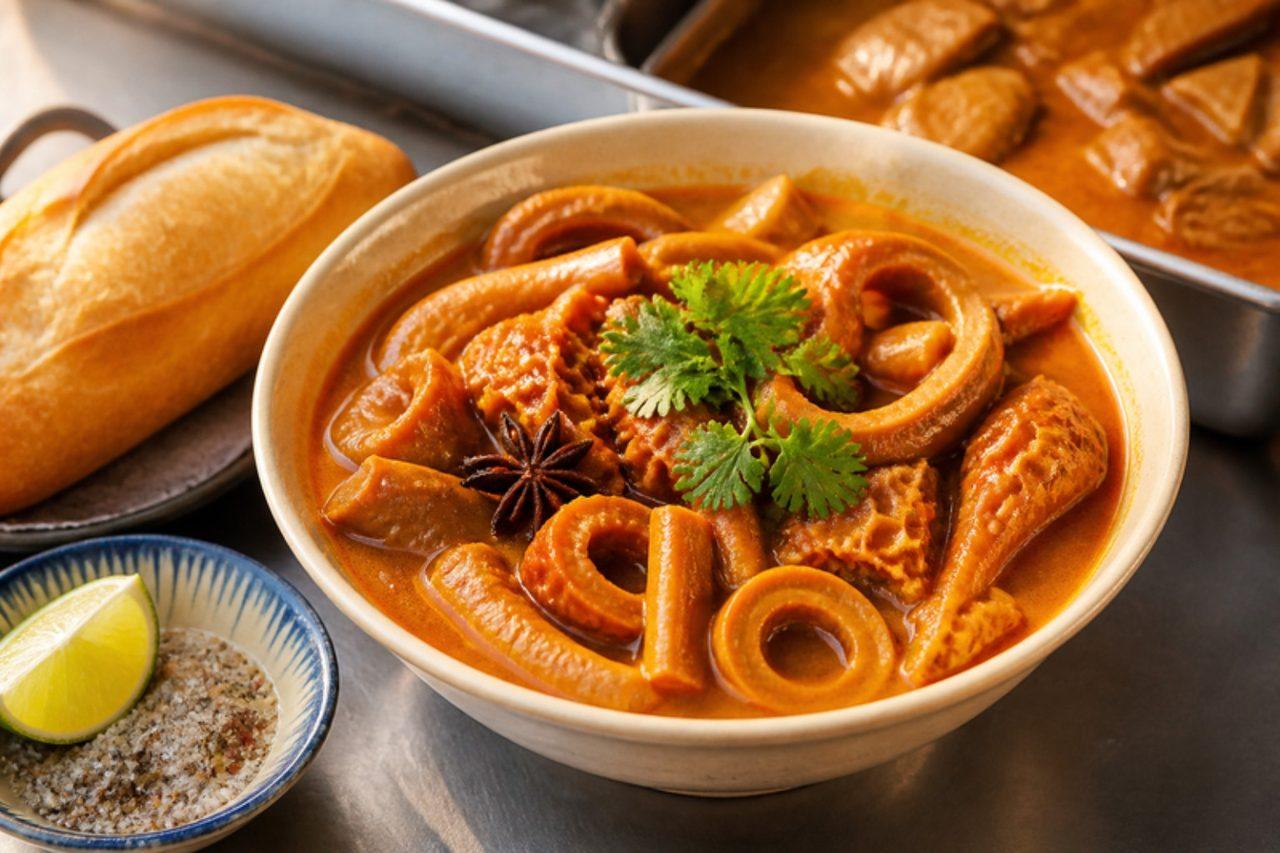
In District 4 and Chợ Lớn, Saigon's Chinese quarter, phá lấu carts park outside schools and alleys every afternoon, ladling pork offal from a bubbling five-spice broth into bowls to eat with crusty bread and a dip of lime, salt and pepper. Teochew immigrants brought the braise; the Vietnamese version adds coconut water and a splash of coconut milk, which makes the broth rich, sweet and orange-red with annatto. Chef's tip: scrub and blanch the offal twice with salt and vinegar; skipping the cleaning leaves a strong smell that no amount of spice will hide.

by KrazyBadal 0 views

Showing 24 of 55 recipes

Show more recipes

Page 1 of 3