Skip to content
Recipes

All recipes

Vegetarian, or something you can't eat? Set your diet once and we'll hide recipes that don't fit.

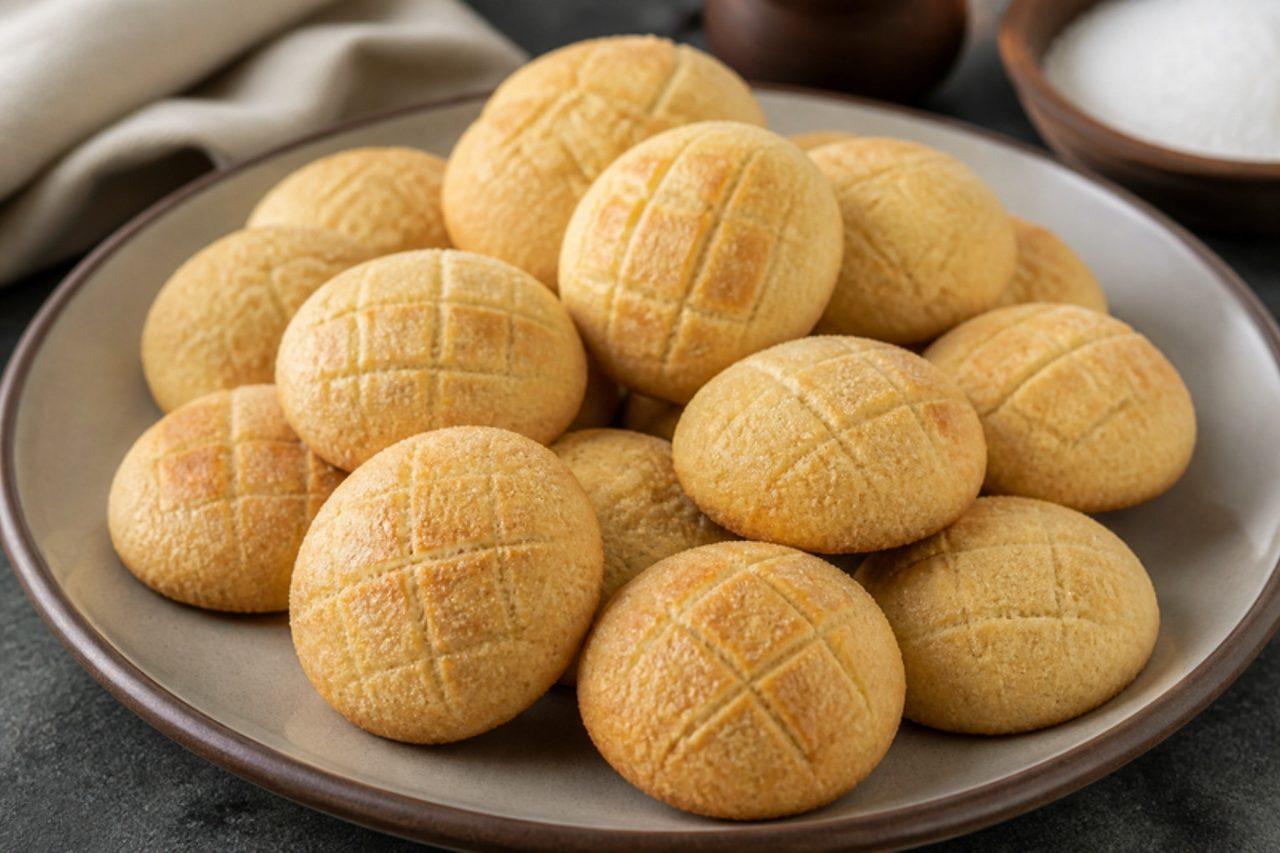
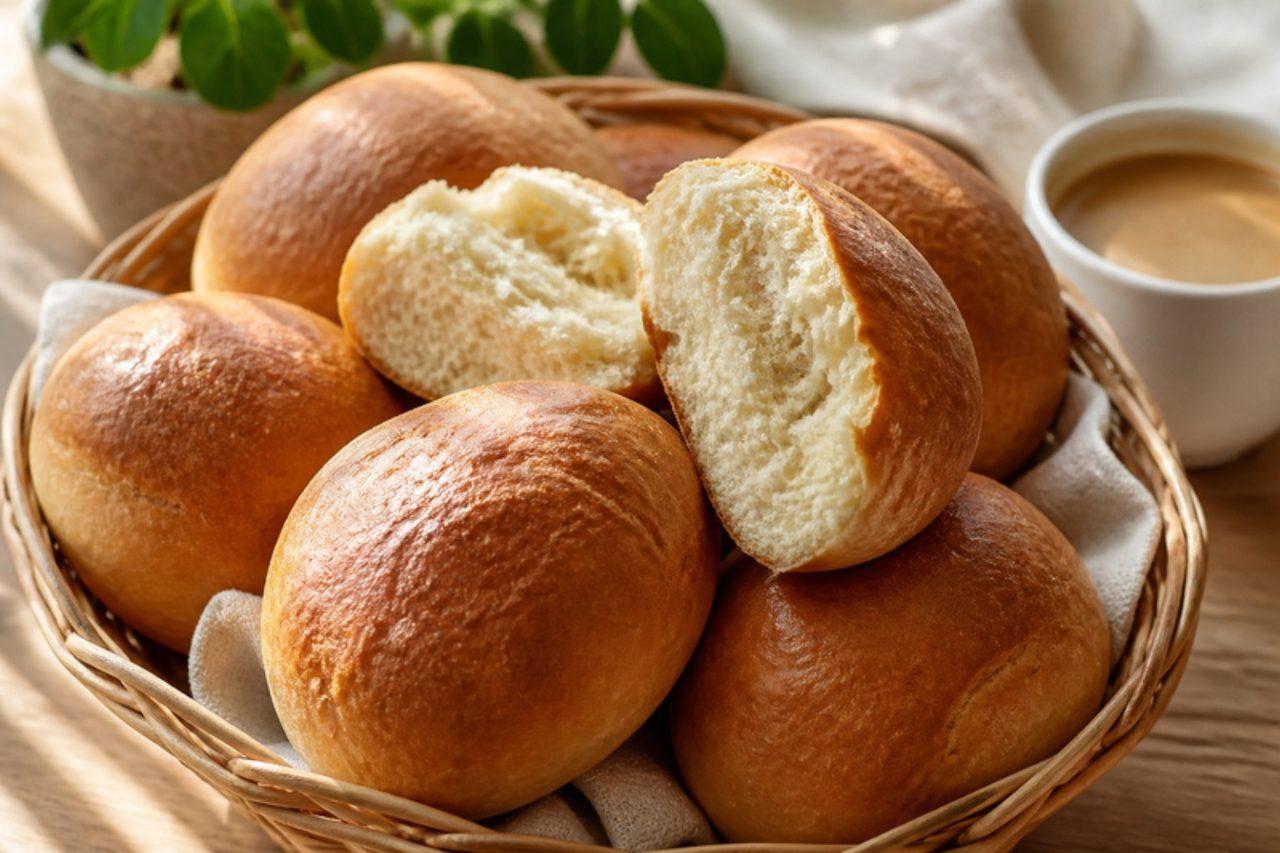
MacatiaSweet breakfast buns

Bakeries in Saint-Denis and Saint-Paul fill their shelves with macatias before dawn, and they go fast: plump, shiny buns with a close, cotton-soft crumb and just enough sugar to taste sweet with black coffee. Children take them to school, workers tear one open on the bus, and people split them and fill them with butter, cheese or even a spoon of cari for a quick lunch. Some bakers add grated coconut and call them macatia coco. The commonest mistake is using milk that is too hot, which kills the yeast; it should feel just warm on your wrist. Chef's tip: brush the buns with a little milk as soon as they come out of the oven and cover them with a cloth, which keeps the crust soft rather than crisp.

by KrazyBadal 0 views

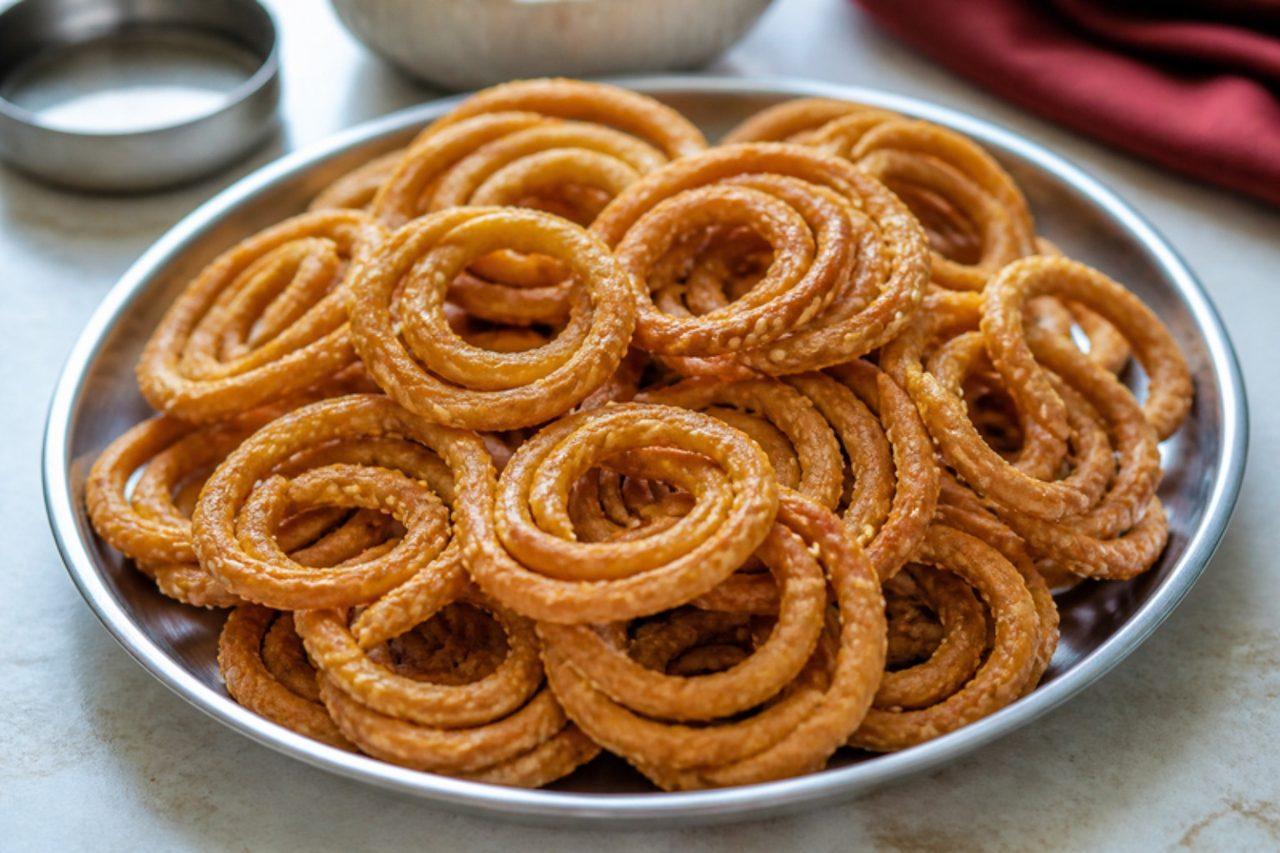
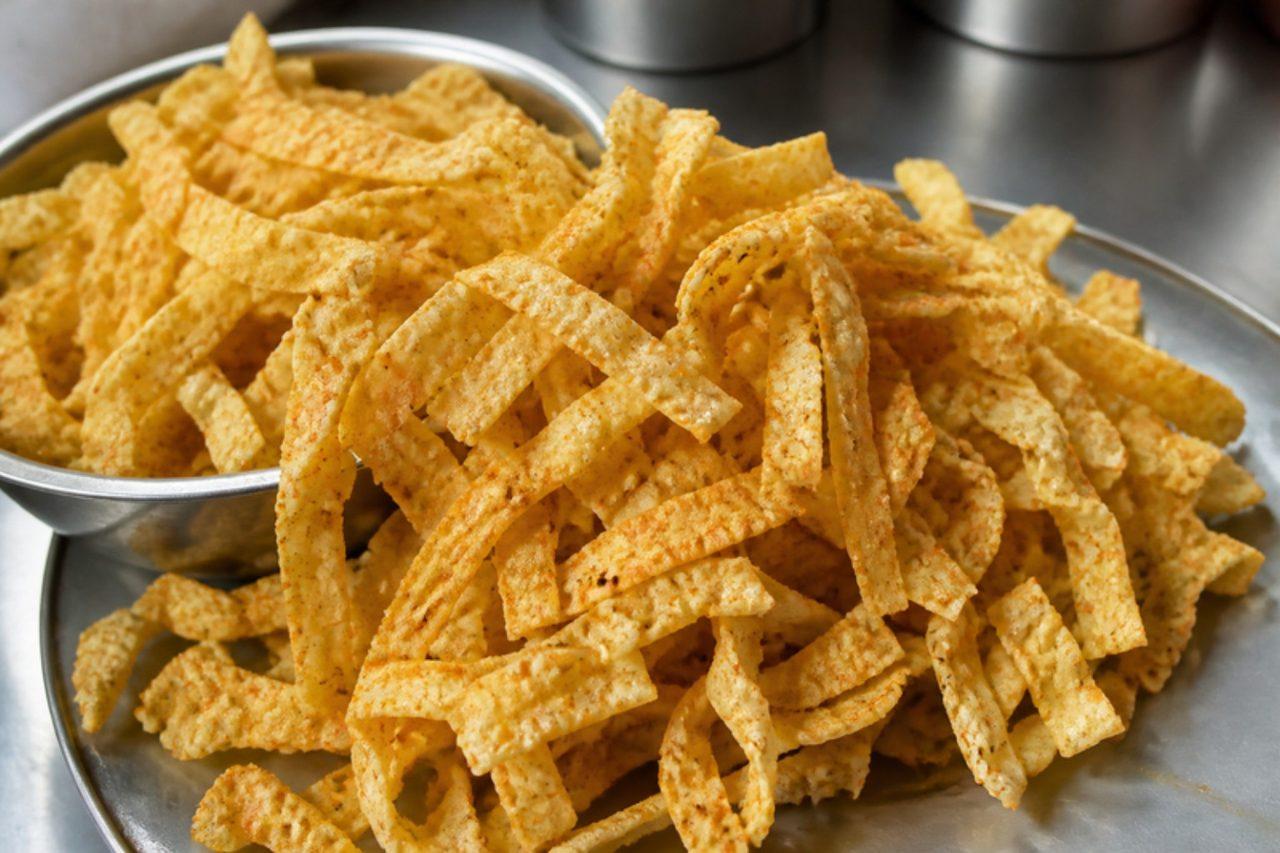
Ribbon pakodaCrisp rice flour ribbons

Tamil households fire up the murukku press in the week before Deepavali, and ribbon pakoda is usually the first thing through it because it is the most forgiving. The dough of rice flour and gram flour is spiced with red chilli, sesame and asafoetida and squeezed through a flat slit plate straight into the oil, where the ribbons fry into crunchy, ridged strips that break into bite-sized pieces. It is lighter and crisper than thenkuzhal, savoury with a little heat, and fills the tins for guests and neighbours. Children eat it by the handful with evening coffee. Use gluten-free asafoetida, as many brands are cut with wheat, and check your press is free of wheat dough. Chef's tip: listen to the oil; when the loud sizzle around the ribbons dies to a whisper, the moisture is gone and they are done.

by KrazyBadal 0 views

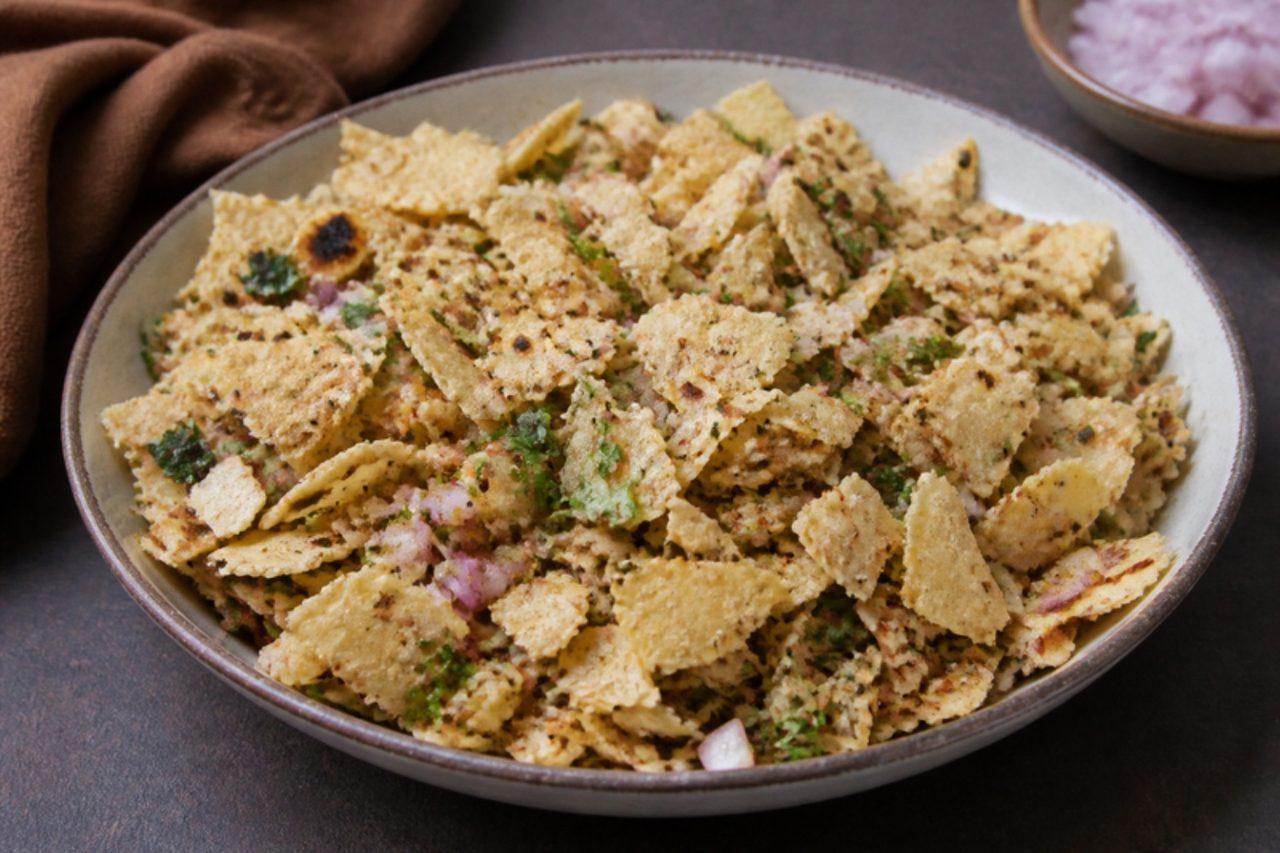
Papad churiCrushed papad with ghee

Picture a Jodhpur dal-baati-churma lunch: baked wheat baatis drowning in ghee, a pot of panchmel dal, sweet churma, and a small bowl of something red-flecked and crunchy that goes onto every bite. That is papad churi, roasted papads broken into small shards and tossed with warm ghee, raw onion, red chilli powder and coriander. It is also made in Marwari homes as a quick accompaniment to khichdi or bajra roti when there's no time to cook a sabzi. The result is salty, smoky, peppery and rich, with the sweetness of raw onion cutting through. Use spicy Bikaneri urad papads if you can get them. Chef's tip: add no salt until you have tasted it; the papad and its papad khar already carry plenty, and a mixture that tastes right on its own will be too salty with dal.

by KrazyBadal 0 views

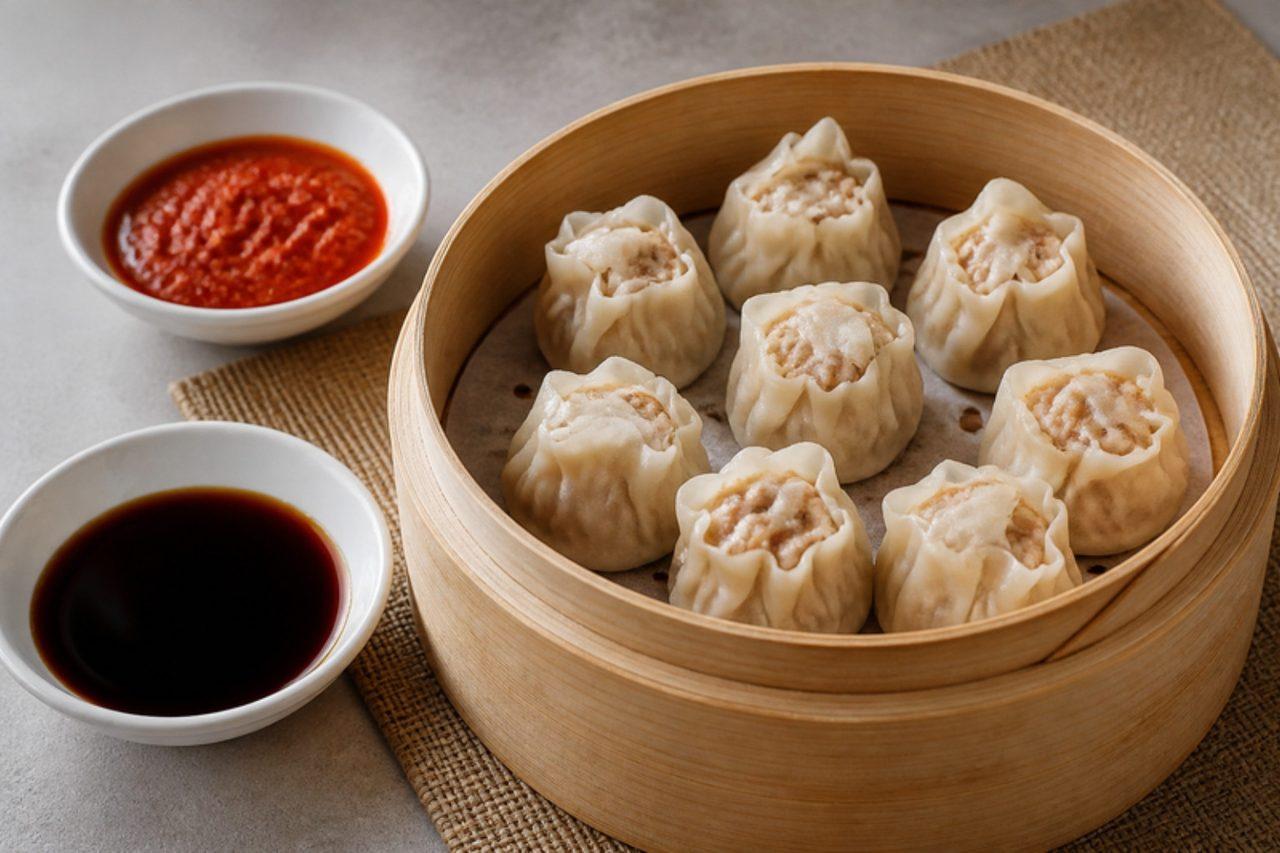
BouchonsSteamed pork dumplings

Chinese families brought bouchons to Réunion, and today every snack van and camion bar in Saint-Pierre and Saint-Denis sells them by the half-dozen, usually next to samoussas and bonbons piment. They are small open-topped dumplings of seasoned pork mince with garlic, ginger and spring onion in a thin wheat wrapper, steamed until juicy and served in a cardboard tray with soy sauce and a dab of chilli, or stuffed into a baguette as a pain bouchon. The filling should be springy and moist, not dense. People tend to cram the wrappers too full, so the filling cooks unevenly and the parcels burst; a heaped teaspoon is plenty. Chef's tip: use pork mince with some fat in it, around 20 per cent, as very lean pork steams dry and crumbly.

by KrazyBadal 0 views

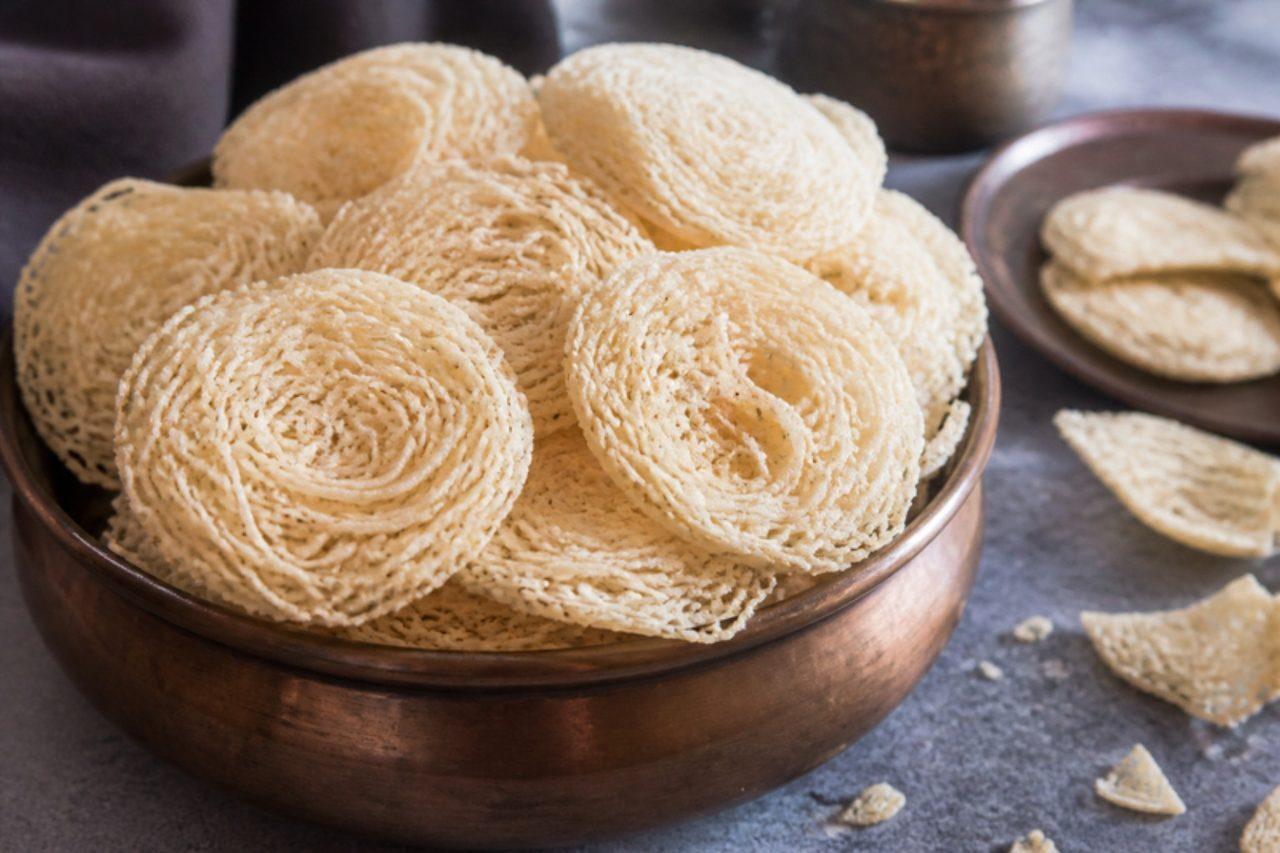
KurdaiSun-dried wheat starch spirals

Kurdai is one of the great Marathi summer projects, the kind that takes the whole family and most of the week. In Marathwada and Khandesh, whole wheat grains are soaked for three days, ground, and strained to collect the fine starch (chik), which settles and slightly ferments. That starch is cooked into a glossy paste and pressed through a kurdai press into flat spirals that dry hard and translucent in the April sun. Fried, they swell into airy, rippled curls, crisp and almost melting, with a faint tang from the fermentation. Kurdai turns up on the side of a Maharashtrian thali with varan-bhaat, at festivals, and as a tea-time crunch. Note that it is made from wheat, so it is not gluten-free. Chef's tip: change the soaking water morning and evening without fail. Skip it and the wheat starts to smell sour and musty instead of clean and yeasty, and the kurdai will taste of it.

by KrazyBadal 0 views

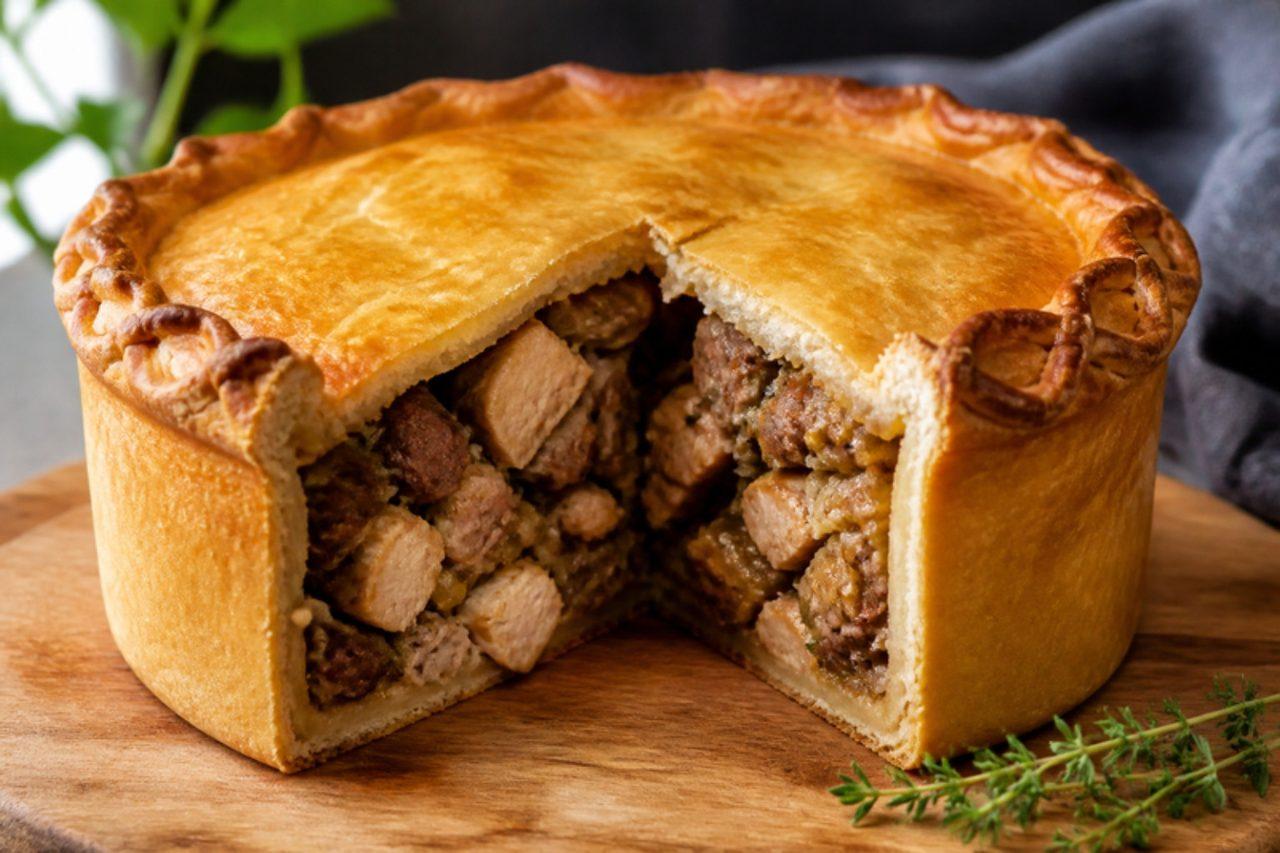
Pâté créolePork and chicken pie

Christmas Eve, New Year and big christenings in Réunion are not complete without a pâté créole, a deep, golden shortcrust pie filled with pork and chicken that have spent a night soaking up garlic, ginger, thyme, parsley and four-spice. It bakes slowly so the meat cooks in its own juices into a tender, fragrant filling that slices neatly, and it is served warm or at room temperature with a green salad. Families often order one from the local baker or traiteur, but it is a satisfying weekend project at home. Because the filling goes in raw, the usual mistake is cutting the meat too large and taking the pie out too early; dice it small and check the centre with a thermometer. Chef's tip: keep a little hole in the middle of the lid; it lets steam escape so the crust stays crisp, and it is exactly where the thermometer goes.

by KrazyBadal 0 views

KadboliCrunchy savoury rice and lentil rings

Kadboli is the Maharashtrian answer to chakli for people without a press: the same kind of roasted multi-grain flour, called bhajani, is rolled into ropes on a wooden board and twisted into rings by hand. Grandmothers in Kolhapur and Satara can turn out hundreds in an afternoon, each with the faint ridges of the board on it. The flavour is deeper and more toasty than a plain gram-flour snack, thanks to rice, chana, urad and moong all roasted before grinding, with coriander and cumin roasted in. They are hard-crunchy, spicy and moreish, eaten from the faral dabba with tea through Diwali week. Ready-made kadboli bhajani from a Maharashtrian grocer saves the roasting steps. Chef's tip: knead with water that is just off the boil; the heat partly cooks the starch and gives a pliable dough that rolls into smooth ropes without cracking.

by KrazyBadal 0 views

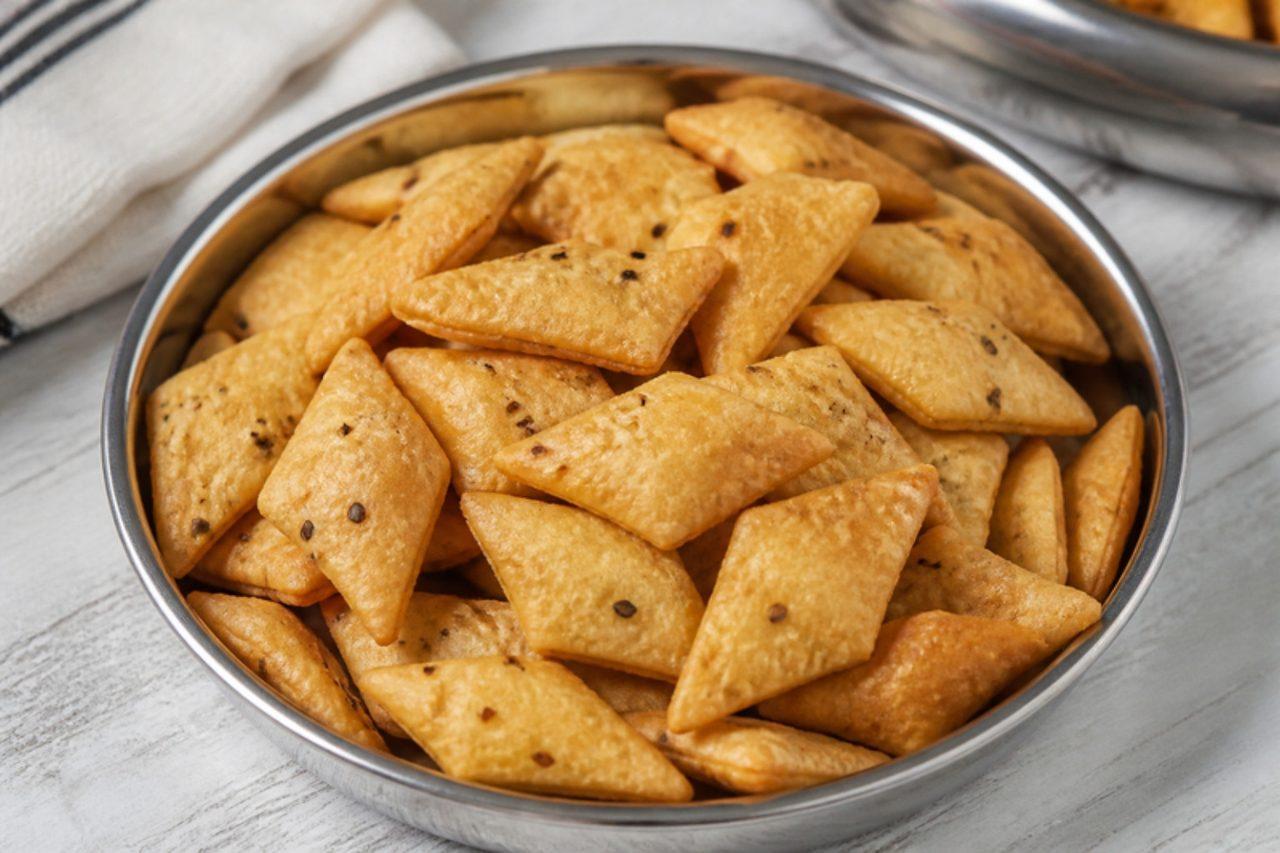
Namak pareSalted dough diamonds

Namak pare are the easiest thing in the festive tin, and usually the first to run out. A simple salted dough with a little ghee, ajwain and black nigella seeds is rolled thin, cut into small diamonds and fried until golden and crunchy. They are much thinner and crisper than mathri, with a satisfying snap rather than a flaky crumble, and the kalonji gives a slightly oniony, peppery note. Punjabi and UP homes make big batches before Holi and Diwali, but they also turn up on train journeys, at kitty parties and with evening tea. Sprinkle with chaat masala for a tangier version. Chef's tip: roll the dough evenly, about 3 mm; thin spots burn while thick ones stay soft, and even sheets give every piece the same crunch.

by KrazyBadal 0 views

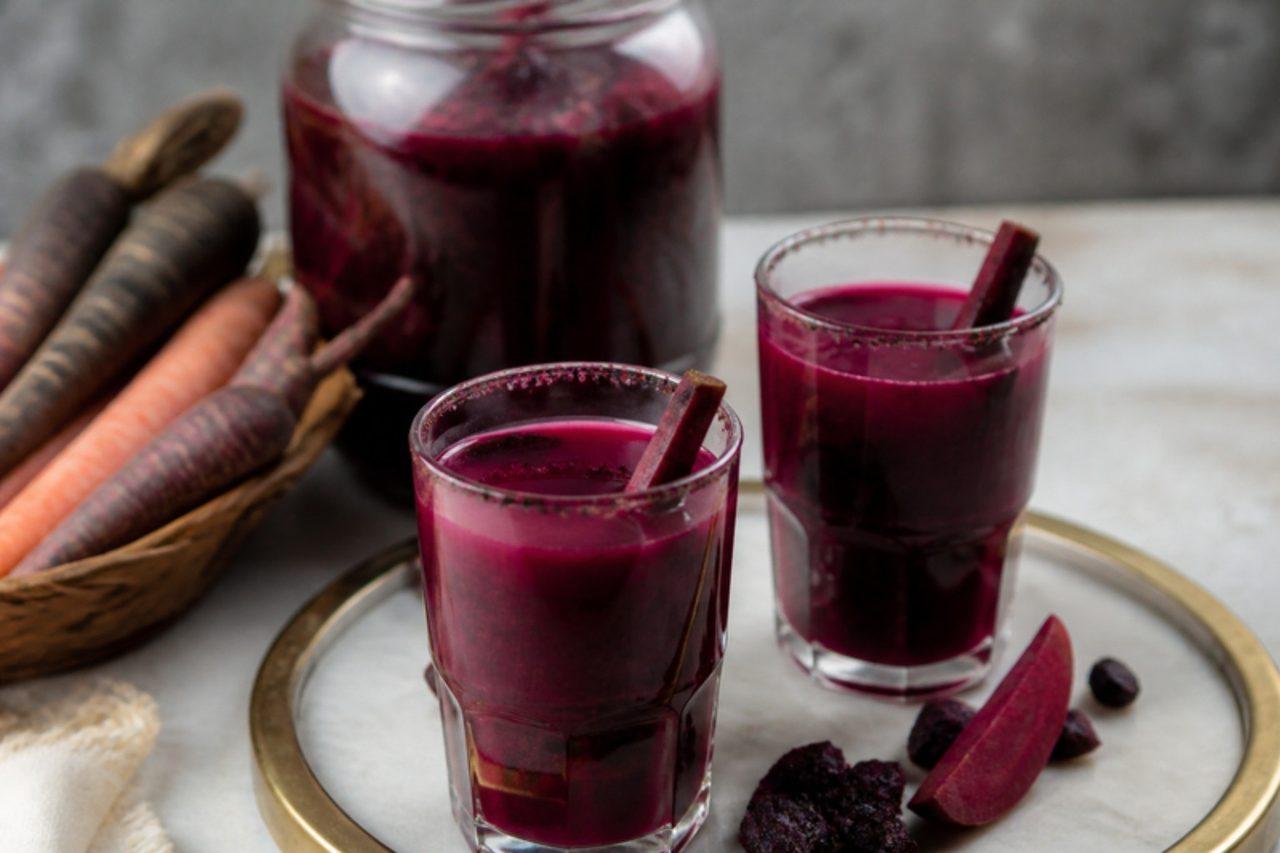
Kali gajar ki kanjiFermented black carrot drink

When the last black carrots of winter reach Punjabi and UP markets in February and March, kitchens start a jar of kanji. The carrots are cut into fingers, steeped in water with crushed mustard seed, salt and chilli, and left in the sun for a few days until the liquid turns deep purple, sour and sharp enough to tickle your nose. It is drunk by the glass before meals around Holi as a digestive and a spring tonic, and the soft, tangy carrot sticks are eaten too. The flavour is like a lively pickle brine, earthy from the carrots and peppery from mustard. Use a glass or ceramic jar that you have washed and dried completely, keep the vegetables under the water, stir with a clean dry spoon, and discard if mould or an unpleasant smell appears. Chef's tip: a small beetroot deepens the colour if your carrots are more red than black, but don't overdo it or the kanji tastes earthy and sweet.

by KrazyBadal 0 views

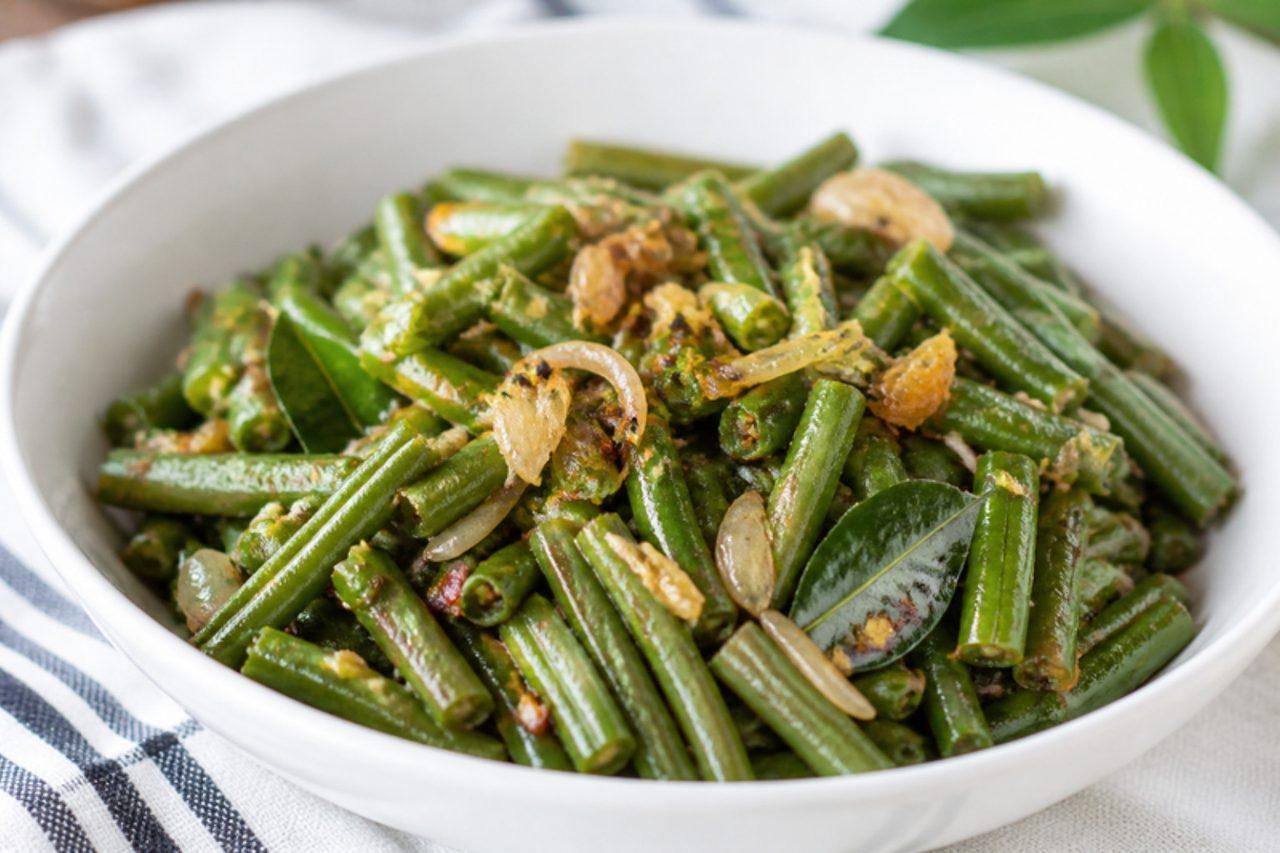
Payar mezhukkupurattiStir-fried long beans

The name says it all: mezhukku means oil and puratti means smeared, so this is a dry stir-fry that leaves every bean slick and shiny with coconut oil. Vanpayar, the yard-long beans that climb over every Kerala garden fence, are cut short and cooked with crushed shallots, garlic and dried chilli flakes until tender and blistered in places. It is weekday food in Kottayam and Alappuzha homes, packed into tiffin with rice and moru curry, and it turns up on festive spreads too. The taste is simple, smoky and savoury, with crunch from the shallots. Serve with matta rice and a thin curry. The common mistake is covering the pan for too long, which steams the beans grey and soft; cover briefly, then finish uncovered so they roast. Chef's tip: crush the shallots, garlic and chilli together in a mortar rather than slicing them; the rough paste clings to the beans much better.

by KrazyBadal 0 views

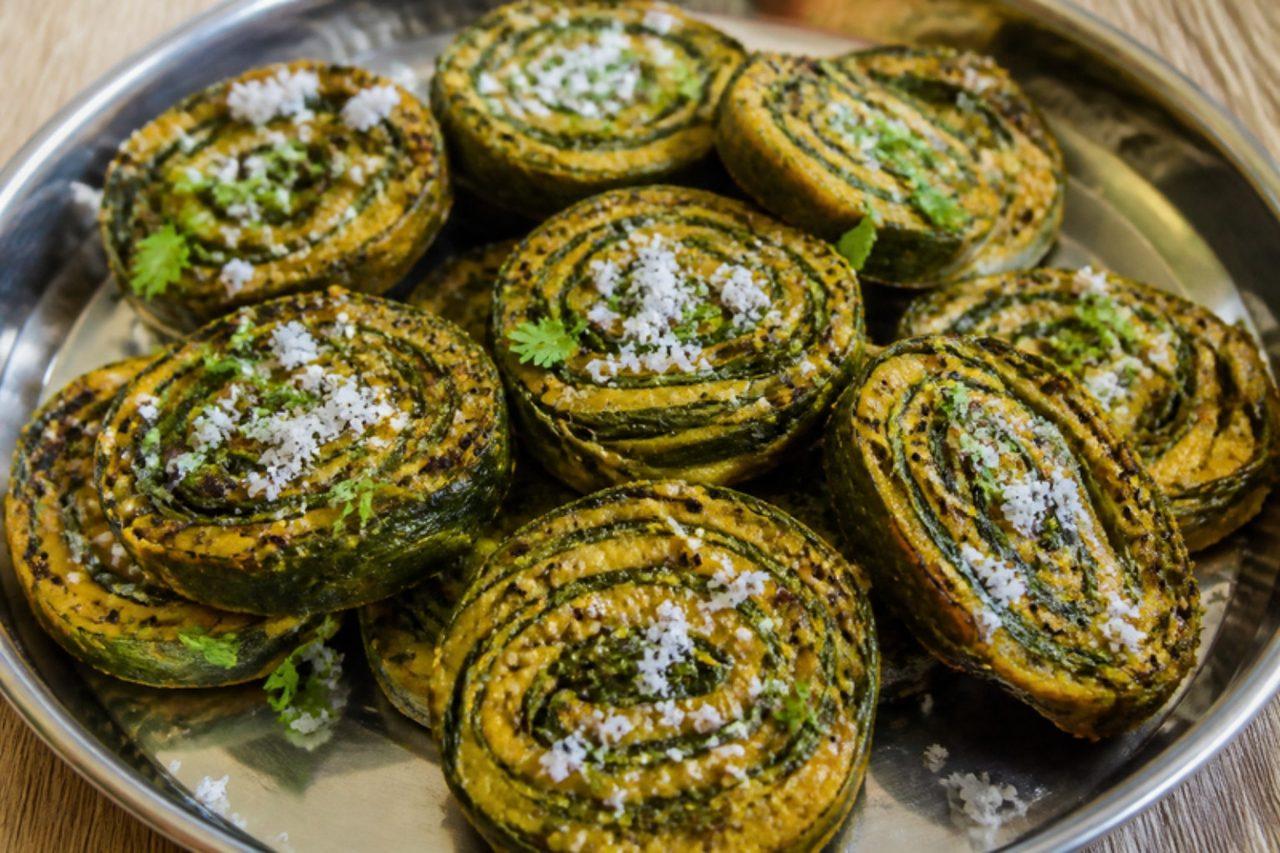
PatraSteamed colocasia leaf rolls

Arbi leaves (colocasia, sold as patra or alu leaves in Indian shops) are on every farsan counter from Surat to Ahmedabad, and steamed patra is the one Gujarati mothers make on a Sunday when the leaves look good at the market. Several leaves are glued together with a thick besan paste that is sour with tamarind, sweet with jaggery and warm with ginger and chilli, then rolled, steamed, cooled and cut into spirals. A final vaghar of mustard, sesame and curry leaves gives a crisp edge. The same dish in Maharashtra is alu vadi, where the slices are usually fried. Patra is a must on a wedding or Diwali farsan plate and is good cold in a dabba too, with green chutney or nothing at all. Tamarind matters for more than taste: raw colocasia makes the throat itch, and the acid in the paste stops it, so never skip it. Common mistake: slicing the rolls while hot, when they crumble; let them cool completely first. Chef's tip: choose medium leaves without holes, and shave the thick back veins flat with a knife so the leaves lie flat and roll tight.

by KrazyBadal 0 views

BolinhasSemolina and coconut cookies

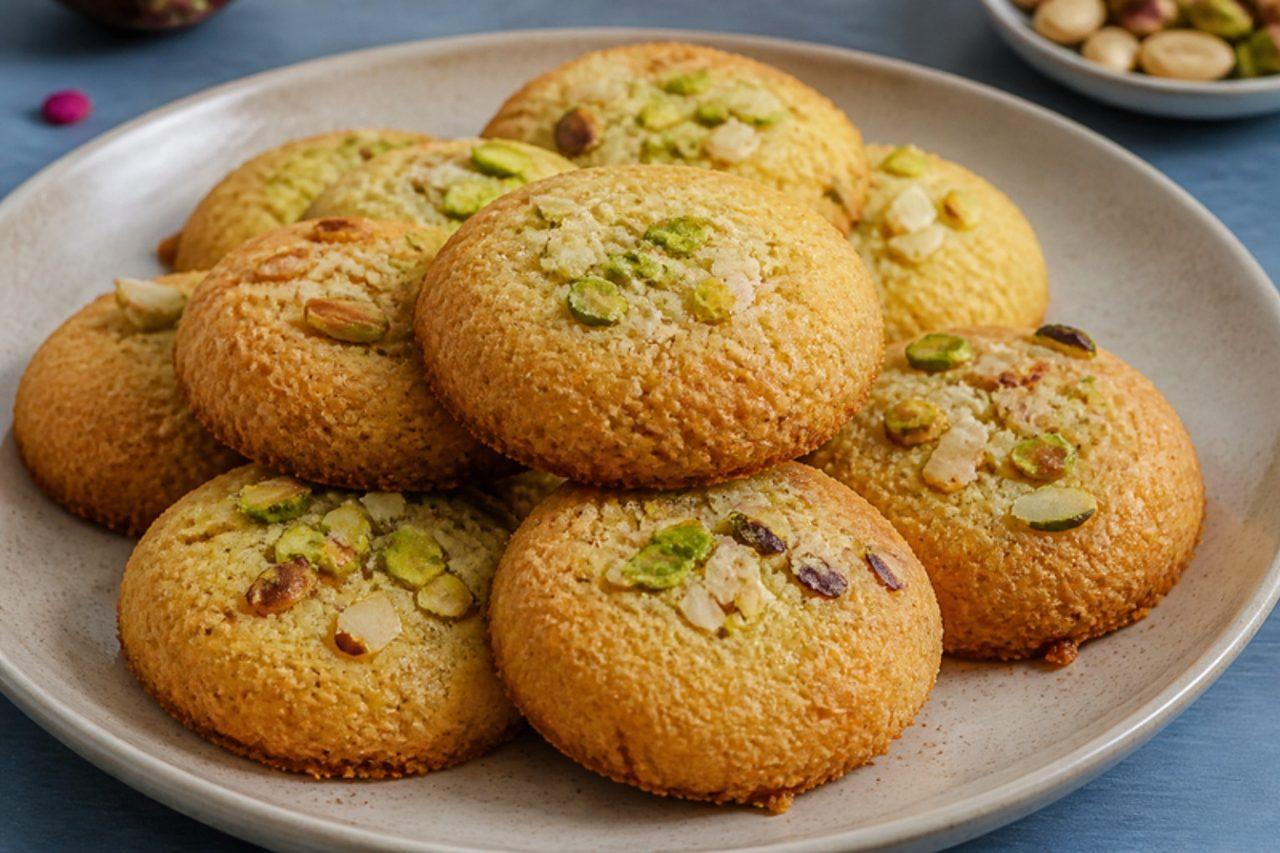
Bolinhas (small balls in Portuguese) are the cookies Goan Catholic families bake in batches for the Christmas kuswar, the tins of sweets sent to friends and neighbours in Panjim and Salcete in mid-December. Fresh coconut is cooked briefly in a sugar syrup, mixed with semolina and left overnight so the grains soften, then bound with butter and egg yolks, shaped into small balls, marked with a fork or a cross and baked until golden. The texture is sandy and crumbly outside with a chewy coconut centre, and they smell of cardamom and browned butter. They contain egg yolk, so they are vegetarian with egg, not vegan. The common mistake is baking them the same day: unsoaked semolina stays gritty and the cookies spread. Chef's tip: shape with slightly damp hands and keep them small, about 3 cm; they puff a little and need room on the tray.

by KrazyBadal 0 views

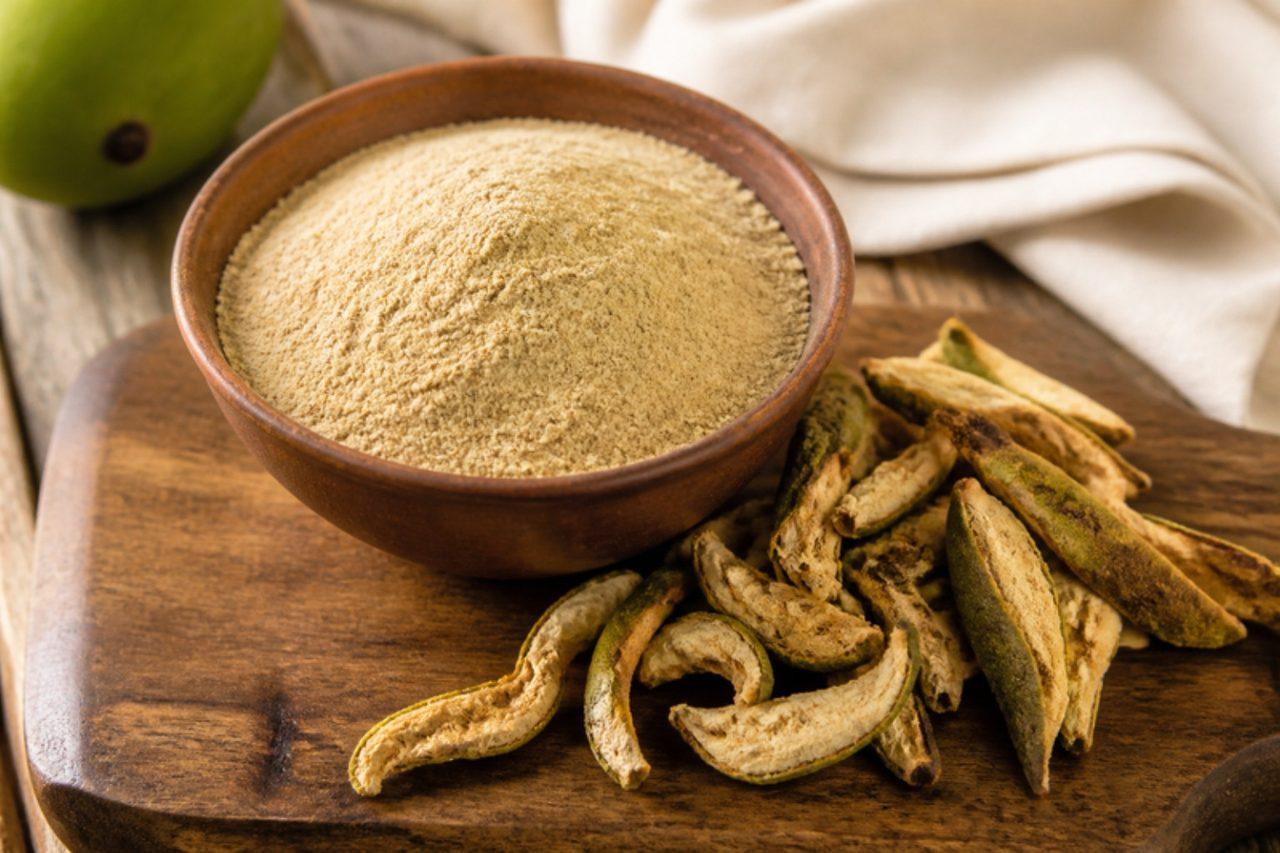
AmchurDry mango powder

Every Punjabi and UP kitchen keeps a jar of amchur next to the jeera and haldi, and the homemade version smells far fresher and sourer than most shop powder. In villages around Saharanpur and Malihabad, the raw mangoes that fall in early-summer storms are peeled, sliced and spread out to dry, and the brittle slices (amchur khatai) are either stored whole or ground. Amchur gives a fruity, mouth-puckering sourness without any liquid, which is why it goes into dry dishes where tomato or tamarind would make things soggy: bhindi masala, stuffed karela, samosa and kachori fillings, chole, chaat masala and pav bhaji masala. A kilo of mangoes gives roughly 100 g of powder. Common mistake: grinding slices that still bend; even slight moisture makes the powder clump into hard lumps in the jar. Chef's tip: choose small, rock-hard, very sour green mangoes with white flesh, not ones starting to turn yellow; riper fruit dries into a brown, sweetish powder.

by KrazyBadal 0 views

ChorafaliCrisp besan and urad strips

Chorafali is the snack Gujarati children wait for in Diwali week, because it is made in the last days and vanishes first. The dough of gram flour and white urad flour is kneaded, then pounded with a pestle until it turns pale and elastic, rolled out almost transparent and cut into strips. In hot oil the strips swell into crunchy, bubbled ribbons in under a minute, and a shower of red chilli, dry mango powder and kala namak while they are hot makes them tangy, salty and sharp. It is a Surat and Saurashtra favourite and comes out alongside suvali, mathiya and ghughra for guests on the New Year. Eat it on its own or with tea. Chef's tip: roll with oil on the board and pin, never dry flour; loose besan burns in the oil and leaves bitter brown flecks on the strips.

by KrazyBadal 0 views

Bengali boriSun-dried lentil dumplings

Winter mornings in rural Bengal used to mean bori-making: the household gathered on the roof with a big bowl of freshly ground, hand-whipped urad dal and dropped little peaked dollops onto cloth in neat rows. In Medinipur the women even pipe them into lace-like gohona bori, a folk art of its own. The everyday kind is simpler, a cone the size of a marble, sun-dried until rock hard. Fried in mustard oil, a bori turns crisp and golden outside and slightly spongy inside, and it soaks up gravy beautifully. A handful goes into shukto, into a maacher jhol with potatoes, into lau ghonto (bottle gourd) or into a simple vegetable chorchori. Common mistake: grinding the dal with too much water; the paste then spreads flat on the cloth instead of holding a peak. Chef's tip: check the whipped paste by dropping a little into a bowl of water. If it floats, it has enough air and the bori will be light; if it sinks, keep beating.

by KrazyBadal 0 views

Ellu bellaSesame and jaggery mix

'Ellu bella thindu olle maathadi': eat sesame and jaggery and speak only good words. On Sankranti morning, girls in Bengaluru and Mysuru dress in new silk and carry small steel plates of ellu bella, a sugarcane stick, a banana and a sugar figure (sakkare acchu) from house to house, a custom called ellu birodhu. The mix itself is uncooked once its parts are roasted: white sesame, tiny cubes of dry coconut and jaggery, peanuts and putani (roasted gram), sometimes with a few fried gram-dal sugar beads. It is crunchy, nutty and sweet in small bursts. Families make a kilo at a time to give away. The common mistake is mixing it while the sesame is still warm, which melts the jaggery and turns everything into a lump. Chef's tip: cut the copra and jaggery to the same small size as the peanuts so every spoonful has a bit of everything.

by KrazyBadal 0 views

Kanji vadaLentil dumplings in mustard water

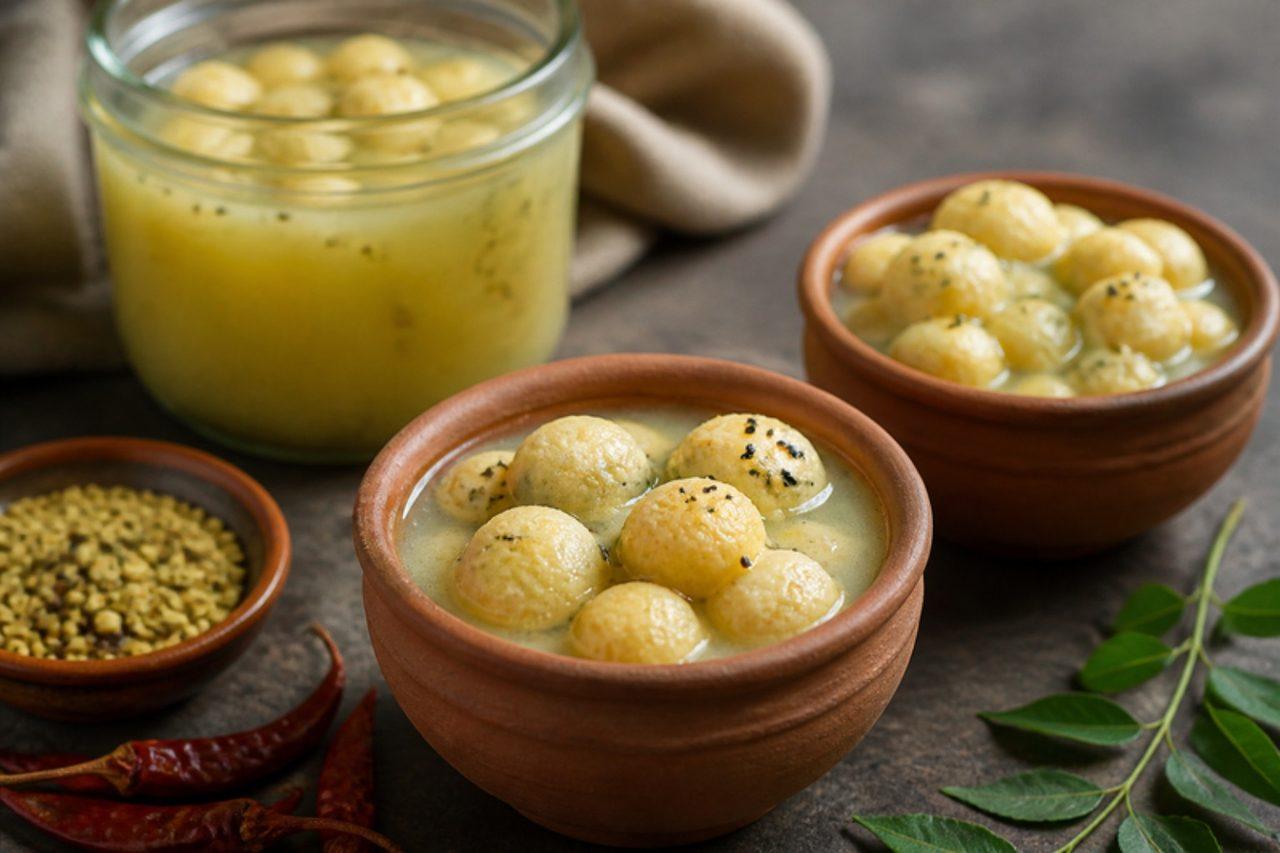
Around Holi, glass jars of cloudy water sit on rooftops across Jaipur, Jodhpur and old Delhi, fermenting in the spring sun. That water is kanji: boiled water with ground mustard seed, salt and chilli, which turns sour, pungent and faintly fizzy in two or three days. Small moong dal fritters are soaked in hot water to soften, then dropped into the kanji, where they drink up its tang and turn spongy. Served chilled in clay kulhads with a vada or two in each, it is a cooling, appetite-sharpening drink-snack that cuts through the rich Holi sweets. Ferment only in a clean, sterilised glass or ceramic jar, stir with a clean dry spoon, and discard the batch if you see mould or it smells rotten rather than pleasantly sour. Chef's tip: grind the mustard seed coarsely and fresh; pre-ground mustard powder goes bitter and dull.

by KrazyBadal 0 views

KuzhalappamFried rice flour tubes

Kuzhal means tube, and that is exactly what these are: thin rounds of rice dough flavoured with ground coconut, shallots, garlic, cumin and black sesame, wrapped round a wooden stick or the handle of a spoon and fried until crisp and blistered. In Syrian Christian kitchens of central Kerala, from Kottayam to Kozhencherry, mothers and aunts make tins of them before Christmas and weddings, along with achappam and avalose unda. They are crunchy, light and savoury, with a gentle hit of garlic. Some families fill the tubes with sweetened coconut, or dip them in thin jaggery syrup for a sweet version. Serve them as a tea-time snack; they keep for weeks in an airtight tin. The common mistake is rolling the dough too thick: the tubes then stay chewy instead of shattering. Chef's tip: roll each round between two sheets of plastic until almost see-through, and slide the dough off the stick while it is still hot so it holds its shape.

by KrazyBadal 0 views

Dum ka roatBaked semolina and khoya cake

Dum ka roat is baked in Hyderabadi homes and bakeries in the first ten days of Muharram, and boxes of it are shared with neighbours and at majlis gatherings in the Old City. It is closer to a dense shortbread than a sponge: coarse semolina soaked overnight in ghee and milk, mixed with khoya, sugar, eggs, cardamom and nutmeg, then baked slowly until golden and crumbly with a crunchy almond top. It contains egg, so it is vegetarian with egg, not vegan. Each piece tastes of browned butter, milk and spice, and it keeps for a week in a tin. Eat it with Irani chai. The common mistake is skipping the overnight rest: the semolina stays gritty and the roat falls apart. Chef's tip: bake low and slow, at 160 °C, until the top is deep golden and a skewer comes out with moist crumbs; at higher heat the edges burn before the khoya centre has set.

by KrazyBadal 0 views

BhakarwadiSpiced coconut pastry pinwheels

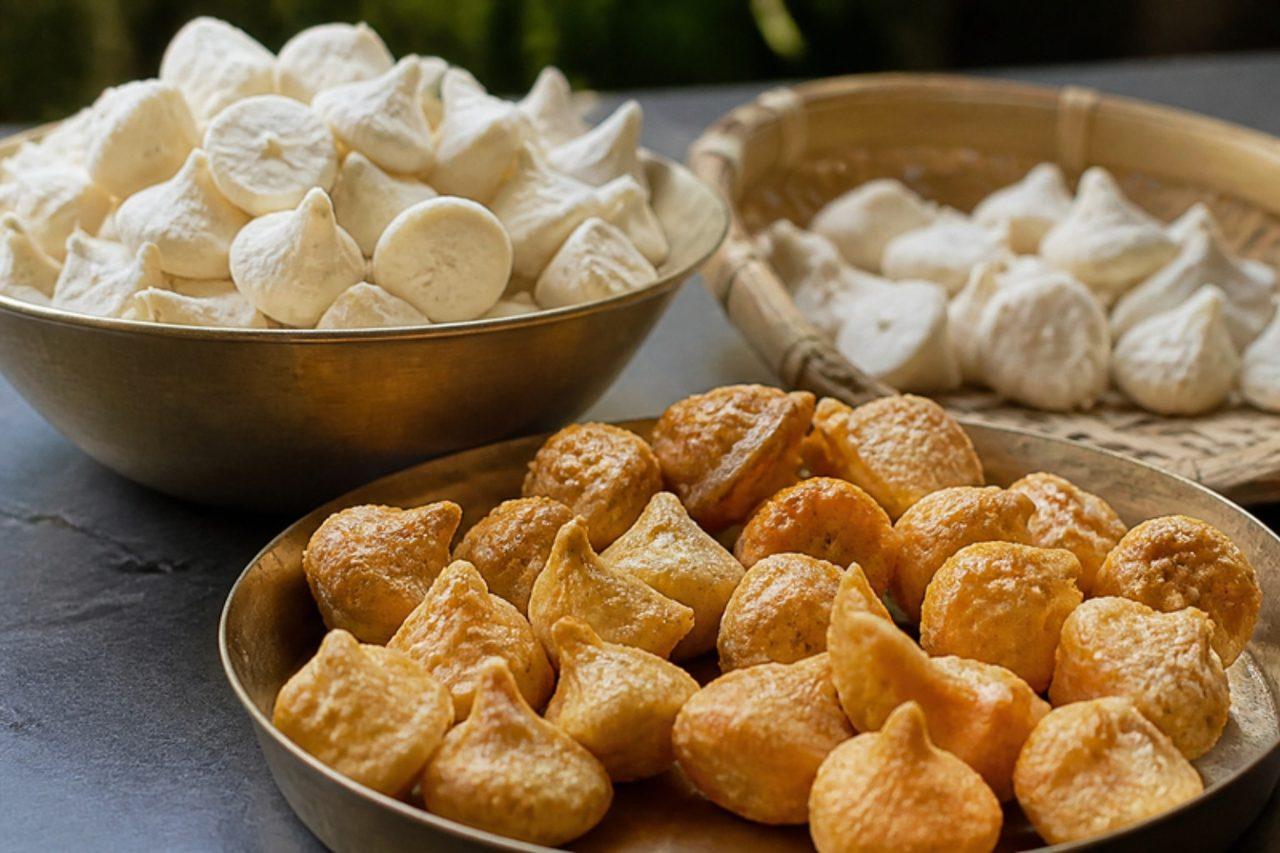
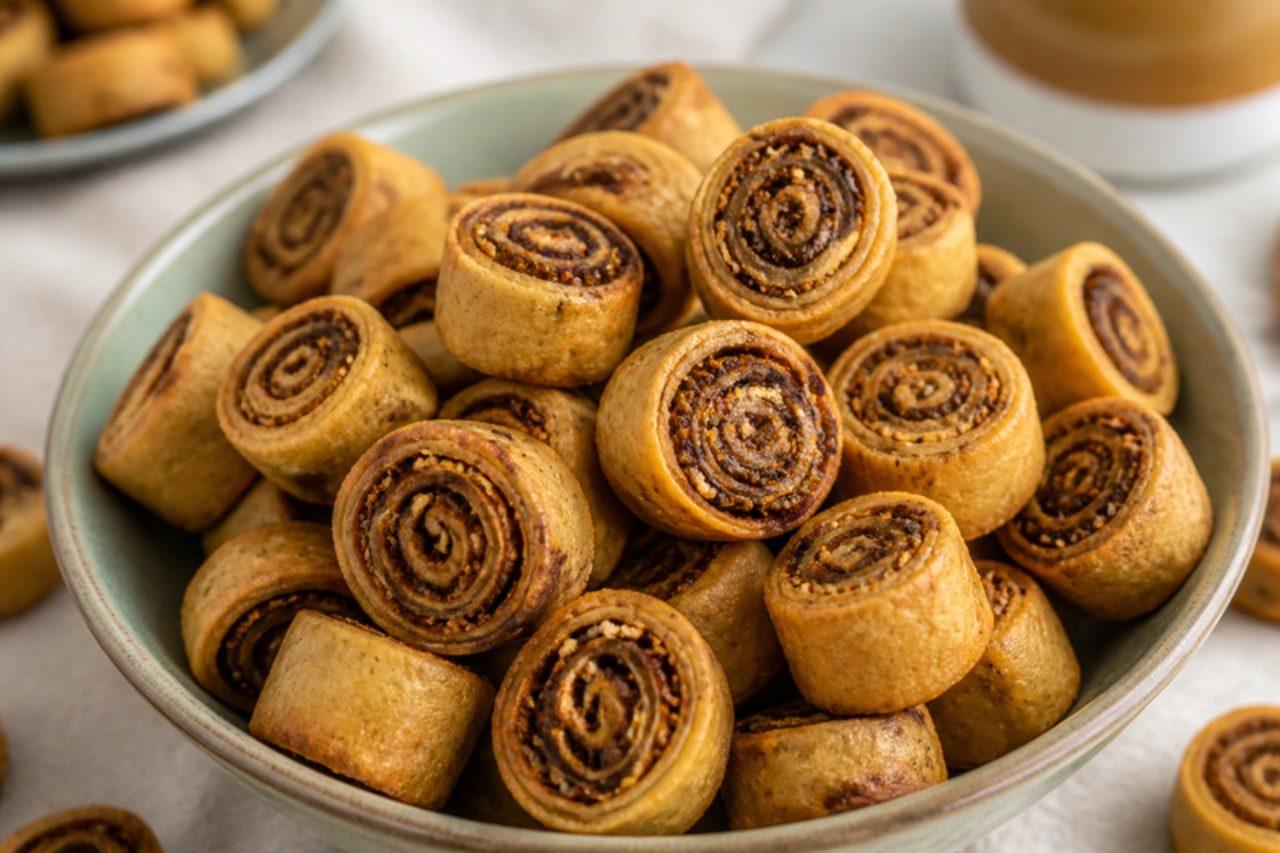
Pune claims bhakarwadi as its own, and the queues outside the city's old sweet-and-farsan shops at Diwali prove it. Thin sheets of spiced pastry are spread with tamarind, sprinkled with a roasted filling of dry coconut, sesame, poppy seeds, coriander, fennel and chilli, rolled up tight and sliced into spirals before frying. Each bite is crisp, then sweet, then sour, then hot, which is why one is never enough. Gujarati farsan shops sell a sweeter cousin, but the Maharashtrian version keeps the chilli forward. They keep for weeks, travel well and make a good tea-time snack all year. Chef's tip: press the filling into the dough with the rolling pin before you roll the log; loose filling falls out when you slice and the spirals unwind in the oil.

by KrazyBadal 0 views

Masala papadPapad with onion and tomato topping

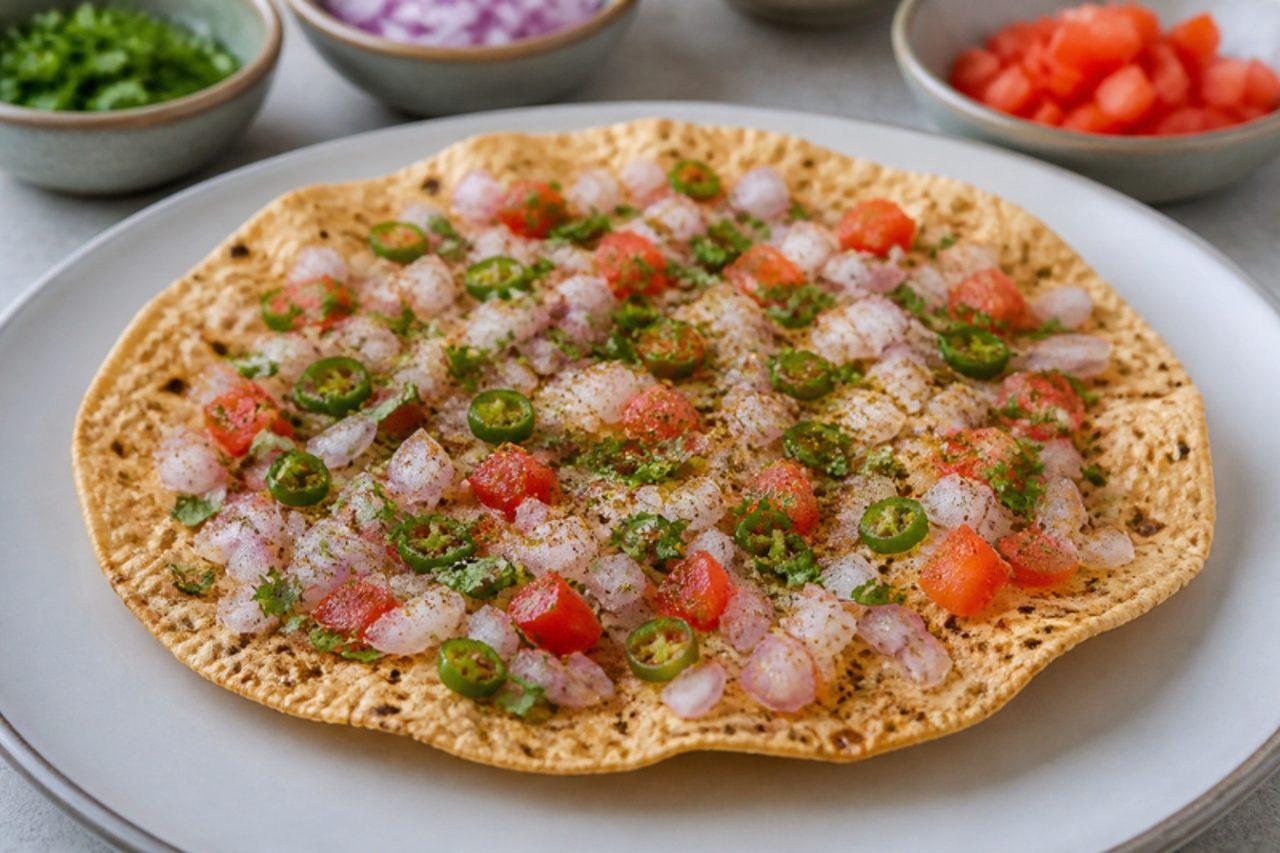
Order drinks at an Irani café or a Udupi restaurant in Mumbai and masala papad arrives before you have looked at the menu: a big crisp disc, roasted or fried, buried under chopped onion, tomato, green chilli and coriander, dusted with chaat masala and chilli powder, with a squeeze of lemon. It is part salad, part cracker, and it disappears in minutes. At home it is the easiest party starter there is, made in the time it takes guests to sit down. Use any good urad or moong papad, homemade or bought. Fried papads give a richer, puffier base; flame-roasted ones are lighter and smokier. Common mistake: topping the papads too early, so the juice from the tomato and onion soaks in and they go limp. Chef's tip: deseed the tomato and salt the topping only at the last moment, then pile it on and serve within two minutes.

by KrazyBadal 0 views

MathriFlaky savoury crackers

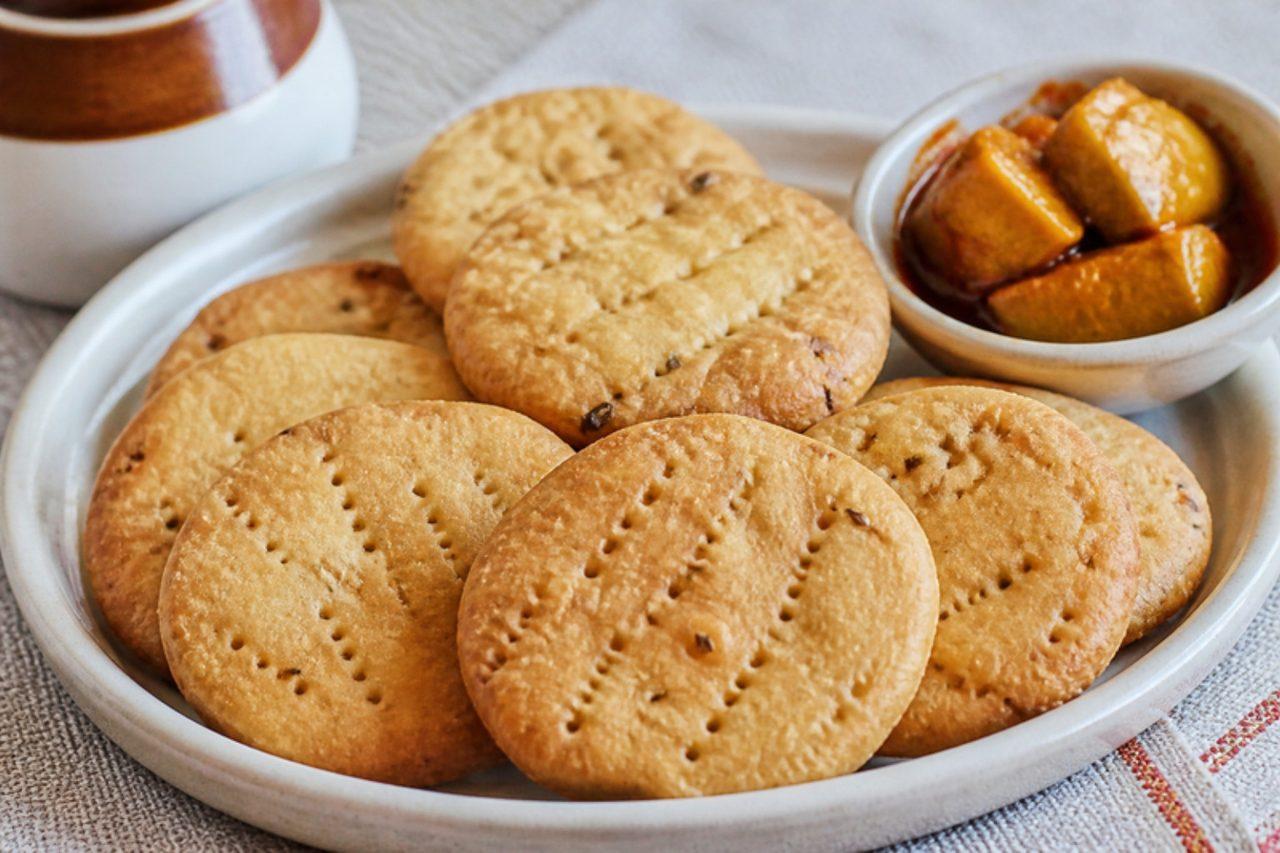
In Uttar Pradesh and Rajasthan the Holi tin is never complete without a stack of mathri next to the gujiya. These are thick, rough-edged discs of maida made very short with ghee, flecked with carom seeds and crushed black pepper, and fried slowly over a low flame for nearly twenty minutes until they turn pale gold and crumble into flaky layers. They taste savoury and peppery, a little like a buttery cracker, and they are meant for dipping in hot masala chai or eating with a sliver of mango or lemon pickle. Unlike the papad-thin Gujarati mathiya of moth bean flour, mathri is a sturdy wheat cracker that keeps for a month and travels in every child's luggage back to hostel. Chef's tip: don't knead the dough smooth; just press it together. Over-kneading builds gluten and makes mathri hard instead of flaky.

by KrazyBadal 0 views

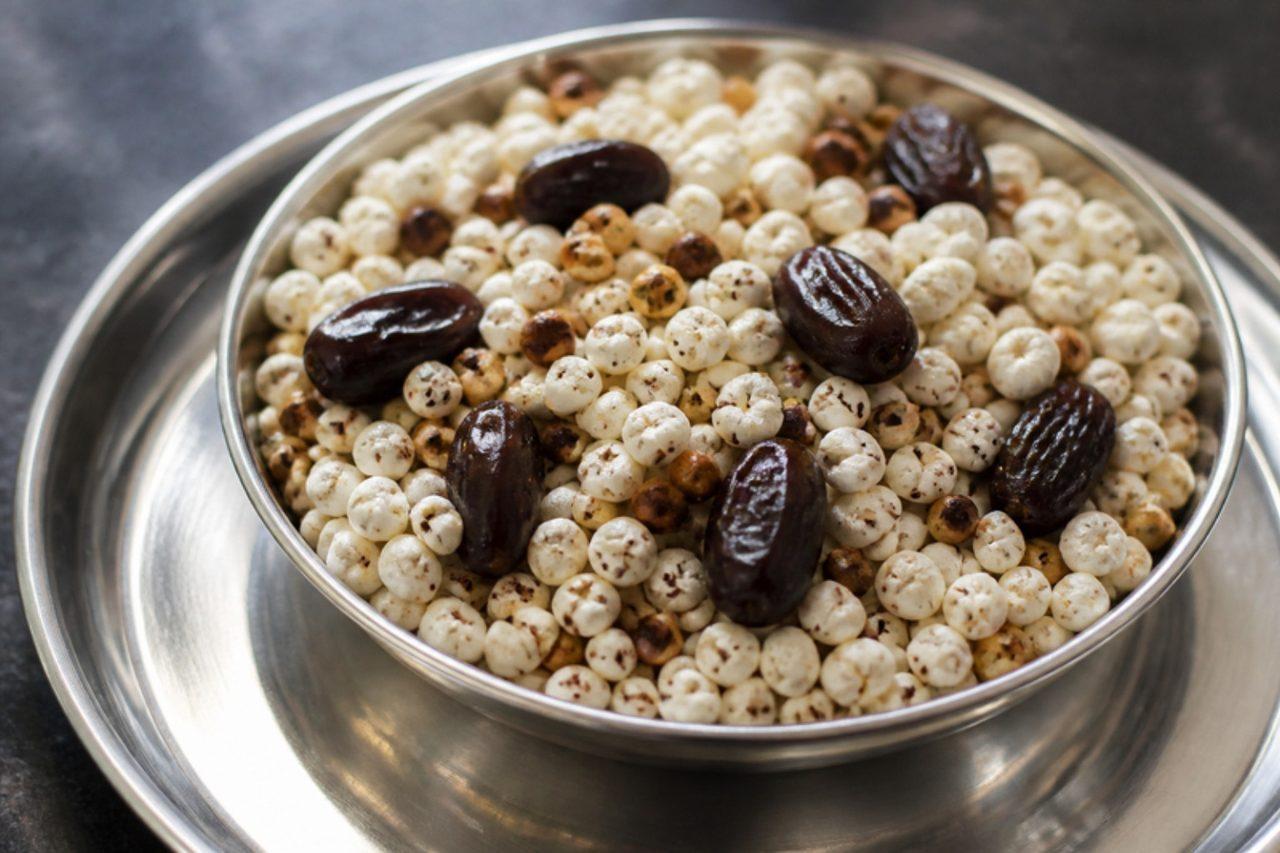
Dhani khajurPopped jowar and dates

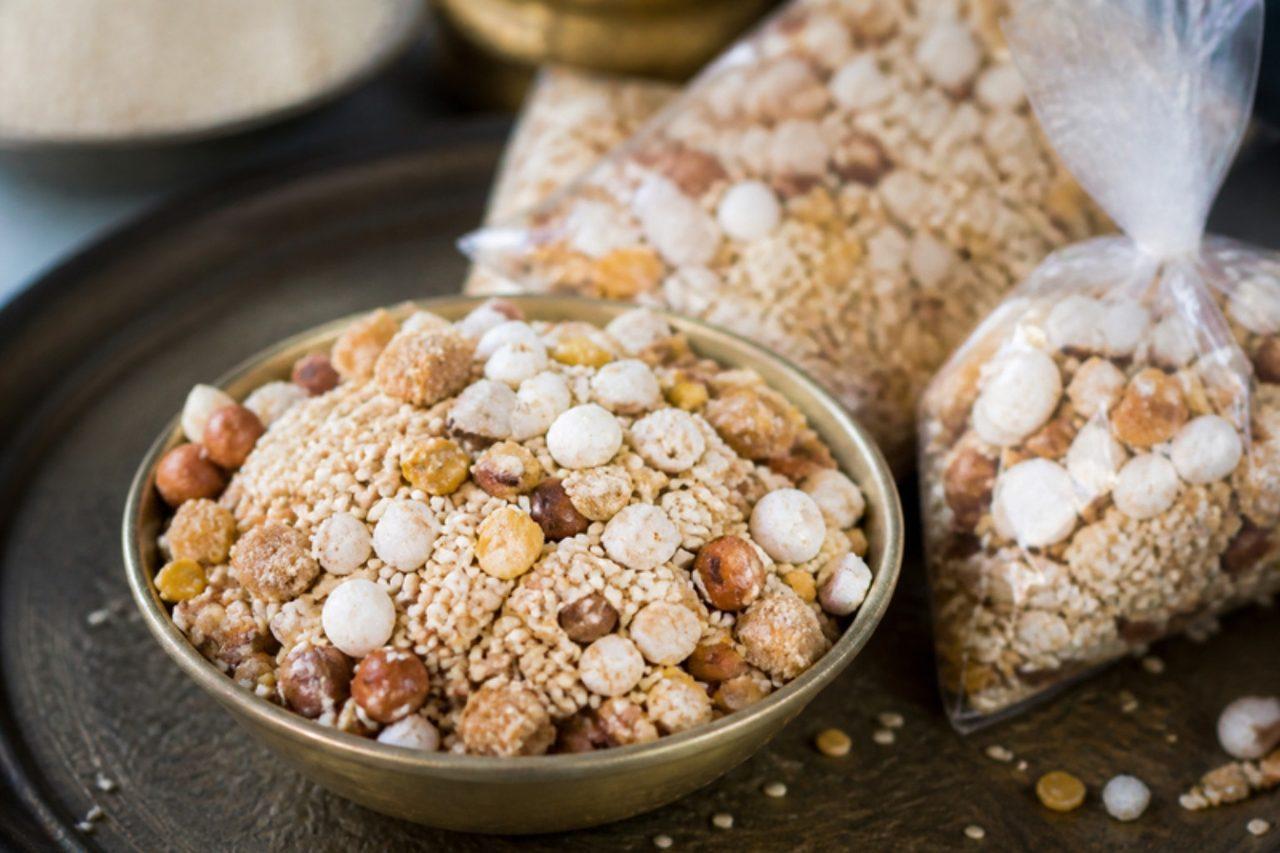
On Holika Dahan night, Gujarati families circle the bonfire with coconut, water and a plate of dhani, dalia and khajur, toss a handful into the flames, and then share the rest. The popped jowar is light and crunchy, the roasted chana nutty and mealy, and the dates bring a chewy, caramel sweetness, so together they make a surprisingly satisfying snack. The idea passed down by elders is practical: as the season turns from winter to summer, dates give warmth and energy, and the dry grains settle the stomach. It is also the first thing handed to children when they come home with coloured faces the next morning. Buy fresh dhani in the weeks before Holi, when Gujarati grocers and street sellers have it by the sackful. Chef's tip: shake the dhani in a sieve before mixing; it loosens the papery husks and the hard unpopped kernels that can crack a tooth.

by KrazyBadal 0 views

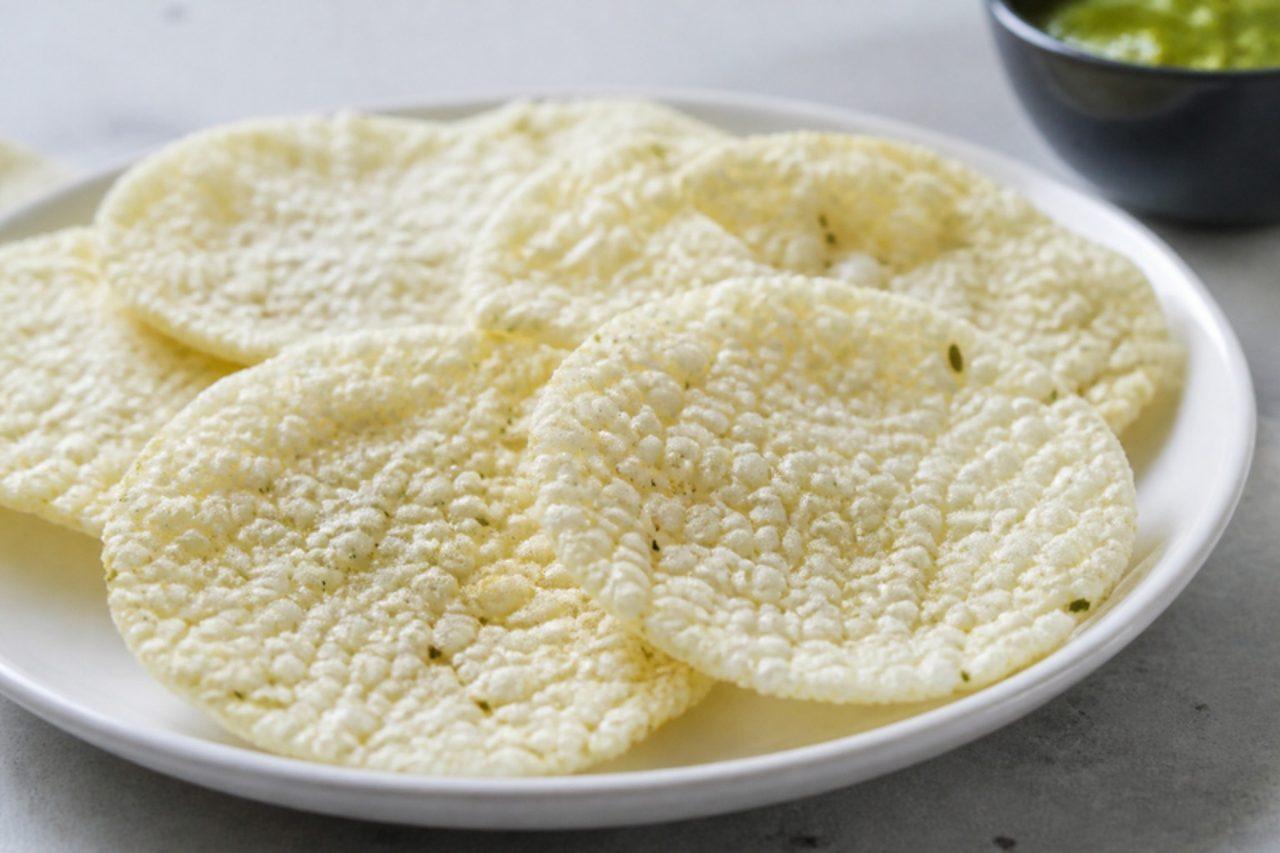
Sabudana papadSago crisps

When Ashadhi Ekadashi, Navratri or a Monday fast comes round in Pune and Nashik, the upvas plate needs something crunchy, and these sago papads are it. They are made in the hottest weeks of summer: soaked sabudana is boiled into a thick, glassy porridge with cumin, green chilli and rock salt, spooned onto plastic sheets and left in the sun until it turns into thin, translucent discs. In hot oil they expand to nearly double, go snow-white and crackle when you bite. They sit next to sabudana khichdi, varyache tandul (sama rice) with peanut amti, or plain farali potato bhaji. The recipe keeps to fasting rules: no grains, no turmeric or asafoetida, and sendha namak (rock salt) instead of regular salt; fry them in groundnut oil or ghee, as your household allows. Chef's tip: cook the sago until there is not a single white dot left in the pearls; any uncooked centres stay hard and chalky after drying and never puff.

by KrazyBadal 0 views

Showing 24 of 2,682 recipes

Show more recipes

Page 1 of 112