Skip to content
WhatToEat.Today

All recipes

24

Vegetarian, or something you can't eat? Set your diet once and we'll hide recipes that don't fit.

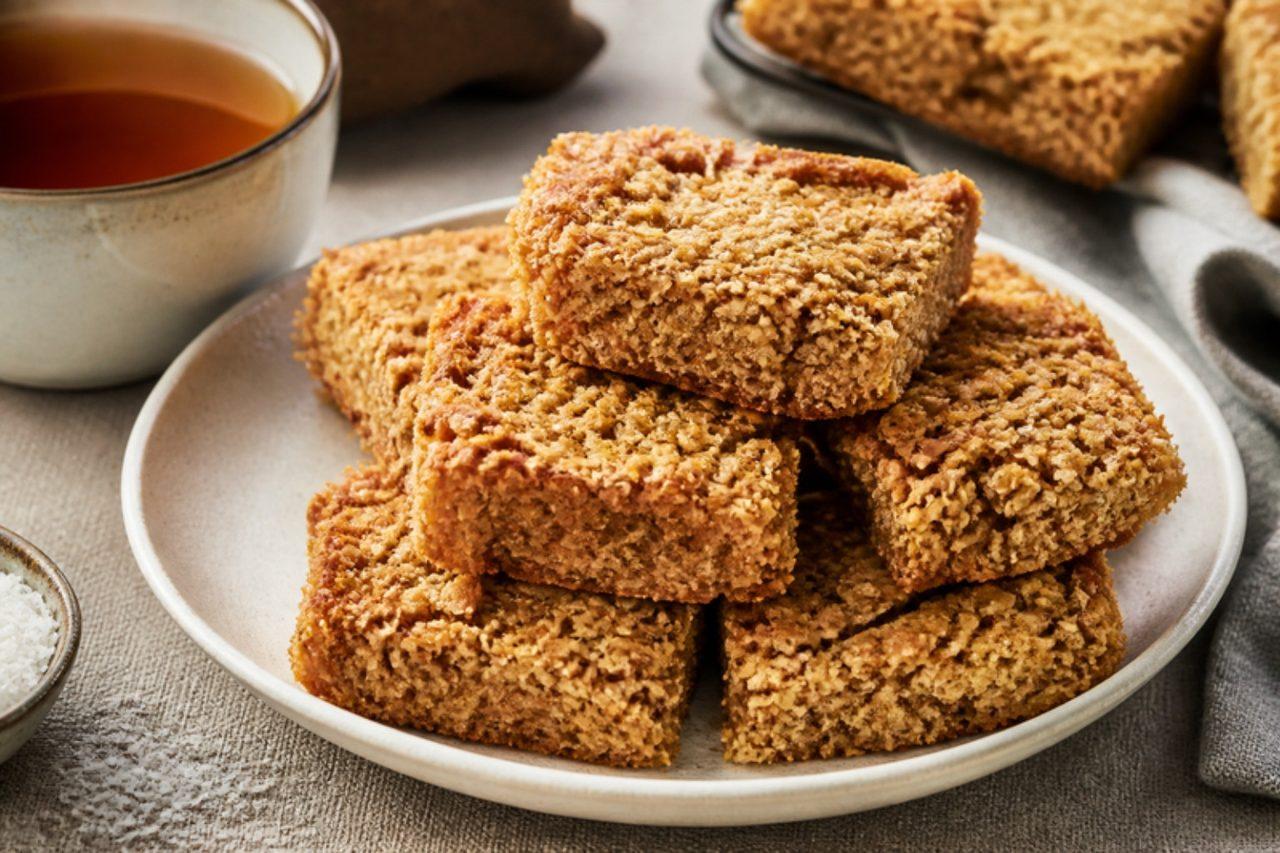
South African crunchiesOat and coconut tray-bake squares

Crunchies are the tray-bake South African home bakers turn to when the biscuit tin is empty: oats, coconut, flour and sugar stirred into butter melted with golden syrup, pressed into a tin and cut into squares while still warm. Unlike Australian Anzac biscuits, which are rolled into individual rounds, crunchies are baked in one slab, then sliced into chewy-centred, crisp-edged bars. They sell at school tuck shops and church bake sales, go into lunch boxes, and are a natural partner for a mug of rooibos. There is no egg in them, and they keep for a week. Chef's tip: score the squares as soon as the tin comes out of the oven and leave them to cool before lifting; waiting until the slab is cold to cut is the common mistake, and it shatters instead of slicing cleanly.

by KrazyBadal 0 views

KrakelingeFigure-eight butter biscuits

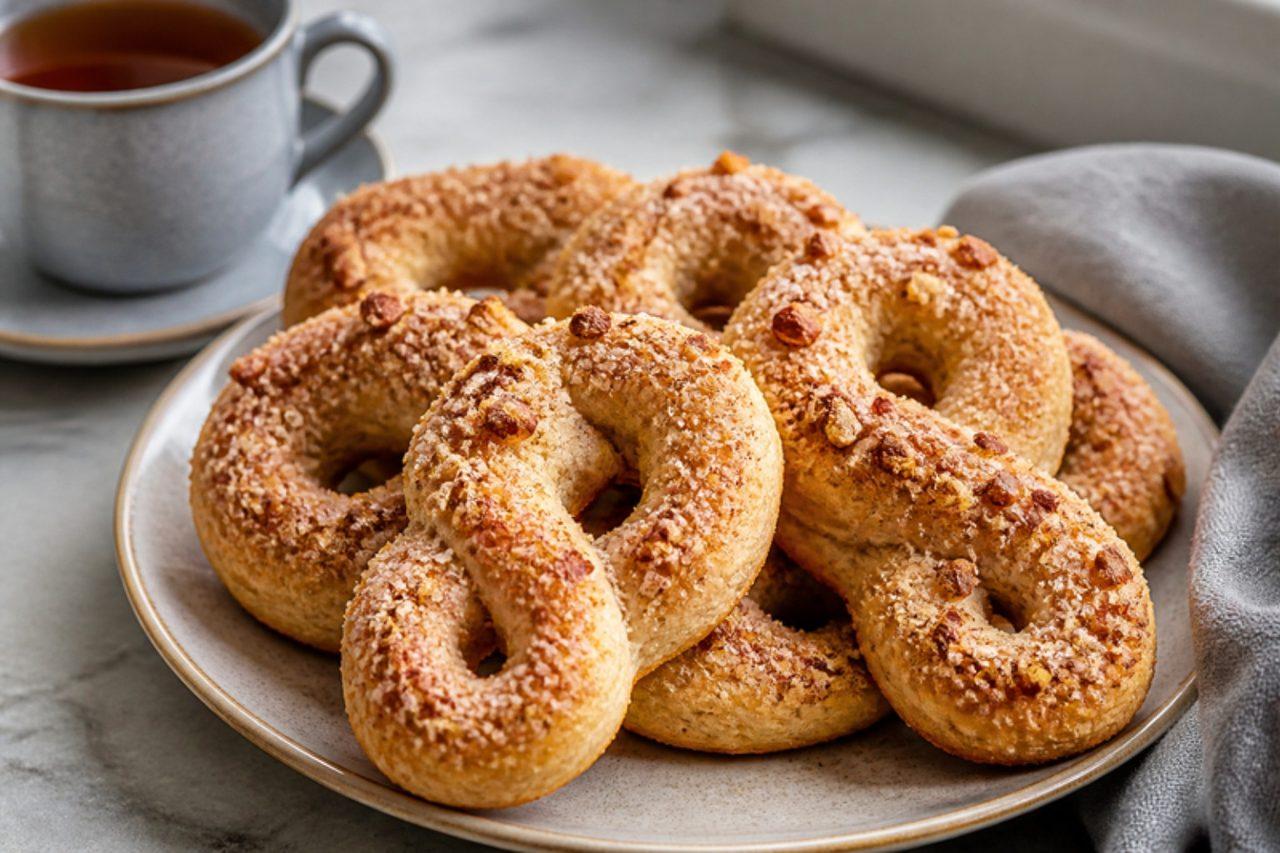
These twisted figure-of-eight biscuits came to the Western Cape with Dutch settlers and have stayed a fixture of Cape kitchens ever since, especially in older Afrikaans and Cape Malay households. You will find them in Boland towns at church bazaars and on Christmas tea tables, and they suit an afternoon pot of tea perfectly. The dough is rich and short; the tops are dipped in egg white and then in sugar mixed with chopped almonds and cinnamon, so they bake to a crackly, sparkling crust. The dip is an egg glaze; milk works too, with a little less shine. Chef's tip: roll the ropes on an unfloured surface, because a dusting of flour makes them slide and crack when you twist them; if the dough is too cold it snaps, so let it soften for a few minutes first.

by KrazyBadal 0 views

Snoek braaiGrilled snoek with apricot glaze

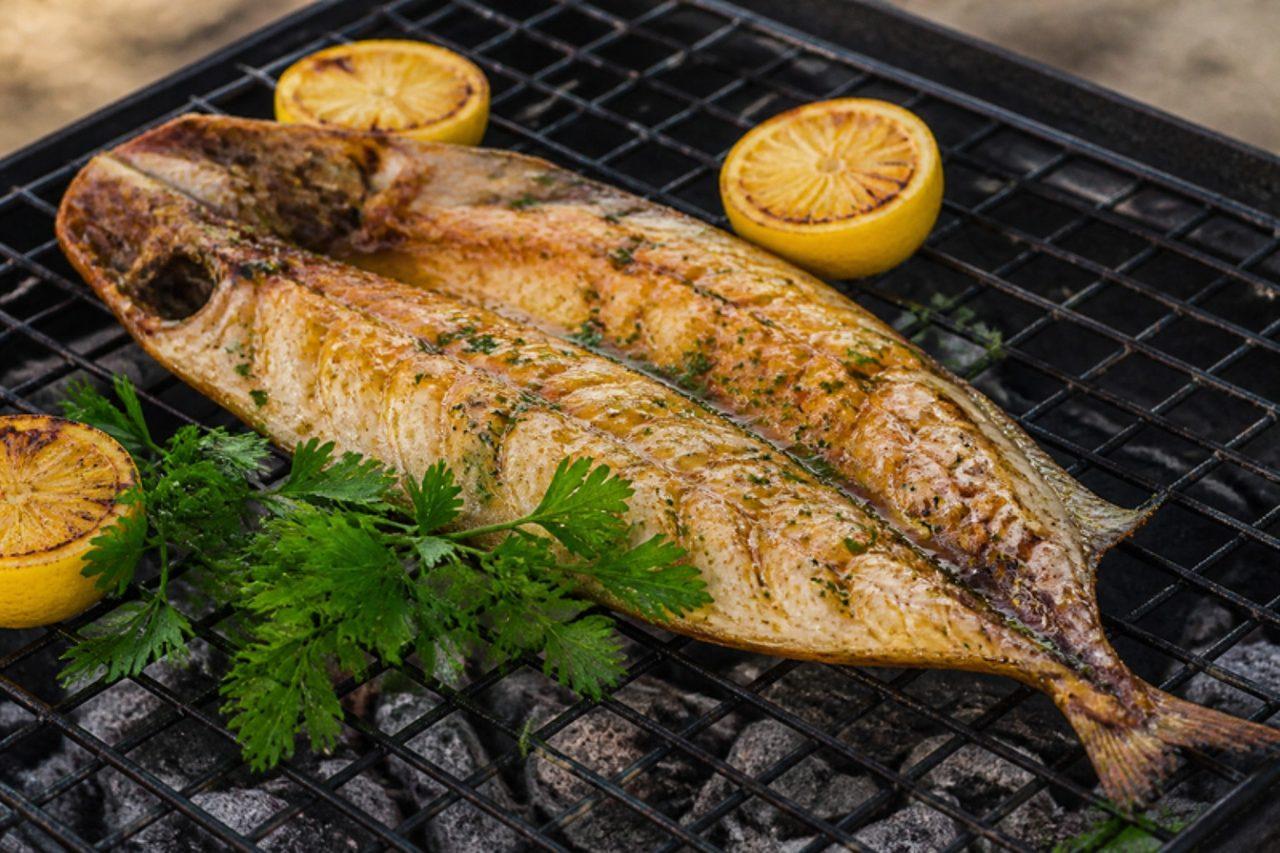
When the snoek run along the West Coast, the harbours at Lambert's Bay, Paternoster and Kalk Bay fill with bakkies, and by evening half the braais in the Cape have a butterflied fish in a hinged grid. Snoek is a long, firm, oily fish with plenty of fine bones; grilled skin-side down over gentle coals, it turns smoky and juicy, and a buttery apricot-jam baste gives it a sticky, sweet-salty edge. Serve it the West Coast way with baked sweet potatoes, a green salad and bread with butter and apricot or grape jam. Outside South Africa, use a butterflied Spanish mackerel or barracuda, or thick skin-on fillets of either. Chef's tip: the usual mistake is coals that are too hot, which burns the jam before the fish is cooked, so start with low coals and baste only in the second half.

by KrazyBadal 0 views

Braaied gem squashGem squash with sweetcorn and cheese

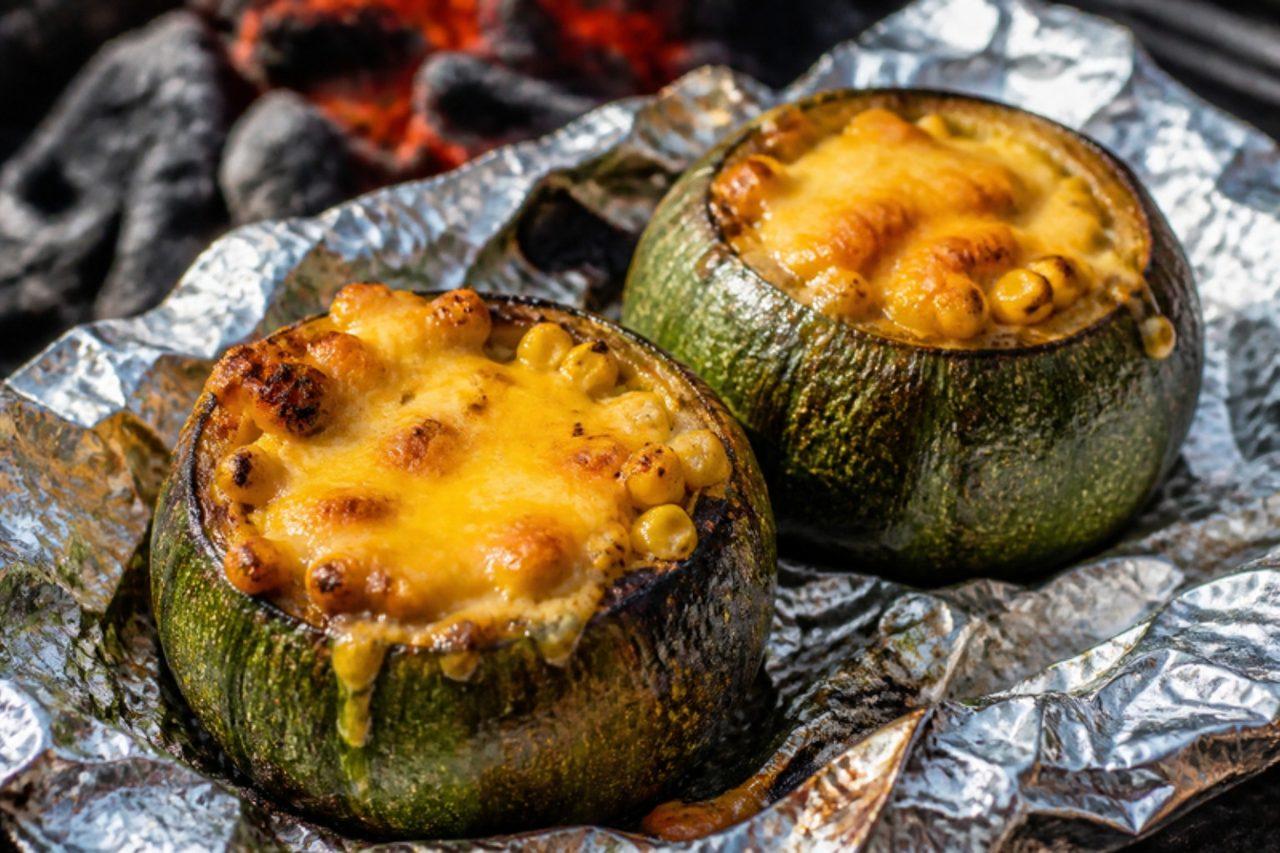
Small, round and dark green, gem squash is the vegetable South African children grow up scooping from the shell with a teaspoon, and at a weekend braai it goes into the coals wrapped in foil alongside the potatoes. The halves steam in their own juice until the orange flesh is tender and sweet, with a pool of melted butter, golden corn and cheese in the hollow. Serve them as a side for anything from the grid, or make a plate of them with pap tert and a tomato salad for a meat-free braai. Indoors, an oven gives the same result. Putting them straight onto flaming wood is the mistake: they char outside and stay hard inside, so wait for grey, glowing coals. Choose a vegetarian cheddar, since many are made with animal rennet. Chef's tip: trim a thin slice off the round base of each half so it sits flat and holds its filling.

by KrazyBadal 0 views

PotbroodPot-baked bread

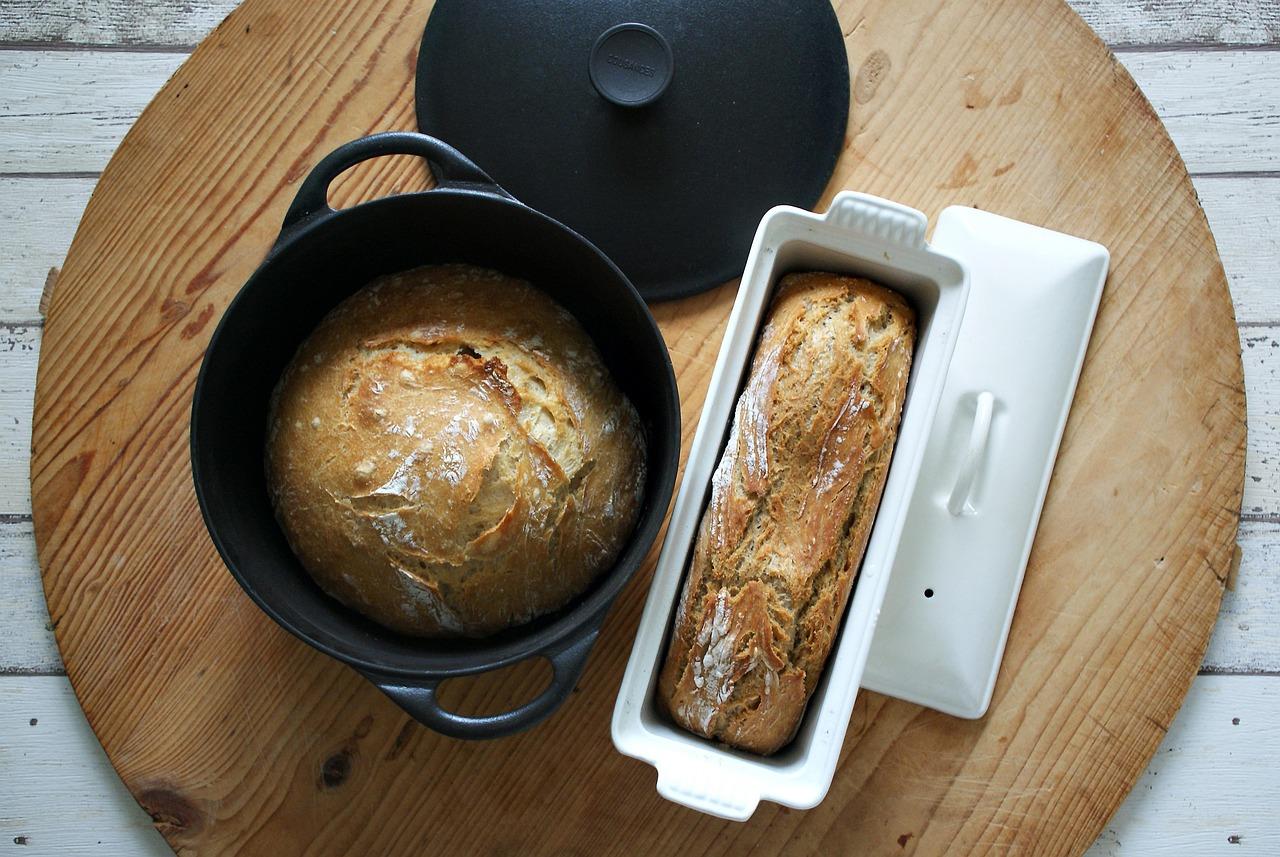
Out on Karoo farms, at the camp site or around the Saturday braai, potbrood is the loaf that bakes in a flat-bottomed cast-iron pot with coals underneath and heaped on the lid while the rest of the meal cooks. It comes out tall and round, with a thick, deep brown crust and a soft, slightly chewy crumb that tears beautifully, best eaten warm with butter and apricot jam or alongside a vegetable potjie. Indoors, a lidded cast-iron casserole in a hot oven does almost as well. Too many coals underneath is the mistake everyone makes once: the base burns long before the top is cooked, so put more heat on the lid than below. Chef's tip: grease the pot and dust it with flour so the loaf drops out cleanly.

by KrazyBadal 0 views

SoetkoekiesSpiced almond biscuits

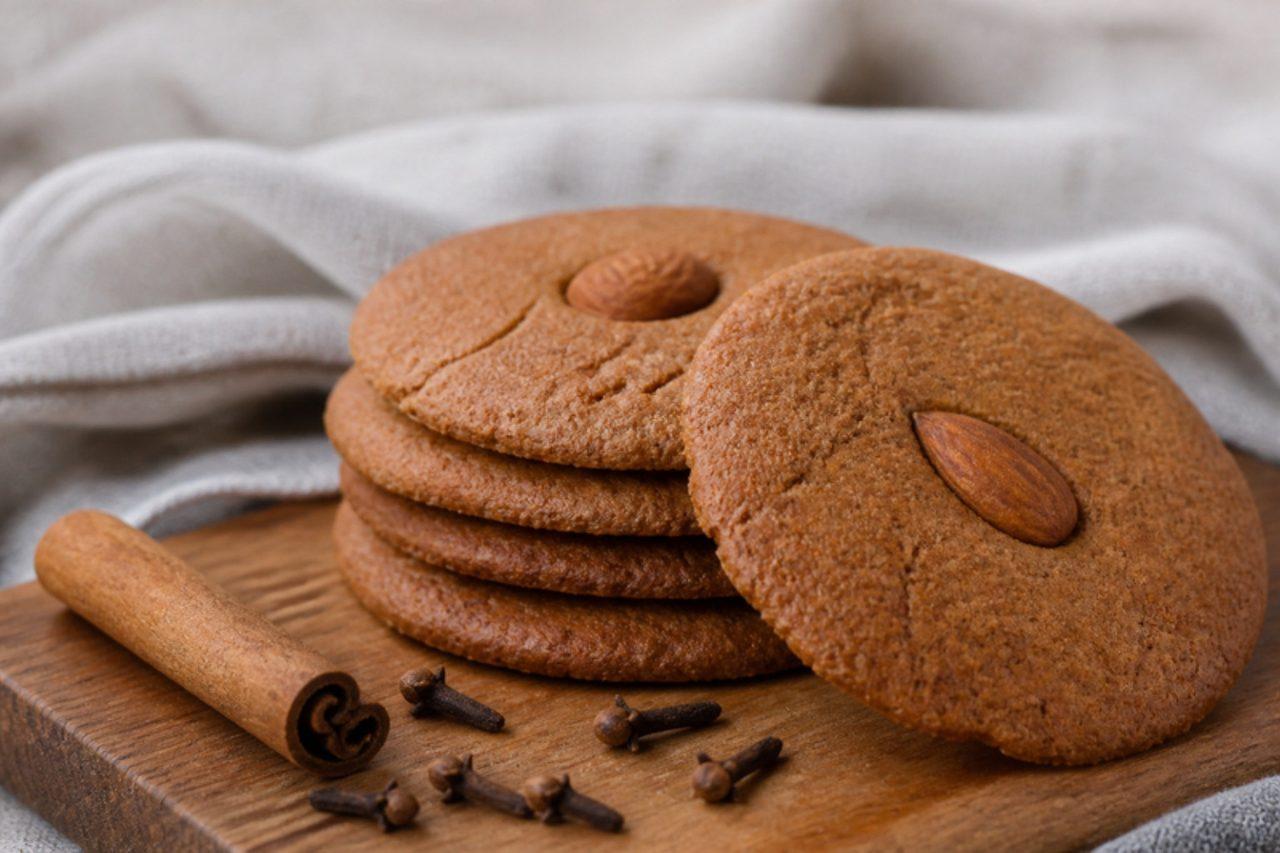
Cape Malay and Dutch kitchens in Stellenbosch and the old Bo-Kaap have been baking soetkoekies for at least two centuries, stacking them in tins for Christmas, New Year and visiting season. They are thin, snappy-edged biscuits with a slightly chewy centre, warm with cinnamon, ginger and a deep note of cloves, and nutty from ground almonds. Old recipes often splash in sweet wine; this one uses milk and a spoon of golden syrup instead, so there is no alcohol at all. The most common mistake is baking until they look firm, which makes them hard once cool: take them out while they still feel soft in the middle. Chef's tip: rest the dough overnight in the fridge if you can, because the spices deepen and the dough rolls more cleanly.

by KrazyBadal 0 views

SoetpatatsGlazed sweet potatoes

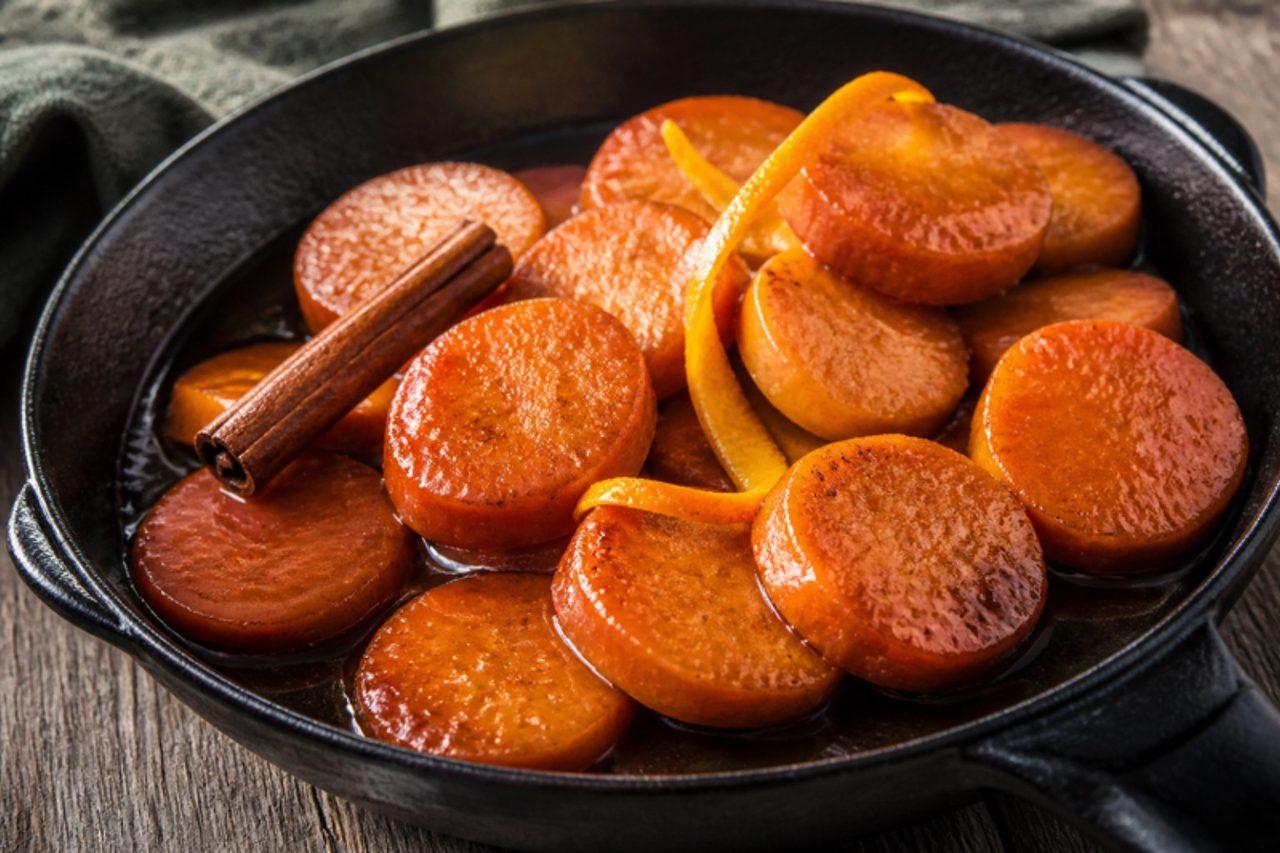
Sunday lunch in an Afrikaans home means a table crowded with sweet and savoury sides around the roast, and soetpatats is always one of them, sitting next to the yellow rice, the green beans and the pumpkin. Thick rounds of sweet potato are cooked slowly in a covered pan with butter, brown sugar, a cinnamon stick and a strip of orange peel until they are soft right through and lacquered in a sticky, toffee-like glaze. Every family has a view on how sweet they should be; this version is rich but not cloying, with a pinch of salt and a squeeze of orange to keep it lively. They go well with a nut roast, pap tert or a lentil bobotie for a vegetarian table. Stirring too much is the trap: the rounds break up into mash, so shake the pan instead. Chef's tip: leave the lid off for the last ten minutes and the syrup reduces into a proper glaze.

by KrazyBadal 0 views

UmfinoMaize meal with greens

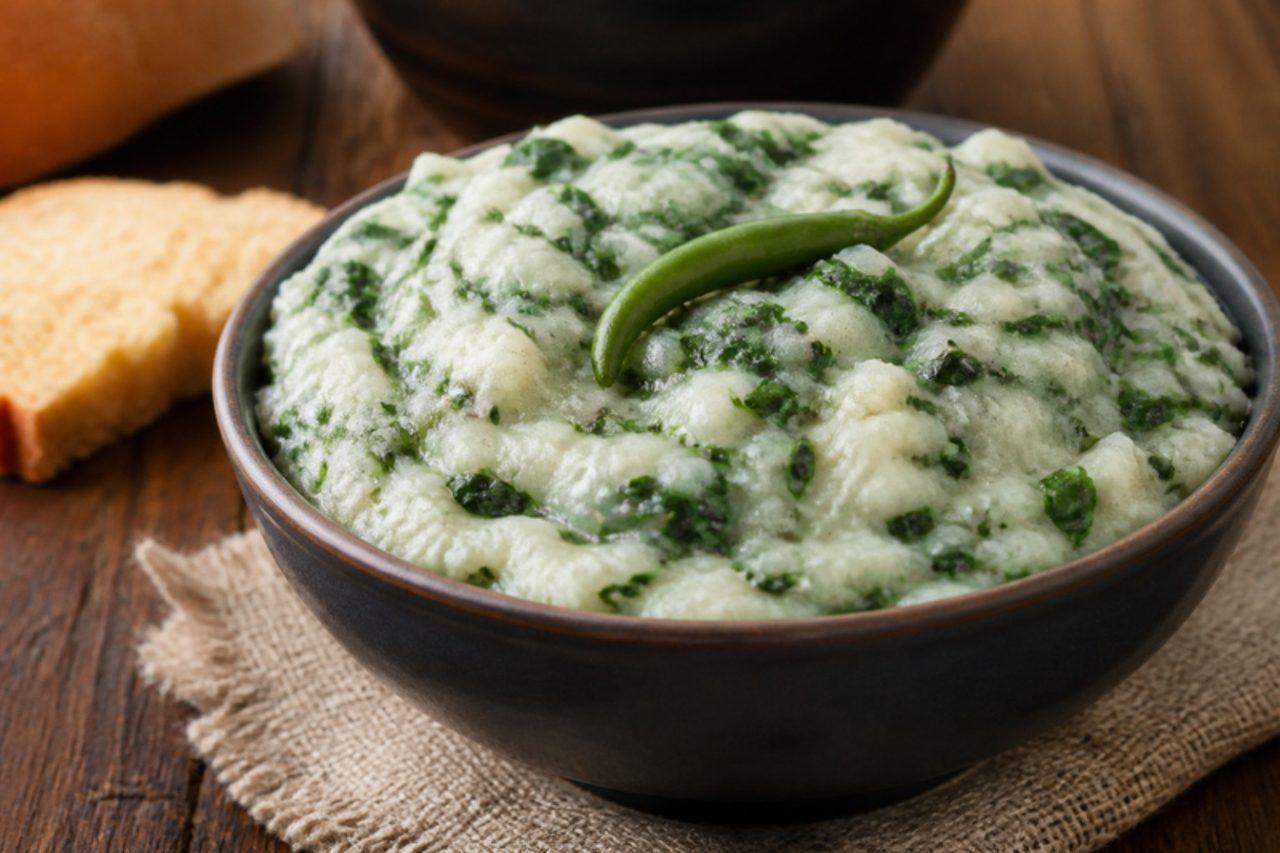
Imifino is the word rural cooks in the Eastern Cape and KwaZulu-Natal use for the leafy greens gathered after the rains, and umfino is the comforting dish they become when folded into maize meal. This version uses shop-bought spinach and Swiss chard, with pumpkin or beetroot leaves from a greengrocer if you can find them; please don't forage wild plants. The result is soft, green-flecked pap, savoury with fried onion and earthy from the greens, eaten on its own at a weekday supper or alongside beans, amasi or a tomato and onion gravy. Watch the water: too much and it turns to porridge, too little and the maize stays raw and gritty. Chef's tip: wilt the greens in the pot first and keep their liquid, because that green water is what flavours the pap.

by KrazyBadal 0 views

AmasiFermented milk with crumbly pap

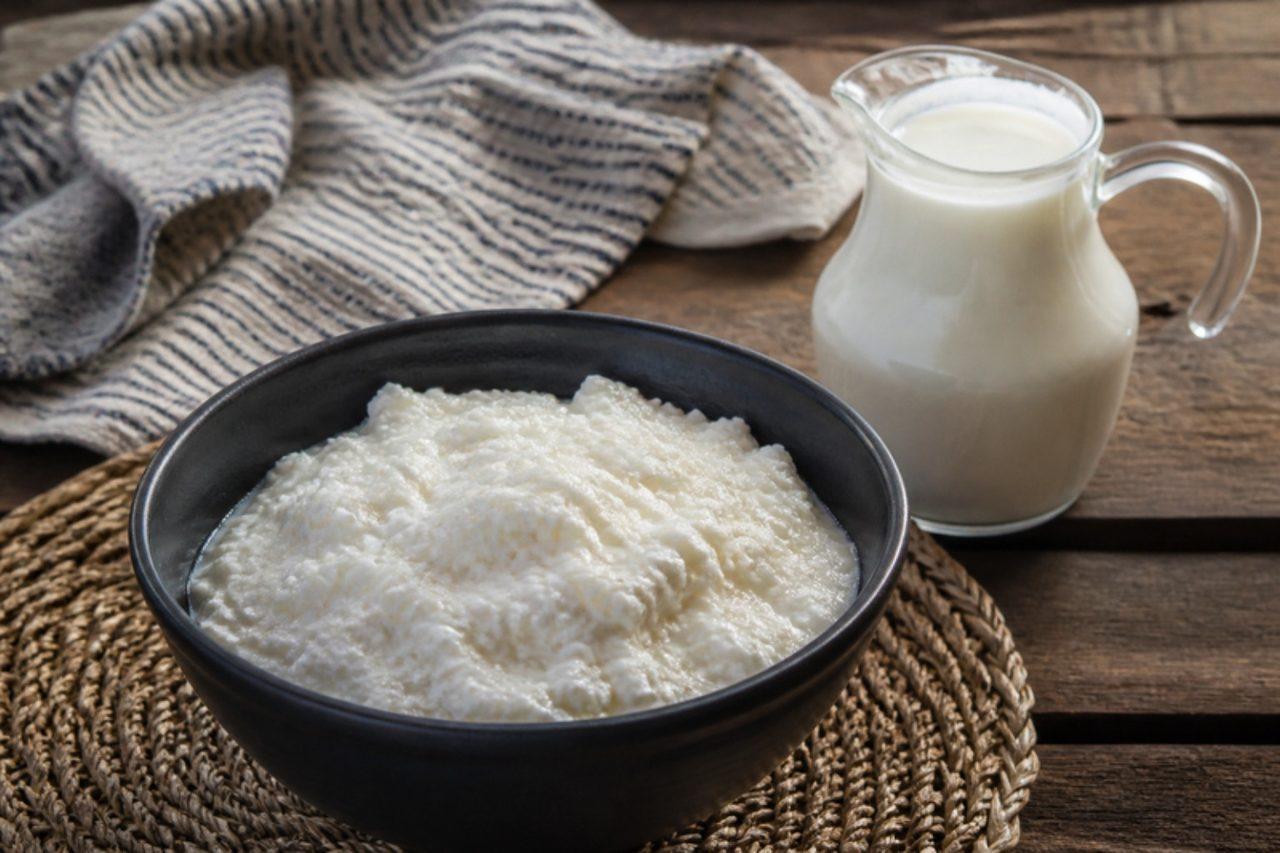
Thick, tangy amasi was once soured in calabashes in Zulu and Xhosa homesteads, and it is still the drink-cum-meal that many South Africans crave on a hot afternoon, poured over crumbly pap as umvubo. At home it is easy and safe with pasteurised full-fat milk and a spoon of live cultured buttermilk as the starter; never use raw milk. Expect something like a pourable, sharper yoghurt with soft curds, cooling against the dry, crumbly maize. The common mistake is fermenting somewhere too warm, which makes the milk separate into watery whey and rubbery lumps. Chef's tip: once it has set, chill it for a few hours before eating; the cold firms the curd and rounds out the sourness.

by KrazyBadal 1 views

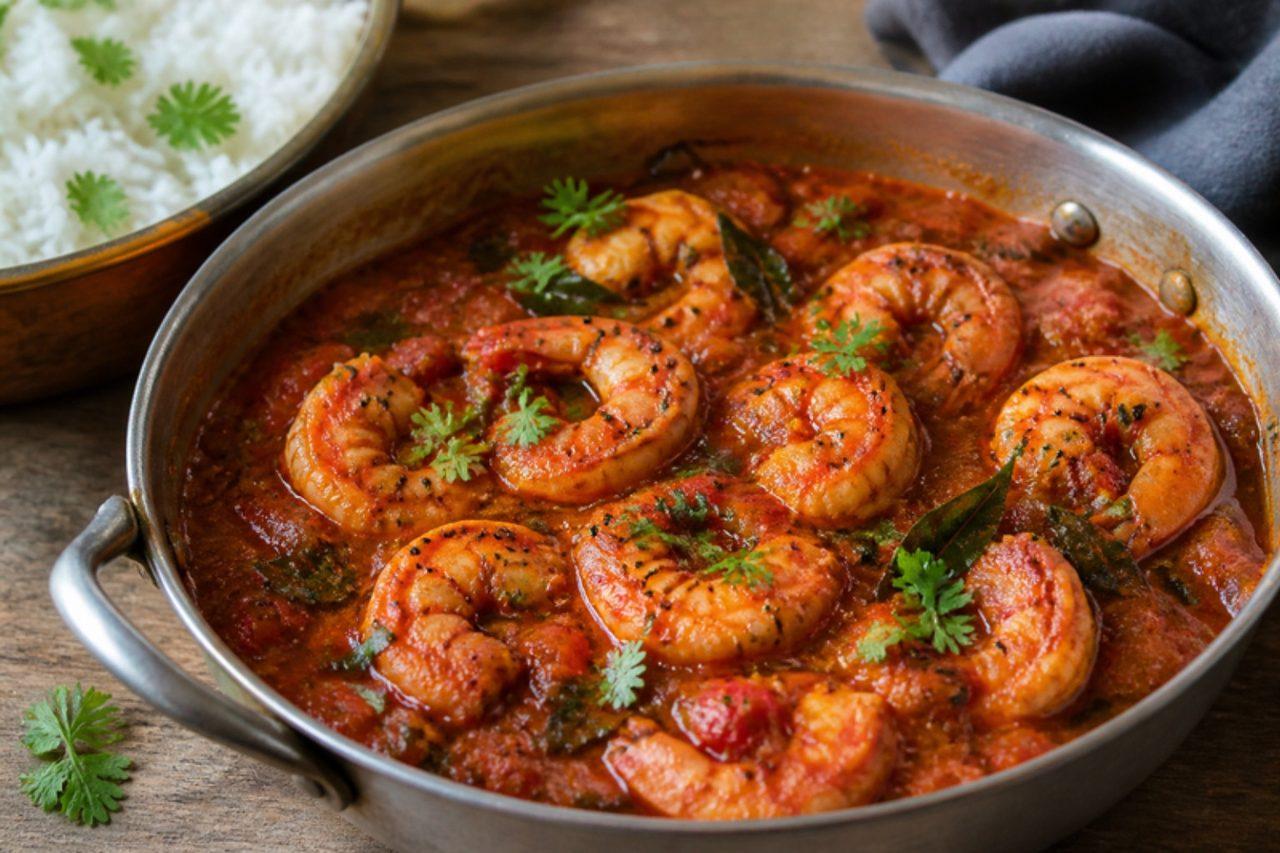
Durban prawn curry

Durban's beachfront takeaways and Indian family kitchens along the North Coast make prawn curry fast: the gravy of tomato, red masala, mustard seeds and curry leaves is cooked first, and the prawns go in only for the last few minutes. The result is a tangy, fiery red sauce with sweet, juicy prawns, lighter and sharper than a slow meat curry. Serve it with white rice or soft rotis and a wedge of lemon. Overcooking is the big mistake: prawns turn rubbery within a minute or two of being done, so take the pot off as soon as they are pink and opaque all the way through. Chef's tip: thaw frozen prawns overnight in the fridge and pat them very dry, or their water thins the gravy.

by KrazyBadal 0 views

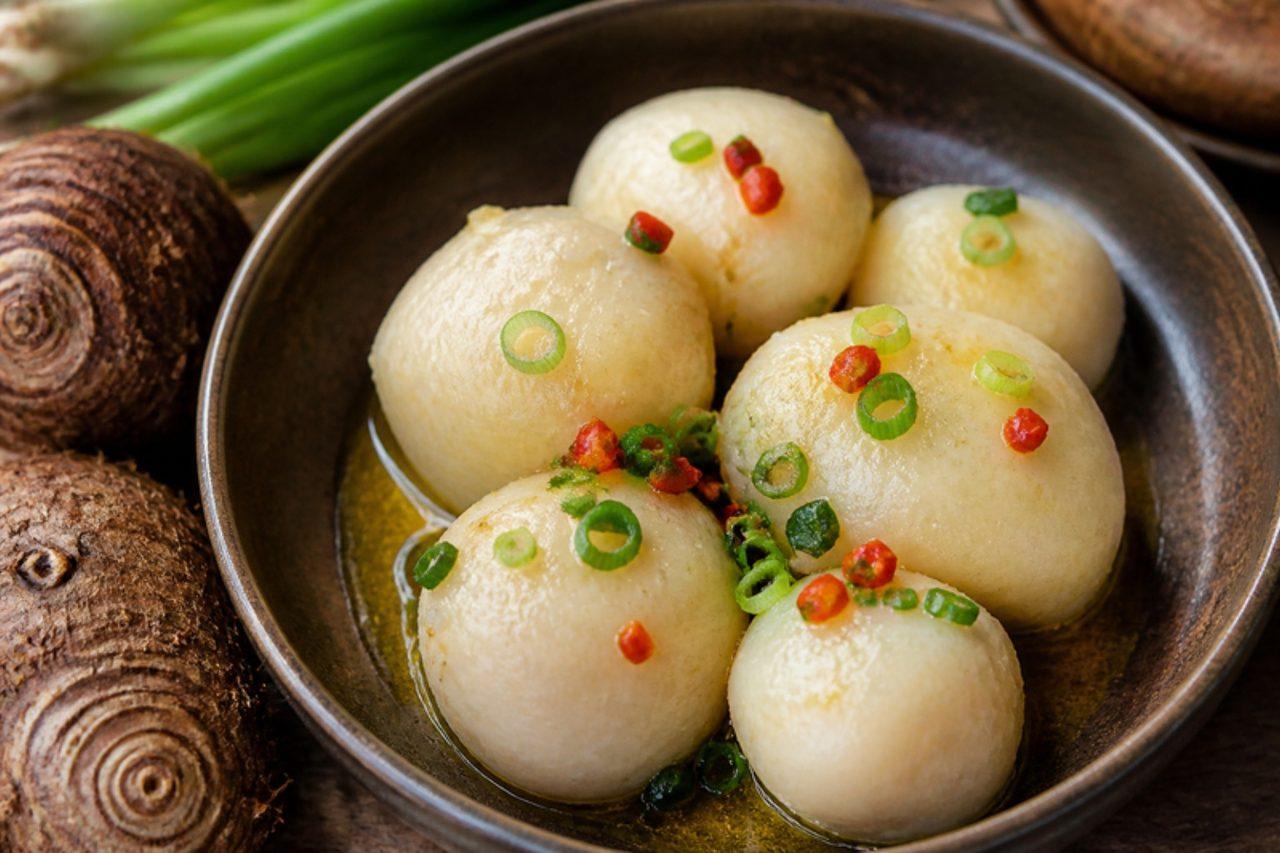
AmadumbeBoiled taro

Market women in Pietermaritzburg and along the KwaZulu-Natal north coast sell amadumbe by the bucket, hairy brown corms that look unpromising until boiled and peeled to reveal dense, creamy white flesh with a nutty, almost chestnut-like flavour. They are eaten hot as a starch with a stew, cold as a snack, or simply split and buttered; this vegan version dresses them in oil warmed with spring onion and chilli. Peeling them raw is the mistake to avoid, because the sap irritates the skin and leaves your hands itching. Always cook taro right through: undercooked corms taste scratchy in the throat. Chef's tip: boil them in their skins and slip the skins off while still warm, when they come away cleanly with a small knife.

by KrazyBadal 0 views

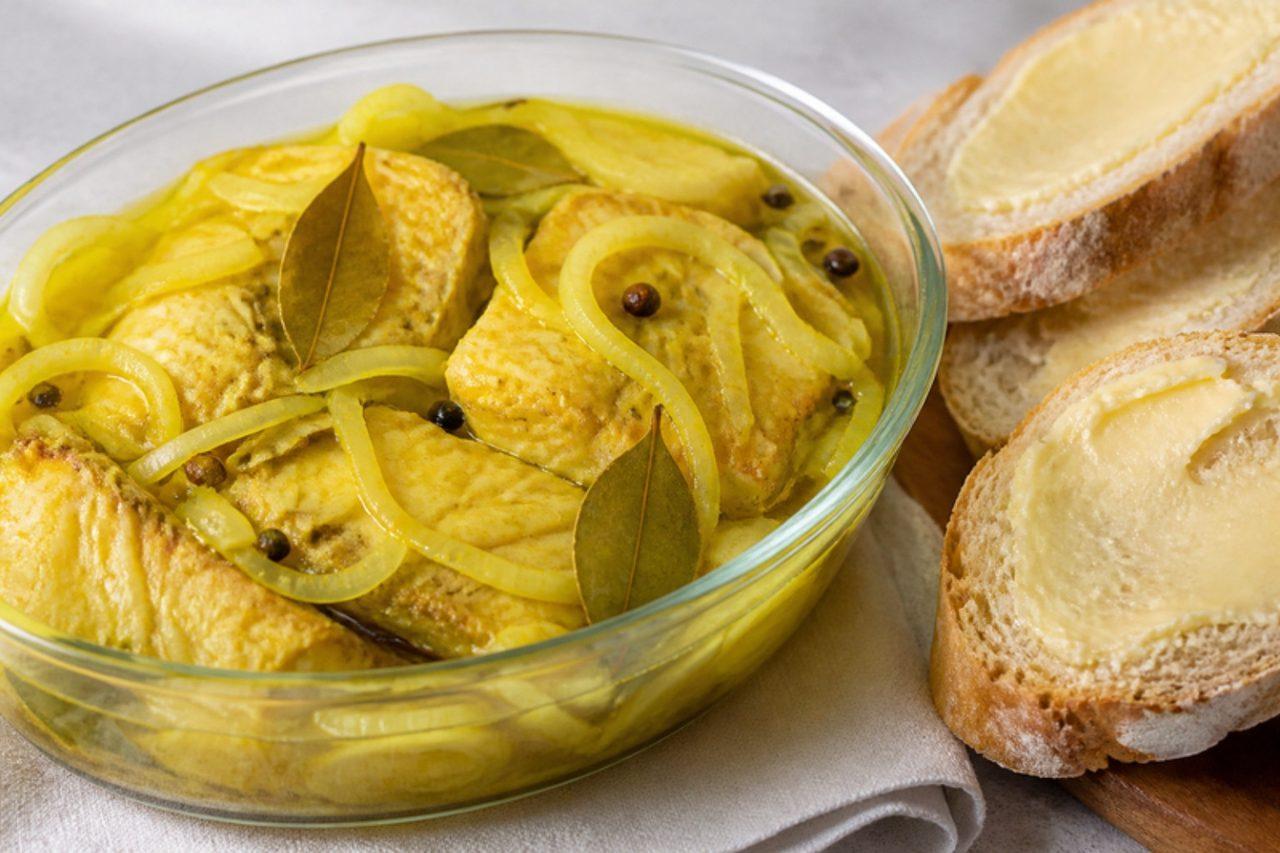
Pickled fishCurried pickled hake

Long before Good Friday, Cape Town kitchens fill with the smell of frying fish and boiling vinegar, because ingelegde vis has to be made two days ahead and is eaten cold over the Easter weekend with hot cross buns or buttered bread. Firm fillets of hake or yellowtail are fried until cooked through, then buried under rings of onion in a bright yellow, curry-scented sweet-and-sour pickle. The fish firms up and soaks up the sauce, and the onions stay slightly crunchy. Cook the onions too long and they turn limp and slimy in the jar, which is the mistake most first attempts make. Chef's tip: let the pickle cool until just warm before pouring it over, so the fried crust stays intact instead of turning to porridge.

by KrazyBadal 0 views

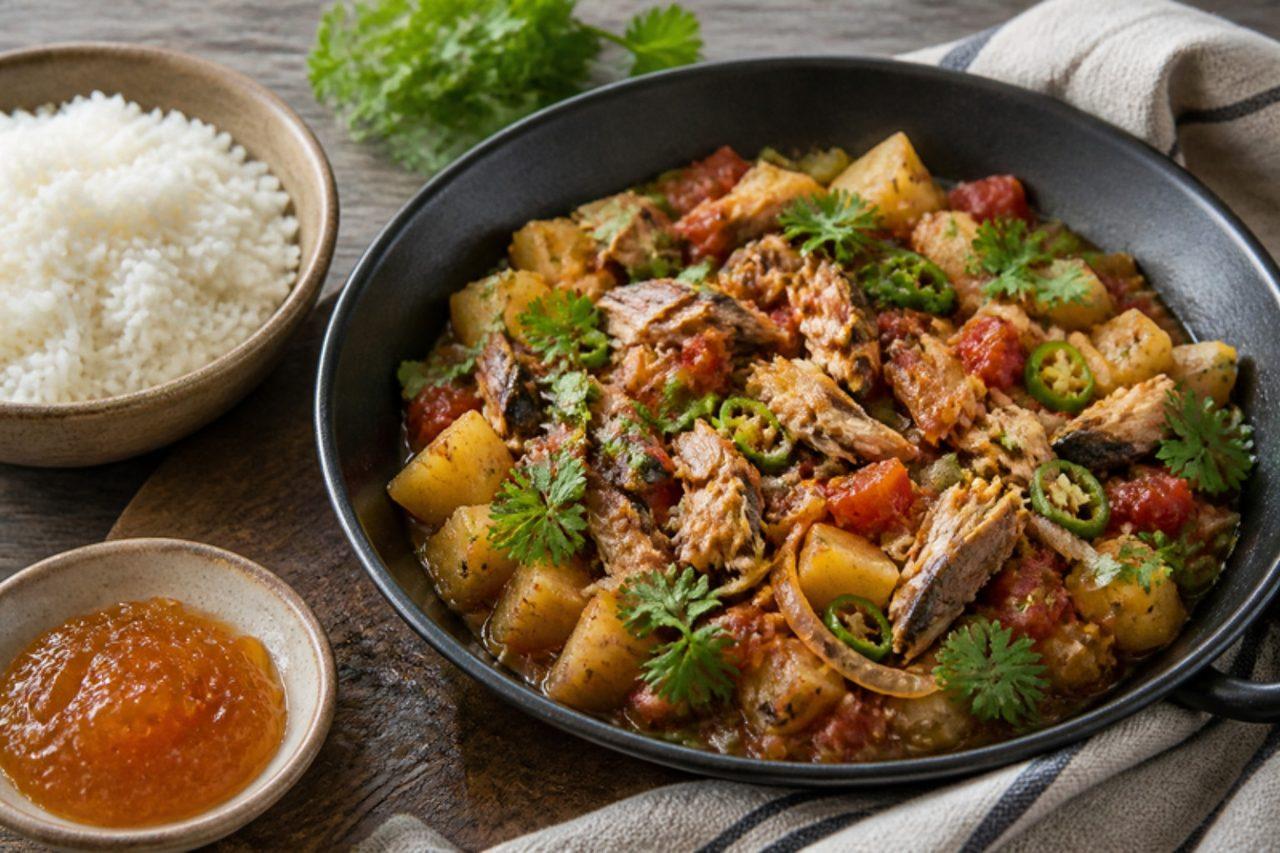
SmoorsnoekBraised smoked snoek with potato

Smoked snoek hangs in the fish shops of Kalk Bay and Muizenberg, and cooks across the Cape Flats turn it into smoorsnoek on a busy weeknight: the fish flaked and ‘smothered’ with onion, potato, tomato and green chilli until it all melts together. It is smoky, salty, a little sweet from the soft onions and gently hot, with enough soft potato to make it a meal. Pile it on white rice with a spoon of fruit chutney or apricot jam on the side, which is how many Cape families like it. Snoek is full of long, fine bones, and missing them is the mistake that spoils the dish, so flake it slowly with your fingers. Outside South Africa, smoked mackerel is the nearest swap. Chef's tip: taste before you add any salt at all; smoked fish brings plenty of its own.

by KrazyBadal 0 views

HertzoggiesApricot jam coconut meringue tartlets

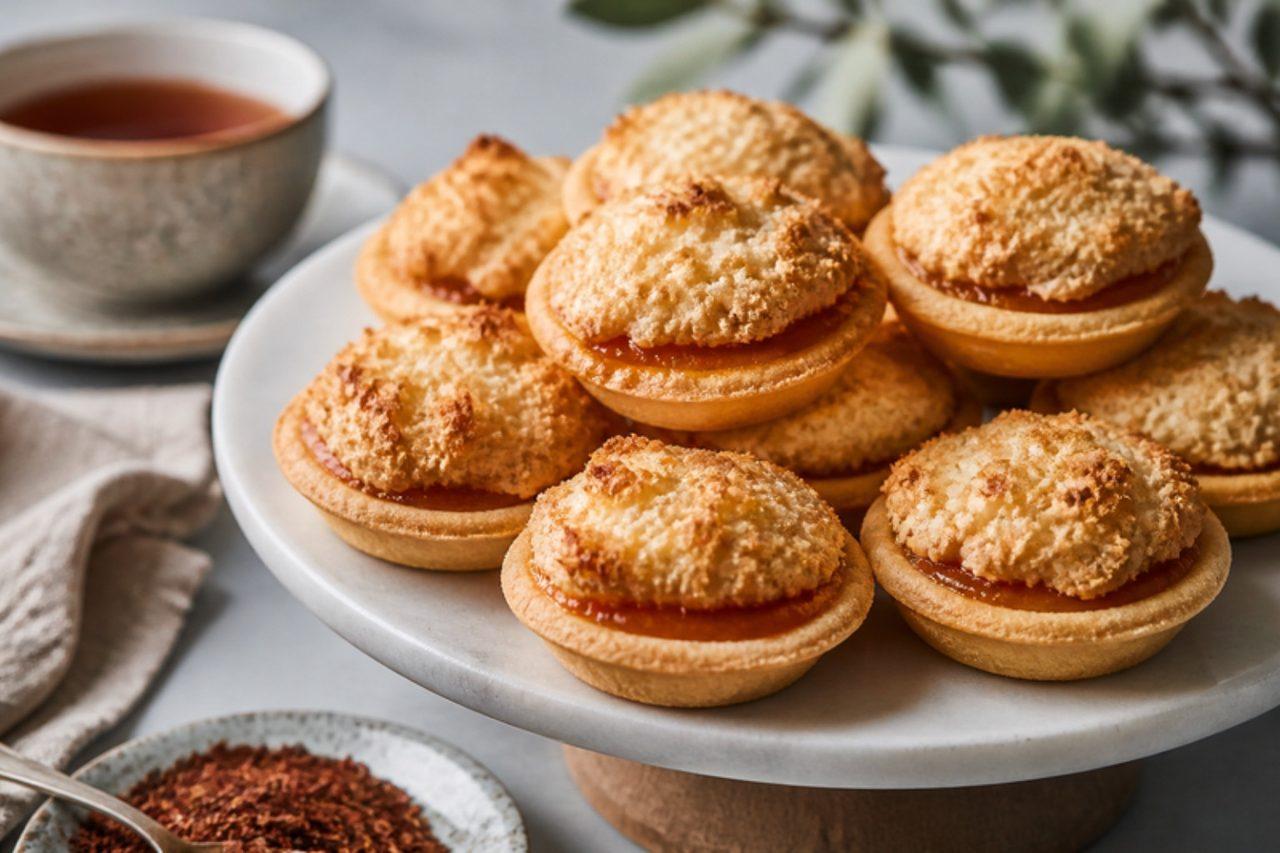
Church bazaars and tea tables from the Free State to the Karoo would hardly be complete without a tin of hertzoggies, the little tartlets said to be named after Prime Minister J.B.M. Hertzog, who was supposedly very fond of them. Each one is a short, buttery pastry cup with a teaspoon of apricot jam hidden under a domed coconut meringue that bakes crisp and pale gold on top and stays chewy inside. They are best with a cup of rooibos or strong filter coffee, and they keep well in a tin for several days. Overfilling with jam is the common mistake: it bubbles up through the meringue and glues the tartlets into the tin. Chef's tip: whisk the whites until the sugar has completely dissolved before folding in the coconut, or the meringue will weep syrup as it cools.

by KrazyBadal 0 views

IsijingiPumpkin and maize porridge

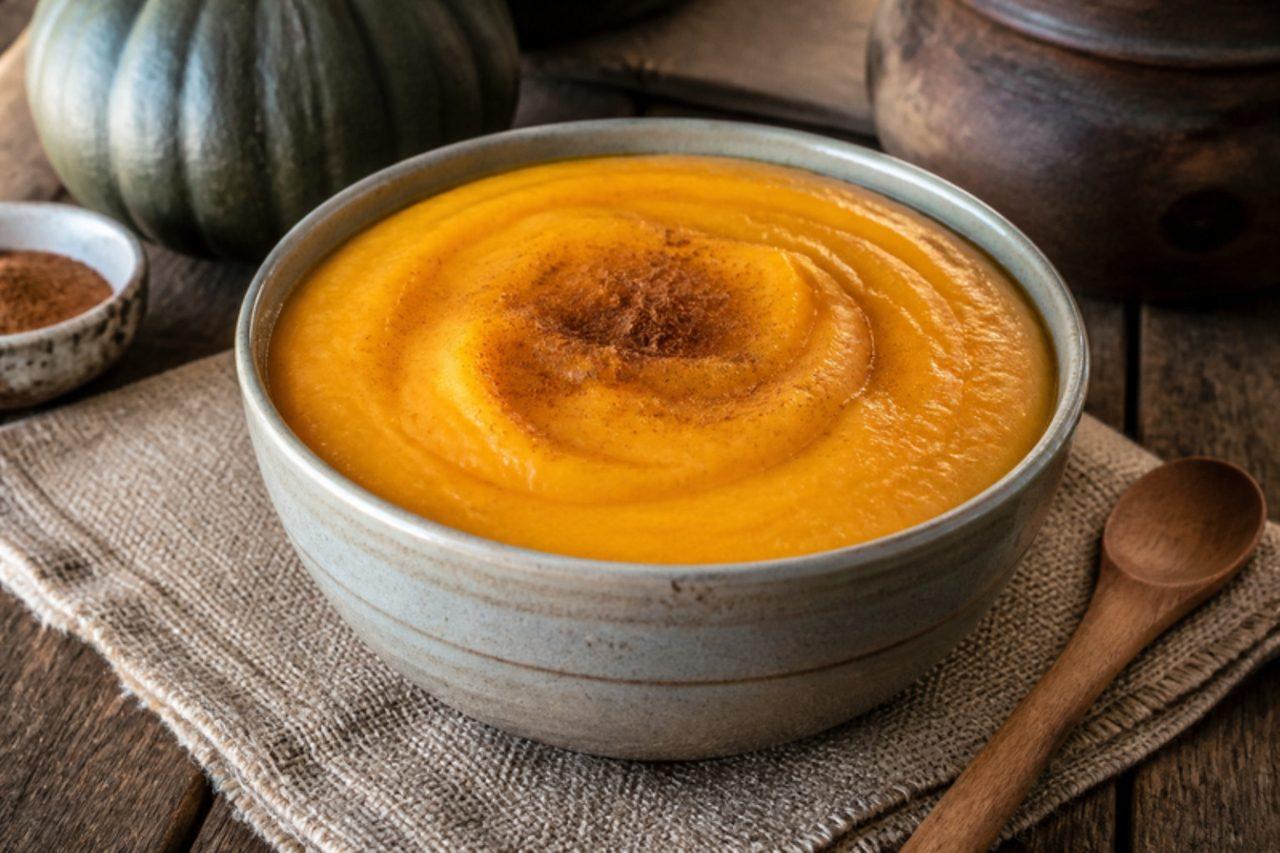
When the big grey-skinned pumpkins come in at the end of summer, Xhosa grandmothers around Butterworth and Ngcobo stew them down and stir in maize meal to make isijingi, a bright orange porridge that children love and adults secretly do too. It is soft and spoonable, gently sweet from the pumpkin and a little sugar, with the faint corn flavour of the meal underneath. Serve it as a side to beans or a vegetable stew, or eat a bowlful on its own for supper on a cold evening. Watery pumpkin is the classic mistake, so cook the pumpkin until most of its liquid has evaporated before the meal goes in. Chef's tip: use a dense, deep orange pumpkin or butternut, not a watery jack-o'-lantern type, for the sweetest flavour.

by KrazyBadal 0 views

Jan Smuts tartletsApricot almond sponge tartlets

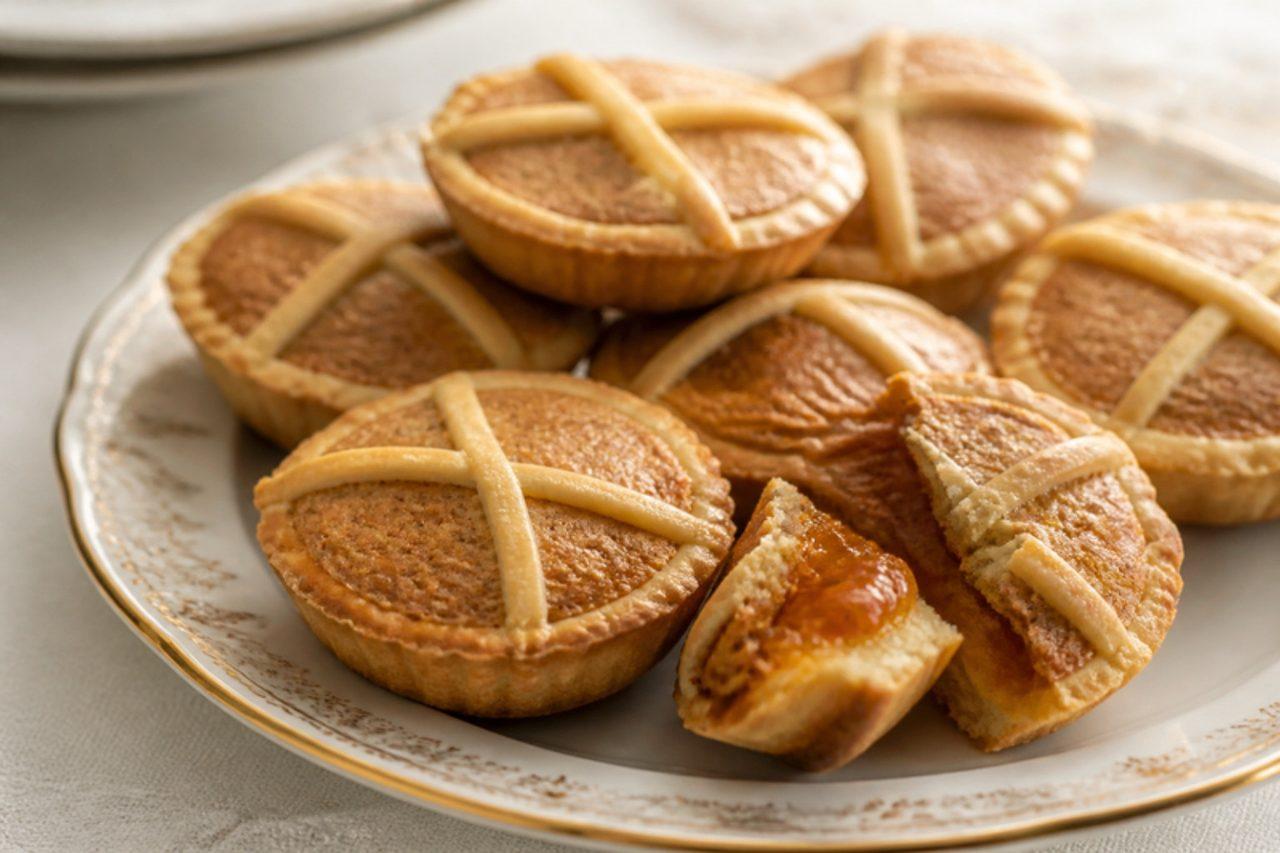
Bakers who sided with General Jan Smuts answered the hertzoggie with tartlets of their own, and old Afrikaans and English cookbooks have printed the two rivals side by side ever since. Where a hertzoggie wears a chewy coconut meringue, a Jan Smutsie hides its apricot jam under a soft, almond-scented sponge and is marked with a little pastry cross on top. The texture is all tender cake over a sharp fruity middle in a crumbly sweet crust, lovely at Sunday tea or packed in a school lunchbox. Most people overfill the cases with batter, which domes up and spills over the cross; two-thirds full is plenty. Chef's tip: roll the trimmings for the crosses thinly, or they stay doughy where they sit on the sponge.

by KrazyBadal 0 views

MorogoGreens with tomato and onion

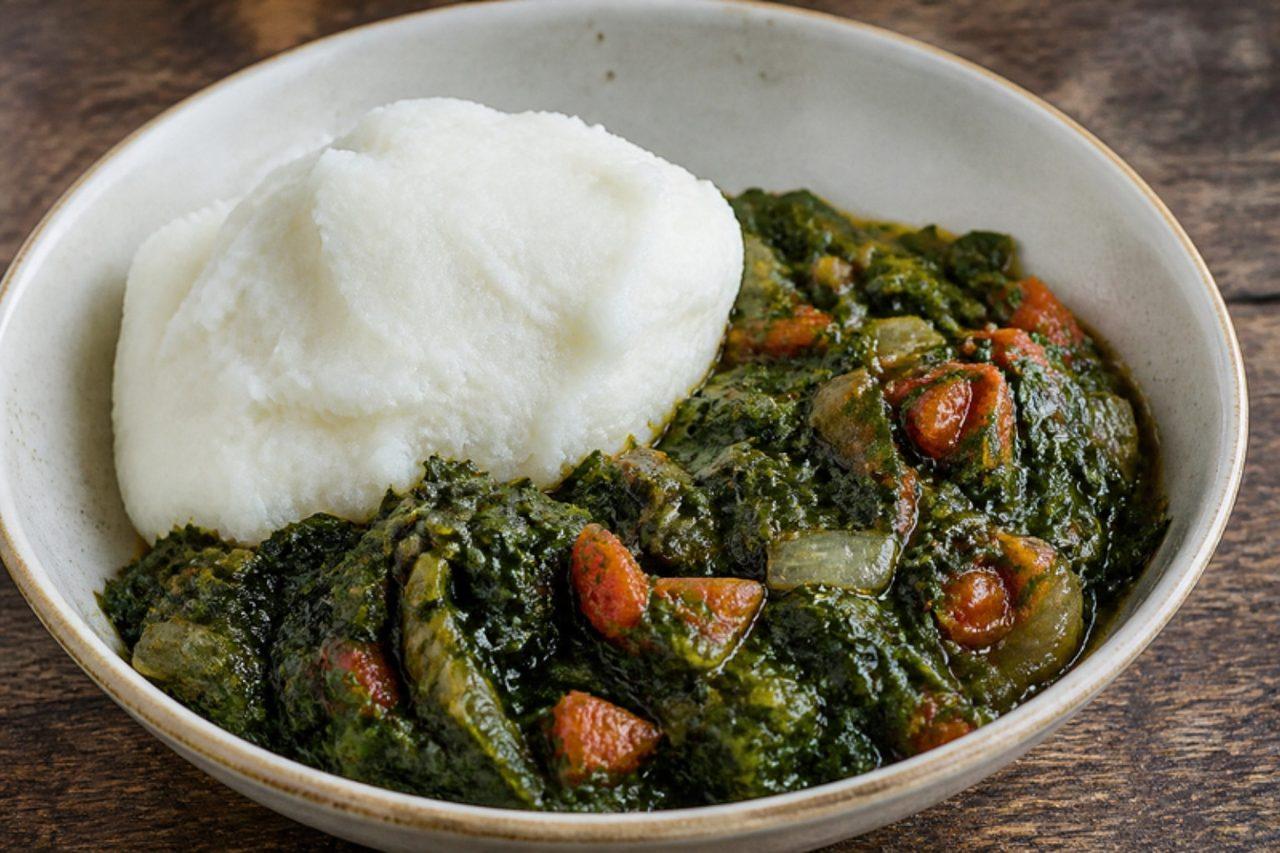
Out in Limpopo and on the edges of Gauteng, morogo is the word for edible leaves, and a pot of them simmering with onion and tomato is what turns a plate of stiff pap into supper. In villages the leaves come from amaranth, cowpea or pumpkin plants picked in the yard; at home you can use shop-bought amaranth or pumpkin leaves from an African grocer, or plain spinach mixed with a little kale, which gives a very similar soft, earthy, slightly mineral result. The greens cook down until silky and dark, with sweet tomato and a little chilli running through them. Serve with pap, samp and beans or a pile of rice, and eat it with your hands, rolling a ball of pap through the greens. Chef's tip: let the onion and tomato fry down to a thick jam before the leaves go in, otherwise the morogo ends up watery and bland.

by KrazyBadal 0 views

MosbolletjiesAniseed grape buns

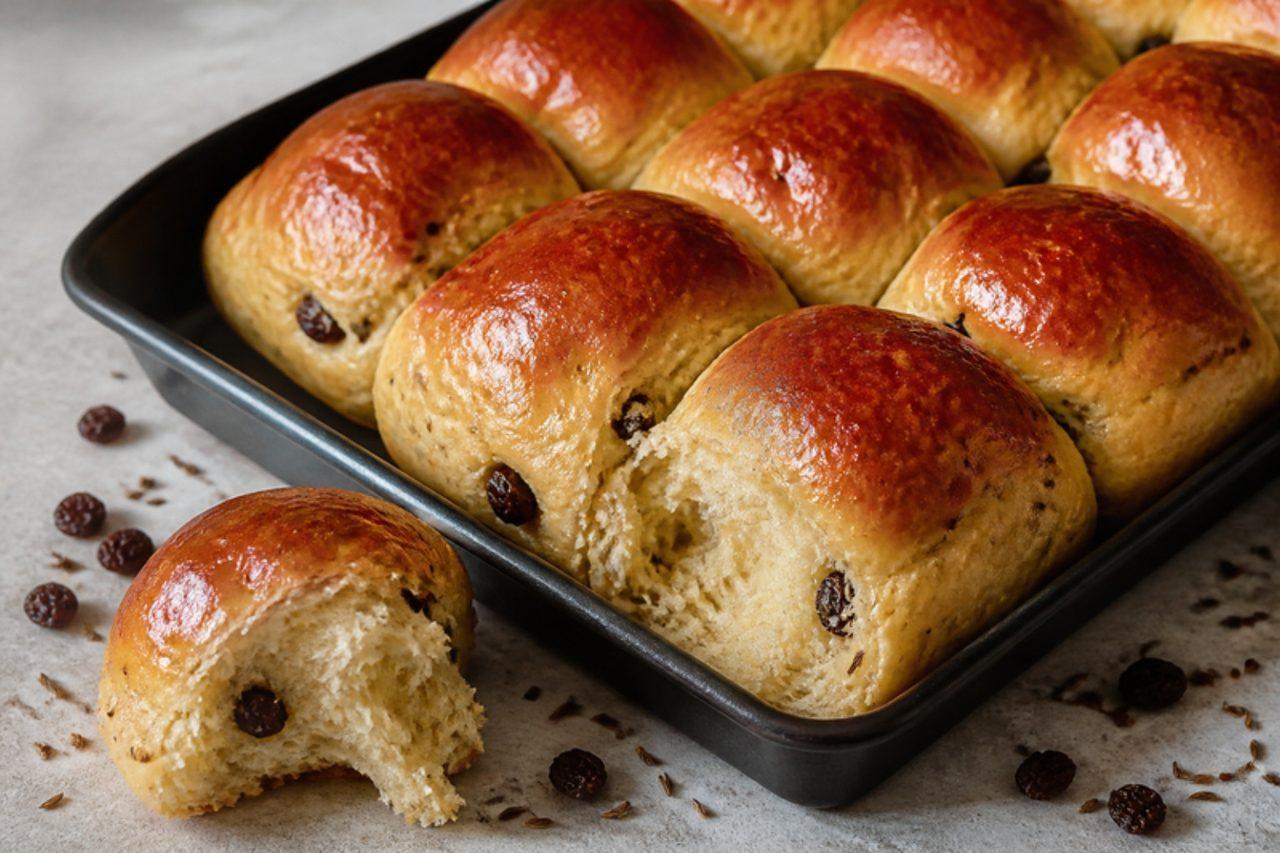
Each harvest, wine farms around Paarl and the Boland once used foaming fresh grape must to raise these sweet, tear-apart buns, and some families still bake them every January and dry what is left into rusks for coffee dunking. This home method replaces the must with a starter of pure grape juice, raisins and a little yeast, bubbled overnight; the tiny trace of alcohol the fermentation makes bakes off in the oven. The buns are soft and feathery, gently sweet, scented with aniseed and glazed with a sticky sugar wash. Rushing is the mistake: this dough rises slowly overnight and needs to double properly at each stage, or the buns turn out dense. Chef's tip: use juice with no added preservatives, which stop the starter from fermenting.

by KrazyBadal 0 views

Pap tertLayered pap and tomato bake

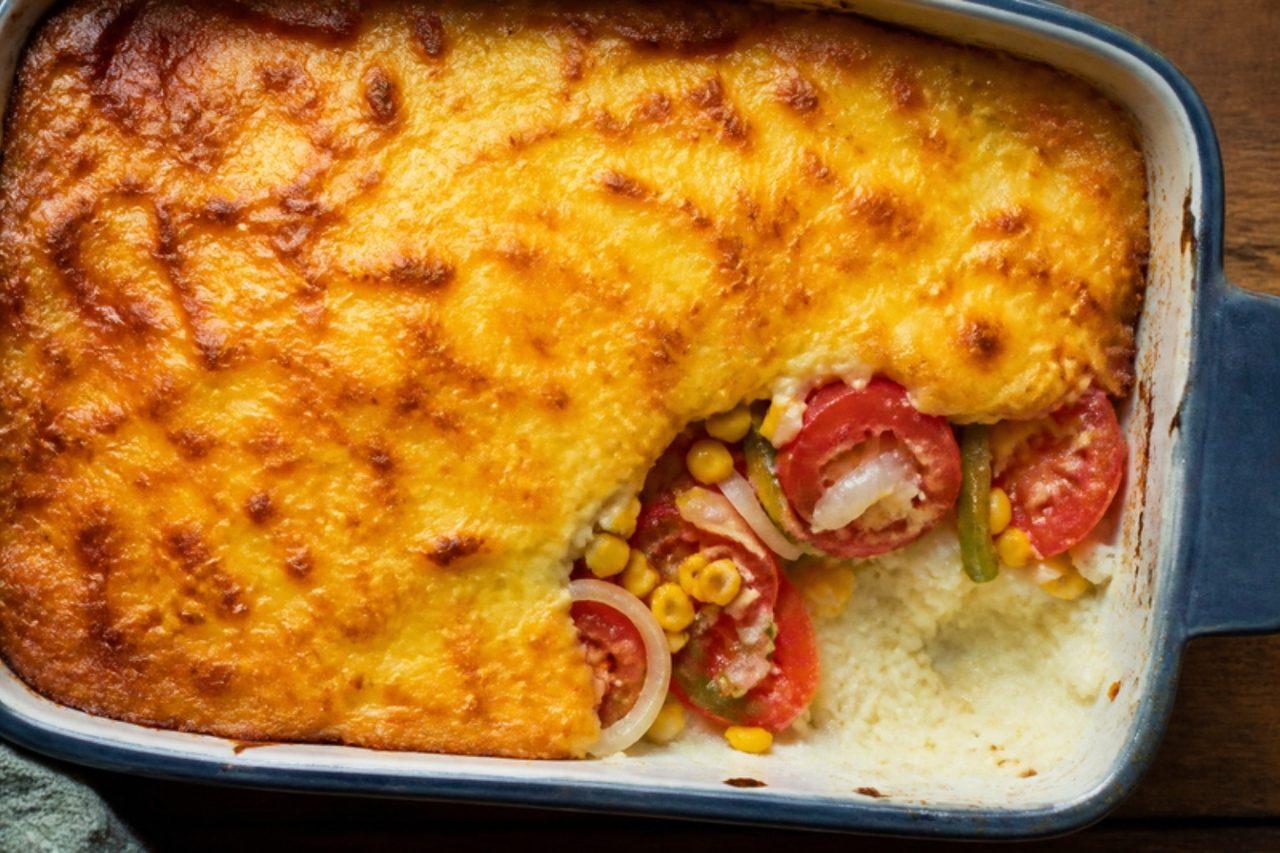
When a braai is planned for a crowd in Pretoria or the Free State, someone is always asked to bring the paptert, because it can be built in the morning and baked while the fire burns down to coals. Firm maize porridge is spread in a dish, covered with a sweet-sharp sauce of onion, tomato and green pepper, then topped with more pap and a thick blanket of grated cheese that bubbles into a golden crust. It slices into soft, savoury squares that hold their layers, with a creamy maize base and a jammy, tangy middle, ideal beside grilled vegetables, mielies and a green salad. Many mature cheddars are made with animal rennet, so check the label and choose a vegetarian cheddar. Watery pap is the mistake to avoid, as it never sets and the whole thing slumps. Chef's tip: let the tert stand for ten minutes out of the oven before you cut it, and the slices come out clean.

by KrazyBadal 0 views

Rooibos iced tea

Rooibos grows only in the Cederberg mountains north of Cape Town, and on hot Western Cape afternoons it is brewed strong and poured over ice rather than drunk hot. The tea is naturally caffeine-free and slightly sweet with notes of honey and vanilla, so it needs little added sugar. Orange, lemon and fresh mint make it a summer jug for the stoep (veranda). Chef's tip: brew the tea double strength and pour it straight over plenty of ice; it chills in seconds and the melting ice dilutes it to the right strength.

by KrazyBadal 0 views

Milk tart (melktert)Cinnamon custard tart

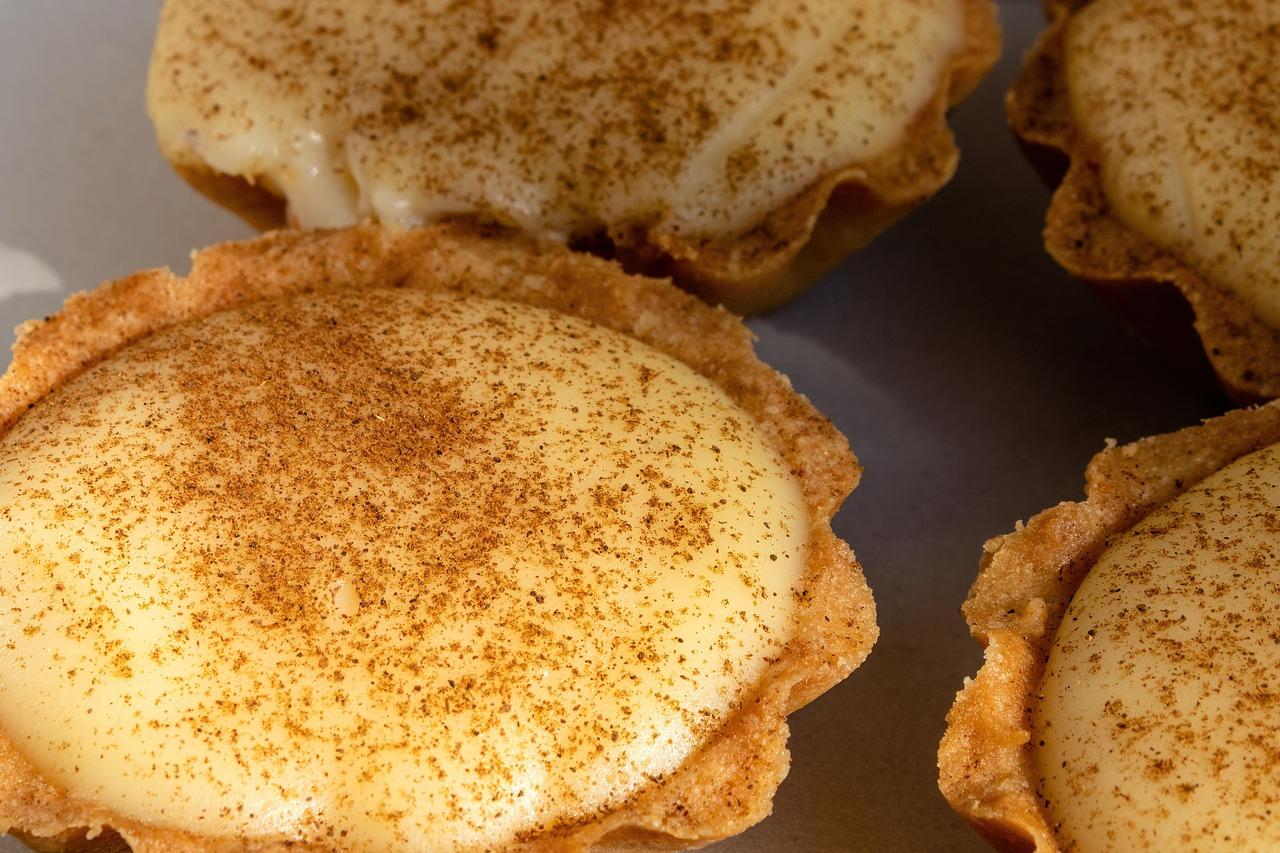
Melktert is South Africa's coffee-time tart, made by Afrikaner and Cape Malay families alike, sold at church bazaars and in farm stalls along the Garden Route, and even celebrated with its own National Milk Tart Day on 27 February. A crisp sweet pastry case holds a thick, wobbly custard made with milk and flavoured with a cinnamon stick, then finished with a heavy dusting of ground cinnamon. It is lighter and more milky than a baked egg custard tart. Chef's tip: stir the custard constantly as it thickens and keep cooking for 2 minutes after it bubbles so the flour loses its raw taste.

by KrazyBadal 0 views

ChakalakaSpicy vegetable and bean relish

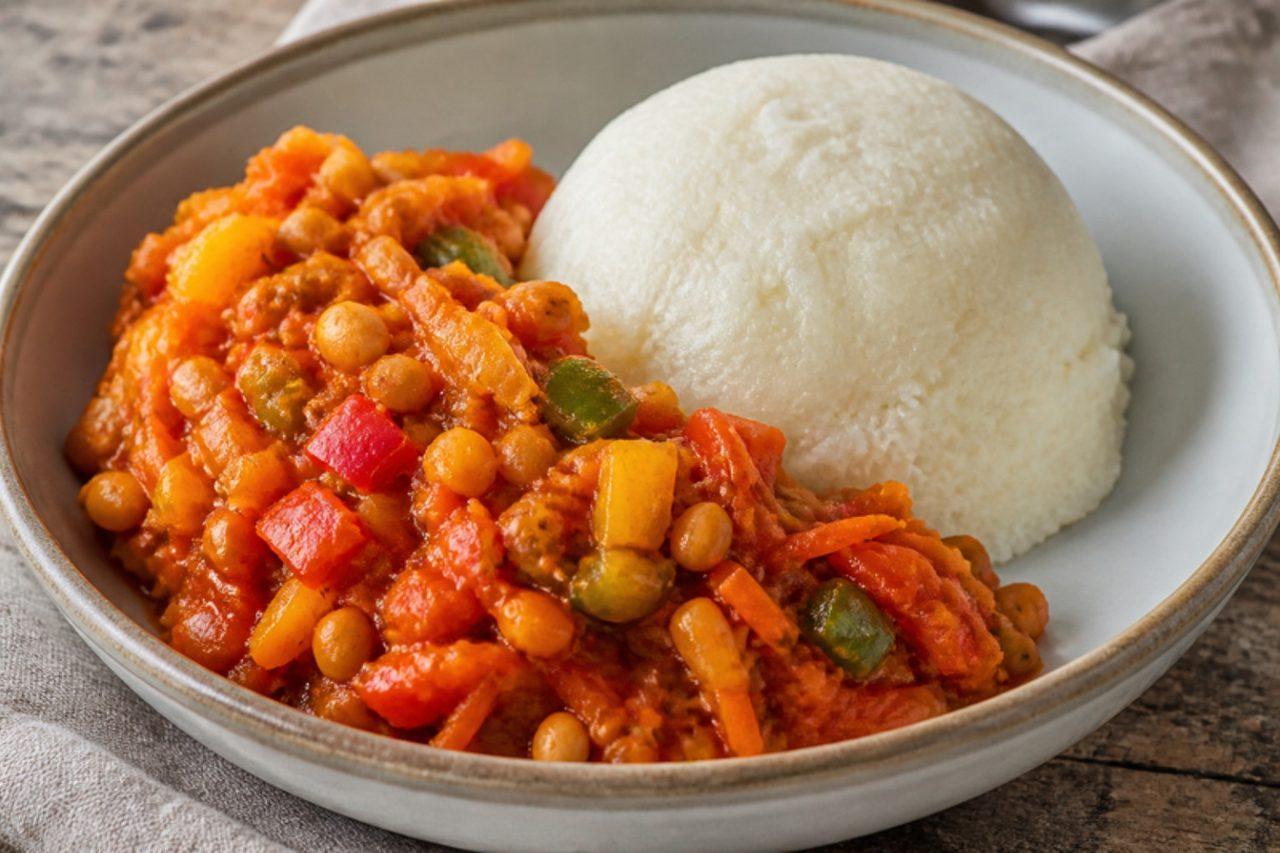
Chakalaka is said to have started in the townships and mines around Johannesburg, where workers cooked tinned beans and vegetables with chilli and curry powder over open fires. Today no South African braai (barbecue) is complete without a pot of it, and it goes on the table at Sunday lunch, at funerals and weddings, served warm or cold alongside pap. It is spicy, a little sweet from the carrots and peppers, and tangy from the tomato and beans. Chef's tip: grate the carrots rather than chopping them; they melt into the relish and give it its characteristic soft, spoonable texture.
by KrazyBadal 0 views

Buttermilk rusks (beskuit)Twice-baked buttermilk rusks

Beskuit grew out of the Voortrekker need for bread that kept on long ox-wagon journeys; today a tin of rusks sits next to the kettle in homes from the Karoo to Pretoria, and they are dunked in early-morning coffee or rooibos. A soft buttermilk dough is baked as a loaf, cut into fingers and then dried in a low oven for hours until rock hard and crunchy. Chef's tip: dry the rusks slowly at a very low heat with the oven door slightly open; they should dry out completely, not brown further.

by KrazyBadal 0 views

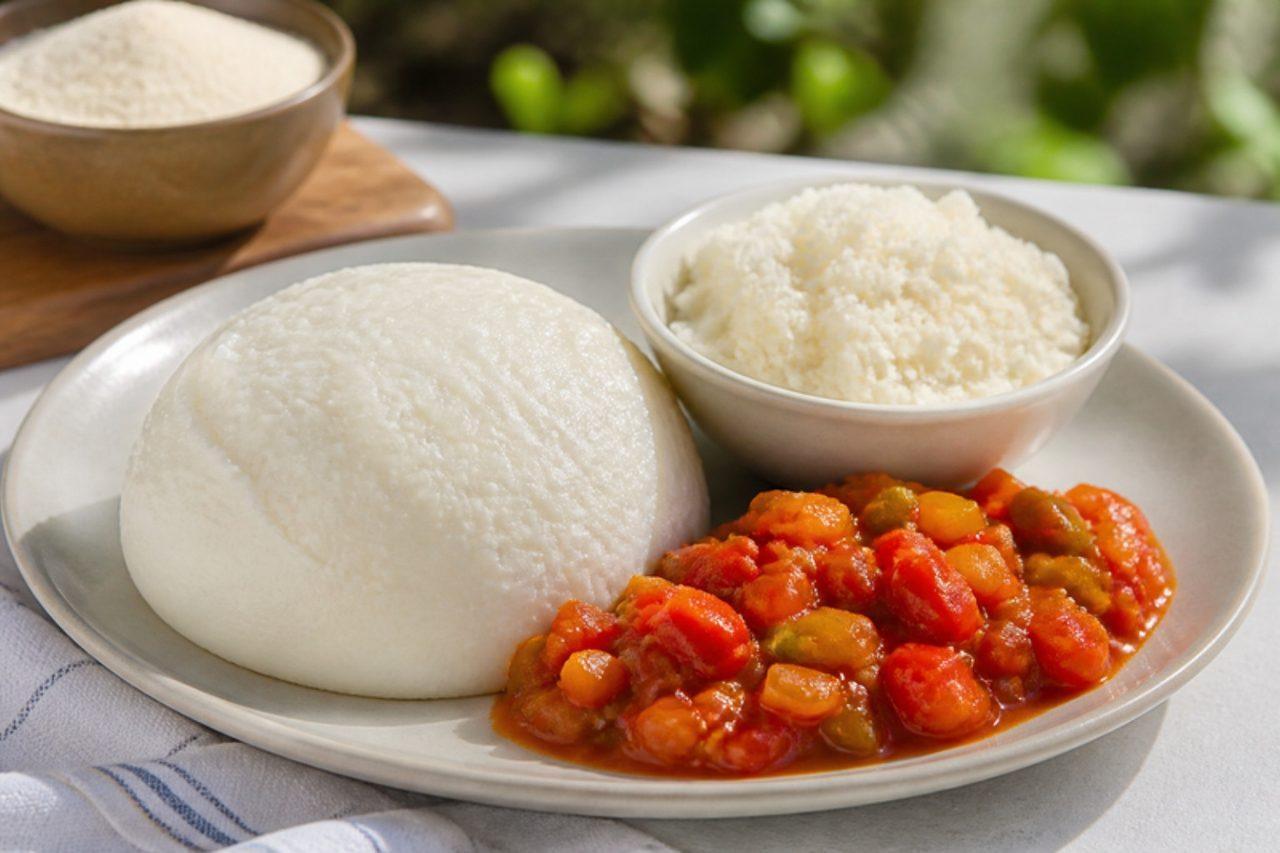
Pap (stywe pap and krummelpap)Maize porridge

Pap is the everyday staple of South Africa, eaten in Soweto kitchens and Limpopo villages at almost every evening meal, and in a three-legged pot at every braai. It is plain white maize meal cooked in water, in two main styles: stywe pap (stiff pap), smooth enough to roll into balls and dip into relish, and krummelpap (crumbly pap), steamed into dry, fluffy crumbs. Both are eaten with chakalaka or a tomato-and-onion sauce. Chef's tip: wet the meal to a paste before it hits the boiling water, or you'll be fighting lumps for the next 20 minutes.

by KrazyBadal 0 views