Skip to content
Recipes

All recipes

Vegetarian, or something you can't eat? Set your diet once and we'll hide recipes that don't fit.

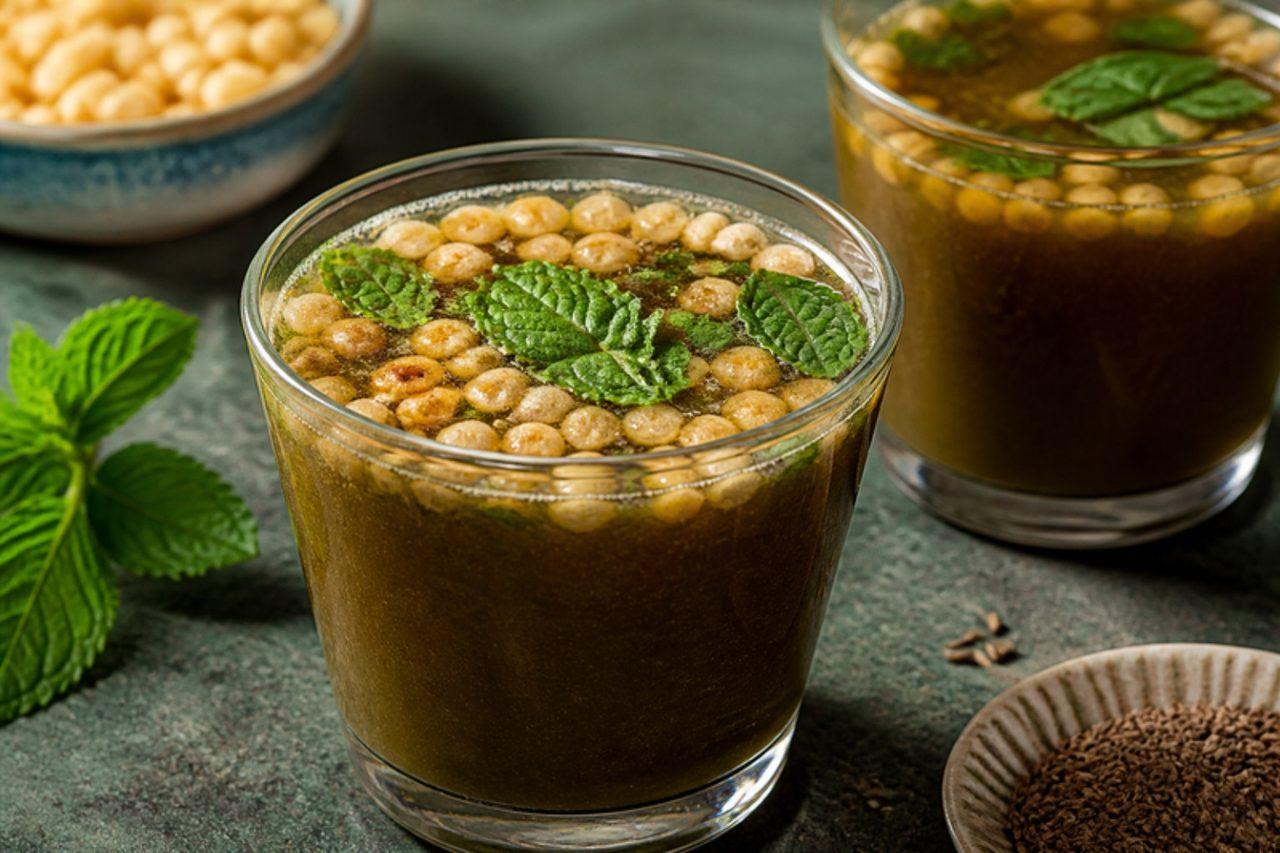
JaljeeraTamarind mint cumin drink

Street vendors in Old Delhi and Varanasi sell jaljeera from big red clay matkas wrapped in wet cloth, ladling it into glasses with a handful of boondi on top. The name simply means cumin water, but the flavour is busier than that: sour tamarind and lemon, a cool rush of mint, the sulphur note of black salt and the warmth of roasted cumin and dry ginger. It is drunk before a heavy Punjabi meal to wake the appetite, at summer weddings, and on long train journeys. Make the masala fresh and the difference shows. The common mistake is using raw cumin powder; it tastes dusty. Dry-roast whole cumin until it darkens a shade and smells toasty, then grind it. Chef's tip: add the boondi only at the table so it stays crunchy for the first sip and softens by the last.

by KrazyBadal 0 views

PiyushShrikhand buttermilk drink

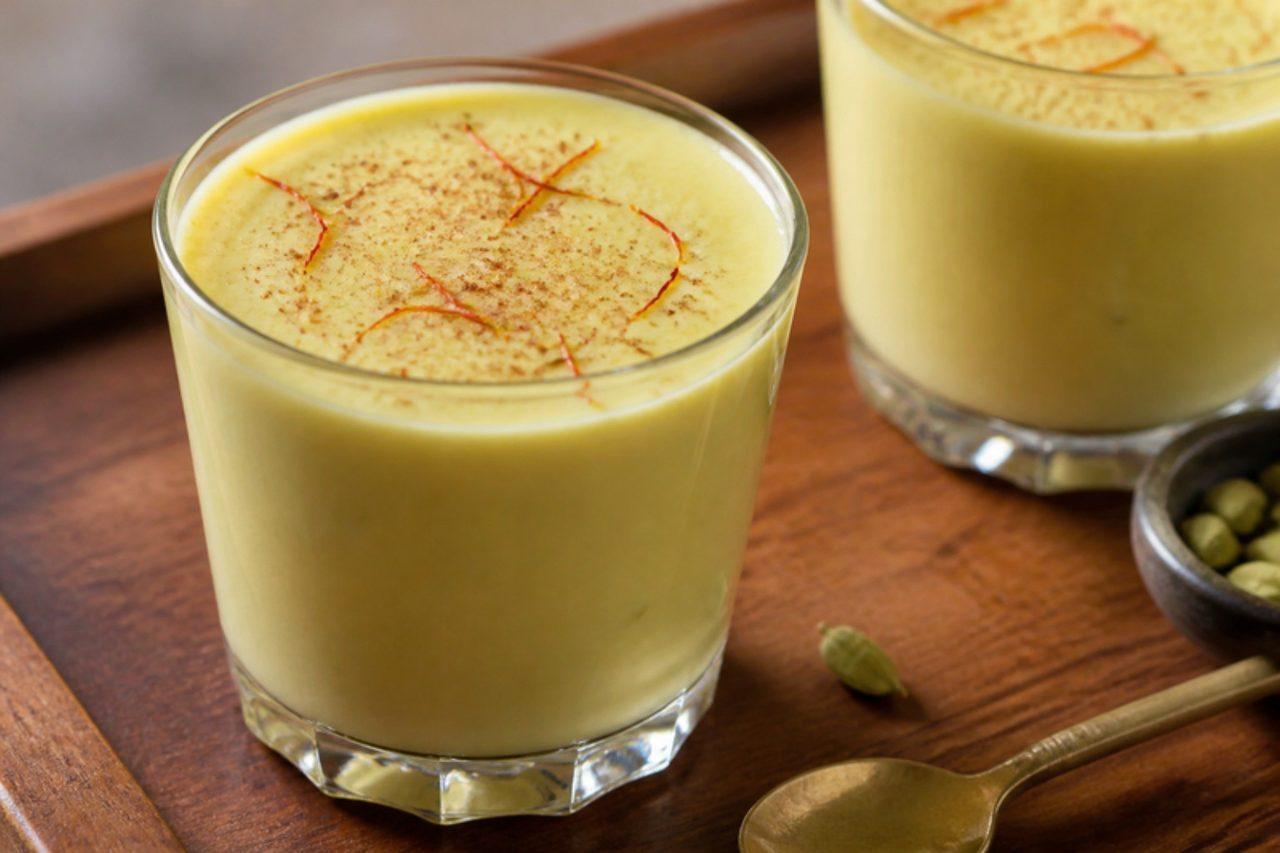
Piyush means nectar, and Pune and Mumbai Maharashtrians drink it on summer afternoons, at Gudi Padwa lunches when there is leftover shrikhand, or from old dairy shops near Dadar and Girgaon where it is sold in glass bottles. It sits between lassi and dessert: thick but pourable, sweet and gently sour, yellow with saffron and scented with cardamom and a whisper of nutmeg. It is lovely with a spicy batata vada or after a puran poli meal. The common mistake is pouring cold buttermilk straight onto stiff shrikhand, which leaves stubborn lumps; loosen the shrikhand with a little buttermilk first, then whisk in the rest. Chef's tip: bloom the saffron in a spoonful of warm milk; cold buttermilk won't pull the colour out.

by KrazyBadal 0 views

Kulukki sarbathShaken lime cooler

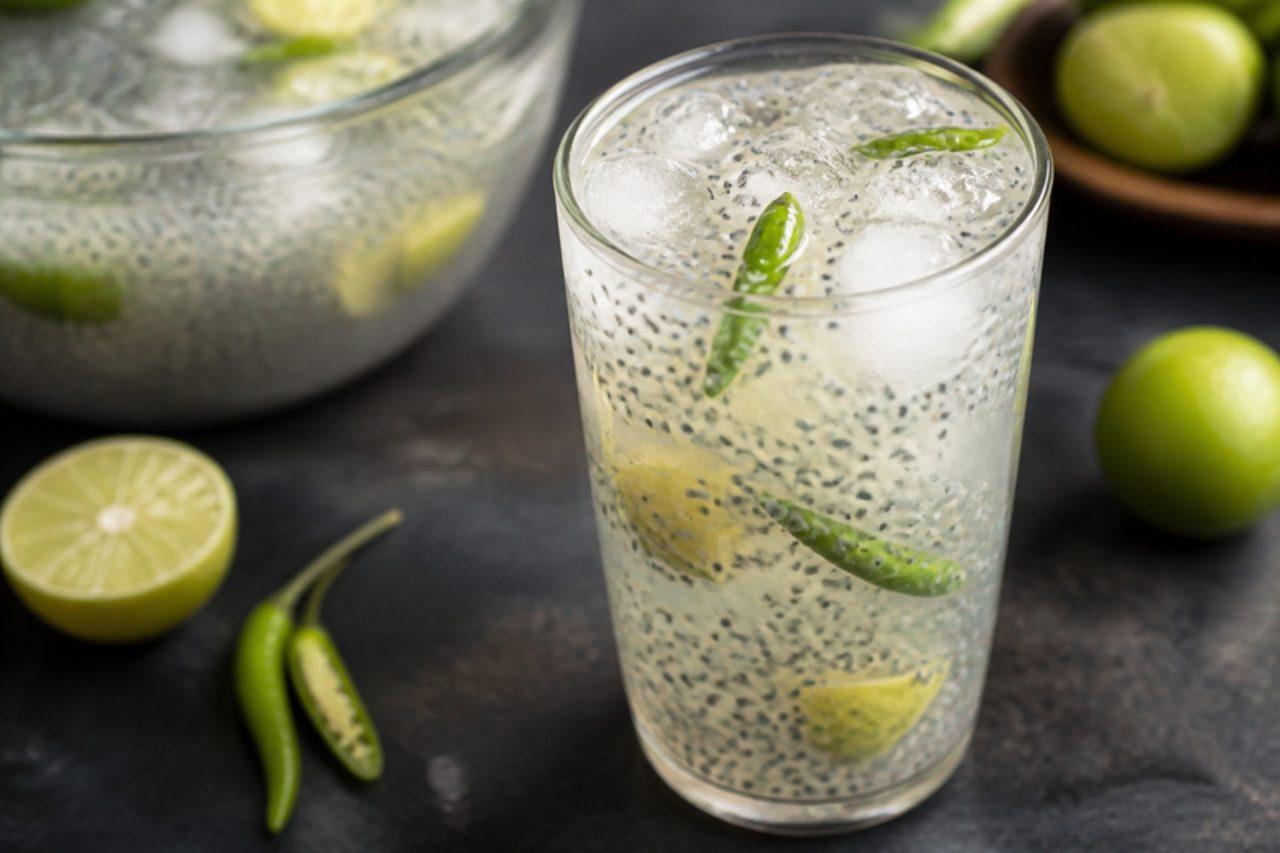
Kulukki means shaken, and the show is half the fun: at roadside stalls in Kozhikode, Kochi and Thrissur, the vendor drops lime, a slit green chilli, basil seeds, syrup and ice into a tall steel tumbler, caps it with another and rattles it furiously before pouring a frothy glass. The drink became a craze across Kerala in the 2010s and is now a beach and festival favourite. It tastes sharp, sweet, salty and then hot as the chilli catches the back of your throat. Some stalls add pineapple or passion fruit. The common mistake is crushing the lime and chilli too hard or leaving them to sit, which makes the drink bitter from the peel and far too fiery; shake briefly and pour at once. Chef's tip: use a jar with a tight lid half filled with ice; the ice does the crushing and makes the foam.

by KrazyBadal 0 views

Nannari sarbathSarsaparilla and lime cooler

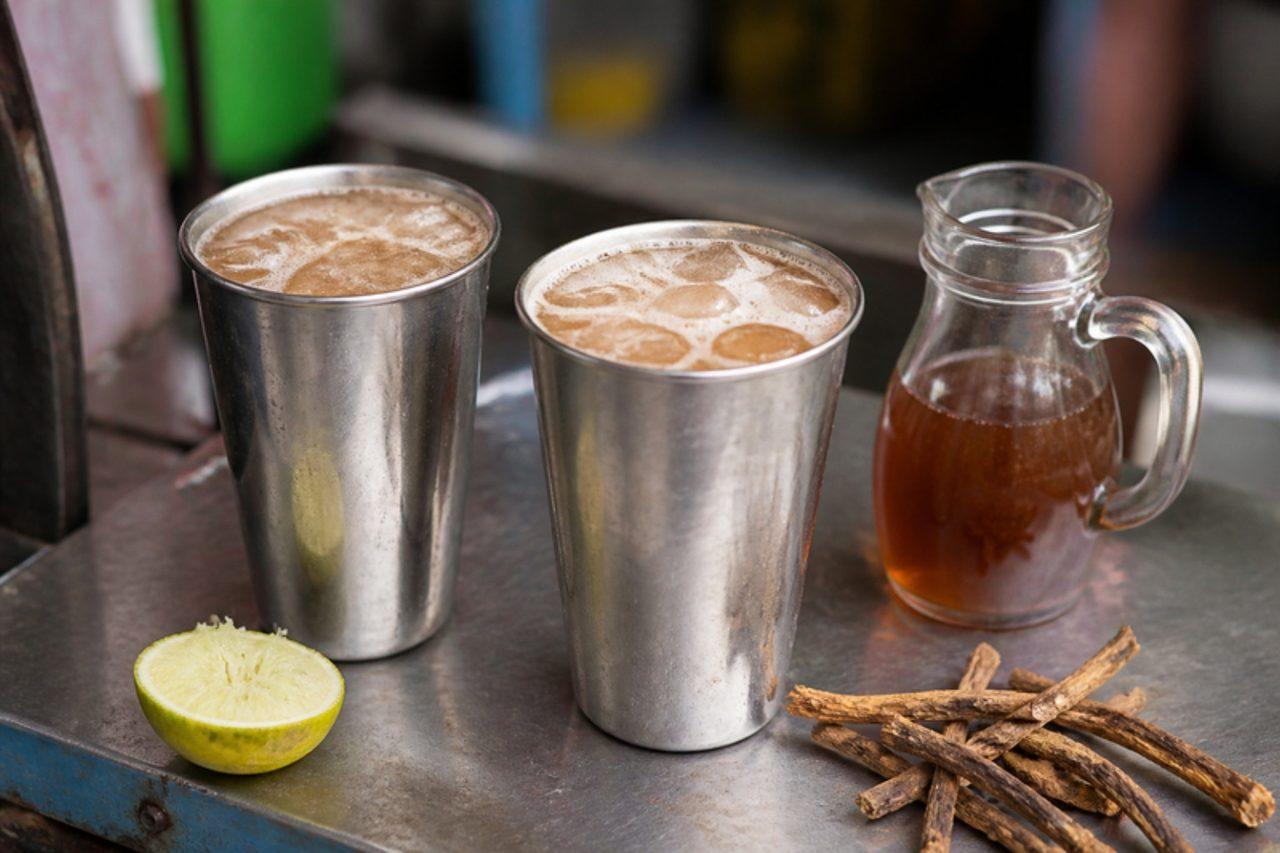
Walk past any sarbath kadai in Madurai, Tiruchi or Chennai's Parry's Corner in summer and you'll hear the clink of a glass being stirred with a long spoon. Nannari, the sweet, woody, vanilla-like root of Indian sarsaparilla, is cooked into a dark syrup; the vendor pours a little into a glass, squeezes in a whole lime, adds a pinch of salt and ice, and tops it with water or a fizz of soda. It is sweet, sharp and earthy all at once, and nothing like the milky jigarthanda made with the same syrup. Many shops add soaked sabja seeds for texture. The common mistake is too much syrup: the root flavour gets lost in sweetness, so start with less and let the lime lead. Chef's tip: squeeze the lime straight into the glass and drop in one squeezed half; a little oil from the peel gives that roadside freshness.

by KrazyBadal 0 views

Badam milkAlmond milk

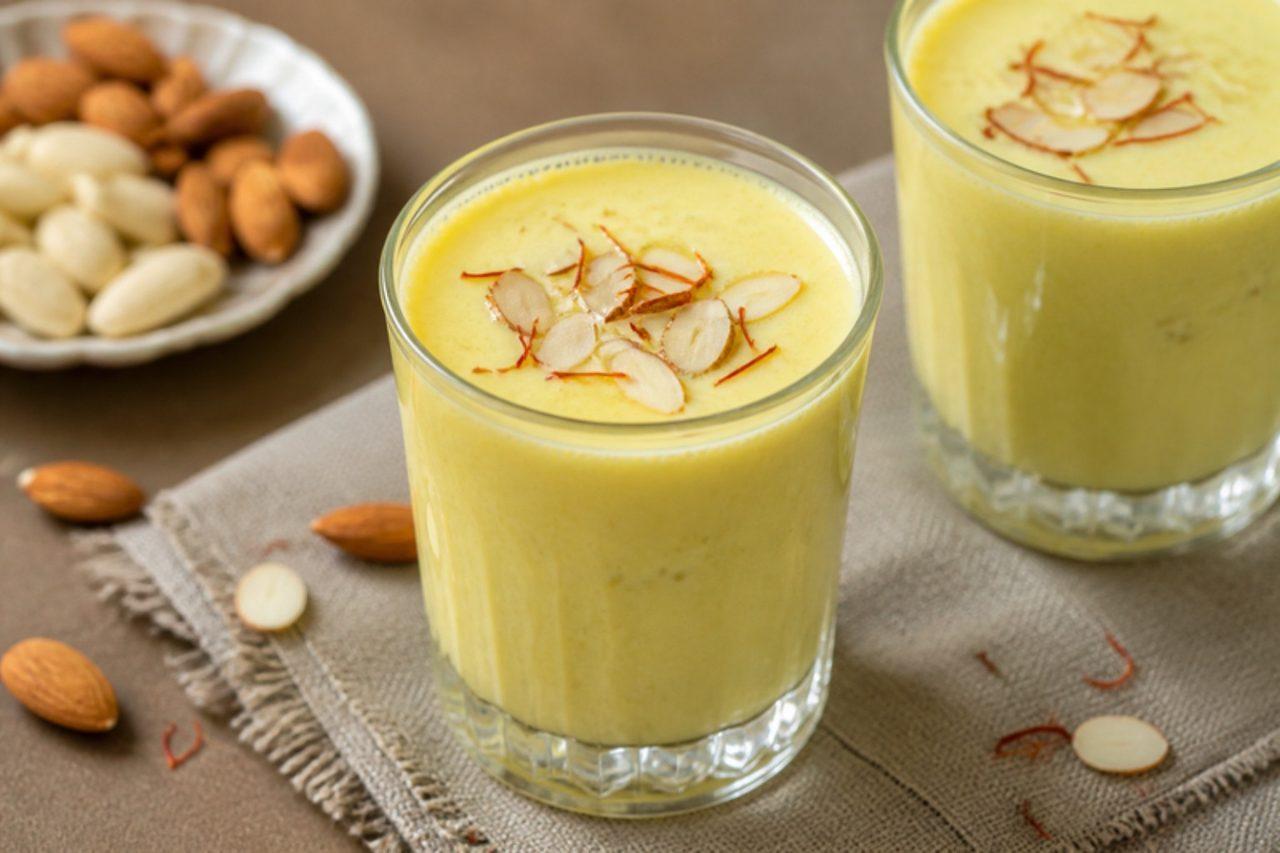
In Hyderabad and Bengaluru, darshinis and Irani cafés sell badam milk from steaming steel urns, while in North Indian homes a hot glass of it is what you get after an exam or on a cold Delhi evening. It is creamy and nutty, tinted pale gold by saffron, and has fine, pleasant flecks of almond rather than being smooth like a shake. Chilled, it is sold in bottles all summer and served at weddings. Soaking and peeling the almonds is what makes it taste clean and sweet. A common mistake is grinding the almonds dry, which turns them oily and gritty; grind soaked almonds with a little milk to a fine paste. Chef's tip: simmer gently after adding the almond paste and keep stirring, because it settles and catches on the bottom of the pan within minutes.

by KrazyBadal 0 views

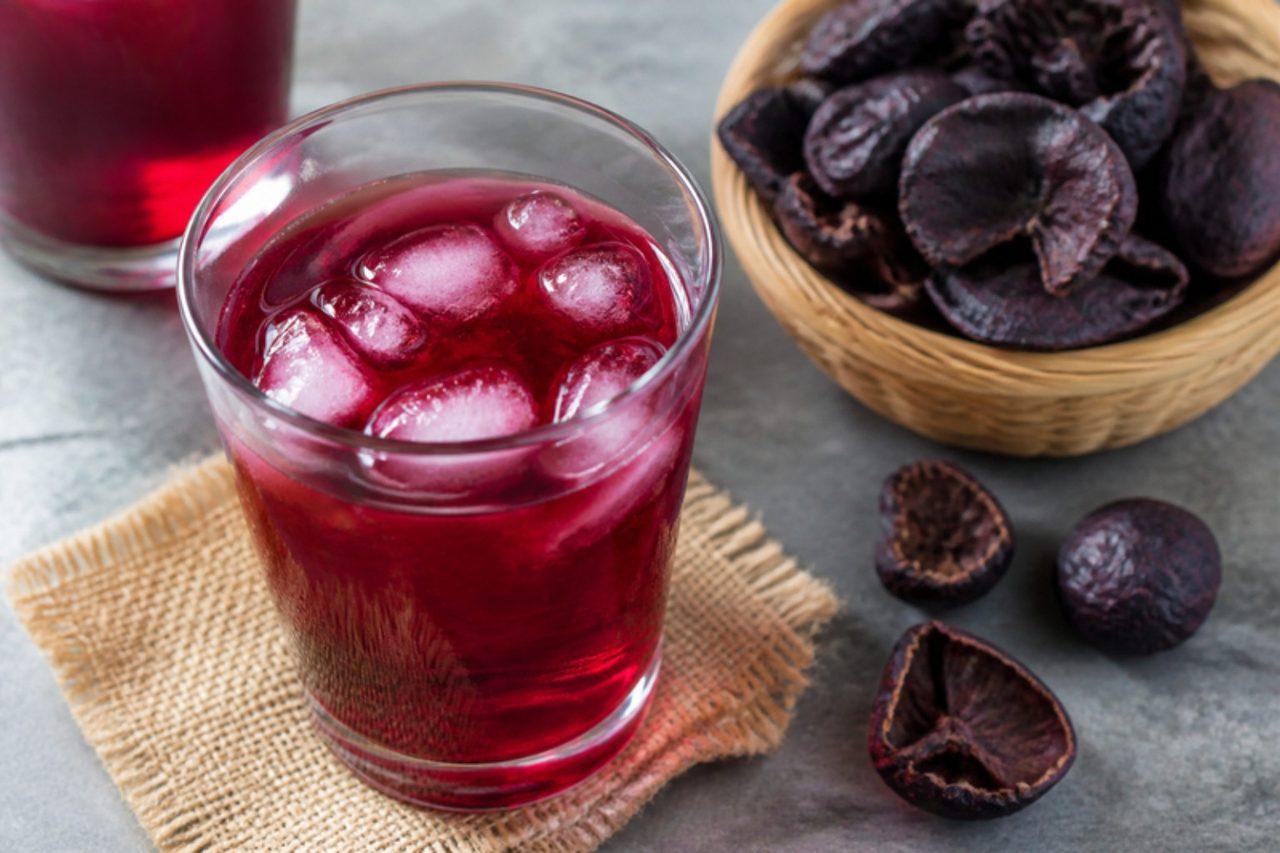
Kokum sharbatKokum cordial

Along the Konkan coast, from Ratnagiri down to Goa, the purple kokum fruit is split and dried in the sun every summer, and the leathery rinds go into curries, sol kadhi and this sharbat. Unlike sol kadhi, there is no coconut milk here: just a clear, deep-red syrup that is fruity, tart and faintly salty, diluted with cold water and drunk after a fish lunch or on a hot afternoon to cool the stomach. Families in Malvan and Sawantwadi still make the concentrate by layering fresh fruit with sugar in jars; this quicker version uses the dried rinds you can buy anywhere. The common mistake is boiling the kokum hard for a long time, which makes the syrup taste stewed and murky; simmer gently just until the colour floods out. Chef's tip: a pinch of roasted cumin and black salt in the glass turns a simple sweet drink into the proper coastal version.

by KrazyBadal 0 views

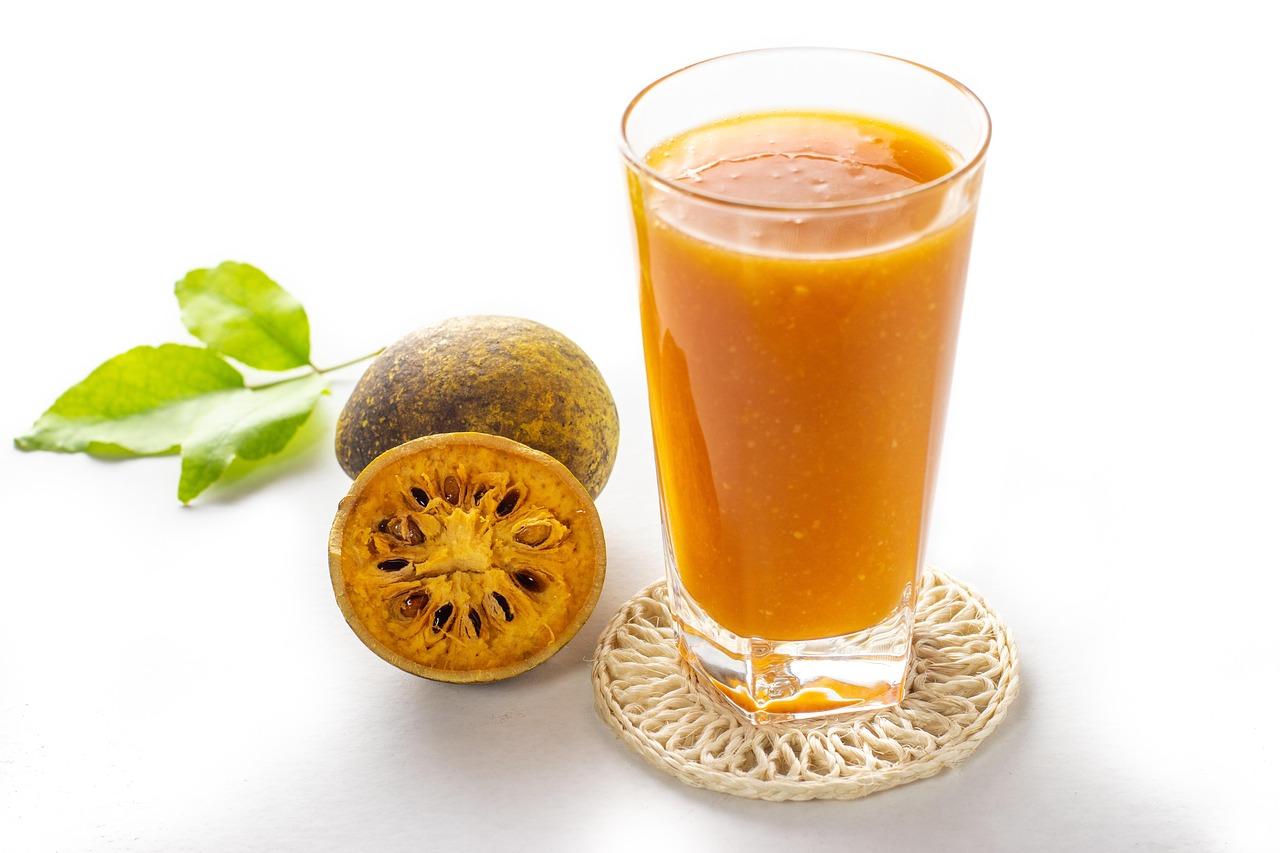
Bel sharbatWood apple drink

Bael trees grow beside temples across Uttar Pradesh and Bihar, and in May the hard golden fruits are cracked open on the doorstep with a pestle. The orange pulp smells of tamarind, marmalade and rose, and mashed into water it makes a thick, pulpy sharbat that people in Patna, Prayagraj and Gorakhpur drink mid-morning to keep the heat at bay; it is also famously kind to the stomach. Rickshaw stalls sell it from big steel pots. Ripe fruit is essential: it should sound hollow when tapped and smell sweet. The common mistake is blending the pulp in a mixer, which crushes the seeds and sticky fibres and makes the drink bitter and gluey; soak it and mash by hand instead. Chef's tip: let the pulp soak a full 15 minutes before mashing, and it practically falls off the fibres.

by KrazyBadal 0 views

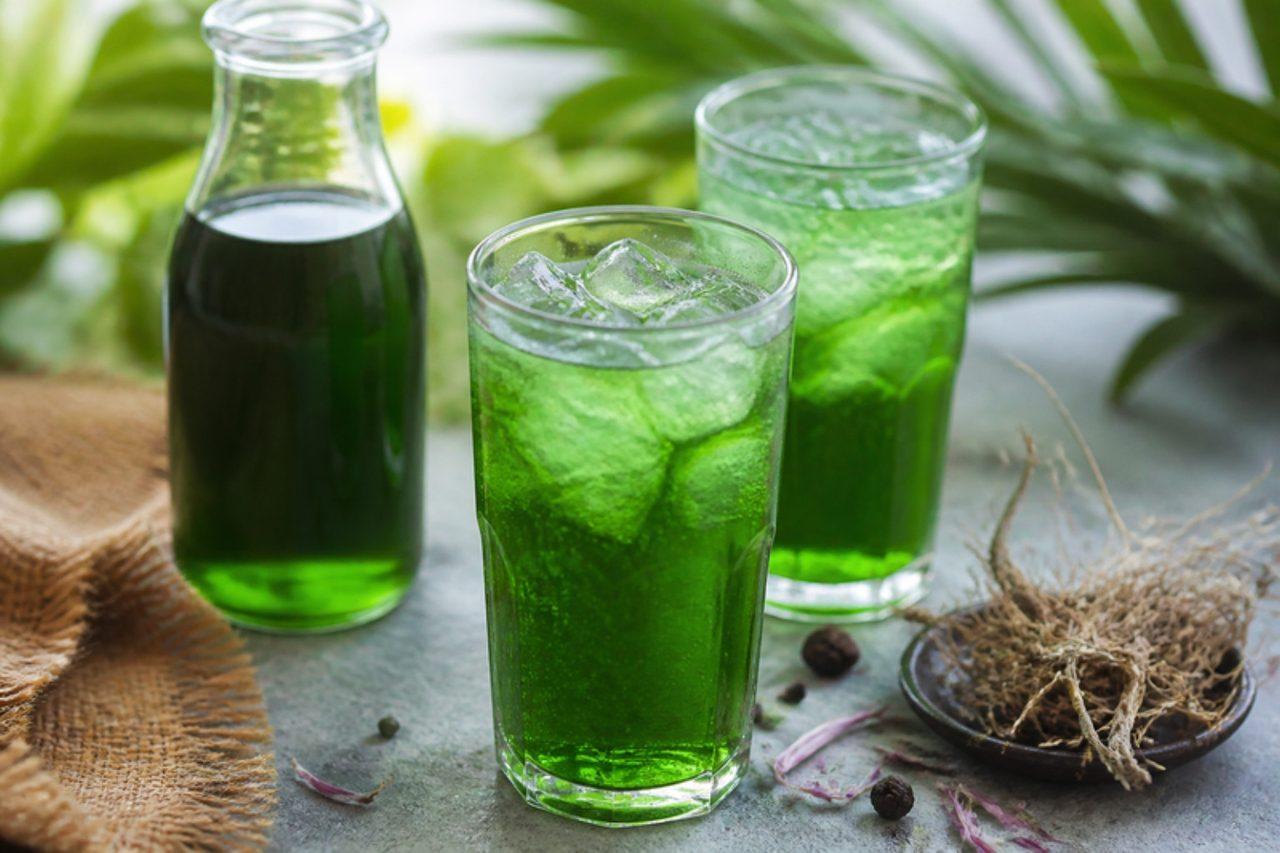
Khus sharbatVetiver root syrup drink

Before air-conditioning, North Indian houses hung wet mats of khus grass over their doors in June, and the breeze through them smelt of damp earth and wood. The same vetiver root flavours this sharbat, a summer staple in Delhi, Rajasthan and Uttar Pradesh. Shop-bought bottles are bright emerald green from colouring; a homemade syrup is pale gold and tastes far more of the root itself, cool and grassy. Families serve it diluted with water to guests arriving from the heat, or with cold milk as a dessert drink at summer parties. The common mistake is boiling the roots hard; the aroma is delicate and cooks off, so infuse them in hot water instead and add the infusion to the syrup off the heat. Chef's tip: if you want the classic green colour for children, a drop of green food colour does no harm, but taste it plain first.

by KrazyBadal 0 views

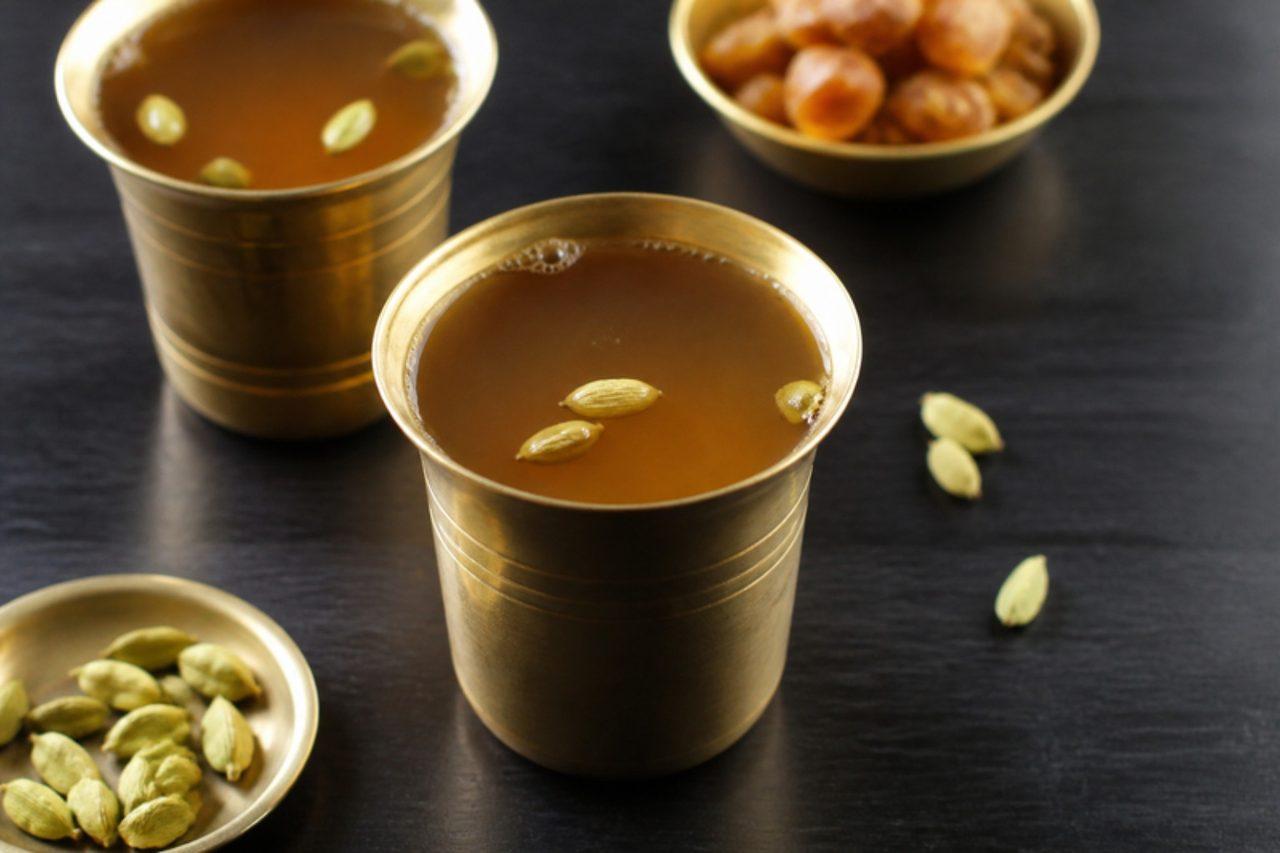
PanakamJaggery and ginger water

On Sri Rama Navami, temples and homes across Andhra Pradesh, Telangana and Tamil Nadu set out brass pots of panakam beside neer mor (spiced buttermilk) and kosambari. The drink is offered first, then handed to everyone in small steel tumblers. It is nothing more than jaggery dissolved in water, but the dry ginger and black pepper give it a pleasant heat that cuts through the sweetness, and cardamom and a few tulsi leaves make it smell of the festival. It is never boiled; it's stirred until the jaggery melts. The common mistake is not straining: jaggery often carries sand and fibres, so always pour it through a fine cloth. Chef's tip: a squeeze of lemon is not traditional everywhere, but in hot Vijayawada summers many homes add it, and it brightens the drink wonderfully.

by KrazyBadal 0 views

Masala chaasSpiced buttermilk

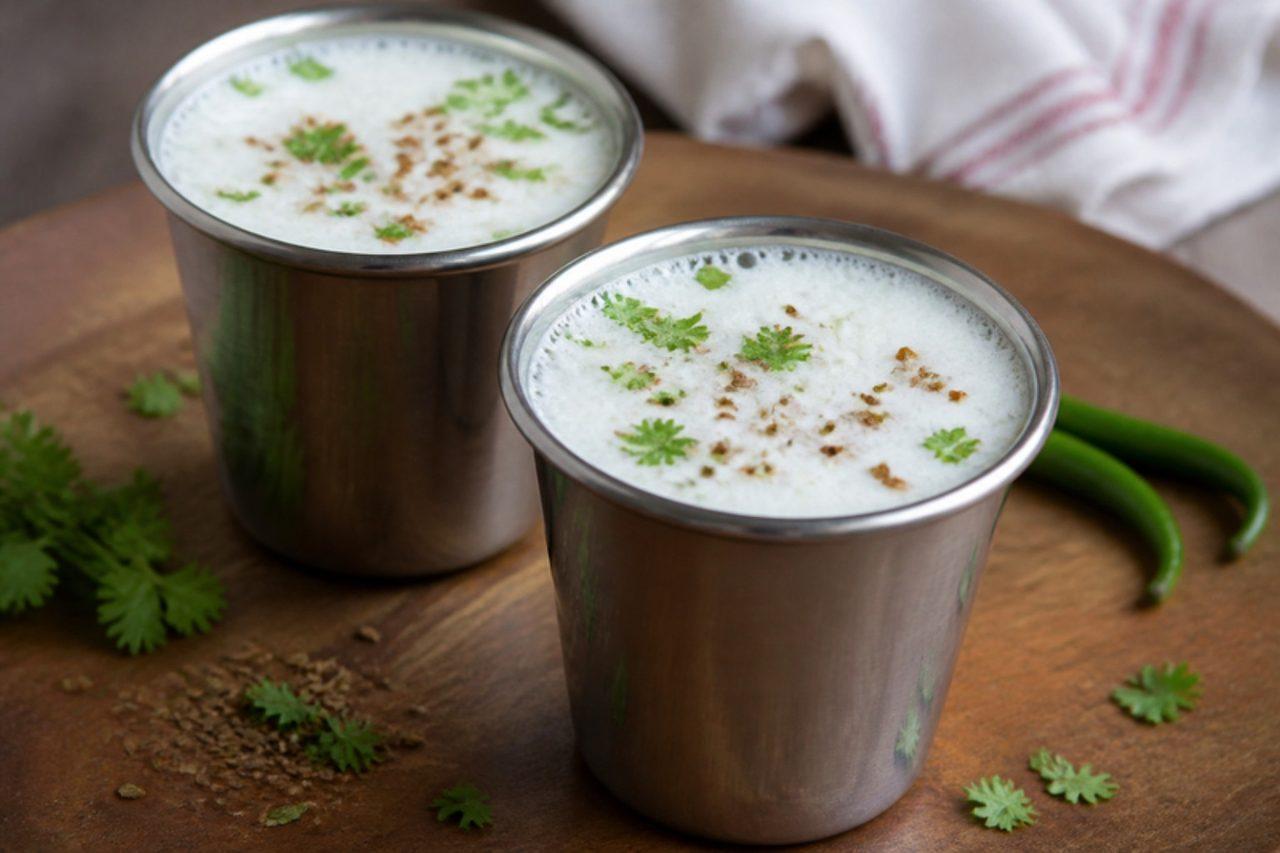
No Gujarati lunch is finished until the steel glass of chaas comes round. From Ahmedabad pols to Kathiyawadi farmhouses, homemade dahi is thinned right down, churned with a wooden ravai or a blender, and seasoned with roasted cumin, black salt, a little ginger and green chilli, then poured ice-cold after dal-bhaat-shaak-rotli. It should be thin enough to drink in one go, salty, gently hot and full of coriander; that is what settles a heavy meal in May. Kerala's sambaram, with shallot and curry leaf, is a close cousin. A common mistake is churning thick, very cold full-fat dahi for too long: the fat clumps into flecks of butter and the chaas turns thin and greasy. Blend the dahi with only part of the water for a few seconds, then stir in the rest. Chef's tip: dahi that is a day old and slightly sour makes the best chaas; very fresh, sweet dahi tastes flat however much masala you add.

by KrazyBadal 0 views

Mango mastaniMango milkshake with ice cream

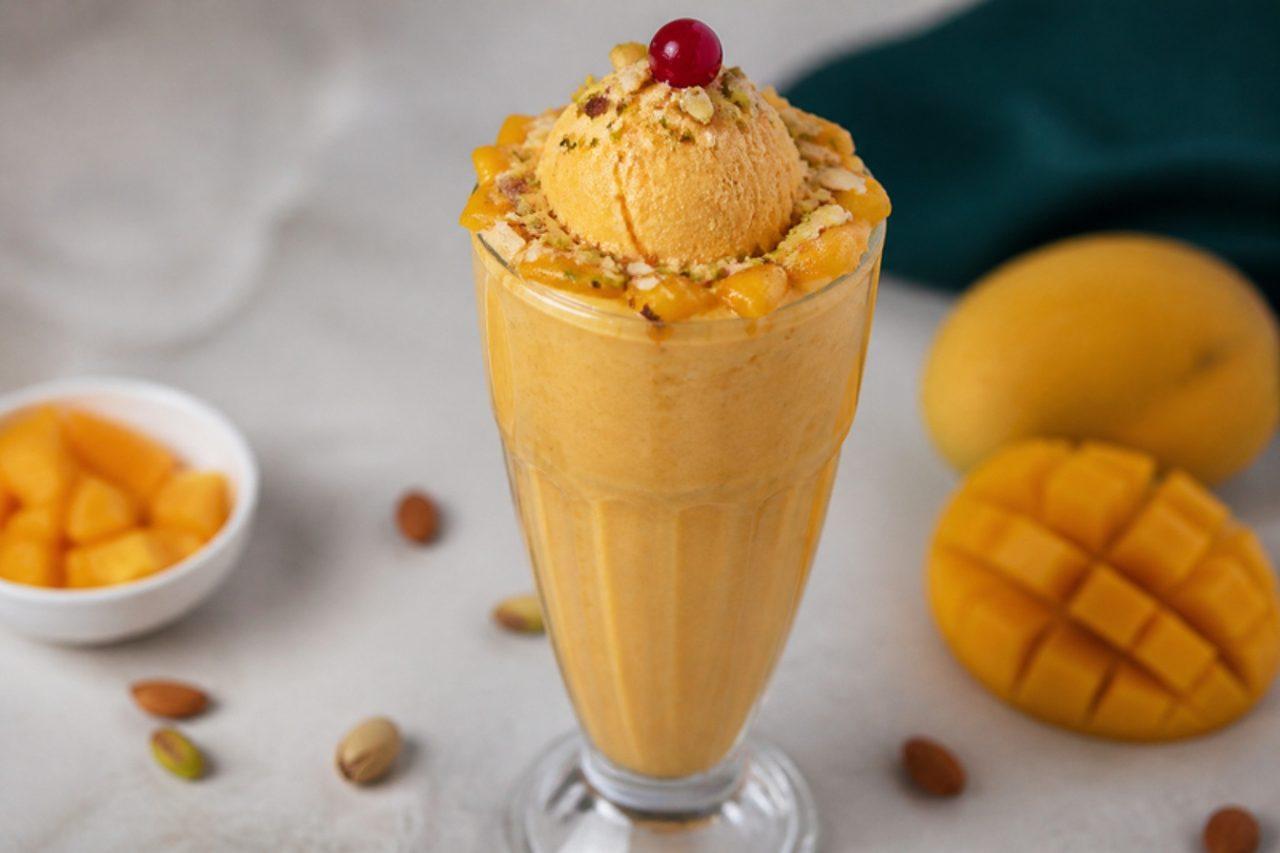
Pune's mastani was born in the city's old peths, and families still queue on summer evenings at the famous shops near Budhwar Peth and Sadashiv Peth for a tall glass so thick you need a spoon. The base is a mango milkshake, made dense with ripe Alphonso pulp and ice cream, then topped with another scoop of mango ice cream, chopped nuts, tutti frutti and a cherry. It is named, people say, after Bajirao Peshwa's beloved Mastani. Rich and fruity, it is dessert and a cool drink in one. A common mistake is adding ice to the blender: it thins the shake and dulls the mango, so chill the milk and pulp well instead. Chef's tip: Alphonso from Ratnagiri or Devgad gives the right colour and fragrance; in the off season use good tinned Alphonso pulp and skip the sugar.

by KrazyBadal 0 views

Aam pannaRaw mango cooler

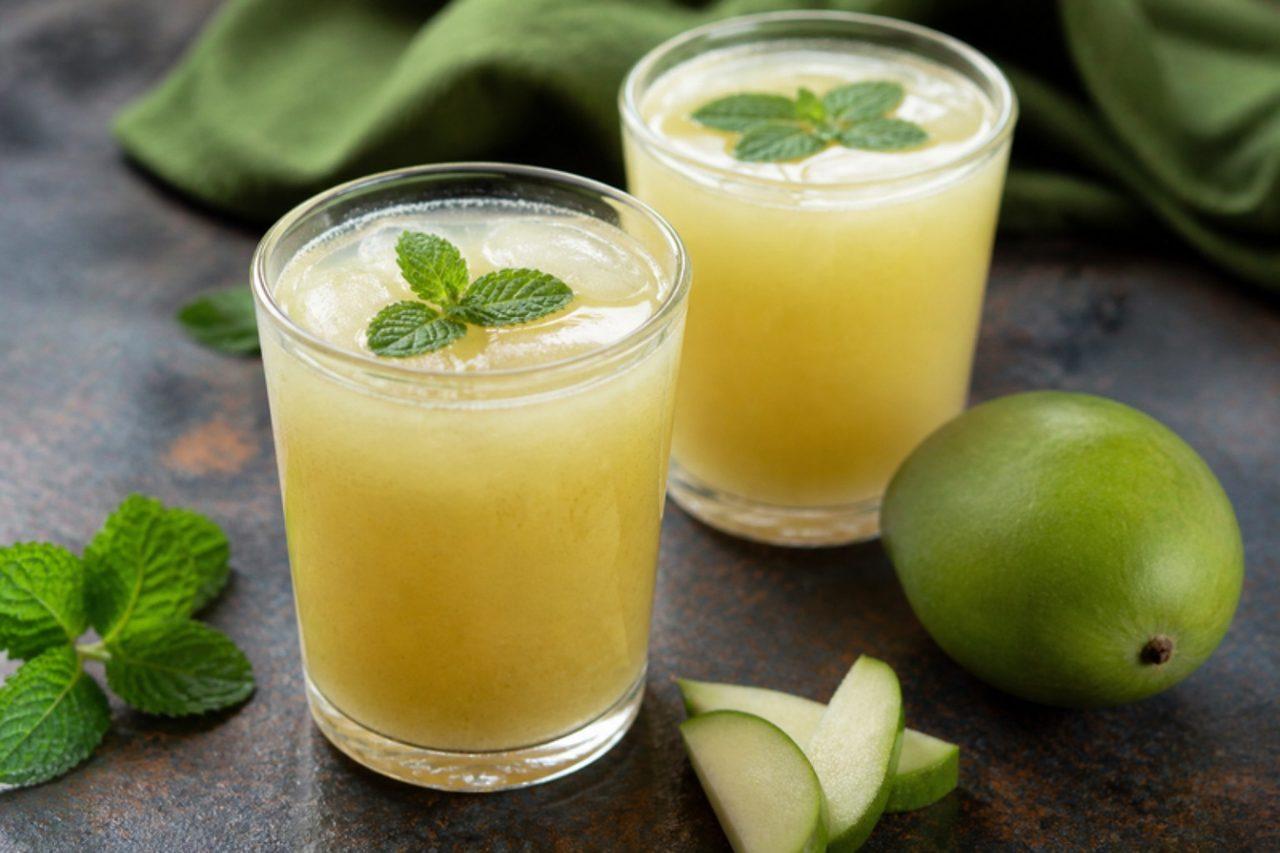
When the first hard green mangoes arrive in April, kitchens from Lucknow to Pune start boiling them for panna. The cooked pulp is blended with roasted cumin, black salt, mint and sugar or jaggery into a thick concentrate that keeps in the fridge for a week, then diluted glass by glass with cold water. Grandmothers swear by it against loo, the hot dry wind of a North Indian summer, and in Maharashtra the same drink, called kairi panha, is served to guests at Gudi Padwa and haldi-kumkum gatherings. It tastes sour first, then sweet, then smoky from the cumin. A common mistake is using mangoes that have begun to ripen and turn yellow: the panna tastes flat and fruity rather than bracing, so pick firm, green, sour ones. Chef's tip: pressure cooking the mangoes whole in their skins keeps the pulp pale and fragrant; scraping too close to the skin and stone adds bitterness.

by KrazyBadal 0 views

Kali gajar ki kanjiFermented black carrot drink

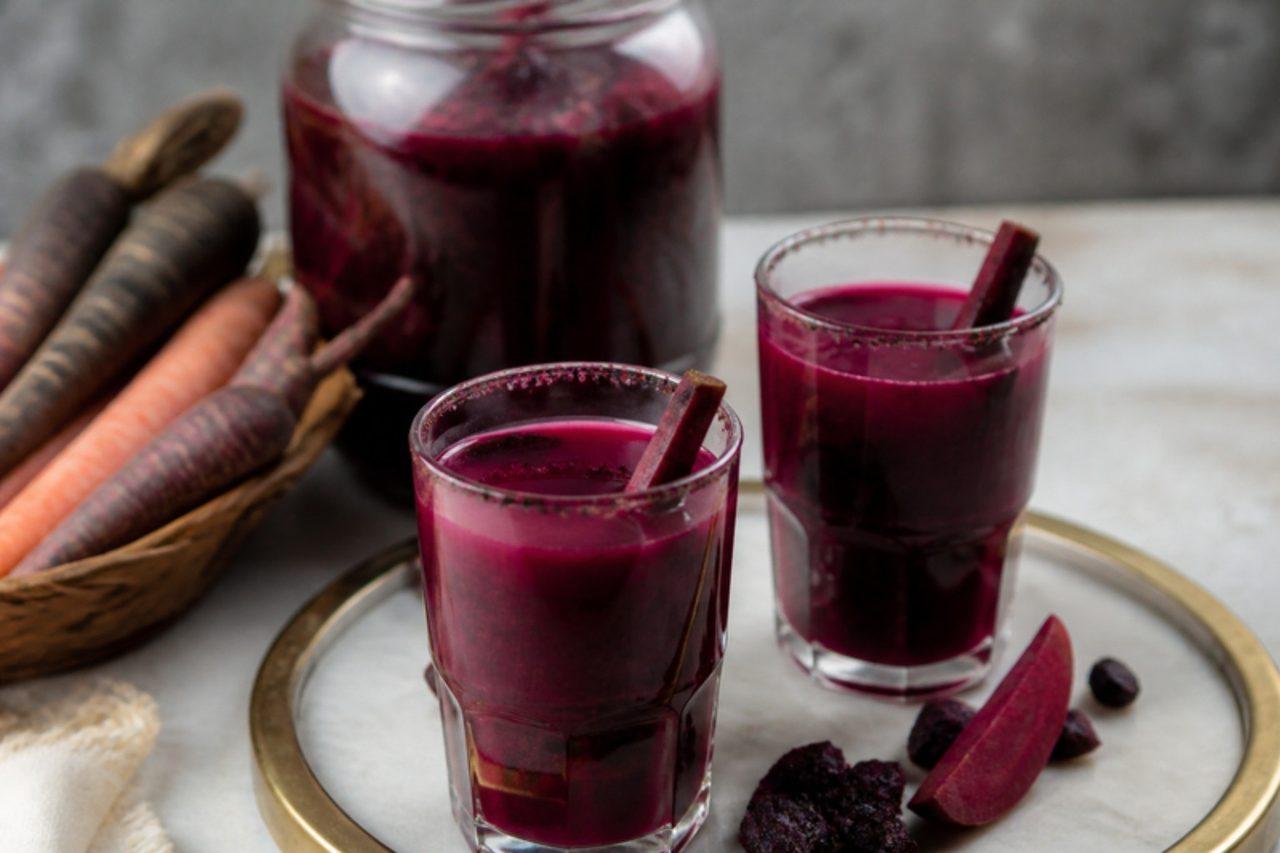
When the last black carrots of winter reach Punjabi and UP markets in February and March, kitchens start a jar of kanji. The carrots are cut into fingers, steeped in water with crushed mustard seed, salt and chilli, and left in the sun for a few days until the liquid turns deep purple, sour and sharp enough to tickle your nose. It is drunk by the glass before meals around Holi as a digestive and a spring tonic, and the soft, tangy carrot sticks are eaten too. The flavour is like a lively pickle brine, earthy from the carrots and peppery from mustard. Use a glass or ceramic jar that you have washed and dried completely, keep the vegetables under the water, stir with a clean dry spoon, and discard if mould or an unpleasant smell appears. Chef's tip: a small beetroot deepens the colour if your carrots are more red than black, but don't overdo it or the kanji tastes earthy and sweet.

by KrazyBadal 0 views

Wiener MelangeCoffee with milk and foam

In Vienna you never simply order 'a coffee'; you order by name, and the Melange is the one most Viennese ask for. It arrives in a large cup on a small silver tray with a glass of water and often a tiny chocolate, and you may sit over it for an hour with the newspapers at Café Prückel or Hawelka, mid-morning or after lunch. Traditionally it is a mild, longer espresso (a Verlängerter) with roughly equal hot milk and a soft cap of milk foam; it is gentler than a cappuccino and the foam is looser and creamier. Expect a round, nutty, slightly sweet cup with little bitterness. The common mistake is overheating the milk: once it passes about 70 °C it smells cooked and loses its sweetness and the foam turns big-bubbled and dry. Stop when the jug is too hot to hold for more than a second or two. It is ready when the foam sits in a smooth, glossy dome about a finger thick and the coffee shows as a brown ring at the edge. One cup has about the caffeine of a single espresso. Chef's tip: always serve the glass of water alongside, as Vienna does; it is drunk first to clear the palate.

by KrazyBadal 0 views

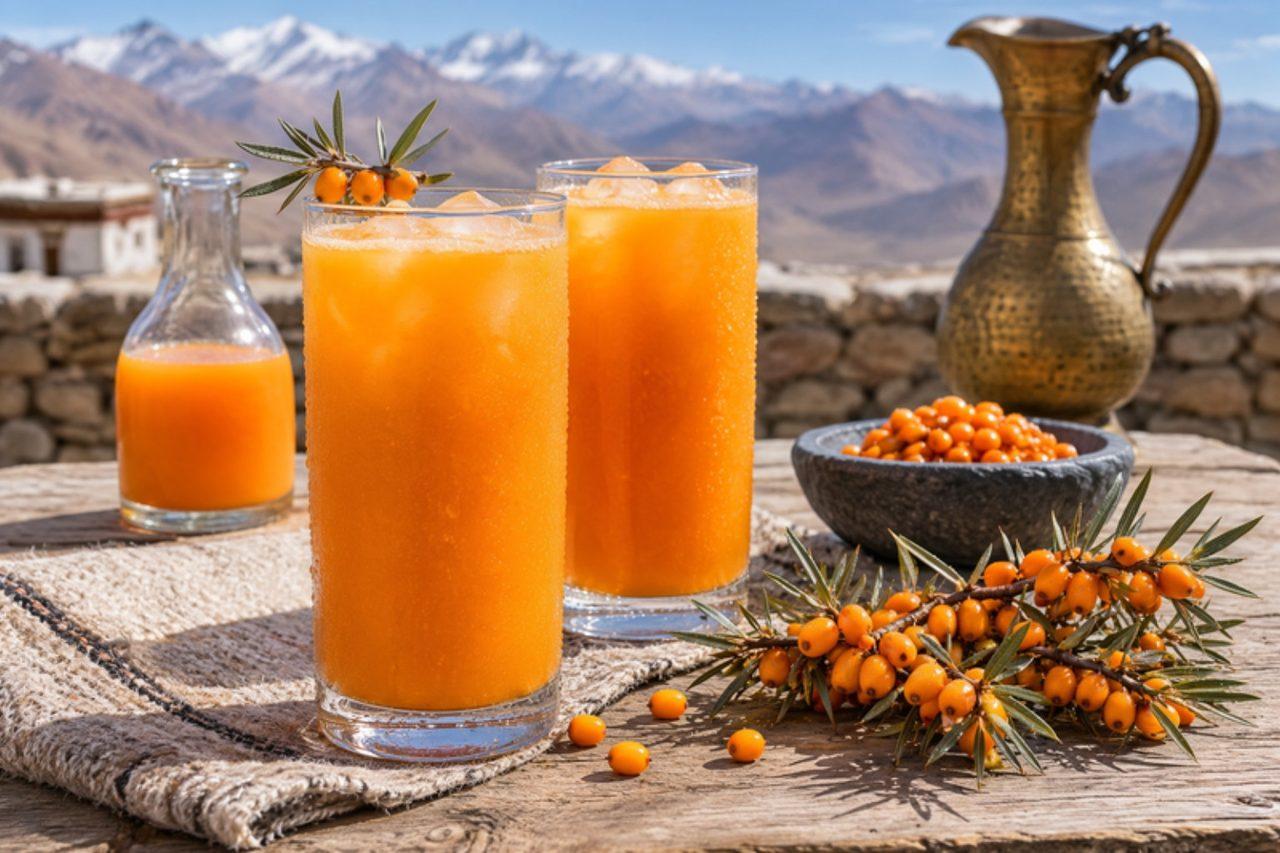
Tsestalulu (sea-buckthorn juice)

Sea buckthorn grows wild along the river beds of Ladakh, and in Leh the bright orange berries are pressed into tsestalulu, a sharp, tropical-tasting juice sold in summer cafés and made at home after the autumn harvest. It is drunk chilled, sweetened with sugar or honey and thinned with cold water. The berries are very sour and slightly oily, so the juice is always diluted. The common mistake is boiling the pulp, which dulls both the colour and the fresh taste; just blend and strain. Chef's tip: frozen sea-buckthorn berries or plain unsweetened purée from health shops work very well; strain twice through a fine sieve for a silky drink.

by KrazyBadal 0 views

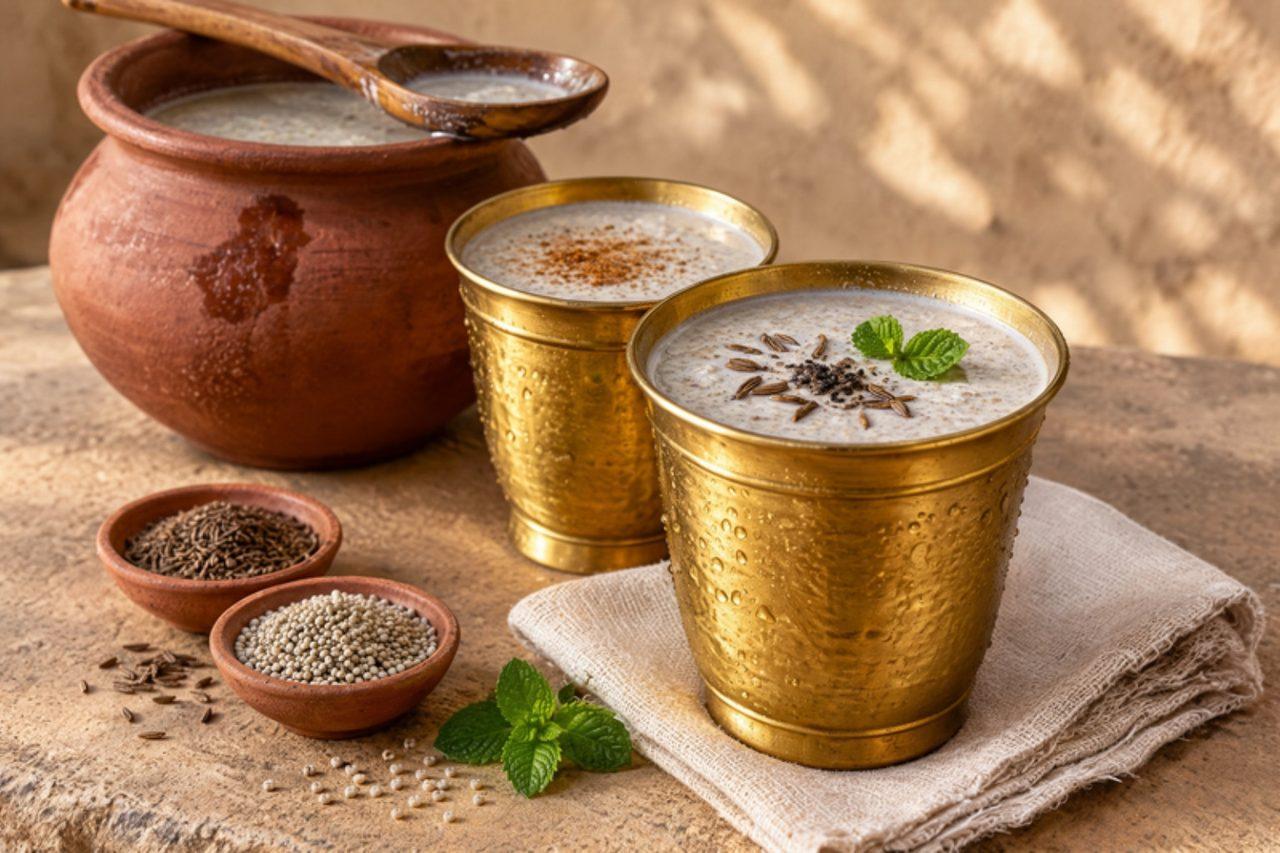
Bajre ki raabdiFermented pearl millet buttermilk porridge

In the villages of Haryana and the Rajasthan border, raabdi is drunk at midday in May and June to keep cool in the fields. Pearl-millet flour is stirred into buttermilk and left to ferment for a few hours, then cooked slowly until thick, cooled in a clay pot and thinned with more buttermilk and salt. It tastes tangy and earthy, a little like a savoury porridge you can drink. Ferment at warm room temperature (25–32 °C) for 4–6 hours: it should smell pleasantly sour with a few bubbles. Throw it away if you see pink, black or furry mould or it smells rotten or of nail varnish. The common mistake is cooking on high heat, which scorches the millet and leaves raw lumps. Chef's tip: keep the cooked raabdi in the fridge and drink it within 2 days, thinning each glass to taste.

by KrazyBadal 0 views

Cocido quemadoBurnt sugar mate drink

Cocido is how Paraguay starts the day: in Asunción, in the villages of Guairá and Itapúa, and in school kitchens, a pot of burnt yerba is brewed and poured into cups with chipa, the cheesy cassava bread, or with a hard galleta. The old way is to drop a glowing piece of charcoal into a pot with yerba and sugar and stir until the sugar burns. On a home stove you caramelise them together in a dry pan instead, which is safer and gives the same smoky, toffee-like taste. The drink is clear amber-brown, with roasted, slightly bitter mate notes over burnt-sugar sweetness; with milk added it becomes cocido con leche, creamy and coffee-coloured. Yerba mate contains caffeine, so treat it like a cup of coffee. The common mistake is letting the sugar go black: it turns acrid and bitter. Pull it off the heat when the caramel is deep amber and the yerba smells toasted, not burnt. It is ready when the liquid is a clear dark amber and tastes of toffee and smoke. Chef's tip: the water will spit fiercely when it hits the hot caramel, so pour it in from the side, at arm's length.

by KrazyBadal 0 views

EinspännerBlack coffee with whipped cream

The Einspänner is named after the one-horse carriages of old Vienna: coachmen waiting outside in winter supposedly liked their coffee under a lid of cream that kept it hot and stopped it slopping. Today it is served in a handled glass at classic coffee houses, a strong black mocha (a double espresso or Großer Brauner without milk) topped with a thick layer of cold, lightly sweetened whipped cream and a pinch of icing sugar. You do not stir it: you sip the hot, bitter coffee through the cold, sweet cream, so each mouthful is two temperatures and two textures. It is an afternoon or late-morning coffee, often with a slice of Sachertorte. The common mistake is runny cream that sinks and turns the drink into a milky latte; whip it until it just holds a peak and spoon it on gently so it floats. It is ready when the cream stands at least 2 cm above the coffee and slowly sinks at the edges. It is strong: a double shot of caffeine in one glass. Chef's tip: pour the coffee in first and wait ten seconds before adding the cream, so the crema settles and helps support the cap.

by KrazyBadal 0 views

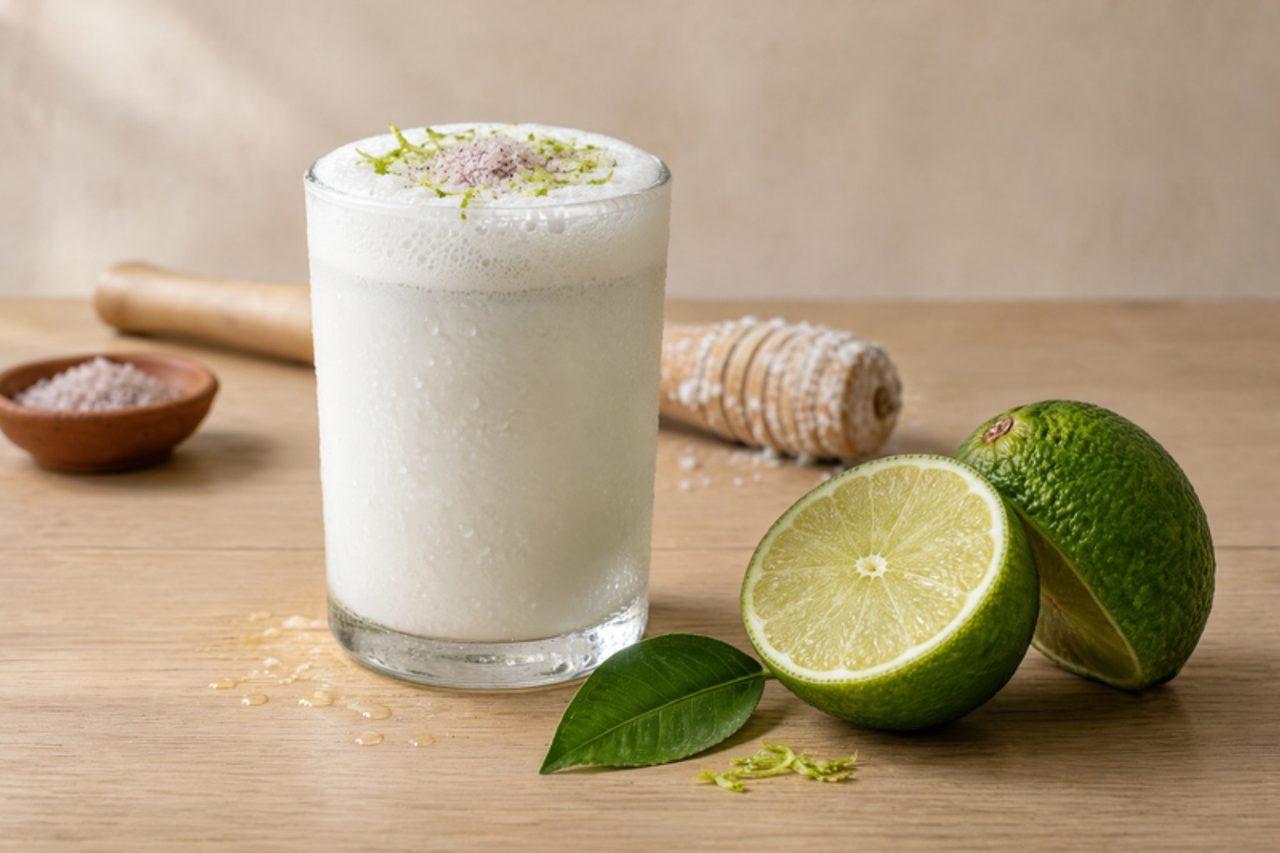
Gondhoraj gholLime-scented yogurt drink

In Kolkata the gondhoraj lime arrives with the monsoon heat, a knobbly green fruit whose peel smells of flowers and pine more than of sour citrus. Bengali households use it to lift dal and fish, but in the sticky months from Boishakh into Srabon it goes into ghol: dahi churned with cold water until frothy, sweetened lightly and scented with the zest, a squeeze of juice and a torn leaf. Cafés along Gariahat and old sweet shops serve it in clay bhaar cups after lunch, and it is just as good mid-afternoon with a plate of muri. It drinks thin, cool and silky, with a soft tang and a perfume that hits the nose before the first sip. The usual mistake is grating too deep or leaving the zest to sit for an hour: the white pith and the oils turn bitter. Take only the green outer layer, add it just before serving, and stop when the ghol smells floral rather than sharp. It is ready when the top is covered in fine foam and a spoon comes out lightly coated. Chef's tip: for the salted version, swap the sugar for black salt and a pinch of roasted cumin, as many Kolkata homes do on the hottest days.

by KrazyBadal 0 views

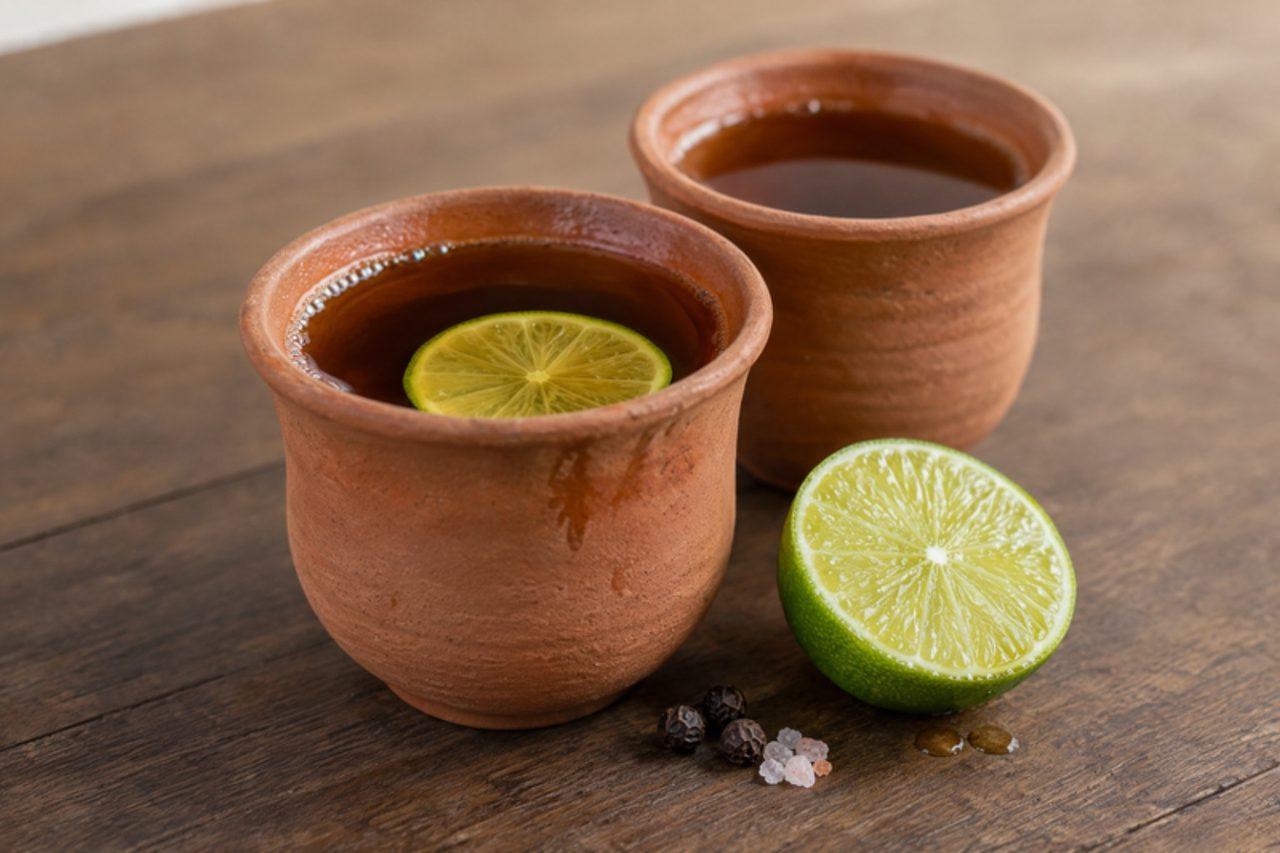
Lebu chaBlack tea with lime

Along College Street and around Esplanade, the tea sellers who pour lebu cha into little unglazed clay cups (bhaar) are the fuel of Kolkata's famous evening adda, the long arguments over books and football. It is weak black tea, sweetened, sharpened with fresh lime and finished with a pinch of sulphurous black salt and roasted cumin, so it tastes sweet, sour and faintly savoury. It is drunk hot in every season and the cup is thrown away. Chef's tip: steep the tea briefly; long-brewed tea plus lime turns harsh and astringent.

by KrazyBadal 0 views

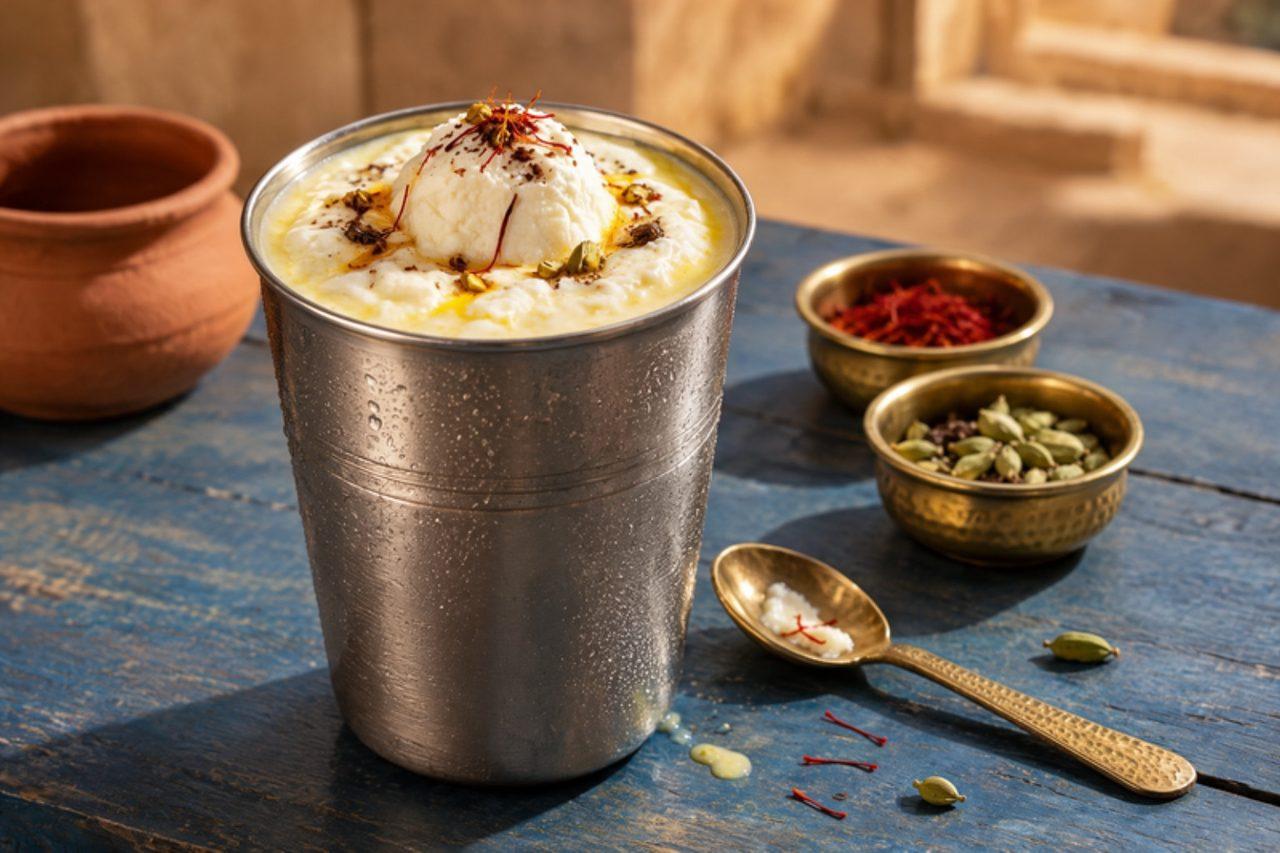
Makhaniya lassiSaffron lassi with butter

Around the clock tower and old city of Jodhpur, lassi shops churn this rich drink all day in summer: chilled set curd whisked with sugar, saffron and cardamom, poured into tall glasses and crowned with a spoon of fresh white butter (makhan) and a layer of malai. You drink the cool lassi and eat the butter and cream with a spoon. It is a meal in itself. The common mistake is thinning it with too much water or ice, which loses the thick, almost spoonable texture that makes it Jodhpuri. Chef's tip: use curd set from full-fat milk the night before and whisk it by hand or with a few pulses only.

by KrazyBadal 0 views

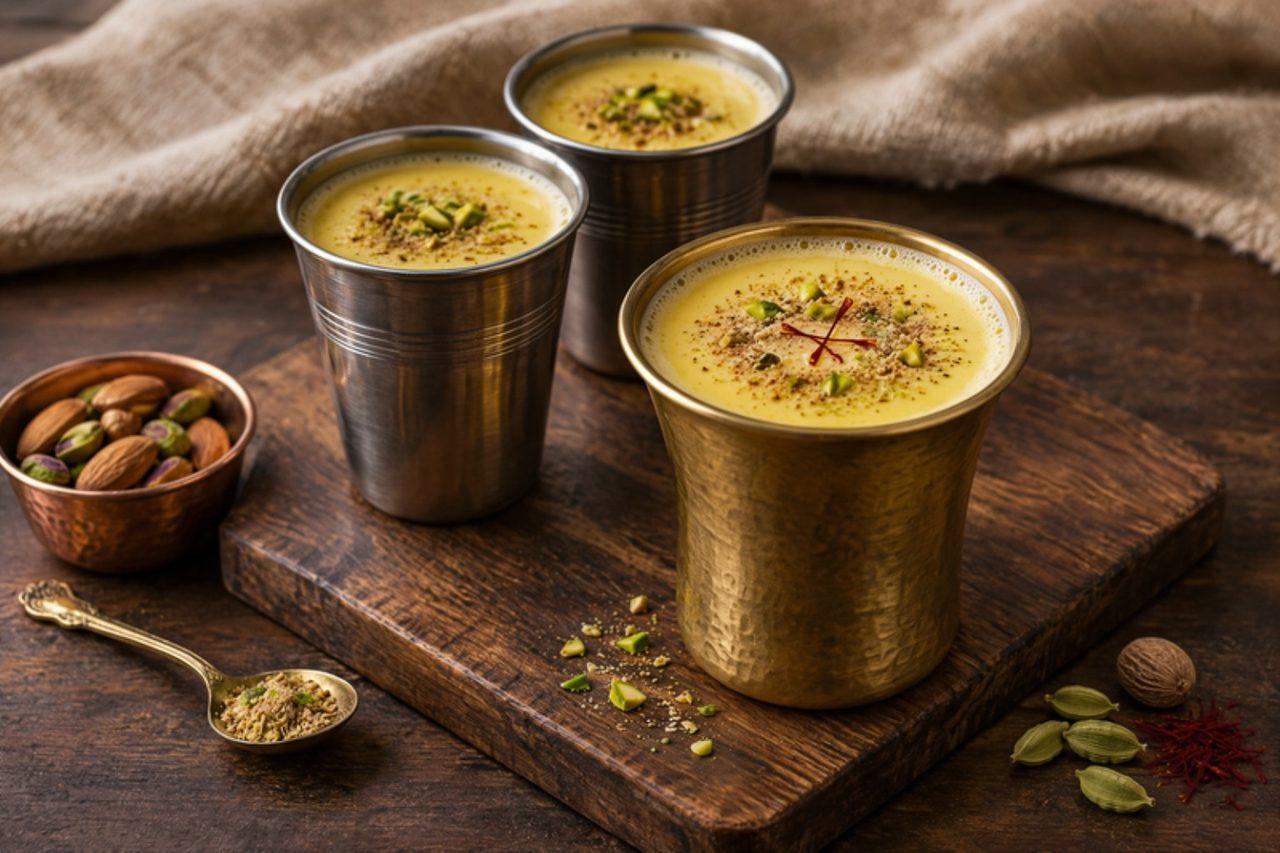
Masala doodhSaffron nut milk

Late evening at Ahmedabad's Manek Chowk, milk sellers pour masala doodh from a height between two brass pots to cool and froth it, and on Sharad Purnima families set a pot of it under the full moon before drinking it chilled. It is richer and more fragrant than plain badam milk: a home-ground masala of almonds, pistachios, cardamom, nutmeg and a little black pepper is stirred into milk reduced with saffron and sugar. The common mistake is boiling it hard after the nut masala goes in, which makes it catch and taste scorched. Chef's tip: grind a jar of the masala in one go and keep it in the fridge; two teaspoons turn any glass of milk into a treat.

by KrazyBadal 0 views

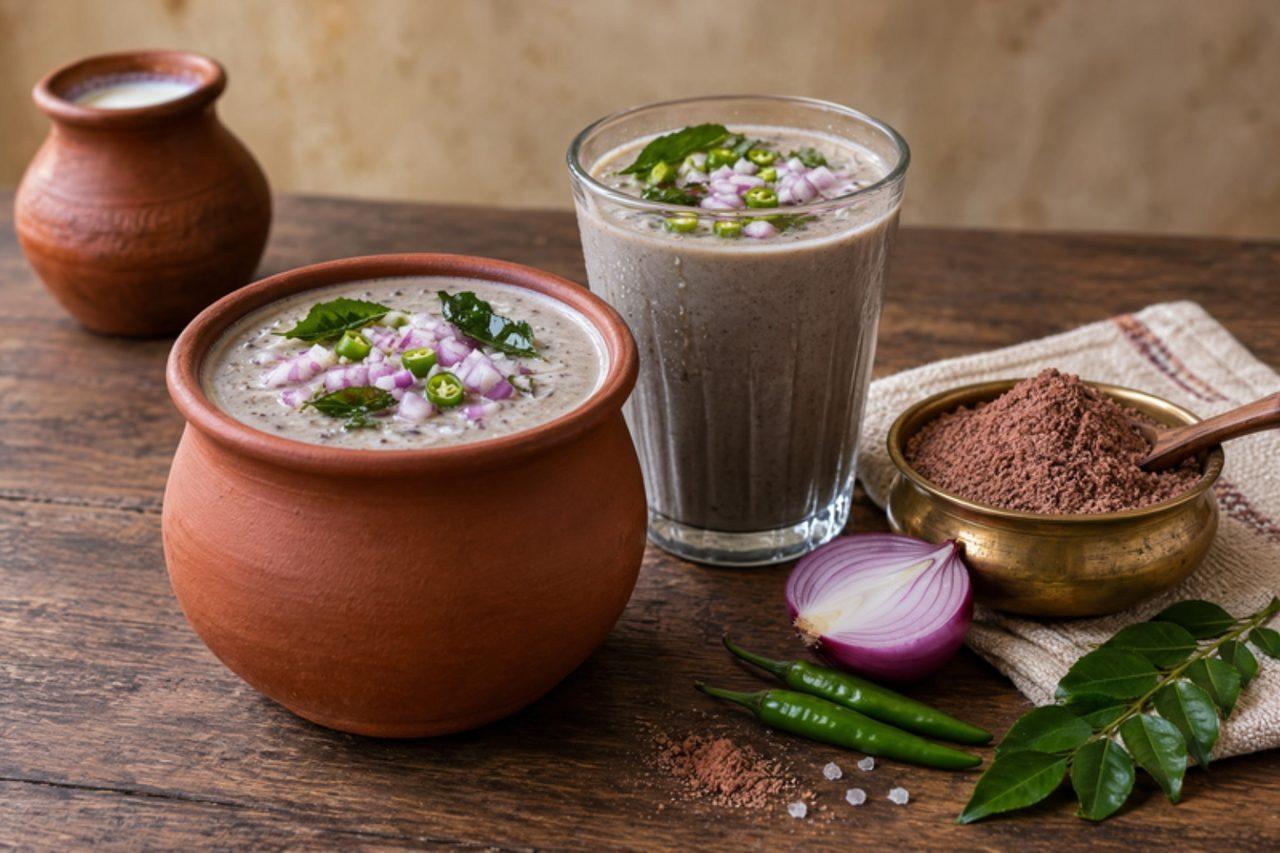
Ragi ambaliFinger millet porridge drink

Across rural Andhra Pradesh and Telangana, farm workers drink a big glass of ragi ambali in the early morning before the summer heat, and clay pots of it are sold at roadside stalls in April and May. Finger-millet flour is cooked into a thick paste, left overnight to ferment lightly, then thinned with buttermilk and stirred with raw onion, green chilli and curry leaves into a cool, tangy, savoury drink. It is suitable as part of a balanced diet. About 140 kcal and 22 g carbohydrate per portion. The usual mistake is pouring the ragi flour straight into boiling water, which makes lumps; mix it with cold water first. Chef's tip: cook the paste until it turns glossy and darker, about 8 minutes; undercooked ragi tastes raw and floury.

by KrazyBadal 0 views

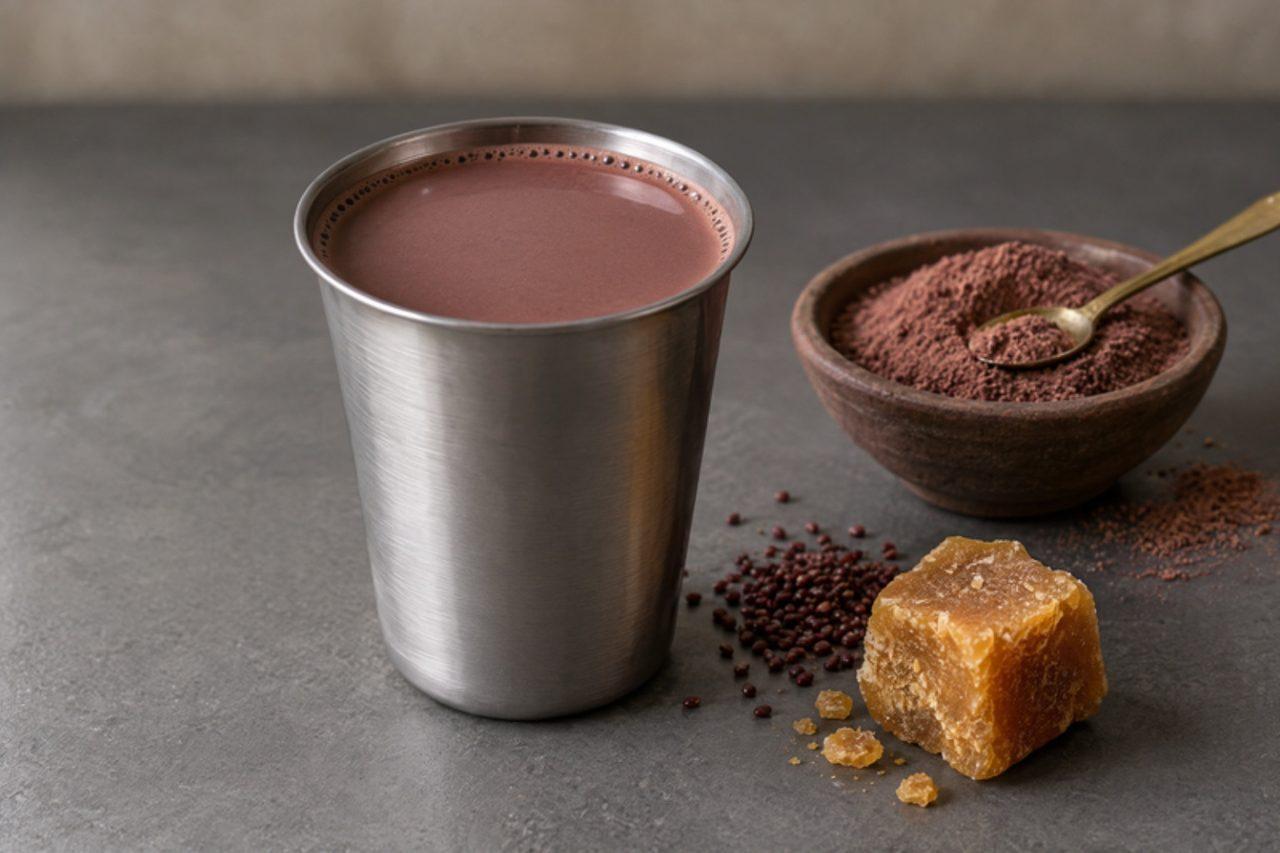
Ragi maltFinger millet malt drink

Across Karnataka, from Bengaluru flats to farmhouses round Mandya and Mysuru, a mug of ragi malt is how many mornings start, especially for schoolchildren, older relatives and anyone heading out to work in the fields. Finger millet powder is whisked into water and cooked until it thickens, then loosened with hot milk and sweetened with jaggery and cardamom; the savoury version, beaten into buttermilk with salt, is drunk cold at lunch in summer. The sweet version is smooth, malty and nutty, mauve-brown, thicker than milk but still drinkable. The commonest mistake is tipping ragi powder straight into hot liquid: it seizes into stubborn lumps. Always whisk it into cold water first. It is ready when the raw, grassy smell has gone, the mixture turns glossy and darker, and it coats the back of a spoon. Add jaggery only off the heat, or the milk can split. For babies, skip the jaggery and ask your health visitor about introducing ragi. Chef's tip: sprouted ragi powder (the true 'malt') tastes sweeter and cooks faster; look for it in Indian shops.

by KrazyBadal 0 views

Showing 24 of 43 recipes

Show more recipes

Page 1 of 2