Skip to content
Recipes

All recipes

Vegetarian, or something you can't eat? Set your diet once and we'll hide recipes that don't fit.

Wiener MelangeCoffee with milk and foam

In Vienna you never simply order 'a coffee'; you order by name, and the Melange is the one most Viennese ask for. It arrives in a large cup on a small silver tray with a glass of water and often a tiny chocolate, and you may sit over it for an hour with the newspapers at Café Prückel or Hawelka, mid-morning or after lunch. Traditionally it is a mild, longer espresso (a Verlängerter) with roughly equal hot milk and a soft cap of milk foam; it is gentler than a cappuccino and the foam is looser and creamier. Expect a round, nutty, slightly sweet cup with little bitterness. The common mistake is overheating the milk: once it passes about 70 °C it smells cooked and loses its sweetness and the foam turns big-bubbled and dry. Stop when the jug is too hot to hold for more than a second or two. It is ready when the foam sits in a smooth, glossy dome about a finger thick and the coffee shows as a brown ring at the edge. One cup has about the caffeine of a single espresso. Chef's tip: always serve the glass of water alongside, as Vienna does; it is drunk first to clear the palate.

by KrazyBadal 0 views

Café de higoFig and grain coffee

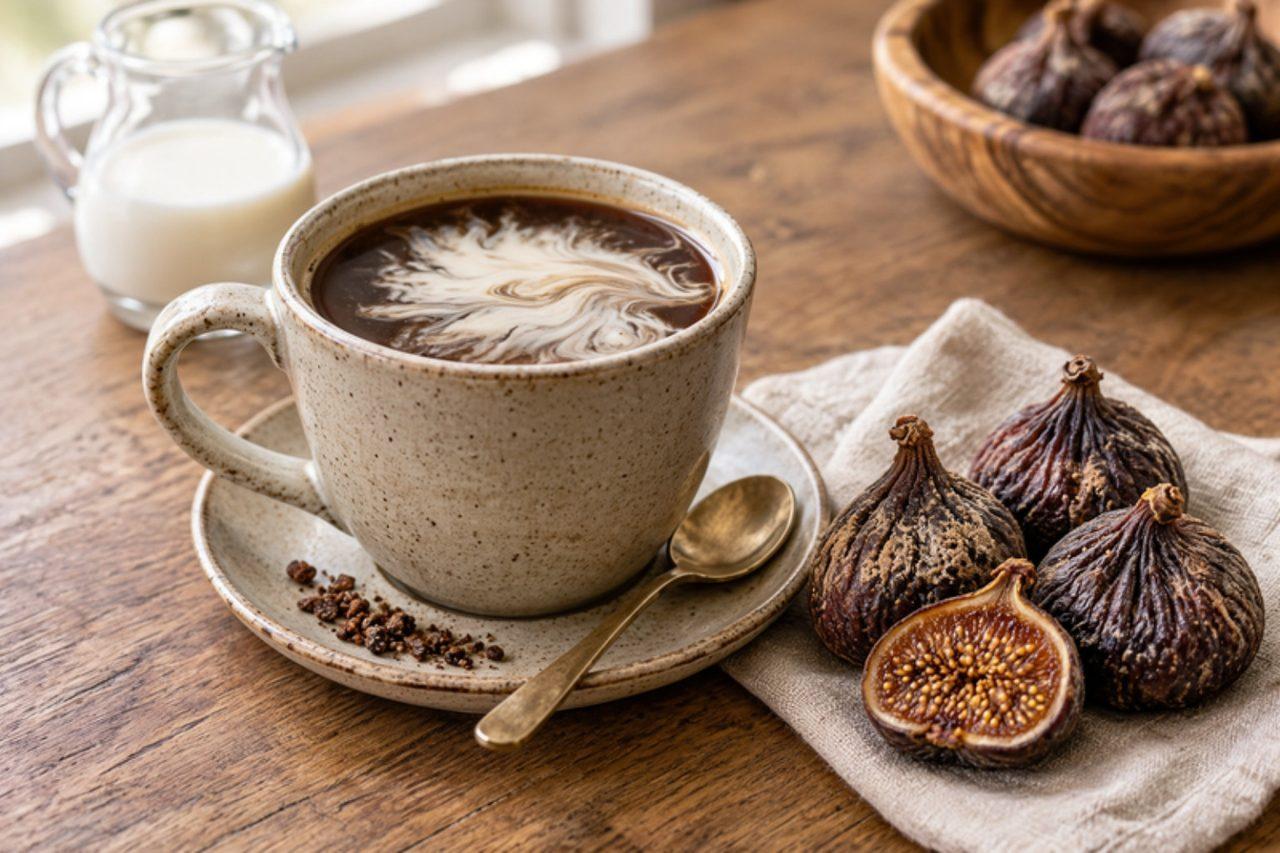
In the farmhouses of central Chile, in the Maule and O'Higgins valleys, people have long drunk café de higo: a dark, caffeine-free "coffee" made from dried figs roasted with grains such as barley and wheat, then ground. It's mellow, fruity and slightly caramel-like, and many Chileans still prefer it with milk at breakfast. The fig granules are sold in Chilean and Latin grocers. The common mistake is brewing it like instant coffee, with a quick stir; it's a ground blend, so simmer it briefly and strain. It contains grains, so it is not gluten free. Chef's tip: a strip of orange peel in the pan brings out the fig flavour.

by KrazyBadal 0 views

Cocido quemadoBurnt sugar mate drink

Cocido is how Paraguay starts the day: in Asunción, in the villages of Guairá and Itapúa, and in school kitchens, a pot of burnt yerba is brewed and poured into cups with chipa, the cheesy cassava bread, or with a hard galleta. The old way is to drop a glowing piece of charcoal into a pot with yerba and sugar and stir until the sugar burns. On a home stove you caramelise them together in a dry pan instead, which is safer and gives the same smoky, toffee-like taste. The drink is clear amber-brown, with roasted, slightly bitter mate notes over burnt-sugar sweetness; with milk added it becomes cocido con leche, creamy and coffee-coloured. Yerba mate contains caffeine, so treat it like a cup of coffee. The common mistake is letting the sugar go black: it turns acrid and bitter. Pull it off the heat when the caramel is deep amber and the yerba smells toasted, not burnt. It is ready when the liquid is a clear dark amber and tastes of toffee and smoke. Chef's tip: the water will spit fiercely when it hits the hot caramel, so pour it in from the side, at arm's length.

by KrazyBadal 0 views

Cola de monoCoffee and milk liqueur drink

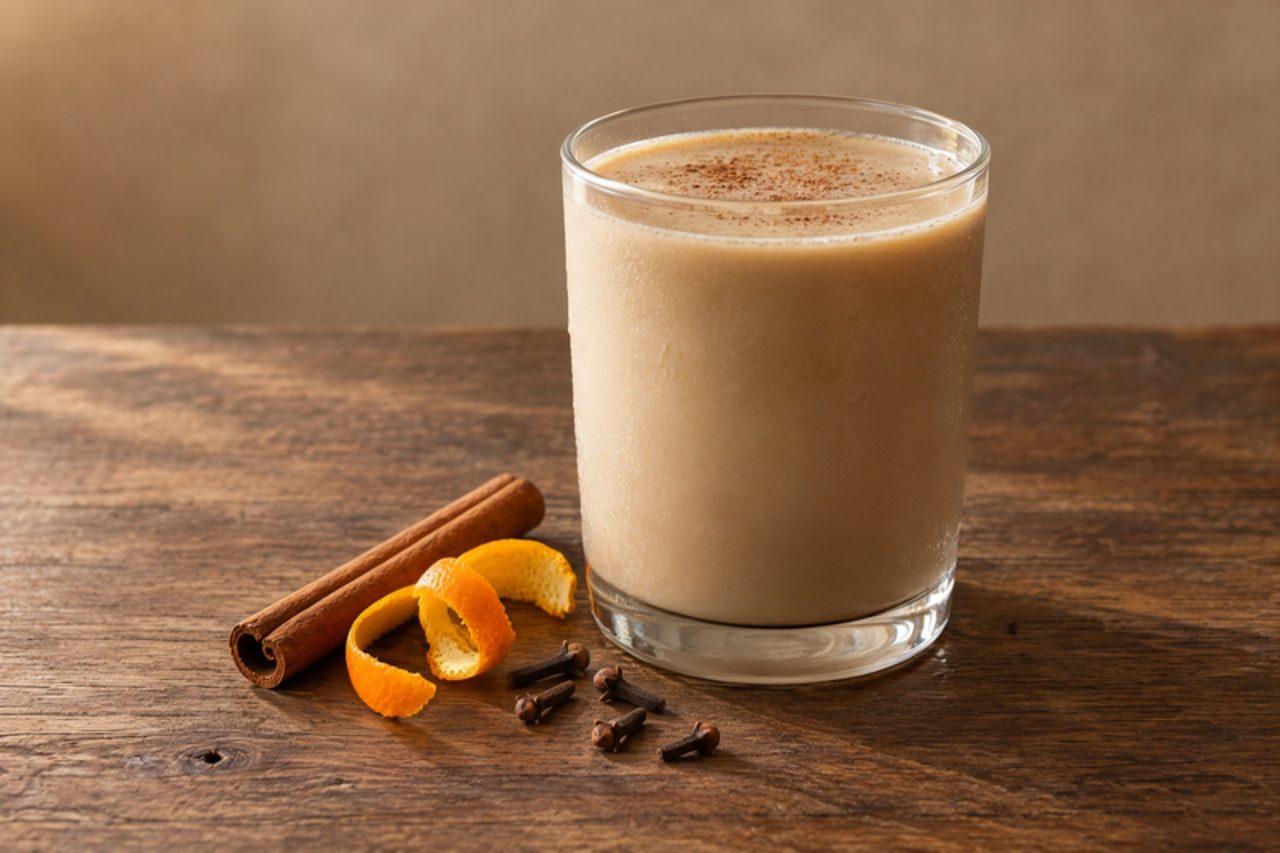
In Santiago, December means cola de mono: bottles of cold, coffee-coloured spiced milk that families make days ahead and open on Christmas Eve and New Year's Eve, poured beside slices of pan de pascua, the dense Chilean fruit cake. The traditional version is for adults only, spiked with grape aguardiente; pour small glasses and drink responsibly. It tastes like a sweet, cold café con leche with cinnamon, clove and orange, the aguardiente adding a warm finish, and the texture is smooth and light, never thick. Each glass has about as much caffeine as a small, weak coffee, so use decaf for anyone sensitive. The classic mistake is adding the aguardiente while the milk is still hot: much of the alcohol steams away and the milk can catch and curdle. Let the spiced milk cool completely first. It is ready when the colour is an even tan, the spices smell strong but the milk tastes clean, and it is fridge-cold. It keeps 3–4 days in the fridge in clean bottles; shake before pouring and throw it out if it smells sour. Chef's tip: make it two days ahead; the spices keep blooming and it tastes noticeably rounder.

by KrazyBadal 0 views

EinspännerBlack coffee with whipped cream

The Einspänner is named after the one-horse carriages of old Vienna: coachmen waiting outside in winter supposedly liked their coffee under a lid of cream that kept it hot and stopped it slopping. Today it is served in a handled glass at classic coffee houses, a strong black mocha (a double espresso or Großer Brauner without milk) topped with a thick layer of cold, lightly sweetened whipped cream and a pinch of icing sugar. You do not stir it: you sip the hot, bitter coffee through the cold, sweet cream, so each mouthful is two temperatures and two textures. It is an afternoon or late-morning coffee, often with a slice of Sachertorte. The common mistake is runny cream that sinks and turns the drink into a milky latte; whip it until it just holds a peak and spoon it on gently so it floats. It is ready when the cream stands at least 2 cm above the coffee and slowly sinks at the edges. It is strong: a double shot of caffeine in one glass. Chef's tip: pour the coffee in first and wait ten seconds before adding the cream, so the crema settles and helps support the cap.

by KrazyBadal 0 views

TereréIced yerba mate

In Asunción the hottest part of the day stops for tereré: a horn or cup packed with yerba mate, topped up again and again with ice water infused with crushed herbs, and passed round the group through a metal straw. It was recognised by UNESCO as part of Paraguay's cultural heritage, and the herbs (yuyos) change with the season and the drinker's mood. Yerba mate contains caffeine, so it isn't one for small children. The common mistake is pouring water straight into loose yerba, which then clogs the straw; tilt the yerba to one side first. Chef's tip: for tereré ruso, swap the water for cold orange or grapefruit juice.

by KrazyBadal 0 views

Leche con plátanoBanana milk

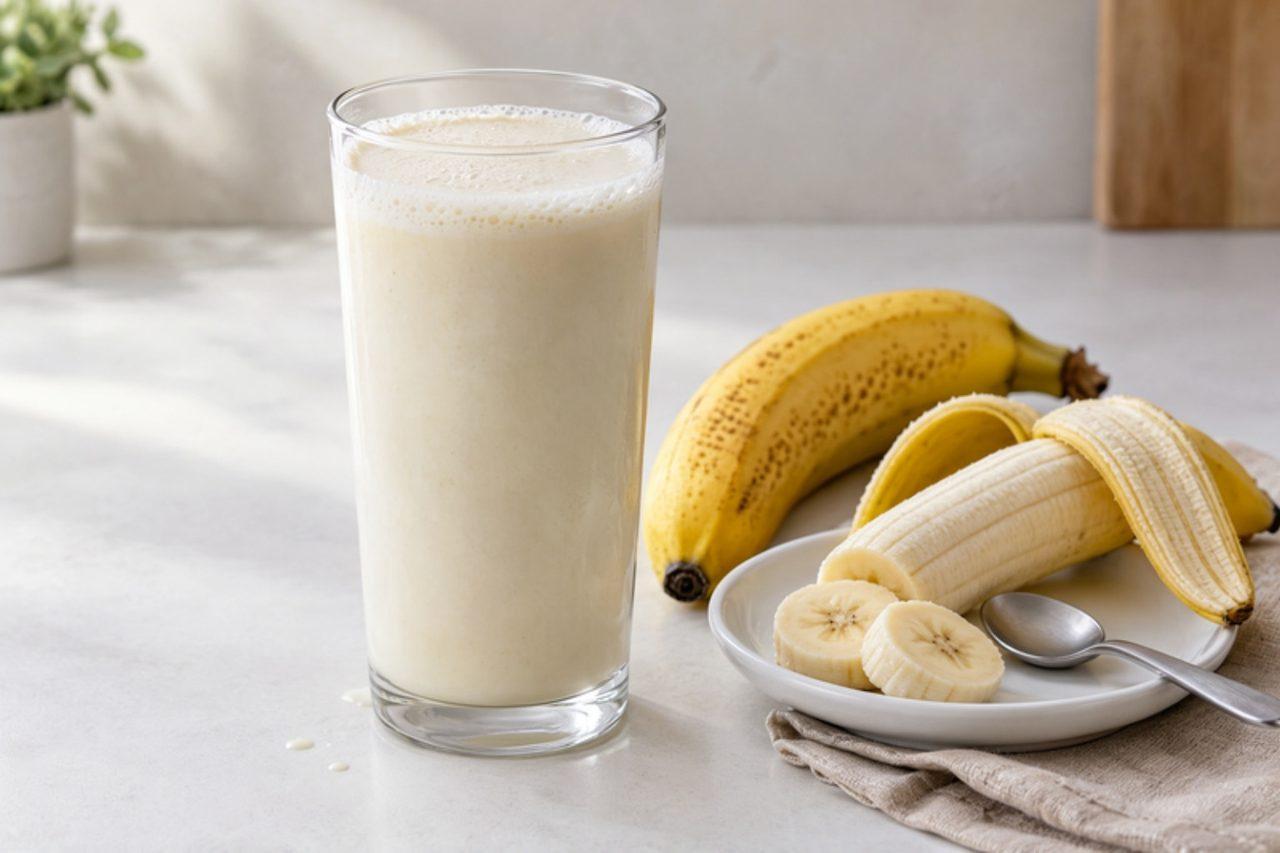
Ask anyone who grew up in Chile, from Arica to Punta Arenas, what they drank after school and many will say leche con plátano. It is made in a blender in two minutes, usually at onces, the late-afternoon tea, alongside marraqueta rolls with butter or avocado, and it is the first thing many children learn to make by themselves. It is pale, foamy and thick enough to leave a moustache, tasting simply of sweet ripe banana and cold milk, sometimes with a pinch of cinnamon. The common mistake is making it ahead: within half an hour the banana turns the milk greyish-beige and the foam collapses, so blend it just before drinking. It is ready when it is completely smooth, light and frothy, with no banana lumps at the bottom of the jug. Use bananas with a few brown freckles: they are sweet enough that you may need little or no sugar. Chef's tip: slice and freeze overripe bananas, then blend them straight from the freezer; the drink comes out icy and extra thick without any ice.

by KrazyBadal 1 views

Lemon verbena tea (louiza)

After a big dinner or before bed, many Moroccan households swap green mint tea for a pot of louiza, lemon verbena, whose long, narrow leaves give a pale golden infusion that smells of lemon sherbet and has no caffeine. The fresh herb is sold in bunches alongside mint and absinthe at market herb stalls, and dried leaves keep all year. Drink it plain, lightly sweetened, or brewed with a few mint sprigs. It is soothing, clean-tasting and fragrant. Chef's tip: pour boiling water over the leaves and let them steep off the heat for 5 minutes; boiling the leaves in the pot, a common mistake, turns the tea grassy and bitter.

by KrazyBadal 0 views

Panaché (Moroccan mixed fruit milkshake)

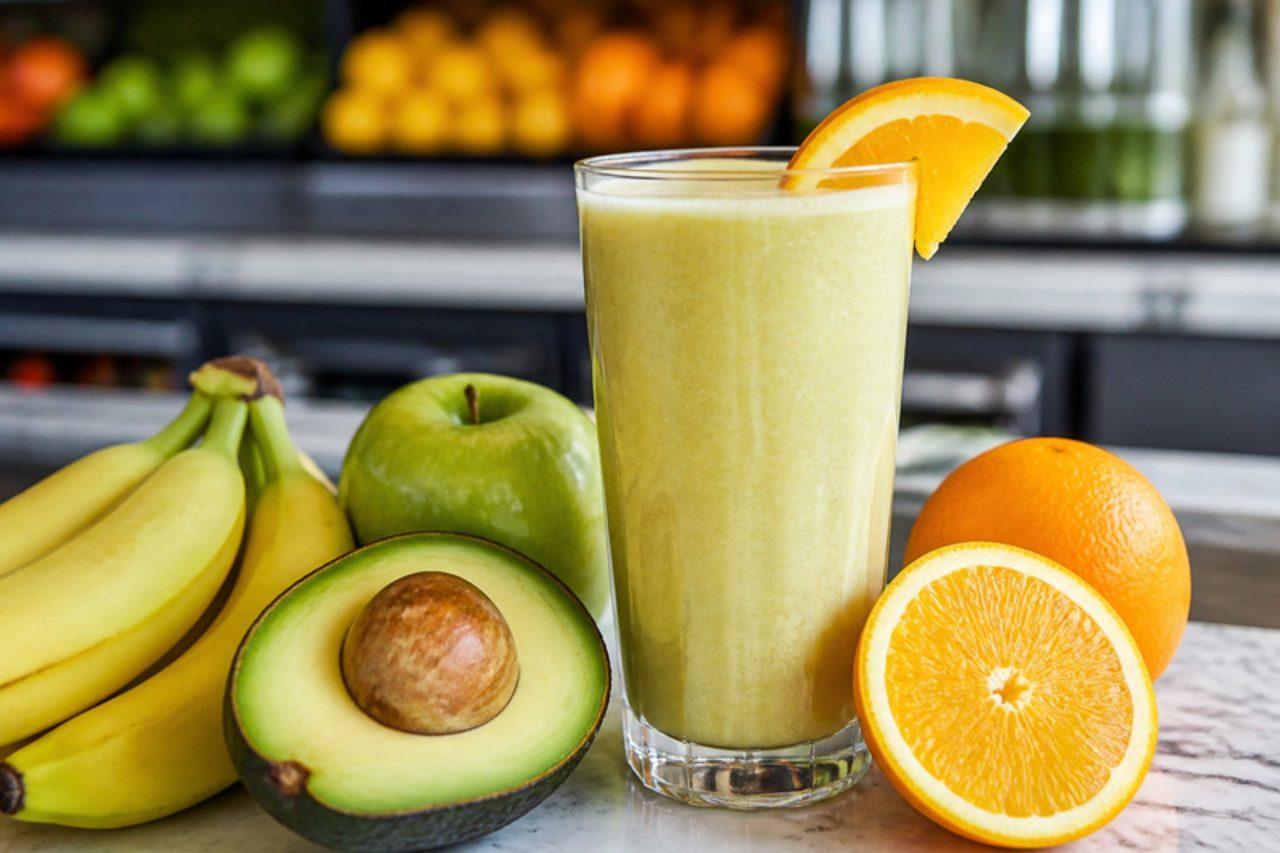
Juice bars from Tangier to Agadir list a 'panaché' on the board, which in Morocco means a thick milkshake blended from whatever mix of fruit is in season, most often banana, apple, avocado and orange, served in a tall glass and sometimes topped with chopped dried fruit and nuts. Avocado is used as a sweet fruit here, and it makes the drink extra creamy. It is a favourite after school, as a quick breakfast or after an afternoon in the medina. Make it just before drinking: the orange juice can make the milk turn slightly grainy and the avocado darkens if it stands, which is the usual mistake. Chef's tip: use a ripe, soft avocado and a banana with brown freckles for natural sweetness, so you need very little sugar.

by KrazyBadal 0 views

Moroccan almond milk (sharbat louz)

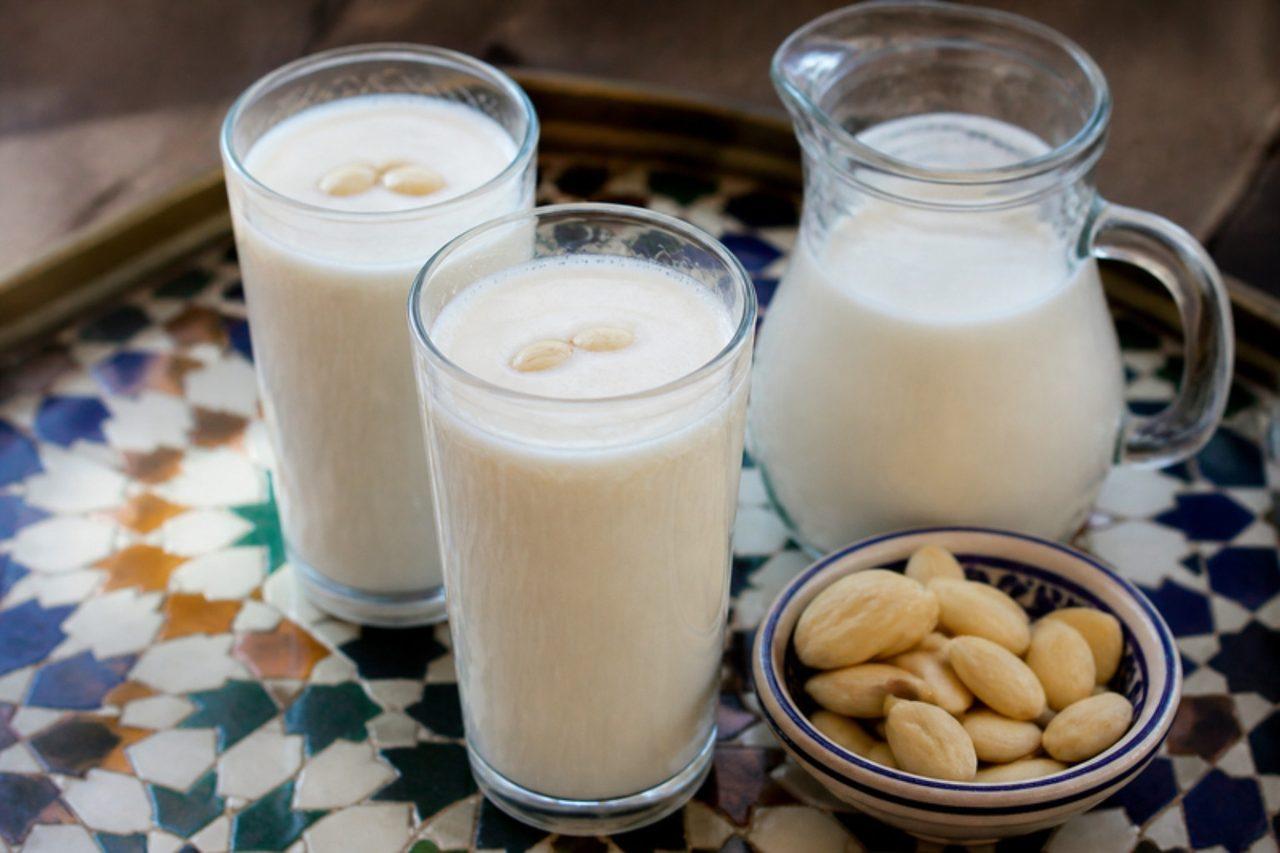
At Moroccan weddings and engagement parties, silver trays of tall glasses filled with sharbat louz are passed among the guests: chilled milk blended smooth with blanched almonds, sugar and a perfume of orange-flower water. It is also a favourite summer drink at home and is often offered to break the fast in Ramadan. The taste is creamy, delicate and nutty, a world away from carton almond milk, since it is real dairy milk enriched with almonds. Serve it very cold, on its own or with sweets. A common mistake is skipping the straining, which leaves a gritty drink instead of a smooth, silky one. Chef's tip: blend the almonds with the sugar and a little milk first, into a fine paste, before adding the rest; that way it ends up silky rather than gritty. Not for anyone with a nut allergy.

by KrazyBadal 0 views

Nous-nous (half-half coffee)

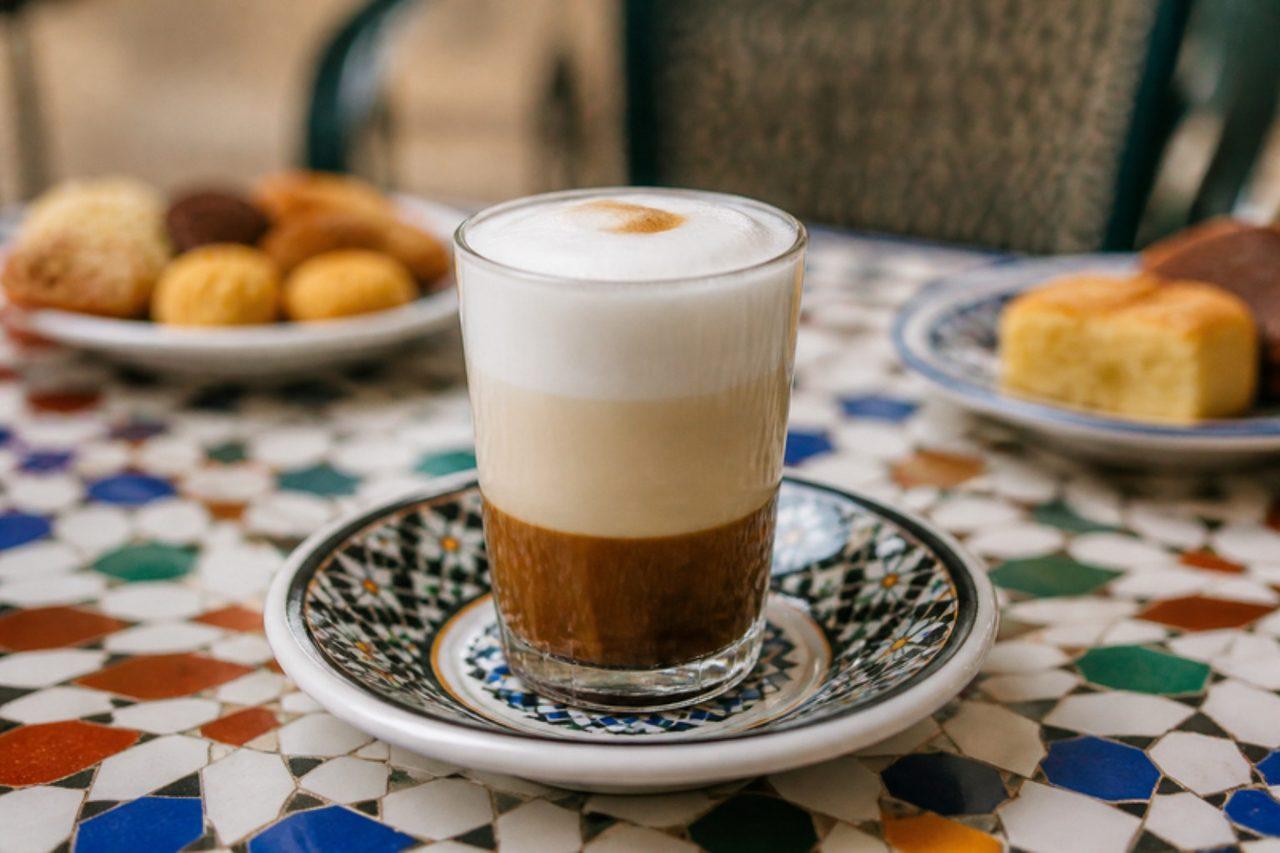
Sit down at a café terrace in Casablanca, Rabat or Marrakech and order a 'nous-nous' (from 'nus', half) and you will get a small glass of half espresso, half steamed milk, often layered so the coffee floats in a dark band over the pale milk with a cap of foam. It is the default morning and afternoon coffee for many Moroccans, sipped slowly while watching the street, usually with a sugar lump or two on the saucer. It is smaller and stronger than a latte and milkier than a macchiato. A moka pot works fine at home if you have no espresso machine. Chef's tip: heat the milk only to 60–65 °C, hot to the touch but not scalding; boiled milk loses its sweetness and the foam collapses, a common mistake.

by KrazyBadal 0 views

Moroccan spiced coffee

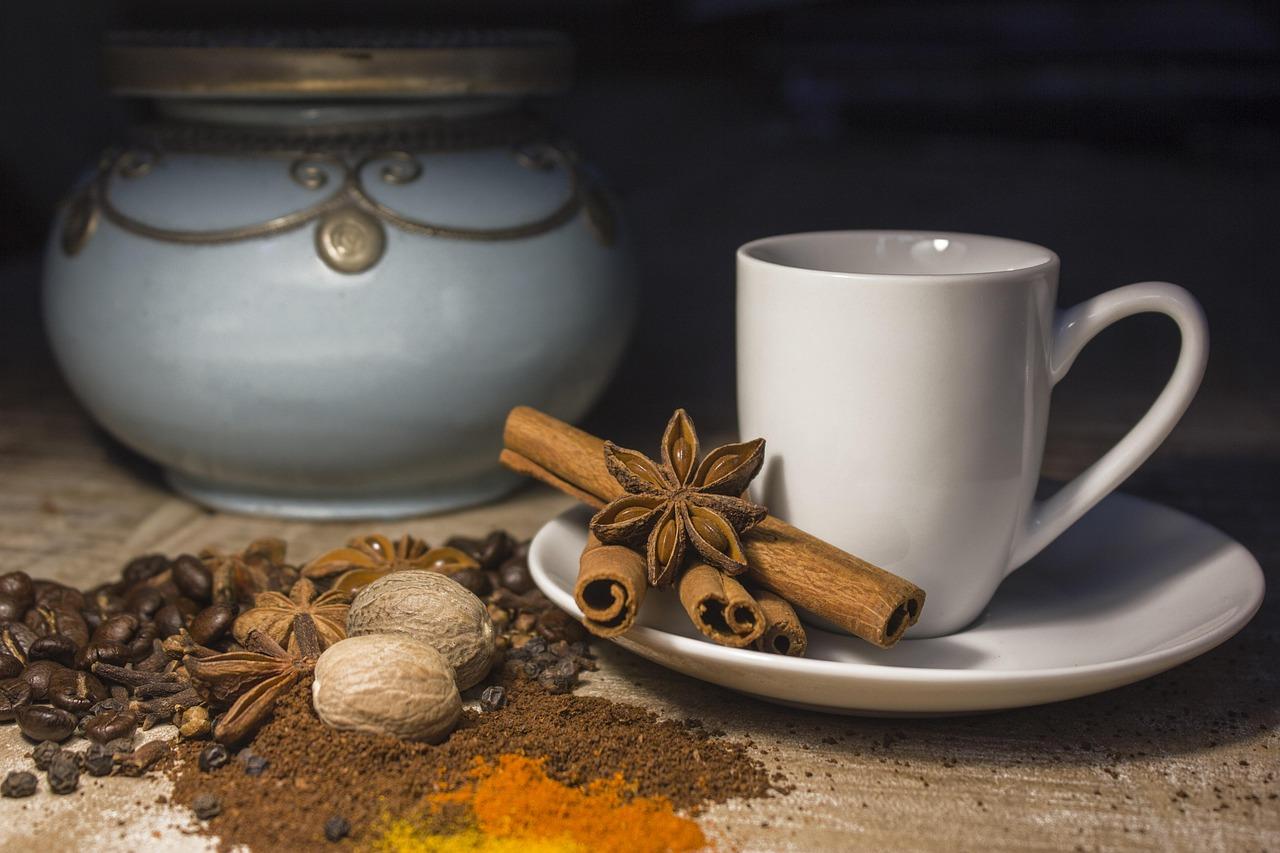
In many Moroccan homes, coffee is bought ready-mixed from the roaster with a spoonful of 'attria', a warm blend of ground spices such as cinnamon, ginger, nutmeg, cardamom, black pepper and toasted sesame, that gives it a rounded, gently peppery aroma. It is brewed in a pan or a pot and sipped black and sweet, or with a splash of milk, after lunch, with pastries for guests, or on cold mornings. The spices soften the bitterness and make the whole kitchen smell wonderful. This home version mixes the spices into ordinary ground coffee. Chef's tip: keep the coffee at a bare simmer and never let it boil hard; vigorous boiling, the usual mistake, extracts bitterness from both coffee and spices.

by KrazyBadal 0 views

Mote con huesilloPeach and wheat drink

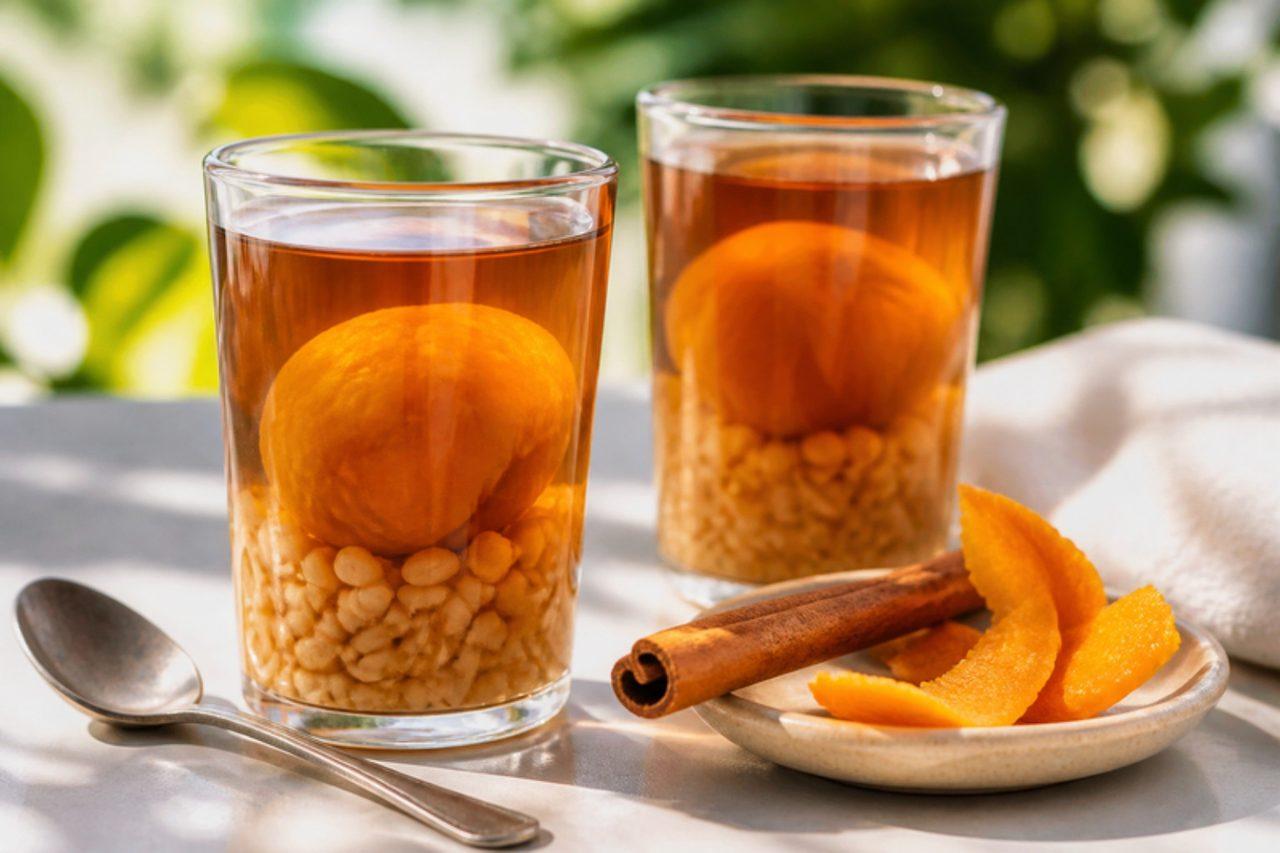
Mote con huesillo is Chile's summer refresher, sold in tall glasses from street carts on Santiago's Cerro San Cristóbal and at beaches up and down the coast. Huesillos are whole sun-dried peaches, soaked and simmered in a cinnamon caramel syrup; mote is husked wheat cooked until chewy. You drink the cold amber nectar and eat the wheat and peach with a long spoon. Chef's tip: soak the peaches overnight and cook them in their soaking water; that water carries much of the peach flavour.

by KrazyBadal 0 views

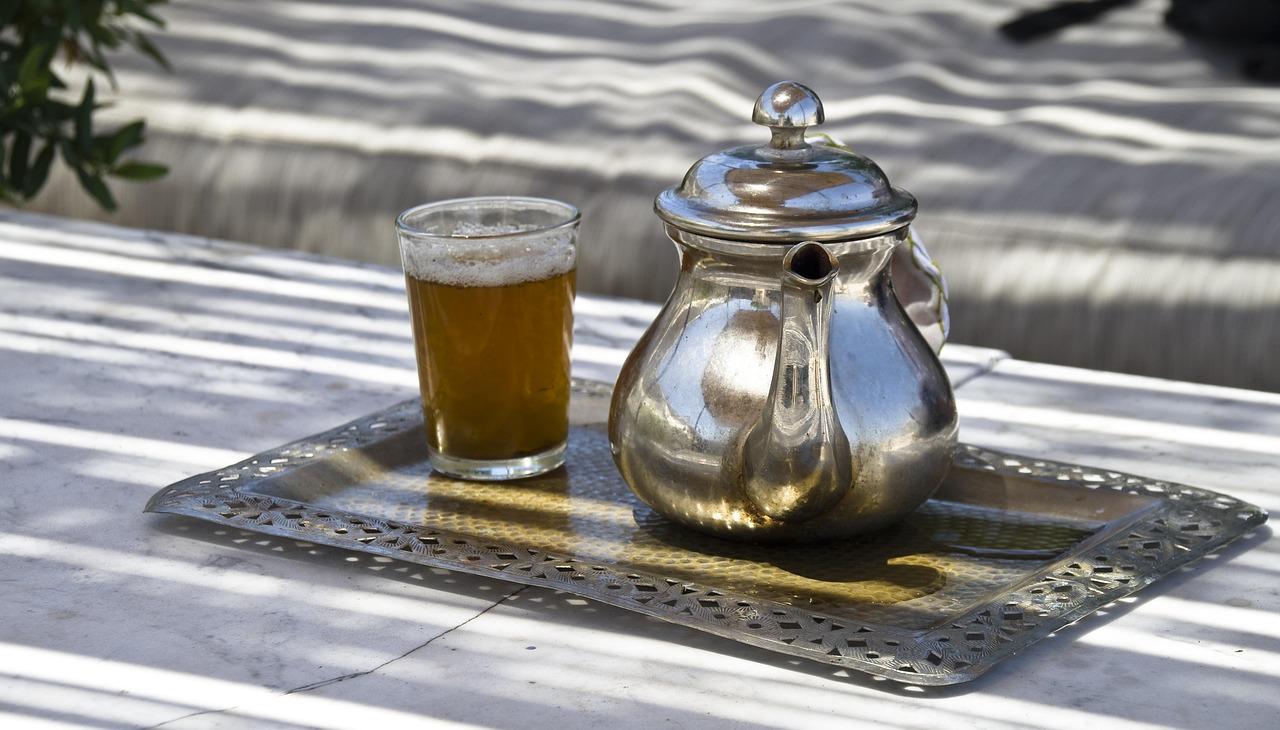
Moroccan mint tea (atay)Green tea with mint

Atay is Morocco's gesture of welcome, poured for guests in homes from Tangier to the Sahara, in shops while you bargain and after every meal. Chinese gunpowder green tea is rinsed, brewed with a big bunch of fresh spearmint and sweetened in the pot, then poured from high above the glasses so it froths. The host often pours a glass and returns it to the pot several times to mix the sugar through. The result is sweet, fresh and pleasantly bitter. Chef's tip: rinse the tea leaves with a splash of boiling water and throw that water away first; it removes the dust and the harshest bitterness.

by KrazyBadal 0 views