Skip to content
Recipes

All recipes

Vegetarian, or something you can't eat? Set your diet once and we'll hide recipes that don't fit.

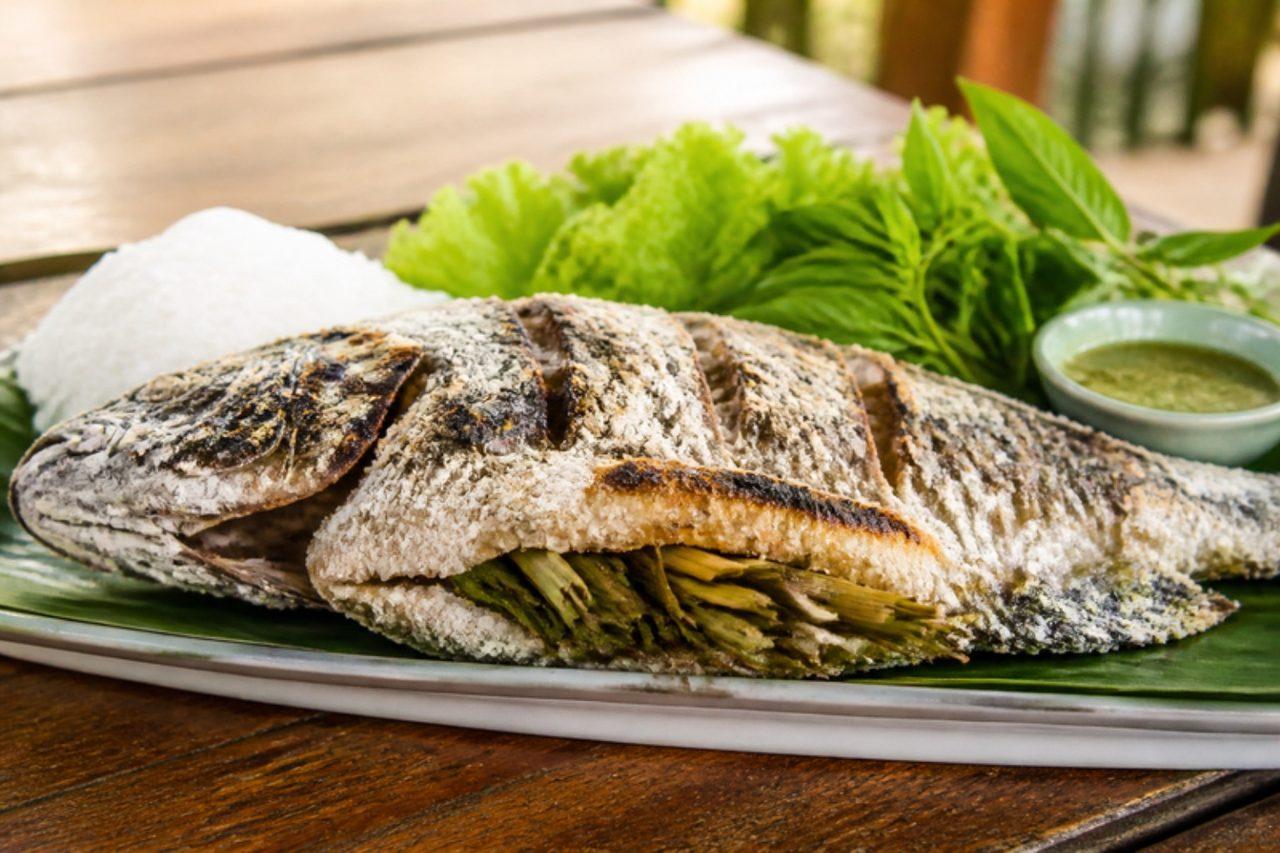
Pla pao (salt-crusted grilled fish)

Walk through any night market from Chiang Mai to Hat Yai and you will see rows of whole fish, white with crusted salt, grilling slowly over charcoal with lemongrass stalks poking out of their bellies. The salt shell keeps the flesh steaming in its own juice, so it comes out moist, clean-tasting and scented with lemongrass and pandan. People peel back the skin and eat the fish wrapped in lettuce with rice noodles, herbs and a fierce lime and chilli dip. Chef's tip: pat the fish completely dry before salting; a wet fish lets the crust slide off in the first five minutes.

55 minThaiFishGluten free
by KrazyBadal 0 views

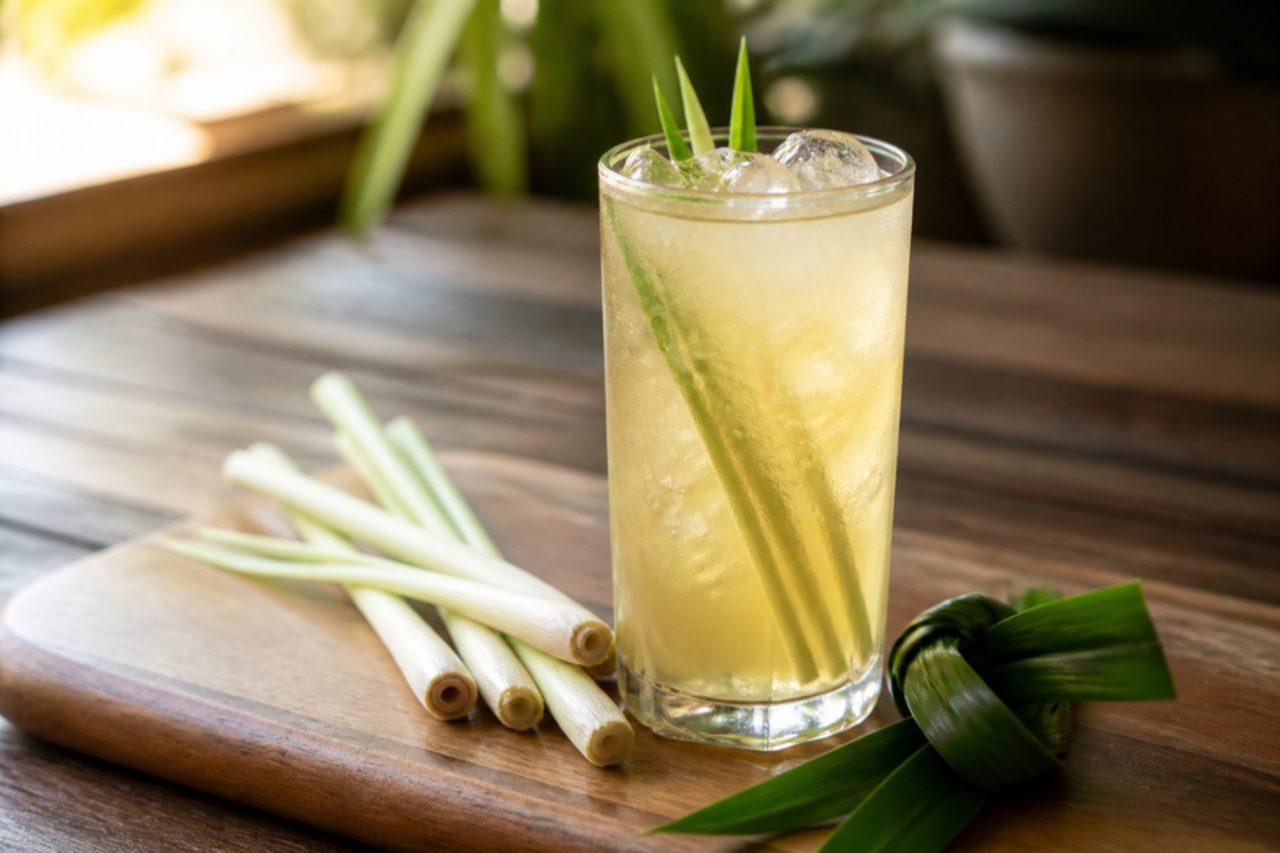
Nam takrai (lemongrass drink)

Thai spa receptions and roadside rice shops both pour this from big glass jars, and in Chiang Mai and Bangkok homes a pot is often simmering on hot afternoons. Bruised lemongrass gives a clean, lemony, slightly grassy taste and pandan a soft vanilla note; lightly sweetened, it is refreshing over ice and soothing warm on a rainy-season evening. Chef's tip: the usual mistake is chopping the lemongrass fine and boiling it hard, which makes it bitter; bash the stalks and simmer gently.

20 minThaiDrinksVeganGluten free
by KrazyBadal 0 views

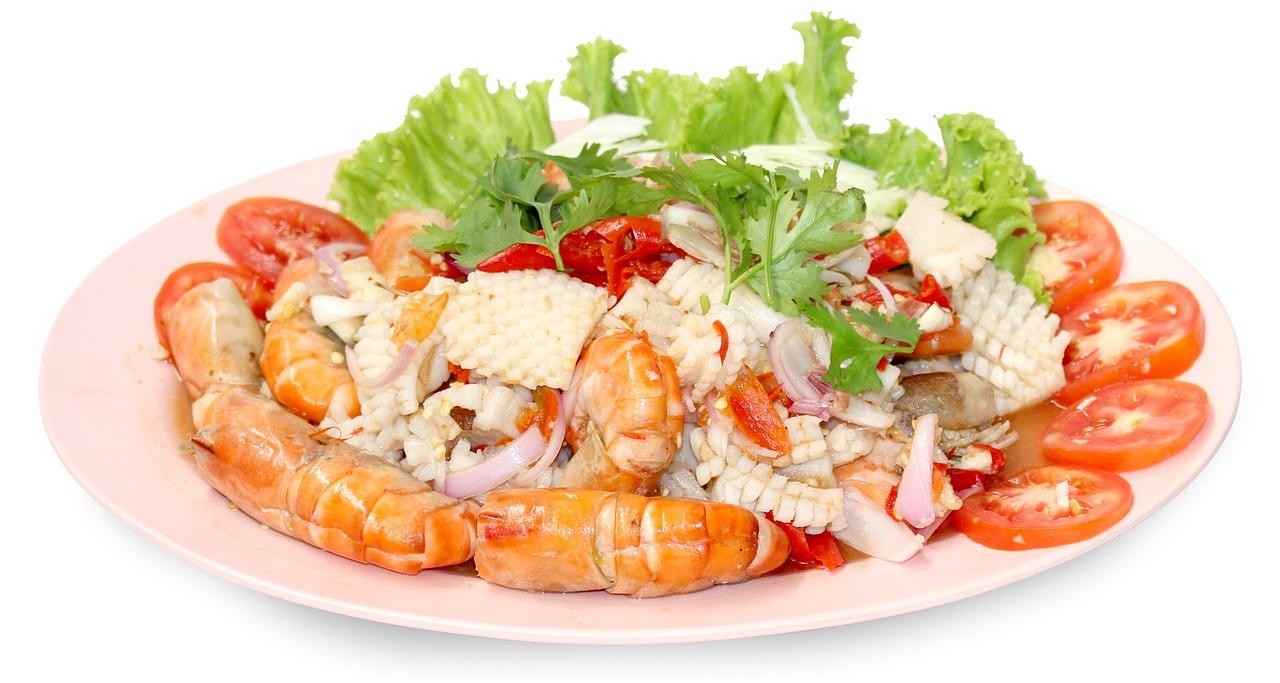
Yam talay (Thai seafood salad)

Beach shacks on Koh Samet and along the Pattaya coast bring yam talay out in a heap, the seafood still warm, glistening with lime and fish sauce, and scattered with Chinese celery and onion. It is light and very sour, eaten with ice-cold drinks before the grilled fish arrives, or with rice for lunch. Use whatever is freshest; the mix below is easy to find. Chef's tip: poach each type of seafood separately and briefly; tipping everything in together overcooks the squid into rubber bands before the mussels open.

25 minThaiFishGluten freeSpicy
by KrazyBadal 0 views

Nam dok anchan (butterfly pea lemonade)

Vines of butterfly pea climb fences in gardens all over Thailand, and cafés from Bangkok to Krabi serve the flowers as an iced drink that changes colour at the table. The tea itself is mild and earthy, blue as ink; stirring in lime juice turns it violet and makes it tangy, which children love to watch. Chef's tip: the common mistake is mixing the lime in beforehand; serve the blue tea and lime separately so the colour change happens in the glass.

15 minThaiDrinksVeganGluten free
by KrazyBadal 0 views

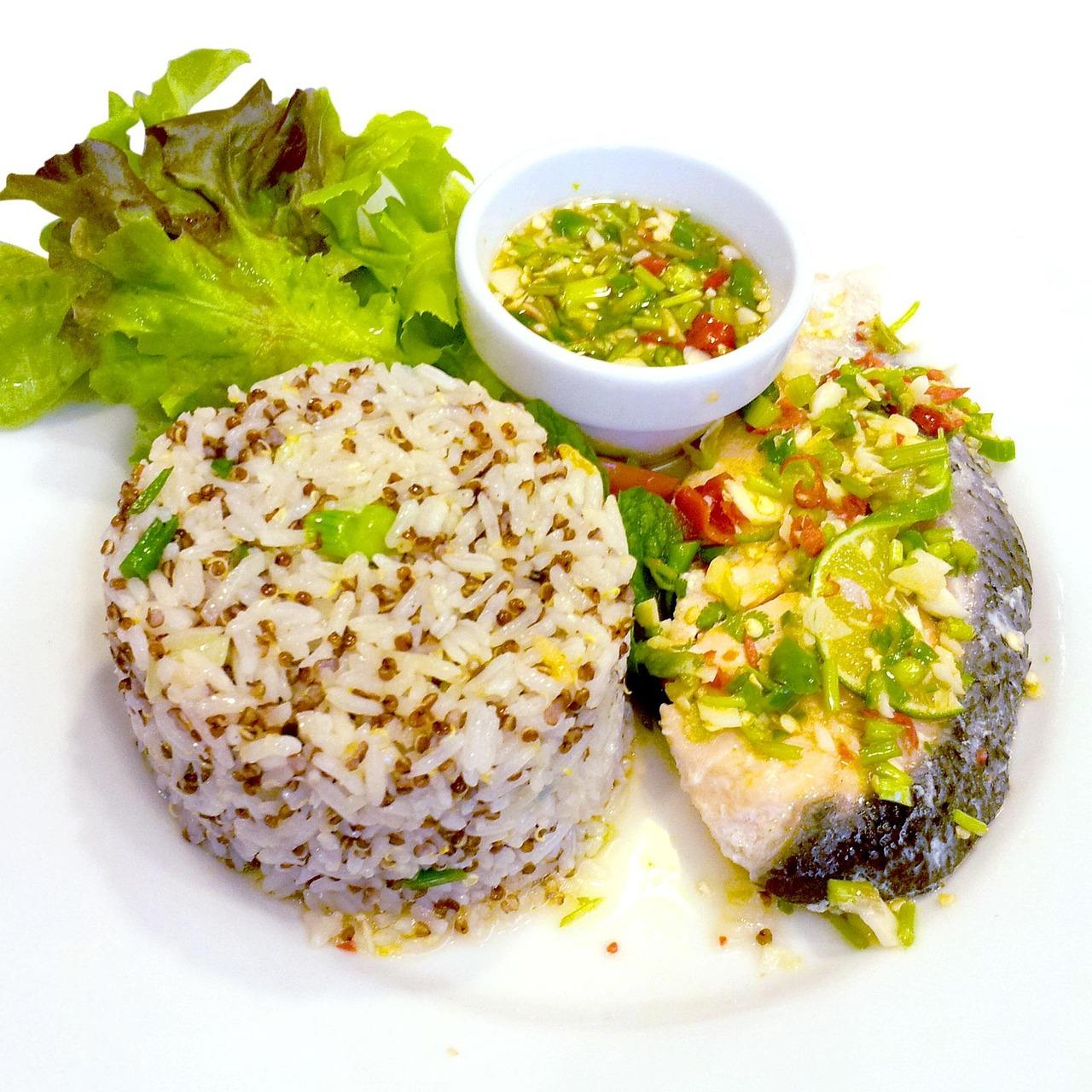
Pla neung manao (steamed fish in lime and chilli)Steamed fish with lime and chilli

Restaurants all over Bangkok bring this dish to the table in a fish-shaped steamer with a flame underneath, the fish swimming in a broth of garlic, chilli, lime and fish sauce that keeps bubbling as you eat. Sea bass (pla kapong) is the usual choice. It is clean, sour and very garlicky, ideal for a light dinner with rice and a plate of greens. A whole fish is traditional; two thick fillets work just as well and steam faster. Chef's tip: pour the sauce over at the end, not before steaming; lime cooked for 15 minutes loses its freshness and turns bitter.

35 minThaiFishGluten freeSpicy
by KrazyBadal 0 views

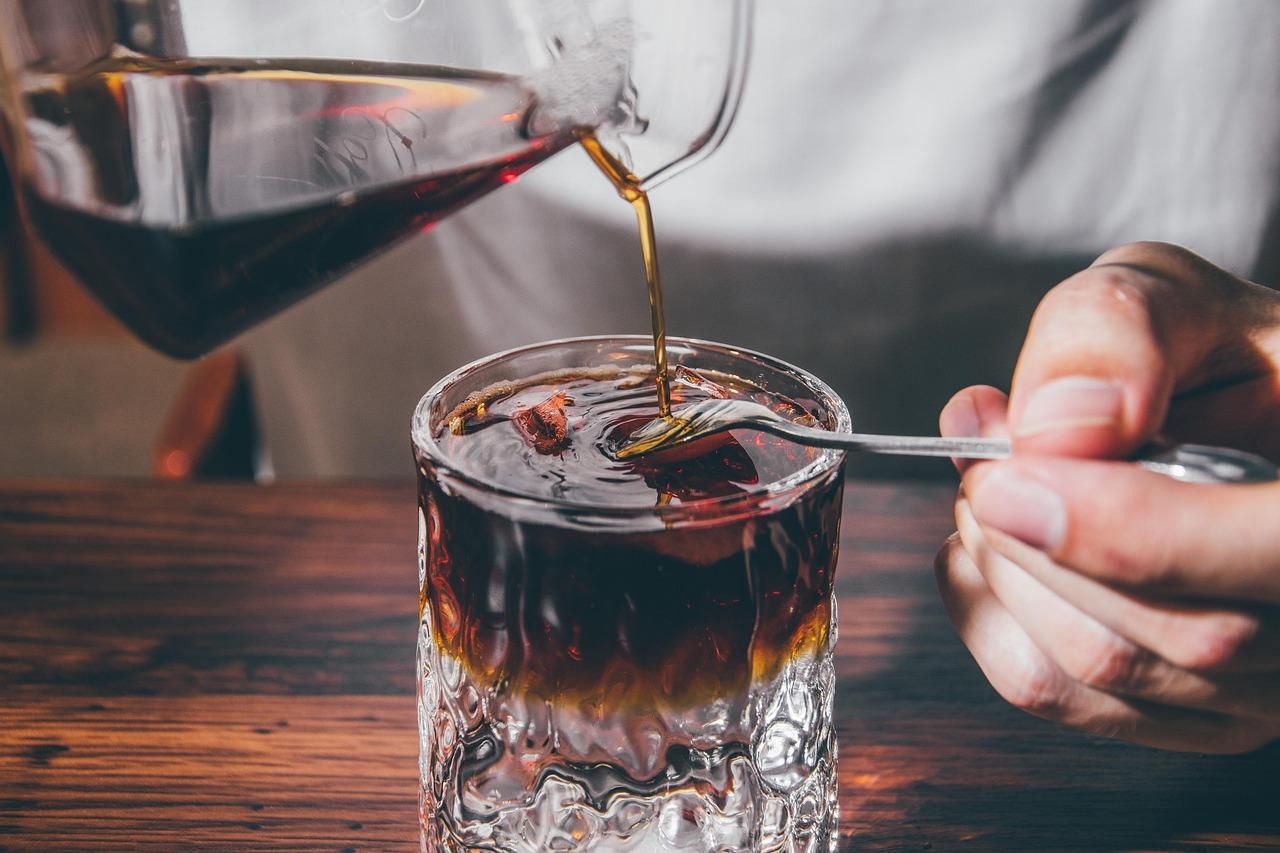
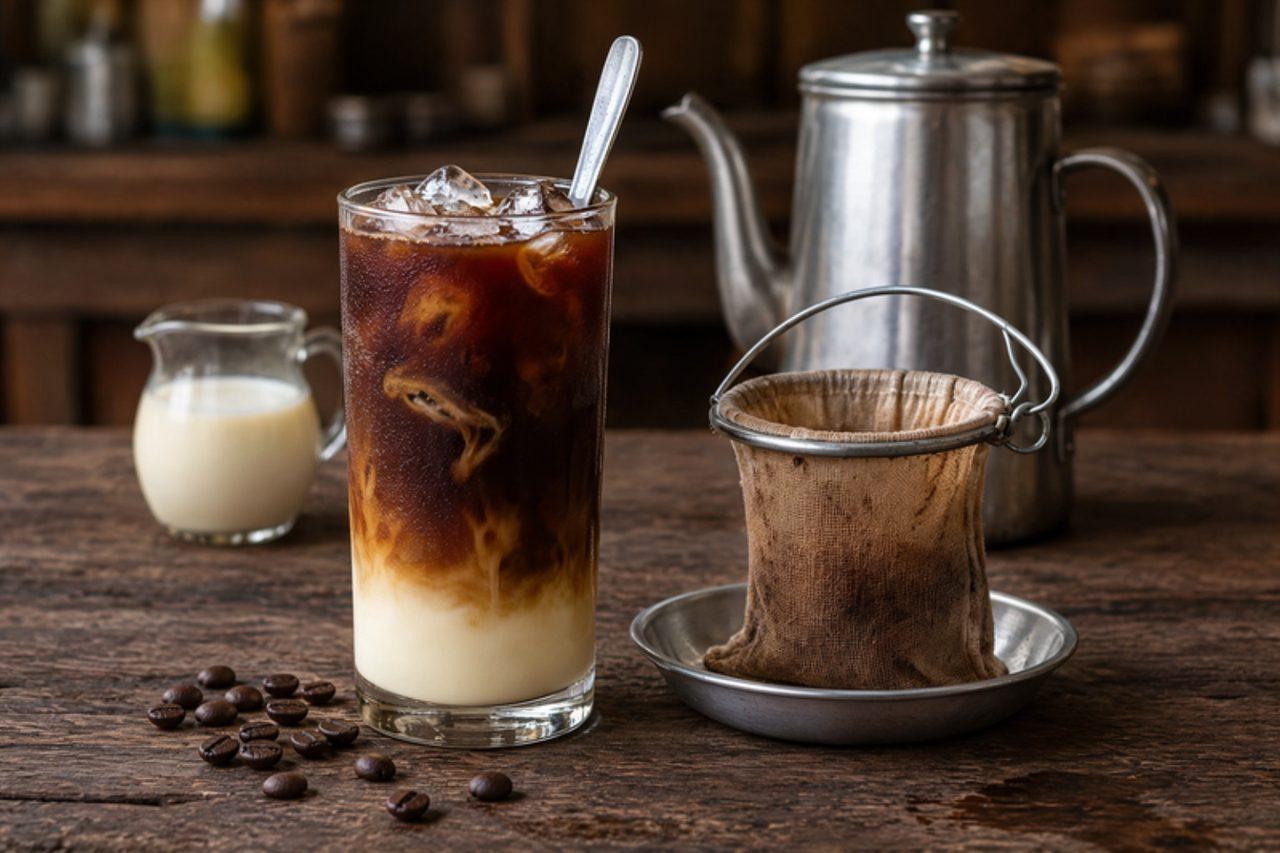
Oliang (Thai black iced coffee)

Old Bangkok coffee shops in Chinatown and Bang Rak still brew oliang through a long cotton sock, using a dark blend of coffee roasted with corn, soybeans, rice and sesame that gives it a toasty, almost cocoa-like flavour. It is served black, heavily sweetened and poured over crushed ice in tall glasses, a mid-morning pick-me-up for market traders. Look for any Thai 'oliang powder' blend in Asian shops, or mix dark coffee with roasted grains as below. It contains caffeine, so it is not one for children. Chef's tip: adding sugar after chilling is the mistake; dissolve it while the coffee is hot, or it stays gritty.

15 minThaiDrinksVeganGluten free
by KrazyBadal 0 views

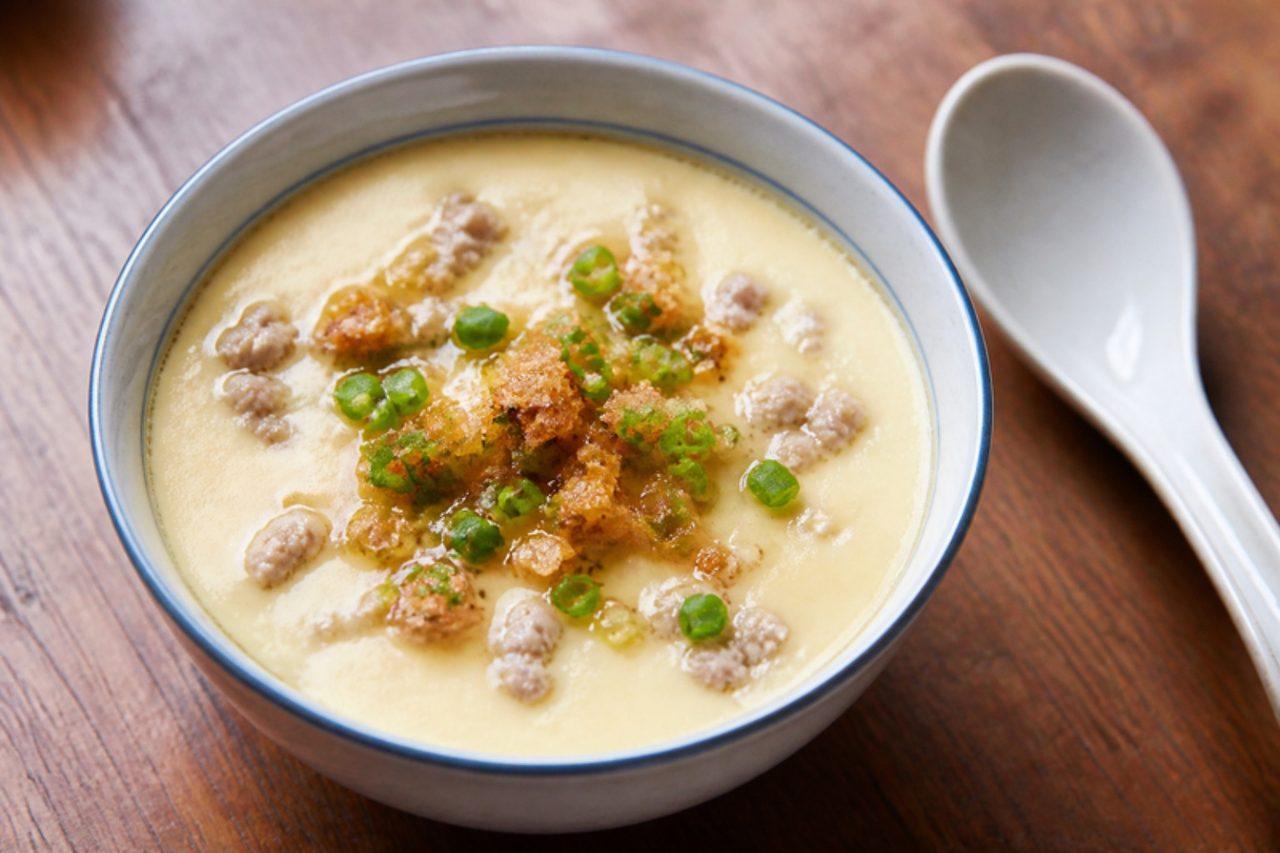
Khai toon (Thai steamed egg with pork)

Thai parents across the country make khai toon when a child is off their food or someone is unwell: eggs beaten with stock, a little minced pork and spring onion, steamed in a bowl until just set and wobbling. It goes on the table with rice and a stir-fry for supper and costs almost nothing. This version uses pork mince; for a vegetarian bowl, use chopped shiitake instead and season with salt or light soy sauce. It contains egg and fish sauce. Chef's tip: steam over a gentle simmer, not a rolling boil; high heat pocks the custard with holes and turns it spongy.

20 minThaiSidesGluten free
by KrazyBadal 0 views

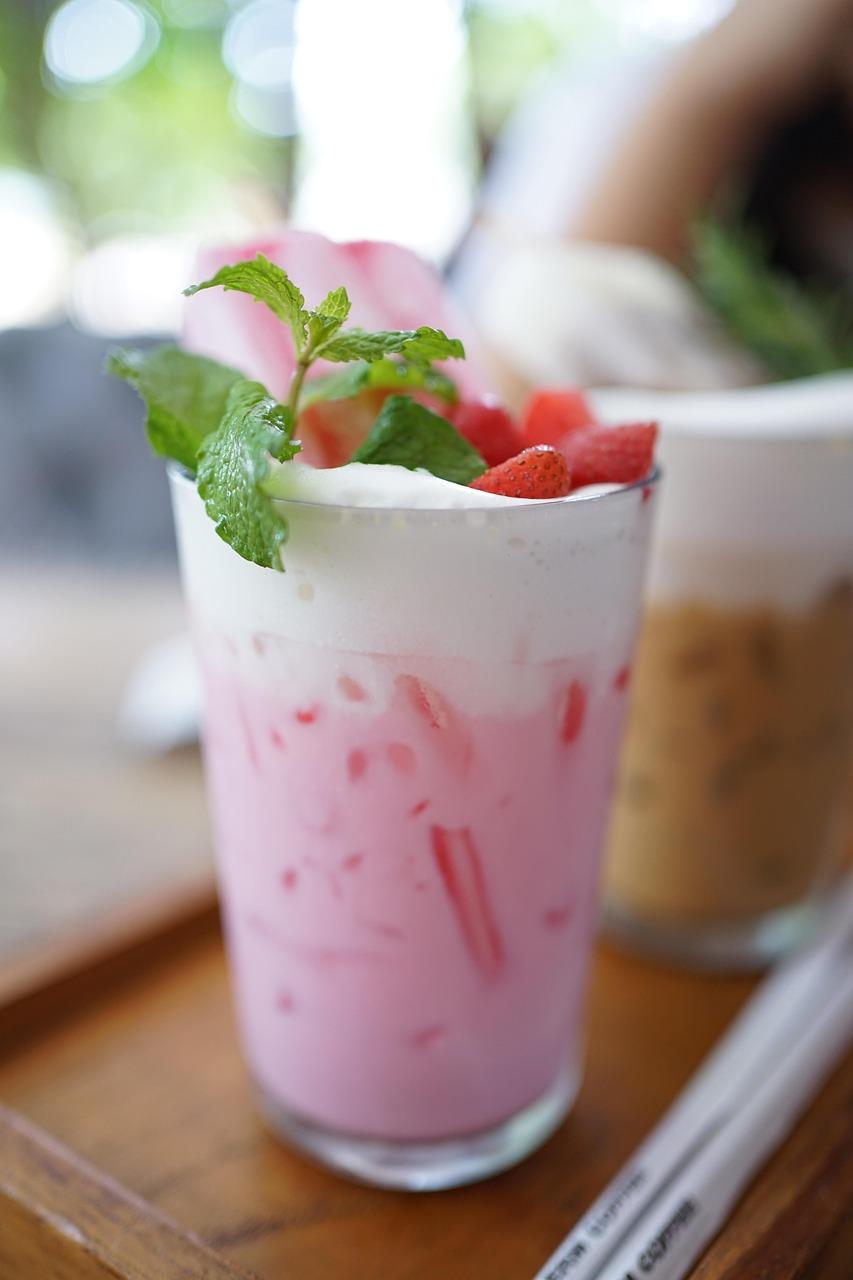
Nom yen (pink milk)Pink iced milk

Thai drink stalls outside schools and markets keep a bottle of red sala syrup next to the condensed milk for this sweet, bubblegum-pink milk, a favourite of children from Bangkok to Hat Yai. Sala is a tangy palm fruit, and the syrup tastes of it lightly, almost like cream soda; any red sala-flavoured syrup from an Asian shop works. Shake it with ice until frothy. Chef's tip: the mistake is too much syrup, which turns it lurid and cloying; start with a tablespoon per glass and add more to taste.

by KrazyBadal 0 views

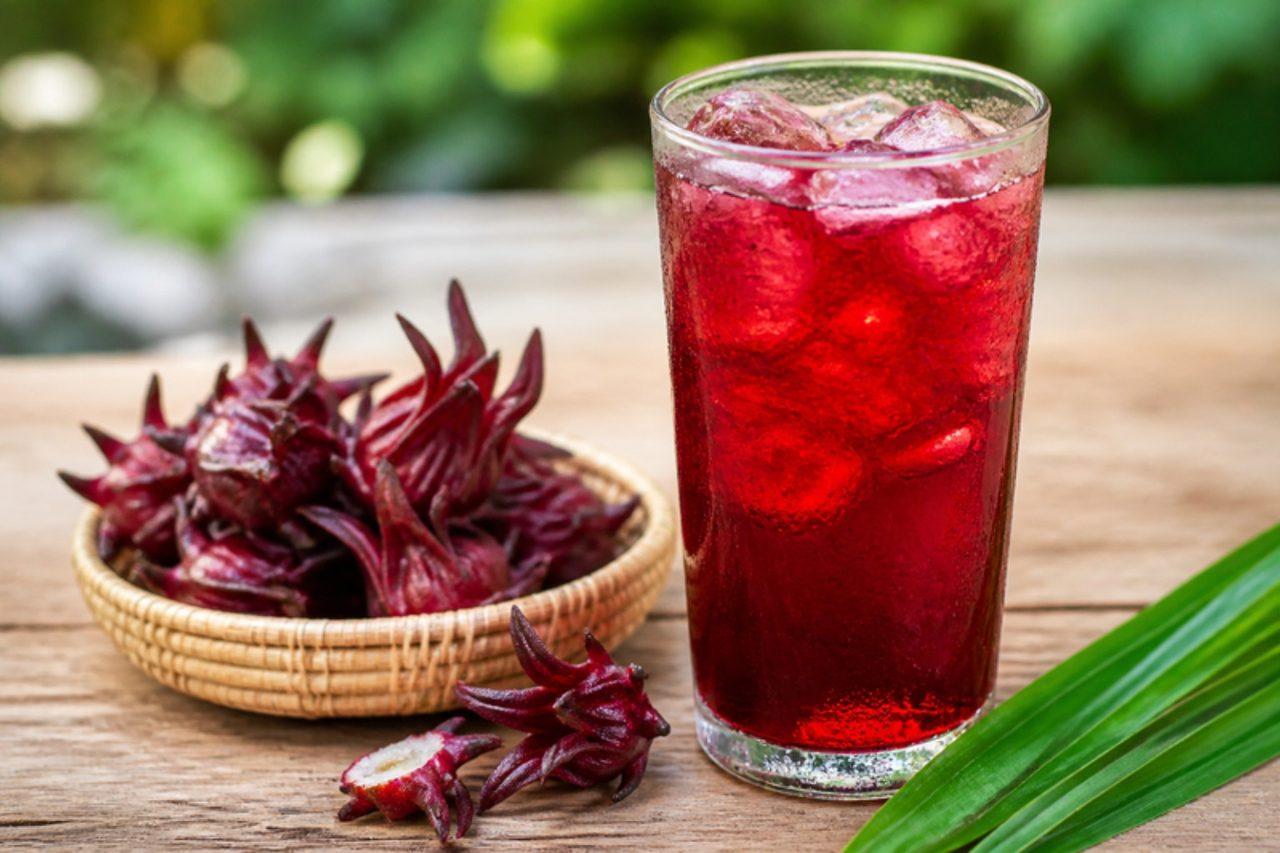
Nam krachiap (roselle drink)

In the dry hot season Thai markets from Isan to Bangkok sell bags of this ruby drink tied with a straw, made from the dried calyces of the roselle plant grown in the northeast. It tastes like cranberry with a floral edge, sharply tart and only lightly sweet, with a pinch of salt to lift it. Drink it very cold; it keeps for days in the fridge. Chef's tip: the mistake is boiling the roselle for a long time, which turns it bitter and dull; simmer briefly and then let it steep off the heat.

20 minThaiDrinksVeganGluten free
by KrazyBadal 0 views

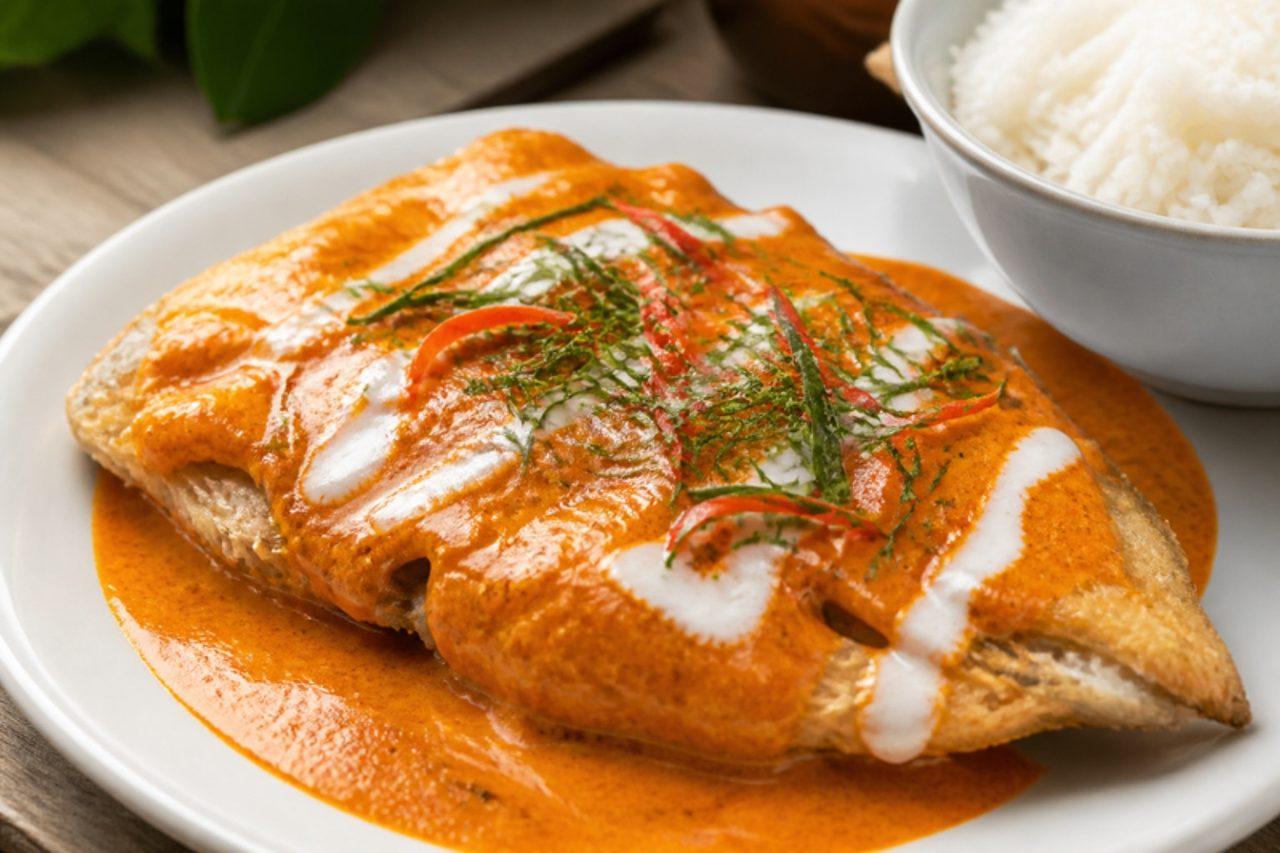
Choo chee pla (fish in thick red curry)

Riverside restaurants along the Chao Phraya, from Nonthaburi down to Samut Prakan, serve choo chee as a centrepiece for shared dinners: a crisp-fried fish smothered in a sauce so reduced it barely moves, red with curry paste, rich with coconut cream and scattered with threads of kaffir lime leaf. The name copies the sizzle of paste hitting hot cream. It is sweeter and thicker than a soupy gaeng phet, so serve plenty of jasmine rice and a clear soup or plain vegetables alongside. Chef's tip: fry the fish only after the sauce is ready and pour it over at the table; fish left to sit in the sauce goes soggy within minutes.

40 minThaiFishGluten freeSpicy
by KrazyBadal 0 views

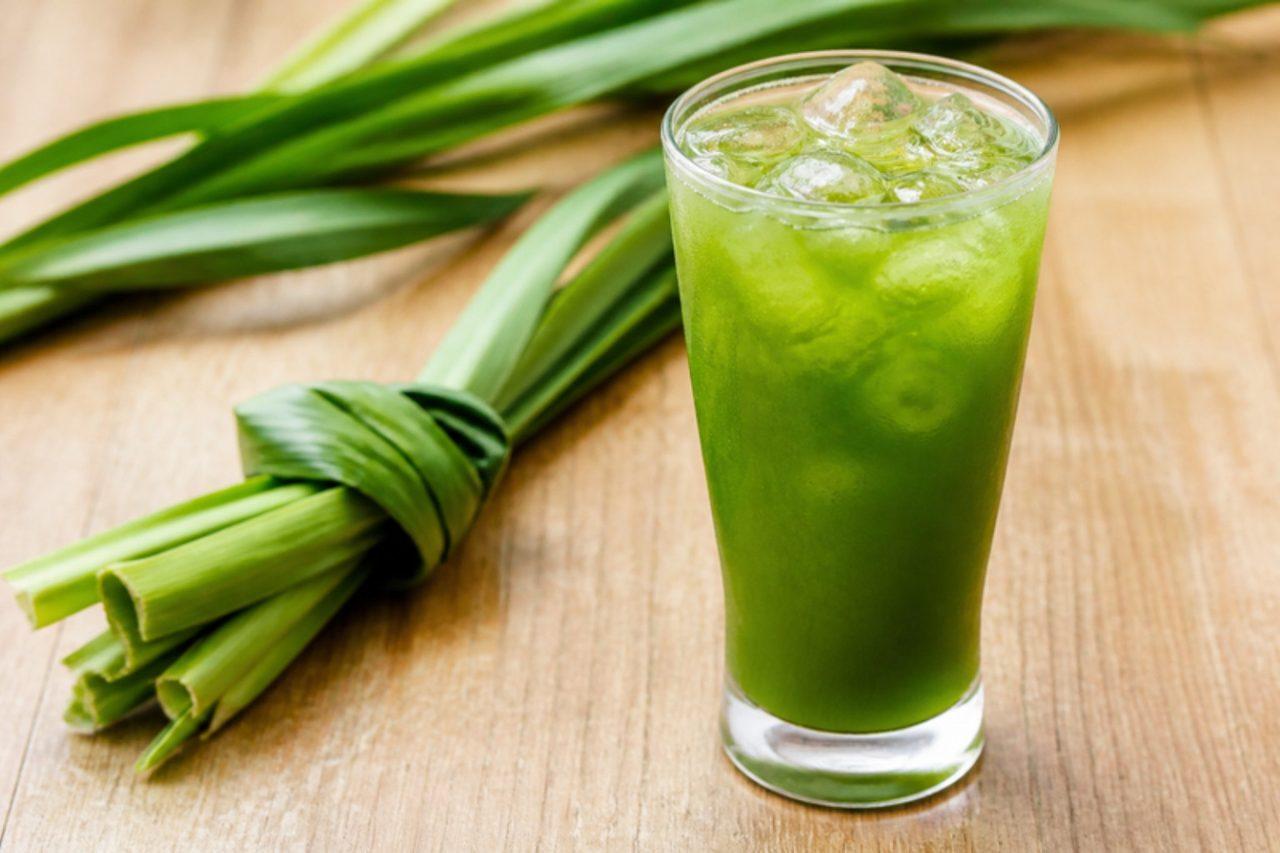
Nam bai toey (pandan drink)

Every Thai garden seems to have a clump of pandan by the tap, and on hot days cooks across the country blitz a handful of leaves into this bright green drink sold at temple fairs and noodle shops. It tastes sweet, grassy and faintly of vanilla and basmati, and is said to cool the body. Fresh leaves give the best colour; frozen ones from Asian shops work well too. Chef's tip: the mistake is serving it unstrained or leaving it for hours; strain it twice through cloth and drink it the same day, as it fades and turns grey.

15 minThaiDrinksVeganGluten free
by KrazyBadal 0 views

TereréIced yerba mate

In Asunción the hottest part of the day stops for tereré: a horn or cup packed with yerba mate, topped up again and again with ice water infused with crushed herbs, and passed round the group through a metal straw. It was recognised by UNESCO as part of Paraguay's cultural heritage, and the herbs (yuyos) change with the season and the drinker's mood. Yerba mate contains caffeine, so it isn't one for small children. The common mistake is pouring water straight into loose yerba, which then clogs the straw; tilt the yerba to one side first. Chef's tip: for tereré ruso, swap the water for cold orange or grapefruit juice.

by KrazyBadal 0 views

Kafae boran (old-style Thai coffee)

Before espresso bars reached Bangkok, coffee in Thailand meant kafae boran from Hainanese-Chinese shophouses and market carts: a dark robusta roast mixed with toasted grains, poured through a long cotton sock called a tung tom and stirred into thick sweetened condensed milk. Uncles still order it hot at 6 am with patongko dough sticks, and in the afternoon heat the same brew is poured over crushed ice and topped with evaporated milk as oliang or kafae yen. The taste is strong, roasty and slightly smoky, sweet and creamy, with a faint caramel-cereal edge from the grains; the iced version is silky and cold. The common mistake is brewing it like filter coffee with too little grounds: once milk and ice go in, it tastes thin. Use plenty, steep it in the sock and pour it through twice. The brew is ready when it is opaque, nearly black and leaves a brown film on a white spoon. It is high in caffeine, so not one for children or late evenings. Chef's tip: rinse the cloth sock in hot water only, never soap, and keep it in a jar of clean water in the fridge between uses so the coffee oils season it.

10 minThaiDrinksGluten free
by KrazyBadal 0 views

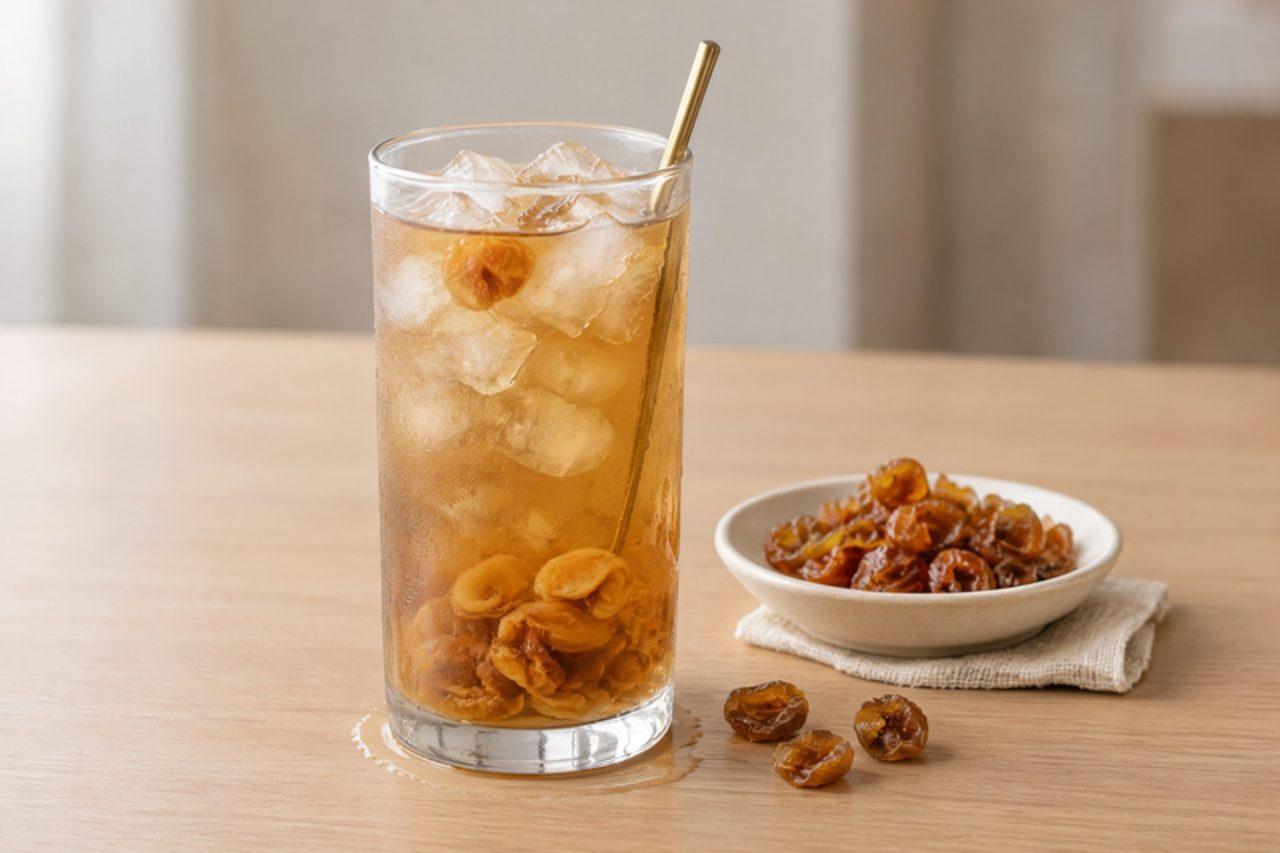
Nam lamyai (longan drink)

Longan orchards cover the valleys of Chiang Mai and Lamphun, and every August the harvest is smoked and dried in big brick ovens so the fruit lasts all year. That dried lamyai is the base of nam lamyai, sold in plastic bags with a straw at Warorot Market, at roadside stalls on the way to Doi Suthep and in school canteens across the north, especially in the hot season from March to May. It tastes like toffee and smoked honey with a light floral note, and each glass comes with a few plump, chewy longans at the bottom to fish out. The common mistake is boiling the fruit too long with all the sugar at the start: the drink turns syrupy and the longans go mushy. Simmer the fruit first, sweeten at the end and taste before adding everything. It is ready when the liquid is clear amber-brown, the longans have swollen back to roughly their fresh size and the kitchen smells of caramel. It keeps 4 days in a closed jug in the fridge. Chef's tip: a tiny pinch of salt is the street-vendor trick that makes the sweetness taste rounder and brings out the smoky edge.

30 minThaiDrinksVeganGluten free
by KrazyBadal 0 views

Mandi'o chyryryFried cassava with onion and egg

Mandi'o chyryry means 'fried cassava' in Guaraní, and it is what rural Paraguayan families make from yesterday's boiled mandi'o: chunks crushed and fried in a big pan with onion until crisp in places, then scrambled with eggs. It comes out for breakfast with cocido or for a quick supper, and costs next to nothing. Use sweet cassava, the kind sold in supermarkets. The mistake is stirring constantly, which turns it to mush; let the cassava sit and brown. Chef's tip: the best chyryry starts with cold, day-old boiled cassava, which fries crisper than freshly boiled.

by KrazyBadal 0 views

Cocido quemadoBurnt sugar mate drink

Cocido is how Paraguay starts the day: in Asunción, in the villages of Guairá and Itapúa, and in school kitchens, a pot of burnt yerba is brewed and poured into cups with chipa, the cheesy cassava bread, or with a hard galleta. The old way is to drop a glowing piece of charcoal into a pot with yerba and sugar and stir until the sugar burns. On a home stove you caramelise them together in a dry pan instead, which is safer and gives the same smoky, toffee-like taste. The drink is clear amber-brown, with roasted, slightly bitter mate notes over burnt-sugar sweetness; with milk added it becomes cocido con leche, creamy and coffee-coloured. Yerba mate contains caffeine, so treat it like a cup of coffee. The common mistake is letting the sugar go black: it turns acrid and bitter. Pull it off the heat when the caramel is deep amber and the yerba smells toasted, not burnt. It is ready when the liquid is a clear dark amber and tastes of toffee and smoke. Chef's tip: the water will spit fiercely when it hits the hot caramel, so pour it in from the side, at arm's length.

by KrazyBadal 0 views

Postre MassiniCustard sponge with burnt sugar top

Montevideo's birthday cake of choice since the early twentieth century, the Massini is two thin layers of sponge sandwiching a thick filling of whipped cream folded with egg-yolk custard, crowned with a thin glassy crust of torched yolk and sugar. Bakeries across Uruguay sell it on Sundays. Traditional versions sometimes add a sweet fortified wine to the custard; this one is alcohol-free. The custard is cooked to a safe 71 °C. The common mistake is assembling with warm custard, which melts the cream into a puddle. Chef's tip: if you don't have a blowtorch, put the sugared top under a very hot grill for a minute and watch it closely.

by KrazyBadal 0 views

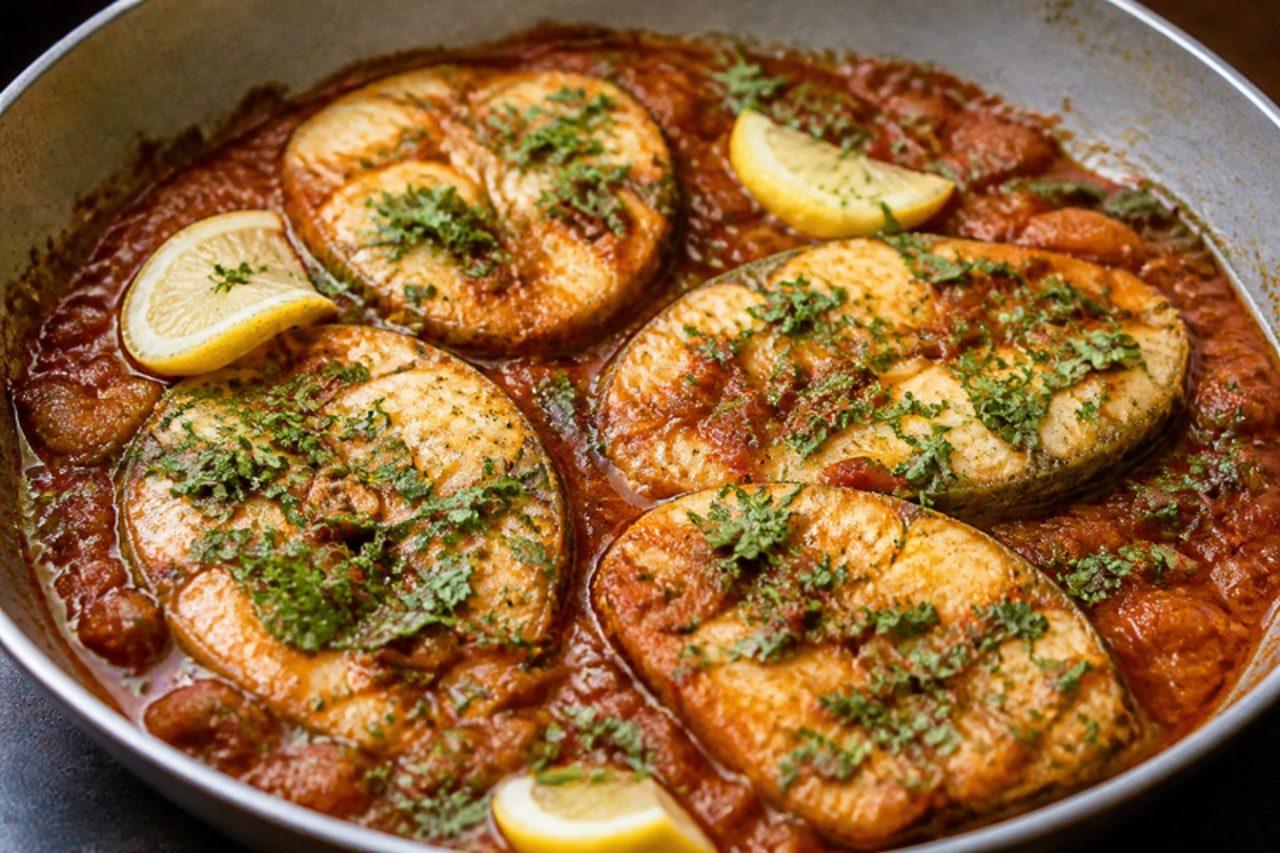
ChraimeFish in spicy garlic paprika sauce

Friday night in Moroccan and Libyan Jewish homes, from Casablanca to Tripoli and now Paris and Tel Aviv, often begins with a plate of chraime before the main course. Thick fish steaks simmer in a brick-red sauce built from a frightening amount of garlic, sweet and hot paprika, chilli, caraway and cumin, loosened with oil and a squeeze of lemon. It is spicy, garlicky and very savoury, and the oily sauce begs to be mopped up with challah or other good bread. It is also eaten cold the next day. Chef's tip: cook the spices in the oil over a low heat until they smell toasty but not dark; burnt paprika tastes acrid and you cannot rescue it.

by KrazyBadal 1 views

Sardines stuffed with chermoula

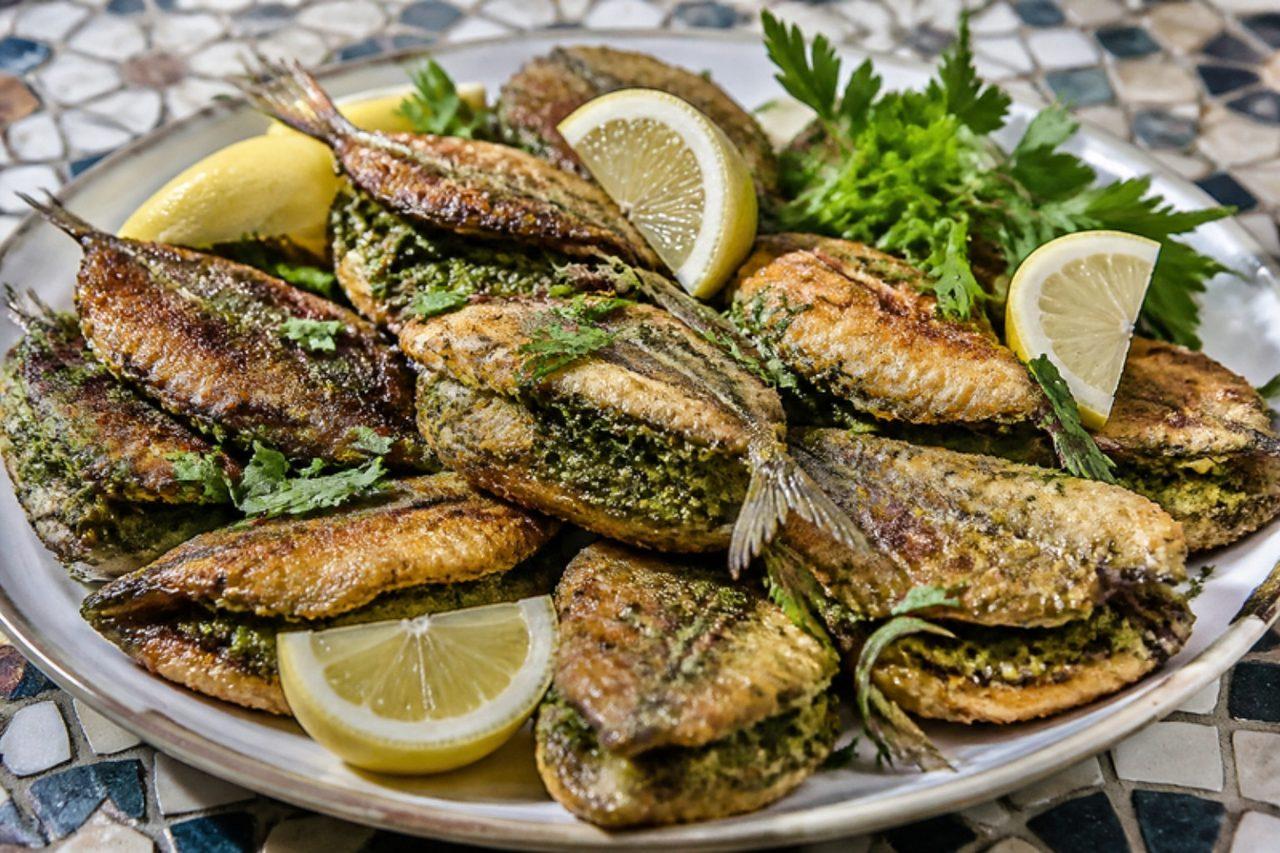
Walk past the fish stalls by Essaouira's harbour and you smell this before you see it: sardines opened flat, smeared with a green-red paste of herbs, garlic, cumin and paprika, pressed together in pairs, dusted with flour and fried until the edges crunch. The fish stays moist and rich inside, sharpened by lemon and a little chilli. In Safi and Agadir homes they appear at lunch with a tomato and onion salad and bread, or tucked into sandwiches from street carts. Chef's tip: ask the fishmonger to butterfly the sardines and remove the backbone; it saves a fiddly 20 minutes and they lie flat.

by KrazyBadal 0 views

Seafood pastilla

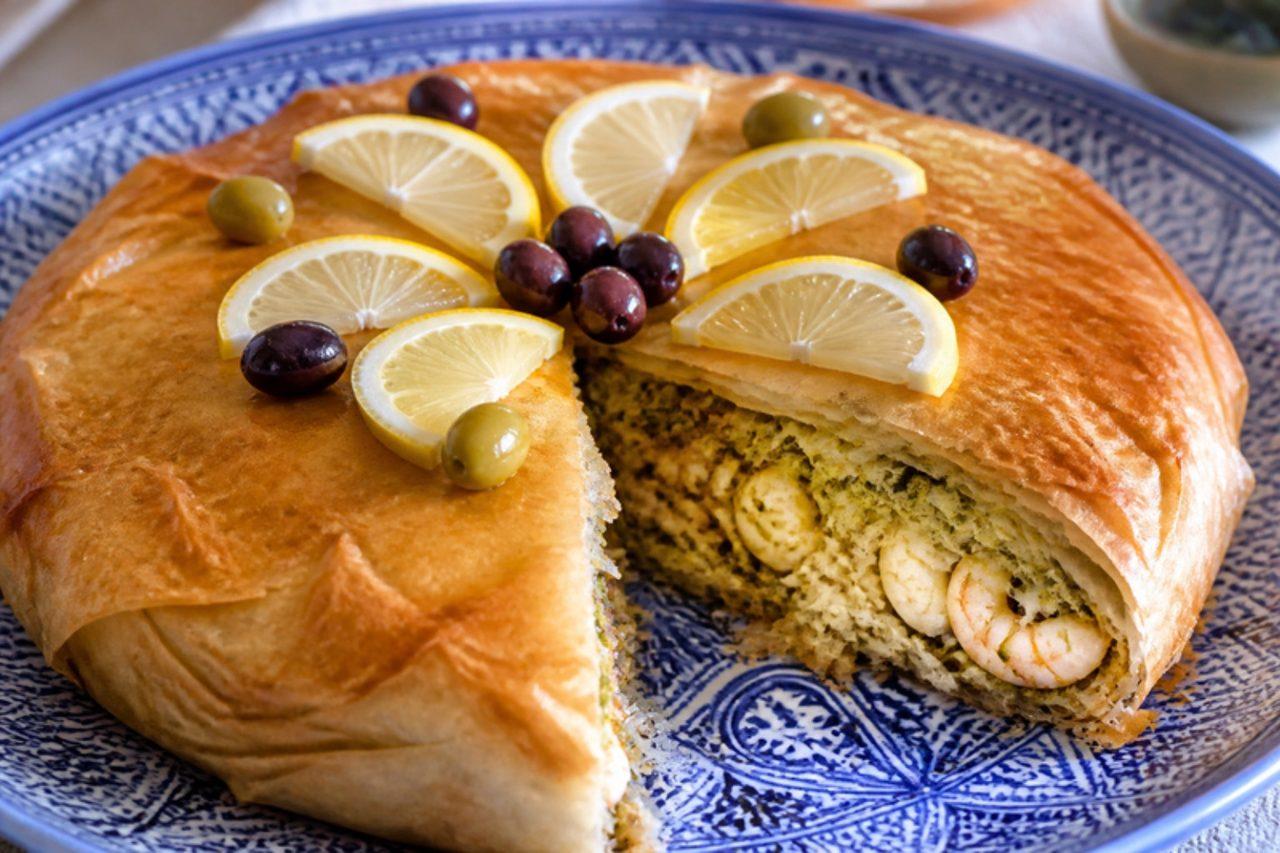
The sweet pigeon pastilla belongs to Fez; along the northern coast, from Tetouan to Tangier and down to the Atlantic towns, the savoury seafood version is what turns up at weddings and Ramadan dinners. Thin warqa pastry wraps a filling of prawns, white fish and squid, rice vermicelli and plenty of chermoula, the lemony herb, garlic, cumin and paprika marinade, and the pie is baked until it shatters at the touch. Inside it is juicy, tangy and a little spicy. Serve it hot, cut into wedges, with a green salad. Filo works if you cannot find warqa or brick pastry. Chef's tip: drain the cooked filling in a sieve for 10 minutes before you fill the pie; wet filling is what makes a soggy base.

120 minMoroccanFish
by KrazyBadal 0 views

Lemon verbena tea (louiza)

After a big dinner or before bed, many Moroccan households swap green mint tea for a pot of louiza, lemon verbena, whose long, narrow leaves give a pale golden infusion that smells of lemon sherbet and has no caffeine. The fresh herb is sold in bunches alongside mint and absinthe at market herb stalls, and dried leaves keep all year. Drink it plain, lightly sweetened, or brewed with a few mint sprigs. It is soothing, clean-tasting and fragrant. Chef's tip: pour boiling water over the leaves and let them steep off the heat for 5 minutes; boiling the leaves in the pot, a common mistake, turns the tea grassy and bitter.

by KrazyBadal 0 views

Panaché (Moroccan mixed fruit milkshake)

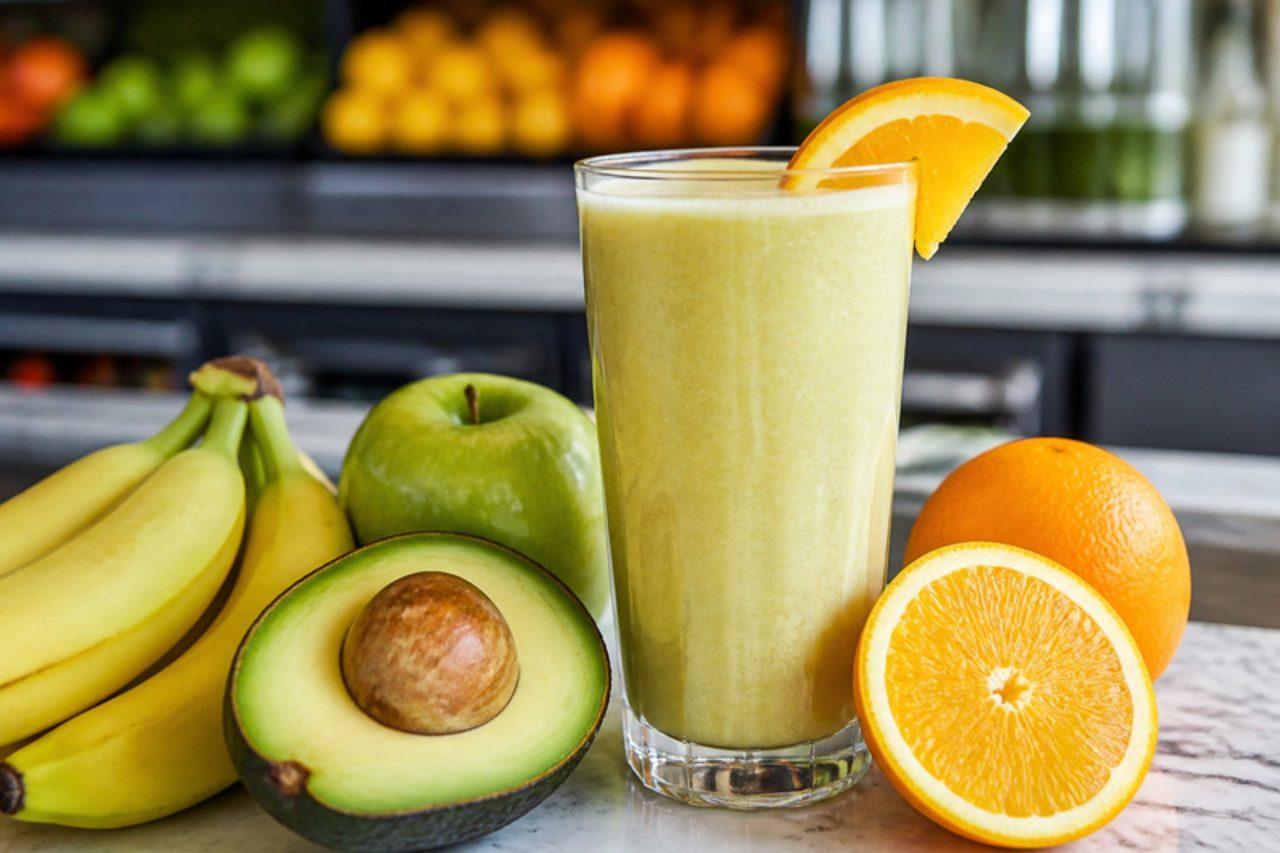
Juice bars from Tangier to Agadir list a 'panaché' on the board, which in Morocco means a thick milkshake blended from whatever mix of fruit is in season, most often banana, apple, avocado and orange, served in a tall glass and sometimes topped with chopped dried fruit and nuts. Avocado is used as a sweet fruit here, and it makes the drink extra creamy. It is a favourite after school, as a quick breakfast or after an afternoon in the medina. Make it just before drinking: the orange juice can make the milk turn slightly grainy and the avocado darkens if it stands, which is the usual mistake. Chef's tip: use a ripe, soft avocado and a banana with brown freckles for natural sweetness, so you need very little sugar.

by KrazyBadal 0 views

Fekkas (twice-baked almond biscuits)

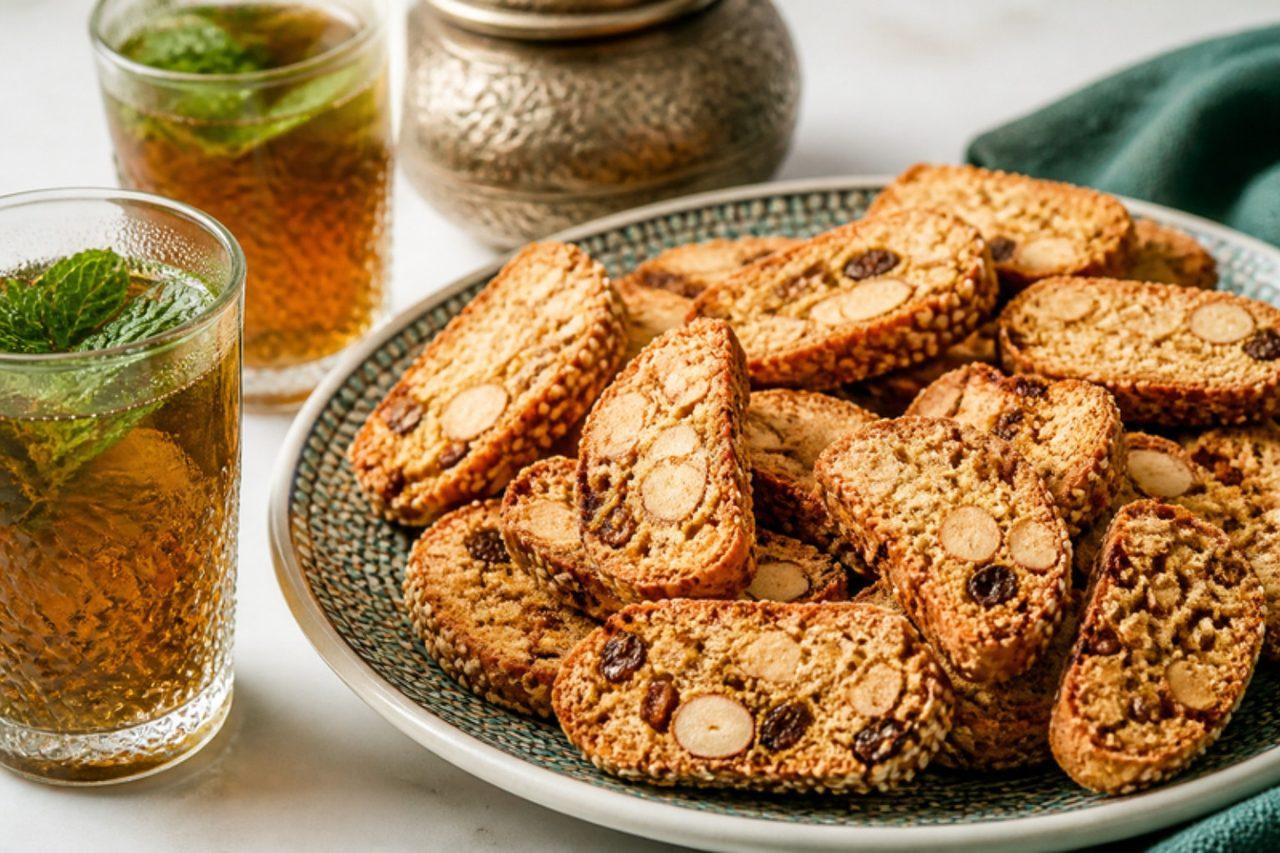
Before Eid and during Ramadan, Moroccan kitchens fill with the scent of fekkas: logs of a soft, eggy dough studded with almonds, raisins, aniseed and sesame are baked, cooled, sliced thin and baked again until dry, golden and very crunchy. They are offered to guests on trays with ghriba and other biscuits and dunked into mint tea or milky coffee, and they keep for weeks in a tin, so they are perfect to make ahead. The flavour is gently sweet, with liquorice notes from the anise and a little lemon. Avoid slicing the logs while they are still hot from the first bake; they crumble. Let them firm up first. Chef's tip: let the baked logs cool completely, ideally overnight, before slicing; warm logs crumble under the knife.

by KrazyBadal 0 views

Sfenj (Moroccan doughnut rings)

Early in the morning, in medina lanes from Fez to Casablanca, the sfenji pulls handfuls of sticky dough from a bowl, pokes a hole through each with his thumb and drops the rings into a big pan of oil, where they puff into crisp, golden, irregular doughnuts with a chewy, airy inside. Customers carry them away threaded on a strip of palm leaf, to eat hot with mint tea or coffee, plain, dusted with sugar or dipped in honey. The dough is just flour, yeast, salt and water, and deliberately very wet; that is what gives the open, holey crumb. Allow about 1 1/2 hours for it to rise. Where sfenj go wrong is a dough that is too stiff; it should be sticky and slack, or the rings come out bready instead of open and chewy. Chef's tip: keep a bowl of water beside you and wet your hands before every piece, so the sticky dough slides off your fingers instead of clinging to them.

by KrazyBadal 0 views

Showing 24 of 38 recipes

Show more recipes

Page 1 of 2