Skip to content
WhatToEat.Today

All recipes

6

Vegetarian, or something you can't eat? Set your diet once and we'll hide recipes that don't fit.

Kalluun duban (Somali grilled whole fish)

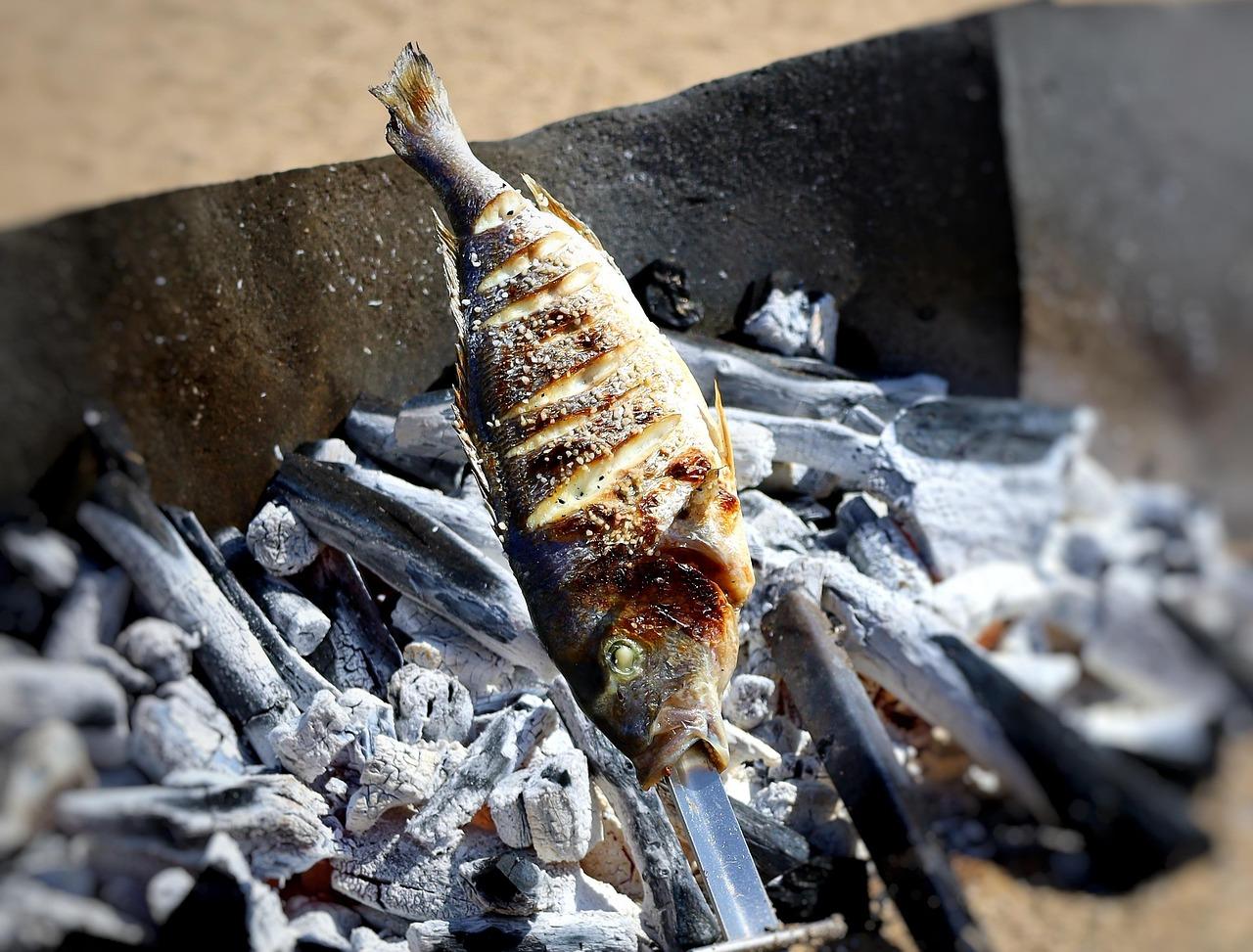
Seafront restaurants on Mogadishu's Lido beach are famous for kalluun duban, whole fish rubbed with a paste of garlic, lime, chilli and xawaash and grilled over charcoal until the skin blisters. Diners pick a fresh catch, often snapper, grouper or kingfish, and it comes to the table on a platter of spiced rice with lime, salad, banana and fiery basbaas. The flesh should be moist and smoky, tangy with lime. Marinating fish for hours in lime juice is a mistake: the acid starts to 'cook' it and the flesh turns mushy, so 20–30 minutes in the fridge is plenty. Chef's tip: slash the fish deeply down to the bone on both sides, so the marinade gets in and the thick part cooks as fast as the tail.

40 minSomaliFishGluten free
by KrazyBadal 0 views

Digaag qumbe (Somali chicken in coconut milk)

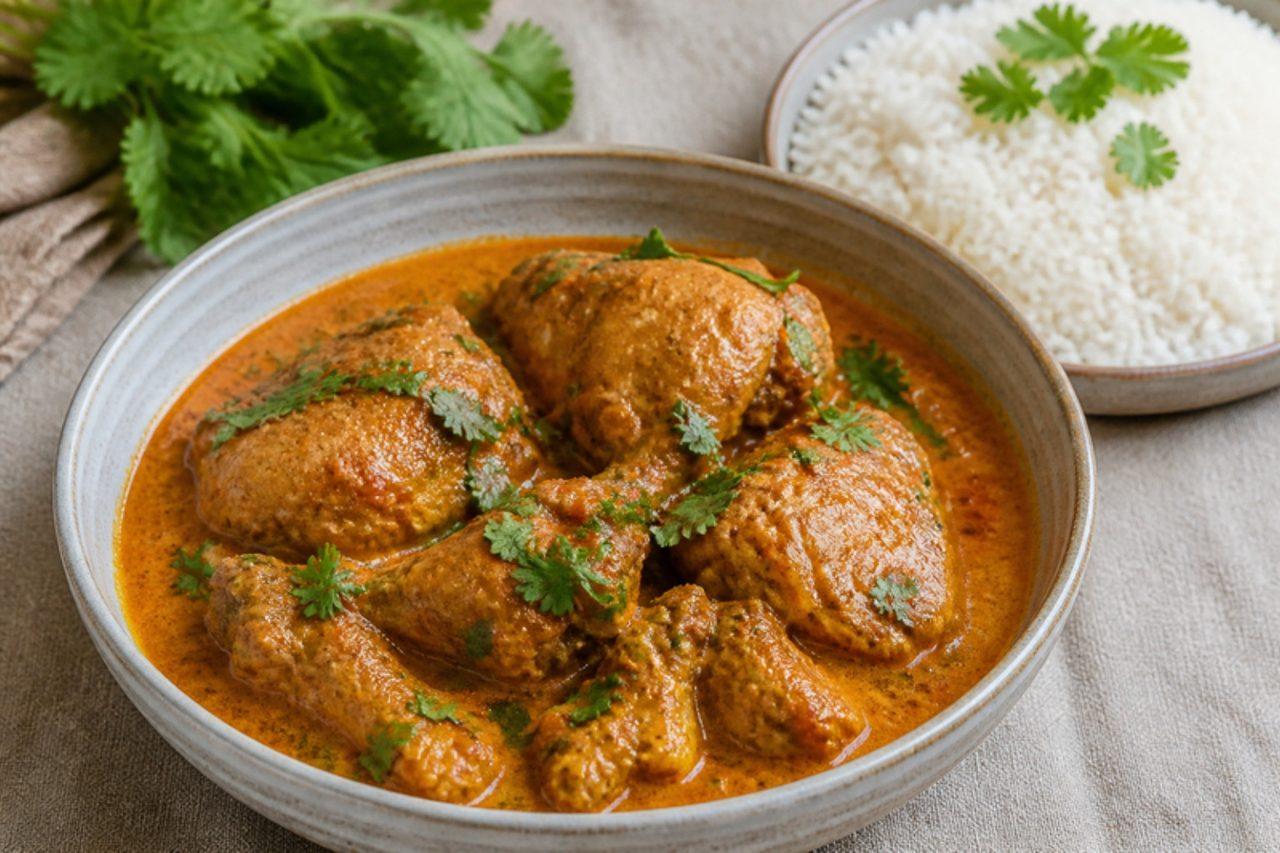
Coconut milk is the signature of the Benadir coast from Mogadishu south to Kismayo and Barawa, where the Swahili-speaking world meets Somali cooking, and digaag qumbe shows it off: chicken pieces simmered in a creamy coconut sauce with tomato, garlic, a hint of turmeric and xawaash. The sauce is mellow and gently spiced, coloured golden-orange, and generous enough to soak into rice, canjeero or sabaayad. Families make it for Friday lunch and to welcome guests. Boiling the sauce hard after the coconut milk goes in is the mistake to avoid, as it splits and turns oily; keep it at a gentle bubble. Chef's tip: brown the chicken well first, as the caramelised skin gives the mild sauce its savoury backbone.

by KrazyBadal 0 views

Doolsho (Somali cardamom sponge cake)

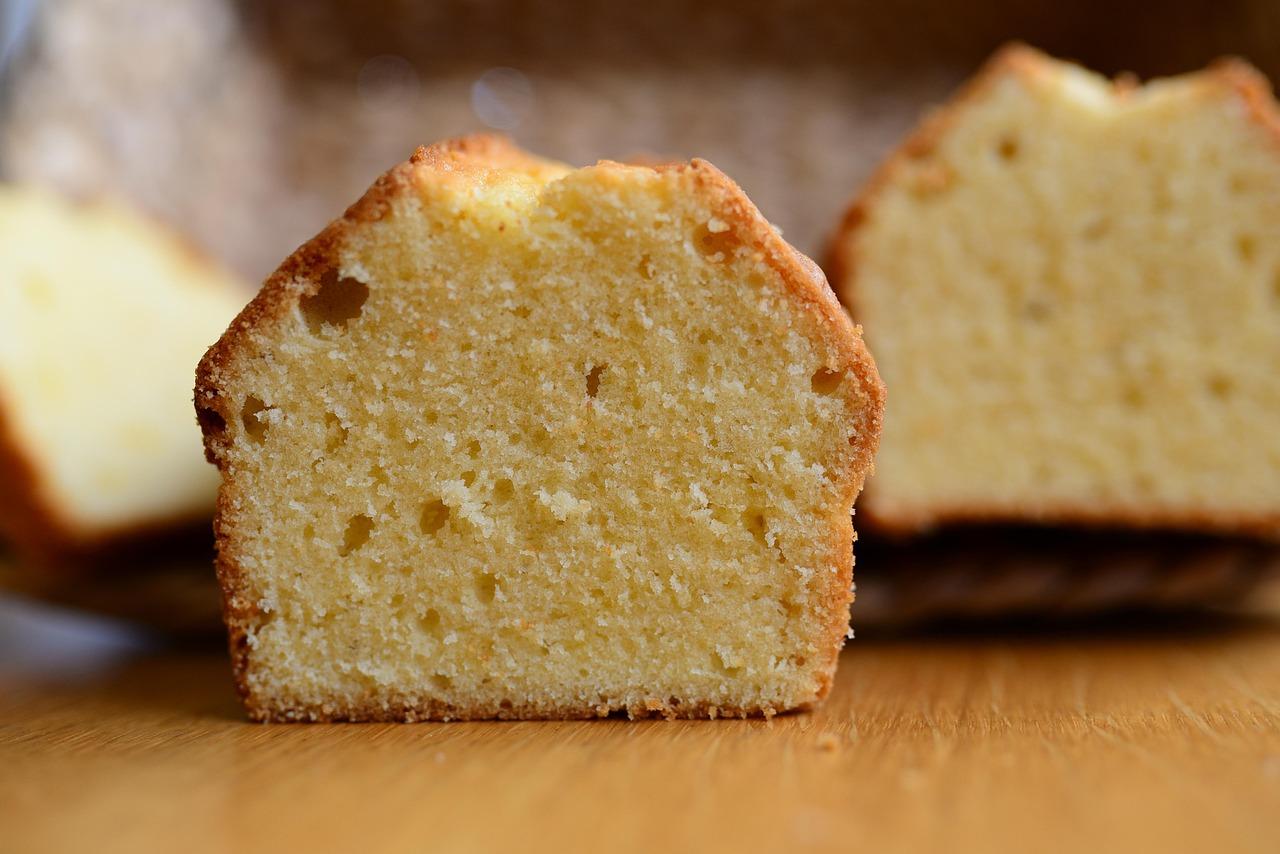
Ask a Somali host what goes with afternoon shaah and doolsho will be near the top of the list: a plain, airy sponge flavoured with cardamom and sometimes a little vanilla, baked in a tray and cut into generous squares. It turns up at Eid visits, weddings and family get-togethers, and is just as welcome at breakfast. The crumb should be fine and springy, never dense, which comes from whisking the eggs and sugar for a long time. Knocking the air out when the flour goes in is the mistake that ruins it; fold gently with a large spoon, in three goes, and stop as soon as no dry flour shows. Chef's tip: use eggs at room temperature; cold eggs never whip to the thick, pale ribbon that holds the cake up.

by KrazyBadal 0 views

Soor (Somali maize porridge with butter and milk)

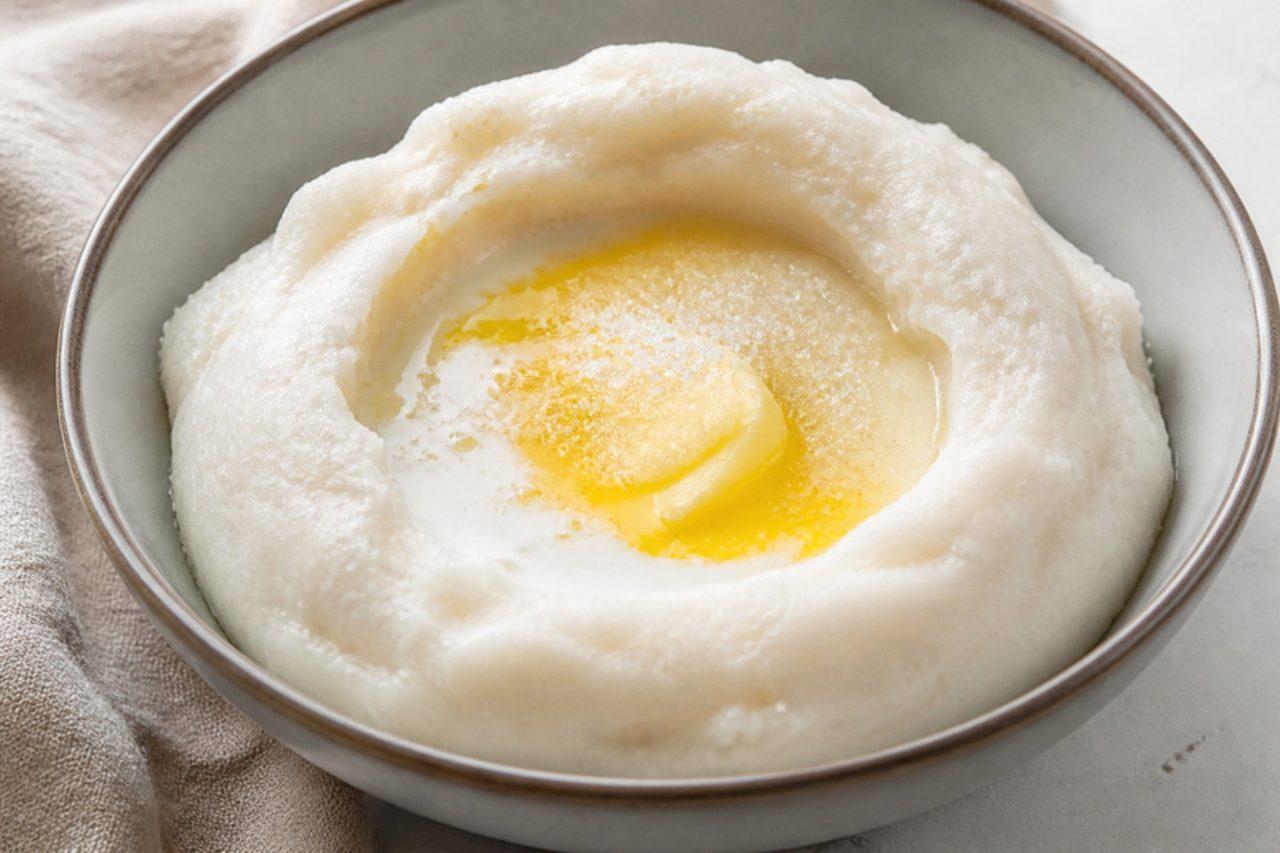
Herding families in Somaliland and the countryside around Hargeisa have long relied on soor, a thick porridge of maize meal stirred until it holds its shape on a plate. It is shaped into a mound, a well is pressed into the centre and filled with melted butter or ghee, then warm milk and a little sugar are poured round the edge; on other days the well is filled with a meat sauce instead. You eat it with your right hand or a spoon, scooping porridge through the butter. The result is mild, sweet and very filling. Lumps are the usual complaint, and they come from tipping the meal in all at once; mix part of it with cold water first, then rain the rest in while stirring. The usual mistake is adding the maize meal too fast, so it goes lumpy; whisk constantly as you pour. Chef's tip: cover the pan and let the porridge steam for 5 minutes at the end to cook out any raw taste.

by KrazyBadal 0 views

Maraq digaagChicken and vegetable stew

Maraq digaag is the gentle chicken stew Somali mothers make on ordinary weekdays, and the one people ask for when they are unwell: chicken simmered with potato, carrot, tomato and green pepper in a light broth fragrant with xawaash and garlic. It is served with rice, canjeero or bread for dipping. The mistake is boiling it hard, which makes the chicken stringy; keep it at a lazy simmer. Chef's tip: stir in chopped coriander and a little lemon at the end to lift the broth.

by KrazyBadal 0 views

XawaashSomali spice blend

Xawaash (pronounced 'ha-wash') is the spice mix every Somali kitchen keeps in a jar, used in rice, soups, stews, sambuusa fillings and even tea. Families toast and grind their own, often in quantity before Ramadan, and the balance of warm cumin, earthy coriander and sweet cardamom and cinnamon varies from house to house. It is different from Yemeni hawaij and Ethiopian berbere: there is no chilli in it. Chef's tip: toast each spice only until it darkens a shade and smells warm; burnt cumin turns the whole jar bitter.

by KrazyBadal 0 views