Skip to content
WhatToEat.Today

All recipes

21

Vegetarian, or something you can't eat? Set your diet once and we'll hide recipes that don't fit.

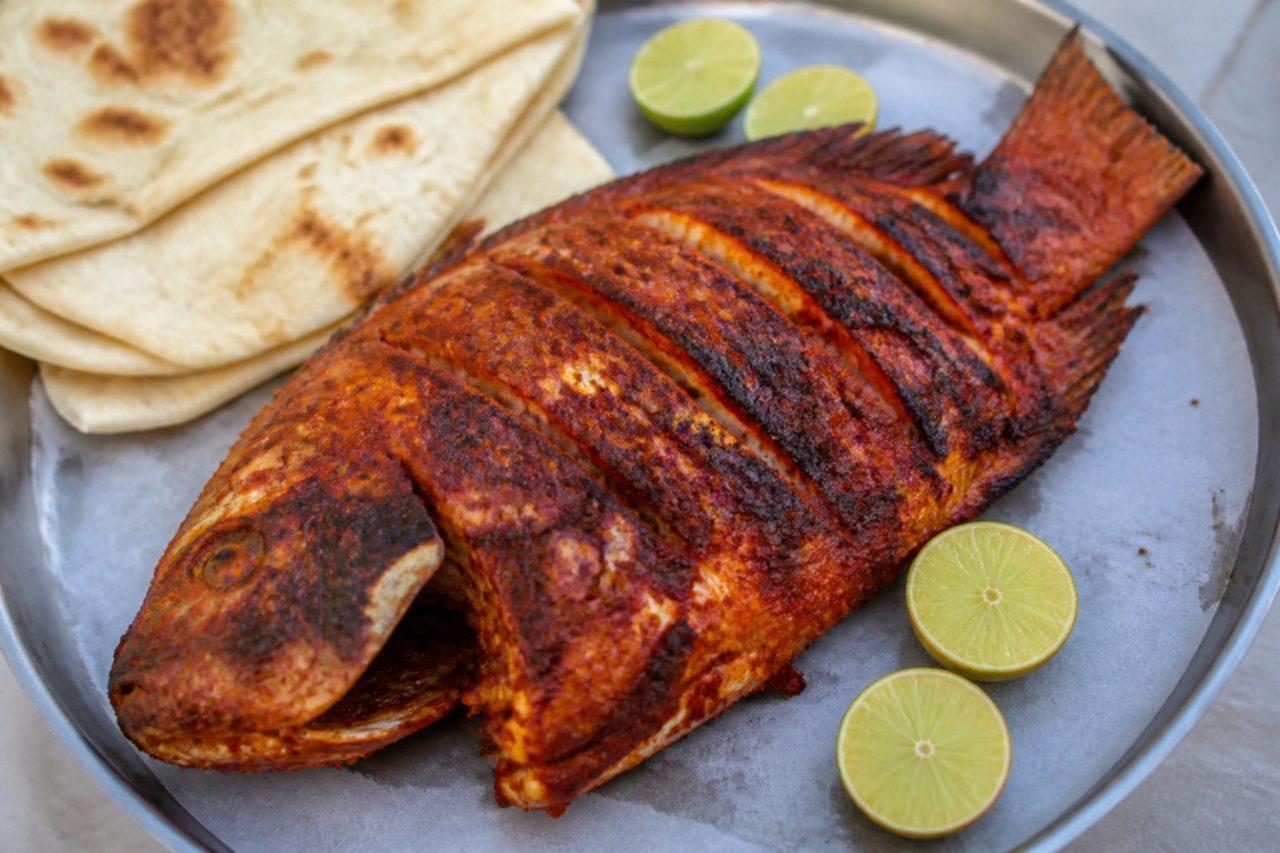
Zubaidi mashwiGrilled pomfret

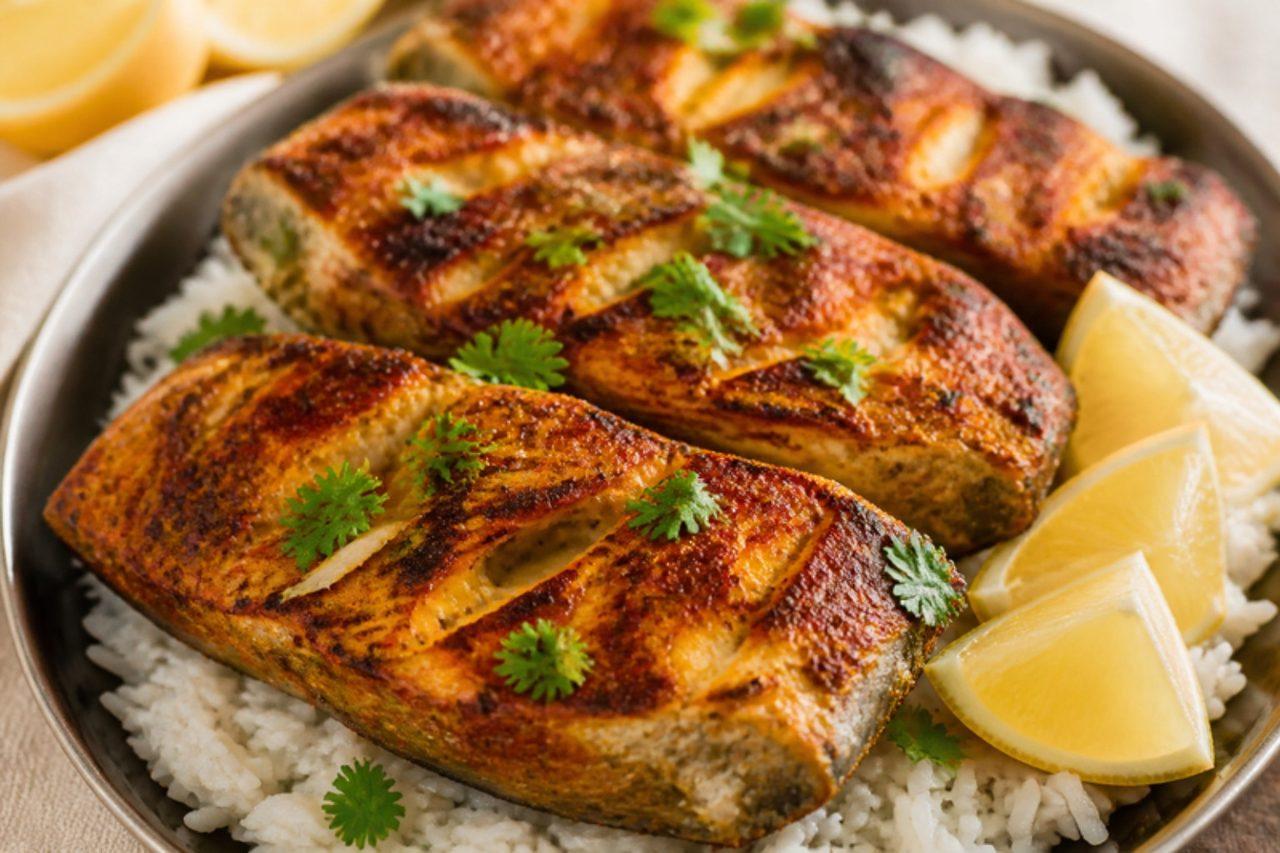
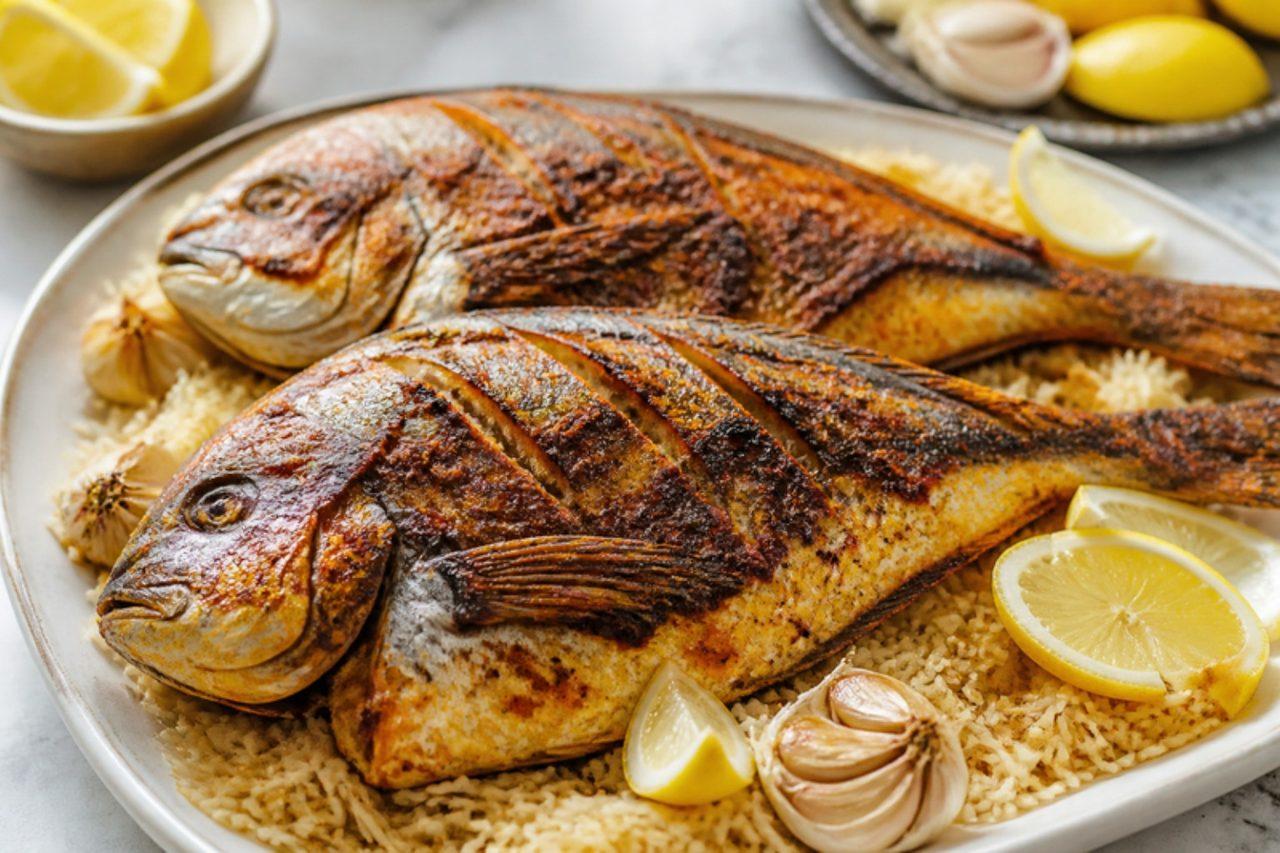
Ask anyone in Kuwait for the national fish and they will say zubaidi, the silver pomfret, which is at its best from late summer and fills the grills of seaside restaurants in Salmiya. It is cooked whole, slashed and rubbed with turmeric, garlic, chilli and lemon, so the skin crisps and the fine, sweet flesh stays moist. Serve it with white rice, daqqus and lemon wedges. The common mistake is grilling it on a cooler heat for too long: pomfret is thin and dries out quickly. Chef's tip: cut slashes right down to the bone so the marinade seasons the fish all the way through and the thick part cooks as fast as the edges.

by KrazyBadal 0 views
QishrSpiced coffee husk drink

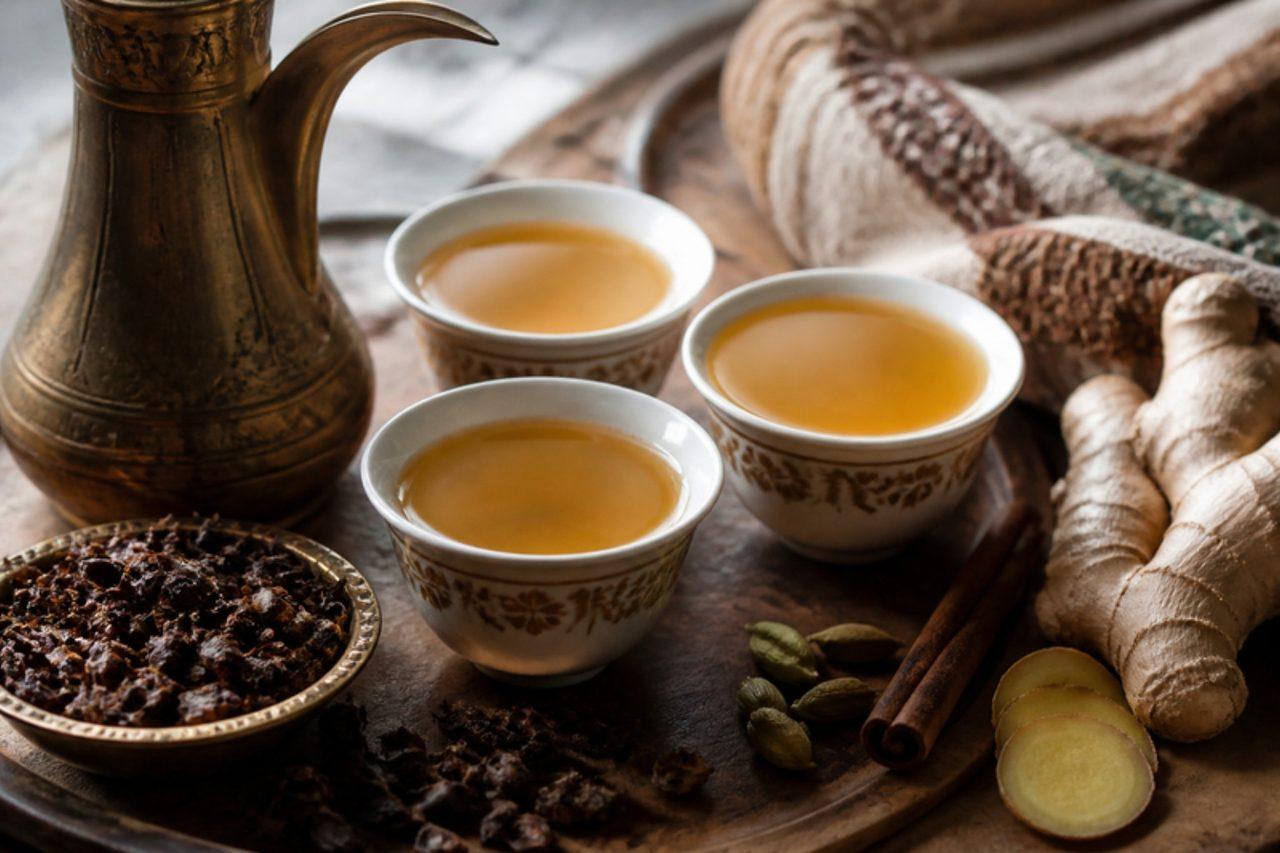
In the highlands around Sana'a and in the coffee towns of Yemen, qishr is the everyday hot drink, brewed from the dried husks of the coffee cherry rather than the bean, with ginger and often cinnamon or cardamom. It is lighter and sweeter than coffee, amber in colour, with a fruity, tea-like taste and a warming bite of ginger, and it is poured all day for guests, after meals and during long afternoon visits. Serve it hot in small glasses or cups, with dates or bint al sahn. Boiling it for too long makes it bitter, so let it simmer briefly and then steep. Chef's tip: grate fresh ginger straight into the pot; it gives a brighter heat than the dried powder.

by KrazyBadal 0 views
Frankincense water

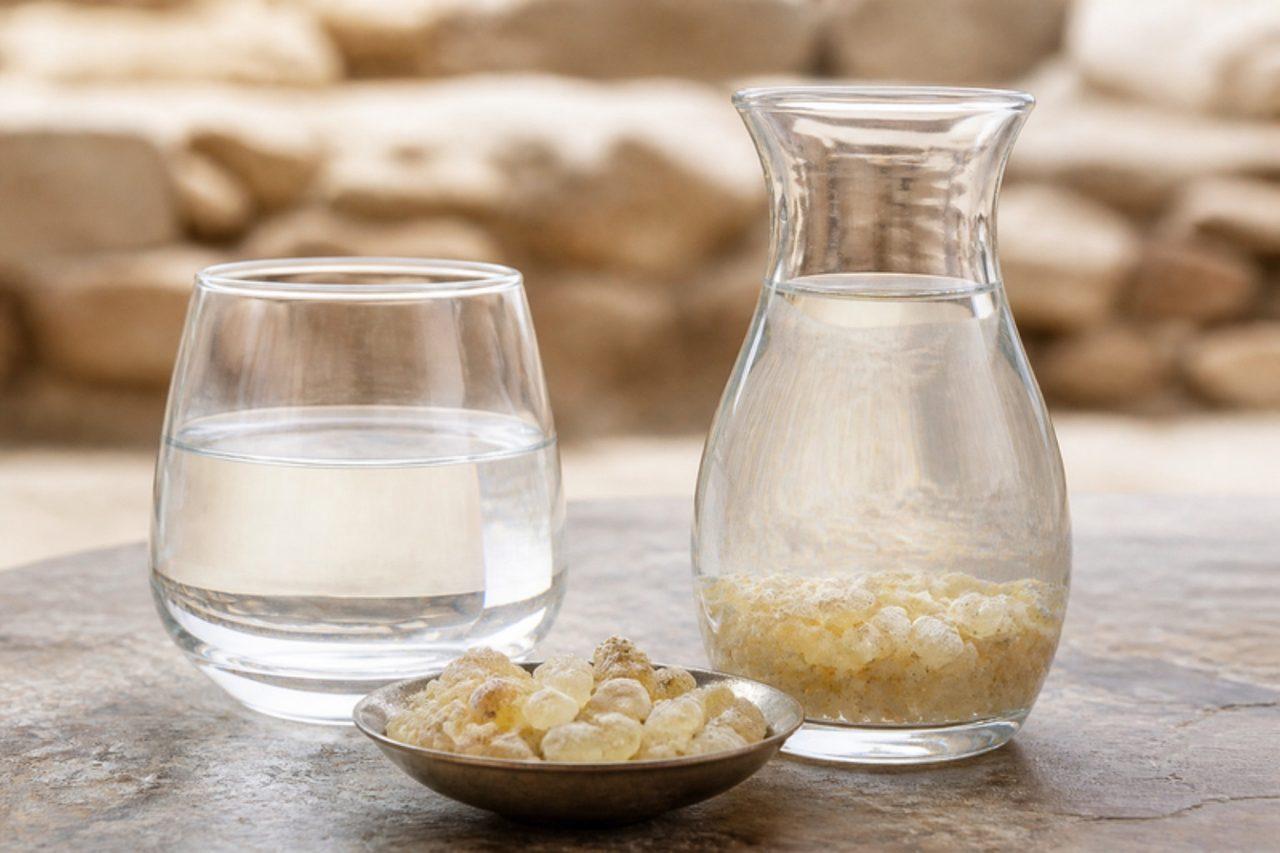
Around Salalah in Oman's Dhofar region, where the frankincense trees grow on the dry hills behind the coast, many households drop a few tears of resin into a jug of water at night and sip it the next day, believing it settles the stomach. The water turns faintly milky and tastes cool, piney and slightly bitter. It is drunk at room temperature, in small glasses, often in the morning. Use only food-grade Boswellia sacra resin sold for eating (the pale hojari grade is best), never incense blends, and do not drink it if you are pregnant or breastfeeding, or without asking a doctor if you take regular medication. The mistake is using too much resin, which makes it unpleasantly bitter. Chef's tip: rinse the tears in a sieve first to wash off dust and resin powder, and the water will be clearer and gentler.

by KrazyBadal 0 views
BezarSpice blend

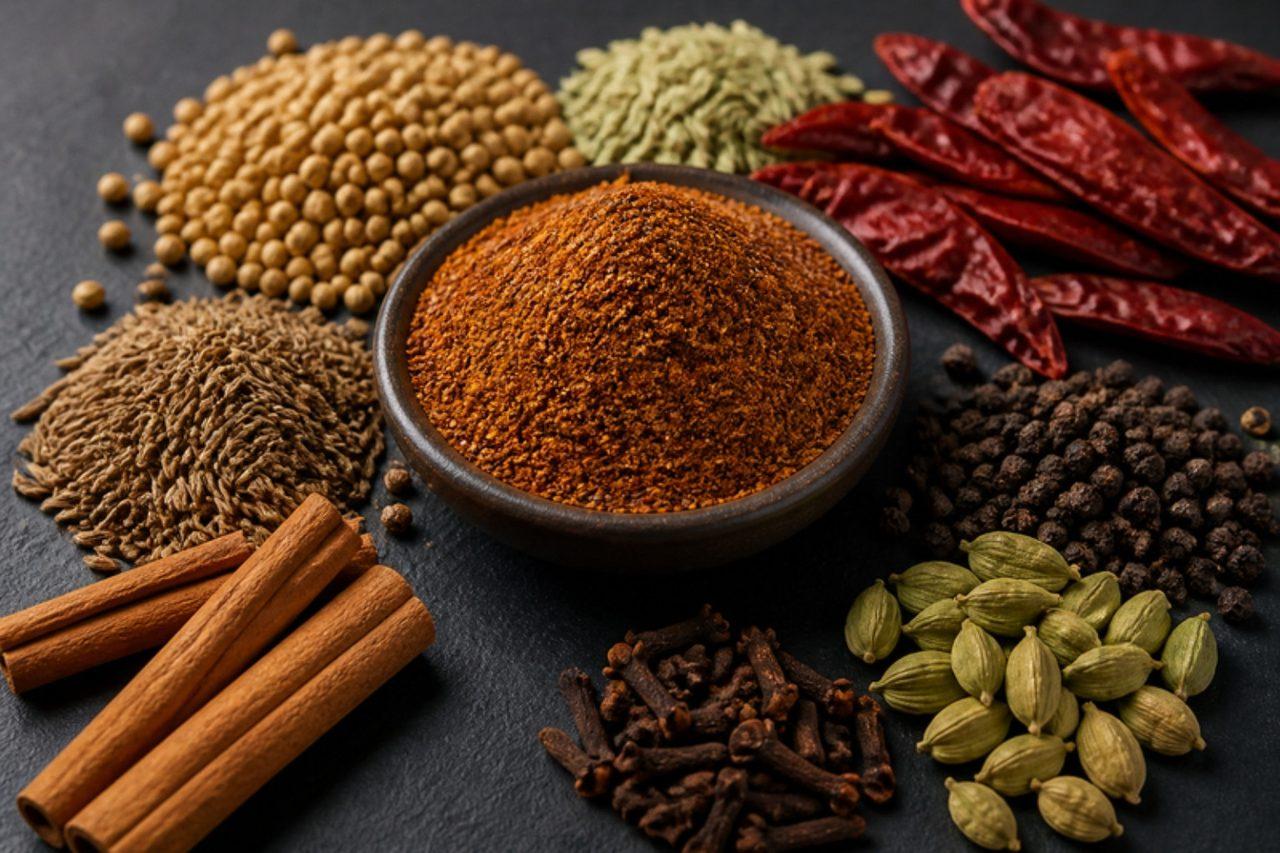
Every Emirati kitchen keeps a jar of bezar, and many families in Dubai and Al Ain still roast and grind their own each winter to last the year. It is the warm, earthy backbone of machboos, saloona, harees and grilled fish, built mainly on coriander and cumin with fennel, a little chilli heat, cinnamon and plenty of turmeric for colour. Toasting the whole spices first gives it a deeper, nuttier taste than any ready-mixed powder. The common slip is toasting everything together on a high heat, so the small seeds burn while the coriander is still raw. Chef's tip: stir the turmeric and ground ginger in after grinding, never into the hot pan, or they turn bitter.

by KrazyBadal 0 views
ChamiFresh curd cheese

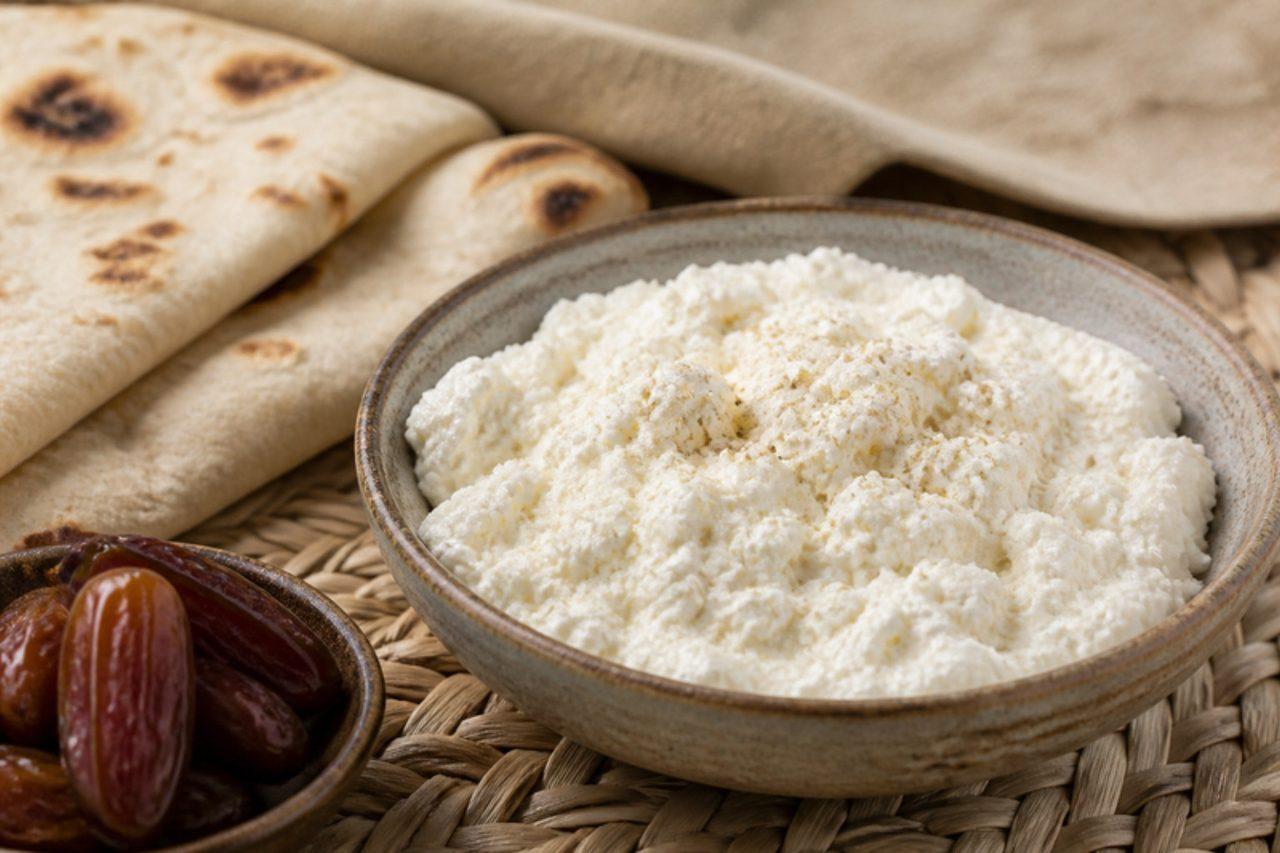
Chami was once made in Emirati desert and coastal homes from the laban left after churning butter, heated until it split into soft, tangy curds. It is still the cheese of a traditional UAE breakfast, spooned next to chebab, dates and a cup of sweet tea, and it tastes like a mild, slightly sour cottage cheese with a crumbly-creamy texture. Because the curds form from the natural acidity of the cultured milk and gentle heat, no rennet is used, so it suits vegetarians. Boiling it hard is the mistake to avoid: the curds turn rubbery and squeaky instead of soft. Chef's tip: stir in a pinch of turmeric or cardamom at the end, as some families do, for a golden colour and a faint perfume.

by KrazyBadal 0 views

DibsDate syrup

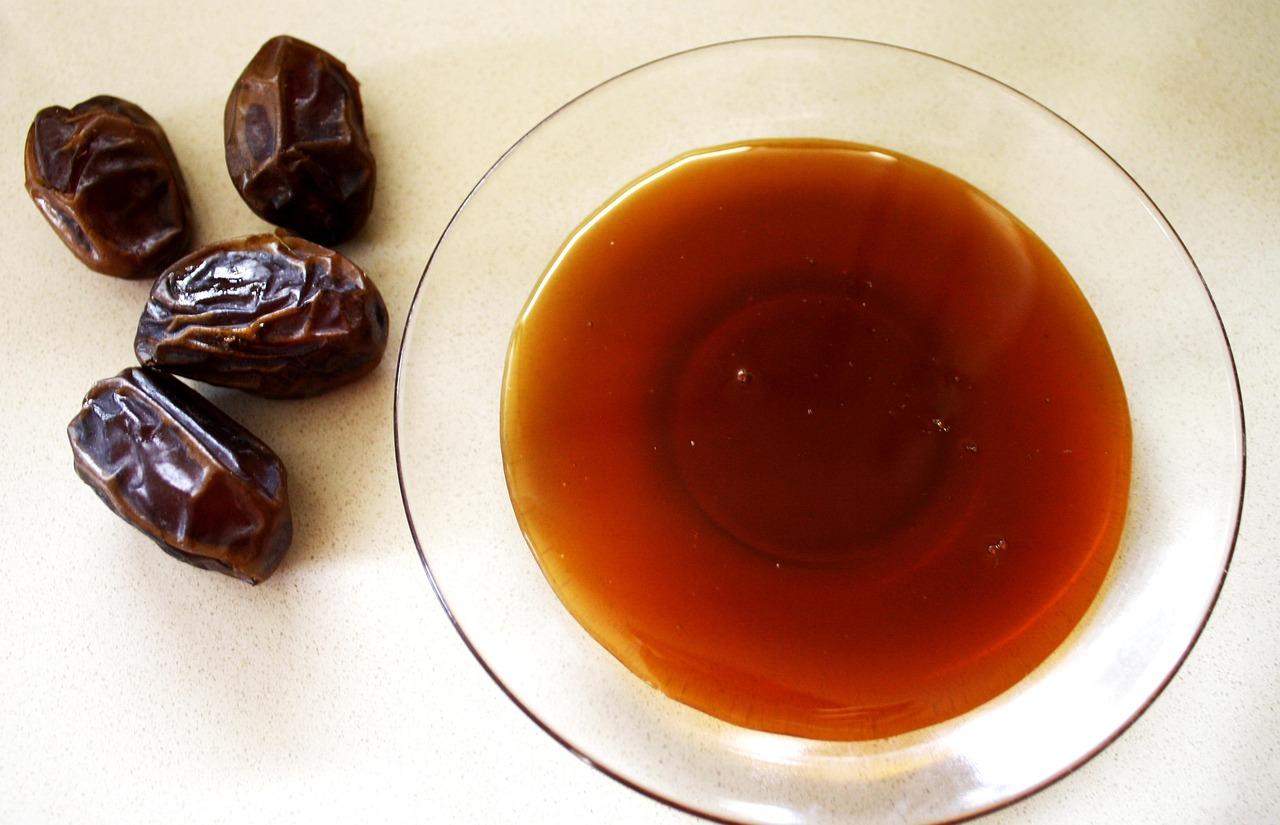
Across the Gulf, from the date gardens of Al-Ahsa to the oases of Oman and the UAE, dibs is the dark, glossy syrup pressed and boiled from ripe dates, and it was the region's sweetener long before sugar was common. It tastes of toffee and dried fruit with a faint bitterness, and families pour it over chebab and khameer, mix it with tahini for dipping bread, and use it in sweets like luqaimat. Making it at home takes time but little effort, and a kilo of dates gives a jar that lasts for months in the fridge. The mistake is boiling the strained juice too hard at the end: it scorches and turns bitter. Chef's tip: squeeze the date pulp in the cloth when it is still warm; you get far more juice than from cold pulp.

by KrazyBadal 0 views

Haleeb zanjabeelGinger and cardamom milk

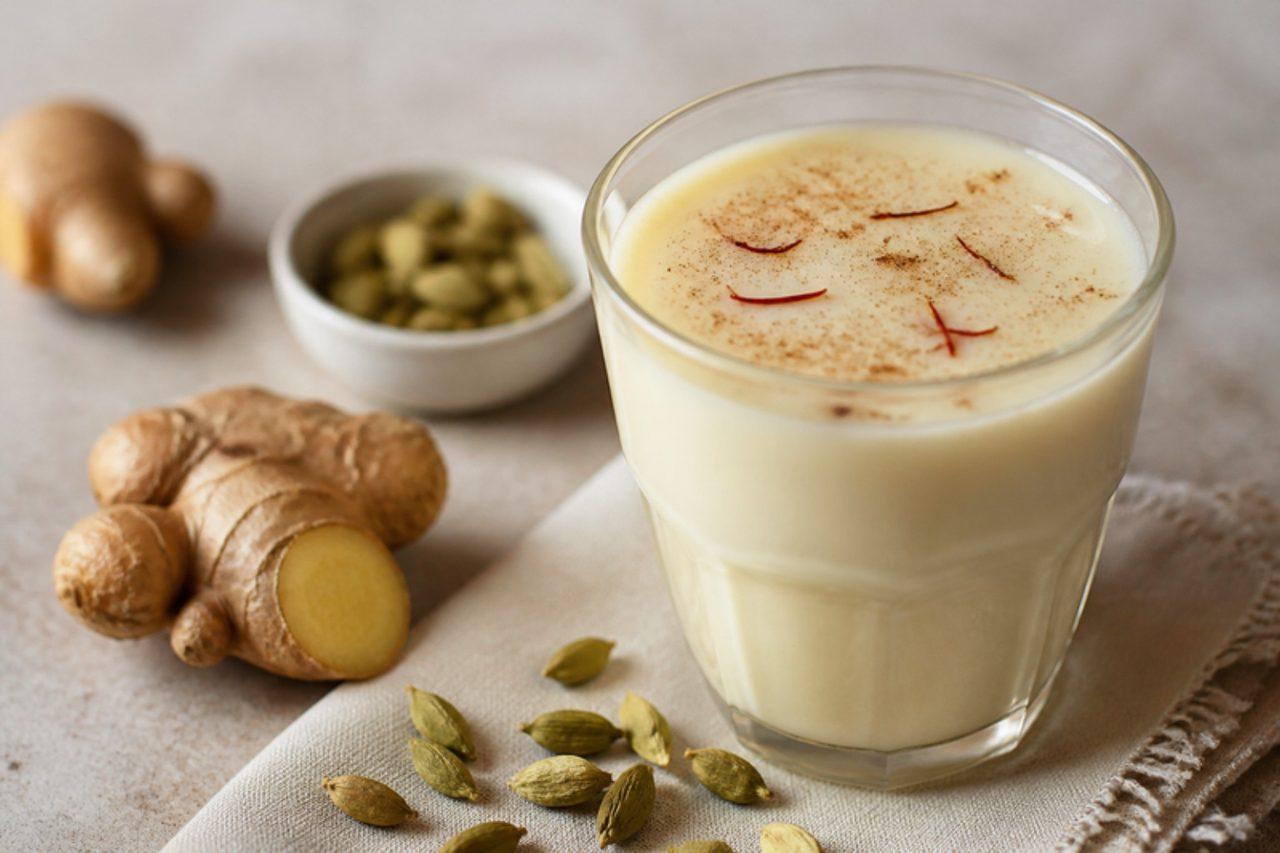
When the short Gulf winter brings chilly evenings to Riyadh, Kuwait and the desert camps, families pour cups of haleeb zanjabeel, hot milk steeped with fresh ginger, cardamom and a few threads of saffron. It is offered to guests in the majlis, given to anyone with a cold, and sipped at breakfast or late at night. It tastes warming and gently spicy, creamy and pale gold. The commonly made mistake is boiling the ginger hard in the milk for too long, which can curdle it and makes it harsh; steep it gently instead. Sweeten with sugar or honey to taste. Chef's tip: simmer the ginger and cardamom in a splash of water first, then add the milk; you get more flavour and less risk of splitting.

by KrazyBadal 0 views
Hamour mashwiGrilled grouper

Along the Corniche in Dammam and in the fish markets of Qatif on Saudi Arabia's Gulf coast, hamour is the fish everyone asks for, and on weekend evenings families grill it over charcoal on the beach. The thick white fillets are rubbed with turmeric, garlic, ground dried lime and red chilli, which gives a sour, smoky edge to the sweet, flaky flesh. Serve it with mashkool rice, a lemony salad and daqqus. The common mistake is turning the fish too early, before the crust has set, so it sticks and tears. Chef's tip: oil the fish, not the grill, and leave it alone until it lifts away by itself.

by KrazyBadal 0 views
JasheedFried minced fish with rice

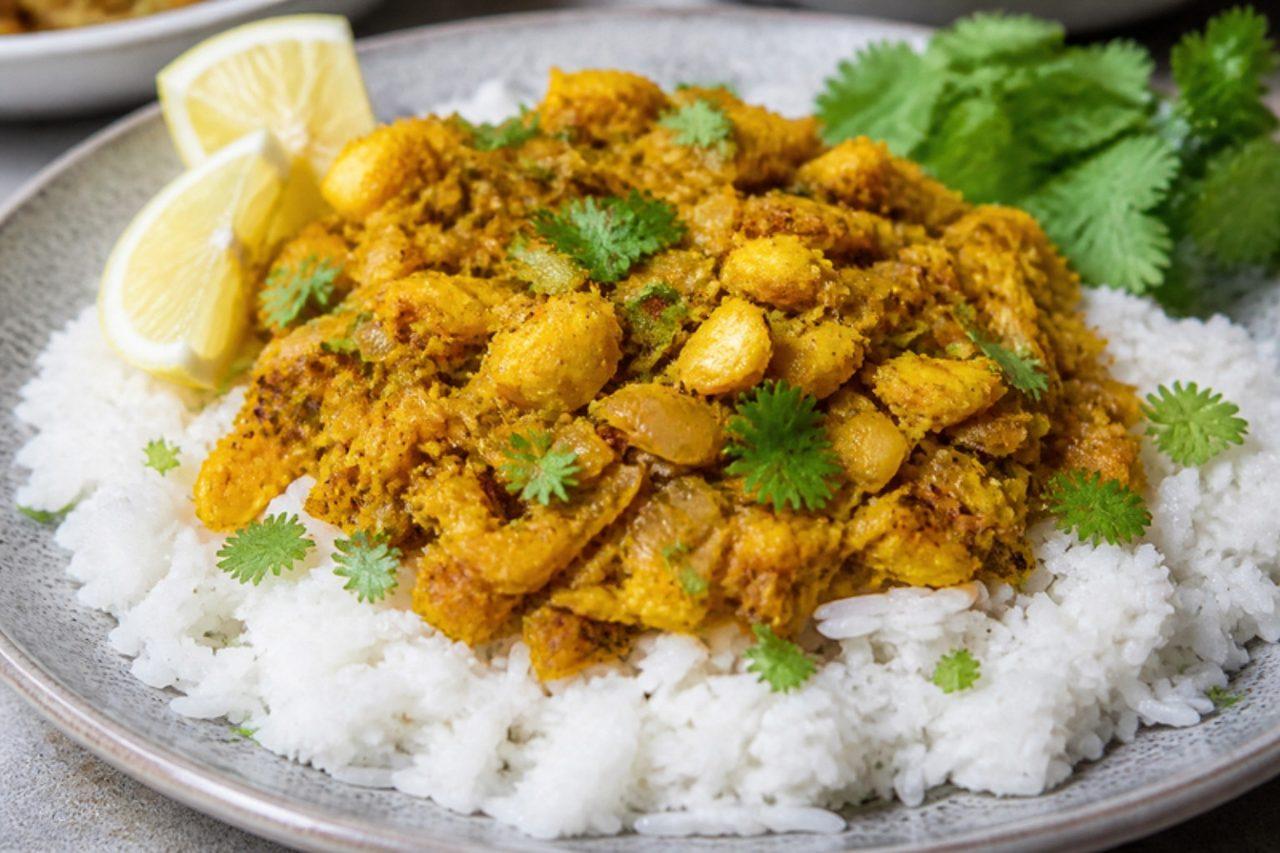
Jasheed comes from the coastal kitchens of the United Arab Emirates and Bahrain, where baby shark caught in the shallows was boiled, shredded and fried with heaps of onion and spice, then piled over white rice for lunch. It is dry, fragrant and savoury, a little like a fish keema, with sweet onion and a warmth of turmeric and bezar. At home any firm white fish such as hamour, cod or haddock works perfectly; use shark only where it is legal and sustainably caught. The mistake people make is skipping the squeeze-dry after poaching, so the mixture stews instead of frying. Chef's tip: take your time over the onions, they should be soft and amber before the fish goes in, because they carry the sweetness of the dish.

by KrazyBadal 0 views

Loomi teaDried black lime tea

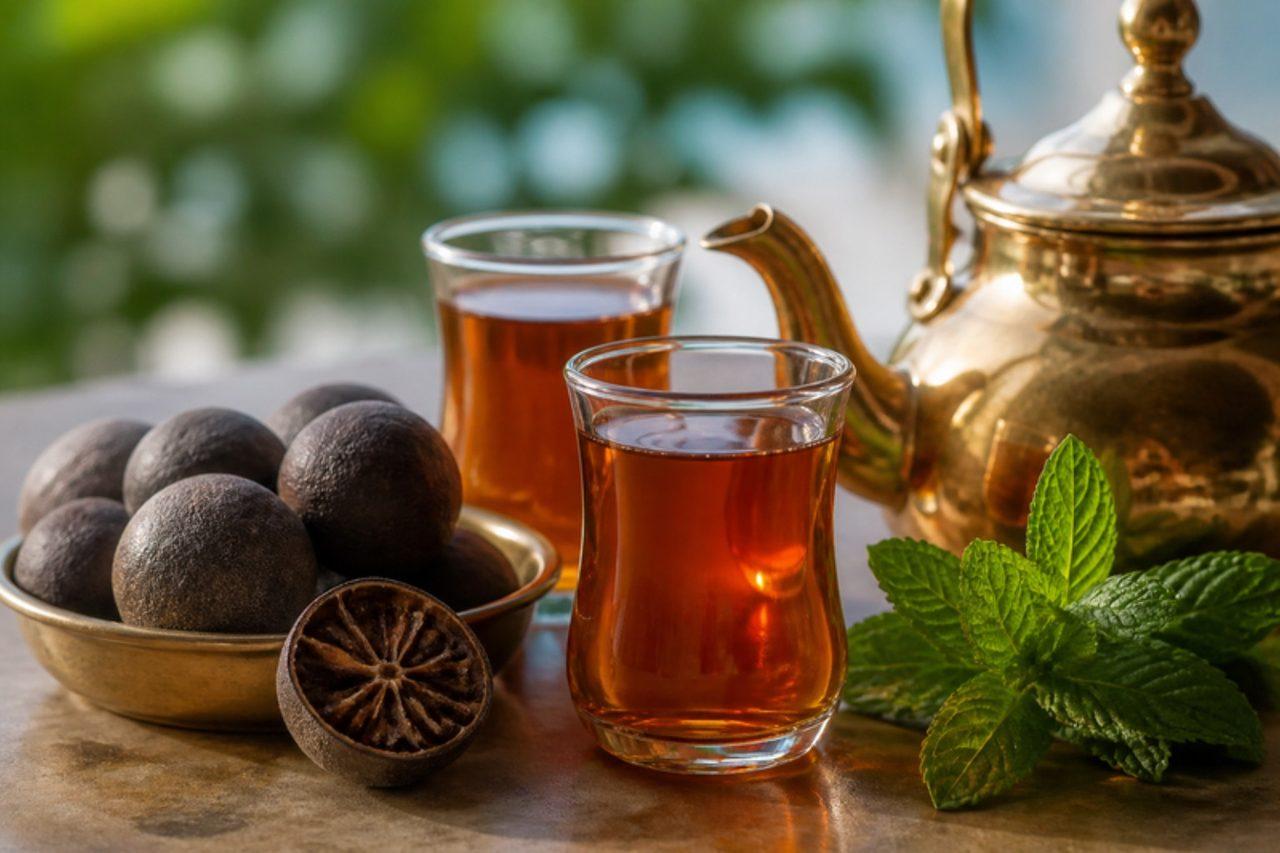
Dried limes, loomi, are everywhere in the Gulf kitchen, from Bahraini machboos to Kuwaiti stews, and on cold days or after a heavy meal they are also cracked open and steeped into shai loomi, a tart, smoky, amber tea. In Saudi Arabia, Kuwait and Bahrain it is drunk hot and sweet in small glasses, and it is many families' remedy for an upset stomach. The flavour is sour and a little bitter, like a cross between lemon tea and something faintly smoked. A common mistake is steeping the whole limes uncracked, which gives a weak, watery tea; break them open first. Strain well, as the seeds are very bitter if chewed. Chef's tip: use the darker limes for a deeper, earthier tea and the pale ones for a sharper, brighter cup.

by KrazyBadal 0 views

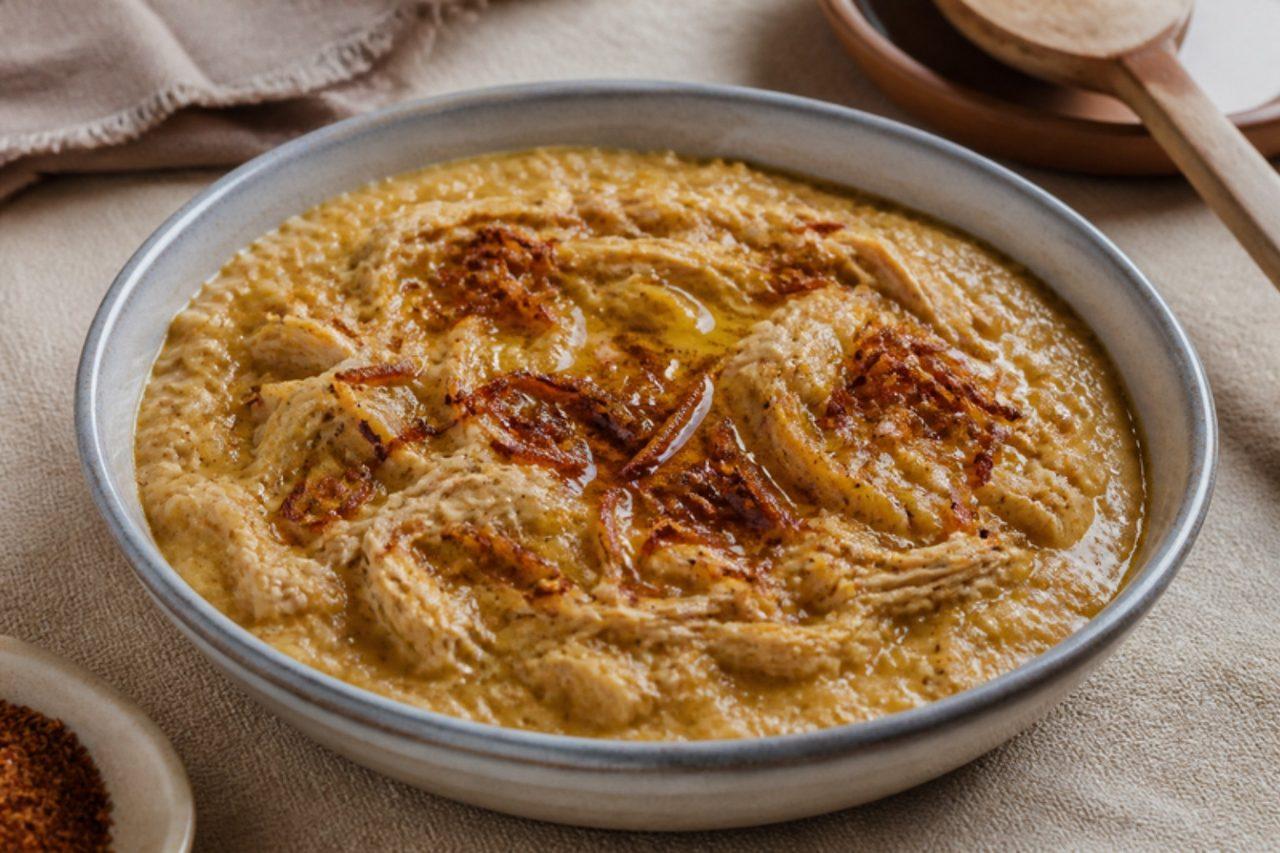
MadroubaChicken and rice porridge

Madrouba means 'beaten', and in Doha and across Qatar and Oman it is a Ramadan favourite, cooked in big pots and beaten with a wooden spoon until the rice and chicken become one creamy porridge. It is soft and savoury, warmed by cumin, cardamom and black lime, and finished with a pool of ghee and sometimes crisp fried onion. Families eat it at iftar after dates and soup, or on cold evenings. The mistake is adding all the water at the start and walking away: the rice needs stirring so it breaks down evenly without catching. Chef's tip: use a whisk or a sturdy wooden spoon in the last 15 minutes and beat hard; the texture should be smooth with only tiny threads of chicken.

by KrazyBadal 0 views

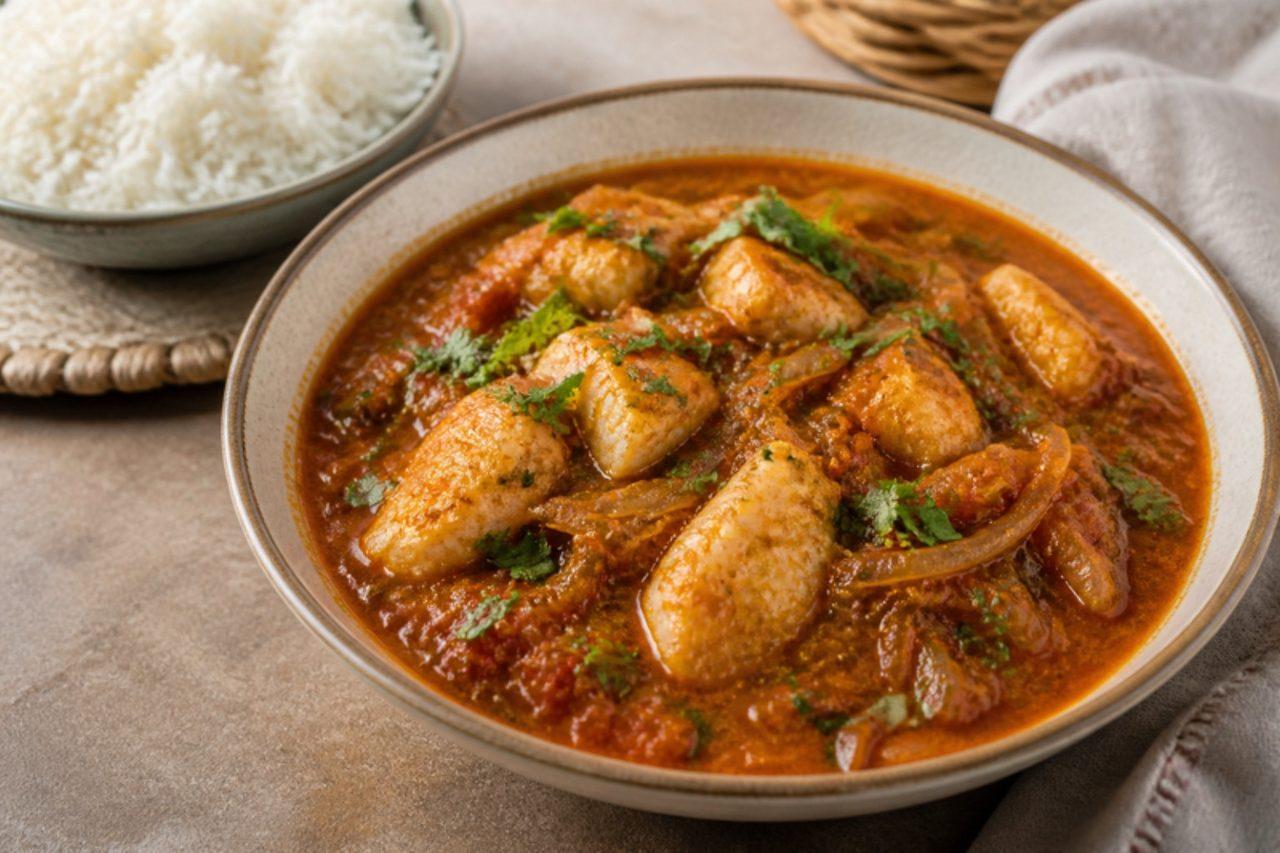
MalehSalted fish stew

Before refrigeration, fishermen in Ras Al Khaimah and along the coast of the United Arab Emirates packed their surplus catch in salt for weeks, and maleh is still cooked in Emirati homes, especially in winter, with rice and fresh lime. The stew is sharp and deeply savoury, the firm salted fish flaking into a thick onion and tomato gravy warmed with bezar. This home version salts fresh fish in the fridge for 2–3 days, which gives the same firm, briny bite without the long cure; ready-cured maleh from a Gulf grocer is soaked and used in the same way. The mistake people make is forgetting to soak the fish, which leaves the dish too salty to eat. Chef's tip: taste a flake after soaking; it should be pleasantly salty, like an olive, before it goes into the pot.

by KrazyBadal 0 views

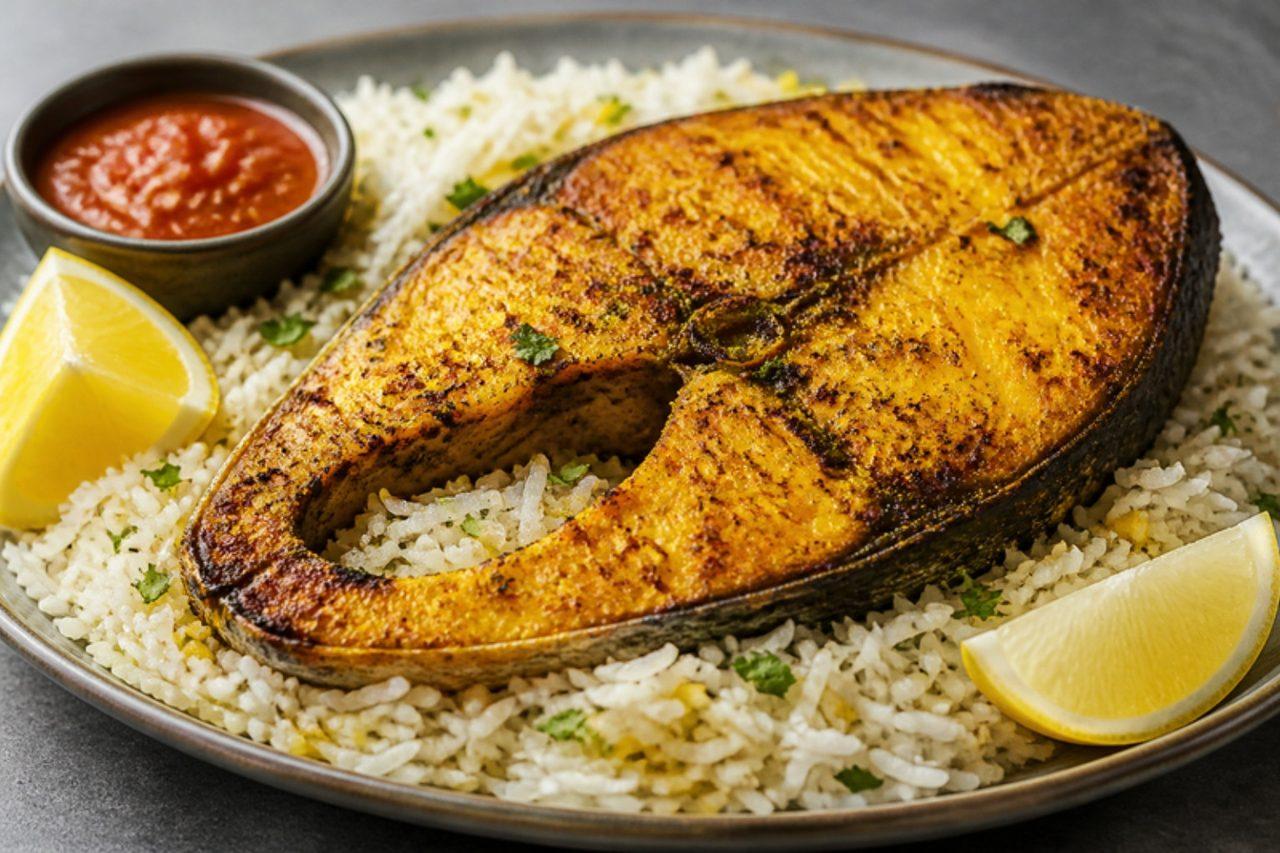
MashuaiRoast kingfish with lemon rice

In Muscat, mashuai is the fish dish families share at weekend lunch and festival meals: kingfish, the Gulf's beloved kanad, roasted on a spit or in the oven until crisp, then served over lemony rice with a sharp tomato and lime sauce. Fishermen in Muttrah once cooked the whole fish over driftwood fires on the beach. The flesh is firm and meaty, the spice rub smoky and sour. A whole fish looks wonderful, but thick kingfish steaks are easier at home. The common mistake is roasting kingfish too long; it is lean and turns dry once it is past just-flaking. Chef's tip: baste once with the marinade juices halfway, which keeps the surface glossy and stops it drying.

by KrazyBadal 0 views

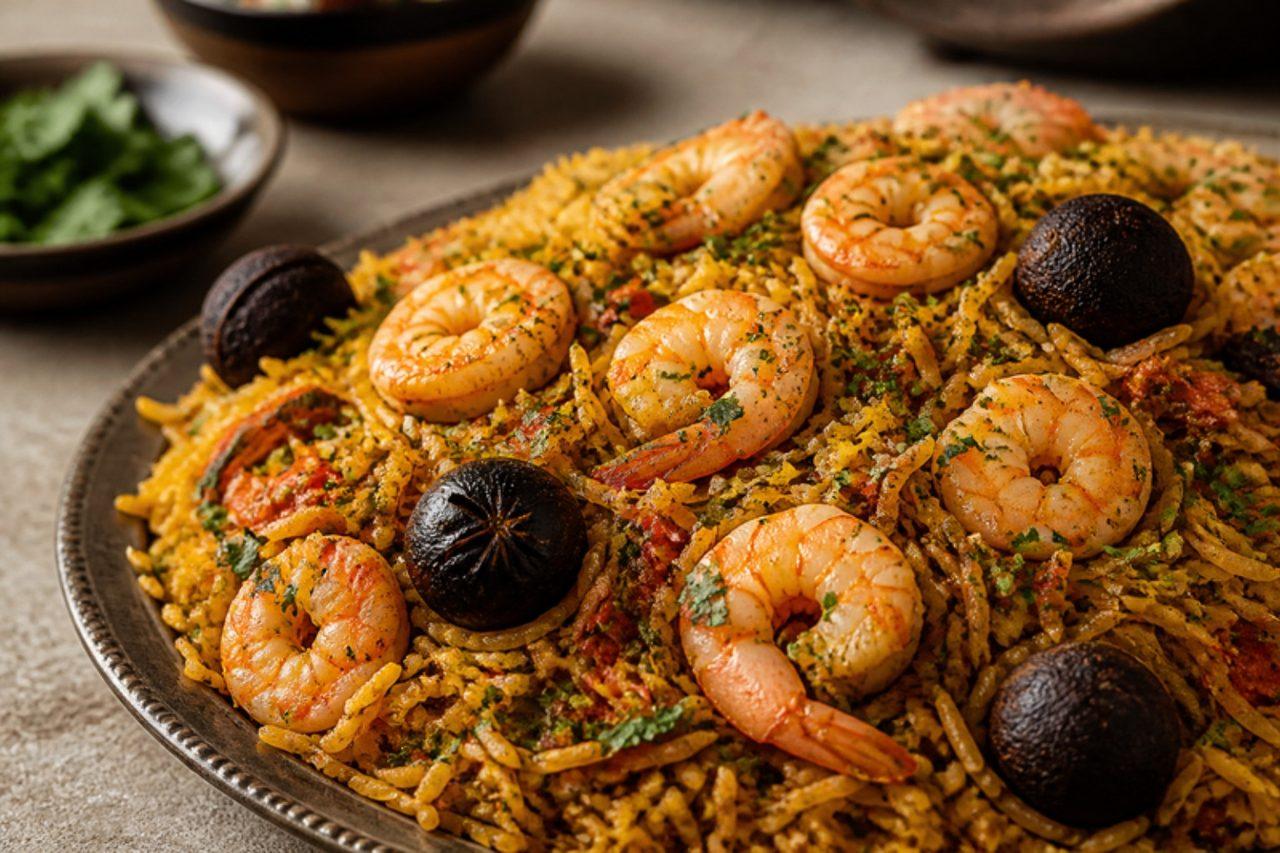
MurabyanShrimp rice

Kuwait has long been known for its Gulf shrimp, and in Kuwaiti homes murabyan is the rice dish made when the season's catch is sweet and plentiful, usually from autumn into winter. Shrimp are fried briefly with onion, dried lime and baharat, then the rice is cooked in the same pot so it soaks up their colour and flavour. It tastes warm, slightly sour and gently sweet, with bites of tender shrimp through orange-tinted grains. Serve with daqqus and a green salad. The common mistake is cooking the shrimp for the whole time with the rice, so they turn rubbery; take them out and return them at the end. Chef's tip: use the shells to make a quick stock for the rice, it doubles the shrimp flavour.

by KrazyBadal 0 views

Mutabbaq samakSpiced fried fish on rice

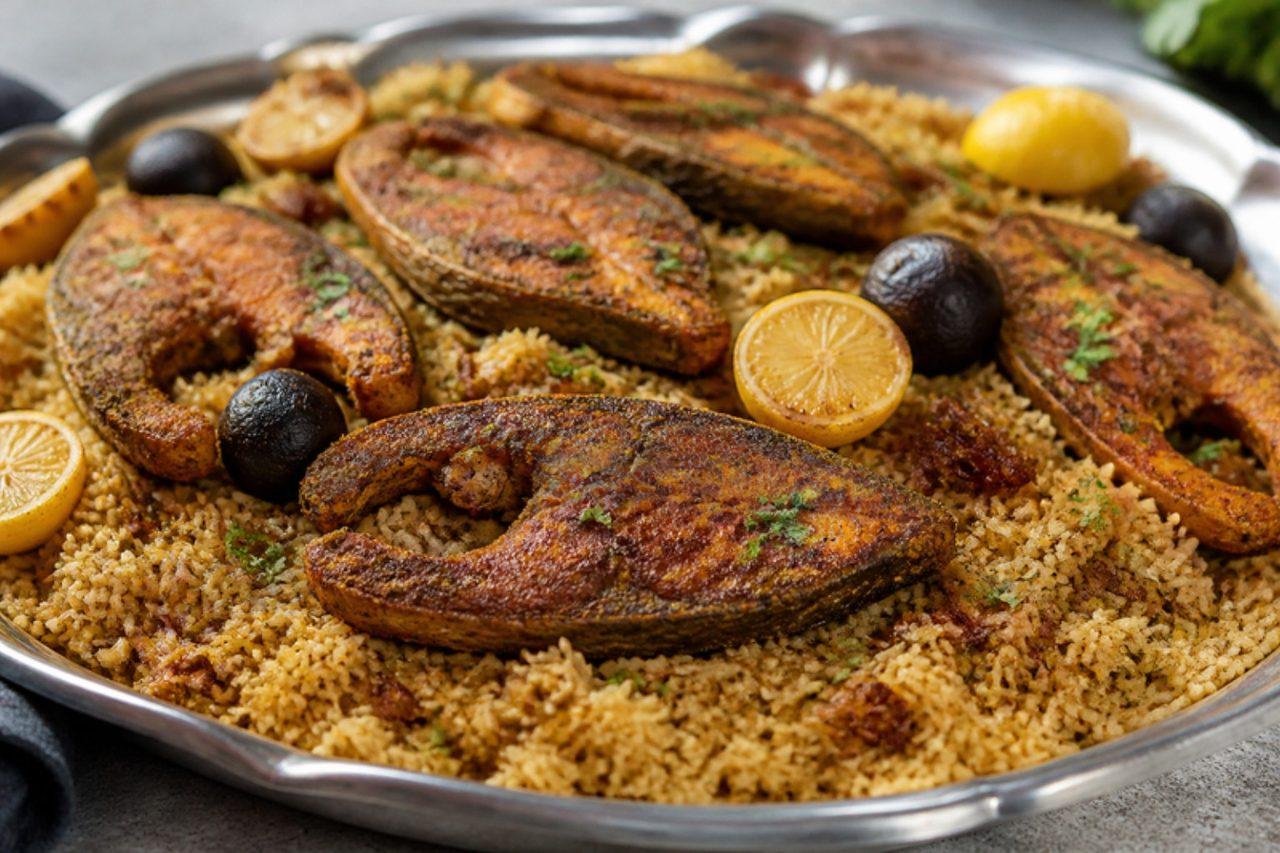
Mutabbaq samak is a Kuwaiti Friday lunch, usually made with zubaidi pomfret or hamour bought that morning at the Sharq fish market in Kuwait City. The fish is rubbed with spice and fried crisp, the head and trimmings make a quick stock, and the rice is cooked in that stock with dried lime until every grain tastes of the sea. Fried fish goes on top of the golden rice with a scattering of fried onion. The mistake people make is cooking the rice in plain water and losing the point of the dish. Chef's tip: fry the fish just before the rice is ready so the crust is still crisp when the platter reaches the table.

by KrazyBadal 0 views

Safi mashwiGrilled stuffed rabbitfish

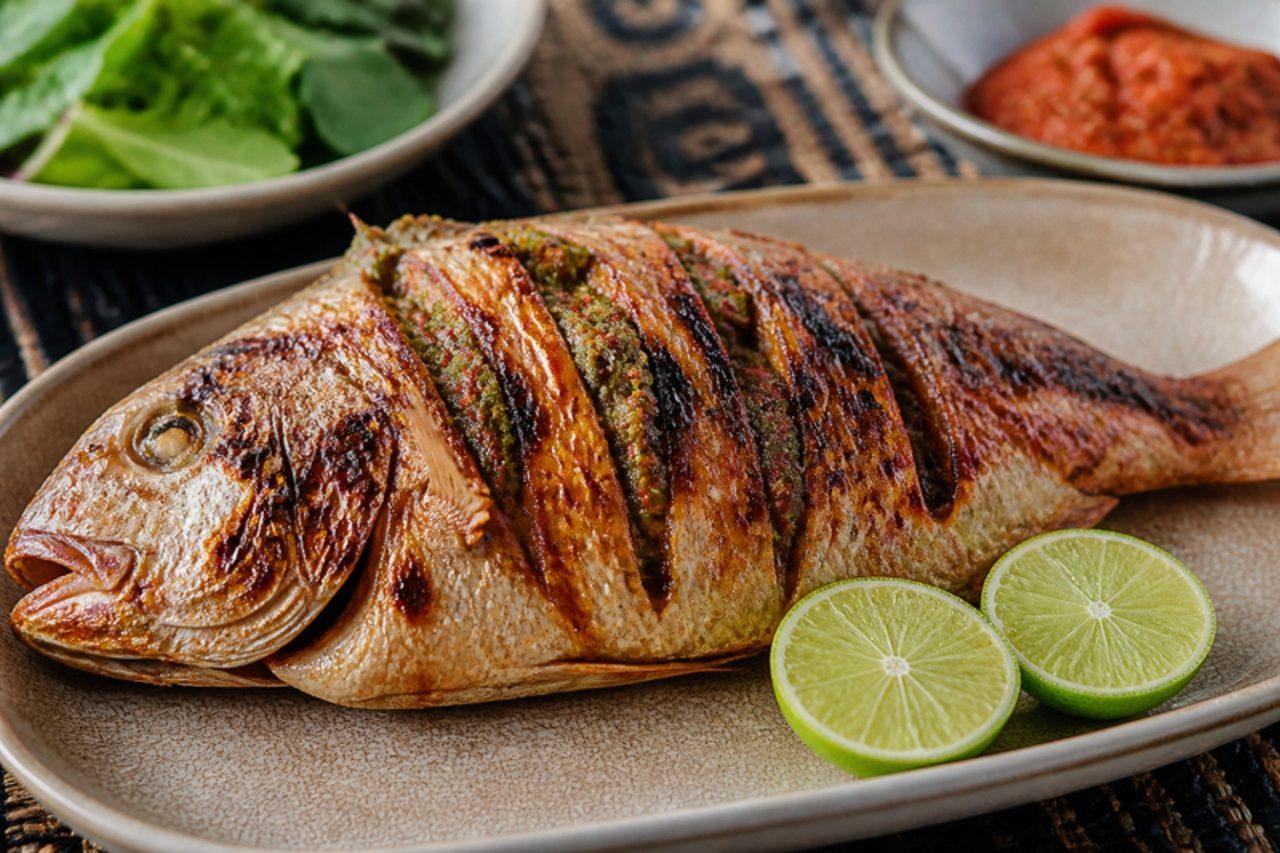
Safi, the rabbitfish, is the fish Bahrainis love most, and on weekends it comes off the grills of seafront restaurants in Manama and Budaiya stuffed with a green paste of garlic, coriander and red chilli. The flesh is sweet and delicate and the skin turns crisp and smoky. It is eaten with white rice, a little daqqus and plenty of lime. The common mistake is overfilling the belly so the fish splits on the grill. Chef's tip: rabbitfish has sharp spines on its fins; ask the fishmonger to trim them, or snip them off with kitchen scissors before you start. Any small whole sea bream or bass works if safi is not available.

by KrazyBadal 0 views

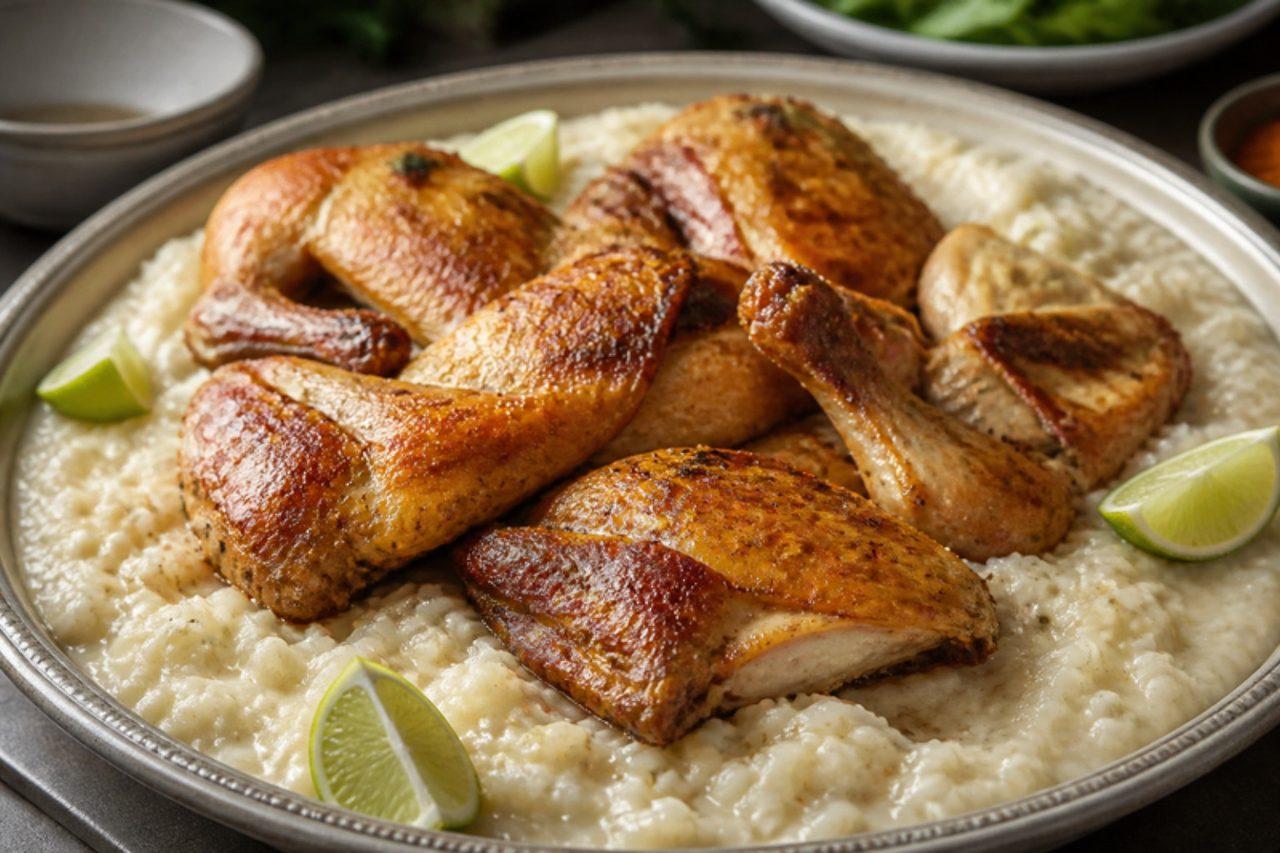
SaleegCreamy rice with roast chicken

In Taif and the cities of the Hejaz in western Saudi Arabia, saleeg is what families cook when someone needs comforting, and it turns up on Friday lunch tables and at gatherings through the cooler months. Short-grain rice is simmered slowly in the broth the chicken was poached in, then loosened with milk until it is as soft and creamy as a savoury rice pudding. The chicken pieces are roasted until golden and laid on top, and a spoonful of hot ghee is poured into a well in the middle just before serving. Eat it with daqqus tomato sauce or a squeeze of lime and a plate of sliced cucumber. The usual mistake is to stop stirring once the milk goes in, so the rice catches on the base and tastes scorched. Chef's tip: keep a ladle of hot broth beside the pot and add it whenever the rice looks stiff; saleeg should slowly flow when you tilt the plate.

by KrazyBadal 0 views

Samak mofaChilli-rubbed roast fish

In Mukalla in Hadhramaut and along the Tihama coast of Yemen, samak mofa is slapped against the hot clay wall of a tannour oven, the same one used for bread, so the fish chars on the outside and steams in its own juices within. It is rubbed with a red paste of chilli, garlic, cumin and turmeric and eaten with hot flatbread, a squeeze of lime and a bowl of sahawiq chilli sauce. At home a very hot oven with the grill on gives the same blistered finish. The common mistake is using thin fillets, which dry out before they char. Chef's tip: choose a thick whole fish or thick steaks, and slash deep so the paste reaches the bone.

by KrazyBadal 0 views

Saudi champagneSparkling apple and mint punch

Despite the name, Saudi champagne is completely alcohol-free: a jug of chilled apple juice topped up with sparkling water and loaded with sliced apple, orange, lemon and fresh mint. It is the drink of weddings, Eid gatherings and summer afternoons in Jeddah and Riyadh, poured over plenty of ice into tall glasses. It is light, fizzy and fruity, a little like a cider-free punch, and children love it. The most common mistake is adding the sparkling water hours ahead, so the bubbles are gone by the time guests arrive; mix the fruit and juice early, and add the fizz at the last moment. Chef's tip: bruise the mint lightly between your palms before it goes in so it releases its scent without turning bitter.

by KrazyBadal 0 views

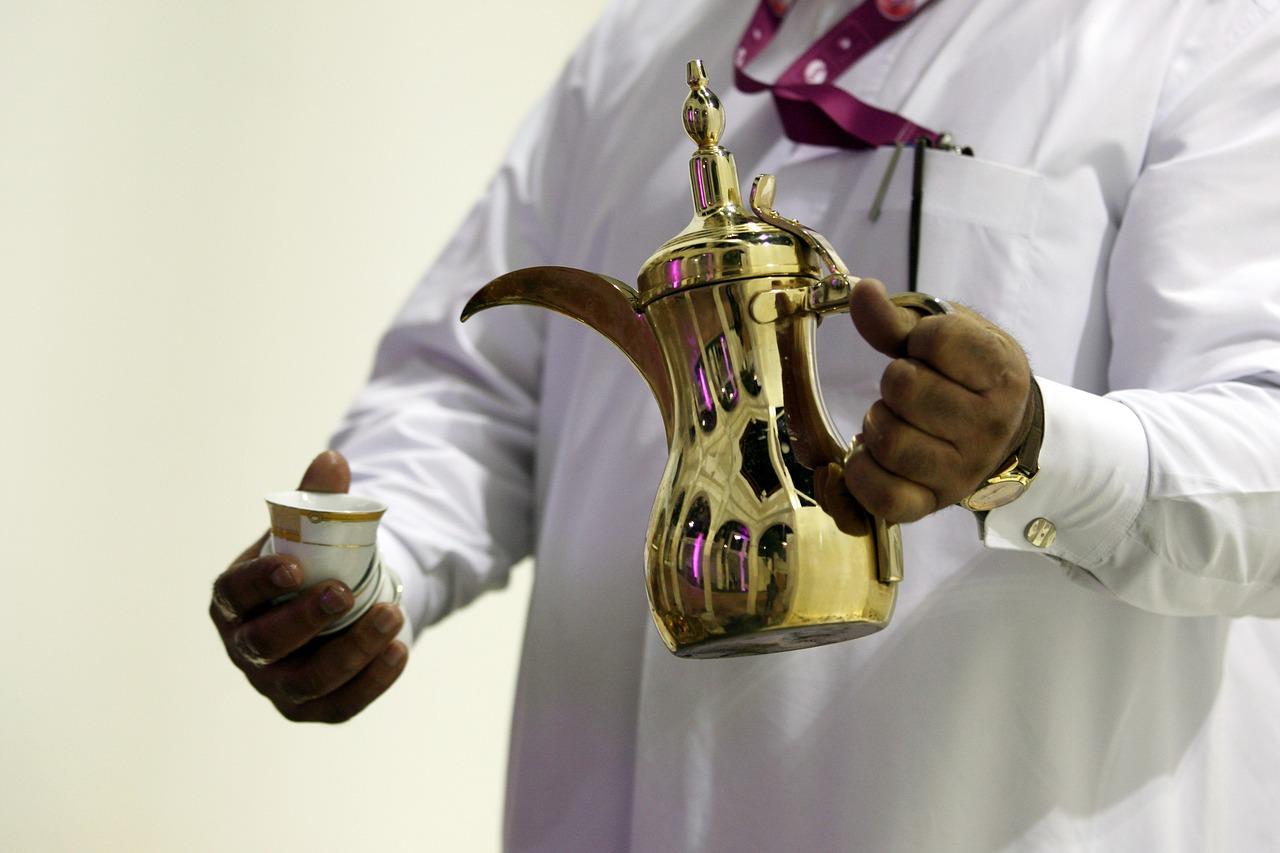
Arabic coffeeCardamom coffee

Pale, fragrant and nothing like espresso, qahwa is the coffee of Gulf hospitality: poured from a brass dallah into tiny handleless cups in majlis sitting rooms from Kuwait to Oman, always beside a bowl of dates. The beans are only lightly roasted, so the drink is golden-brown and herbal, dominated by cardamom with a little saffron and clove. Guests take a few sips at a time, and a small shake of the empty cup tells the host you've had enough. Chef's tip: grind the cardamom just before brewing; pre-ground cardamom has lost most of the perfume that makes qahwa.

by KrazyBadal 0 views

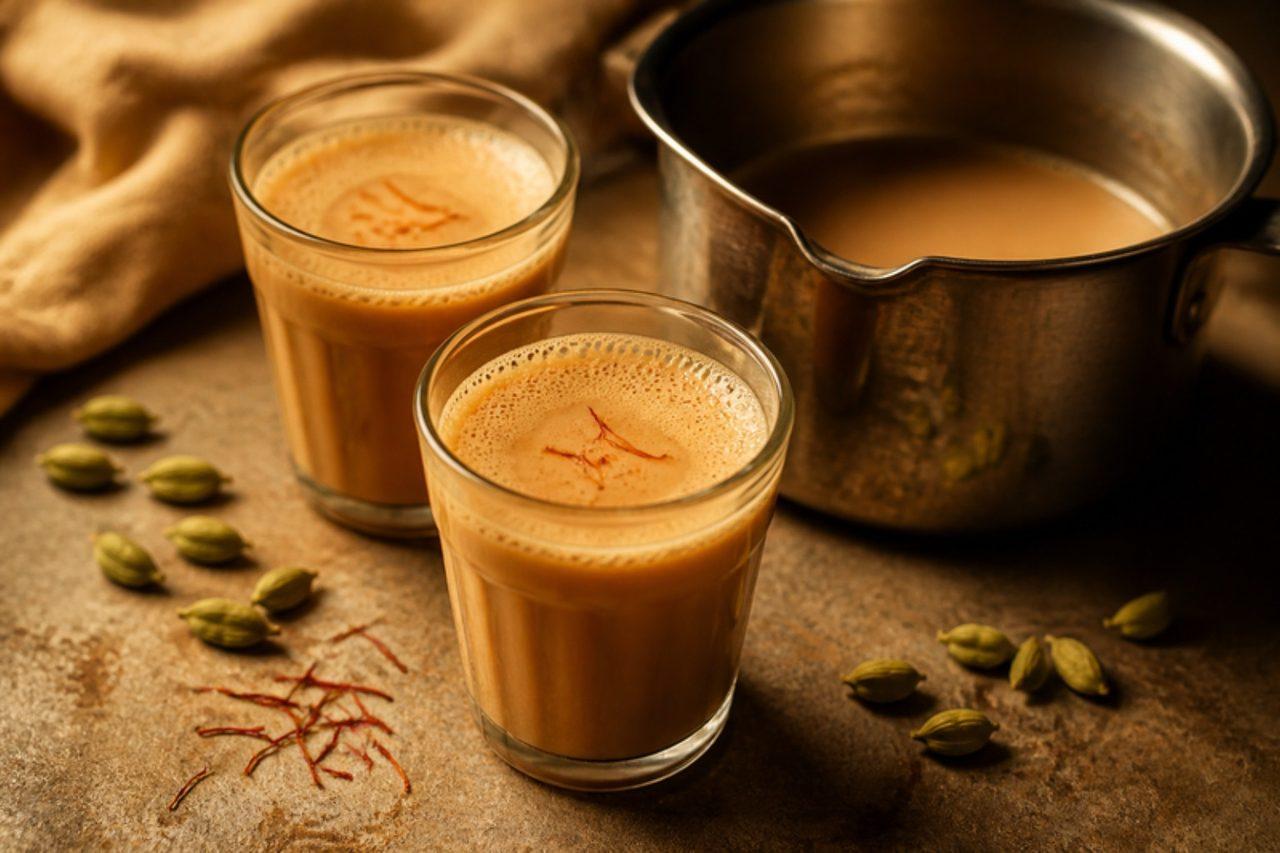
Karak chaiSpiced evaporated milk tea

Every neighbourhood in Doha, Dubai and Kuwait City has a cafeteria with a hatch on the street, where karak is handed through car windows in paper cups at all hours. Brought to the Gulf by South Asian workers and now firmly local, it is black tea boiled hard with sugar and cardamom, then simmered again with evaporated milk until it is strong, sweet and the colour of toffee; a few strands of saffron mark the Gulf version. Chef's tip: pour the tea from a height between two pans a few times; the froth and slight cooling give the silky karak texture.

by KrazyBadal 0 views